14k Jewelry
Discover the timeless elegance and sophistication of 14k jewelry, a perfect blend of luxury and durability. Whether you're searching for a stunning piece to elevate your everyday style or a special gift that will be cherished forever, our collection offers an array of exquisite designs to suit every taste. From classic chains and bracelets to intricate rings and earrings, each piece is crafted with precision and care, ensuring quality that stands the test of time. Explore the allure of 14k jewelry and find the perfect addition to your collection today at Best Buy Canada.
Sort


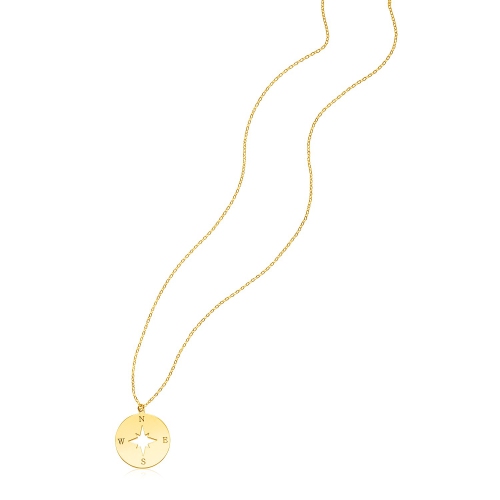


Why gold alloys matter for everyday jewellery
14k jewellery is made with a gold alloy containing 14 parts pure gold out of 24, or approximately 58.3% gold, blended with other metals for strength, colour, and wearability. That combination makes 14k gold a practical choice for rings, necklaces, bracelets, and earrings that move between everyday outfits and dressier occasions. Pure gold is relatively soft, so metals such as copper, silver, zinc, or palladium help create an alloy better suited to clasps, settings, and other details that receive regular handling. Compared with higher-karat gold, 14k gold is generally harder and more resistant to bending and scratching, although its performance also depends on the alloy, construction, and thickness of the design. Yellow 14k gold has a familiar warm tone, while rose gold gets its pinkish hue from a greater proportion of copper in the blend. White gold uses metals that lighten the alloy’s colour and is often finished with rhodium for a bright white appearance; that surface finish can wear with use and may eventually need professional replating. For a comparison in gold content, 18k gold jewellery contains 75% pure gold and generally has a softer composition, with a richer yellow colour in yellow-gold alloys. The distinction between solid gold and gold-plated jewellery matters just as much as the karat number. Solid 14k gold uses the gold alloy throughout the metal, whereas 14k gold plating is a surface layer over another material. Gold-filled jewellery also differs from solid gold, using a bonded gold layer over a base metal. A solid-gold description identifies the material rather than guaranteeing a physically solid construction: a gold chain or hoop can still be hollow inside. These differences affect weight, repair options, and how a piece responds to wear. People with metal sensitivities should also check the full material description, since a 14k designation alone does not confirm that an alloy is nickel-free or suitable for sensitive skin.
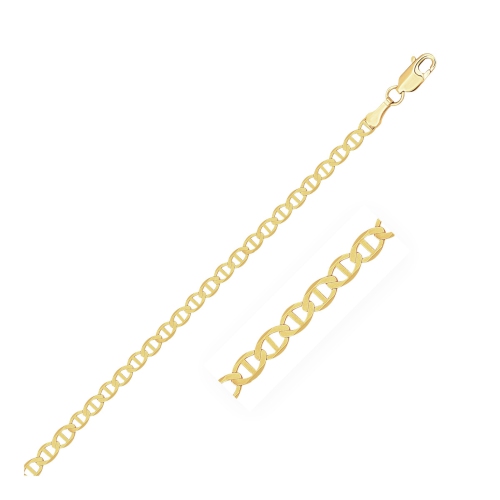
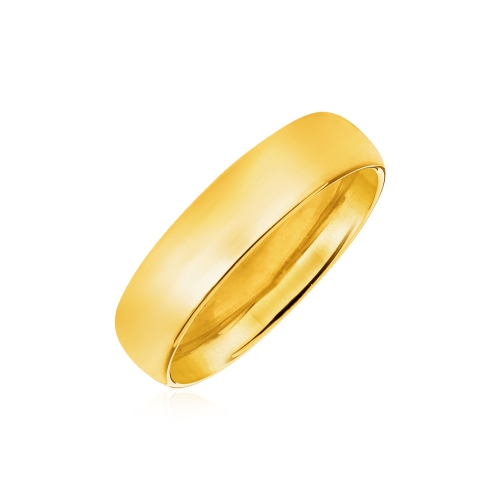
The right fit gives 14k jewellery much of its everyday appeal. A ring should pass over the knuckle with some resistance and sit comfortably at the base of the finger without pinching or spinning excessively. Band width changes the feel: a broad band covers more skin and may require a different size from a narrow one, so measurements are most useful when they account for the intended style. Smooth inner edges and lower-profile settings can be comfortable for someone who types frequently, while raised settings and open details may catch on sleeves or gloves. Necklace length influences both placement and proportion. A shorter chain draws attention towards the collarbone, while a longer chain can sit over a shirt or support a pendant farther down the chest. Checking the stated length against a string or an existing necklace gives a clearer sense of fit than relying on a photograph alone. For pendant necklaces, the chain’s thickness, link construction, and clasp should suit the pendant’s weight, and the pendant’s opening needs enough clearance to accommodate the chain. Bracelets need room to move without slipping over the hand; a close fit may suit a delicate chain, while a broader design can need extra space for comfortable movement. Earrings bring their own considerations, including overall weight, post length, and fastening style. Small studs tend to stay close to the ear, whereas hoops and drops add movement and may feel more noticeable during a long day. Secure, comfortable backings matter especially for frequent wear. A polished surface gives gold a bright, reflective finish, while brushed or textured details create a quieter look and can make small wear marks less obvious. Mixing yellow, white, and rose gold can connect jewellery with different watches or accessories without requiring every metal to match. For a coordinated appearance, repeating a shape, chain pattern, or similar visual weight often feels more natural than choosing every piece in exactly the same style.
Durability is a strength of 14k gold, but it does not make jewellery scratchproof or maintenance-free. Gold itself resists corrosion, yet the other metals in a 14k alloy can react with certain substances, so occasional discolouration is possible. Solid 14k gold does not lose its gold layer through ordinary wear the way plated jewellery can, though its surface may develop fine scratches and a softer sheen over time. Removing rings and bracelets before weight training, heavy lifting, cleaning, or swimming helps limit dents, abrasion, and exposure to harsh chemicals. A thin chain or hollow hoop needs gentler handling than a heavier construction, even when both have the same gold content. For plain gold jewellery, a little mild dish soap in lukewarm water and a soft brush can remove everyday residue; rinse carefully and dry with a soft, lint-free cloth. Jewellery with gemstones, pearls, glued components, or special finishes may need a different method, so the care directions for the complete piece take priority. Ultrasonic and steam cleaners are not suitable for every setting or stone. Separate storage in soft pouches or divided compartments helps prevent chains from tangling and harder materials from scratching polished surfaces. Fastening a necklace before storing it can also reduce knots. Clasps, earring backs, chain links, and stone settings benefit from occasional checks, particularly when a piece is worn often. A loose clasp or a prong that catches on fabric is a reason to stop wearing it until a jeweller can assess it. These practical details also matter when choosing 14k jewellery as a gift for a birthday, anniversary, graduation, or personal milestone. Familiar habits offer useful clues: someone who wears small earrings daily may appreciate an understated shape, while someone who layers necklaces may prefer a chain that sits at a different length from their favourites. Confirming ring size, pierced-ear suitability, preferred gold colour, and any metal sensitivities makes the choice more personal. Whether selected for regular wear or meaningful occasions, a comfortable fit and construction suited to the wearer help 14k jewellery become a lasting part of a personal collection.
Top selling and popular products
-
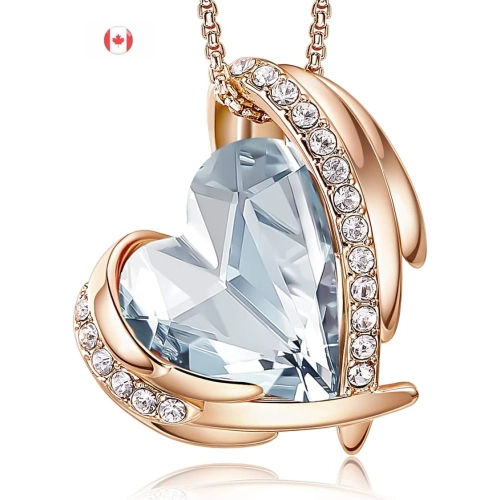 Your price for this item is $59.99
-
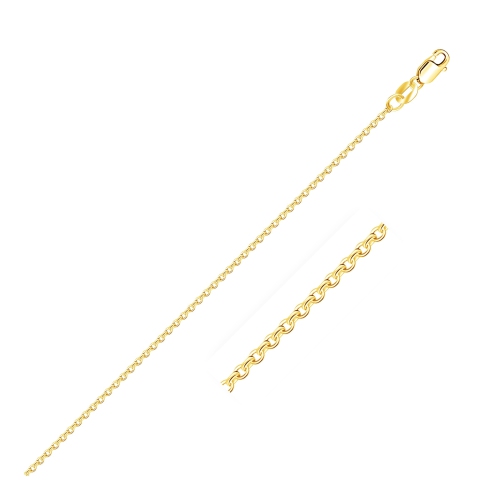 Your price for this item is $1792.5
-
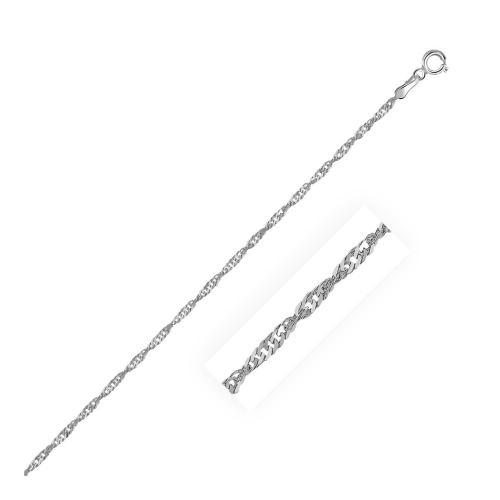 Your price for this item is $1967.36
-
 Your price for this item is $427.88
-
 Your price for this item is $1149.56
-
 Your price for this item is $1399.05
-
 Your price for this item is $344.55
-
 Your price for this item is $1201.24
Discover more categories related to 14k Jewelry


Top Collections:
Pokemon Centers, Best Cameras for Sports Photography, Kindle Devices, Samsung Galaxy Phones, Canon G7X Cameras, Pokémon 30th Celebration Cards, Refurbished Apple Laptops, iPhone 15 Apple, Laptops for Students, Budget Smartphones
Some products may be subject to Environmental Handling Fees
(EHF) depending on your province.
Learn more about EHFs.