18k Gold Jewelry
Elevate your style with the timeless elegance of 18k gold jewelry, a perfect blend of luxury and sophistication. Known for its radiant hue and exceptional durability, 18k gold offers a stunning array of options that cater to both classic and contemporary tastes. Whether you're looking to make a statement with bold pieces or seeking subtle accents for everyday wear, our collection showcases exquisite craftsmanship that complements any wardrobe. Discover the allure of 18k gold jewelry and find the perfect piece to express your unique personality and enhance your treasured moments.
Sort








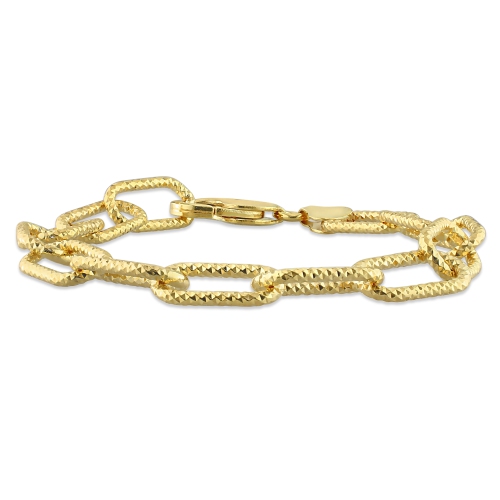


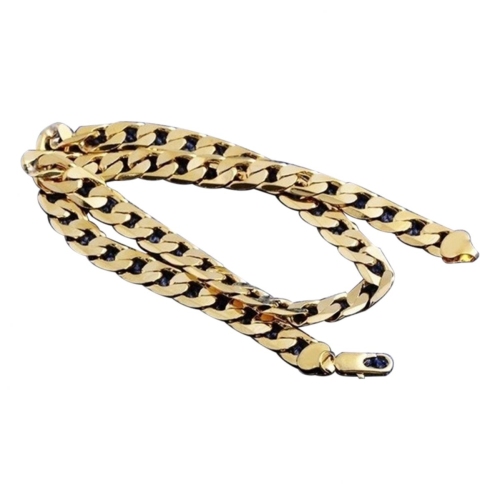


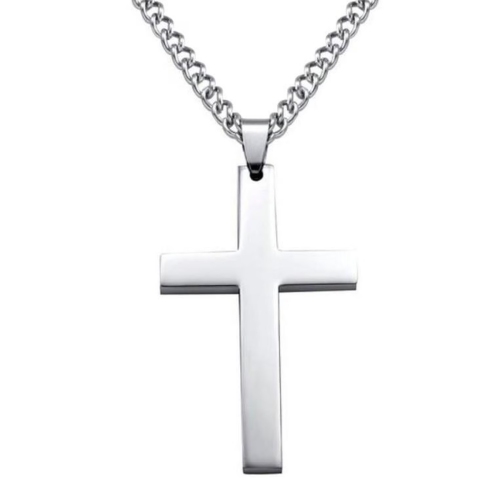


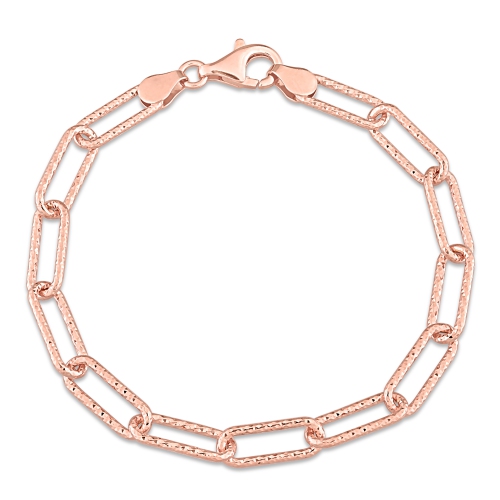
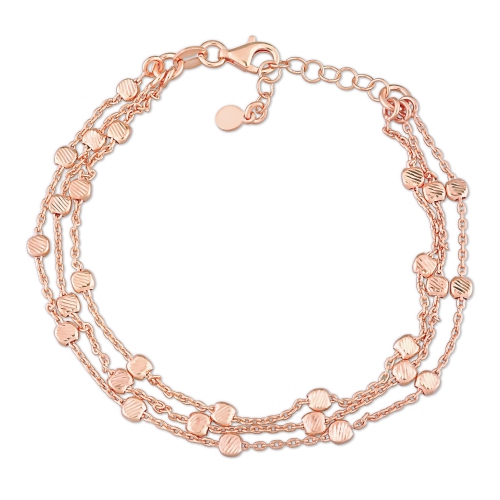


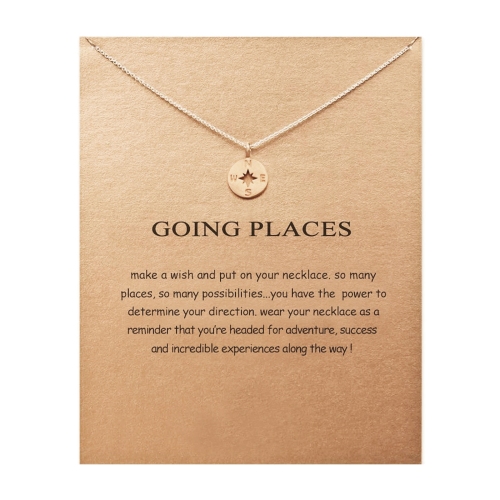


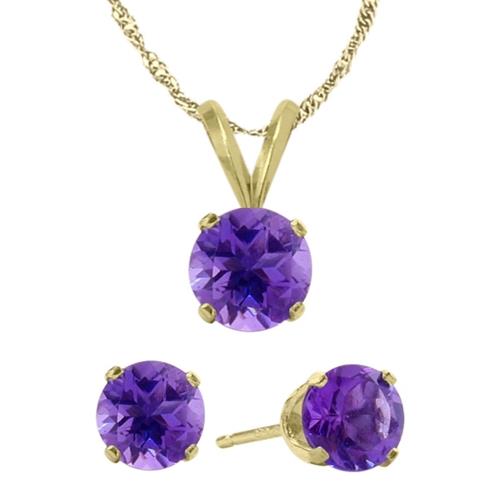


Why gold purity tells only part of the story
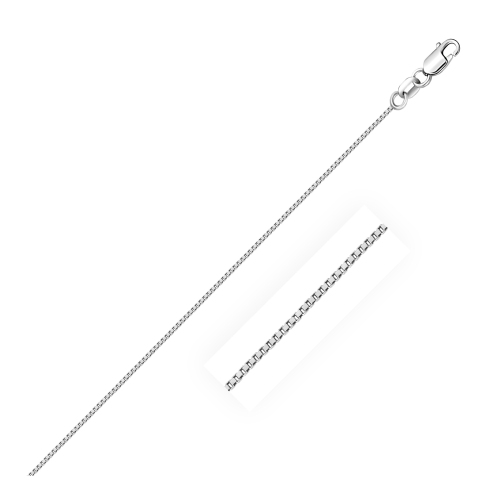
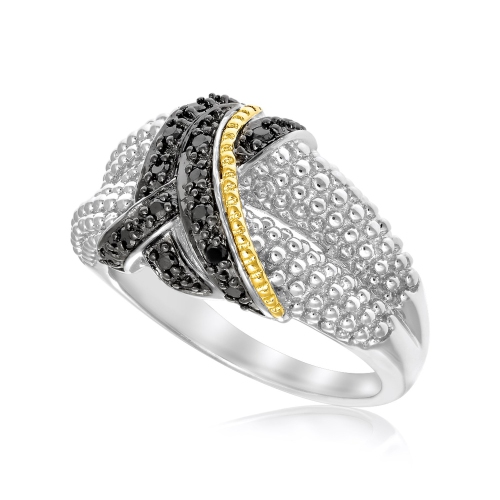
18k gold jewellery contains 75% pure gold and 25% other metals, such as silver, copper, palladium, or zinc, depending on the alloy. This balance gives the metal its characteristic colour while adding strength that pure gold lacks. The designation may appear as 18k, 18K, or 750 in a description or hallmark; 750 refers to 750 parts of gold per thousand. In yellow gold, the higher gold content generally creates a deeper, warmer tone than comparable 10k or 14k alloys. That warmth suits everything from a fine chain resting at the collarbone to a broad polished band with a substantial presence on the hand. White and rose gold offer different looks without changing the gold percentage: white gold uses alloying metals to create a paler tone and is often finished with rhodium, while rose gold gets its pink hue primarily from copper. Rhodium plating can wear over time, gradually revealing the underlying white gold colour, and may need professional replating to maintain a bright white finish. Metal colour is largely a matter of personal preference, whether the goal is to match a watch, complement a gemstone, or mix contrasting tones. Construction matters just as much as colour. Solid 18k gold and 18k gold-plated jewellery are not interchangeable descriptions: solid gold has the stated gold alloy throughout, whereas plating places a layer of gold over another material. Gold vermeil uses a sterling silver base beneath its gold layer. Hollow construction is a separate distinction; a piece can be made from an 18k alloy but have an empty interior, giving it a lighter feel than a similarly sized, fully solid design. Reading the full material and construction details helps clarify what touches the skin, how the jewellery may wear, and what care it needs. A karat description identifies gold purity, but it does not, by itself, explain weight, plating, or construction.
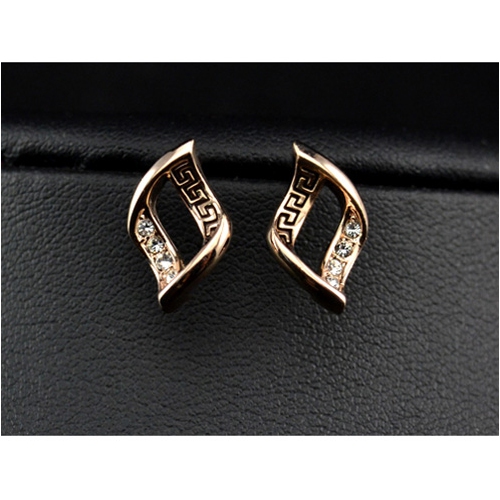
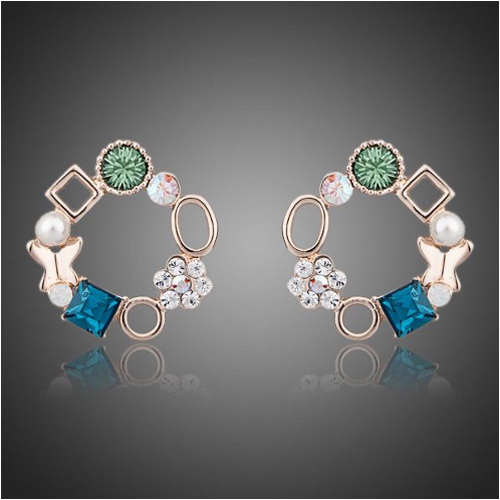
The appeal of 18k gold extends across rings, earrings, necklaces, pendants, and bracelets, with each form bringing different considerations for comfort and everyday use. A ring worn throughout the day should feel secure without pinching, and its width and inner profile can affect the fit as much as the stated size. A broad band often feels snugger than a narrow one of the same size, while a smooth inner edge can make a noticeable difference during hours of wear. Settings also change how a ring behaves: a raised stone can catch on fabric or gloves, whereas a lower profile generally sits closer to the finger. For necklaces, length determines where the chain falls, but link shape, thickness, and pendant weight influence how it drapes. A delicate chain needs a pendant and bail proportionate to its dimensions, rather than a heavy centrepiece that puts unnecessary strain on the links. Bracelet fit should allow comfortable movement without leaving enough slack to slide over the hand or catch repeatedly on a desk edge. Earrings deserve equal attention to weight, fastening style, and the placement of a piercing. Small studs can be unobtrusive during a busy day, while larger hoops or drop earrings create more movement and may feel heavier over several hours. Secure backs and clasps matter particularly for pieces worn often. Although 18k gold can be suitable for regular wear, it is not scratch-proof, and fine chains, thin prongs, and hollow forms need gentler handling than more substantial designs. Lower-karat alloys are often harder, though actual durability depends on the alloy composition, manufacturing, and shape of the jewellery. For a comparison in gold content, 10k gold jewellery contains approximately 41.7% pure gold, with a larger proportion of alloying metals than 18k gold. Skin sensitivity also depends on those other metals, not simply the karat number. Anyone with a known nickel allergy should check the alloy and component details, especially for white gold, earring posts, and backs, rather than assuming a higher gold content guarantees comfort.
Careful handling helps preserve the finish and structure of 18k gold jewellery, particularly when it is worn frequently. For plain gold without stones or special finishes, lukewarm water, a little mild dish soap, and a soft brush are generally suitable for lifting everyday residue. Rinsing thoroughly and drying with a soft, lint-free cloth helps avoid leaving soap on the surface; using a bowl rather than working over an open drain adds a practical safeguard. Gemstones, pearls, adhesives, and surface treatments can require different methods, so the care instructions for the whole piece take priority over general advice for gold. Ultrasonic and steam cleaners are not suitable for every setting or stone, and abrasive cleaners can damage polished surfaces. Removing jewellery before swimming, lifting weights, housework, or tasks involving chemicals reduces exposure to substances and impacts that may harm alloys, finishes, or settings. A ring pressed against a metal exercise handle or a hollow bracelet knocked against a hard counter can dent or bend despite its gold content. Separate storage in soft compartments or pouches limits scratches, while fastening chains before laying them individually helps reduce tangling. Periodic checks of clasps, links, earring backs, and stone settings can reveal wear before a fastening fails or a stone loosens. Professional polishing may soften visible scratches, but it also removes a small amount of metal, so it is best treated as occasional maintenance rather than a frequent routine. Beyond practical considerations, 18k gold jewellery can carry personal meaning as a birthday, graduation, anniversary, or wedding gift. The most wearable choice often reflects the recipient’s habits: their usual metal colour, whether their ears are pierced, and whether they prefer barely noticeable pieces or more substantial shapes. Ring size and chain length deserve particular attention when choosing a gift. A balanced combination of comfortable proportions, suitable construction, and a design that feels personal can make gold jewellery part of an everyday routine as well as something reserved for meaningful occasions.
Top selling and popular products
-
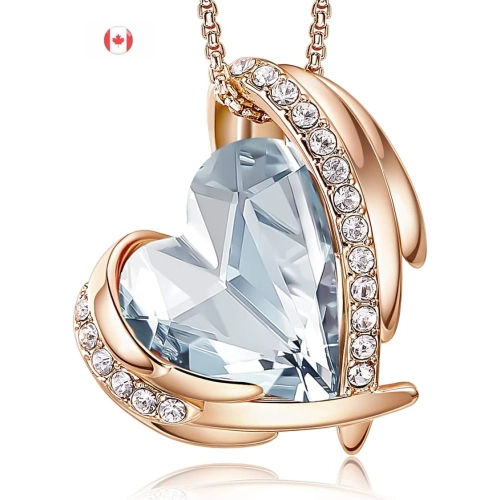 Your price for this item is $59.99
-
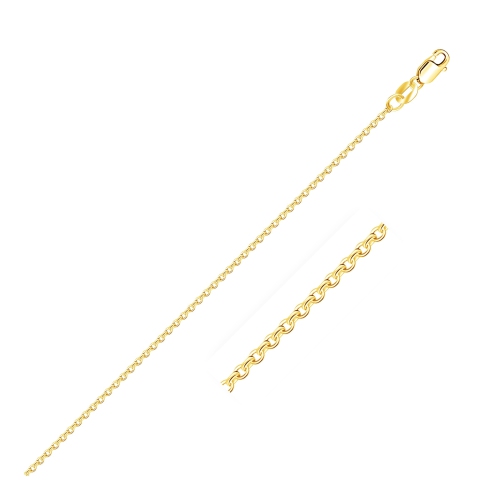 Your price for this item is $1792.5
-
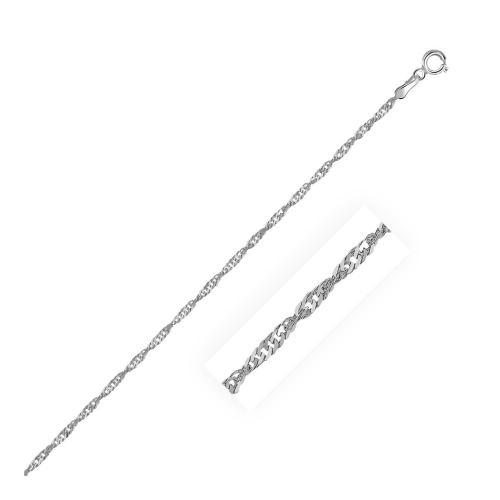 Your price for this item is $1967.36
-
 Your price for this item is $427.88
-
 Your price for this item is $1149.56
-
 Your price for this item is $1399.05
-
 Your price for this item is $344.55
-
 Your price for this item is $1201.24
Discover more categories related to 18k Gold Jewelry
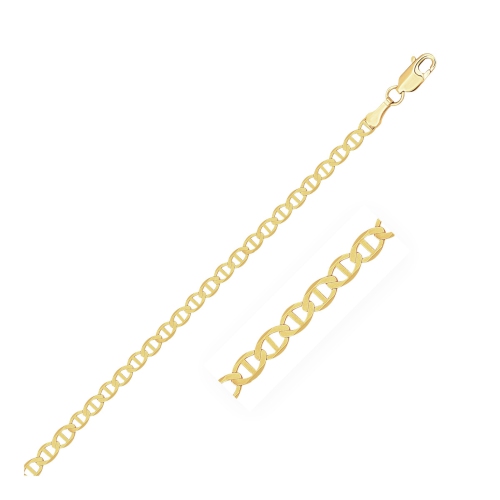
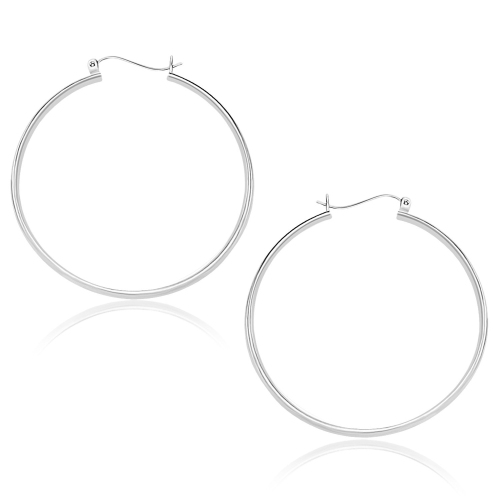

Top Collections:
Pokemon Centers, Best Cameras for Sports Photography, Kindle Devices, Samsung Galaxy Phones, Canon G7X Cameras, Pokémon 30th Celebration Cards, Refurbished Apple Laptops, iPhone 15 Apple, Laptops for Students, Budget Smartphones
Some products may be subject to Environmental Handling Fees
(EHF) depending on your province.
Learn more about EHFs.