Chinese Jewelry
Discover the timeless elegance and intricate craftsmanship of Chinese jewelry at Best Buy Canada. Our curated collection showcases a stunning array of pieces that blend traditional artistry with contemporary design. Whether you're looking for exquisite necklaces, elegant bracelets, or unique earrings, Chinese jewelry offers a rich heritage and unparalleled beauty that can elevate any ensemble. Explore our selection to find the perfect piece that resonates with your style and adds a touch of cultural sophistication to your jewelry collection.
Sort


The meanings behind jade bangles and gold pendants
Chinese jewellery brings together ornamental craft, meaningful symbols, and materials that have held a place in Chinese culture for centuries. Jade bangles, gold pendants, pearl earrings, and knotted cord bracelets are among its familiar forms, spanning traditional designs and contemporary interpretations suited to everyday wear. The category includes both fine jewellery and fashion accessories: a Chinese-inspired motif describes a design influence, not necessarily where a piece was made or which materials it contains. Jade, known as yu in Chinese, has long been associated with virtue, refinement, and protection, while gold often expresses wishes for prosperity and happiness. These associations give jewellery personal and ceremonial meaning; they are cultural beliefs rather than promises of an outcome. Motifs add another layer of expression. Dragons can convey strength and auspicious power, phoenixes can suggest grace and harmony, and the Double Happiness character is closely associated with marriage. Peonies often signify prosperity and honour, while lotus flowers are associated with purity. Meanings can vary by region, family tradition, and the way symbols appear together, making the details of a design worth understanding when choosing a meaningful gift. Pi Xiu, a mythical creature often used in bracelets and pendants, is traditionally linked with attracting and guarding wealth. Some wearers value that symbolism, while others simply enjoy the sculptural form. Chinese jewellery can feel understated or elaborate without losing its connection to these traditions. A smooth stone pendant on a fine chain draws attention to colour and shape; an intricately worked gold design makes the craftsmanship itself the focal point. For someone who prefers clean lines, modern jewellery offers a complementary style direction that can sit comfortably alongside traditional motifs. Choosing between these looks often comes down to how visibly the wearer wants to express a symbol, whether the jewellery will accompany casual clothing or formal attire, and which shapes already feel natural in their collection.
Materials influence the appearance, feel, and care requirements of Chinese jewellery as much as the design does. Jade is an umbrella term for two distinct materials, jadeite and nephrite, both used in carving and jewellery. Neither is limited to green: depending on the material, jade may appear in white, lavender, yellow, or other shades, with differences in translucency, texture, and pattern. Colour alone does not establish authenticity or quality, and a photograph cannot confirm whether a stone has been dyed, bleached, or treated with polymers. Material descriptions and treatment disclosures are therefore important, especially when choosing a piece intended to mark a milestone or remain in a family collection. Gold also calls for attention to the description. The terms 24-karat and 999 gold generally indicate very high purity, with 999 denoting 99.9% gold, but a purity mark should be considered alongside reliable seller information and documentation. High-purity gold has a rich yellow appearance and is softer than many lower-karat gold alloys, so slender shapes and raised details may show wear or bend more readily under pressure. Gold-plated jewellery has a layer of gold over another material and needs gentler handling to help preserve its finish. Sterling silver can develop tarnish, while pearls may lose their lustre if exposed to unsuitable cleaners or repeated contact with cosmetics. Anyone with metal sensitivities should check the full material description, including earring posts, clasps, and underlying metals, rather than relying on colour or a general description such as gold-tone. Craftsmanship is visible in practical details: smooth edges against the skin, secure settings, neatly finished cord ends, and clasps that close cleanly all contribute to comfortable wear. Carved patterns should feel comfortable where they touch the body, and articulated parts should move without catching. For daily use, a compact pendant or low-profile ring may be easier to live with than a projecting design that can snag on clothing. More intricate jewellery can suit occasions when it is less likely to encounter knocks, friction, or frequent handwashing.
Fit is especially important with rigid bangles, which must pass over the widest part of the hand rather than simply match the wrist circumference. Checking the stated inner diameter against a comfortably fitting bangle is often more useful than estimating by appearance, and a rigid stone bangle should never be forced over the hand. Hinged bracelets, adjustable cords, and chain extenders offer different kinds of flexibility, though each still needs a secure fastening and enough room for comfortable movement. With necklaces, both chain length and pendant size affect where the design rests: a larger carving may sit differently from a small charm even on chains of equal length. Pendant weight also matters during extended wear, as does earring weight for someone who prefers barely noticeable accessories. Rings need to suit the intended finger, particularly when a wide band or raised setting changes the feel. These details are useful when selecting Chinese jewellery for a partner, parent, friend, or family member. Wedding gifts may feature Double Happiness or paired dragon and phoenix imagery, while a jade pendant or gold motif may carry a personal wish for a graduation, birthday, or anniversary. The recipient’s own connection to the symbolism matters more than assuming that one design suits everyone with Chinese heritage. A familiar motif chosen with care can be meaningful, but so can a simple shape in a favourite colour. Long-term enjoyment also depends on sensible storage and cleaning. Keep pieces separated in soft compartments to limit scratches, and protect carved stones and bangles from hard impacts; jade can be tough yet still chip or fracture. Remove jewellery before swimming, strenuous exercise, or tasks involving harsh chemicals. Put pearls on after cosmetics and fragrance have dried, and wipe them gently with a soft cloth after wear. Follow material-specific care directions rather than using one cleaner across an entire collection, since ultrasonic cleaning and steam may be unsuitable for pearls, treated stones, adhesives, or delicate settings. Periodically checking cords, clasps, and stone settings helps keep well-loved jewellery comfortable and secure, whether it is worn every day or brought out for meaningful occasions.
Top selling and popular products
-
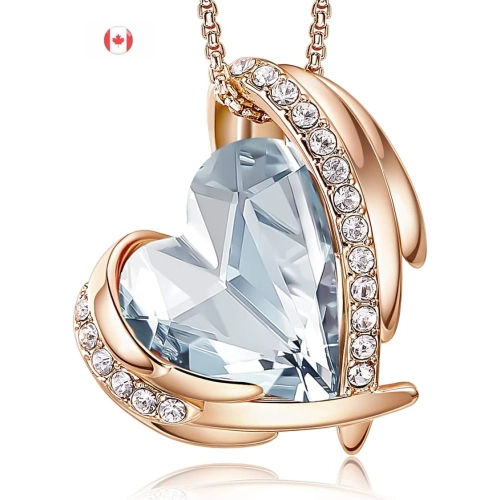 Your price for this item is $59.99
-
 Your price for this item is $751.05
-
 Your price for this item is $19.99
-
 Your price for this item is $128.1
-
 Your price for this item is $399.2
-
 Your price for this item is $344.55
-
 Your price for this item is $1201.24
-
 Your price for this item is $903.19
Discover more categories related to Chinese Jewelry


Top Collections:
Pokemon Centers, Kindle Devices, Best Cameras for Sports Photography, Pokémon 30th Celebration Cards, Apple iPhones 16, Canon G7X Cameras, iPhone 15 Apple, Flip Phones, Samsung Galaxy Phones, Alarm Clock
Some products may be subject to Environmental Handling Fees
(EHF) depending on your province.
Learn more about EHFs.