Chinese Necklaces
Discover the timeless elegance and rich cultural heritage embodied in Chinese necklaces. These exquisite pieces of jewelry blend traditional craftsmanship with contemporary design, offering a unique and stylish addition to any collection. Whether you're seeking a statement piece for a special occasion or a subtle accessory for everyday wear, our selection of Chinese necklaces provides a diverse range of options to suit your taste. Embrace the beauty and symbolism of these finely crafted necklaces, each one telling its own story through intricate details and stunning artistry.
Sort


The meanings behind jade carvings and character pendants
Chinese necklaces bring together jewellery, symbolism, and personal expression through forms that range from simple carved jade pendants to elaborate layered collars. The term covers many distinct styles rather than a single design: a polished stone on a knotted cord, a Chinese character suspended from a fine chain, and a richly ornamented necklace worn with hanfu each have a different visual character and purpose. Jade has a longstanding place in Chinese decorative arts and is traditionally associated with virtues such as purity and integrity, as well as wishes for protection and longevity. Those associations are cultural meanings, not promises about what a necklace can do. Carvings may depict animals, plants, auspicious symbols, or religious figures, including the Buddha and Guanyin, a bodhisattva associated with compassion. Dragon and phoenix motifs carry varied meanings across settings, often connected with strength, harmony, and auspicious wishes. Chinese zodiac necklaces feature one of the twelve zodiac animals and can make a personal connection to a birth year; for birthdays near the beginning of the calendar year, confirming the appropriate zodiac year matters because its boundary does not fall on January 1. Character pendants offer another approach, using written forms associated with ideas such as good fortune or longevity, or a person's name. Chinese writing is not a direct letter-for-letter equivalent of English, so a personalized inscription benefits from checking the intended characters, meaning, and orientation with someone familiar with the language. More elaborate yingluo-style necklaces use tiers of beads, chains, and suspended ornaments to create a decorative frame around the neckline, often as an accessory to hanfu. Necklaces associated with Miao silversmithing reflect distinct community traditions and should not be treated as interchangeable with all Chinese jewellery. For shoppers drawn mainly to the central ornament rather than a complete necklace, Chinese Pendants offers a closely related category. Across these styles, the appeal may lie in a meaningful symbol, an interest in cultural dress, or simply the balance of carving, colour, and metalwork.
Materials influence a Chinese necklace's appearance, weight, care requirements, and suitability for regular wear. Jade is a name used for two different gem materials, jadeite and nephrite, both valued for their toughness and ability to take a smooth polish. Green is familiar, but jade also occurs in white, lavender, yellow, and other colours; colour alone does not establish the material's identity or quality. A stone described as jade may have undergone treatment, and dyed or polymer-impregnated material can require different precautions from untreated stone. Material descriptions and any supporting gem identification are more useful than relying on a photograph or a broad phrase such as “natural stone.” Metal details deserve similar attention. Solid gold, gold-plated metal, sterling silver, and stainless steel differ in composition and upkeep, even when their surface colour looks similar. Sterling silver can tarnish, while plating can gradually wear at points that rub against skin, clothing, or neighbouring jewellery. Anyone with a known metal sensitivity should check the chain, clasp, pendant setting, and connecting rings rather than assuming that a gold-coloured finish identifies the underlying metal. Silk-style, cotton, or braided synthetic cords give carved pendants a softer, less metallic finish, though fibre content and knot construction affect how they hold up. Fit depends on the combination of chain length, pendant dimensions, and weight, not length alone. A short chain may place a broad carving close to the collarbone, while a longer cord lets it sit lower against a shirt. Measuring an existing necklace that rests comfortably can make those proportions easier to judge. For lengths stated in inches, a 16-inch chain and a 20-inch chain can sit quite differently depending on neck size and build. A substantial pendant also needs a chain and connecting loop suited to its weight. Smooth edges, a secure clasp, and a pendant that lies flat can make the difference between jewellery that feels comfortable through a workday and a piece reserved for a brief celebration.
Intended use helps distinguish an everyday Chinese necklace from a more ornamental piece. A compact character pendant or smooth jade carving can sit neatly within an open shirt collar, while a layered collar with hanging beads needs more space to show its shape. With hanfu, the neckline, trim, and arrangement of the garment can influence where an ornamental necklace rests; crowded layers may obscure both the jewellery and the clothing. For a formal gathering or portrait, a broader necklace can provide a clear focal point, whereas a smaller motif may feel more natural for someone who prefers understated accessories. Movement matters, too: dangling elements can catch on loosely woven fabric, and a heavy pendant may swing forward when its wearer bends over a desk. Chinese necklaces can be thoughtful gifts for birthdays, graduations, anniversaries, or family milestones when the design suits the recipient's taste and relationship to its symbolism. A zodiac animal may feel personal without an inscription, while a religious figure calls for greater consideration of the recipient's beliefs. For a name pendant, confirming the person's preferred Chinese name is more meaningful than choosing an unfamiliar transliteration. Jewellery intended for children requires particular care around sizing, small components, and entanglement risks; an adult necklace should not be assumed suitable for a child, and necklaces are not appropriate for infants. Ongoing care is usually straightforward but should follow the material-specific instructions supplied with the jewellery. A soft cloth can remove surface residue after wear, and separate storage helps prevent chains from tangling and harder components from scratching polished surfaces. Silver benefits from an appropriate silver-care cloth, but polishing products intended for metal should not automatically be used on stones, cords, or plated finishes. Avoid exposing jewellery to household cleaners, and remove it before swimming, bathing, strenuous activity, or sleep. Ultrasonic and steam cleaning are not suitable for every stone or construction, particularly where treatments, adhesives, or delicate components are involved. Checking knots, clasps, and connecting rings periodically helps catch wear before a pendant comes loose, preserving both the necklace's appearance and the personal meaning attached to it.
Top selling and popular products
-
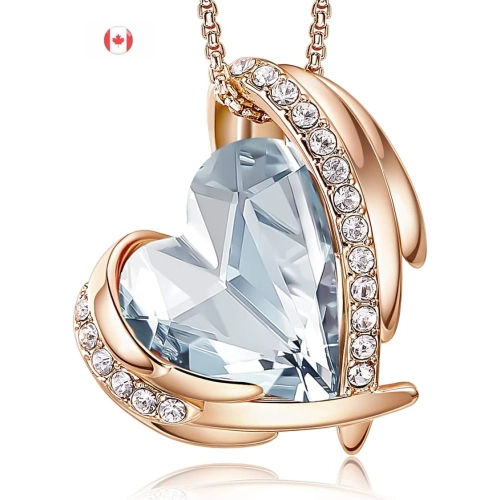 Your price for this item is $59.99
-
 Your price for this item is $751.05
-
 Your price for this item is $19.99
-
 Your price for this item is $1399.05
-
 Your price for this item is $903.19
-
 Your price for this item is $427.88
-
 Your price for this item is $399.2
-
 Your price for this item is $1149.56
Discover more categories related to Chinese Necklaces


Top Collections:
Pokemon Centers, Kindle Devices, Best Cameras for Sports Photography, Pokémon 30th Celebration Cards, Apple iPhones 16, Canon G7X Cameras, iPhone 15 Apple, Flip Phones, Samsung Galaxy Phones, Alarm Clock
Some products may be subject to Environmental Handling Fees
(EHF) depending on your province.
Learn more about EHFs.