Diamond Cluster Rings
Sparkling with timeless elegance, a diamond cluster ring is the epitome of sophistication and style. Perfect for celebrating life's special moments or adding a touch of glamour to everyday wear, these rings feature a stunning arrangement of diamonds that captivate from every angle. Whether you're drawn to classic designs or modern interpretations, the intricate craftsmanship of a diamond cluster ring ensures it stands out as a statement piece. Explore the allure and brilliance that only a diamond cluster ring can offer and find the perfect addition to your jewelry collection that reflects your unique taste and personality.
Sort


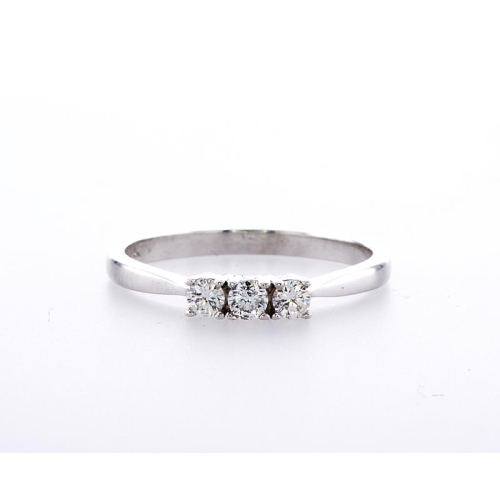

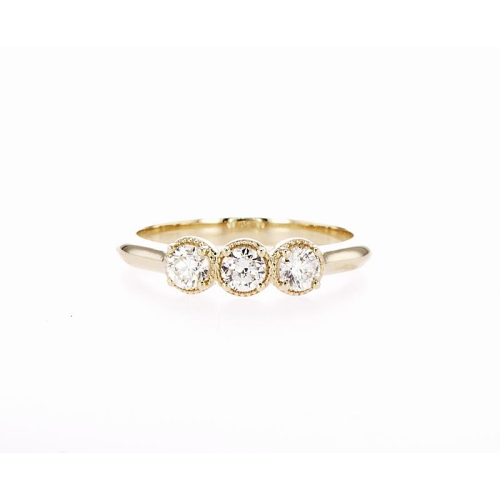


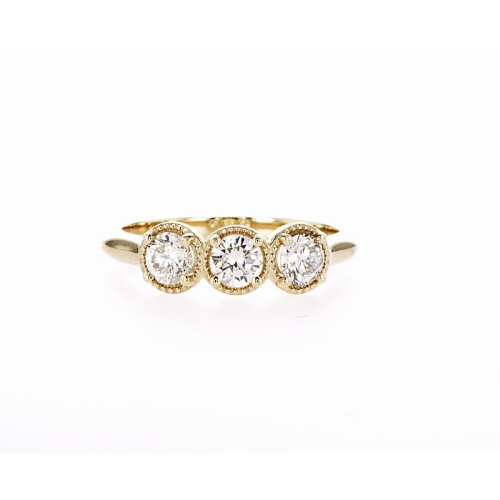

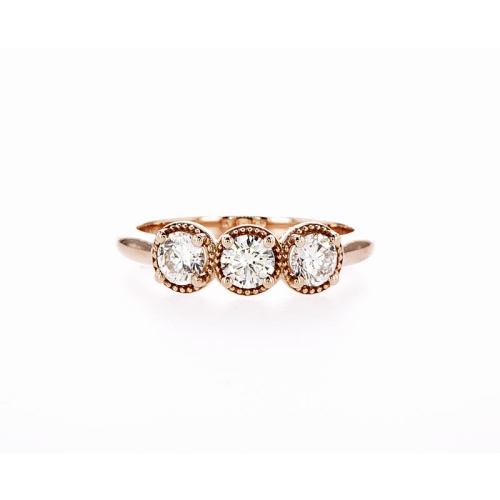

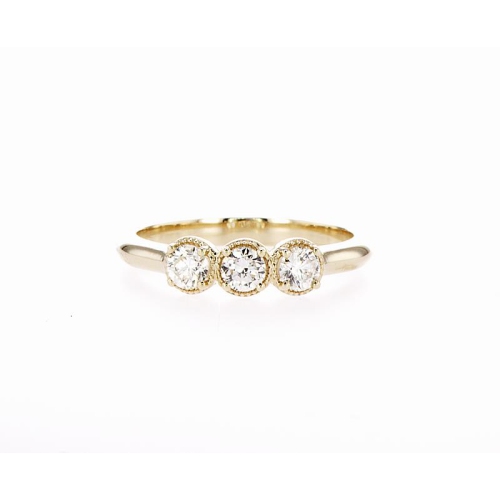
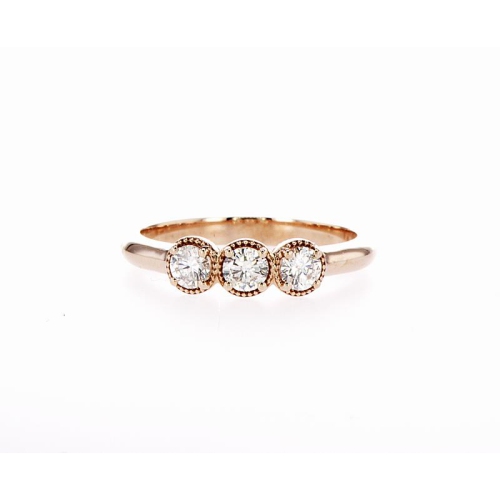


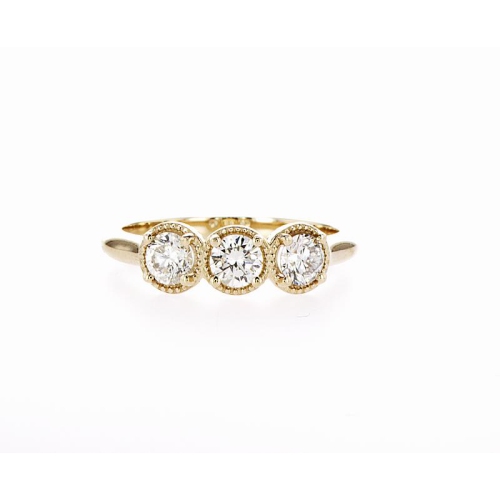
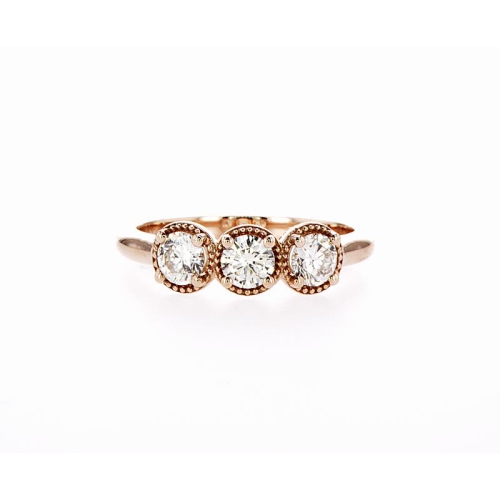








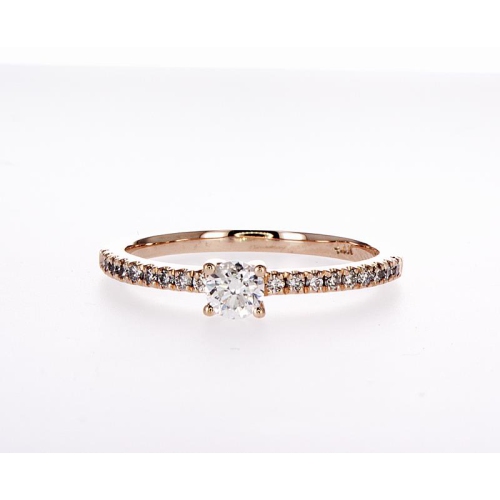


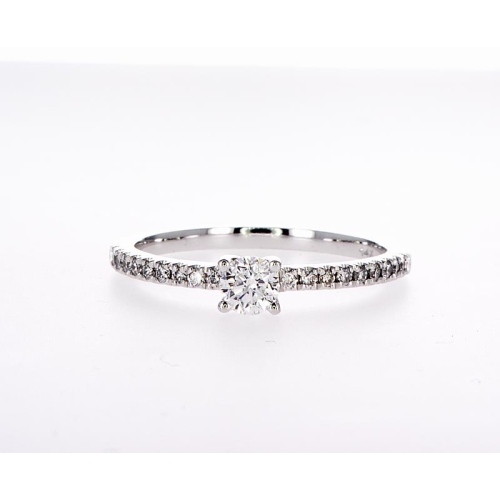

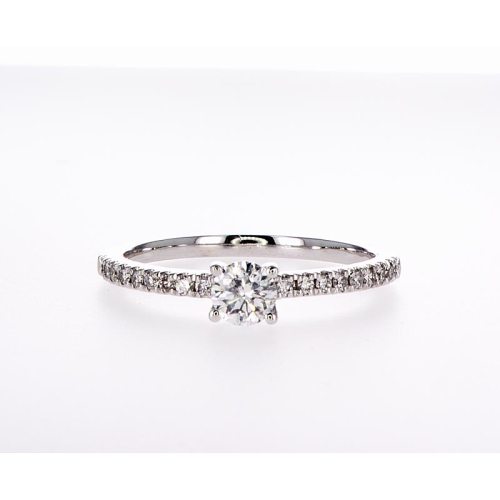

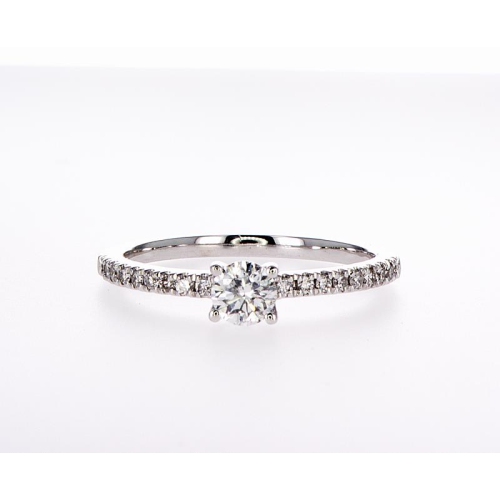
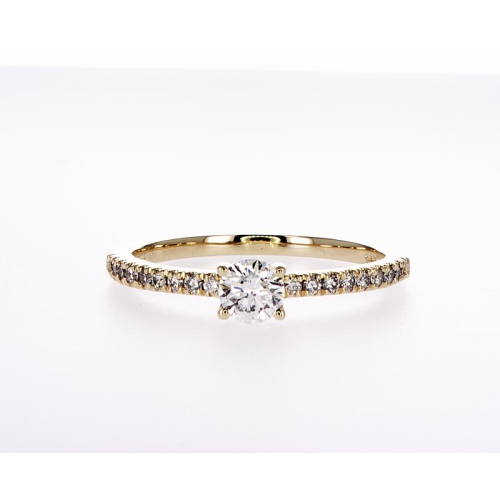


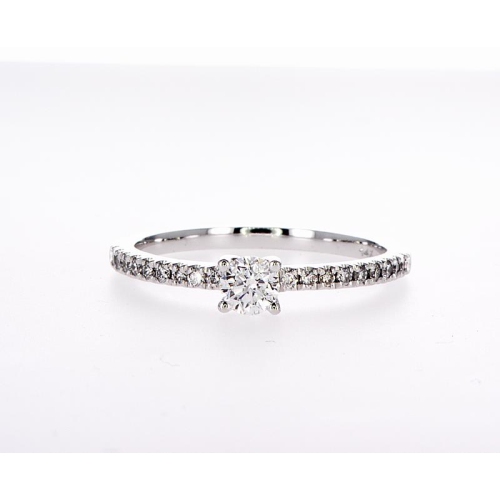
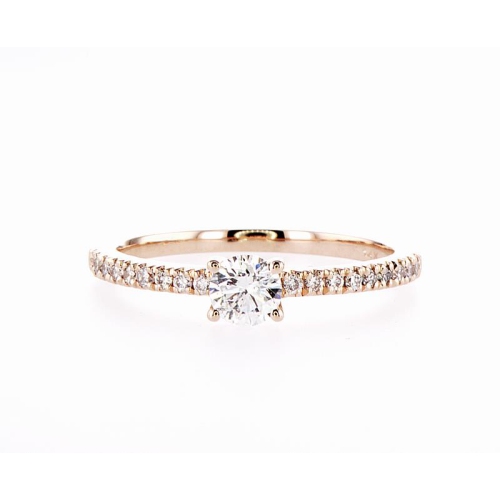


How smaller diamonds create a larger impression
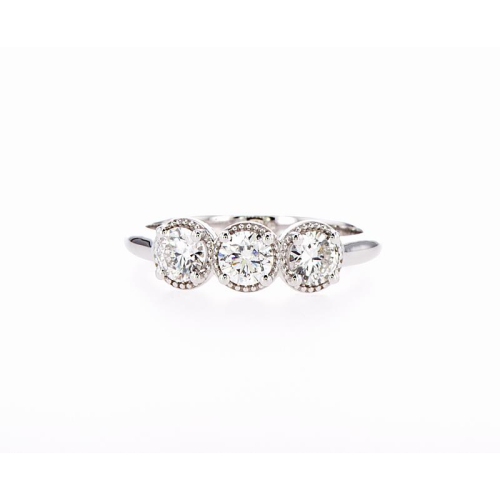
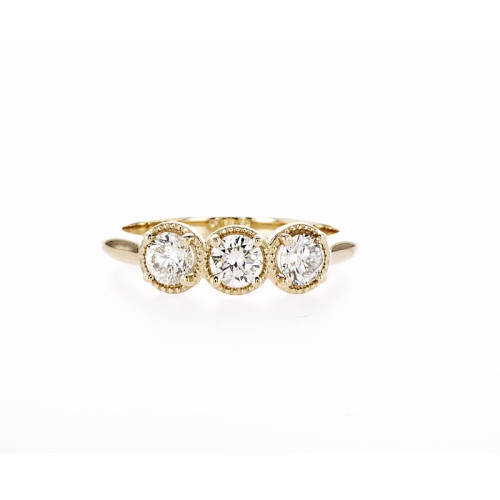
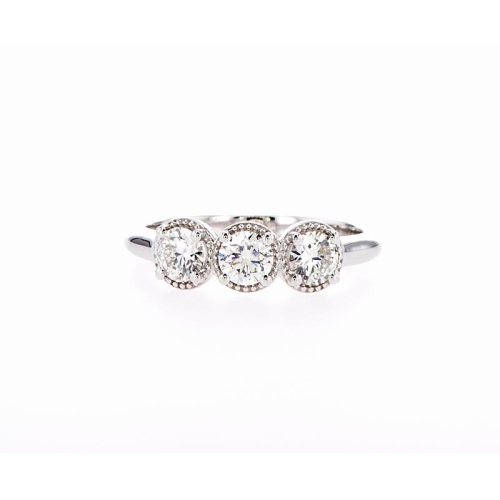
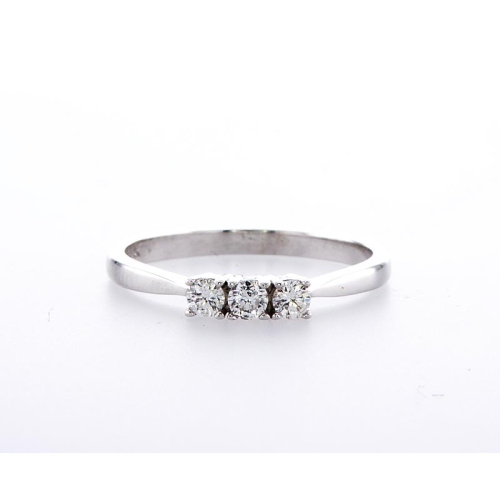
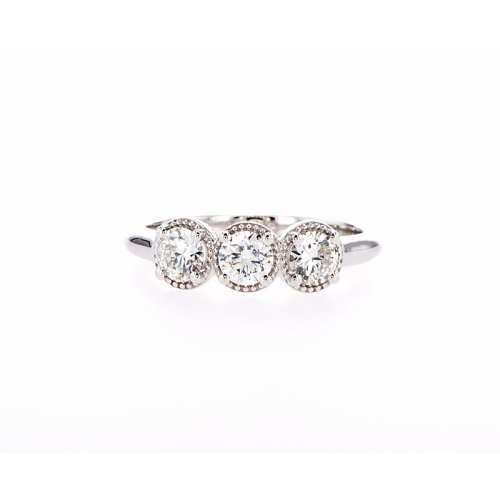
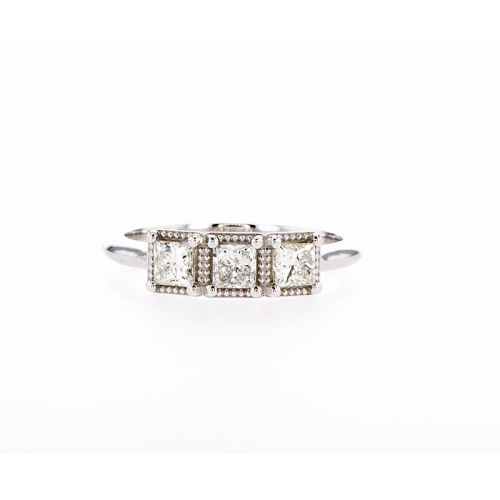
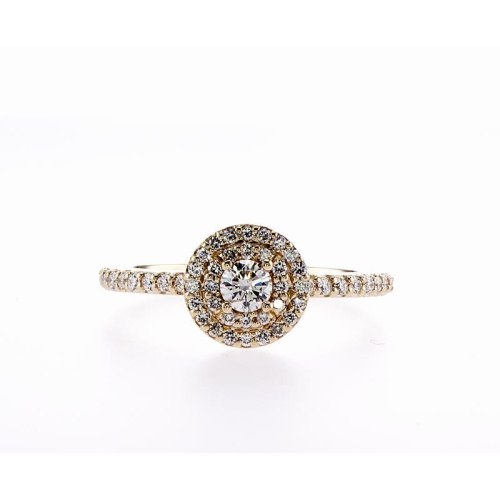
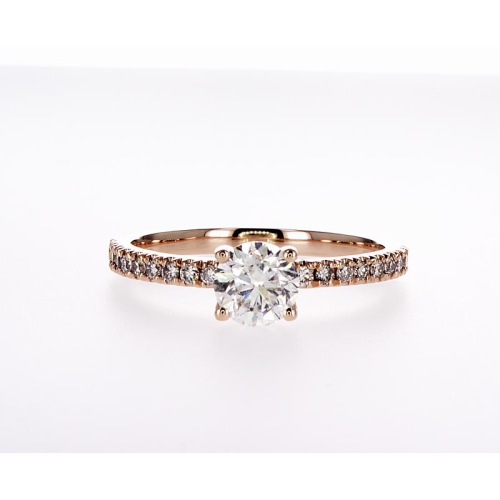
Diamond cluster rings feature multiple diamonds set close together to form a unified design, often creating the impression of a larger stone or a broad, sparkling surface. Unlike a solitaire, which places the emphasis on one main diamond, a cluster draws its character from the arrangement of several stones. Some designs gather similarly sized diamonds into a round or oval outline, while others combine different shapes and sizes in floral, geometric, or softly asymmetrical patterns. A halo ring typically has a distinct centre stone surrounded by smaller diamonds; a cluster does not need a dominant centre stone, although the two styles can overlap. That variety gives diamond cluster rings a wide range of personalities, from delicate, low-profile pieces to substantial statement rings with a raised silhouette. Round brilliant diamonds can create a lively field of small flashes, while baguette or other step-cut accents introduce straighter lines and broader reflections. The spacing between stones matters, too. Closely fitted settings can make the surface appear almost continuous, whereas visible metal borders give each diamond a more defined outline. Total carat weight describes the combined weight of the diamonds in a ring, not the weight of a single stone, and does not tell the whole story of how large the ring will look on the hand. The dimensions of the cluster, the height of the setting, and the width of the band all contribute to its presence. A broad, flatter cluster may cover more of the finger than a taller design with a similar total diamond weight. Beyond the numbers, the appeal is in how the stones work together: a balanced pattern, pleasing proportions, and brightness that moves across the ring as the hand turns. Cluster designs can suit engagement rings, anniversary jewellery, meaningful personal purchases, or dressier pieces worn for celebrations.
The metal and construction influence both the appearance and the everyday feel of a diamond cluster ring. Yellow gold gives a warm frame to the stones, white gold offers a pale backdrop, and rose gold adds a pink tone that can soften a sharply geometric design. Gold purity, expressed in karats, describes the proportion of gold in the alloy; it is different from the carat measurement used for diamond weight. Wear characteristics depend on the full alloy and the ring’s construction, not just its karat designation. White gold is often rhodium plated, and that surface may need professional renewal as it wears. Platinum is naturally white and develops a patina with use, while sterling silver can tarnish and benefits from regular, gentle care. For anyone with metal sensitivities, the alloy composition is worth checking rather than relying on colour alone. Diamonds may be natural or laboratory-grown; both are diamonds, but their origin should be clearly identified in the description. Colour, clarity, cut quality, and any disclosed treatments also help explain differences between rings. In a cluster, a reasonably consistent appearance across the smaller diamonds can be more noticeable than a slight difference in the grading of one stone. Setting style adds another practical distinction. Prongs leave much of each diamond visible, while bezel edges surround stones with metal and can create a smoother outline. Small bead-set or pavé details add texture and sparkle, though the security of those tiny stones depends on sound craftsmanship and ongoing care. Fit involves more than choosing a ring size. A wide band can feel snugger than a narrow one, and a top-heavy cluster may rotate if the band is too loose. A smooth underside, comfortable band edges, and a setting that does not catch repeatedly on knitwear make a difference during ordinary wear. For a ring worn beside a wedding band, the shape beneath the cluster determines whether the bands sit closely together or leave a gap.
Diamond cluster rings can be chosen for their symbolism, their visual detail, or simply the pleasure of wearing a design that feels personal. A small floral cluster may appeal to someone who prefers delicate jewellery, while an elongated arrangement can suit a taste for bolder shapes. As a gift, a ring carries practical considerations alongside the sentiment: the recipient’s usual metal colour, preferred jewellery scale, ring size, and choice of finger all affect how comfortably it becomes part of daily life. For a gesture centred on commitment rather than an engagement, Diamond Promise Rings offer a related category to explore. Resizing possibilities vary with the design, particularly when diamonds extend around much of the band, so a size adjustment should not be assumed to be straightforward. For frequent wear, the height and edges of the cluster deserve attention. A raised ring can brush against pockets, gloves, or fine fabrics, while a lower setting may fit more easily into a hands-on routine. Diamonds resist scratching exceptionally well, but they are not unbreakable; a hard impact can chip an exposed edge or damage the metal holding a stone. Removing rings before weight training, gardening, cleaning, or other work that puts pressure on the hands helps protect both the setting and the diamonds. Gentle cleaning also keeps the closely packed stones looking bright, since hand cream, soap residue, and everyday oils can collect beneath the cluster. Where the materials and any treatments permit, lukewarm water, mild soap, and a soft brush can loosen residue without harsh scrubbing. Rinsing over a bowl rather than an open drain adds a simple safeguard. Ultrasonic and steam cleaning are not suitable for every ring, especially when stones are loose or treatments require special care. Periodic professional checks can identify worn prongs or movement in a setting before a diamond is lost. Between wears, a separate lined compartment helps prevent the ring from scratching neighbouring jewellery and keeps its intricate surface protected.
Top selling and popular products
-
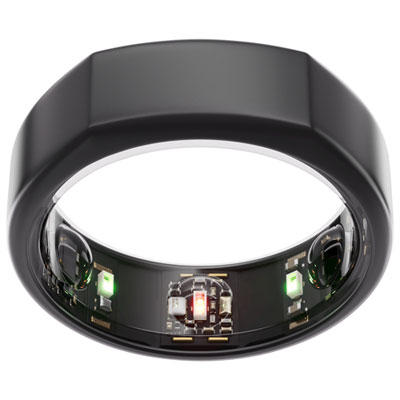 Your price for this item is $369.99
-
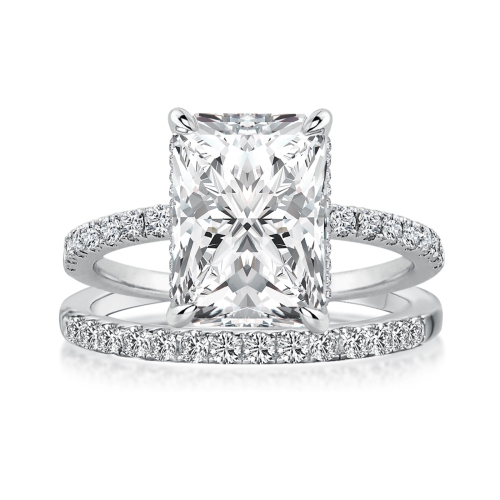 Your price for this item is $801.45
-
 Your price for this item is $133.2
-
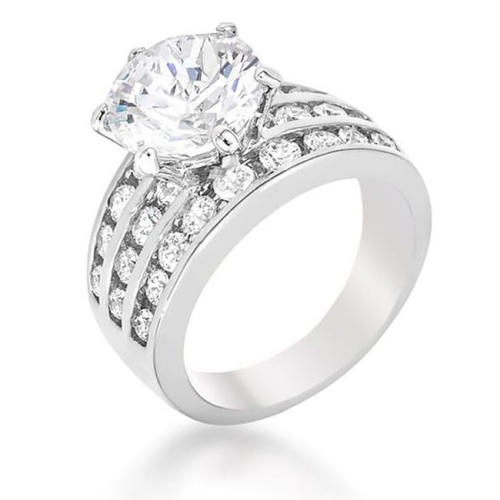 Your price for this item is $151.05
-
 Your price for this item is $123
-
 Your price for this item is $135.75
-
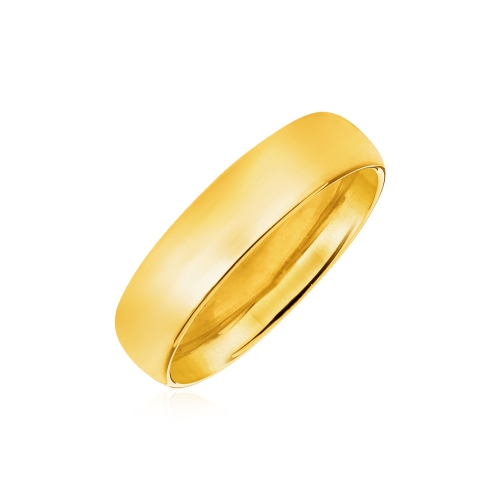 Your price for this item is $486.49
-
 Your price for this item is $969
Discover more categories related to Diamond Cluster Rings


Top Collections:
Pokemon Centers, Best Cameras for Sports Photography, Kindle Devices, Samsung Galaxy Phones, Canon G7X Cameras, Pokémon 30th Celebration Cards, Refurbished Apple Laptops, iPhone 15 Apple, Laptops for Students, Budget Smartphones
Some products may be subject to Environmental Handling Fees
(EHF) depending on your province.
Learn more about EHFs.