Diamond Engagement Rings
Capture the essence of timeless elegance with a diamond engagement ring, the perfect symbol of enduring love and commitment. Whether you're planning a surprise proposal or choosing together, finding the right ring is a memorable journey. Discover an array of stunning designs that reflect personal style and celebrate unique love stories. From classic solitaires to intricate vintage-inspired settings, our selection offers endless possibilities to express your devotion. Let the brilliance of a diamond engagement ring mark the beginning of your beautiful forever.
Sort


The ring details that matter beyond the proposal
Diamond engagement rings mark a promise in a form that can be worn every day, from the first proposal to the ordinary mornings and milestones that follow. Their appeal comes from the combination of a durable gemstone, a personal design, and the meaning attached to the gift. Styles range from understated solitaire rings to diamond-lined bands and elaborate settings, giving couples room to choose something that feels like their own story rather than a prescribed tradition. A solitaire places one diamond at the centre of the design, with a plain band that lets its shape and proportions stand out. Halo settings surround a centre stone with smaller diamonds, adding sparkle and making the overall outline appear larger. Pavé settings feature small diamonds set closely together along the band, while three-stone rings offer a balanced arrangement often associated with a couple’s past, present, and future. These design differences affect more than appearance: they influence how the ring feels on the hand, how easily it pairs with a wedding band, and how much attention its setting may need over time. Diamond engagement ring prices vary widely with the stone’s origin, carat weight, quality, metal, and complexity of the setting. Natural diamonds generally cost more than laboratory-grown diamonds of comparable size and quality, while intricate metalwork and additional accent stones can also increase the price. There is no required spending formula for an engagement ring; a comfortable budget leaves space for the other plans a couple is making together. Some people choose a ring as a surprise proposal gift, while others shop with their partner or select a permanent ring after proposing with a temporary band. Engagement rings can also be chosen to mark a renewed commitment or replace a ring whose fit or style no longer suits its wearer. The most meaningful choice often reflects familiar details: the jewellery someone already wears, the colours they gravitate towards, and whether their taste leans towards quiet simplicity or a little extra sparkle.
The diamond itself brings several purchase considerations into focus, starting with the four Cs: cut, colour, clarity, and carat weight. Cut describes the proportions, symmetry, and polish that influence how a diamond handles light; it is different from shape, which refers to an outline such as round, oval, pear, emerald, or cushion. A well-cut diamond can look lively even at a modest size, with flashes of light that remain noticeable as the hand moves. Colour grades for most white diamonds describe the degree of colour present, while clarity grades assess internal inclusions and surface blemishes. Neither needs to be viewed in isolation. A tiny inclusion that is difficult to see without magnification may matter less to the wearer than an appealing shape or a beautifully balanced setting. Carat measures weight rather than diameter, so two diamonds of equal carat weight can look different in size when viewed from above. Elongated shapes can create a different impression on the finger than rounder outlines, and step-cut shapes such as emerald cuts offer broad, mirror-like flashes rather than the glittering pattern of a round brilliant. Natural and laboratory-grown diamonds share essentially the same chemical composition, crystal structure, and physical properties, but differ in origin and often in price. Laboratory-grown diamonds are real diamonds, not diamond simulants such as cubic zirconia. For either origin, an independent grading report, when supplied, helps clarify the stone’s characteristics; a grading report is not the same as a monetary appraisal. Product descriptions also deserve attention because total carat weight may combine the centre diamond with all the smaller stones in the ring. For someone drawn to a darker, more graphic look, Black Diamond Rings offer a distinctive alternative to the familiar white-diamond appearance. With coloured diamonds, disclosure of any treatments is an important purchase detail. Looking at stone measurements, grading information, and setting proportions together gives a fuller picture than carat weight alone, especially when comparing rings photographed at different magnifications.
The band and setting determine how a diamond engagement ring fits into daily life, so practical details deserve as much attention as sparkle. Yellow gold has a warm tone that suits both clean, simple designs and intricate vintage-inspired details. Rose gold brings a pink hue, while white gold and platinum offer a pale backdrop that blends visually with white diamonds. Gold purity affects composition as well as price: 18-karat gold contains more gold than 14-karat gold, although wear resistance also depends on the alloy and construction. White gold is often rhodium-plated and may need replating over time to maintain its bright finish. Platinum is dense and naturally white, and it develops a surface patina with wear. Anyone with metal sensitivities should check the alloy composition rather than relying on colour alone. A raised prong setting can show off a diamond and may allow a wedding band to sit close beside it, but it can also catch on knitwear or gloves during the cooler months. Lower-profile and bezel settings can feel less obtrusive for someone who works with their hands, though no setting makes a ring immune to damage. The moment of slipping a hand into a coat pocket is a useful reminder that a ring should feel good beyond the proposal photograph. Band width, edges, and weight all influence comfort, and very slender bands may need more careful handling. Accurate sizing matters, particularly for wide bands or designs with diamonds extending around the shank, which can be difficult or impossible to resize. Checking the seller’s sizing options, return terms, warranty coverage, and available maintenance services helps avoid surprises after the gift is given. For everyday care, many diamond rings can be cleaned gently with warm water, mild dish soap, and a soft brush, provided the seller’s care instructions allow it. Periodic inspections can help identify worn prongs or loose stones, and removing the ring for heavy lifting, abrasive tasks, or contact with harsh chemicals can protect both stone and setting. A thoughtfully chosen engagement ring balances beauty with these small realities, becoming something its wearer can enjoy comfortably through years of shared life.
Top selling and popular products
-
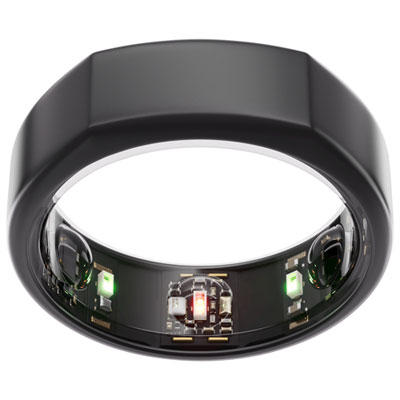 Your price for this item is $369.99
-
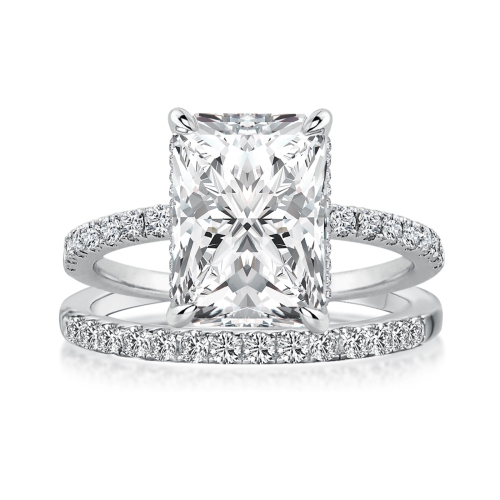 Your price for this item is $801.45
-
 Your price for this item is $133.2
-
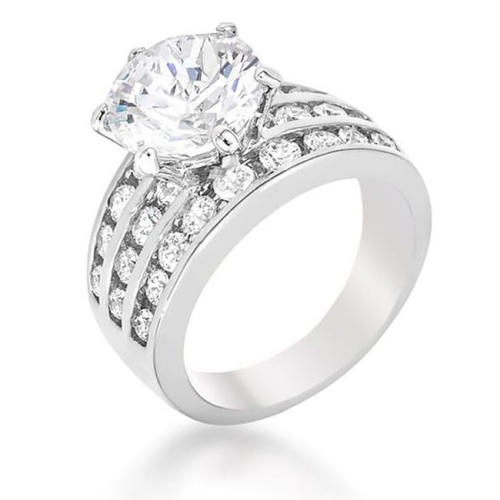 Your price for this item is $151.05
-
 Your price for this item is $123
-
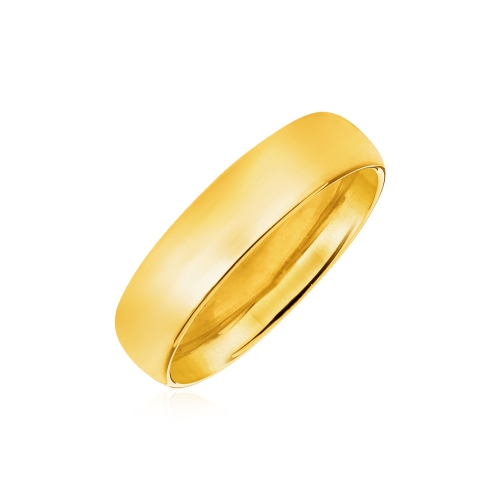 Your price for this item is $486.49
-
 Your price for this item is $135.75
-
 Your price for this item is $969
Discover more categories related to Diamond Engagement Rings


Top Collections:
Pokemon Centers, Best Cameras for Sports Photography, Kindle Devices, Samsung Galaxy Phones, Canon G7X Cameras, Pokémon 30th Celebration Cards, Refurbished Apple Laptops, iPhone 15 Apple, Laptops for Students, Budget Smartphones
Some products may be subject to Environmental Handling Fees
(EHF) depending on your province.
Learn more about EHFs.