Handmade Jewelry
Handmade jewelry brings a unique touch to any collection, offering distinctive designs that stand out from the ordinary. Whether you’re searching for a thoughtful gift or a special accessory to elevate your style, these pieces showcase artistry and attention to detail. Discover handmade jewelry that adds personality and charm to every outfit, perfect for expressing your individuality and making every moment shine.
Sort
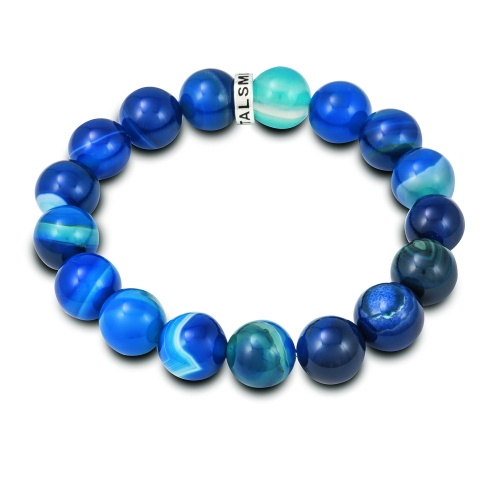
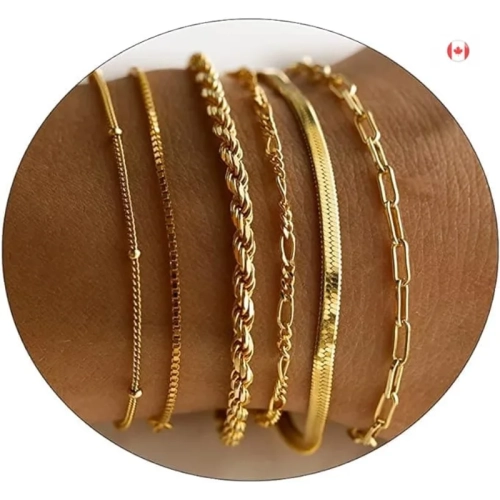

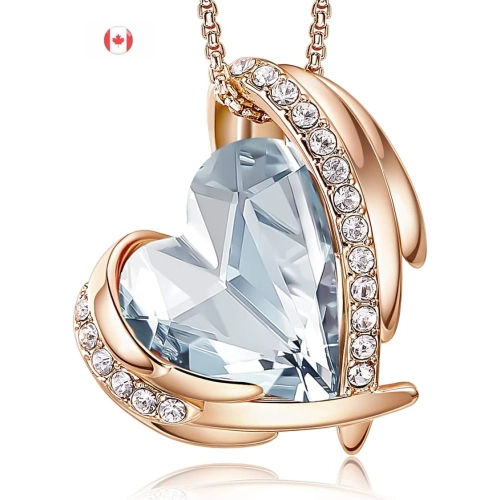
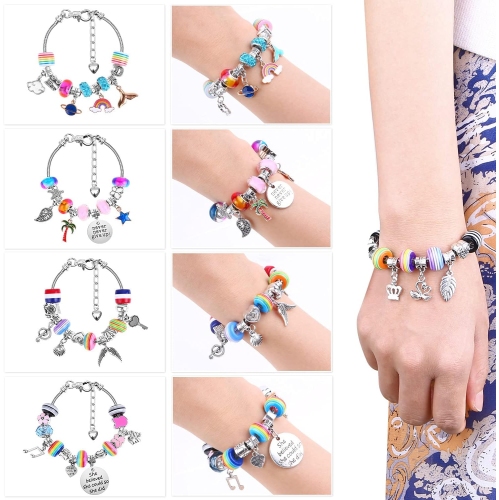
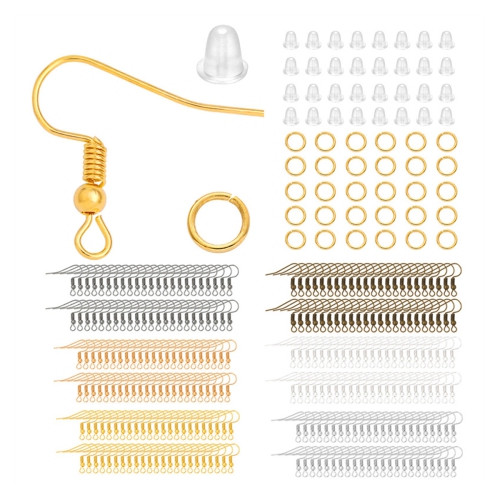




How craftsmanship shapes jewellery’s character and everyday comfort
Handmade jewellery refers to adornments shaped, assembled, or finished by artisans using hands-on techniques such as wire wrapping, soldering, beading, carving, and metalworking. The term can cover a pendant formed from sheet metal, a strand of carefully arranged beads, or a ring with a hand-set stone. Some designs combine handwork with cast elements or manufactured findings, such as clasps and earring backs, so the construction details help explain what makes a piece handmade. Its character often comes through in small decisions: the curve of a wire, the spacing between beads, the texture of a hammered surface, or the way a stone sits within its setting. Slight variations can be part of that process, although comfortable edges, secure connections, and sound construction remain important. Materials influence both appearance and everyday wear. Sterling silver contains 92.5% silver blended with other metals for strength and may develop tarnish that requires appropriate cleaning. Solid gold, gold-filled materials, and gold-plated finishes have different constructions and care needs; a gold-coloured surface alone does not identify the underlying metal or the thickness of its finish. Plating can gradually wear at points of frequent contact, especially on rings and bracelets. Brass and copper may deepen in colour over time and can sometimes leave temporary marks on skin. Glass, ceramic, polymer clay, wood, and textile elements introduce other textures, from smooth translucent beads to softly knotted cord. Their durability depends on their construction, finish, and how they are worn. Natural stones can vary in colour, pattern, and inclusions, while dyed or treated materials may need additional care. Pearls and shell bring lustre but need protection from scratches and harsh cleaners. Clear material descriptions are especially useful when choosing jewellery for frequent wear or for someone with known sensitivities. A handmade label describes the making process; it does not, by itself, establish metal purity, stone identity, origin, or resistance to wear. Those qualities depend on the materials and workmanship of the individual design.
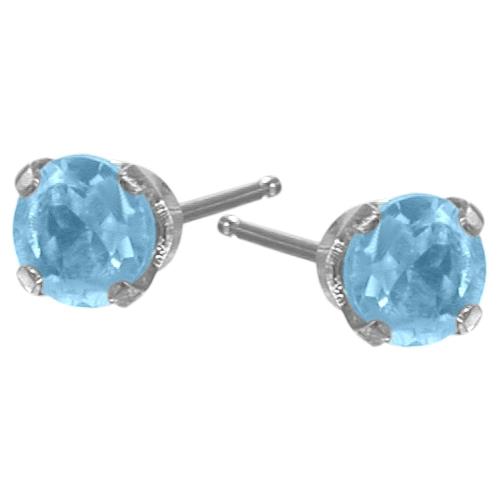
The best fit balances proportions, comfort, and the way jewellery moves with the wearer. Necklace length affects where a pendant rests, but the same chain can sit differently depending on neck size, posture, and the weight of the pendant. A shorter necklace may frame an open neckline, while a longer design can sit over a plain top without competing with a collar. For layering, different lengths help separate pendants, although fine chains can still twist together during movement. Bracelet fit calls for enough room to bend the wrist comfortably without allowing a loose strand or dangling charm to catch repeatedly on a cuff or desk edge. Stretch bracelets should slide over the hand without being pulled excessively, and clasped styles need a fastening that the wearer can manage easily. Rings require particular attention to sizing because wider bands often feel snugger than narrow ones, and some stone settings or continuous patterns limit resizing options. A well-fitting ring should pass over the knuckle with gentle resistance without pinching during ordinary movement. Handcrafted Earrings can bring a small detail close to the face, whether the effect comes from a subtle stud, a textured hoop, or a longer drop. Weight matters as much as visible size: a broad, lightweight shape may feel easier to wear than a smaller design made from dense materials. Secure backs, smoothly finished posts, and balanced drops contribute to comfort. For sensitive ears, the composition of the post and backing matters, not just the decorative front. Terms such as hypoallergenic do not guarantee that every wearer will avoid a reaction, so identifying known triggers and checking the stated metal composition is more useful than relying on a broad label. Intended use also shapes the choice. Close-fitting designs with fewer projecting details can be practical for everyday routines, while sculptural shapes and longer drops may suit occasions when jewellery becomes a focal point. Smooth settings are worth considering when wearing loosely knitted clothing, where raised prongs and open wirework may catch.
Care helps preserve the details that give handmade jewellery its character. After wear, a gentle wipe with a clean, soft cloth can remove surface oils before a piece is put away. Further cleaning should follow the maker’s directions for every material in the design, particularly when metal is combined with stones, cord, glue, or a protective coating. A method suitable for an unadorned silver chain may be unsuitable for a plated pendant, a porous stone, or a pearl setting. Abrasive polishing can thin plated finishes, while soaking may weaken certain adhesives or affect delicate components. Ultrasonic cleaners are not appropriate for every stone or construction method. Keeping necklaces fastened and separated helps reduce tangles, and individual compartments or soft pouches can prevent harder surfaces from scratching softer ones. Jewellery is generally better removed before swimming, showering, cleaning, exercise, or tasks that expose it to repeated knocks. Applying fragrance and lotions before putting it on reduces direct contact with ingredients that may affect finishes. An occasional check of clasps, connecting rings, earring backs, and stone settings can reveal looseness before something is lost; a snagging prong or opening link is a reason to stop wearing the piece until it can be assessed. These practical details matter when choosing a gift, too. Handmade jewellery can mark a birthday, anniversary, graduation, or wedding, or simply reflect a recipient’s interests through colour, shape, and texture. Someone who wears the same small earrings each day may appreciate a similarly understated design, while a person drawn to bold accessories may enjoy a larger silhouette or an unusual material pairing. Ring size, necklace length, pierced ears, metal sensitivities, and the ease of operating a clasp are useful details to know beforehand. A gift becomes more personal when its design fits the recipient’s habits rather than asking them to change their style. Thoughtful materials, comfortable proportions, and manageable care needs help handmade jewellery become something worn and enjoyed regularly.
Top selling and popular products
-
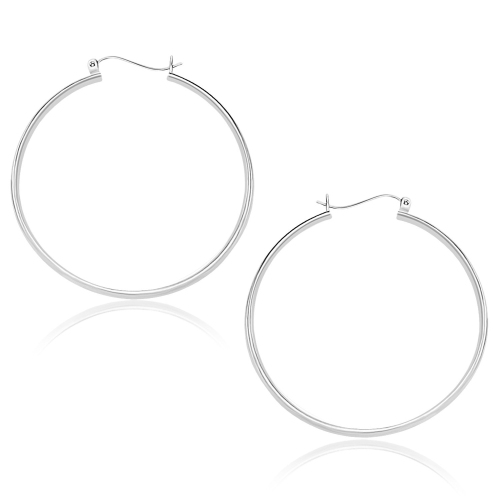 Your price for this item is $311.18
-
 Your price for this item is $130
-
 Your price for this item is $128
-
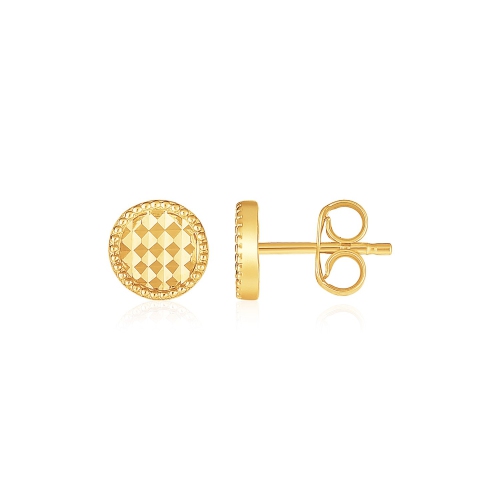 Your price for this item is $2164.8
-
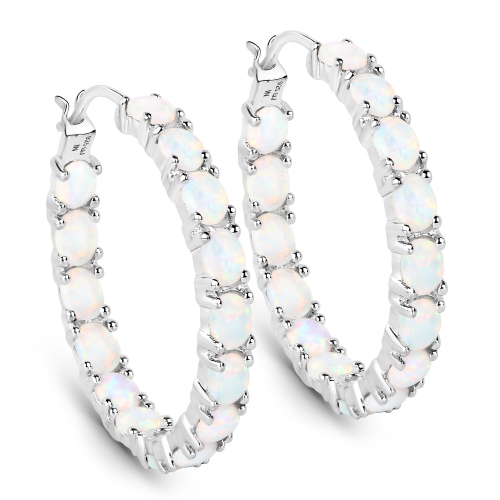 Your price for this item is $376.88
-
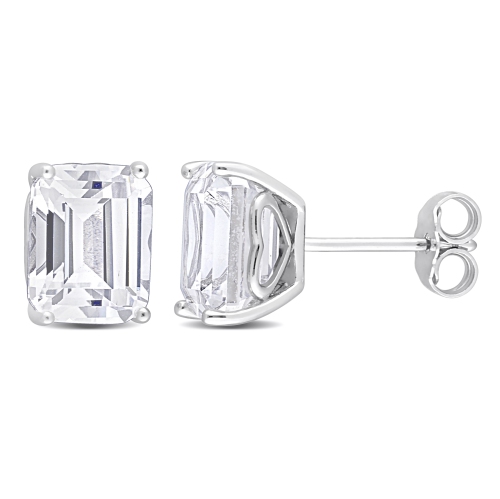 Your price for this item is $64.99
-
 Your price for this item is $100
-
 Your price for this item is $225
Discover more categories related to Handmade Jewelry
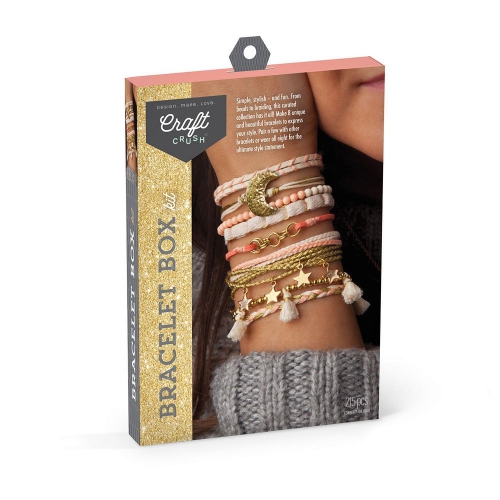

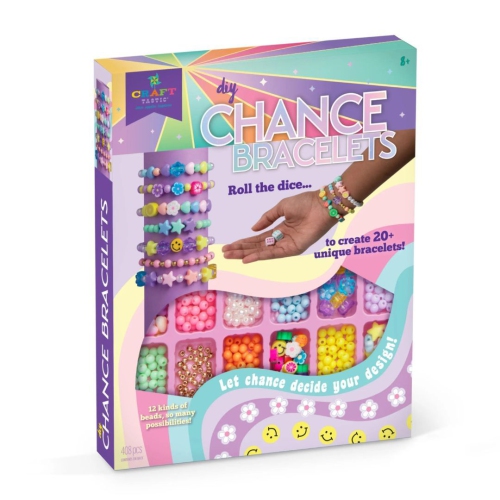

Top Collections:
Best Black Friday Deals This Year, Best Black Friday Deals On Electronics, Kindle Devices, Pokemon Centers, Best Black Friday Deals On Apple Products, Best Cameras for Sports Photography, Dyson Airwrap, Pokémon 30th Celebration Cards, Apple iPhone 17 Pro, Canon G7X Cameras
Some products may be subject to Environmental Handling Fees
(EHF) depending on your province.
Learn more about EHFs.