Diy Jewelry
Create your own stunning jewelry pieces with our DIY Jewelry collection. Whether you're a beginner looking to explore your creativity or an experienced crafter seeking new projects, our selection of beads, charms, findings, and tools has everything you need to design unique accessories that reflect your personal style. From delicate bracelets to statement earrings, unleash your imagination and craft one-of-a-kind jewelry that is as special as you are. Elevate your accessory game and add a personal touch to your wardrobe with our DIY Jewelry supplies.
Sort
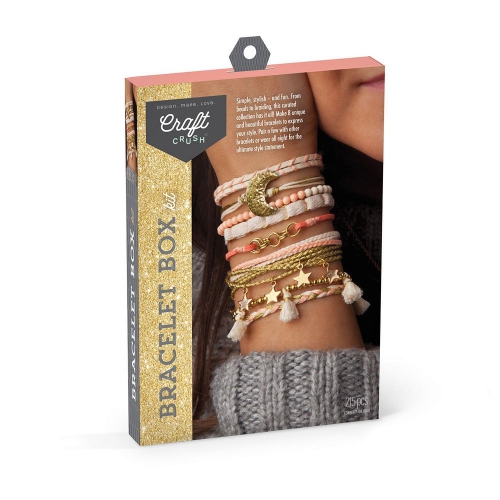

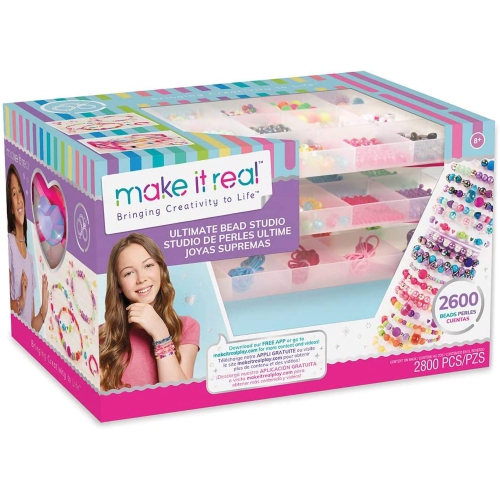
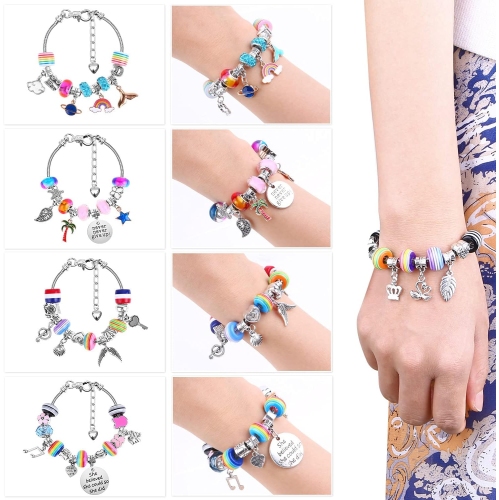
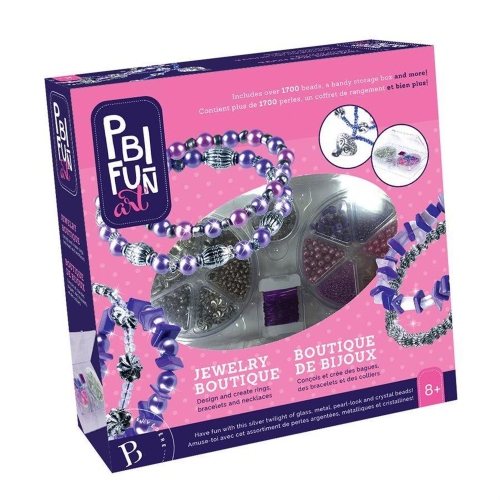
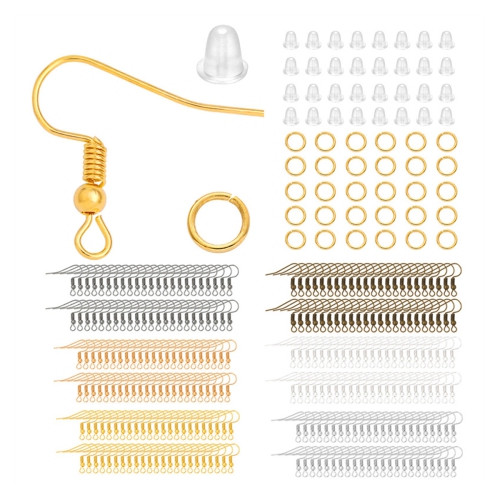
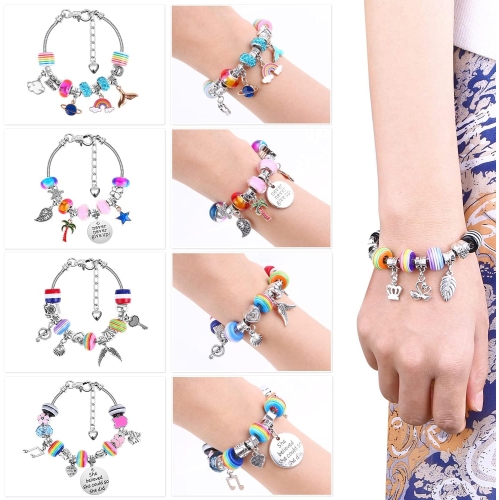
How beads and findings shape your finished jewellery
DIY jewellery supplies include craft kits, beads, cord, wire, findings, and hand tools for making wearable accessories with a personal touch. An all-in-one jewellery-making kit can bring coordinated materials together for a first project, while separate supplies give experienced makers more freedom over colour, shape, and construction. The appeal lies in being able to create something that suits a particular person: a bracelet in a friend’s favourite colours, a necklace with a meaningful charm, or a simple pair of earrings that complements an everyday wardrobe. Different materials give these pieces distinctly different qualities. Glass beads can add shine and a satisfying weight, while acrylic beads are often lighter and comfortable in larger designs. Wood offers subtle grain and a softer-looking finish, and stone beads introduce natural variations that make matching pieces feel less uniform. Metal components provide structure and contrast, whether the finished look is delicate, geometric, or bold. Bead size matters as much as colour; a strand of tiny seed beads produces a different texture and drape from a short row of chunky shapes. For someone exploring jewellery making for the first time, a coordinated selection can make it easier to picture a finished piece without needing a large collection of materials. More experienced hobbyists may prefer individual components that work with techniques and supplies they already use. DIY jewellery also covers a wide range of creative interests, from straightforward bead stringing to wire wrapping, charm assembly, and woven friendship bracelets. The most suitable materials depend on the intended project rather than skill level alone. A maker who enjoys detailed patterns may appreciate consistently sized beads, while someone drawn to sculptural accessories may be more interested in flexible wire, larger focal elements, and textured surfaces. Personal style provides a useful starting point, but comfort, fastening preferences, and how often the finished jewellery will be worn are equally important.
The small components that hold a piece together have a major influence on its fit and durability. Jewellery findings—the clasps, jump rings, earring hooks, pins, and other connectors used in assembly—need to suit both the design and the weight they will carry. A fine clasp may look balanced on a delicate chain but feel out of proportion on a substantial beaded necklace. Cord and wire also vary in thickness, flexibility, and resistance to wear. Stretch cord suits many slip-on bracelet designs, while beading wire can support arrangements that need a defined shape and fluid movement. Compatibility is essential: bead holes must accommodate the chosen stringing material, and connectors need enough space for the parts being joined. Tool shape can affect the finish, too. Round-nose pliers are used to form loops, flat-nose or chain-nose pliers help hold and manipulate components, and suitable cutters make clean cuts in materials they are designed to handle. Tools intended for delicate craft work offer more control than oversized household tools, especially around small loops and soft wire. For finished jewellery, fit is not simply a matter of overall length. Larger beads occupy more space around a wrist, so two bracelets of the same measured length can feel different when worn. Necklace length influences where a pendant sits, and earring weight becomes more noticeable during extended wear. Smooth edges, secure closures, and well-finished wire ends all contribute to comfort. Material descriptions are particularly important for anyone with known metal sensitivities; a plated surface alone does not establish what metals are underneath or guarantee suitability for sensitive skin. Intended use matters as well. Accessories made for occasional dress wear may feature delicate details, whereas frequently worn pieces benefit from secure connections and components suited to repeated handling. For children’s craft activities, age recommendations and adult supervision are important considerations, since small beads, sharp tools, and loose cords require care. Finished jewellery for young recipients should also be assessed separately from the suitability of the making activity itself.
Jewellery-making supplies can be a thoughtful gift for someone who enjoys hands-on hobbies, personal accessories, or creative projects shared with family and friends. A recipient who likes quiet, detailed work may enjoy arranging small beads into repeating patterns, while someone who prefers quick, expressive projects may gravitate towards colourful charms and simple stringing materials. Shared supplies can also support friendship-bracelet sessions, birthday activities, and small gatherings where each person creates a different version of the same idea. For gift giving, the distinction between materials for making and a finished accessory is worth keeping in mind. A craft kit offers the experience of creating, while Handmade Jewelry centres on pieces that are already complete and ready to wear. Either approach can feel personal when the colours, proportions, and style reflect the recipient. Practical storage helps preserve both unused supplies and finished work. Divided containers keep bead sizes and findings separate, secure lids reduce spills, and a bead mat can help stop round components from rolling across a table. A clear work surface also makes it easier to notice a loose clasp or an unfinished connection before a piece is worn. Care requirements depend on the materials involved, particularly when a design combines metal, porous beads, cord, and glued elements. A soft cloth is often suitable for routine wiping, while soaking or using jewellery-cleaning solutions may be unsuitable for some finishes and adhesives. Perfume, lotions, perspiration, and water can affect different components in different ways, so the care information supplied with the materials remains important. Storing necklaces separately helps limit tangling, and keeping delicate earrings away from heavier accessories can prevent bent wires and scratched surfaces. Occasional checks of clasps, knots, and connecting rings help reveal wear before it leads to a lost piece. With compatible materials, comfortable proportions, and care suited to the finished design, DIY jewellery can become something worn and enjoyed rather than simply a completed craft project.
Top selling and popular products
-
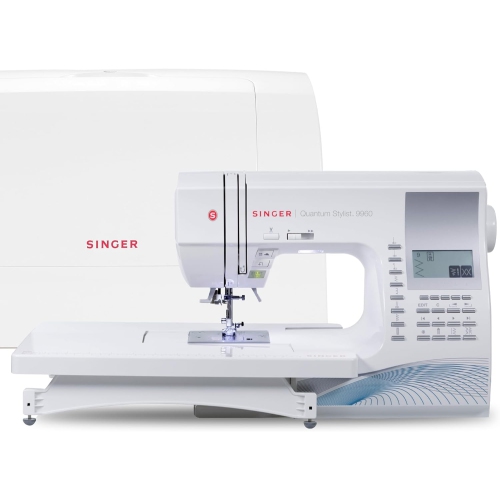 Your price for this item is $911.05
-
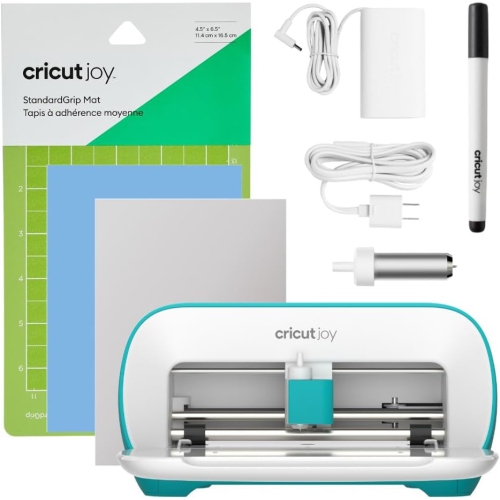 Your price for this item is $238.44
-
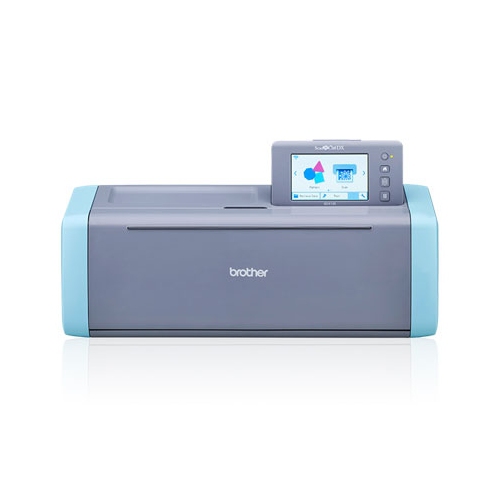 Your price for this item is $685.99
-
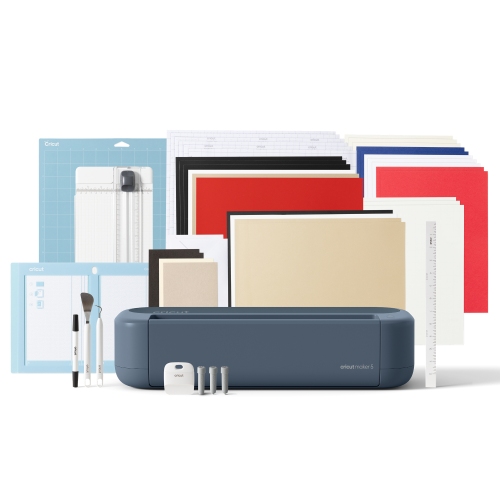 Your price for this item is $549
-
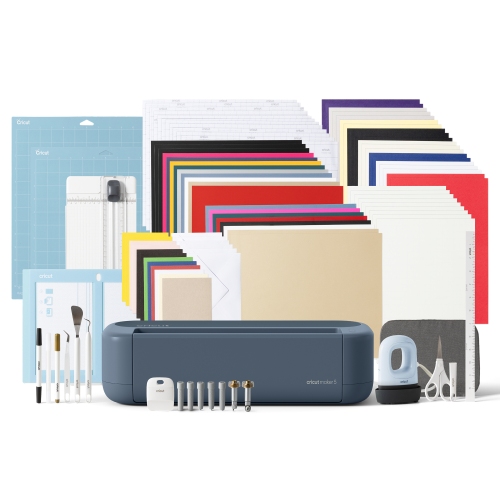 Your price for this item is $679
-
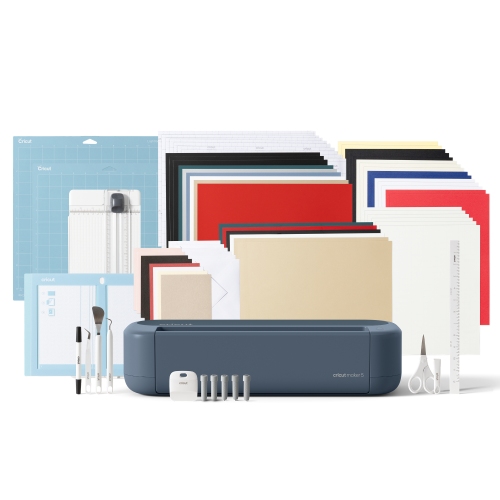 Your price for this item is $599
-
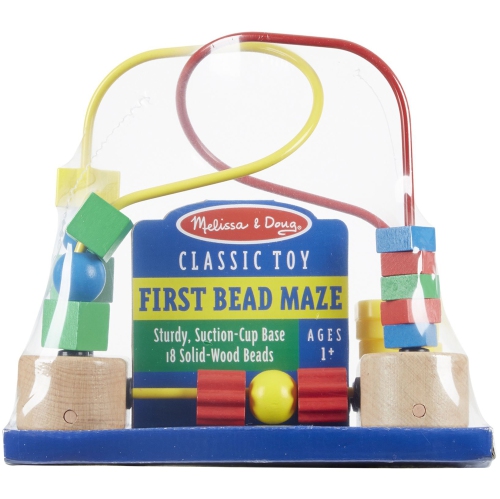 Your price for this item is $39.99
-
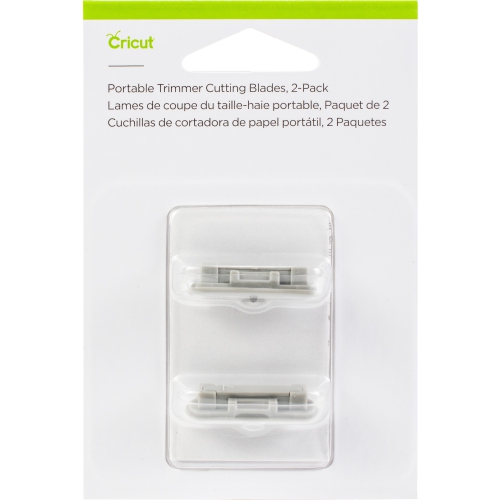 Your price for this item is $57.68
Discover more categories related to Diy Jewelry
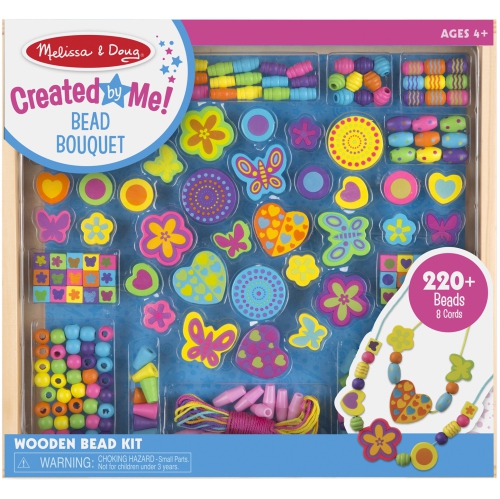
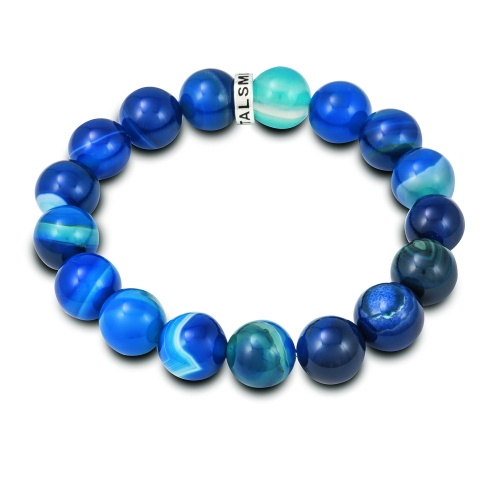

Top Collections:
Best Black Friday Deals This Year, Best Black Friday Deals On Electronics, Kindle Devices, Pokemon Centers, Best Black Friday Deals On Apple Products, Best Cameras for Sports Photography, Dyson Airwrap, Pokémon 30th Celebration Cards, Apple iPhone 17 Pro, Canon G7X Cameras
Some products may be subject to Environmental Handling Fees
(EHF) depending on your province.
Learn more about EHFs.