Lab Created Sapphire Wedding Rings
Lab created sapphire wedding rings offer a stunning blend of elegance and modern style, making them a popular choice for couples seeking a unique symbol of their love. With their captivating blue hues and timeless appeal, these rings bring a touch of sophistication to any special occasion. Explore a wide selection of lab created sapphire wedding rings designed to suit every taste, from classic to contemporary settings. Discover the perfect piece to celebrate your commitment with brilliance and beauty.
Sort


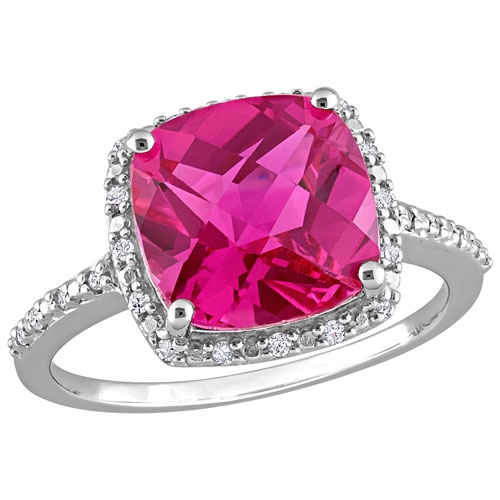


What gives a sapphire ring its character and comfort
Lab-created sapphire wedding rings bring the colour and character of sapphire to a piece of jewellery worn as a lasting symbol of commitment. A lab-created sapphire is genuine sapphire grown through a controlled process rather than formed underground. It belongs to the corundum mineral family and has the same basic chemical composition and crystal structure as a mined sapphire; it is not a glass imitation or a different gemstone made to resemble sapphire. Sapphire ranks 9 on the Mohs hardness scale, giving it strong resistance to scratching during ordinary wear. That hardness makes it well suited to wedding jewellery, although it does not make a stone unbreakable: a sharp impact can still chip an edge, and a damaged setting can leave the gemstone vulnerable. Blue is the colour most closely associated with sapphire, with shades ranging from bright blue to deep, inky tones, but lab-created sapphires can also have other colours. Colour, transparency, cut and proportions all influence the finished appearance. An oval stone can create an elongated outline across the finger, while a round stone offers a balanced shape that pairs easily with many band styles. Emerald-cut sapphires have broad, stepped facets that emphasize clarity and depth rather than the smaller flashes associated with more intricate cuts. Carat weight describes gemstone weight, not its visible dimensions, so measurements are useful when comparing how much space a stone occupies on the hand. Two sapphires with the same carat weight may look different in size because of their shape and depth. Lab-created sapphire wedding rings can take the form of a sapphire-set wedding band, a ring with a prominent centre stone, or part of a coordinated bridal set. Their appeal lies in combining an enduring gemstone with a personal choice of colour and design, whether the ring marks a marriage ceremony, a vow renewal or a significant anniversary.
The arrangement of the gemstones and the profile of the setting help determine how a sapphire wedding ring looks and feels in daily use. A solitaire keeps attention on a single sapphire, while a three-stone design creates a broader focal point and can carry a personal meaning for the wearer. Halo settings surround a centre stone with smaller gems, adding detail around its outline. Sapphire-set bands may use a single row of stones, alternating gemstones or a continuous pattern around the finger. A half-eternity design places stones across the visible upper portion of the band, whereas a full-eternity design continues them around the entire circumference. The distinction matters for both comfort and future resizing, since full-eternity rings are often difficult or impossible to resize without substantial changes. Prong settings expose more of the gemstone and can give a ring an airy appearance, but raised prongs may catch on knitted clothing or require extra care when pulling on gloves. A bezel surrounds the stone with a metal rim, offering protection around its edges and often a smoother profile. Channel settings hold a row of stones between metal borders, creating a relatively streamlined surface. For a bridal set, the height and shape of the centre-stone setting determine whether a straight wedding band can sit alongside it or whether a curved band leaves a more comfortable fit. Metal choice also affects appearance and maintenance. Yellow gold creates a warm contrast with blue sapphire, rose gold introduces a pink-toned frame, and white gold or platinum creates a pale backdrop. White gold is often rhodium-plated, and that surface finish may need periodic renewal; platinum can develop a soft patina with wear. Sterling silver can tarnish and is generally softer than common gold jewellery alloys or platinum. Sapphire designs sometimes include diamond accents, while lab-created diamond wedding rings offer another direction for those who prefer a diamond-centred look. Sapphire and diamond are different gemstones, so the identity of both the centre stone and any accents is worth checking in a ring’s description.
Fit is especially important for wedding jewellery because the ring may remain on the hand for much of the day. A wider band often feels tighter than a narrow band in the same stated size, and wearing two rings together can change how snugly they sit. A gently rounded inner surface, sometimes described as a comfort-fit profile, can make a substantial band easier to slide over the knuckle. The right fit allows the ring to pass over the knuckle with some resistance without pinching at the base of the finger or slipping off during normal movement. Professional sizing is helpful when choosing a wedding ring, particularly for a surprise gift or a design with limited resizing options. For someone who types throughout the day, wears protective gloves or works frequently with their hands, a lower setting and smooth band edges may feel less intrusive than a tall centre stone. Partners do not need identical rings to create a coordinated pair; a shared metal tone, similar band width or repeating sapphire detail can connect two otherwise individual designs. An anniversary ring can also complement an existing wedding band, though the rings should sit without their settings rubbing against each other. Regular care helps preserve both the gemstones and the structure that holds them. For many sapphire rings, lukewarm water, mild soap and a soft brush are suitable for gentle cleaning, followed by a thorough rinse and drying with a soft, lint-free cloth. Cleaning over a bowl rather than an open drain reduces the chance of losing the ring. The requirements of the metal, any gemstone treatments and other stones in the setting should always guide the cleaning method; ultrasonic or steam cleaning is not appropriate for every finished ring. Remove wedding jewellery before lifting weights, handling abrasive materials or using harsh cleaning chemicals, as pressure and impacts can bend a band or loosen a setting even when the sapphire itself resists scratches. Store rings separately to prevent hard gemstones from scratching neighbouring jewellery, and have a jeweller inspect loose stones, worn prongs or persistent snagging. These practical details help a lab-created sapphire wedding ring remain comfortable, secure and meaningful through years of wear.
Top selling and popular products
-
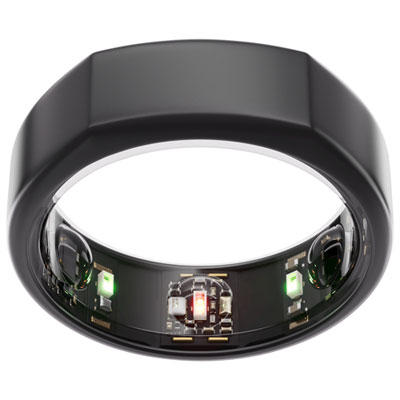 Your price for this item is $369.99
-
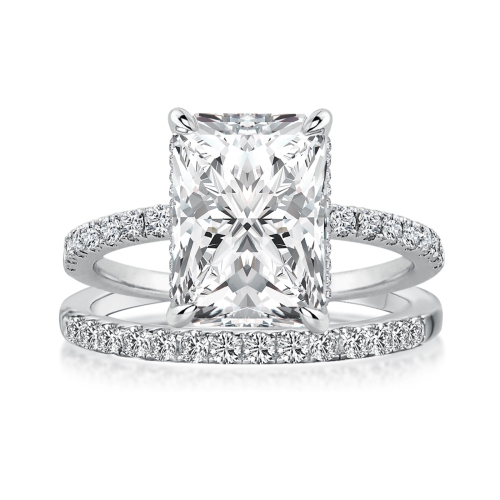 Your price for this item is $801.45
-
 Your price for this item is $133.2
-
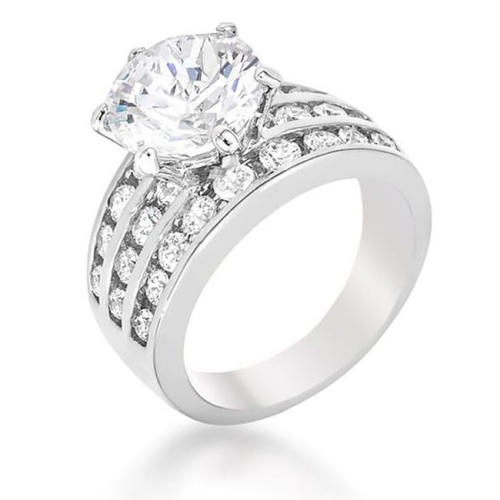 Your price for this item is $151.05
-
 Your price for this item is $123
-
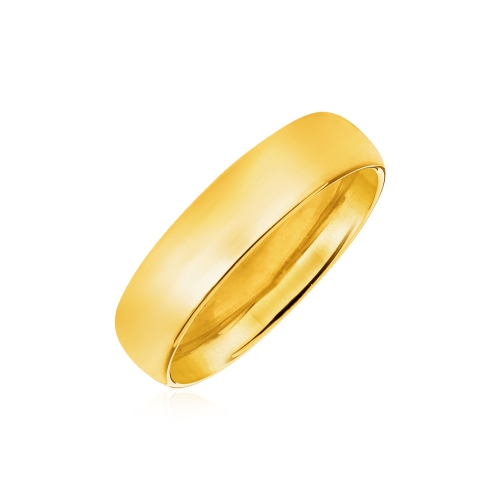 Your price for this item is $486.49
-
 Your price for this item is $135.75
-
 Your price for this item is $969
Discover more categories related to Lab Created Sapphire Wedding Rings
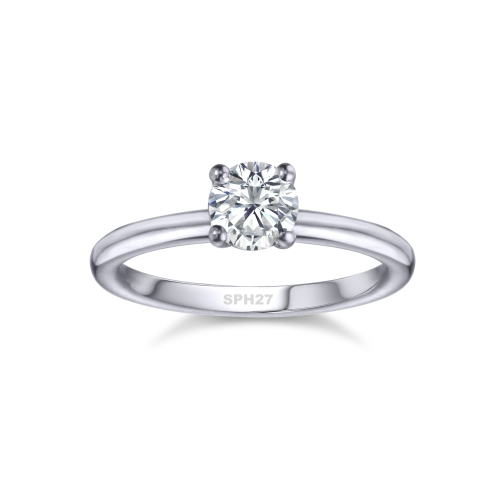

Top Collections:
Pokemon Centers, Best Cameras for Sports Photography, Kindle Devices, Samsung Galaxy Phones, Canon G7X Cameras, Pokémon 30th Celebration Cards, Refurbished Apple Laptops, iPhone 15 Apple, Laptops for Students, Budget Smartphones
Some products may be subject to Environmental Handling Fees
(EHF) depending on your province.
Learn more about EHFs.