Men's Belts for Jeans
Looking for the perfect finishing touch to complete your denim ensemble? Look no further than our wide selection of men's belts for jeans. Whether you're aiming for a classic, rugged look or a more modern and refined style, we have the perfect belt to suit your taste. From sleek leather options to sturdy canvas designs, our collection offers a variety of materials, colors, and buckle styles to choose from. With our high-quality belts, you can effortlessly elevate your jeans game and add an extra layer of style and functionality to your outfit.
Sort
A comfortable belt fit goes beyond the size label
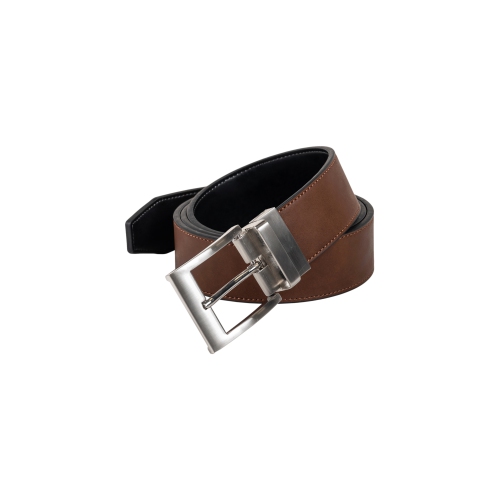
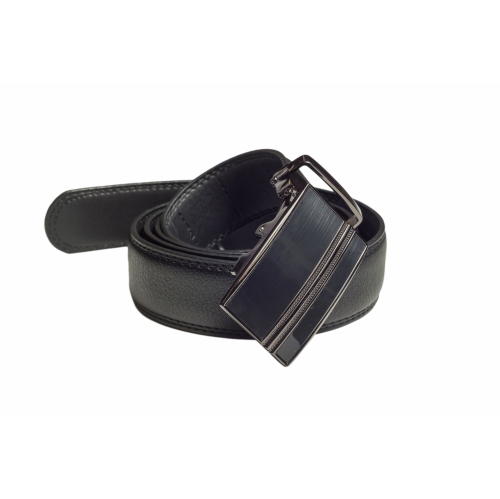
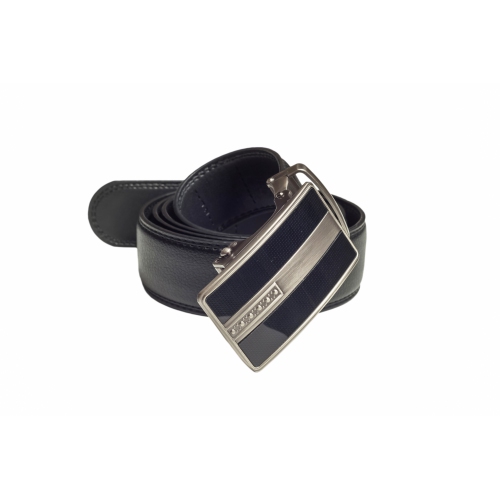
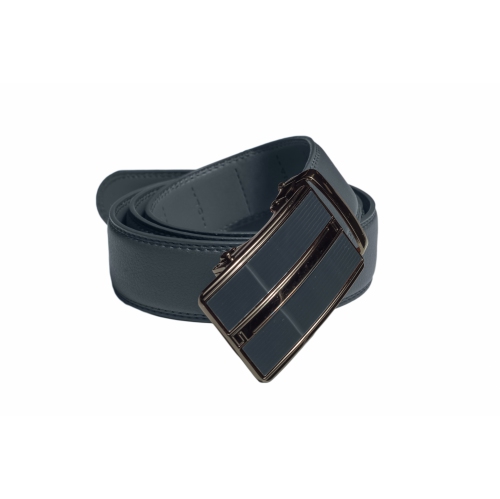
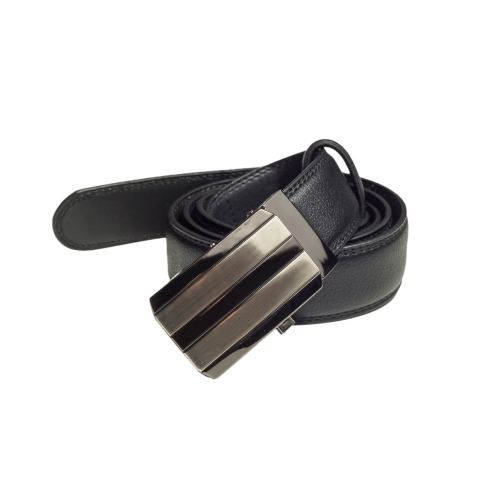
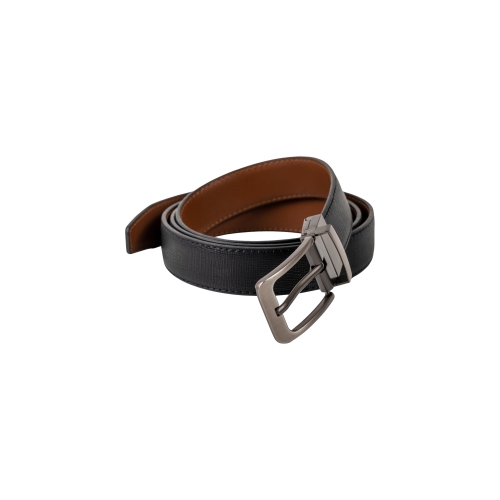
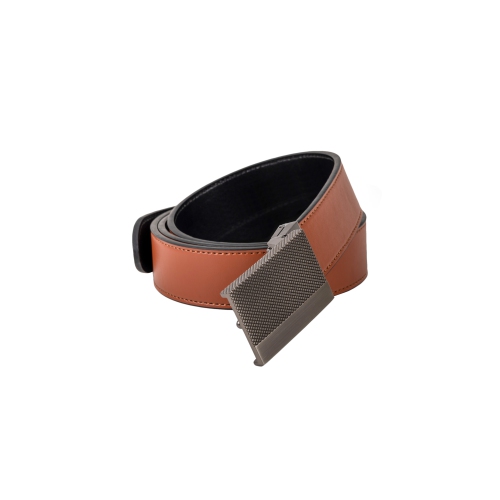
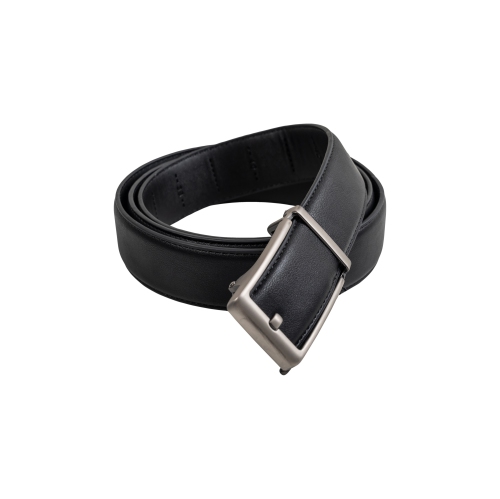
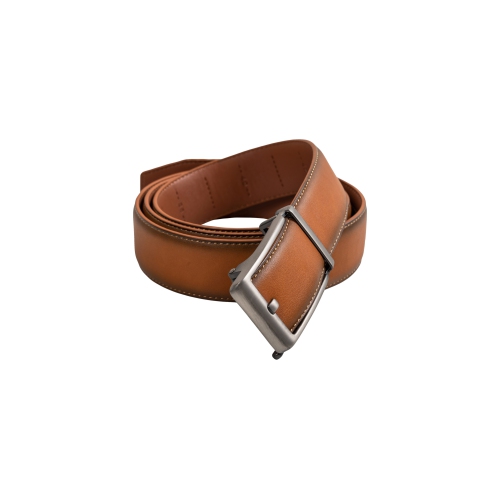
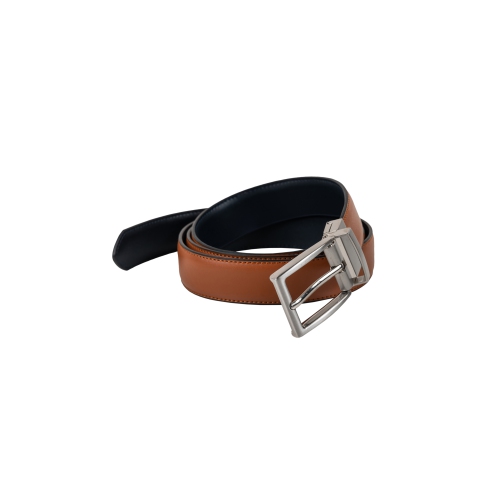
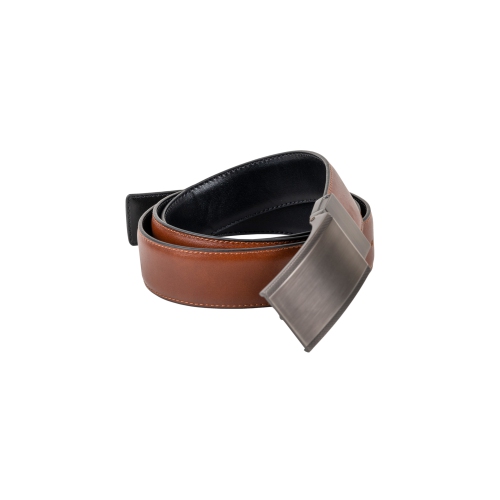
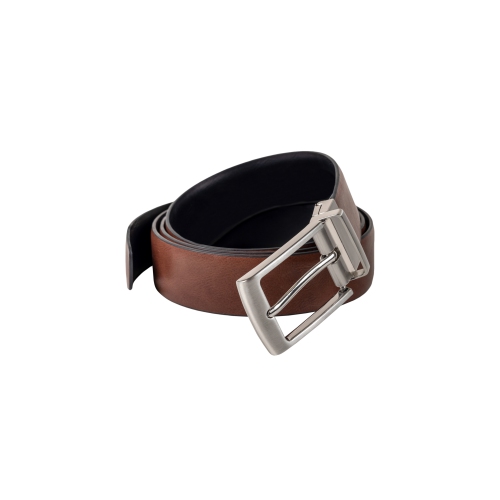
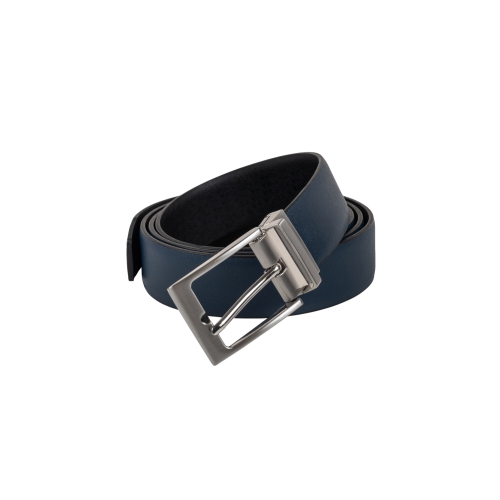
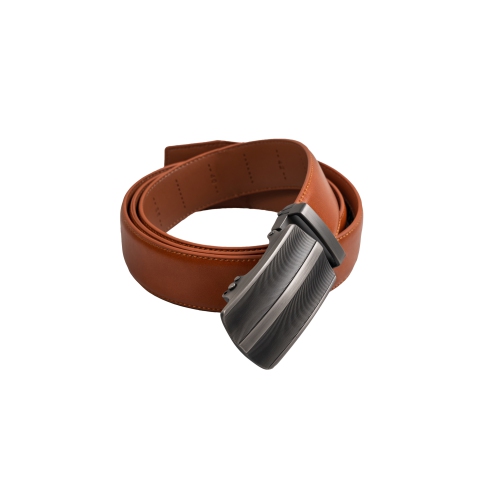
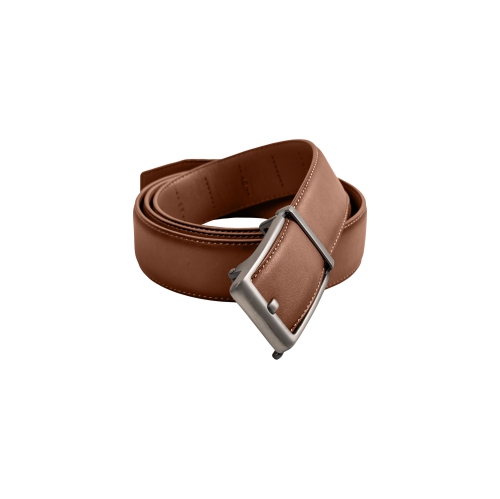
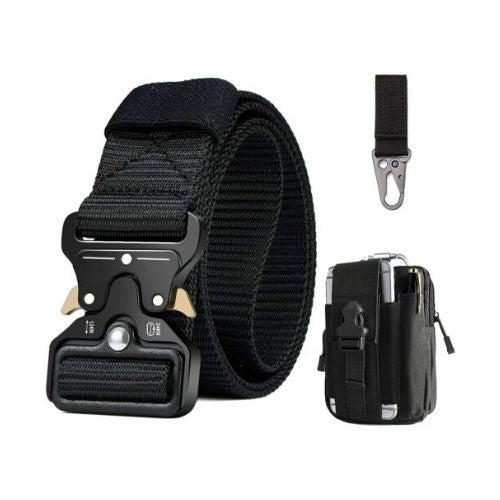
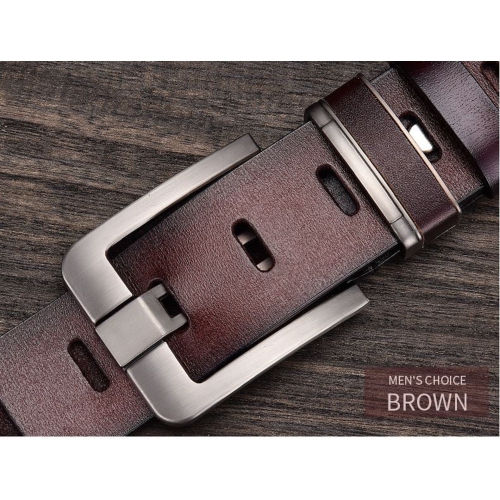
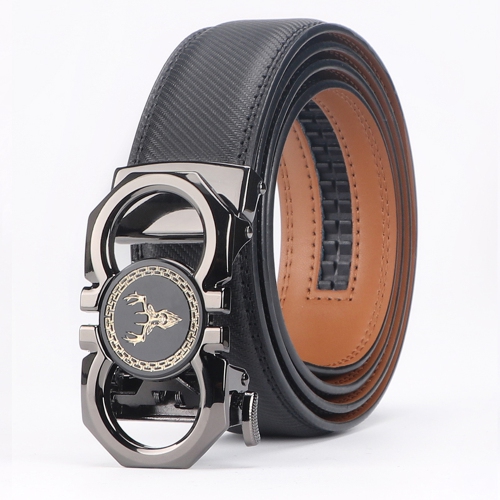
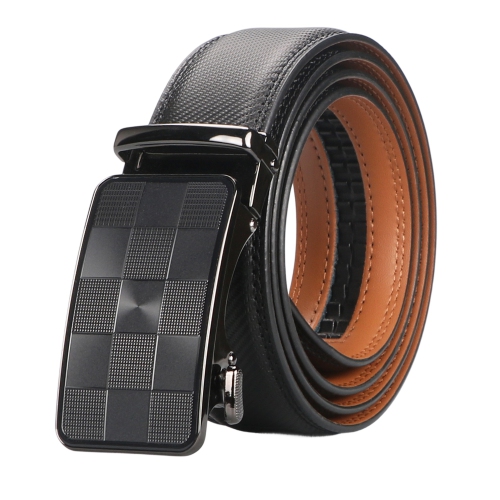
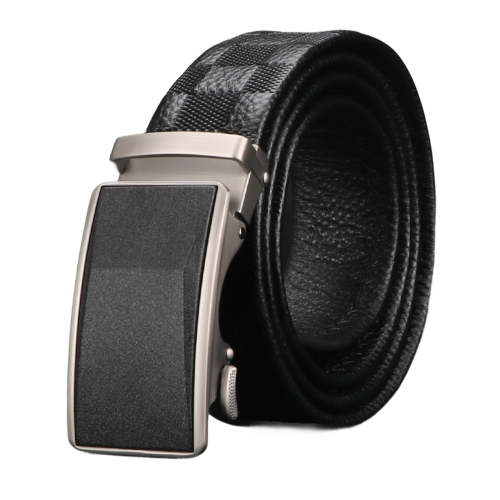
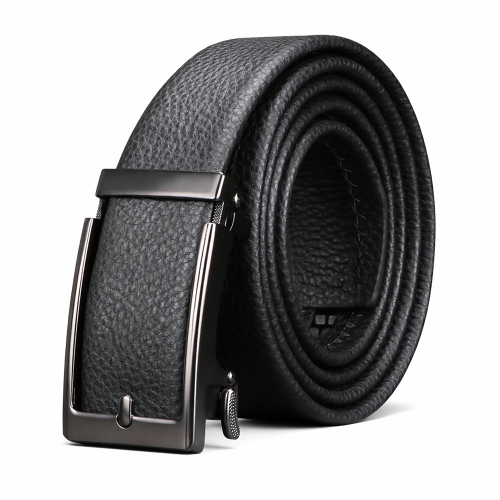
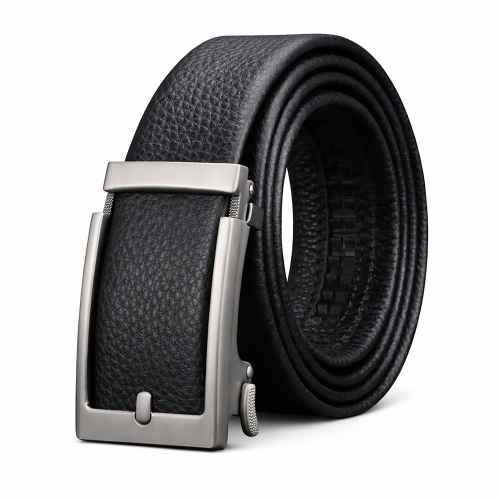
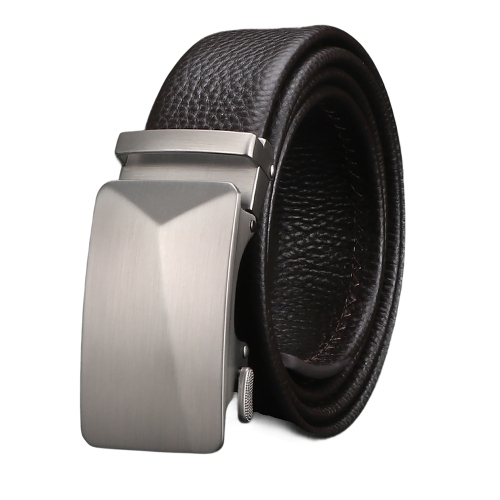
Men’s belts for jeans combine a practical fit with the substantial textures and relaxed finish that suit denim. A casual belt is typically about 1.5 to 1.75 inches wide, giving it enough presence to balance sturdy jean fabric without looking like a narrow dress belt. Belt-loop openings vary, though, so width matters as much as appearance: the strap should slide through easily rather than bunching the waistband or catching at each loop. Leather, woven fabric, and heavy-duty canvas each bring a different feel to everyday wear. Full-grain leather retains the hide’s natural grain and can develop a distinctive patina with use, making it a good match for denim that also softens and changes over time. Top-grain leather generally has a more uniform surface, while suede adds a soft, matte texture that pairs naturally with brushed cotton shirts and knitwear. Canvas offers a lighter, casual alternative, particularly with relaxed jeans and trainers, and woven belts can provide flexible adjustment depending on their construction. Stretch styles allow some give when sitting, bending, or moving throughout the day, although the amount of support depends on the weave and elastic content. Material descriptions are worth reading closely because a leather-look finish does not necessarily indicate a solid leather strap, and the term genuine leather alone does not establish thickness or overall quality. Construction makes a difference, too. Even stitching, smoothly finished edges, and a firmly attached buckle help a belt withstand repeated threading, fastening, and flexing. For someone wearing jeans through a commute, a day at a desk, and an evening out, a supple strap with enough body to hold its shape can feel more comfortable than a very stiff belt. A heavier leather or canvas design may better complement substantial workwear-style denim, while a smoother, moderately wide belt tends to sit neatly against dark jeans with a cleaner silhouette.
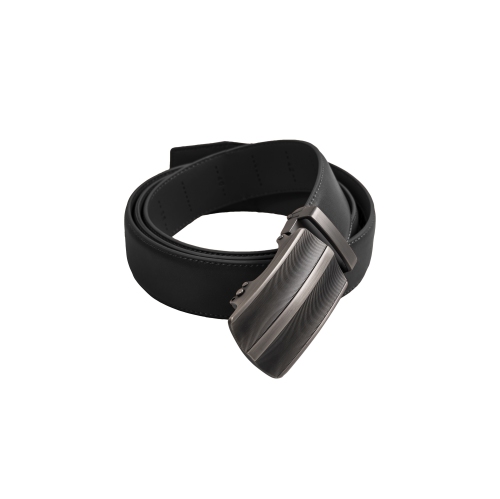
The right belt size depends on where the jeans sit, how their waistband fits, and how the belt is measured. A common starting point is a belt size two inches larger than the labelled trouser waist, but that rule is only an estimate; clothing labels and belt sizing systems are not identical across manufacturers. Jeans worn lower on the hips may need a longer belt than jeans worn at the natural waist, so adding length automatically is less reliable than measuring at the actual wearing position. With the jeans on, a flexible tape threaded through the belt loops gives a useful measurement to compare with the belt’s size chart. Another practical reference is a comfortable existing belt measured from the point specified by the manufacturer, often where the strap meets the buckle, to the hole used most frequently. Overall strap length is not usually the same as the labelled belt size. On a traditional prong belt, fastening near the middle hole leaves room to loosen or tighten the fit as needed. The remaining tail should pass through the keeper and sit neatly against the waistband without extending awkwardly around the hip. Ratchet closures offer small adjustment increments, while some woven and friction-buckle designs allow fastening without fixed holes. These can be useful when the preferred fit changes between standing and sitting, or when rotating between denim weights. Buckle size also affects comfort: a broad, raised buckle may press into the abdomen at a desk or under a close-fitting layer, whereas a flatter design generally creates less bulk. The strap should support the jeans without needing to be pulled so tightly that the waistband folds. For people who find their denim relaxes during wear, a little adjustment room is helpful, but a belt cannot fully correct a waistband that is several sizes too large. Comparing closure type, usable length, width, and buckle profile gives a clearer picture of fit than relying on a size label alone.
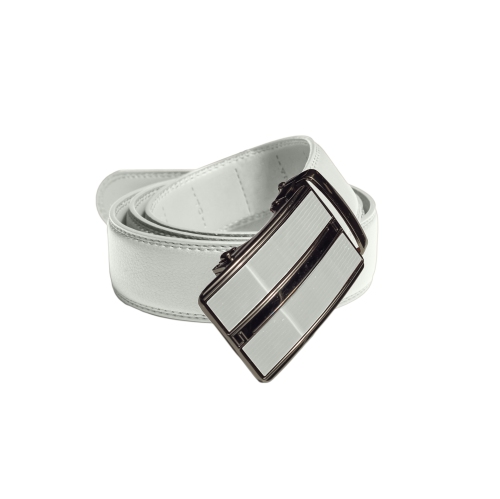
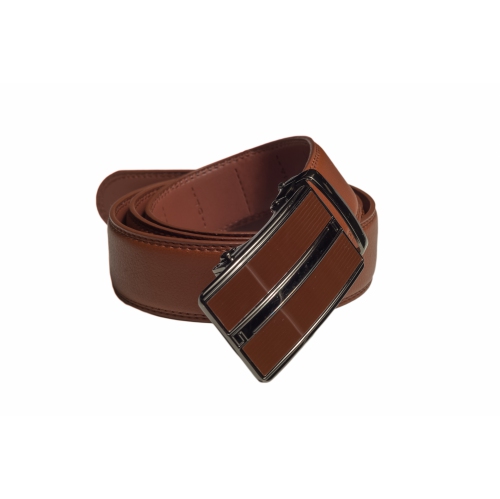
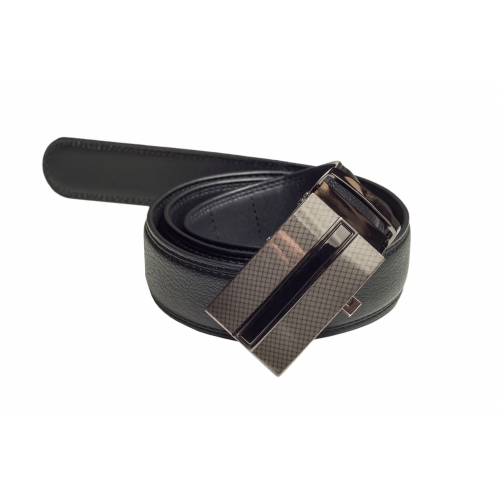
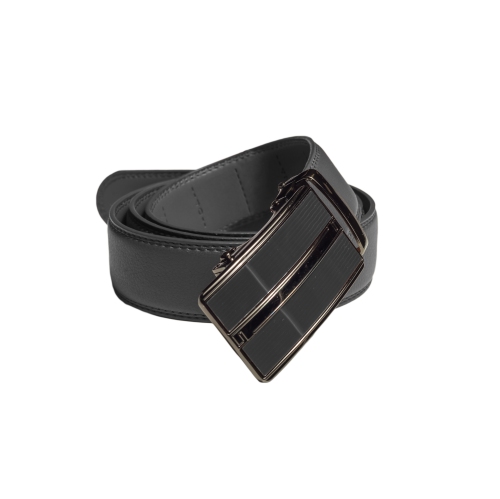
Colour and finish help a jeans belt move between different parts of a wardrobe. Medium brown leather brings warmth to blue denim and tan boots, while black leather works easily with black jeans, charcoal layers, and darker footwear. Exact colour matching is not essential for casual dressing; a similar level of formality and a compatible finish often matter more. A brushed buckle and subtly textured strap feel at home with faded denim, while smooth leather and restrained hardware can make dark jeans look more polished with a tucked-in shirt. Canvas and woven textures suit relaxed outfits where a glossy dress belt might feel out of place. During the cooler months, a belt can remain a quiet finishing detail beneath a jumper or become more visible with an open overshirt. For a wider view of everyday styles beyond denim-focused choices, Belts for Men offers a broader category to explore. Regular care helps preserve both appearance and function. Leather belts generally benefit from wiping with a soft cloth, drying naturally away from direct heat if damp, and using a suitable conditioner only as directed for the leather finish. Suede needs a different approach, usually involving a suede brush and care products intended for its nap. Canvas, woven, and synthetic straps should be cleaned according to their care labels, since immersion or machine washing can affect hardware, adhesives, dyes, or elastic fibres. Hanging a belt straight or loosely coiling it avoids sharp folds; forcing a stiff strap into a tight roll can stress the surface. Fraying, stretched holes, loose buckle attachments, and cracking around frequently bent areas are useful signs to watch for. A belt can also make a thoughtful gift for someone who wears jeans regularly, especially when its colour and buckle style reflect what they already enjoy wearing. Checking the size of a well-fitting belt, rather than guessing from clothing alone, makes that gift more likely to become a dependable part of their daily routine.
The right belt size depends on where the jeans sit, how their waistband fits, and how the belt is measured. A common starting point is a belt size two inches larger than the labelled trouser waist, but that rule is only an estimate; clothing labels and belt sizing systems are not identical across manufacturers. Jeans worn lower on the hips may need a longer belt than jeans worn at the natural waist, so adding length automatically is less reliable than measuring at the actual wearing position. With the jeans on, a flexible tape threaded through the belt loops gives a useful measurement to compare with the belt’s size chart. Another practical reference is a comfortable existing belt measured from the point specified by the manufacturer, often where the strap meets the buckle, to the hole used most frequently. Overall strap length is not usually the same as the labelled belt size. On a traditional prong belt, fastening near the middle hole leaves room to loosen or tighten the fit as needed. The remaining tail should pass through the keeper and sit neatly against the waistband without extending awkwardly around the hip. Ratchet closures offer small adjustment increments, while some woven and friction-buckle designs allow fastening without fixed holes. These can be useful when the preferred fit changes between standing and sitting, or when rotating between denim weights. Buckle size also affects comfort: a broad, raised buckle may press into the abdomen at a desk or under a close-fitting layer, whereas a flatter design generally creates less bulk. The strap should support the jeans without needing to be pulled so tightly that the waistband folds. For people who find their denim relaxes during wear, a little adjustment room is helpful, but a belt cannot fully correct a waistband that is several sizes too large. Comparing closure type, usable length, width, and buckle profile gives a clearer picture of fit than relying on a size label alone.
Colour and finish help a jeans belt move between different parts of a wardrobe. Medium brown leather brings warmth to blue denim and tan boots, while black leather works easily with black jeans, charcoal layers, and darker footwear. Exact colour matching is not essential for casual dressing; a similar level of formality and a compatible finish often matter more. A brushed buckle and subtly textured strap feel at home with faded denim, while smooth leather and restrained hardware can make dark jeans look more polished with a tucked-in shirt. Canvas and woven textures suit relaxed outfits where a glossy dress belt might feel out of place. During the cooler months, a belt can remain a quiet finishing detail beneath a jumper or become more visible with an open overshirt. For a wider view of everyday styles beyond denim-focused choices, Belts for Men offers a broader category to explore. Regular care helps preserve both appearance and function. Leather belts generally benefit from wiping with a soft cloth, drying naturally away from direct heat if damp, and using a suitable conditioner only as directed for the leather finish. Suede needs a different approach, usually involving a suede brush and care products intended for its nap. Canvas, woven, and synthetic straps should be cleaned according to their care labels, since immersion or machine washing can affect hardware, adhesives, dyes, or elastic fibres. Hanging a belt straight or loosely coiling it avoids sharp folds; forcing a stiff strap into a tight roll can stress the surface. Fraying, stretched holes, loose buckle attachments, and cracking around frequently bent areas are useful signs to watch for. A belt can also make a thoughtful gift for someone who wears jeans regularly, especially when its colour and buckle style reflect what they already enjoy wearing. Checking the size of a well-fitting belt, rather than guessing from clothing alone, makes that gift more likely to become a dependable part of their daily routine.
Top selling and popular products
-
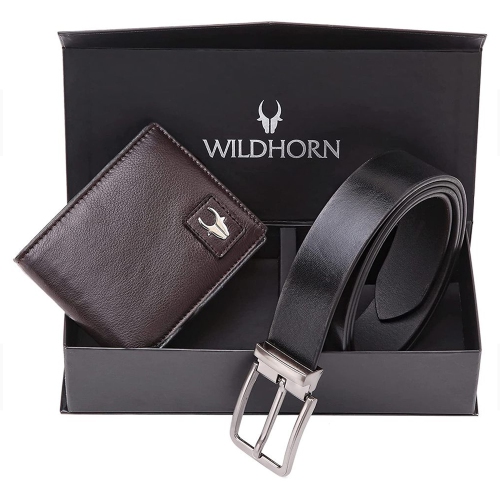 Your price for this item is $30.99
 -
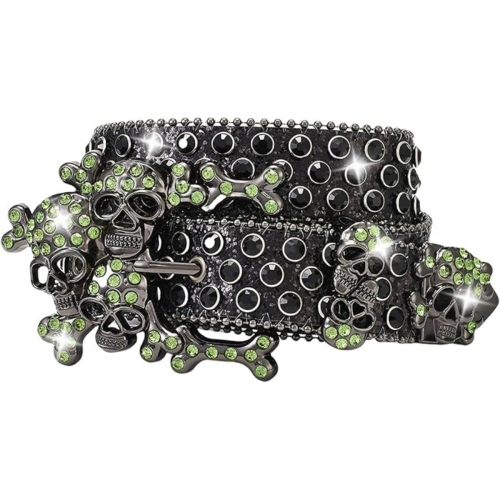 Your price for this item is $26.33
 -
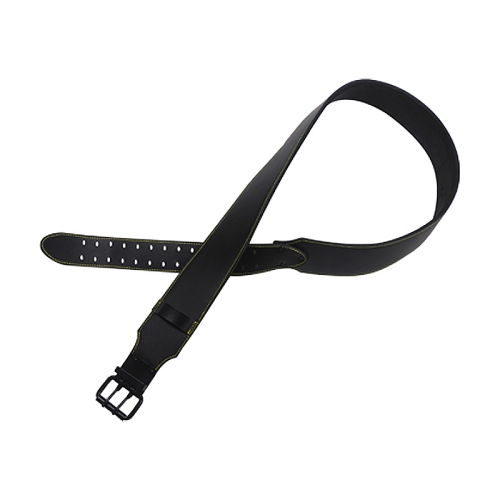 Your price for this item is $8.74
 -
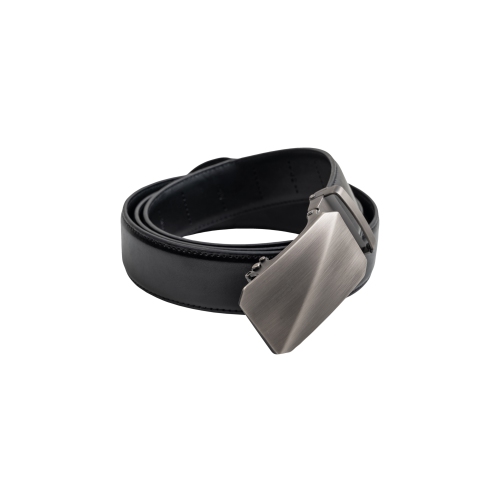 Your price for this item is $29.99
 -
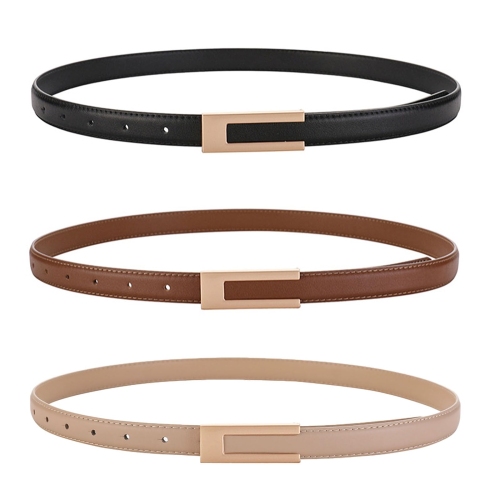 Your price for this item is $23.48
 -
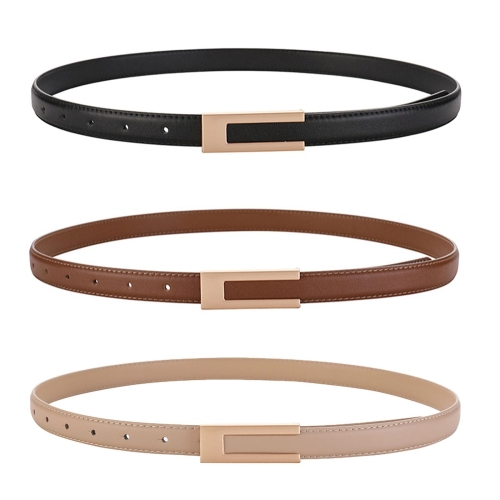 Your price for this item is $20.99
 -
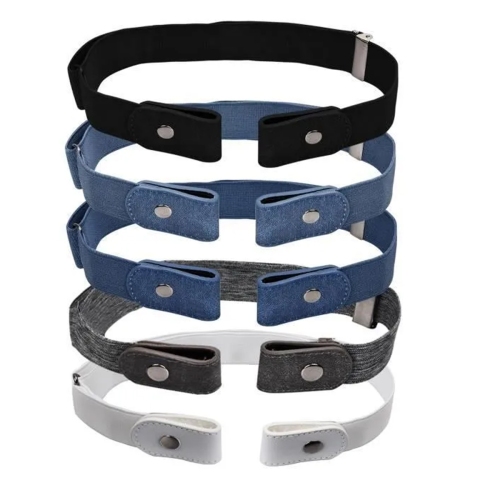 Your price for this item is $25.83
 -
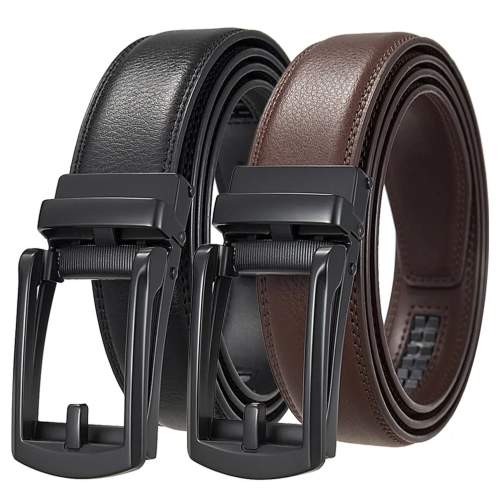 Your price for this item is $39.99
Discover more categories related to Men's Belts for Jeans
Top Collections:
Pokemon Centers, Kindle Devices, Best Budget Office Chairs, Apple iPhones 16, Best Laptops for Writers, iPhone 15 Apple, Canon G7X Cameras, Refurbished Apple Laptops, Alarm Clock, Motorola Razr Phones
Some products may be subject to Environmental Handling Fees
(EHF) depending on your province.
Learn more about EHFs.