Mens Designer Diamond Rings
Elevate your style with Mens Designer Diamond Rings that blend sophistication and modern flair. Whether you're searching for a bold statement piece or a refined accessory, discover options that suit every taste and occasion. Explore a curated selection designed to add a touch of luxury and distinction to your everyday look or special event ensemble. Find the perfect Mens Designer Diamond Ring to express your unique personality and make a lasting impression.
Sort





Why a diamond ring’s impact goes beyond carats
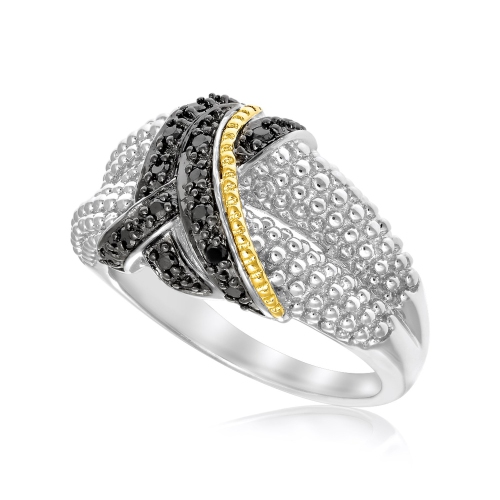
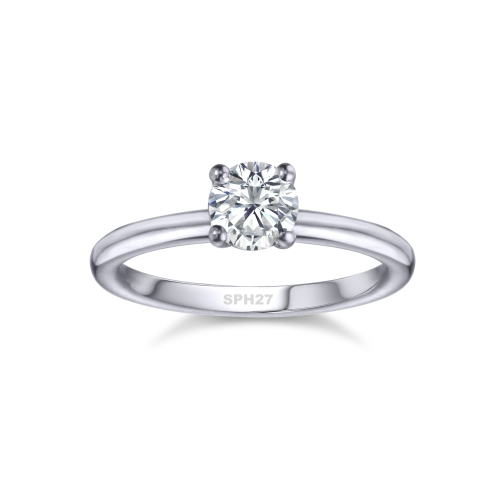
Men’s designer diamond rings combine the character of a carefully shaped band with the distinctive light and texture of diamonds. The category spans understated rings with a single flush-set stone, bands lined with diamond accents, and substantial signet-inspired designs with a prominent centre setting. A slim band with a brushed finish can feel discreet beside a watch, while a broad, polished ring creates a stronger focal point against a simple shirt cuff. Designer styling often comes through in the proportions: a bevelled edge, sculpted shoulder, geometric face, or contrast between polished and textured surfaces can give a ring its identity without relying on a large stone. White diamonds bring brightness to both warm and cool metals, while black diamonds create a more opaque, graphic effect. Round diamonds offer a familiar sparkle, and square or rectangular shapes introduce crisp lines that complement angular settings. Baguette accents can produce an orderly, architectural look; an emerald-cut centre diamond tends to show broader flashes of light rather than the lively sparkle associated with many brilliant cuts. Stone shape, setting height, and band width all influence how a ring appears on the hand, so carat weight alone does not describe its visual impact. Total carat weight refers to the combined weight of all diamonds in a ring, not necessarily the weight of a single centre stone. Colour and clarity describe different aspects of a diamond’s appearance, while cut quality affects how it handles light. Natural and laboratory-grown diamonds share the same essential chemical composition and crystal structure, but differ in origin. Clear descriptions of stone origin, treatments, and any accompanying grading documentation help establish what a ring contains. Together, these details distinguish a quiet accent ring from a more expressive piece, whether the intended look is traditional, contemporary, or distinctly personal.
Metal choice shapes the colour, weight, and long-term character of a men’s diamond ring. Yellow gold gives white diamonds a warm contrast, rose gold adds a copper-toned hue, and white gold creates a pale backdrop that blends visually with bright stones. Gold karat indicates the proportion of pure gold in the alloy; the other metals influence properties such as hardness and colour. The difference between 14-karat and 18-karat gold therefore involves more than appearance, and resistance to wear also depends on the alloy and construction. White gold is often finished with rhodium plating, which can gradually wear and may need professional renewal to maintain its bright surface. Platinum has a naturally white colour and a dense feel, developing a softer patina with wear rather than retaining a freshly polished appearance indefinitely. No precious metal is scratchproof, and a polished band will show contact marks differently from a brushed or textured one. Fit is equally important, particularly with wide bands that cover more of the finger and can feel tighter than narrow rings in the same nominal size. A rounded comfort-fit interior can soften contact at the edges, although its sizing may differ from a flat interior. Accurate measurement for the intended finger matters more than borrowing a size from a ring worn on the other hand. A secure fit should allow the ring to pass over the knuckle with some resistance without pinching during ordinary movement. Setting height also affects comfort: a low-profile diamond is less likely to catch on a knitted sleeve or interfere with gloves than a raised setting. Flush and channel settings can offer protected edges, while prongs expose more of a stone and need attention to their condition. Resizing possibilities vary with the metal, band construction, and placement of diamonds, especially when stones continue around much of the circumference. These practical differences matter for a ring intended to stay comfortable through years of regular wear.
Men’s designer diamond rings can mark a marriage, engagement, anniversary, graduation, or personal achievement, but they also work simply as an expression of individual style. A restrained diamond band may become part of an everyday routine, while a substantial signet or sculptural ring may be reserved for dinners, celebrations, and occasions that call for a more noticeable accessory. For a proposal, the Mens Engagement Diamond Rings collection brings the focus to rings worn as symbols of commitment. When a ring is a gift, the recipient’s existing jewellery offers useful clues: a preference for brushed silver-toned accessories suggests a different direction from a fondness for polished yellow gold and bold shapes. Band width, finger choice, and tolerance for a raised setting can be just as personal as the diamond itself. Someone who types throughout the day may appreciate smooth edges, while someone who works with tools needs to consider when jewellery must be removed altogether. Rings should come off before weight training, heavy lifting, or tasks where they could catch on equipment. Diamonds resist scratching exceptionally well, but a sharp impact can still chip a stone or damage its setting. Routine care helps preserve both appearance and security. For many untreated diamond rings in gold or platinum, gentle cleaning with mild soap, lukewarm water, and a soft brush can loosen the residue that collects beneath settings; the maker’s care directions take priority, particularly for treated diamonds, coatings, or additional gemstones. Thorough rinsing and drying with a soft, lint-free cloth help prevent lingering residue. Harsh chemicals, abrasive cleaners, and home ultrasonic cleaning are best avoided unless confirmed suitable for the entire ring. Separate storage reduces contact with other jewellery, and periodic professional checks can identify worn prongs or loose stones before they become a larger problem. Thoughtful care allows the metal’s finish, the diamond’s light, and the details of the design to remain part of the ring’s lasting appeal.
Top selling and popular products
-
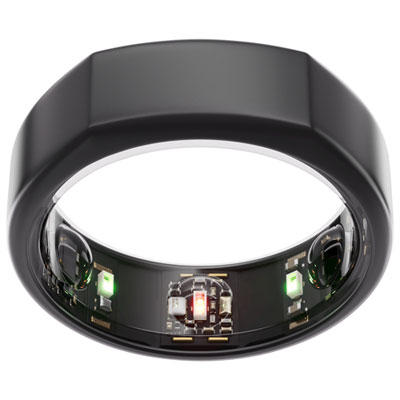 Your price for this item is $369.99
-
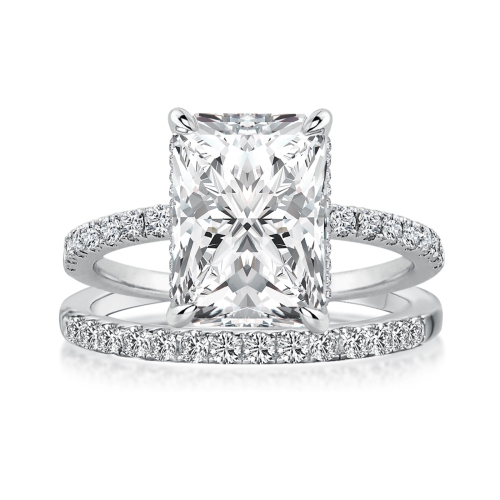 Your price for this item is $801.45
-
 Your price for this item is $362.03
-
 Your price for this item is $71
-
 Your price for this item is $969
-
 Your price for this item is $486.49
-
 Your price for this item is $139.99
-
 Your price for this item is $95
Discover more categories related to Mens Designer Diamond Rings


Top Collections:
Pokemon Centers, Kindle Devices, Best Budget Office Chairs, Canon G7X Cameras, Apple iPhones 16, Samsung Galaxy Phones, Refurbished Apple Laptops, Laptops for Students, iPhone 15 Apple, Budget Smartphones
Some products may be subject to Environmental Handling Fees
(EHF) depending on your province.
Learn more about EHFs.