Mens Engagement Diamond Rings
Mens Engagement Diamond Rings offer a timeless way to celebrate love and commitment. With a variety of styles designed to suit every taste, these rings blend classic elegance with modern appeal. Whether you prefer a bold statement piece or a subtle design, Mens Engagement Diamond Rings make it easy to find the perfect symbol for your special moment. Explore options that reflect your unique personality and mark the beginning of a new chapter in style.
Sort




How diamond settings shape a ring’s everyday feel
Men’s engagement diamond rings mark a commitment with designs that range from understated bands to bold, sculptural settings. A single diamond set into a plain band offers a restrained look, while a row of stones adds a more noticeable line of brilliance across the finger. The main differences between styles come down to the metal, band width, diamond arrangement, and height of the setting. Flush-set diamonds sit level with the surrounding metal, creating a smooth profile that suits someone who prefers jewellery without prominent raised details. A star setting places a small diamond within an engraved star-shaped pattern, giving a simple band a distinctive focal point. Channel settings hold a row of diamonds between parallel metal edges, while bezel settings surround individual stones with a rim of metal. These lower-profile designs can be practical for daily wear, although no setting makes a ring suitable for every activity. Raised claw settings expose more of the diamond and create a traditional centre-stone silhouette, but they may catch on knitwear or feel more noticeable when reaching into a pocket. Round brilliant diamonds bring lively sparkle, whereas square or rectangular shapes can emphasize the straight lines of a broad band. Black diamonds create strong contrast against lighter metals, and colourless diamonds can appear subtle or striking depending on their size and placement. For someone whose everyday accessories are a watch and a simple chain, a narrow band with one small diamond may feel familiar from the first wear. A wider ring with multiple stones, geometric edges, or a textured surface makes a stronger statement. An engagement ring can be chosen for a surprise proposal, selected together as a couple, or exchanged by both partners. Matching rings are not essential: a shared metal colour, engraved message, or similar diamond detail can connect two different styles while leaving room for individual taste.
Metal choice affects a diamond engagement ring’s colour, weight, maintenance, and long-term wear. Yellow gold has a warm appearance that pairs naturally with classic polished bands, while rose gold gets its pink tone from copper in the alloy. White gold offers a pale finish and is often rhodium plated; that plating can wear over time and may need professional renewal to maintain its original appearance. Gold karat describes the proportion of pure gold in the alloy, not the size or quality of the diamond. A higher karat means more gold content, but hardness and resistance to wear also depend on the alloy and how the ring is made. Platinum has a naturally white colour and a substantial feel, and its surface develops a patina with regular use. It can still scratch, even though it is well suited to jewellery worn frequently. Tungsten carbide is highly resistant to scratching but can chip or fracture under a sharp impact, and tungsten bands generally cannot be resized. Titanium is lightweight, though resizing options are also limited and depend on the design. These differences matter for a ring intended to remain part of daily life for years. Anyone with metal sensitivities should check the full alloy composition rather than relying on colour or a broad description alone. Surface finishes add another layer of character: brushed metal softens reflections, hammered details create an irregular play of light, and polished edges can frame a matte centre. With wear, polished areas may collect fine scratches and textured finishes may become smoother. Diamond details deserve equal attention. Carat measures weight, while cut quality influences how effectively a diamond returns light. Total carat weight refers to all the diamonds in a ring combined, so it does not describe the size of a single centre stone. Colour, clarity, proportions, and any disclosed treatments also help explain differences in appearance. Natural and laboratory-grown diamonds share the same essential chemical composition and crystal structure; neither should be confused with diamond simulants such as cubic zirconia. For a closer focus on distinctive styling, men’s designer diamond rings offer a related way to explore diamond jewellery beyond its role in a proposal.
Fit is especially important for men’s engagement diamond rings because band width and interior shape can change how a size feels on the hand. A broad band covers more skin and may feel tighter than a narrow ring in the same nominal size. A comfort-fit interior has rounded inner edges that can make the band easier to slide over the knuckle, but it does not remove the need for accurate sizing. A well-fitting ring should pass over the knuckle with some resistance and sit securely without pinching during normal movement. Professional measurement with a sizing band of similar width is more reliable than guessing from a different finger or another person’s ring. For a surprise proposal, confirming the resizing policy and the design’s limitations is particularly useful. Diamonds extending around the entire band, intricate patterns, and certain metals can restrict later adjustments. The ring’s proportions should also work with any wedding band it may eventually accompany: two wide bands can take up more finger space than expected, and a raised setting may prevent them from sitting closely together. Daily routines shape what feels comfortable, too. Someone who types throughout the day may prefer smooth edges, while someone who works with tools or machinery may need to remove jewellery entirely for safety. Rings should also come off before weightlifting, heavy lifting, or tasks that could strike or compress the setting. Diamond resists scratching exceptionally well, but a hard blow can still chip it, particularly along an exposed edge. For routine care, mild soap, lukewarm water, and a soft brush are often suitable for untreated diamond rings, provided the metal and any additional materials permit this method. Treated stones, plated surfaces, and mixed-material designs may require different care, so the ring’s own instructions take priority. Avoid harsh cleaners, store rings separately to limit contact scratches, and arrange periodic checks of claws, channels, and stone security. Those small habits help preserve both the ring’s appearance and the details that made it a meaningful choice.
Top selling and popular products
-
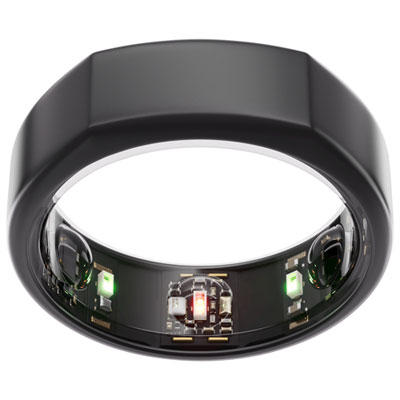 Your price for this item is $369.99
-
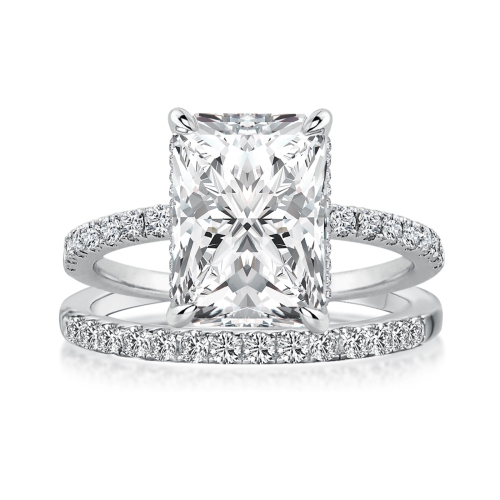 Your price for this item is $801.45
-
 Your price for this item is $362.03
-
 Your price for this item is $71
-
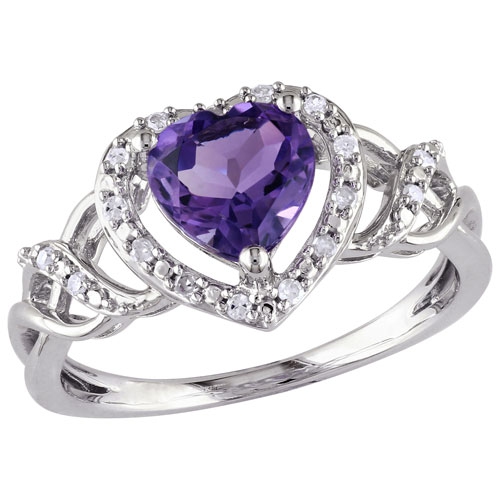 Your price for this item is $95
-
 Your price for this item is $139.99
-
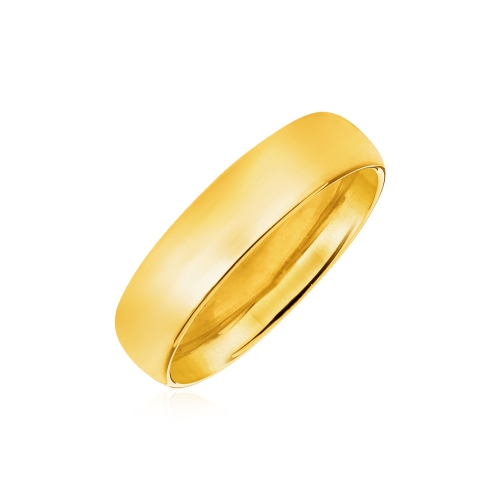 Your price for this item is $486.49
-
 Your price for this item is $969
Discover more categories related to Mens Engagement Diamond Rings


Top Collections:
Pokemon Centers, Kindle Devices, Best Budget Office Chairs, Canon G7X Cameras, Apple iPhones 16, Samsung Galaxy Phones, Refurbished Apple Laptops, Laptops for Students, iPhone 15 Apple, Budget Smartphones
Some products may be subject to Environmental Handling Fees
(EHF) depending on your province.
Learn more about EHFs.