Quick Release Leather Watch Bands
Quick Release Leather Watch Bands offer a stylish and convenient way to update the look of your favorite timepiece. Designed for easy strap changes, these bands blend classic leather craftsmanship with modern versatility, making it simple to switch up your style in seconds. Whether you’re dressing up for a special occasion or looking for an everyday accessory, Quick Release Leather Watch Bands provide a polished finish that complements any wardrobe. Explore a variety of colors, textures, and sizes to find the perfect match for your watch and personal taste.
Sort
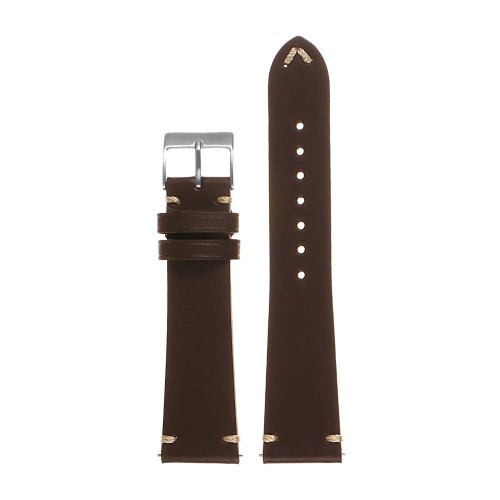
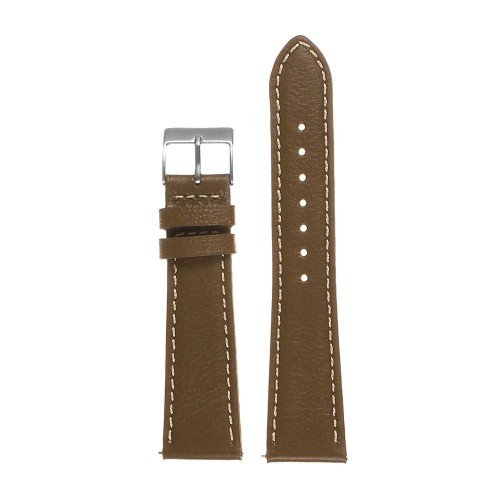
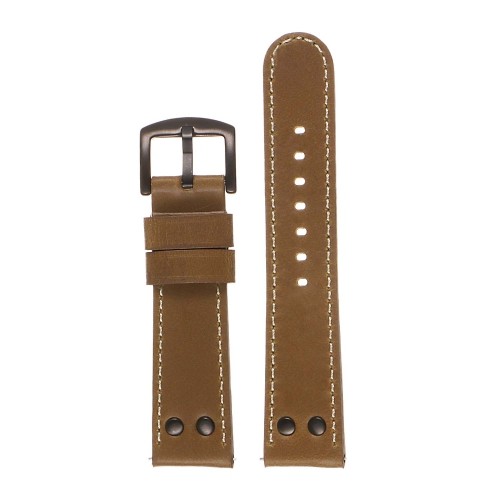
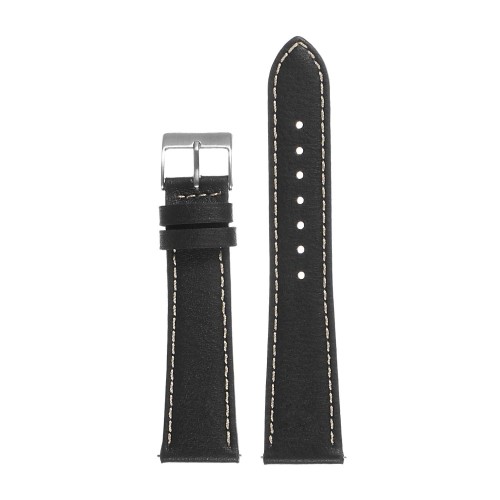
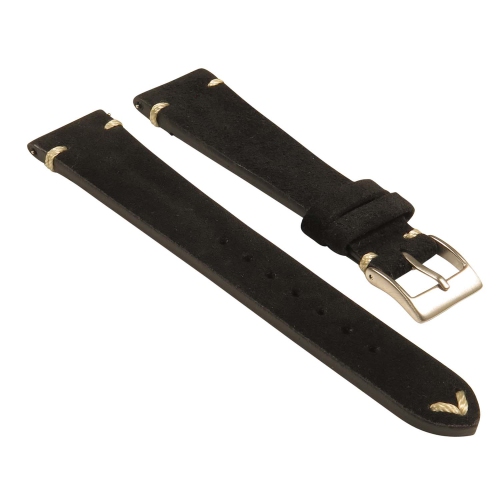
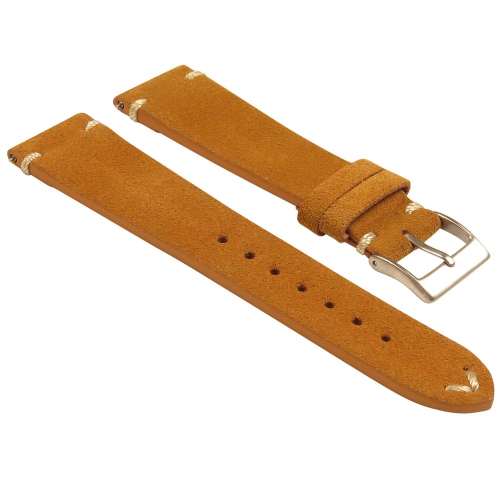
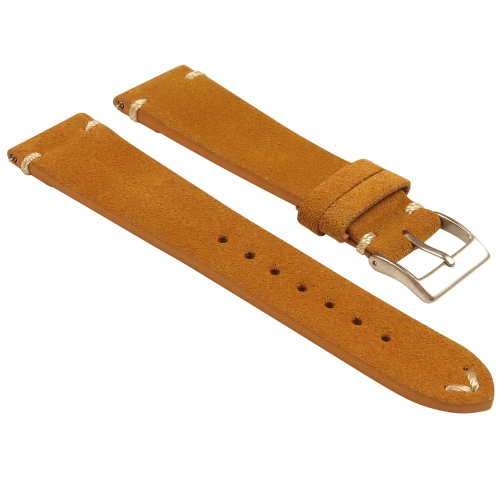
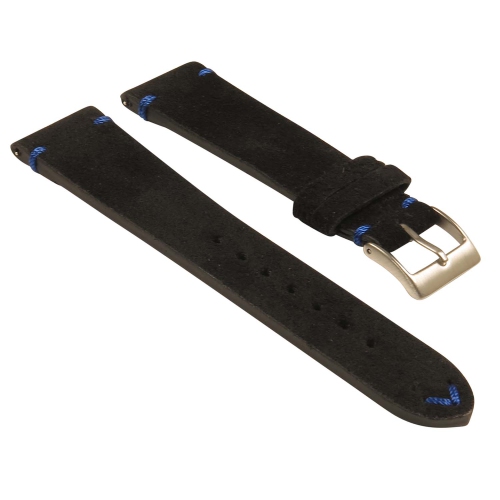
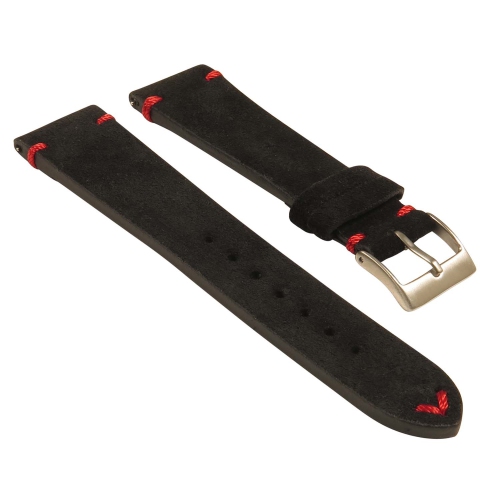
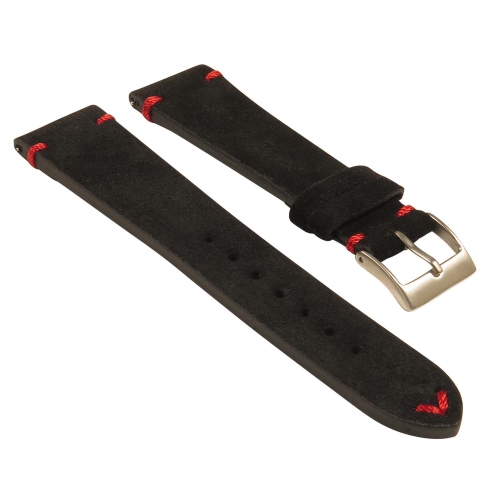
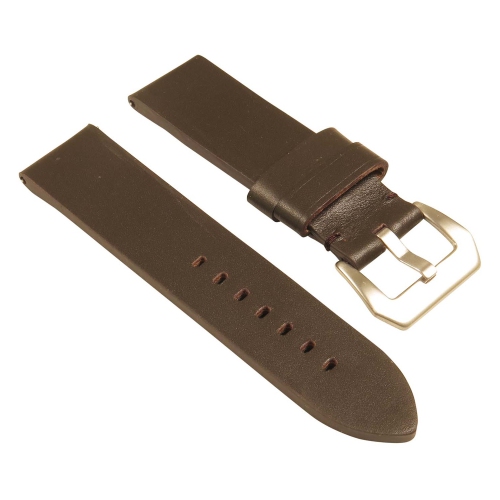
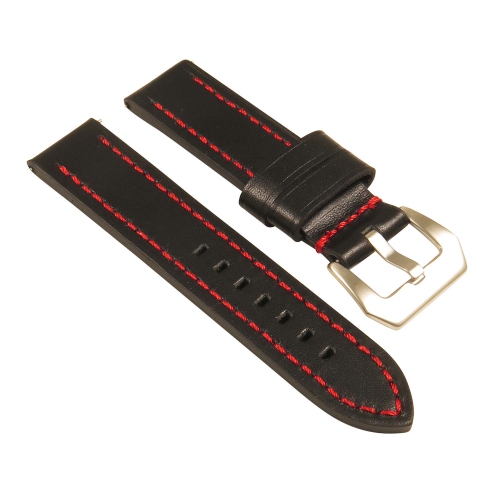
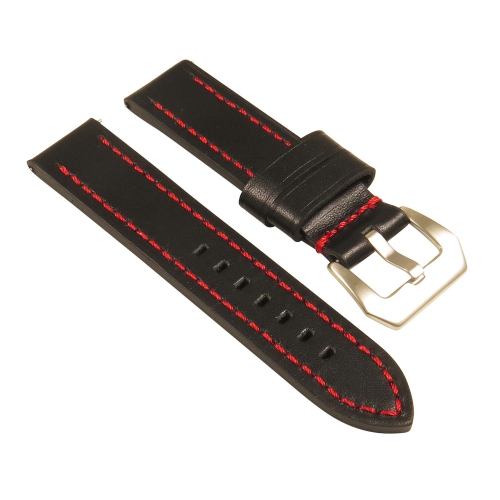
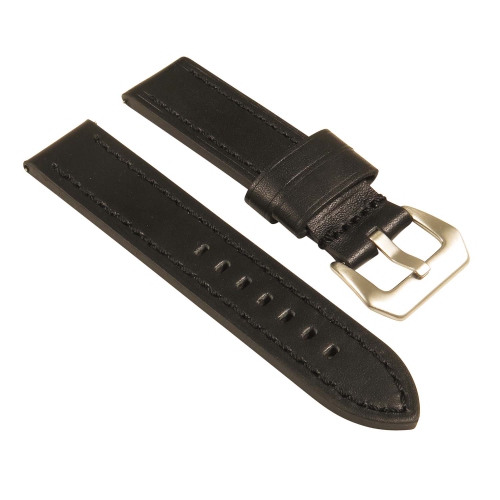
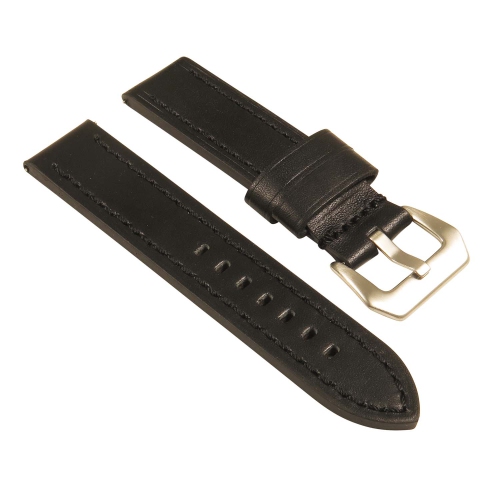
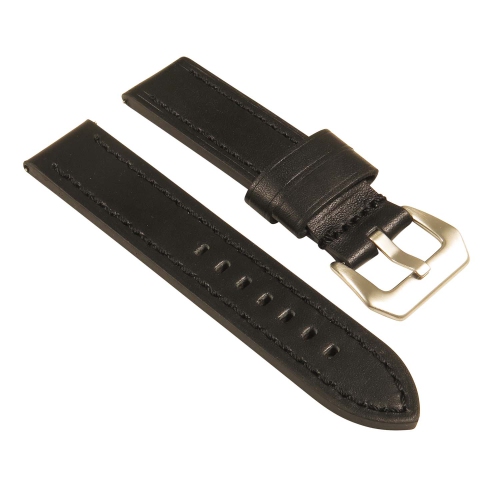
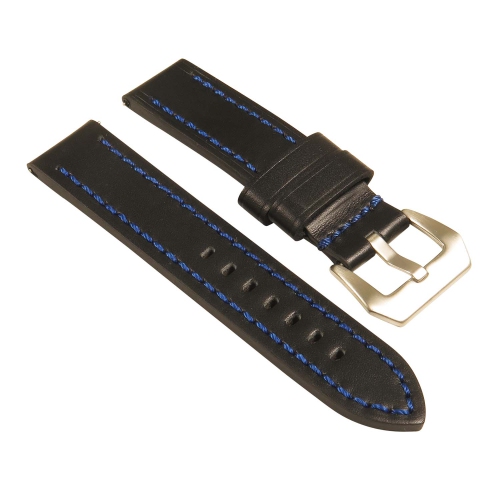
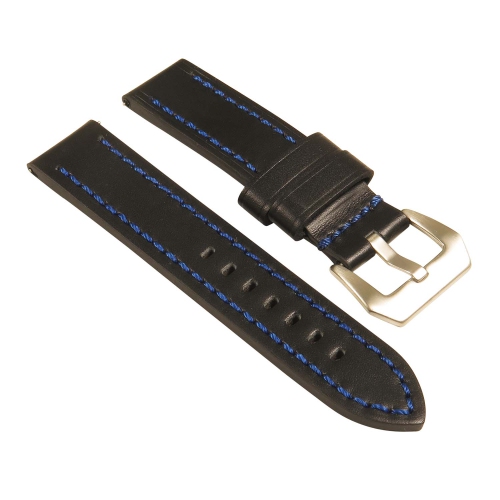
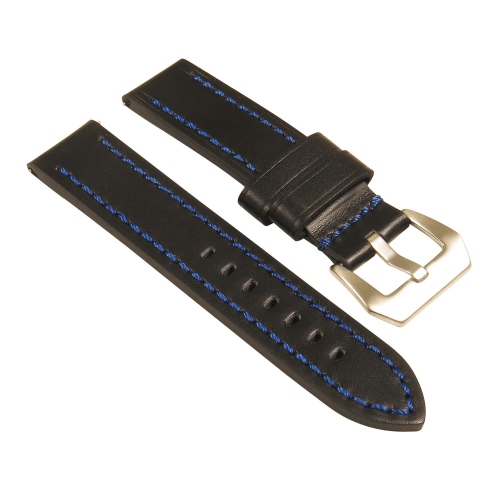
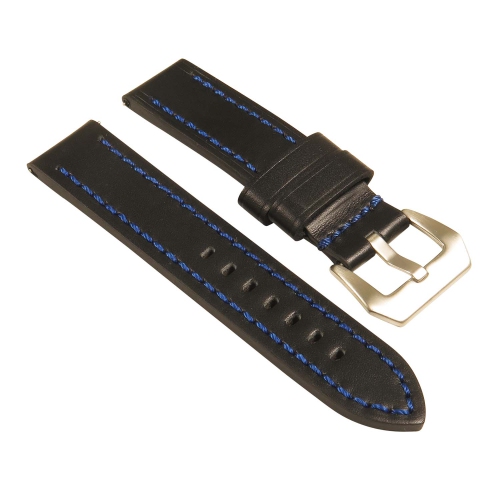
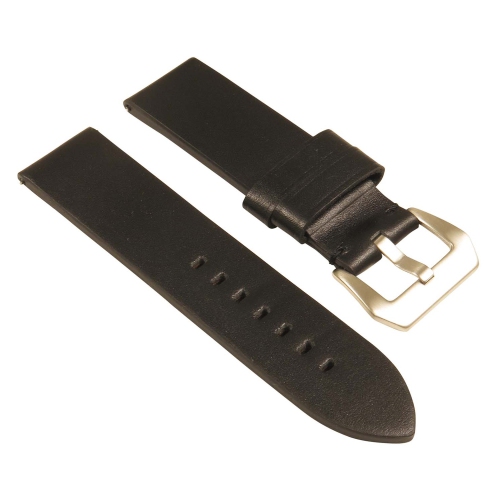
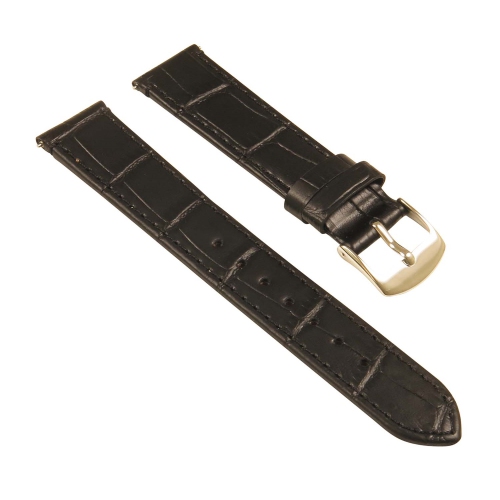

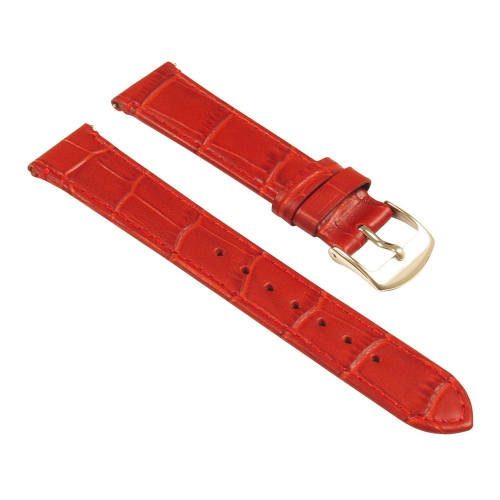
Traditional leather style meets tool-free strap changes
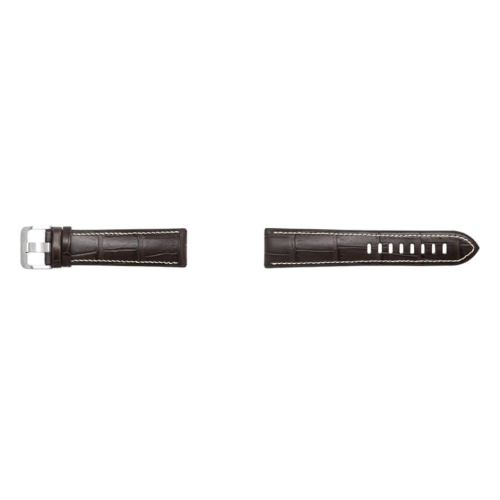
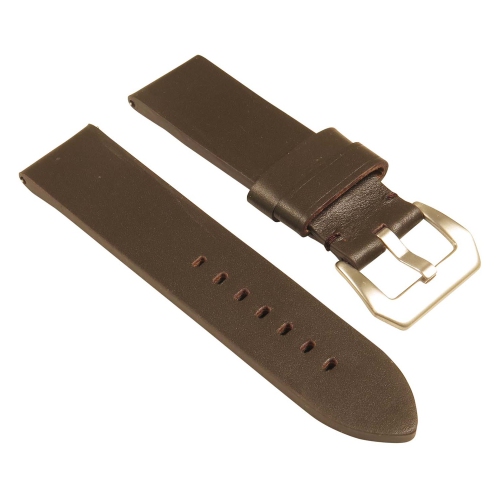
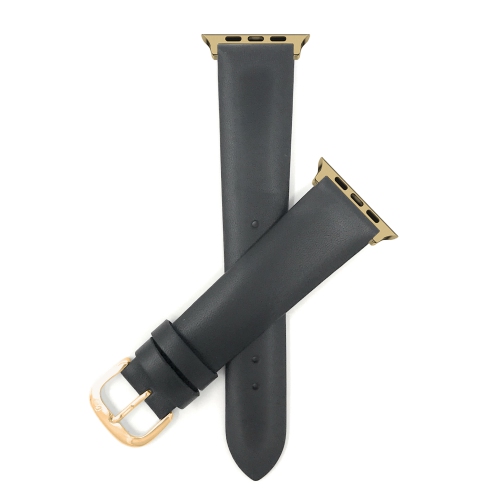
Quick release leather watch bands pair the familiar feel of leather with a spring bar that can be operated by hand. A small lever on the underside of each strap end retracts one tip of the bar, allowing the band to be attached to or removed from compatible watch lugs without a separate tool. That built-in mechanism makes it easier to change the character of a watch without changing the watch itself: a smooth black strap can look understated with office clothing, while a textured brown band brings a more relaxed finish to everyday outfits. The quick release feature describes how the strap attaches, not a universal fit, so the watch’s connection type and lug width still matter. Some watches use proprietary fittings or require an adapter rather than accepting a standard spring-bar strap directly. For compatible watches, these bands offer a practical balance of traditional styling and convenient changes, especially for anyone who alternates between leather and a separate strap suited to exercise. Within the broader range of Leather Watch Bands, quick release designs stand apart through this accessible attachment mechanism, while retaining the variety of finishes, stitching, padding, and buckle styles associated with leather straps. A slim, lightly padded band can sit neatly beneath a shirt cuff; a thicker strap with prominent stitching can visually balance a larger watch case. Matte surfaces tend to feel restrained, while polished finishes add a dressier touch. Black, tan, and deeper brown shades each give the same dial a different frame, and matching the buckle finish to the watch case can create a cohesive appearance. These details make quick release leather straps appealing to daily watch wearers, people refreshing a well-used timepiece, and enthusiasts who enjoy small changes in colour and texture. They can also make thoughtful gifts when the recipient’s watch fitting and preferred strap length are known.
Fit begins with the space between the watch lugs, measured in millimetres where the strap joins the case. Common widths include 18 mm, 20 mm, and 22 mm, but those measurements are not interchangeable: the band width and spring bar must match the watch’s specified fitting. A strap that is too narrow can leave gaps, while one that is too wide may bunch against the lugs or fail to attach properly. Case diameter alone does not establish compatibility, since watches with similar faces can have different lug widths. Smartwatch compatibility deserves the same attention, including whether a model accepts standard bars, uses a dedicated connector, or needs an adapter. The original band may also require a tool for removal even when its replacement has a quick release mechanism. Beyond the connection, strap length determines where the buckle rests and how much adjustment remains once the watch is on the wrist. Wrist circumference, the length of the watch case, and the usable adjustment holes all contribute to the fit; width by itself says nothing about whether a band will comfortably wrap around the wrist. A well-fitting strap should hold the watch steady without pinching, with enough room for normal wrist movement. On a smartwatch, it should also allow the case back to make the contact specified by the watch manufacturer. Strap thickness affects the experience too. Heavily padded leather can feel substantial but may be stiff at first, while thinner leather often bends more readily around a smaller wrist. Tapering towards the buckle can reduce bulk beneath the wrist, which is noticeable when typing or resting an arm on a desk. Keepers help control the loose strap end, and a buckle with neatly finished edges can make everyday fastening more comfortable. Once fitted, both spring-bar tips need to be fully seated in the lug holes. A gentle pull on each strap section helps check the attachment; the lever should return freely rather than remain caught against the case or leather.
Leather type and construction influence how a quick release watch band feels on the first wear and how it changes with use. Full-grain leather retains the natural grain surface and may show small variations in texture, while top-grain leather has been worked to create a more uniform finish. Suede offers a soft, napped surface, and embossed leather adds a patterned texture without necessarily being made from the animal its pattern resembles. The term genuine leather identifies leather content but does not, on its own, establish a particular quality level. Lining material, edge finishing, stitching, and the spring-bar housing also deserve attention. A smooth underside can feel more comfortable against the skin, even stitching helps hold layers together, and cleanly finished edges reduce rough contact along the wrist. Leather commonly softens with wear and may develop a patina, particularly on finishes designed to show natural handling marks. That gradual change is different from cracking, separating layers, or stretched attachment points, which can signal deterioration. For daily commuting, office wear, dinners, and other low-moisture activities, leather offers a distinctive mix of flexibility and structure. It is generally less suited to swimming, showering, or repeated heavy perspiration unless the manufacturer specifically states otherwise. Quick release fittings make switching to a suitable activity strap more convenient, but they do not make the leather waterproof. Routine care usually involves wiping away surface dirt with a soft, dry cloth and following the maker’s directions for anything more involved. If a band becomes damp, letting it dry naturally away from direct heat helps protect its shape and finish. Leather cleaners or conditioners should only be used when appropriate for the particular surface, since treatments can darken pale leather or alter suede and coated finishes. Allowing a strap to dry fully between wears, avoiding sharp folds, and keeping it away from perfumes and harsh cleaning products can help maintain its appearance. Occasional checks around the buckle holes, stitching, keepers, and quick release levers help identify wear before the attachment becomes unreliable. With the right fit and care, a leather band can become a comfortable, personal part of a watch worn regularly rather than an accessory saved only for special occasions.
Fit begins with the space between the watch lugs, measured in millimetres where the strap joins the case. Common widths include 18 mm, 20 mm, and 22 mm, but those measurements are not interchangeable: the band width and spring bar must match the watch’s specified fitting. A strap that is too narrow can leave gaps, while one that is too wide may bunch against the lugs or fail to attach properly. Case diameter alone does not establish compatibility, since watches with similar faces can have different lug widths. Smartwatch compatibility deserves the same attention, including whether a model accepts standard bars, uses a dedicated connector, or needs an adapter. The original band may also require a tool for removal even when its replacement has a quick release mechanism. Beyond the connection, strap length determines where the buckle rests and how much adjustment remains once the watch is on the wrist. Wrist circumference, the length of the watch case, and the usable adjustment holes all contribute to the fit; width by itself says nothing about whether a band will comfortably wrap around the wrist. A well-fitting strap should hold the watch steady without pinching, with enough room for normal wrist movement. On a smartwatch, it should also allow the case back to make the contact specified by the watch manufacturer. Strap thickness affects the experience too. Heavily padded leather can feel substantial but may be stiff at first, while thinner leather often bends more readily around a smaller wrist. Tapering towards the buckle can reduce bulk beneath the wrist, which is noticeable when typing or resting an arm on a desk. Keepers help control the loose strap end, and a buckle with neatly finished edges can make everyday fastening more comfortable. Once fitted, both spring-bar tips need to be fully seated in the lug holes. A gentle pull on each strap section helps check the attachment; the lever should return freely rather than remain caught against the case or leather.
Leather type and construction influence how a quick release watch band feels on the first wear and how it changes with use. Full-grain leather retains the natural grain surface and may show small variations in texture, while top-grain leather has been worked to create a more uniform finish. Suede offers a soft, napped surface, and embossed leather adds a patterned texture without necessarily being made from the animal its pattern resembles. The term genuine leather identifies leather content but does not, on its own, establish a particular quality level. Lining material, edge finishing, stitching, and the spring-bar housing also deserve attention. A smooth underside can feel more comfortable against the skin, even stitching helps hold layers together, and cleanly finished edges reduce rough contact along the wrist. Leather commonly softens with wear and may develop a patina, particularly on finishes designed to show natural handling marks. That gradual change is different from cracking, separating layers, or stretched attachment points, which can signal deterioration. For daily commuting, office wear, dinners, and other low-moisture activities, leather offers a distinctive mix of flexibility and structure. It is generally less suited to swimming, showering, or repeated heavy perspiration unless the manufacturer specifically states otherwise. Quick release fittings make switching to a suitable activity strap more convenient, but they do not make the leather waterproof. Routine care usually involves wiping away surface dirt with a soft, dry cloth and following the maker’s directions for anything more involved. If a band becomes damp, letting it dry naturally away from direct heat helps protect its shape and finish. Leather cleaners or conditioners should only be used when appropriate for the particular surface, since treatments can darken pale leather or alter suede and coated finishes. Allowing a strap to dry fully between wears, avoiding sharp folds, and keeping it away from perfumes and harsh cleaning products can help maintain its appearance. Occasional checks around the buckle holes, stitching, keepers, and quick release levers help identify wear before the attachment becomes unreliable. With the right fit and care, a leather band can become a comfortable, personal part of a watch worn regularly rather than an accessory saved only for special occasions.
Top selling and popular products
-
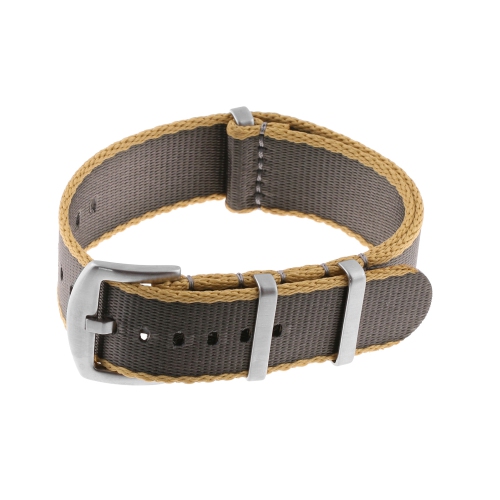 Your price for this item is $18.99
 -
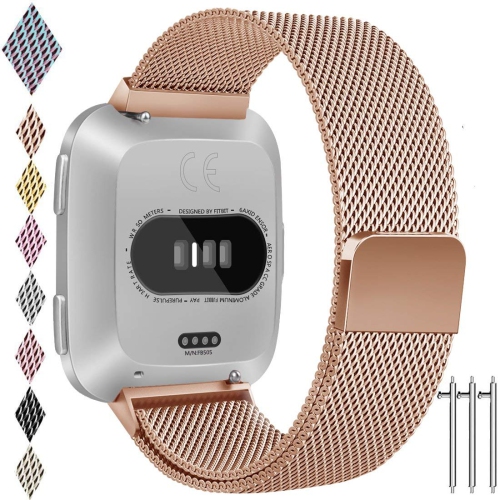 Your price for this item is $16.95
 -
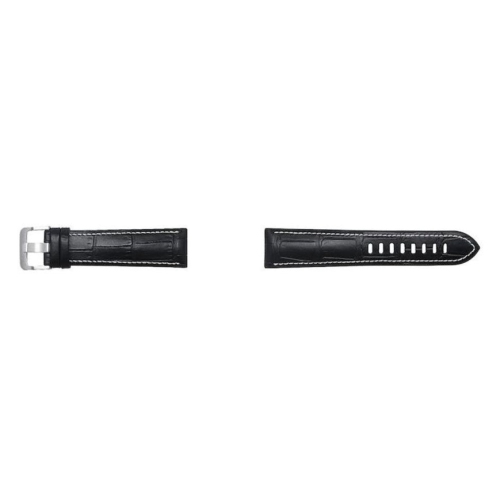 Your price for this item is $53.99
 -
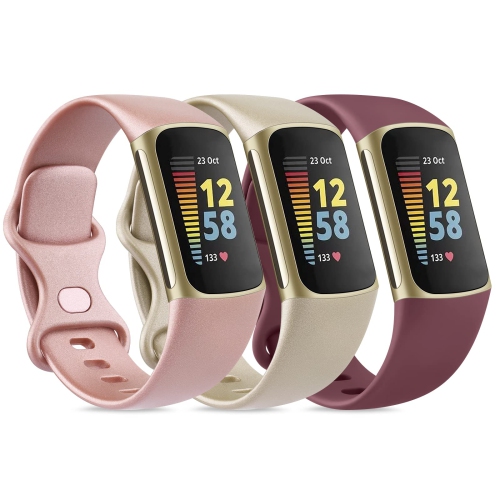 Your price for this item is $33.96
 -
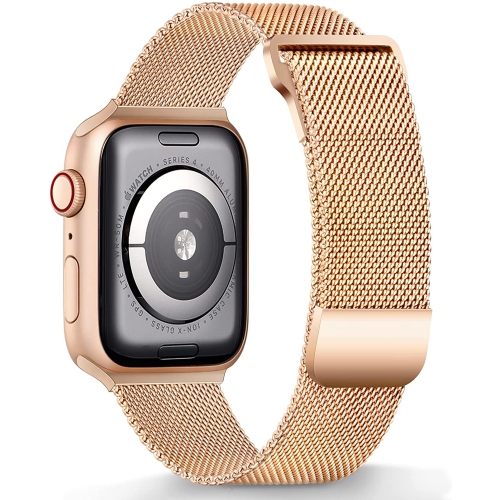 Your price for this item is $6.89
 -
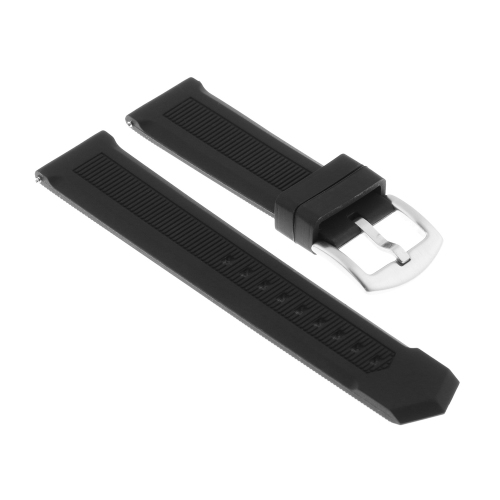 Your price for this item is $18.99
 -
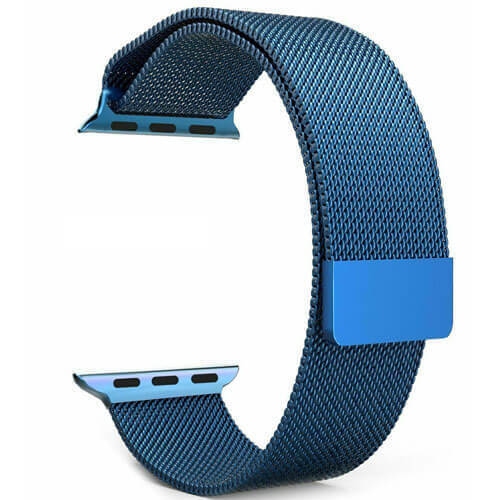 Your price for this item is $6.89
 -
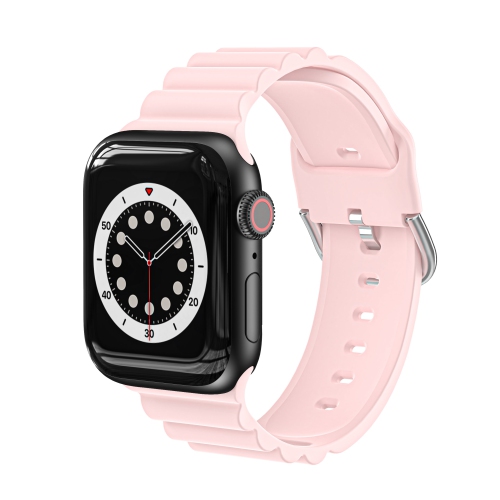 Your price for this item is $29
Discover more categories related to Quick Release Leather Watch Bands
Top Collections:
Pokemon Centers, Kindle Devices, Best Budget Office Chairs, Apple iPhones 16, Best Laptops for Writers, iPhone 15 Apple, Canon G7X Cameras, Refurbished Apple Laptops, Alarm Clock, Motorola Razr Phones
Some products may be subject to Environmental Handling Fees
(EHF) depending on your province.
Learn more about EHFs.