Rope Bracelets
Elevate your accessory collection with a stylish rope bracelet, the perfect addition to any outfit. Whether you’re looking for a casual accent or a subtle statement piece, these versatile bracelets offer a timeless look that suits every occasion. Explore a wide range of designs and finishes to find the ideal rope bracelet that matches your personal style.
Sort


How cord texture shapes comfort and everyday style
Rope bracelets are wrist accessories made from twisted, braided, or woven cord, often finished with a knot, clasp, bead, or metal accent. Their defining feature is texture: a close braid creates a neat, understated surface, while a thicker twist gives the bracelet a more pronounced, nautical-inspired look. They can be worn alone as a simple everyday detail or layered with a watch, chain bracelet, or other cord designs. The category spans slim, minimalist cords, multicoloured friendship-style weaves, and substantial rope bracelets with anchor or shackle closures. That variety makes them suitable for different personal styles rather than a single age group or gender. A dark, narrow cord can sit quietly beside a shirt cuff, while a bright woven band brings a stronger accent to a T-shirt and jeans. Materials shape both the appearance and the feel against the wrist. Nylon cord is generally known for strength, flexibility, and resistance to abrasion, although the quality of the braid and finishing still matters. Polyester cord tends to absorb less moisture than cotton and can offer good colour retention, depending on its construction and treatment. Cotton has a softer, more fabric-like feel, with a matte finish that suits relaxed styling, but it can hold moisture and take longer to dry. Waxed cotton cord has a smoother surface and a more structured feel than untreated cotton; its coating may gradually wear with use. Leather cords sometimes appear alongside rope designs, though they have different care needs and should not be assumed to tolerate water in the same way as synthetic fibres. Metal details also influence the overall character. Polished finishes add contrast to the weave, while brushed finishes give a quieter effect. For skin that reacts to certain metals, the stated composition of clasps, charms, and beads deserves as much attention as the cord itself.
A comfortable rope bracelet should move naturally with the wrist without pinching, leaving deep marks, or sliding so far down the hand that it catches during ordinary tasks. Wrist circumference is a useful starting point, but the bracelet’s thickness and closure affect how that measurement translates into fit. A wide braid takes up more space than a fine cord and may need a little more room to feel comfortable. Measuring with a flexible tape, or a piece of string checked against a ruler, helps establish a baseline for comparison with the maker’s sizing information. Adjustable sliding knots make it possible to fine-tune the fit, although the opening must still be large enough to pass over the hand. Fixed-length bracelets offer a consistent shape but leave less room for adjustment. Hook, anchor, and shackle fastenings each work differently; smooth edges, a secure fastening, and manageable proportions matter more than appearance alone. Someone who spends hours typing may prefer a low-profile knot or clasp that does not press against a desk, while a person who often wears bracelets beside a watch may favour a slimmer braid. Durability depends on the entire construction, including cord density, knot security, end finishing, and the connection between rope and hardware. Loose fibres, shifting knots, or damaged fittings are signs that a bracelet needs attention before further wear. Water resistance should always be checked in the care information rather than inferred from a maritime-inspired design. A cord may tolerate moisture while its plating, adhesive, or other components do not. Unless the stated care instructions allow it, removing a bracelet before swimming, showering, or washing dishes helps limit unnecessary exposure. For routine cleaning, follow the material-specific directions; many cords can be gently wiped with a soft, slightly damp cloth, while some require dry care. Avoid harsh cleaners and allow permitted damp cleaning to dry fully before storage. Keeping bracelets away from perfume, lotion, and rough surfaces can also help preserve their finish and reduce snagging.
Rope bracelets suit people who enjoy jewellery with a tactile, easygoing character, including those who prefer fabric-like accessories to an all-metal band. Their lightness can make a fine cord comfortable for daily wear, but a substantial braid or large clasp will feel noticeably different. For everyday styling, proportion often makes the biggest difference. One medium-width bracelet can provide enough texture on its own, while two or three thinner cords create a layered look without covering much of the forearm. Repeating one colour across the group helps the combination feel intentional; mixing too many large fittings can make it feel crowded and cause the pieces to knock together. When worn next to a watch, a soft cord with minimal hardware may reduce contact between hard surfaces, though any bracelet can rub against a watch case if the fit is loose. A neutral colour is easy to pair with different clothes, whereas a contrasting thread or patterned weave can serve as the main colour accent. Rope bracelets can also carry personal meaning as gifts between friends, partners, siblings, or family members. Matching cords can mark a shared experience, while different colours in a similar weave offer a connection without requiring identical accessories. Birthdays, graduations, and personal milestones are natural occasions for a bracelet chosen around the recipient’s taste. For a gift with a more explicitly affectionate theme, Love Bracelets offer a related direction to explore. Adjustable sizing can be helpful when an exact wrist measurement is not known, but adjustment ranges and closure requirements still need checking. Think about practical habits as well as appearance: a discreet band may suit someone who keeps accessories simple, while a bold nautical fastening may appeal to someone who enjoys a more noticeable detail. Bracelets should be removed wherever loose jewellery could catch in equipment or interfere with an activity. The most wearable choice balances texture, fit, fastening, and care with the way its wearer actually spends the day.
Top selling and popular products
-
 Your price for this item is $1224.56
-
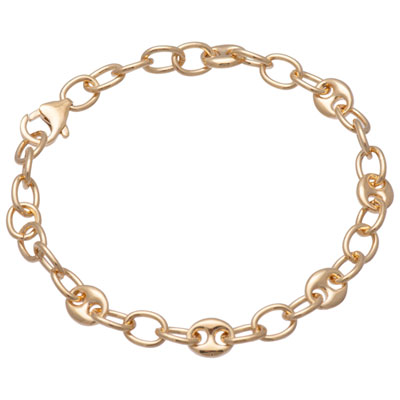 Your price for this item is $19.97
-
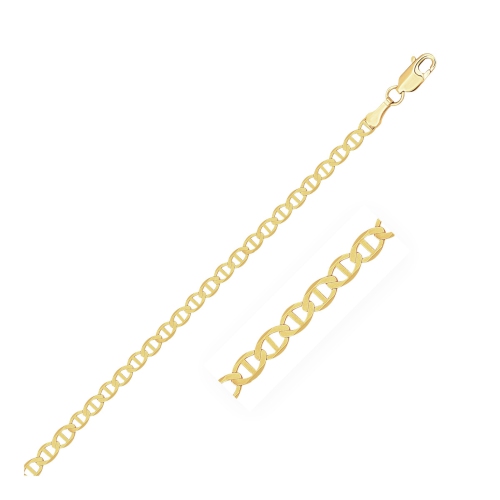 Your price for this item is $320.74
-
 Your price for this item is $771.23
-
 Your price for this item is $112
-
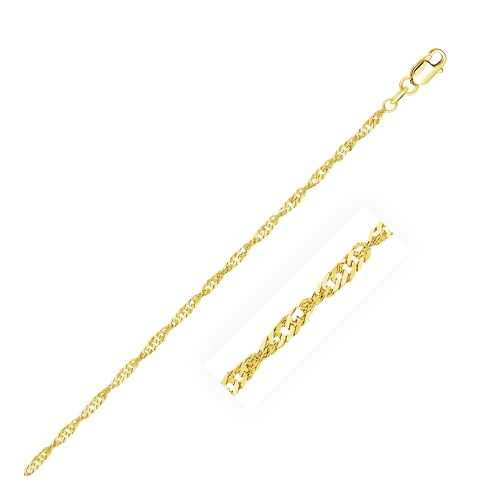 Your price for this item is $1890.38
-
 Your price for this item is $138.3
-
 Your price for this item is $39.99
Discover more categories related to Rope Bracelets


Top Collections:
Pokemon Centers, Best Cameras for Sports Photography, Kindle Devices, Samsung Galaxy Phones, Canon G7X Cameras, Pokémon 30th Celebration Cards, Refurbished Apple Laptops, iPhone 15 Apple, Laptops for Students, Budget Smartphones
Some products may be subject to Environmental Handling Fees
(EHF) depending on your province.
Learn more about EHFs.