Classic Rope Chain
A classic rope chain is a popular style of jewelry for both men and women. It's simple, yet stylish and can be worn with many different types of clothing. It's also very easy to put on and take off. Here are some great options available.
Sort








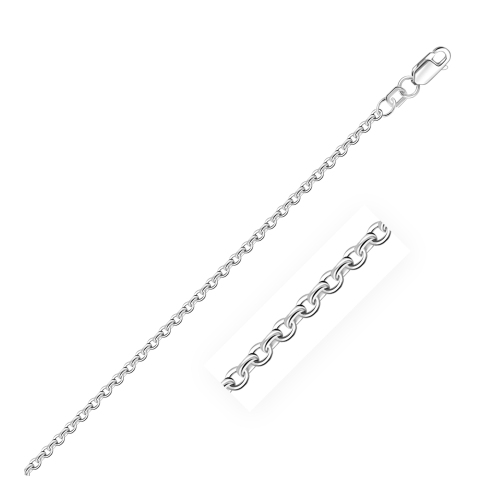


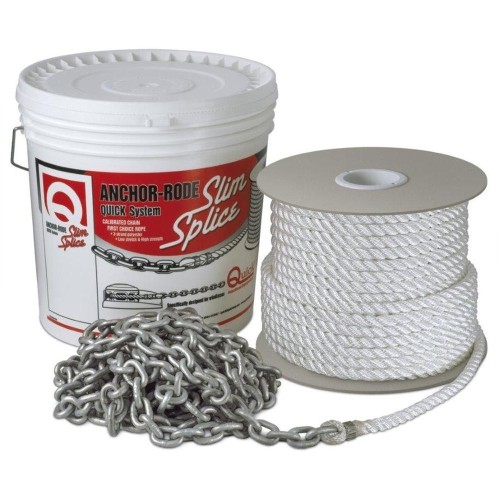

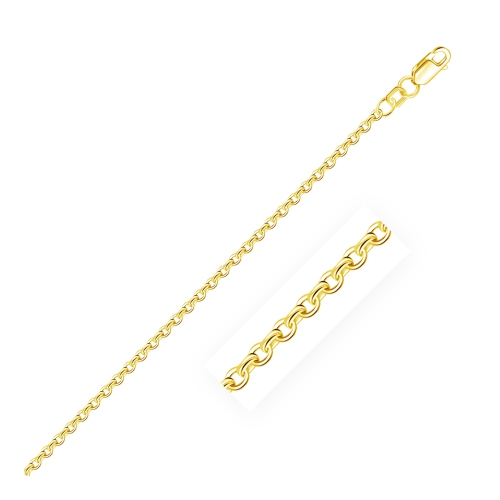



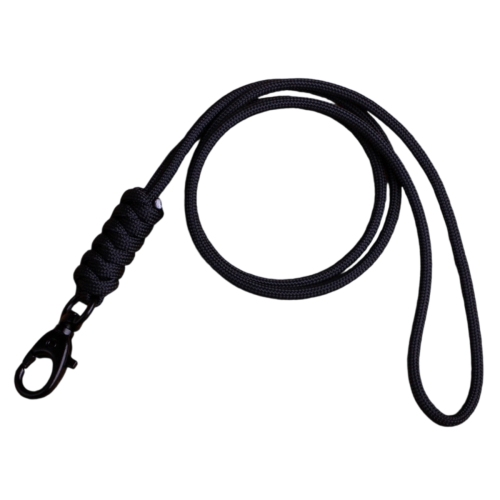


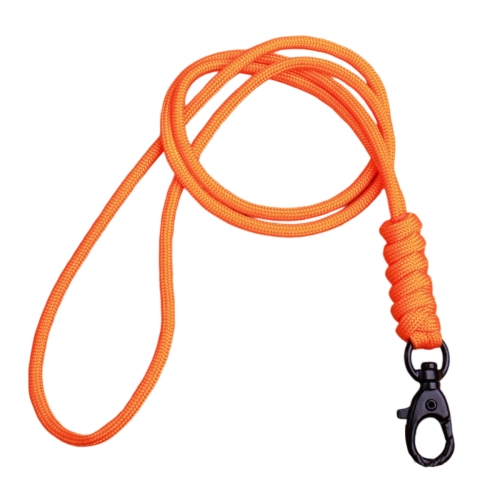
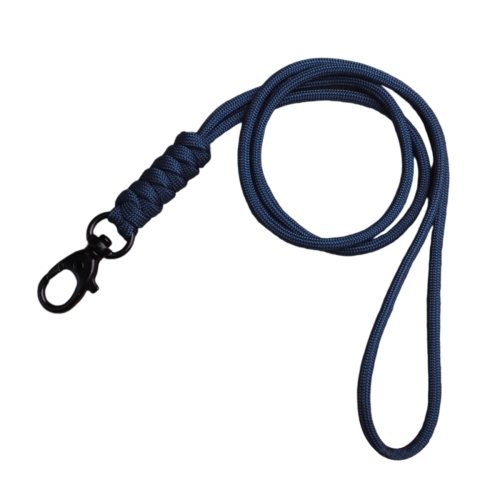
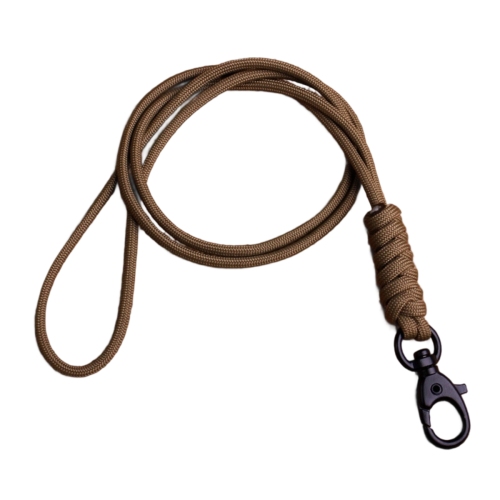







How twisted links give a necklace depth and movement
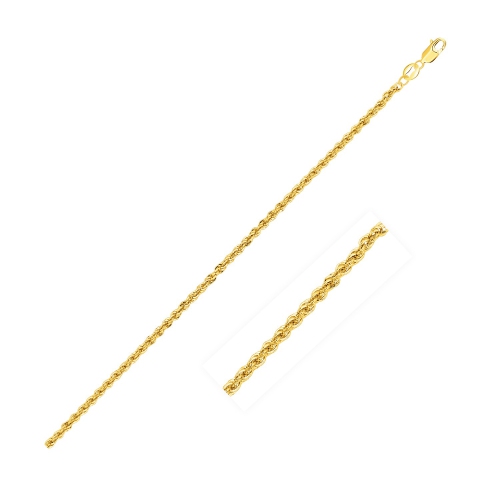
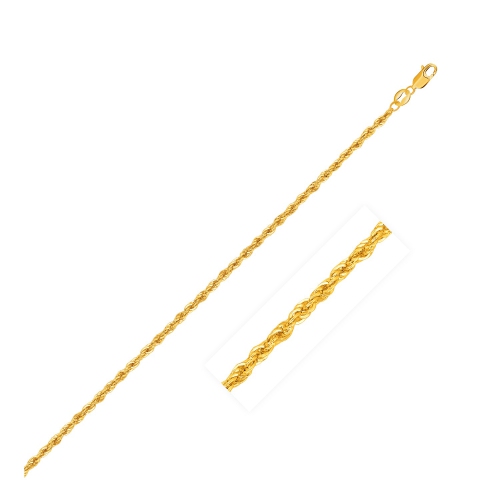
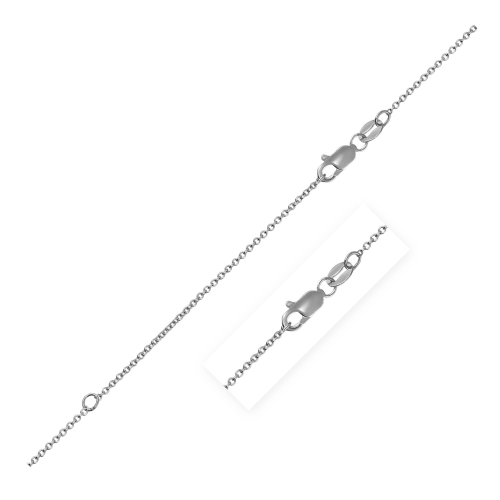
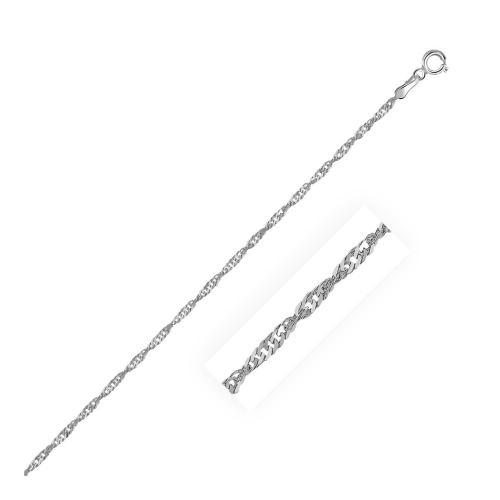
A classic rope chain is a necklace made from interlocking metal links arranged in a repeating spiral that resembles a twisted length of rope. That structure gives the chain its distinctive texture: curved surfaces catch the light at different angles, creating depth and movement even when the necklace is worn without a pendant. Unlike a flat chain, a rope chain has a rounded profile that can look delicate or substantial depending on its width. A fine version adds a narrow line of shine at an open collar, while a wider style becomes a focal point against a plain T-shirt or knit sweater. The pattern suits a range of personal styles and can be worn by anyone who enjoys textured jewellery, whether their wardrobe leans towards understated tailoring or relaxed everyday clothing. Polished rope chains have a smooth, bright appearance, while diamond-cut finishes feature small, precisely cut facets that produce sharper flashes of light. The term diamond-cut describes the metal finish; it does not mean the chain contains diamonds. Some silver rope chains have darkened recesses that make the spiral more pronounced, giving the pattern a contrasting, slightly aged appearance. These differences matter because two chains of the same length and width can have quite different visual weight. A highly reflective finish may stand out across a room, whereas a softer finish draws attention to the links themselves. Worn alone, the rope pattern provides enough detail to feel complete without additional jewellery. Paired with a pendant, it becomes a textured frame for a meaningful charm, initial, or keepsake, provided the chain and pendant are suited to one another. Its familiar shape also makes a classic rope chain a thoughtful gift for a birthday, graduation, anniversary, or other personal milestone. For someone who already wears jewellery, matching their usual metal colour and necklace proportions often matters more than choosing a particularly elaborate design.
Materials influence a rope chain’s colour, weight, maintenance needs, and suitability for regular wear. Yellow gold has a warm tone that highlights the spiral pattern, while white gold, sterling silver, and stainless steel offer variations on a cooler, silvery appearance. Gold karat markings describe the proportion of pure gold in the alloy: 10k gold contains approximately 41.7% gold, and 14k gold contains approximately 58.3%. The remaining metals affect properties such as colour and hardness, so karat alone does not determine how well a finished chain will withstand daily use. Sterling silver contains 92.5% silver and can develop tarnish over time, particularly when exposed to moisture and certain chemicals. Its brightness can usually be maintained with appropriate cleaning and storage. Stainless steel generally resists tarnishing and suits people who prefer relatively straightforward upkeep, although its alloy composition can still matter for sensitive skin. White gold may have a rhodium-plated surface that gives it a bright white finish; that coating can wear gradually and may need professional attention to restore its original appearance. A white gold rope chain offers that cool-toned look alongside the familiar twisted texture. Gold-plated jewellery has a layer of gold over another metal, and friction, perspiration, and cleaning methods can affect how long the finish lasts. Metal composition and construction are separate considerations: a gold chain can be made with either solid or hollow links. Hollow links create a fuller appearance with less weight, but they may dent or crush more easily and can be more difficult to repair. Solid-link construction generally tolerates routine handling better, though no fine chain is immune to pulling or snagging. For sensitive skin, the full alloy and plating details are more informative than colour alone, since gold alloys and some stainless steels may contain nickel. A reassuring feel also comes from smooth links, neatly finished connections, and a clasp that closes securely without requiring awkward pressure.
Length and width determine how a classic rope chain sits, what it can be worn with, and how comfortable it feels over a full day. An 18-inch chain may sit near the collarbone on one person and closer to the base of the neck on another; a 20-inch or 22-inch chain generally hangs lower, but neck size, body proportions, and pendant weight all affect placement. Measuring a necklace that already falls at the desired point gives a more useful comparison than relying on length labels alone. Width changes the effect just as noticeably. A narrow chain can sit discreetly beneath a shirt, while a thicker rope pattern has more presence over clothing and may feel heavier against the skin. During the cooler months, a chain worn over a fine-gauge sweater can show its texture clearly, although loose knits and scarves can catch on links or clasps. For pendant wear, the opening in the pendant’s bail needs to accommodate both the chain and any end fittings that must pass through it. The pendant’s weight should also suit the chain’s construction; a heavy charm on a very fine or hollow chain can place unnecessary stress on the links. Layered necklaces work best with enough difference in length to keep their focal points separate, though textured chains can still twist around one another during movement. Everyday wear does not mean uninterrupted wear. Removing a rope chain before sleeping, exercising, swimming, or handling cleaning products helps limit tension, chemical exposure, and finish wear. Care should follow the metal and finish requirements, especially for plated jewellery or chains worn with gemstone pendants. Where suitable, mild soap, lukewarm water, and a soft brush can loosen residue from between the links, followed by thorough rinsing and careful drying. Abrasive cleaners can damage finishes, and polishing cloths are not appropriate for every plated surface. Separate storage in a soft pouch or lined compartment helps prevent tangles and scratches. Periodic checks for stretched links, rough spots, or a clasp that no longer closes firmly can catch wear before a favourite necklace is lost.
Top selling and popular products
-
 Your price for this item is $59.99
-
 Your price for this item is $1399.05
-
 Your price for this item is $1967.36
-
 Your price for this item is $427.88
-
 Your price for this item is $1792.5
-
 Your price for this item is $1149.56
-
 Your price for this item is $344.55
-
 Your price for this item is $1201.24
Discover more categories related to Classic Rope Chain
Top Collections:
Pokemon Centers, Best Cameras for Sports Photography, Kindle Devices, Samsung Galaxy Phones, Canon G7X Cameras, Pokémon 30th Celebration Cards, Refurbished Apple Laptops, iPhone 15 Apple, Laptops for Students, Budget Smartphones
Some products may be subject to Environmental Handling Fees
(EHF) depending on your province.
Learn more about EHFs.