Gold Jewelry Sets for Brides
Gold jewelry sets for brides add a radiant touch to wedding day ensembles, making every moment feel even more special. With a variety of elegant designs and timeless styles, these sets are crafted to complement bridal attire and enhance your overall look. Whether you're seeking classic sophistication or modern flair, gold jewelry sets for brides offer the perfect finishing touch for your unforgettable celebration.
Sort




Why gold content matters beyond the wedding day
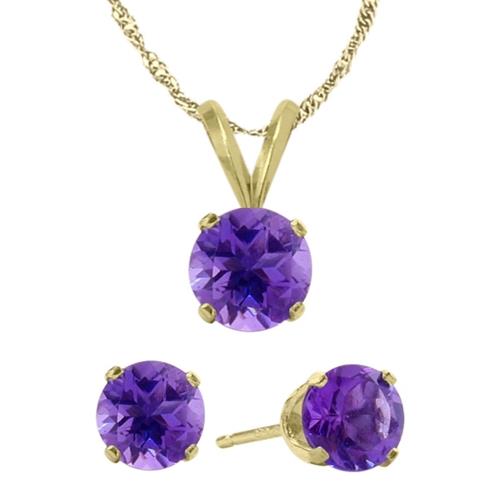
Gold jewellery sets for brides bring together coordinated pieces designed to complement wedding attire, most often a necklace and earrings, with some sets also including a bracelet or ring. Shared details such as matching stone shapes, repeated floral motifs, or a consistent gold finish create a connected look without requiring every piece to have the same scale. Yellow gold has a warm, distinctive colour that works with ivory gowns, embroidered fabrics, and many traditional wedding outfits. A polished finish offers a clear gleam, while brushed surfaces and intricate filigree create a softer effect. Bridal styles range from slender chains with small pendants to layered necklaces, sculptural earrings, and substantial collars. Pearls add a gentle lustre, while cubic zirconia, crystals, and gemstones can bring sparkle or colour; their composition and care requirements differ, so the material descriptions matter as much as their appearance. The distinction between solid gold and gold-plated jewellery is particularly important. Solid gold pieces use a gold alloy throughout, whereas gold plating is a surface layer over another metal, such as brass or sterling silver. Gold vermeil generally describes gold-plated sterling silver, and gold-filled jewellery has a mechanically bonded gold layer over a base metal rather than a conventional plated finish. These terms describe construction, not simply colour. Karat markings indicate the proportion of gold in a gold alloy: 14K contains about 58.3% gold, 18K contains 75%, and 22K contains about 91.7%. Higher-karat yellow gold typically has a richer colour and is softer than lower-karat alloys, although design and construction also affect durability. On plated pieces, a karat description refers to the gold layer rather than the entire piece. For a bride planning to wear her wedding jewellery regularly afterwards, those differences help distinguish an occasional accessory from a set suited to more frequent wear. Metal composition also deserves attention for anyone with sensitivities, since neither a gold colour nor a gold-plated finish guarantees that a piece is nickel-free.
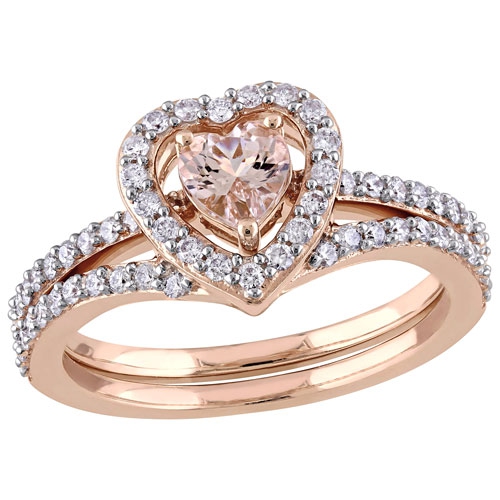
The proportions of a bridal jewellery set influence how it sits with a neckline, hairstyle, and veil. A small pendant can rest neatly within an open V-neck, while a curved necklace can follow the line of a sweetheart bodice without overlapping its edge. With a high neckline or heavily beaded dress, earrings and a bracelet may provide enough detail without adding a necklace. An off-the-shoulder gown leaves room for a more substantial necklace, although the space between the jewellery and the fabric still matters: a piece that repeatedly catches the neckline can become distracting during photographs or dinner. Necklace length alone does not determine placement, because neck circumference, pendant size, and chain shape all affect where it rests. An extender can offer flexibility, particularly when jewellery is worn with more than one outfit during a wedding celebration. Earrings deserve similar attention to fit. A drop that looks delicate in a photograph may feel quite different after several hours, especially if its weight is concentrated at the earlobe. Secure backs, smooth edges, and comfortable posts make a practical difference through the ceremony, greetings, and dancing. Updos leave earrings fully visible, while loose curls may partly cover smaller studs or catch on open settings. Bracelet fit is another small detail with an everyday impact: enough room for natural wrist movement helps prevent pinching, but excessive looseness can allow a bracelet to slide over the hand or snag a sleeve. Where a set includes a ring, its profile and fit should leave comfortable space beside an engagement ring or wedding band. Brides who prefer a pink-toned finish can also explore Rose Gold Bridal Jewelry Sets for a different colour direction. Matching every metal exactly is not essential; repeating a stone shape, pearl detail, or similar finish can create continuity when wedding bands, hair accessories, and bridal jewellery use different gold tones. The result can feel considered while still leaving room for pieces with personal meaning.
Beyond appearance, gold bridal jewellery needs to suit the way it will be worn, handled, and kept. A bride may wear the full set for the ceremony, then keep only the earrings on for the reception; another may use the same necklace for an engagement celebration, wedding, and future anniversaries. Coordinated sets offer that flexibility because individual pieces can work separately with simpler clothing. A restrained pendant or pair of studs may become part of an everyday wardrobe, while an elaborate necklace may remain reserved for formal gatherings. Jewellery can also be a meaningful wedding gift from a partner or family member, especially when its style reflects the recipient’s tastes or a family tradition. For a surprise gift, details such as pierced or non-pierced ears, preferred necklace lengths, and known metal sensitivities are more useful than assumptions about what bridal jewellery should look like. Protective storage and suitable care help preserve both the finish and the settings. Separate compartments or soft pouches limit rubbing between pieces and reduce tangled chains, while closing clasps before storage can make necklaces easier to handle later. Gold is resistant to tarnishing, but gold alloys and the metals beneath plated finishes can still show discolouration or wear. Plating may gradually thin at points of frequent contact, including clasps, bracelet edges, and the backs of pendants. Contact with perfume, hairspray, lotions, and cleaning products can affect finishes or delicate accents, so jewellery is generally best put on after personal-care products have dried. After wear, a gentle wipe with a soft, non-abrasive cloth can remove surface residue, provided it suits the materials involved. Cleaning methods should follow the manufacturer’s directions, particularly for pearls, glued settings, plated surfaces, and treated gemstones; ultrasonic cleaners and soaking are not appropriate for every set. Clasps, earring backs, and stone settings also benefit from an occasional check before wearing. These practical details support the lasting appeal of a bridal set, whether it becomes a familiar accessory, a keepsake brought out for anniversaries, or jewellery passed along with memories of the wedding day.
Top selling and popular products
-
 Your price for this item is $380
-
 Your price for this item is $30.16
-
 Your price for this item is $39.99
-
 Your price for this item is $44.99
-
 Your price for this item is $19.99
-
 Your price for this item is $156.15
-
 Your price for this item is $500
-
 Your price for this item is $550
Discover more categories related to Gold Jewelry Sets for Brides


Top Collections:
Pokemon Centers, Best Cameras for Sports Photography, Kindle Devices, Samsung Galaxy Phones, Canon G7X Cameras, Pokémon 30th Celebration Cards, Refurbished Apple Laptops, iPhone 15 Apple, Laptops for Students, Budget Smartphones
Some products may be subject to Environmental Handling Fees
(EHF) depending on your province.
Learn more about EHFs.