Round Cut Solitaire Rings
Round Cut Solitaire Rings capture the timeless beauty and elegance cherished by jewelry lovers everywhere. With their iconic design, these rings are a classic choice for marking life’s most meaningful moments. The brilliant sparkle of a round cut solitaire ring makes it a standout piece, ideal for engagements, anniversaries, or simply adding a touch of sophistication to any look. Explore a wide variety of Round Cut Solitaire Rings to find the perfect match for your personal style or special occasion.
Sort






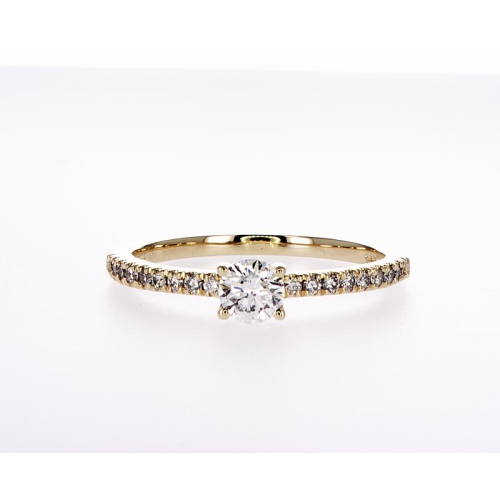


Why round diamonds of equal weight can look different
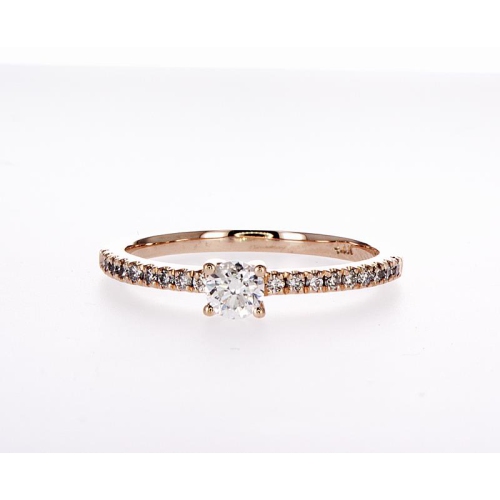
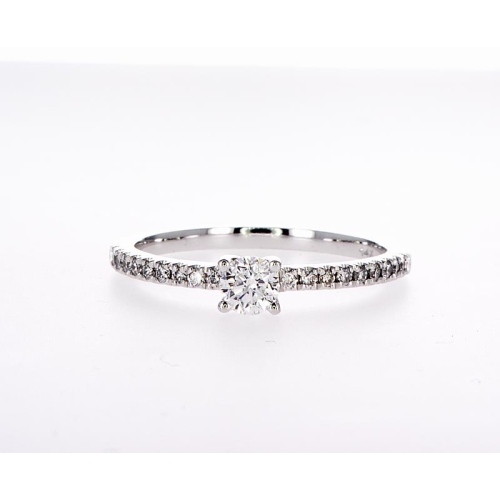
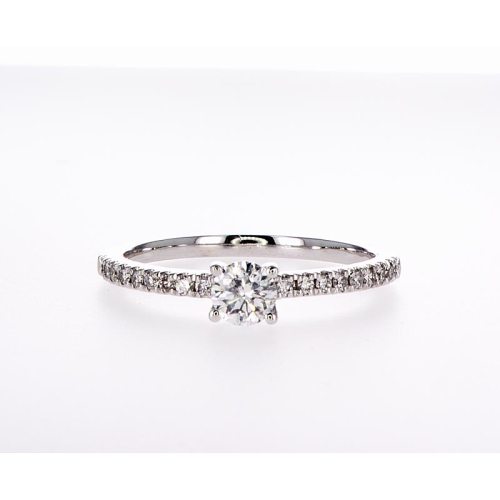
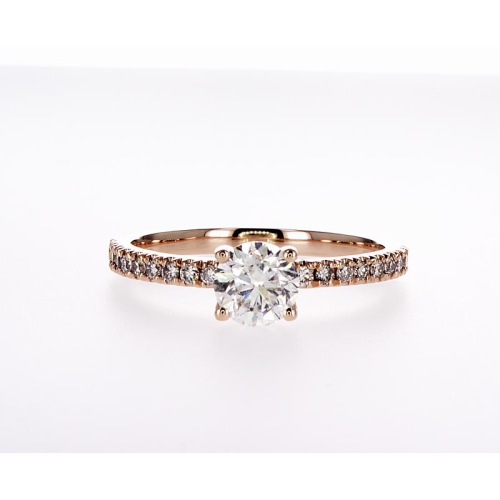
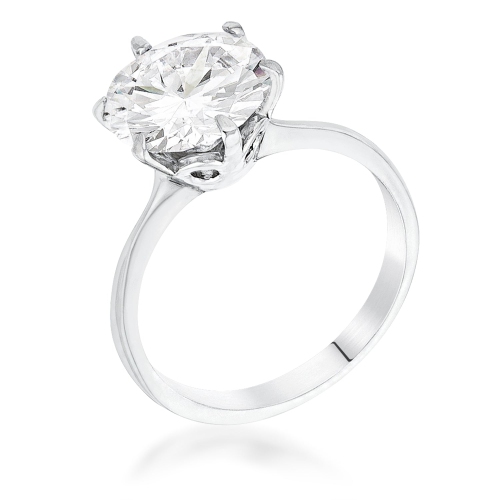
Round cut solitaire rings place a single round centre stone at the heart of the design, with a band and setting that let its shape and sparkle stand out. The result can feel understated, striking, traditional, or contemporary depending on the stone’s proportions and the details of the metalwork. A solitaire describes the single-stone arrangement, while round describes the stone’s outline; many diamond versions use a round brilliant cut, with carefully arranged facets that reflect light through the stone. This distinction matters because shape and cut quality are not the same thing. Two round diamonds with the same carat weight can differ in brightness, visible size, and overall appearance because of their proportions and craftsmanship. Carat measures weight rather than diameter, so millimetre measurements provide another useful way to understand how a stone may look on the hand. The broader family of Solitaire Diamond Rings includes several centre-stone shapes, but round solitaires are especially recognizable for their circular outline and balanced appearance. Their clean design suits engagement rings, anniversary gifts, personal milestones, and jewellery chosen simply for everyday enjoyment. Centre-stone material also shapes the experience of wearing the ring. Natural and laboratory-grown diamonds share essentially the same chemical composition, crystal structure, and physical properties, although their origins differ. Diamond simulants, such as moissanite and cubic zirconia, are different materials with their own optical characteristics and care needs. Moissanite often shows more rainbow-coloured flashes than diamond, while cubic zirconia may show surface wear more readily over time. For diamonds, cut, colour, clarity, and carat weight work together to influence appearance. A higher clarity grade does not automatically mean a more visibly brilliant stone, and small inclusions may be difficult to notice without magnification. In a simple solitaire, the relationship between the centre stone, setting, and band often makes a stronger visual impression than any one specification viewed alone.
The metal and setting give round cut solitaire rings much of their character and influence how they feel through regular wear. Yellow gold creates a warm contrast around a bright centre stone, white gold offers a pale finish, and rose gold brings a softer pink tone. Gold jewellery is made with alloys, and the karat marking indicates the proportion of pure gold rather than a universal measure of durability. Common choices such as 10K, 14K, and 18K differ in gold content, colour, and wear characteristics; the alloy composition and ring construction also matter. White gold is often rhodium plated, and that surface finish can gradually wear, making occasional replating part of its upkeep. Platinum has a naturally white appearance and substantial feel, though it can still scratch and develop a patina. Sterling silver has a bright finish but is generally softer than common gold jewellery alloys and can tarnish. For sensitive skin, the full alloy composition matters more than the metal’s colour, since some alloys contain nickel. Setting style is equally important. Four-prong settings leave more of the stone’s outline visible, while six-prong settings place additional contact points around the edge and can emphasize its round shape. Neither arrangement removes the need for secure construction and periodic inspection. A bezel surrounds the stone with a rim of metal, creating a defined outline that may be less likely to catch on clothing. Higher settings can give the centre stone a more elevated profile and may leave room for a wedding band beneath it, while lower settings sit closer to the finger. The exact design determines whether two rings fit flush together. Band shape changes the look as well: a rounded shank feels visually soft, a flat profile looks more structured, and a knife-edge band creates a crisp central ridge. Very slender bands have a delicate appearance, but sufficient thickness and sound construction remain important for resistance to bending.
Fit, routine, and personal style help determine how comfortably a round solitaire becomes part of daily life. A well-fitting ring should pass over the knuckle with some resistance and sit securely at the base of the finger without pinching. Professional sizing is particularly helpful when the knuckle is noticeably wider than the finger, or when a ring will be worn alongside another band. Wider bands and stacked rings can feel tighter than a narrow ring in the same marked size. The inside profile matters too: a gently rounded interior can feel different from a flatter one, even when both share the same size designation. For someone who types throughout the day, handles fabric, or regularly puts on gloves, a smooth setting with a manageable height may feel less intrusive than a tall mount. Rings intended for proposals or surprise gifts benefit from attention to the recipient’s existing jewellery, preferred metal colour, and usual ring size. Resizing is not equally straightforward for every design or material, so the possibility of adjustment deserves consideration before engraving or other personalization. Round solitaires also pair easily with different wedding-band profiles, though neighbouring rings should not rub against exposed stone edges or delicate setting details. Everyday care helps preserve both appearance and security. Diamonds resist scratching exceptionally well, but they can chip from a hard impact, particularly along vulnerable edges; the surrounding metal and prongs can also wear or bend. Removing a ring before lifting weights, doing hands-on repairs, or using abrasive cleaning products helps protect the entire setting. For many untreated diamonds in sound gold or platinum settings, gentle cleaning with mild soap, water, and a soft brush can lift the film left by lotion and everyday handling. Other stones, treatments, and finishes may need different care, so material-specific directions take priority. Ultrasonic cleaners are not suitable for every ring. Separate storage limits contact with other jewellery, while periodic professional checks can identify worn prongs or a loose stone before damage occurs. With a suitable fit and thoughtful care, a round solitaire can remain a meaningful piece for frequent wear or special occasions.
Top selling and popular products
-
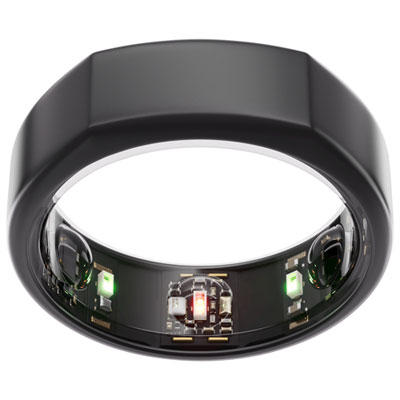 Your price for this item is $369.99
-
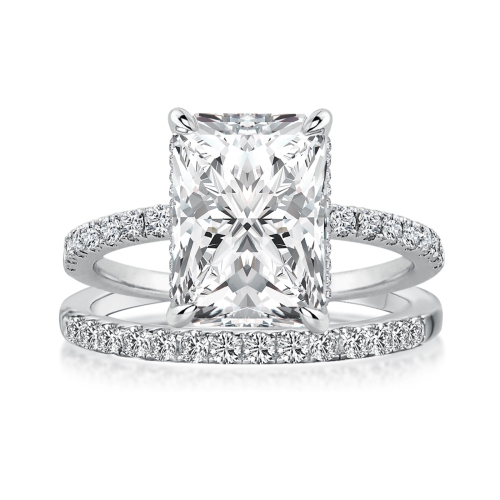 Your price for this item is $801.45
-
 Your price for this item is $133.2
-
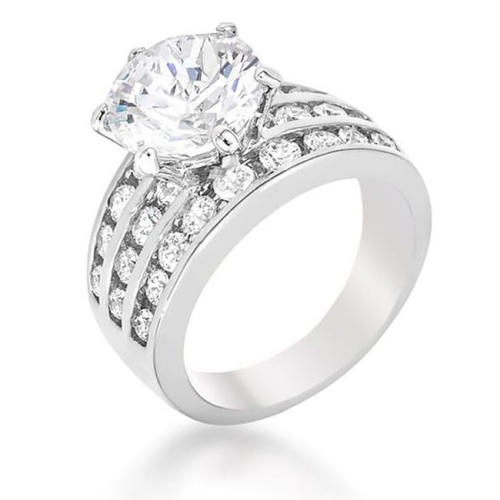 Your price for this item is $151.05
-
 Your price for this item is $123
-
 Your price for this item is $135.75
-
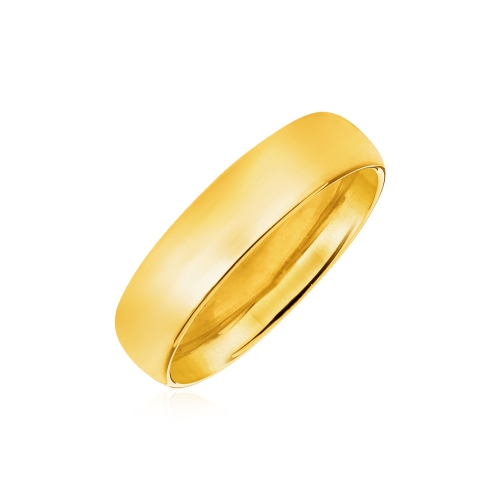 Your price for this item is $486.49
-
 Your price for this item is $969
Discover more categories related to Round Cut Solitaire Rings



Top Collections:
Pokemon Centers, Best Cameras for Sports Photography, Kindle Devices, Samsung Galaxy Phones, Canon G7X Cameras, Pokémon 30th Celebration Cards, Refurbished Apple Laptops, iPhone 15 Apple, Laptops for Students, Budget Smartphones
Some products may be subject to Environmental Handling Fees
(EHF) depending on your province.
Learn more about EHFs.