Solitaire Cushion Cut Diamond Rings
Solitaire Cushion Cut Diamond Rings combine timeless elegance with modern appeal, making them a captivating choice for any special occasion. The unique cushion cut showcases brilliant facets and gentle curves, creating a stunning centerpiece that draws the eye. Whether you’re searching for an engagement ring or a memorable gift, Solitaire Cushion Cut Diamond Rings offer a sophisticated look that stands out. Explore a variety of styles and settings to find the perfect ring that reflects your personal taste and celebrates your most meaningful moments.
Sort


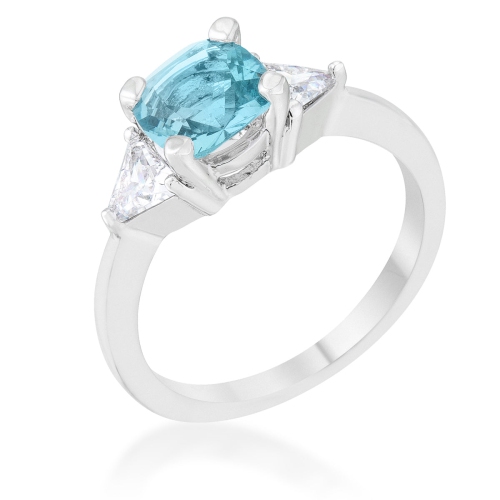
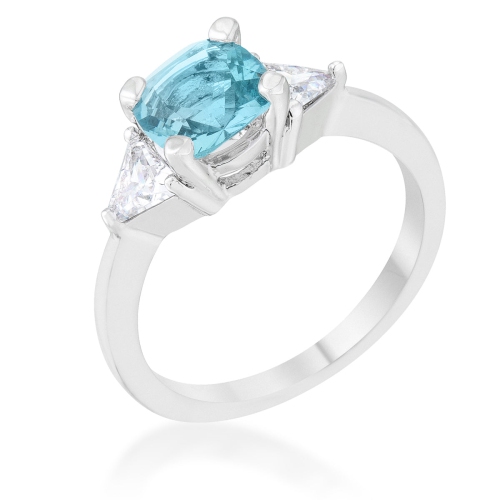
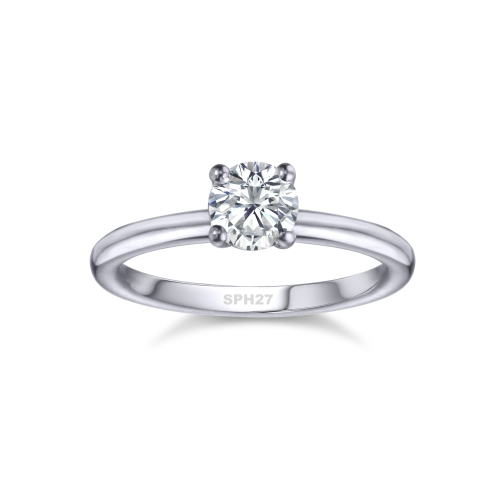


Soft curves put a single diamond centre stage
Solitaire cushion cut diamond rings feature a single diamond with a square or rectangular outline, rounded corners, and gently curved sides that give the stone its distinctive pillow-like shape. The solitaire setting keeps attention on that centre stone rather than surrounding it with a halo or additional diamonds along the band. This combination brings together the softness of a cushion cut and the clean lines of a simple ring, making it a familiar choice for engagements, anniversaries, and meaningful personal gifts. Within the broader Solitaire Diamond category, cushion-cut rings have a character shaped by both their outline and their facet pattern. A nearly square cushion creates a balanced, compact appearance, while an elongated cushion has a rectangular silhouette that can visually lengthen the finger. The length-to-width ratio helps describe that distinction: a ratio close to 1.00 indicates a nearly square stone, while a ratio of 1.20 means the diamond is visibly longer than it is wide. Neither proportion is inherently better; the choice depends on the look the wearer enjoys and how the stone sits on the hand. Cushion cuts also vary in the way they reflect light. Some display larger, clearly defined flashes, while others have a more closely scattered sparkle often described as a crushed-ice appearance. Those differences can be noticeable even between diamonds with similar carat weights and measurements. Carat weight measures weight, not the visible size of the stone, so length, width, and depth offer useful context for its appearance when viewed from above. A deeper diamond may carry more of its weight below the setting rather than across the finger. The rounded outline can feel romantic without requiring elaborate decoration, and the open space around a solitaire makes details such as the corners, facet pattern, and band proportions especially noticeable. For someone who prefers jewellery with a clear focal point, a cushion-cut solitaire offers visual interest through the diamond itself rather than through layers of ornament.
The metal and setting influence how a solitaire cushion cut diamond ring looks, feels, and fits into everyday wear. Yellow gold lends warmth to the design, rose gold adds a pink-toned contrast, and white gold or platinum creates a cooler backdrop around the diamond. Gold jewellery uses alloys to provide strength, and the karat designation describes the proportion of gold in that alloy. Differences in alloy composition can affect colour, hardness, and suitability for someone with a metal sensitivity. White gold is often finished with rhodium plating to create a bright white surface, and that finish may need refreshing as it wears. Platinum has a naturally white appearance and can develop a soft patina through regular contact, although it is not immune to scratches. A claw setting holds the diamond at selected points, leaving much of its outline visible; a bezel surrounds its edge with a metal rim, giving the ring a more enclosed profile. Well-positioned claws help protect the rounded corners, while a smooth bezel can suit someone who prefers fewer exposed edges. Setting height matters as much as appearance. A raised centre stone may allow a wedding band to sit closer beneath it, but it can also catch on clothing or feel more prominent during daily tasks. A lower setting keeps the diamond nearer the finger, though a straight wedding band may leave a gap beside it. Band width and thickness contribute to comfort and structural strength, particularly when supporting a larger stone. A very slender band creates a delicate look, while a more substantial band gives the ring greater visual weight. Fit should allow the ring to pass over the knuckle without feeling loose at the base of the finger. For a ring worn beside another band, the combined width can change how snugly the pair fits. Smooth inner edges, balanced proportions, and clearance between adjoining rings all make a difference over years of wear.
Both natural and laboratory-grown diamonds can be used in solitaire cushion cut diamond rings. Laboratory-grown diamonds have essentially the same chemical composition, crystal structure, and physical properties as natural diamonds; they are diamonds rather than look-alike materials such as cubic zirconia or moissanite. Their origin differs, and a grading report can help identify the stone and describe characteristics such as carat weight, colour, clarity, and measurements. Reports provide useful information, but they do not replace an assessment of the diamond’s overall appearance. The visibility of an inclusion depends on its location and the stone’s facet pattern, while perceived colour can be influenced by lighting and the surrounding metal. Diamond is highly resistant to scratching, but it can still chip or fracture from a sharp impact, and the ring’s metal setting requires care of its own. Removing a ring before lifting weights, handling tools, or doing tasks that put pressure on the band helps reduce the chance of bending metal or loosening the stone. Routine cleaning with mild dish soap, lukewarm water, and a soft brush can remove the film left by hand lotion and everyday wear, allowing light to pass through the diamond more freely. Cleaning over a bowl rather than an open drain, rinsing thoroughly, and drying with a soft lint-free cloth are simple precautions. Harsh household chemicals can affect metal alloys or finishes, and ultrasonic cleaning is best discussed with a jeweller, especially when a diamond has treatments or the setting needs attention. Periodic checks can reveal worn claws or movement in the stone before either becomes a larger concern. Separate storage prevents the diamond from scratching other jewellery and keeps the band from rubbing against neighbouring pieces. For an engagement or anniversary gift, details such as the recipient’s usual metal colour, preferred jewellery scale, and daily activities help make the ring feel personal. A softly rounded cushion on an understated band can suit someone who wears little jewellery, while an elongated centre stone or stronger band profile can appeal to a wearer who enjoys a more noticeable silhouette.
Top selling and popular products
-
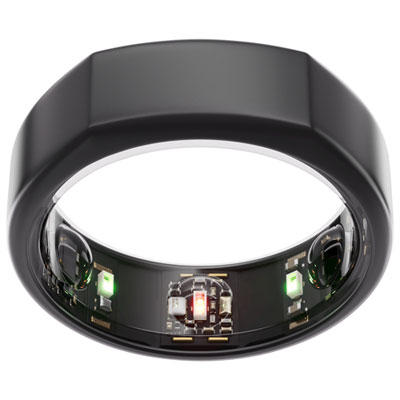 Your price for this item is $369.99
-
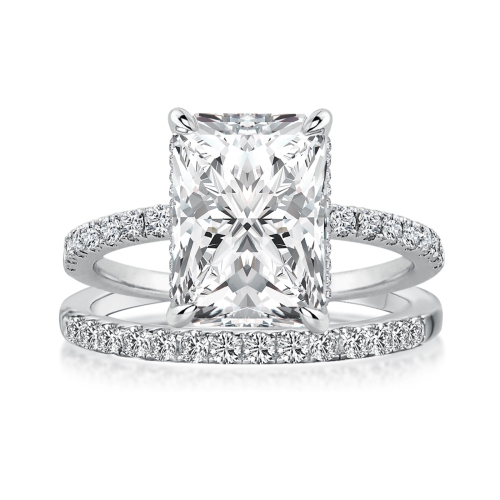 Your price for this item is $801.45
-
 Your price for this item is $133.2
-
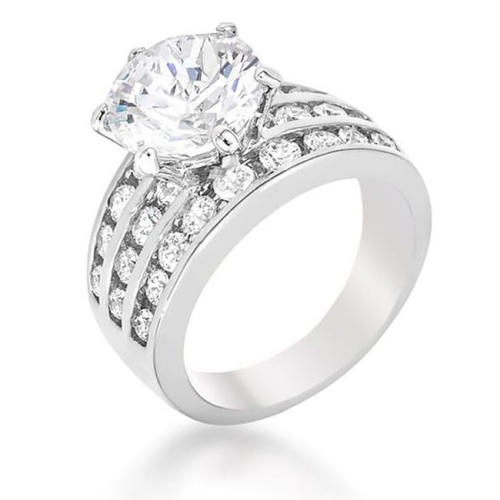 Your price for this item is $151.05
-
 Your price for this item is $123
-
 Your price for this item is $135.75
-
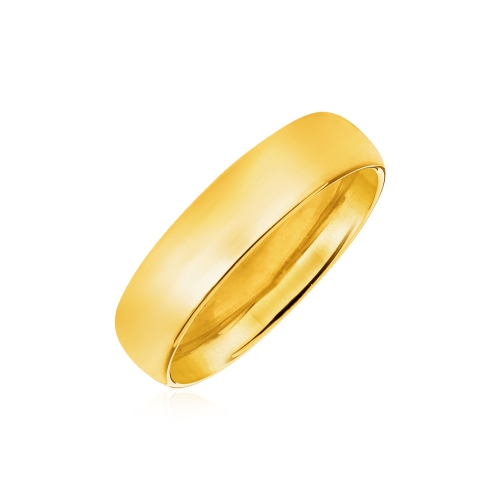 Your price for this item is $486.49
-
 Your price for this item is $969
Discover more categories related to Solitaire Cushion Cut Diamond Rings
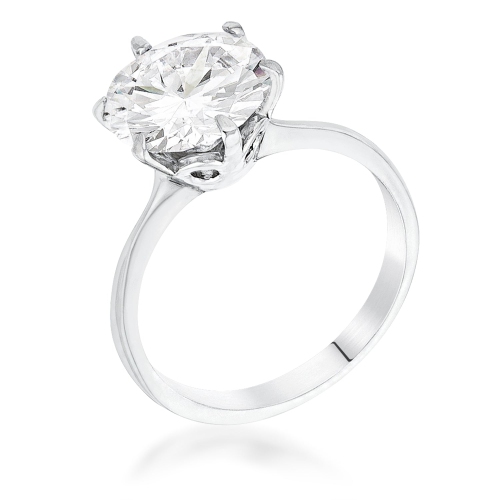

Top Collections:
Pokemon Centers, Best Cameras for Sports Photography, Kindle Devices, Samsung Galaxy Phones, Canon G7X Cameras, Pokémon 30th Celebration Cards, Refurbished Apple Laptops, iPhone 15 Apple, Laptops for Students, Budget Smartphones
Some products may be subject to Environmental Handling Fees
(EHF) depending on your province.
Learn more about EHFs.