Solitaire Diamond
Discover the timeless elegance and unmatched brilliance of solitaire diamond jewelry. Whether you're marking a milestone moment or simply indulging in a touch of luxury, solitaire diamonds offer a classic yet sophisticated choice that never goes out of style. These stunning gems, known for their singular beauty and sparkling allure, make an unforgettable statement. Explore a range of exquisite designs that capture the light and captivate the heart, perfect for every occasion from engagements to anniversaries. Let your style shine with the unparalleled radiance of a solitaire diamond piece that speaks volumes without saying a word.
Sort
























What to know about settings, shapes and diamond quality
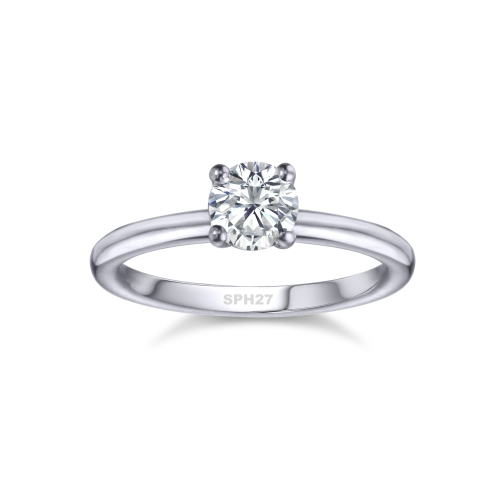
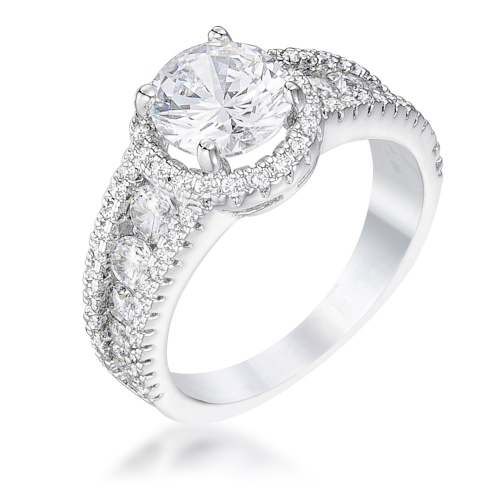
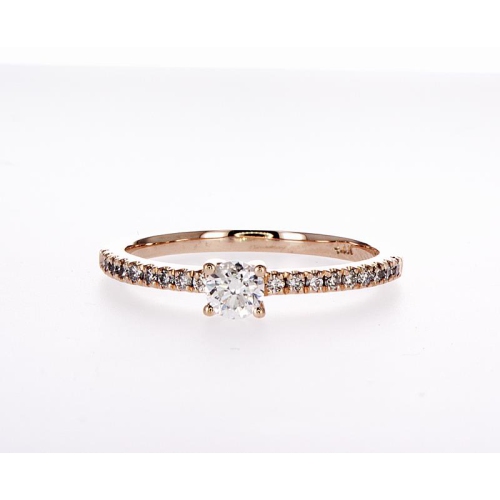
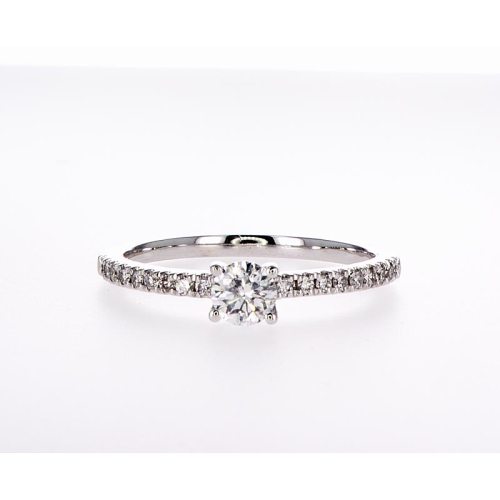
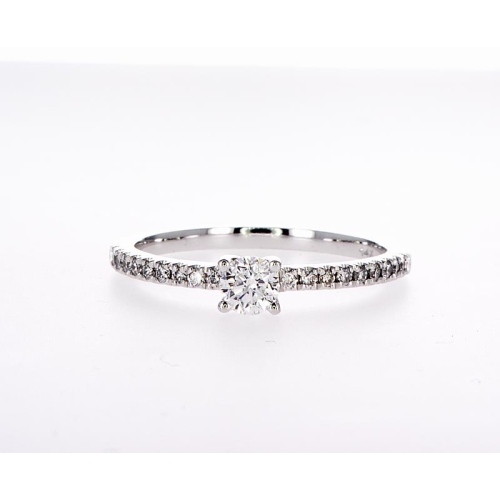
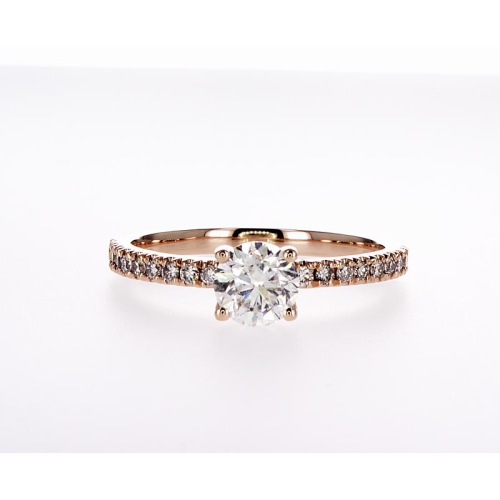
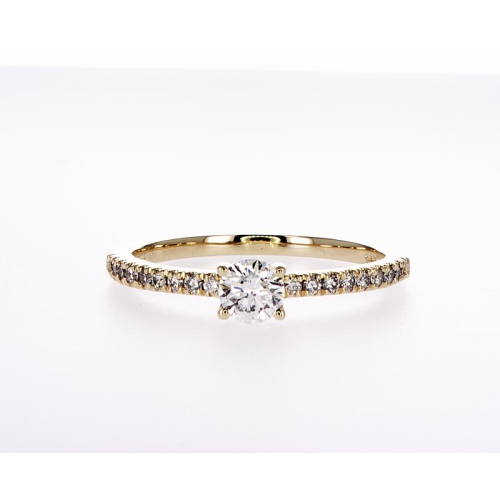
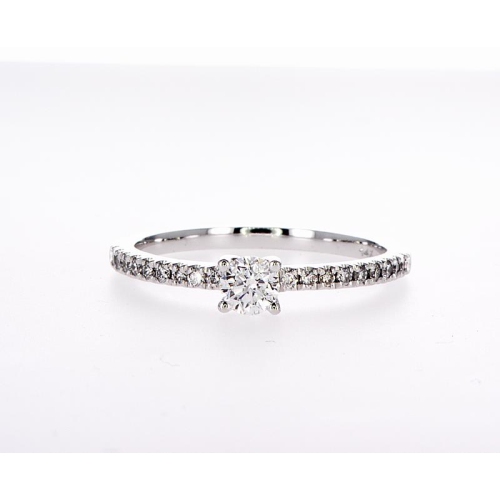
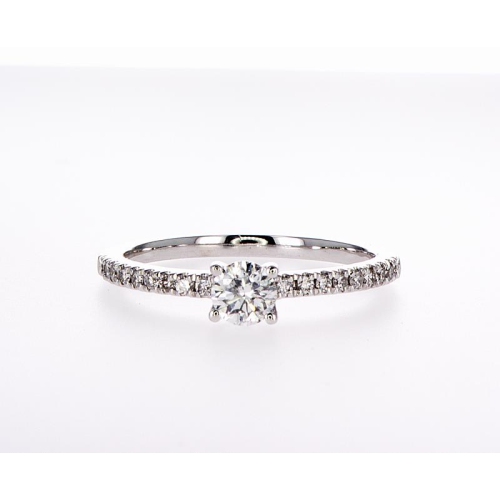
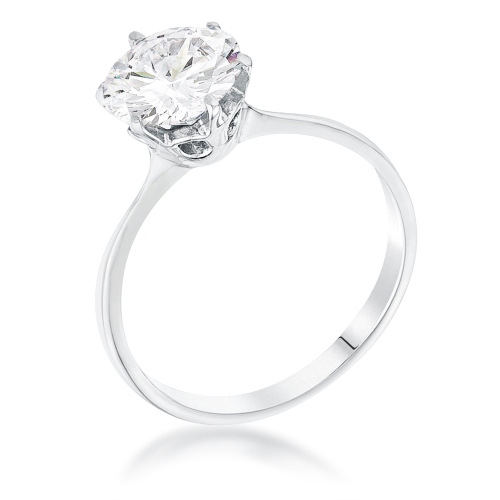
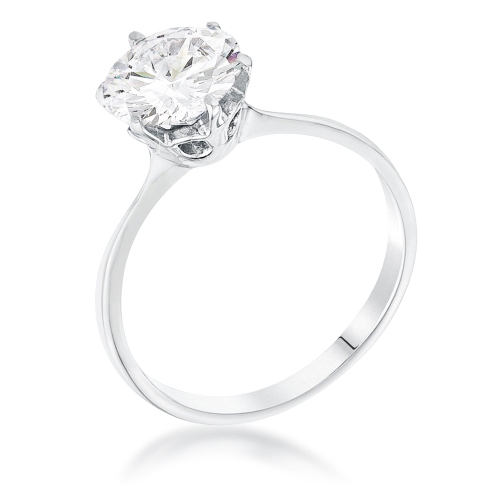
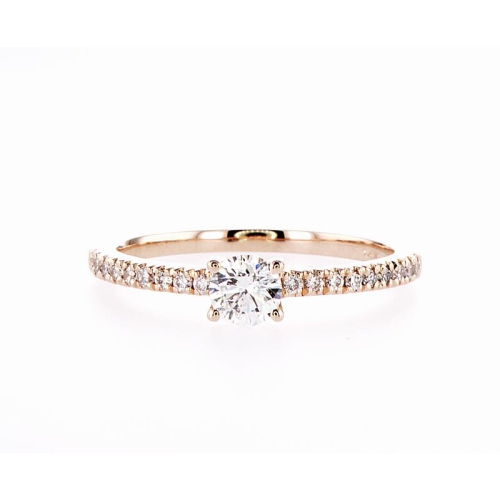
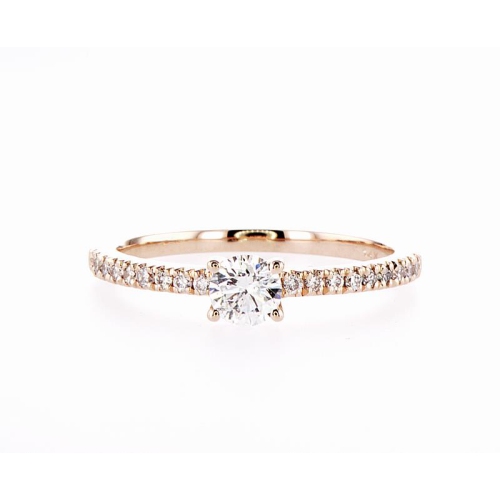
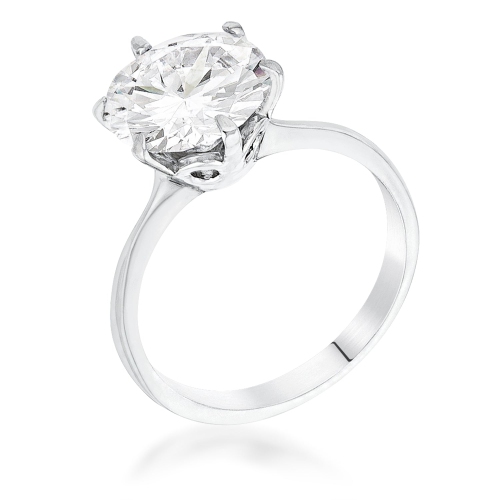
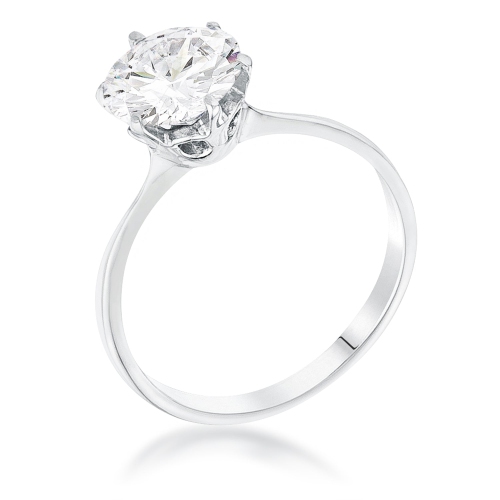
A solitaire diamond is a piece of jewellery designed around one central, standalone diamond. Unlike a halo or three-stone design, it does not rely on surrounding stones to create its visual impact; the single diamond is the focal point, set to draw attention to its shape, brilliance and presence. Solitaire diamond jewellery may include engagement rings, everyday rings, pendants, necklaces and earrings, giving shoppers several ways to wear this classic look. A prong setting can lift the stone above the band and allow light to enter from multiple angles, while a bezel setting surrounds the diamond with a slim rim of metal for a smoother profile and a more secure, contemporary feel. The setting can influence the overall character of the piece just as much as the diamond itself. A slim band often creates an airy, understated appearance, while a wider band can feel more substantial and provide a stronger visual frame. For someone choosing an engagement ring, a solitaire design offers a timeless foundation that can be worn on its own or paired with a wedding band later. A pendant or pair of earrings can bring the same focused sparkle to formal outfits, workwear or simple weekend clothing, making these pieces suitable for milestones as well as regular wear. The single-stone style is also a thoughtful gift for an anniversary, birthday, graduation or personal achievement, particularly for someone who appreciates jewellery that feels refined rather than elaborate. During the cooler months, a diamond pendant can catch the light against a knit sweater or dark blouse, while a ring or earrings can add a polished detail to special-occasion dressing without competing with other accessories.
When comparing solitaire diamond jewellery, begin with the diamond’s 4Cs: cut, clarity, colour and carat. Cut has a major effect on sparkle because it describes how well the diamond’s proportions, facets and finish work together to reflect light. A well-cut stone can look lively and bright, even when it is not the largest option available. Clarity refers to internal inclusions and surface blemishes; because a solitaire has no surrounding stones to share attention, inspect the diamond closely and consider how visible any characteristics are to the unaided eye. Colour describes the presence of yellow or brown tones in a traditionally white diamond, although the best choice depends on the metal and the look you prefer. A diamond set in yellow gold may harmonize beautifully with a warmer colour grade, while white gold or platinum-coloured metal can emphasize a crisp, bright appearance. Carat refers to weight, not simply visual size, so two diamonds with the same carat weight may appear different depending on their shape, cut and setting. Oval, pear, marquise, emerald, round and cushion shapes each distribute weight differently and create a distinct impression on the hand or neckline. If you are drawn to softer corners and a gently tailored outline, explore Solitaire Cushion Cut Diamond Rings. The metal, band width and setting height also deserve attention. Check the listed materials, ring size, closure or fastening style, and measurements so the jewellery feels comfortable as well as attractive. For earrings and pendants, consider how the piece sits against the wearer’s skin, hair and clothing. A delicate design may suit someone who prefers barely-there accessories, while a larger setting can make a stronger statement for evenings and celebrations.
Solitaire diamond jewellery is available with natural diamonds and lab-grown diamonds, and both options should be assessed through clear product details and reliable grading information. A natural diamond forms beneath the earth over a long period, while a lab-grown diamond is created using advanced technology and has the same fundamental crystal structure and visual properties as a diamond. Whichever type you choose, look for documentation that identifies the stone’s characteristics, along with details about the setting, metal purity and care requirements. A meaningful purchase should fit the recipient’s style, daily routine and comfort level, not just a particular carat weight. Someone who works with their hands or prefers low-profile accessories may appreciate a bezel setting or a ring that sits close to the finger. Someone who enjoys classic glamour may prefer a raised prong setting that gives the centre stone extra presence. For a gift, take note of the jewellery they already wear: cool-toned metals, warm gold tones, narrow bands, bold shapes and understated pieces can offer useful clues. Ring sizing is especially important, and discreetly borrowing a ring that fits the intended finger can help when a surprise is part of the plan; if that is not possible, review exchange and resizing policies before ordering. Store diamond jewellery separately in a soft-lined compartment to help prevent scratches, fasten clasps before storage, and remove rings before activities that could expose them to knocks, chemicals or heavy pressure. Gentle cleaning with an appropriate jewellery cloth can help maintain the finish, while professional inspection may be useful for checking prongs and other settings over time. With careful selection and simple upkeep, solitaire diamond jewellery can mark a major occasion, complement a personal style and remain a memorable part of everyday life long after the original celebration has passed.
Top selling and popular products
-
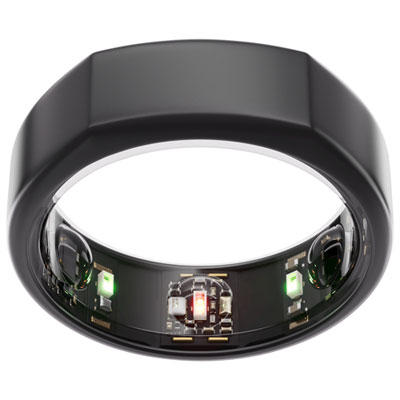 Your price for this item is $369.99
-
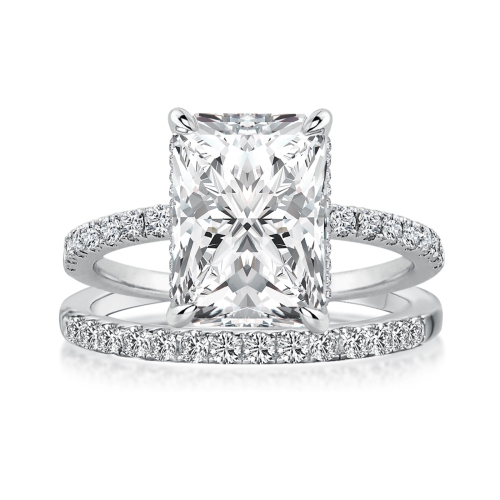 Your price for this item is $801.45
-
 Your price for this item is $133.2
-
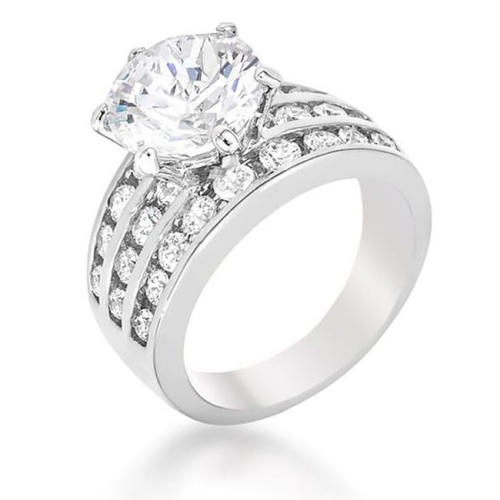 Your price for this item is $151.05
-
 Your price for this item is $123
-
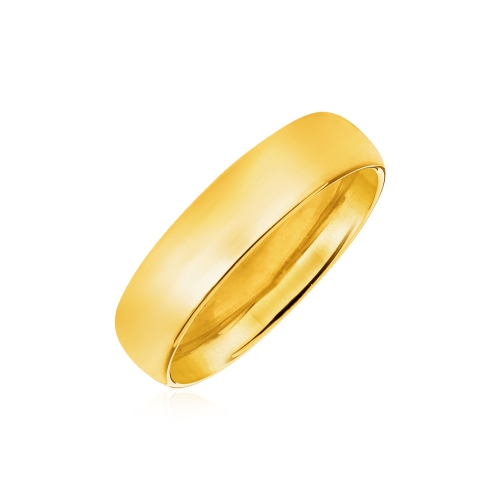 Your price for this item is $486.49
-
 Your price for this item is $135.75
-
 Your price for this item is $969
Discover more categories related to Solitaire Diamond

Top Collections:
Pokemon Centers, Best Cameras for Sports Photography, Kindle Devices, Samsung Galaxy Phones, Canon G7X Cameras, Pokémon 30th Celebration Cards, Refurbished Apple Laptops, iPhone 15 Apple, Laptops for Students, Budget Smartphones
Some products may be subject to Environmental Handling Fees
(EHF) depending on your province.
Learn more about EHFs.