Sterling Silver Diamond Necklaces
Sterling Silver Diamond Necklaces bring a touch of timeless elegance to any jewelry collection. Designed to complement both casual and formal looks, these necklaces add a sparkling accent that catches the eye in any setting. Whether searching for a thoughtful gift or a special treat for yourself, Sterling Silver Diamond Necklaces offer versatile style and lasting appeal. Explore a range of designs to find the perfect piece that suits your personal taste and enhances every outfit.
Sort


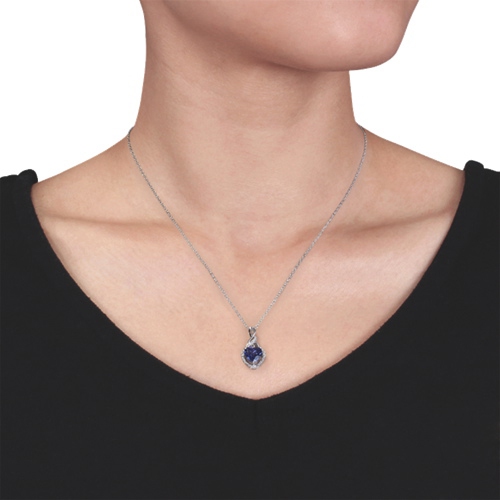


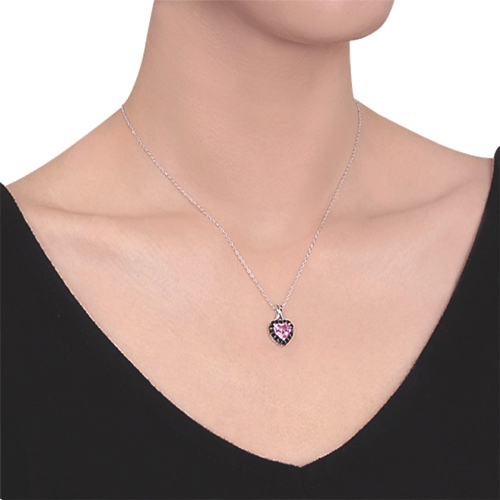


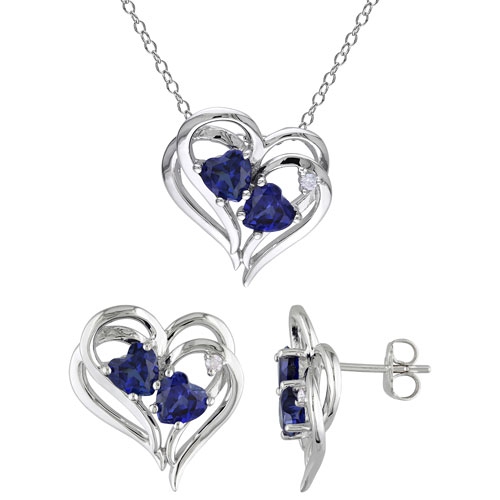

Why similar diamond necklaces can look so different
Sterling silver diamond necklaces combine a bright, white-toned precious metal with the light-catching detail of diamonds, creating jewellery that can feel understated or expressive depending on the design. Sterling silver contains 92.5% pure silver, with the remaining portion made up of other metals, commonly copper, to give it greater strength than pure silver alone. A 925 or .925 mark commonly identifies this alloy, although the mark does not describe the diamonds or their quality. Its neutral colour complements a clear stone without introducing the warmer tone of yellow gold, and its polished surface works with both casual clothing and more formal outfits. Some sterling silver jewellery has a rhodium-plated finish, which adds a bright surface and helps slow tarnishing; that coating can gradually wear with use. Design makes just as much difference as the metal. A solitaire pendant draws attention to one diamond, while a halo surrounds a centre stone with smaller diamonds for a broader outline. Station necklaces space stones along the chain, and pavé settings arrange small diamonds closely together for a textured shimmer. Hearts, circles, bars, and other geometric shapes offer different ways to wear diamond accents without making a necklace feel overly formal. Natural and laboratory-grown diamonds can both be set in sterling silver. They share the same crystal structure and essential physical and optical properties, but their origins differ, making an accurate description important. Laboratory-grown diamonds are diamonds, rather than diamond simulants. Carat refers to diamond weight, not its diameter, and total carat weight describes the combined weight of all diamonds in a piece rather than the size of a single stone. Cut influences how a diamond returns light, while colour and clarity describe other aspects of its appearance. In a necklace with several small stones, the arrangement, consistency, and setting can shape the overall impression as much as any individual diamond. These distinctions help explain why two necklaces with similar total diamond weights may look quite different when worn.
The way a sterling silver diamond necklace sits against the neckline is central to its appeal. A 16-inch chain generally rests higher than an 18-inch chain, while a 20-inch chain usually places a pendant farther down the chest, but the actual position varies with neck size, body proportions, and pendant dimensions. An extender offers flexibility between different necklines and can be useful for someone who prefers a little more room around the neck. A small pendant near the collarbone creates a subtle focal point with an open shirt collar, while a longer chain can bring a diamond detail into view over a plain crew-neck top. The pendant drop also contributes to the overall length: a narrow vertical design may sit noticeably lower than a compact round pendant on the same chain. Chain construction affects both appearance and everyday handling. Cable chains have a familiar linked profile, box chains offer a more geometric look, and finer chains create a delicate effect that suits smaller pendants. Chain thickness and pendant weight need to work together, since a substantial pendant can place extra strain on a very fine chain. A secure clasp, neatly finished links, and a bail sized appropriately for the chain all contribute to comfortable wear. Setting style brings another practical distinction. Claws expose more of a diamond to view, while a bezel surrounds its edge with metal for a smoother outline. Raised settings may catch on loosely knitted clothing, whereas a lower profile can be easier to wear close to the skin. For layering, different chain lengths help separate pendants and reduce overlap, although chains can still tangle during movement. Those with metal sensitivities may also need information about alloy components, plating, and clasps, since sterling silver is not automatically suitable for every wearer. Fit, finish, and construction matter as much as the view from the front.
Sterling silver diamond necklaces suit a range of personal styles and occasions, from a modest pendant worn to work to a more detailed design chosen for a celebration. As gifts, they can mark a birthday, graduation, anniversary, or another meaningful milestone without requiring the precise sizing associated with a ring. The recipient’s usual jewellery offers useful clues: someone who wears simple studs and fine chains may appreciate a restrained shape, while someone drawn to bold accessories may prefer a larger pendant or a more visible arrangement of stones. Adjustable length can make a gift easier to wear, though it does not replace consideration of the wearer’s preferred fit. Diamonds provide a neutral sparkle that pairs easily with different clothing colours; for a different emphasis, Sterling Silver Gemstone Necklaces offer another way to explore colour in silver jewellery. With either approach, thoughtful care helps preserve the finish and keeps settings in good condition. Sterling silver can tarnish through normal exposure to air and substances encountered during wear, and tarnish does not necessarily indicate poor-quality metal. A soft cloth intended for the particular finish can remove light surface marks, while plated finishes require care to avoid wearing through the coating. Although diamond is highly resistant to scratching, it can chip from a sharp impact, and the surrounding silver can bend or scratch more readily than the stone. Removing a necklace before swimming, showering, exercise, or household cleaning reduces exposure to chemicals, friction, and accidental pulling. Perfume, lotions, and hair products are best allowed to dry before jewellery is put on. Separate storage in a soft pouch or a lined compartment helps limit tangles and contact with other pieces. Cleaning methods should suit the entire necklace, including its plating and any additional stones or treatments, rather than the diamond alone. A clasp that no longer closes properly, a bent claw, or a stone that moves calls for a jeweller’s attention before further wear. These small habits help a favourite necklace remain comfortable and attractive over time.
Top selling and popular products
-
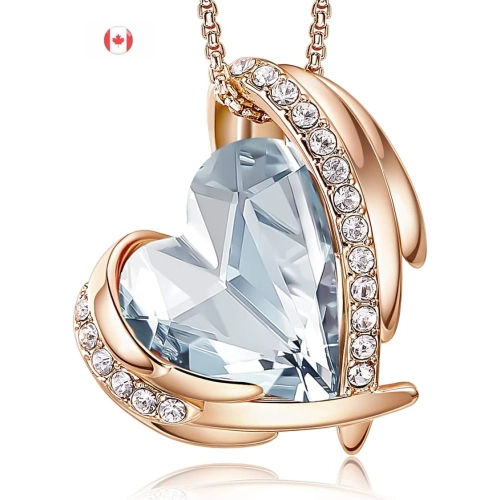 Your price for this item is $59.99
-
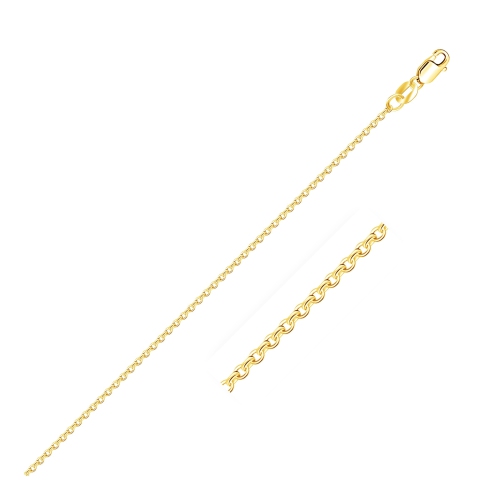 Your price for this item is $1792.5
-
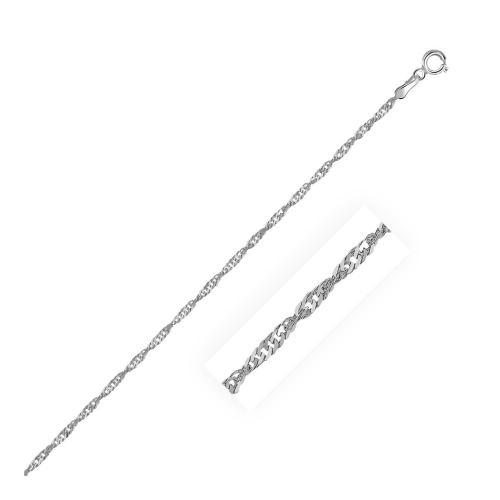 Your price for this item is $1967.36
-
 Your price for this item is $427.88
-
 Your price for this item is $1149.56
-
 Your price for this item is $1399.05
-
 Your price for this item is $344.55
-
 Your price for this item is $1201.24
Discover more categories related to Sterling Silver Diamond Necklaces


Top Collections:
Pokemon Centers, Best Cameras for Sports Photography, Kindle Devices, Samsung Galaxy Phones, Canon G7X Cameras, Pokémon 30th Celebration Cards, Refurbished Apple Laptops, iPhone 15 Apple, Laptops for Students, Budget Smartphones
Some products may be subject to Environmental Handling Fees
(EHF) depending on your province.
Learn more about EHFs.