Sterling Silver Ruby Necklaces
Sterling Silver Ruby Necklaces add a touch of elegance and vibrant color to any jewelry collection. The striking combination of radiant rubies set in gleaming sterling silver creates an eye-catching accessory that complements both casual and formal attire. Whether you're searching for a timeless gift or a statement piece to elevate your own style, these necklaces offer versatile options to suit any occasion. Discover the beauty and allure of Sterling Silver Ruby Necklaces designed to enhance your everyday look.
Sort


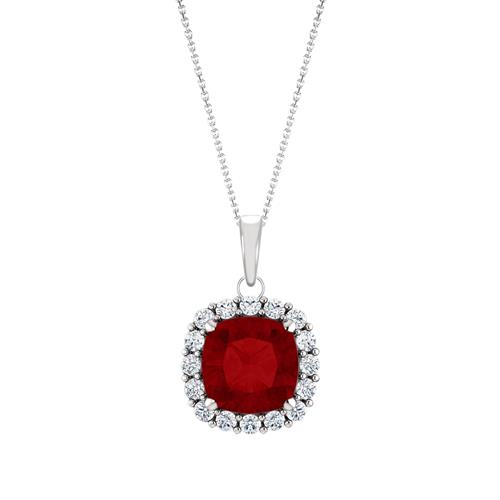


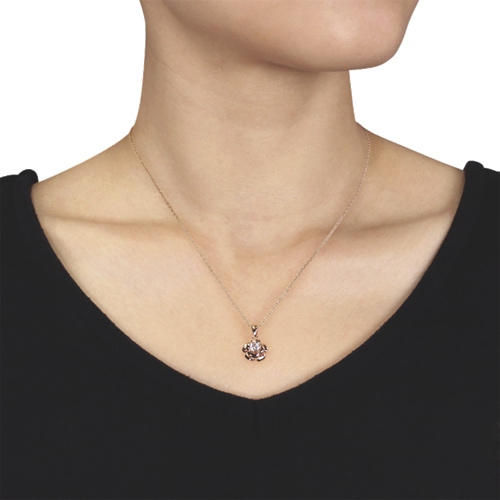

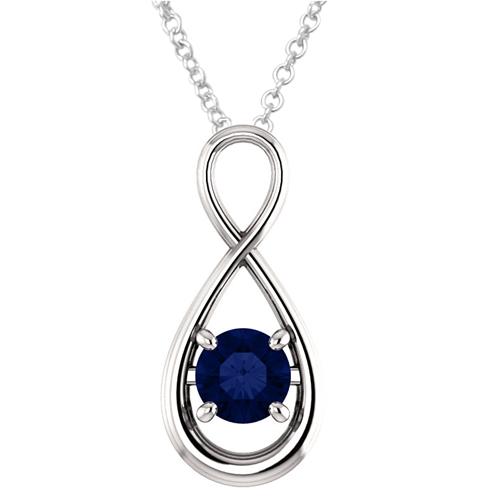
How silver settings shape a ruby pendant’s character
Sterling silver ruby necklaces pair the bright, silvery finish of a precious-metal alloy with the rich red colour of ruby. Sterling silver contains 92.5% pure silver, with the remaining portion made up of other metals, commonly copper, to add strength. A 925 stamp is a common indication of that silver content, although the material description remains important when distinguishing sterling silver from silver-plated jewellery. Ruby is the red variety of the mineral corundum, and its colour can range from pinkish red to deeper red with purplish undertones. Against a polished silver setting, that colour creates a distinct focal point without requiring a large pendant or an elaborate chain. A small round ruby can add a quiet touch of colour at the collarbone, while an oval or pear-shaped stone creates a more elongated silhouette. Square and rectangular cuts offer a more geometric look, with straight edges that contrast neatly against a curved neckline. Solitaire pendants keep attention on a single ruby; heart motifs, clusters, and accent-stone settings give the necklace a more decorative character. The setting also changes how the stone looks and feels in wear. Prongs leave more of a ruby visible, while a bezel surrounds its edge with a rim of metal for a smooth, defined outline. An open setting may allow more light to reach the stone, but ruby’s appearance also depends on its cut, transparency, and internal characteristics. Some rubies look clear and bright, while others have a softer, more opaque appearance. Neither the word ruby nor a photograph alone describes all of those differences. Stone dimensions, shape, colour descriptions, and setting details help establish whether a necklace will have the understated presence of a small everyday pendant or the stronger visual impact of a piece chosen to anchor an outfit. Together, the ruby and silver offer a combination that works with a plain T-shirt, a tailored shirt, or a simple dress.
The distinction between natural, laboratory-created, and imitation stones is especially useful when considering ruby jewellery. Natural rubies form in the earth, while laboratory-created rubies are grown under controlled conditions and share essentially the same chemical composition, crystal structure, and physical properties. An imitation ruby is a different material made to resemble ruby, so it should not be confused with a laboratory-created stone. Both natural and laboratory-created rubies may show variations in colour and clarity, and natural stones often contain visible internal features known as inclusions. Treatments matter as well: heating is commonly used to modify a ruby’s appearance, while fracture filling introduces material into fissures and can require more cautious handling. A description that identifies the stone’s origin and any disclosed treatments gives a clearer picture of its character and care needs. Ruby ranks 9 on the Mohs hardness scale, making it highly resistant to scratching, but hardness does not make a gemstone unbreakable. A sharp knock can still damage a stone, and the chain, clasp, and setting need consideration alongside the ruby itself. Sterling silver can acquire fine scratches and may bend under enough force, particularly in slender chains or delicate prongs. For frequent wear, a pendant with a secure setting and a chain proportionate to its weight is a practical combination. A fine chain suits a small pendant, while a heavier design benefits from a chain and connecting loop sized to support it comfortably. Fit depends on more than the stated chain length. Neck size, pendant length, and the position of the clasp all influence where the ruby rests. A 16-inch chain generally sits higher than an 18-inch chain, but the same length will fall differently on different people. An extender provides some flexibility for varying necklines. Comparing the listed measurement with a comfortable necklace already worn is often more useful than relying on a model photograph, especially when the pendant is intended to sit just above a shirt opening or below a rounded neckline.
Sterling silver ruby necklaces can be personal gifts for birthdays, anniversaries, graduations, or other milestones, particularly for someone who enjoys red gemstones, birthstone jewellery, or silver accessories. Ruby’s traditional associations with love and devotion give it a familiar place in romantic gifts, though the design can be just as suitable for a family member, a close friend, or a personal jewellery collection. The recipient’s habits offer useful clues: someone who wears small studs and plain bands may appreciate a compact solitaire, while someone drawn to decorative jewellery may prefer a framed stone or a more detailed pendant. Clasp size and ease of fastening also matter, especially for anyone who finds tiny closures difficult to handle. For sensitive skin, sterling silver should not automatically be assumed to be free of all potential irritants; alloy details, plating, and clasp materials deserve attention. In everyday styling, a ruby pendant can stand alone or sit alongside a plain silver chain of a different length, with enough separation to reduce tangling and contact between pendants. For a different gemstone look in the same metal, Sterling Silver Diamond Necklaces offer another direction for a jewellery collection. Care helps preserve both the silver finish and the security of the setting. Sterling silver naturally develops tarnish over time, and a soft cloth suitable for its finish can help maintain its appearance. Rhodium-plated silver requires care appropriate to that coating, rather than vigorous polishing that could wear it away. Cleaning methods should suit the ruby’s disclosed treatments and any additional stones, with professional advice preferable when those details are unclear. Ultrasonic and steam cleaning are not suitable for every ruby necklace, particularly where fractures or filling materials are present. Removing the necklace before swimming, exercise, or household cleaning limits exposure to knocks, snags, and chemicals. Fastening the clasp before storing it separately in a soft pouch helps reduce knots and scratches. Periodic checks for worn links, loose stones, or a clasp that no longer closes firmly can catch small problems before they lead to a lost pendant.
Top selling and popular products
-
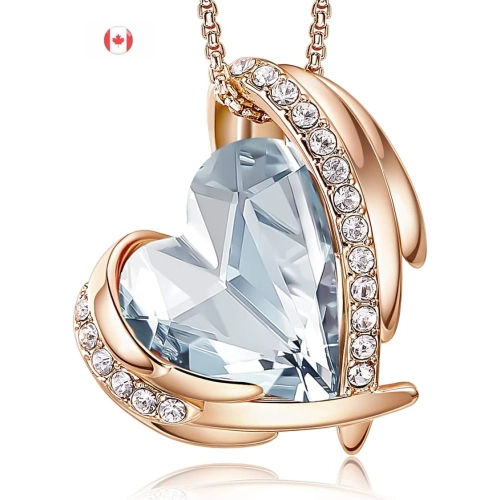 Your price for this item is $59.99
-
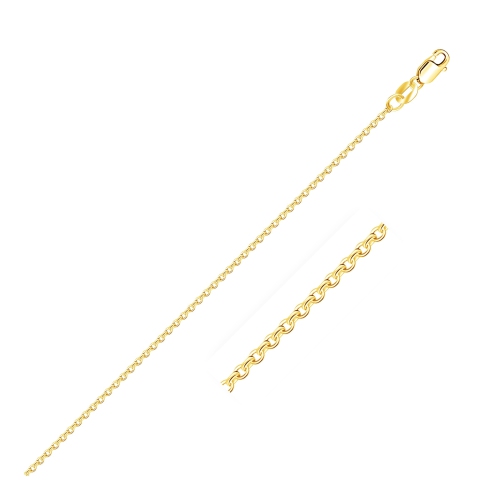 Your price for this item is $1792.5
-
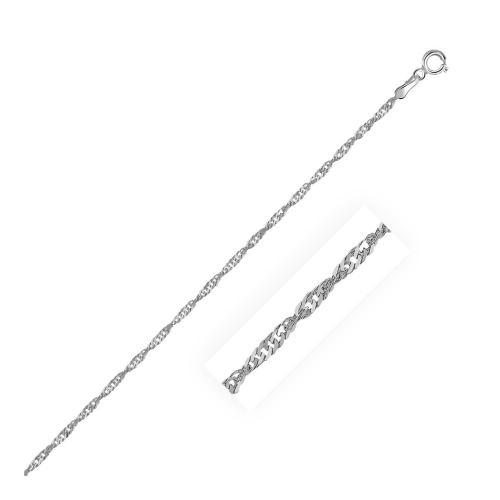 Your price for this item is $1967.36
-
 Your price for this item is $427.88
-
 Your price for this item is $1149.56
-
 Your price for this item is $1399.05
-
 Your price for this item is $344.55
-
 Your price for this item is $1201.24
Discover more categories related to Sterling Silver Ruby Necklaces


Top Collections:
Pokemon Centers, Best Cameras for Sports Photography, Kindle Devices, Samsung Galaxy Phones, Canon G7X Cameras, Pokémon 30th Celebration Cards, Refurbished Apple Laptops, iPhone 15 Apple, Laptops for Students, Budget Smartphones
Some products may be subject to Environmental Handling Fees
(EHF) depending on your province.
Learn more about EHFs.