Sunglasses Polarized
Protect your eyes in style with our collection of polarized sunglasses. Designed to reduce glare and enhance clarity, our sunglasses are perfect for any outdoor adventure. Whether you're hitting the beach, going for a hike, or simply running errands around town, these polarized sunglasses offer both fashion and function. Choose from a variety of styles and frame shapes to find the perfect pair that suits your personality and lifestyle. Say goodbye to squinting in the sun and hello to clear vision with our polarized sunglasses.
Sort
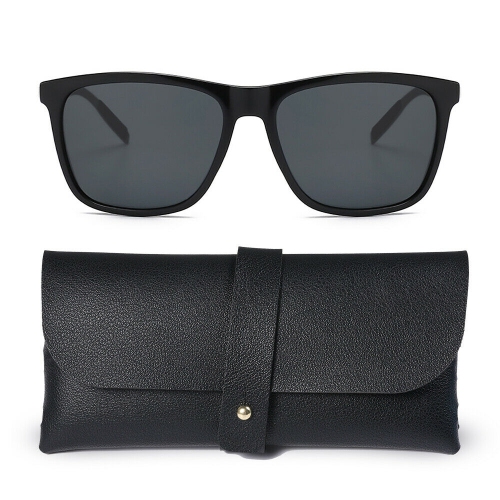
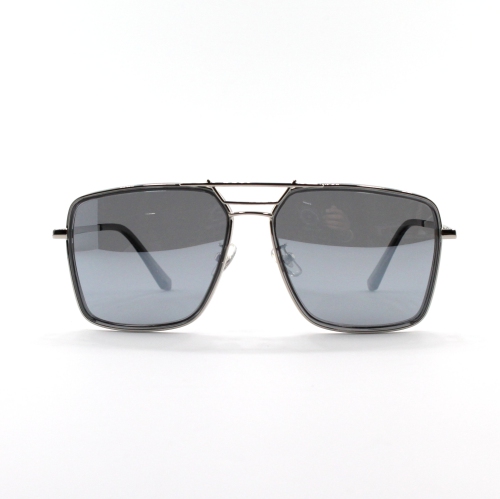
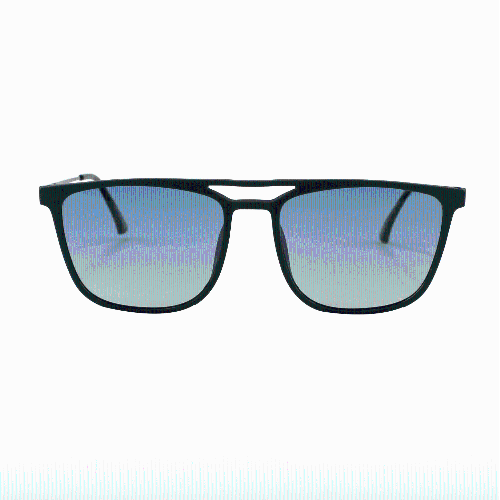

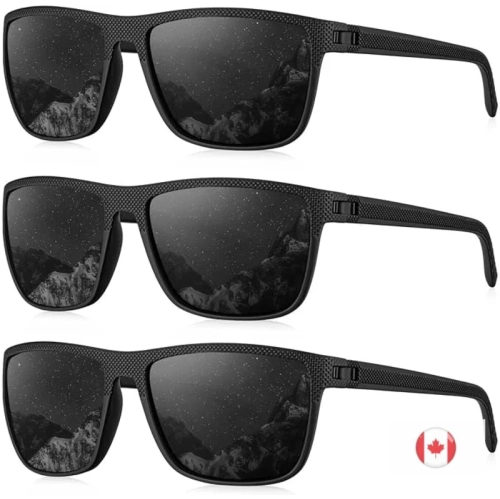
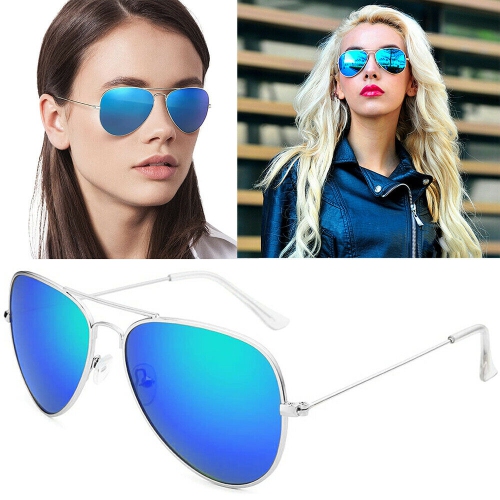
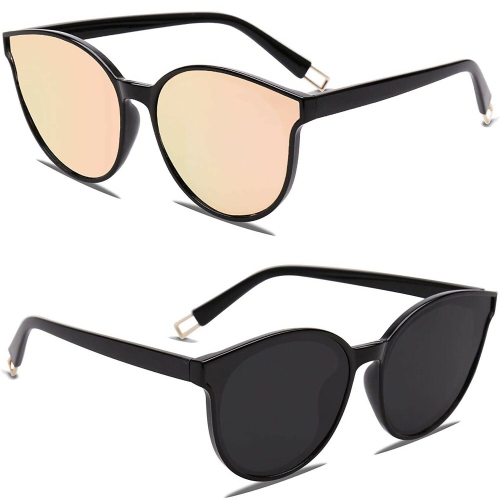

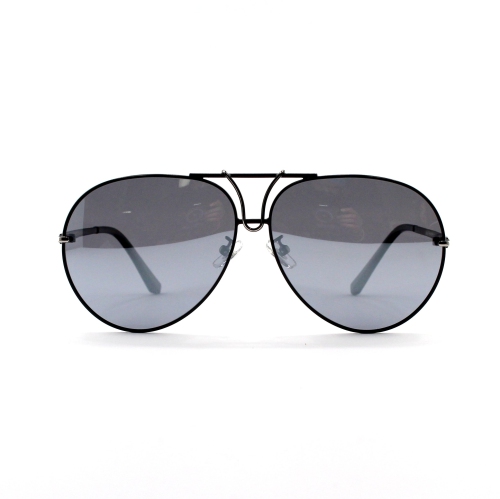
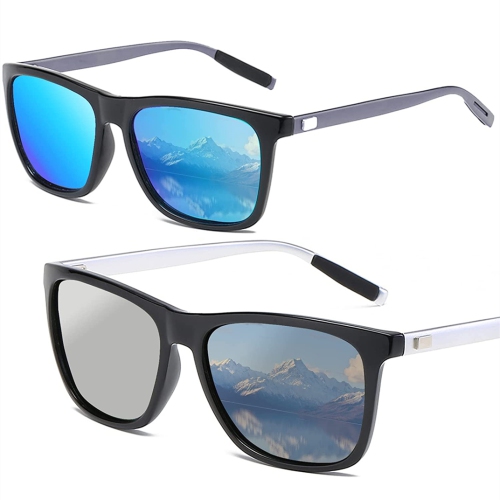
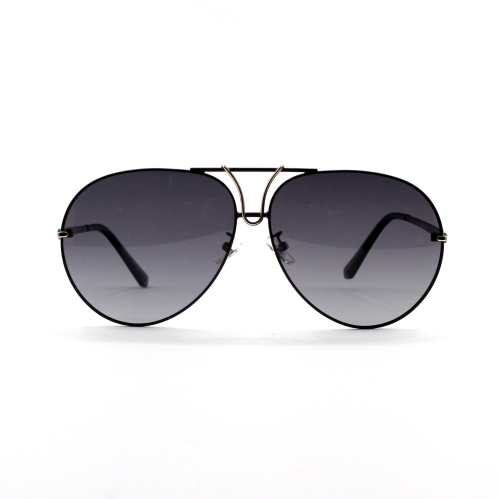
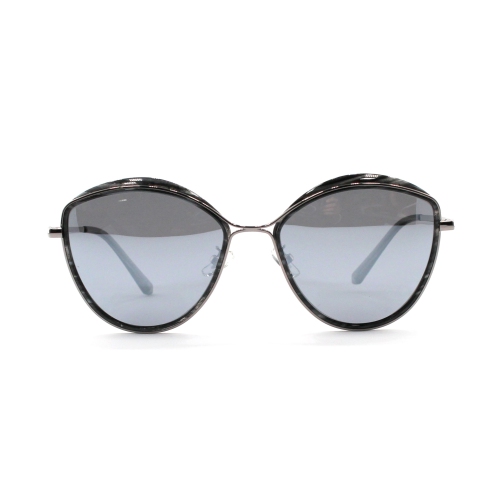

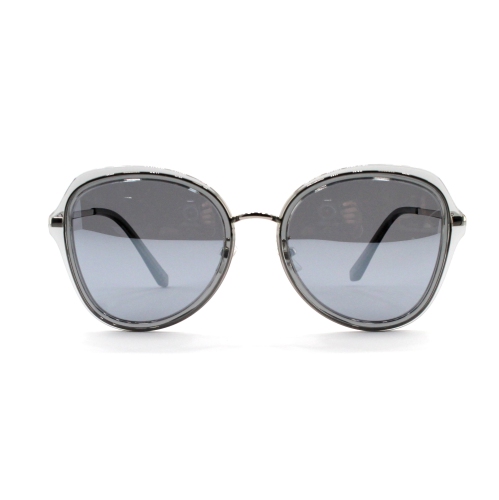

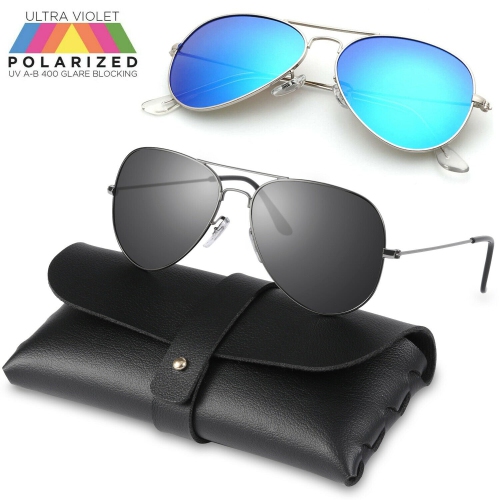
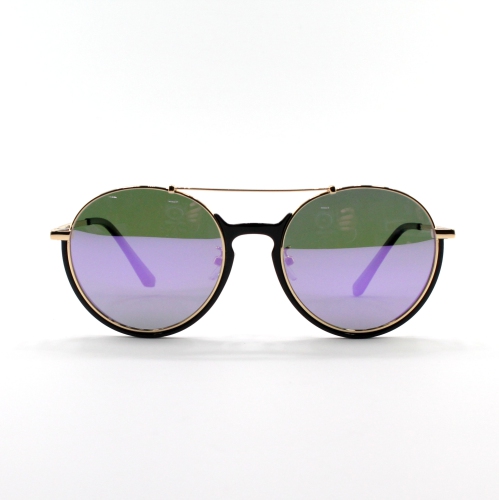

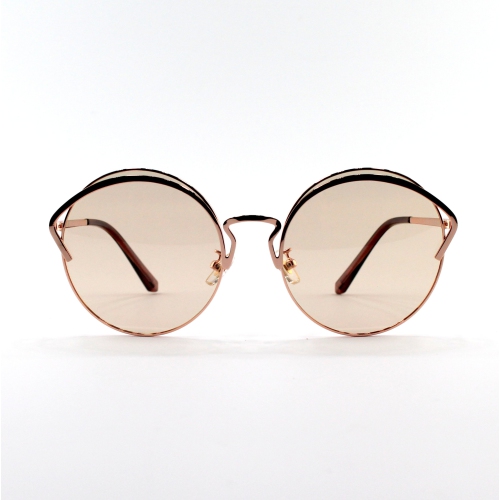

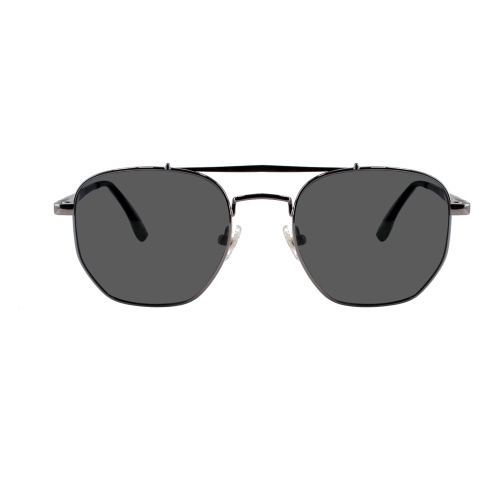
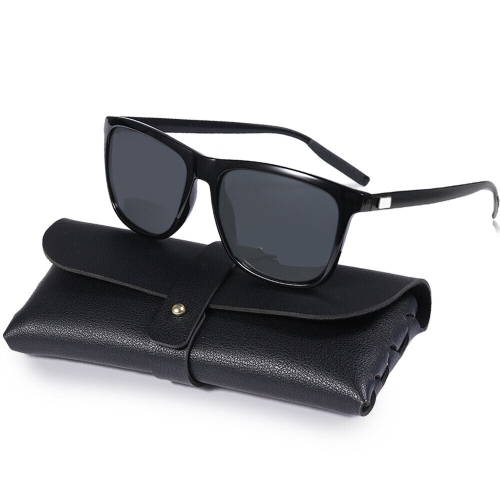
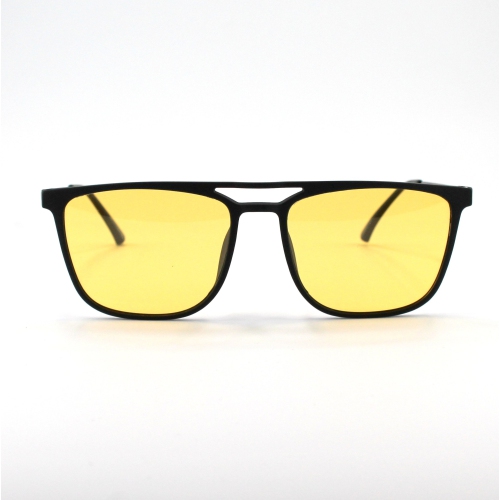
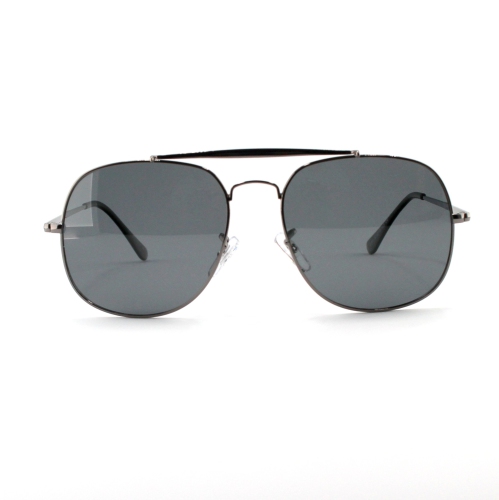

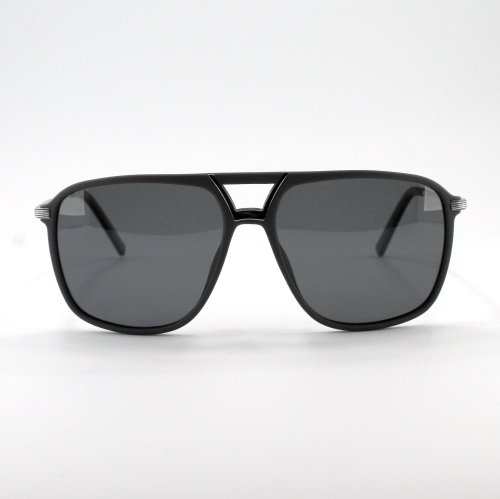
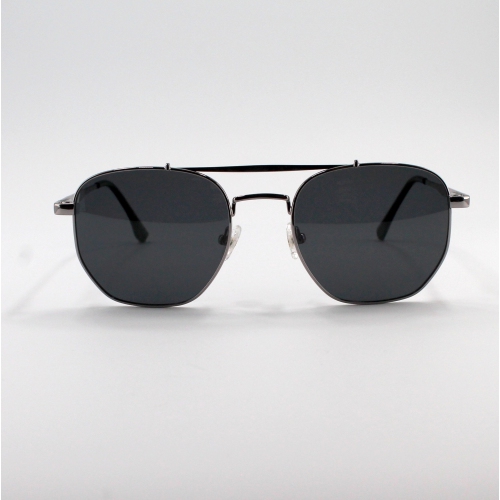

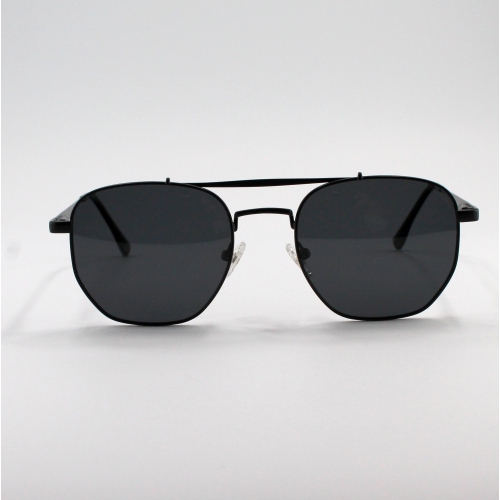
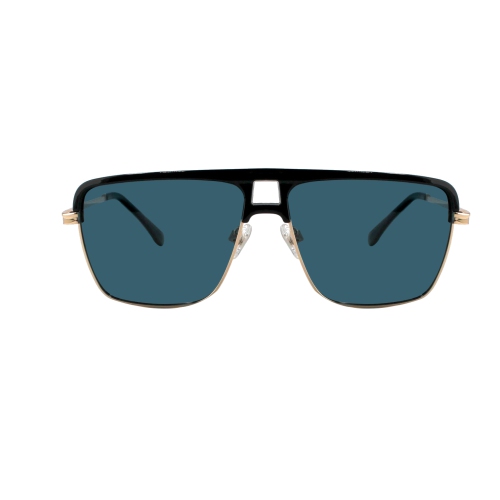
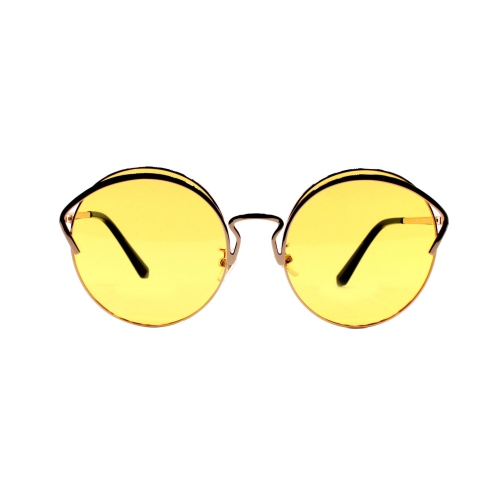
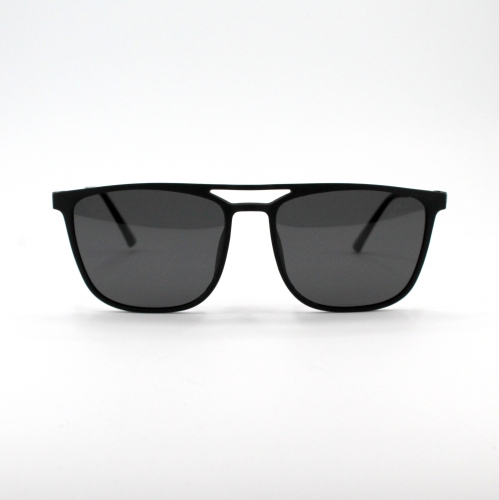
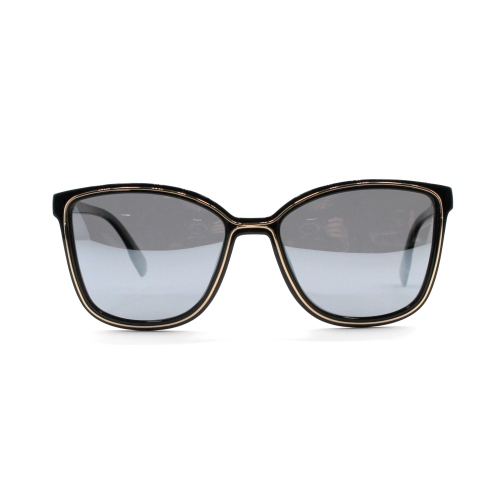
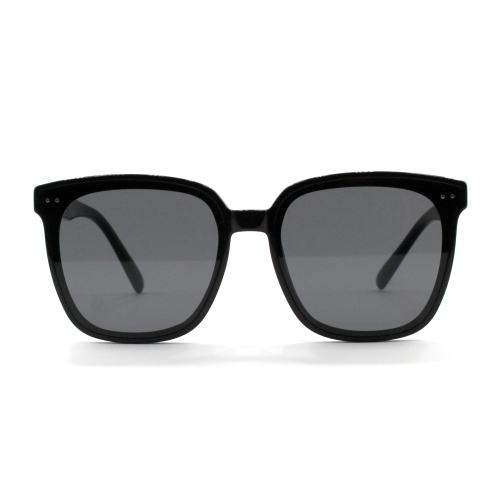
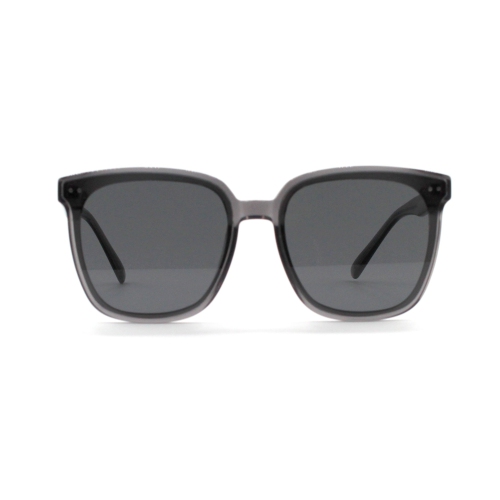

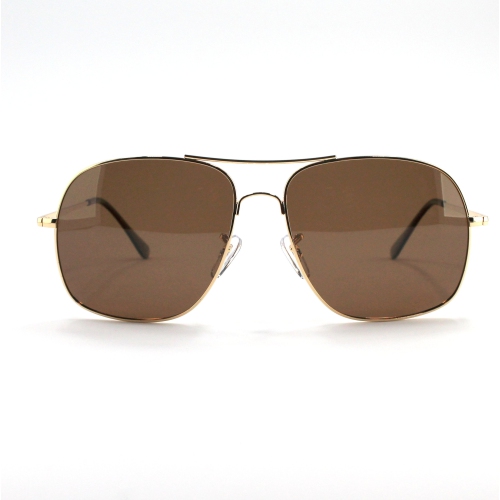

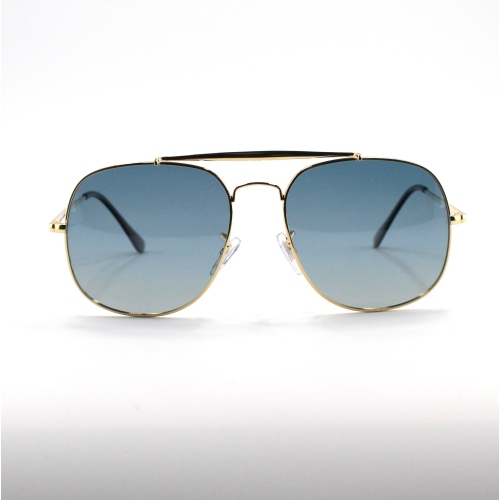
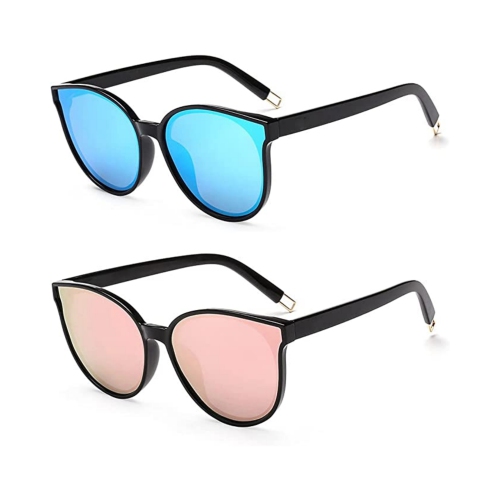
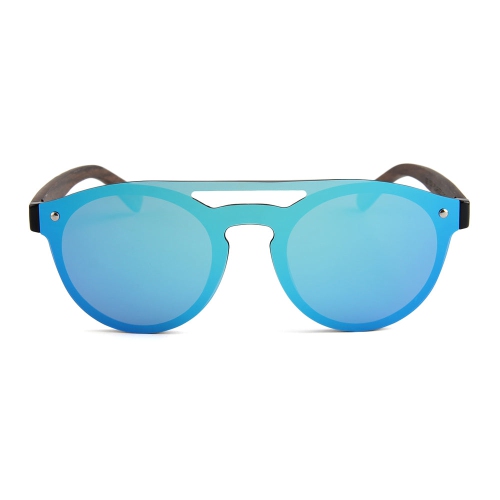
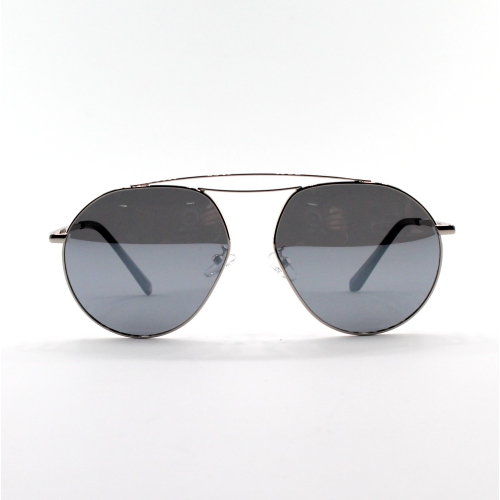
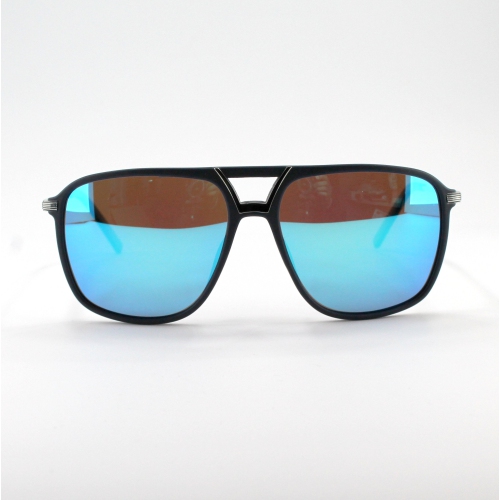

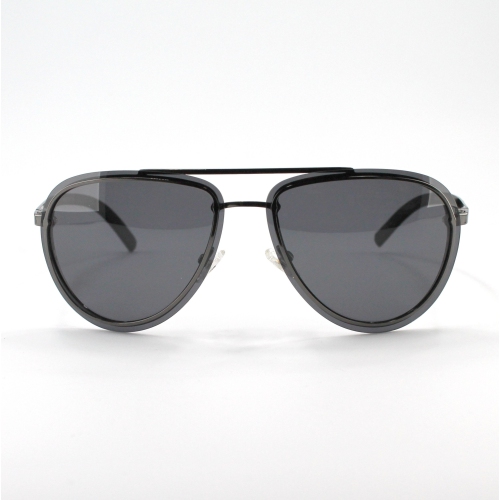
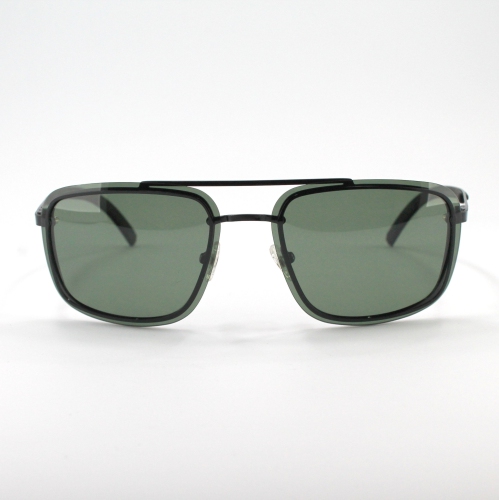
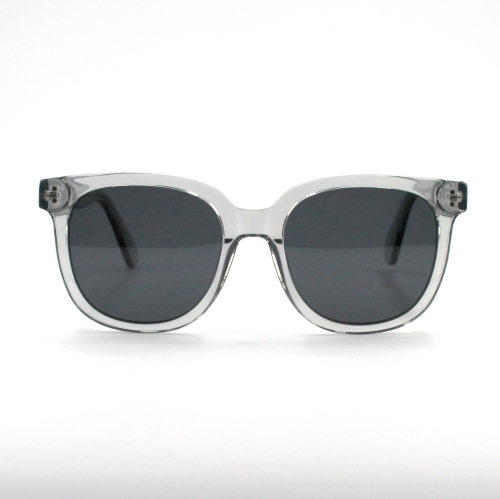
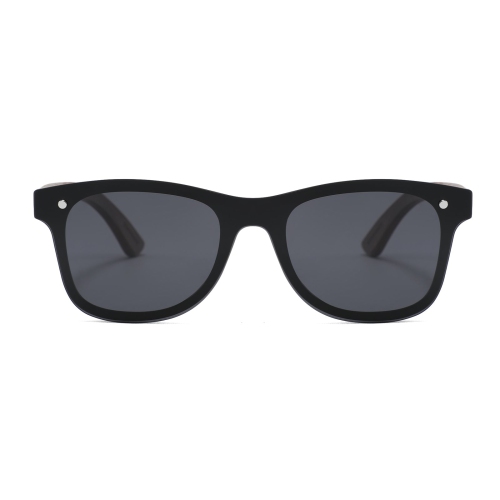
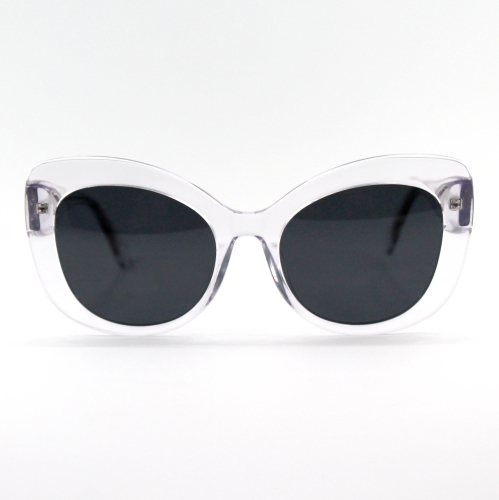
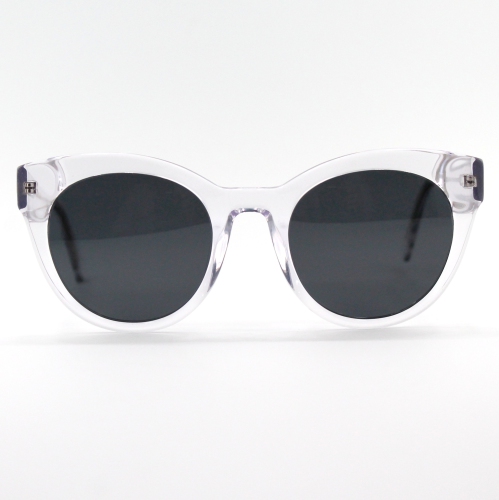
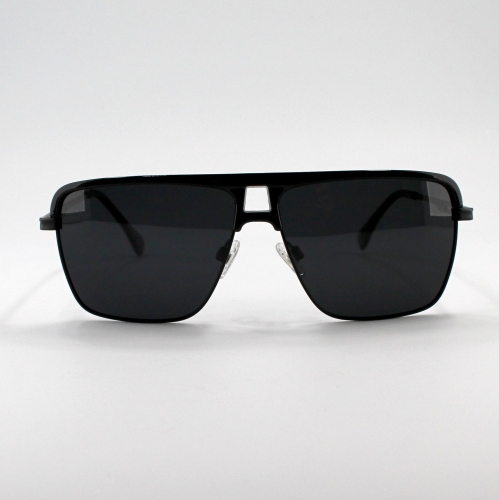
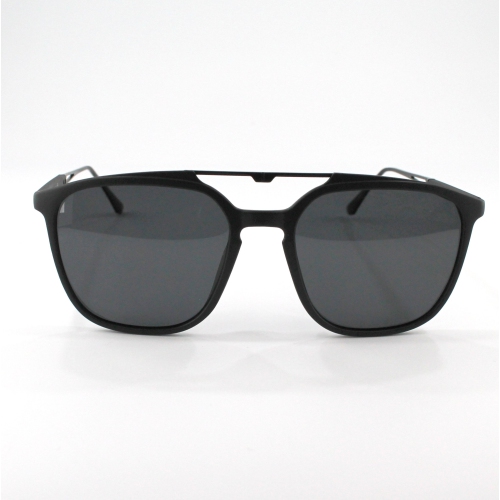
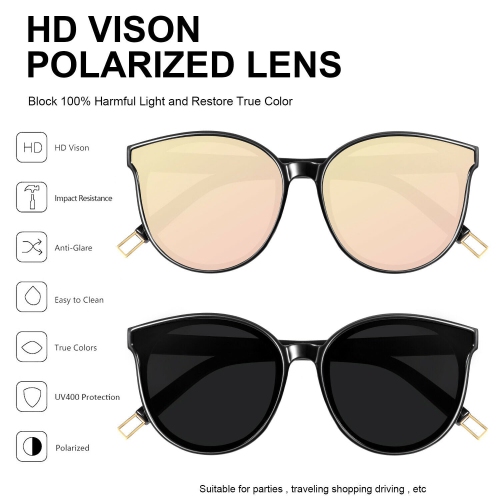
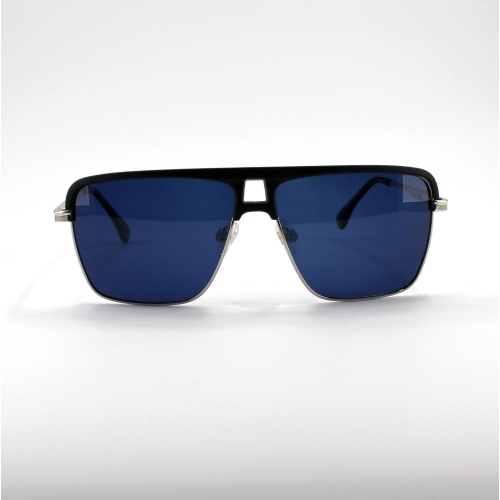
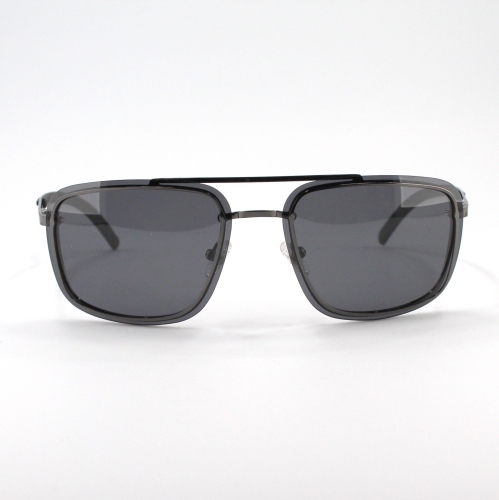
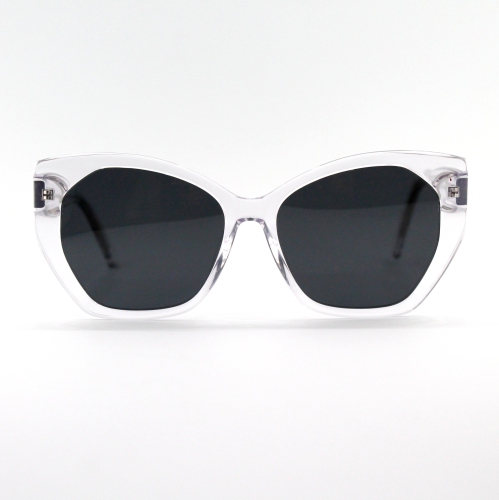
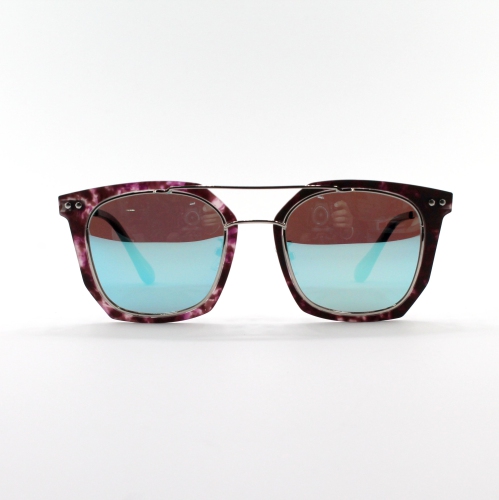

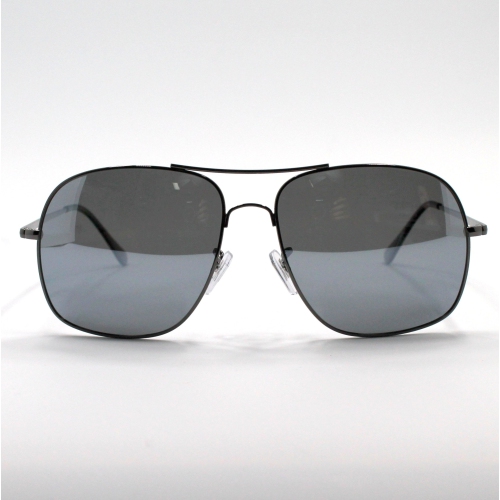
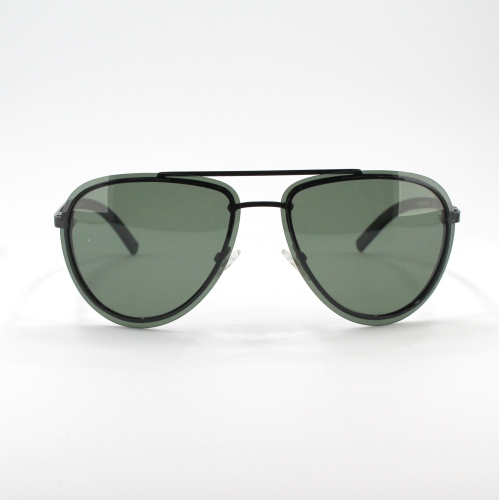
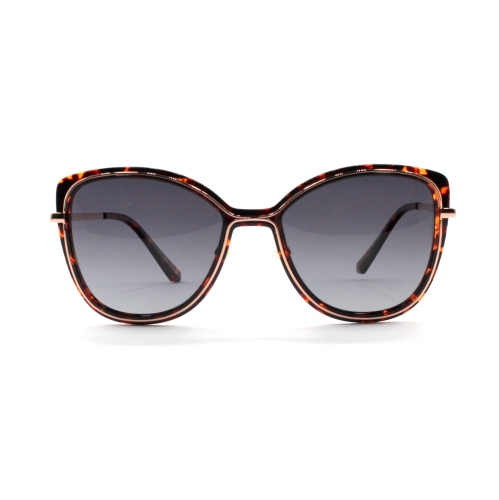
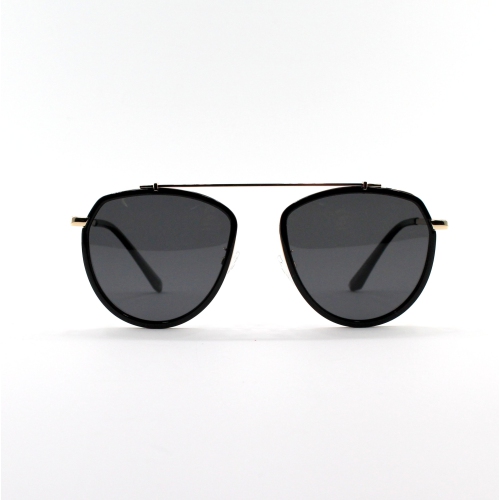
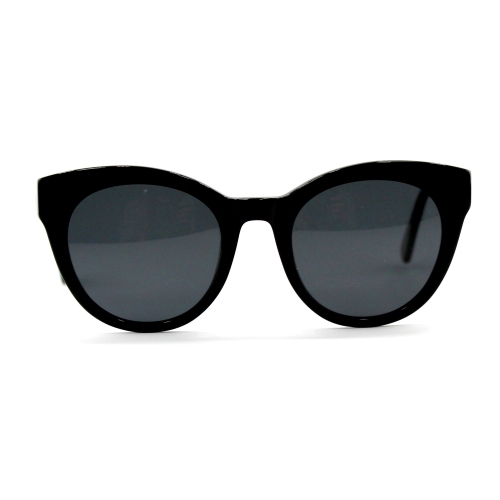
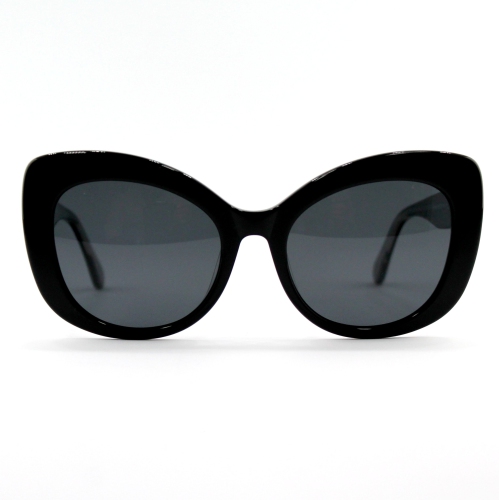
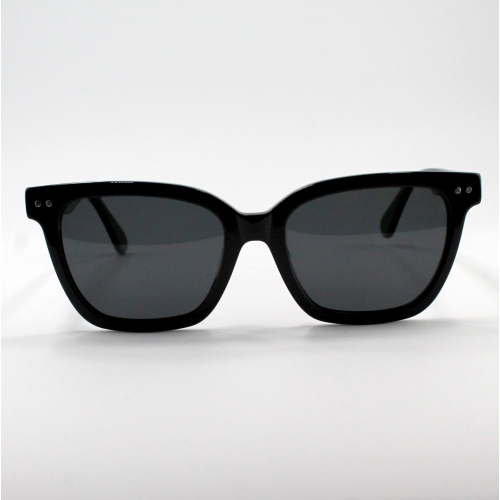
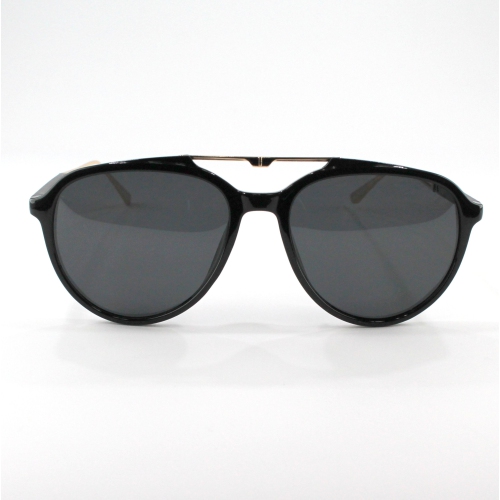
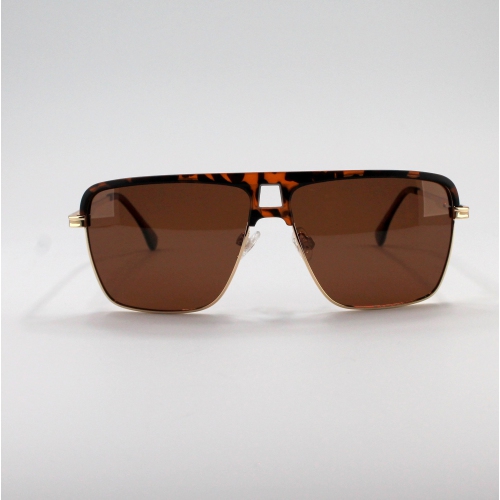
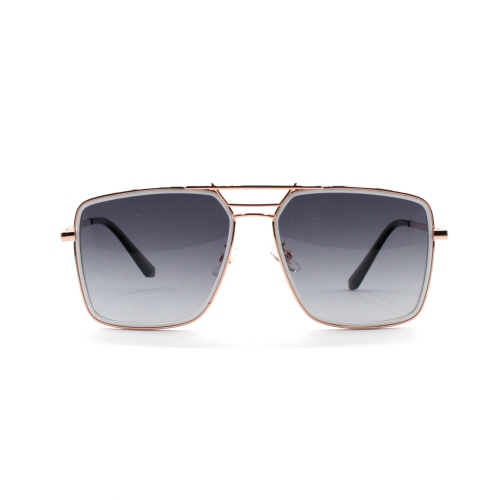
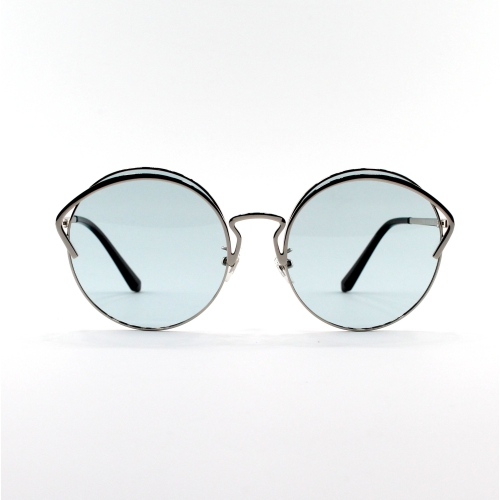
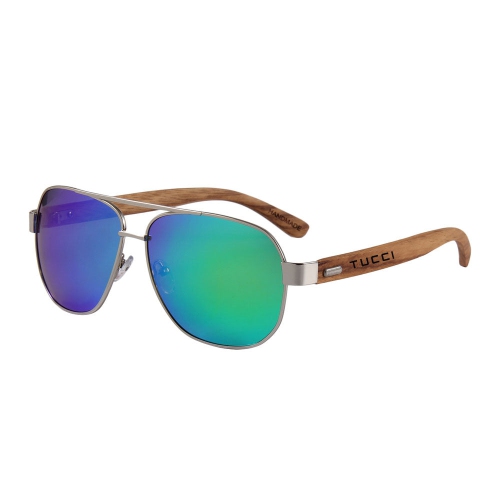
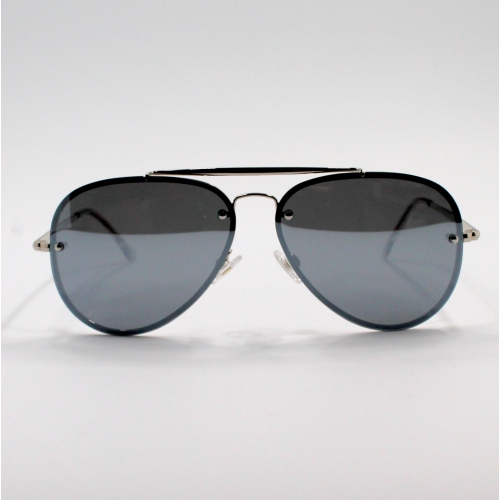
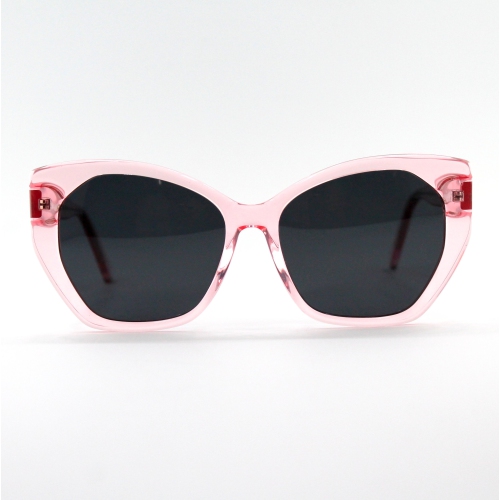
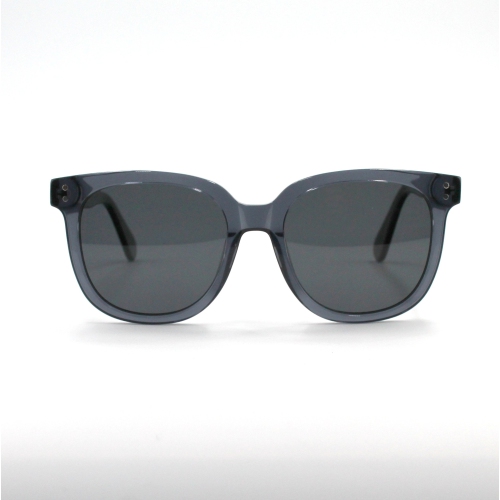
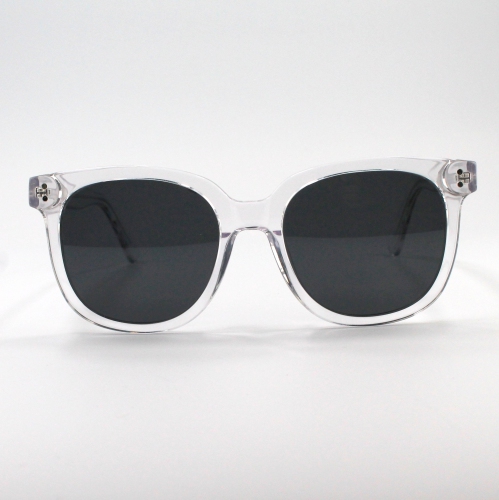
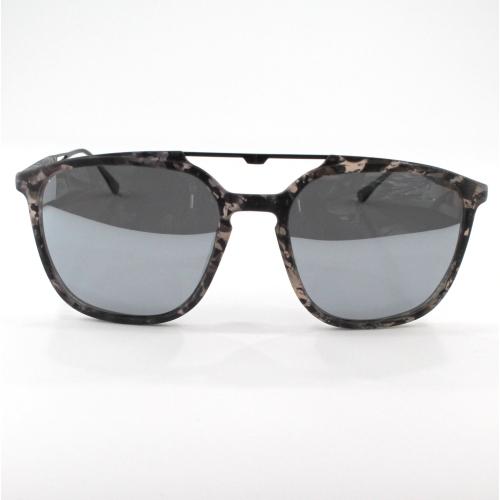
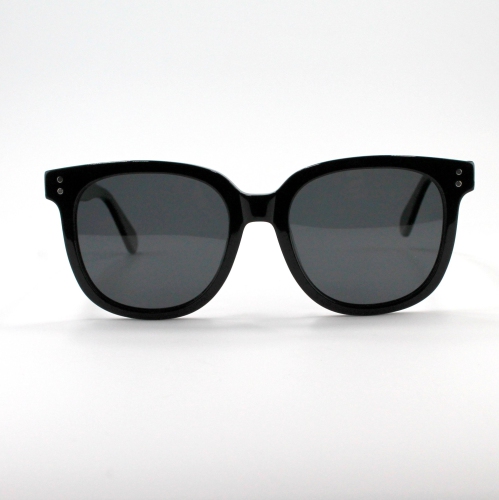
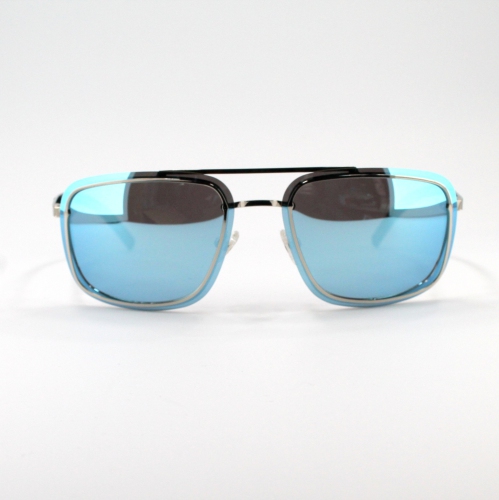
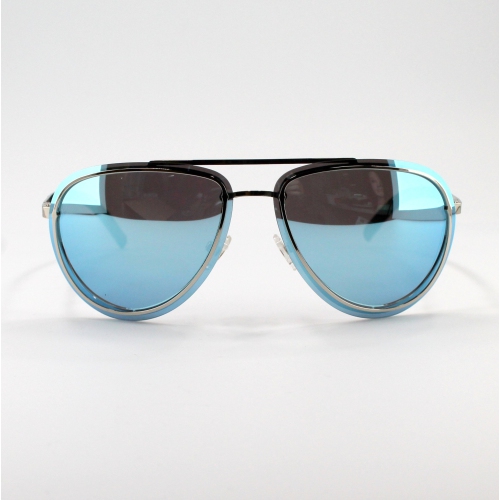
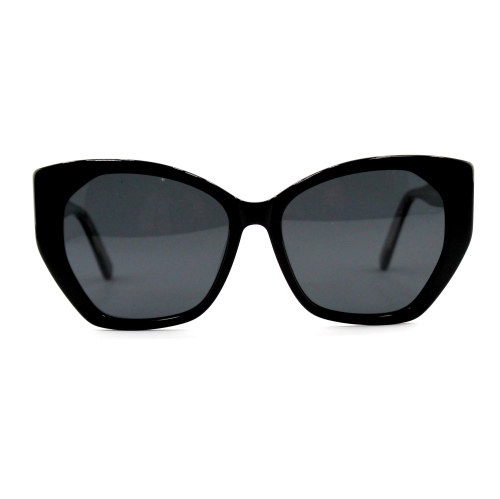
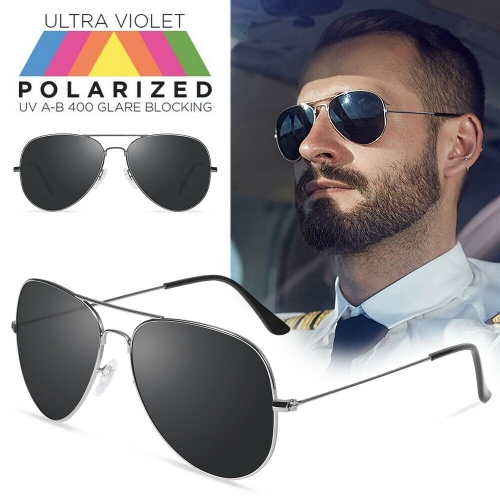
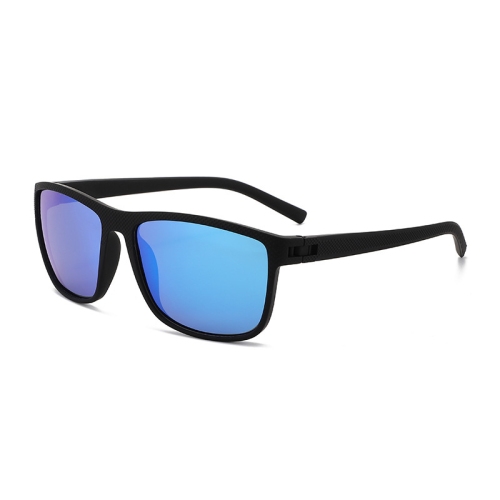
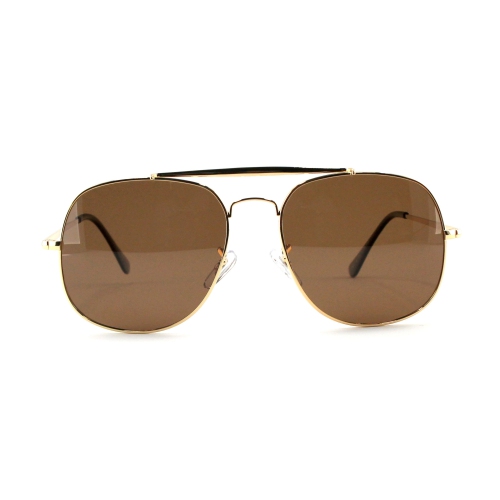
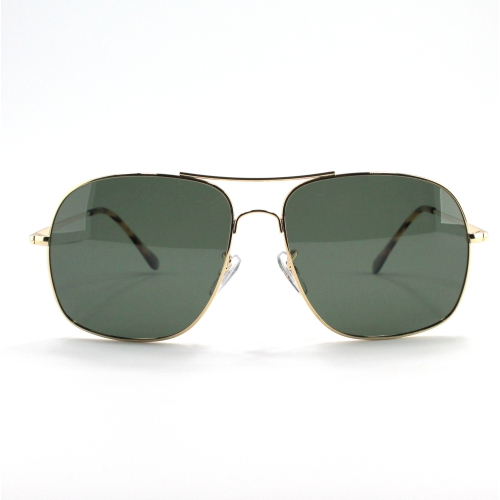
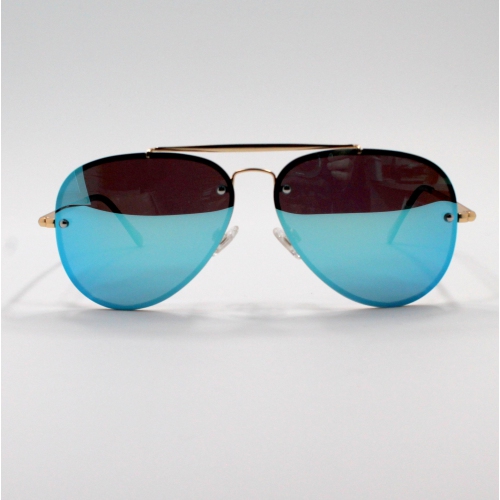
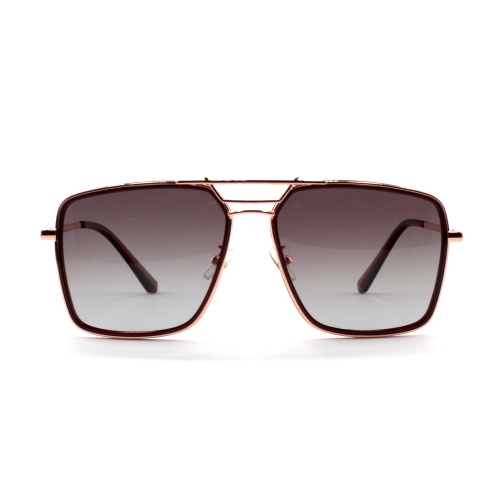
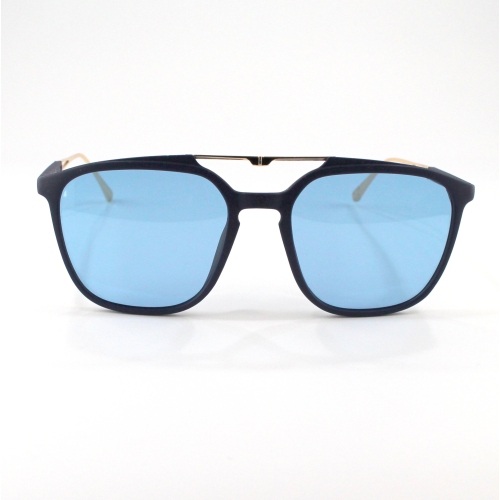
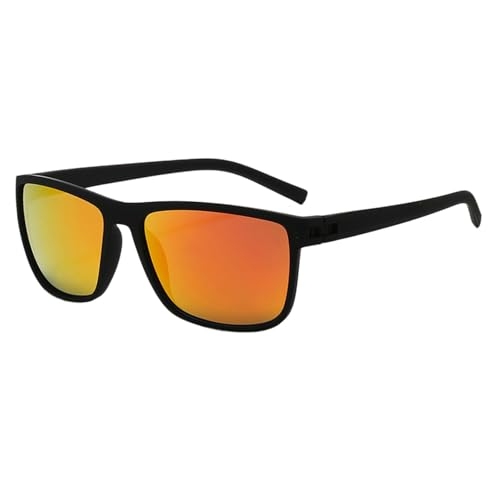
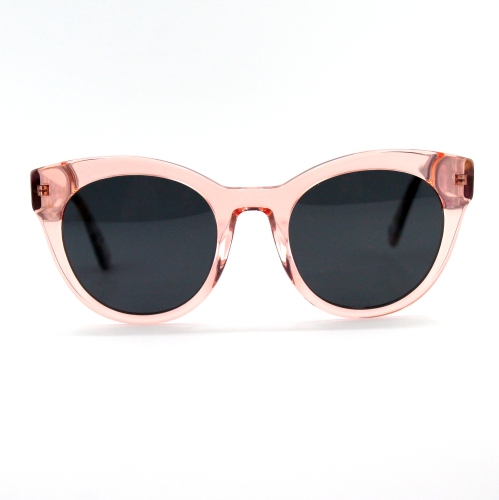
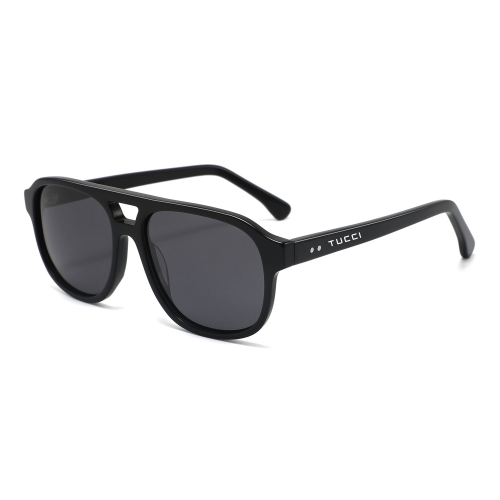

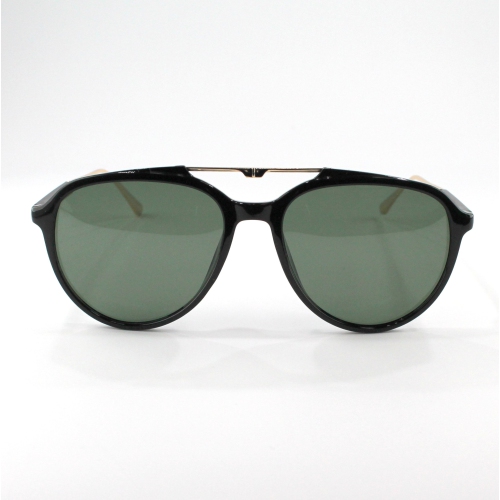
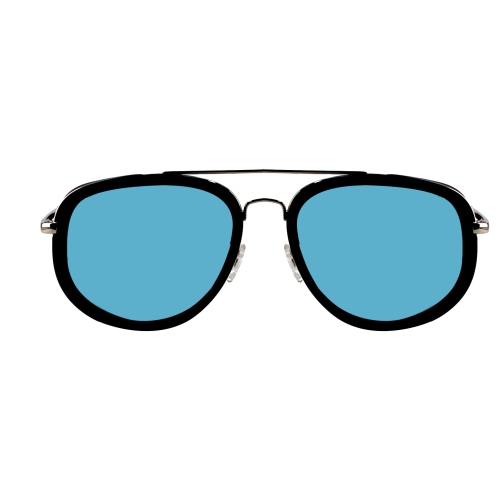
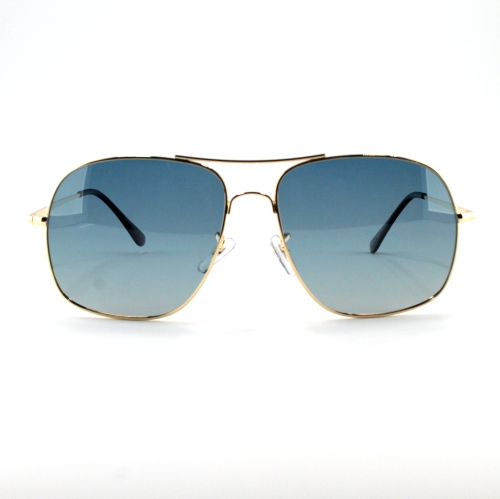
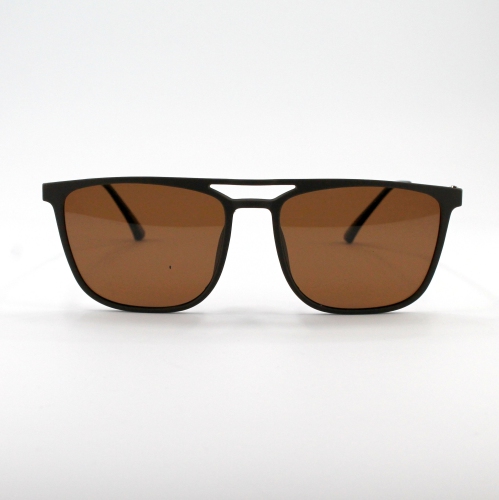
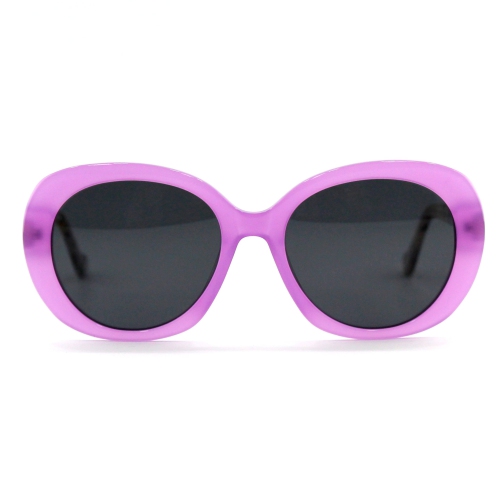
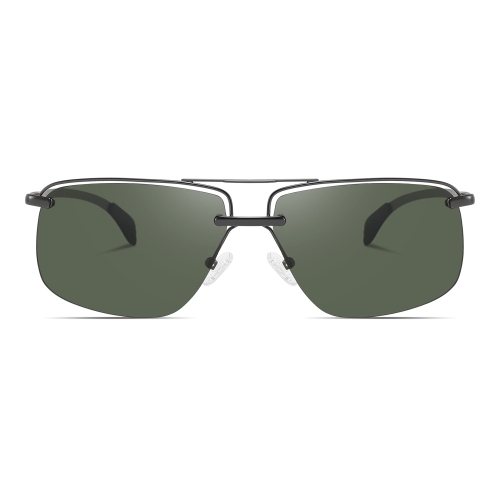
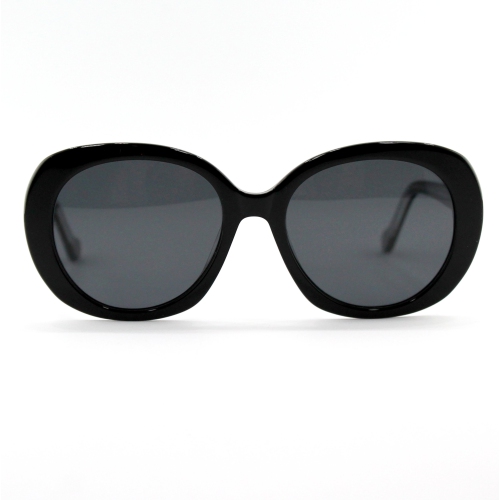
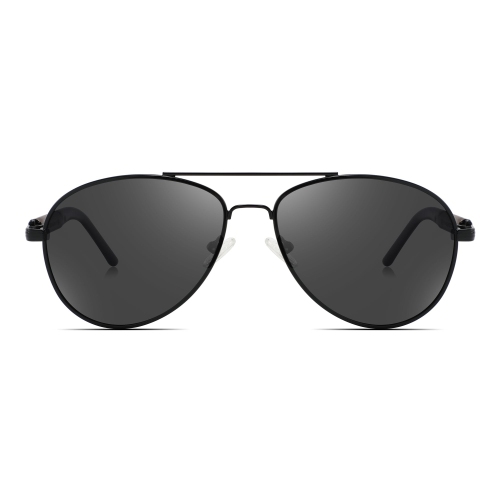
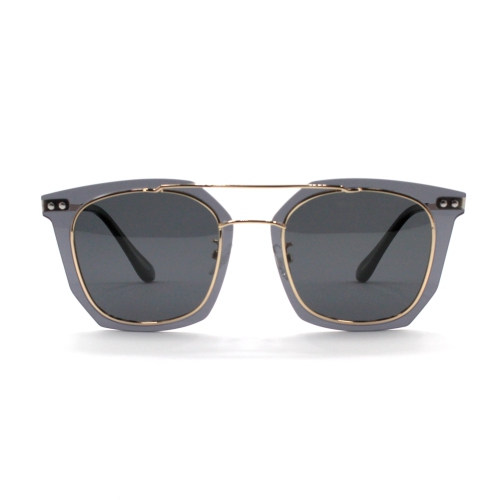
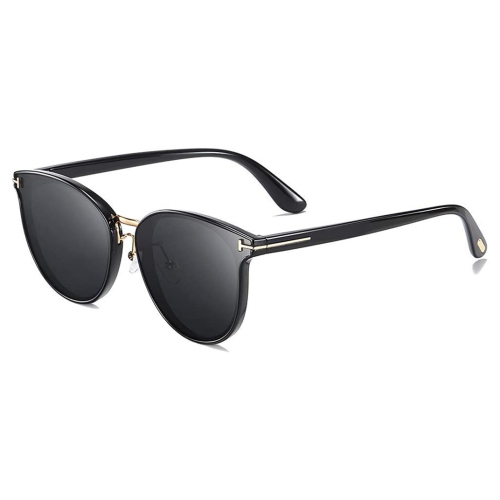
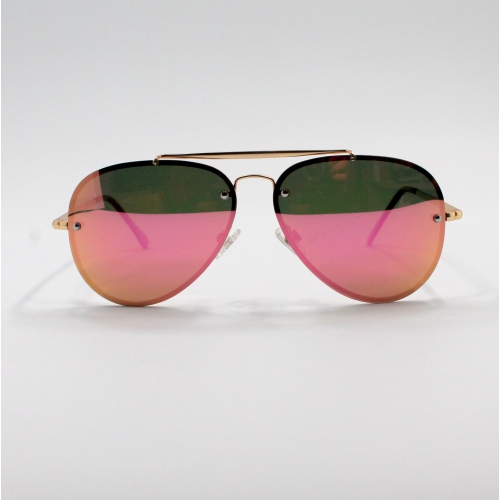
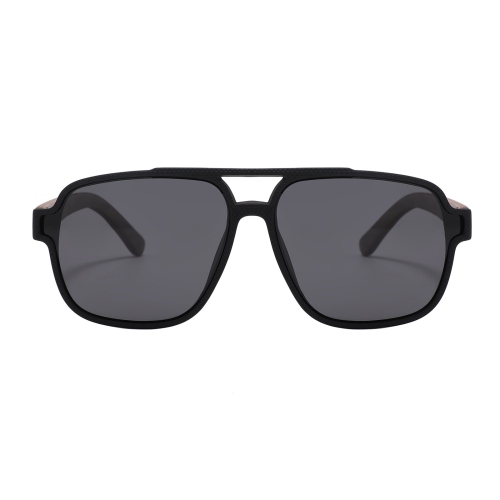
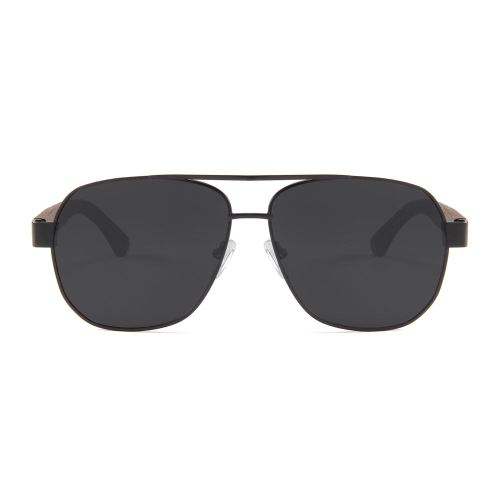
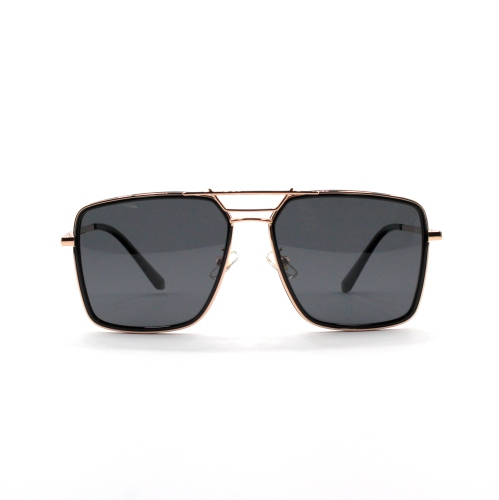
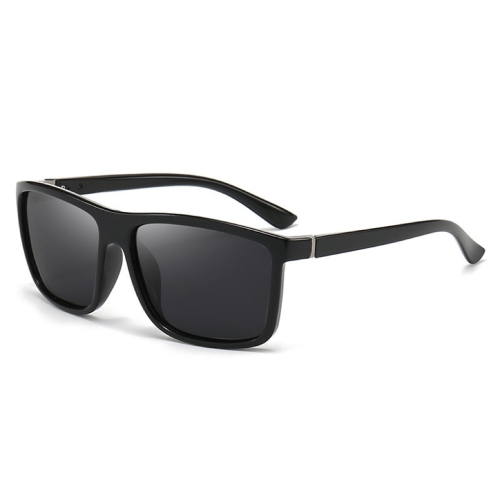
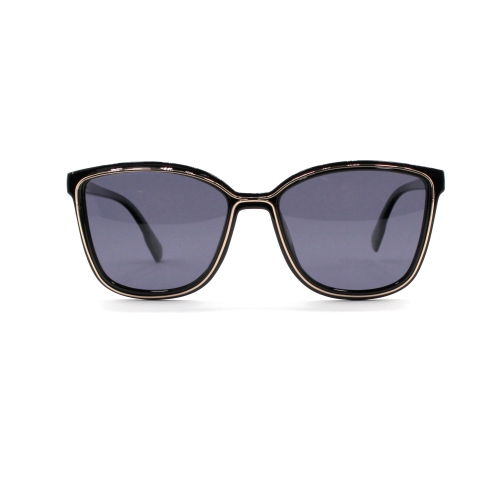
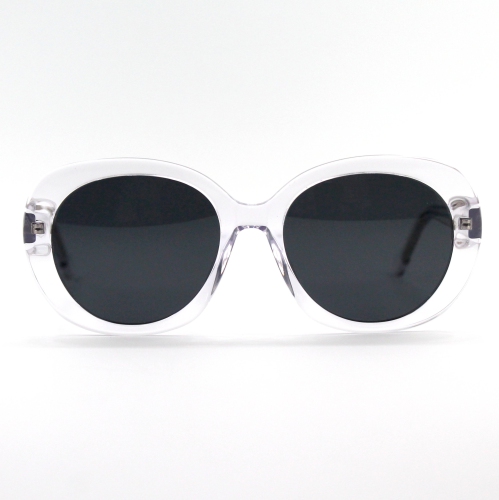
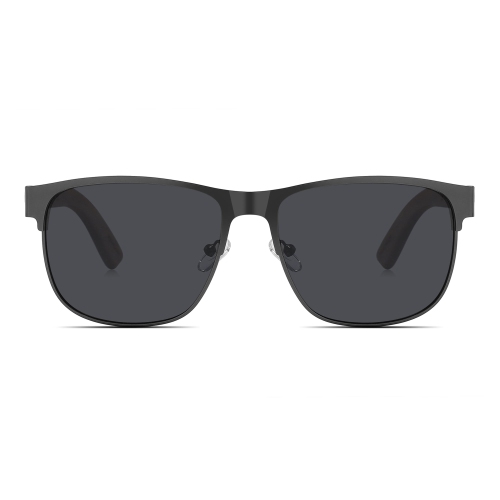
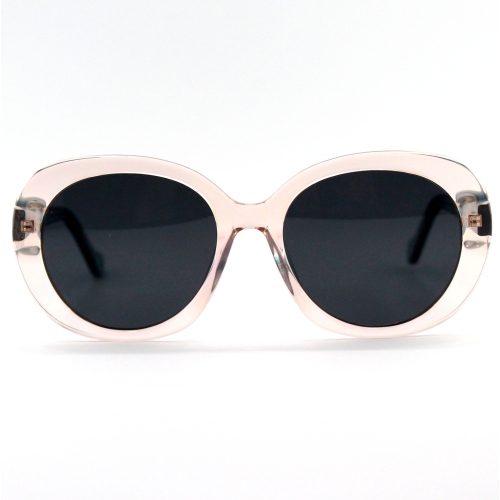
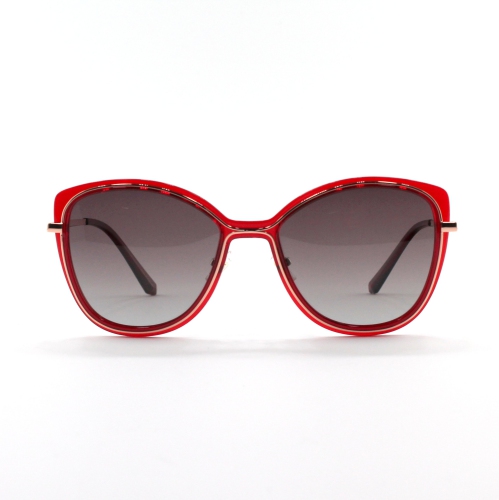
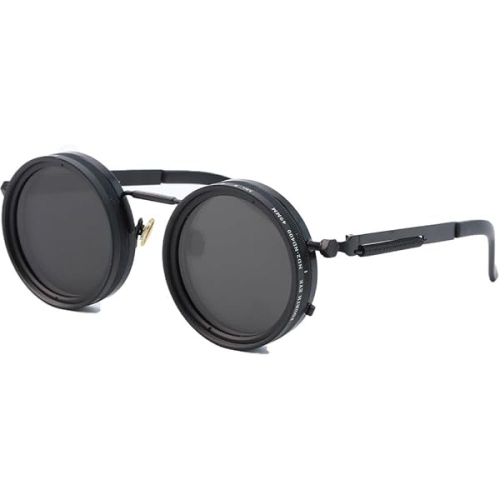
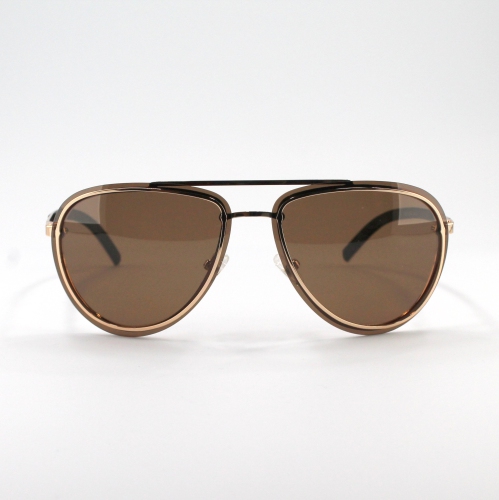
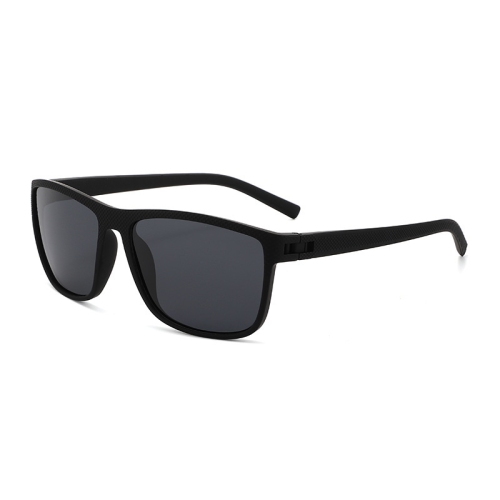
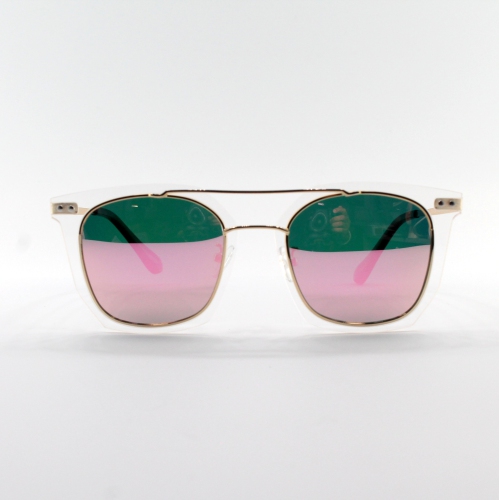
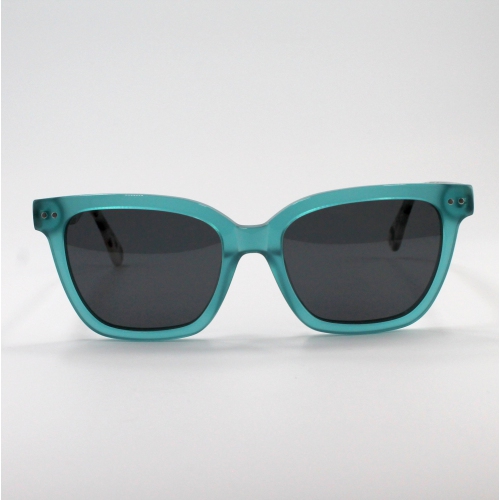
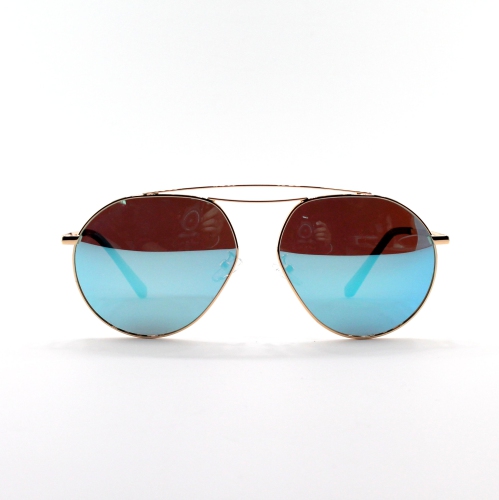
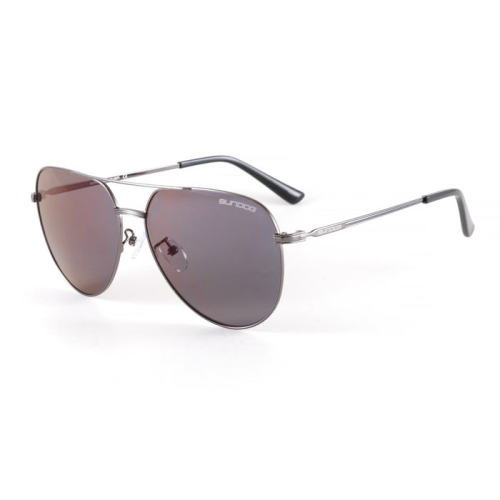
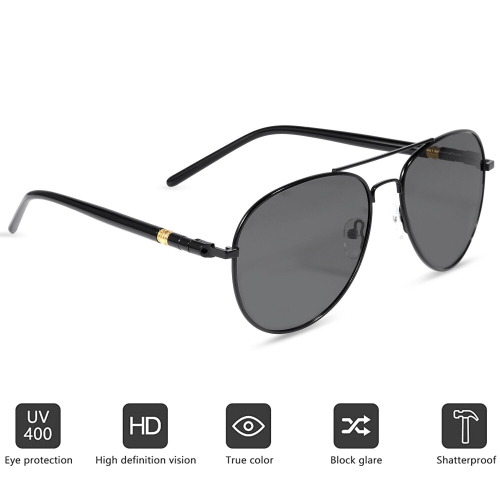
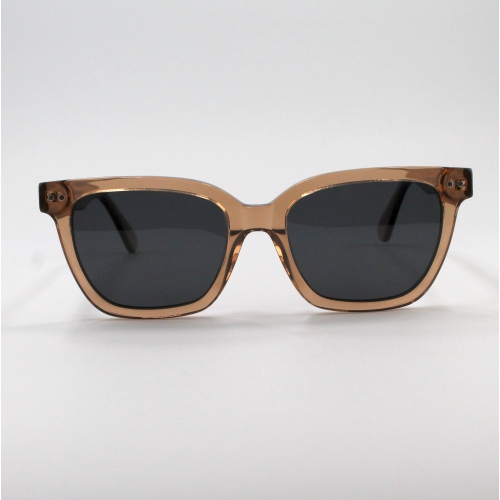
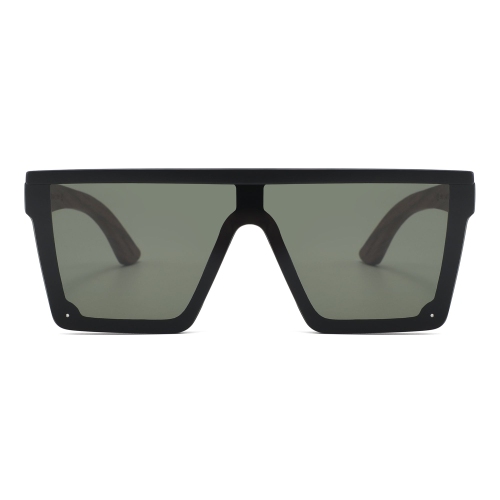
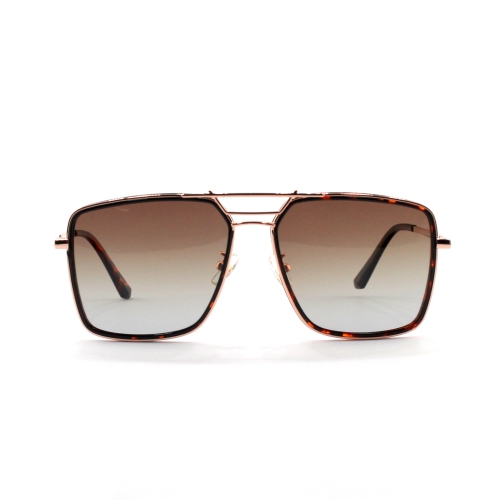
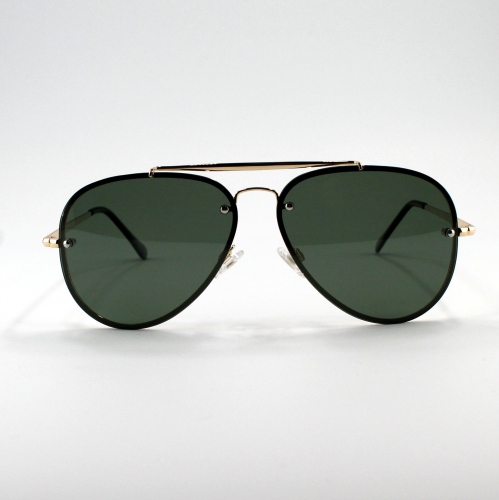
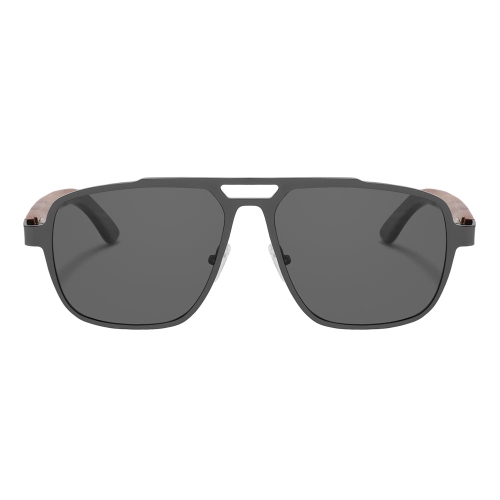
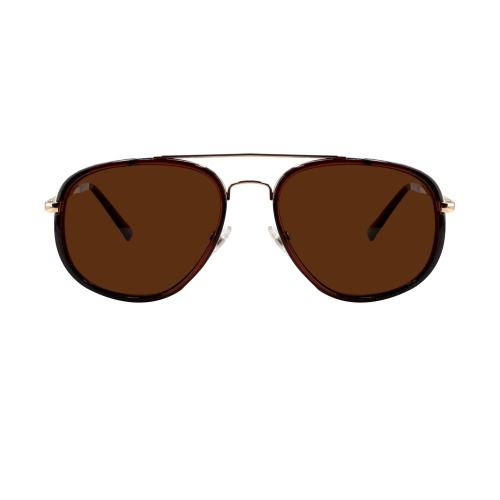
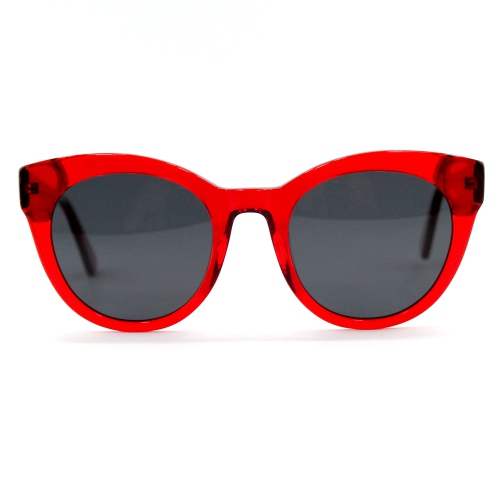
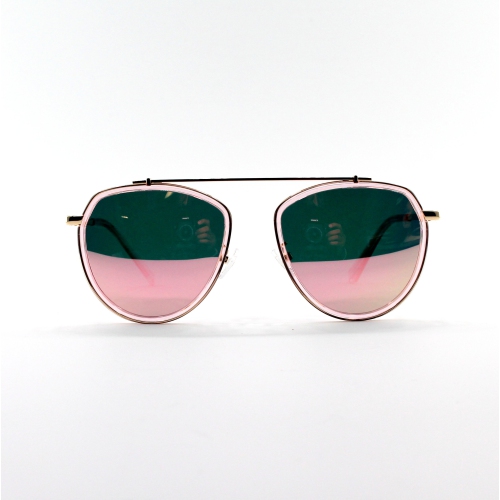
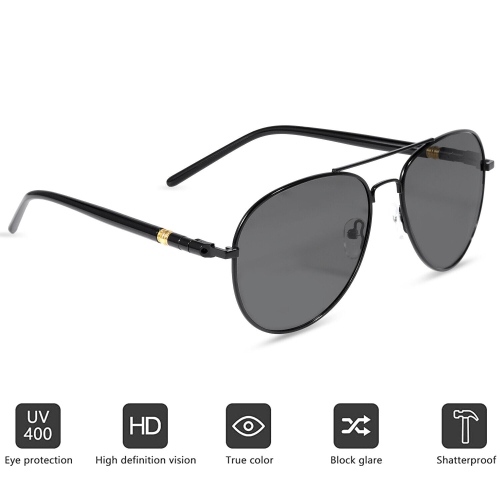
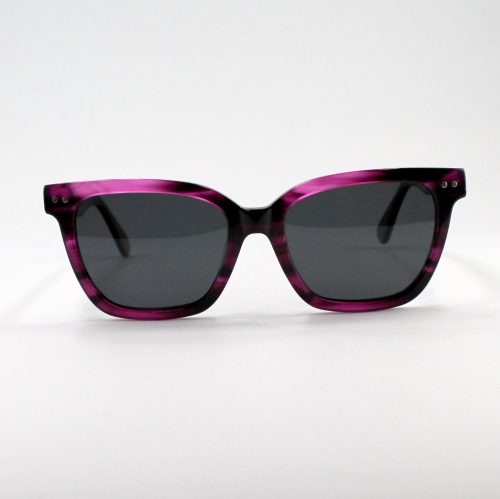
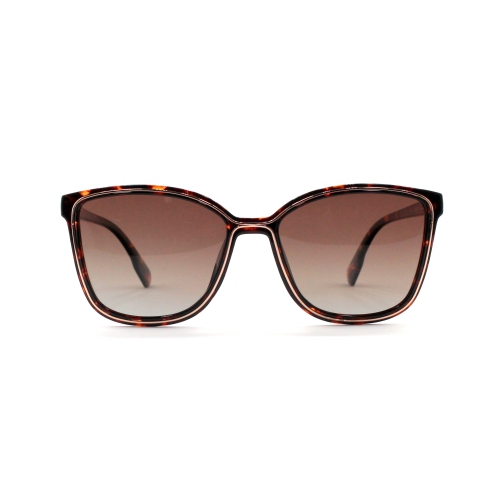
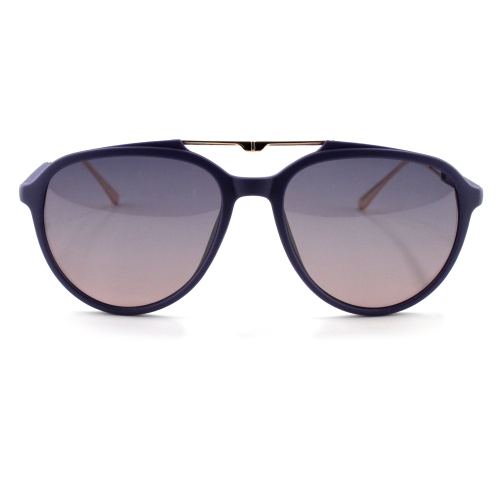
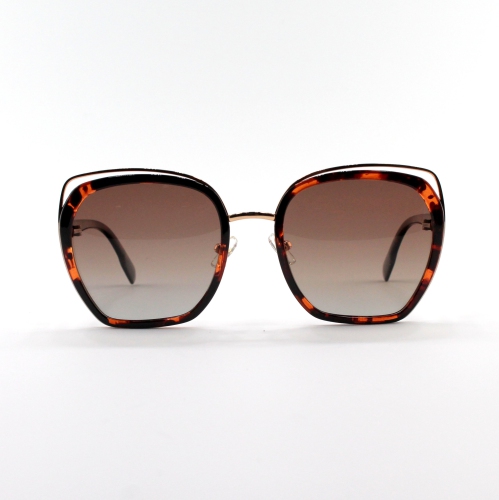
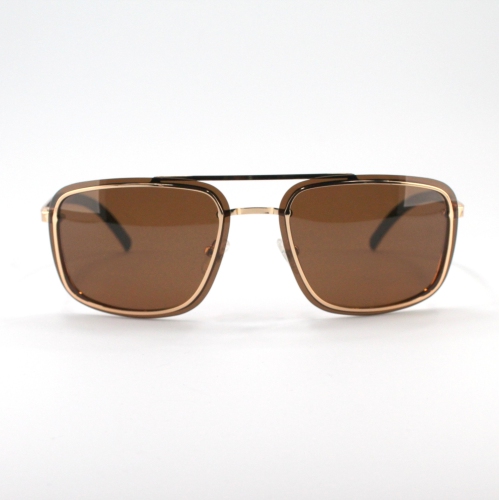
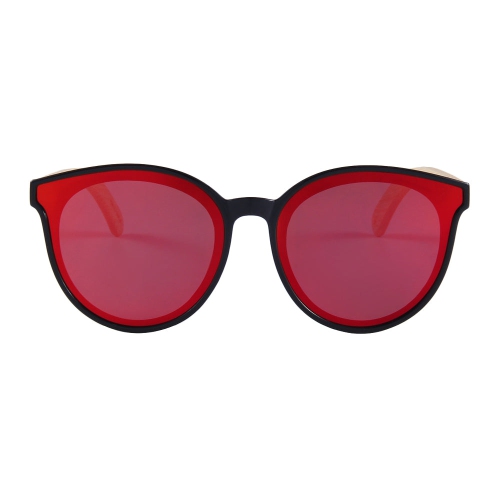
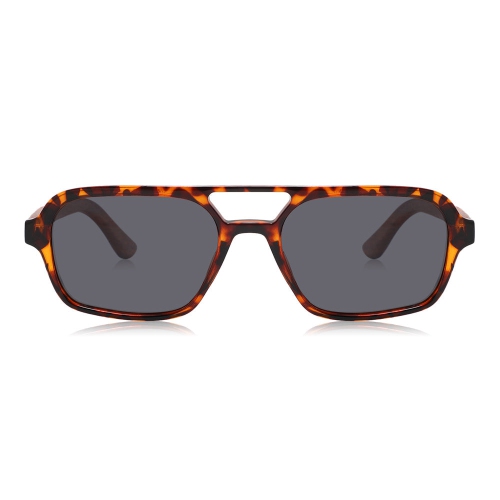
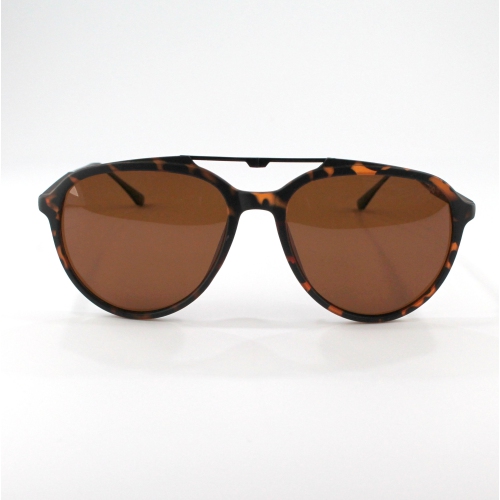
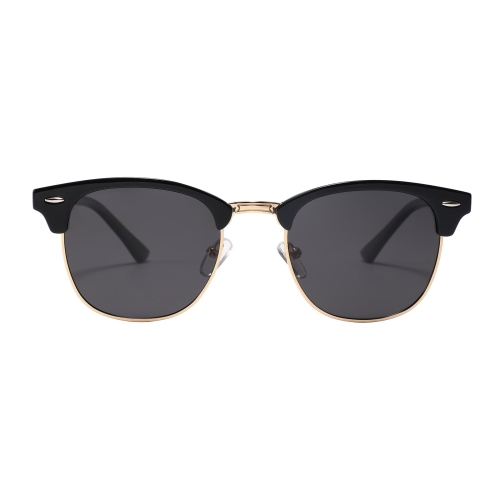
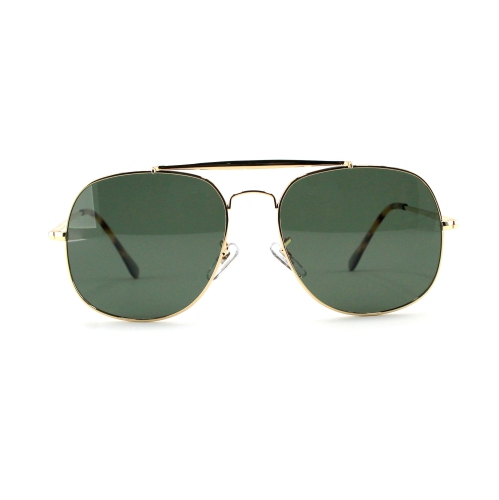

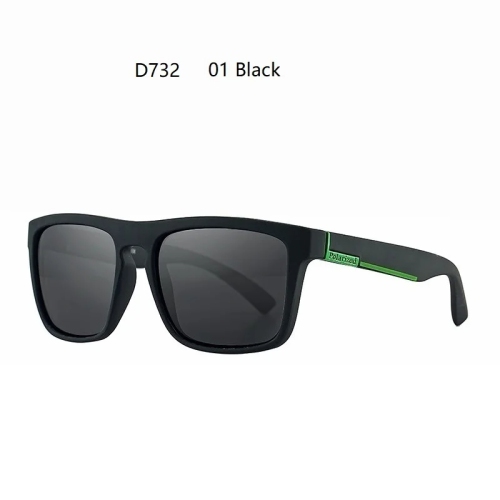
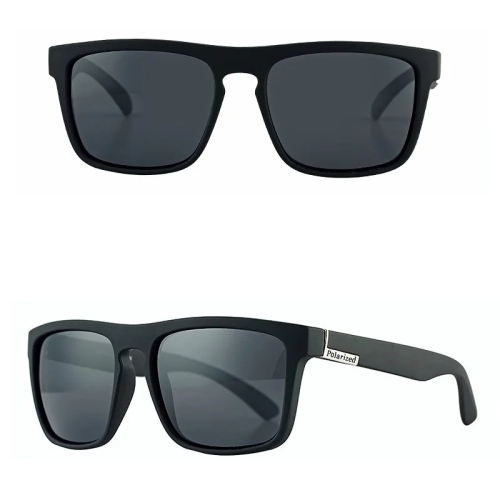
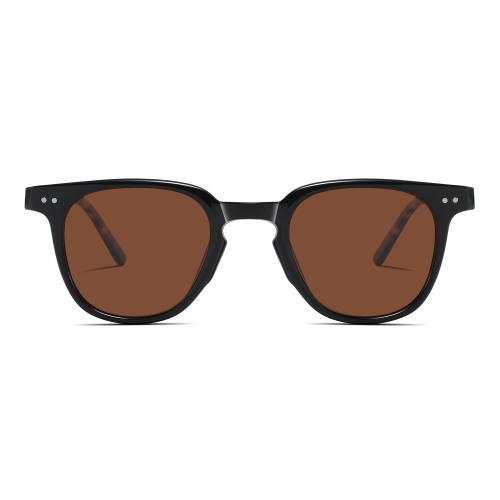
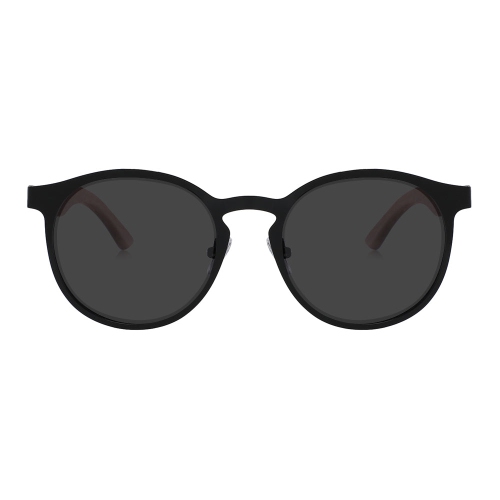
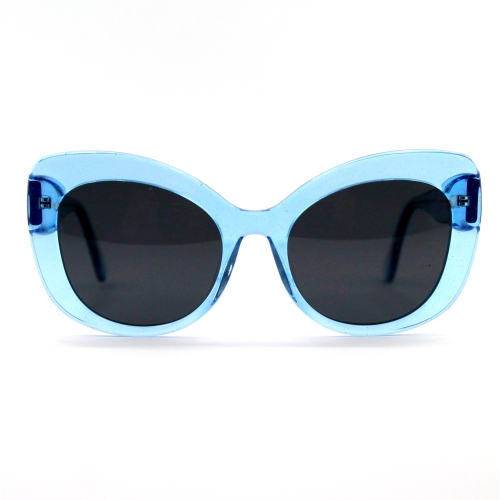
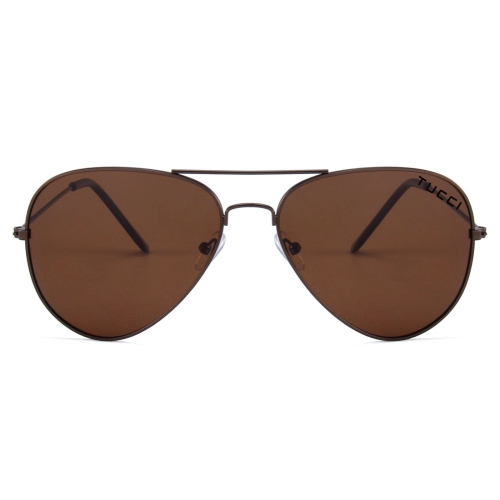
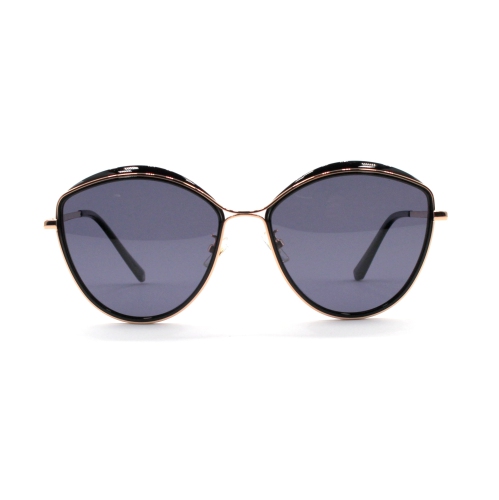
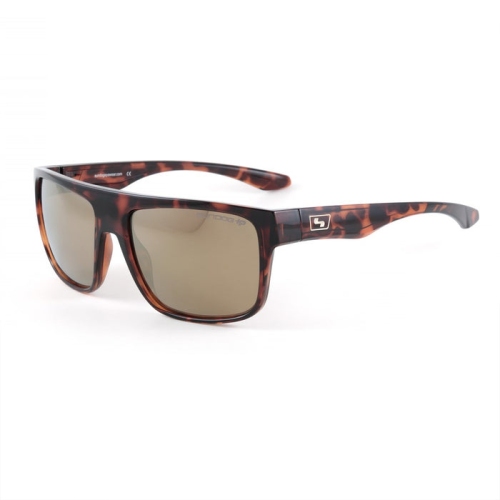
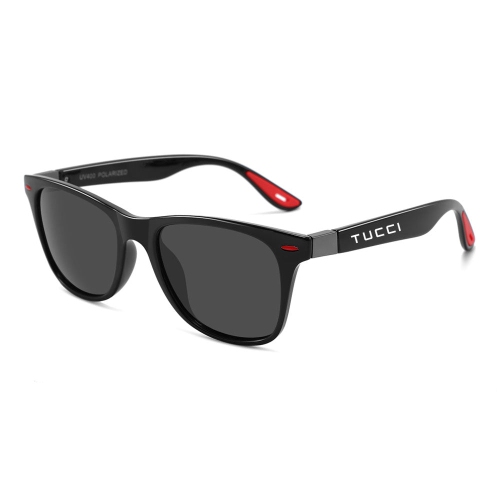
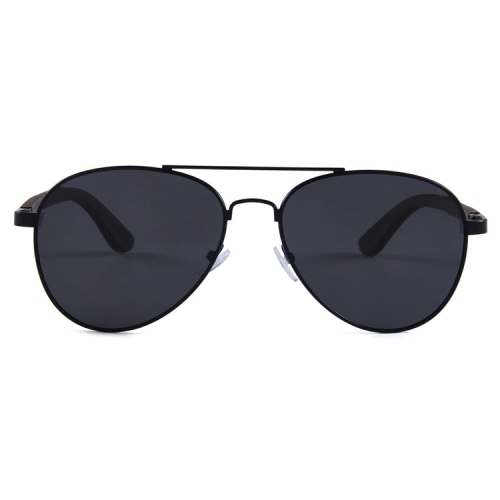
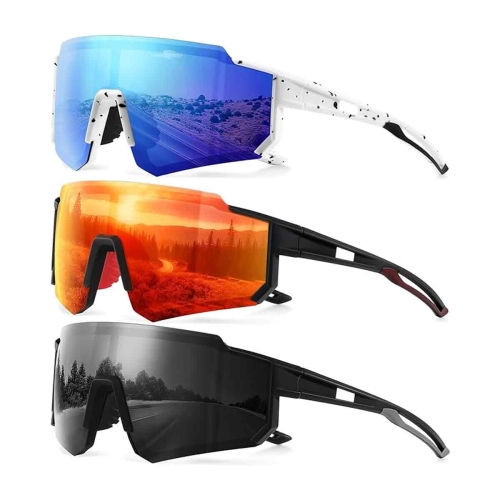
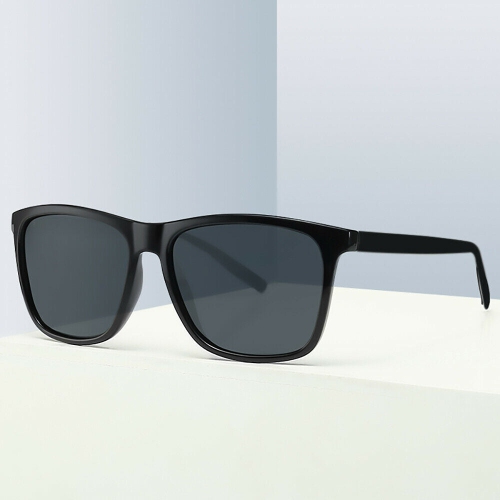
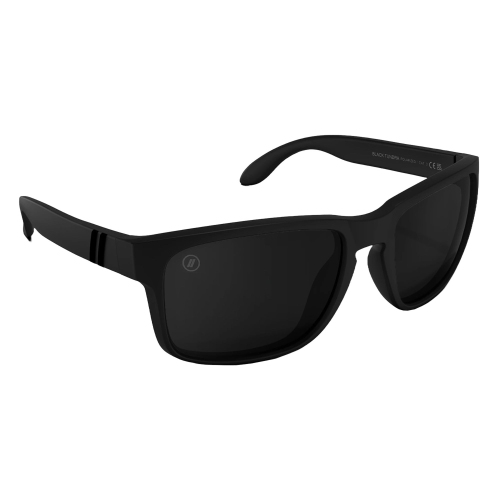
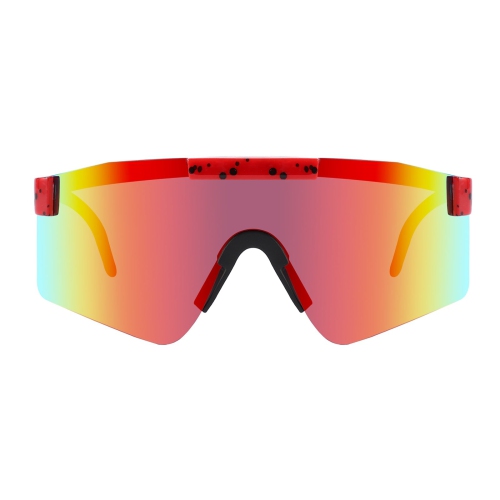

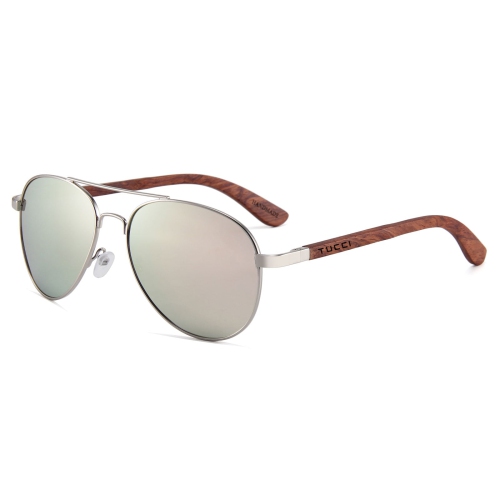
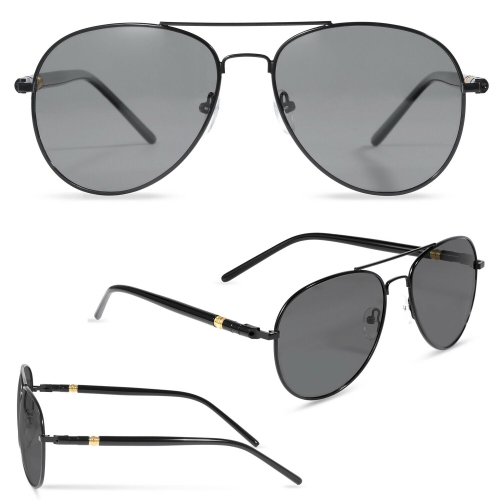
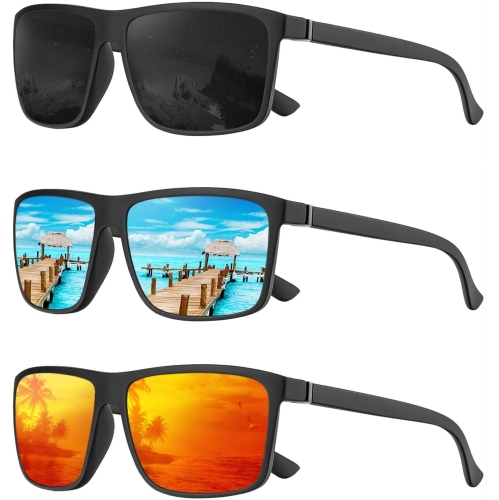
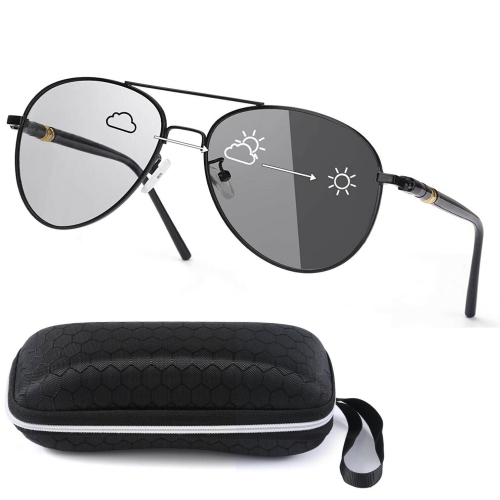

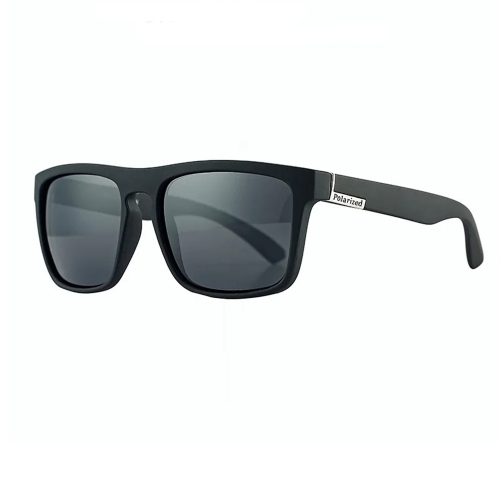
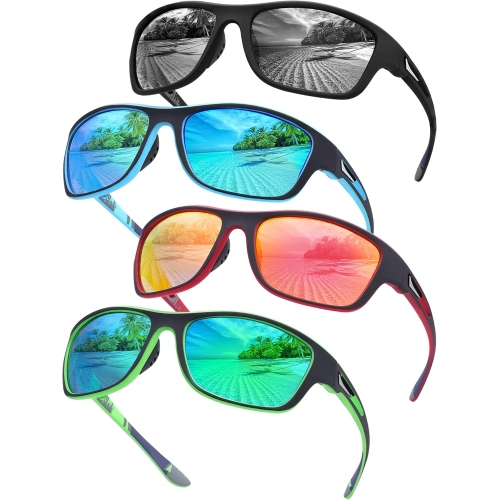
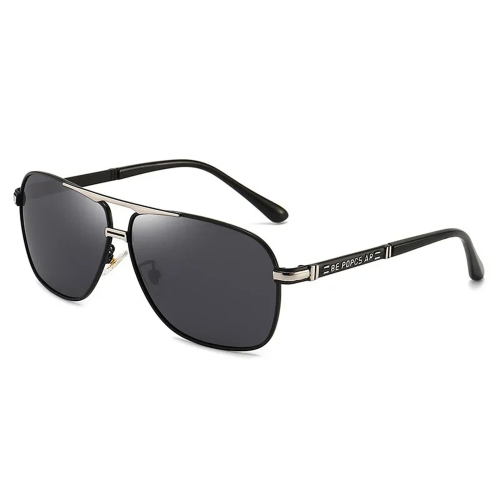
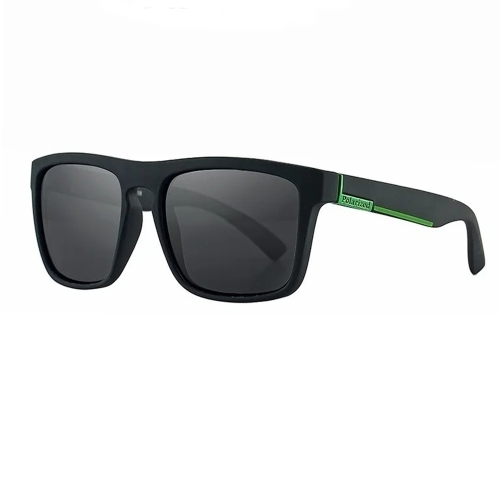
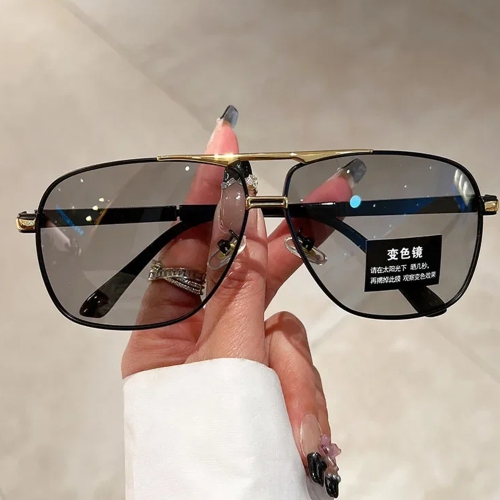
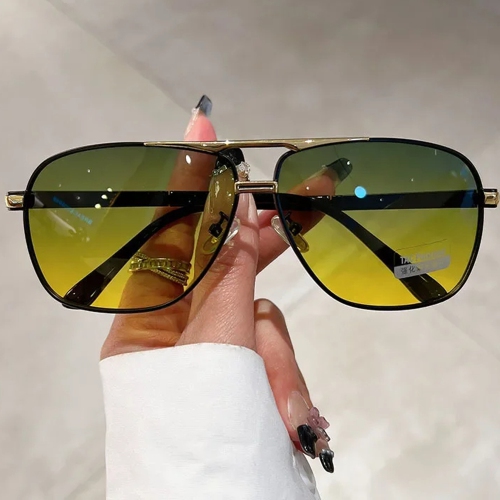
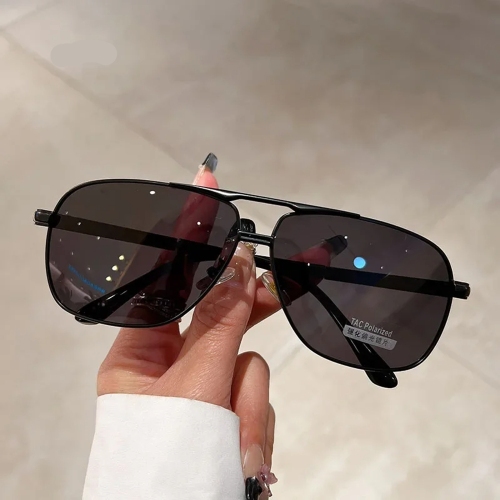
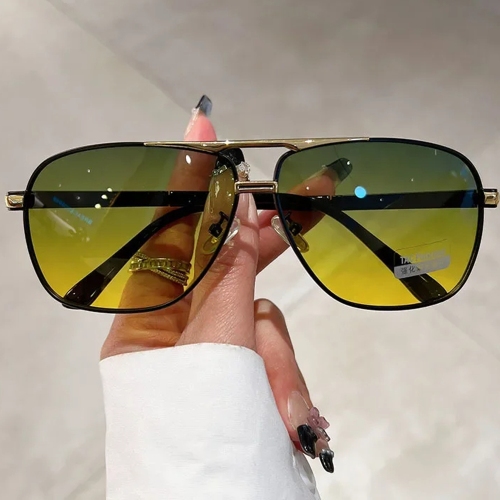
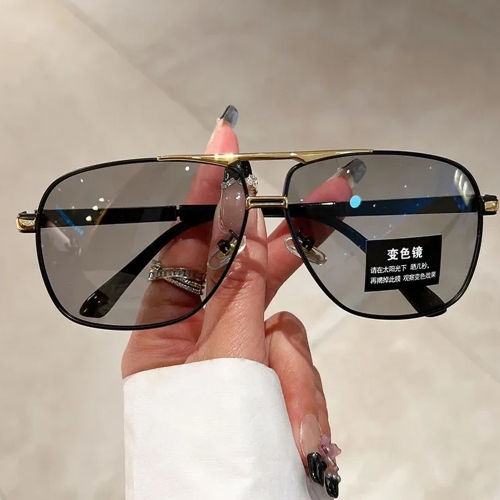
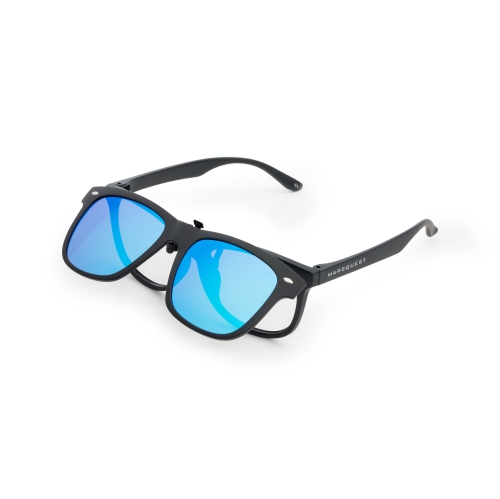
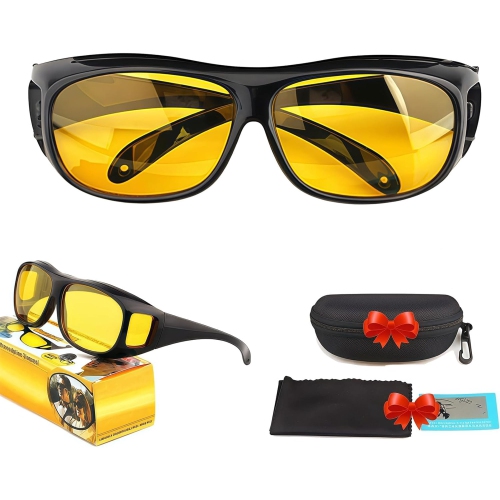
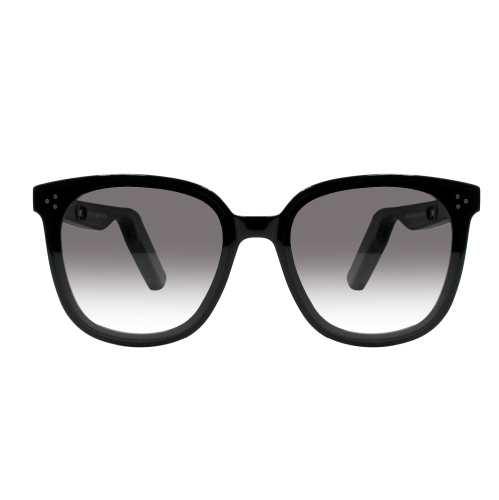
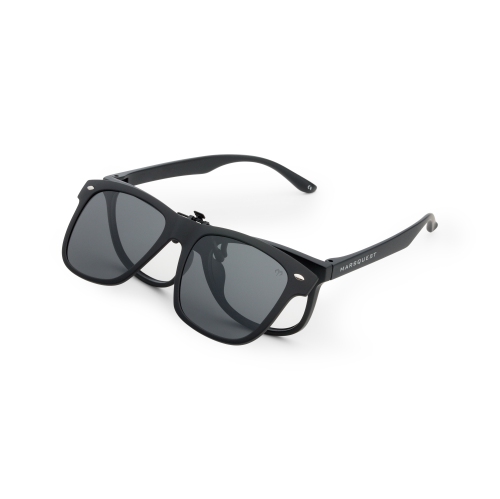
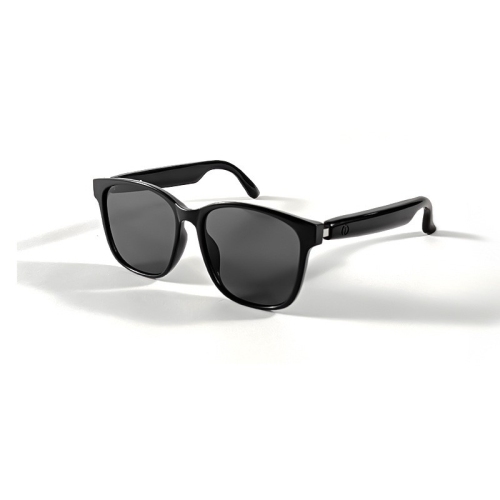
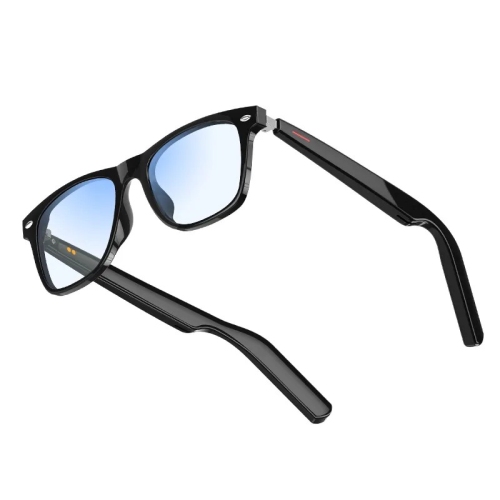
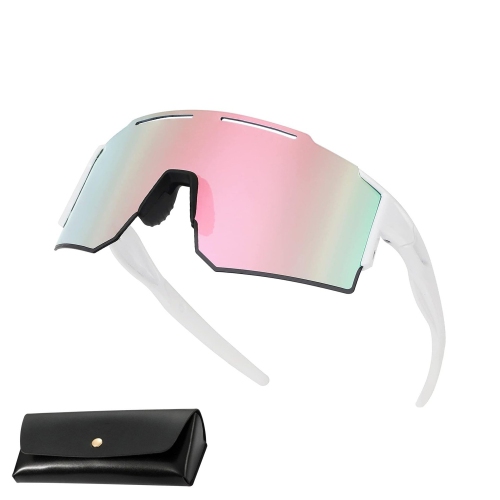
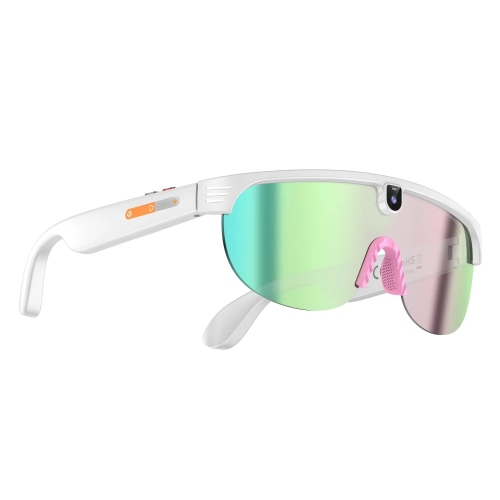
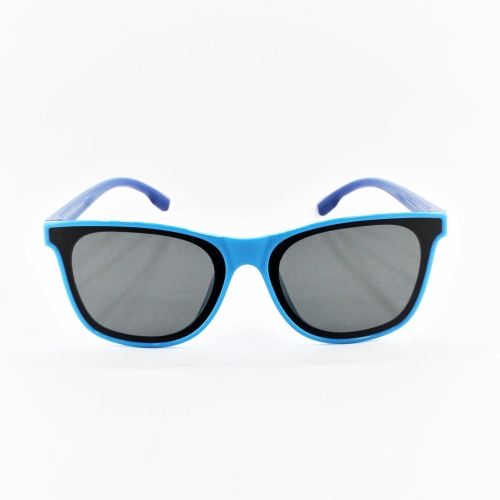
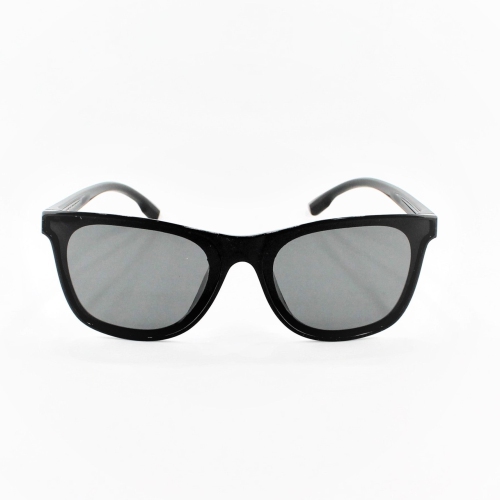
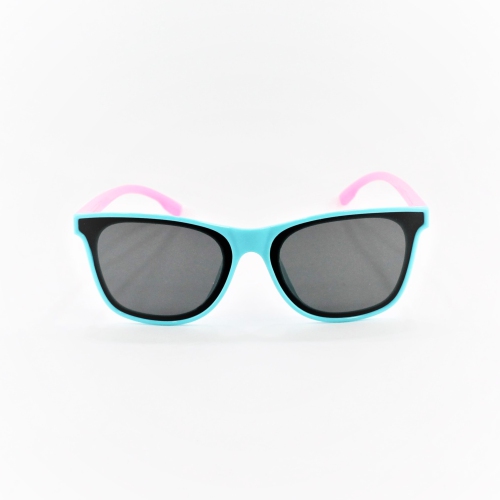
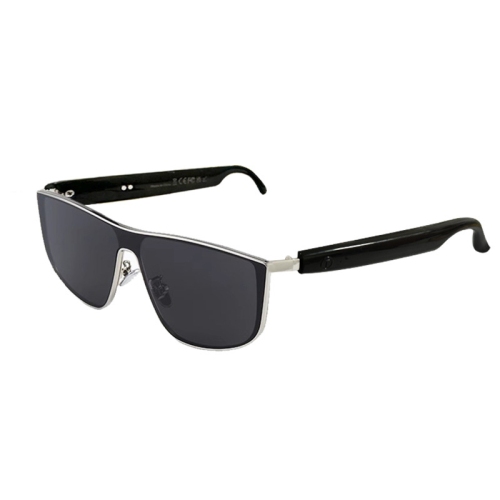
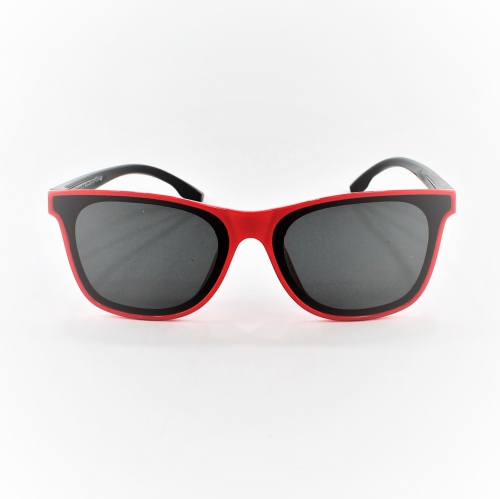
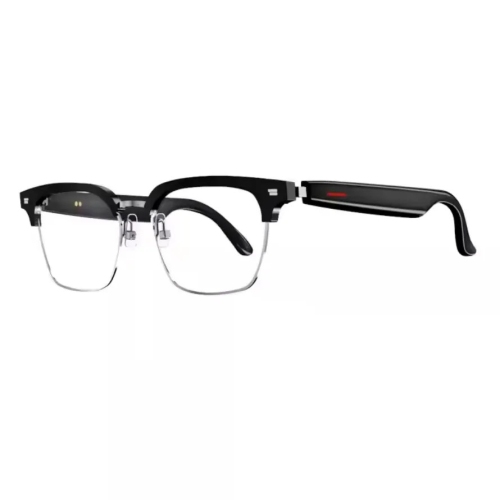
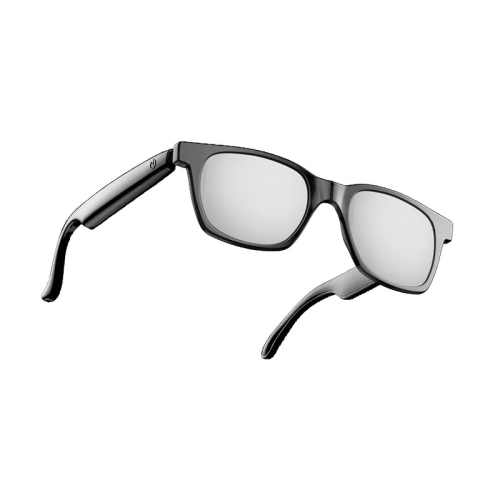
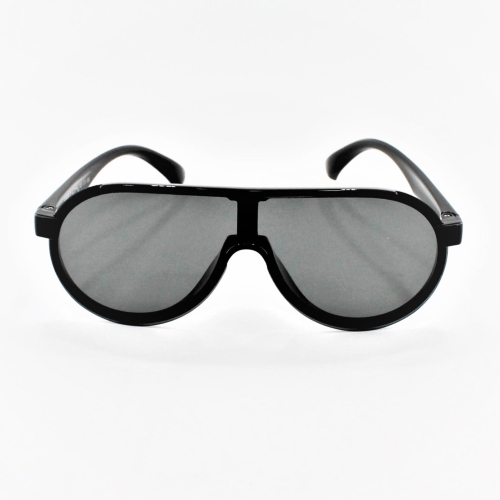
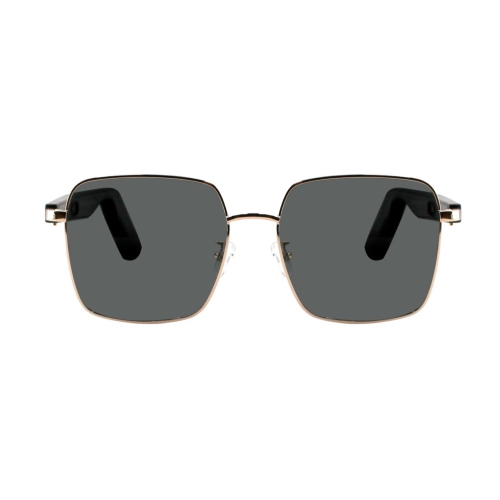
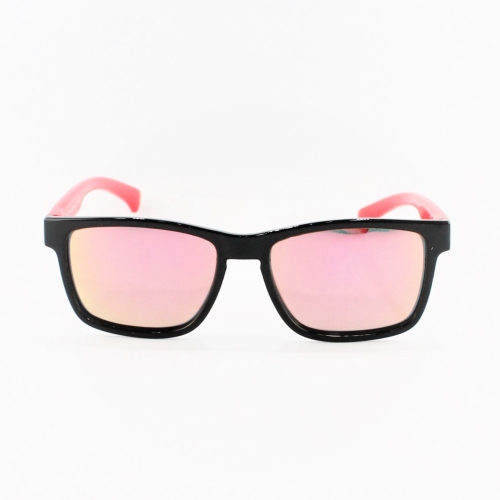
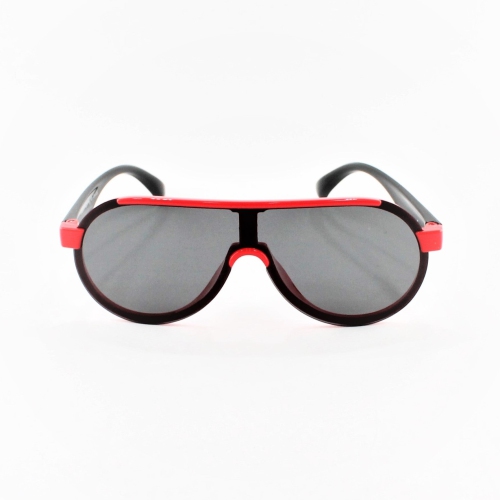
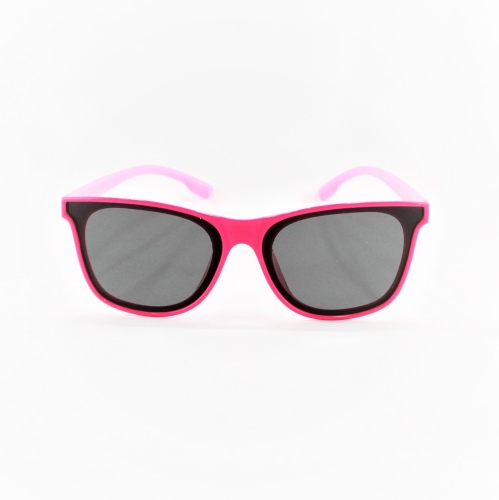
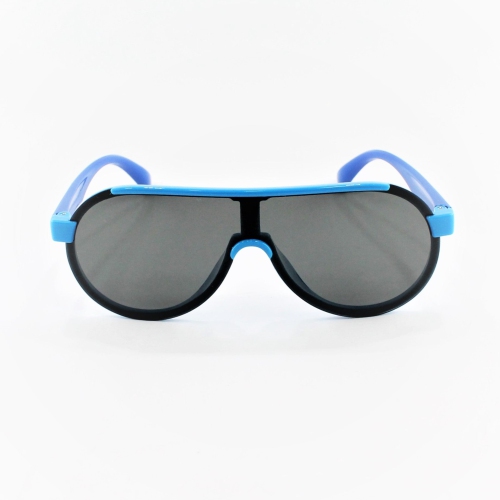
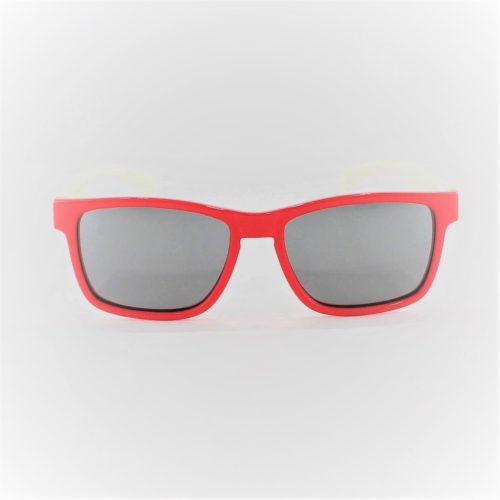
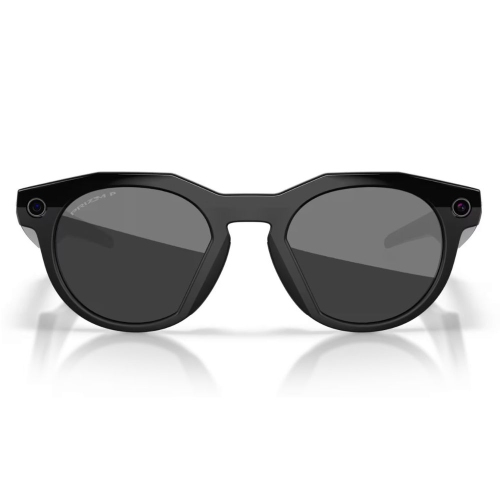
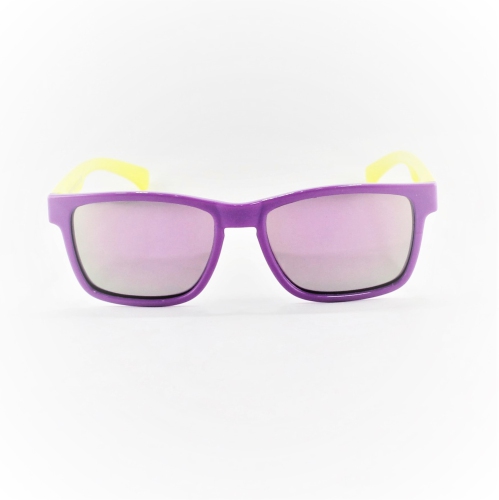
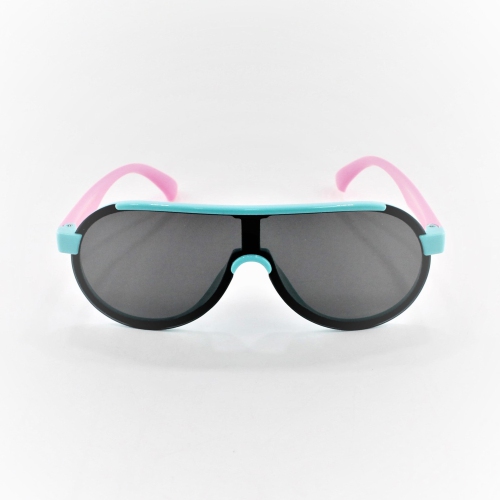
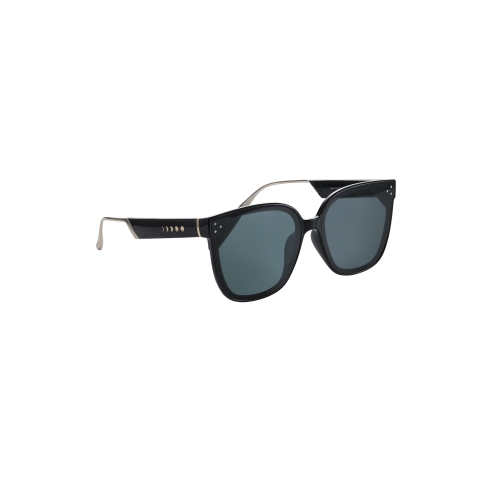
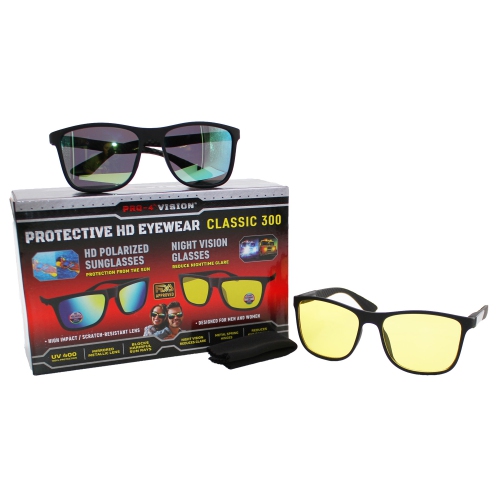
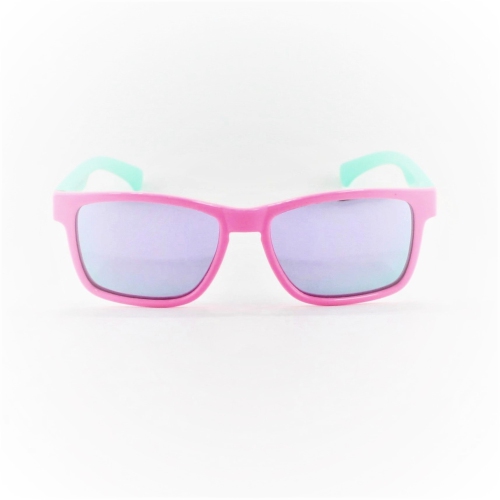

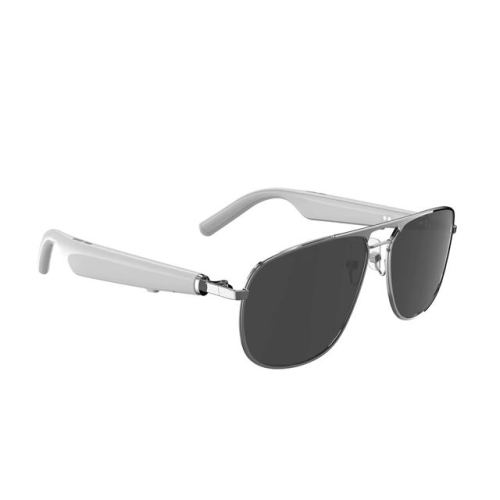
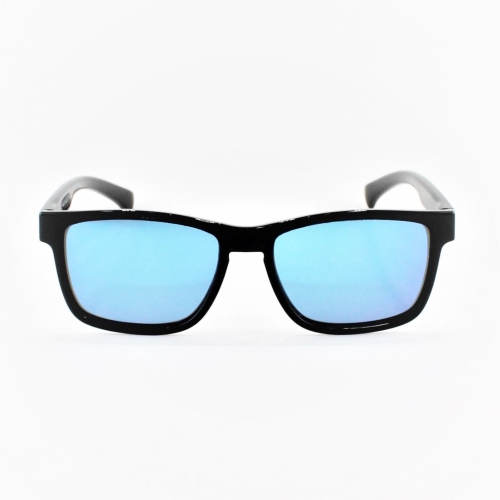
Less reflected glare without simply darkening your view
Polarized sunglasses reduce reflected glare with a special lens filter that blocks much of the horizontally polarized light bouncing off surfaces such as water, pavement, and vehicle hoods. Instead of simply making everything look darker, polarization cuts the bright reflections that can wash out detail and make viewing uncomfortable. The difference can be especially noticeable when looking across a lake, following a road beside open water, or watching activity on a reflective playing surface. With less glare competing for attention, edges and textures may appear clearer, and there is often less need to squint. Polarized lenses are useful for everyday wear as well as recreation, but polarization and ultraviolet protection are separate features. A polarized lens is not automatically a UV-protective lens: look for a stated UV400 rating or 100% UVA and UVB protection to confirm protection against ultraviolet rays. Lens darkness is not a reliable indicator of UV protection either. A very dark lens may cut visible light without providing the protection needed, while a lighter lens can provide full UV protection when properly rated. Lens colour affects the viewing experience in a different way. Grey lenses generally preserve natural colour relationships, making them a versatile choice for everyday activities. Brown and amber lenses can increase perceived contrast, which some wearers appreciate when distinguishing contours on a golf course or details along a walking trail. Green lenses offer another option for balancing colour perception and contrast, although the exact effect depends on the lens design and tint density. Mirrored finishes reflect some incoming light, but a mirrored appearance alone does not mean that a lens is polarized. For people who spend time near water, polarization can also make it easier to see beneath surface reflections; visibility still depends on water clarity, viewing angle, and depth. These distinctions make lens specifications more meaningful than appearance alone when comparing sunglasses for a particular routine.
Frame shape, lens material, and fit determine how comfortably polarized sunglasses move from a short walk to several hours of wear. A frame should sit securely across the nose without pinching, with temples that rest comfortably behind the ears rather than pressing against the sides of the head. The lenses should not touch the eyelashes, and the lower rims should not lift noticeably when smiling. Frame width, bridge width, and temple length measurements can help narrow the fit, particularly when compared with a pair that already feels comfortable. Adjustable nose pads allow more control over the position of the frame, while a moulded bridge offers a smooth, straightforward design when its shape suits the wearer. Low-bridge-fit designs may help people whose sunglasses tend to slide down or rest on their cheeks. Larger lenses and wraparound frames provide more coverage at the sides, limiting light that enters around the edges, while flatter frame shapes may feel more familiar for casual wear. Lightweight nylon frames are often chosen for active use because of their flexibility, and acetate offers substantial shapes with a wide range of colours and patterns. Metal frames can provide a slimmer profile, though comfort still depends on overall weight, balance, and contact points. Lens materials bring their own trade-offs. Polycarbonate lenses are lightweight and impact resistant, while glass lenses can offer excellent optical clarity and scratch resistance but are heavier and less impact resistant. No lens material should be treated as unbreakable, and ordinary sunglasses are not a substitute for certified protective eyewear where impact hazards are present. Hinges that open smoothly, securely fitted lenses, and even frame alignment also matter for lasting comfort. For longer outings, small details such as grippy temple tips and nose pads can make a noticeable difference, especially when leaning forward, looking down, or moving repeatedly. A secure fit should come from the frame’s proportions and contact points, not from excessive tightness.
Intended use helps distinguish everyday polarized sunglasses from designs better suited to sustained activity. Drivers may appreciate reduced glare from the road and surrounding vehicles during daylight, but polarized lenses can make some dashboard displays, head-up displays, and navigation screens appear dim or uneven. The effect varies with the screen and the angle of the glasses, so checking visibility while safely parked is worthwhile. Dark sunglasses are not appropriate for night driving, and polarization does not compensate for a tint that is too dark for the available light. People who fish or boat may value reduced surface glare alongside secure temple grips and a suitable retention strap. Runners and cyclists often favour lightweight frames that remain stable with movement, with enough clearance to fit comfortably beneath a helmet. A closer-fitting frame can help limit light entering from the sides, though it should still allow comfortable airflow rather than trapping moisture against the lenses. Options grouped under Polarized Sunglasses for Outdoor Sports bring the focus to eyewear for active pursuits, where coverage, retention, and compatibility with other equipment deserve particular attention. For everyday commuting, sightseeing, or time at a waterfront café, a versatile shape that feels comfortable through repeated wear may be the better match. Polarized sunglasses can also make a thoughtful gift for someone who enjoys walking, fishing, or road trips, especially when their preferred frame size and style are already known. Prescription requirements should be considered as well, since not every frame accommodates every prescription. Whatever the intended use, careful handling helps preserve the lenses and frame. Rinse away grit before cleaning, then use a clean microfibre cloth and a lens cleaner approved for the coatings. Wiping dry lenses with a shirt or paper towel can drag particles across the surface and cause scratches. A protective case helps prevent damage in a bag, and keeping sunglasses away from high heat, including a parked vehicle’s dashboard, helps protect frame shape and lens coatings. Removing them with both hands also reduces repeated strain on one hinge, helping a well-fitting pair stay aligned.
Top selling and popular products
-
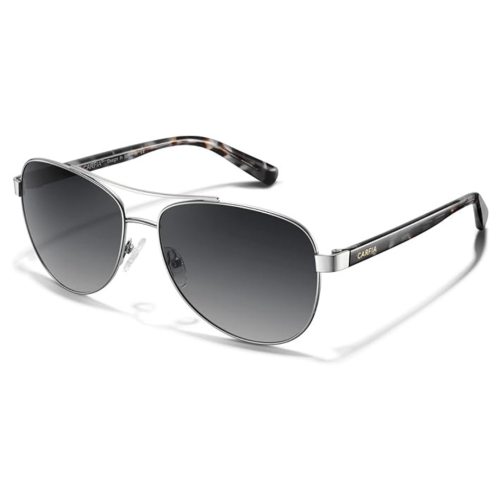 Your price for this item is $120
-
 Your price for this item is $120
-
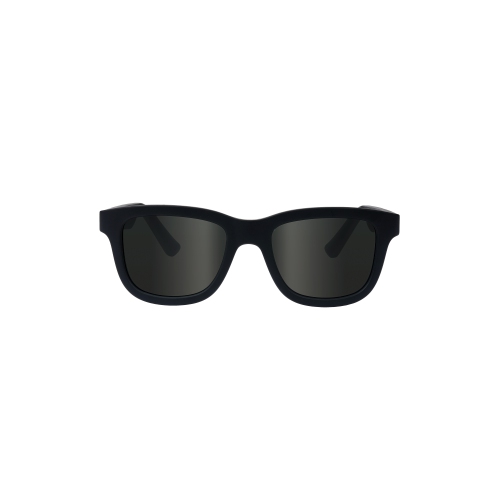 Your price for this item is $299
-
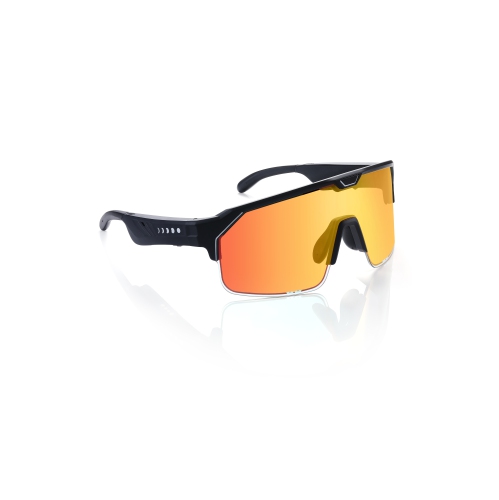 Your price for this item is $305
-
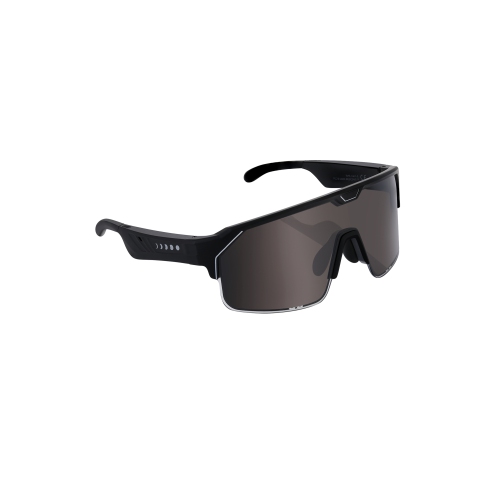 Your price for this item is $305
-
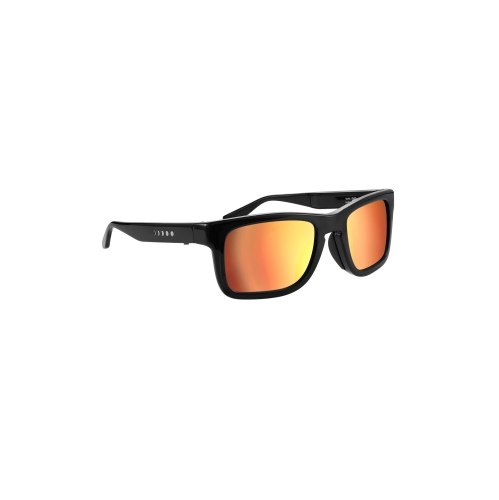 Your price for this item is $242
-
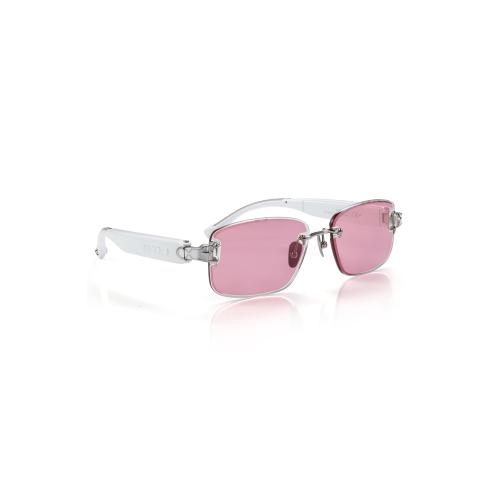 Your price for this item is $449.1
-
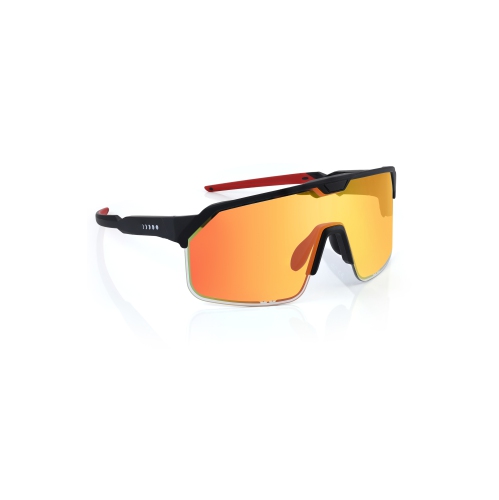 Your price for this item is $242.1
Discover more categories related to Sunglasses Polarized
Top Collections:
Pokemon Centers, Best Cameras for Sports Photography, Kindle Devices, Samsung Galaxy Phones, Canon G7X Cameras, Pokémon 30th Celebration Cards, Refurbished Apple Laptops, iPhone 15 Apple, Laptops for Students, Budget Smartphones
Some products may be subject to Environmental Handling Fees
(EHF) depending on your province.
Learn more about EHFs.