Polarized Sunglasses
Protect your eyes in style with polarized sunglasses. Whether you're hitting the beach, going for a hike, or simply enjoying a sunny day, these sunglasses are designed to reduce glare and provide optimal clarity. With their special lenses that block out harmful UV rays, polarized sunglasses not only shield your eyes from the sun's harmful rays but also enhance your vision by reducing eye strain. Discover our wide selection of polarized sunglasses that combine fashion and function, allowing you to enjoy the great outdoors with confidence and comfort.
Sort
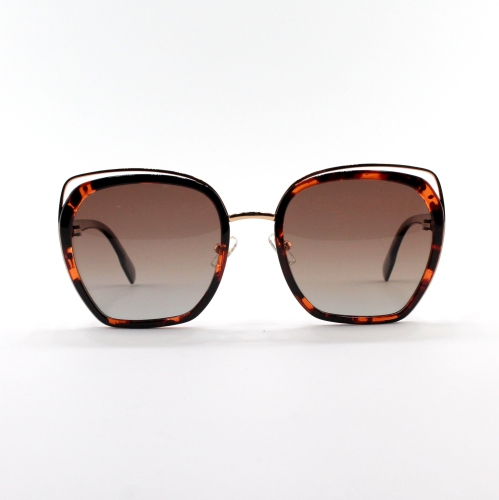
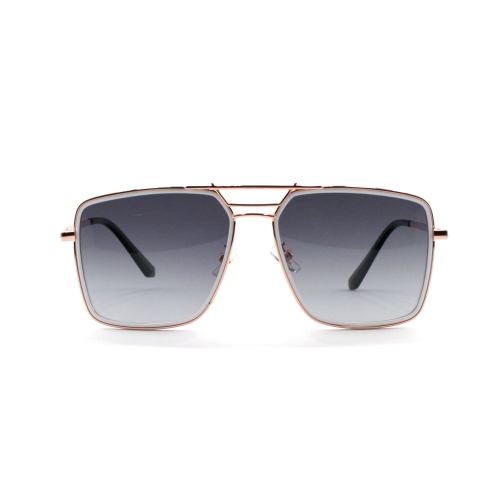
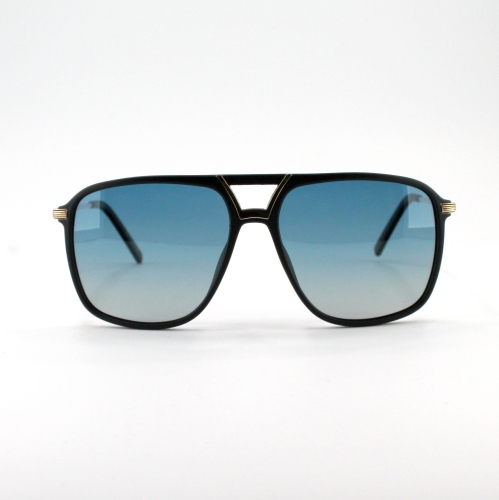

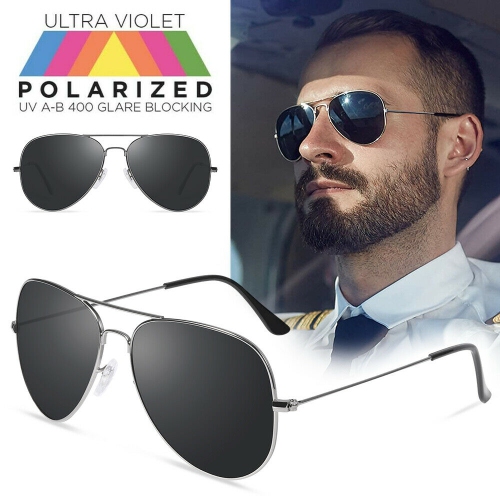
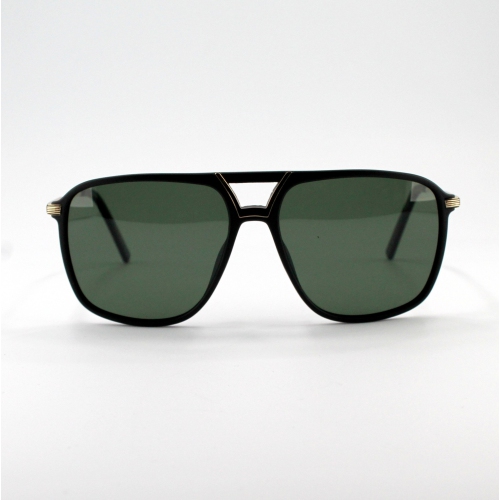
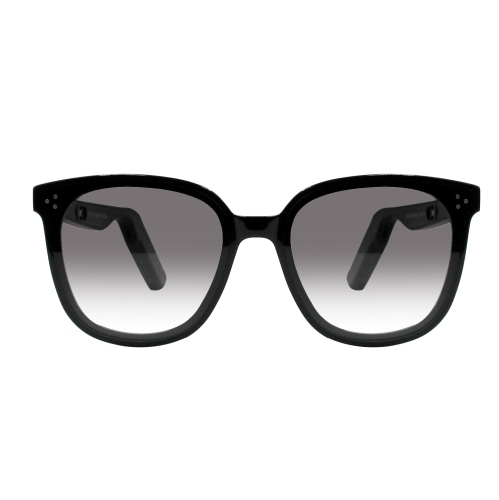
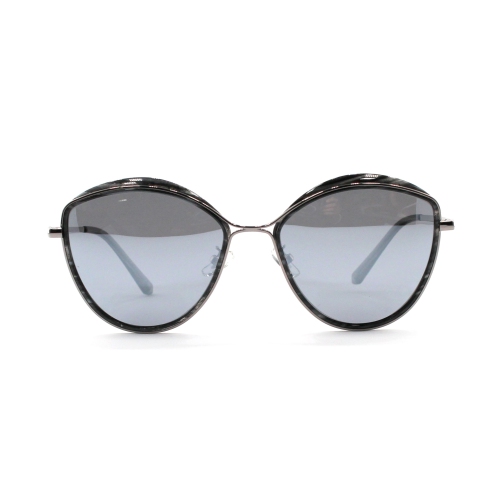
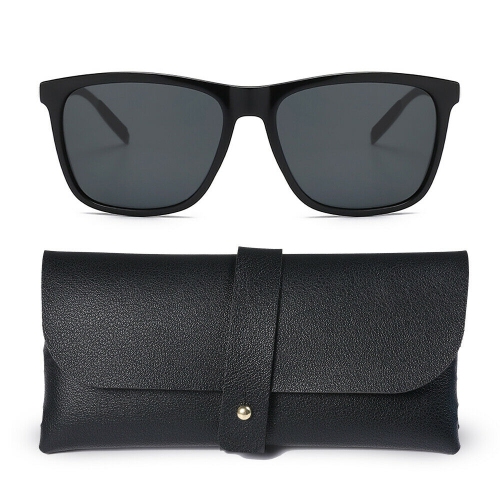
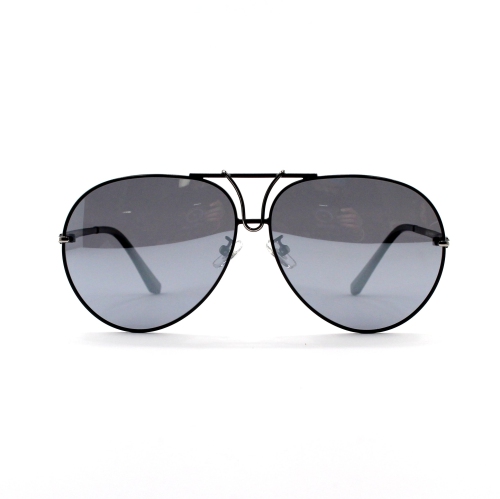
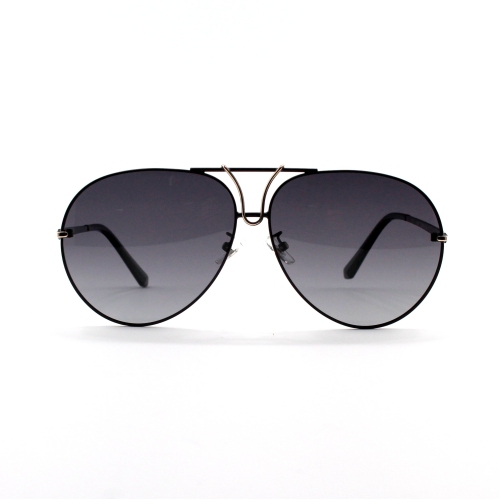
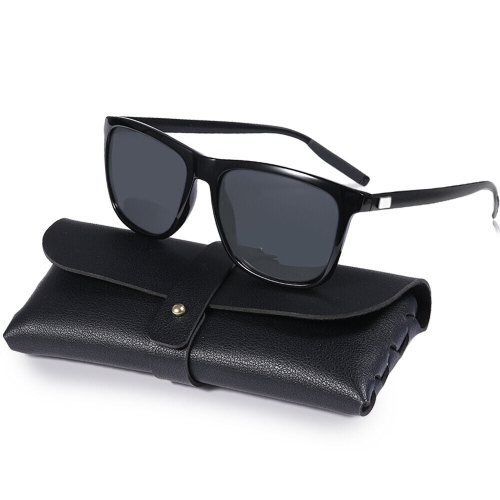
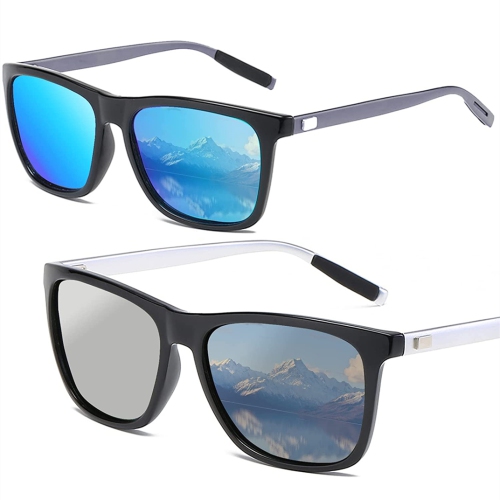
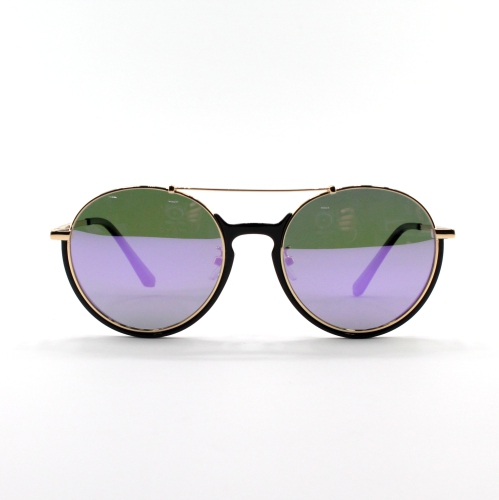
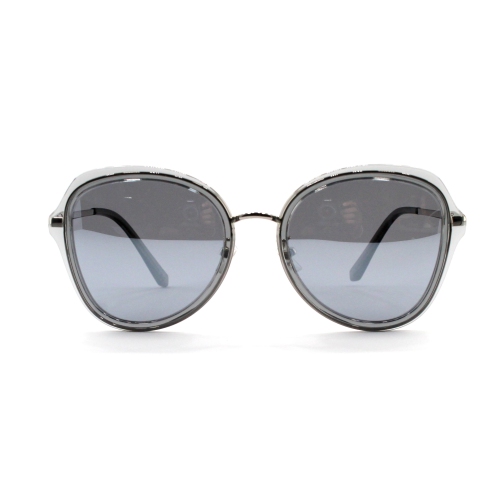
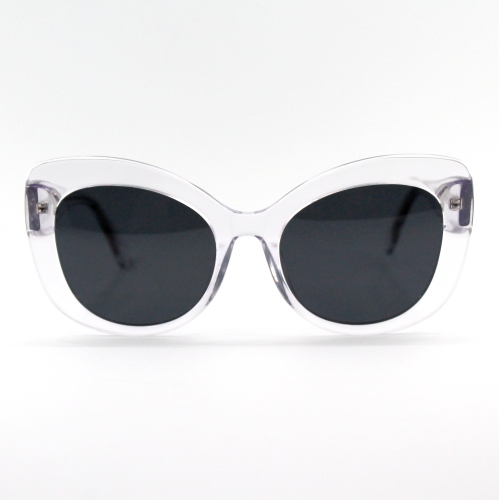
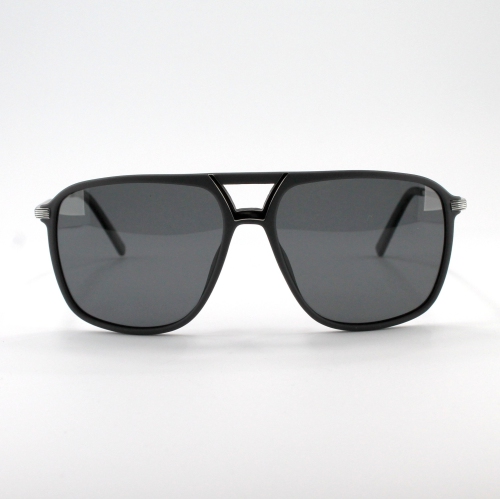

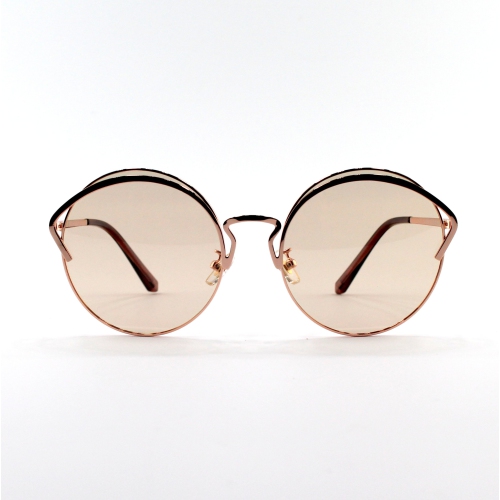
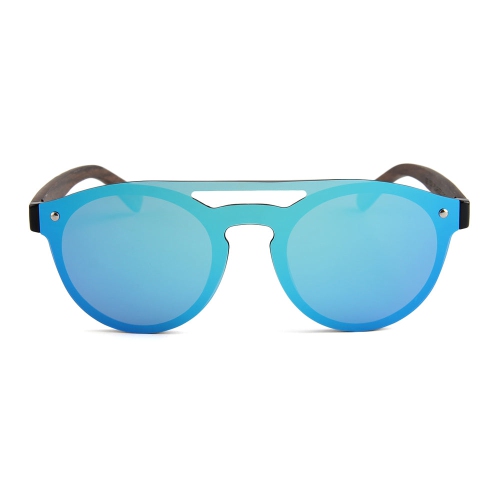
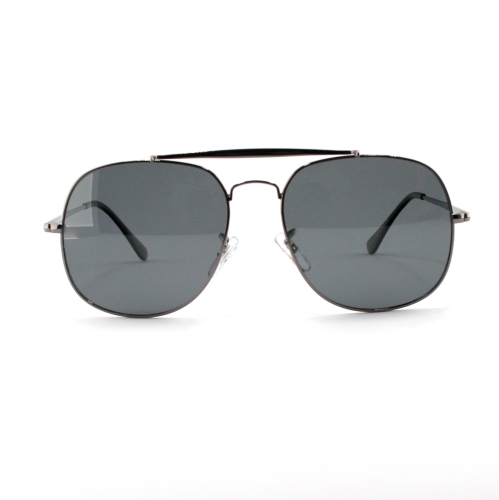
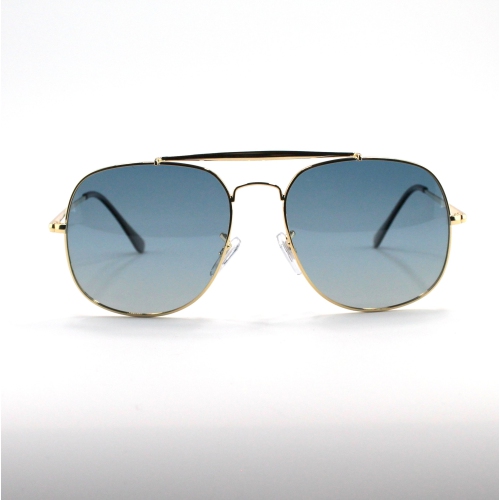
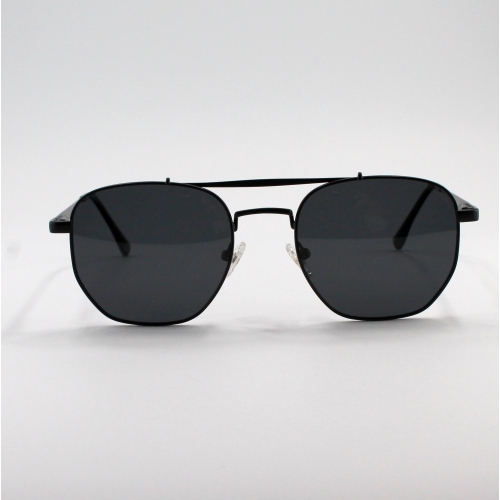
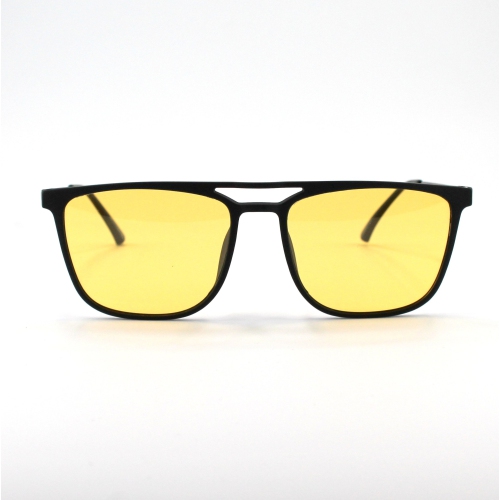
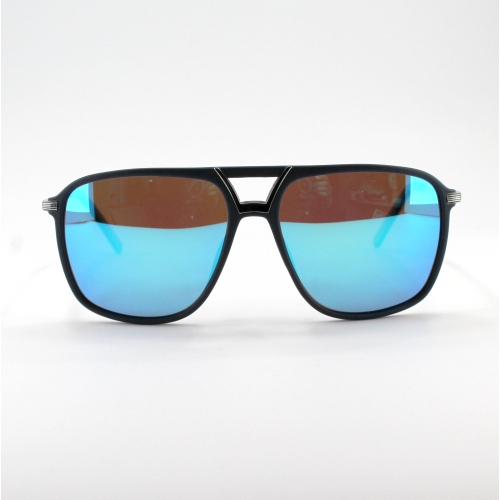
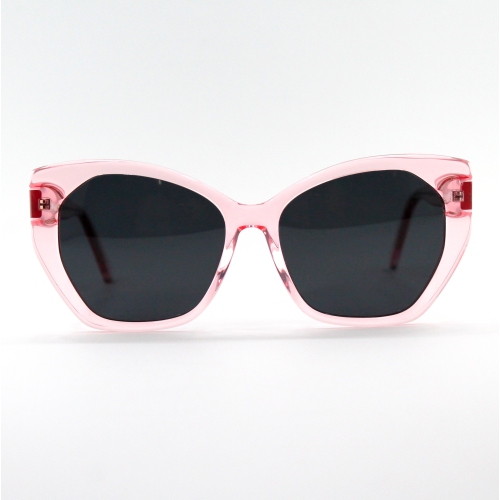
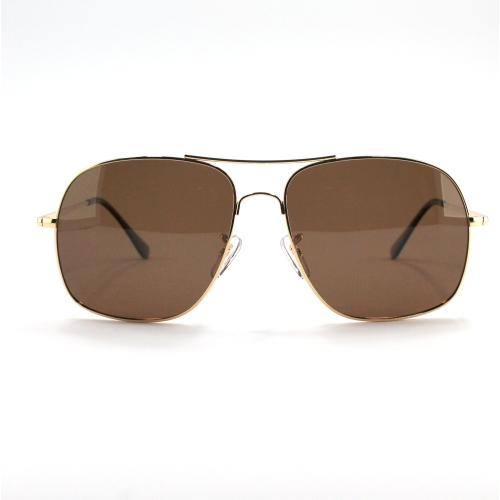

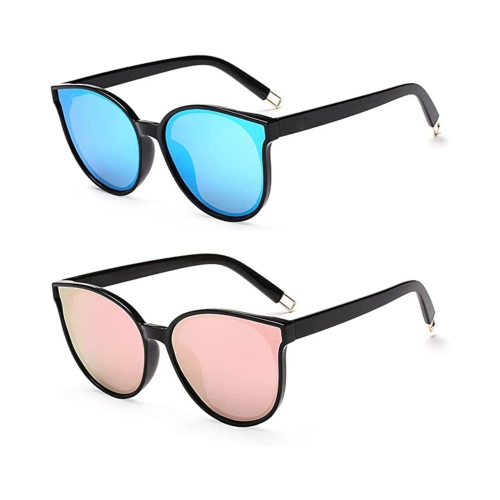
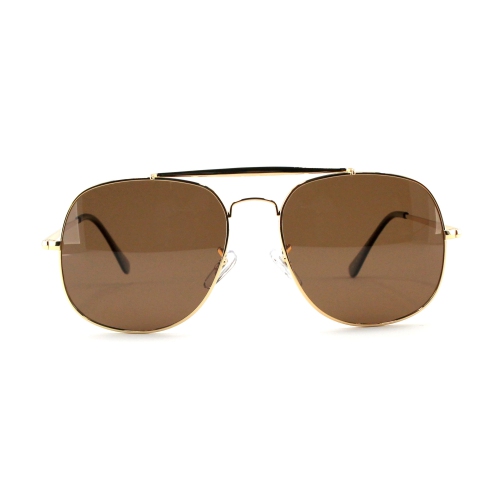
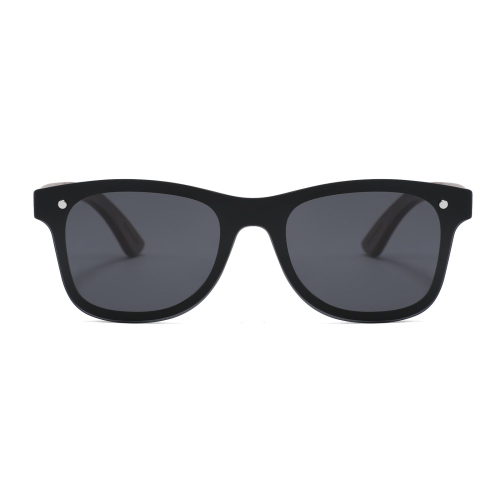
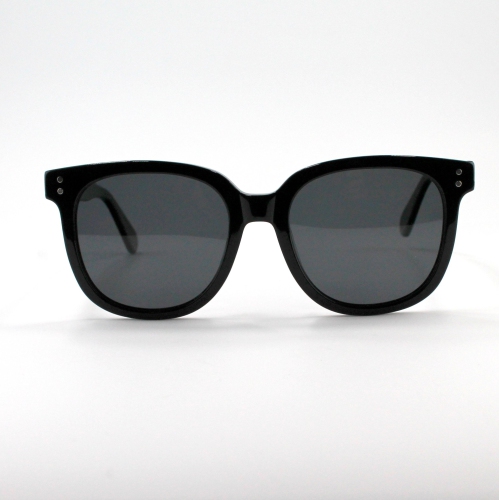
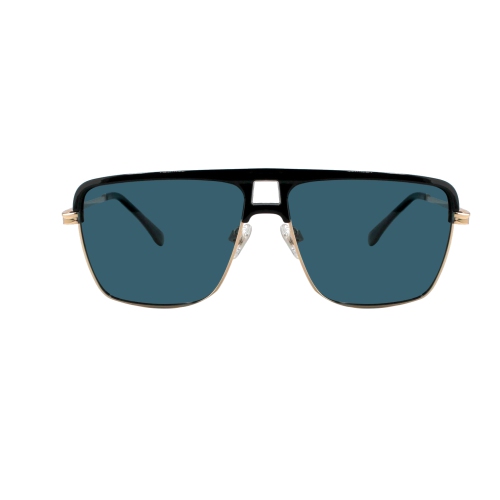
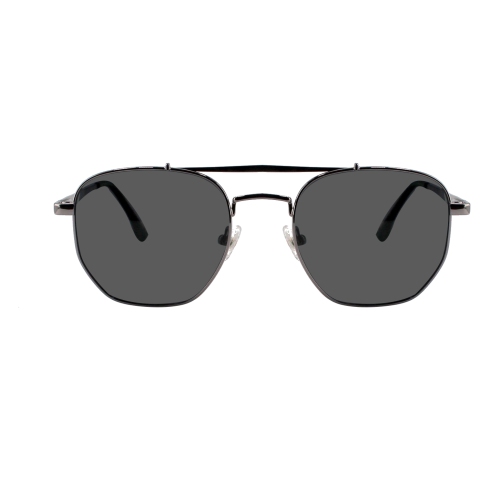
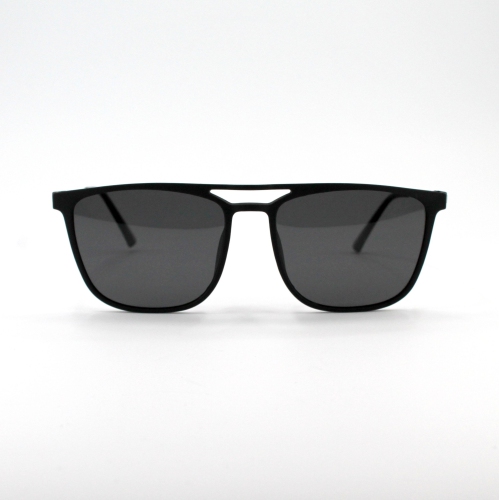
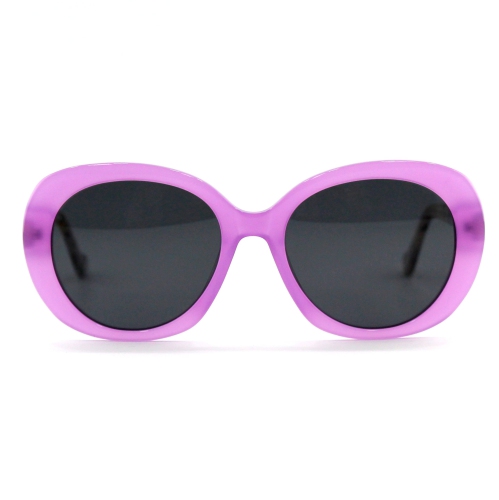
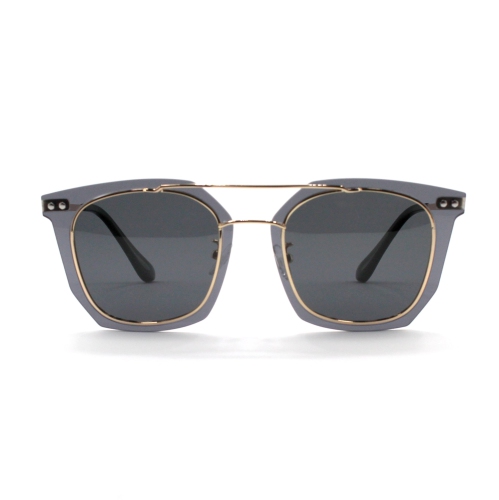
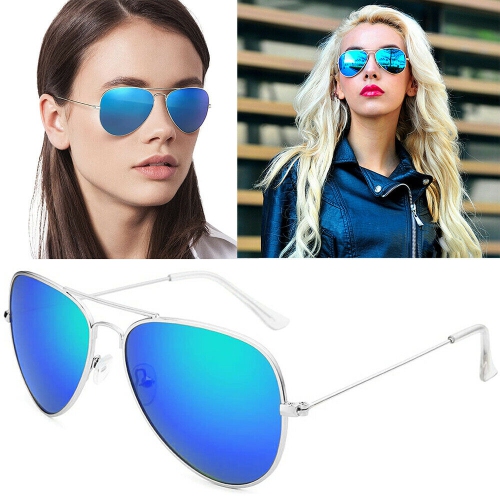
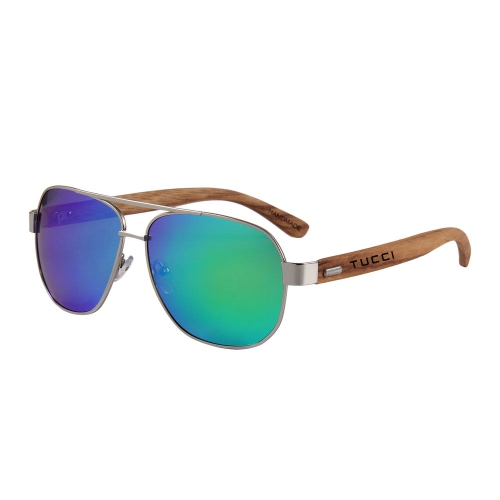
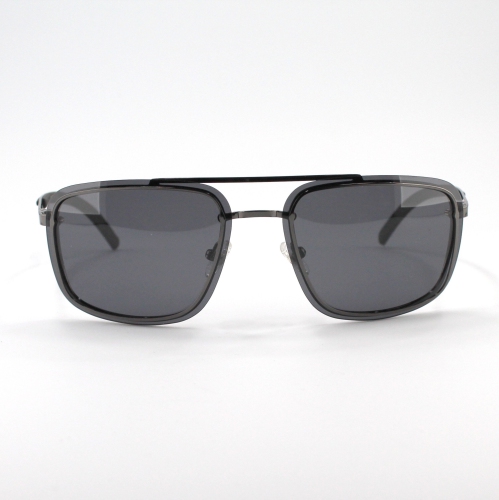
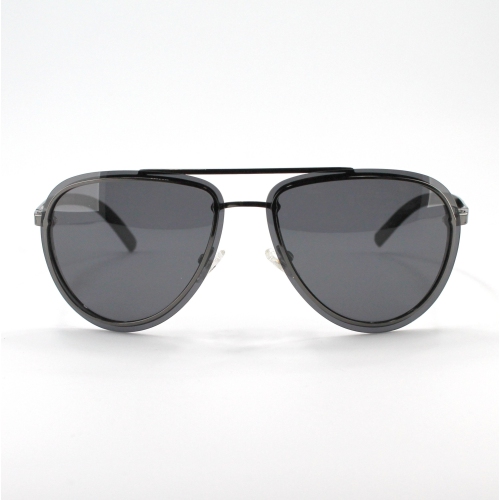
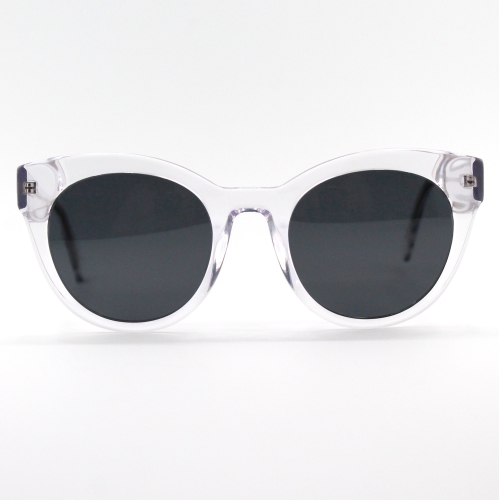
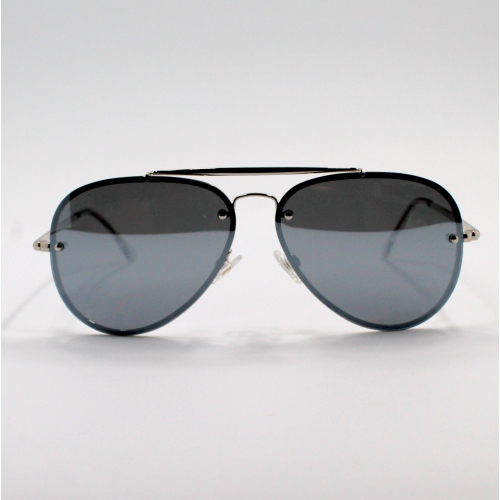
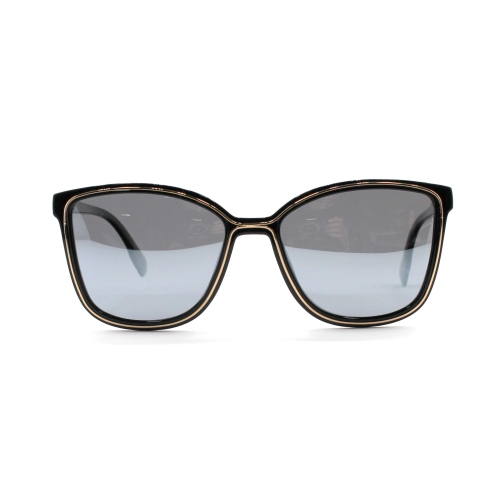
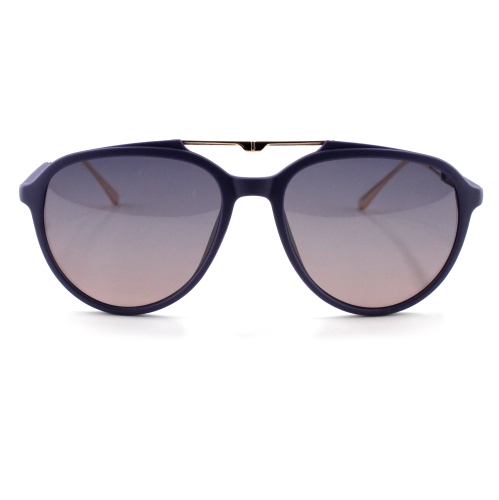
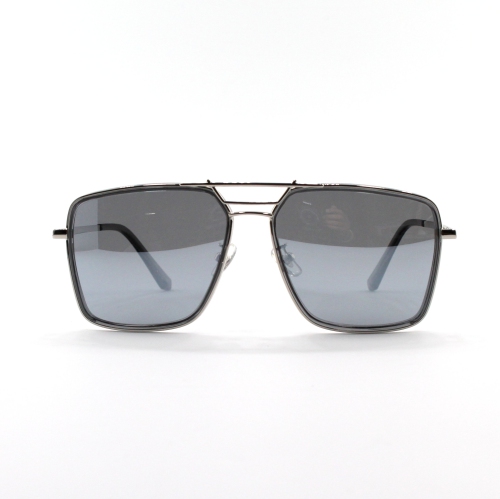

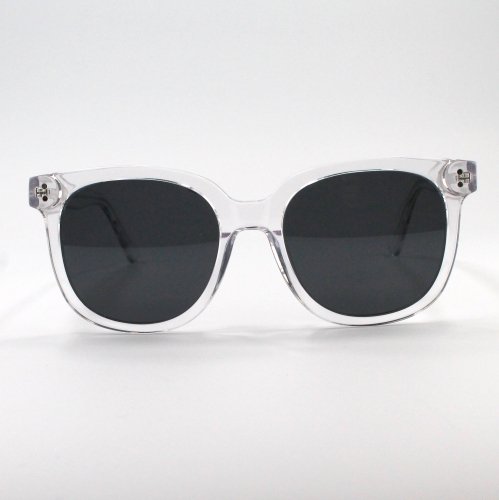
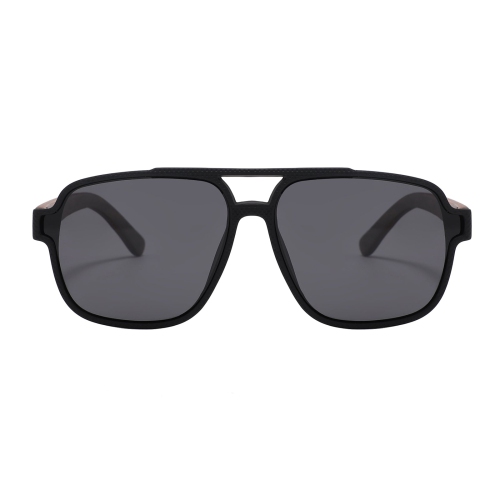
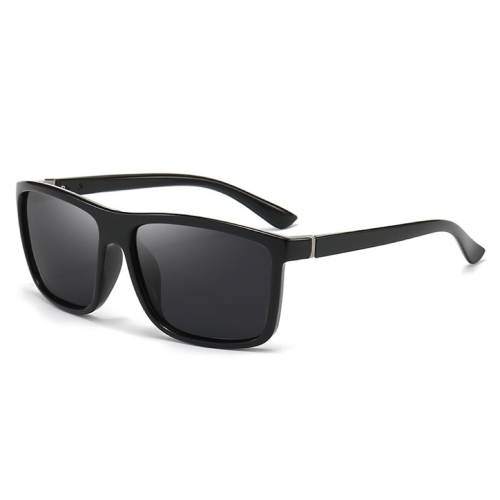
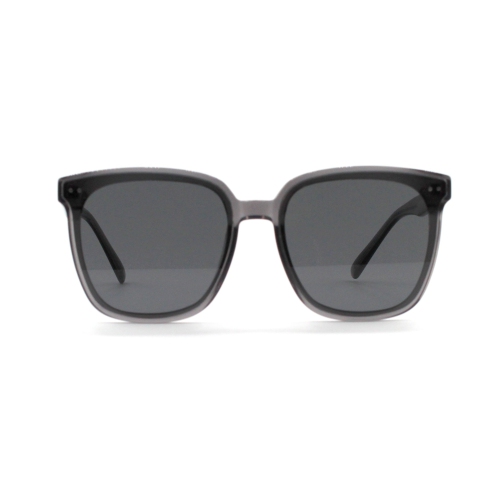
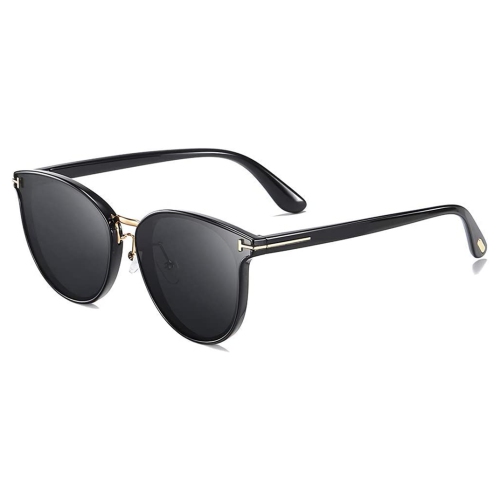
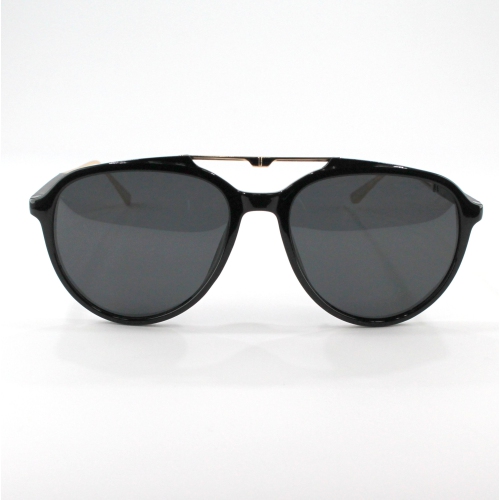
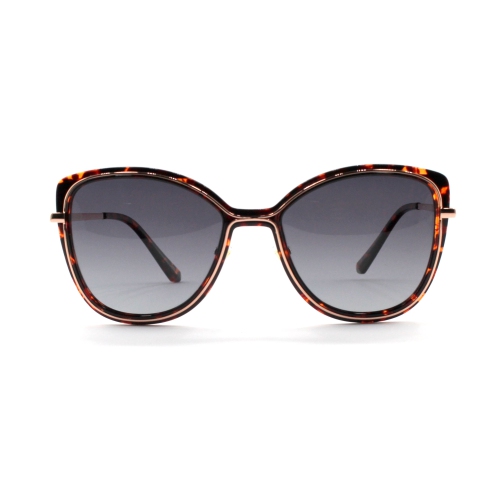
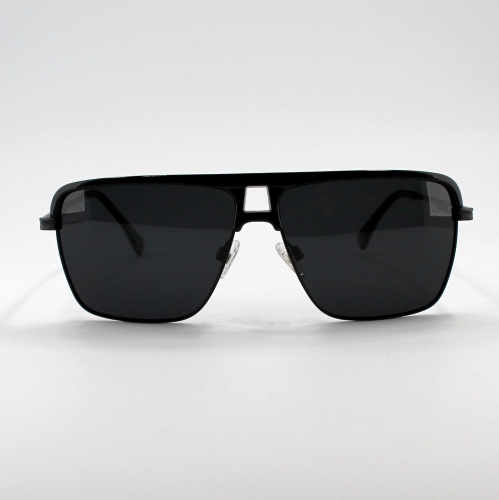
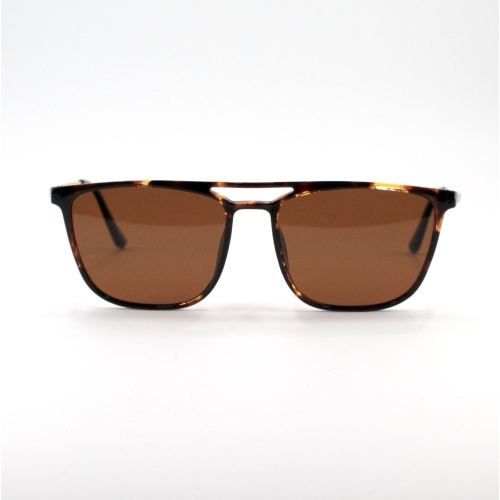
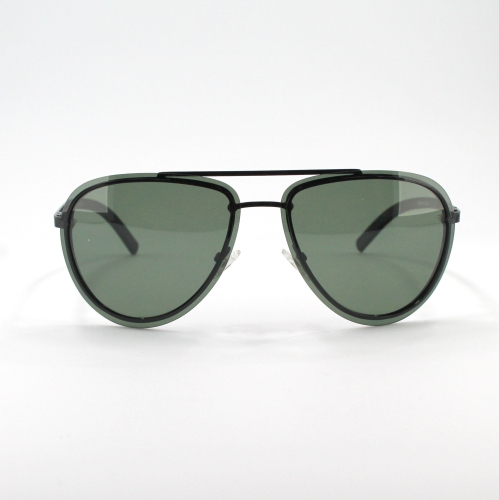
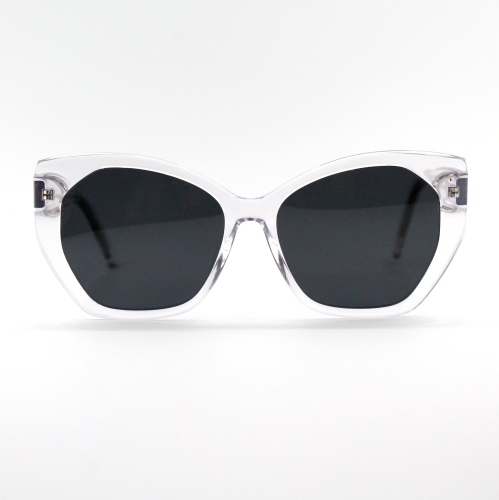
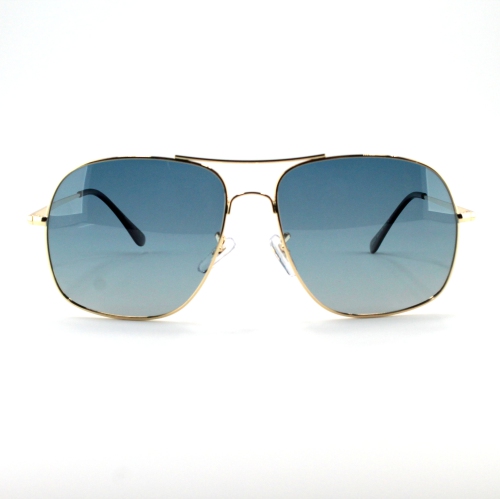
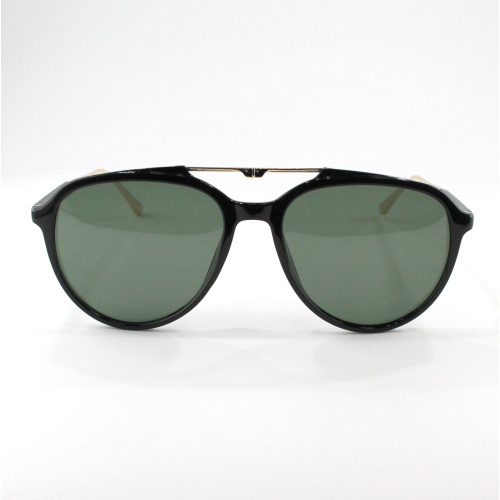
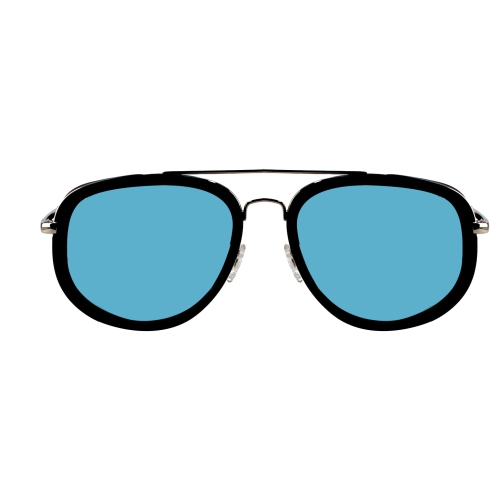
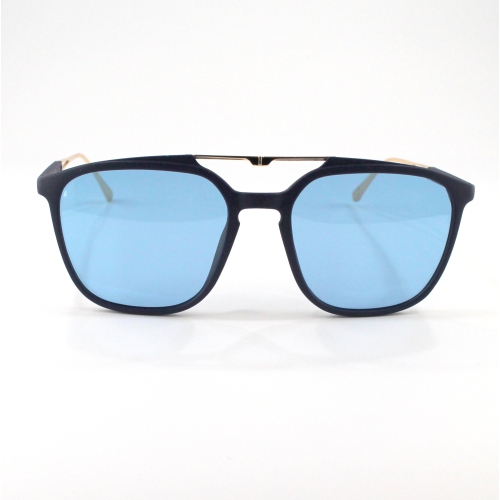
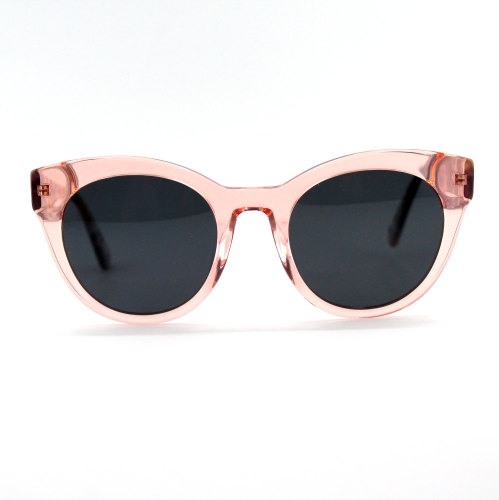
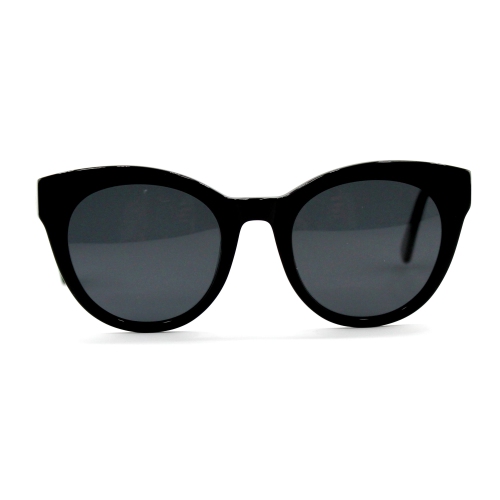
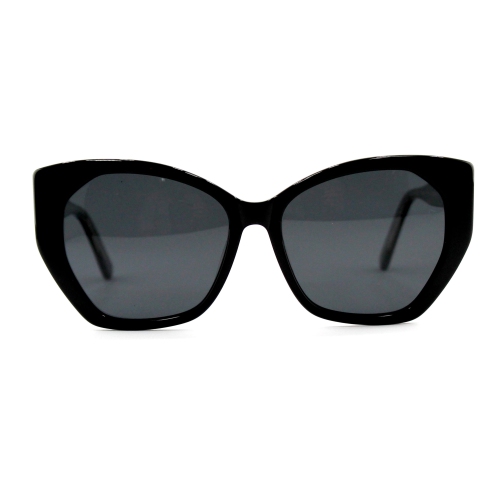
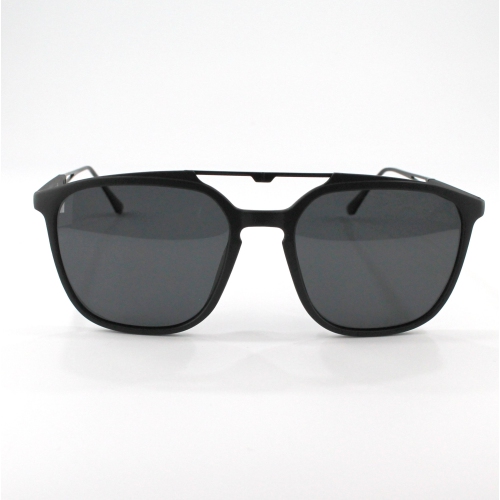
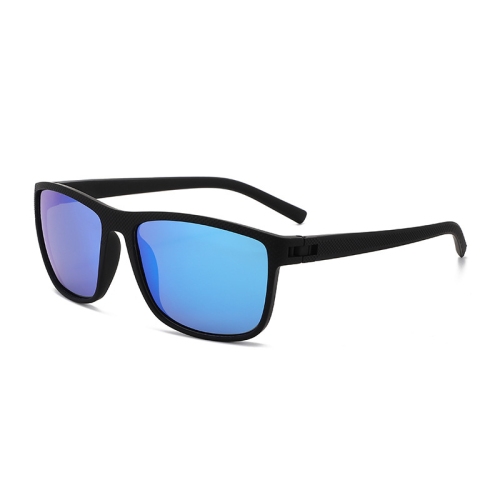
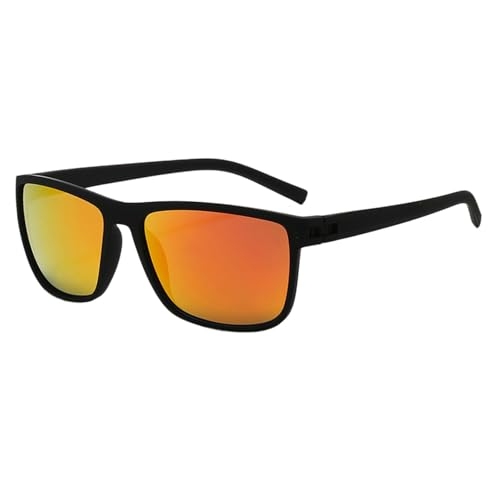
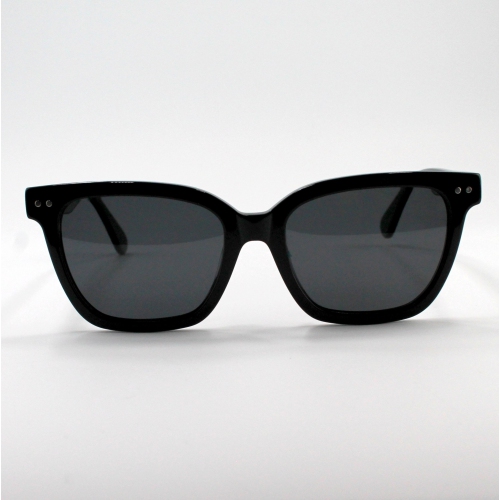
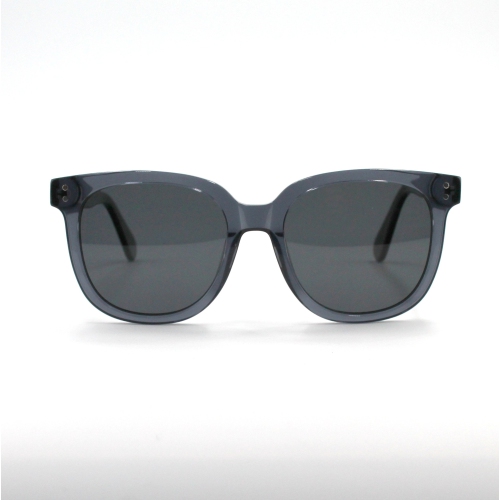
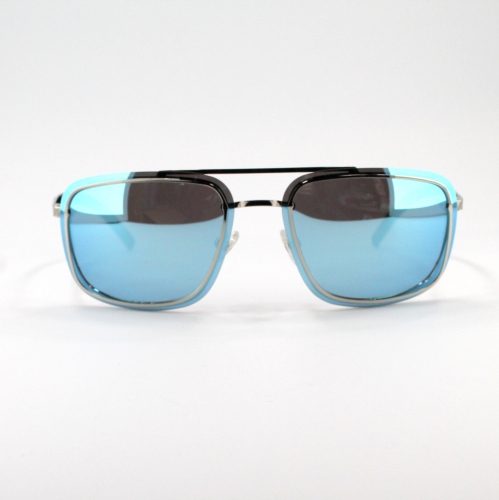
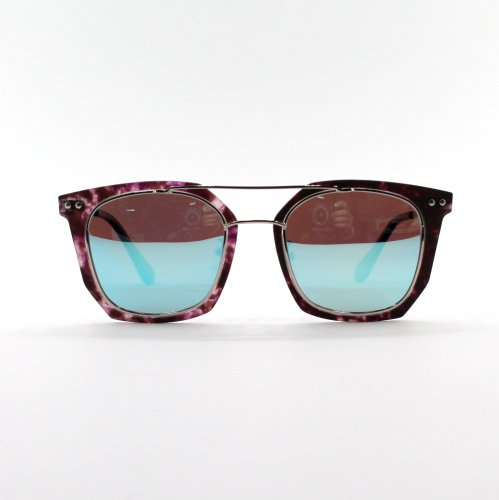
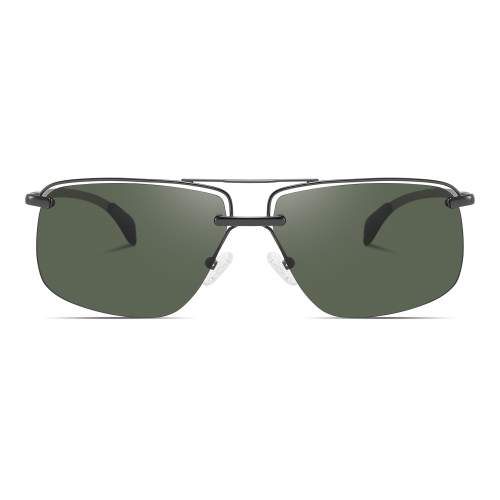

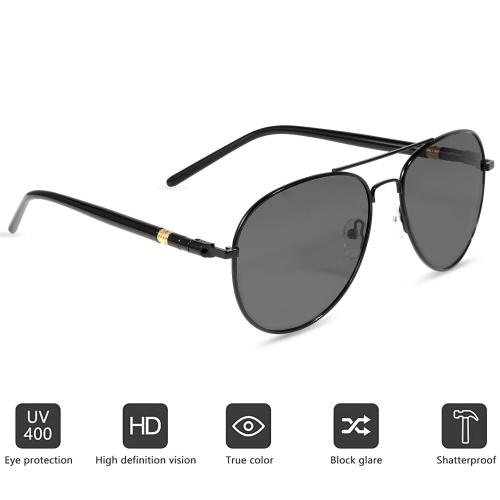
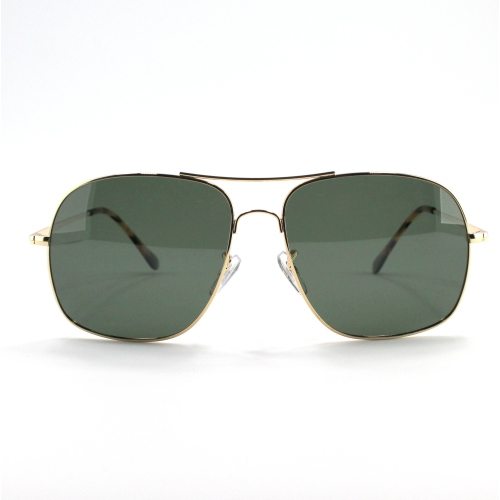
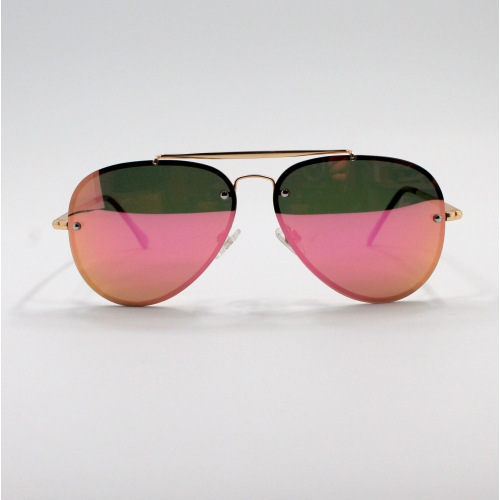
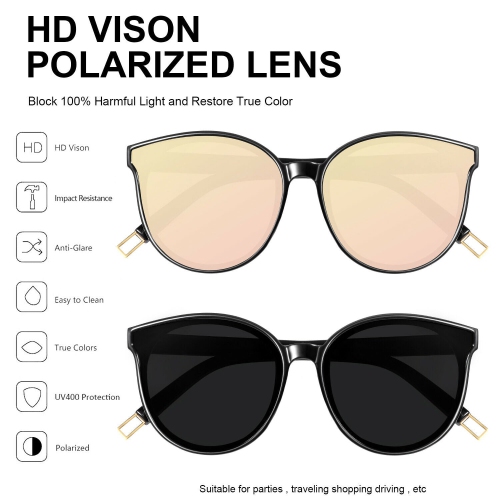
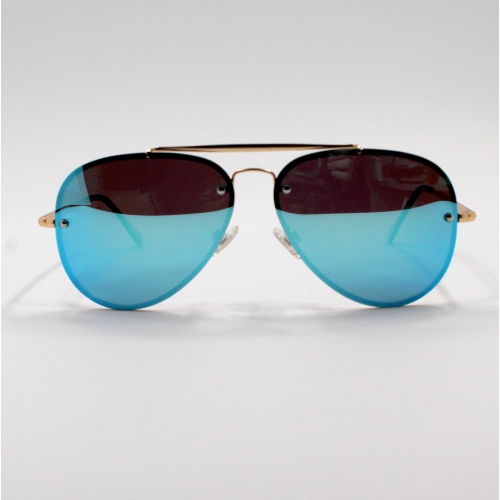
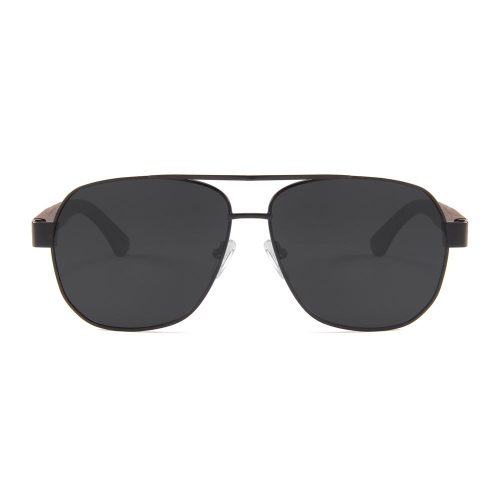
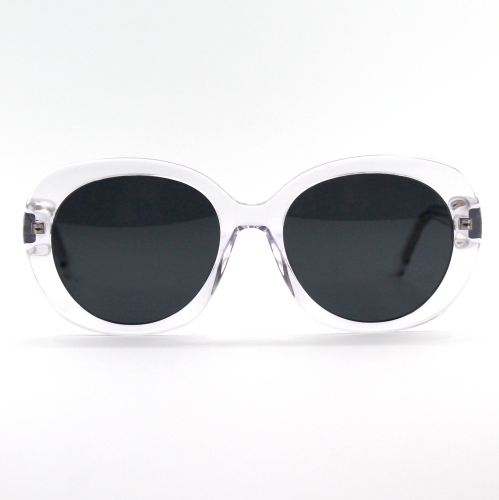
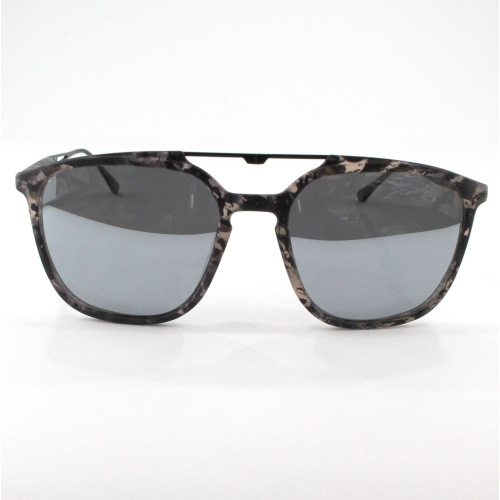
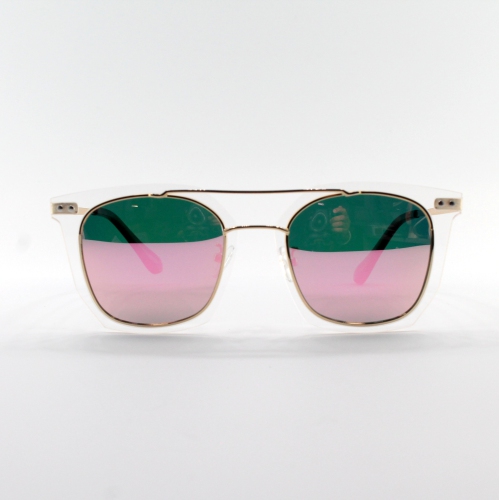
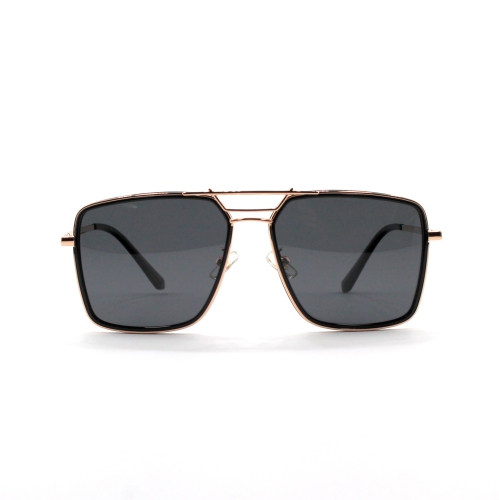
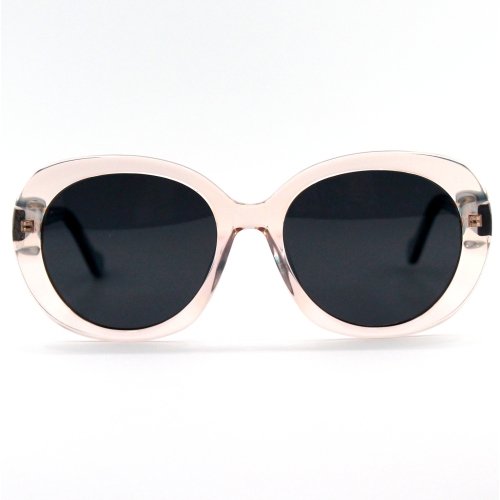
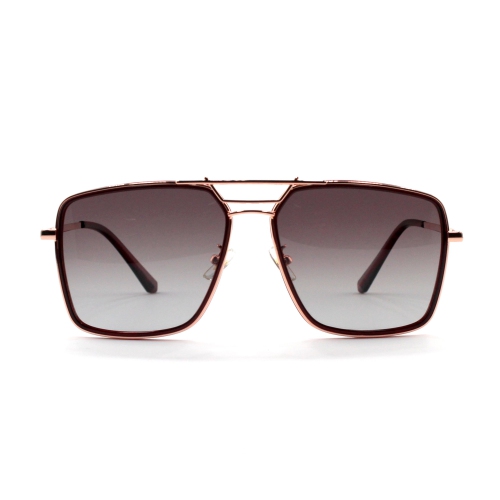
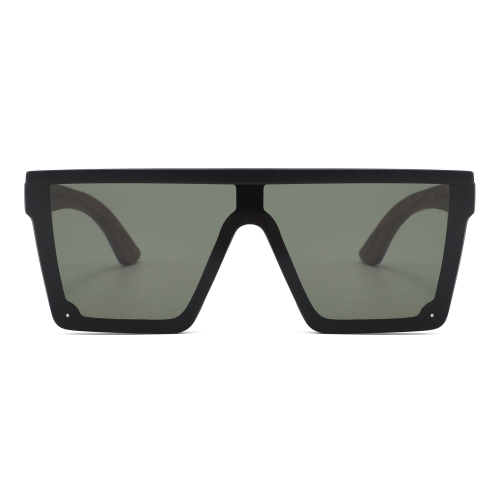
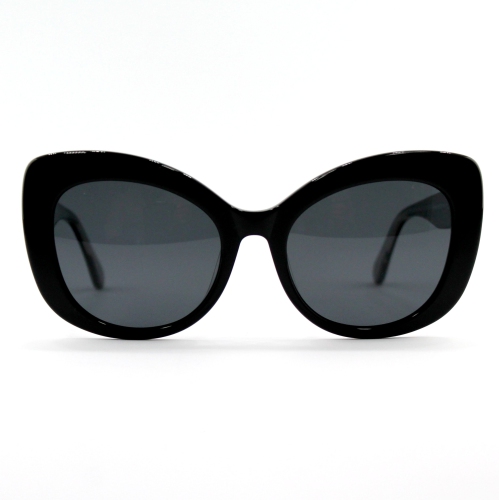
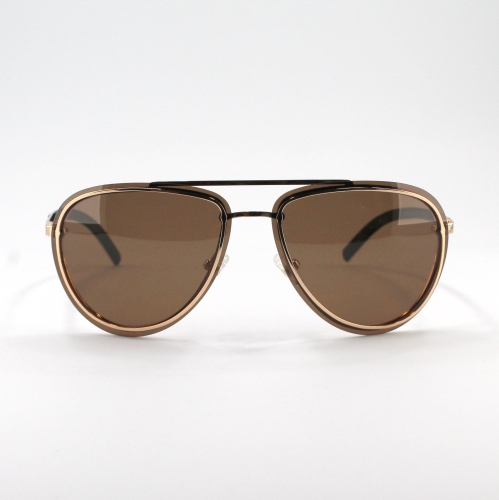
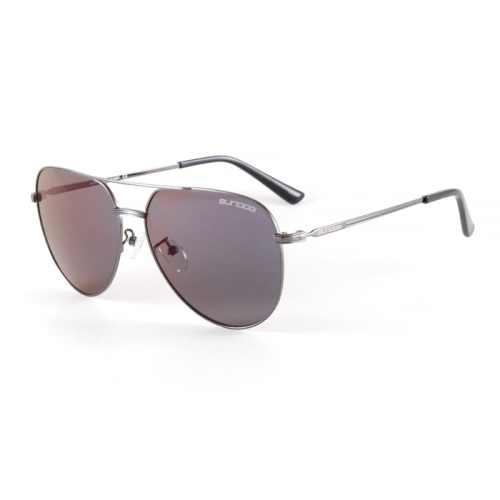
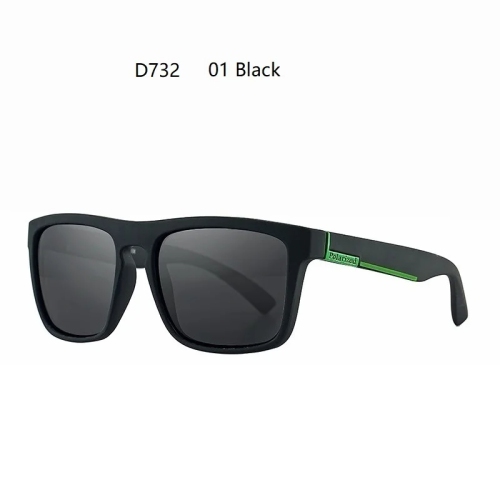
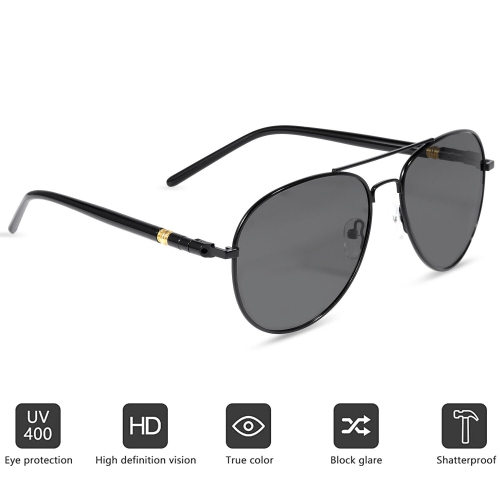

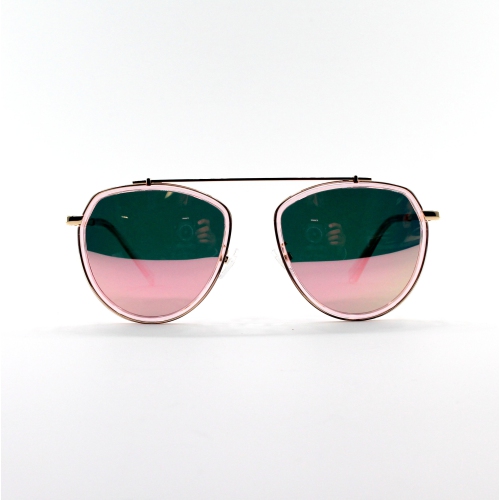

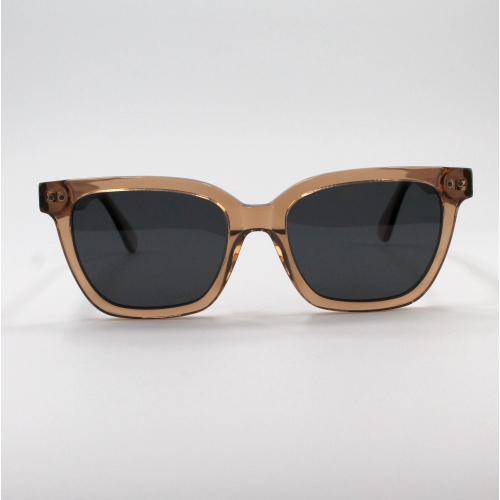
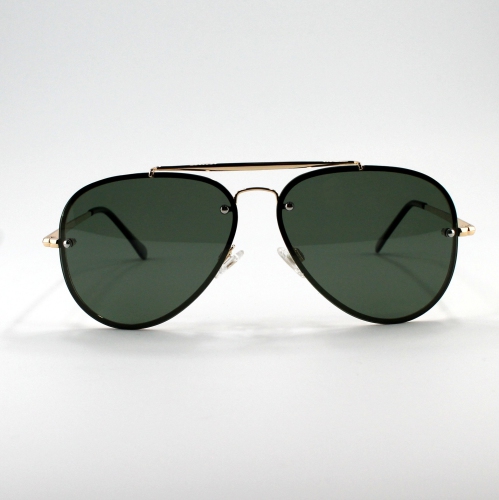
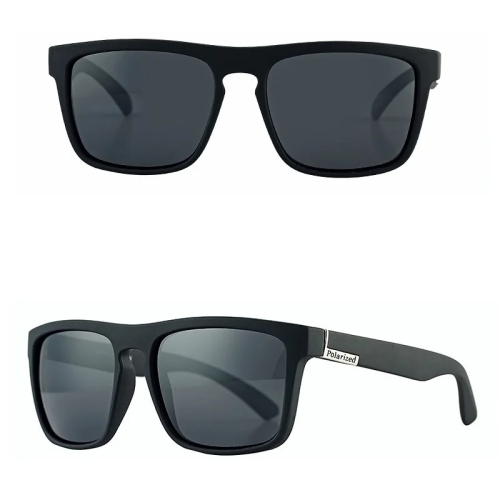
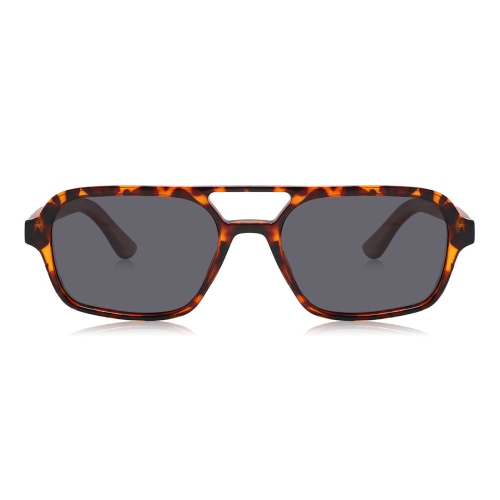
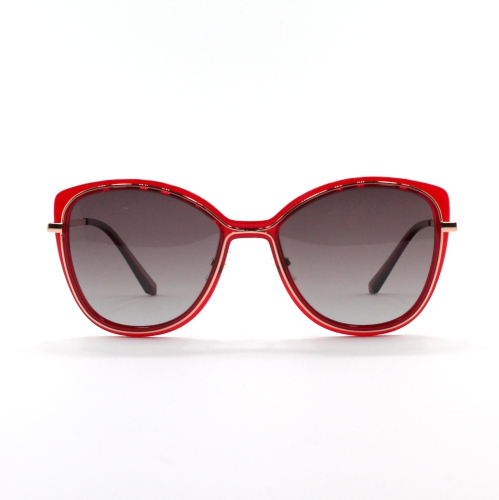
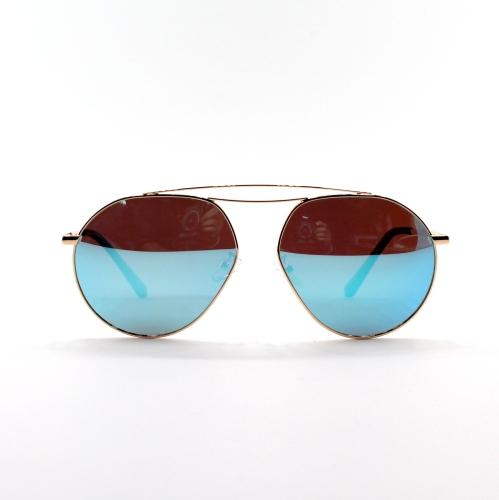
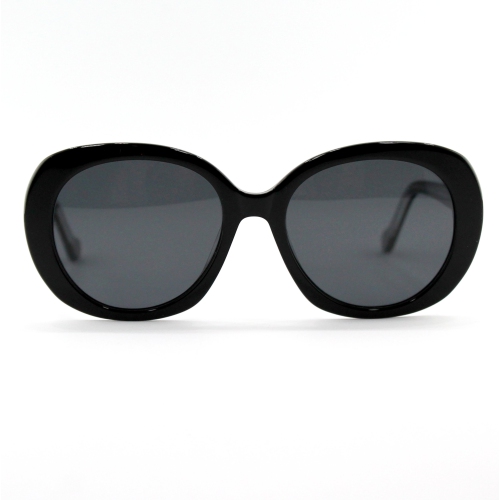
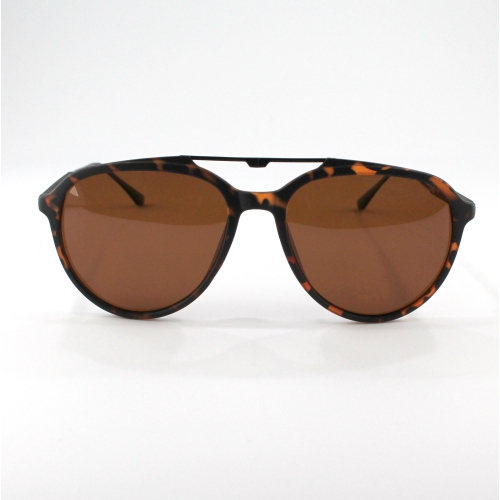
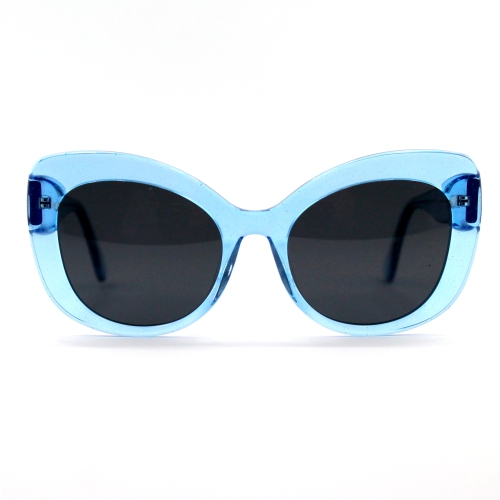
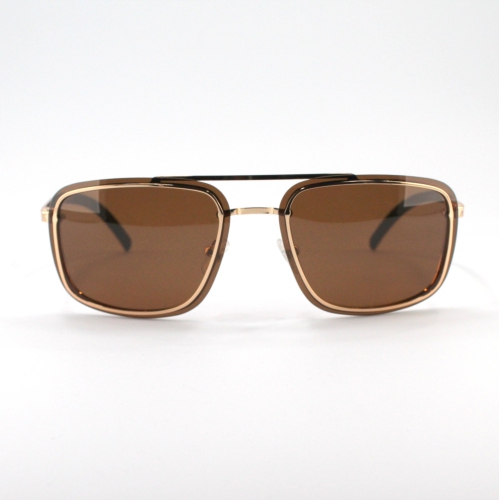
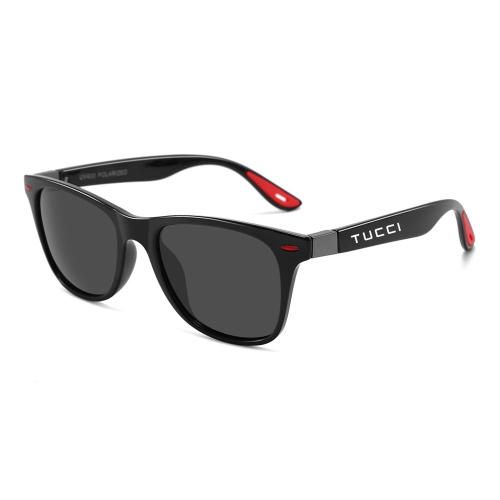
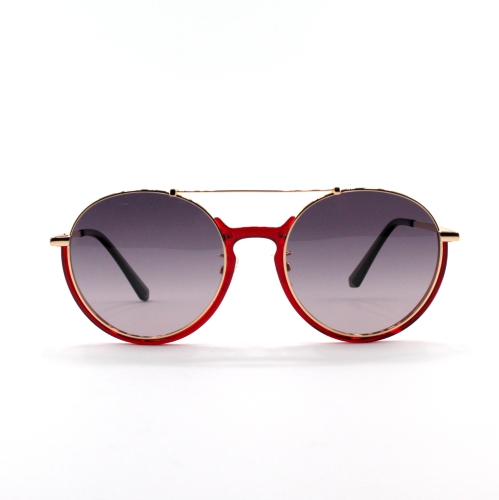
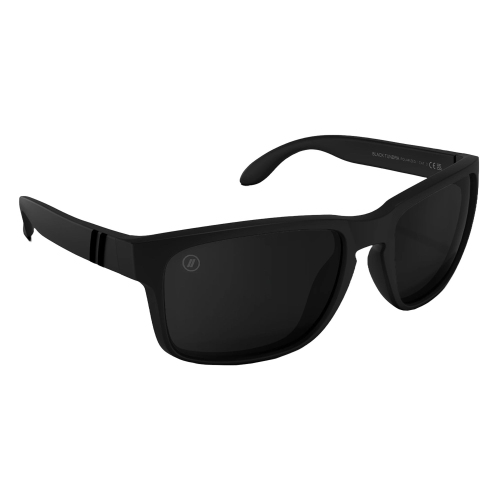
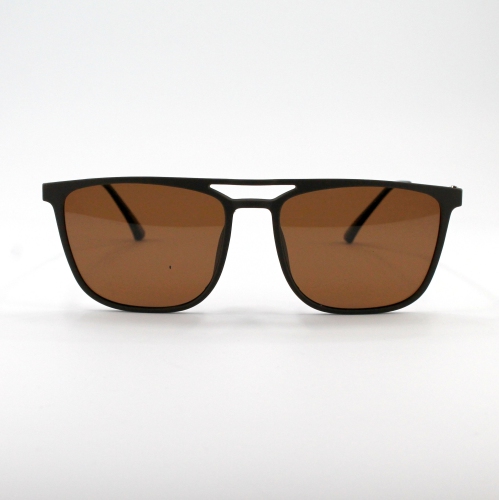
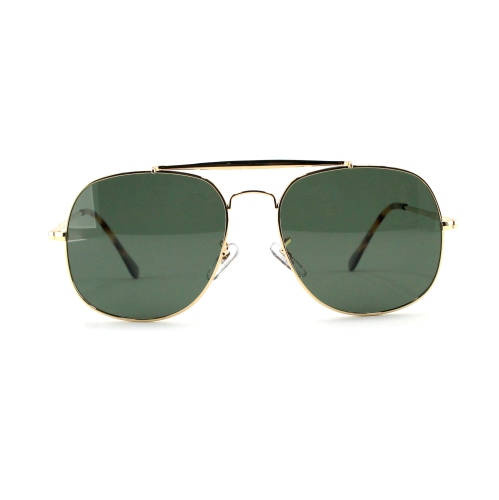
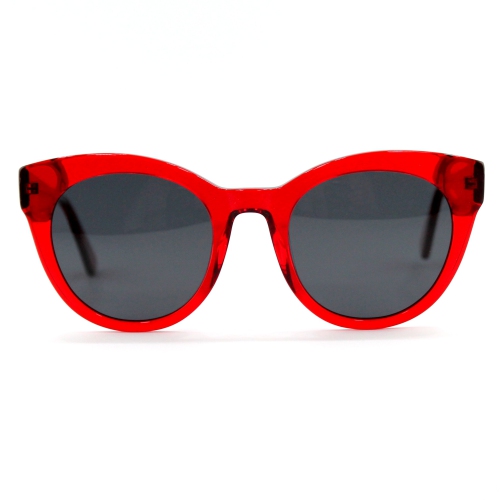
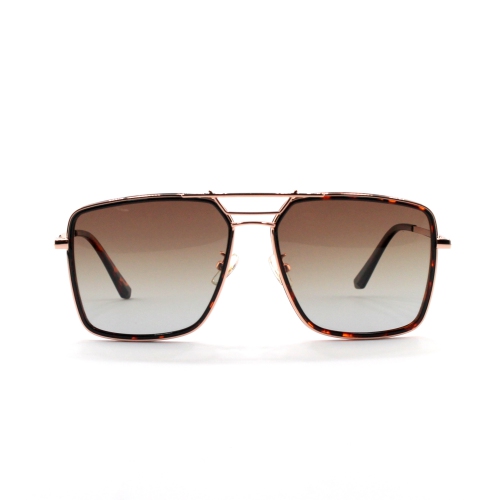
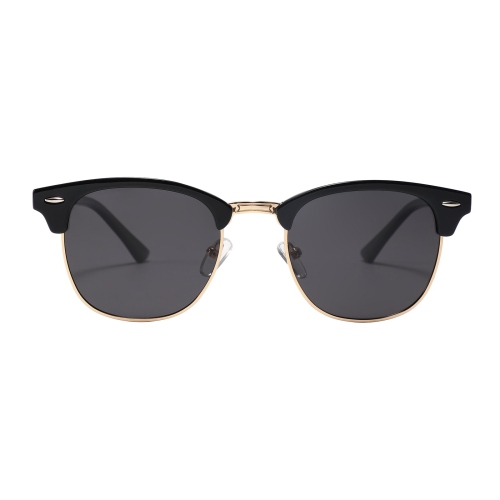
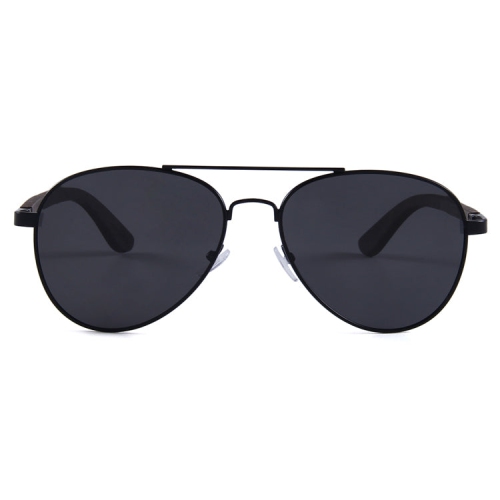
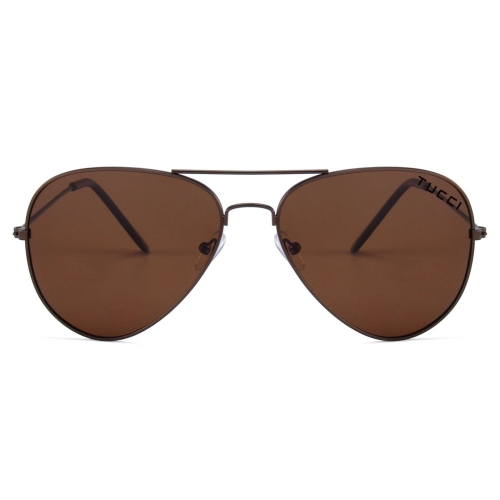
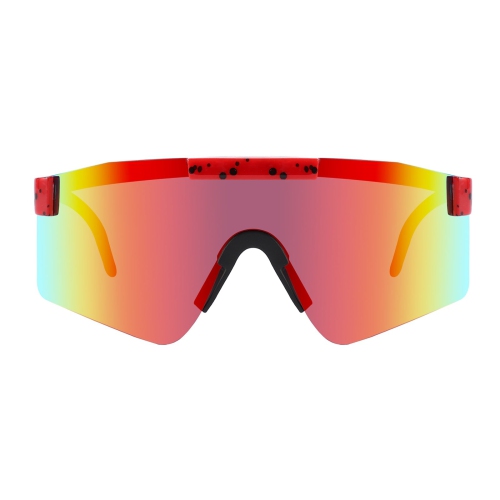
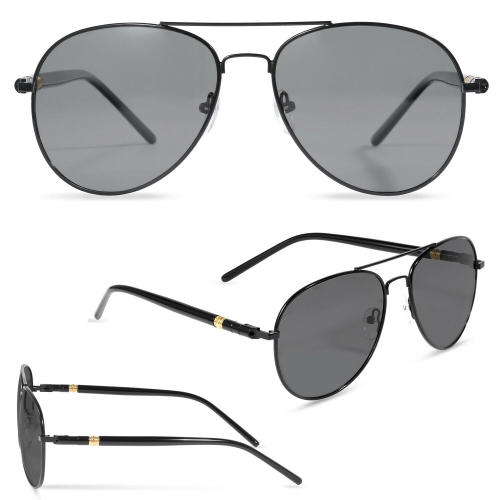

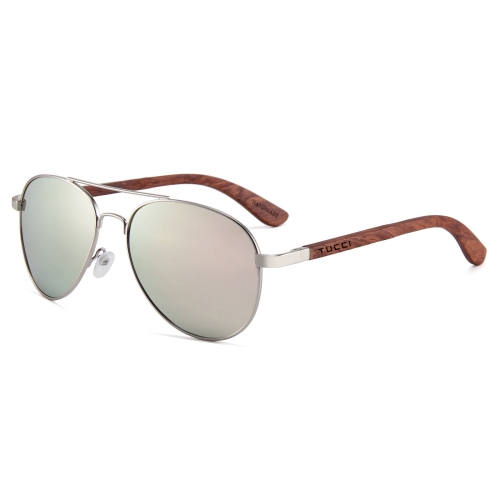
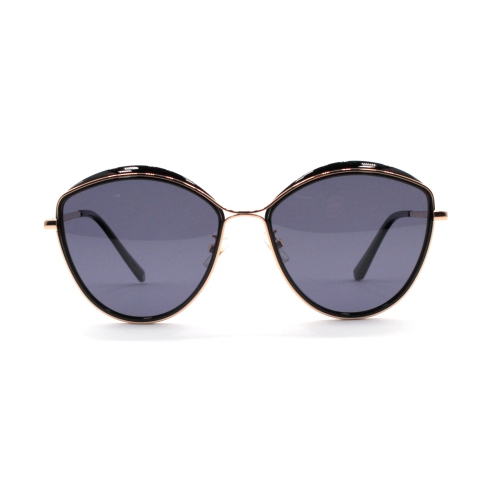

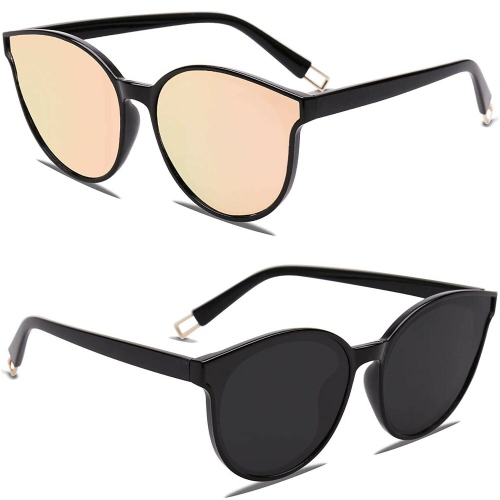
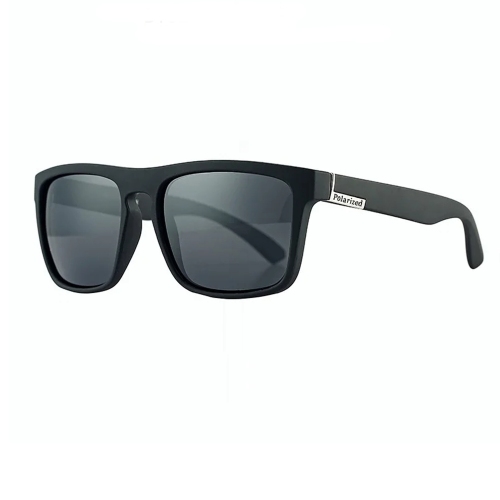
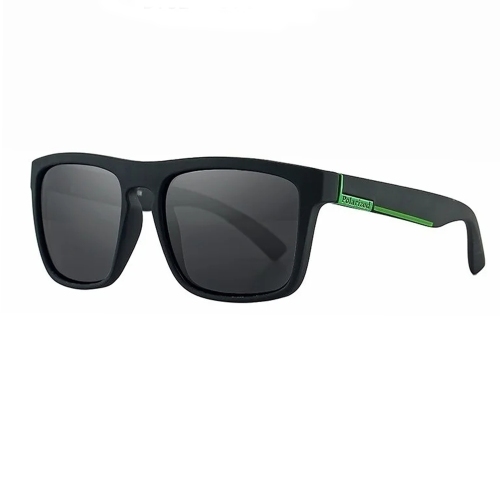
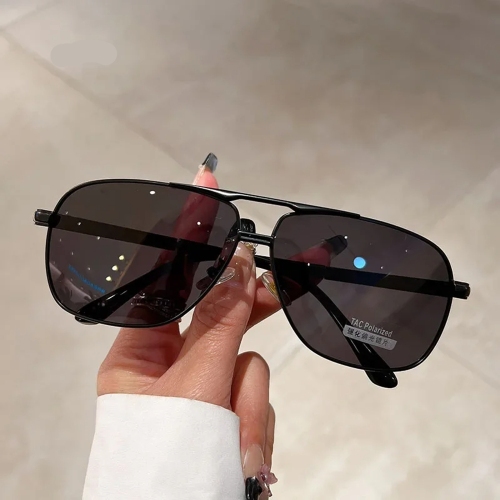
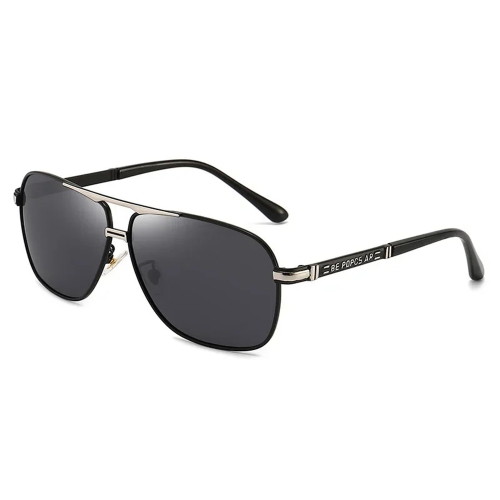
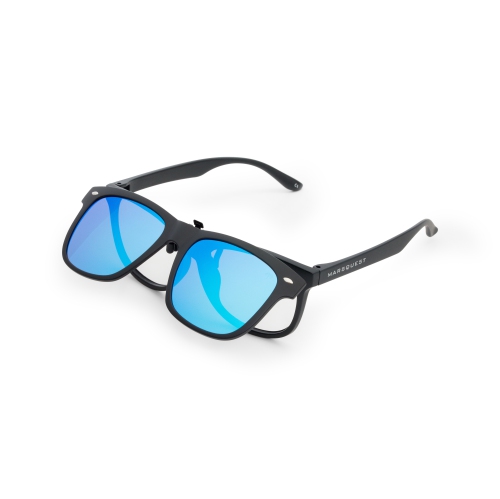
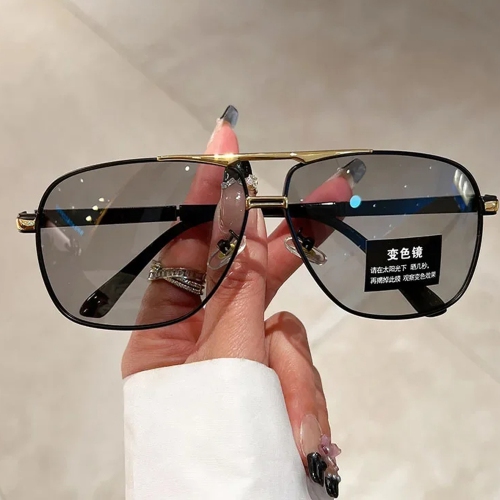
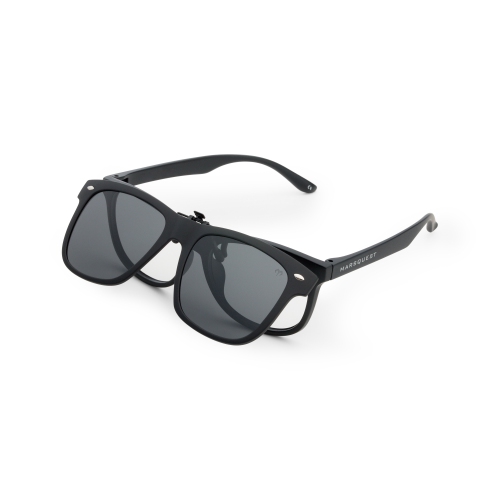
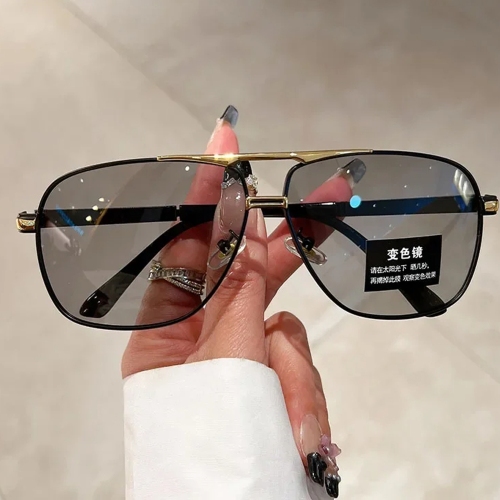
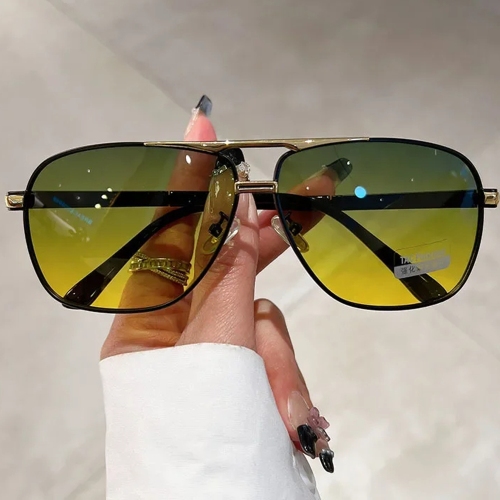
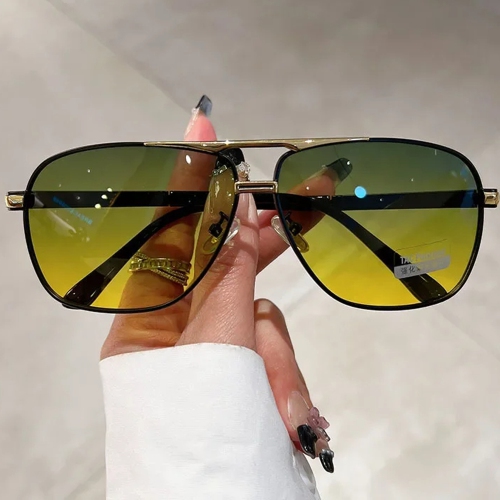
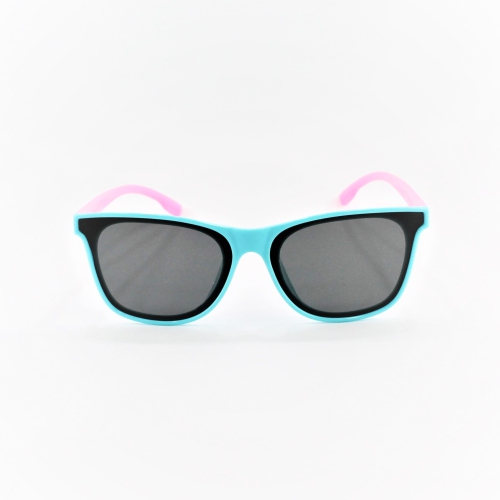
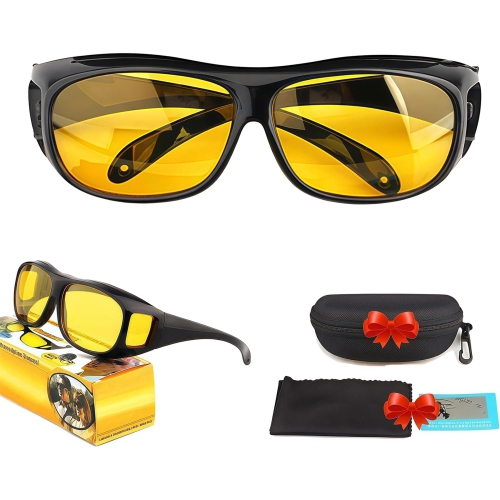
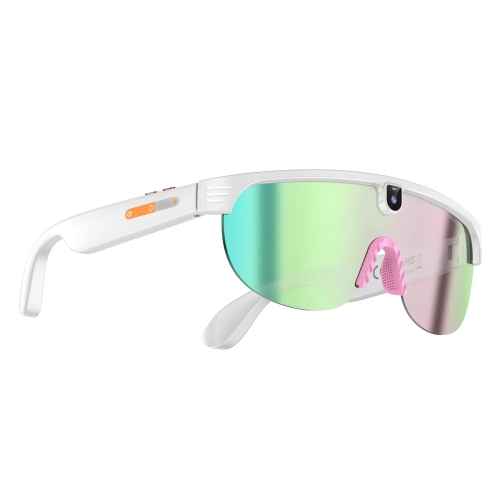
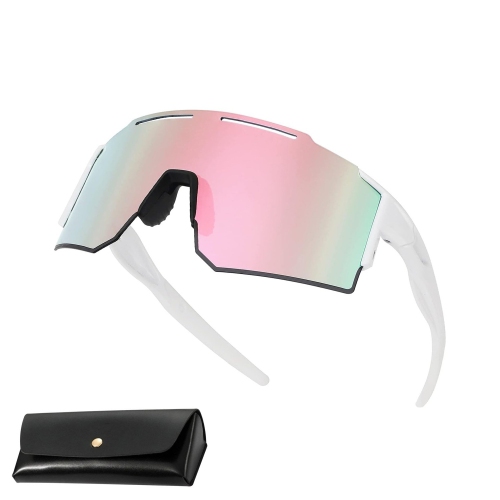
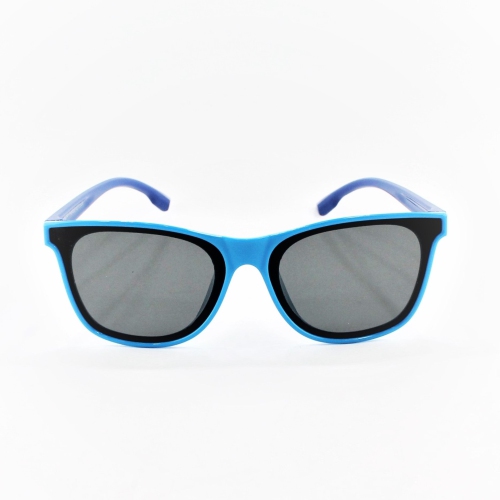
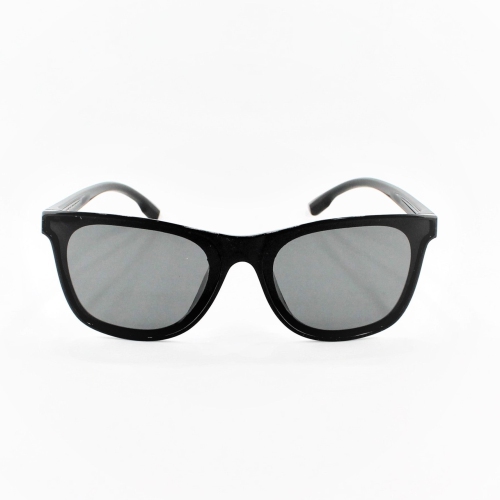
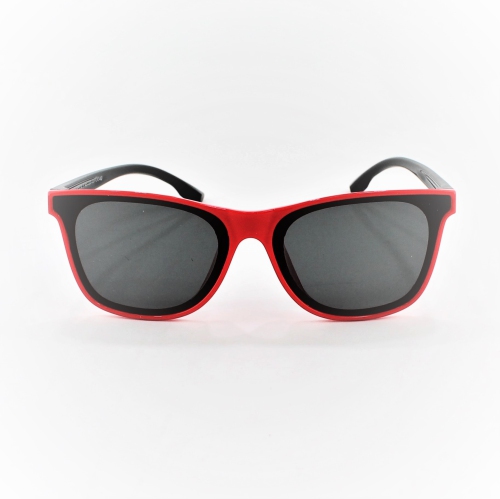
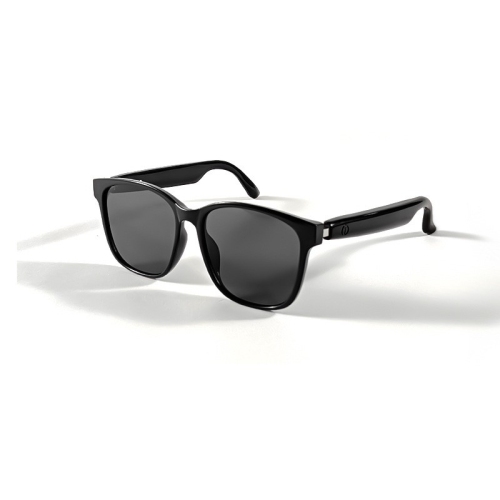
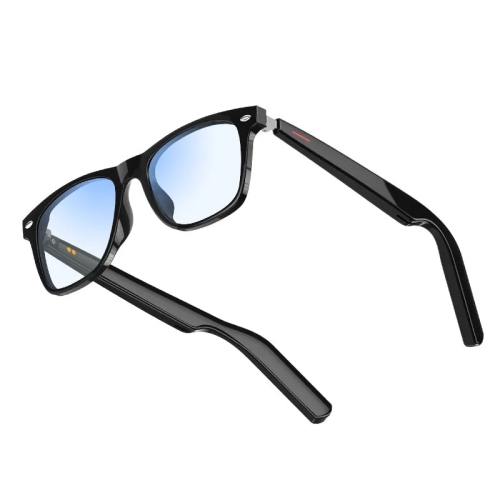
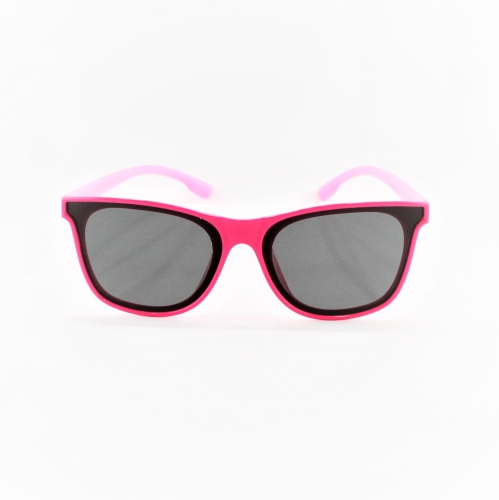
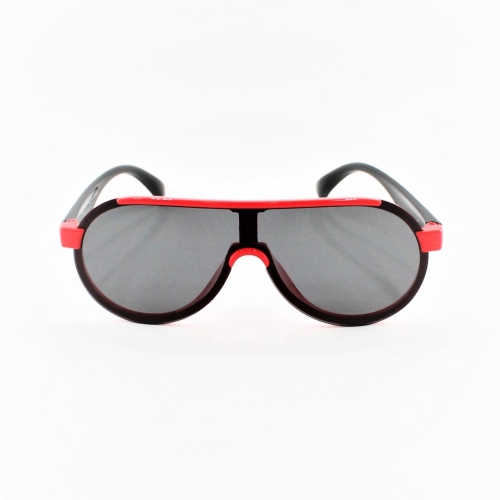
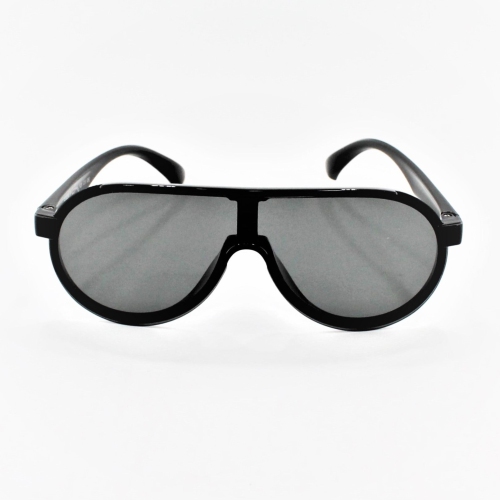
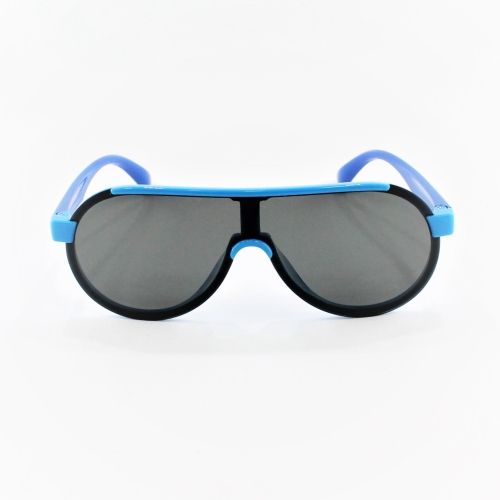
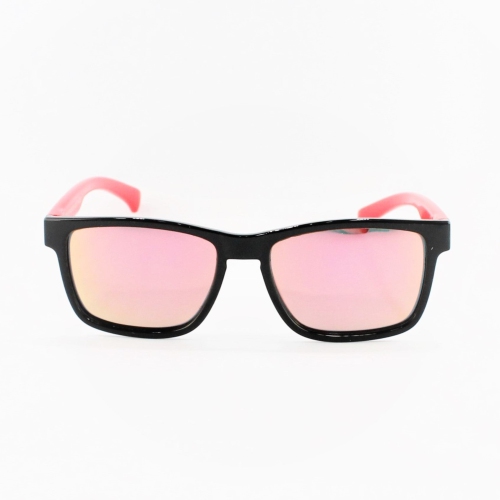
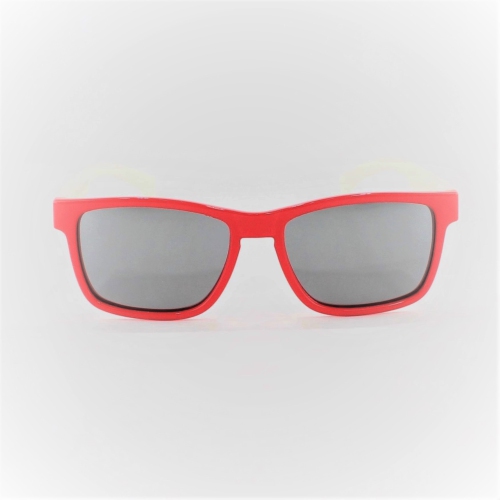
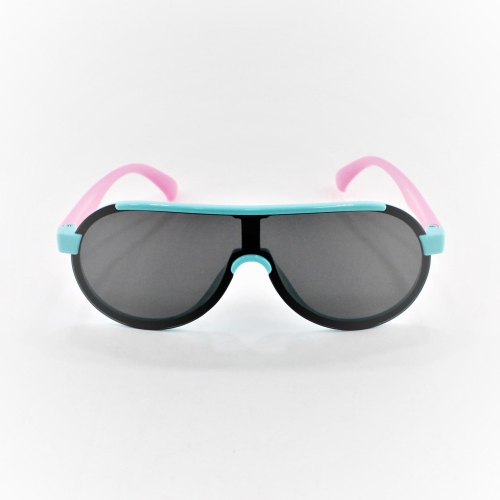
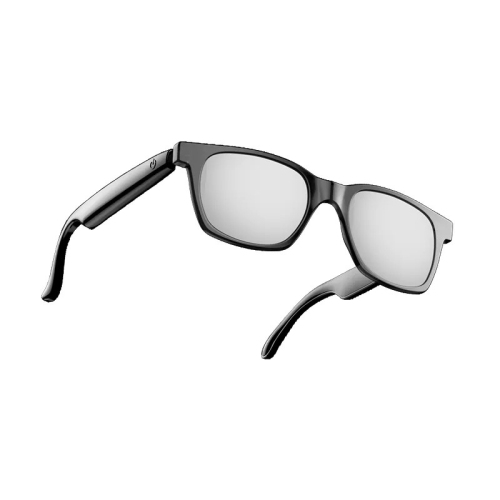
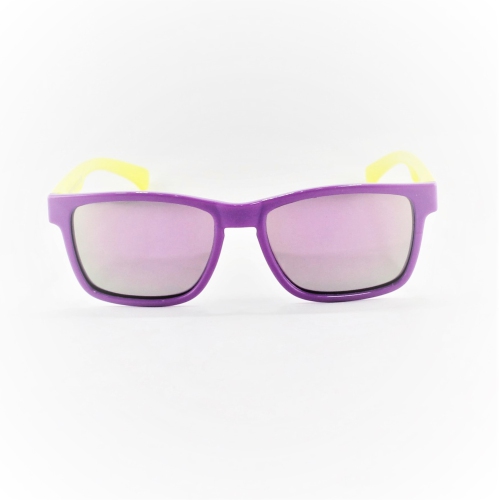
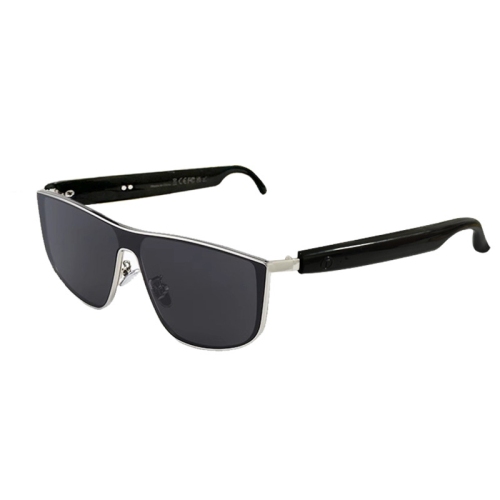
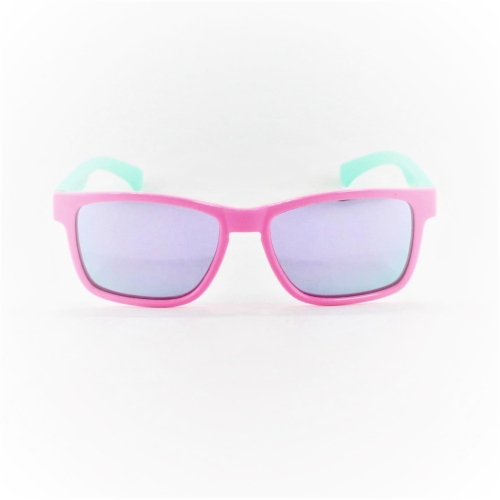
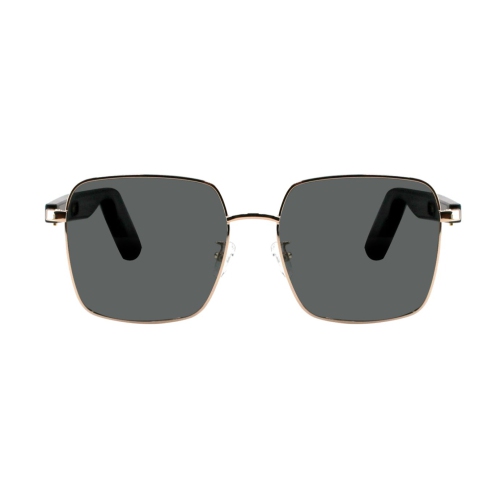
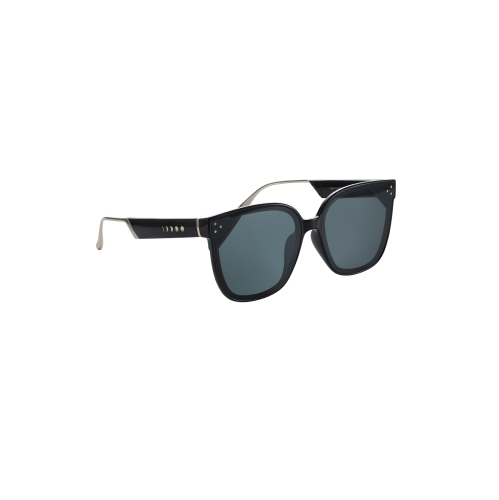
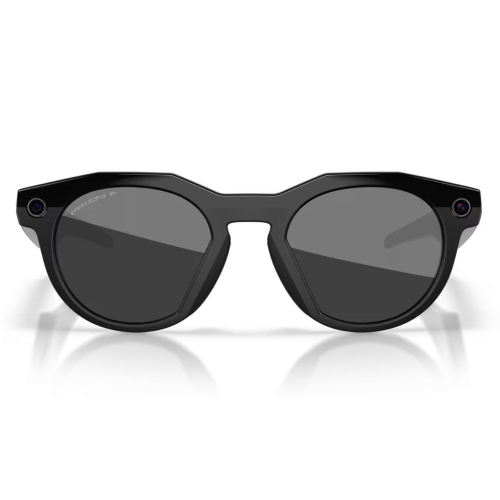
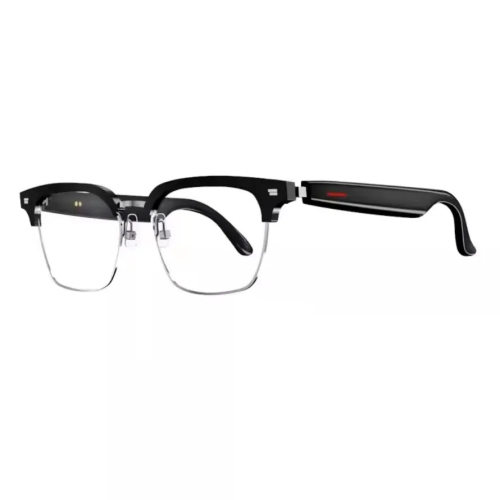
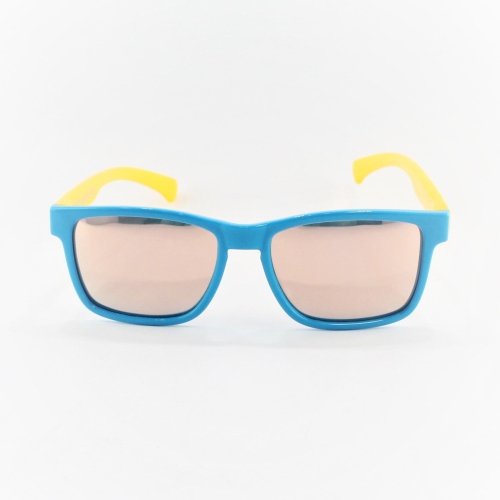
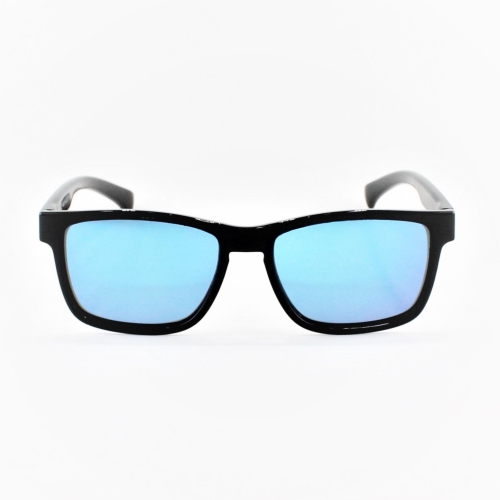
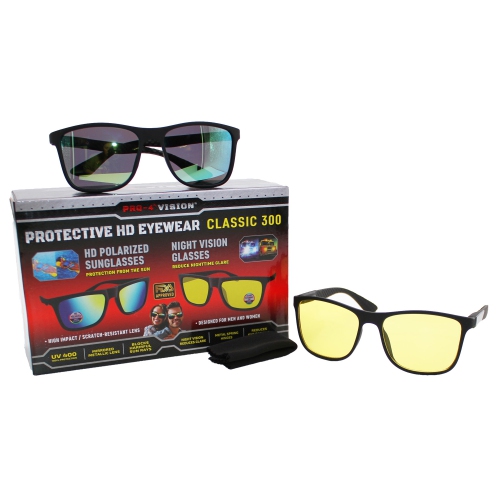
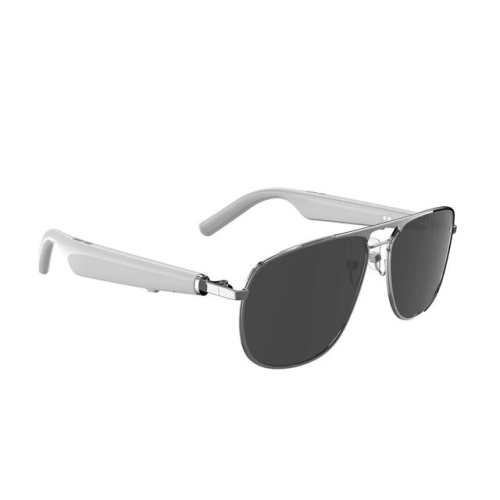
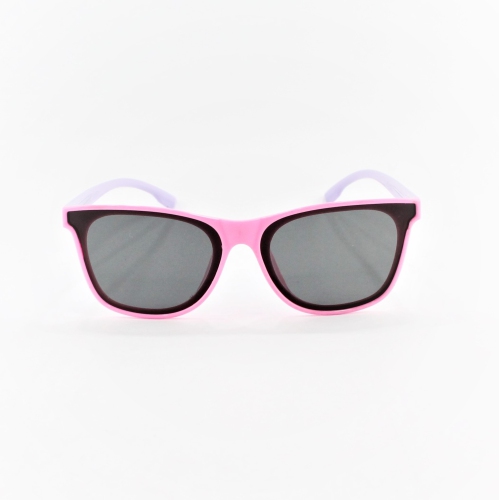
What polarization does, and why UV protection matters
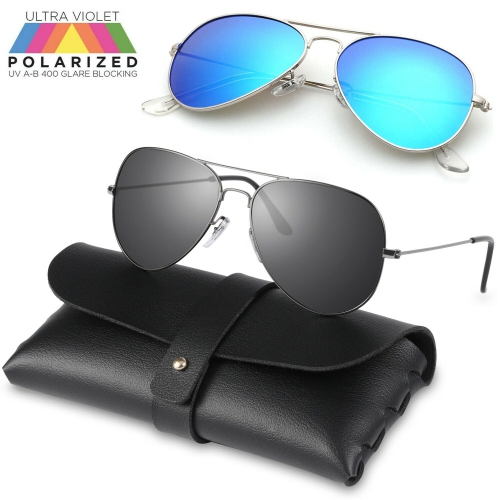
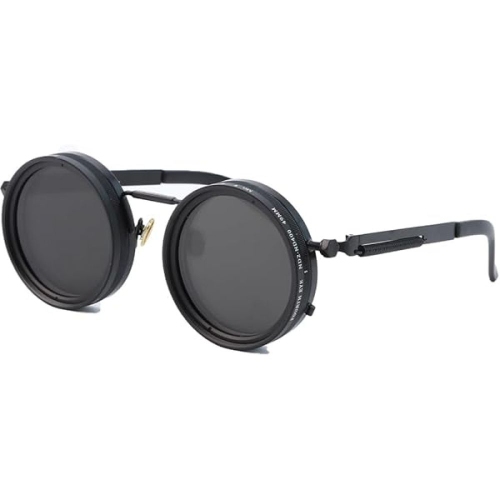
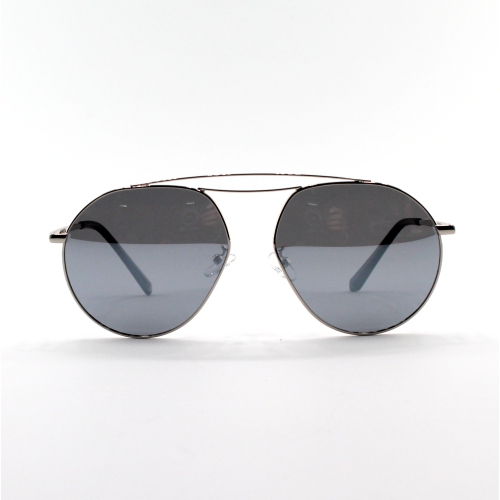
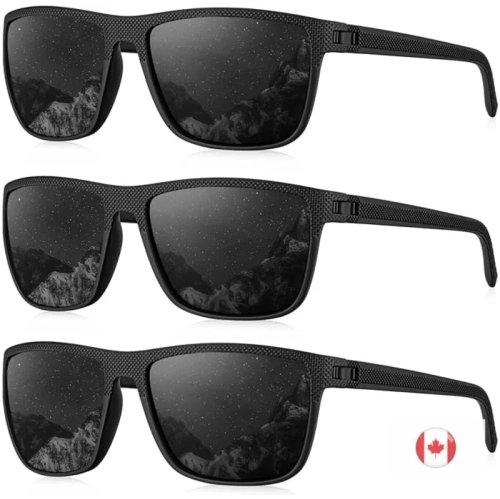
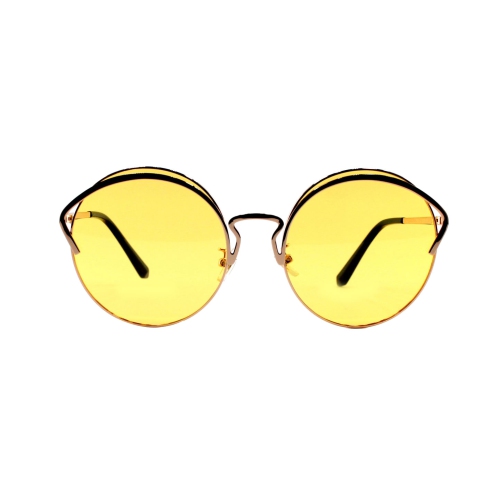
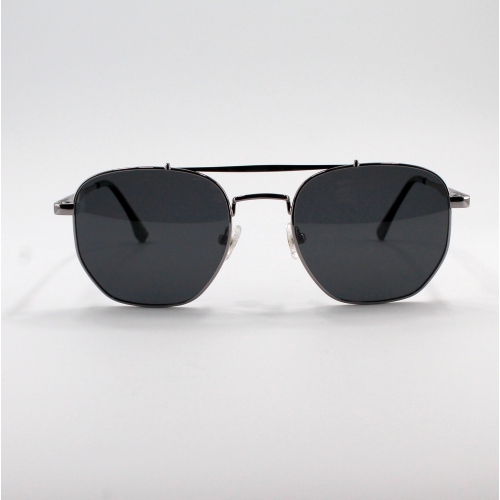
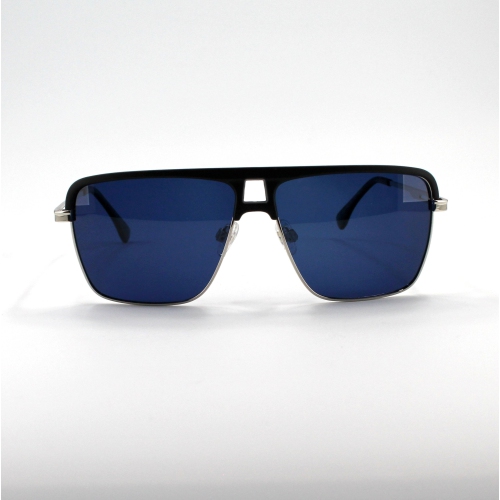
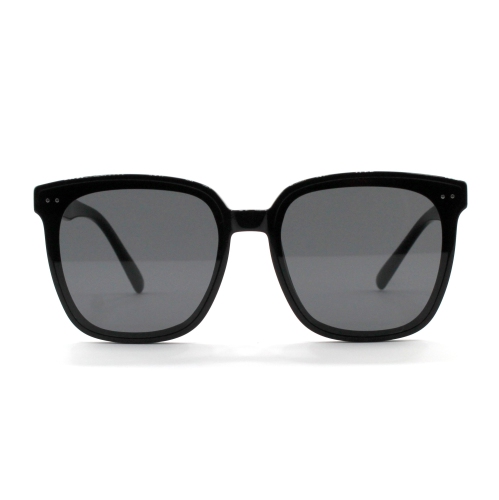
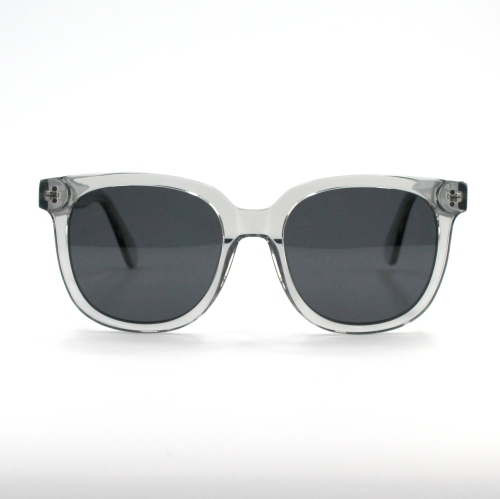
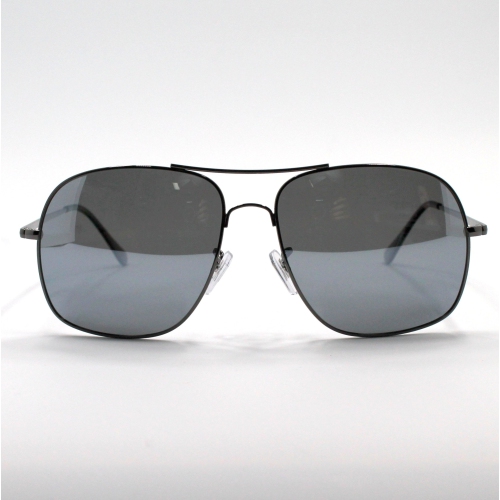
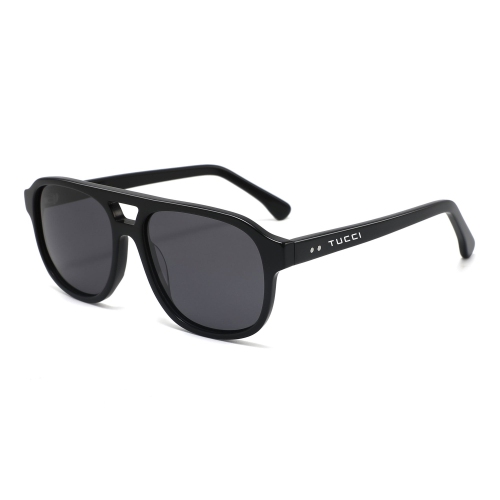
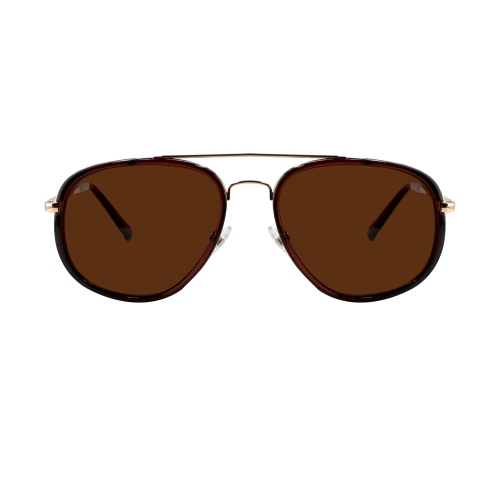
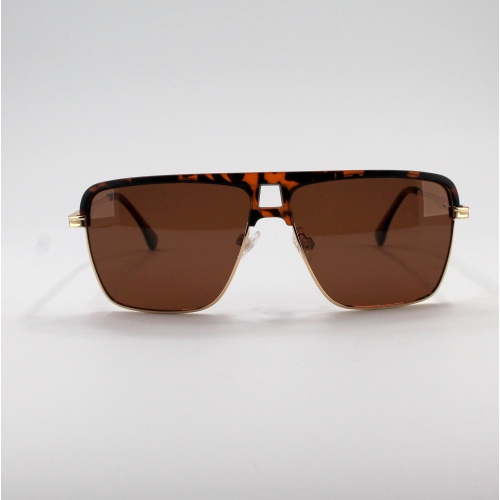
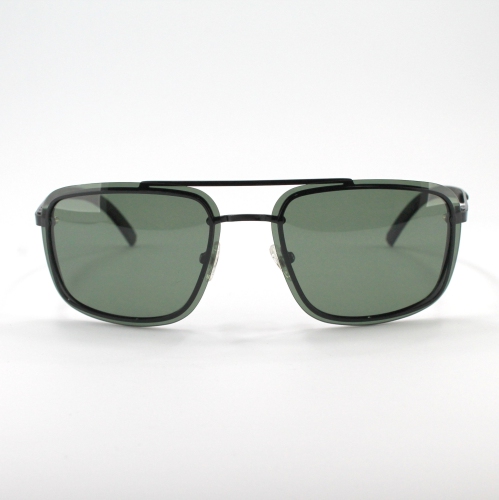
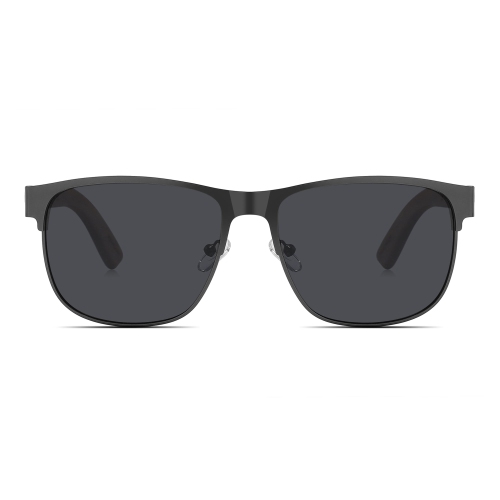
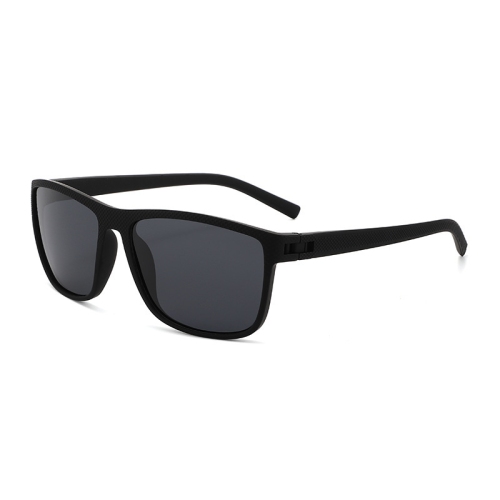
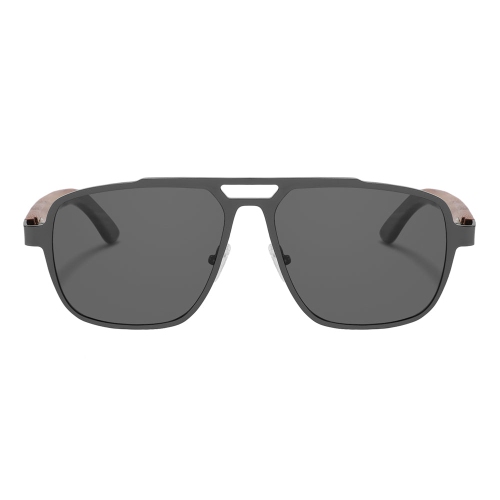
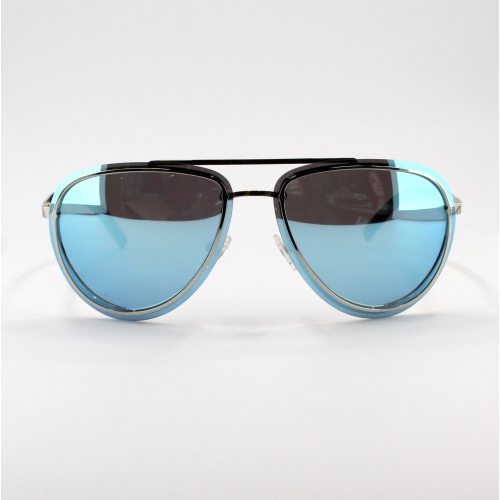
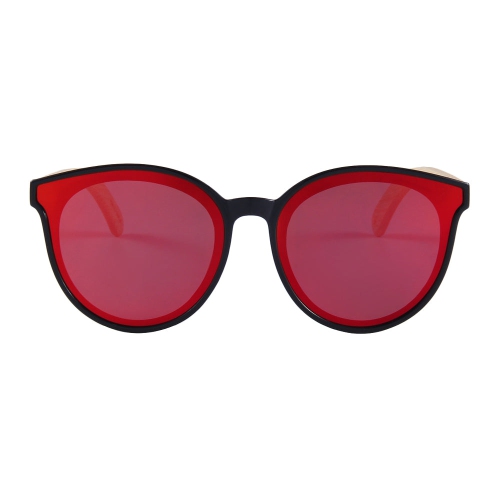
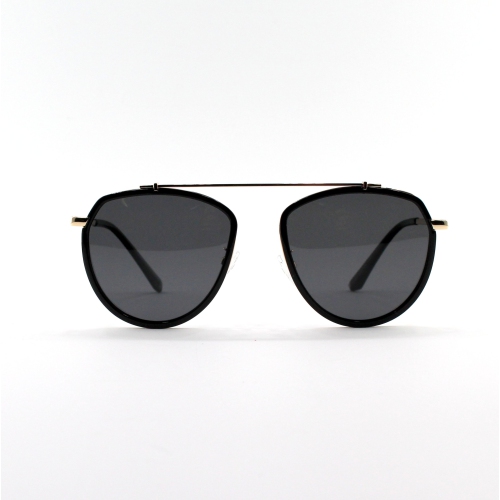
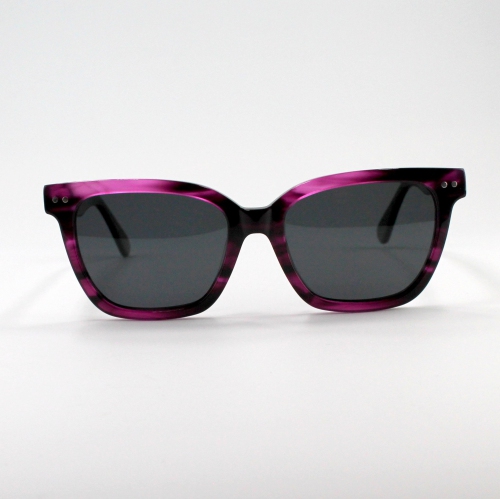
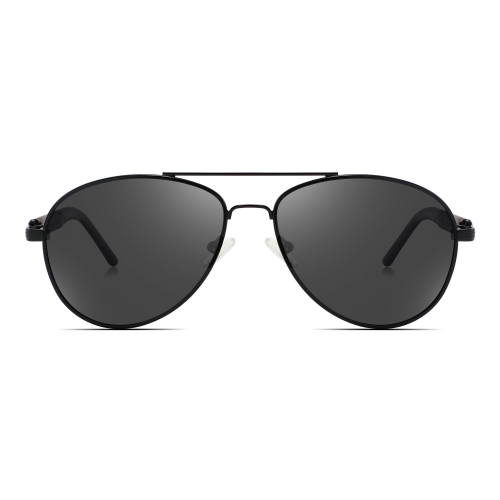
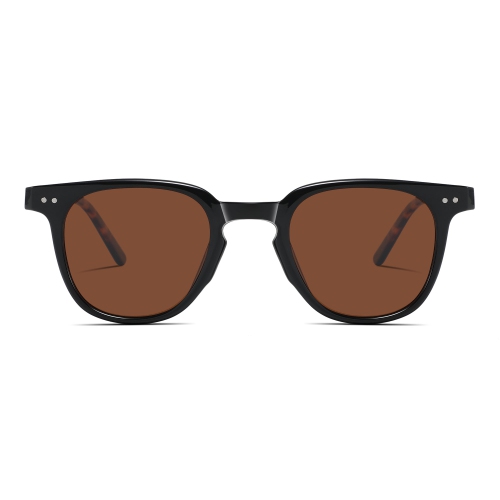
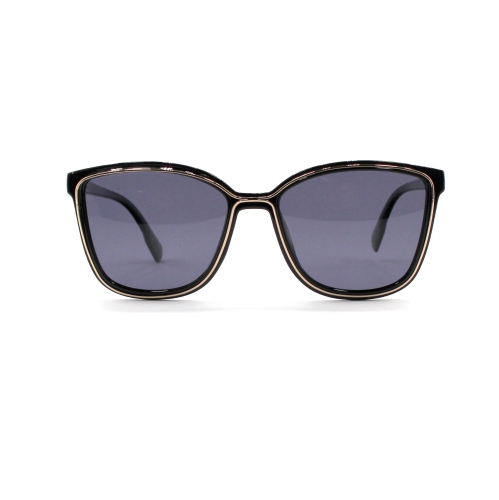
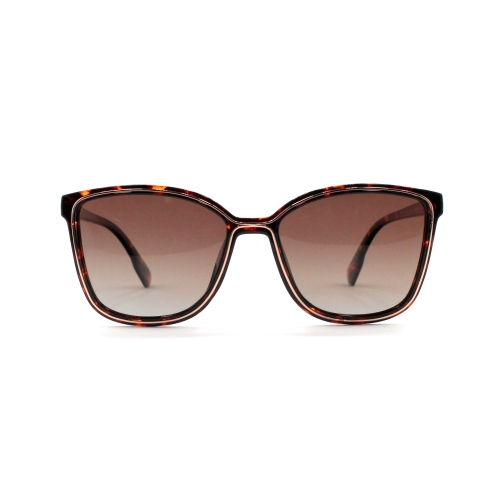
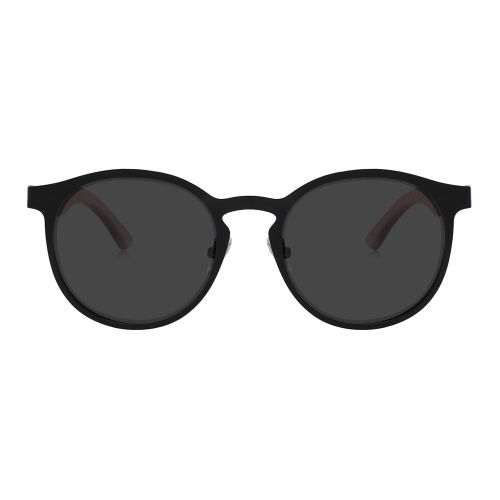
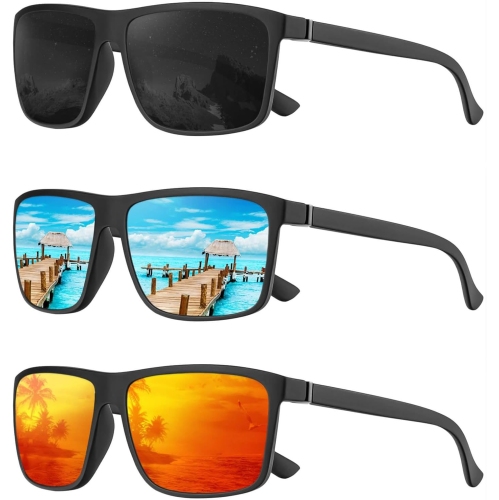
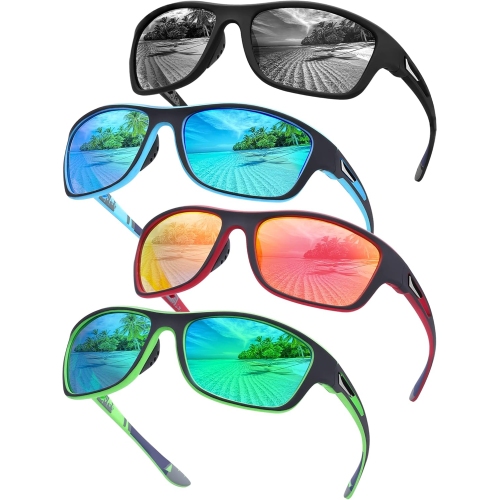
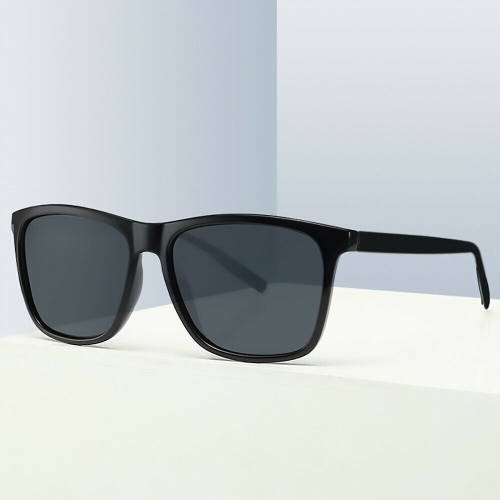
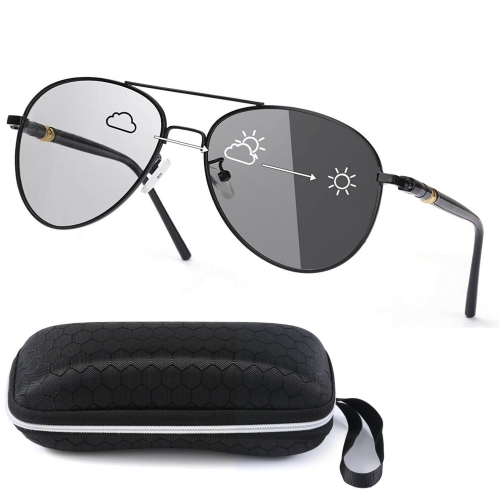
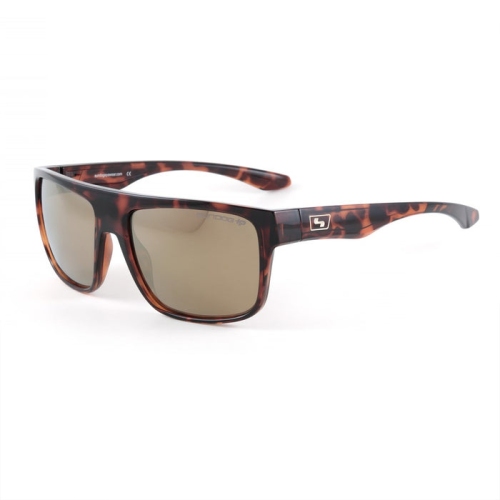
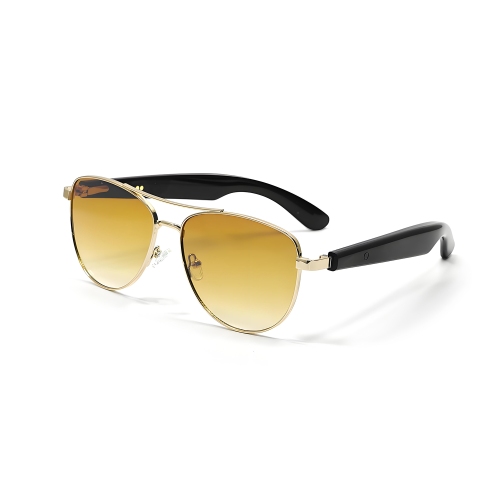
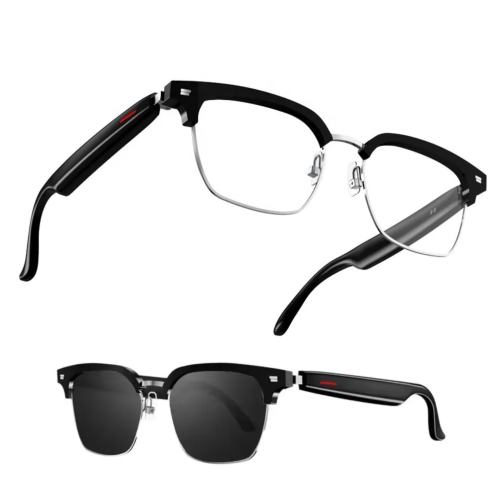
Polarized sunglasses are designed to make bright outdoor settings more comfortable by filtering intense, horizontally reflected glare. Light bouncing off flat surfaces such as water, wet pavement, vehicle hoods, sand, snow, and windows can enter the eyes as a harsh wash that causes squinting and makes details harder to see. A polarized lens helps reduce this reflected glare, which can make the view feel calmer and clearer during a drive, a walk near the shoreline, a day on the boat, or an afternoon spent outdoors. Many people also notice improved contrast and more natural-looking colour in strong daylight, particularly when the sun is low and reflections are most distracting. The difference can be especially noticeable on a long road trip when glare from the pavement continues for hours, or while fishing when sunlight flashes across the surface of the water. Polarized sunglasses can also be useful for commuting, sightseeing, golfing, cycling, hiking, attending outdoor gatherings, and enjoying a patio as the weather warms or during the cooler months when lower-angle sunlight can still be bright. They make a practical gift for someone who spends time behind the wheel, enjoys outdoor recreation, travels frequently, or prefers an accessory that combines everyday style with useful visual comfort. When choosing a pair, consider where it will be worn most often, how securely the frame sits, and whether the lens colour suits the activity. A comfortable fit should rest evenly across the bridge of the nose, stay in place when the wearer looks down, and feel balanced around the ears without creating pressure. Wraparound shapes can help limit stray light from the sides, while more open frame designs may feel lighter for casual use. Lens colours can also affect the viewing experience: grey lenses are often chosen for a neutral appearance in bright conditions, brown or amber tones may enhance contrast, and other tints can offer a distinct look while changing how colours are perceived. The best choice is the one that feels comfortable for extended wear and matches the wearer’s typical surroundings.
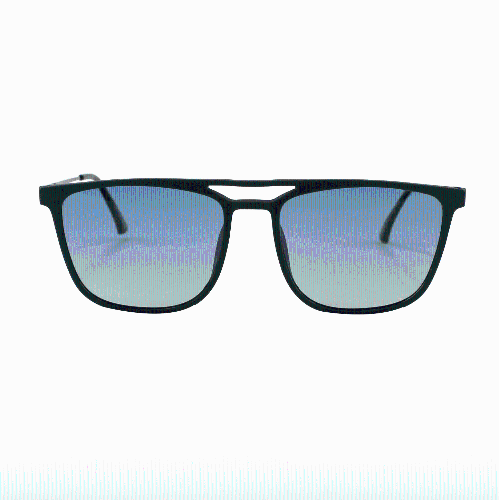
Polarization and ultraviolet protection are separate features, so polarized sunglasses should also offer appropriate UV protection, such as lenses rated to block 100% of UVA and UVB rays or labelled UV400. Polarization reduces reflected glare; it does not, by itself, indicate that the lenses protect against ultraviolet exposure. This distinction matters when selecting eyewear for regular outdoor use, since bright conditions can occur on overcast days as well as sunny ones. It is also worth understanding a few practical limitations before choosing polarized lenses. Because the filter works with the direction of reflected light, it may make some LCD and digital displays more difficult to read, including certain vehicle dashboards, phones, tablets, ticket machines, and ATM screens. Tilting the head or removing the sunglasses briefly may be necessary when checking a display. Polarized lenses can also change how certain surfaces appear. On snow, ice, wet roads, or ski slopes, reduced glare may make some patches of ice or other hazards less obvious, so attention should remain focused on the conditions ahead rather than relying on sunglasses alone. Drivers should take extra care when road surfaces are changing, and anyone skiing, snowboarding, boating, or cycling should use sound judgement for the environment. For children and active adults, durable frames, impact-resistant lenses, and a secure fit can be valuable considerations, particularly when eyewear may be placed on a bench, dropped in a bag, or handled with wet hands. For travel, a protective case and a cleaning cloth help prevent scratches and keep the lenses clear of fingerprints, salt spray, dust, and sunscreen. Avoid wiping lenses with clothing when possible, as rough fibres can carry particles that mark the surface. Rinsing away grit with clean water and using a lens-safe cleaner can help preserve clarity. Those looking for a softer, fashion-forward transition from darker lenses to lighter ones may also wish to browse Gradient Sunglasses, which offer a different lens style for changing light conditions.
The right pair of polarized sunglasses can become one of those small everyday essentials that quietly improves time spent outside. They can take the edge off reflections while driving along a wet road, make a waterfront walk more relaxing, or help reduce the constant squinting that comes with a bright open sky. They are also easy to keep close at hand in a vehicle, backpack, travel case, or entryway, making them a thoughtful present for a parent who drives often, a friend planning a holiday, a student commuting across campus, or an outdoor enthusiast preparing for days on the trail. Consider the intended wearer’s face shape, preferred frame size, usual activities, and personal style rather than selecting based on appearance alone. Someone who spends long periods outdoors may appreciate a secure, lightweight frame and full UV protection, while a casual wearer may prioritize versatile styling and a comfortable fit with everyday clothing. Polarized sunglasses should feel natural to wear, with clear lenses, even frame alignment, and no distracting pressure points. Keeping a backup pair can also be useful for travel or for days when sunglasses are left in another bag. During bright summer conditions, reflected light from water and pavement can be intense, while during the cooler months, low sun and pale surfaces can continue to create glare. Choosing eyewear with polarization, reliable UV protection, suitable coverage, and a fit that remains comfortable over time helps make outdoor viewing more pleasant across changing conditions.
Polarization and ultraviolet protection are separate features, so polarized sunglasses should also offer appropriate UV protection, such as lenses rated to block 100% of UVA and UVB rays or labelled UV400. Polarization reduces reflected glare; it does not, by itself, indicate that the lenses protect against ultraviolet exposure. This distinction matters when selecting eyewear for regular outdoor use, since bright conditions can occur on overcast days as well as sunny ones. It is also worth understanding a few practical limitations before choosing polarized lenses. Because the filter works with the direction of reflected light, it may make some LCD and digital displays more difficult to read, including certain vehicle dashboards, phones, tablets, ticket machines, and ATM screens. Tilting the head or removing the sunglasses briefly may be necessary when checking a display. Polarized lenses can also change how certain surfaces appear. On snow, ice, wet roads, or ski slopes, reduced glare may make some patches of ice or other hazards less obvious, so attention should remain focused on the conditions ahead rather than relying on sunglasses alone. Drivers should take extra care when road surfaces are changing, and anyone skiing, snowboarding, boating, or cycling should use sound judgement for the environment. For children and active adults, durable frames, impact-resistant lenses, and a secure fit can be valuable considerations, particularly when eyewear may be placed on a bench, dropped in a bag, or handled with wet hands. For travel, a protective case and a cleaning cloth help prevent scratches and keep the lenses clear of fingerprints, salt spray, dust, and sunscreen. Avoid wiping lenses with clothing when possible, as rough fibres can carry particles that mark the surface. Rinsing away grit with clean water and using a lens-safe cleaner can help preserve clarity. Those looking for a softer, fashion-forward transition from darker lenses to lighter ones may also wish to browse Gradient Sunglasses, which offer a different lens style for changing light conditions.
The right pair of polarized sunglasses can become one of those small everyday essentials that quietly improves time spent outside. They can take the edge off reflections while driving along a wet road, make a waterfront walk more relaxing, or help reduce the constant squinting that comes with a bright open sky. They are also easy to keep close at hand in a vehicle, backpack, travel case, or entryway, making them a thoughtful present for a parent who drives often, a friend planning a holiday, a student commuting across campus, or an outdoor enthusiast preparing for days on the trail. Consider the intended wearer’s face shape, preferred frame size, usual activities, and personal style rather than selecting based on appearance alone. Someone who spends long periods outdoors may appreciate a secure, lightweight frame and full UV protection, while a casual wearer may prioritize versatile styling and a comfortable fit with everyday clothing. Polarized sunglasses should feel natural to wear, with clear lenses, even frame alignment, and no distracting pressure points. Keeping a backup pair can also be useful for travel or for days when sunglasses are left in another bag. During bright summer conditions, reflected light from water and pavement can be intense, while during the cooler months, low sun and pale surfaces can continue to create glare. Choosing eyewear with polarization, reliable UV protection, suitable coverage, and a fit that remains comfortable over time helps make outdoor viewing more pleasant across changing conditions.
Top selling and popular products
-
 Your price for this item is $120
 -
 Your price for this item is $120
 -
 Your price for this item is $299
 -
 Your price for this item is $305
 -
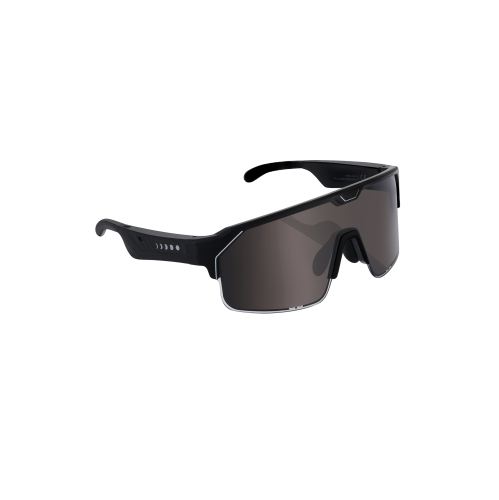 Your price for this item is $305
 -
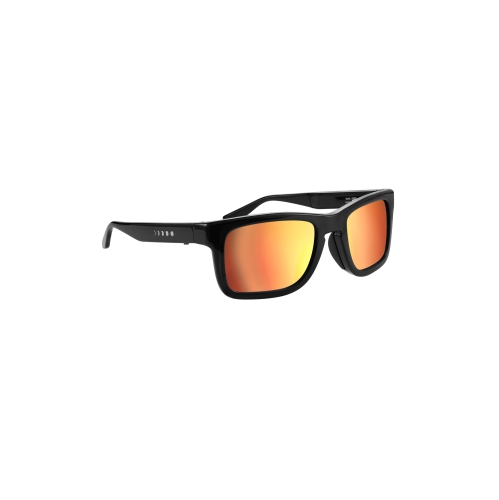 Your price for this item is $242
 -
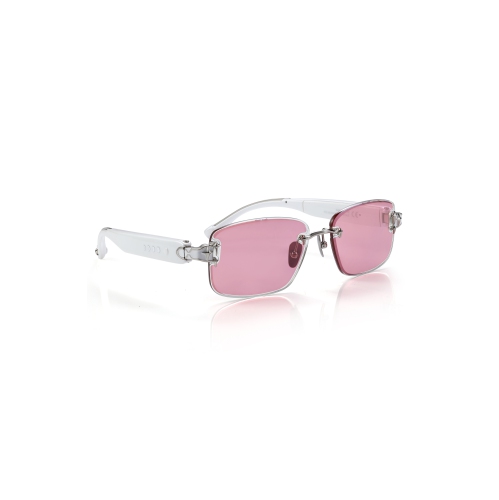 Your price for this item is $449.1
 -
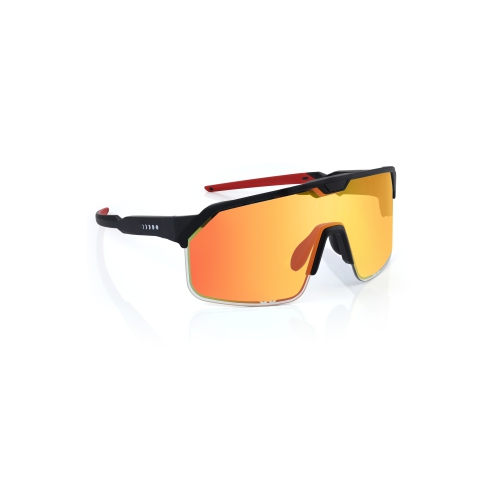 Your price for this item is $242.1
Discover more categories related to Polarized Sunglasses
Top Collections:
Pokemon Centers, Best Cameras for Sports Photography, Kindle Devices, Samsung Galaxy Phones, Canon G7X Cameras, Pokémon 30th Celebration Cards, Refurbished Apple Laptops, iPhone 15 Apple, Laptops for Students, Budget Smartphones
Some products may be subject to Environmental Handling Fees
(EHF) depending on your province.
Learn more about EHFs.