Three Drawer Vertical File Cabinets
A three-drawer vertical file cabinet is a great way to keep your important papers organized. It has enough storage space for all your important documents and files, and it's easy to access them when you need them. Here are some of the best three-drawer vertical file cabinets available today.
Sort
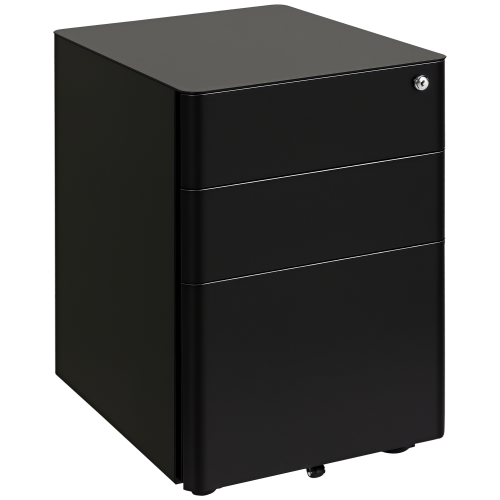
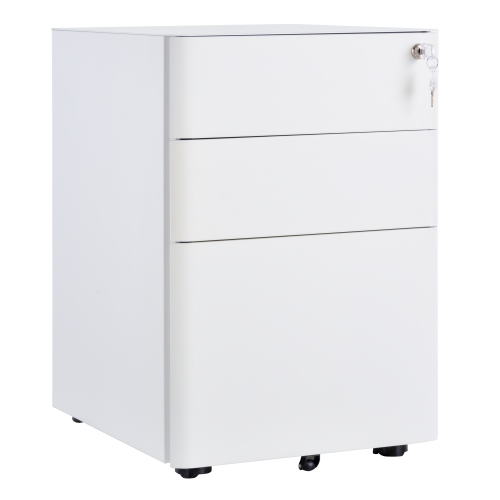
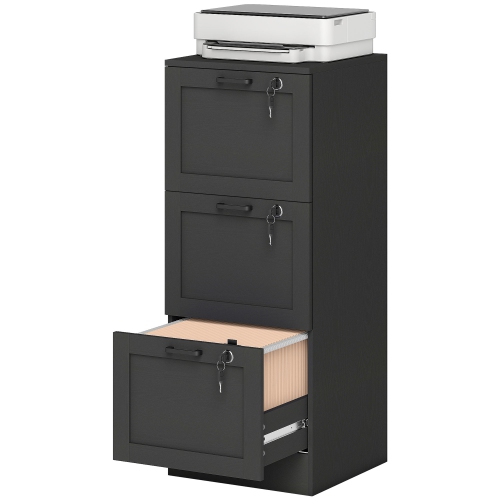
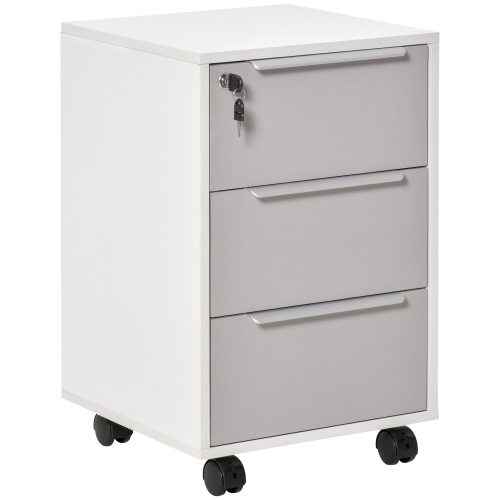
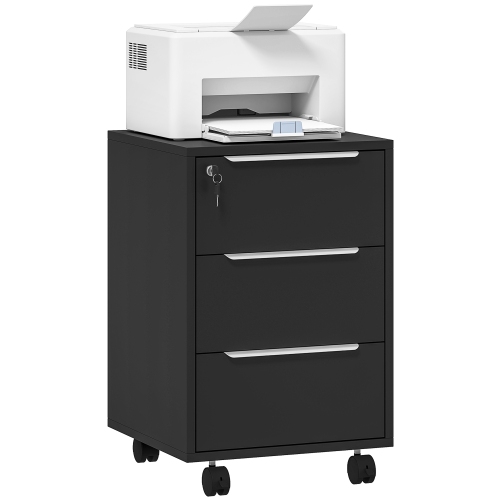
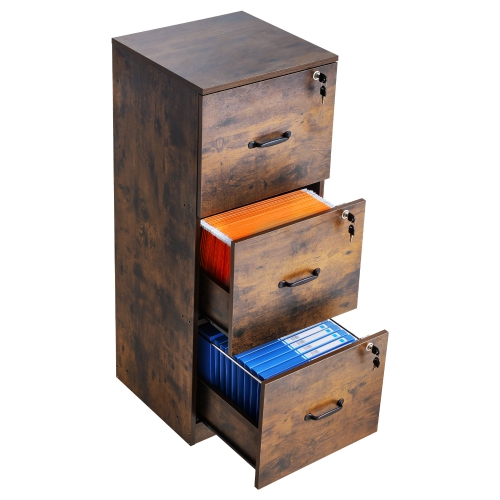
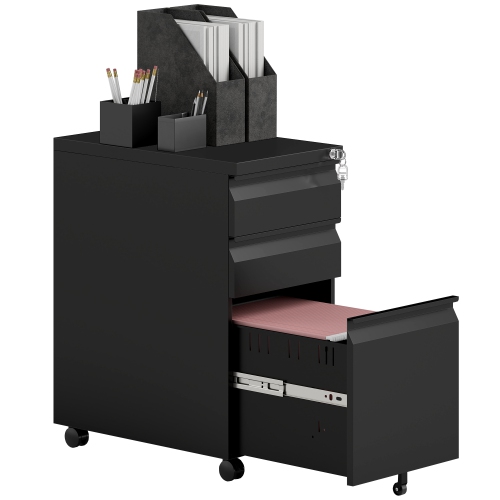
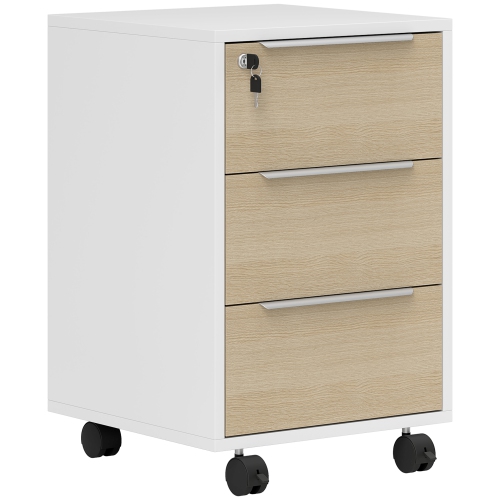
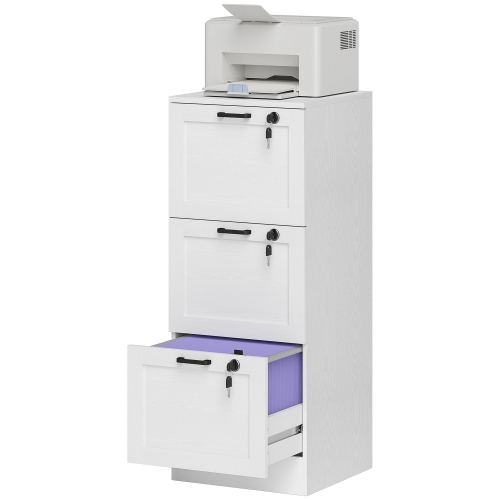
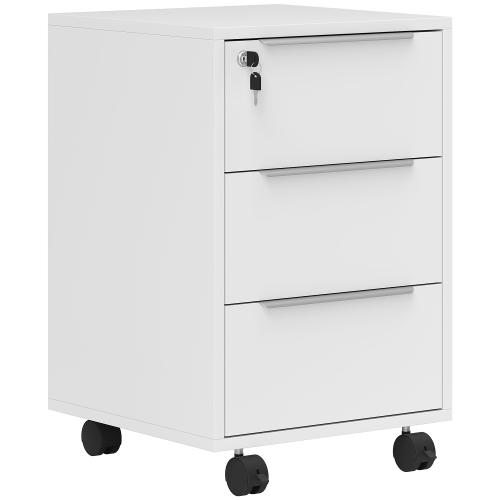
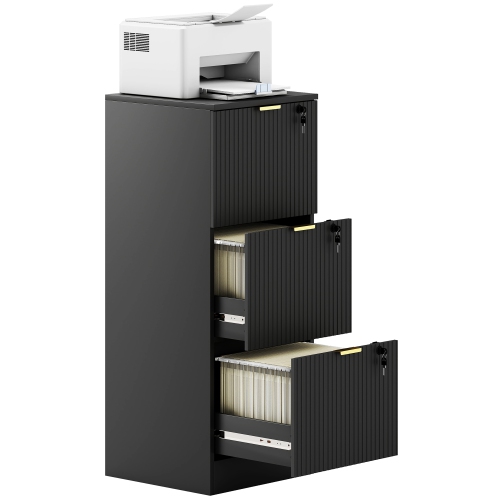
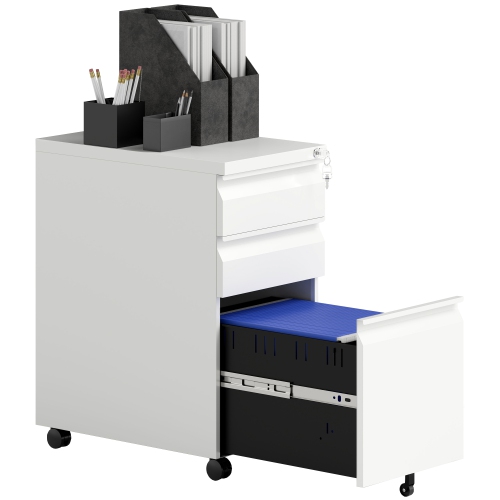
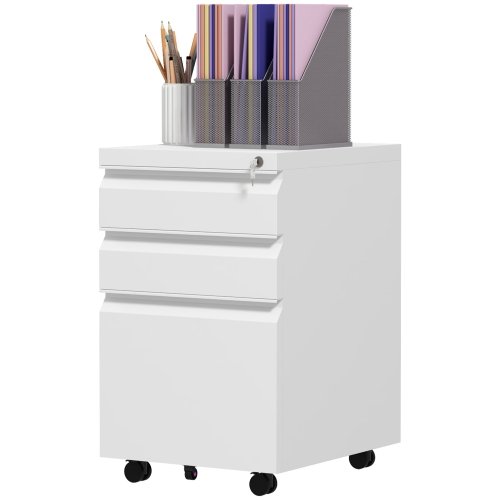
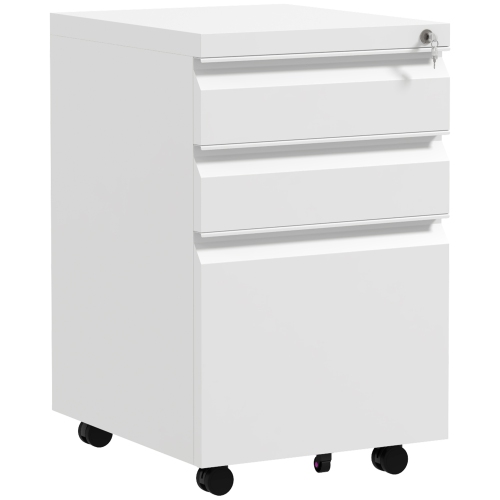
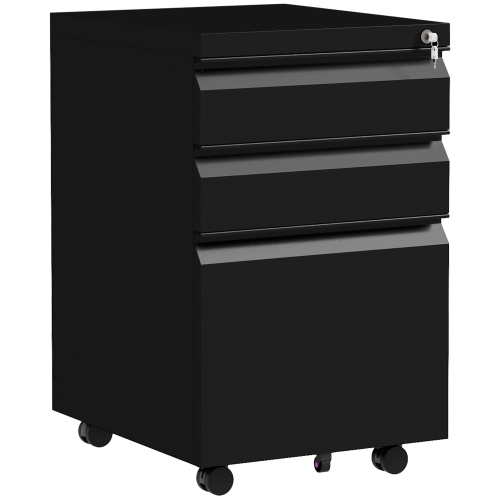
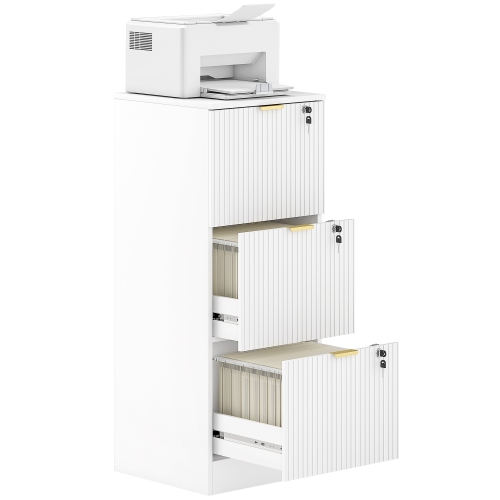
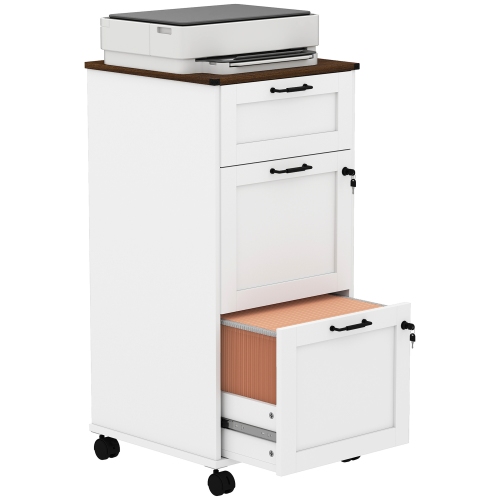
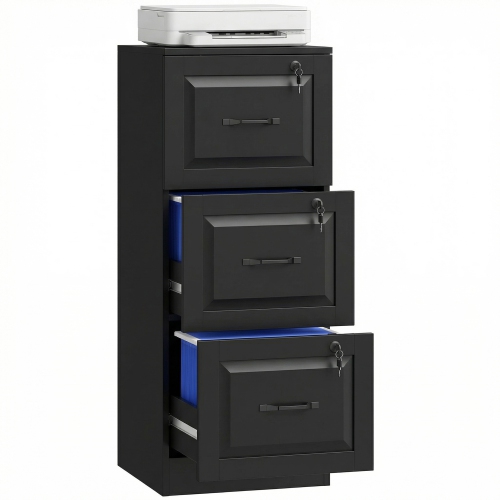


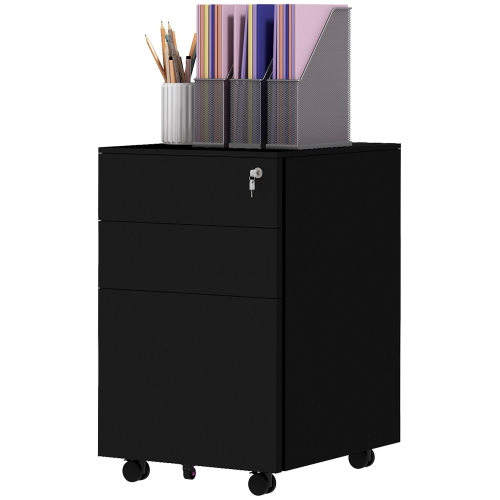
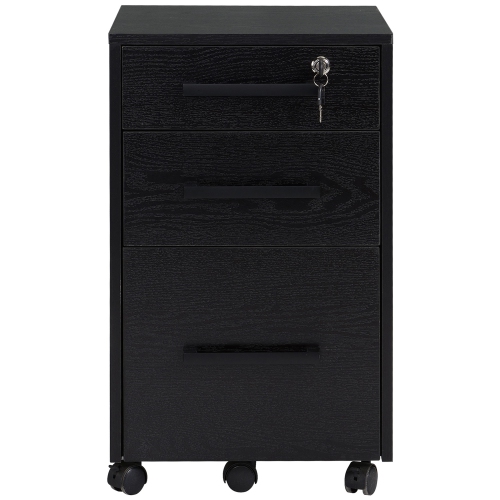
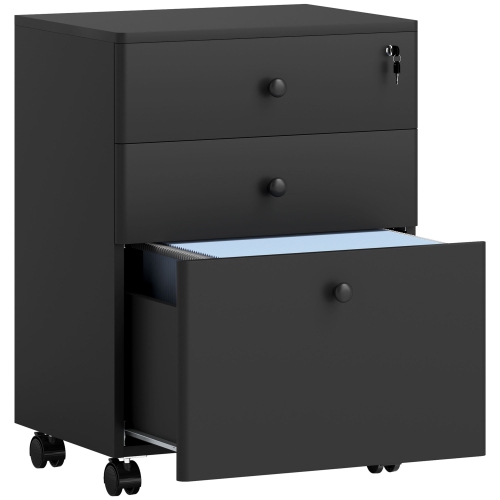
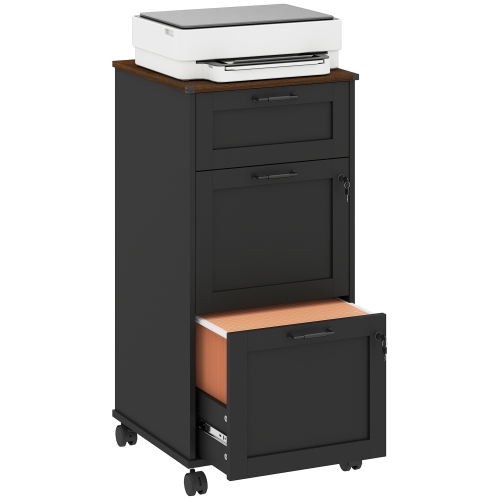
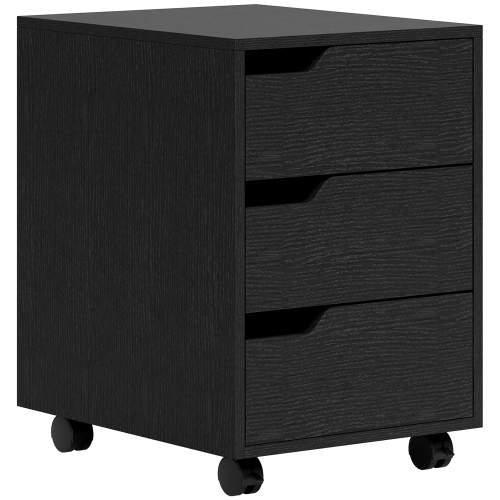
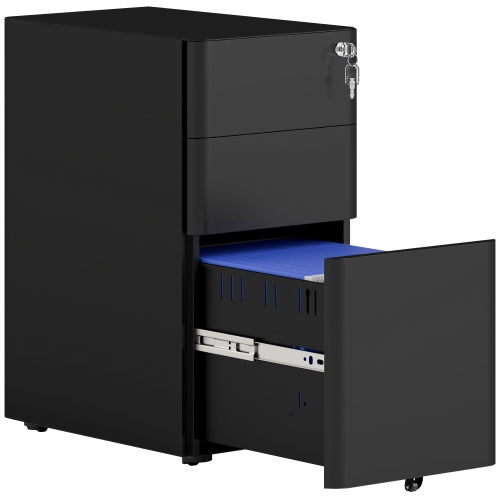
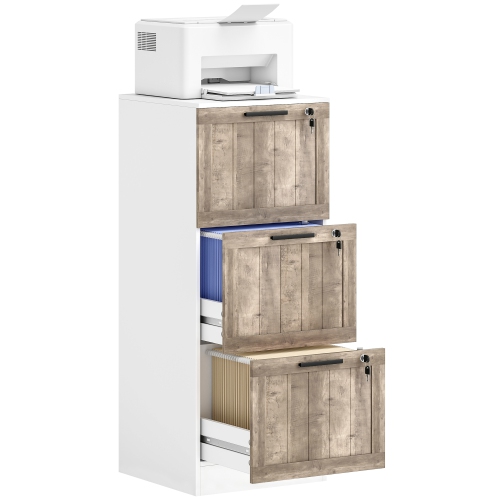
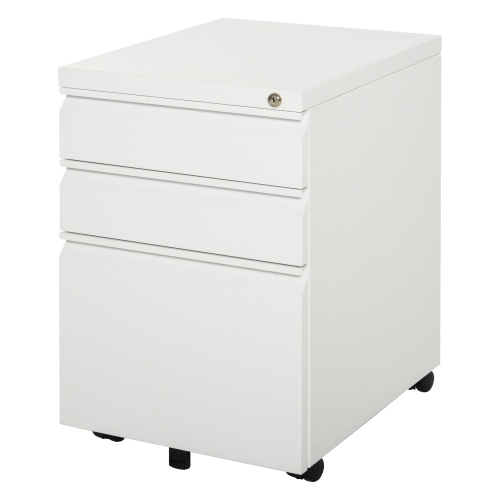
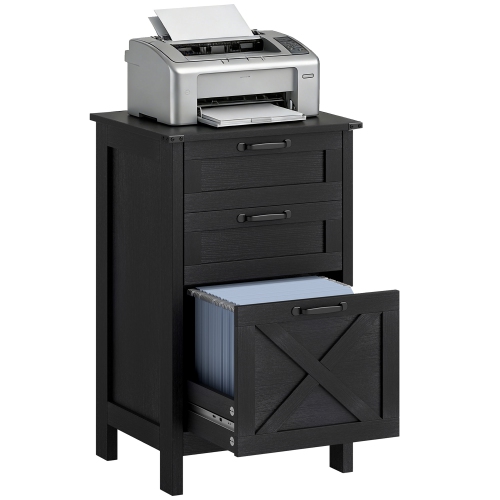
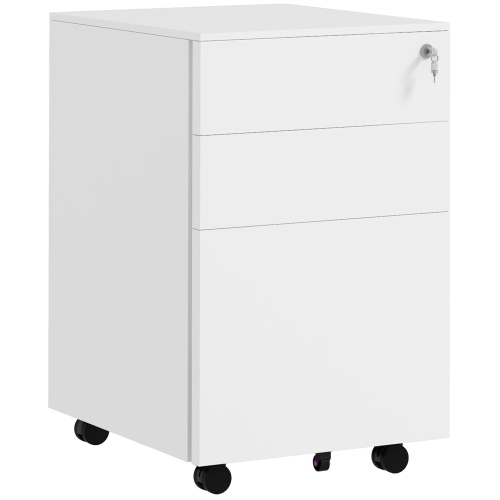
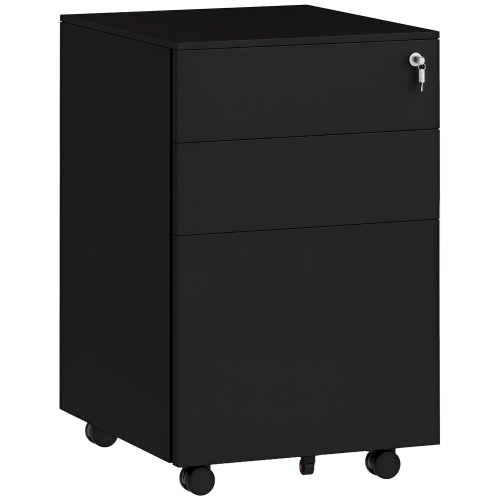
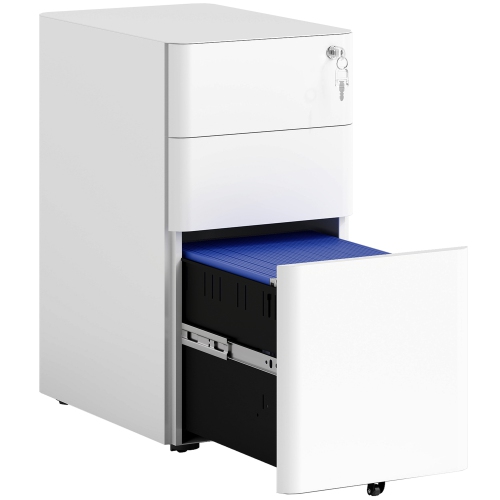

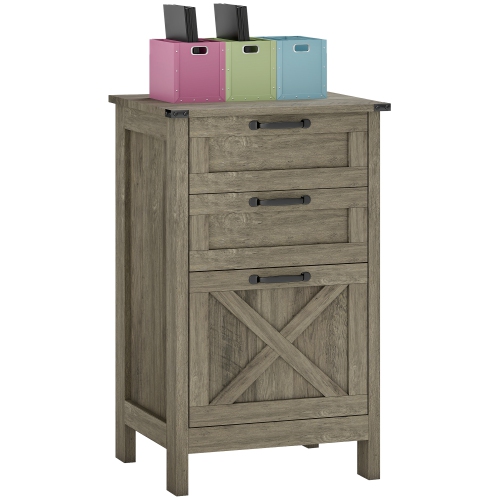
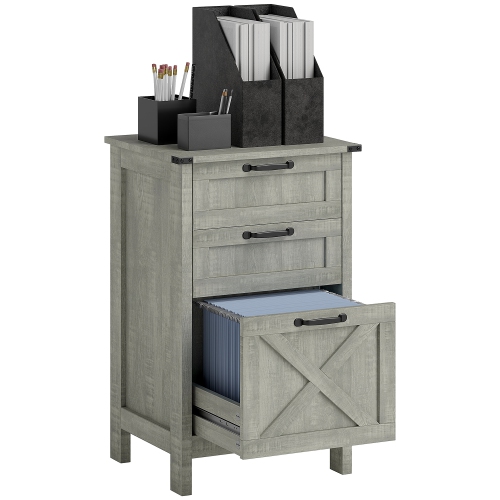
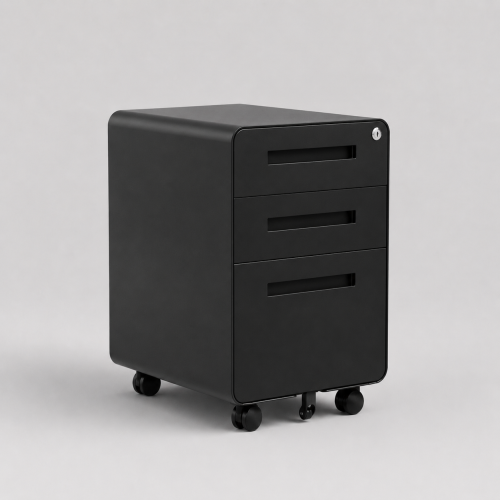
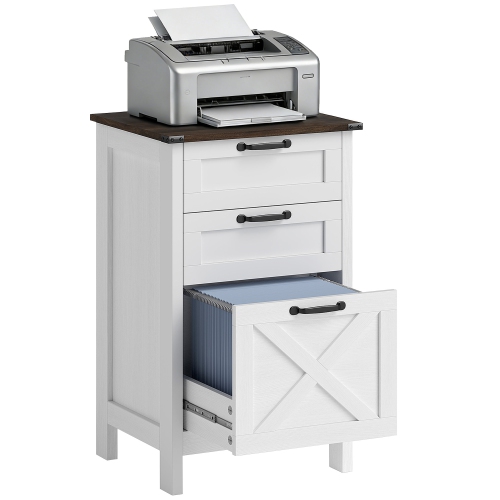
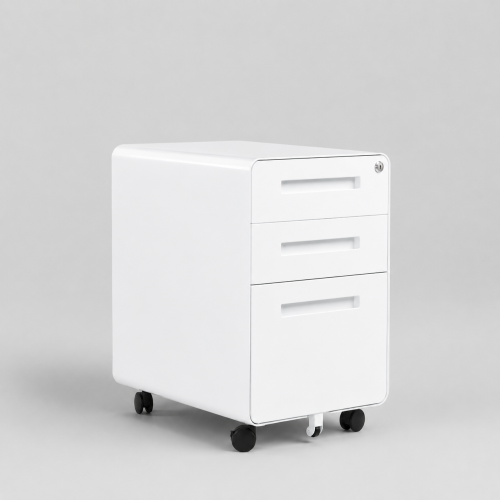
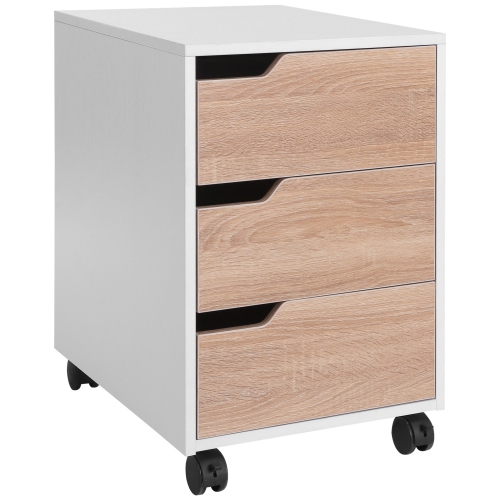
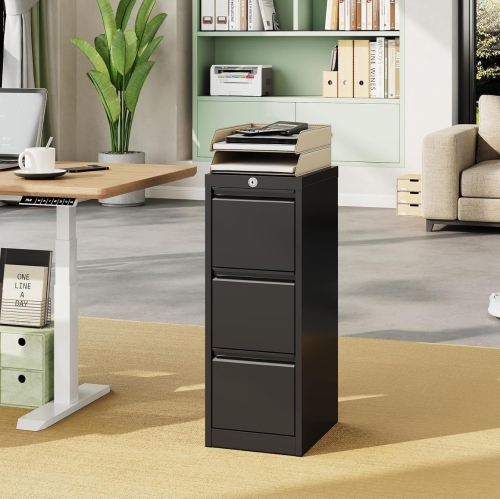
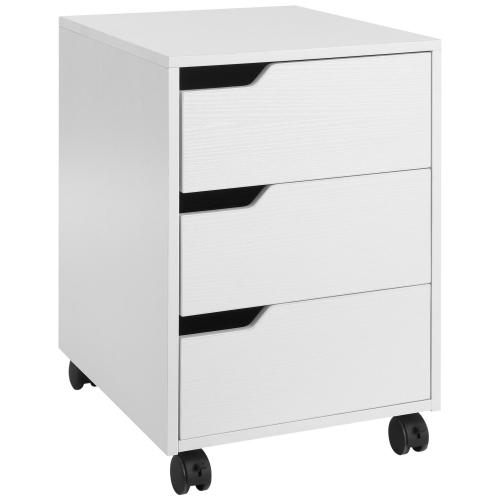
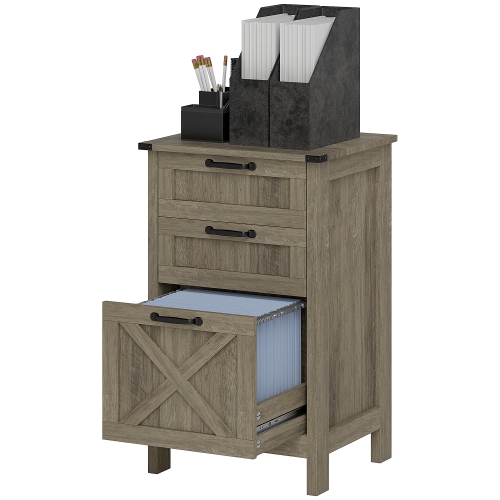
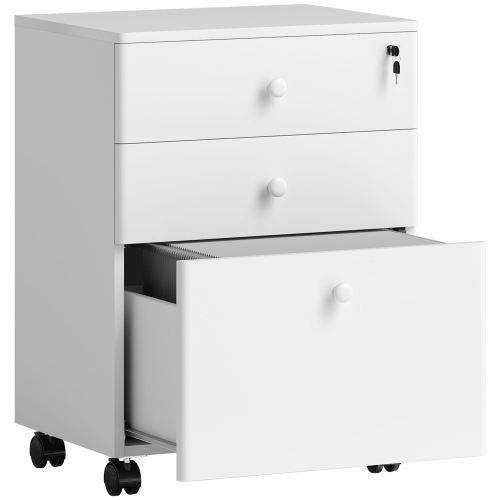
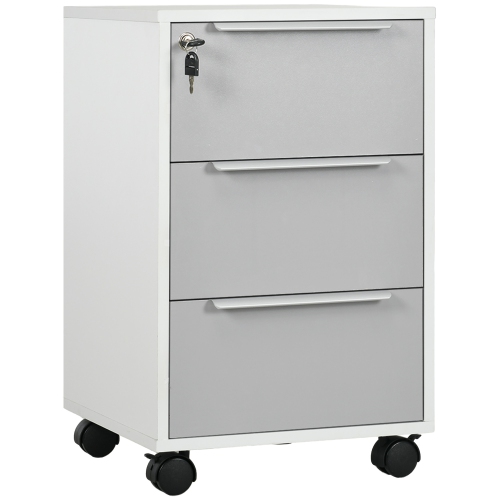
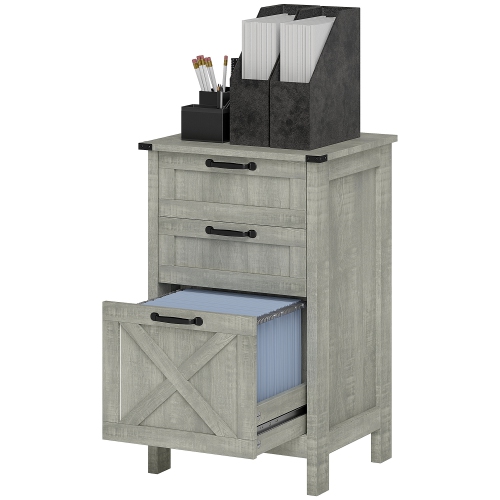
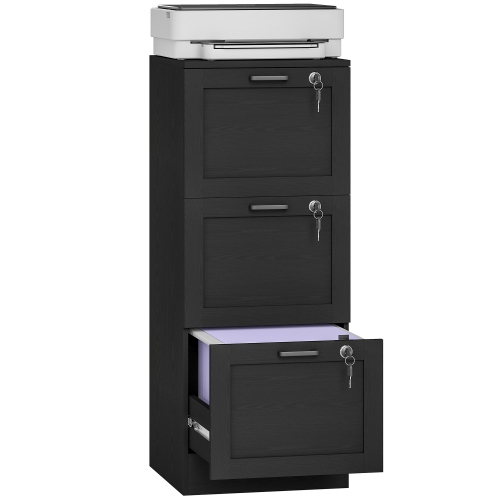
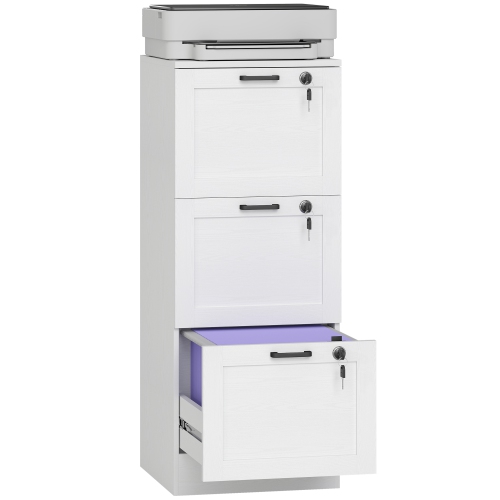
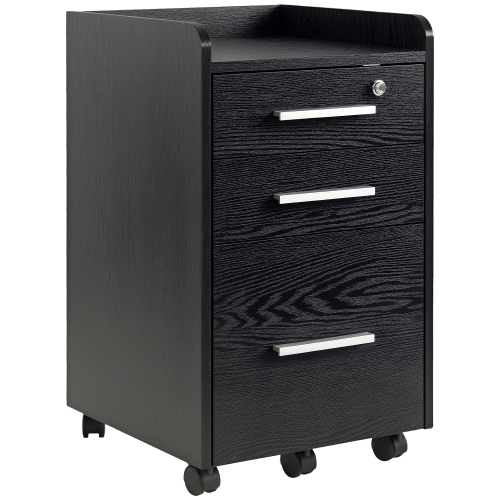
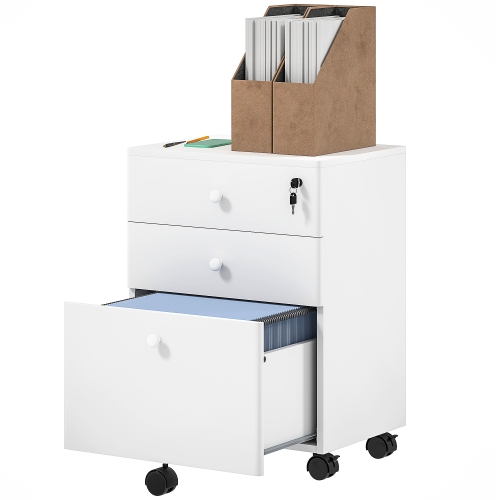
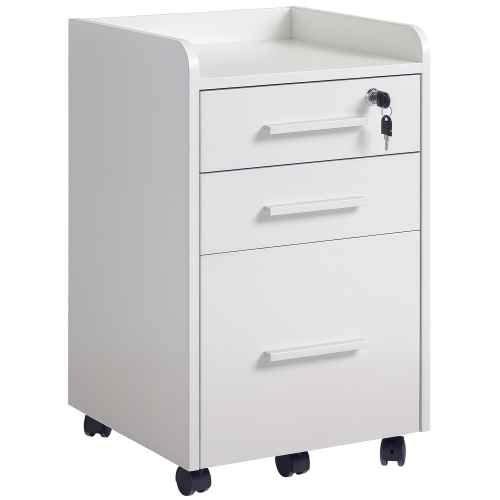
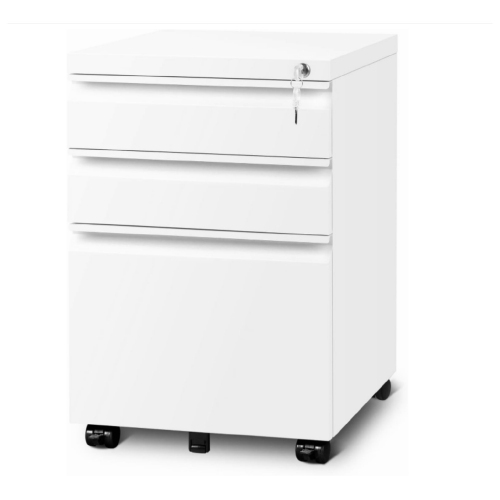
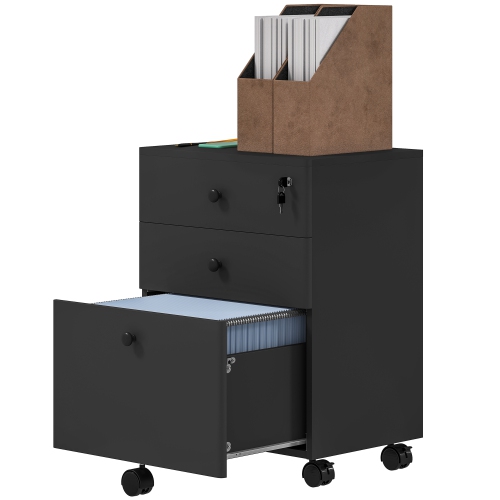
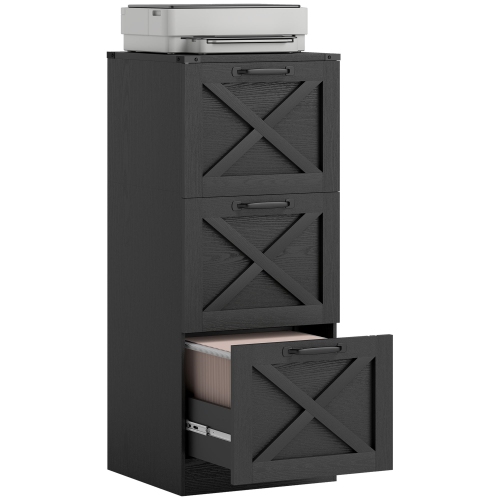
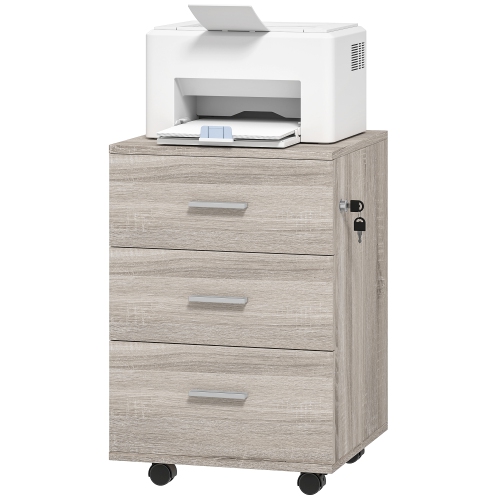
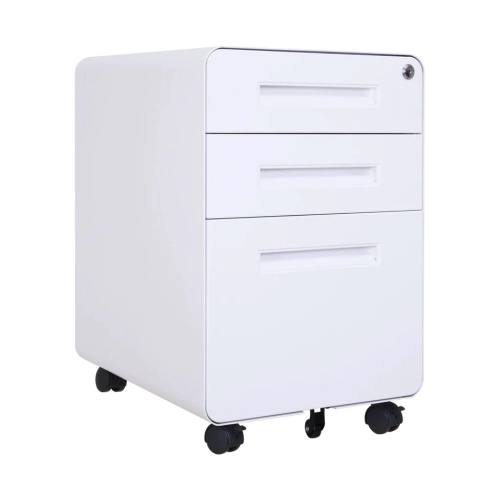
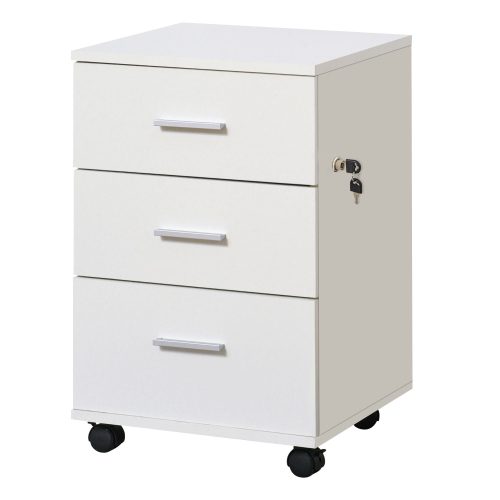

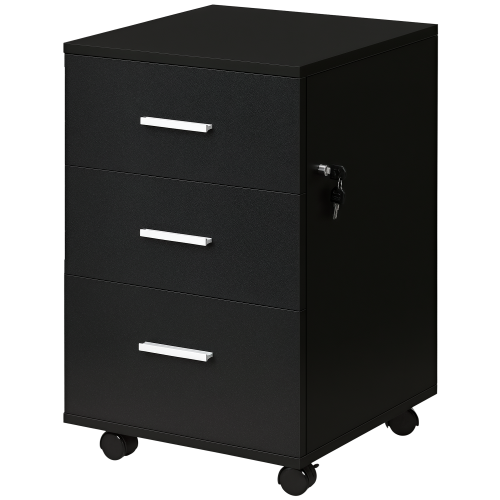
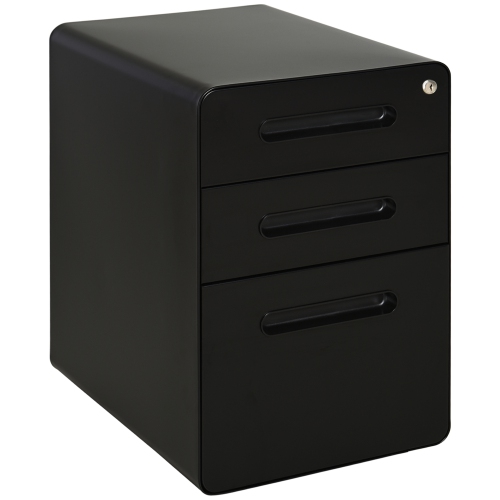
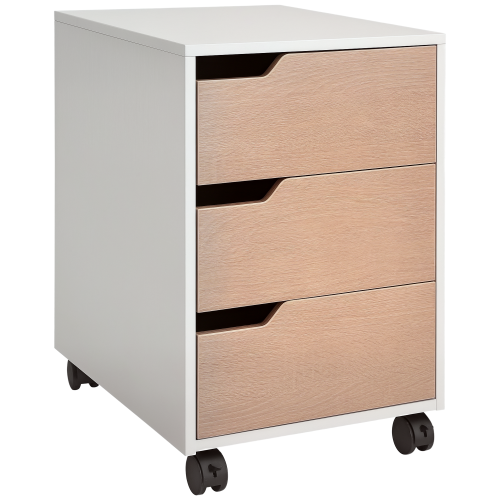
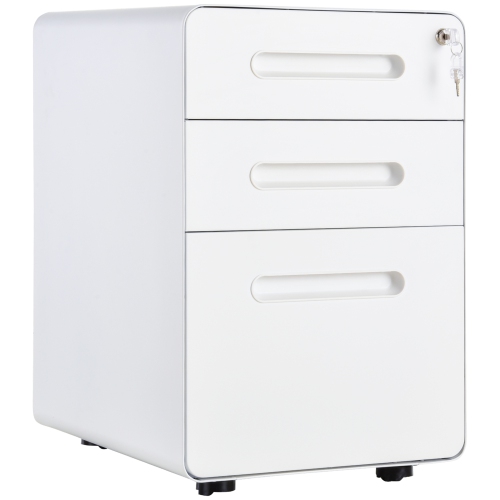
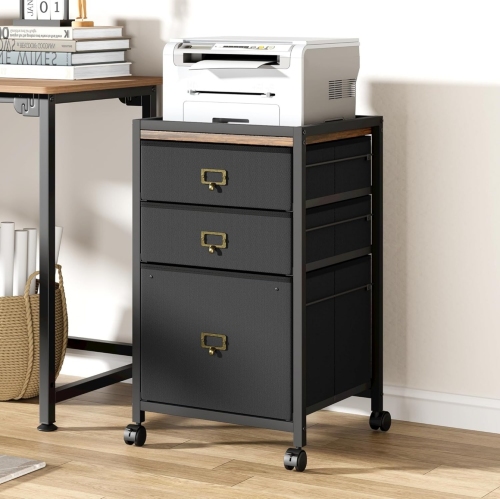
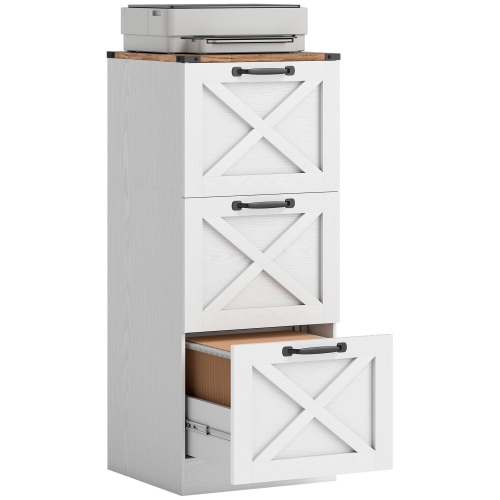
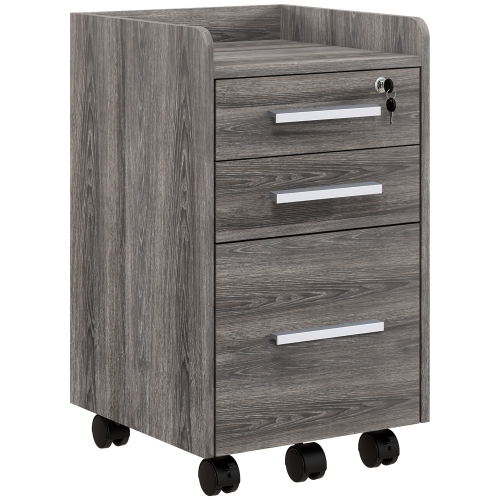
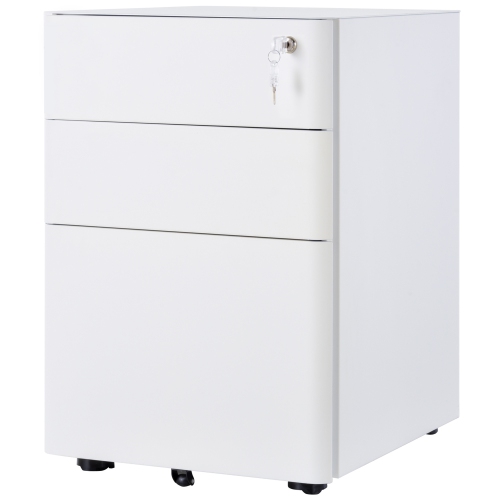
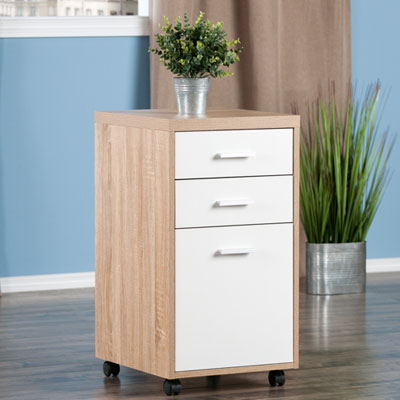
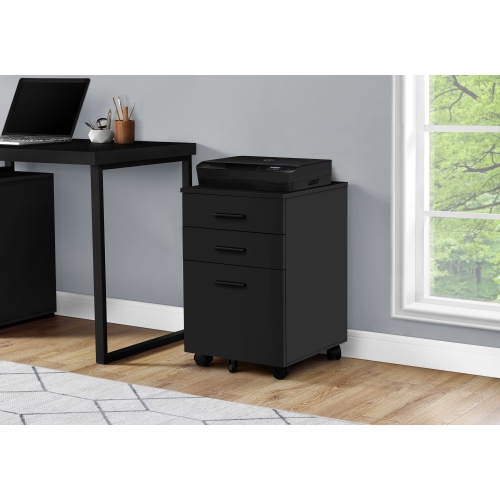
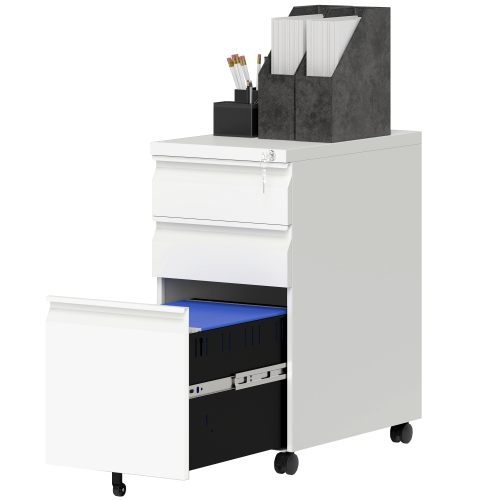
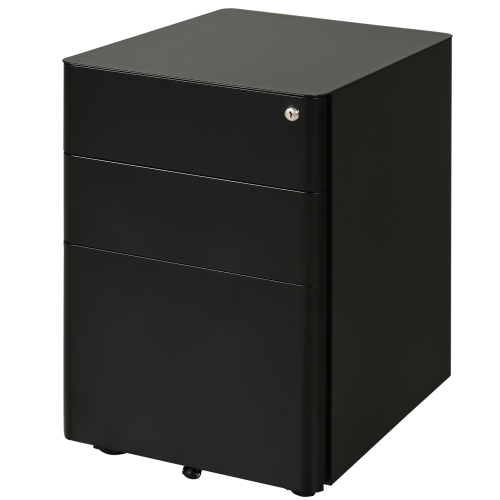
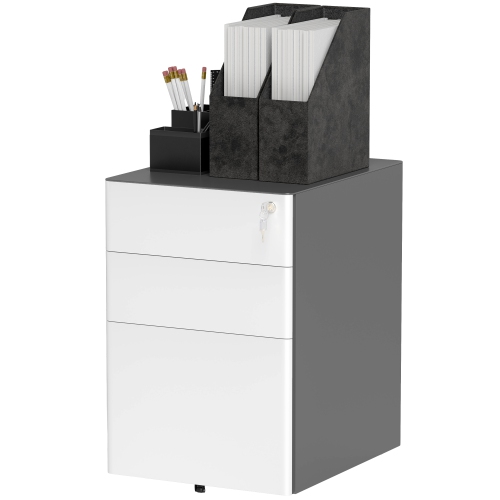
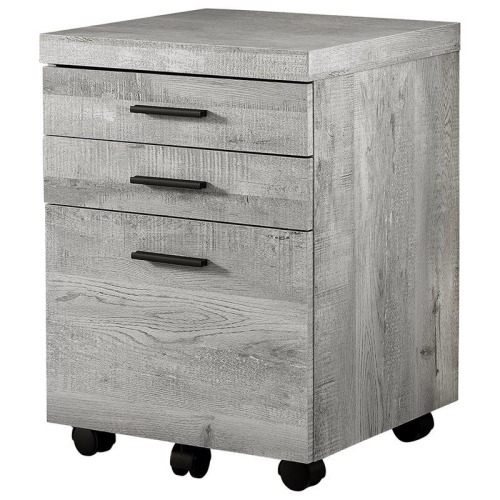
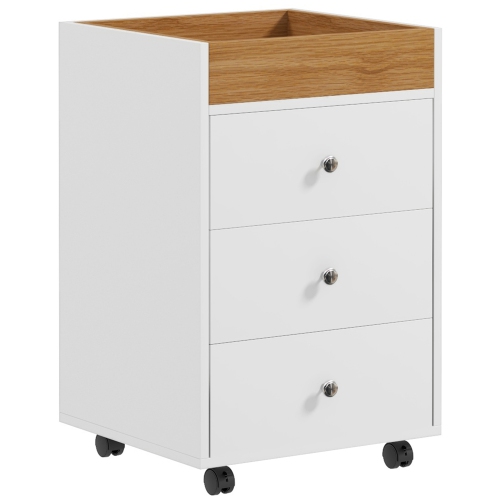
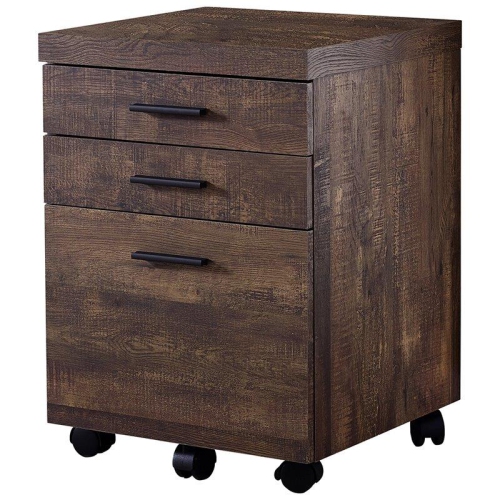
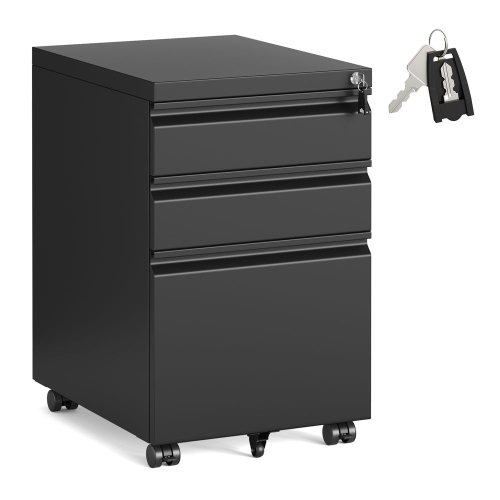
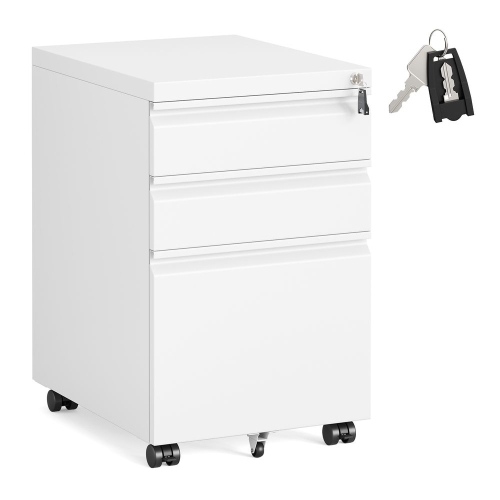
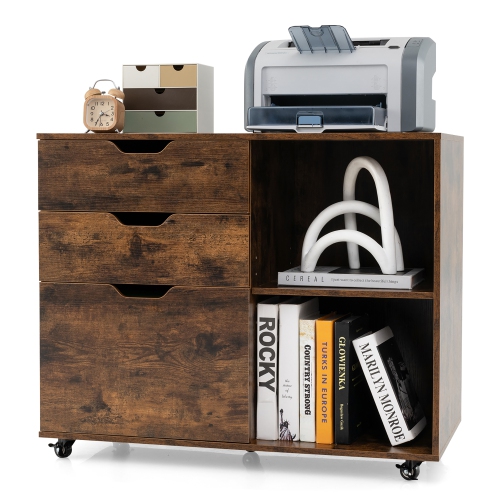
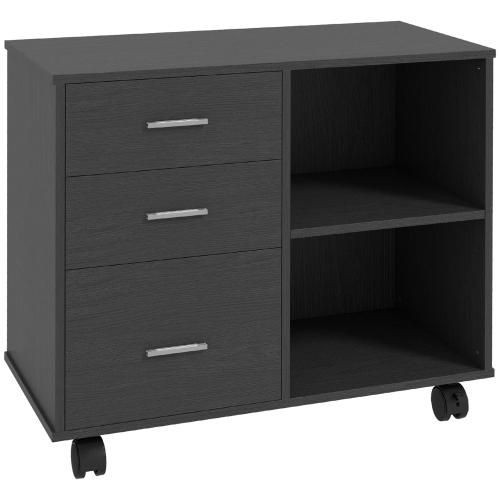
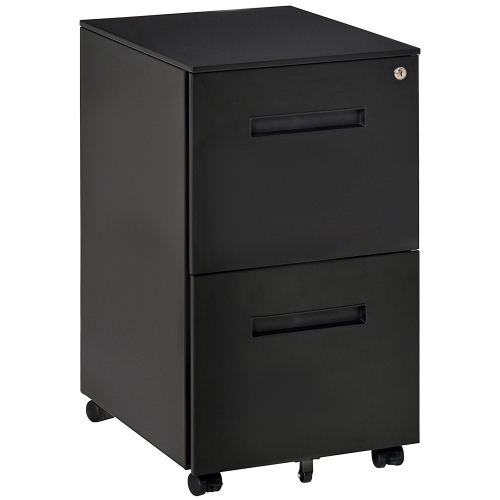

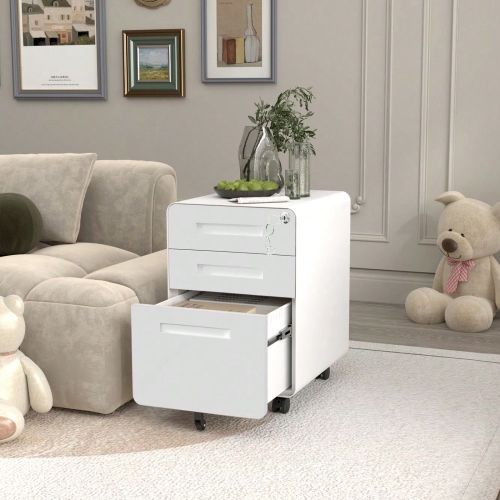
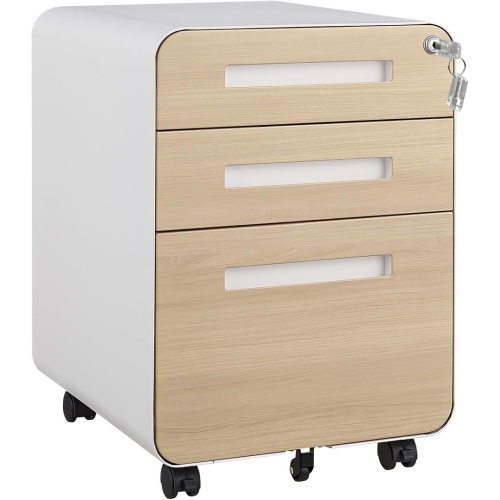
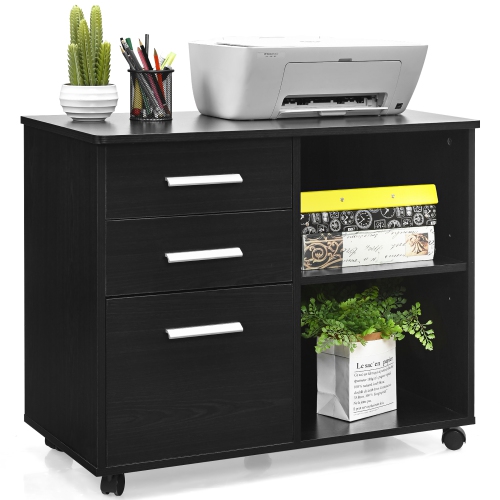
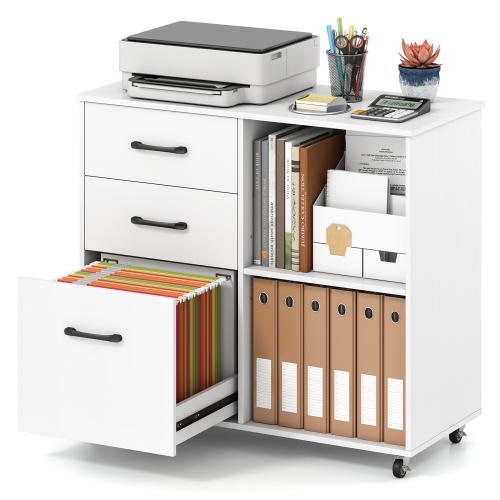
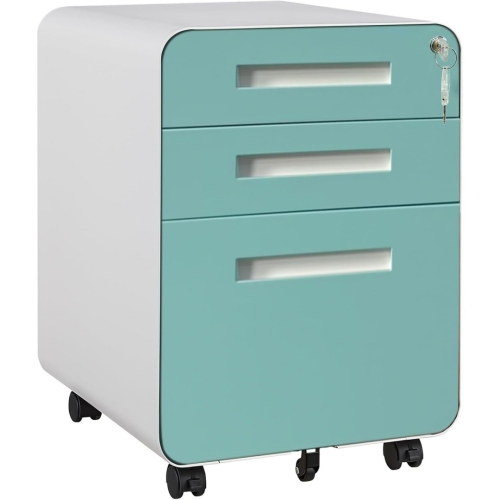
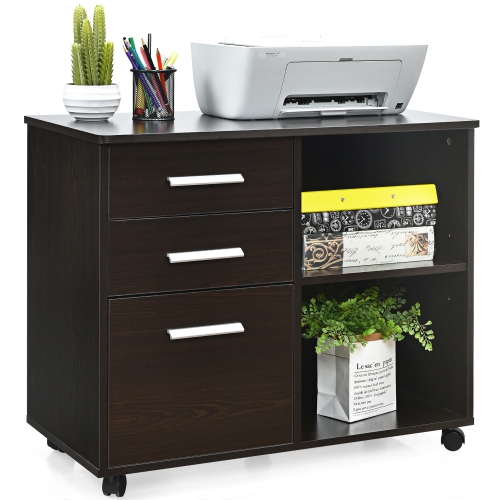
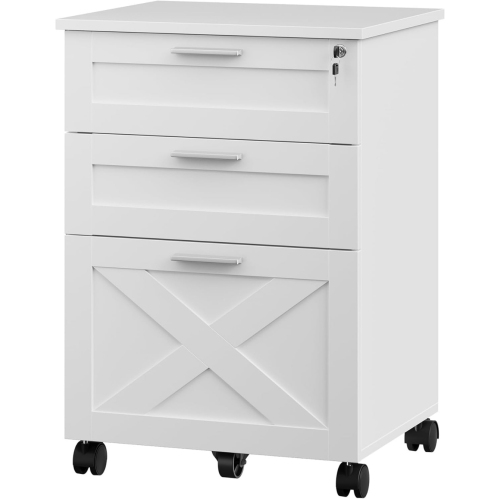
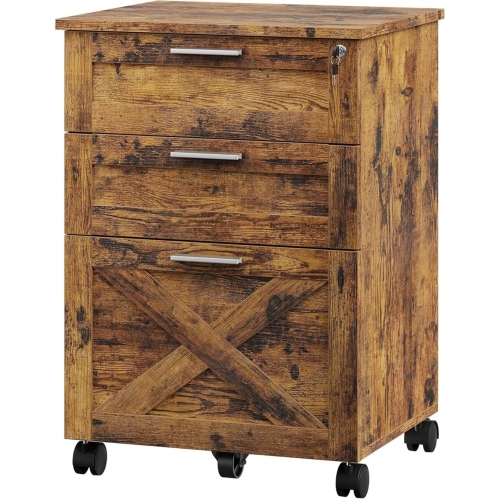
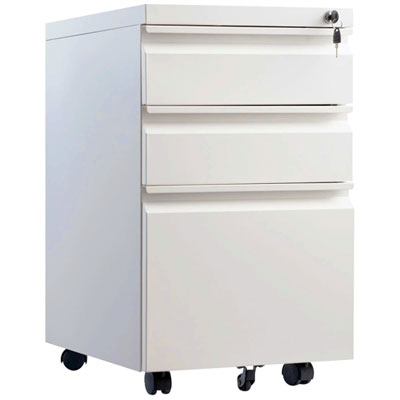
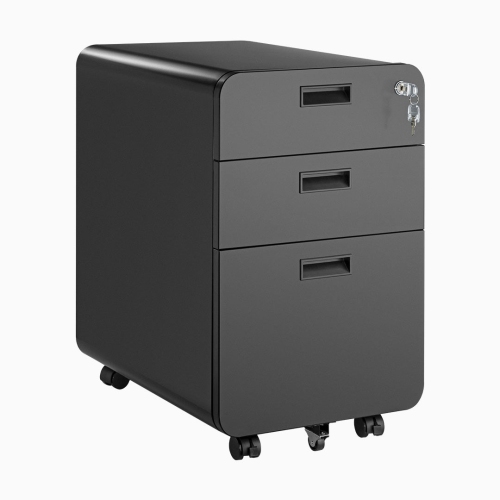
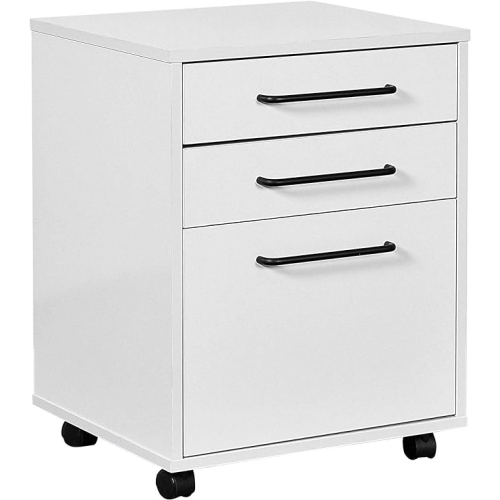

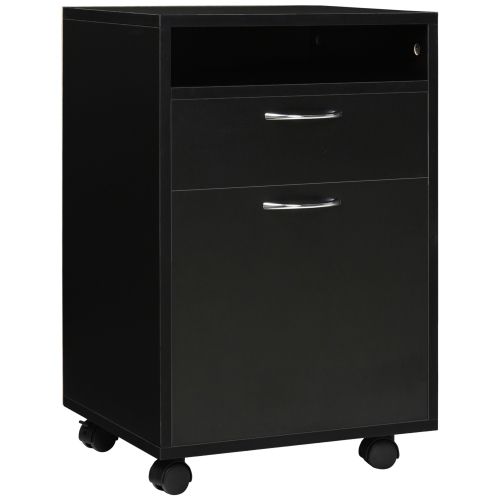
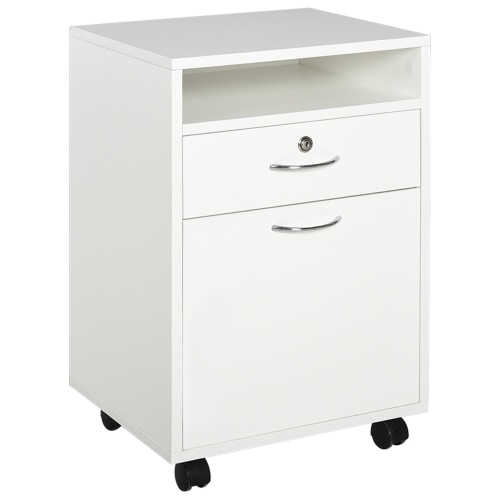
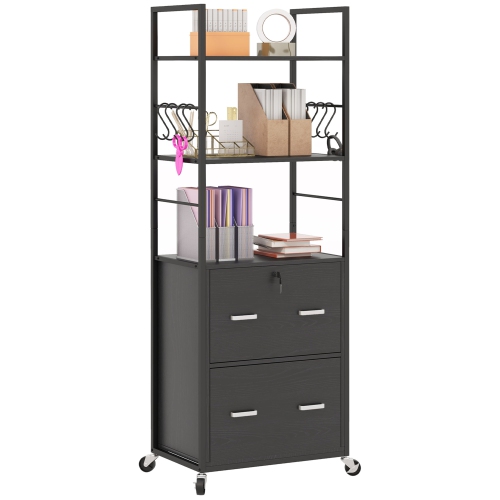
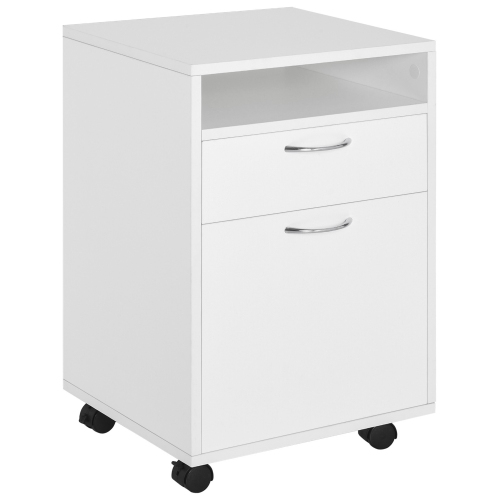
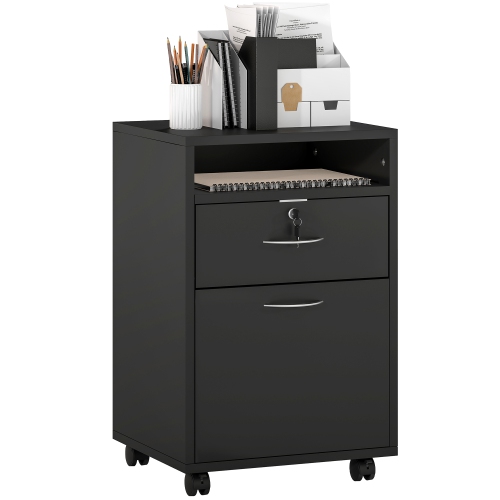
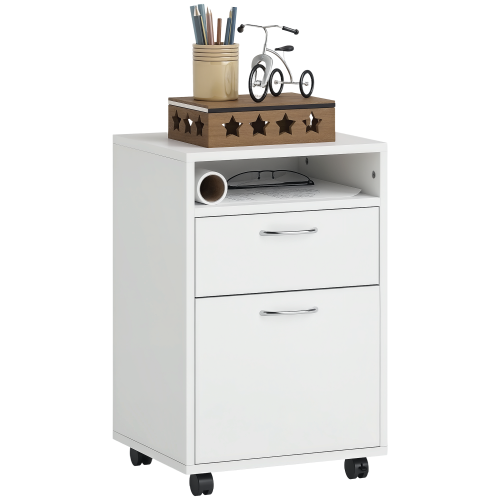
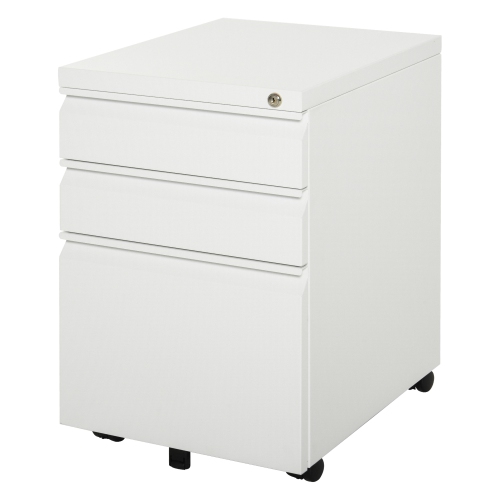
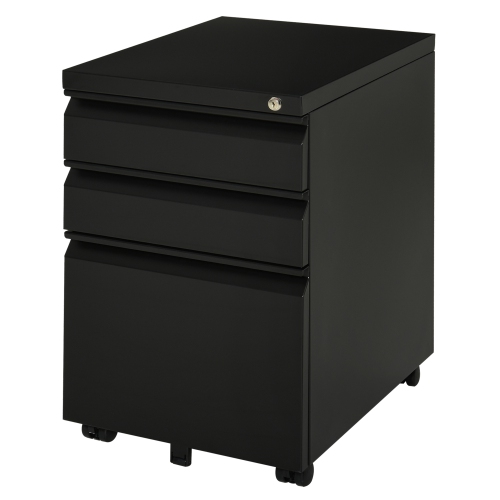
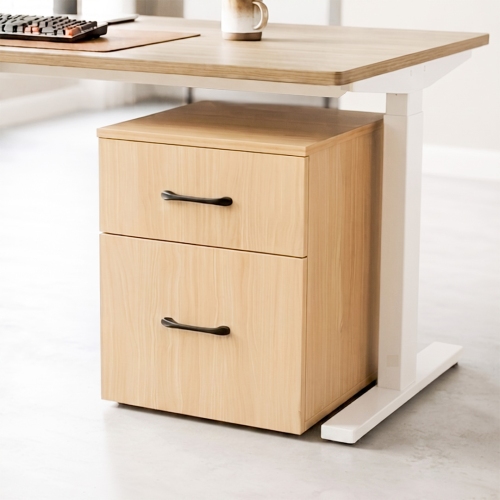
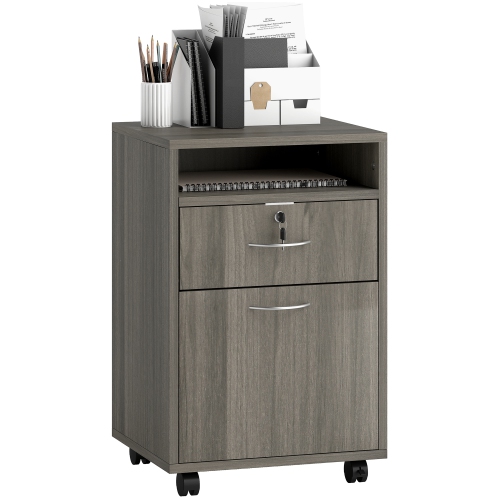
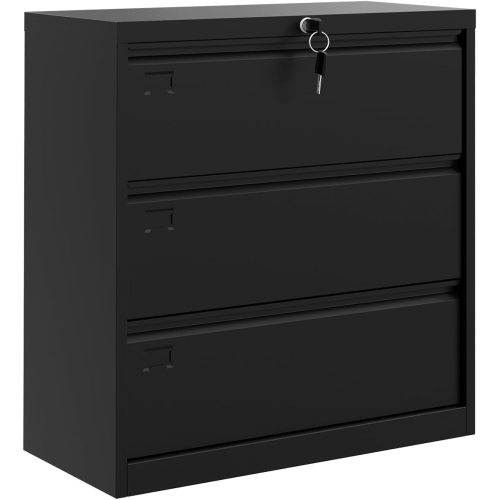
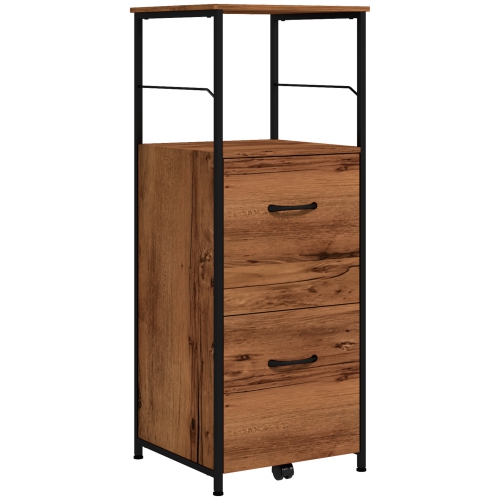
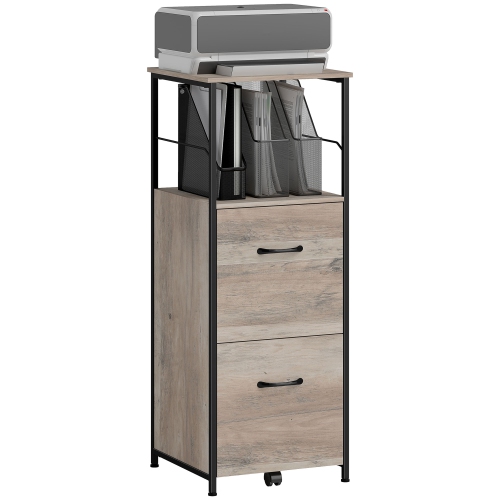
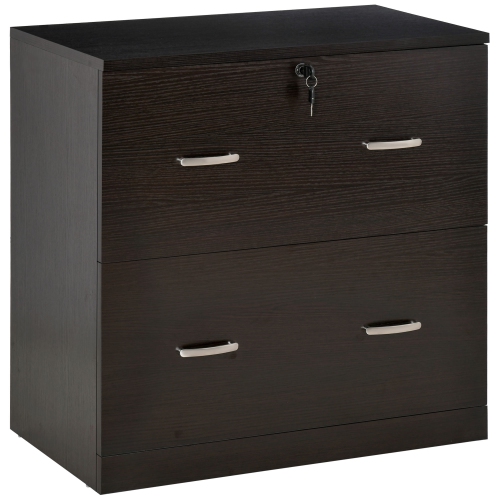
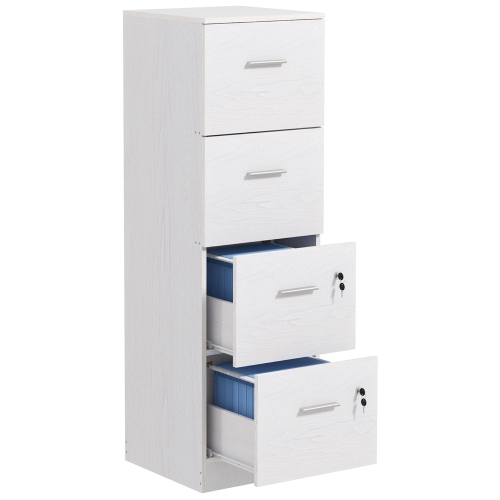

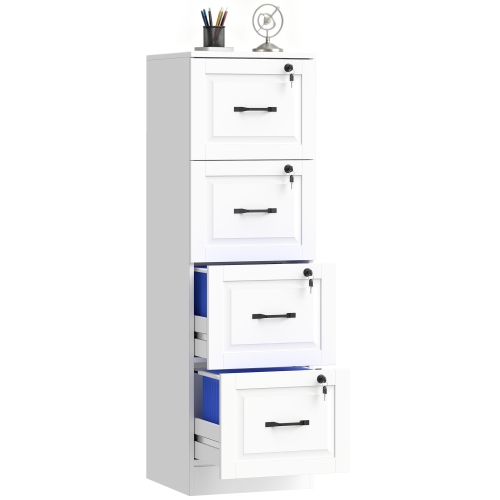
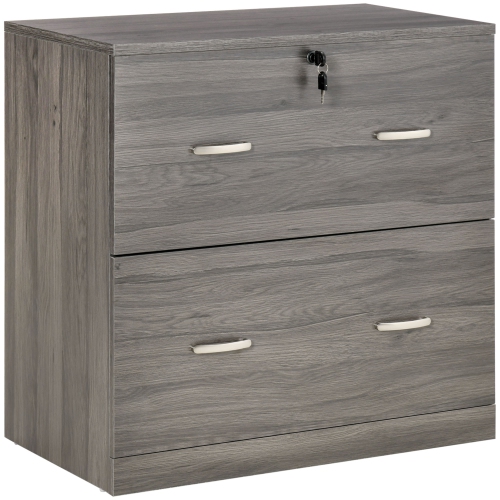
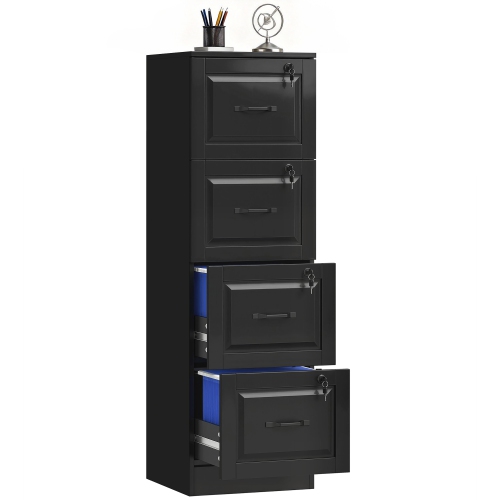
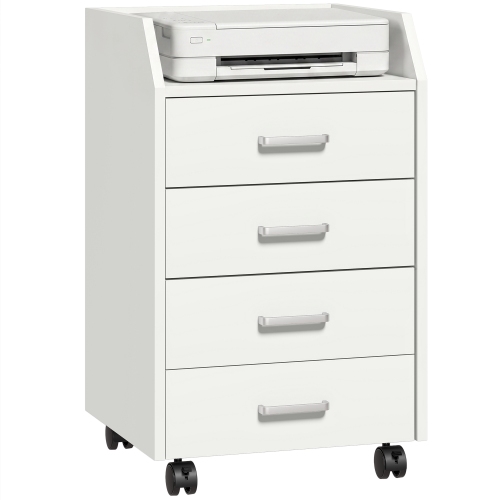

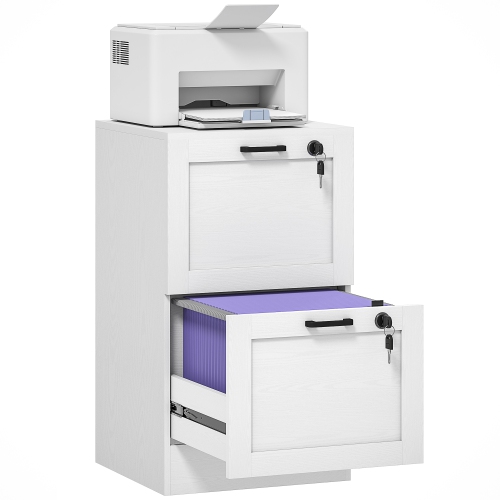
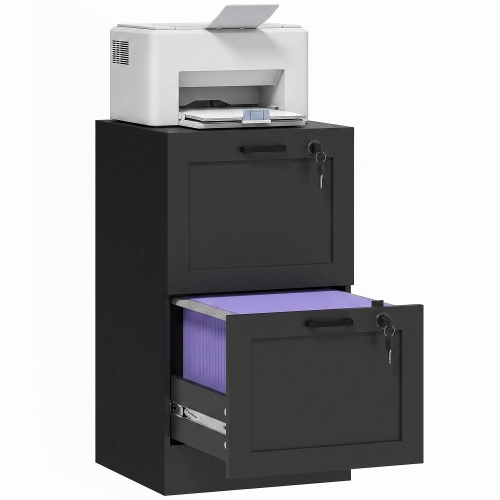
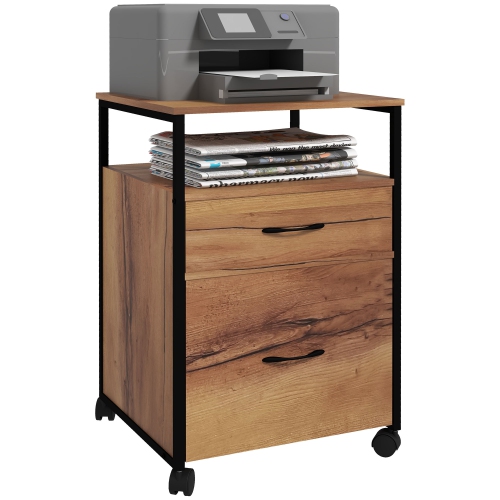
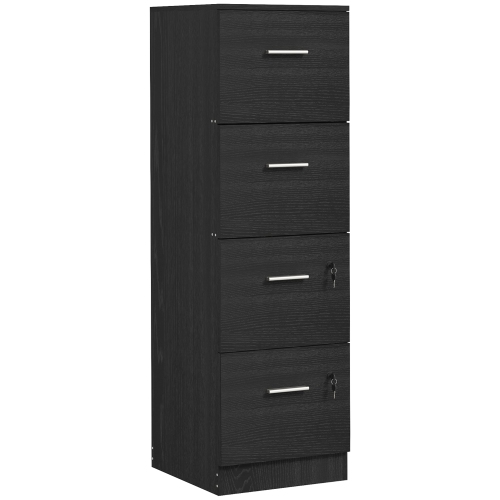
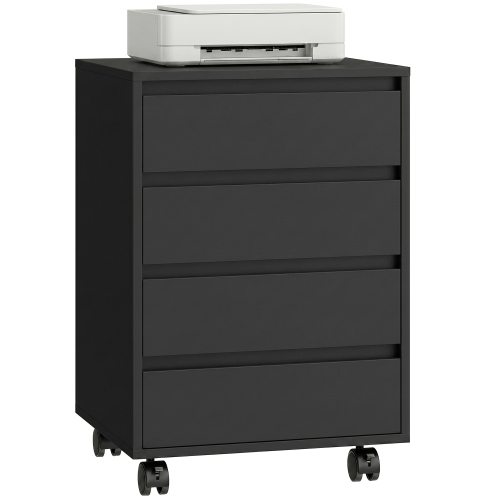
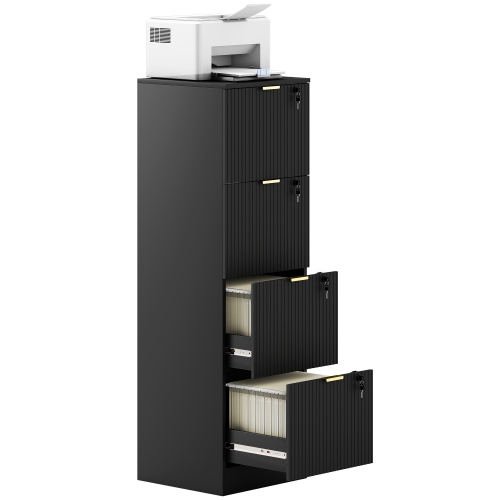
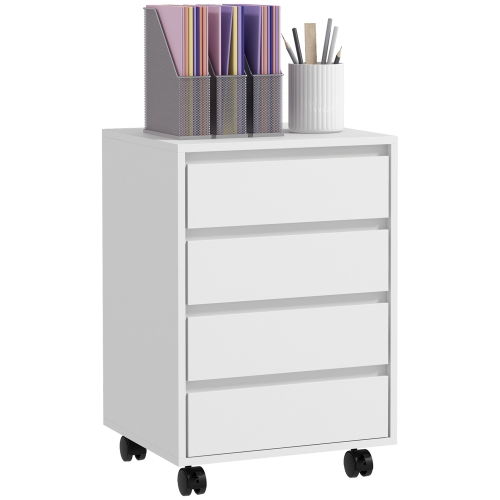
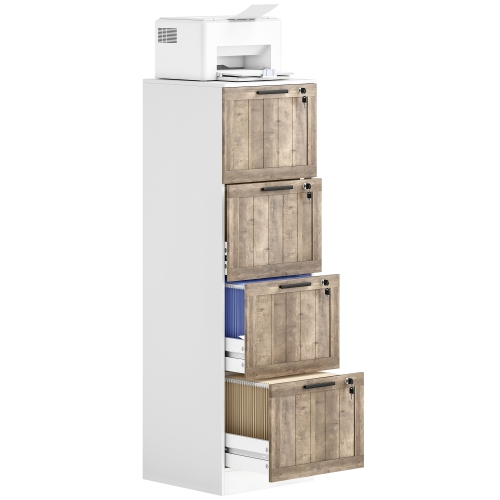


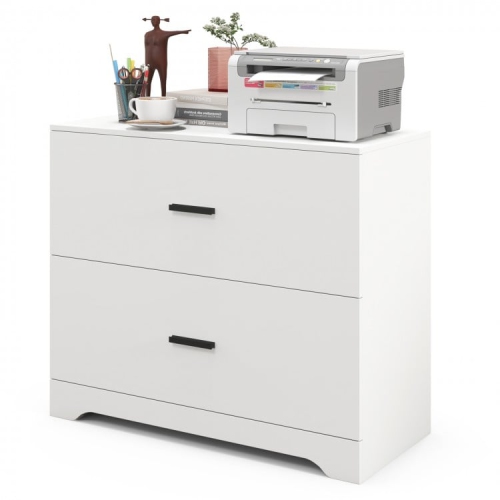
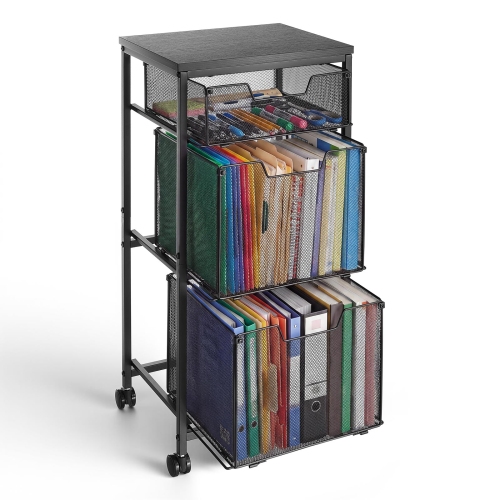
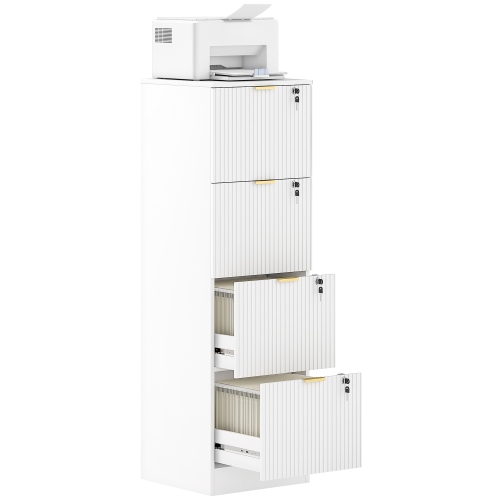
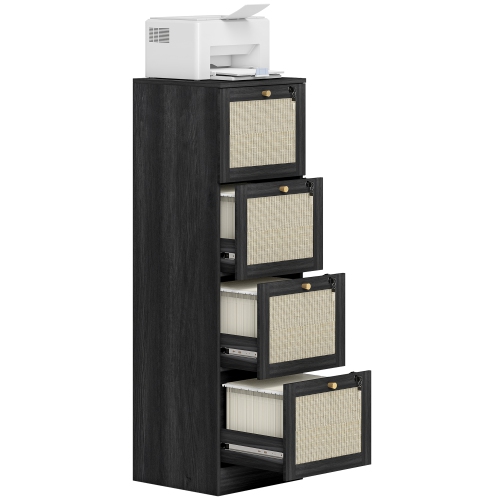
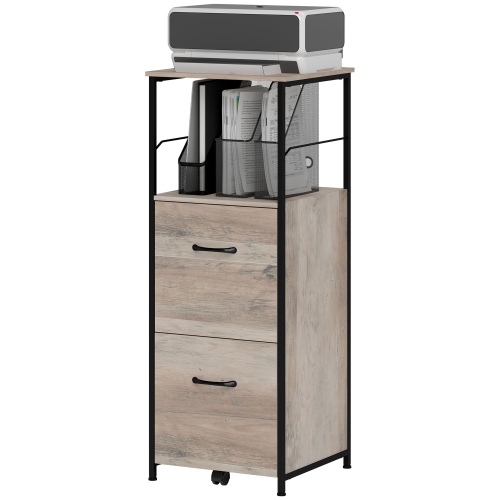
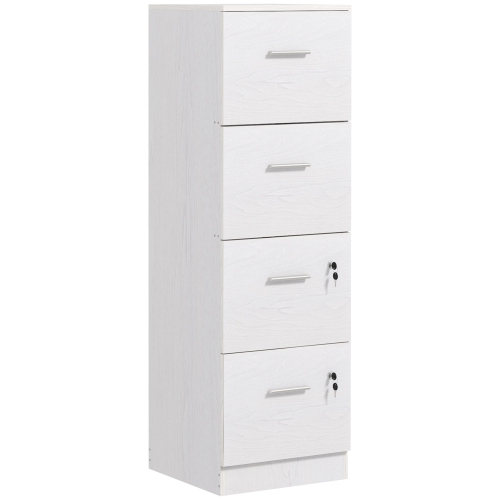
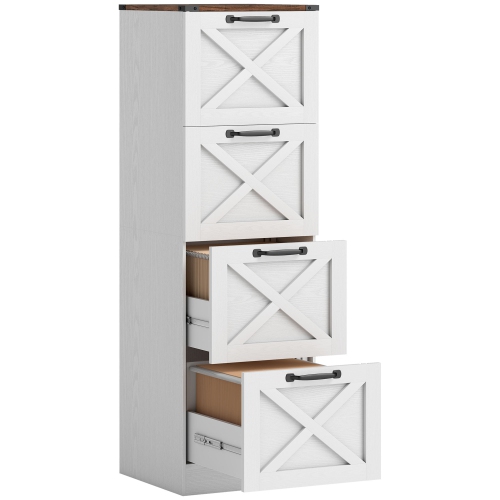
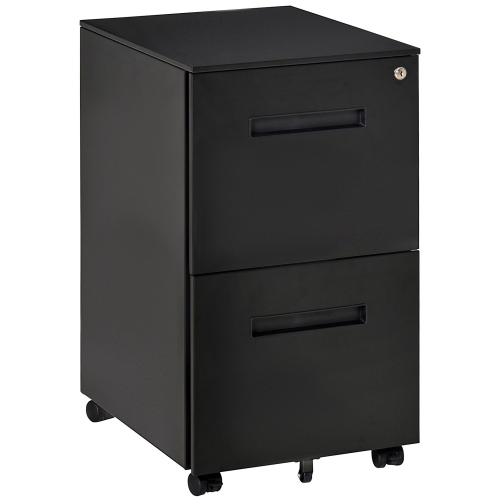
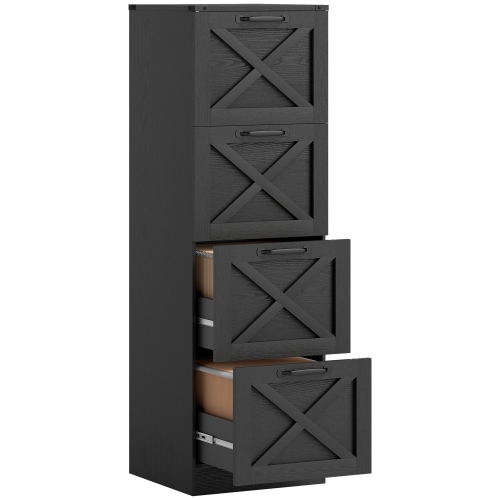
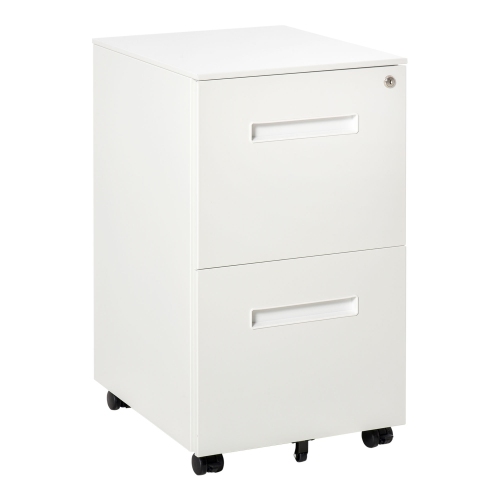
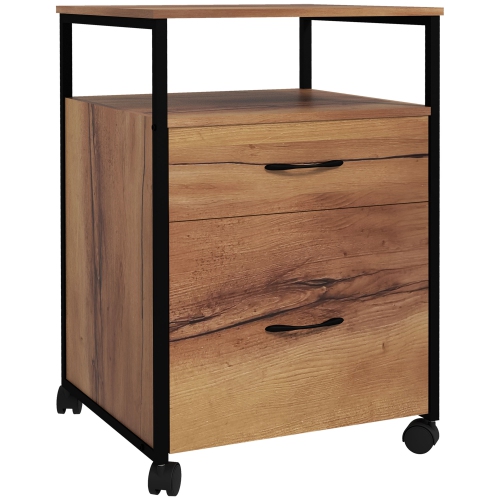

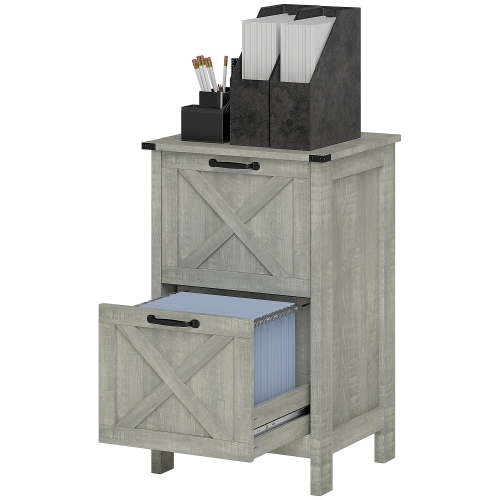
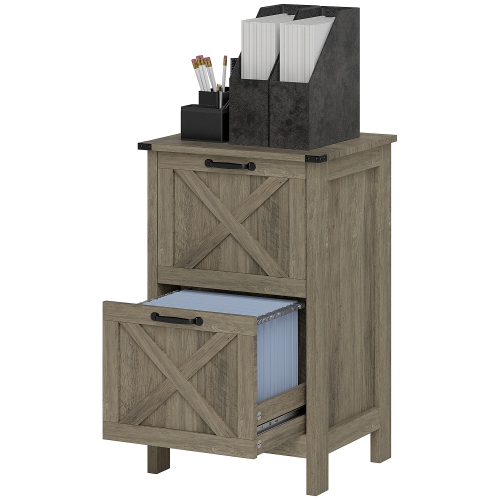
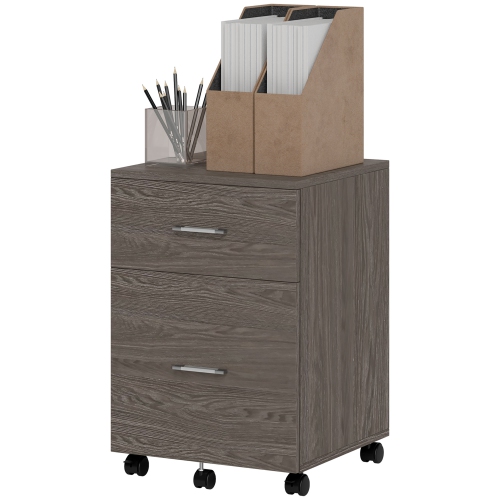
A narrow footprint with room for organized paperwork
Three-drawer vertical file cabinets keep paperwork organized in a narrow, upright storage unit, with drawers stacked one above another rather than spread across a wider cabinet. This layout suits home offices, reception areas, small businesses, and shared workspaces where floor space needs to accommodate both furniture and everyday movement. A dedicated filing cabinet gives invoices, client records, household documents, and project notes a consistent home, reducing the piles that can accumulate beside a printer or across a desk. Three separate filing drawers make it possible to divide records by purpose: household paperwork in one drawer, work documents in another, and reference materials in the third. For a small business, the same arrangement might separate accounts, active projects, and completed work. Drawer count alone does not establish filing capacity, however. Some three-drawer cabinets combine smaller stationery drawers with a larger file drawer, while others provide three drawers designed for hanging folders. The interior configuration matters as much as the exterior dimensions when the goal is to store several categories of paperwork. Paper size is another important distinction. Letter paper measures 8.5 by 11 inches, legal paper measures 8.5 by 14 inches, and A4 paper measures 210 by 297 millimetres. Support for these formats depends on the cabinet’s usable drawer dimensions and filing rails; a deep drawer does not automatically accommodate every folder size. Adjustable rails can provide flexibility where supported, while fixed rails may be intended for a single format or orientation. In many vertical cabinets, folders run from front to back, allowing labels to be read while standing in front of an open drawer. Clearly labelled hanging folders, grouped into practical categories, help make that arrangement useful. A drawer reserved for frequently handled documents can keep daily tasks within comfortable reach, while less-used records occupy another level. Leaving some room between folders makes labels easier to see and helps papers slide into place without being bent or pushed into an overcrowded drawer.
Materials and construction influence how a three-drawer vertical filing cabinet looks, feels, and holds up to regular use. Steel cabinets often suit busy offices because their rigid construction and finished surfaces are practical for repeated handling. The thickness of the metal, quality of the finish, drawer reinforcement, and stated load limits all contribute to durability; material alone is not a complete measure of strength. Wood and engineered-wood cabinets can blend more naturally with desks, shelving, and other furniture in a home workspace. Their surfaces may feature painted finishes, veneers, or laminates, each with different care requirements and resistance to scratches or moisture. Edges, joints, handles, and drawer fronts are worth considering alongside the main cabinet panels, since these areas receive frequent contact. A cabinet used by several people throughout the day faces different demands from one opened occasionally for household records. Drawer slides are especially important once folders are loaded with paper. Smooth-running slides make a full drawer easier to operate, while full-extension designs, where provided, improve access to folders at the back. A drawer that opens only partway may require more reaching to retrieve less-visible documents. Published load ratings help establish how much weight each drawer is designed to carry, and overfilled drawers can strain both the slides and the cabinet structure. Handles should offer a comfortable grip without projecting into a tight walkway, and the drawer fronts should have enough clearance to move without catching adjacent furniture. Stability also deserves attention because an extended drawer shifts weight forward. Some cabinets include an interlock that limits opening to one drawer at a time, but this feature should not be assumed. Following the manufacturer’s installation and anchoring requirements, placing the cabinet on a level surface, and avoiding multiple open drawers help support safer use. Where suitable for the filing arrangement, heavier contents belong lower in the cabinet. Drawers are not steps, and an open drawer should never serve as a perch or support for reaching a shelf.
Fit involves more than finding a gap wide enough for the cabinet. Overall height determines whether a unit can sit beneath a desk, stand beside it, or occupy its own section of wall, while depth affects how far it projects into the room. Space in front must also accommodate an extended drawer and the person using it. A cabinet that fits neatly beside a desk when closed may interfere with a chair or doorway when open. Fixed cabinets provide a consistent storage position, while models fitted with castors can be useful when a workspace needs occasional rearranging; locking castors, where included, help limit unintended movement. Cabinet weight, loaded weight, floor protection, and the manufacturer’s movement instructions are important considerations before repositioning any unit. For rooms with more width than depth, Three Drawer Lateral File Cabinets offer a different layout, often arranging folders across a broader drawer rather than along a narrower front-to-back space. The better fit depends on the available wall area, drawer-opening clearance, and preferred access to documents. Security features can also shape the choice. A central lock may secure several drawers, while another design may lock only a particular drawer; the locking arrangement needs to match the records being stored. A standard cabinet lock can discourage casual access, but it should not be treated as a guarantee against forced entry. Fire or water protection requires explicit ratings and is not implied by steel construction or a locking mechanism. Routine care helps preserve both appearance and operation. Dust can be removed with a soft cloth, and cleaning products should be compatible with the cabinet’s finish. Excess moisture, abrasive pads, and harsh cleaners can damage surfaces, particularly around seams and exposed edges. Spills are best wiped up promptly, and drawer tracks should be kept clear of loose paper, clips, and other debris. With a suitable footprint, appropriate folder support, and construction matched to daily use, a three-drawer vertical file cabinet provides an orderly place for the paperwork that needs to remain close at hand.
Top selling and popular products
-
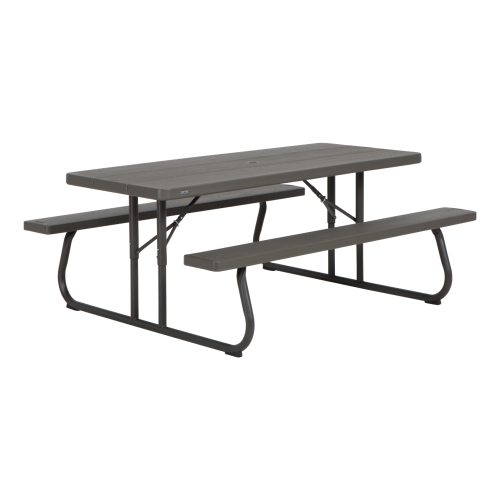 Your price for this item is $369.99
-
 Your price for this item is $2249
-
 Your price for this item is $5999.99
-
 Your price for this item is $5999.99
-
 Your price for this item is $4499.99
-
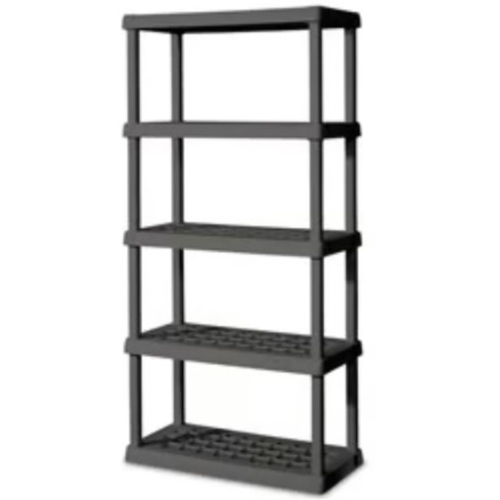 Your price for this item is $629.99
-
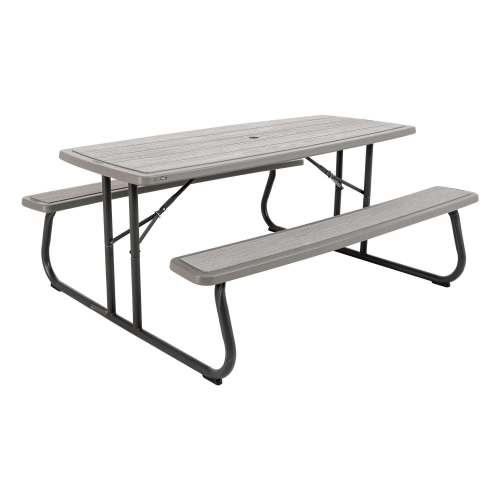 Your price for this item is $369.99
-
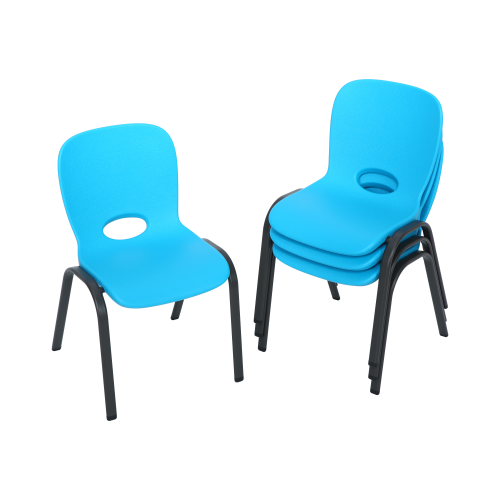 Your price for this item is $119.99
Discover more categories related to Three Drawer Vertical File Cabinets
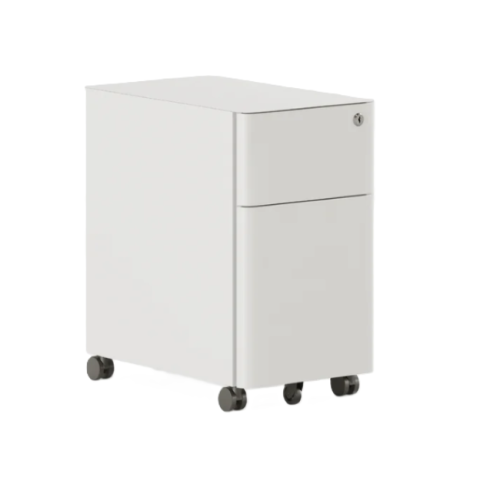
Top Collections:
Best Black Friday Deals This Year, Best Black Friday Deals On Electronics, Kindle Devices, Dyson Airwrap, Best Cameras for Sports Photography, Best Budget Office Chairs, Canon G7X Cameras, PS5 Pro Consoles, Best Black Friday Deals On Apple Products, XBOX One S Consoles
Some products may be subject to Environmental Handling Fees
(EHF) depending on your province.
Learn more about EHFs.