Three Drawer Lateral File Cabinets
Organize your office space with three-drawer lateral file cabinets, a versatile storage solution designed to keep your documents and files easily accessible. Whether you're looking to declutter your workspace or create a more efficient filing system, these three-drawer lateral file cabinets are here to help you streamline your office workflow and maintain a tidy environment. Here are some great options for you.
Sort

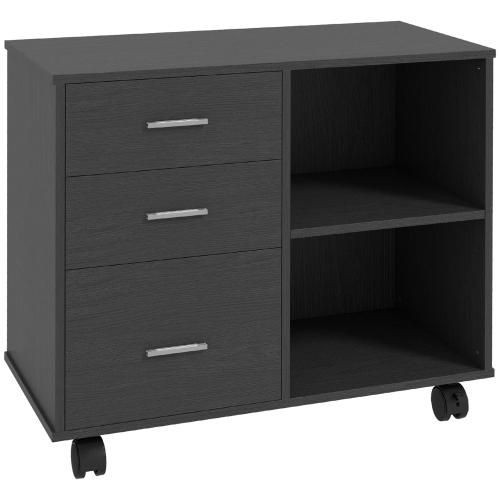
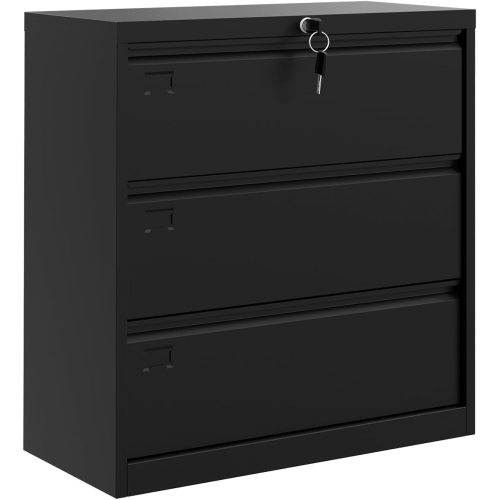
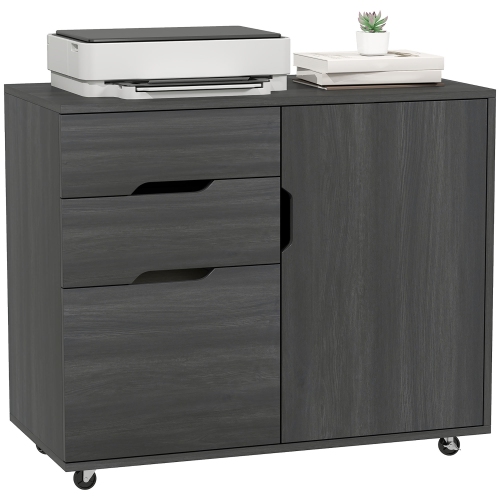
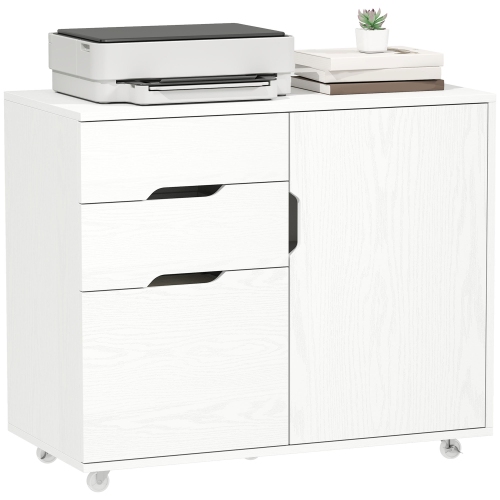
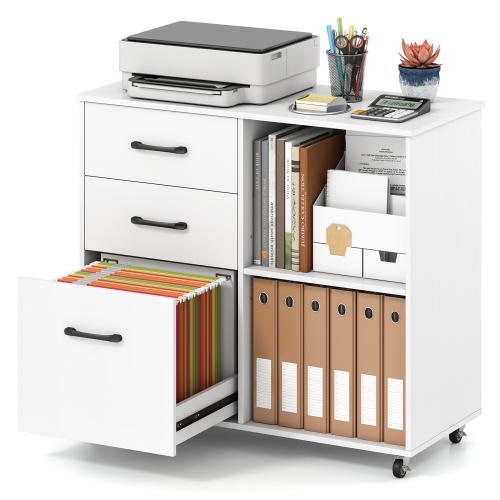
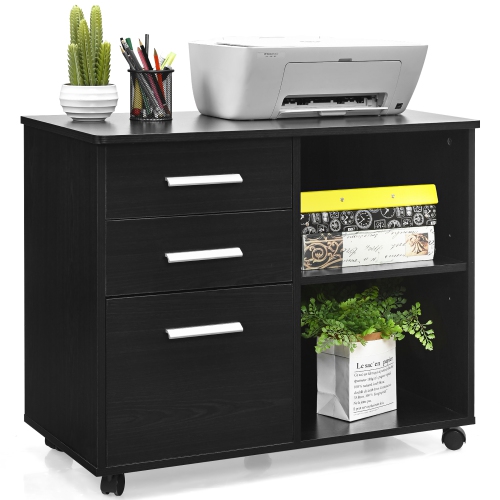
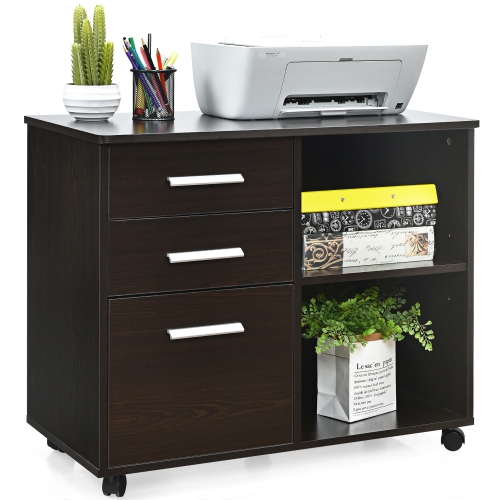
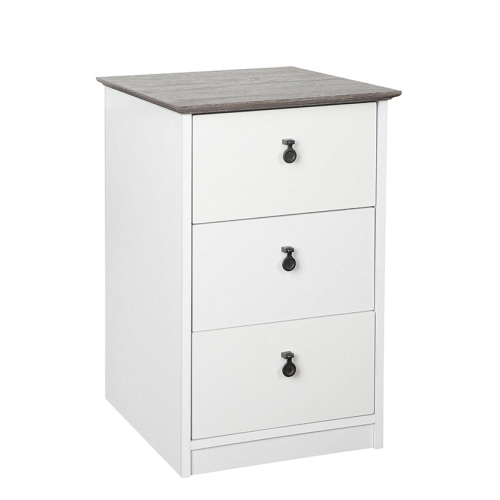
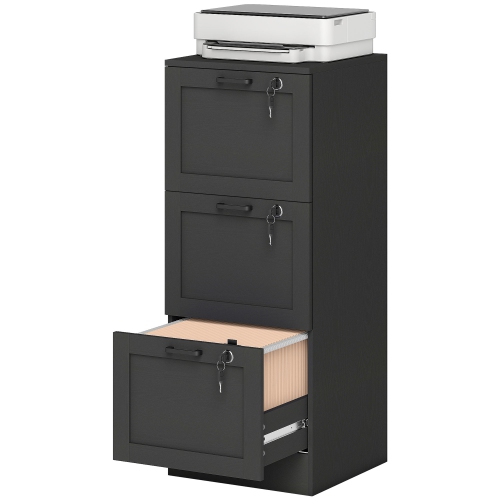
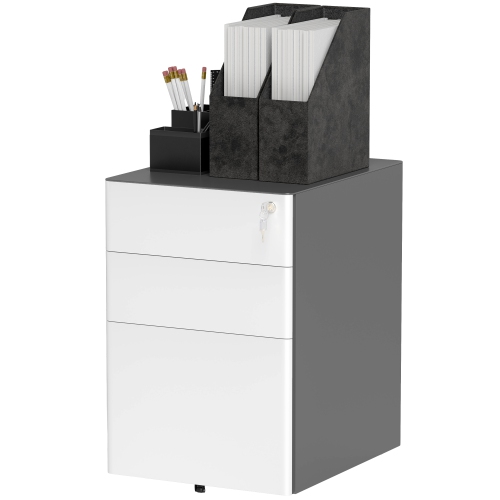
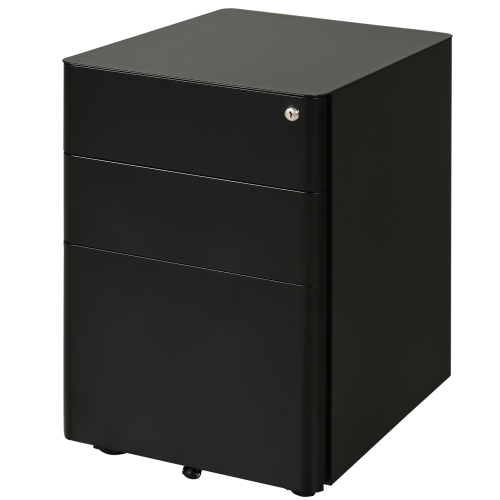
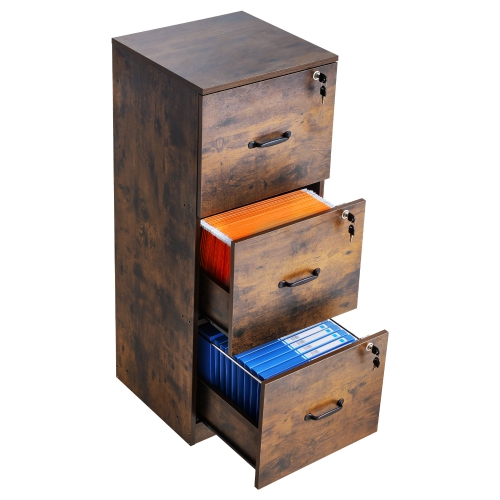
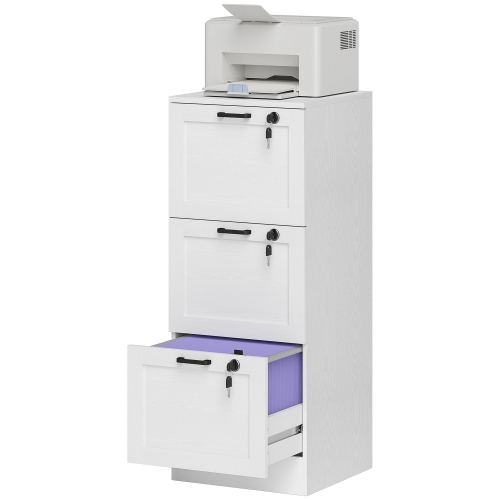
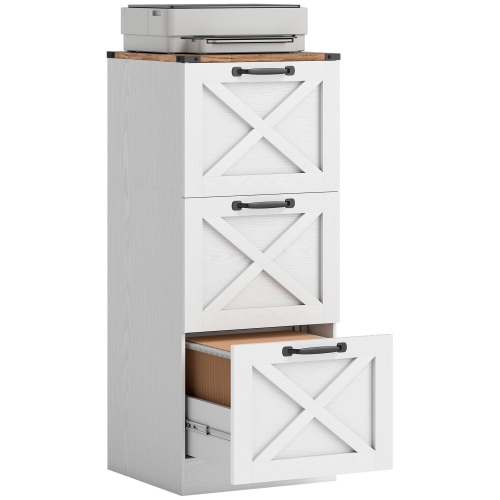
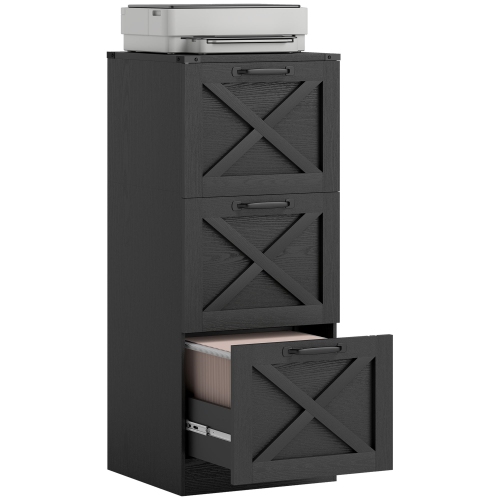
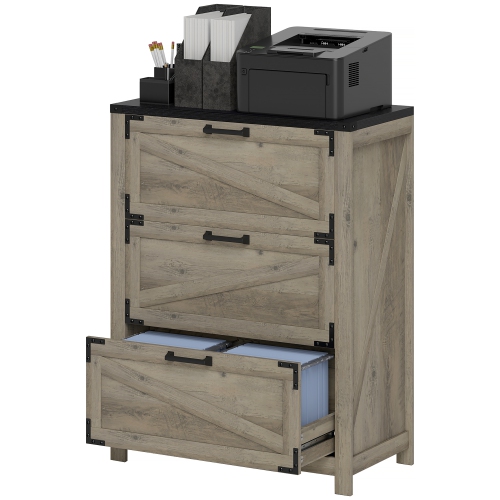
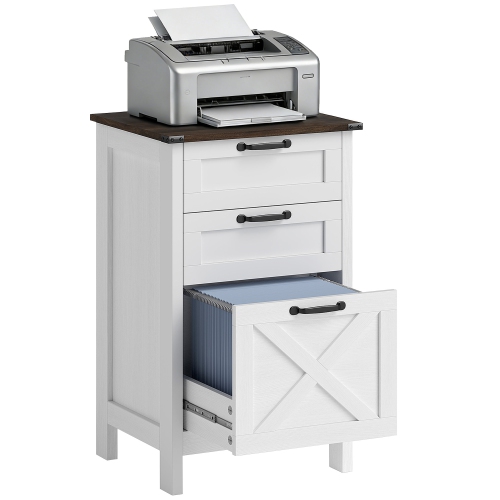
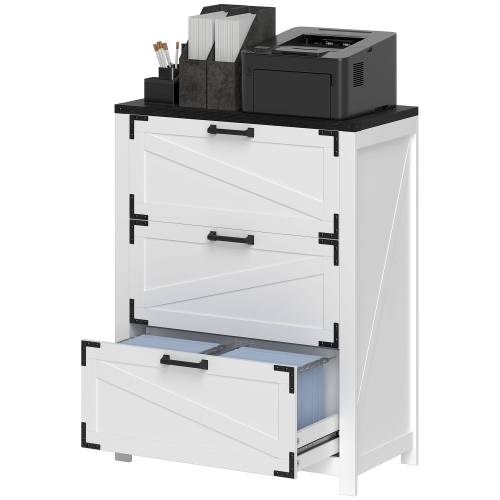
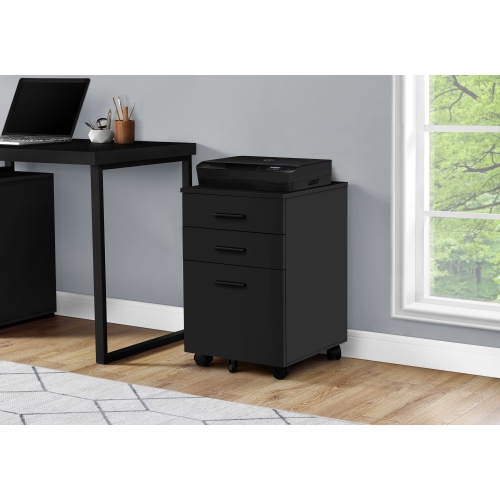
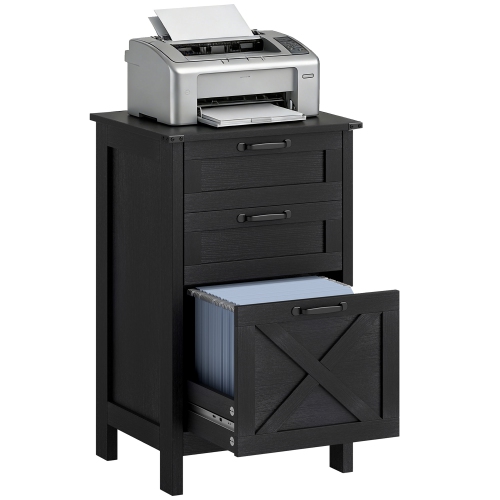
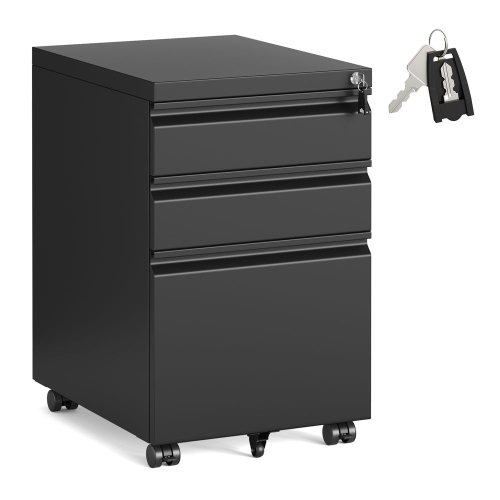
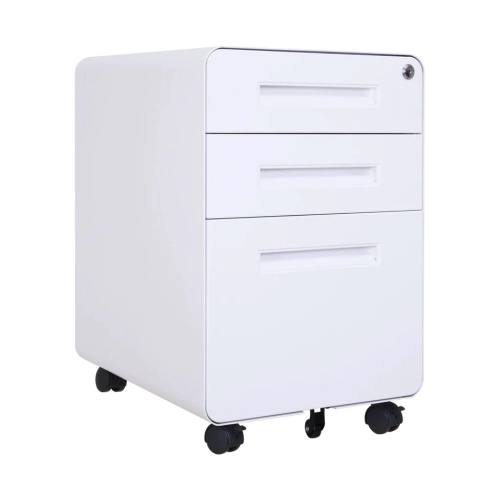
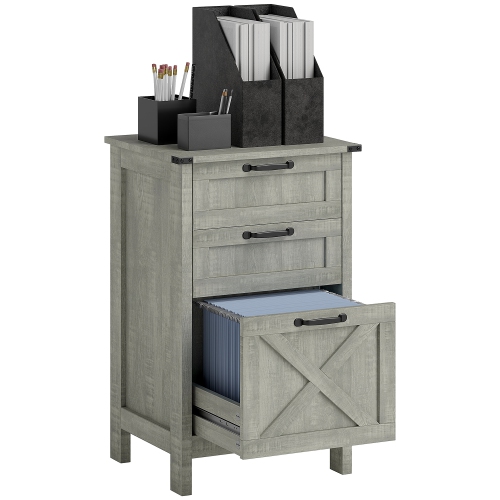
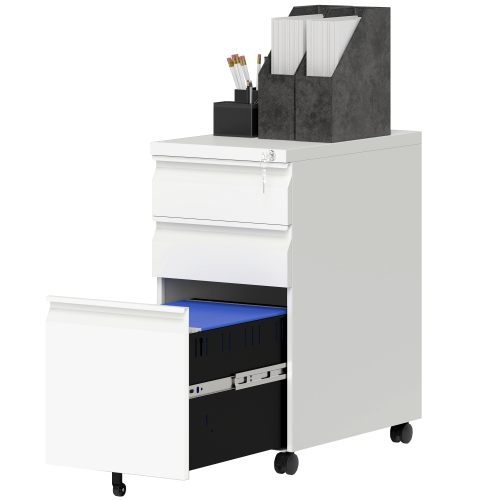
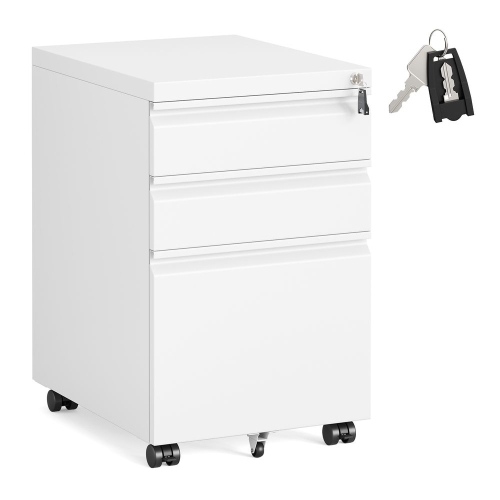
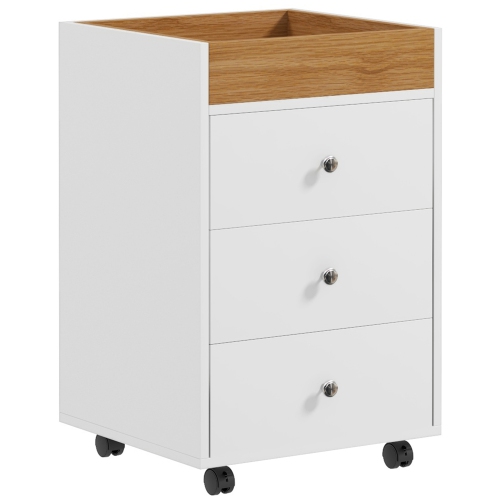
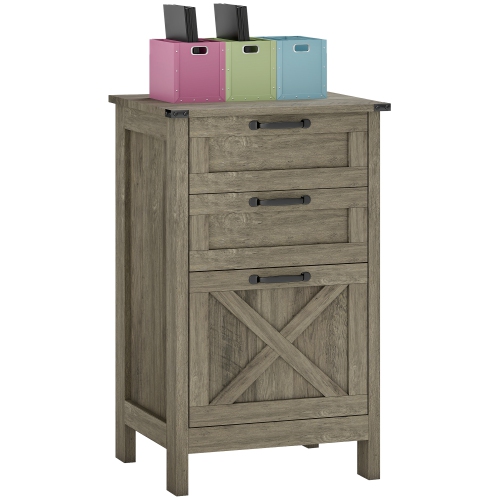
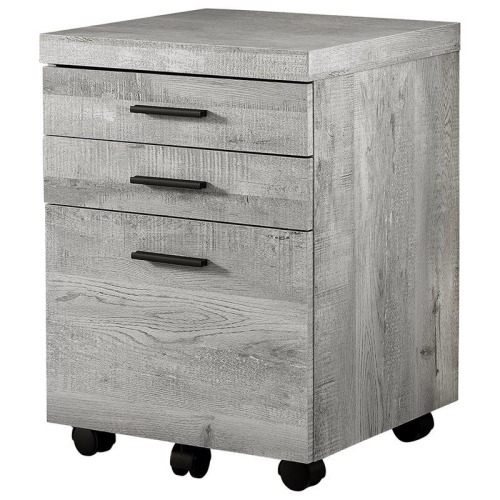
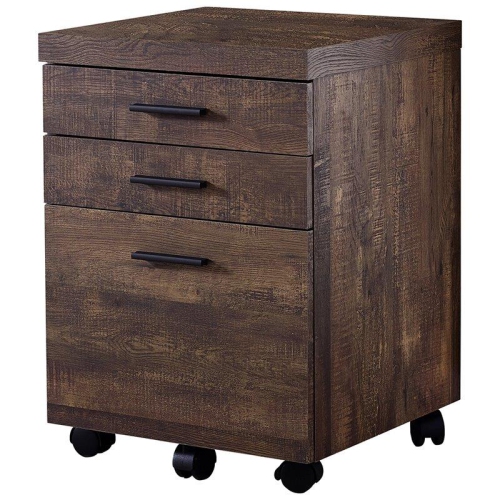
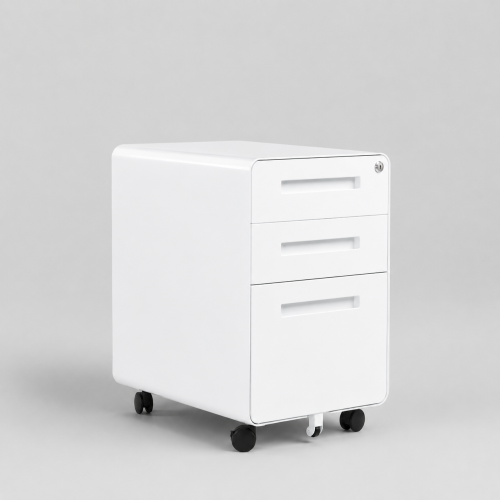
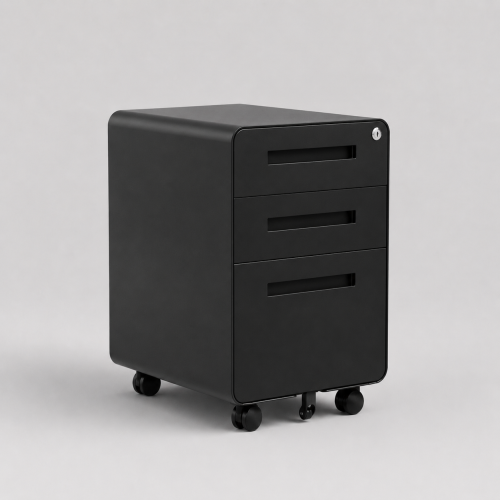
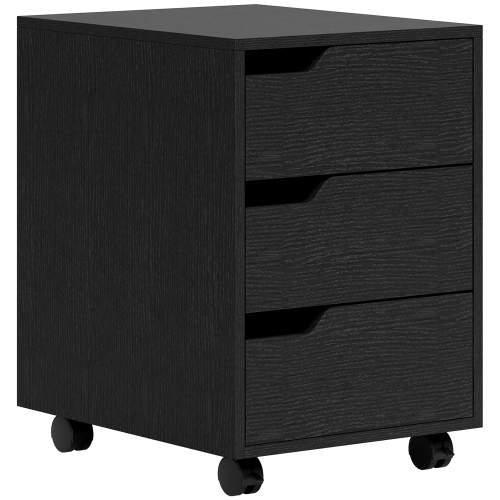
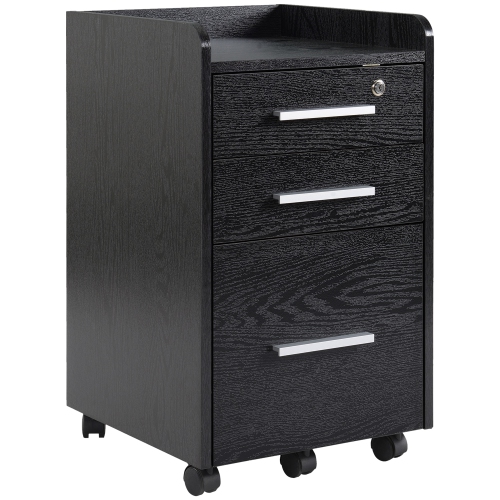
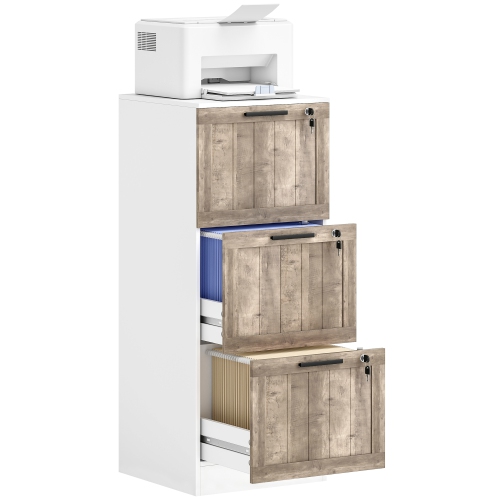
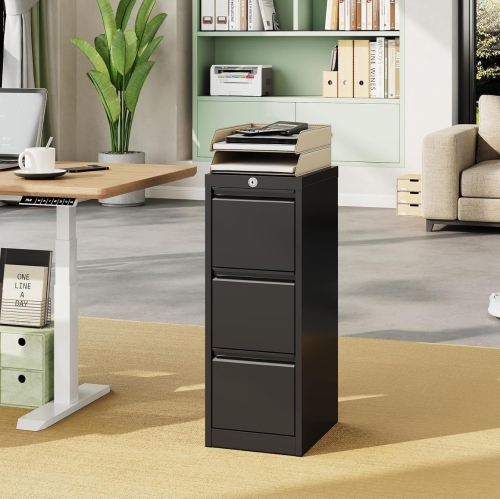

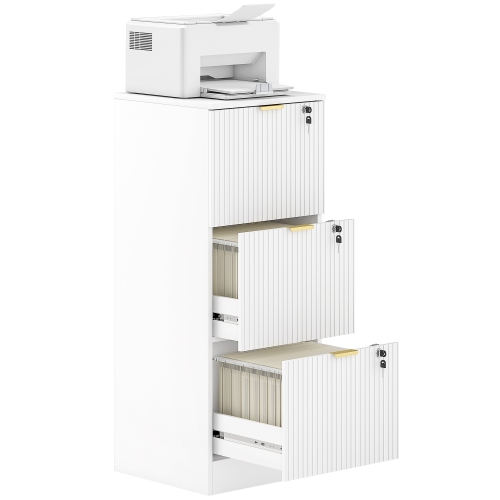
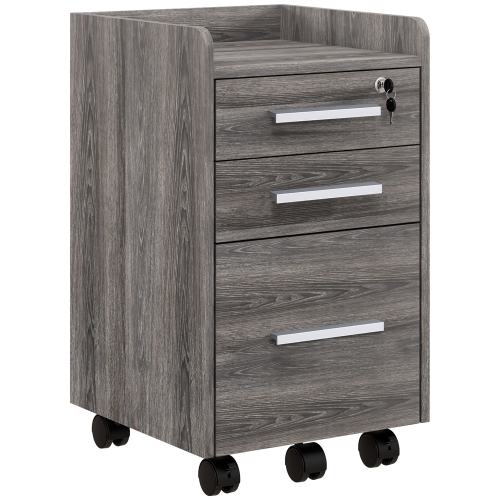
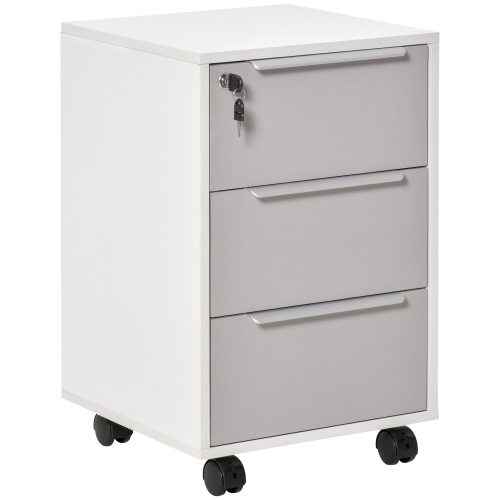
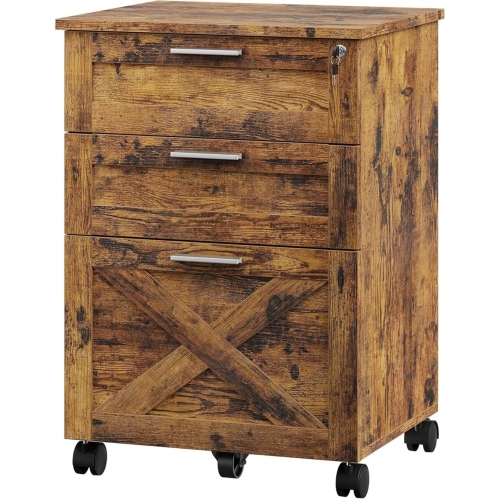
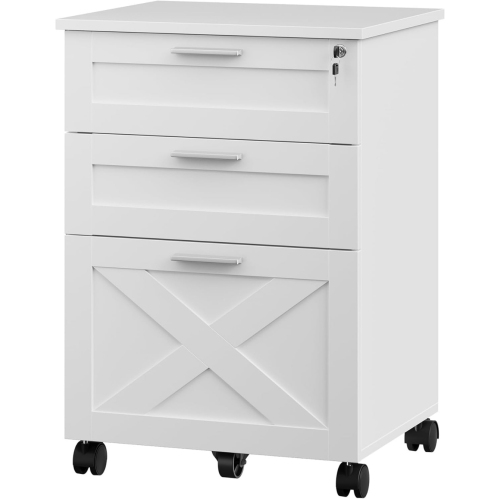

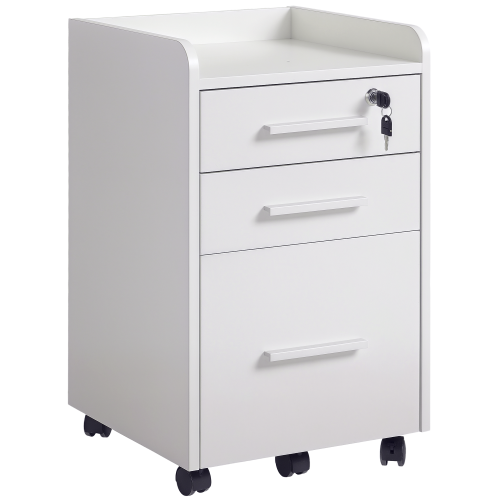
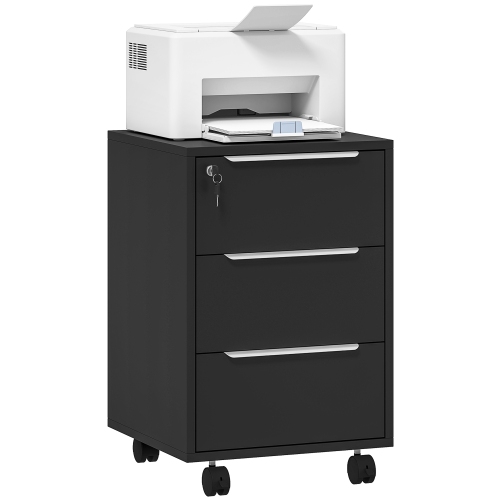
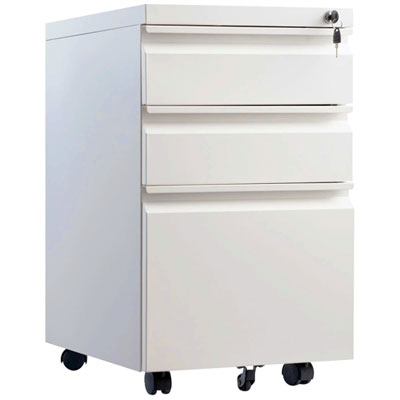
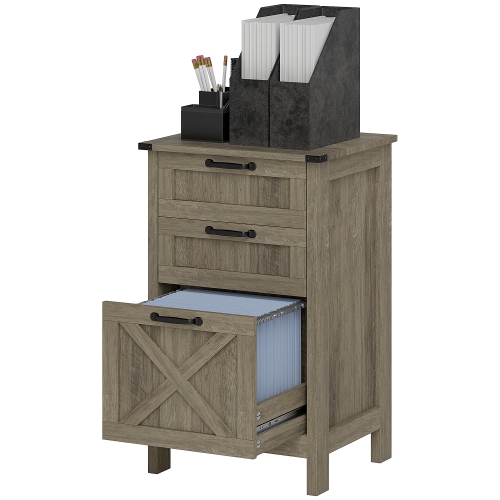
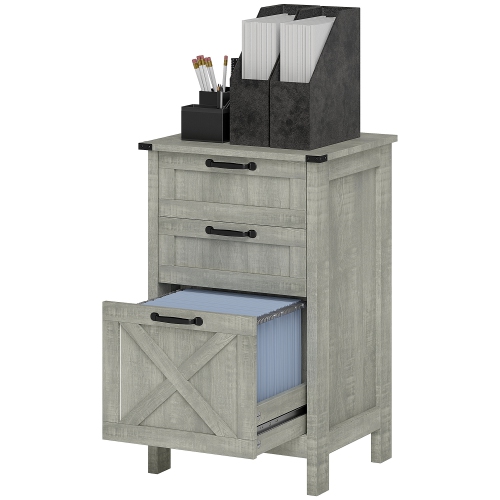
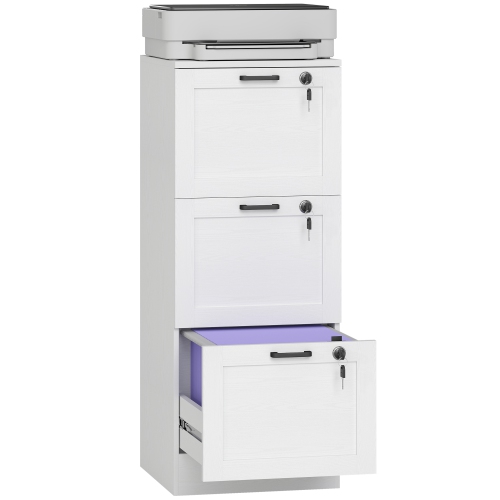
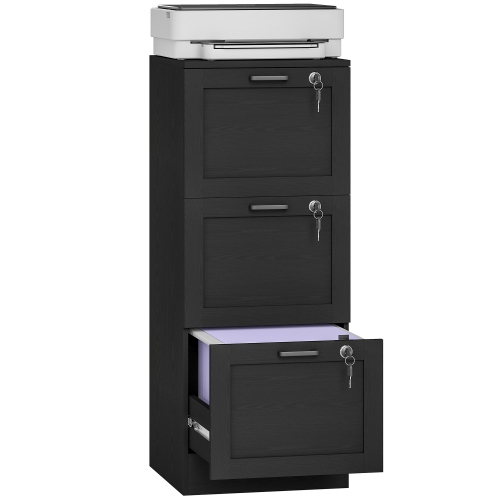
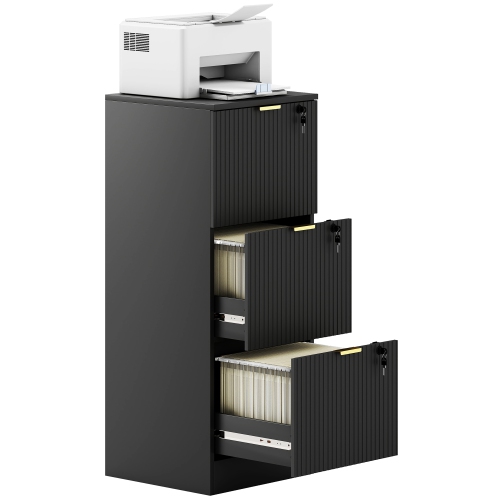
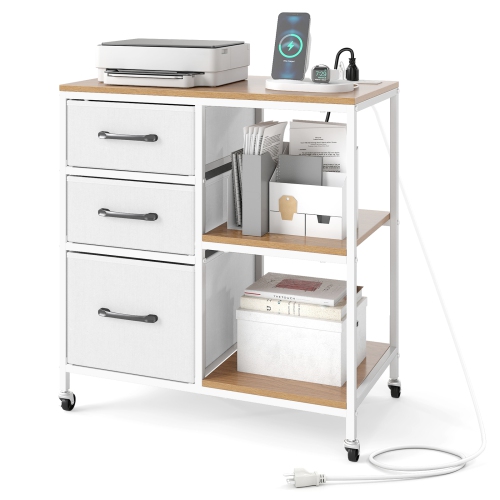
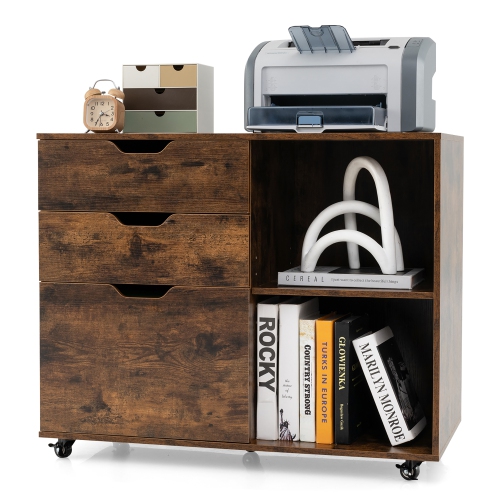
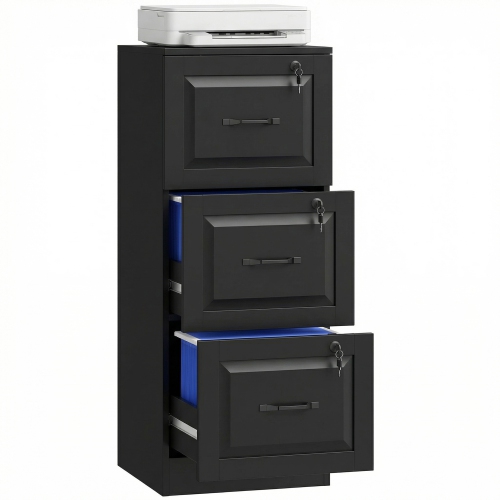
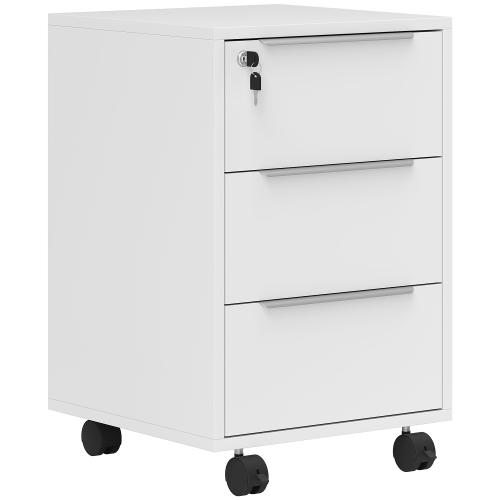
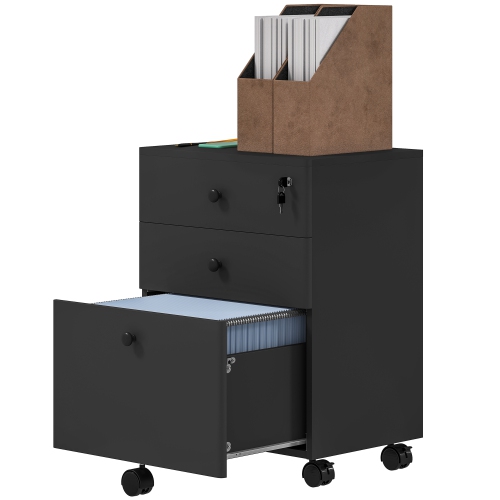


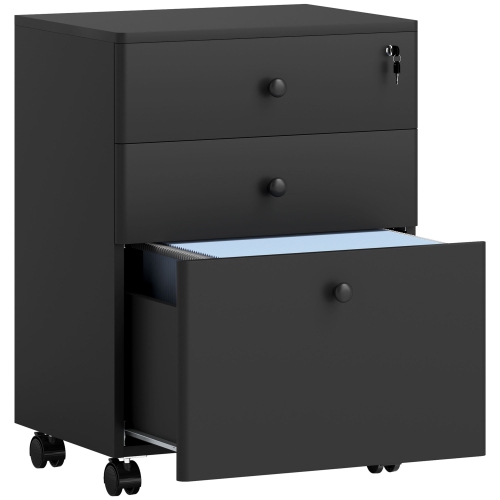
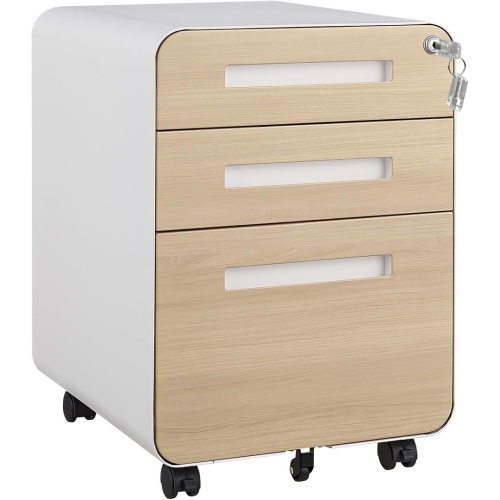
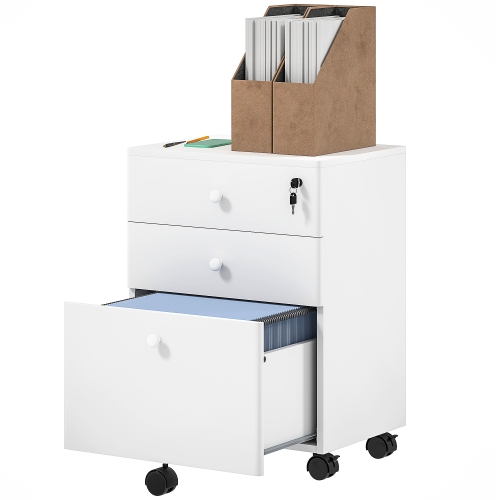

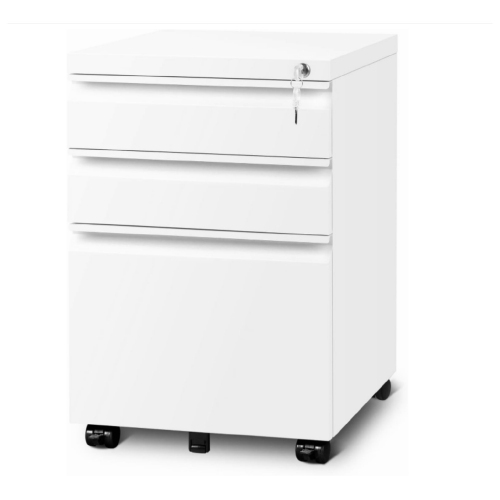
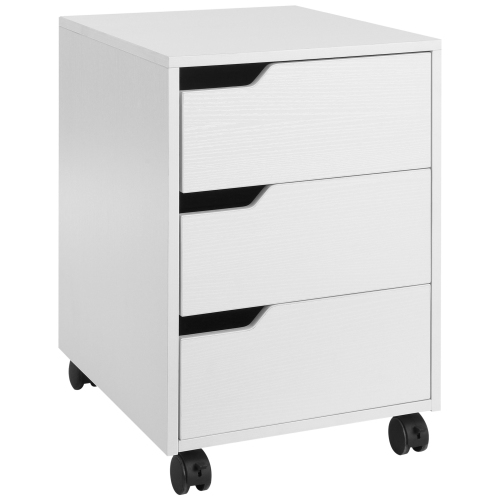
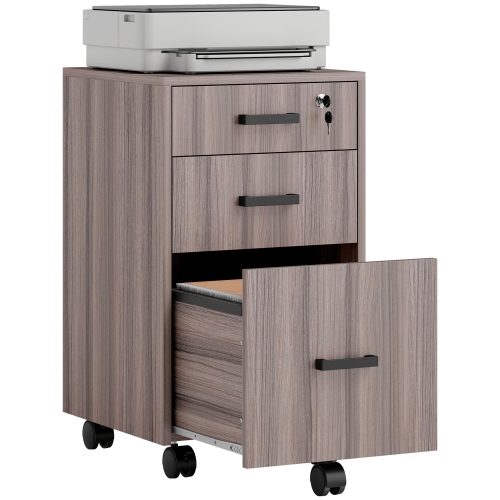
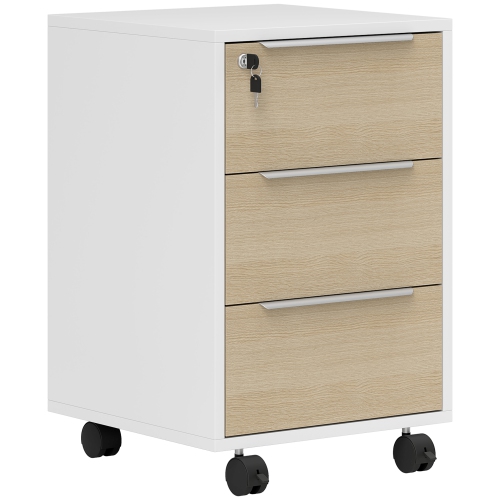
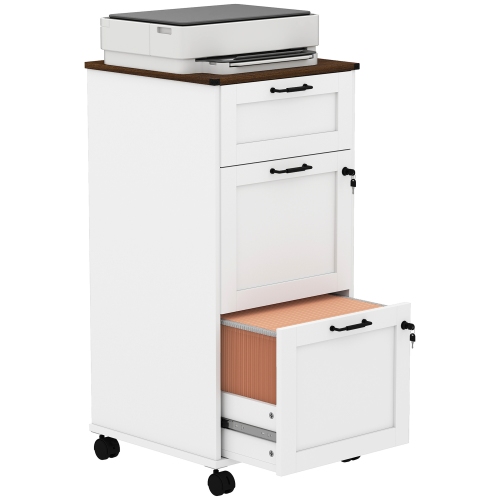
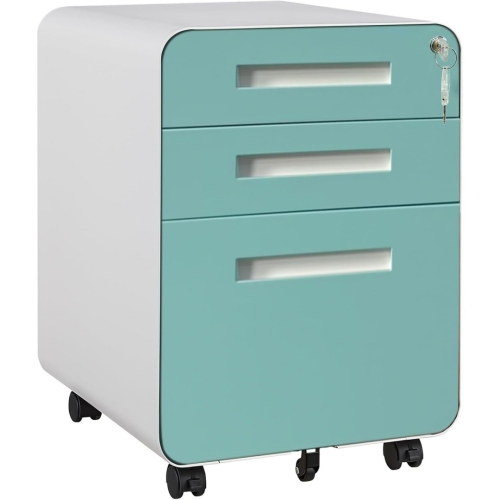
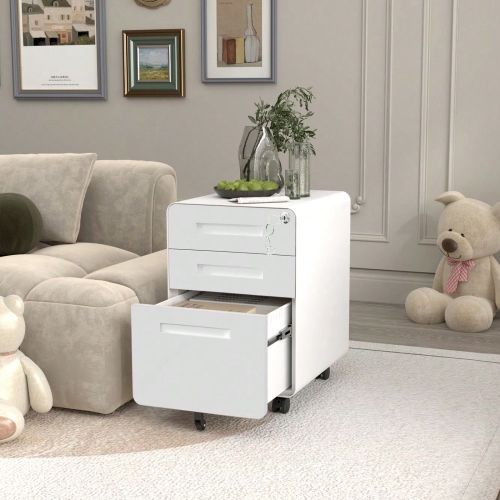
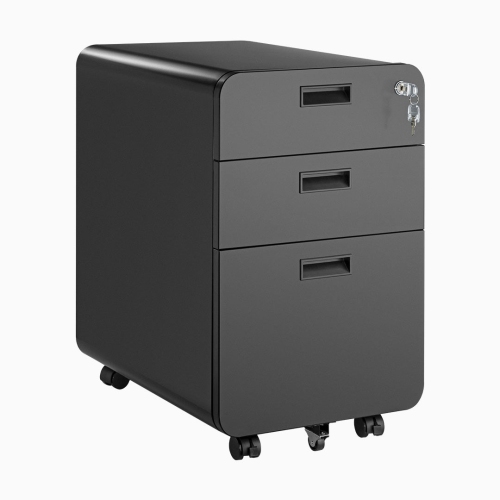
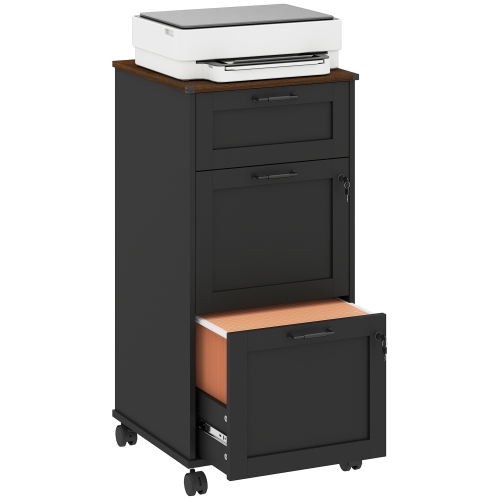
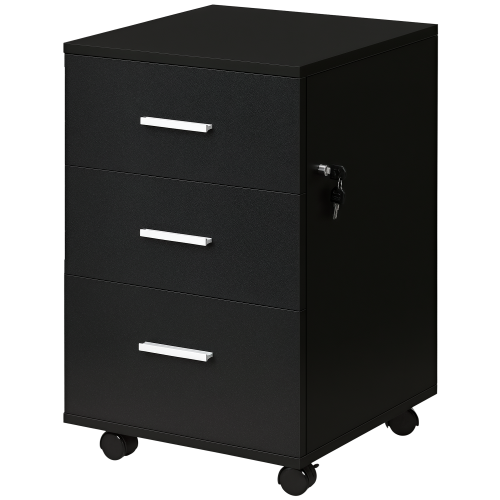
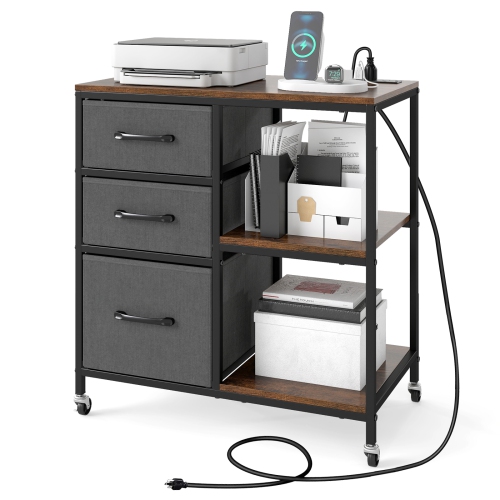
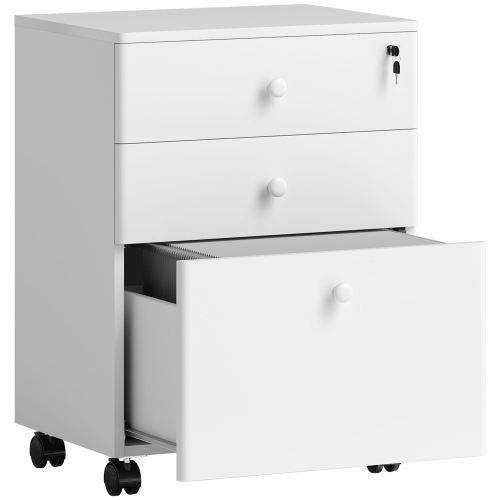
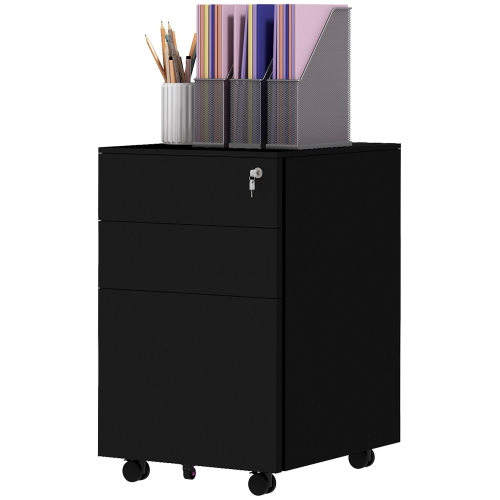
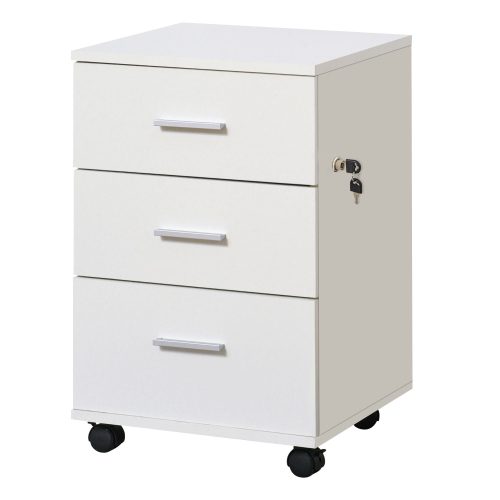
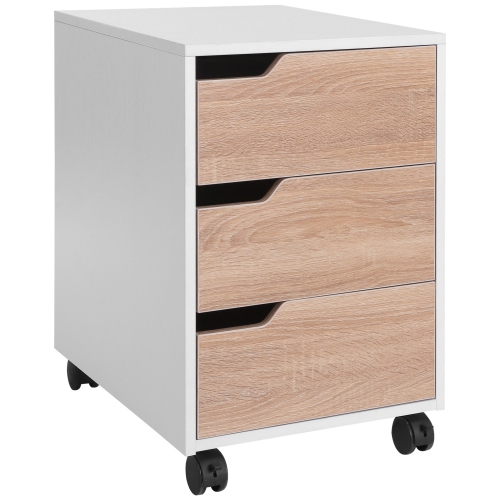
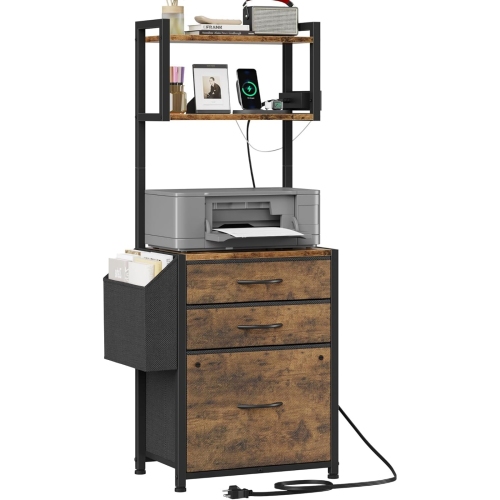
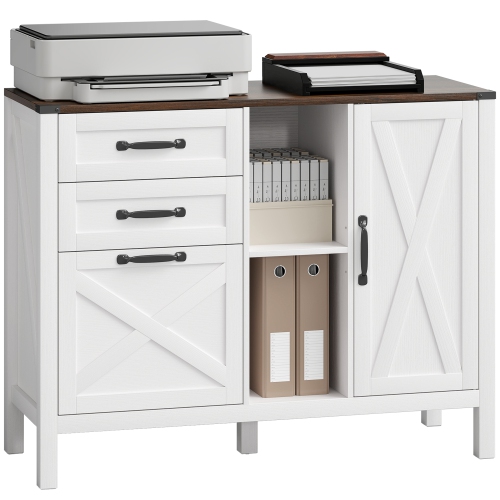
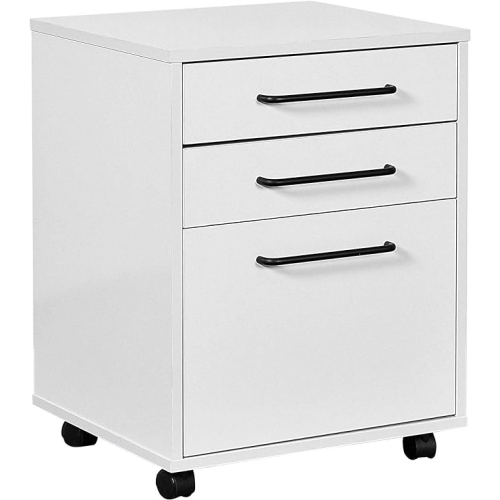
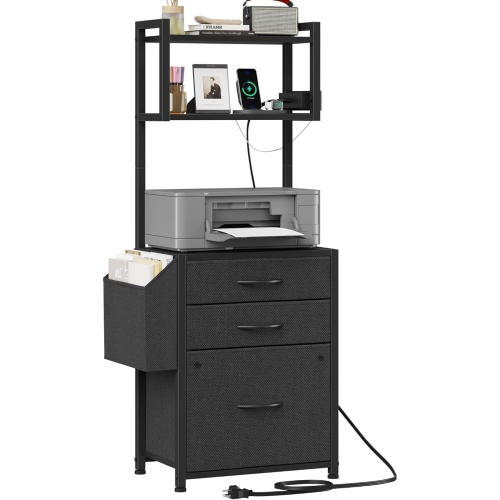
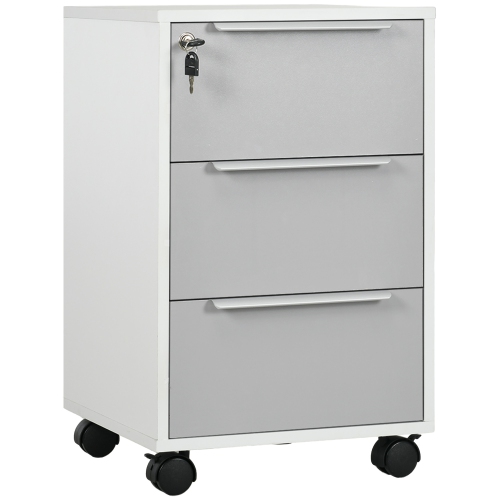


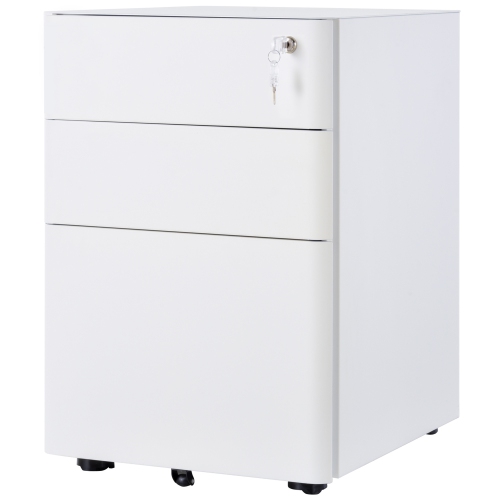
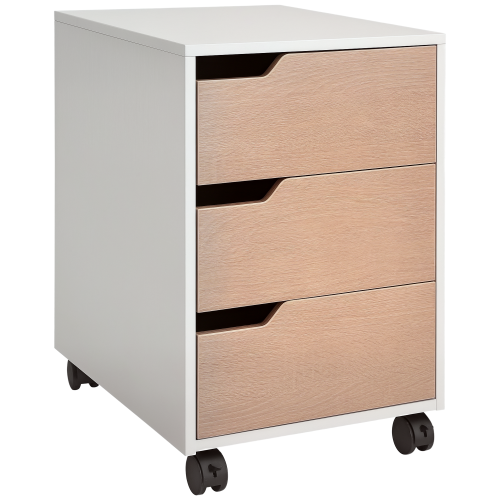
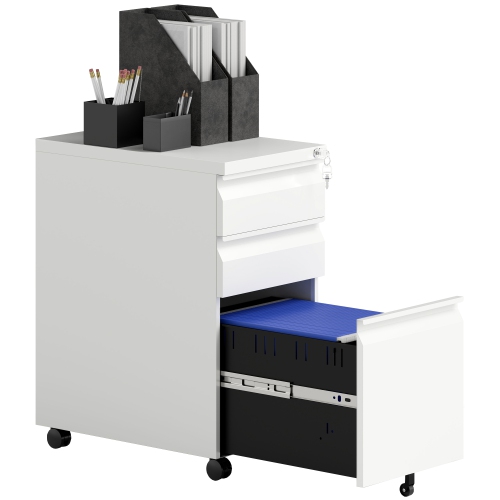
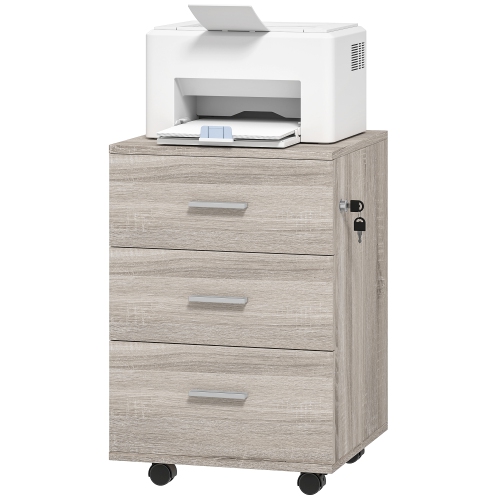
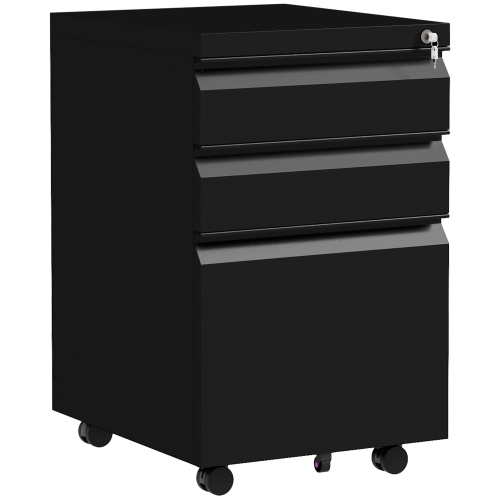
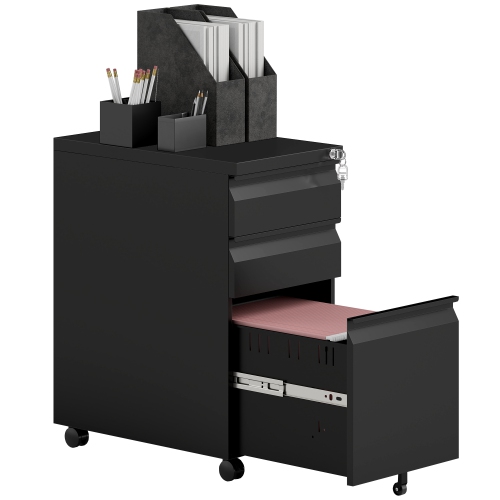
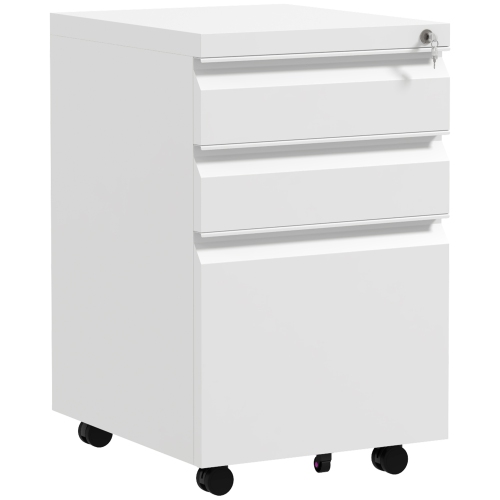
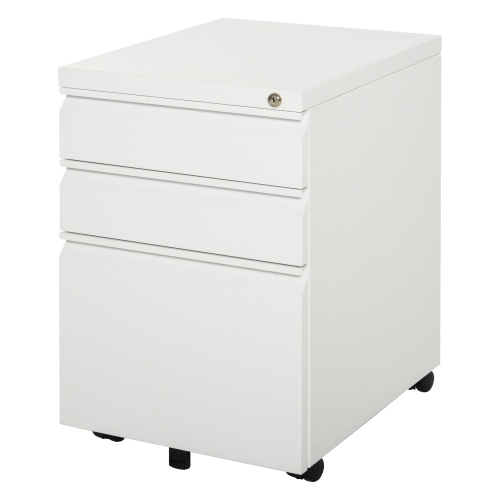
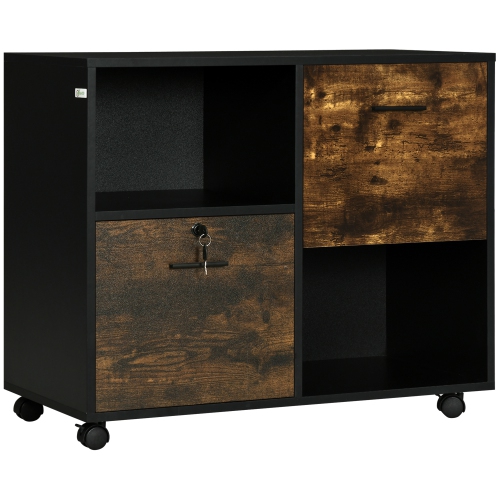
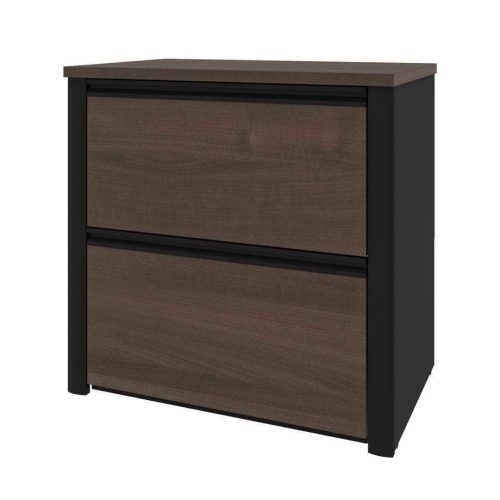
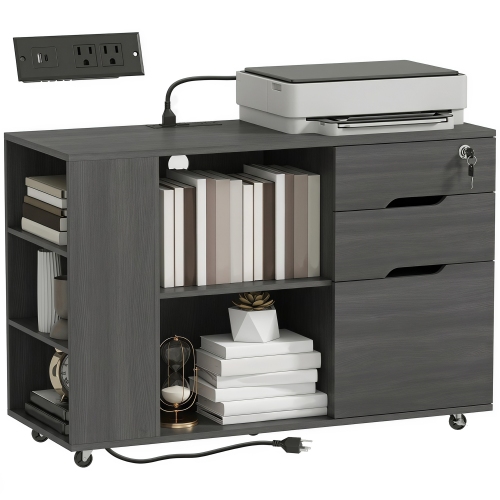
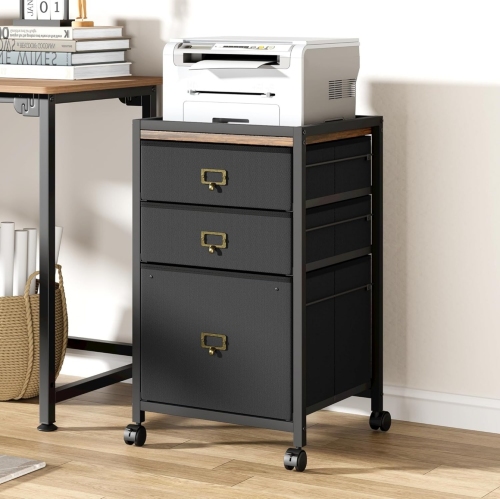
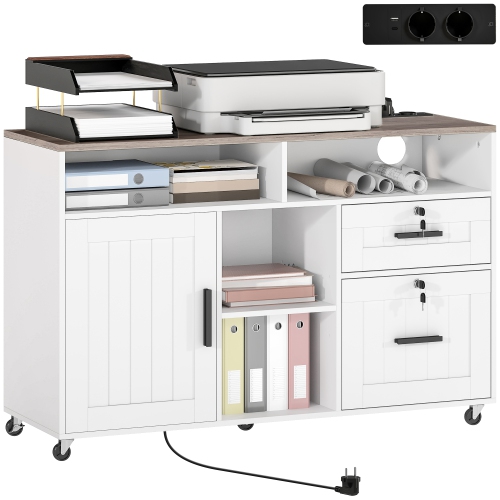
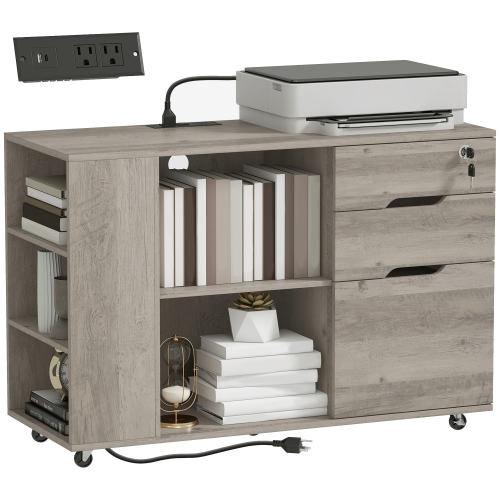
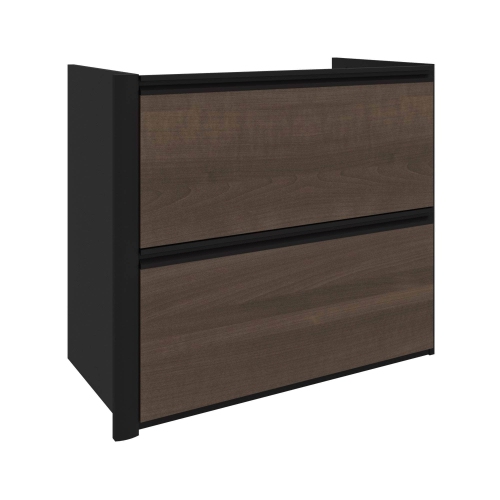

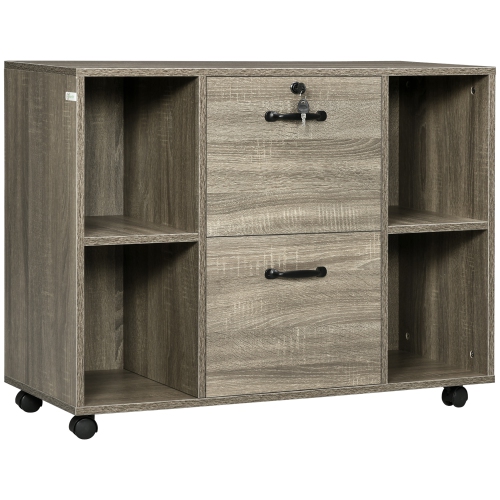
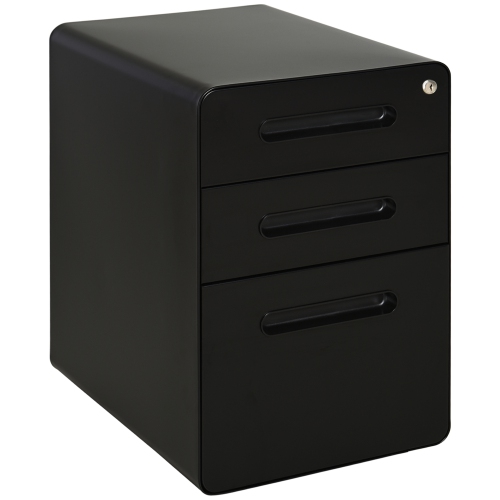
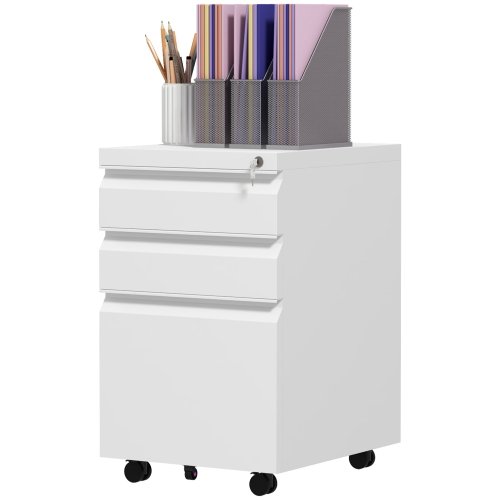
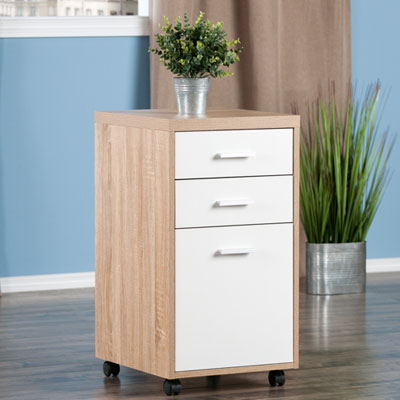
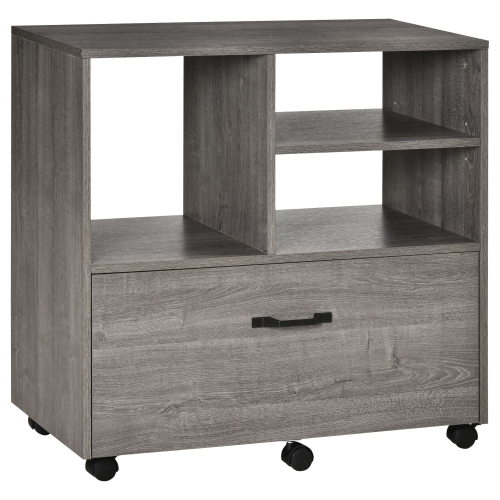
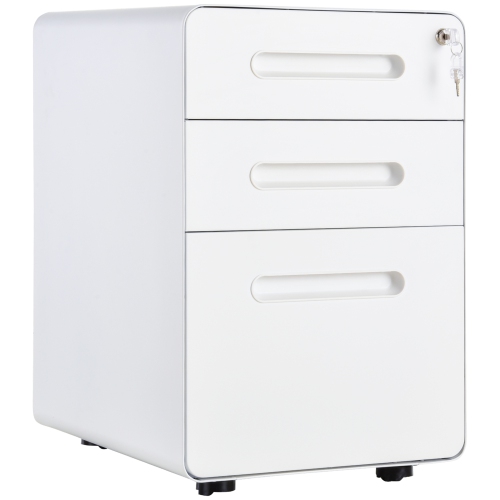
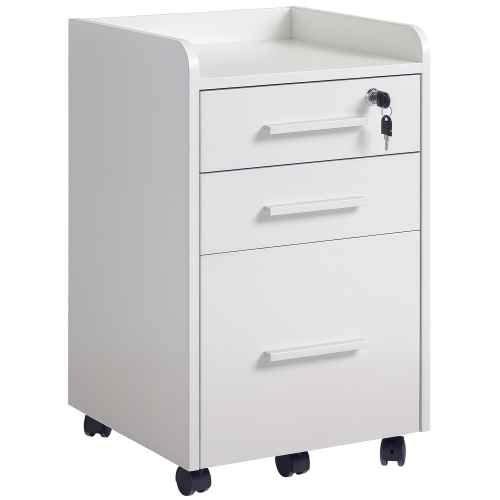
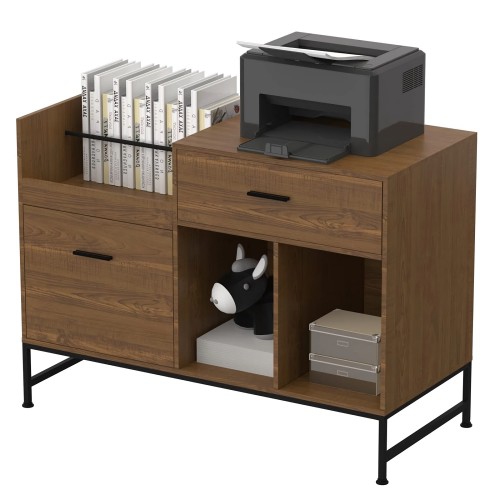
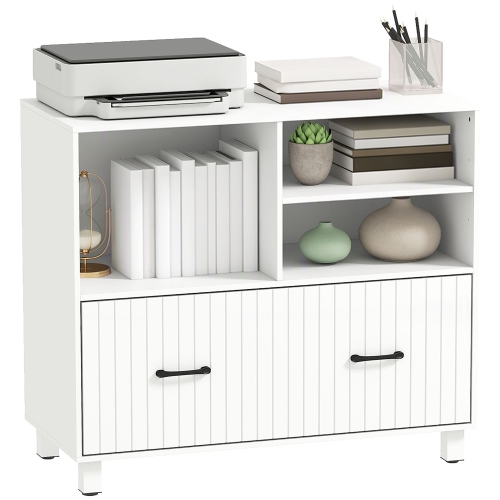
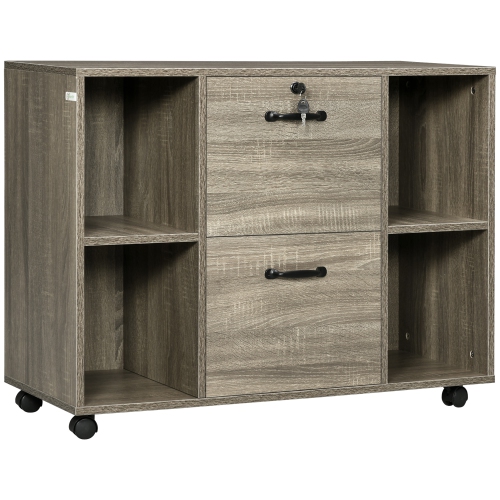
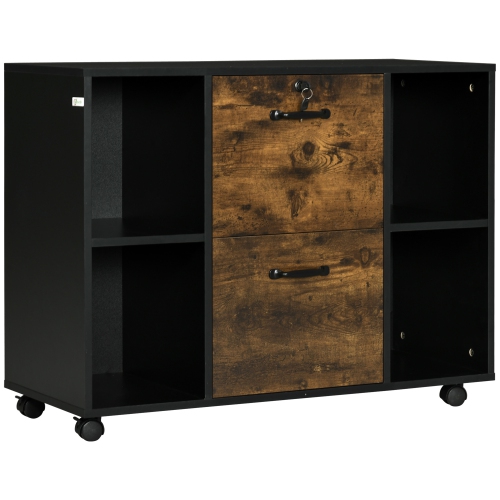
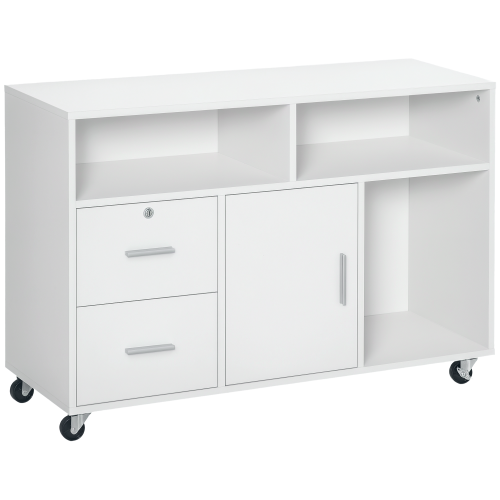
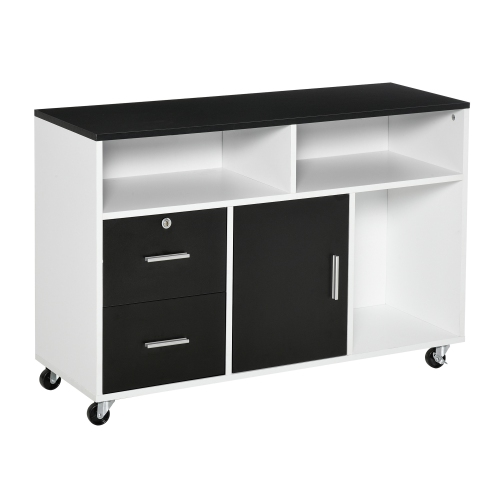
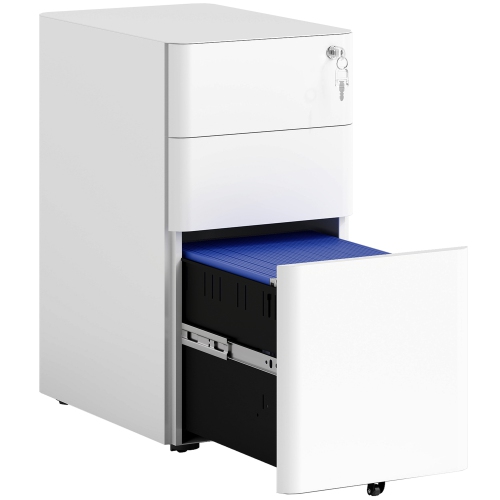
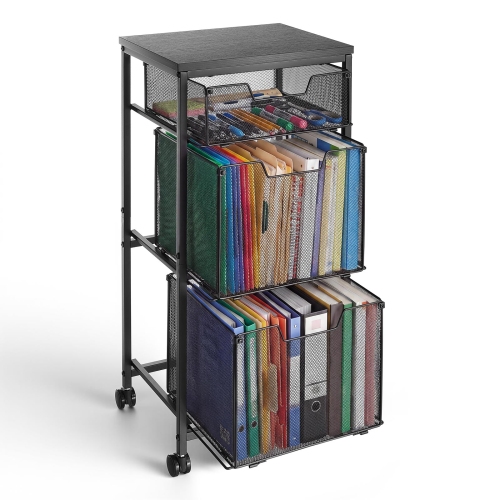
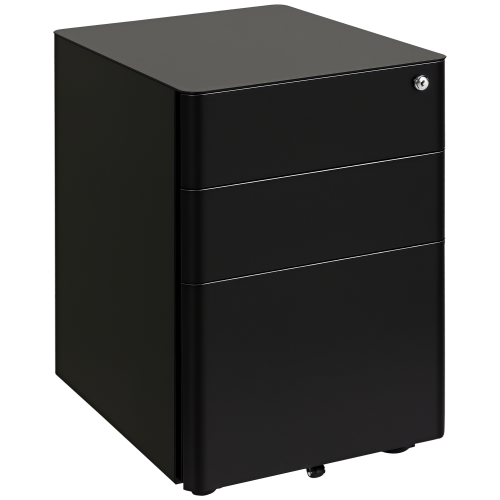
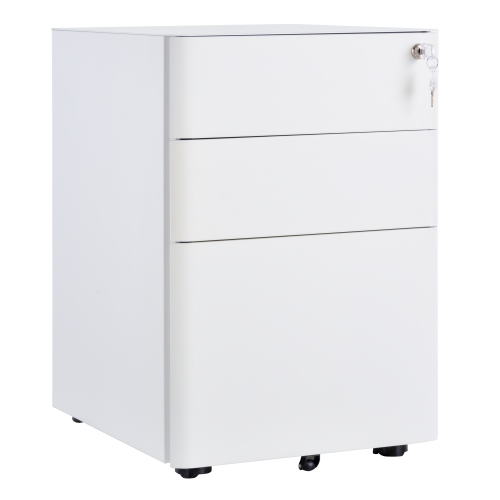
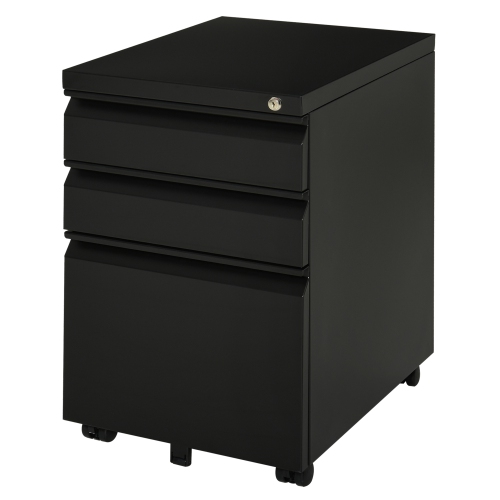
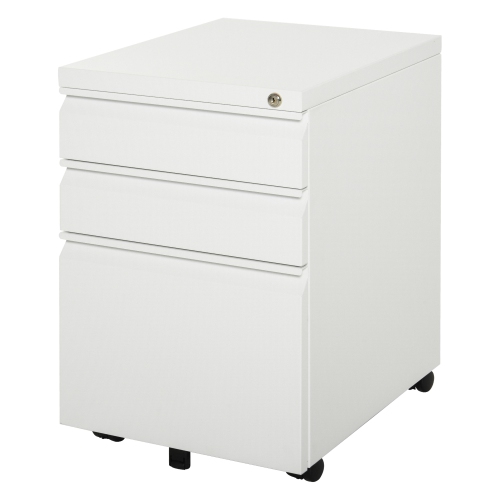
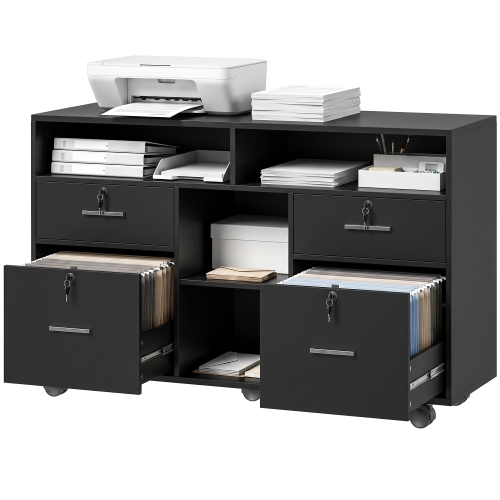
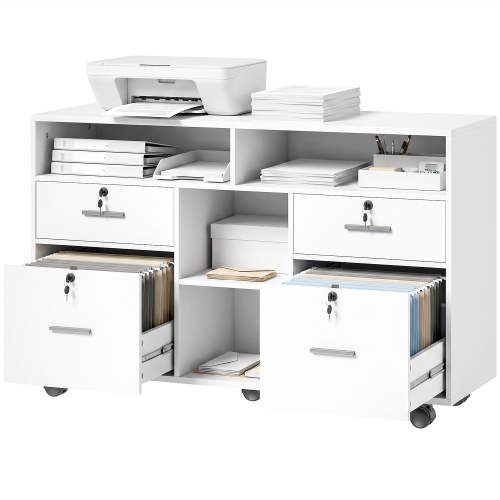
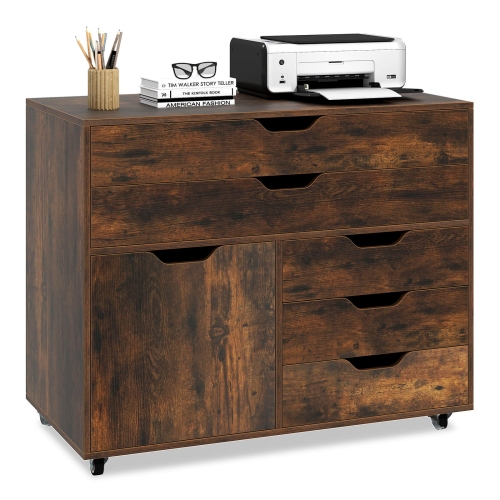
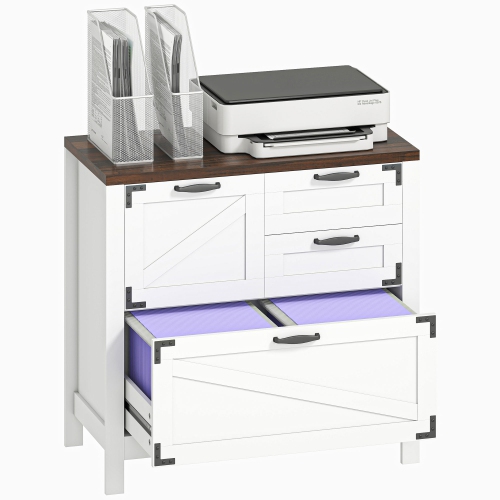
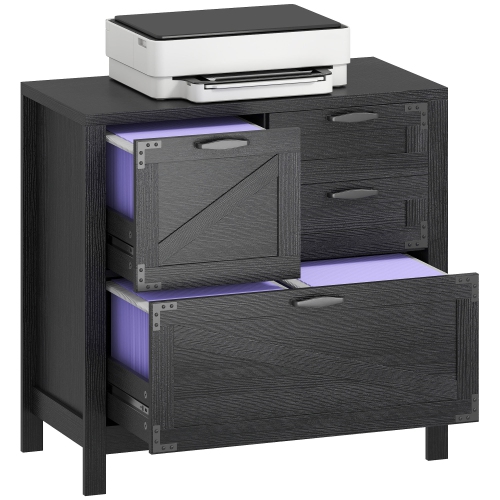
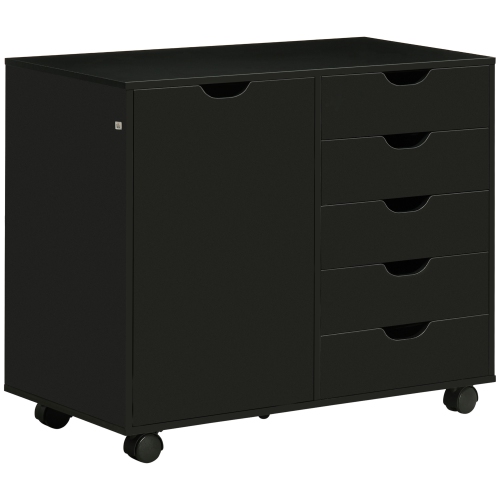
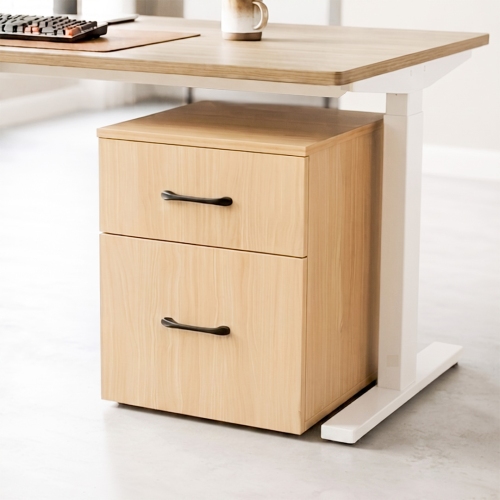
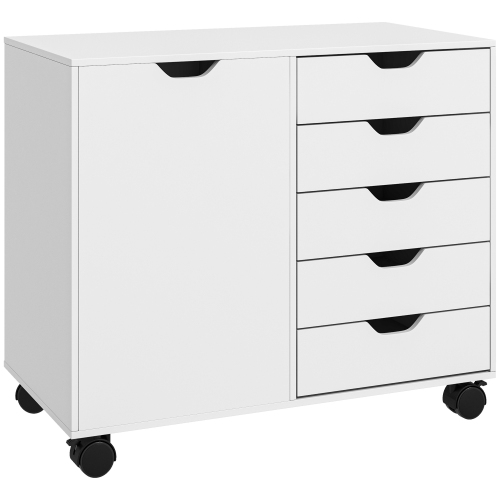
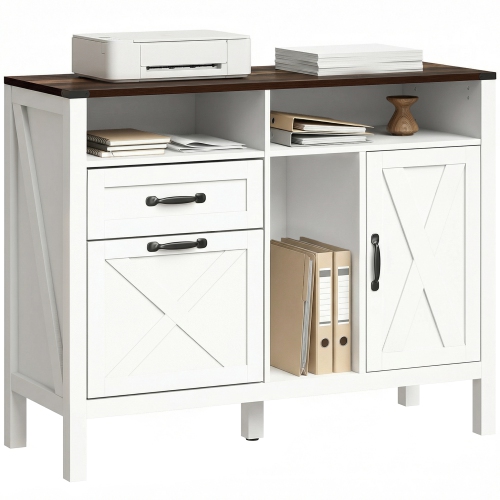
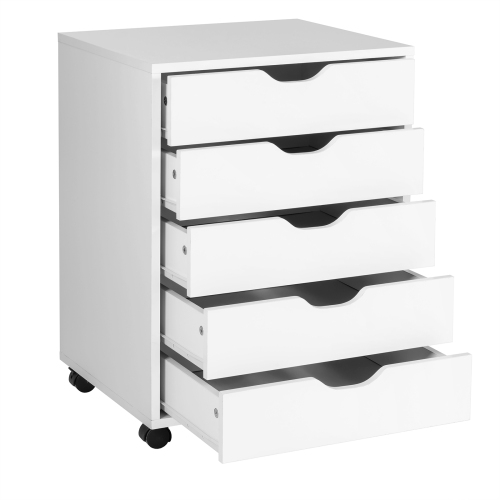
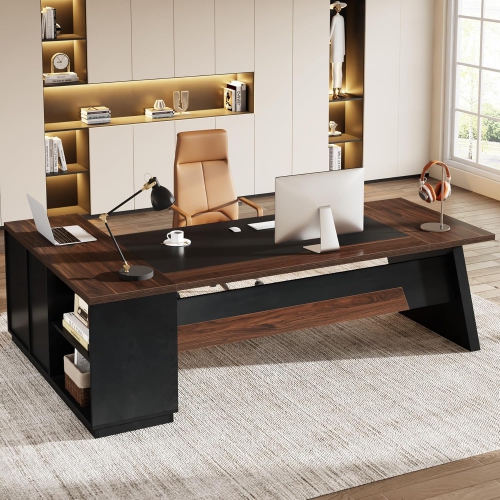

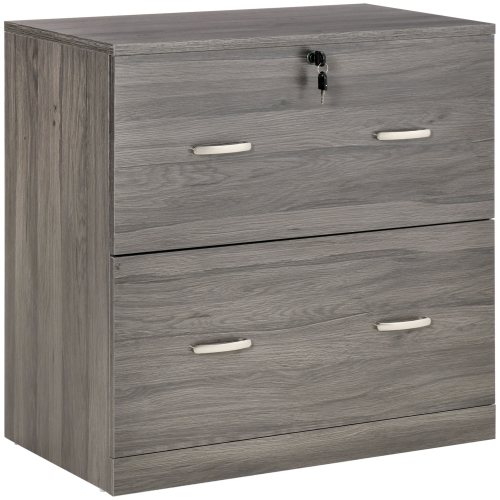
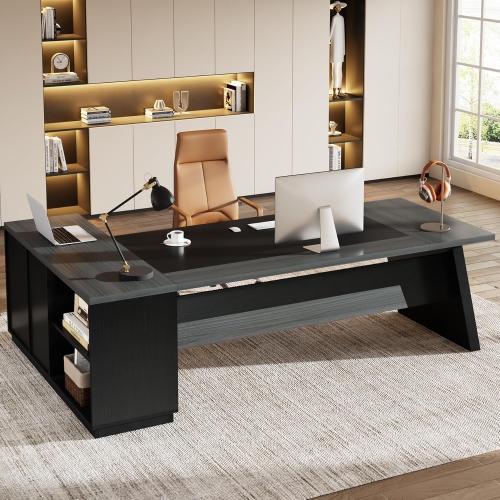

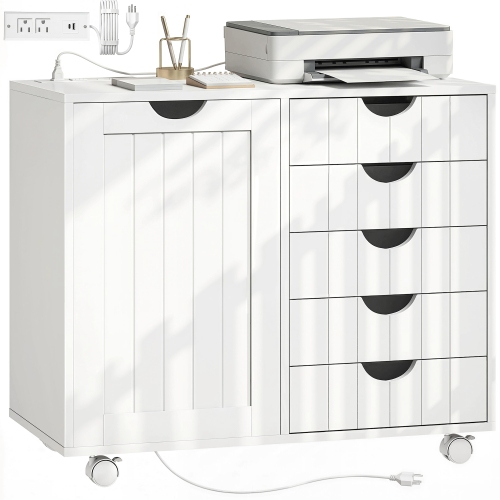
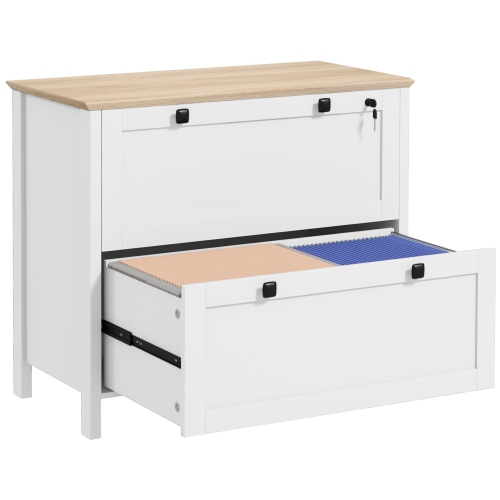
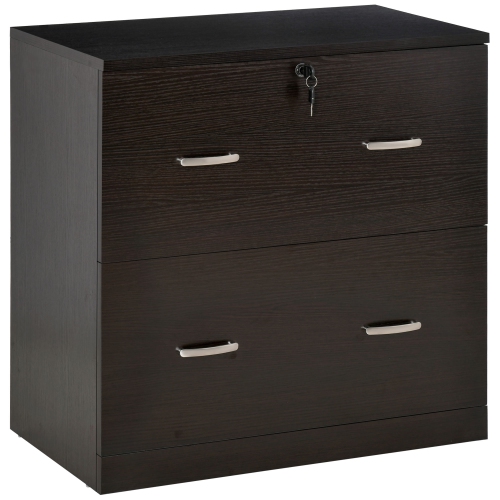
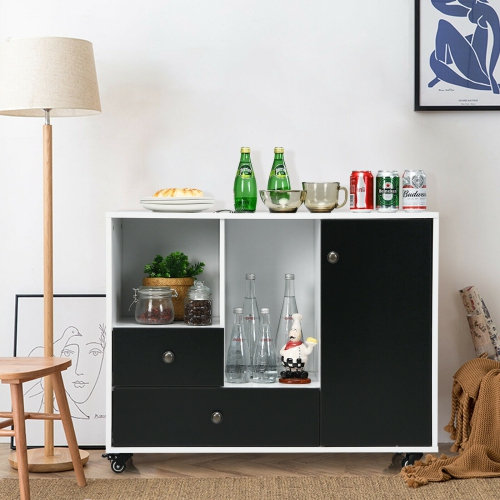
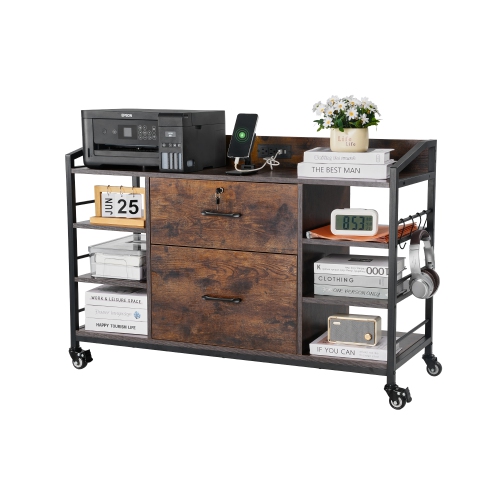
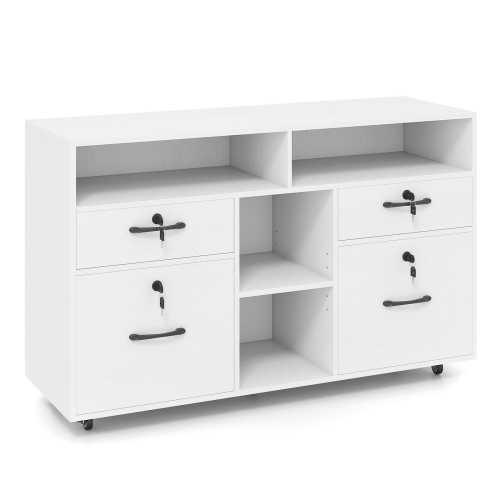
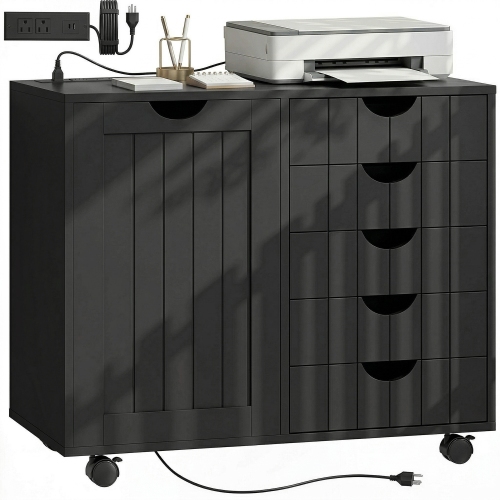
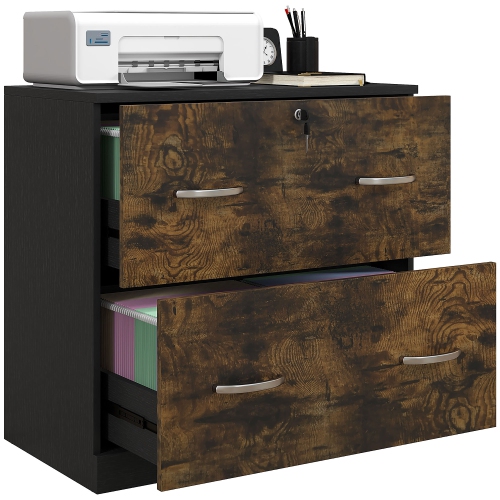
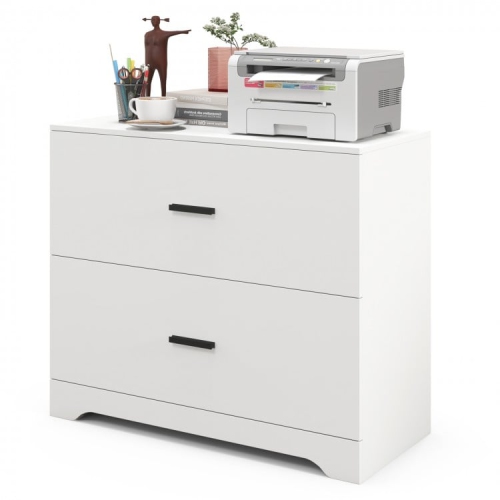
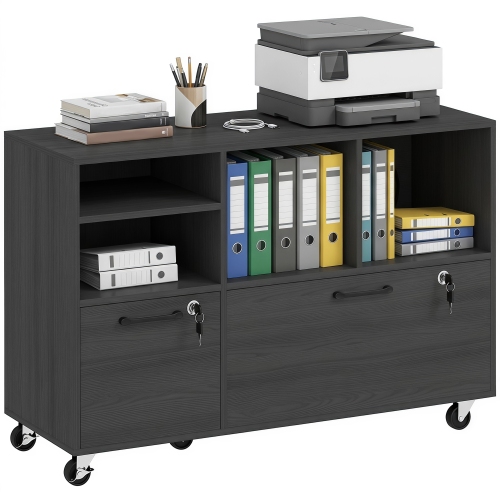
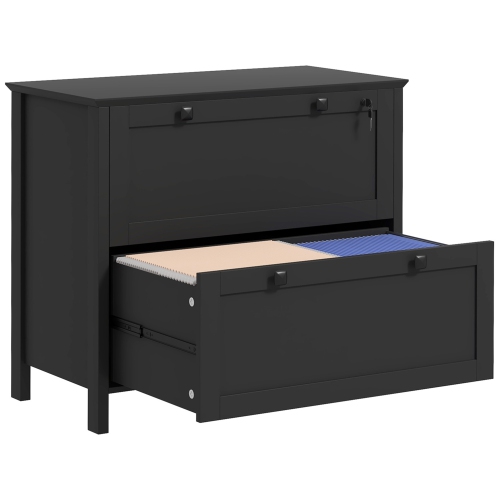
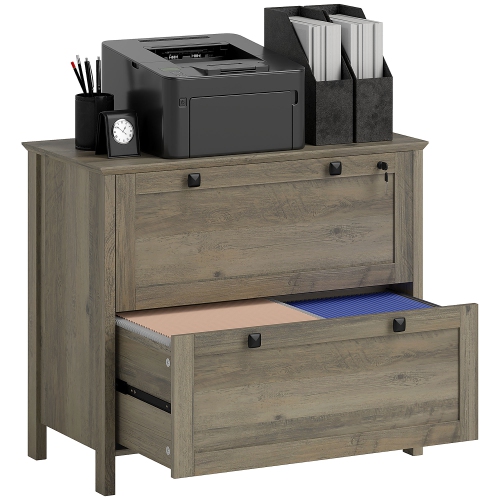
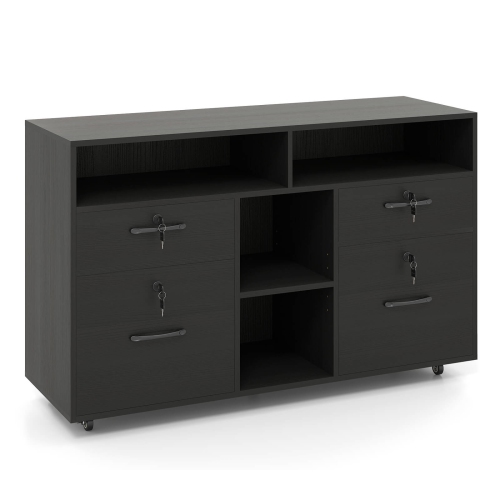

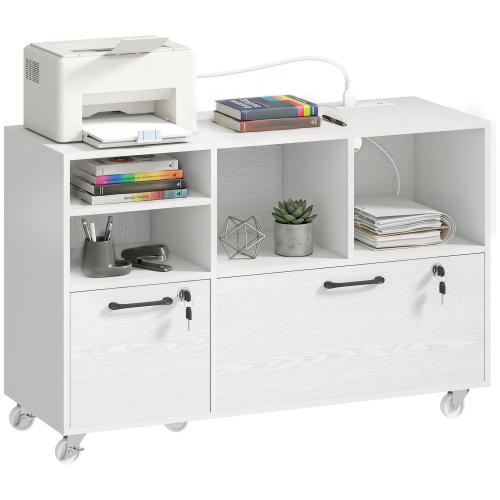
Wide drawers put everyday paperwork within easy reach
Three-drawer lateral file cabinets provide wide, accessible storage for paperwork in home offices, shared workspaces, reception areas, and administrative rooms. Their drawers typically hold hanging files side to side across the cabinet’s width, creating a different footprint from a narrow vertical filing cabinet. This wider, often shallower shape can make it easier to scan folder tabs and retrieve documents without reaching deep into a drawer. Three drawers also offer a useful middle ground between a small filing unit and a taller cabinet, with separate spaces for active records, reference material, and documents kept for future use. A household might dedicate one drawer to property and insurance paperwork, another to financial records, and a third to school or personal documents. In a business setting, the same layout can separate client files, invoices, and internal records. Letter-size and legal-size compatibility varies by cabinet, so the internal filing dimensions and included hanging rails matter as much as the exterior measurements. Some designs accommodate both formats through adjustable rails, while others require a particular folder size or an additional accessory. Drawer layout deserves attention, too: a cabinet described as having three drawers may combine filing drawers with a shallower utility drawer rather than provide three equal spaces for hanging folders. Full-extension drawer slides, where included, bring the back section of the drawer within easier reach, while smooth-running slides help make frequent filing less cumbersome. Load capacity is another practical consideration because a drawer filled with paper can become surprisingly heavy. The stated capacity should be checked for each drawer and for the cabinet as a whole, rather than estimated from its size. For people who regularly handle printed contracts, receipts, project records, or reference documents, a three-drawer lateral cabinet can keep a substantial filing system close to the desk without spreading paperwork across shelves and work surfaces. Clear labels and consistent folder spacing make that storage easier to navigate, especially when several people need access to the same records.
Materials influence how a three-drawer lateral file cabinet looks, feels, and stands up to everyday use. Steel cabinets suit workspaces where drawers are opened frequently and a straightforward, durable finish is preferred. Construction details such as reinforced drawer fronts, sturdy slides, and a well-supported cabinet base can matter more than appearance alone. Painted or powder-coated metal surfaces are generally easy to wipe clean, although chips and scratches should be addressed according to the manufacturer’s care instructions. Wood and engineered wood designs offer a more furniture-like appearance that can sit comfortably beside a desk, bookcase, or living-room storage unit. Solid wood, wood veneer, and laminate-covered panels have different characteristics, so a wood-look finish should not be assumed to indicate solid wood construction. The 3 Drawer Lateral File Cabinet Wood collection is a relevant option for shoppers looking for that style of filing storage. Grain patterns, handle shapes, and colour all affect how easily a cabinet coordinates with existing furniture, while edge finishing and drawer alignment contribute to its overall appearance. Fit involves more than finding enough wall space. The cabinet needs room for its drawers to open fully, with sufficient clearance for someone to stand comfortably in front and lift out a folder. Doorways, desk chairs, nearby cupboards, and walking routes should remain unobstructed. Exterior width and depth do not reveal the usable filing space, so both sets of measurements are worth considering. Cabinet height also affects how comfortably the upper and lower drawers can be reached from a seated or standing position. A top surface may provide a convenient place for office supplies or equipment when its stated load limit allows, but added weight should never be treated as a substitute for proper installation. Mobile designs can help accommodate changing workspace layouts, while stationary cabinets offer a fixed storage location. On models with castors, wheel suitability, locking mechanisms, and the loaded cabinet’s weight affect how easily and safely it can be moved.
Security, stability, and care are important parts of owning a three-drawer lateral file cabinet, particularly when it holds confidential paperwork or sits in a busy room. Some cabinets have a central lock that secures all three drawers, while others use individual locks or leave certain compartments unlocked. The locking arrangement should match how the files will be used: a shared office may need controlled access to an entire cabinet, while a household may only need to keep selected records away from casual handling. A standard filing-cabinet lock is not the same as a rated safe, and ordinary cabinets should not be assumed to protect documents against fire or water damage. Stability features are equally important because opening a loaded drawer shifts weight towards the front. An anti-tip interlock, when fitted, permits only one drawer to open at a time, helping reduce the risk associated with multiple extended drawers. That feature does not replace following the manufacturer’s installation instructions, including any requirements for wall anchoring or other restraints. A level floor, correct assembly, and weight distributed within the stated limits help drawers operate as intended. Loading lower drawers first and keeping heavier contents low can support stability, but the cabinet’s specific instructions should always take priority. Drawer handles are for opening drawers, not climbing or supporting body weight. During assembly, accurately positioned slides and securely fastened hardware help prevent rubbing, uneven gaps, and misaligned locks. Once installed, routine care is usually straightforward: remove dust with a soft cloth, wipe suitable surfaces with a lightly dampened cloth, and dry them promptly. Excess moisture can damage wood-based panels or affect metal components, while abrasive cleaners can dull or scratch finishes. Drawer tracks should be kept free of loose paper clips and other debris, with lubrication used only if recommended by the manufacturer. Leaving a little space between folders makes documents easier to retrieve and avoids forcing an overfilled drawer closed. With an appropriate size, suitable construction, and a filing layout that reflects everyday habits, a three-drawer lateral file cabinet can provide dependable storage for both frequently used paperwork and records that need an orderly, accessible home.
Top selling and popular products
-
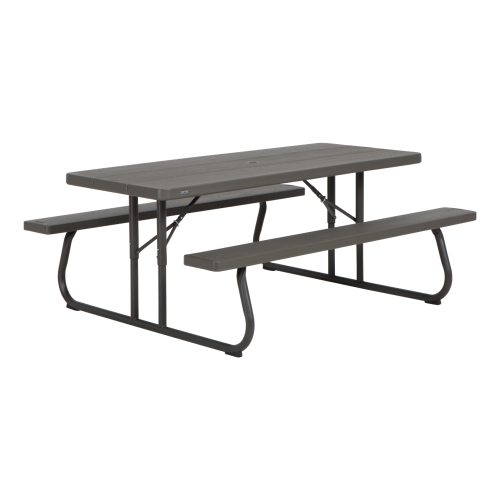 Your price for this item is $369.99
-
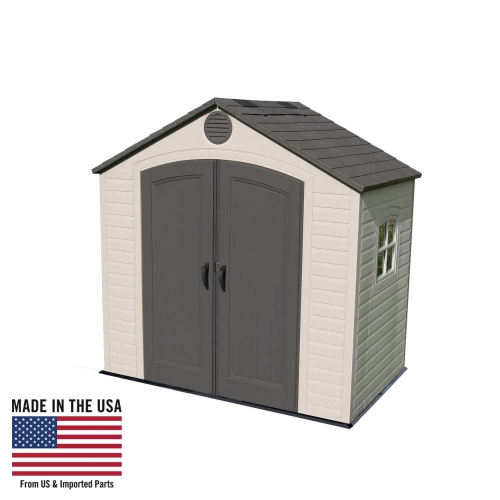 Your price for this item is $2249
-
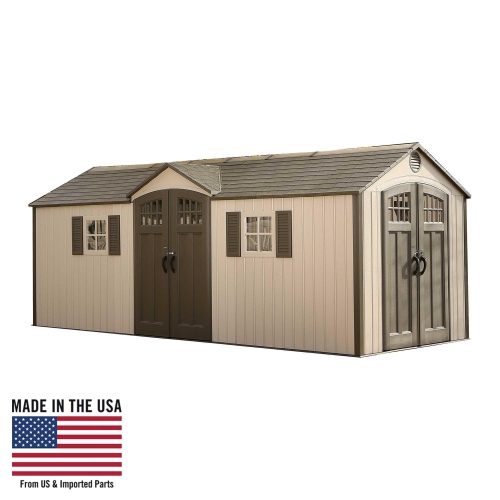 Your price for this item is $5999.99
-
 Your price for this item is $5999.99
-
 Your price for this item is $4499.99
-
 Your price for this item is $629.99
-
 Your price for this item is $369.99
-
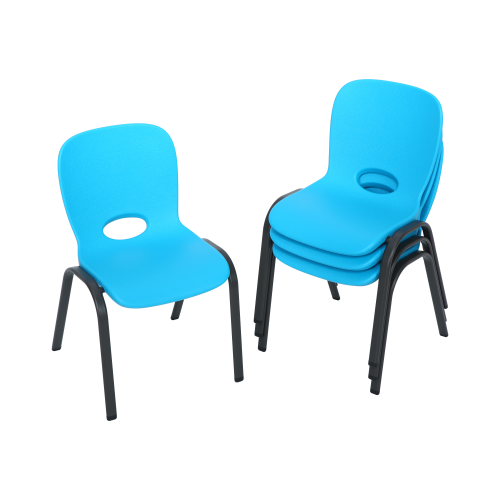 Your price for this item is $119.99
Discover more categories related to Three Drawer Lateral File Cabinets
Top Collections:
Best Black Friday Deals This Year, Best Black Friday Deals On Electronics, Kindle Devices, Dyson Airwrap, Best Cameras for Sports Photography, Best Budget Office Chairs, Canon G7X Cameras, PS5 Pro Consoles, Best Black Friday Deals On Apple Products, XBOX One S Consoles
Some products may be subject to Environmental Handling Fees
(EHF) depending on your province.
Learn more about EHFs.