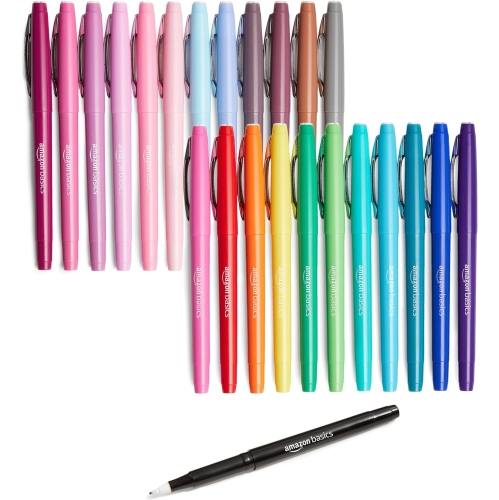
Fineliner Pens for Journaling

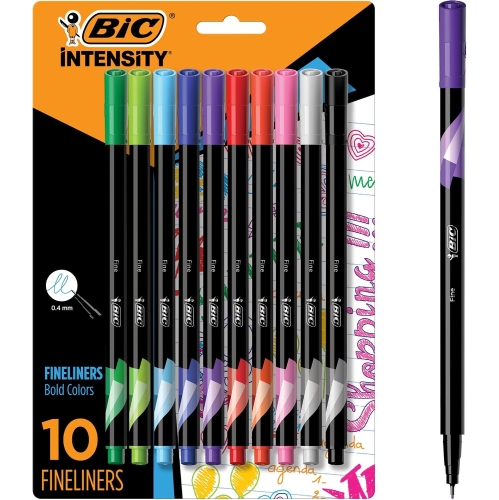
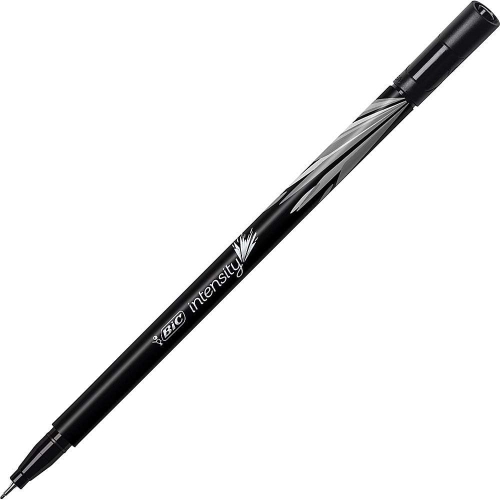
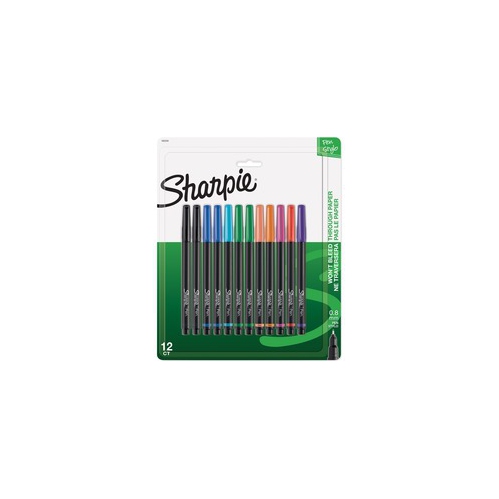
Find fineliner pens for journaling, from everyday entries and lists to detailed bullet journal layouts. These fine-tip writing tools suit small handwriting, lettering, and simple line drawings. Consider line width, ink colour, and compatibility with your journal’s paper when choosing pens for your writing style.
Sort

Why fine lines depend on more than tip size

Fineliner pens for journaling create narrow, consistent lines that keep handwriting, small sketches, and page layouts clear without taking up much space. Their firm fibre or plastic tips deliver ink differently from a ballpoint, making them well suited to neat lettering, ruled boxes, and detailed marks. A useful fineliner for a journal combines a comfortable grip, a predictable line, and ink that works well with the notebook’s paper. Fast-drying, bleed-resistant ink is especially helpful for daily entries, although drying time and bleed-through depend on the paper, ink formula, and amount applied. Fine points around 0.2 mm or 0.3 mm suit compact handwriting, tiny checkboxes, and closely spaced habit trackers, while points around 0.4 mm or 0.5 mm can make everyday writing easier to read. These measurements are useful comparisons rather than guarantees of identical results, since the tip’s shape, writing angle, and pressure also affect the mark. Unlike flexible brush pens, most fineliners are designed to maintain a relatively even stroke rather than produce dramatic changes in width. That consistency works particularly well on dot-grid pages, where a week of appointments, a short reading log, and a few handwritten notes may share the same spread. Paper choice matters just as much as point size. Smooth paper often preserves sharp edges, while more absorbent paper can make a line look wider or develop feathery edges. Thin sheets may show writing from the reverse side even when the ink has not soaked through; this is show-through, which is different from bleed-through. Heavier paper can help, but thickness alone does not determine performance because surface treatment and fibre composition matter too. A small test near the back of a notebook can reveal how the pen behaves before it becomes part of a daily routine. For journals used on both sides of every sheet, a clean, readable reverse page can be more valuable than an especially dark or saturated line.

Ink characteristics and pen construction influence how comfortable a fineliner feels over a full page of writing. Water-based inks are common, with dye-based and pigment-based formulas offering different colour and permanence characteristics. Neither category alone guarantees resistance to water, fading, or smudging, so any stated performance should be considered alongside the intended use. A journal that stays on a desk has different demands from a notebook carried in a bag beside a water bottle. Water-resistant ink may help preserve entries after an accidental splash once it has dried, but it should not be assumed to withstand soaking. Likewise, an acid-free or archival description is worth checking carefully when the journal is intended as a long-term keepsake. Highlighter use adds another consideration: even a line that feels dry may smear beneath a wet highlighter, and results vary with both formulas. Colour can serve a practical purpose as well as a decorative one. Black or dark blue keeps longer entries easy to read, while a small group of contrasting colours can distinguish appointments, personal notes, and completed tasks without crowding the page. Pale shades may look attractive in headings yet offer too little contrast for tiny handwriting. For longer sessions, barrel diameter, grip texture, pen weight, and balance matter more than a decorative finish. A slim barrel may feel precise, while a slightly wider grip may feel less cramped in the hand. Left-handed writers may particularly appreciate ink that dries quickly on their chosen paper, since the writing hand can pass directly over fresh lines. Tip durability depends partly on pressure and the writing surface. Fineliners generally need a light touch; pressing harder can wear down or distort the point rather than make it more expressive. Securely replaced caps help prevent drying, and protected tips are less likely to be damaged inside a pencil case. Storage recommendations vary by design, so the maker’s directions remain the best reference for keeping ink delivery consistent between uses.

The appeal of fineliners extends beyond tidy handwriting. In a bullet journal, a single fine point can handle a daily task list, a narrow column of expenses, and the outline of a simple meal planner. A second line width can give headings or page borders more definition without requiring elaborate lettering. Students may use fine lines to fit summaries beside lecture notes, while people keeping work journals can separate meeting decisions from follow-up tasks with a restrained colour system. For personal writing, a consistent pen can make the page feel familiar, whether an entry fills several sheets or records only a sentence about the day. Readers often use fineliners for book journals, where small spaces need to hold titles, page references, and brief impressions. Travel journals benefit from their ability to combine written observations with quick outlines of a doorway, a street sign, or a view from a café table. Those drawings do not need to be intricate; a few controlled lines can leave room for the words that give the memory context. Fineliners also work well for recipe notes, hobby logs, and family records where clear labels make information easier to find later. Within the broader range of Journaling Pens, they suit people who favour precision and an even stroke over the heavier mark of a felt-tip marker or the variable width of a brush pen. As a gift, the most useful combination reflects the recipient’s habits: a few dependable writing colours for someone who keeps minimal pages, or a wider colour range for someone who enjoys illustrated spreads. A notebook with compatible paper and a simple pen case can make the gift feel considered without adding unnecessary complexity. For someone beginning a journal, comfort and reliable everyday performance usually matter more than having many point sizes. For an experienced journal keeper, a particular line width or ink characteristic may be the detail that makes regular writing feel easier. The right fit leaves attention on the page’s contents, with clear lines that support both practical organization and personal expression.

FAQ

Some products may be subject to Environmental Handling Fees (EHF) depending on your province. Learn more about EHFs.