Nice Floor Fans
A floor fan is a great way to cool off during the hot summer months. They're inexpensive, portable, and easy to clean. These appliances will provide instant air flow whenever you need it. Here are some nice floor fans available on the market today.
Sort
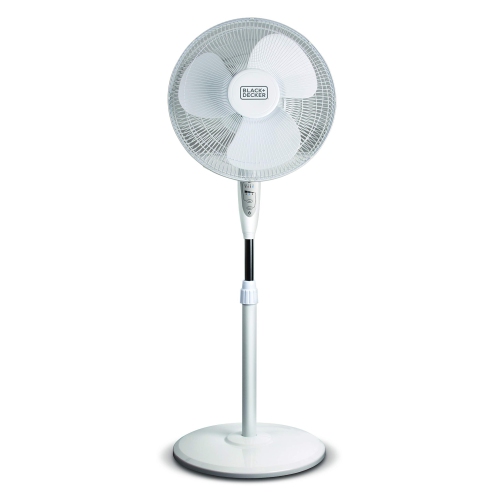
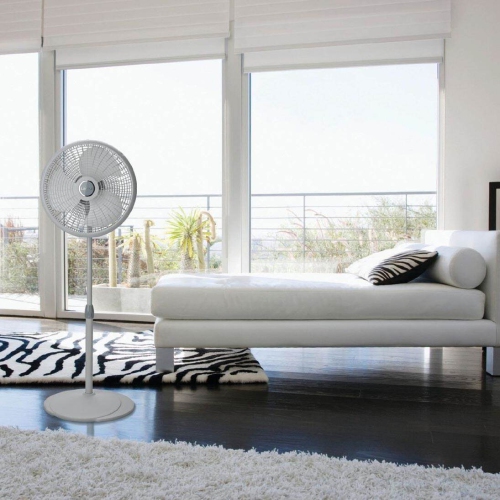
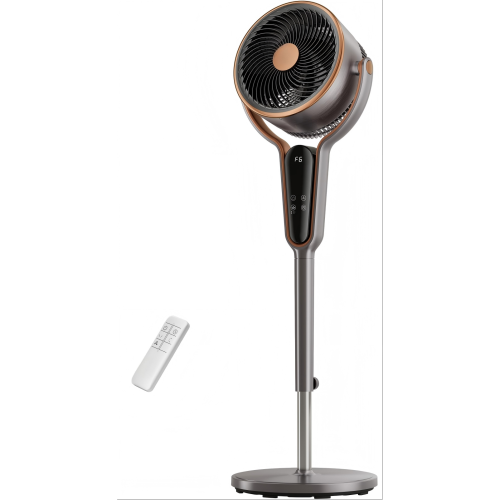
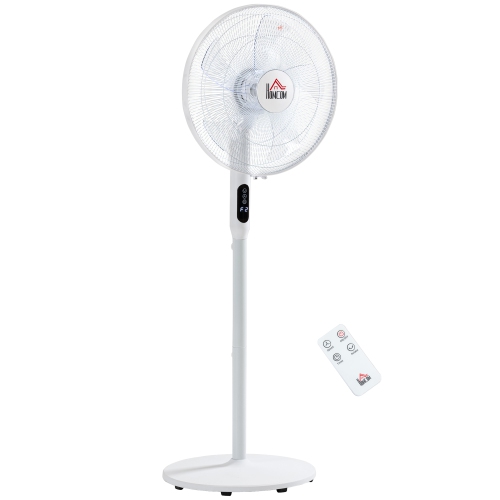
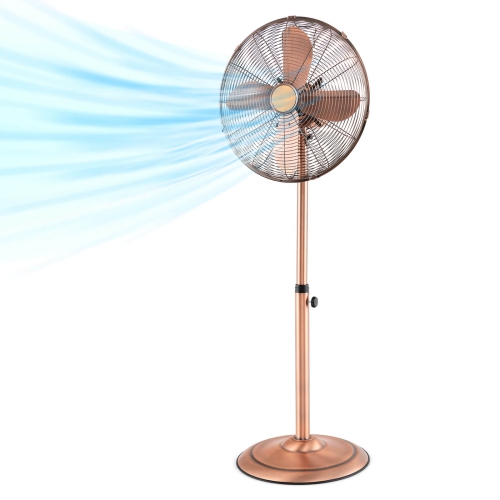
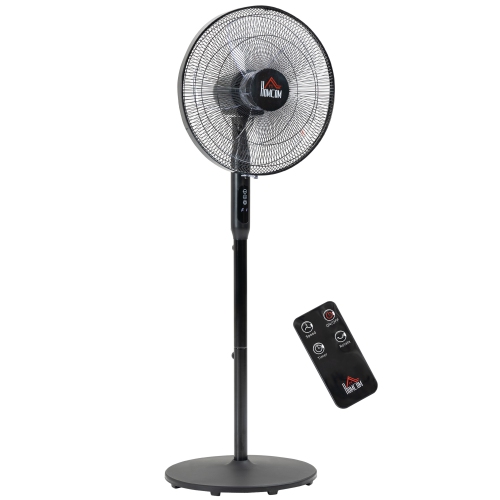
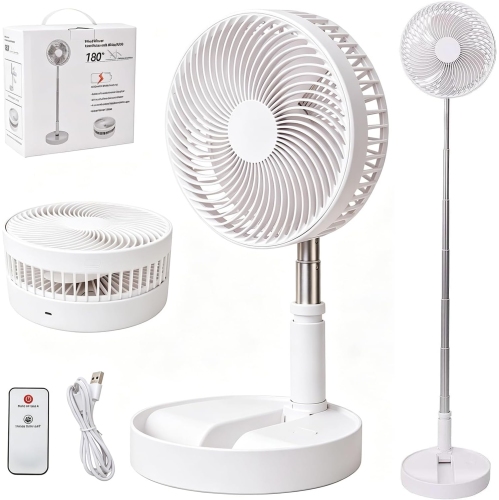
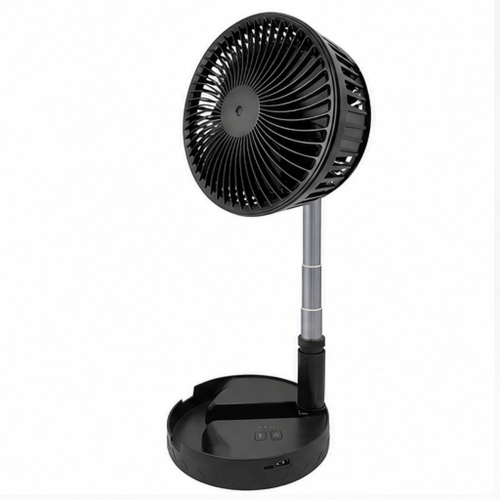


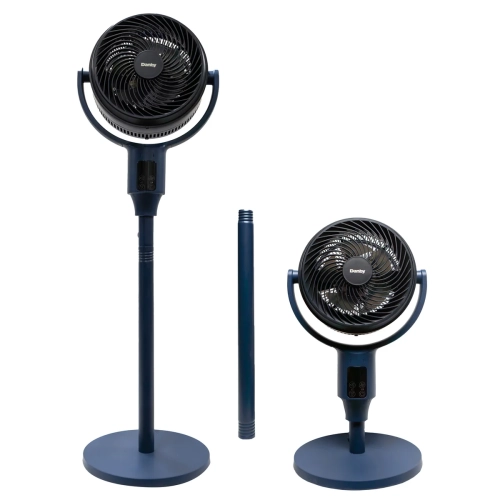
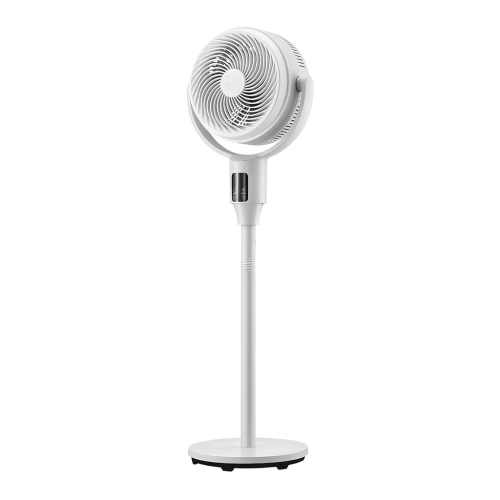
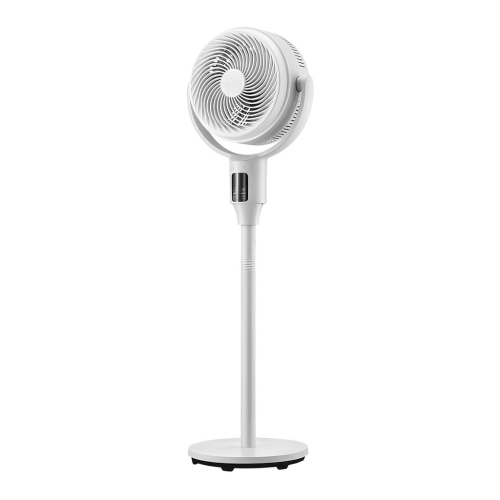
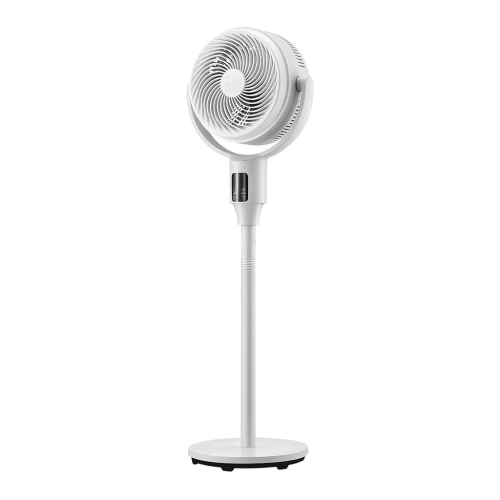
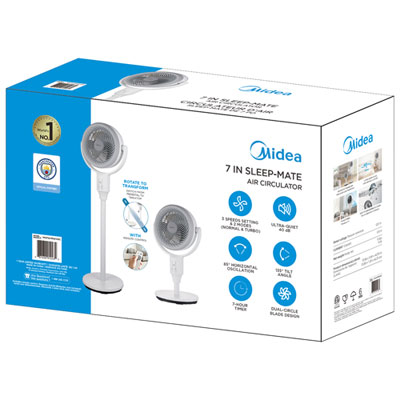
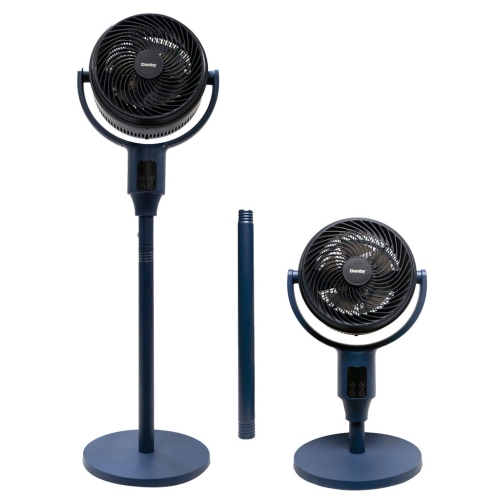
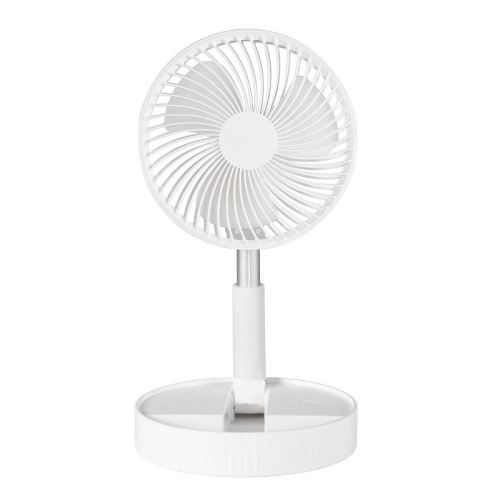
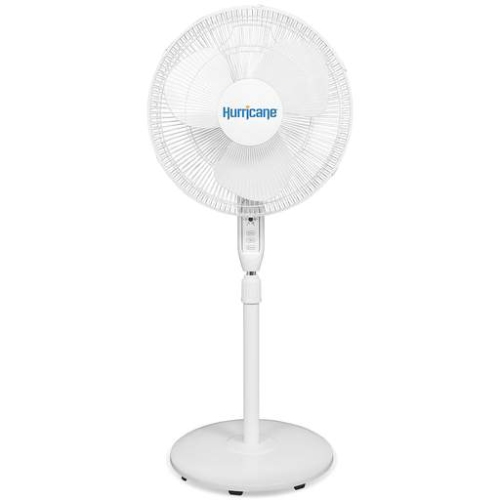
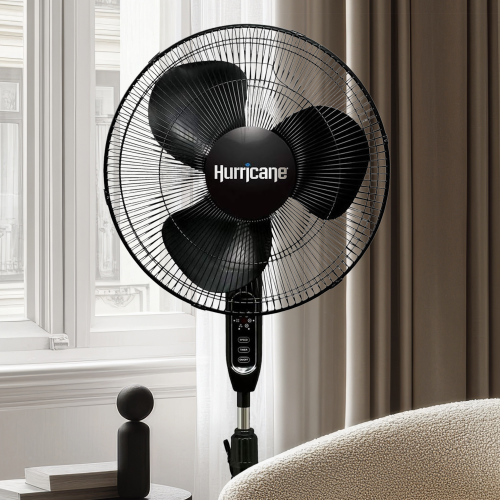
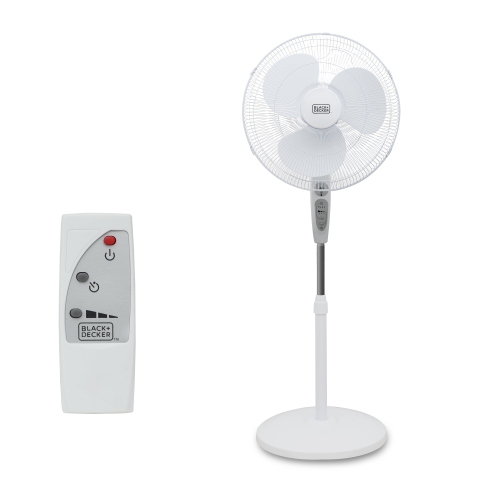
How fan shape and placement affect your comfort
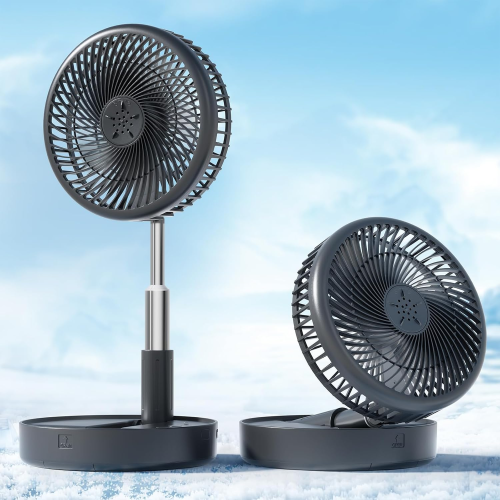
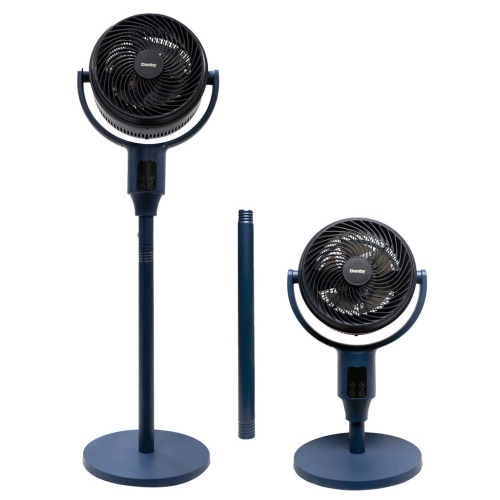
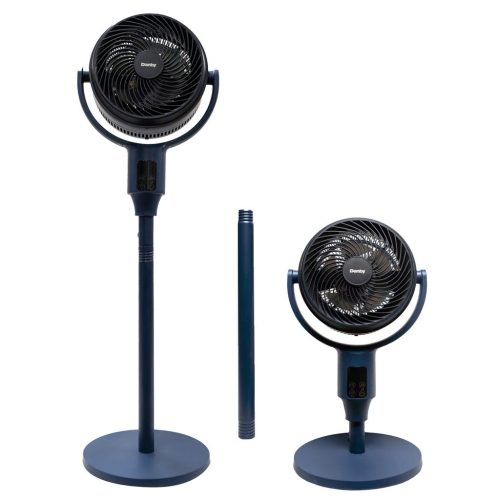
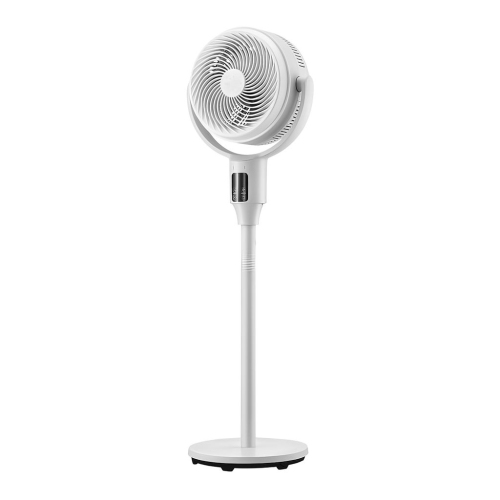
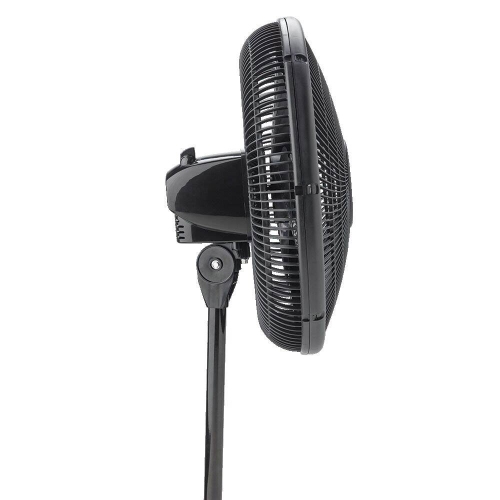
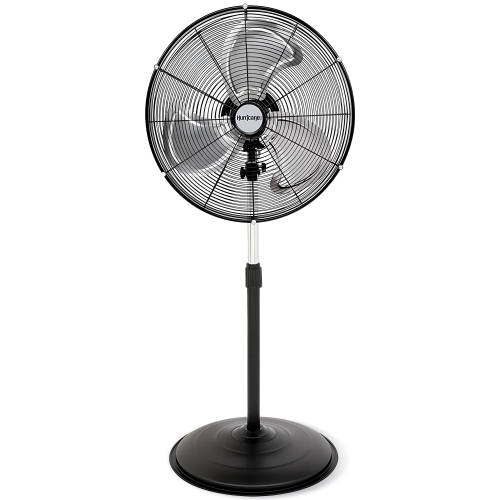
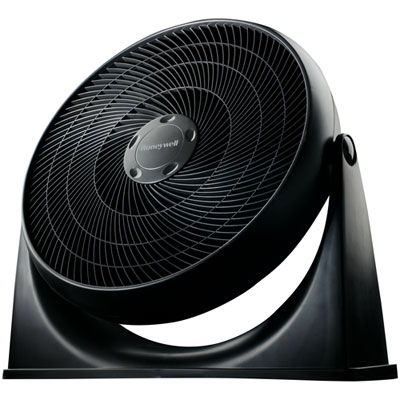
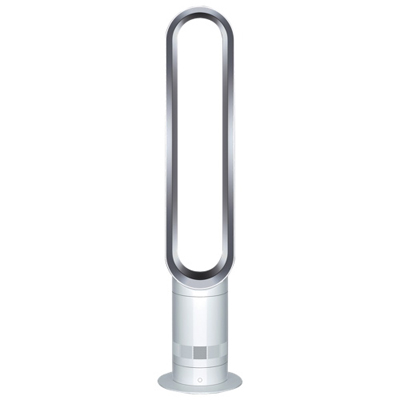
Nice floor fans combine useful airflow with a design that feels at home in the room, whether that means a slim tower beside a sofa, an adjustable pedestal near a bed, or a compact floor-standing fan tucked beside a reading chair. The most suitable shape depends on where the breeze needs to reach and how much floor space is available. Pedestal fans raise the fan head above the base, making them practical for directing air across a seating area or towards someone sitting at a desk. Tower fans have a tall, narrow profile that can fit neatly into smaller rooms, although their bases still need enough clearance for stable placement. Low-profile floor fans sit closer to the ground and often have a tilting head for directing airflow upwards or across an open area. A pivoting head changes the vertical direction of the breeze, while horizontal oscillation moves it from side to side; these features serve different purposes and are not interchangeable. Height adjustment adds another way to position airflow without moving furniture. In a living room, a broad sweep can help several seats share the breeze, while a fixed position may suit a single work surface. Appearance matters, too, especially when a fan stays in view every day. Matte finishes, restrained controls, rounded housings, and neatly integrated handles can make an appliance feel less intrusive among furniture and lighting. A dark finish can blend into a media area, while a lighter finish may sit comfortably against pale walls. For a closer look at design-led shapes and finishes, Modern Floor Fans offers a related style direction. Beyond appearance, overall height, base width, and cord length determine how comfortably a fan fits into its intended spot. A narrow body does not always mean a small footprint, and an oversized base can be awkward beside a bedside table or in a compact apartment.
Airflow and sound are just as important as looks because a fan becomes part of the room’s everyday rhythm. A gentle setting may be enough beside a reading chair, while a larger shared space may benefit from stronger circulation and a wider oscillation range. Multiple speed settings make it easier to find a comfortable balance instead of switching between a breeze that feels too weak and one that interrupts conversation. Airflow figures, where provided, help describe how much air a fan moves, but room layout, furniture, placement, and distance all affect what reaches the person using it. A long stated air-reach distance is not the same as even coverage throughout a room. Similarly, a low advertised sound level may refer to the lowest speed under particular test conditions rather than every operating mode. Decibel figures are most useful when the speed, measurement distance, and testing conditions are comparable. The character of the sound also matters: a steady rush of air may be less distracting than a noticeable hum, rattle, or repeated click as the head turns. For bedrooms, useful details can include a low starting speed, a timer, display dimming, and controls that do not produce a bright light beside the bed. In a home office, smooth airflow and unobtrusive operation can make a fan easier to live with during calls or concentrated work. Remote controls allow adjustments from a sofa or bed, while clear onboard buttons remain useful when the remote is elsewhere. Features such as automatic speed changes or sleep settings vary by design, so their actual functions matter more than the mode name alone. A fan creates air movement and can help people feel more comfortable, but it does not lower room temperature in the same way as an air conditioner. That distinction keeps expectations realistic: the benefit is a directed breeze or improved circulation, not refrigeration. Wider oscillation can share that breeze across more of a room, while a stationary setting keeps it focused where it is wanted.
Materials, construction, and cleaning access influence how well a floor fan stands up to regular use. Plastic housings can keep a fan lighter and easier to carry between rooms, while metal grilles and frames can provide a rigid structure and a more substantial feel. Neither material alone guarantees durability; secure fittings, a well-supported head, a stable base, and controls that operate smoothly are equally relevant. An adjustable pedestal should hold its chosen height without slipping, and a tilting head should remain in position rather than gradually dropping. A carry handle is useful when moving a fan between a bedroom and living room, especially if the body is bulky or difficult to grip. For households with children or pets, a securely fitted guard and stable placement are important, though a guard does not make moving blades safe to touch. The fan belongs on a level surface, away from busy walking paths, with its cord positioned so it will not be pulled or tripped over. Power cords should not run beneath rugs, and indoor-only fans should stay away from rain, splashes, and damp locations. Routine care usually centres on keeping dust from collecting on the grille, blades, and air intake. The fan should be switched off and unplugged before cleaning, with any disassembly limited to the steps described in its manual. Removable parts are only suitable for washing when the manufacturer permits it, and electrical components should remain dry. Accessible grilles can make cleaning less fiddly, while enclosed designs may call for a different approach. Dust buildup can restrict airflow, so ease of maintenance deserves attention alongside the finish and controls. For someone furnishing a first apartment, sharing a home office, or adding comfort to a frequently used room, a well-proportioned floor fan can be a practical addition without requiring a permanent installation. The lasting appeal comes from the combination: airflow that suits the space, sound that suits the activity, and a design that remains convenient to move, operate, and care for.
Top selling and popular products
-
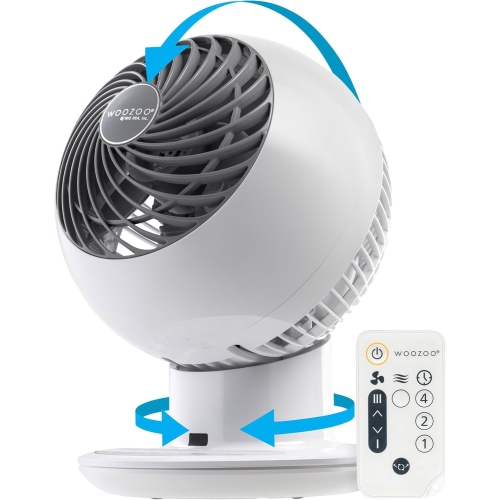 Your price for this item is $64.08
-
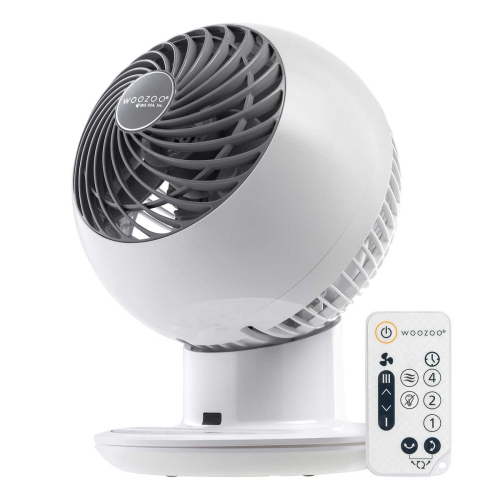 Your price for this item is $64.08
-
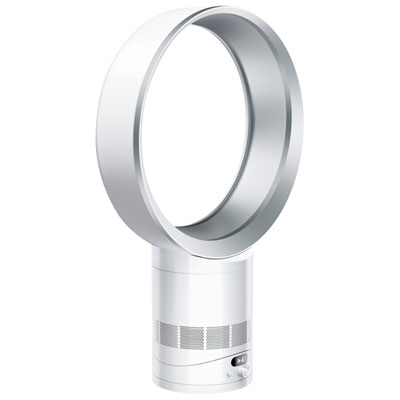 Your price for this item is $379.99
-
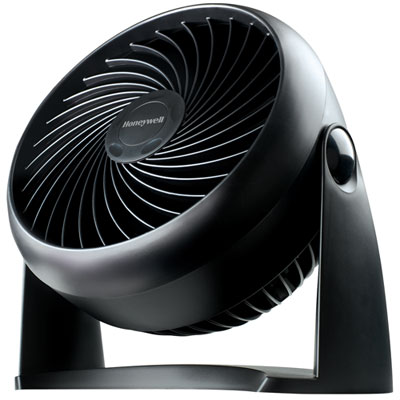 Your price for this item is $24.99
-
 Your price for this item is $49.99
-
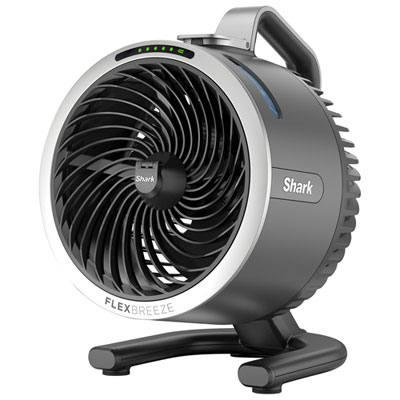 Your price for this item is $129.99
-
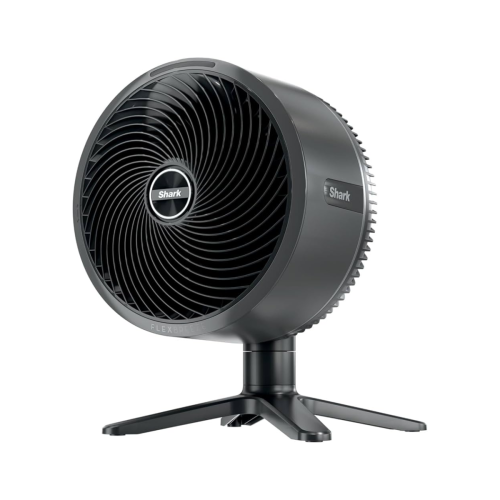 Your price for this item is $199.99
-
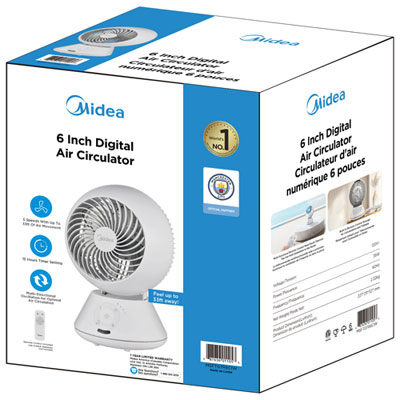 Your price for this item is $44.99
Discover more categories related to Nice Floor Fans
Top Collections:
Best Black Friday Deals This Year, Best Black Friday Deals On Electronics, Kindle Devices, Pokemon Centers, Best Black Friday Deals On Apple Products, Best Cameras for Sports Photography, Dyson Airwrap, Pokémon 30th Celebration Cards, Apple iPhone 17 Pro, Canon G7X Cameras
Some products may be subject to Environmental Handling Fees
(EHF) depending on your province.
Learn more about EHFs.