Food Storage Bowls
Transform your kitchen organization with versatile food storage bowls, an essential addition for anyone looking to keep their meals fresh and their space tidy. These practical containers are perfect for storing leftovers, prepping ingredients, or packing lunches, helping you maintain a clutter-free kitchen while ensuring your food stays deliciously fresh. Available in various sizes and materials, food storage bowls offer flexibility and convenience, making meal planning and storage a breeze. Whether you're a culinary enthusiast or simply love an organized pantry, these bowls are designed to meet your everyday needs effortlessly.
Sort
Why bowl materials matter for everyday meal prep
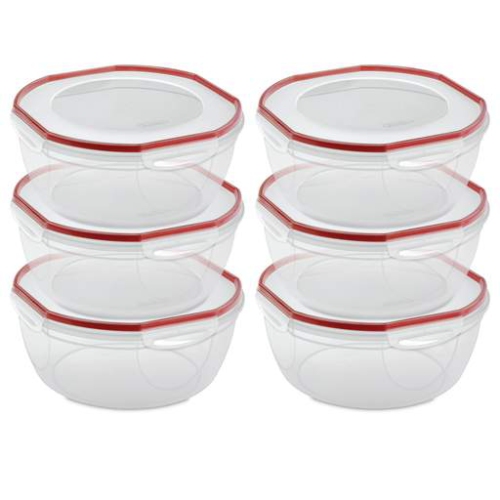
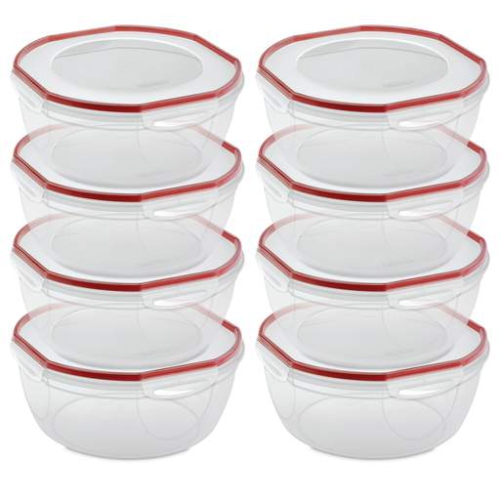
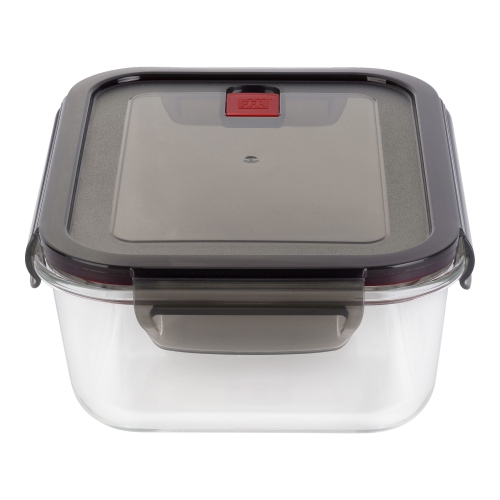
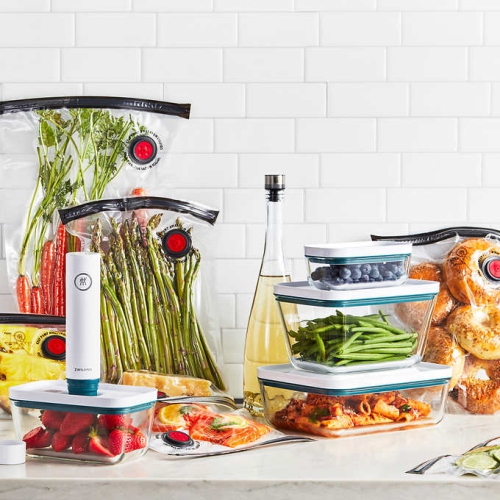
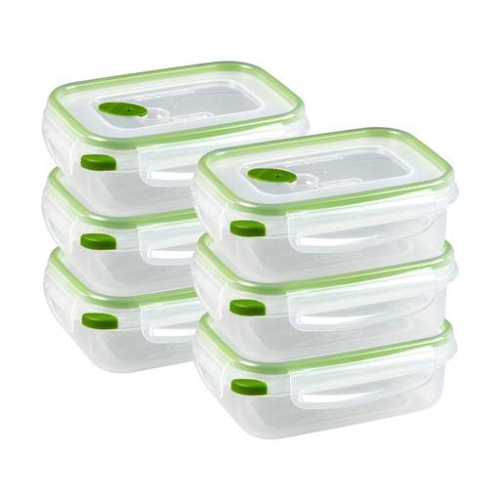
Food storage bowls are lidded containers designed to keep prepared ingredients, leftovers, snacks, and complete meals together in the fridge, freezer, or pantry, depending on their intended use. Their rounded interiors make them practical for stirring a dressing, portioning rice, or scooping out the last spoonful of soup, while a fitted lid lets the same bowl move from food preparation to storage. Glass, plastic, stainless steel, and silicone each suit different kitchen routines. Glass resists food stains and odours, makes the contents easy to see, and has enough weight to feel steady when mixing or serving. It is useful for foods such as tomato sauce or curry that can leave lingering marks or smells on some plastics. Glass is heavier to carry, however, and requires protection from knocks and sudden temperature changes. Plastic food storage bowls are lightweight and convenient for packed lunches, shared kitchens, and meals carried between home and work. Their resistance to breakage is helpful in busy households, although repeated use can leave scratches or discolouration. Stainless steel offers a sturdy, lightweight option for storing chilled ingredients and transporting food, but it conceals the contents and is generally unsuitable for microwave use. Flexible silicone bowls can be convenient where cupboard space is limited, particularly when designed to collapse after use; their flexibility also means they need a secure grip when full. Material alone does not establish whether a bowl is suitable for the microwave, dishwasher, freezer, or oven. Those uses depend on the manufacturer's rating for the bowl and, separately, its lid. For a household that reheats leftovers daily, microwave compatibility may matter more than a matching colour scheme. For someone who mainly stores chopped vegetables or portions snacks, lighter weight and easy-opening lids may be more useful. The best fit is a bowl that handles the food, storage space, and daily movement it will actually encounter, rather than one chosen only by appearance.
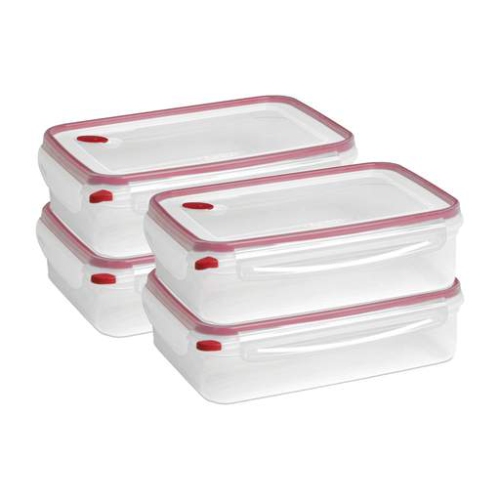
Size and shape determine how comfortably food storage bowls fit into everyday routines. Smaller capacities suit dips, chopped herbs, a little leftover sauce, or individual portions of fruit. Medium bowls work well for lunches, cooked grains, and side dishes, while larger bowls accommodate salad ingredients, batches of soup, or food prepared for several people. A useful mix of sizes reduces the need to put a small serving in an oversized container or divide one meal across several bowls. Capacity measurements help describe how much a bowl holds, but its outside dimensions, including the lid and any clips, determine whether it fits on a fridge shelf or inside a lunch bag. Wide, shallow bowls make contents accessible and can help divide cooked food into smaller portions for prompt cooling and refrigeration. Deeper bowls contain bulky greens or mixed ingredients, though they may be less convenient in a fridge with closely spaced shelves. Nesting bowls fit inside one another when empty, while stackable designs sit securely together when filled and closed; these features solve different storage problems. Lids deserve as much attention as the bowls themselves. A simple press-on lid may be sufficient for upright storage at home, while locking tabs and a sealing gasket can offer added security during transport. Airtight and leakproof describe different functions: an airtight seal limits air exchange, whereas a leakproof design is intended to contain liquids under the conditions stated by the manufacturer. Neither claim should be assumed from the appearance of a lid. Soup or dressing carried in a bag calls for a closure specifically rated for that purpose, with the seal clean and correctly seated. Tabs should also feel manageable for the person opening them, particularly for children or anyone with limited hand strength. For kitchens that need both rigid containers and flexible storage, Food Storage Bags can complement bowls for portioned ingredients and foods that do not need a firm-sided container.
Care and handling play a large part in how well food storage bowls perform over time. Smooth interiors and gently curved edges make it easier to wash away dressing, oatmeal, and other foods that cling to surfaces. Lids with removable gaskets may allow more thorough cleaning around the seal, provided the parts are removed and replaced according to the care instructions. All components should dry fully before being put away, especially when bowls are nested or lids are stored closed. Dishwasher-safe labelling should be checked for each component, since a bowl and its lid may have different rack placement or cleaning requirements. Gentle washing with a soft sponge helps protect surfaces from unnecessary wear; abrasive pads can scratch plastic and damage some finishes. Chips or cracks in glass, badly worn plastic, and distorted lids are signs that a container may no longer be suitable for its intended use. A seal that no longer sits evenly can also compromise closure. During reheating, a lid should be vented or removed as directed, rather than left tightly sealed, and only components labelled microwave-safe should go into the microwave. Oven use requires an explicit oven-safe rating, even for glass, and a suitable bowl does not make its plastic lid oven-safe. Freezer storage brings its own considerations: freezer-rated bowls need room for liquid foods to expand, and frozen glass should not be exposed to sudden heat. These details matter in familiar situations, from taking a portion of lentil soup to work to setting aside cooked pasta for another meal. Clear bowls make it easier to identify leftovers, while a date label helps track when food was prepared. Secure lids contain food but do not replace appropriate refrigeration or safe storage times. For students, busy families, meal-prep enthusiasts, or someone setting up a first kitchen, a thoughtfully chosen assortment can also make a practical housewarming gift. Compatible lids, comfortable handling, and sizes that earn their place in the cupboard are what make food storage bowls useful day after day.
Size and shape determine how comfortably food storage bowls fit into everyday routines. Smaller capacities suit dips, chopped herbs, a little leftover sauce, or individual portions of fruit. Medium bowls work well for lunches, cooked grains, and side dishes, while larger bowls accommodate salad ingredients, batches of soup, or food prepared for several people. A useful mix of sizes reduces the need to put a small serving in an oversized container or divide one meal across several bowls. Capacity measurements help describe how much a bowl holds, but its outside dimensions, including the lid and any clips, determine whether it fits on a fridge shelf or inside a lunch bag. Wide, shallow bowls make contents accessible and can help divide cooked food into smaller portions for prompt cooling and refrigeration. Deeper bowls contain bulky greens or mixed ingredients, though they may be less convenient in a fridge with closely spaced shelves. Nesting bowls fit inside one another when empty, while stackable designs sit securely together when filled and closed; these features solve different storage problems. Lids deserve as much attention as the bowls themselves. A simple press-on lid may be sufficient for upright storage at home, while locking tabs and a sealing gasket can offer added security during transport. Airtight and leakproof describe different functions: an airtight seal limits air exchange, whereas a leakproof design is intended to contain liquids under the conditions stated by the manufacturer. Neither claim should be assumed from the appearance of a lid. Soup or dressing carried in a bag calls for a closure specifically rated for that purpose, with the seal clean and correctly seated. Tabs should also feel manageable for the person opening them, particularly for children or anyone with limited hand strength. For kitchens that need both rigid containers and flexible storage, Food Storage Bags can complement bowls for portioned ingredients and foods that do not need a firm-sided container.
Care and handling play a large part in how well food storage bowls perform over time. Smooth interiors and gently curved edges make it easier to wash away dressing, oatmeal, and other foods that cling to surfaces. Lids with removable gaskets may allow more thorough cleaning around the seal, provided the parts are removed and replaced according to the care instructions. All components should dry fully before being put away, especially when bowls are nested or lids are stored closed. Dishwasher-safe labelling should be checked for each component, since a bowl and its lid may have different rack placement or cleaning requirements. Gentle washing with a soft sponge helps protect surfaces from unnecessary wear; abrasive pads can scratch plastic and damage some finishes. Chips or cracks in glass, badly worn plastic, and distorted lids are signs that a container may no longer be suitable for its intended use. A seal that no longer sits evenly can also compromise closure. During reheating, a lid should be vented or removed as directed, rather than left tightly sealed, and only components labelled microwave-safe should go into the microwave. Oven use requires an explicit oven-safe rating, even for glass, and a suitable bowl does not make its plastic lid oven-safe. Freezer storage brings its own considerations: freezer-rated bowls need room for liquid foods to expand, and frozen glass should not be exposed to sudden heat. These details matter in familiar situations, from taking a portion of lentil soup to work to setting aside cooked pasta for another meal. Clear bowls make it easier to identify leftovers, while a date label helps track when food was prepared. Secure lids contain food but do not replace appropriate refrigeration or safe storage times. For students, busy families, meal-prep enthusiasts, or someone setting up a first kitchen, a thoughtfully chosen assortment can also make a practical housewarming gift. Compatible lids, comfortable handling, and sizes that earn their place in the cupboard are what make food storage bowls useful day after day.
Top selling and popular products
-
 Your price for this item is $5.99
 -
 Your price for this item is $9.99
 -
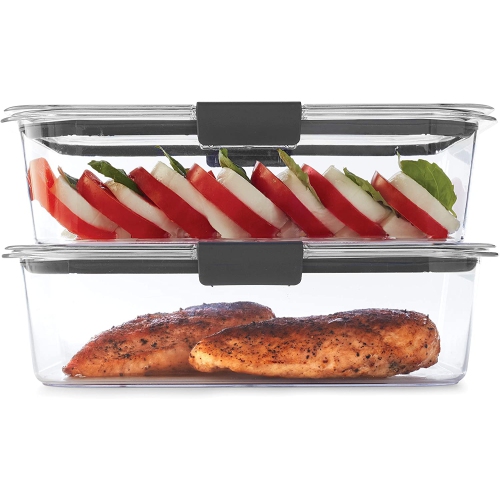 Your price for this item is $108.25
 -
 Your price for this item is $7.99
 -
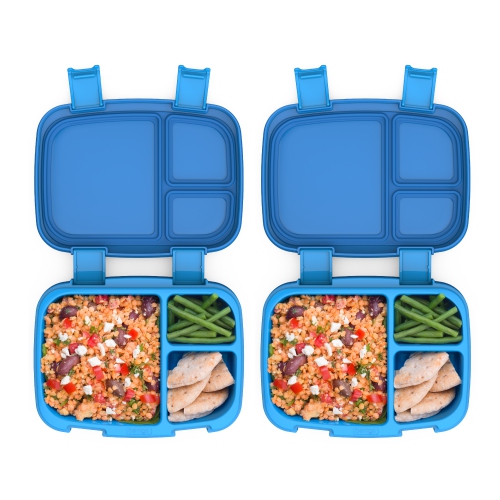 Your price for this item is $44.99
 -
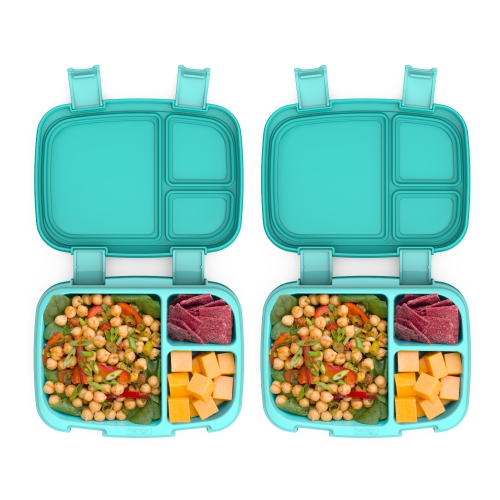 Your price for this item is $44.99
 -
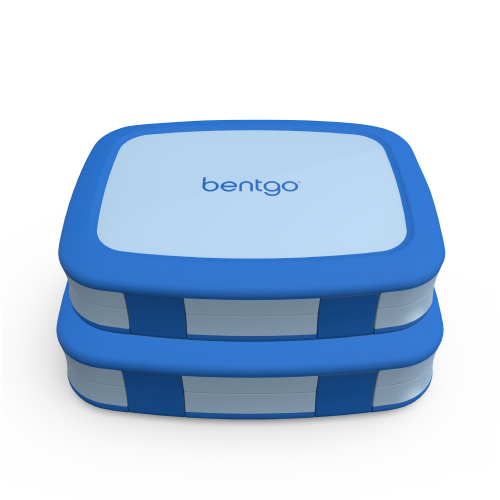 Your price for this item is $59.99
 -
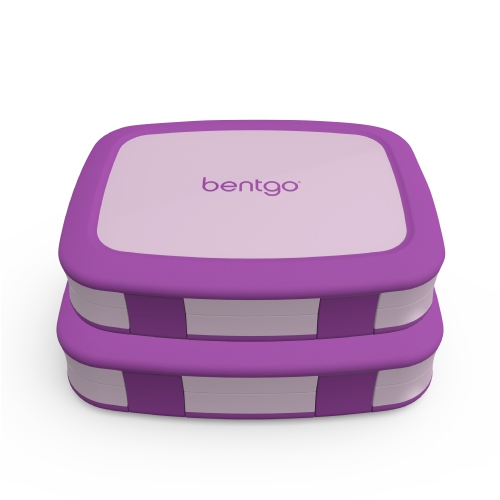 Your price for this item is $59.99
Discover more categories related to Food Storage Bowls
Top Collections:
Pokemon Centers, Kindle Devices, Best Budget Office Chairs, Apple iPhones 16, Best Laptops for Writers, iPhone 15 Apple, Canon G7X Cameras, Refurbished Apple Laptops, Alarm Clock, Motorola Razr Phones
Some products may be subject to Environmental Handling Fees
(EHF) depending on your province.
Learn more about EHFs.