Food Storage Containers
Discover the perfect solution to keeping your kitchen organized and your food fresh with our extensive range of food storage containers. Offering a variety of shapes and sizes, these containers are designed to fit seamlessly into your lifestyle, whether you're meal prepping for the week or storing leftovers from a family feast. With options that cater to every need, from stackable designs for space-saving convenience to airtight seals that lock in freshness, maintaining an orderly and efficient kitchen has never been easier. Explore the collection today and find the ideal storage solutions that match your culinary habits and aesthetic preferences.
Sort
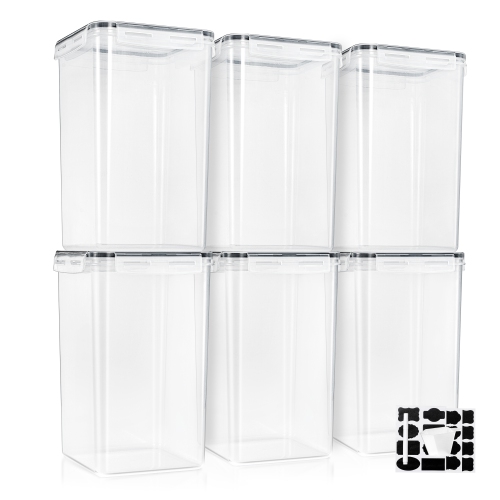
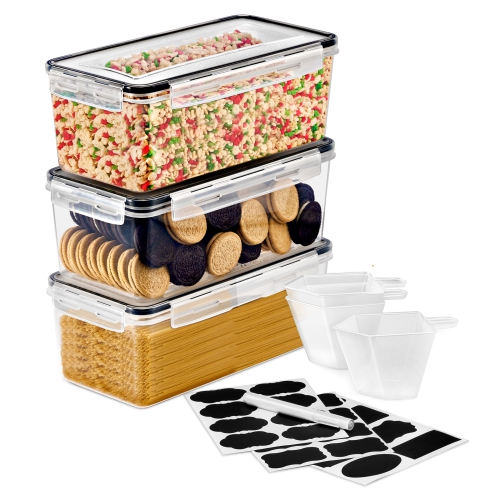
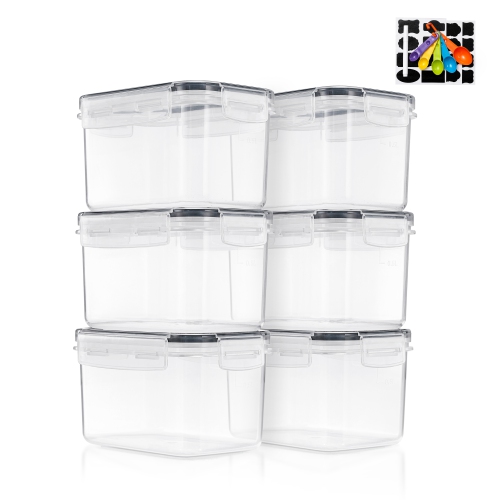
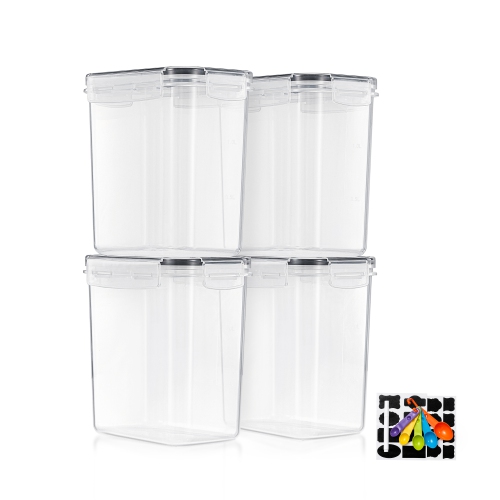
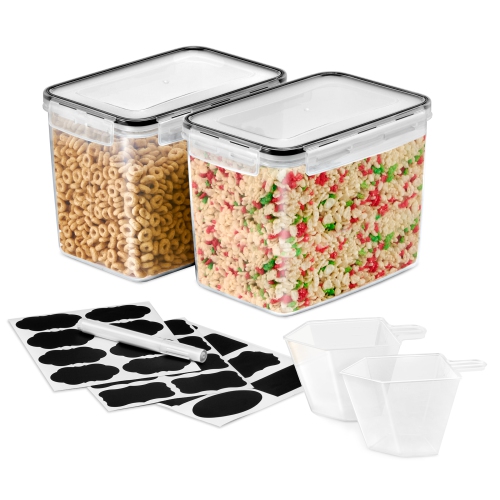
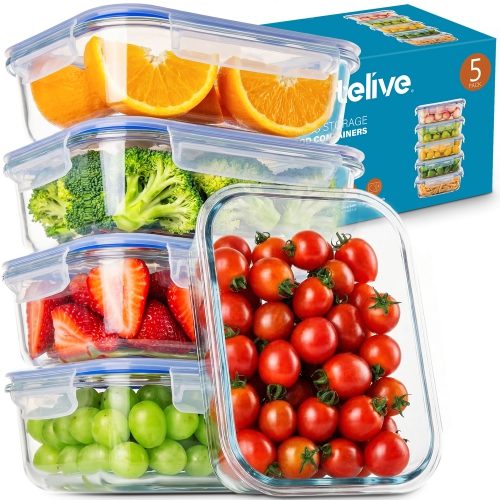
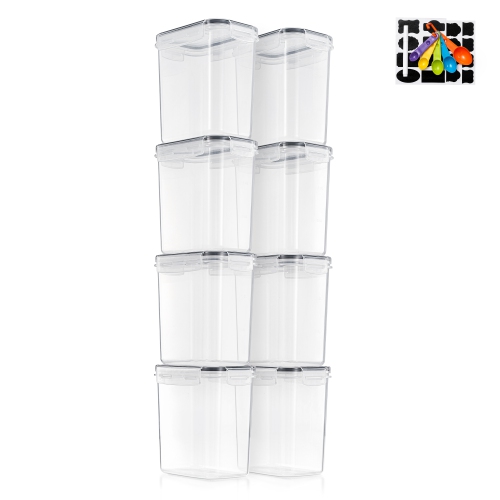
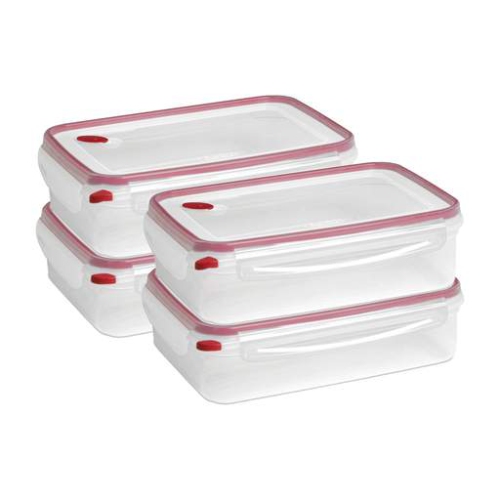
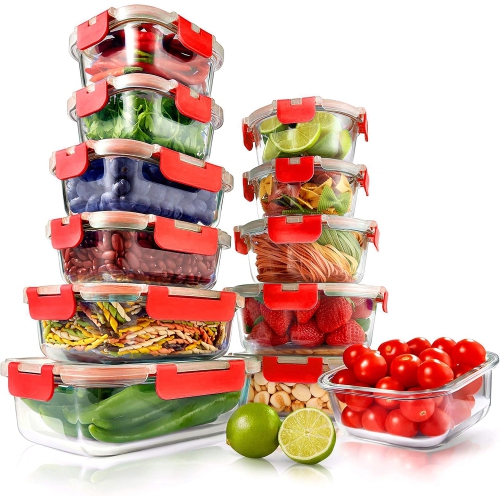
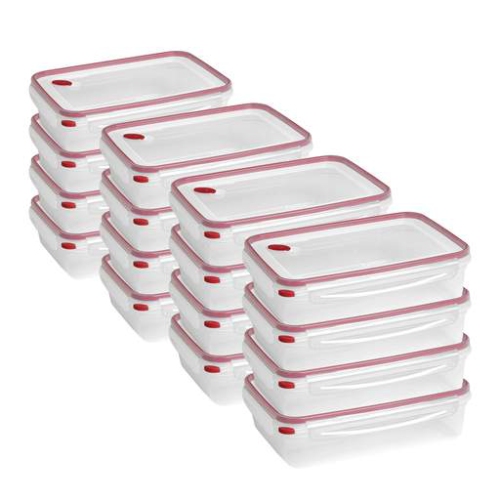
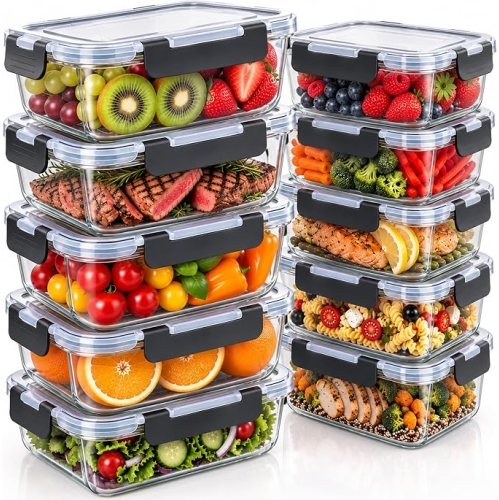
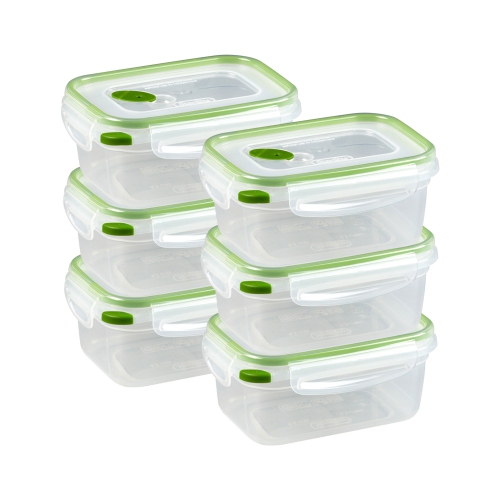

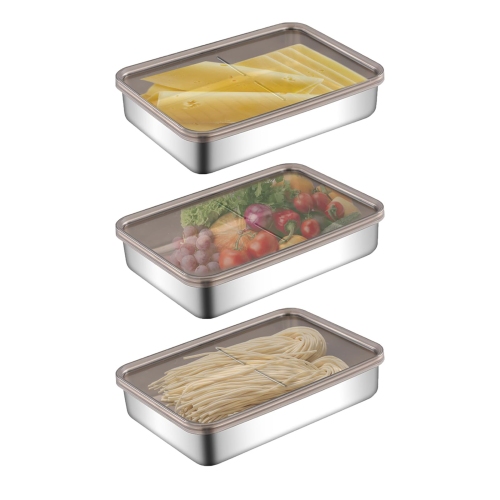
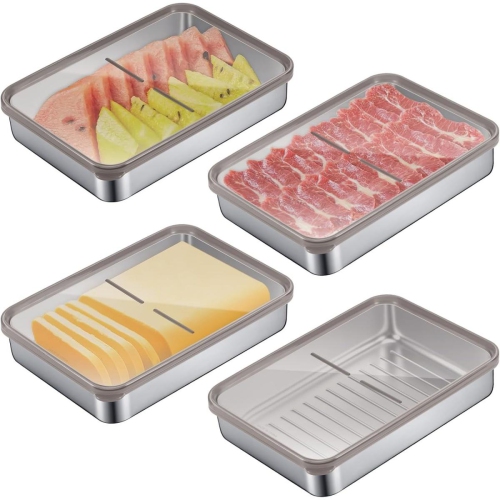
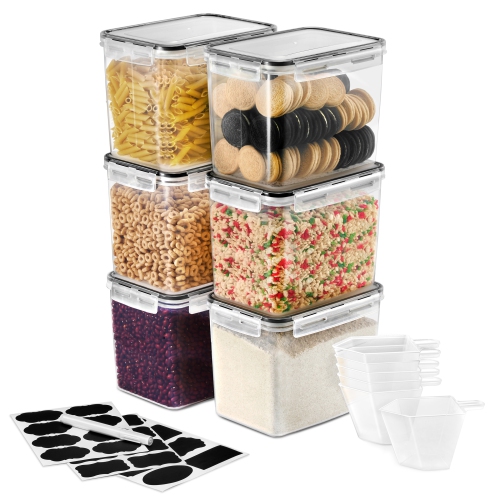
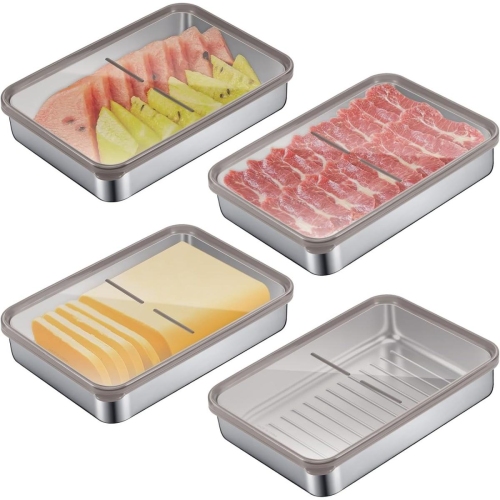
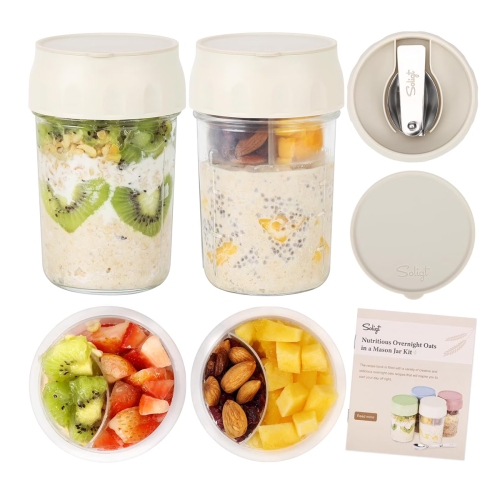
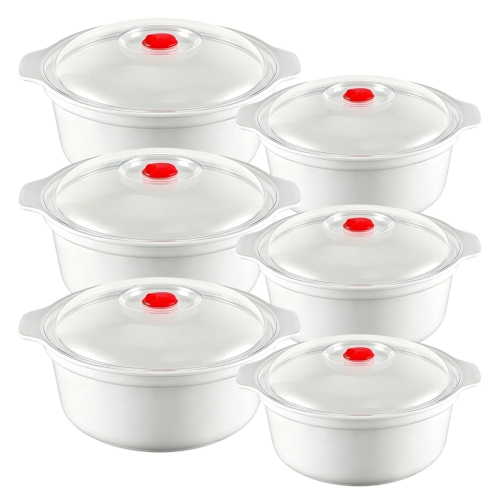
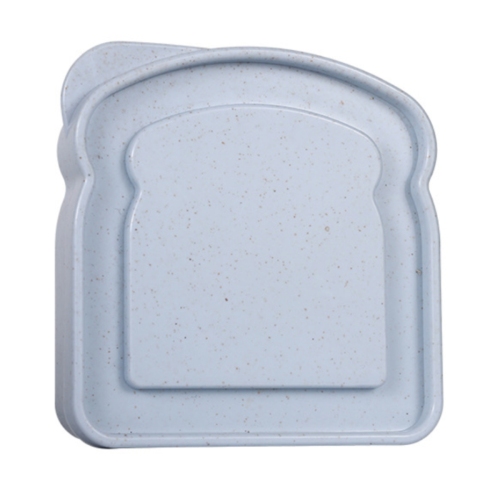
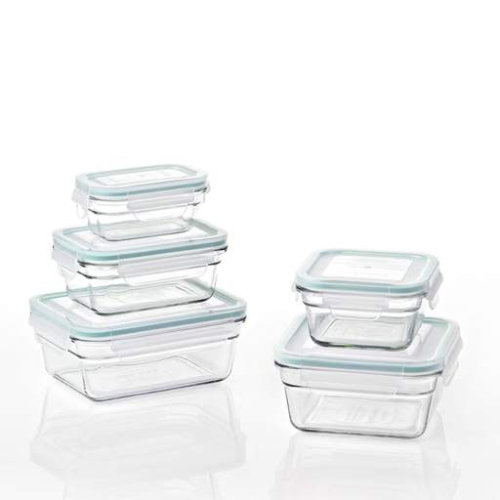
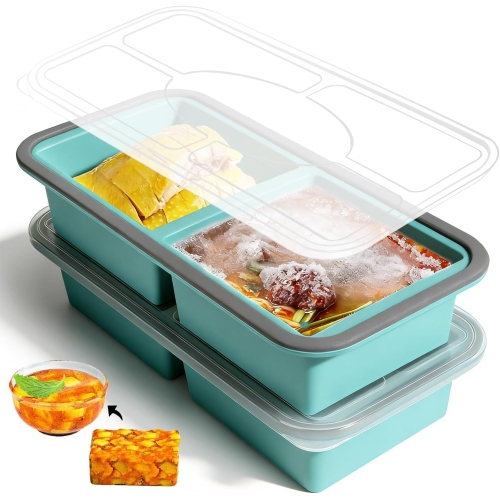
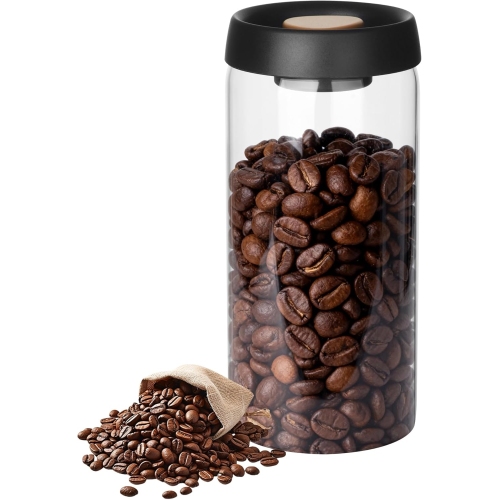
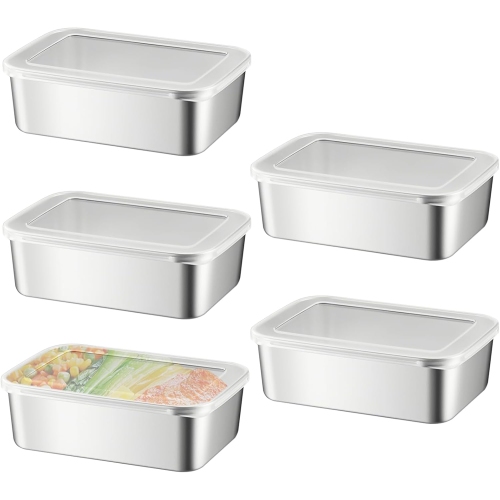
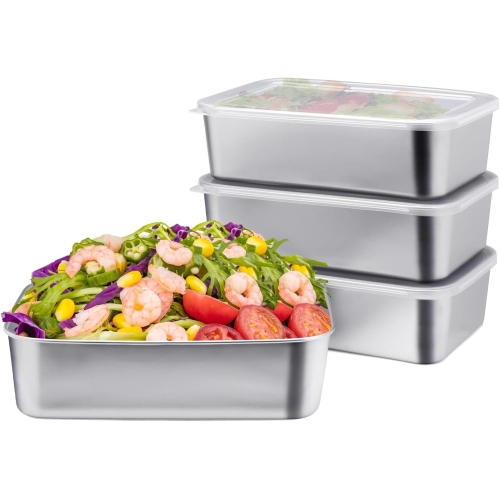




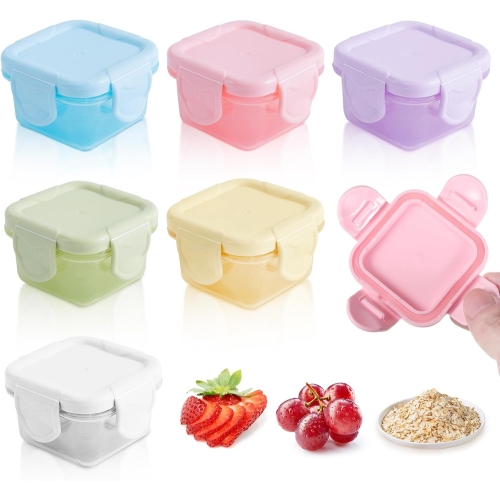
Why airtight does not always mean leakproof
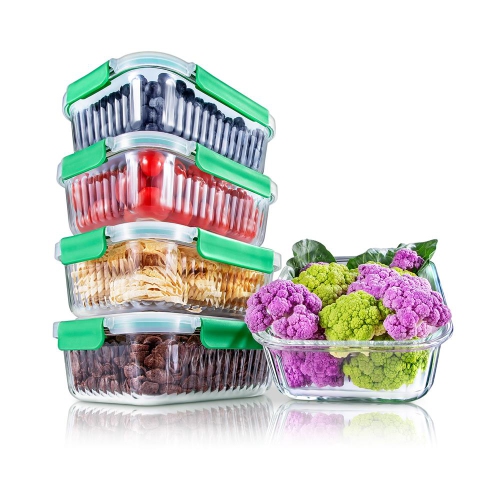
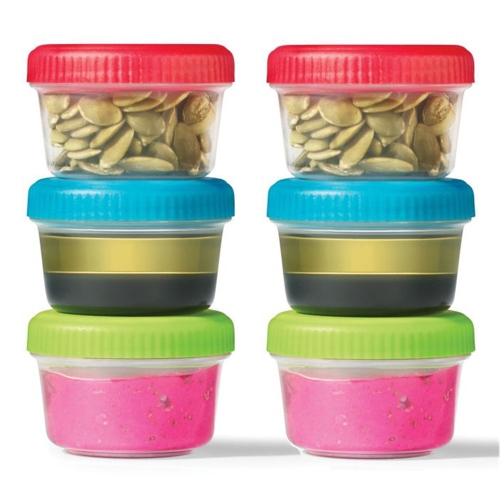
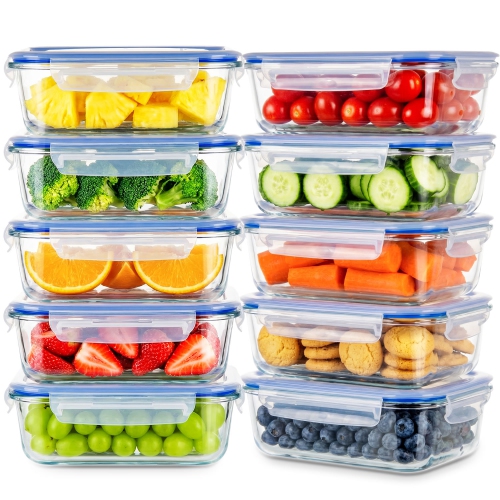
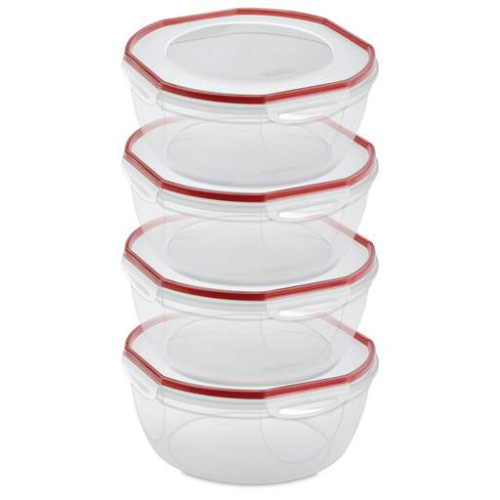
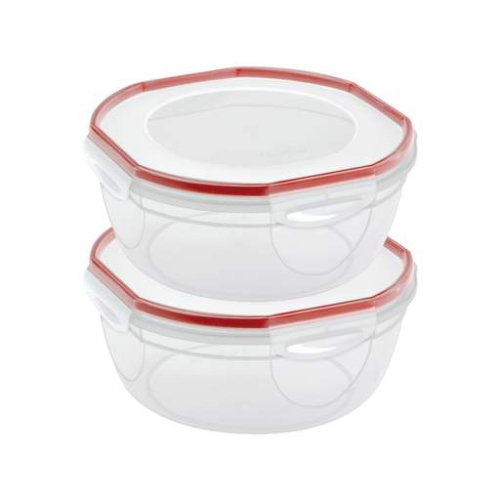
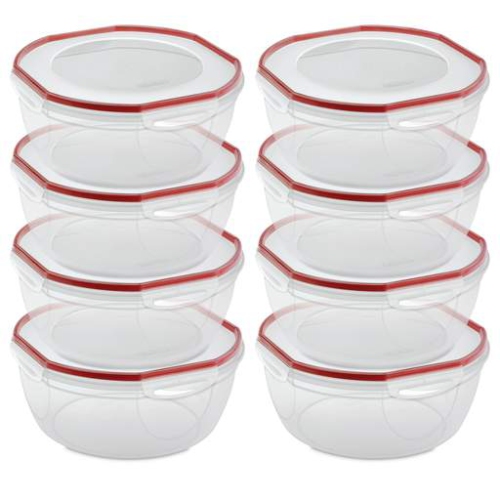
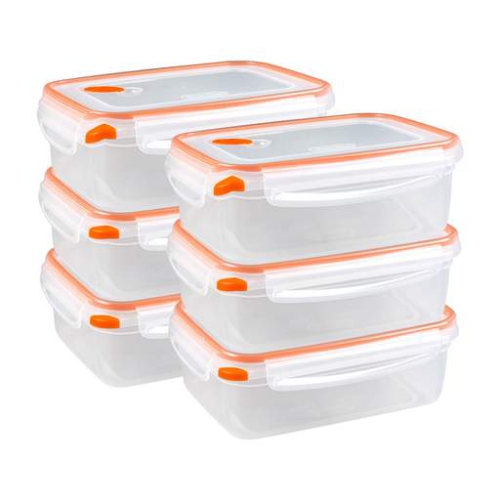
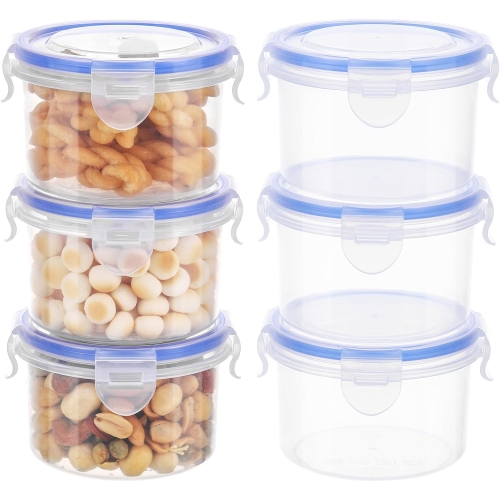
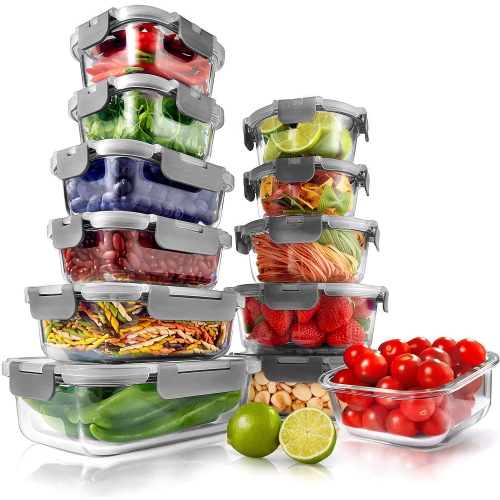
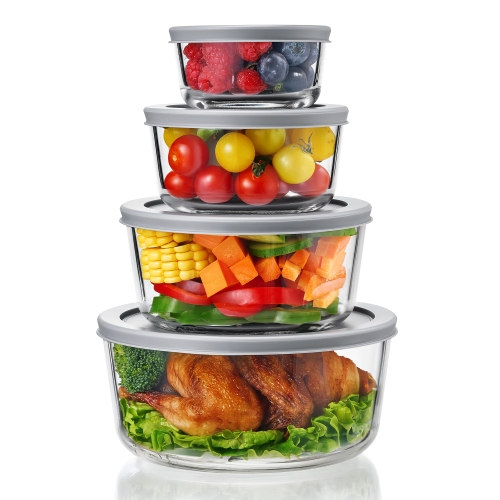
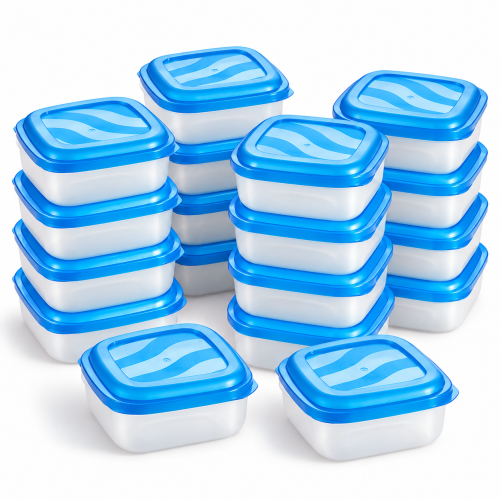
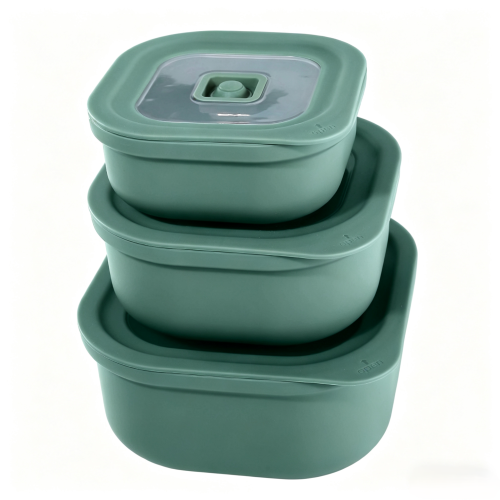
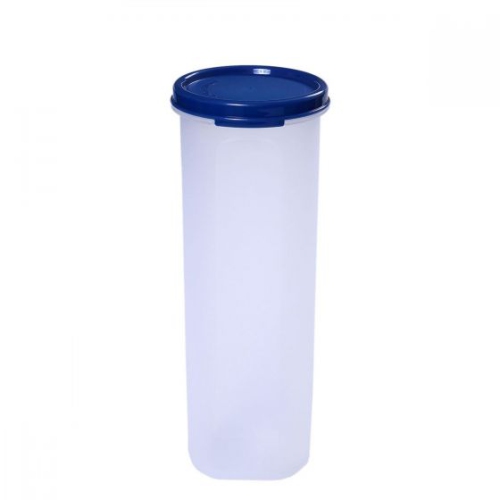
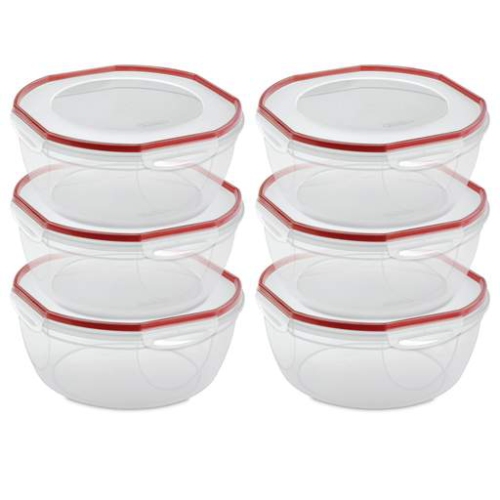
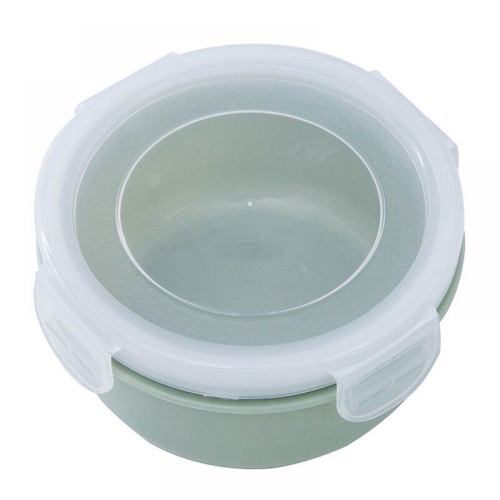
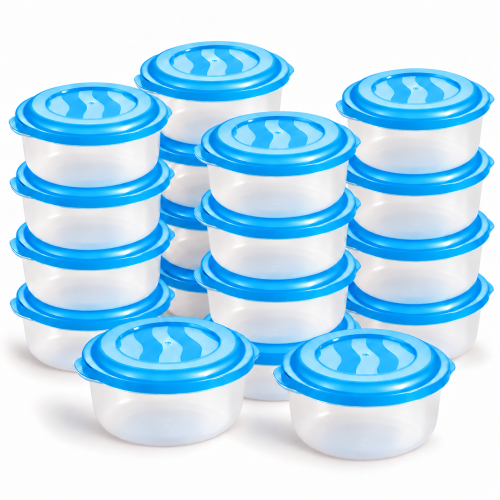
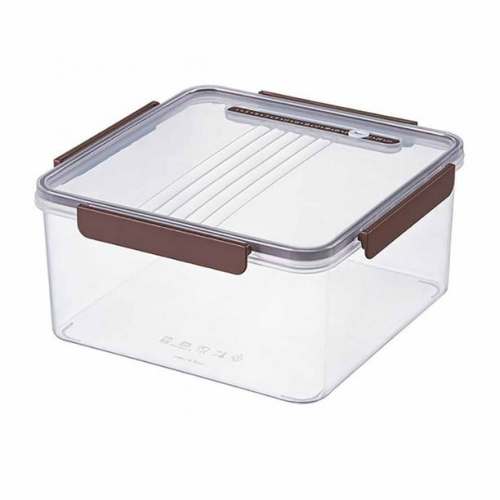
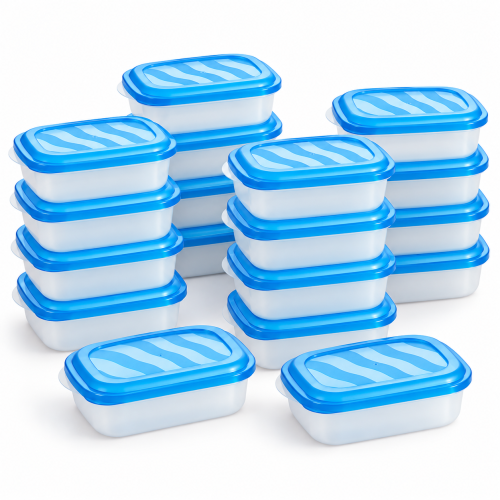
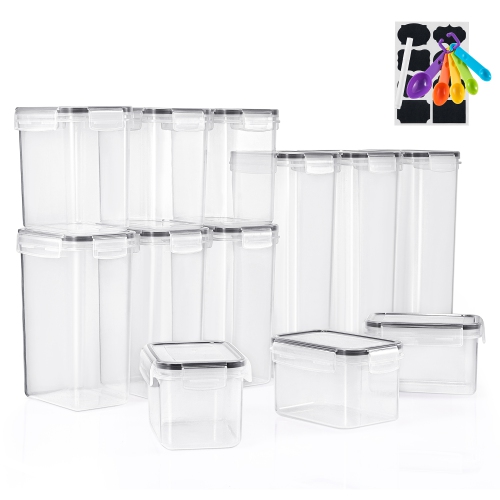
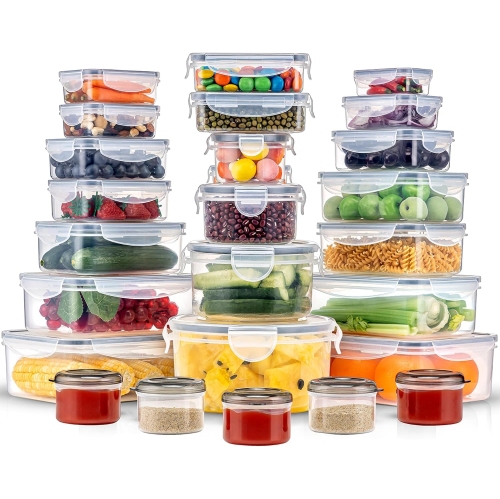
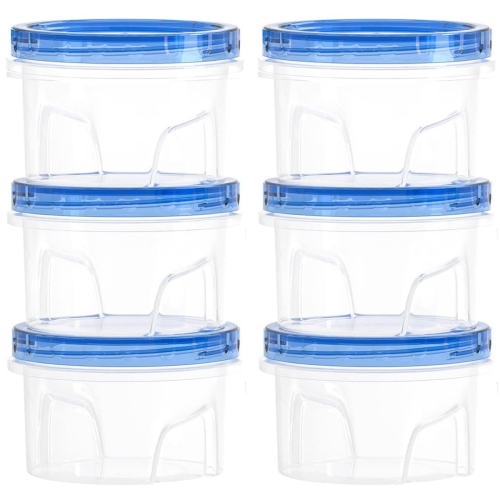
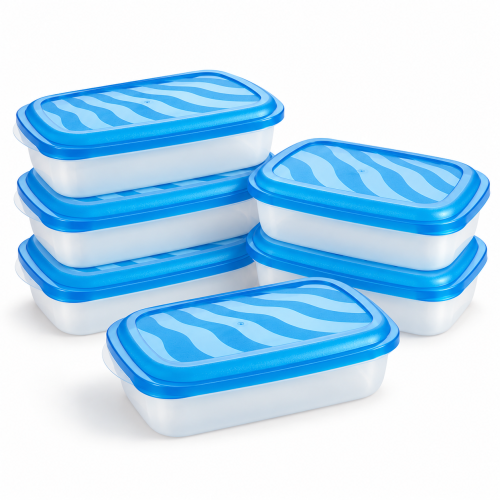
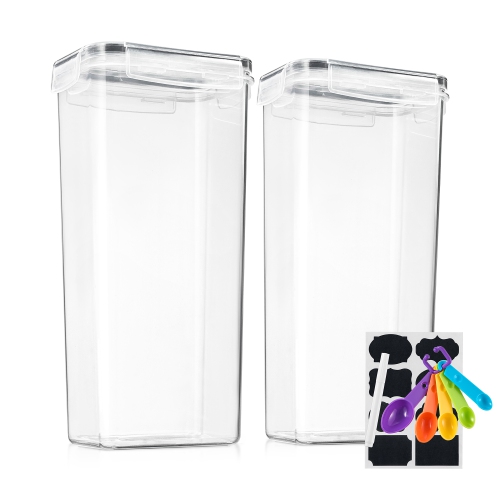
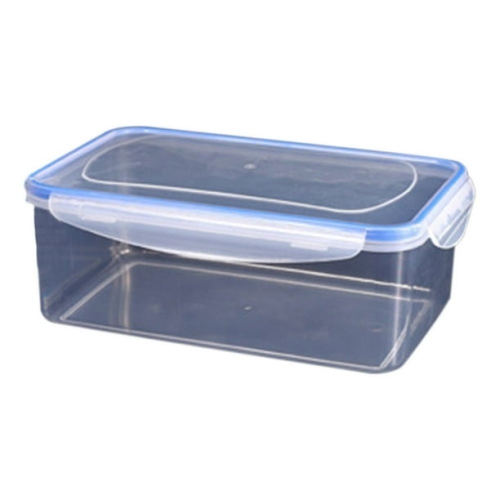
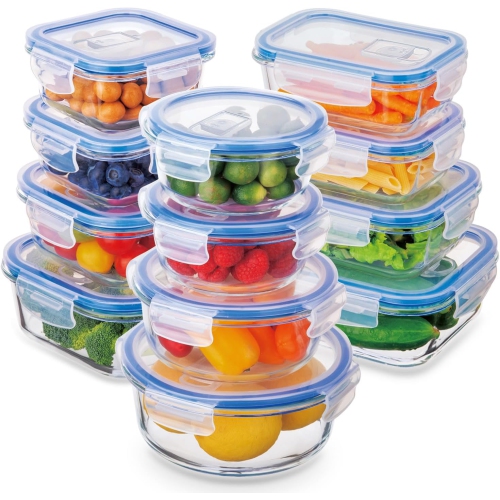
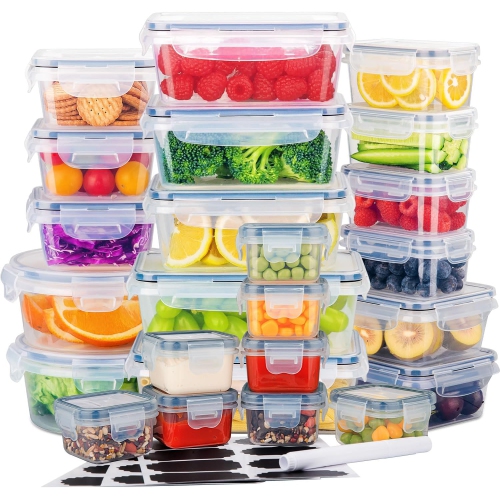
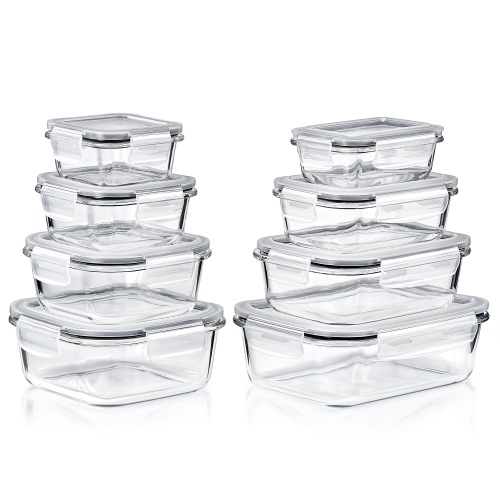
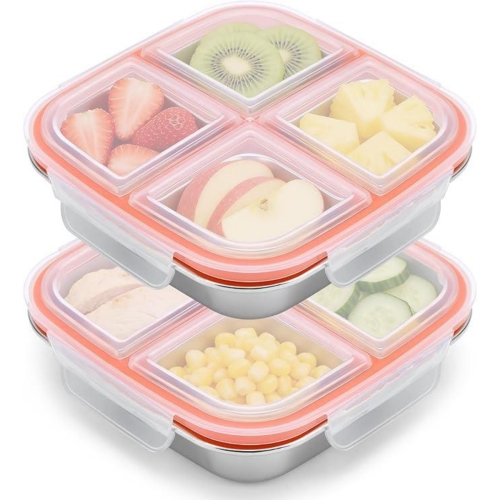
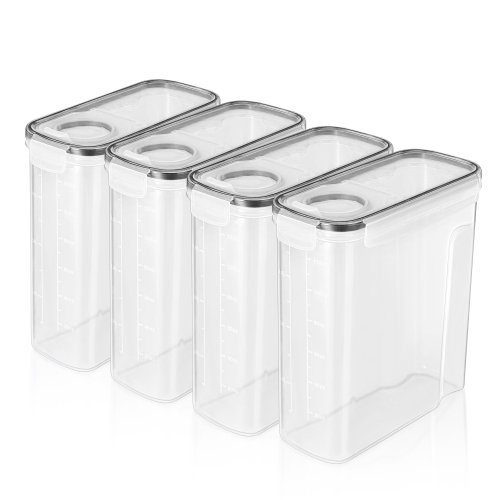
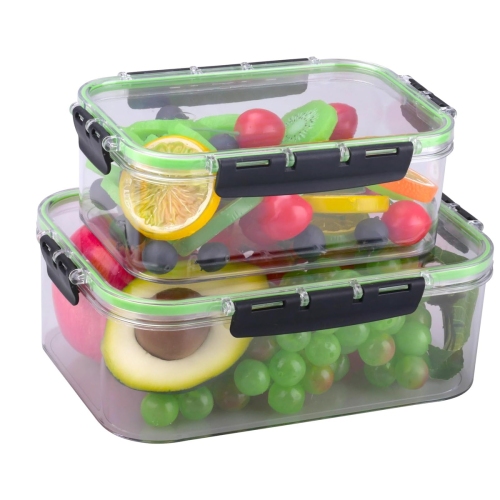
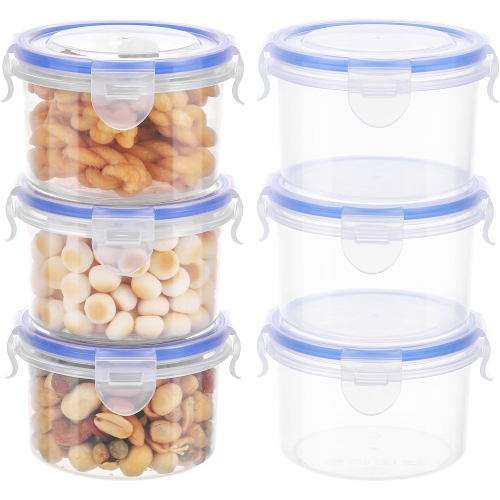
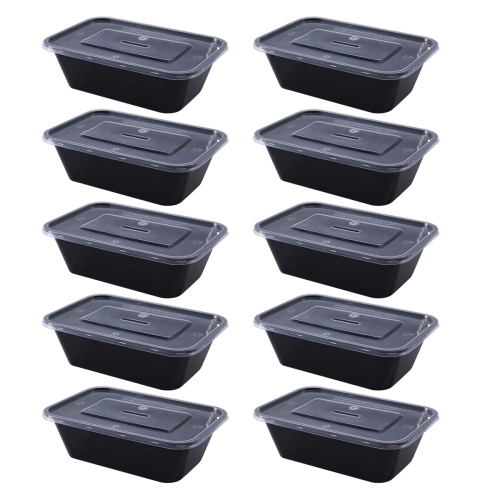
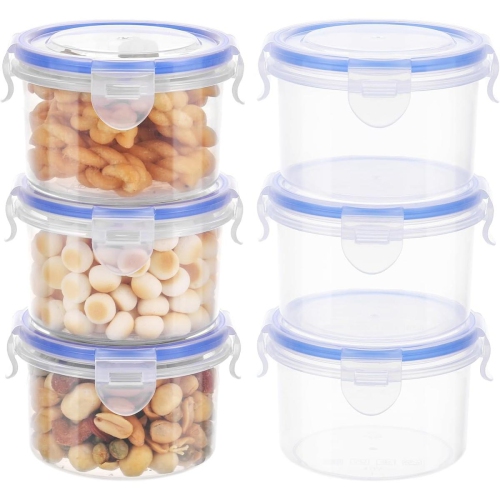
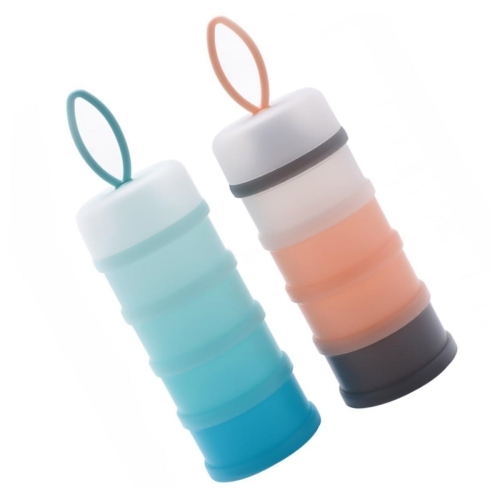
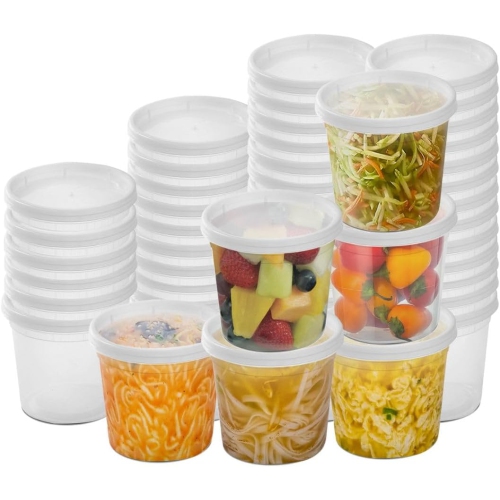
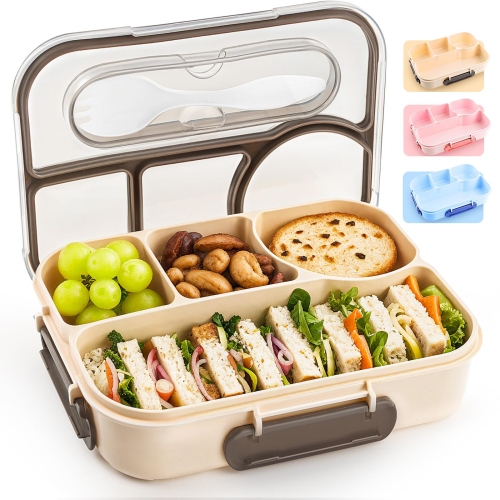
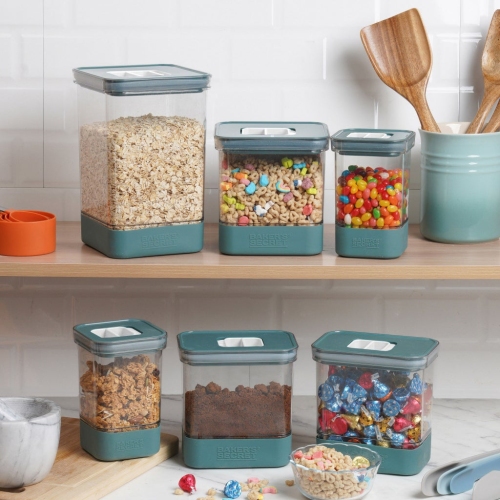
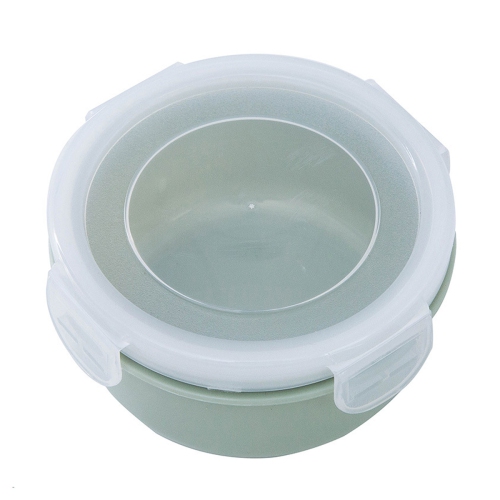
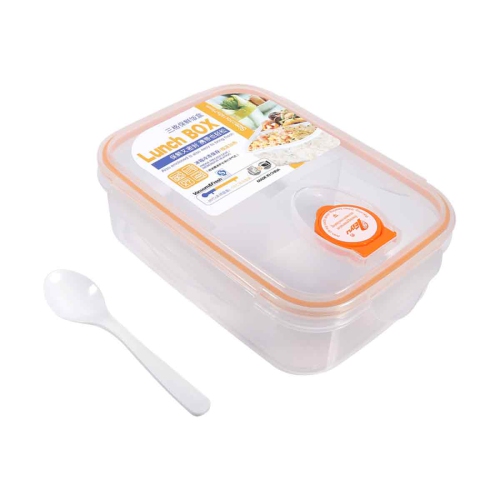
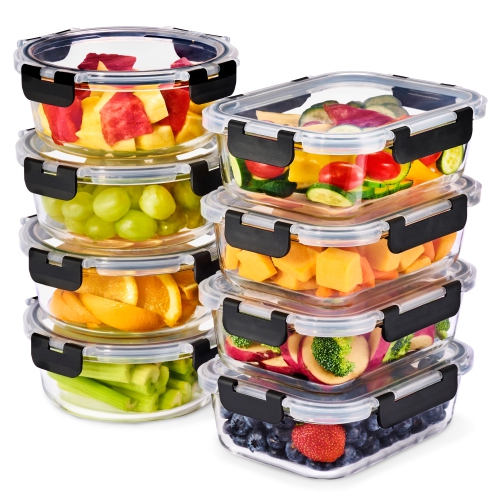
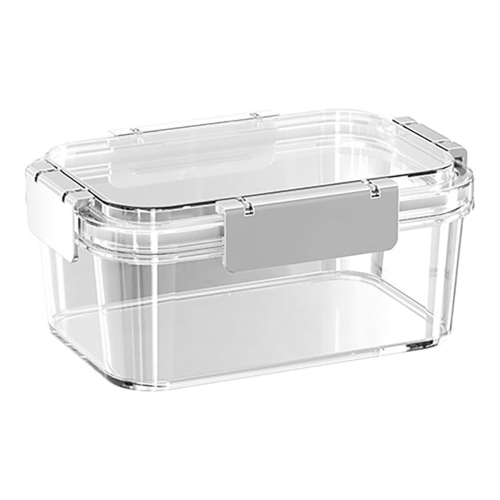
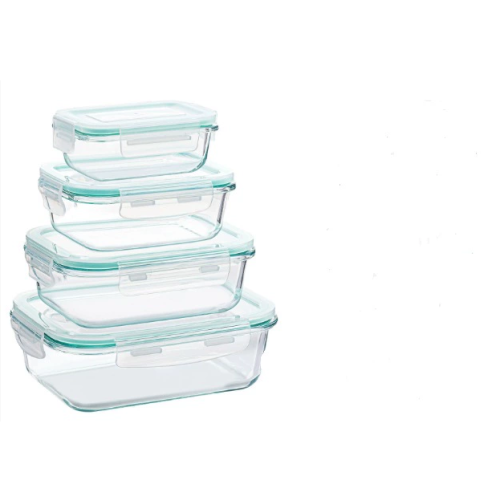
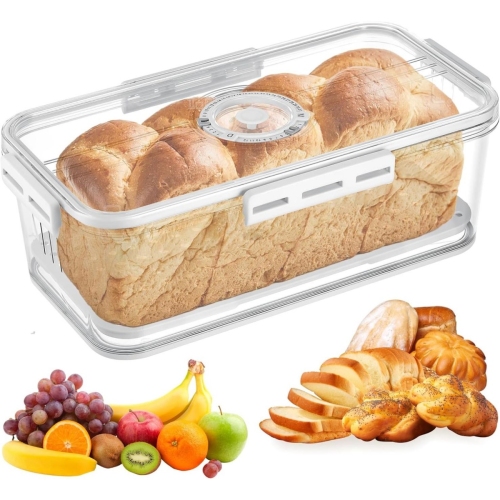
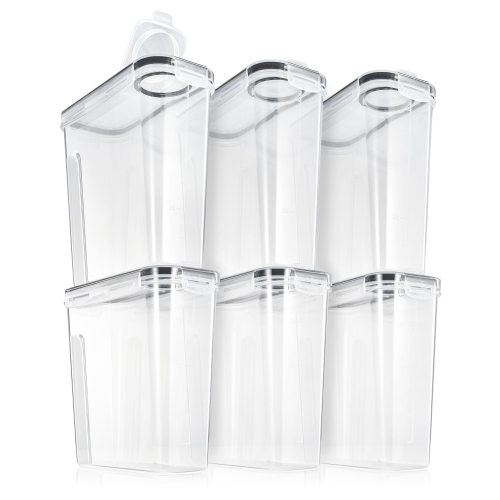
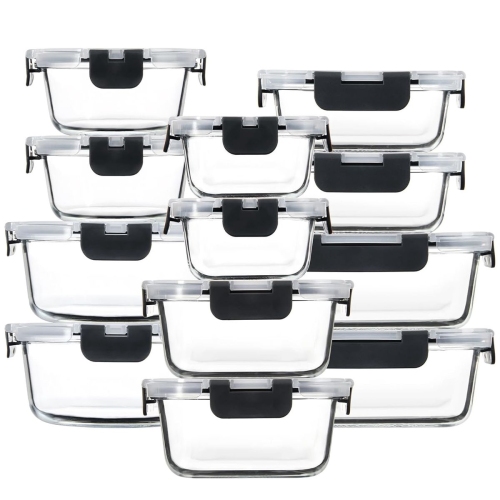
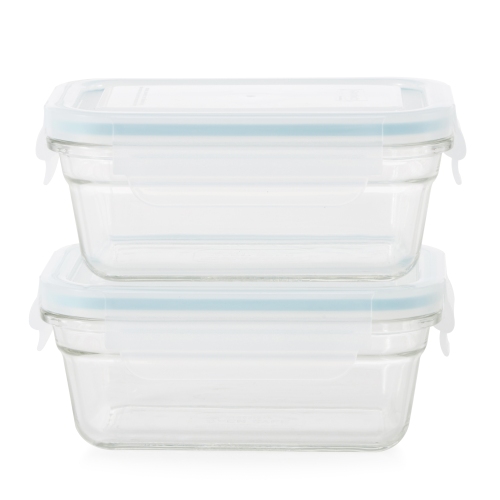
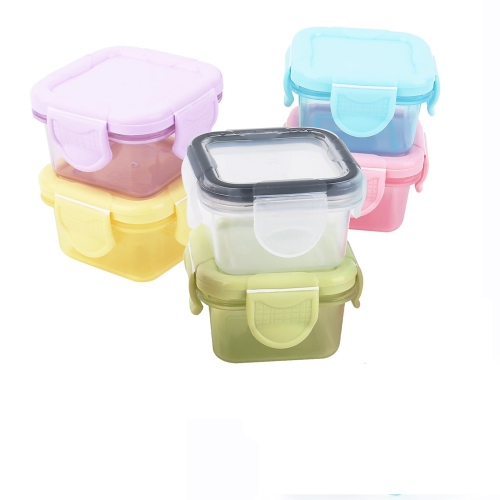
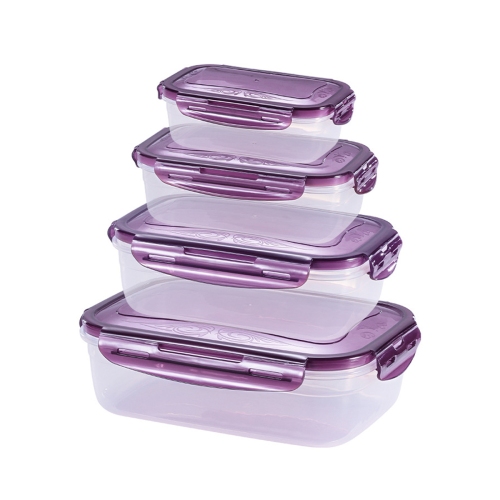
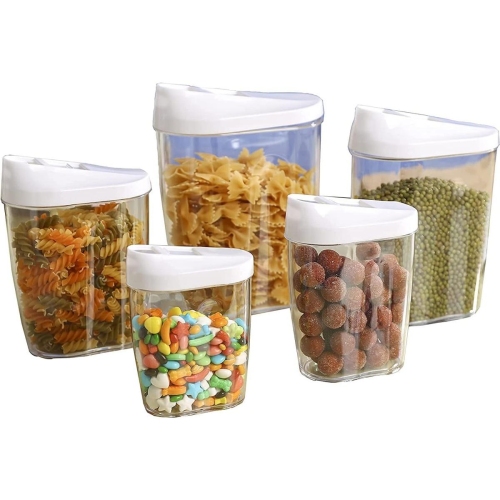
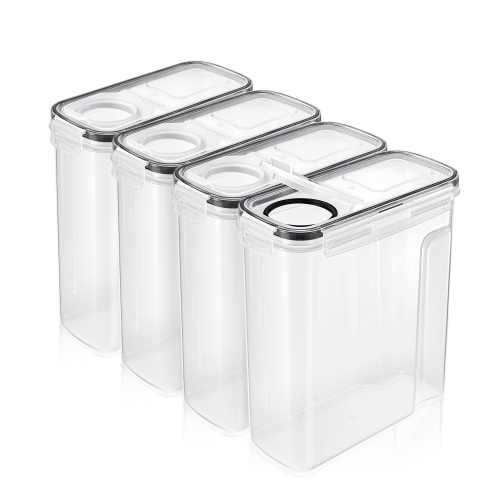
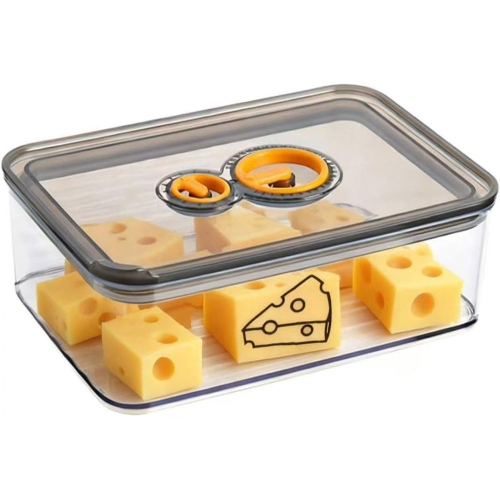
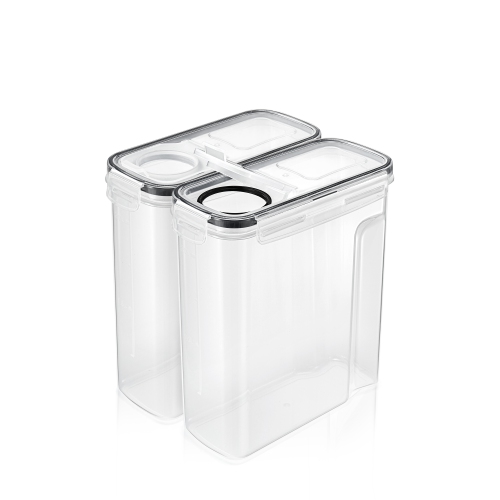
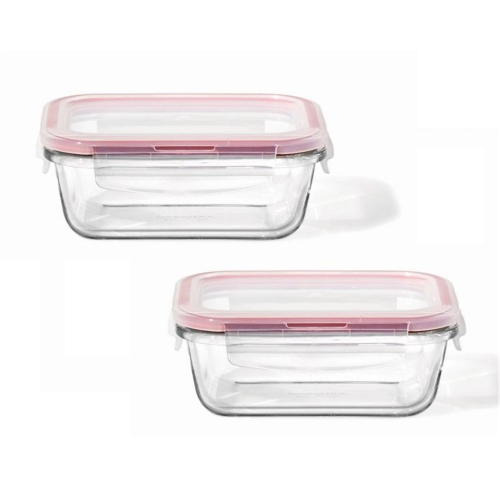
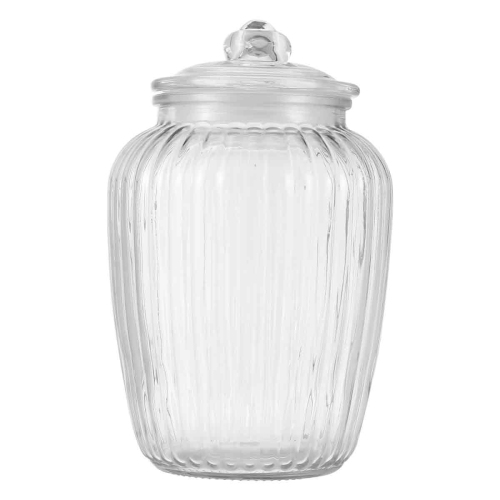
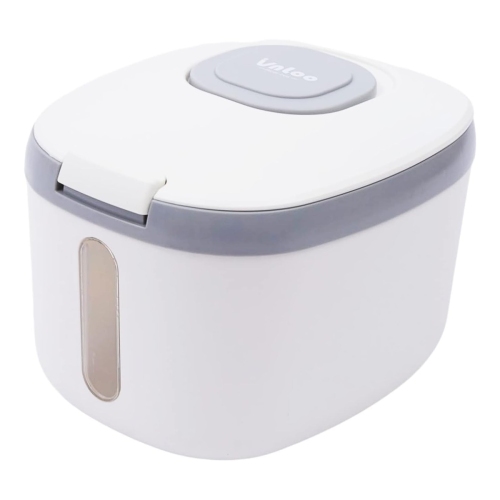
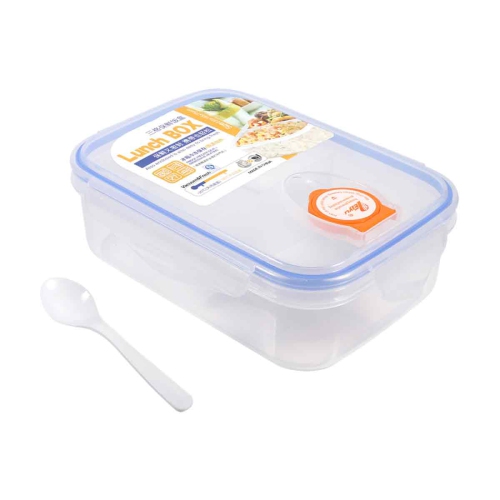
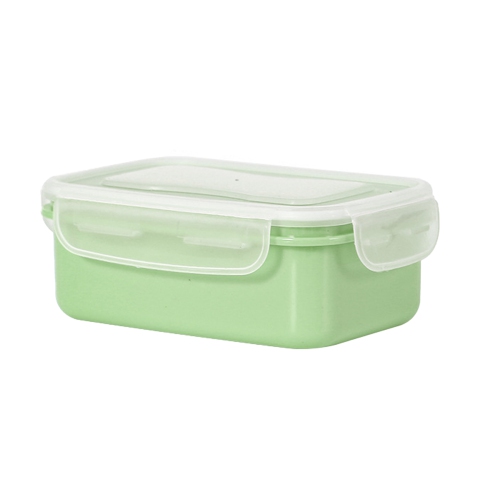
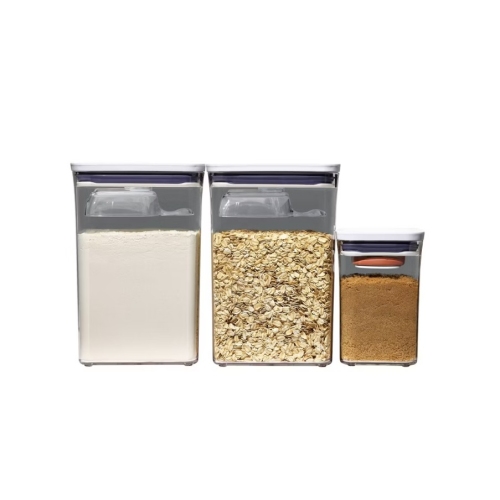
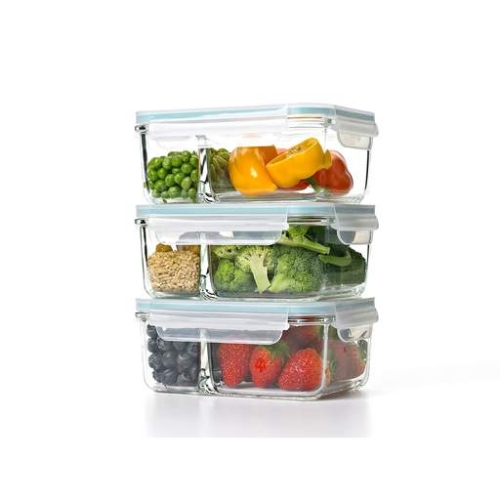
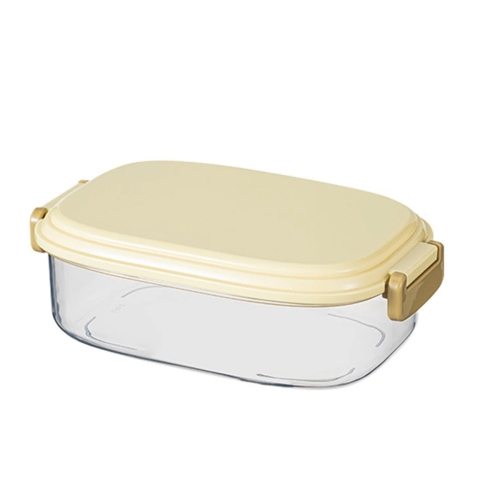
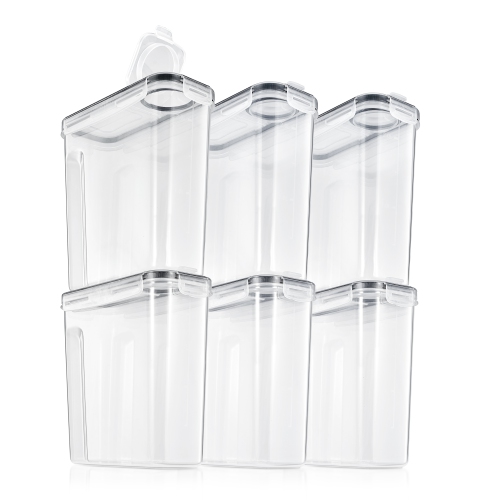
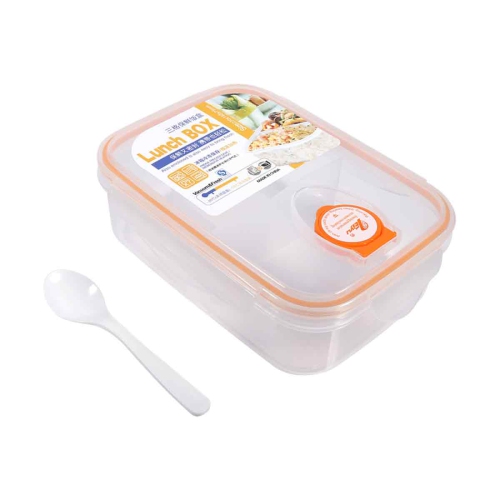
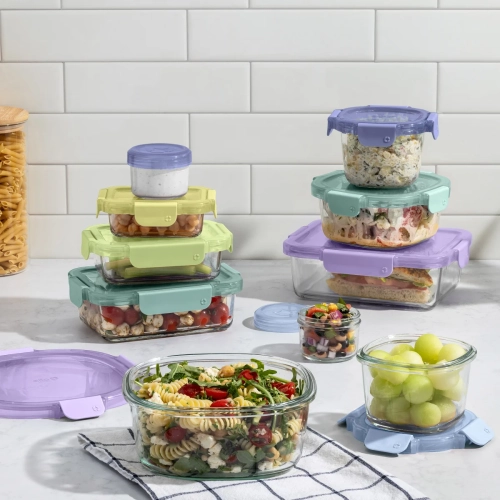
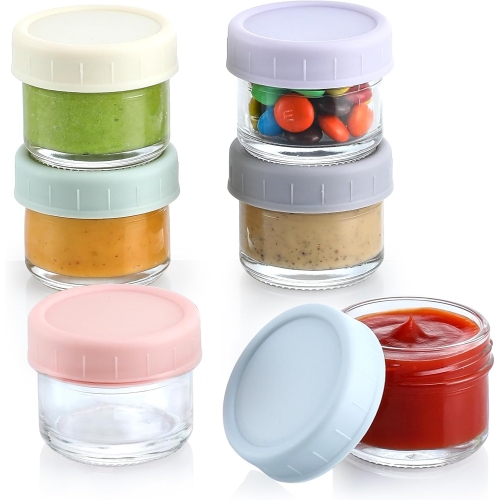
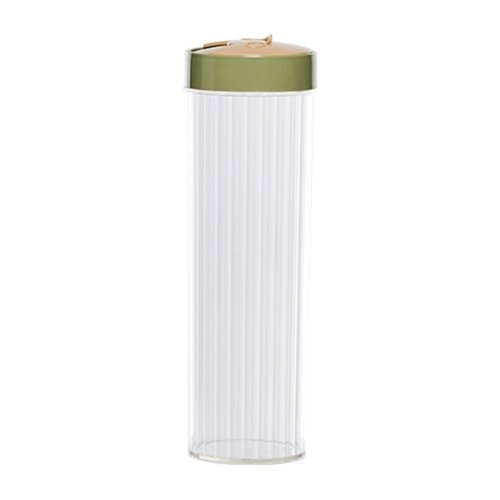
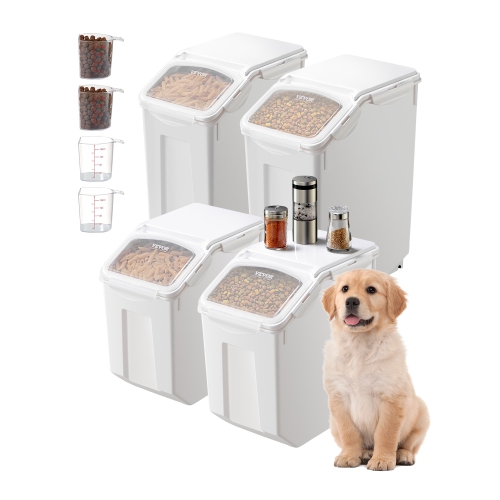
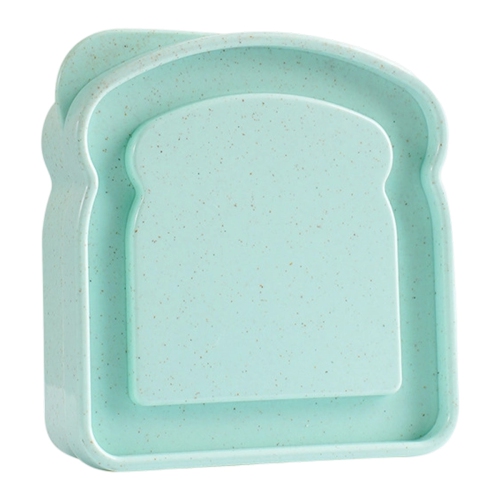
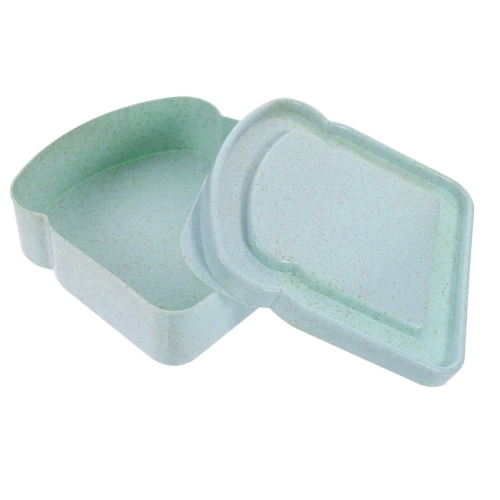
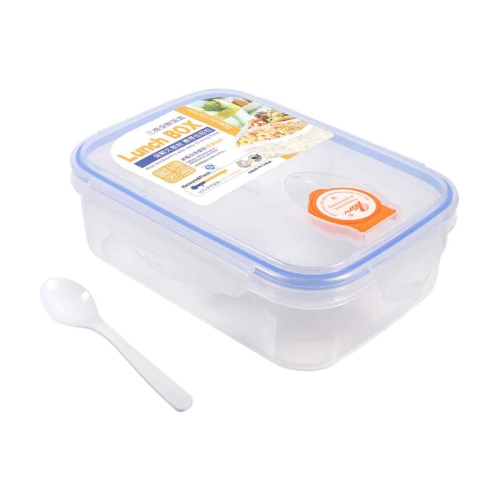
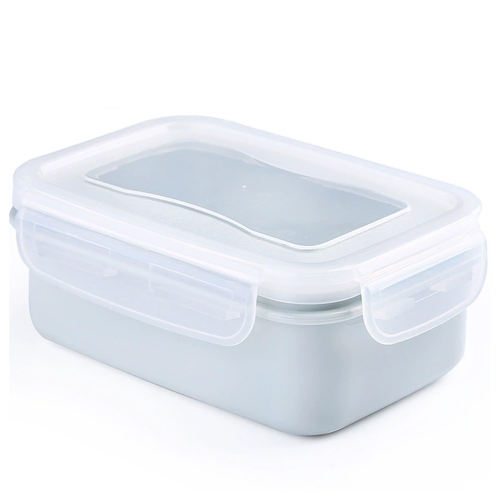
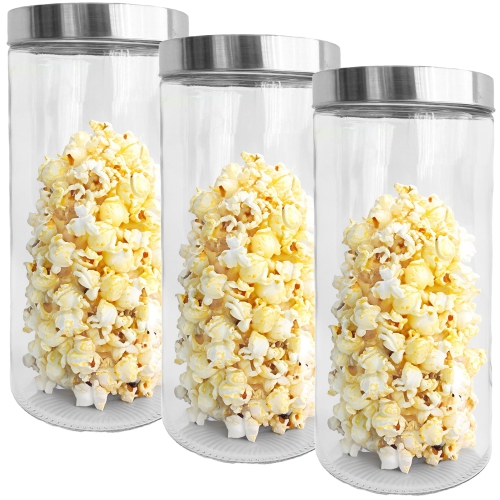
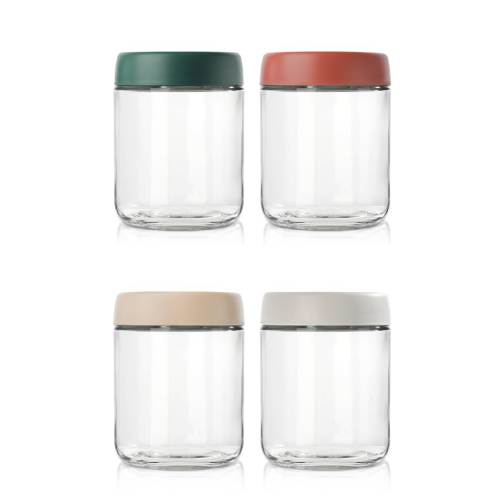
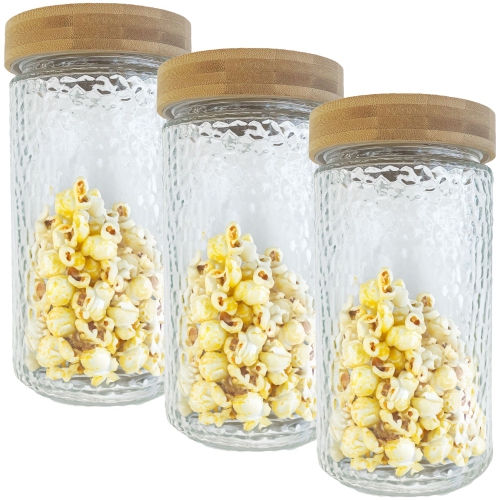
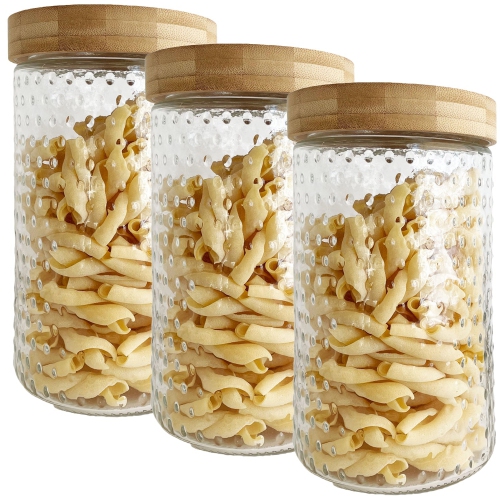
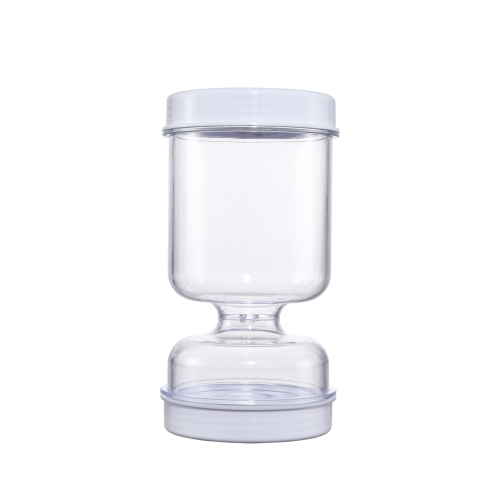
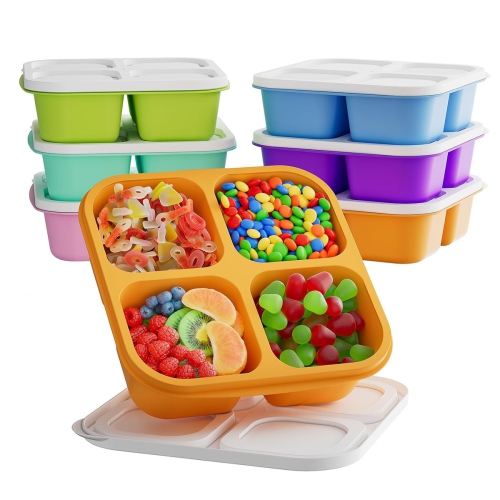
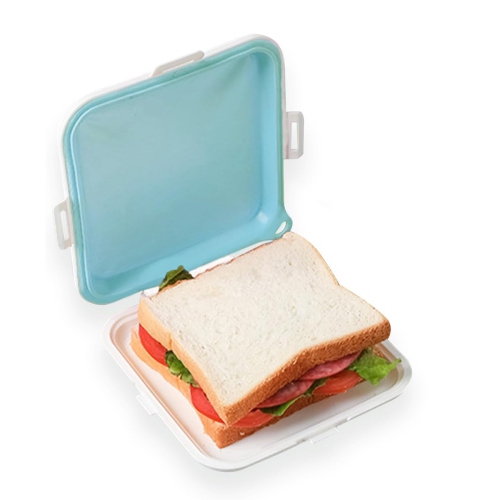
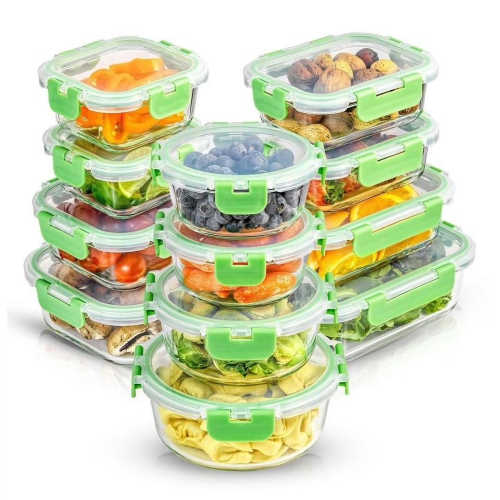
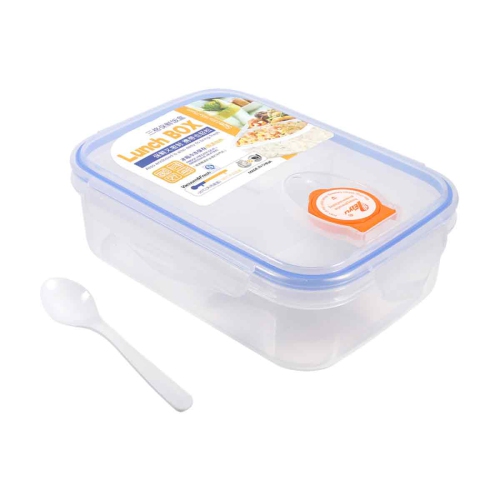
Food storage containers bring order to everyday cooking, whether that means putting away leftover pasta, portioning lunches for the office, or keeping flour and rice neatly contained in a cupboard. The most useful choices combine food-safe materials, a secure closure, manageable dimensions, and care requirements that fit the household’s routine. Airtight lids help limit exposure to air and moisture, while containers designed to resist leaks are useful for transporting dressings, soups, and saucy meals. These features serve different purposes: a lid that keeps crackers crisp is not necessarily designed to hold liquid inside a lunch bag. Shape and capacity matter just as much as the seal. Shallow rectangular containers make practical use of fridge shelves and accommodate sliced vegetables, cooked grains, and individual meal portions without leaving much unused space around them. Round containers suit dips, sauces, and foods that are easier to stir or scoop, while tall containers can keep dry ingredients together without spreading across a pantry shelf. For packed lunches, a container needs to fit both the food and the bag carrying it; a generously sized box is less helpful if it cannot sit flat beside a water bottle. Divided compartments can separate a sandwich from fruit or keep crunchy toppings apart from a salad, although not every divider prevents liquids from moving between sections. Clear sides make contents easy to identify, and a broad opening gives a measuring cup or serving spoon room to reach inside. A mix of capacities often works better than several identical large containers, especially for households storing everything from a few spoonfuls of sauce to a family-sized batch of stew. Matching the container closely to the portion also avoids filling the fridge with mostly empty boxes. For anyone who cooks ahead, stores baking ingredients, or regularly carries food away from home, these practical differences shape how convenient a container will be after the first use.
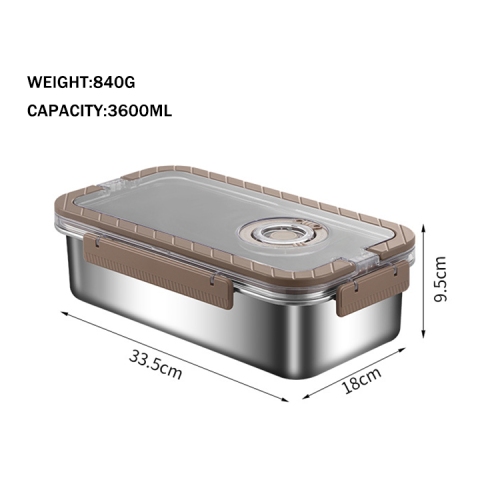
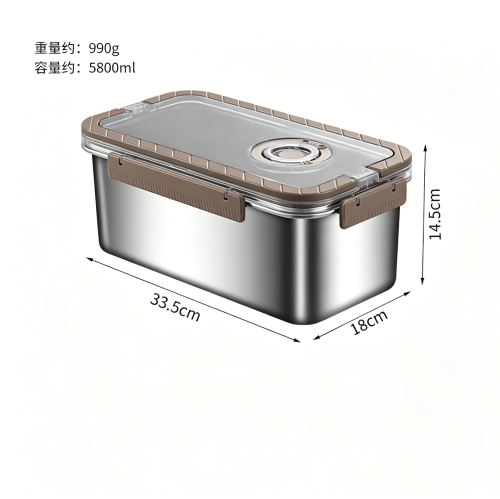
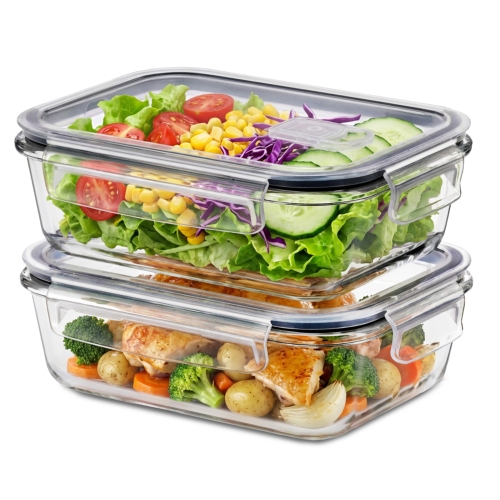
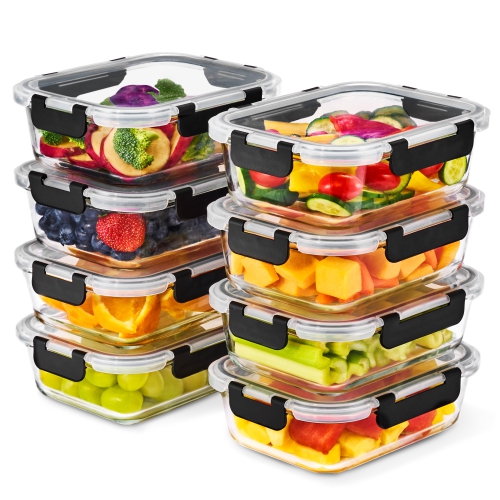
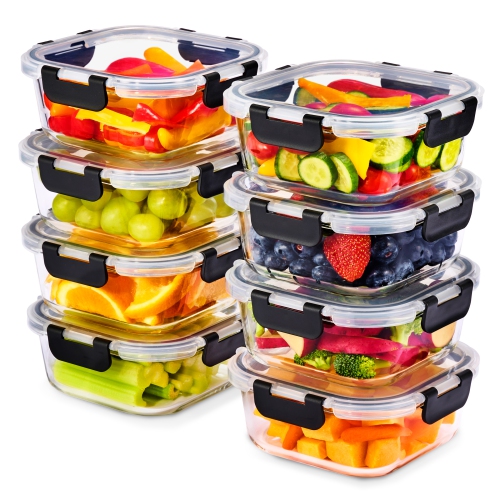
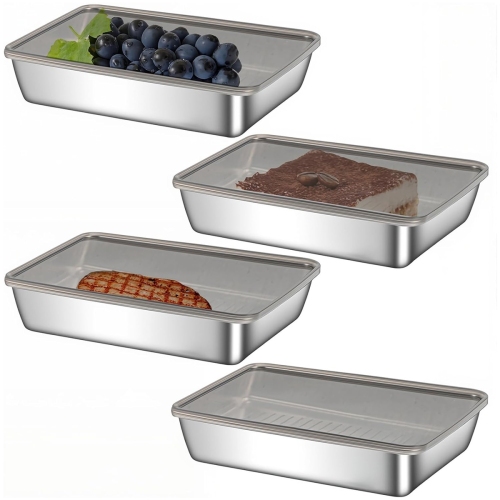
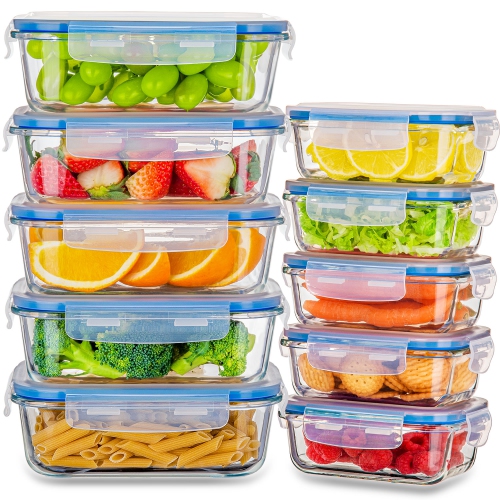
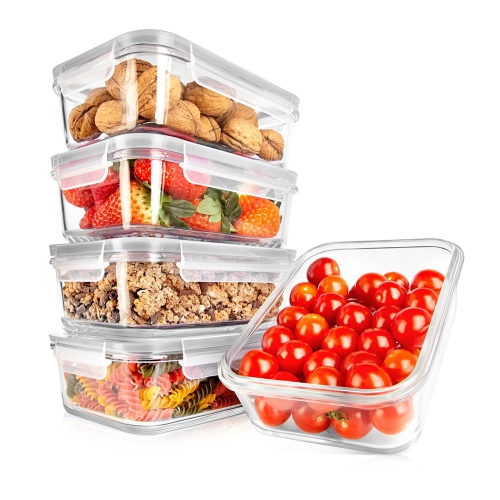
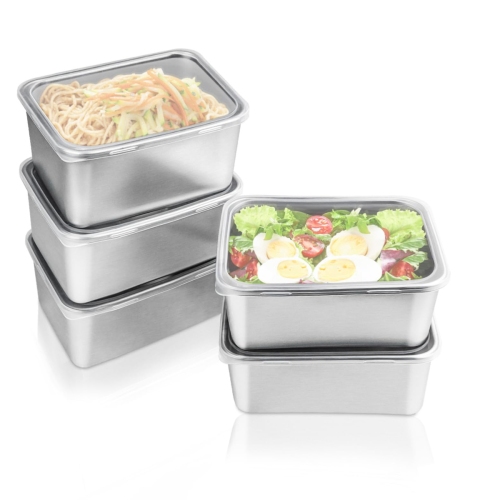
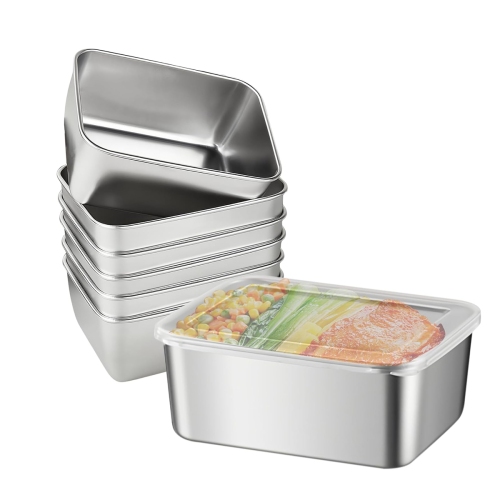
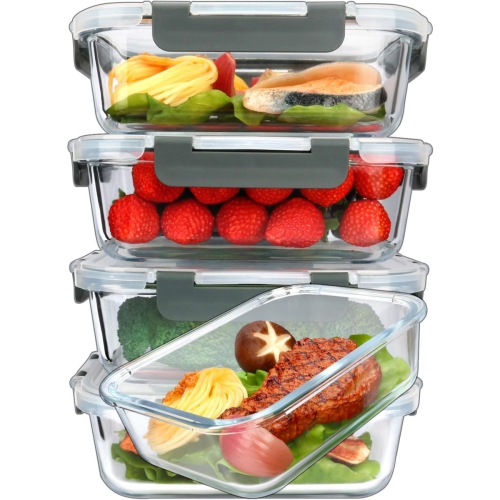
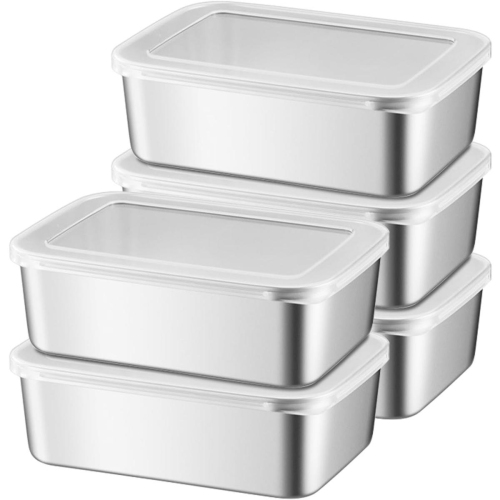
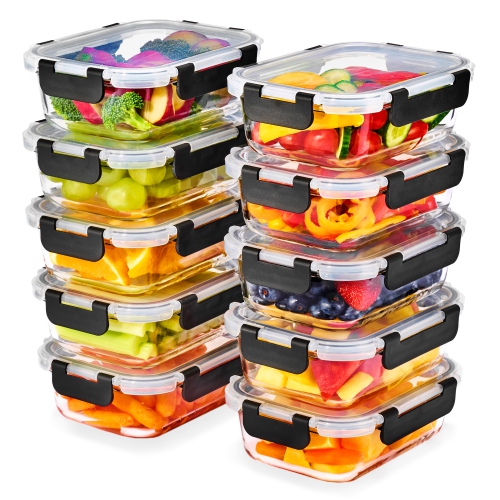
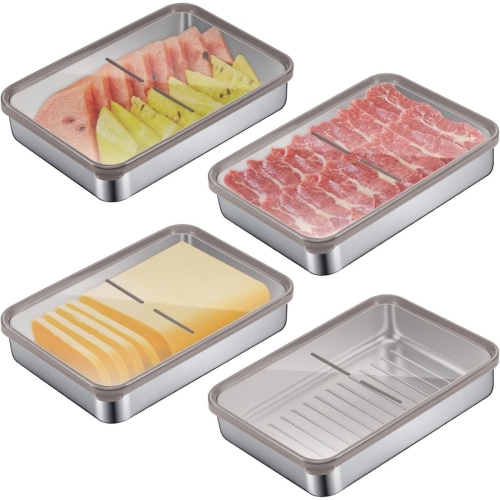
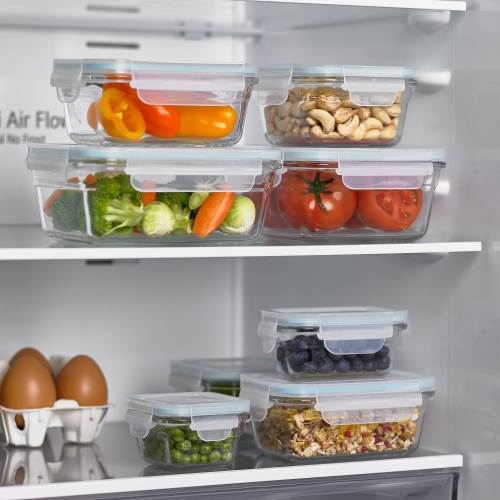
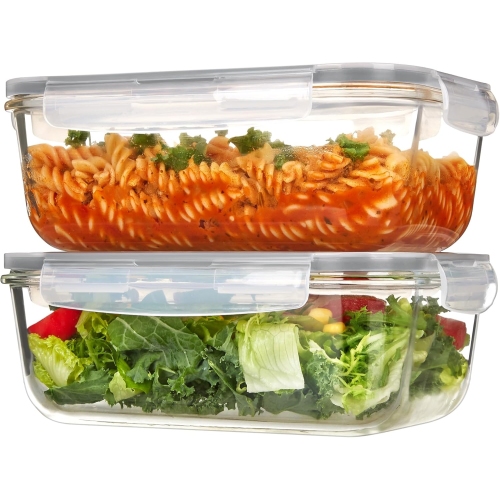
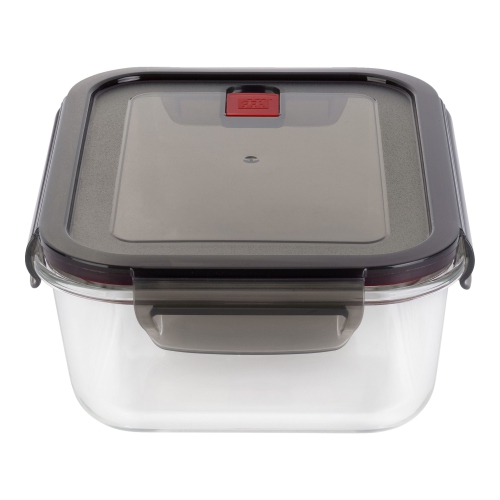
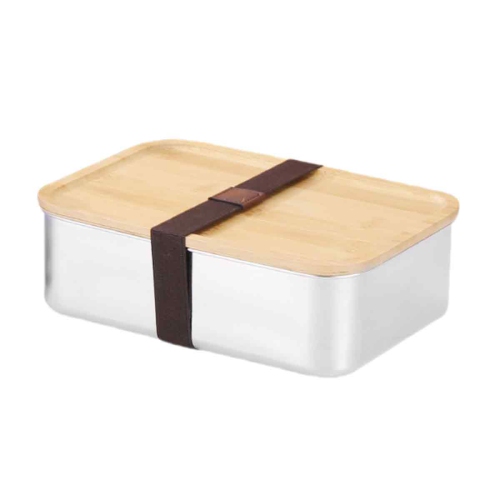
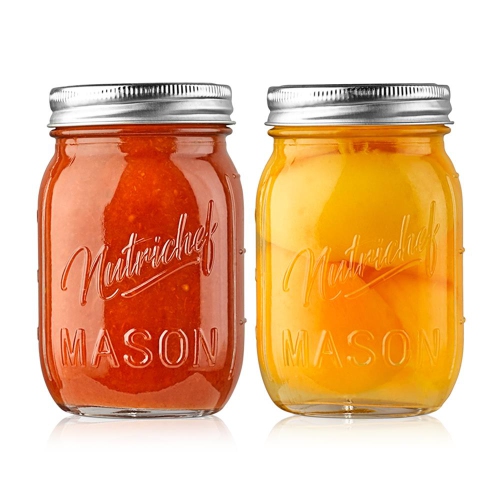
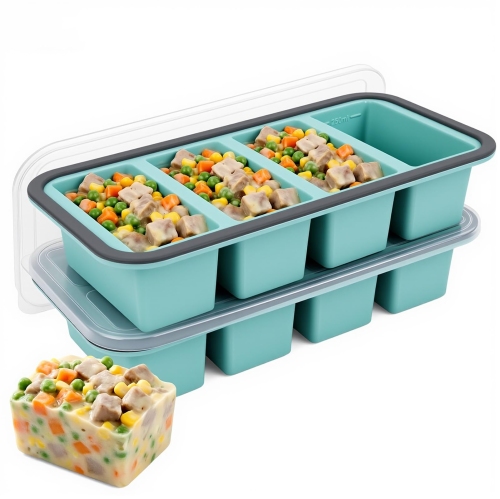
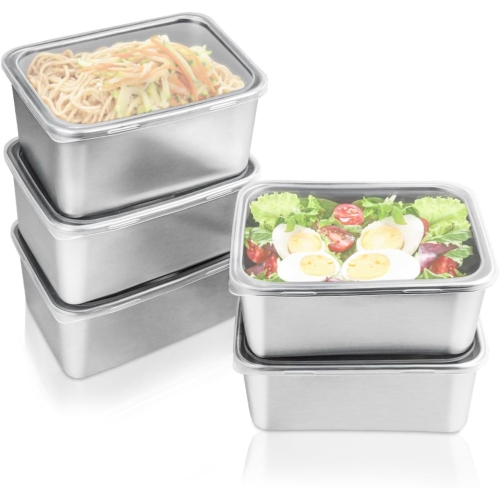
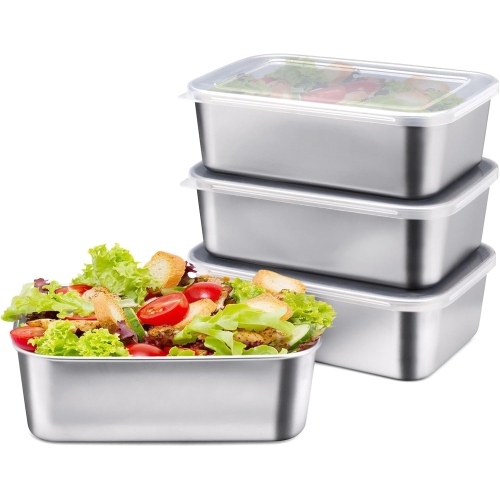
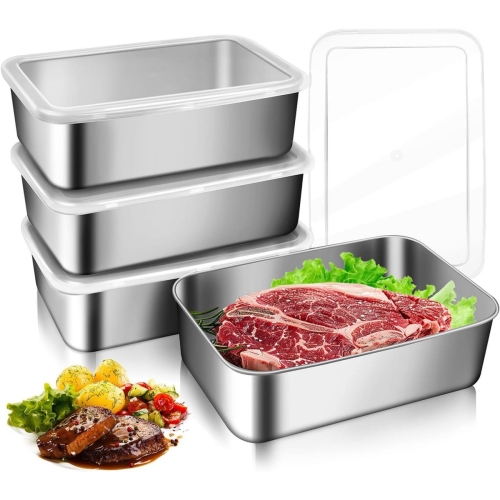
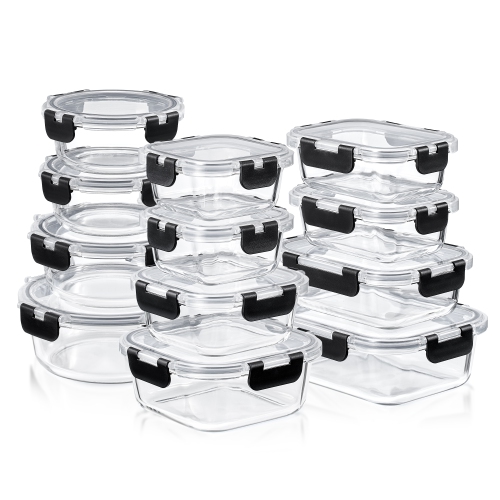
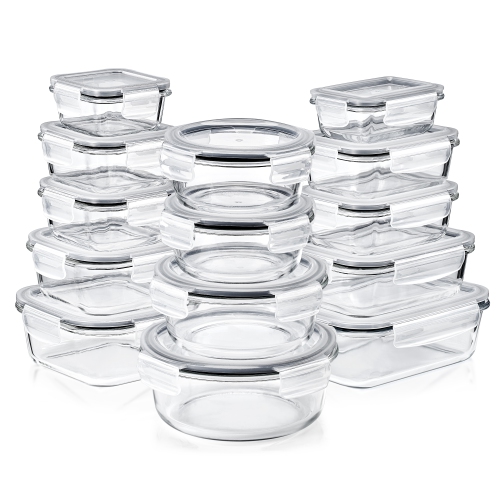
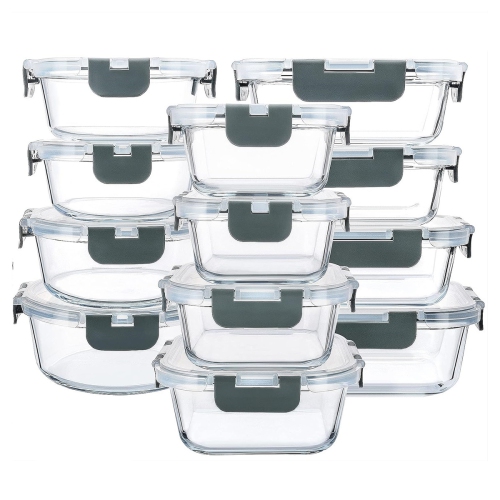
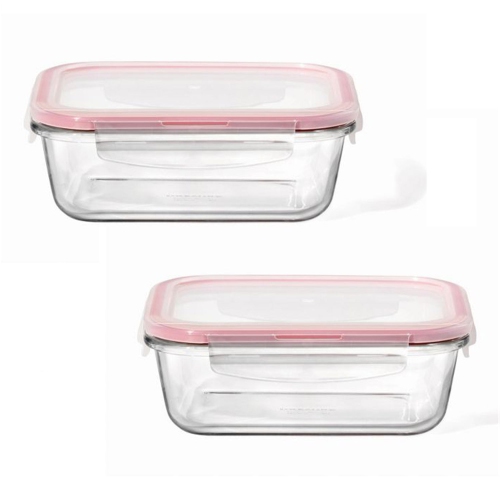
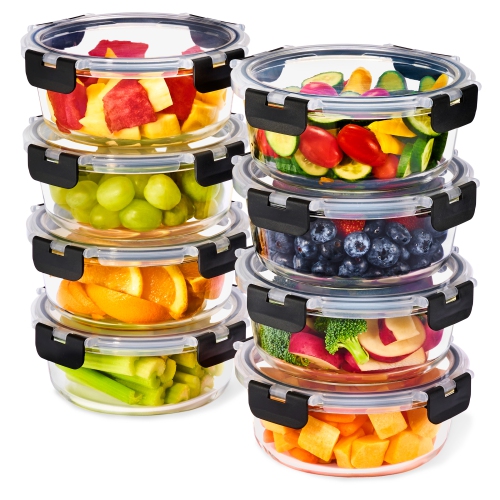
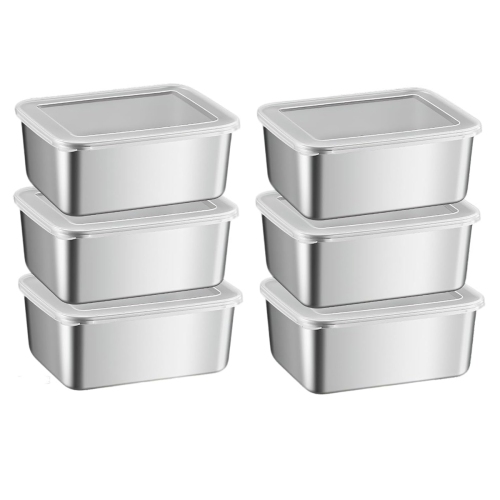
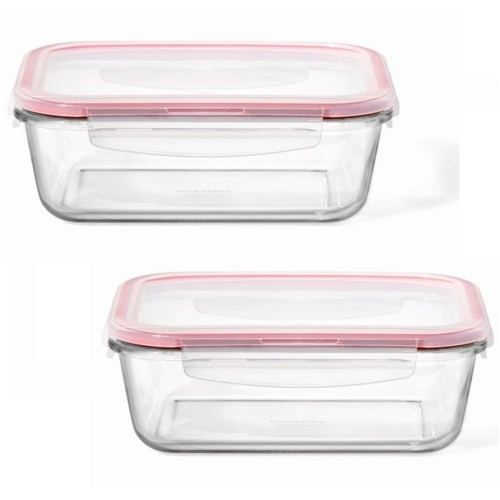
Material affects weight, visibility, stain resistance, and where a food storage container can safely be used. Glass is useful for foods such as tomato sauce and curry because it generally resists staining and lingering odours. Its weight can make it feel steady on a countertop, although that same weight is noticeable when several filled containers go into a work bag. Some glass containers are designed for reheating or oven use, but those capabilities depend on the manufacturer’s instructions, and a suitable base does not mean the lid can handle the same conditions. Sudden temperature changes can also damage glass, so moving a dish directly between a freezer and a hot oven requires explicit manufacturer approval. For lighter packed lunches and everyday snacks, plastic kitchen storage containers are convenient to carry and easier for many children to handle. Their suitability for the microwave, freezer, and dishwasher varies, making the markings on both the base and lid important. Plastic may retain colour or odours from strongly seasoned foods, and scratched or warped surfaces can become harder to clean thoroughly. Stainless steel offers a sturdy alternative for sandwiches, cut fruit, and dry snacks, particularly when a container will travel frequently, though its opaque sides hide the contents and it is generally unsuitable for microwave reheating. Flexible silicone containers can be useful where storage space is limited, with some designs folding down between uses; a flexible body may need extra support when filled with liquids. Lids deserve the same attention as the container itself. A removable gasket can make it easier to clean the seal’s crevices, while clips and tabs need to be comfortable to open and close. An easy-open lid can help a child manage lunch independently or reduce effort for someone with limited hand strength. Secure closures are valuable, but a lid that is awkward to fasten may be frustrating in daily use. The best material and closure combination depends on what is being stored, how it travels, and how it will be cleaned.
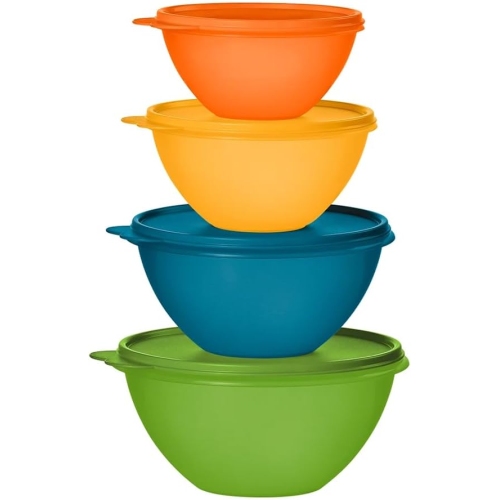
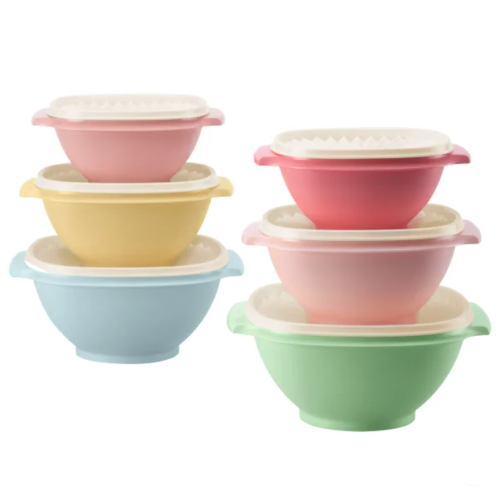
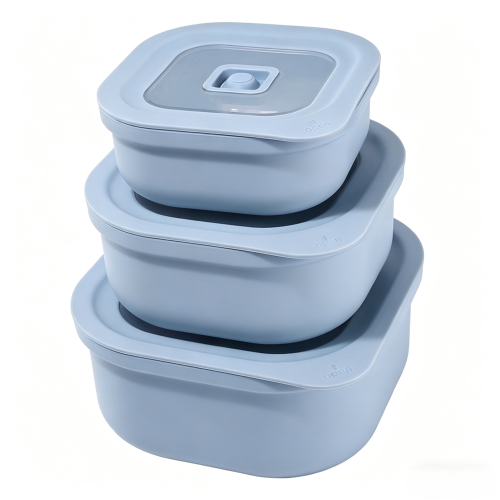
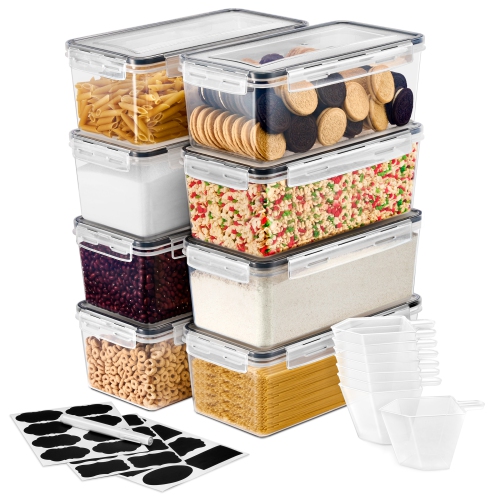
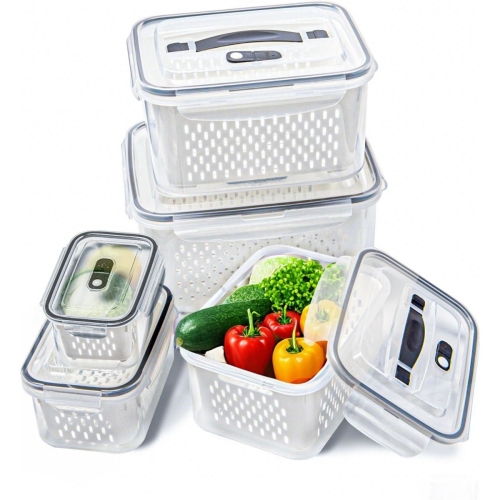
A well-matched assortment of food storage containers should also work when empty, not just when filled. Stackable shapes can make a busy fridge easier to navigate, while nesting bases reduce the cupboard space needed between meals. These are different features: containers that nest neatly without lids may not form a stable stack when full. Flat lids, compatible footprints, and easy-to-match bases help prevent the familiar search through a drawer of almost-fitting covers. Consistent shapes are particularly useful for meal preparation, where several lunches need to sit side by side, while a few smaller containers keep condiments and toppings separate until serving. Labels with the contents and preparation date help distinguish similar-looking soups or identify a portion tucked at the back of the freezer. Containers intended for freezing need enough headspace for foods that expand, along with closures and materials rated for that use. For refrigerated leftovers, shallow portions support quicker cooling; a sealed container does not replace safe food handling or appropriate storage times. Care habits influence durability, too. Cleaning around clips, grooves, and removable seals helps prevent food residue from accumulating, and allowing all parts to dry before reassembly avoids trapping moisture. Dishwasher-safe components should still be placed according to their care instructions, since a lid may have different requirements from its base. Cracked glass, damaged seals, and badly warped lids are signs that a container may no longer perform as intended. Beyond the kitchen, smaller containers can hold snacks for a commute, portions for a caregiver, or lunch components for a student. A coordinated assortment can also make a practical housewarming gift, especially when its sizes suit the recipient’s cupboard space and cooking habits. Whether the routine involves batch cooking, baking, packed lunches, or simply saving dinner for another day, food storage containers are most useful when their size, material, closure, and care needs match the way food is prepared and enjoyed.
Top selling and popular products
-
 Your price for this item is $15.99
-
 Your price for this item is $3.99
-
 Your price for this item is $19.99
-
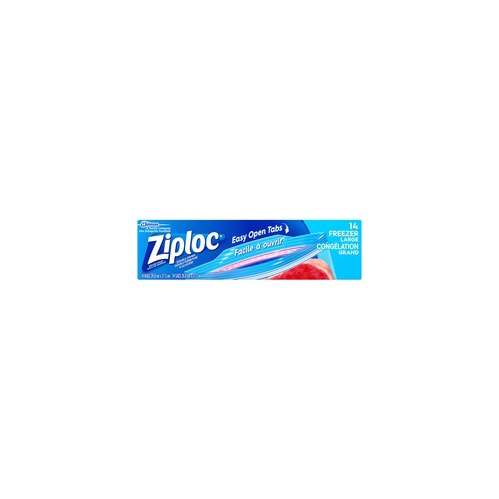 Your price for this item is $7.99
-
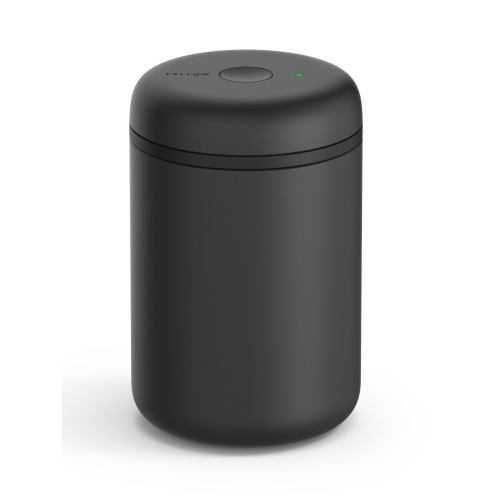 Your price for this item is $109
-
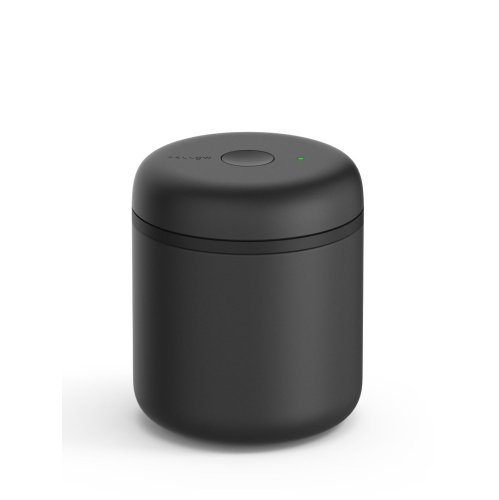 Your price for this item is $99
-
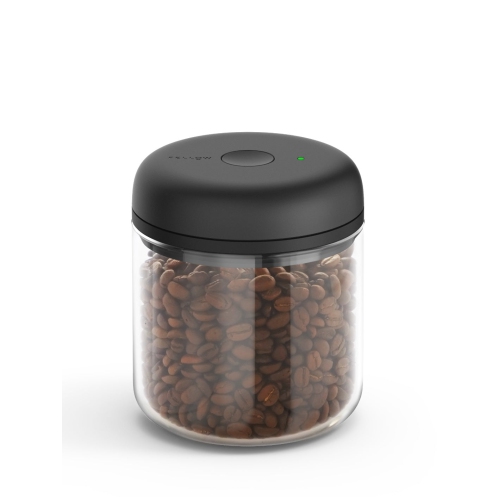 Your price for this item is $99
-
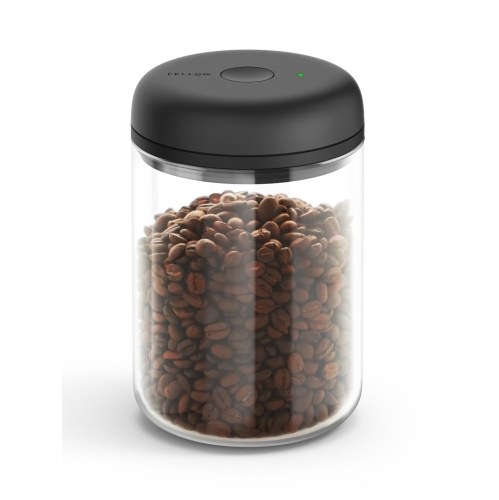 Your price for this item is $109
Discover more categories related to Food Storage Containers
Top Collections:
Best Black Friday Deals This Year, Best Black Friday Deals On Electronics, Kindle Devices, Pokemon Centers, Best Black Friday Deals On Apple Products, Best Cameras for Sports Photography, Dyson Airwrap, Pokémon 30th Celebration Cards, Apple iPhone 17 Pro, Canon G7X Cameras
Some products may be subject to Environmental Handling Fees
(EHF) depending on your province.
Learn more about EHFs.