Food Storage Bags
Looking for a convenient and eco-friendly solution to keep your food fresh and organized? Our selection of food storage bags offers a versatile and practical way to store leftovers, meal prepped dishes, snacks, and more. From reusable silicone bags to durable plastic options, these storage bags are designed to help you reduce waste while keeping your kitchen tidy and your food items well-preserved. Whether you're looking for sandwich bags, freezer-safe pouches, or multi-purpose storage solutions, we have a variety of options to suit your needs.
Sort

Practical options for lunches, leftovers and freezer meals
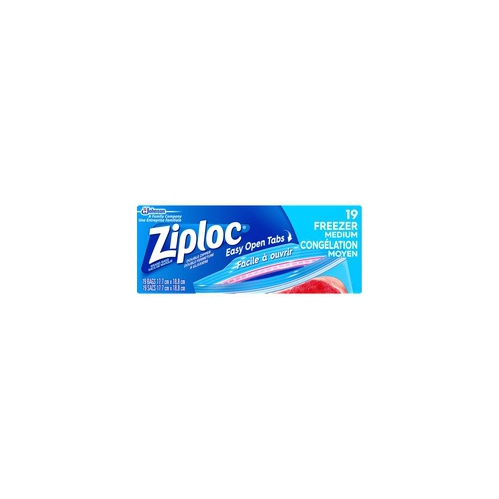
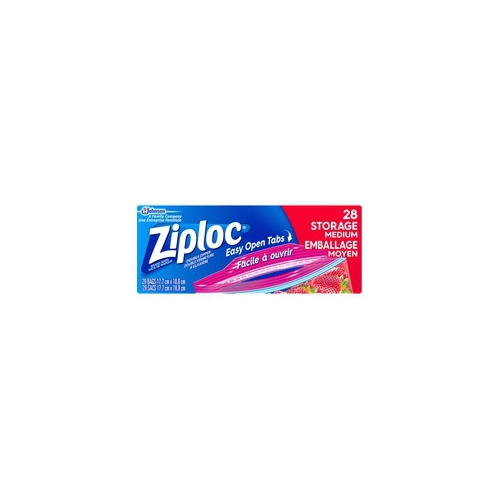
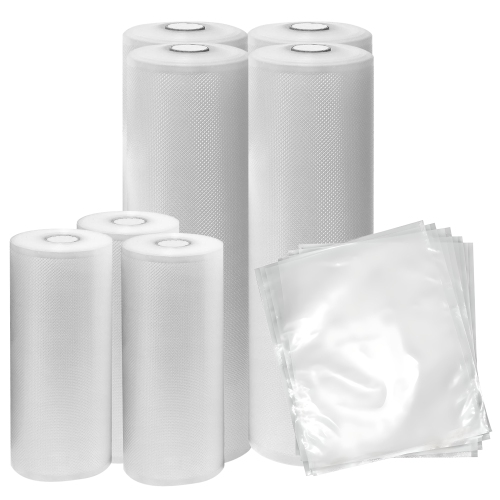
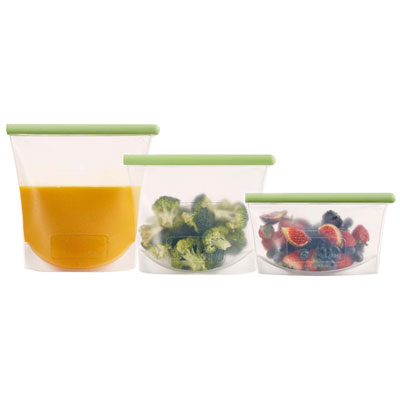
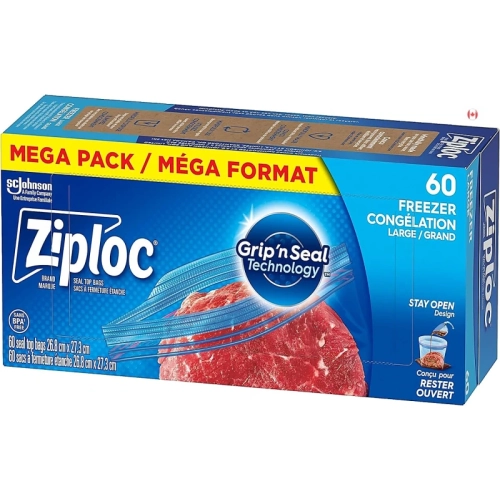
Food storage bags are practical kitchen essentials for organizing ingredients, packing meals and keeping everyday food preparation manageable. They are available in a range of materials, sizes and closure styles, so the right choice depends on what you plan to store and how you expect to use the bags. Small snack-sized bags are useful for nuts, berries, cut vegetables, crackers, grated cheese and individual portions of ingredients, while sandwich and medium-sized bags can hold prepared sandwiches, sliced fruit, baking supplies or leftovers. Larger formats provide room for bulkier foods, family-sized portions, baked goods and freezer meals. For extra capacity, browse Large Storage Bags when storing large cuts of meat, a batch of soup or a substantial amount of produce. A flat, dependable seal helps prevent spills in a lunch bag or refrigerator drawer, while slider closures can be convenient when a bag needs to be opened and closed repeatedly. Traditional press-to-seal designs are often compact and easy to stack, and bags with a wider opening can make it simpler to fill them without getting sauce or crumbs along the seal. When comparing options, consider the bag’s dimensions, capacity, closure strength and thickness, along with whether the package includes a mix of sizes for different portions. Clear bags make it easy to identify contents at a glance, which is especially helpful when several meals or ingredients are arranged in a freezer. Some bags are designed for everyday pantry and refrigerator use, while others are made for freezing, vacuum sealing or higher-temperature applications. Check the manufacturer’s instructions before placing a bag in the freezer, microwave, dishwasher or boiling water, since food-safe construction does not automatically mean that a bag is suitable for every type of heat or appliance. If reheating is part of your routine, look for clear microwave-use directions and leave room for steam to escape as instructed. For freezer storage, a secure seal and sturdy material help protect food from air exposure, leaks and brittle edges. Writing the contents and date on a label can also make frozen food easier to manage, particularly when several similar-looking portions are stored together.
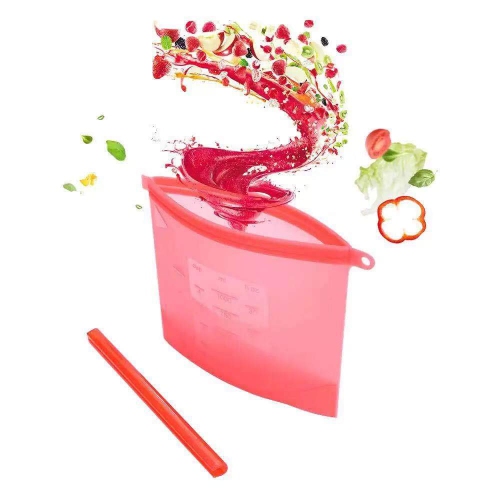
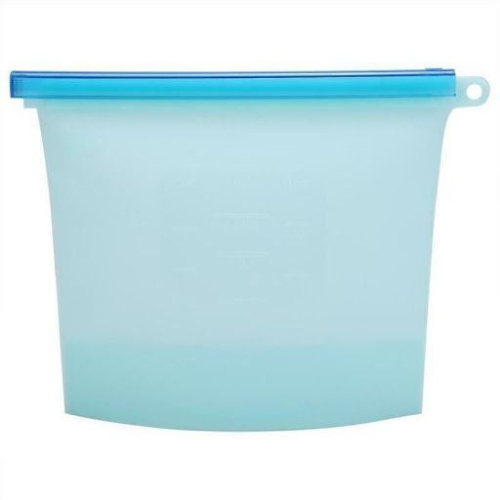
Food storage bags fit naturally into busy routines because they can help divide ingredients before cooking, pack lunches for work or school, and keep leftovers ready for another meal. During the warmer part of the year, they are handy for transporting cut fruit, picnic snacks, burger toppings and chilled drinks without taking up the space of rigid containers. As the weather becomes cooler, larger bags can hold ingredients for soups, stews, baking projects and make-ahead dinners, while smaller bags keep nuts, spices, dried fruit and garnishes portioned for quick access. Home cooks often use them to marinate vegetables or meat, separate portions before freezing, or store dough and shaped baking ingredients until they are ready for the oven. A sturdy bag can also be useful for carrying prepared food to a family gathering, although liquid-heavy foods should be sealed carefully and kept upright whenever possible. Students, commuters, parents and anyone preparing meals ahead of time may appreciate a selection that includes several sizes, since a compact snack bag serves a very different purpose from a large freezer bag. Food storage bags can make thoughtful additions to a housewarming basket, a student kitchen starter set or a collection of practical supplies for someone who enjoys baking and meal preparation. When storing raw meat, seafood or eggs, choose a bag that closes securely, place it in a tray or other protective area to contain possible leaks, and follow safe refrigeration or freezing practices. Disposable bags that have held raw meat, fish or eggs should not be reused, as washing may not remove all contamination. Reusable options should be emptied and cleaned promptly after use, especially after holding oily sauces, dairy products or foods with strong aromas. Silicone bags are often thicker and more structured than flexible plastic bags, which can make them useful for repeated kitchen tasks, and some are dishwasher-safe or rated for freezer and heat use. Even with reusable designs, inspect the seal, corners and seams regularly for residue or damage, and dry the interior thoroughly before storing the bag.
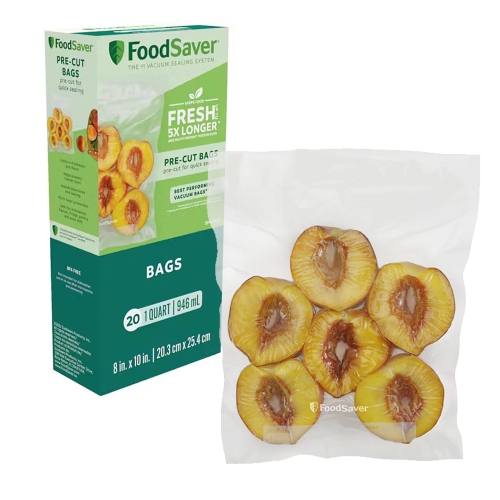
The best food storage bags are the ones that match the food, storage location and handling routine in your kitchen. For dry snacks and lunch items, a lightweight bag with a reliable closure may be all that is needed. For soups, sauces and marinated ingredients, choose a larger format with enough room to close without forcing the seal, and consider placing the filled bag in a dish until you are confident it is leak-free. When freezing food, allow liquids to cool before packing them, leave suitable space for expansion and lay bags flat when possible so they freeze into tidy, stackable portions. Removing excess air can help limit ice crystals and preserve texture, while vacuum-sealing bags are designed specifically to draw air away from food and create a tighter pack. These specialized bags should be used only with compatible vacuum-sealing equipment and according to the manufacturer’s directions. For refrigerator organization, matching sizes can create neat groups of prepared ingredients, snacks and leftovers, while a mix of formats offers more flexibility for irregularly shaped foods. Pay attention to the bag opening as well as its stated capacity; a bag may hold the right volume but still be awkward if the opening is too narrow for the food being stored. Families may value larger multipacks, while smaller households may prefer a variety of capacities to avoid overpacking individual portions. Before making a selection, check whether the bags are labelled BPA-free and whether their intended uses include freezer storage, microwave reheating, dishwasher cleaning or high-temperature cooking. Keeping the original packaging or product instructions nearby is helpful when a bag has specific limitations. With the right combination of sizes, seals and materials, food storage bags can support a cleaner, more organized preparation routine from the first packed lunch of the day to the last leftovers saved for tomorrow.
Food storage bags fit naturally into busy routines because they can help divide ingredients before cooking, pack lunches for work or school, and keep leftovers ready for another meal. During the warmer part of the year, they are handy for transporting cut fruit, picnic snacks, burger toppings and chilled drinks without taking up the space of rigid containers. As the weather becomes cooler, larger bags can hold ingredients for soups, stews, baking projects and make-ahead dinners, while smaller bags keep nuts, spices, dried fruit and garnishes portioned for quick access. Home cooks often use them to marinate vegetables or meat, separate portions before freezing, or store dough and shaped baking ingredients until they are ready for the oven. A sturdy bag can also be useful for carrying prepared food to a family gathering, although liquid-heavy foods should be sealed carefully and kept upright whenever possible. Students, commuters, parents and anyone preparing meals ahead of time may appreciate a selection that includes several sizes, since a compact snack bag serves a very different purpose from a large freezer bag. Food storage bags can make thoughtful additions to a housewarming basket, a student kitchen starter set or a collection of practical supplies for someone who enjoys baking and meal preparation. When storing raw meat, seafood or eggs, choose a bag that closes securely, place it in a tray or other protective area to contain possible leaks, and follow safe refrigeration or freezing practices. Disposable bags that have held raw meat, fish or eggs should not be reused, as washing may not remove all contamination. Reusable options should be emptied and cleaned promptly after use, especially after holding oily sauces, dairy products or foods with strong aromas. Silicone bags are often thicker and more structured than flexible plastic bags, which can make them useful for repeated kitchen tasks, and some are dishwasher-safe or rated for freezer and heat use. Even with reusable designs, inspect the seal, corners and seams regularly for residue or damage, and dry the interior thoroughly before storing the bag.
The best food storage bags are the ones that match the food, storage location and handling routine in your kitchen. For dry snacks and lunch items, a lightweight bag with a reliable closure may be all that is needed. For soups, sauces and marinated ingredients, choose a larger format with enough room to close without forcing the seal, and consider placing the filled bag in a dish until you are confident it is leak-free. When freezing food, allow liquids to cool before packing them, leave suitable space for expansion and lay bags flat when possible so they freeze into tidy, stackable portions. Removing excess air can help limit ice crystals and preserve texture, while vacuum-sealing bags are designed specifically to draw air away from food and create a tighter pack. These specialized bags should be used only with compatible vacuum-sealing equipment and according to the manufacturer’s directions. For refrigerator organization, matching sizes can create neat groups of prepared ingredients, snacks and leftovers, while a mix of formats offers more flexibility for irregularly shaped foods. Pay attention to the bag opening as well as its stated capacity; a bag may hold the right volume but still be awkward if the opening is too narrow for the food being stored. Families may value larger multipacks, while smaller households may prefer a variety of capacities to avoid overpacking individual portions. Before making a selection, check whether the bags are labelled BPA-free and whether their intended uses include freezer storage, microwave reheating, dishwasher cleaning or high-temperature cooking. Keeping the original packaging or product instructions nearby is helpful when a bag has specific limitations. With the right combination of sizes, seals and materials, food storage bags can support a cleaner, more organized preparation routine from the first packed lunch of the day to the last leftovers saved for tomorrow.
Top selling and popular products
-
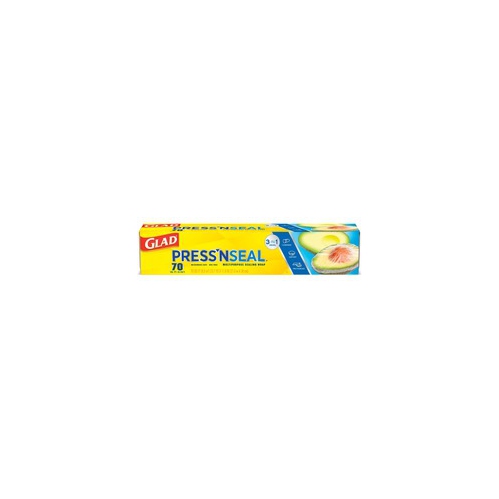 Your price for this item is $5.99
 -
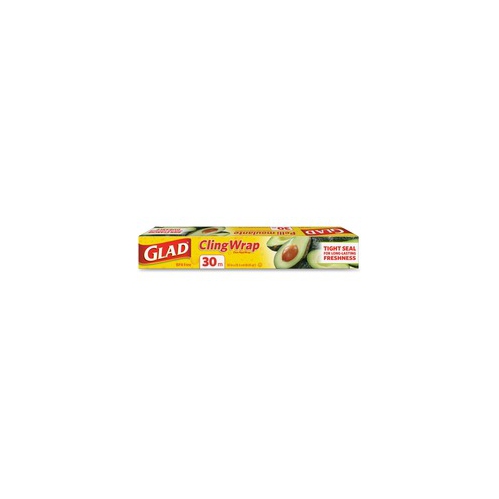 Your price for this item is $2.99
 -
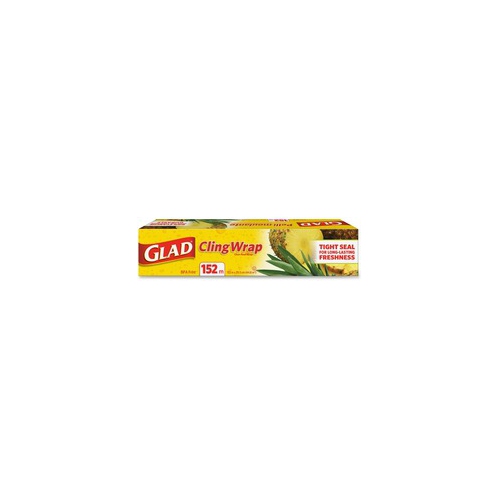 Your price for this item is $9.99
 -
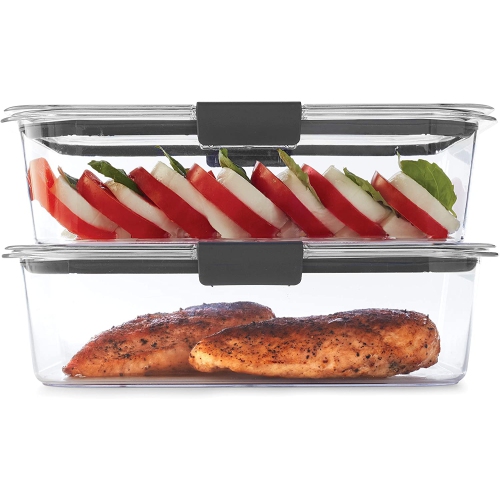 Your price for this item is $108.25
 -
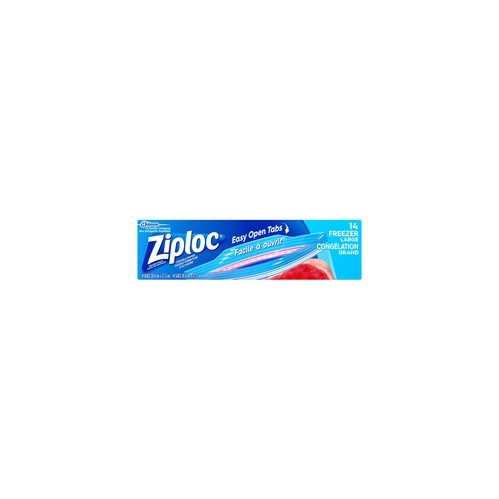 Your price for this item is $7.99
 -
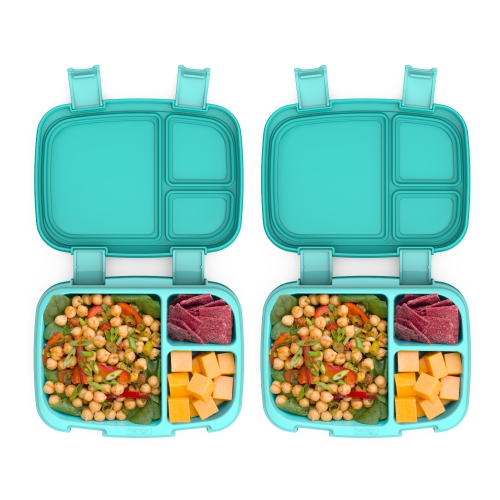 Your price for this item is $59.99
 -
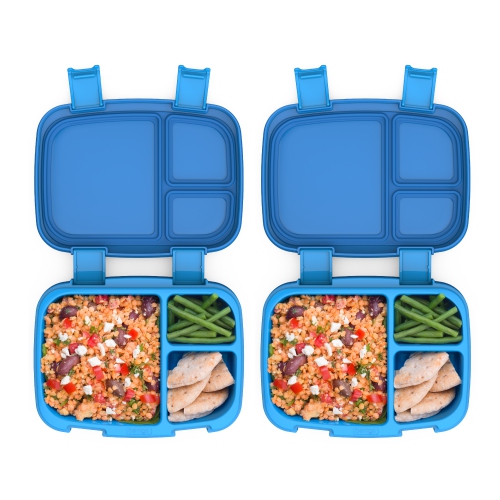 Your price for this item is $59.99
 -
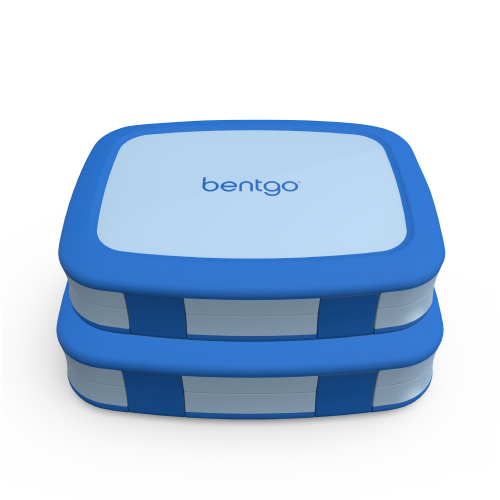 Your price for this item is $49.99
Discover more categories related to Food Storage Bags

Top Collections:
Best Laptops for Video Editing, Pokemon Centers, Samsung Z Fold, Kindle Devices, Best Cell Phones Under $300, Best Laptops for Writers, Best Budget Office Chairs, Best Cell Phones Under $500, Best Laptop Computers for Students, iPhone 15 Apple
Some products may be subject to Environmental Handling Fees
(EHF) depending on your province.
Learn more about EHFs.