Frigidaire Electric Ovens

Explore Frigidaire electric ovens for your kitchen, whether you’re replacing an existing oven or planning an upgrade. Compare dimensions, oven capacity, and cooking functions to find a model that suits your space and everyday cooking needs, and check installation requirements before choosing.

Read More

Sort

How oven design affects cooking and kitchen fit

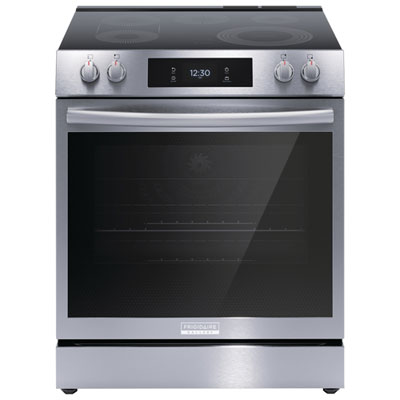
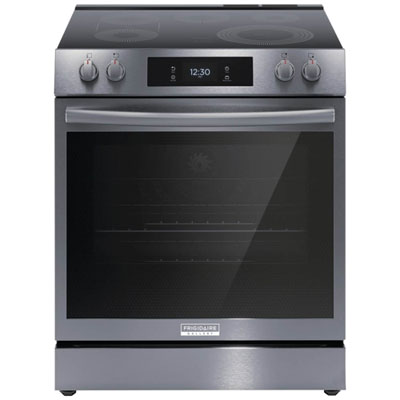
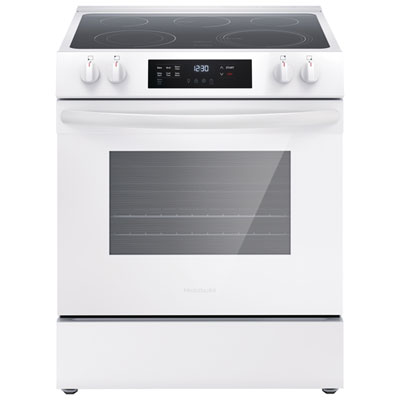
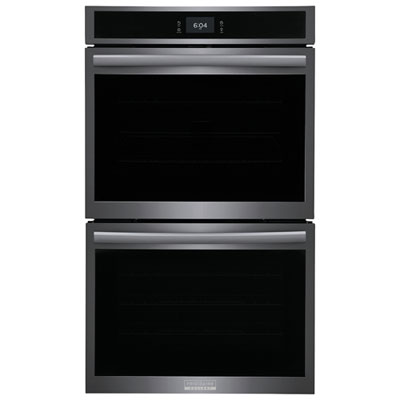
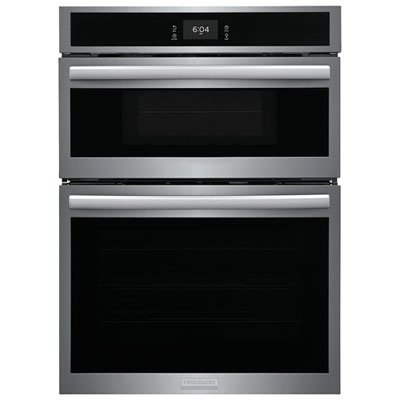
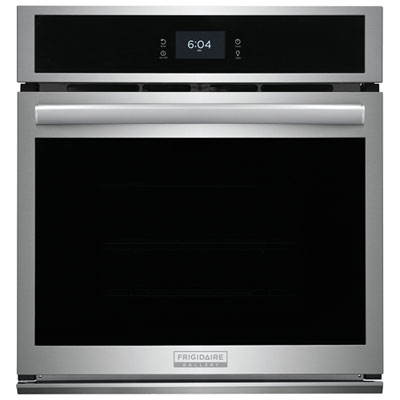
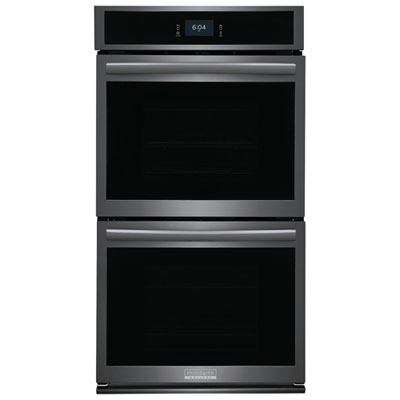
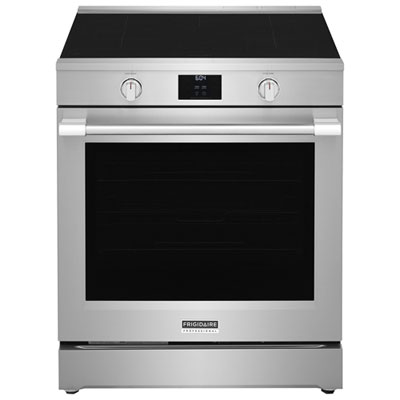
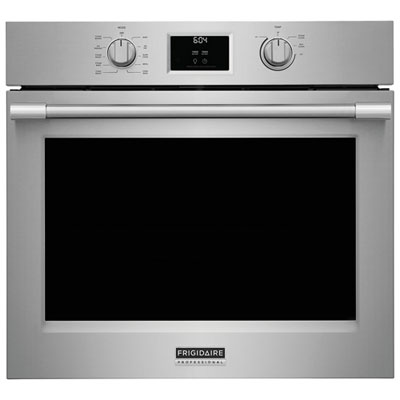
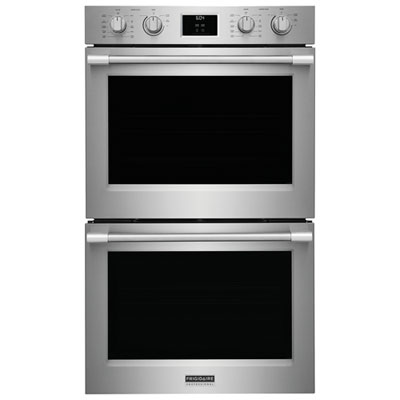
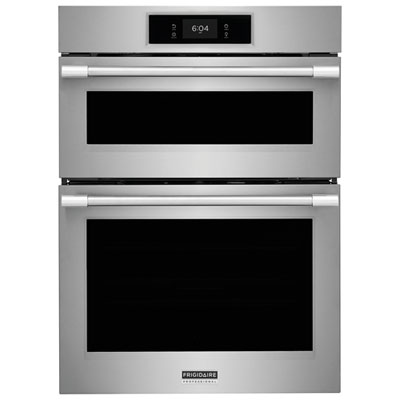
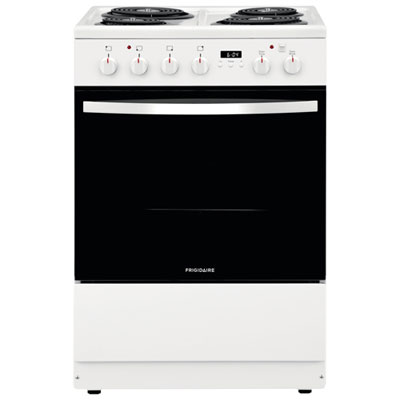
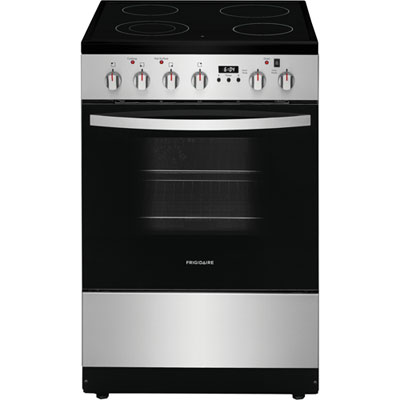
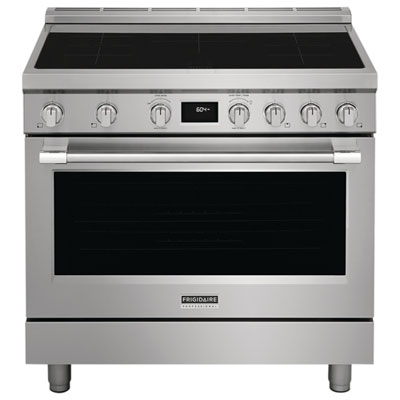
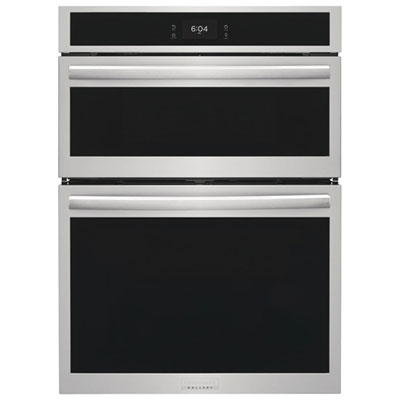
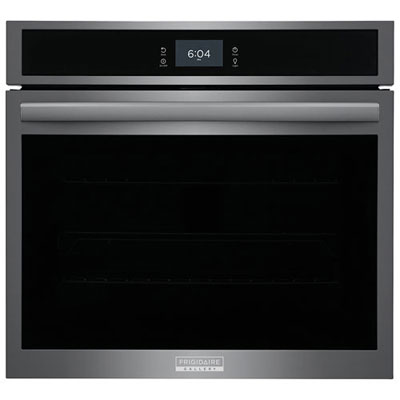
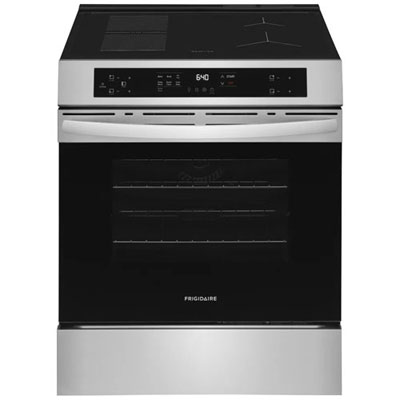
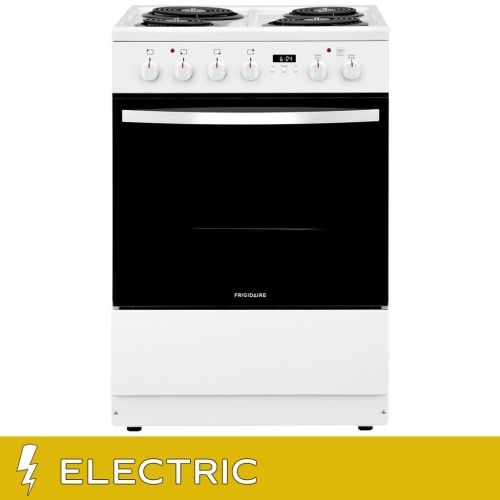
Electric ovens provide a versatile cooking space for everything from a tray of roasted vegetables to a deep casserole or a batch of bread. In an electric range, the oven sits beneath a cooktop, bringing baking, roasting, broiling, boiling, and simmering into one appliance. A built-in electric wall oven separates the baking compartment from the cooktop, allowing a different kitchen layout and, depending on its placement, easier access to heavy dishes. Understanding that distinction helps match the appliance to the kitchen rather than choosing by appearance alone. Conventional electric ovens use heating elements to bring the cavity to the selected temperature, while convection ovens add a fan to circulate hot air. Some convection systems also include an additional heating element near the fan. These differences can affect cooking times, browning, and how food cooks across multiple racks, so recipes may need adjustments when switching between cooking modes. A broil setting directs intense heat from above, useful for browning a casserole topping or finishing an open-faced sandwich. Air fry settings, where included, use circulating heat with suitable cookware or a perforated tray to encourage crisp surfaces; they do not replace every cooking method or eliminate the need to turn or space food properly. Capacity is another practical consideration, but the stated volume tells only part of the story. Rack width, the number of available rack positions, and clearance above a roasting pan all influence what fits comfortably. A household that regularly prepares several dishes together may value flexible rack placement more than a long list of specialized settings. For someone baking one sheet of cookies at a time, straightforward controls and a clear oven window may matter more. Interior lighting, an easy-to-read display, and a timer that can be heard from the next room are small details that make everyday cooking more manageable. Features vary by appliance, so the most useful combination is the one that supports familiar meals as well as occasional larger cooking projects.

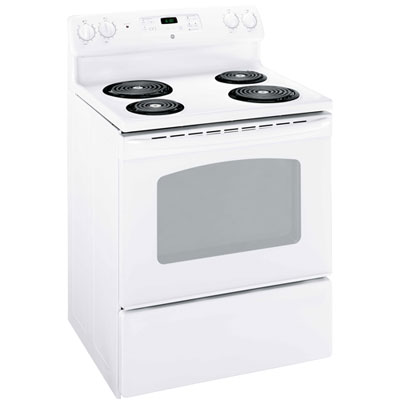
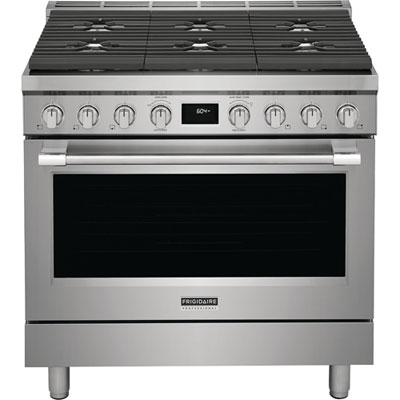
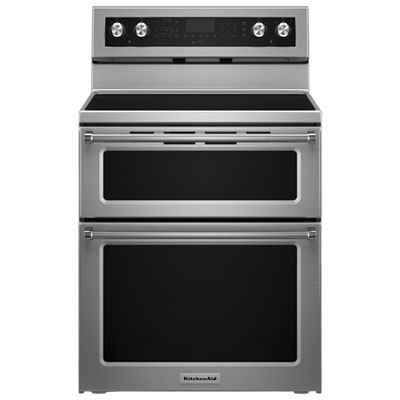
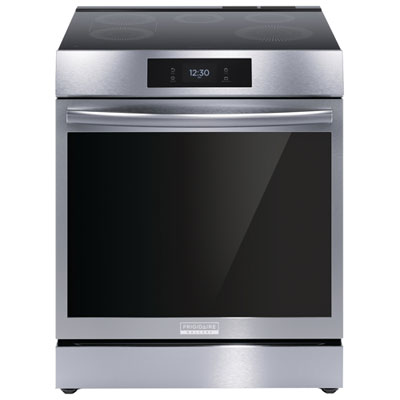
Kitchen fit involves more than checking the width of the space between cabinets. A 30-inch width is common for full-size electric ranges, but actual dimensions, required clearances, and installation instructions still need to be checked individually. Measure the opening, nearby counters, and the route through doorways before arranging installation. Depth matters where a range could project into a walkway, and the open oven door needs enough room for someone to stand safely while lifting out a hot dish. Handle depth can also affect clearance beside an island or opposing cabinets. Freestanding and slide-in designs have different installation details, including the location of controls and how the appliance meets the surrounding countertop. Replacing one style with another may require adjustments rather than a simple exchange. Built-in ovens need a cabinet cutout that matches the appliance specifications, along with the support and ventilation clearances required by the manufacturer. Electrical requirements deserve equal attention: an electric oven or range must have a compatible supply, connection, and circuit capacity. A qualified installer can assess the existing setup and complete any necessary work; a matching-looking outlet alone does not establish compatibility. For ranges, the specified anti-tip bracket is an important part of safe installation. Cooktop design also changes the experience of using an electric range. Exposed coil elements generally work with removable drip bowls, while smooth glass-ceramic surfaces provide a continuous top that needs suitable flat-bottomed cookware and careful handling. Element sizes and power levels vary, so a useful layout leaves room for the pots and pans used most often without crowding their handles. A large stockpot, a skillet, and a small saucepan should each have an appropriate place. For households considering a different fuel type and separate cooking compartments, Frigidaire Double Oven Gas Ranges offer another configuration to consider, with gas connection and installation requirements distinct from those of an all-electric range.

Materials and care influence how an electric oven looks and performs over years of daily use. Stainless steel exteriors, painted finishes, glass doors, and enamelled oven cavities each have their own cleaning needs. A fingerprint-resistant finish may make marks less noticeable, but it still needs regular wiping with products suitable for that surface. Abrasive pads and harsh cleaners can damage finishes, while cleaner left around controls or door edges can be difficult to remove. Inside the oven, wiping up spills once the appliance has cooled helps prevent residue from baking onto the cavity during later use. Follow the manufacturer’s instructions for steam-clean and self-clean settings, since the preparation, cleaning action, and treatment of racks can differ. Some racks must be removed before a high-heat cleaning cycle, and heavy spills may need attention beforehand. Oven liners and foil should not be placed on the oven floor unless expressly permitted, as they can interfere with heat distribution or damage surfaces. Door seals also deserve gentle treatment: scrubbing, pulling, or coating them with cleaner can affect their condition. On a smooth cooktop, lifting cookware rather than sliding it helps reduce scratching, and sugary spills require particular care according to the appliance instructions. Good cooking habits make a difference, too. Allowing the oven to preheat, leaving space around pans, and using the recommended rack position helps food cook as intended. Dark baking sheets can brown food differently from lighter metal pans, and glass baking dishes may need different handling from metal cookware. An oven thermometer can help investigate persistent temperature concerns, although cycling above and below a set temperature is a normal part of oven operation. For busy households, batch cooks, and enthusiastic bakers alike, durability is supported by careful use, regular cleaning, and prompt attention to damaged components. An electric oven that fits the kitchen, accommodates familiar cookware, and offers understandable controls can support quick suppers, shared meals, and more ambitious baking without adding unnecessary complexity to the routine.
Read More

FAQ

Some products may be subject to Environmental Handling Fees (EHF) depending on your province. Learn more about EHFs.