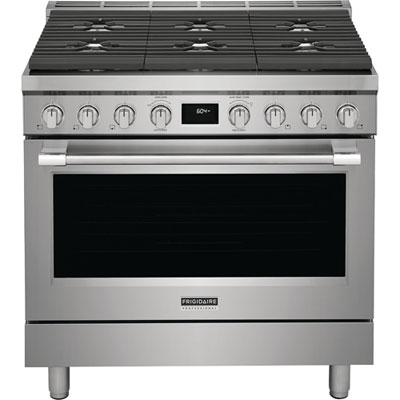
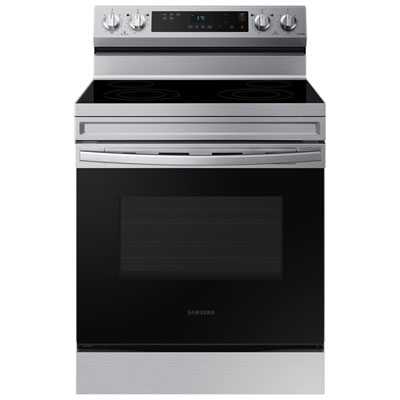
Frigidaire Electric Ranges

Shop Frigidaire electric ranges to find a stove that fits your kitchen and everyday cooking needs. Compare dimensions, oven capacity, cooktop layout, and available features to help choose the right range for your space and the meals you make most often.
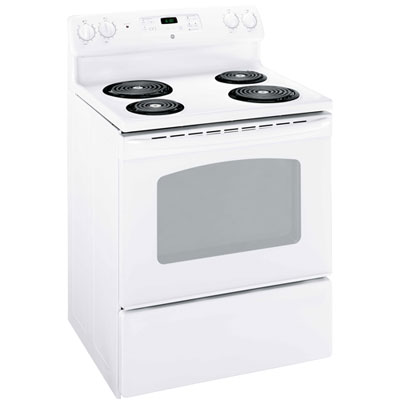
Read More

Sort

How cooktop layout and oven space shape everyday cooking

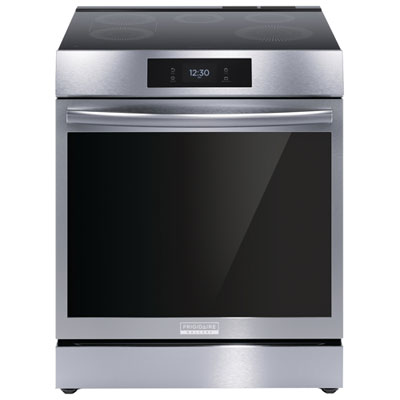
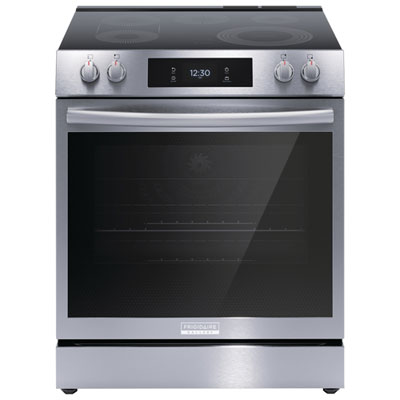
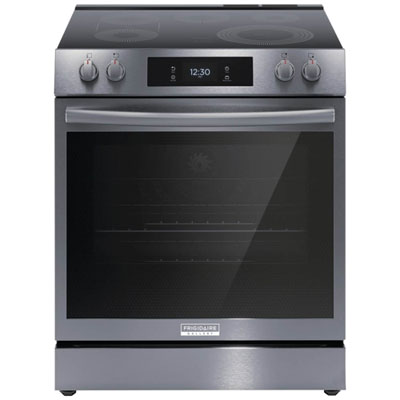
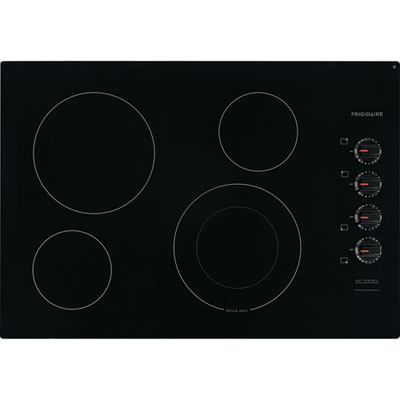
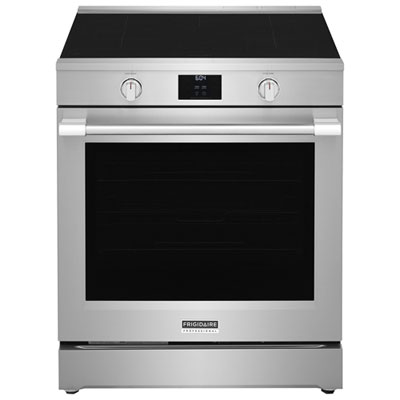
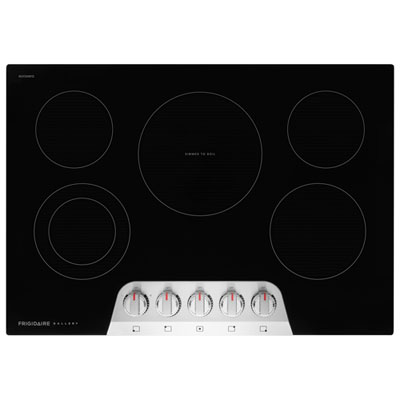
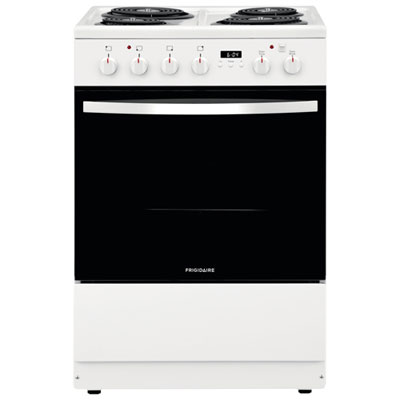
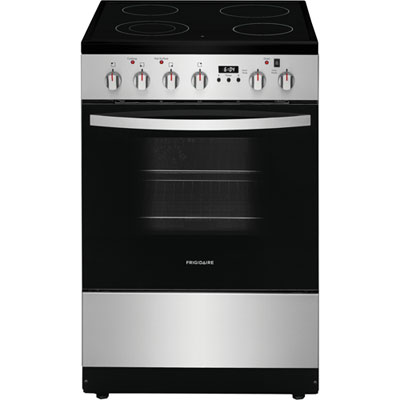
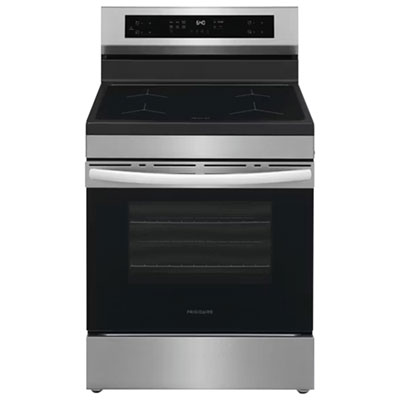
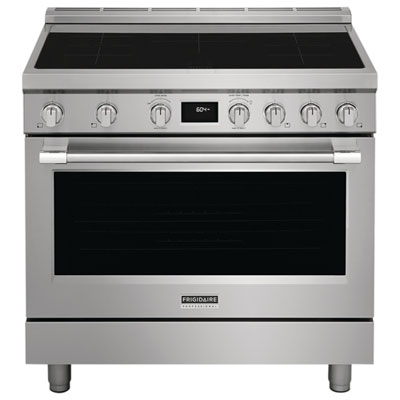
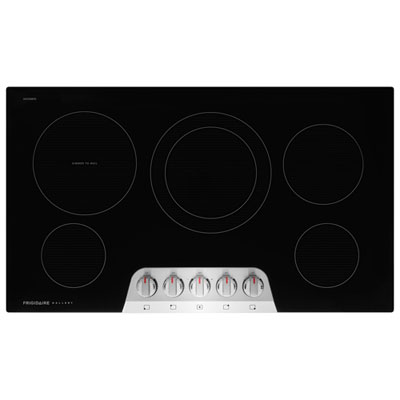
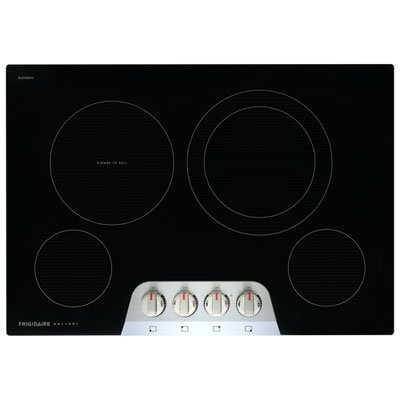
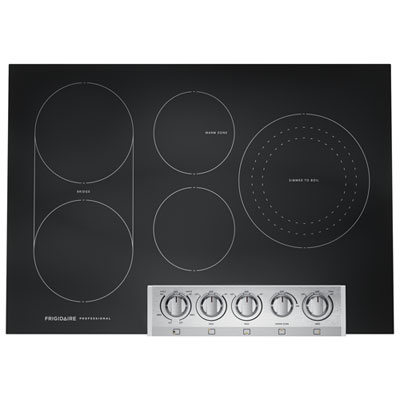
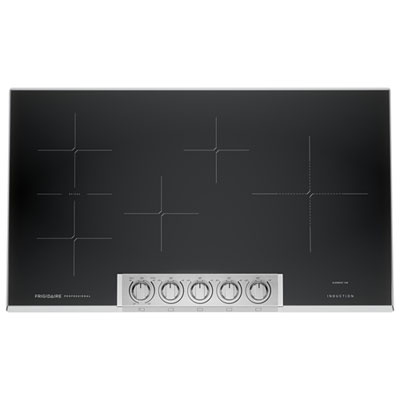
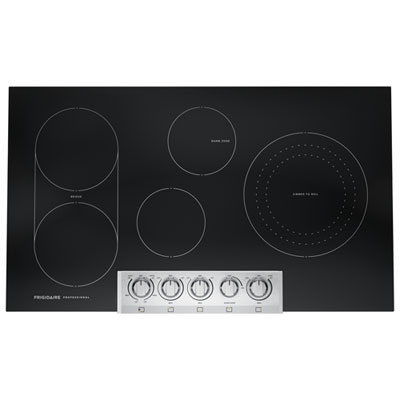
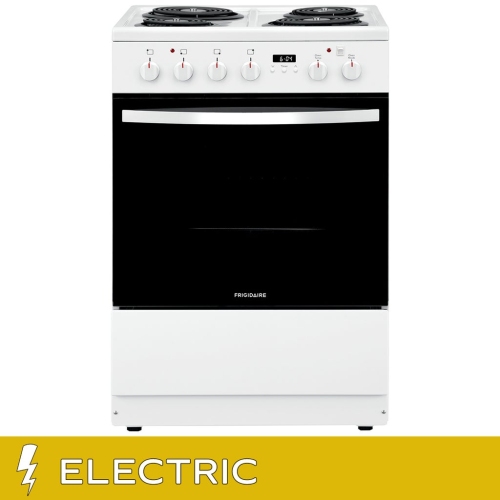
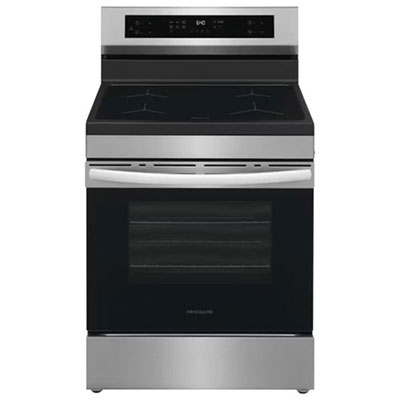
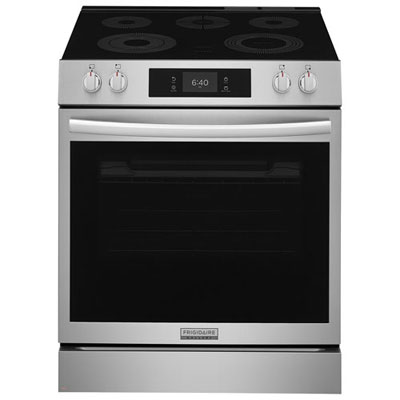
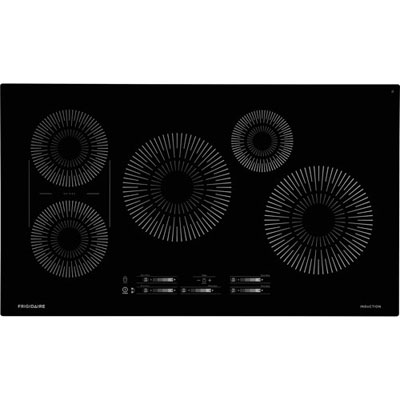
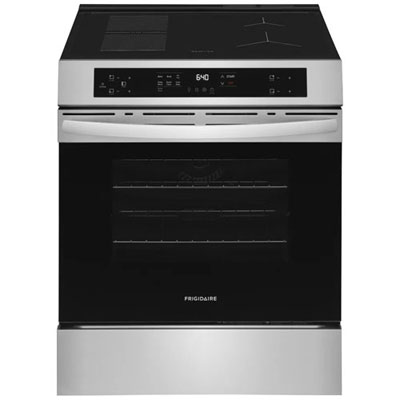
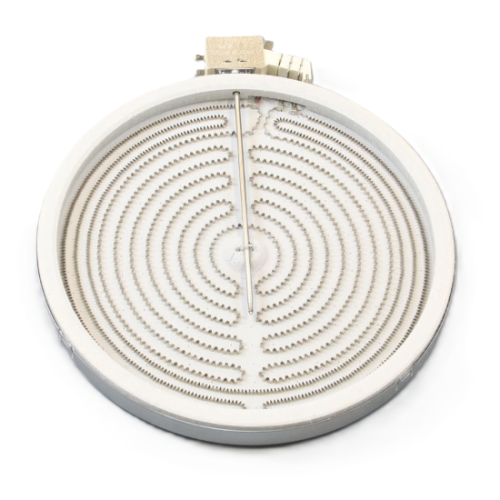
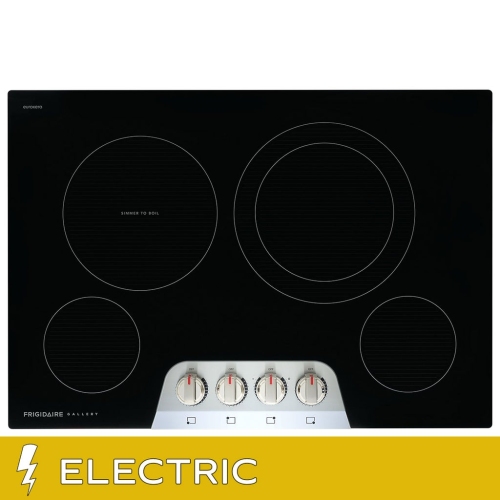
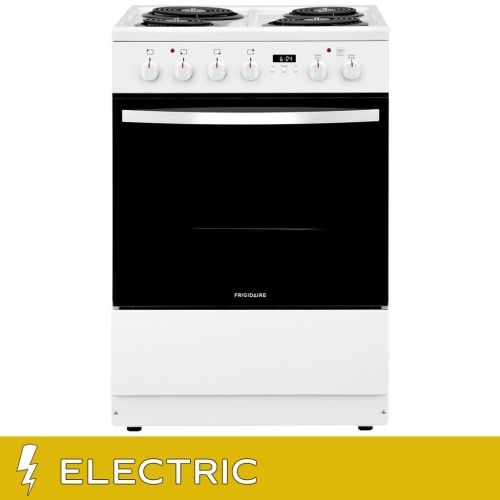
Electric ranges combine an electric cooktop and an oven in one appliance, giving everyday cooks a place to simmer sauces, boil pasta, roast vegetables, and bake bread without a gas connection. Their appeal is practical: a single cooking centre can handle a quick breakfast just as comfortably as a meal with several dishes on the go. Conventional electric cooktops use radiant elements beneath a smooth glass-ceramic surface or exposed coil elements, depending on the design. A smooth surface provides a continuous area to wipe down once it has cooled, while coil designs typically have removable drip bowls that collect splashes beneath the elements. Element size matters as much as the number of cooking positions. A small saucepan benefits from a suitably sized heating area, while a wide skillet needs broader coverage to cook evenly across its base. Expandable elements, where included, let one cooking position accommodate different pan diameters, and a warming zone can help hold a finished side dish while the rest of dinner comes together. Flat-bottomed cookware makes good contact with an electric cooking surface; warped pans can heat unevenly or sit unsteadily. Heavy cookware deserves particular care on glass, since lifting a cast-iron pot rather than sliding it helps prevent scratches. Electric elements also retain heat after being switched off, making hot-surface indicators a useful reminder when clearing the cooktop. For households that cook several dishes at once, the spacing between elements can be just as important as their stated output. Two large pots should fit comfortably without their handles crowding neighbouring pans. Beyond cooking performance, the range’s finish helps shape the kitchen’s appearance. Stainless steel, white, and black finishes create different effects alongside cabinetry and other appliances, while the texture and design of handles and controls influence how the appliance feels in daily use. Easy-to-read markings and controls that respond clearly are especially helpful when moving between a bubbling pot and a tray ready for the oven.
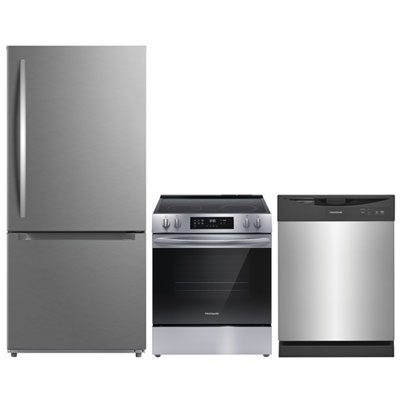
The oven brings another set of considerations, particularly for households that bake regularly, prepare larger meals, or cook several portions ahead. Capacity describes the overall interior volume, but usable space also depends on rack dimensions, rack positions, and the shape of the cookware going inside. A deep roasting pan, a pair of baking sheets, and a covered casserole each occupy space differently. Enough clearance around pans allows hot air to circulate, while flexible rack placement makes it easier to position a tall dish away from the upper heating element. Conventional baking relies on heat from the oven’s elements, while convection uses a fan to circulate heated air. Some convection systems include an additional heating element near the fan; the exact arrangement varies by model. Convection can be useful for roasting and multi-rack baking, although cooking times and temperatures may need adjustment according to the recipe and appliance instructions. An air fry setting, when included, uses circulating heat to help brown foods such as potato wedges or breaded vegetables. Results depend on the food, the tray, and how much space is left between pieces, so an oven with this setting still benefits from careful loading rather than an overcrowded basket. A clear oven window and interior light make it easier to check a loaf or casserole without repeatedly opening the door. Timers, straightforward temperature controls, and clearly identified cooking modes also help keep meal preparation organized. For someone making a tray of muffins before work or coordinating a roast with several side dishes, these everyday details can matter more than a long list of rarely used settings. Broiling adds another useful option for browning a topping or finishing an open-faced sandwich, provided suitable cookware and the recommended rack position are used. Storage drawers, where provided, can keep appropriate baking equipment nearby, but they should not be confused with warming drawers, which have a separate heating function.
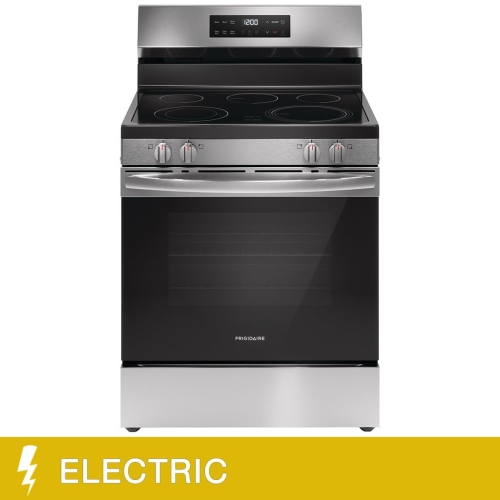
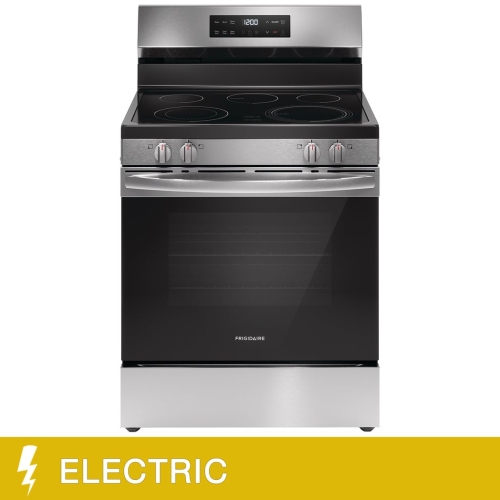
Fit, installation, and care help determine how well an electric range serves a kitchen over time. Many full-size ranges are approximately 30 inches wide, but the appliance’s exact width, depth, height, and required clearances should match the intended opening. Depth measurements deserve attention because handles, rear connections, and an open oven door can affect nearby walkways or cabinet access. Freestanding designs commonly have finished sides and a raised rear control panel, while many slide-in designs position controls at the front for a more integrated appearance. These descriptions are not a substitute for installation dimensions: countertop height, backsplash placement, and surrounding cabinetry all influence the final fit. Front controls may be easier to reach without leaning over cookware, although households with young children may also value control-lock features. Electric ranges require a suitable dedicated electrical supply, commonly a 240-volt connection, and installation should follow the appliance specifications and local requirements. An anti-tip bracket is an important part of a properly completed installation. For kitchens being considered for a different fuel setup, Frigidaire Double Oven Gas Ranges represent a separate category with different connection and installation needs; a gas connection alone does not establish that a space is ready for an electric range. Once installed, regular care protects both appearance and function. Spills are generally easier to address before repeated heating bakes them onto the surface, but cleaning methods must suit the material and follow the manufacturer’s directions. Glass-ceramic tops need suitable cleaners and non-abrasive tools, while stainless steel finishes benefit from gentle cleaning along the grain. Self-clean and steam-clean settings, where included, work differently and have specific preparation requirements, including instructions about racks and accessories. Durable performance also depends on simple habits: keeping the oven door seal clean, avoiding foil liners unless expressly permitted, and using cookware that sits securely. For a first kitchen, an established family home, or an updated cooking space, the most useful electric range is one whose layout, oven space, and maintenance needs fit the way meals are actually prepared.
Read More

FAQ

Some products may be subject to Environmental Handling Fees (EHF) depending on your province. Learn more about EHFs.