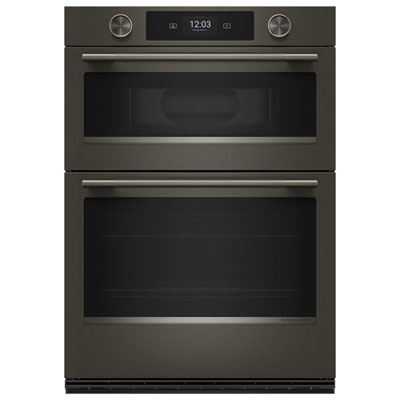
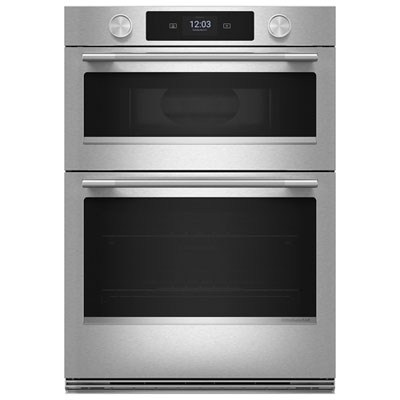
KitchenAid Electric Ovens

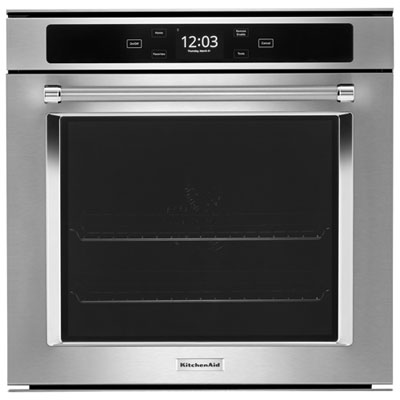
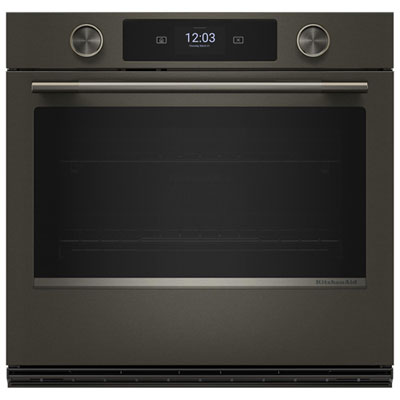
Browse KitchenAid electric ovens to find an option that fits your kitchen and cooking needs. Compare oven capacity, dimensions, cooking functions and controls, and check installation requirements to help narrow your choices.
Read More

Sort

Flexible cooking space for everyday meals and ambitious bakes

Electric ovens bring controlled, enclosed heat to everyday cooking, from a tray of roasted vegetables to a carefully timed sponge cake. Their appeal lies in the range of meals they can handle: baked pasta with a browned top, bread with a well-developed crust, or several trays of cookies for a family gathering. In a conventional electric oven, heating elements supply heat to the cavity, while convection-equipped models use a fan to circulate heated air. That airflow can support more even results across multiple racks, although cooking times, temperatures, and rack placement still depend on the recipe and the appliance. Some models offer different convection settings for baking and roasting, giving home cooks more flexibility without requiring every dish to use the same approach. Broiling provides concentrated heat from above for finishing a gratin or browning the surface of an open-faced sandwich, while lower-temperature settings, where included, may suit tasks such as keeping a finished dish warm. Capacity matters in practical terms as much as it does on a specification sheet. A deep roasting pan, a covered casserole, and a full-size baking sheet each need enough room for comfortable handling and adequate airflow. Usable rack space and the shape of the cavity can therefore be just as important as the stated volume. Adjustable rack positions make it easier to accommodate a tall loaf or move a shallow dish closer to the upper element. Large viewing windows and interior lighting also have an everyday benefit: the progress of a soufflé or a tray of biscuits remains visible without repeatedly opening the door and releasing heat. For frequent bakers, busy households, and cooks who prepare several meals ahead, these details help make an electric oven a dependable part of the kitchen rather than an appliance reserved for elaborate recipes.

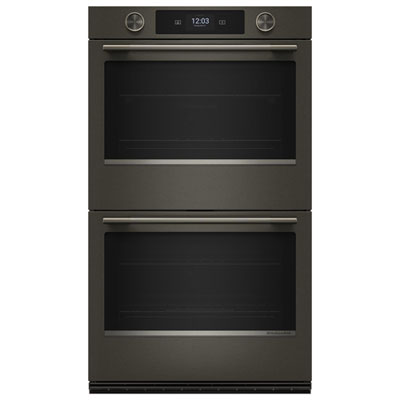
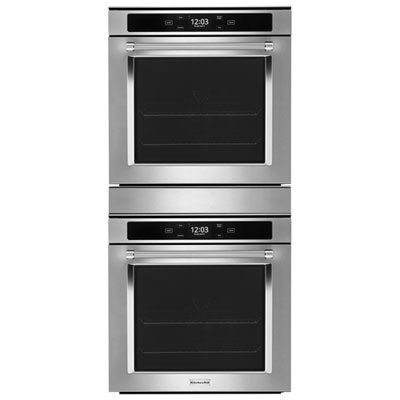
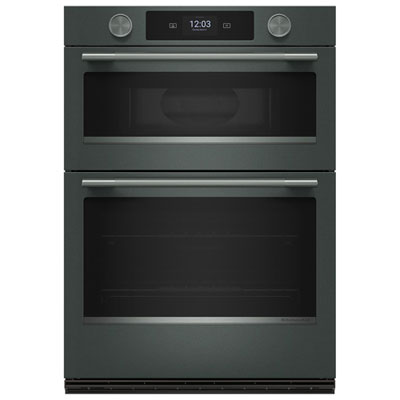
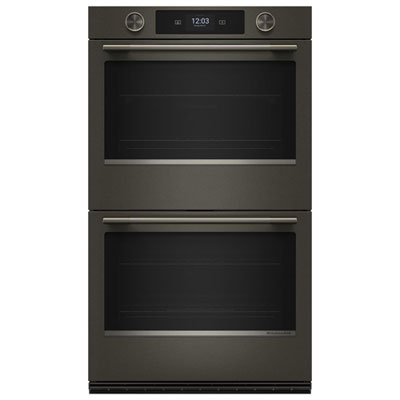
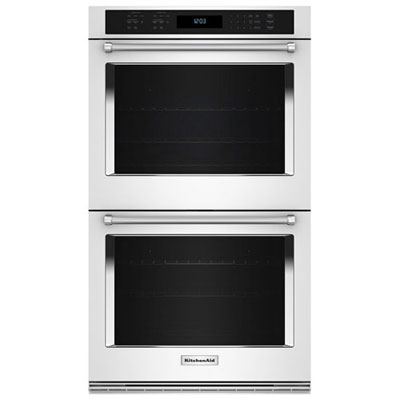
The way an electric oven fits into the kitchen has a lasting effect on how comfortably it can be used. Built-in wall ovens offer a different layout from ovens incorporated into a range, allowing the cooking cavity to sit within cabinetry at a height suited to the room and its users. A higher installation can reduce bending, but the door position, reach to the back rack, and clearance in front of the appliance still shape the experience of lifting out a heavy casserole. Single-cavity designs suit many everyday cooking routines, while two separate cavities can make a meaningful difference when dishes need different settings. A household preparing roast chicken alongside a delicate dessert, for example, may value the flexibility represented by Kitchenaid Double Ovens. Separate cavities allow dishes to cook at different temperatures without relying on one shared setting. Physical fit involves more than the appliance’s front-facing width. Cabinet cut-out dimensions, installation depth, required clearances, electrical specifications, and the space needed for an open door all affect compatibility. Existing cabinetry may also need assessment when replacing an older oven, even when the new appliance has a similar nominal size. Installation by a qualified professional helps ensure that electrical connections and cabinet preparation follow the manufacturer’s requirements and applicable local rules. Materials and finishes contribute to both appearance and daily upkeep. Stainless steel exteriors pair naturally with many kitchen fixtures, while the visibility of fingerprints varies with the finish and any surface treatment. Inside, enamel-coated surfaces are common because they provide a smooth lining that can be cleaned according to the appliance’s care directions. Rack design deserves attention, too: a sturdy sliding rack, where included, can make a loaded roasting pan easier to reach. Clearly marked controls, readable displays, and handles that feel secure with oven mitts are practical qualities for shared kitchens, where several people may cook regularly and need an appliance that feels straightforward to operate.

Long-term satisfaction with an electric oven depends on how well its features match the food prepared most often, along with the care it receives between meals. Someone who bakes bread every few days may place more value on predictable heat and convenient rack adjustment than on a long menu of preset programmes. A household that regularly cooks dinner in one large roasting dish may care more about clear interior space and easy access. Controls that offer precise settings and an audible timer can support either routine, though a timer and an automatic shut-off function are not necessarily the same feature. Connected functions, food probes, and assisted cooking settings are available on some models, with capabilities varying by appliance; they complement rather than replace recipe judgement and safe food handling. An oven-safe food thermometer remains useful for checking doneness when a dish cannot be judged by appearance alone. Routine care helps preserve the surfaces and components that make the oven pleasant to use. Once the cavity has cooled, wiping up spills using the recommended method can prevent repeated heating from baking residue onto the lining. Abrasive pads, harsh cleaners, and unsuitable tools can damage finishes, so cleaning products need to match the surface and the manufacturer’s directions. Self-cleaning functions also differ: some ovens use a high-heat cycle, while others may include a steam-assisted option intended for lighter soil. Racks, accessories, and loose debris may need to be removed before a cleaning cycle, depending on the model. Door seals deserve gentle handling because their condition helps the cavity retain heat as designed. Foil or liners placed on the oven floor can interfere with heat movement or damage surfaces unless expressly permitted by the manufacturer. With appropriate installation, sensible care, and a layout that suits the household, an electric oven can support everything from a quick baked supper to an afternoon of carefully paced baking. Its value is felt in those repeated, familiar moments: a tray that slides out smoothly, controls that are easy to read, and enough room to cook the dishes that bring people to the table.
Read More

FAQ

Some products may be subject to Environmental Handling Fees (EHF) depending on your province. Learn more about EHFs.