Bedroom Storage
Create a clutter-free and serene sanctuary in your bedroom with our wide range of storage solutions. Whether you're looking to maximize space in a small room or simply organize your belongings, our bedroom storage options are designed to meet your needs. From stylish dressers and chests to versatile wardrobes and under-bed storage, we have everything you need to keep your bedroom tidy and functional. Explore our collection of innovative storage solutions that seamlessly blend style and practicality, allowing you to create the perfect haven for relaxation and rejuvenation.
Sort
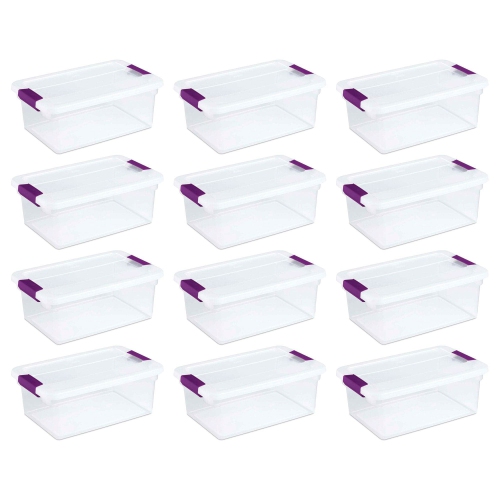
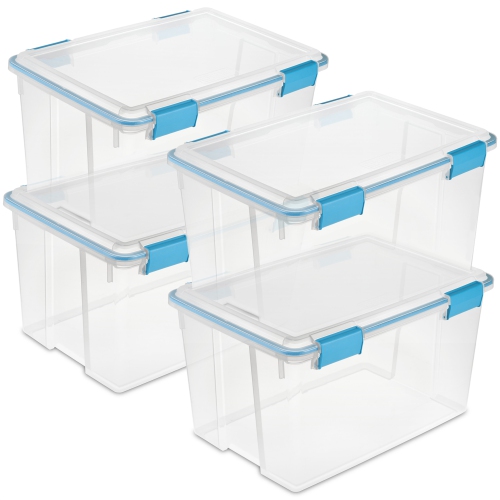
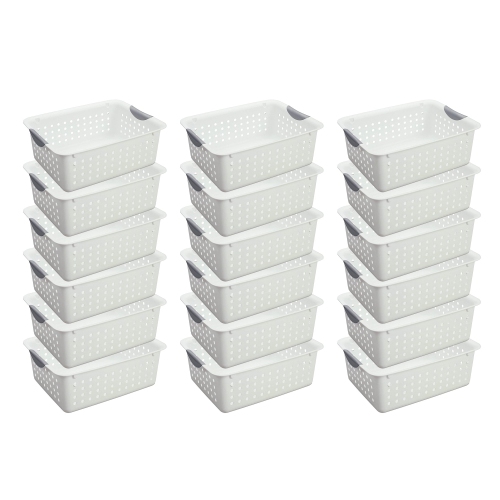
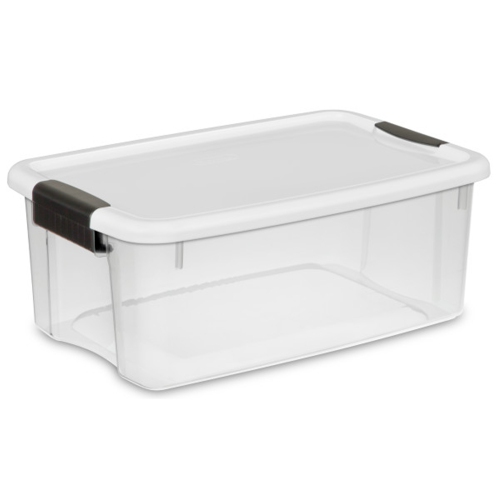
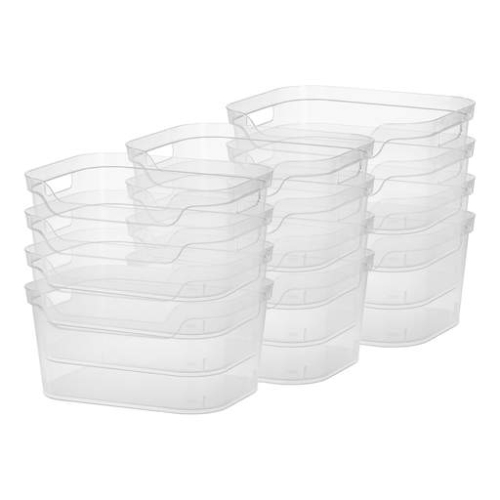
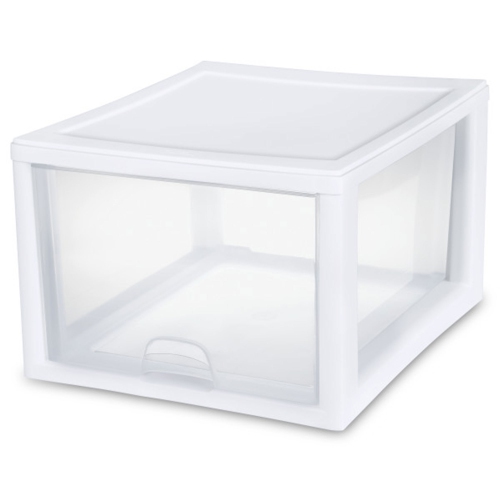
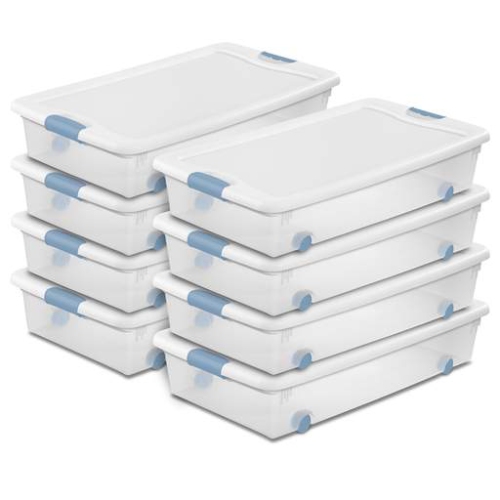
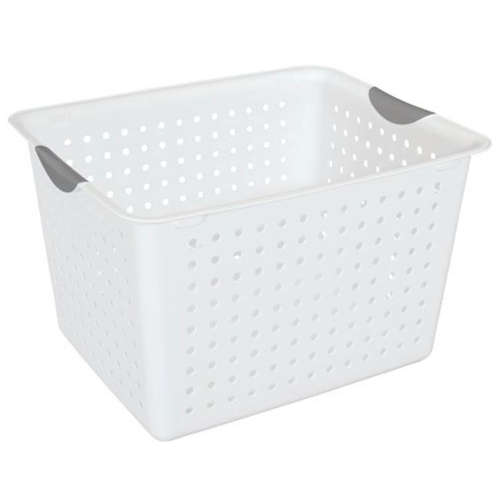
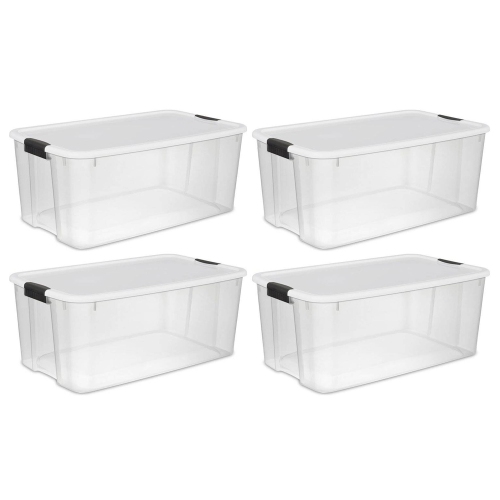
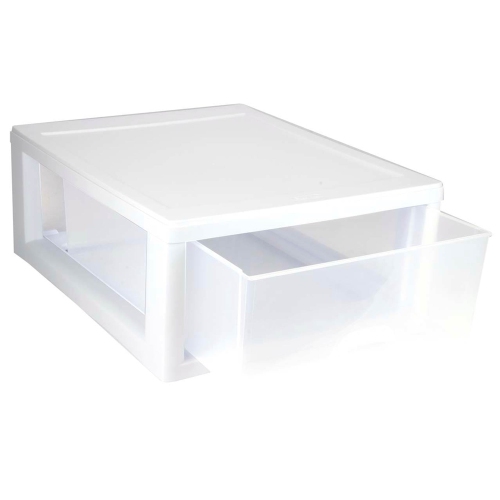
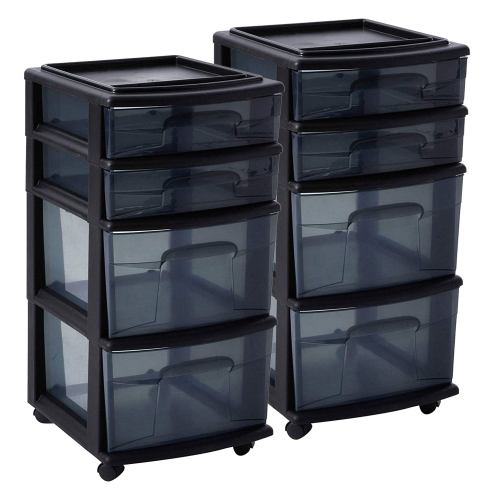
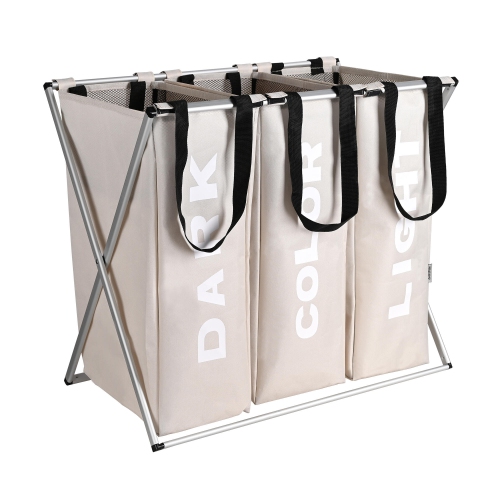
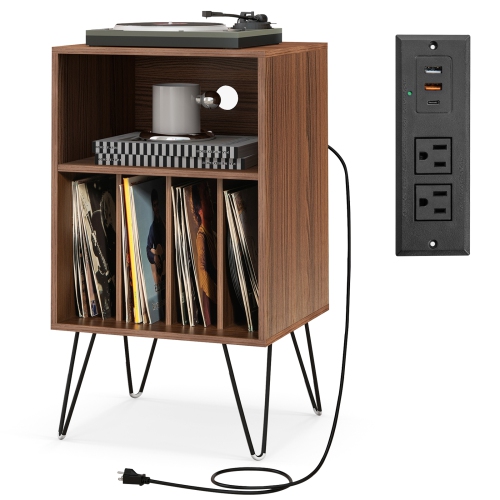
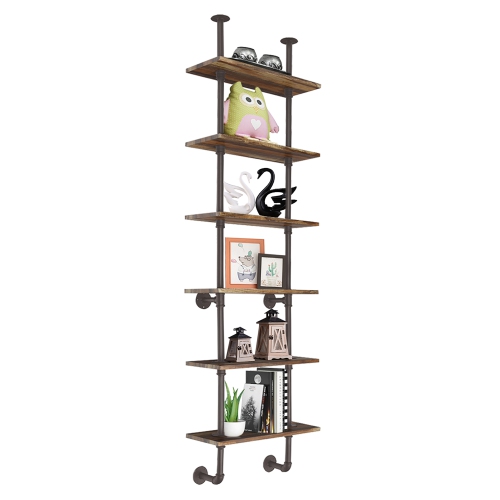
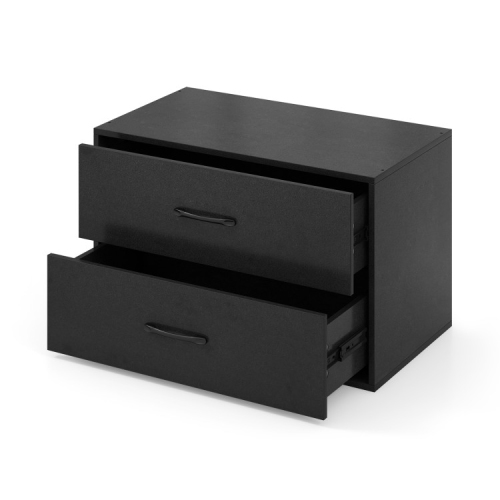
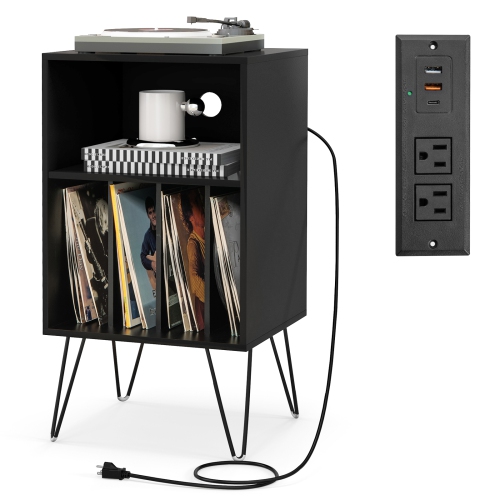
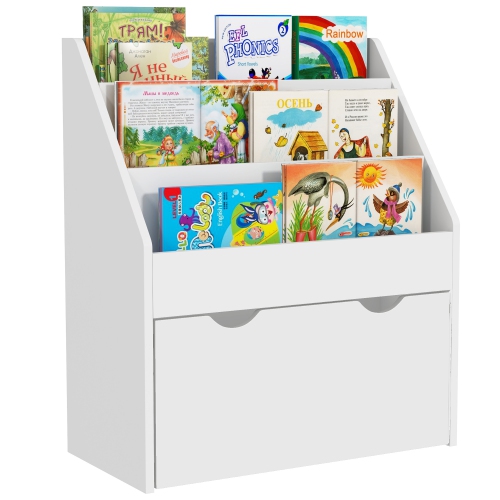
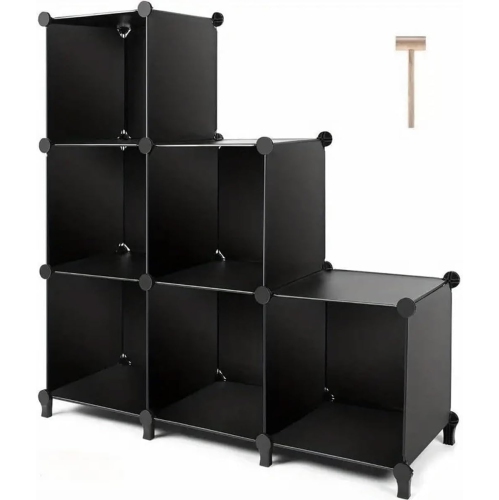
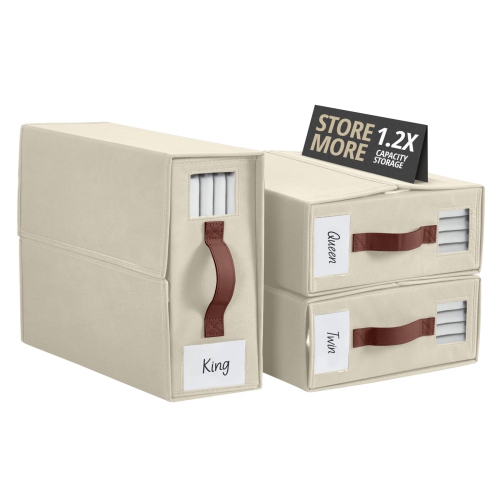
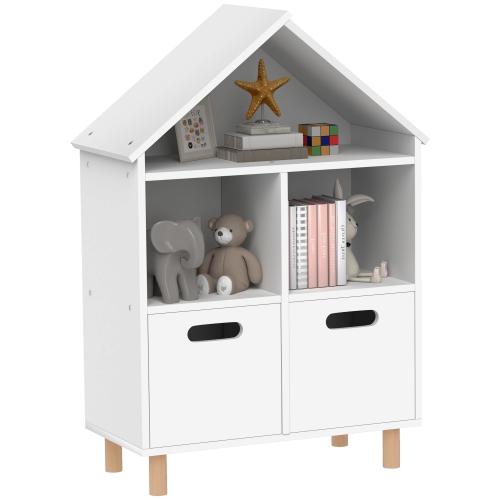
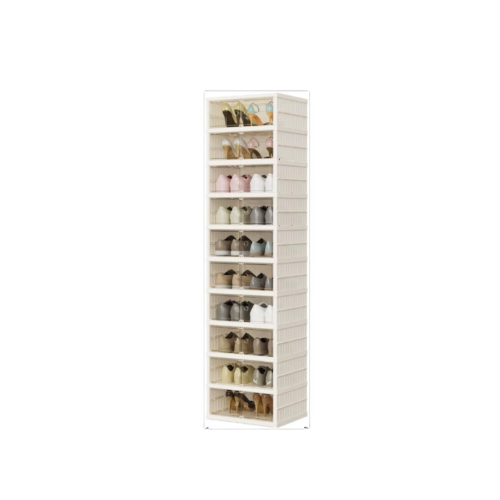
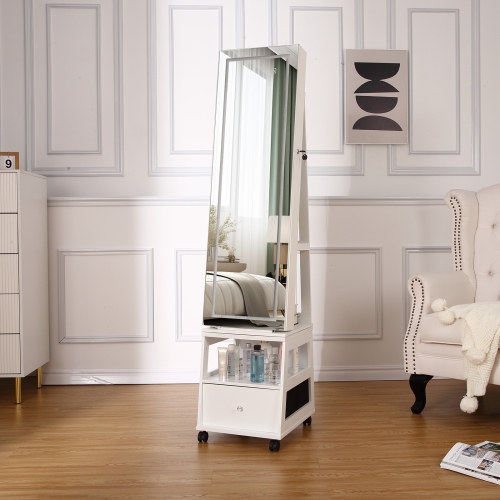
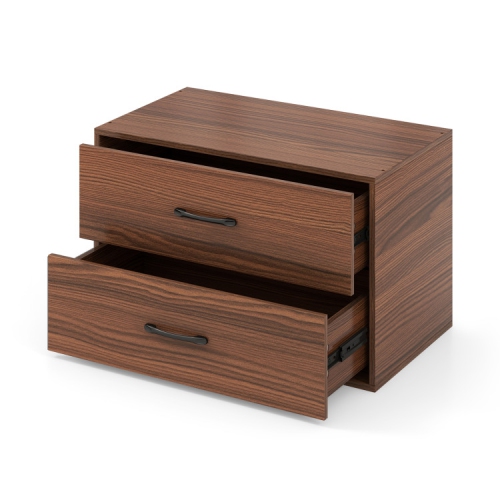
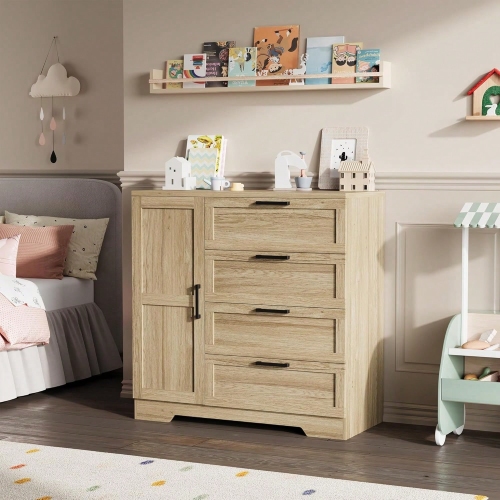
Flexible storage solutions for organized, adaptable bedrooms
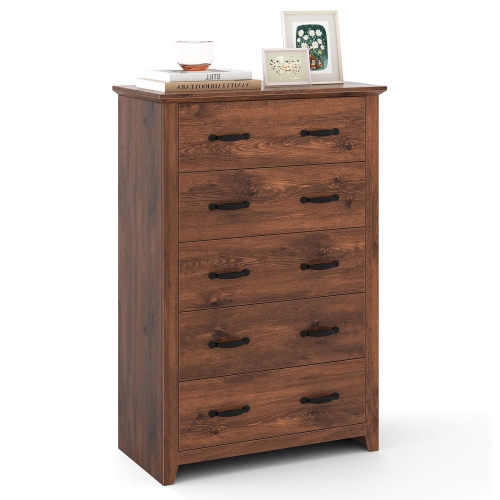
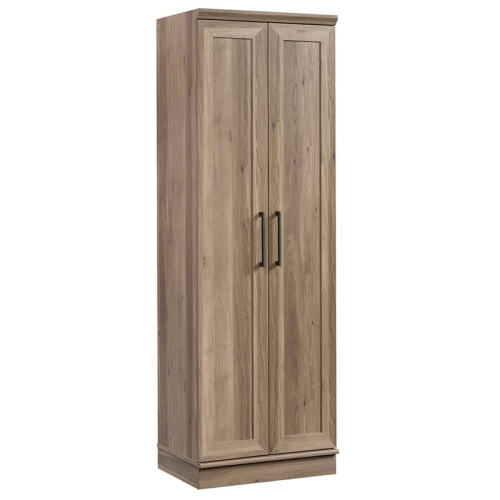
Bedroom storage helps turn a busy, lived-in room into a more comfortable place to rest, get dressed, and begin the day. From clothing and shoes to books, extra bedding, accessories, and everyday essentials, the right storage makes it easier to keep frequently used items close at hand while giving everything else a practical home. Choose pieces according to the space available and the way the room is used. A compact bedside table or slim chest can make good use of a narrow area beside the bed, while a larger dresser, wardrobe, or cabinet may be better suited to clothing that needs to be folded, hung, or kept out of sight. Open shelving is useful for displaying books, framed photographs, baskets, or decorative items, whereas drawers and doors help create a calmer appearance by concealing belongings. In a smaller bedroom, look for vertical storage that makes use of wall height without taking up much floor space, and consider furniture that combines more than one function, such as a bench with hidden storage or an organizer that keeps accessories sorted. Measuring the available area before shopping is an important first step, including the width of doorways, the clearance around the bed, and the space needed to open drawers or cabinet doors comfortably. It is also worth considering the height of the people using the room, the weight of the items being stored, and whether the furniture will need to be moved or rearranged later. A well-chosen piece should fit naturally into the room’s layout, leave walkways clear, and make daily routines feel less hurried.
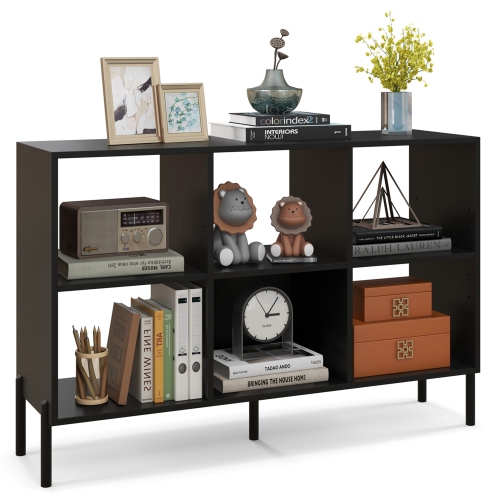
Different storage styles suit different habits. Someone who prefers to see clothing and accessories at a glance may appreciate open compartments, cubbies, shelving, or a dedicated place for jewellery, watches, glasses, and other small items. Those who like a more streamlined bedroom may prefer closed drawers, lidded compartments, and cabinets that keep visual distractions tucked away. Dividers and smaller organizers can prevent socks, belts, scarves, and hair accessories from becoming tangled or mixed together, while baskets are helpful for blankets, seasonal clothing, laundry, and items that need to be gathered quickly at the end of the day. Consider how often each item is used: everyday essentials belong in the easiest-to-reach spaces, while occasional or seasonal belongings can be stored higher up or farther from the bed. During the warmer months, lightweight bedding, hats, and travel accessories may need a convenient place nearby; as the weather cools, thicker blankets, sweaters, and slippers can be brought within easy reach. Storage can also support changing routines, whether a student is organizing a compact bedroom, a family is making room for a child’s growing wardrobe, or someone is setting up a guest room that needs to serve several purposes. For a new home, a dorm room, a first apartment, or a room refresh, bedroom storage can be a thoughtful and useful gift because it combines everyday practicality with a more comfortable living space. A simple organizer may help a teenager manage school essentials, while a larger piece can give a couple more flexibility when sharing limited closet space. If you are coordinating storage throughout the home, similar baskets, bins, or finishes can create a consistent look; pieces selected for nearby spaces, including Bathroom Storage, can make organizing feel more cohesive without requiring every room to match exactly.
Appearance matters, but durability and ease of use are just as important. Look for sturdy construction, smooth-running drawers, secure handles, stable shelving, and surfaces that are easy to dust or wipe clean. A storage unit should sit level on the floor and feel steady when drawers are opened or closed. If children use the room, choose designs that are appropriately stable and keep heavier items in lower compartments; wall-mounted pieces should be installed according to the manufacturer’s directions and attached to suitable supports. Think about the items you plan to store before choosing the size of each compartment. Folded clothing may need wider drawers, footwear may benefit from adjustable shelves or ventilated storage, and books can require stronger shelves than lightweight accessories. For bedrooms with limited natural light, lighter finishes or open designs can help the room feel more spacious, while deeper tones and solid doors can add a cosy appearance during the cooler months. In a guest room, a small dresser or luggage stand gives visitors a place to unpack rather than living out of a suitcase. In a primary bedroom, coordinated pieces can create a restful arrangement around the bed and reduce the temptation to leave clothing on a chair or floor. Even a modest storage addition can change the rhythm of a room: the morning search for a missing sock becomes a quick drawer opening, and the evening routine ends with blankets, books, and chargers returned to their proper places. By matching the storage format to your belongings, measuring carefully, and choosing construction that suits everyday use, you can create a bedroom that feels more orderly without losing its personal character.
Different storage styles suit different habits. Someone who prefers to see clothing and accessories at a glance may appreciate open compartments, cubbies, shelving, or a dedicated place for jewellery, watches, glasses, and other small items. Those who like a more streamlined bedroom may prefer closed drawers, lidded compartments, and cabinets that keep visual distractions tucked away. Dividers and smaller organizers can prevent socks, belts, scarves, and hair accessories from becoming tangled or mixed together, while baskets are helpful for blankets, seasonal clothing, laundry, and items that need to be gathered quickly at the end of the day. Consider how often each item is used: everyday essentials belong in the easiest-to-reach spaces, while occasional or seasonal belongings can be stored higher up or farther from the bed. During the warmer months, lightweight bedding, hats, and travel accessories may need a convenient place nearby; as the weather cools, thicker blankets, sweaters, and slippers can be brought within easy reach. Storage can also support changing routines, whether a student is organizing a compact bedroom, a family is making room for a child’s growing wardrobe, or someone is setting up a guest room that needs to serve several purposes. For a new home, a dorm room, a first apartment, or a room refresh, bedroom storage can be a thoughtful and useful gift because it combines everyday practicality with a more comfortable living space. A simple organizer may help a teenager manage school essentials, while a larger piece can give a couple more flexibility when sharing limited closet space. If you are coordinating storage throughout the home, similar baskets, bins, or finishes can create a consistent look; pieces selected for nearby spaces, including Bathroom Storage, can make organizing feel more cohesive without requiring every room to match exactly.
Appearance matters, but durability and ease of use are just as important. Look for sturdy construction, smooth-running drawers, secure handles, stable shelving, and surfaces that are easy to dust or wipe clean. A storage unit should sit level on the floor and feel steady when drawers are opened or closed. If children use the room, choose designs that are appropriately stable and keep heavier items in lower compartments; wall-mounted pieces should be installed according to the manufacturer’s directions and attached to suitable supports. Think about the items you plan to store before choosing the size of each compartment. Folded clothing may need wider drawers, footwear may benefit from adjustable shelves or ventilated storage, and books can require stronger shelves than lightweight accessories. For bedrooms with limited natural light, lighter finishes or open designs can help the room feel more spacious, while deeper tones and solid doors can add a cosy appearance during the cooler months. In a guest room, a small dresser or luggage stand gives visitors a place to unpack rather than living out of a suitcase. In a primary bedroom, coordinated pieces can create a restful arrangement around the bed and reduce the temptation to leave clothing on a chair or floor. Even a modest storage addition can change the rhythm of a room: the morning search for a missing sock becomes a quick drawer opening, and the evening routine ends with blankets, books, and chargers returned to their proper places. By matching the storage format to your belongings, measuring carefully, and choosing construction that suits everyday use, you can create a bedroom that feels more orderly without losing its personal character.
Top selling and popular products
-
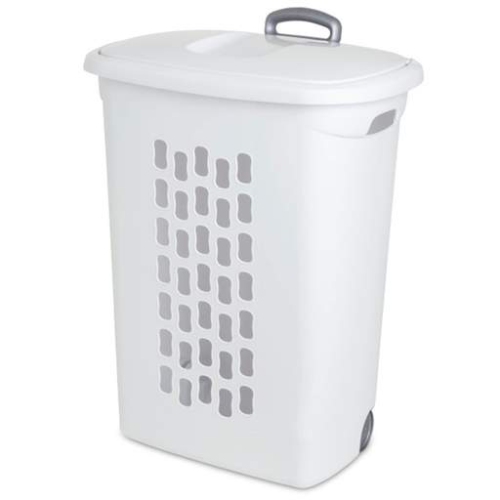 Your price for this item is $1089.99
 -
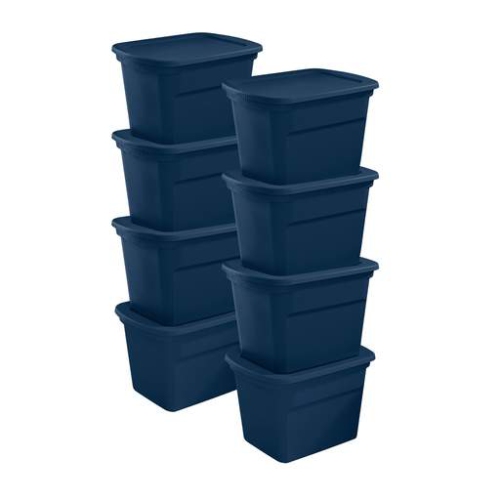 Your price for this item is $246.99
 -
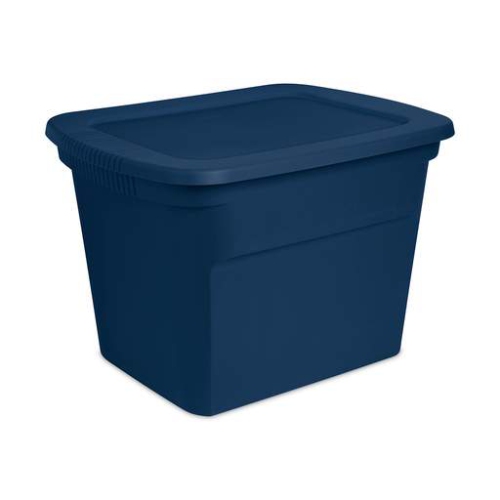 Your price for this item is $679.99
 -
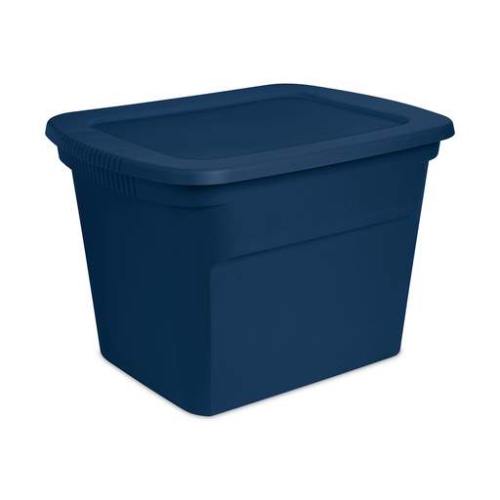 Your price for this item is $906.99
 -
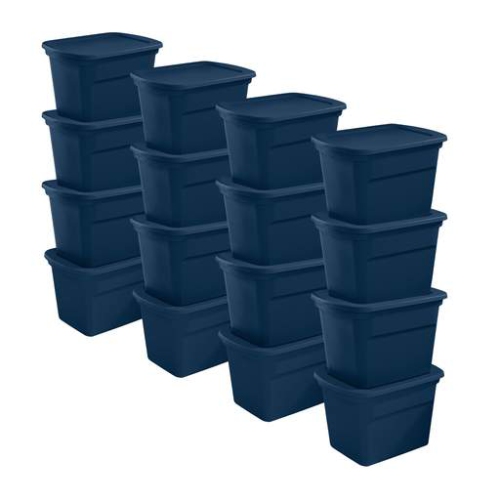 Your price for this item is $452.99
 -
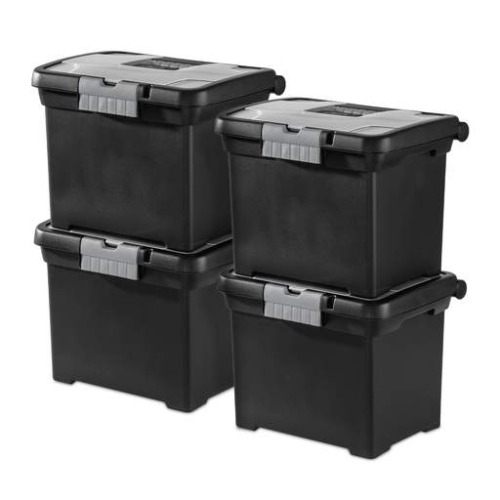 Your price for this item is $133.99
 -
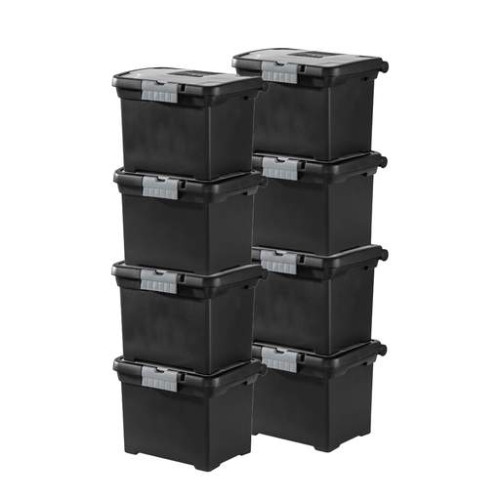 Your price for this item is $264.99
 -
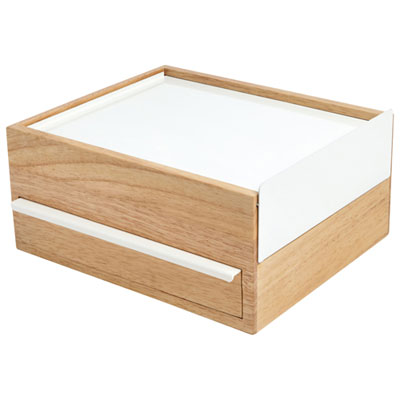 Your price for this item is $64.98
Discover more categories related to Bedroom Storage
Top Collections:
Pokemon Centers, Kindle Devices, Best Budget Office Chairs, Apple iPhones 16, Best Laptops for Writers, iPhone 15 Apple, Canon G7X Cameras, Refurbished Apple Laptops, Alarm Clock, Motorola Razr Phones
Some products may be subject to Environmental Handling Fees
(EHF) depending on your province.
Learn more about EHFs.