Bedroom Storage Sets
Create a clutter-free sanctuary in your bedroom with our wide selection of Bedroom Storage sets. Whether you're looking to maximize space in a small room or simply want to keep your belongings organized, our collection offers stylish and functional solutions for all your storage needs. From sleek and modern designs to timeless and traditional options, you'll find the perfect bedroom storage set to complement your decor and help you create a peaceful and organized retreat. With various sizes, finishes, and configurations available, it's easy to find the ideal storage solution that suits your personal style and meets your specific requirements.
Sort
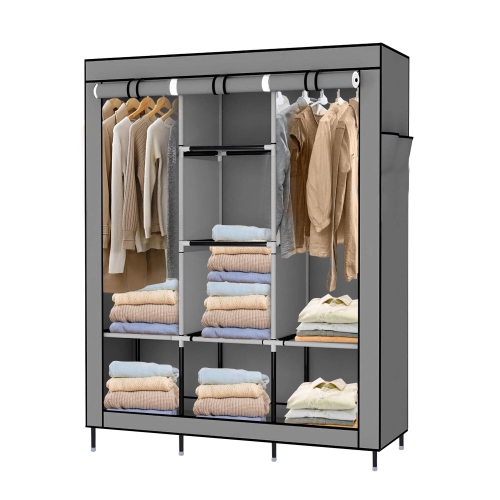
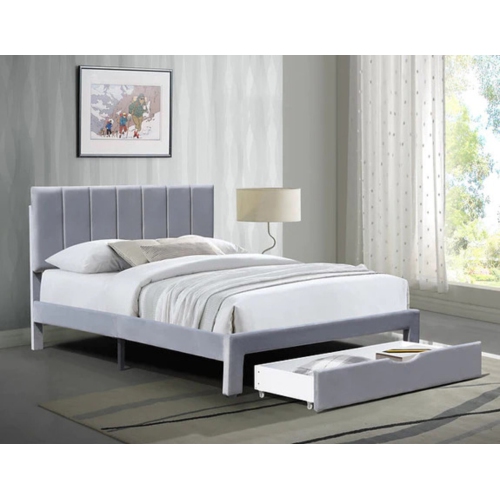
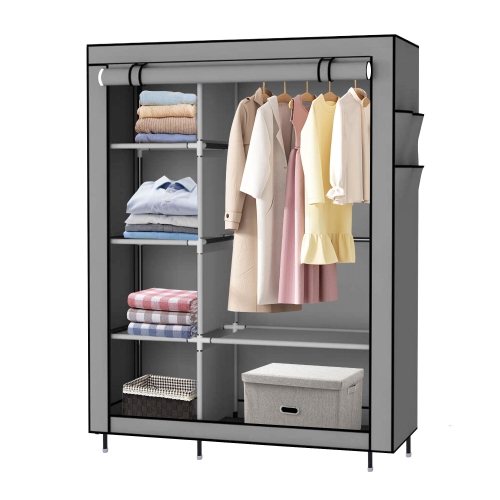
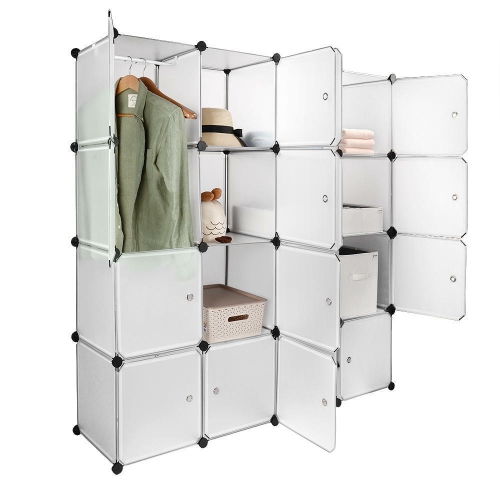
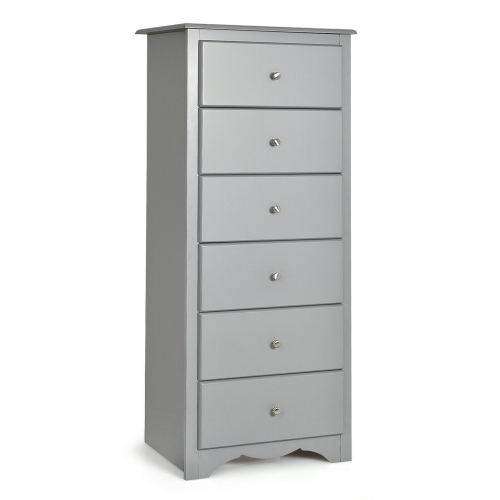
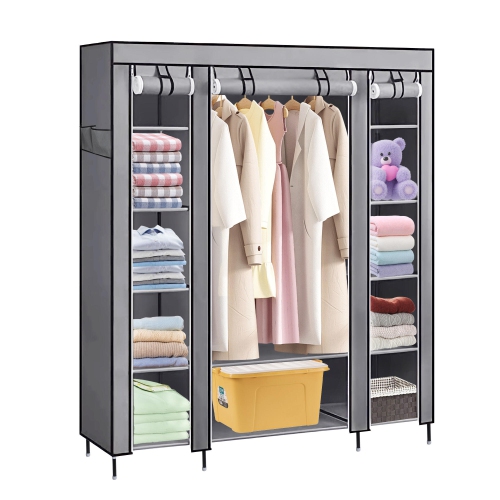
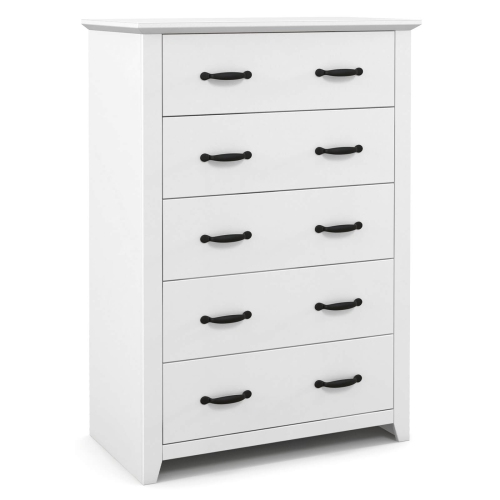
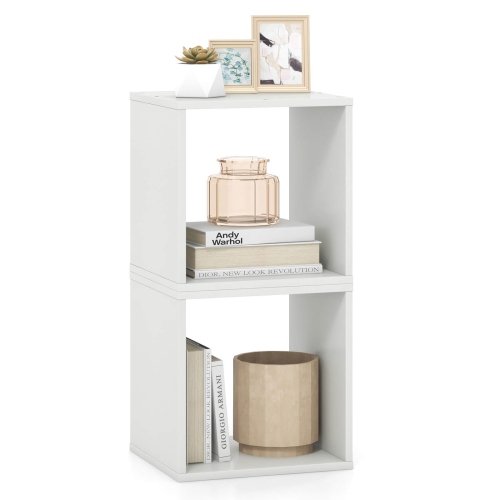

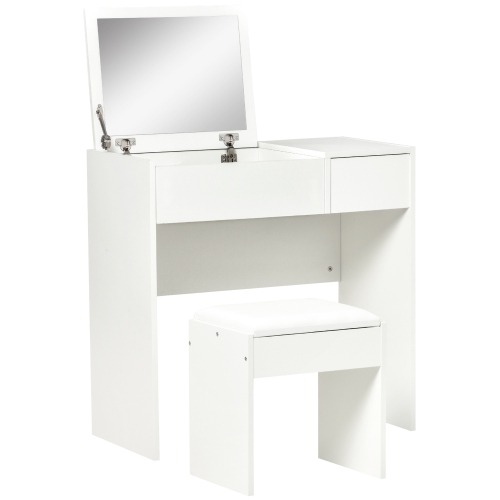
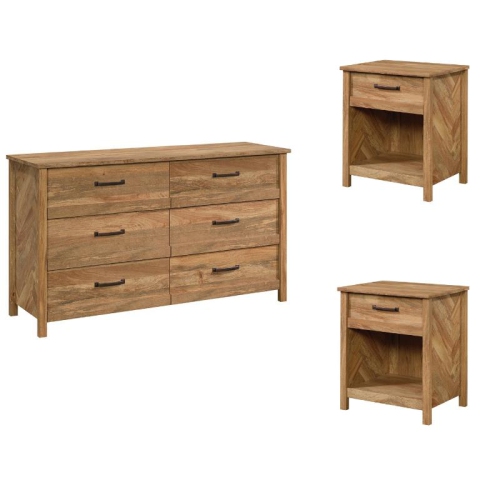
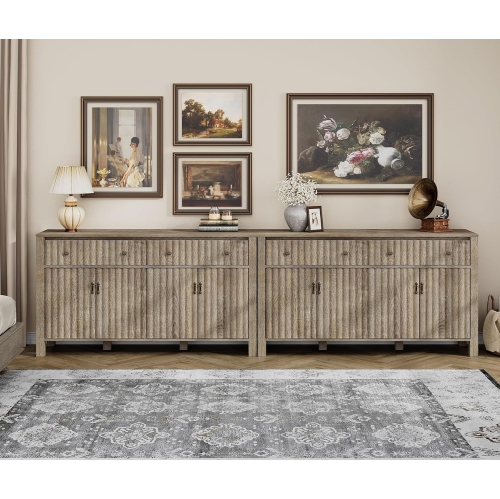

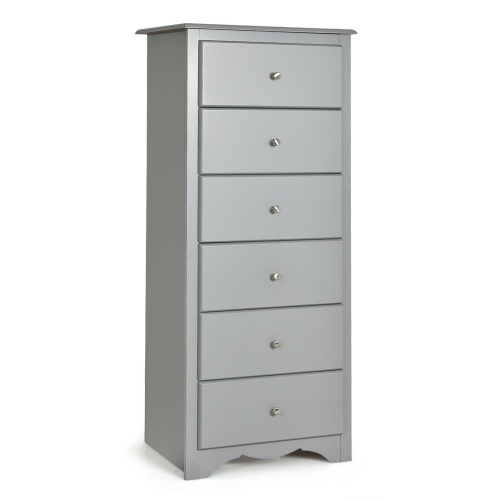
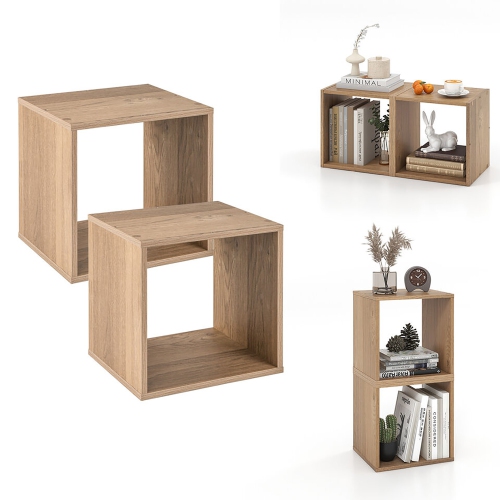
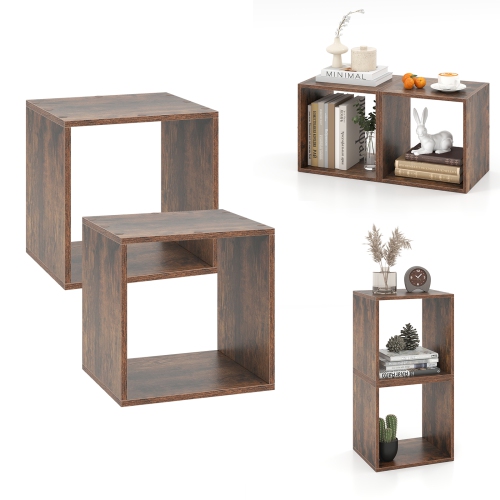

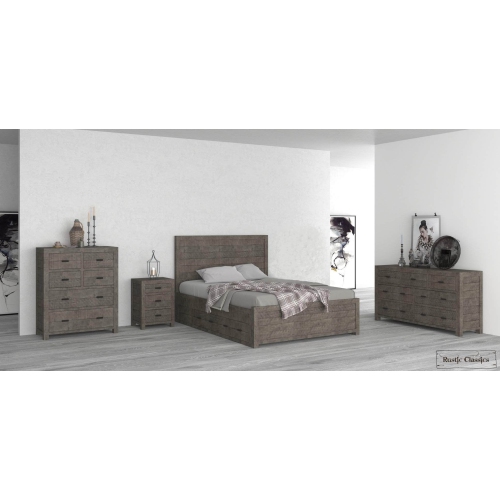
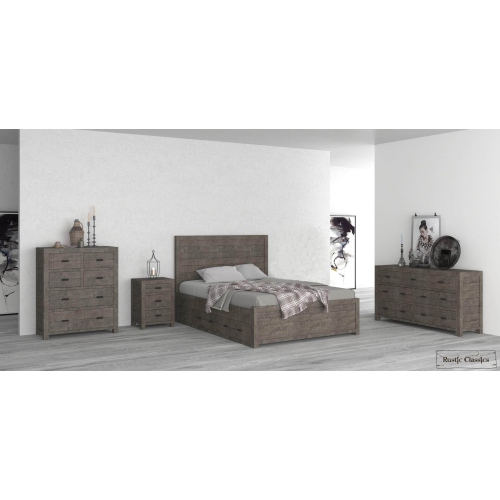
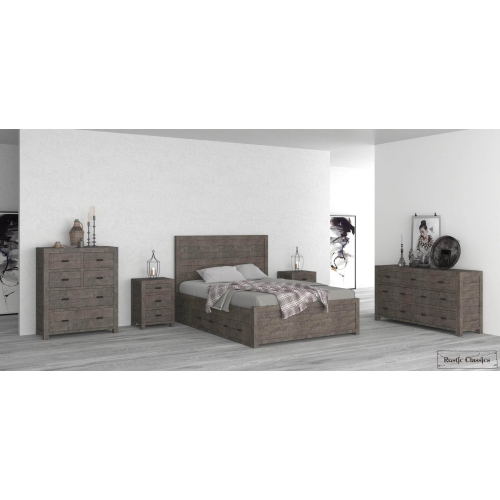
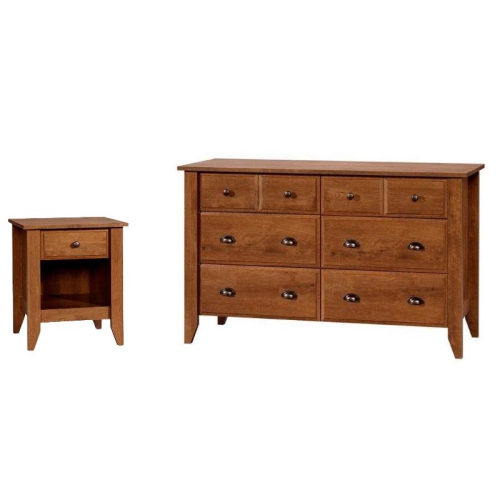

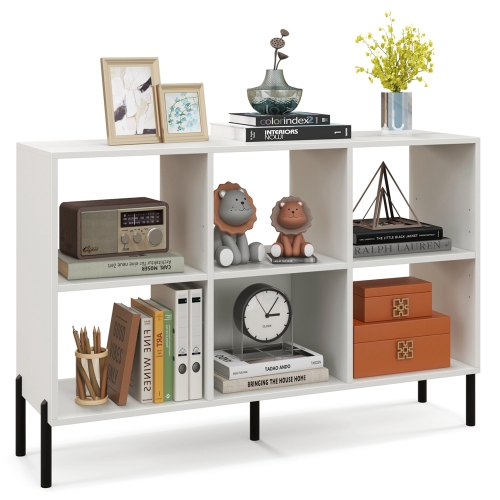
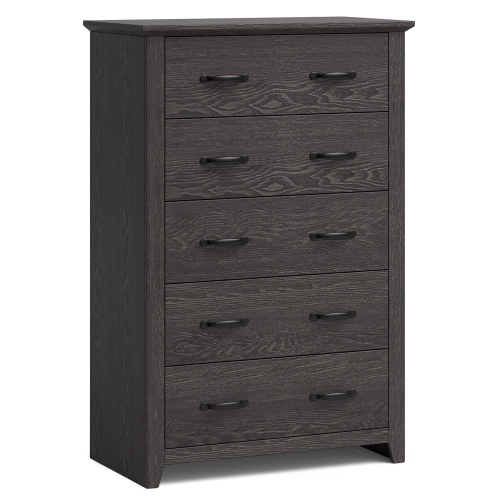

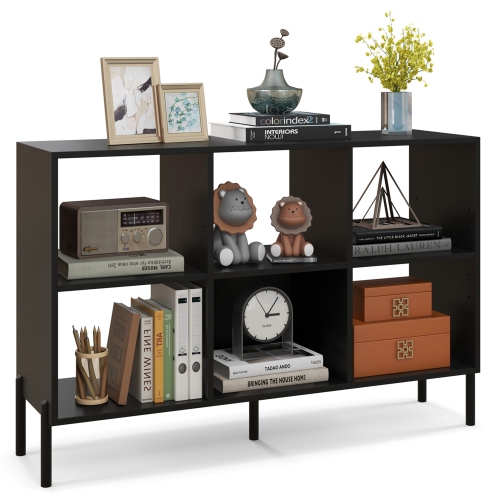
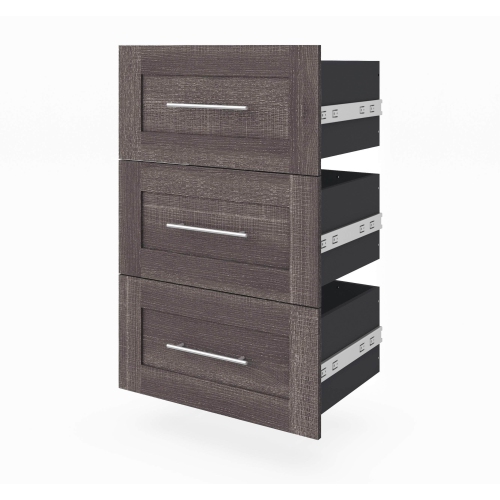
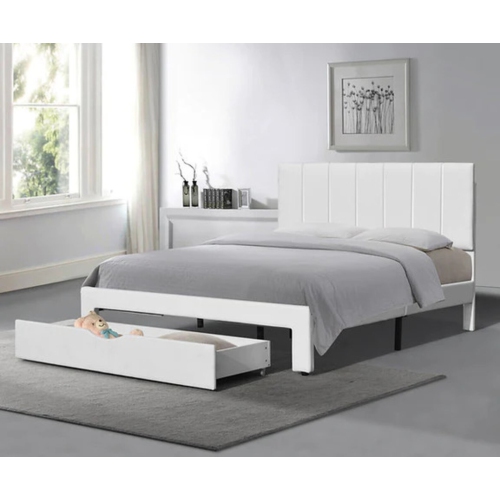
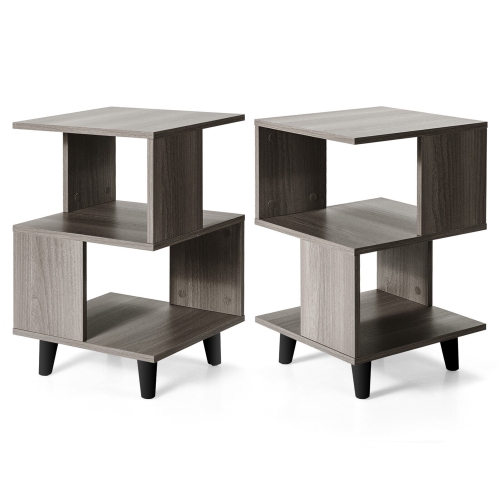
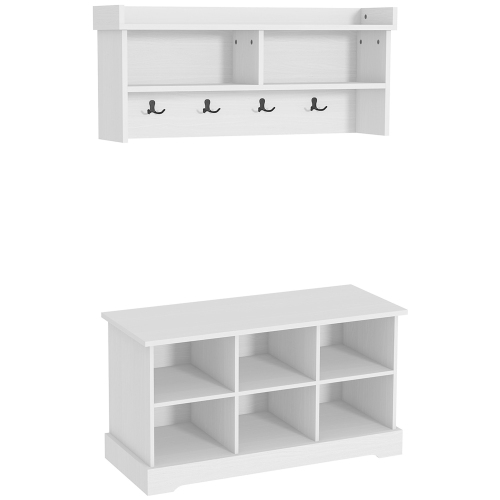
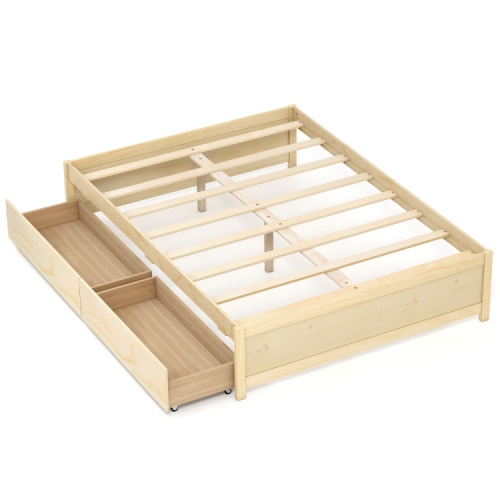
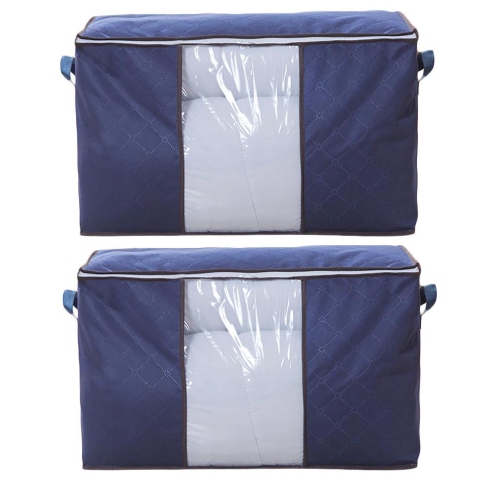
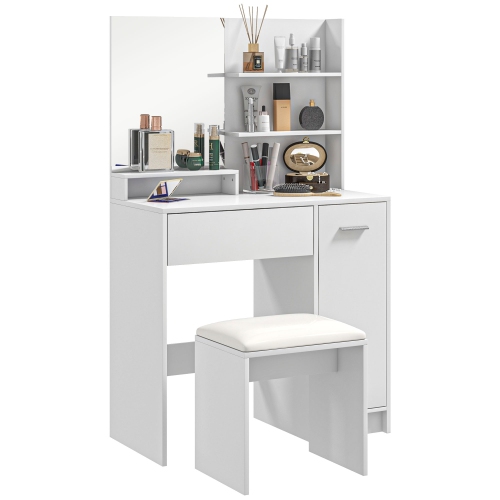
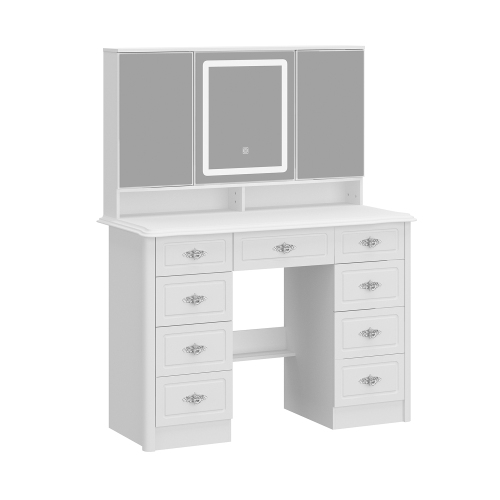
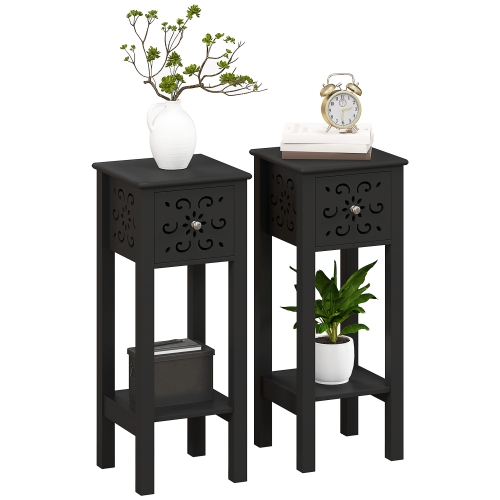
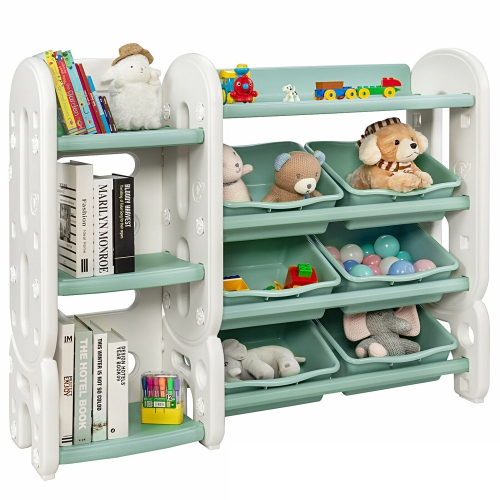
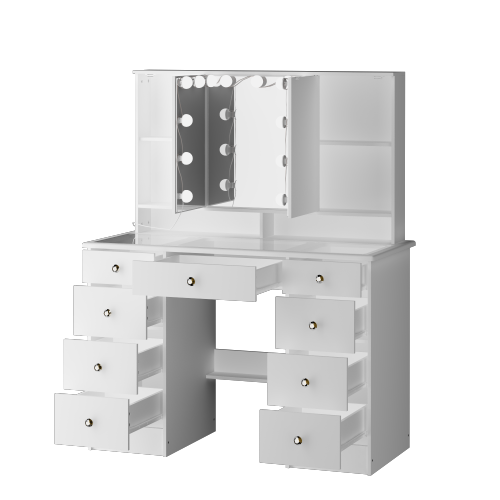
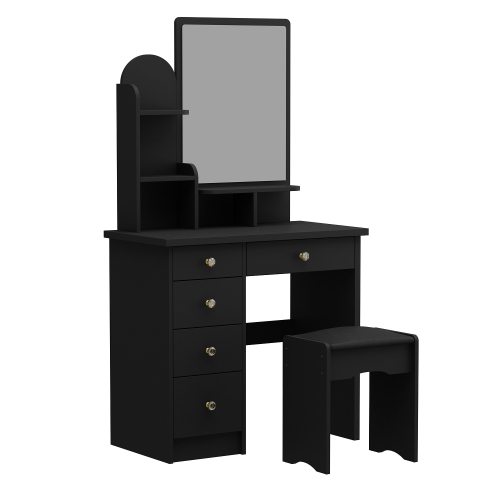
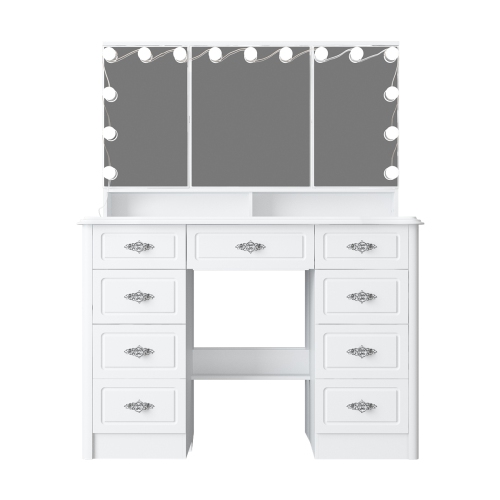
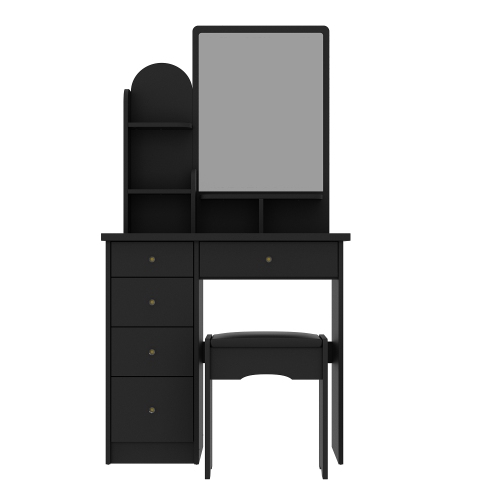
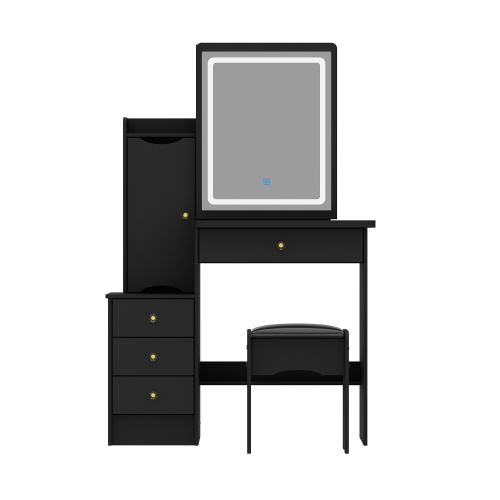
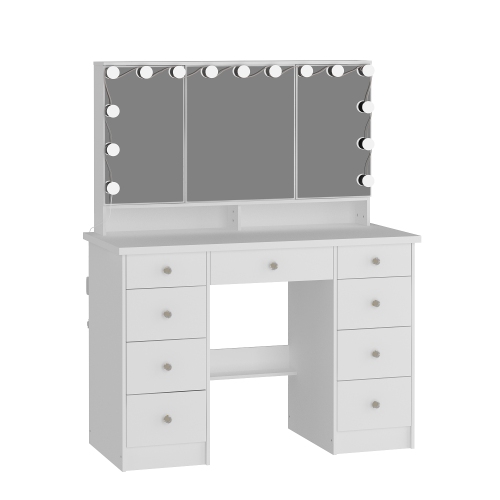
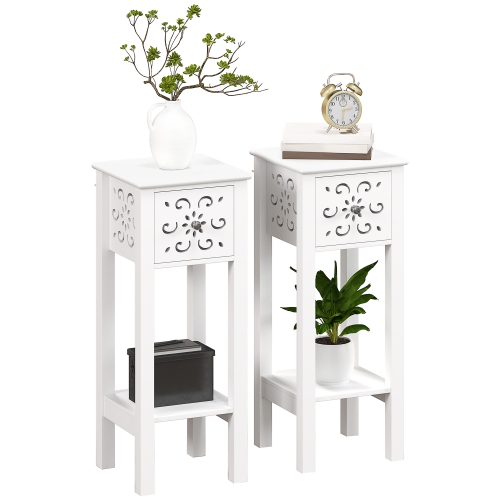
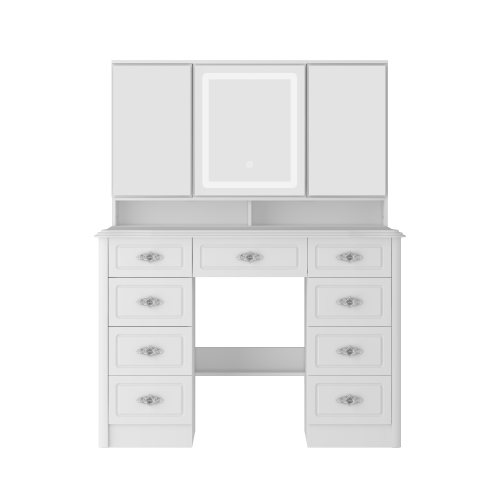
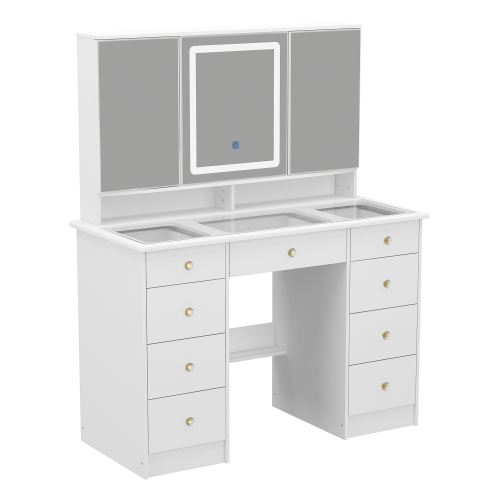
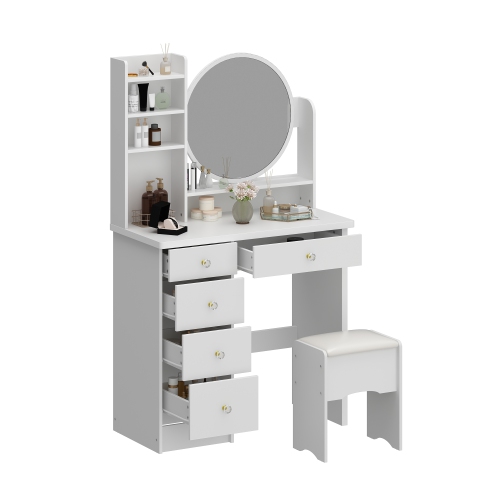
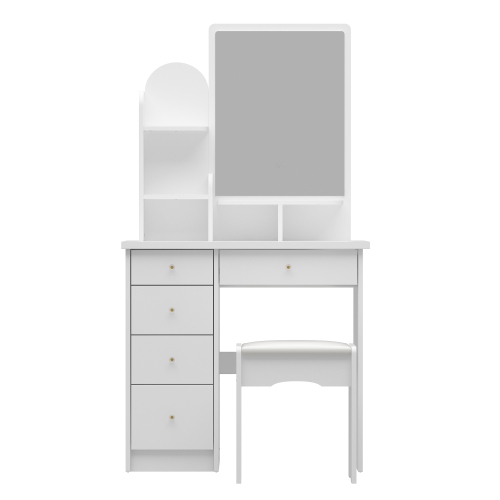
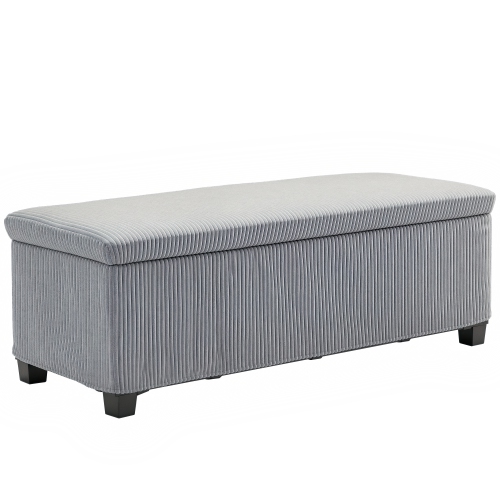
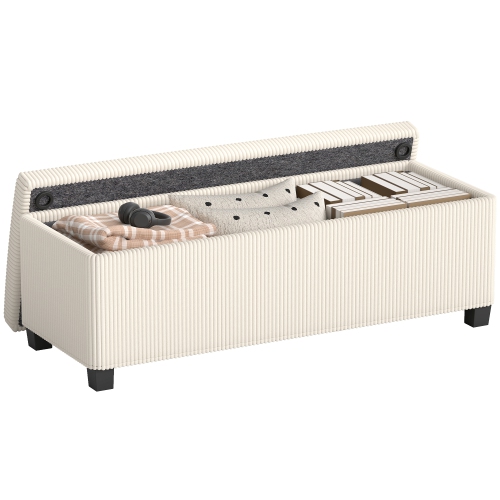
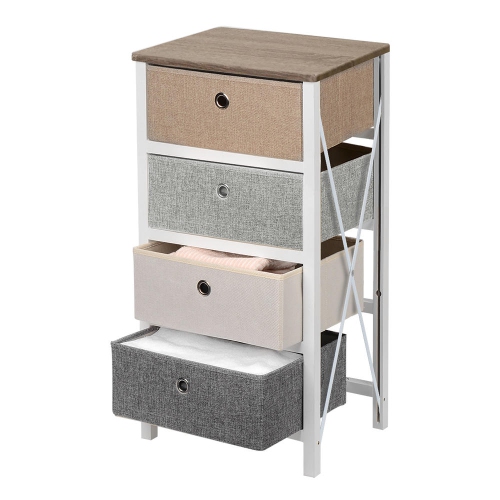
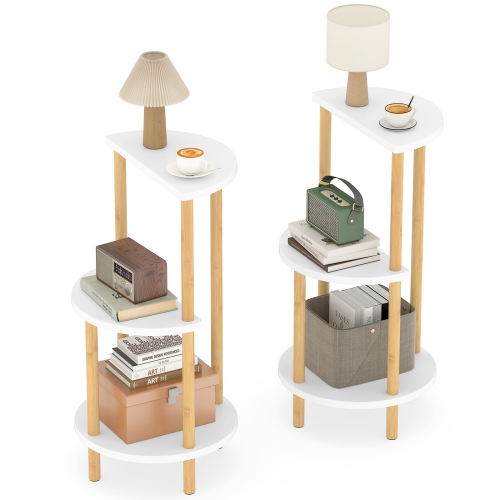
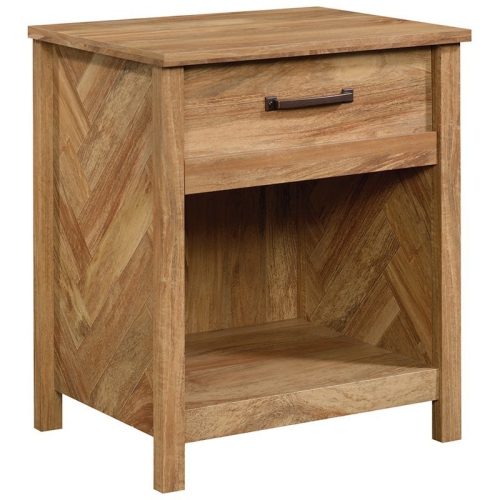

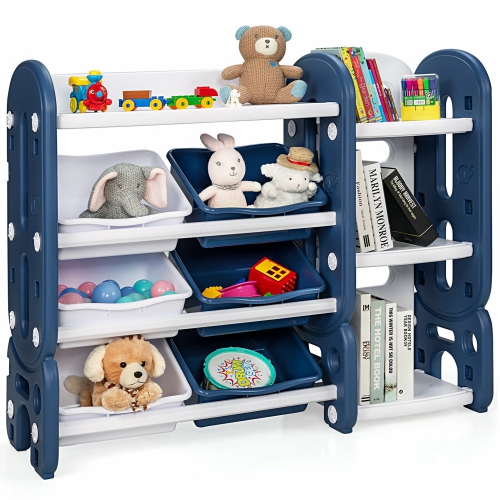
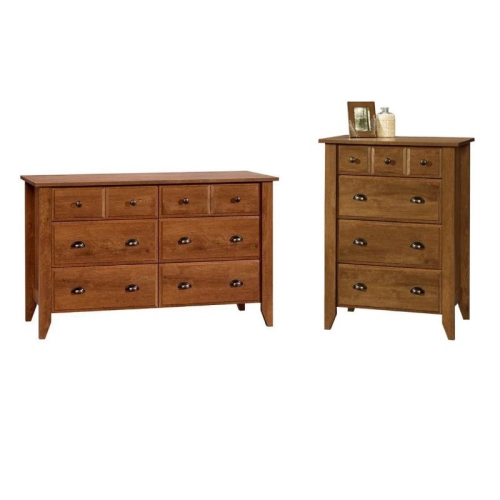

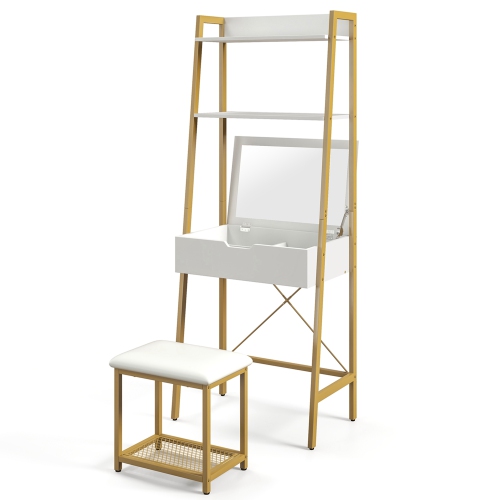
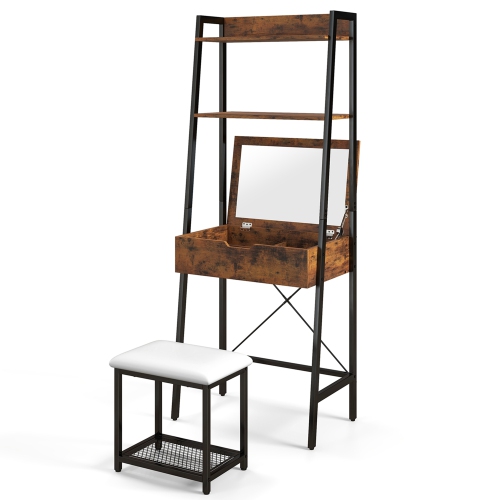
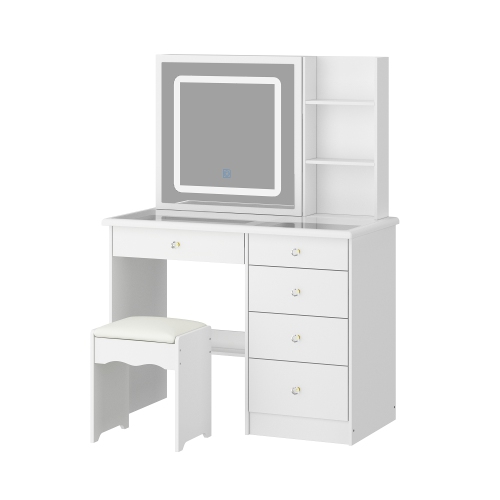
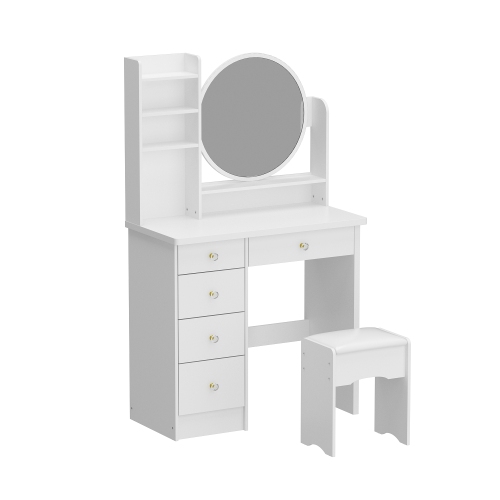
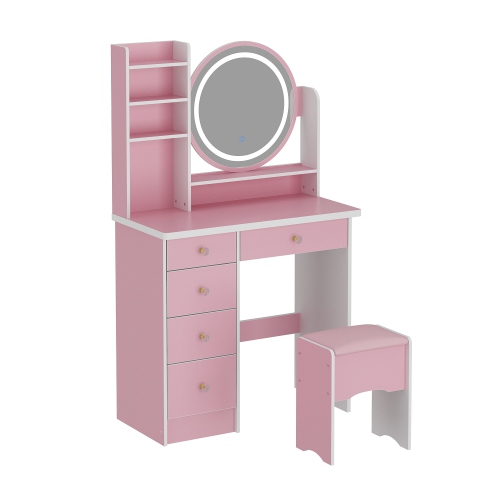
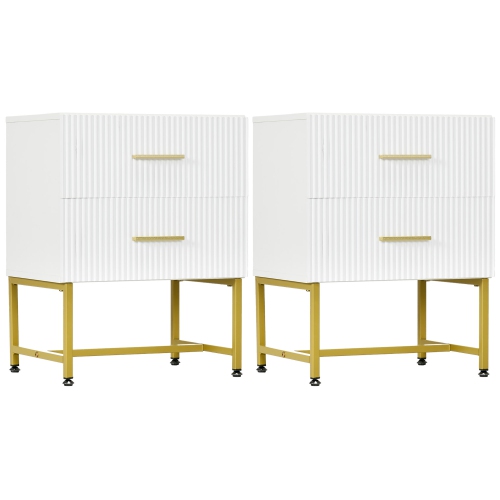
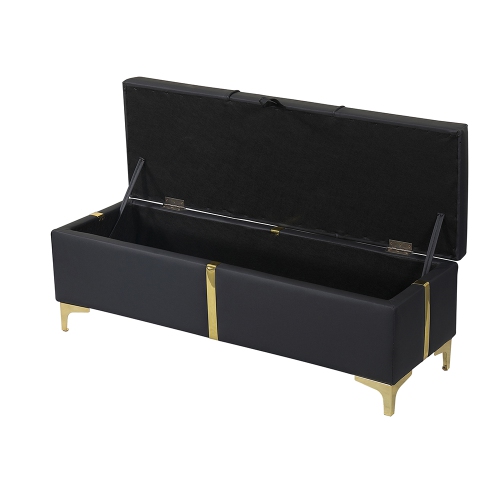
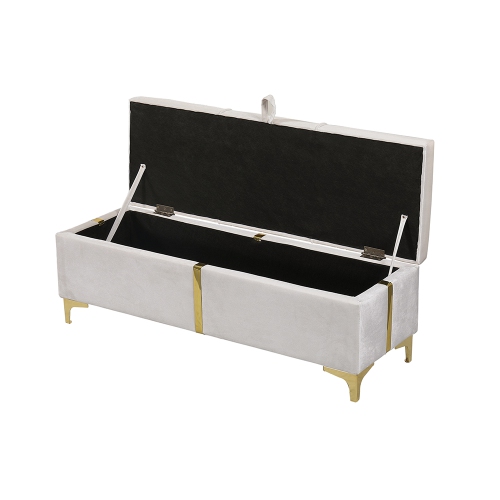
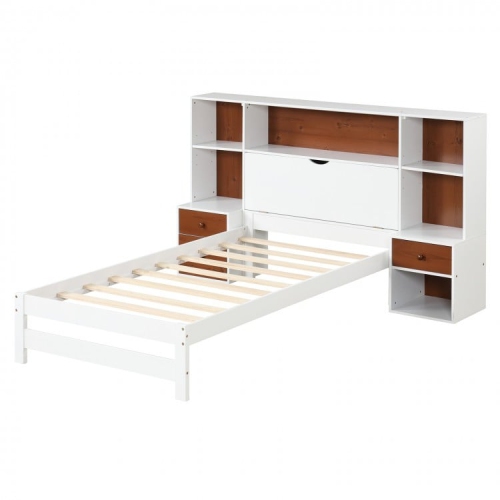
Storage capacity matters more than the piece count
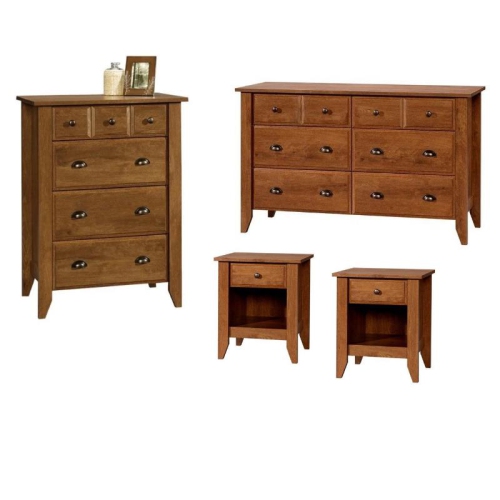
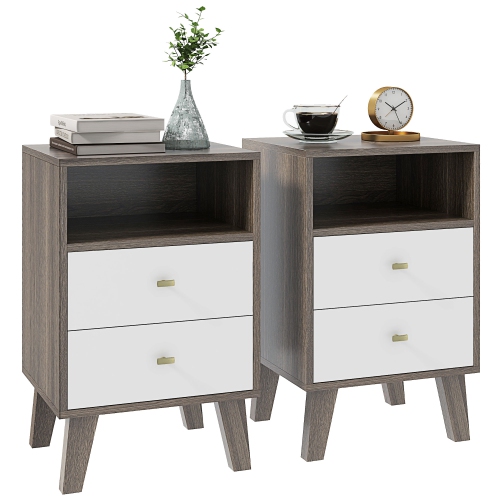
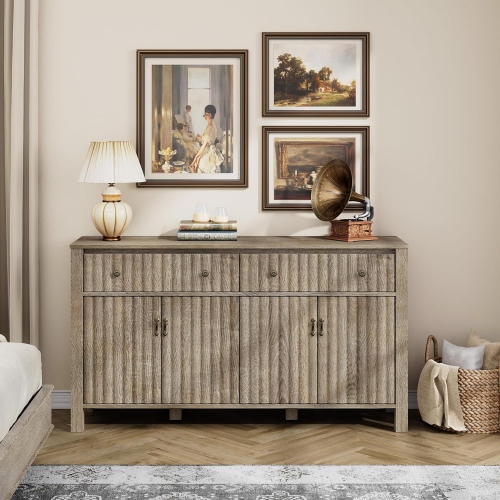
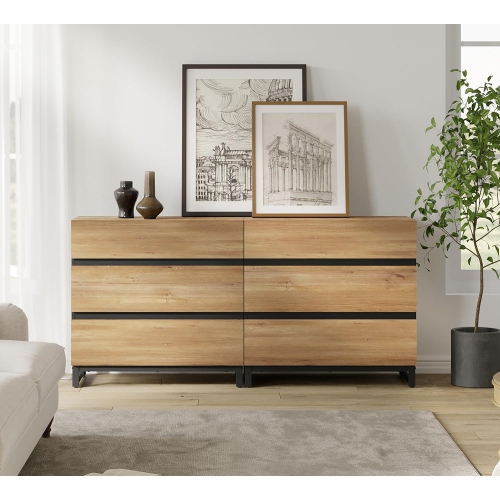
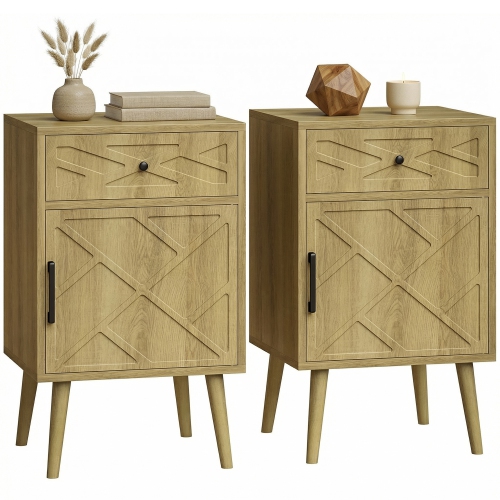
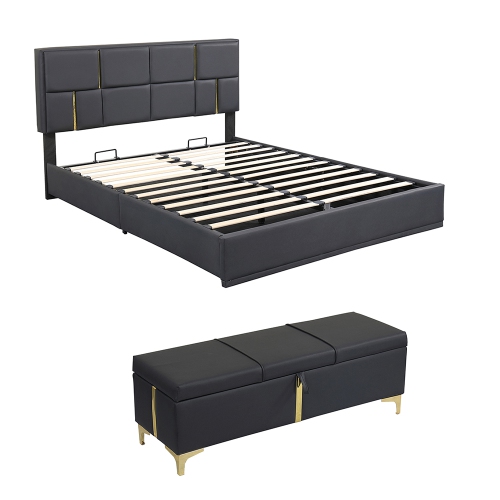
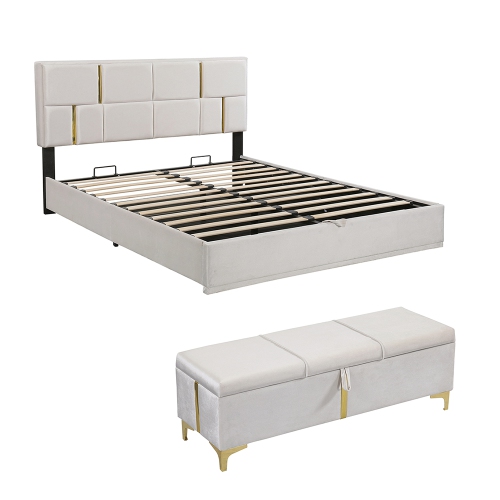
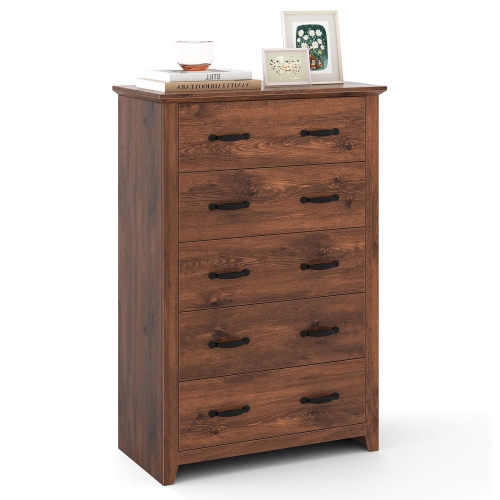
Bedroom storage sets bring coordinated furniture and practical organization into the same room, combining places to sleep, get dressed, and keep everyday belongings within reach. Depending on the configuration, a set may include a storage bed, dresser, chest of drawers, and one or two nightstands; some arrangements also include a mirror. The piece count alone does not describe how much storage a set provides, so the included furniture and its interior dimensions matter more than the number on the label. A bed with deep drawers can hold spare bedding, while a dresser with several smaller compartments can keep socks, sleepwear, and folded tops separate. A tall chest adds storage vertically, and bedside drawers give reading glasses, charging cables, and other small essentials a place away from the sleeping surface. For bedrooms where clothing storage is the main priority, bedroom sets with dresser offer a coordinated starting point centred on a familiar daily routine. Matching finishes, drawer fronts, and handles help the room feel settled without requiring every surface to look identical. Light wood tones can bring warmth to a compact bedroom, while darker finishes create a more substantial visual presence. Simple profiles work well in rooms with patterned bedding or textured curtains, and framed drawer fronts lend definition to otherwise quiet spaces. These sets suit a range of households, from someone furnishing a first apartment to a couple sharing limited closet space or a family making a guest bedroom more useful. In a shared room, separate bedside storage and clearly divided dresser drawers can make morning routines easier. In a guest room, an empty drawer and a clear nightstand give visitors somewhere to unpack rather than live out of a suitcase. During the cooler months, built-in bed storage can also help keep extra blankets close at hand without filling the closet shelves needed for everyday clothing.
The best fit for a bedroom storage set depends on how its doors and drawers function within the room, not just whether the furniture fits along the walls. Overall bed dimensions can extend beyond the mattress, particularly with a substantial headboard, upholstered frame, or storage footboard. Dresser depth, projecting handles, and the space needed to pull drawers fully open all affect the usable walkway. A room may have enough space for a queen bed and two nightstands yet leave little clearance for drawers along both sides of the frame. In that layout, footboard drawers may be more practical if there is open floor space at the end of the bed. A lift-up storage bed provides access beneath the mattress without side drawers, although its lifting mechanism, mattress compatibility, and opening clearance need to suit the room and the person using it. Large under-bed compartments are useful for bulkier belongings that are not needed every morning; frequently worn clothing is usually easier to reach in a dresser or chest. Drawer interiors also deserve attention, since a broad drawer front does not necessarily mean a deep compartment. Folded sweaters, spare sheets, and small accessories each need different amounts of space. Nightstand height is another useful detail: a surface near the top of the mattress generally makes a lamp, book, or glass of water easier to reach. Where storage furniture sits beside a window, sill height, curtains, and access to heating vents can influence placement. Door swings, closet access, and electrical outlets should remain usable after the set is arranged. Delivery access matters as well, especially in apartments with narrow lifts, tight stair turns, or small entryways. Checking packaged dimensions and assembly requirements helps distinguish furniture that can move into the room in sections from larger pieces that need a clear route. Keeping these details in view makes a coordinated set feel comfortable in everyday use rather than simply filling the available floor area.
Materials and construction influence how bedroom storage furniture feels, wears, and responds to care. Solid wood has natural grain variation and can develop small changes in colour over time; it also responds to changes in indoor humidity. Wood veneer offers a real-wood surface over a supporting core, while engineered wood can provide a consistent surface beneath a painted, laminated, or melamine finish. Each construction has its own care needs, and durability depends on the whole piece rather than the material name alone. Stable joints, well-supported drawer bottoms, smooth-running slides, and securely attached handles are meaningful details in furniture that gets opened several times a day. Surface resistance varies by finish, so a laminated top should not automatically be treated as scratchproof or waterproof. A tray beneath toiletries and a coaster under a bedside drink can help prevent everyday marks. Dusting with a soft cloth, wiping spills promptly, and following the manufacturer's cleaning directions help protect the finish without introducing harsh products that may dull or damage it. Upholstered storage beds add a softer texture around the sleeping area, but fabric care, seams, and clearance around moving sections need attention. Regular vacuuming with a suitable attachment can lift dust from woven surfaces, while spot cleaning should follow the upholstery instructions. Bed construction also needs to match the intended mattress and support arrangement, including any stated weight limits or foundation requirements. For dressers and chests, the supplied anti-tip restraints should be installed according to the manufacturer's directions; anchoring is important even in households without young children. Drawers and storage compartments should stay within their load limits, with heavier belongings placed low where practical. Assembly checks and occasional tightening of hardware can help keep furniture stable through daily use. A well-suited bedroom storage set ultimately earns its place through these ordinary details: drawers that open without hitting the bed, bedding that has a home, and surfaces that remain easy to use and care for.
The best fit for a bedroom storage set depends on how its doors and drawers function within the room, not just whether the furniture fits along the walls. Overall bed dimensions can extend beyond the mattress, particularly with a substantial headboard, upholstered frame, or storage footboard. Dresser depth, projecting handles, and the space needed to pull drawers fully open all affect the usable walkway. A room may have enough space for a queen bed and two nightstands yet leave little clearance for drawers along both sides of the frame. In that layout, footboard drawers may be more practical if there is open floor space at the end of the bed. A lift-up storage bed provides access beneath the mattress without side drawers, although its lifting mechanism, mattress compatibility, and opening clearance need to suit the room and the person using it. Large under-bed compartments are useful for bulkier belongings that are not needed every morning; frequently worn clothing is usually easier to reach in a dresser or chest. Drawer interiors also deserve attention, since a broad drawer front does not necessarily mean a deep compartment. Folded sweaters, spare sheets, and small accessories each need different amounts of space. Nightstand height is another useful detail: a surface near the top of the mattress generally makes a lamp, book, or glass of water easier to reach. Where storage furniture sits beside a window, sill height, curtains, and access to heating vents can influence placement. Door swings, closet access, and electrical outlets should remain usable after the set is arranged. Delivery access matters as well, especially in apartments with narrow lifts, tight stair turns, or small entryways. Checking packaged dimensions and assembly requirements helps distinguish furniture that can move into the room in sections from larger pieces that need a clear route. Keeping these details in view makes a coordinated set feel comfortable in everyday use rather than simply filling the available floor area.
Materials and construction influence how bedroom storage furniture feels, wears, and responds to care. Solid wood has natural grain variation and can develop small changes in colour over time; it also responds to changes in indoor humidity. Wood veneer offers a real-wood surface over a supporting core, while engineered wood can provide a consistent surface beneath a painted, laminated, or melamine finish. Each construction has its own care needs, and durability depends on the whole piece rather than the material name alone. Stable joints, well-supported drawer bottoms, smooth-running slides, and securely attached handles are meaningful details in furniture that gets opened several times a day. Surface resistance varies by finish, so a laminated top should not automatically be treated as scratchproof or waterproof. A tray beneath toiletries and a coaster under a bedside drink can help prevent everyday marks. Dusting with a soft cloth, wiping spills promptly, and following the manufacturer's cleaning directions help protect the finish without introducing harsh products that may dull or damage it. Upholstered storage beds add a softer texture around the sleeping area, but fabric care, seams, and clearance around moving sections need attention. Regular vacuuming with a suitable attachment can lift dust from woven surfaces, while spot cleaning should follow the upholstery instructions. Bed construction also needs to match the intended mattress and support arrangement, including any stated weight limits or foundation requirements. For dressers and chests, the supplied anti-tip restraints should be installed according to the manufacturer's directions; anchoring is important even in households without young children. Drawers and storage compartments should stay within their load limits, with heavier belongings placed low where practical. Assembly checks and occasional tightening of hardware can help keep furniture stable through daily use. A well-suited bedroom storage set ultimately earns its place through these ordinary details: drawers that open without hitting the bed, bedding that has a home, and surfaces that remain easy to use and care for.
Top selling and popular products
-
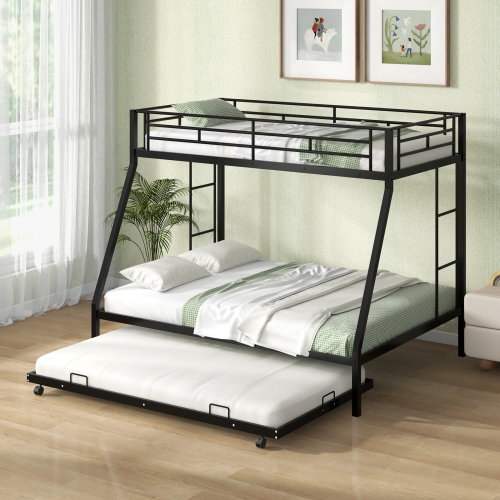 Your price for this item is $374.99
 -
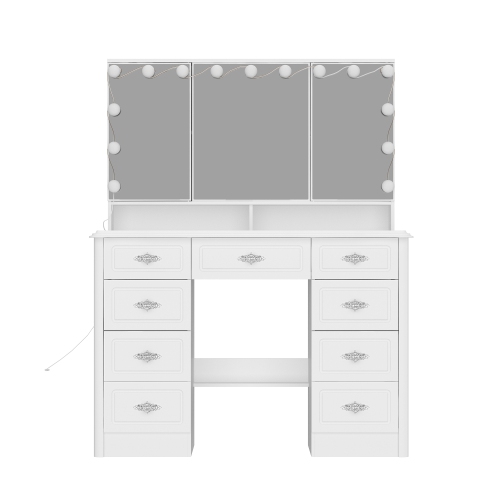 Your price for this item is $379.99
 -
 Your price for this item is $140.9
 -
 Your price for this item is $284.99
 -
 Your price for this item is $368.99
 -
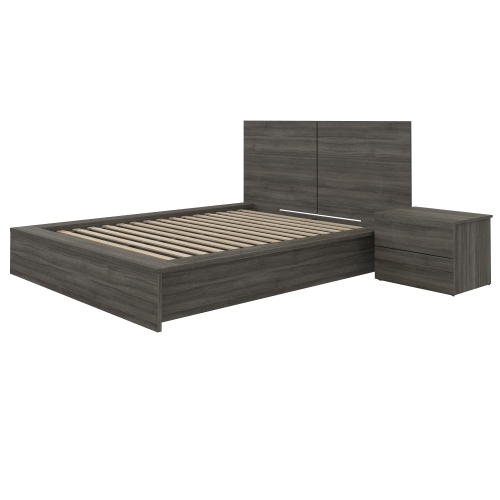 Your price for this item is $1122
 -
 Your price for this item is $280.99
 -
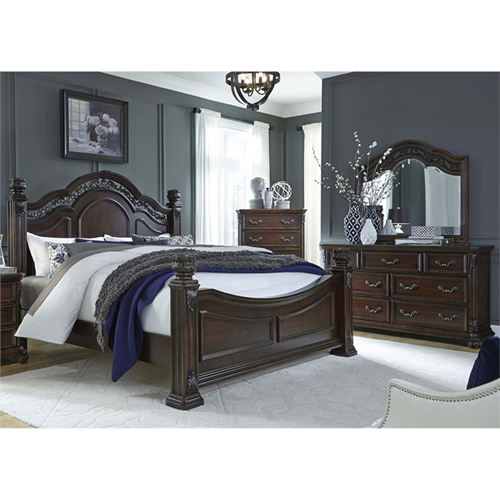 Your price for this item is $7915.57
Discover more categories related to Bedroom Storage Sets


Top Collections:
Pokemon Centers, Kindle Devices, Best Budget Office Chairs, Apple iPhones 16, Best Laptops for Writers, iPhone 15 Apple, Canon G7X Cameras, Refurbished Apple Laptops, Alarm Clock, Motorola Razr Phones
Some products may be subject to Environmental Handling Fees
(EHF) depending on your province.
Learn more about EHFs.