Bedroom Storage Chests
If you're looking to declutter and organize your bedroom, look no further than these bedroom storage chests. These versatile pieces of furniture not only provide ample storage space for your clothing, accessories, and other essentials, but they also add a touch of style to your bedroom decor. Whether you prefer a sleek and modern design or a classic and timeless look, these bedroom storage chests offer a variety of options to suit every taste and budget.
Sort
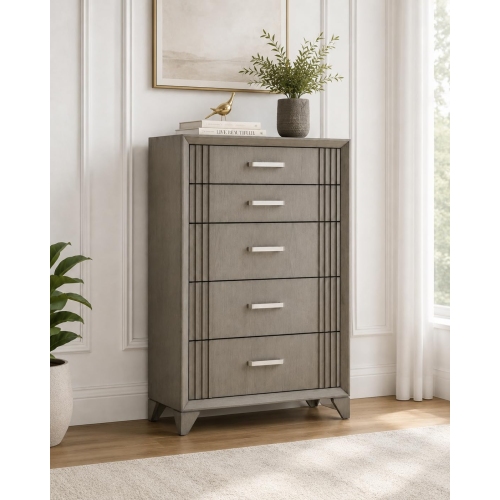
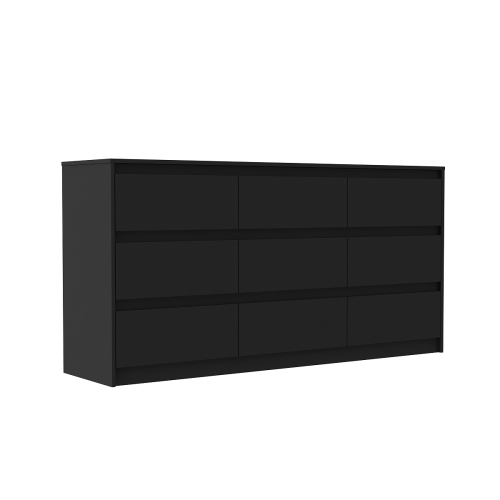
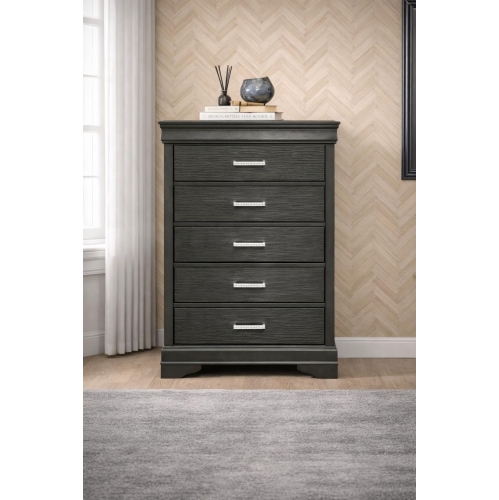
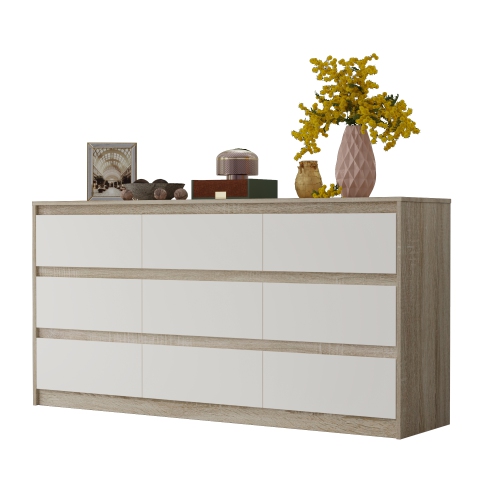


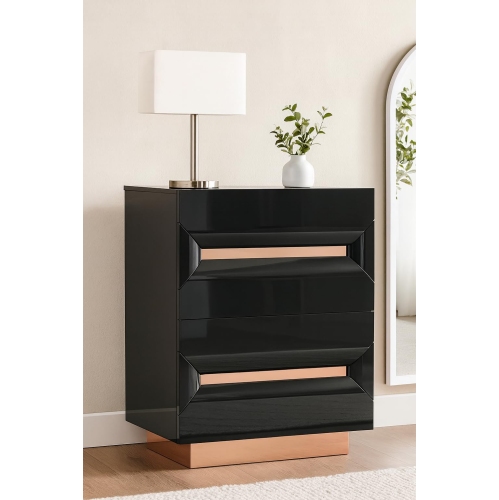
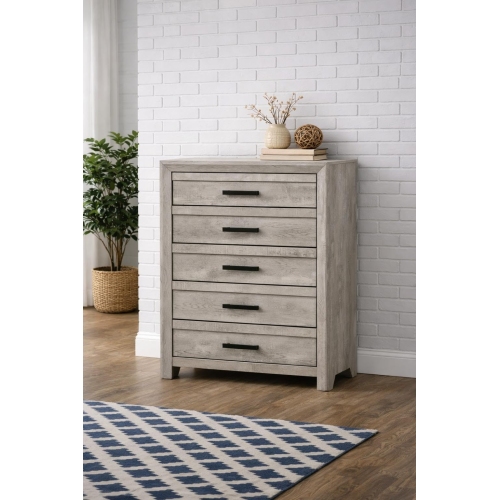
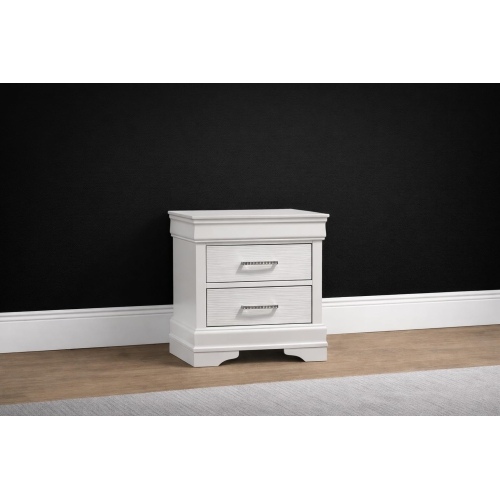
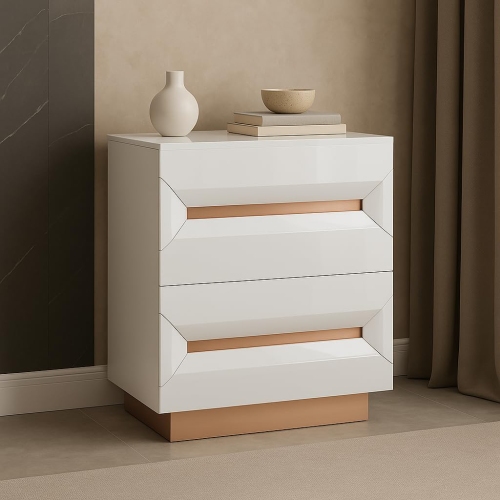
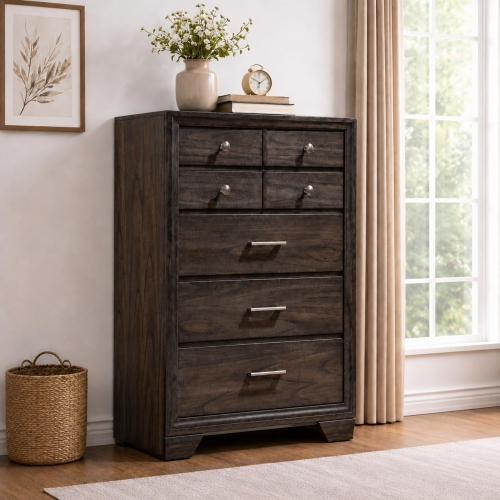
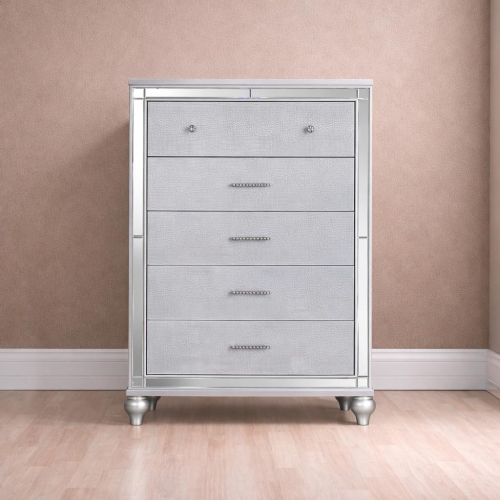
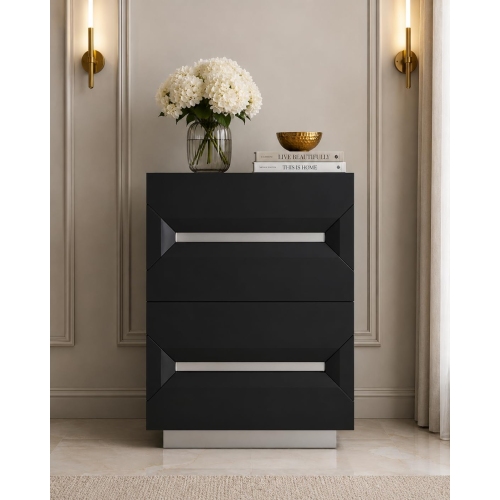
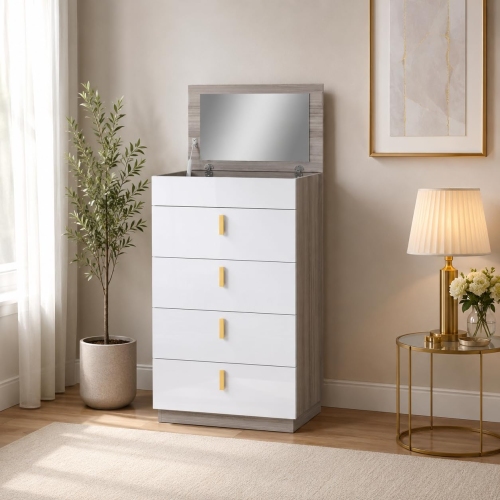


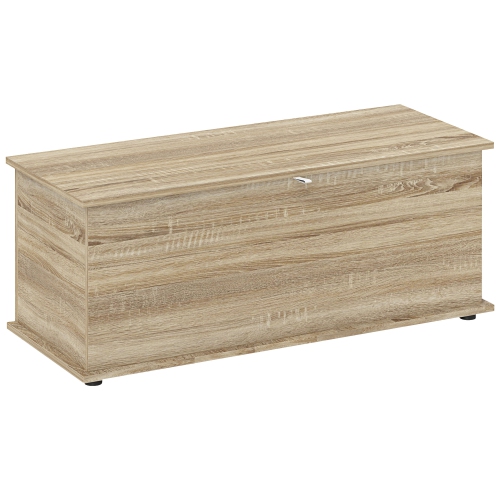


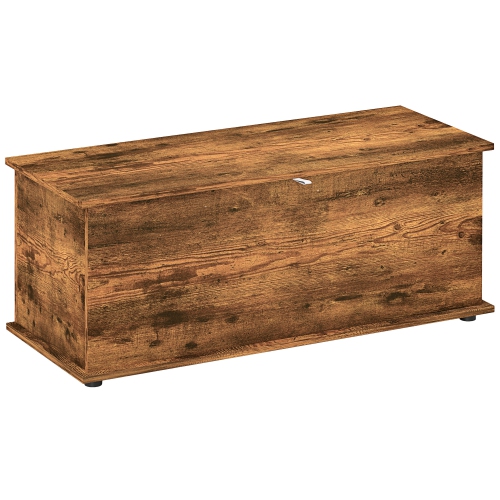


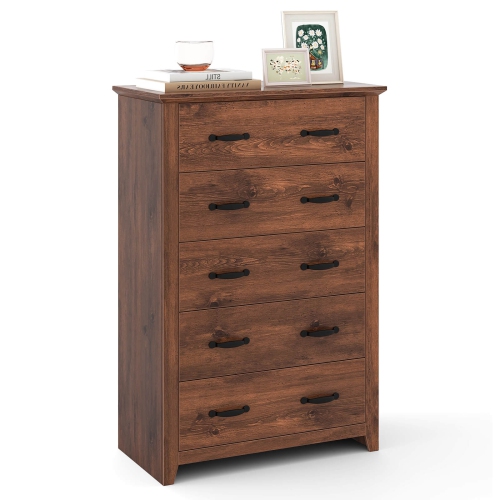
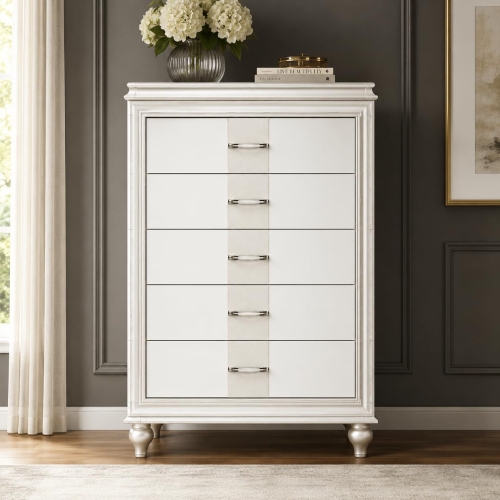





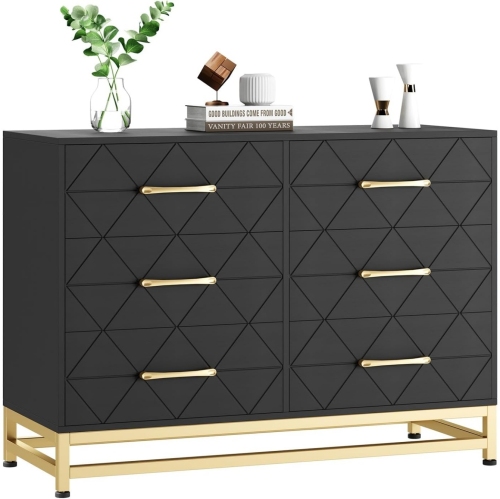
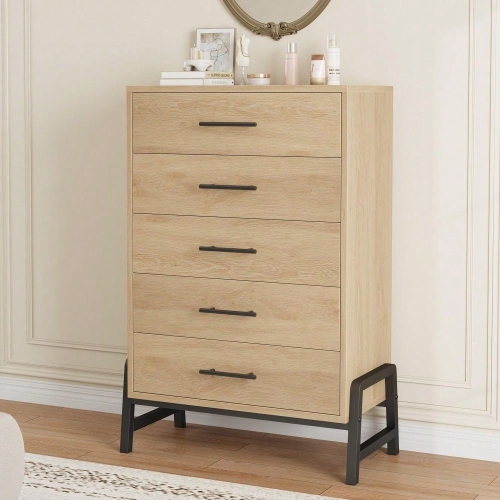
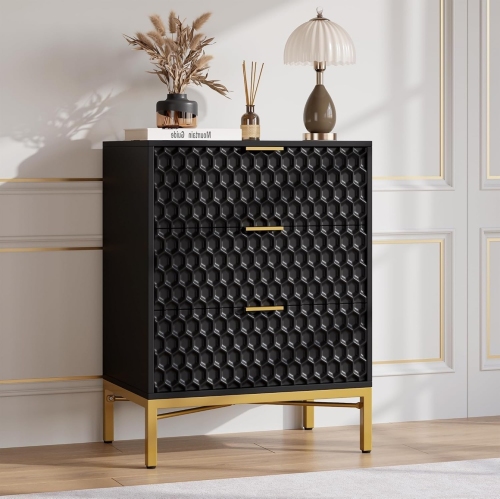
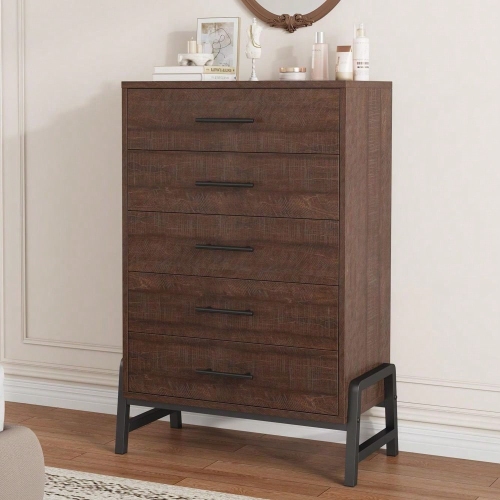
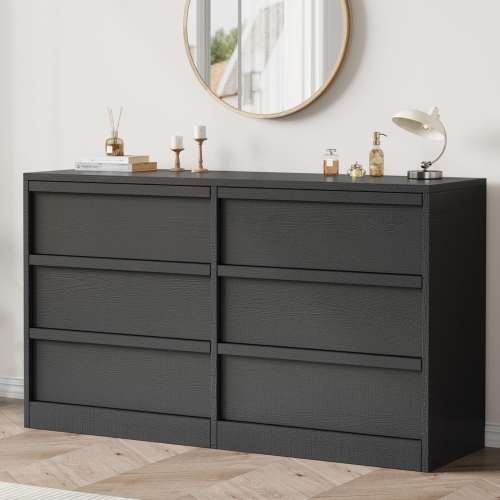
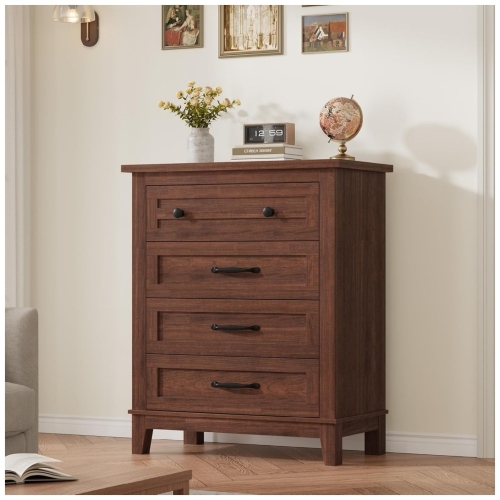
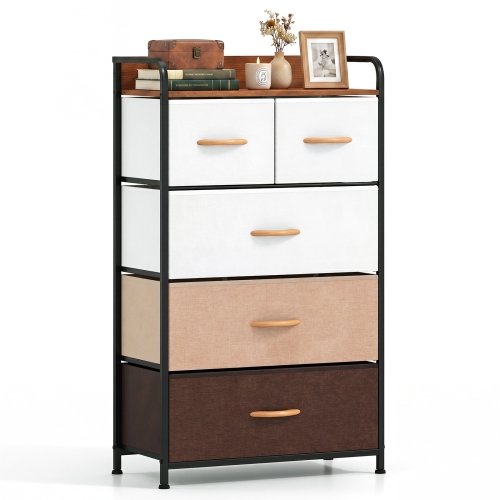
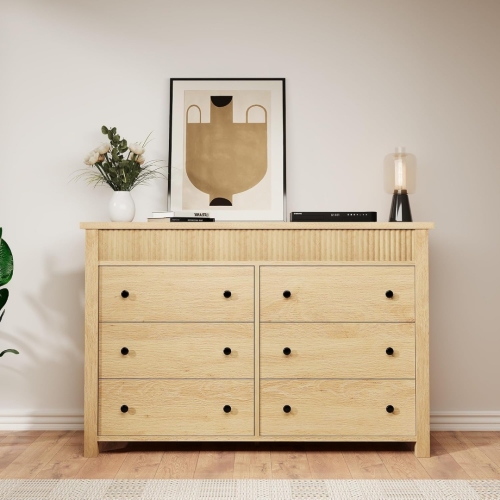




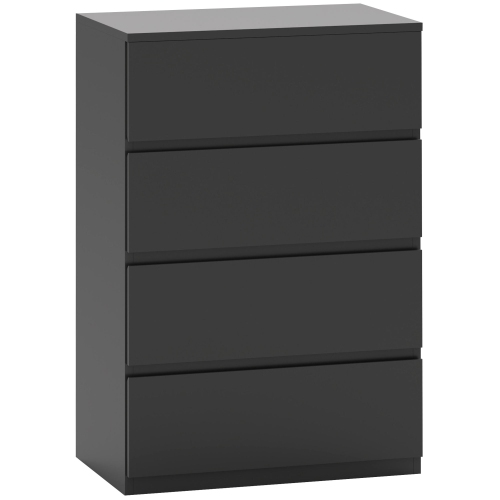
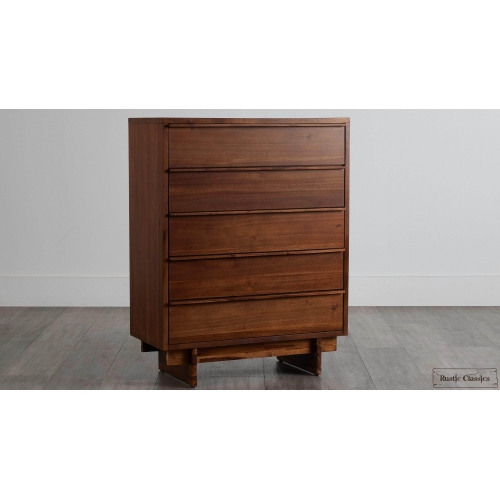
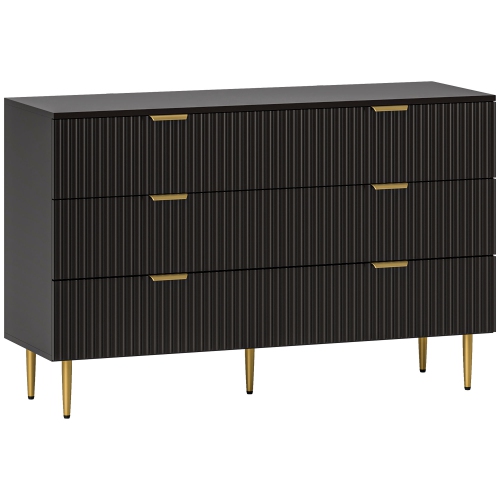
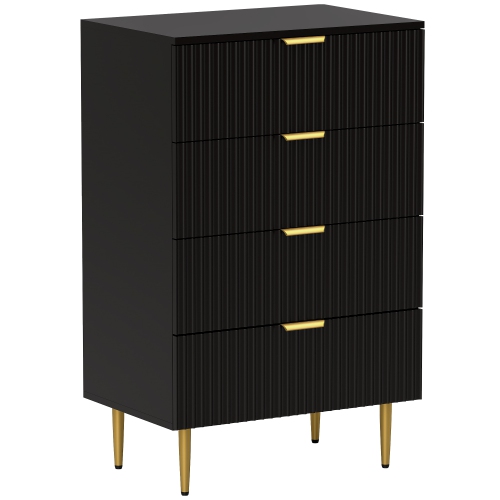


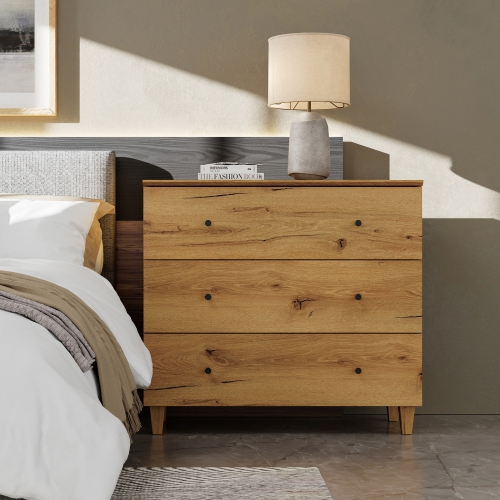
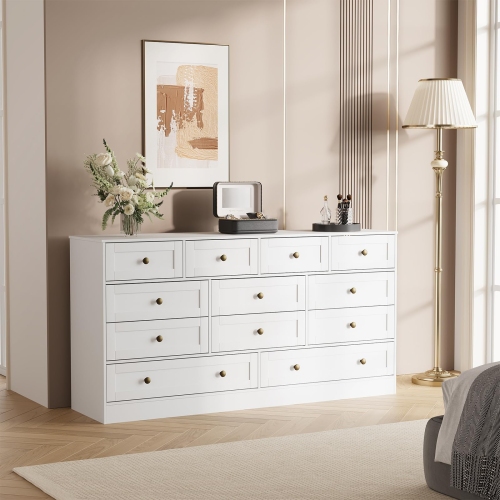

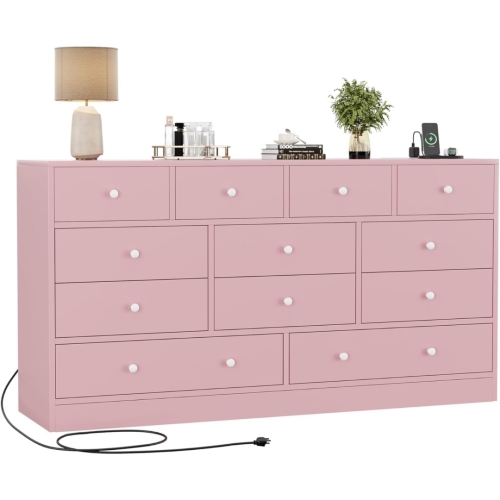


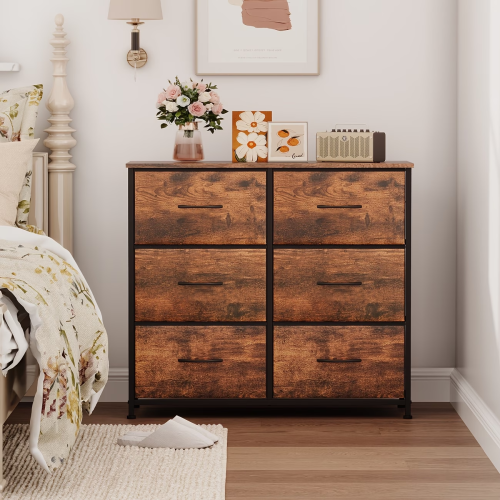







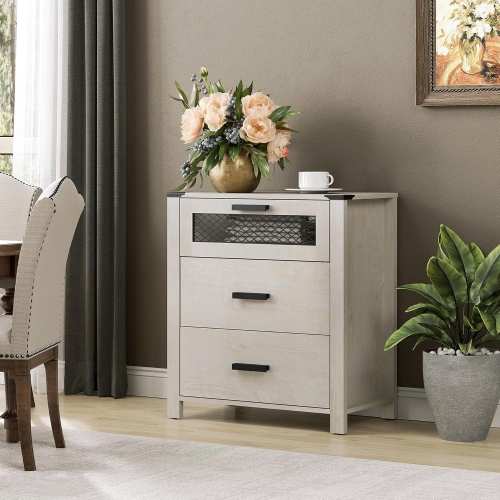

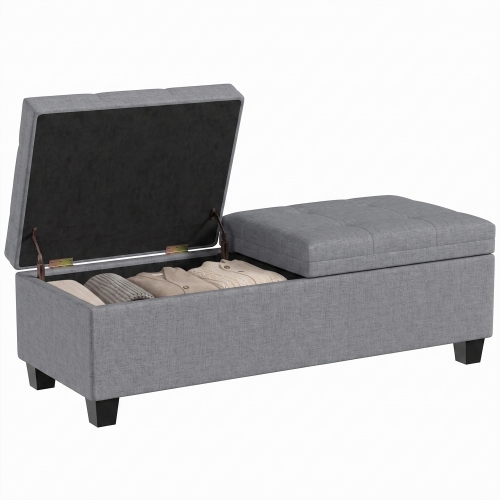
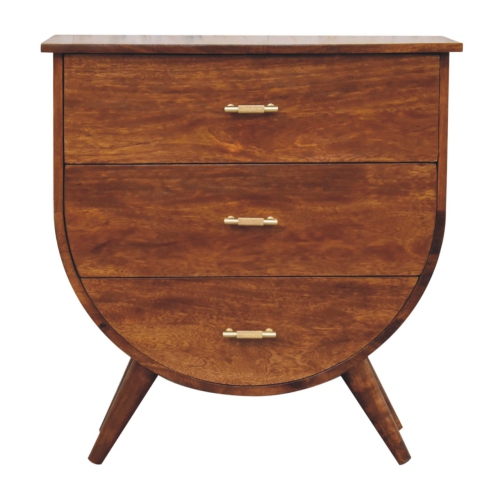
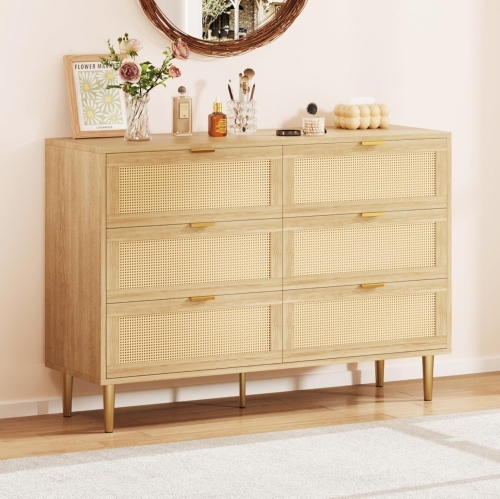


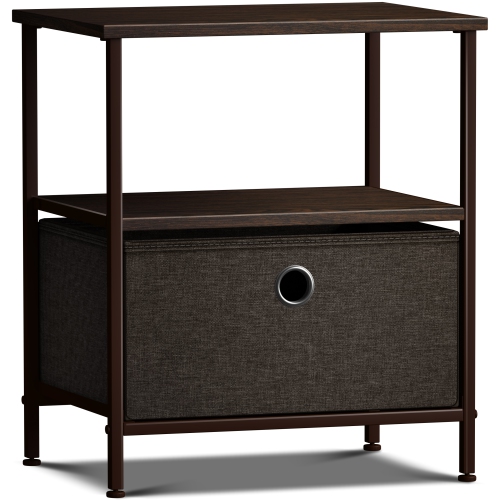

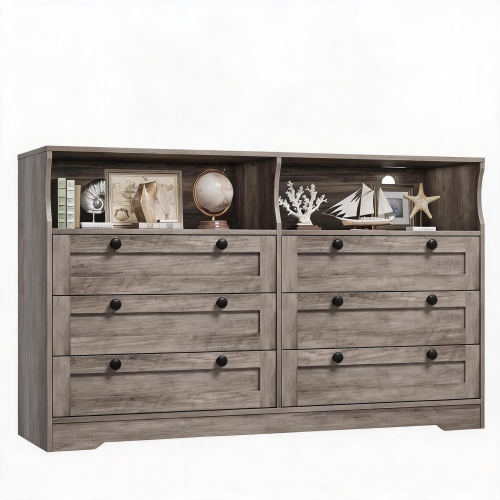
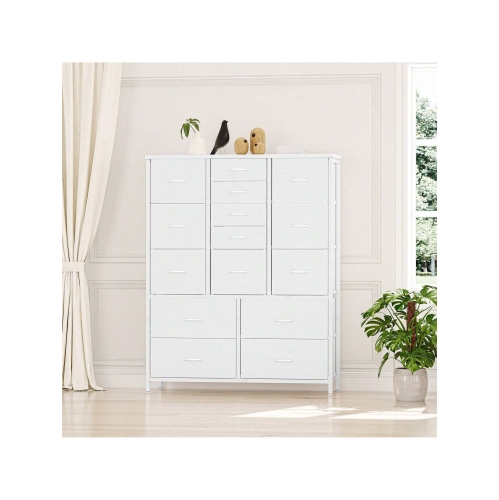


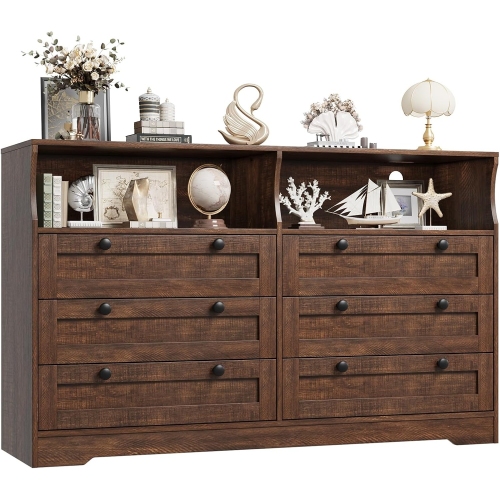







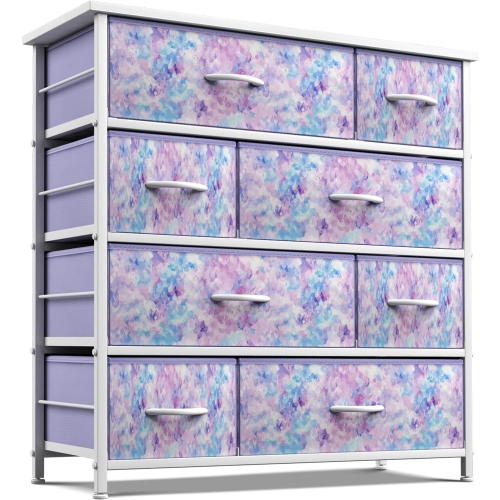
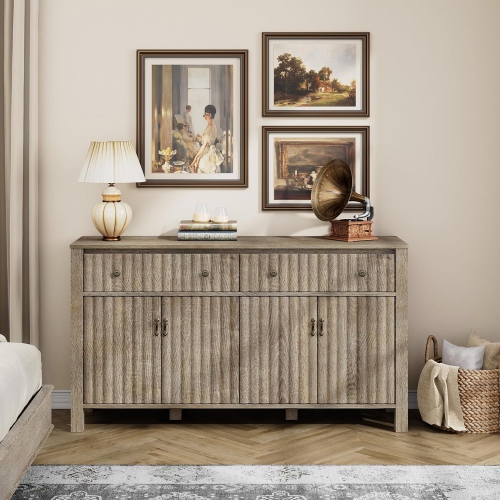


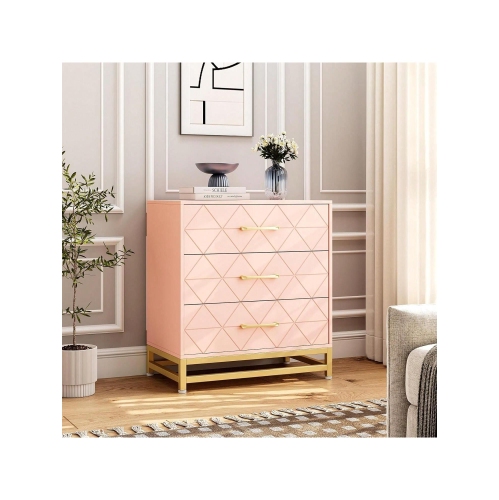
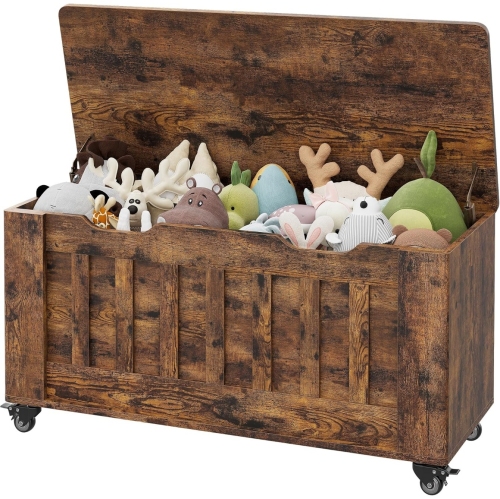

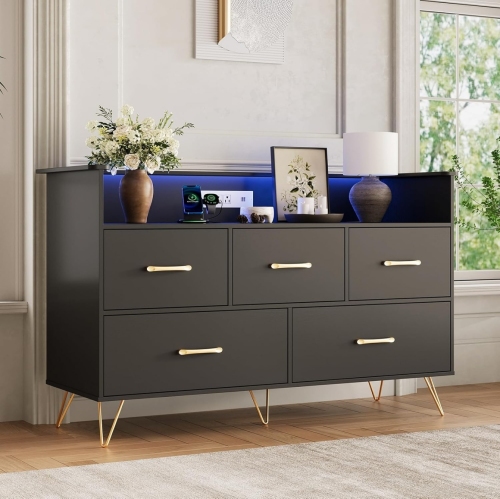
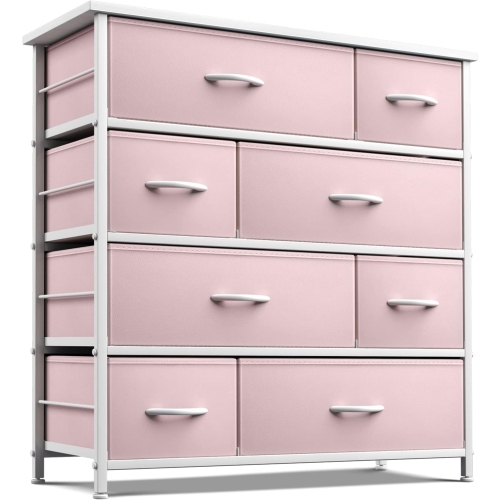


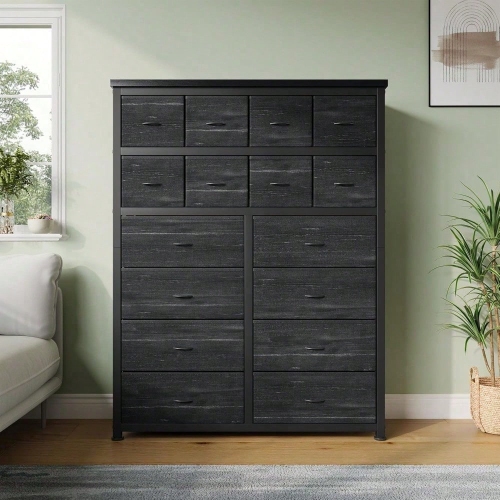


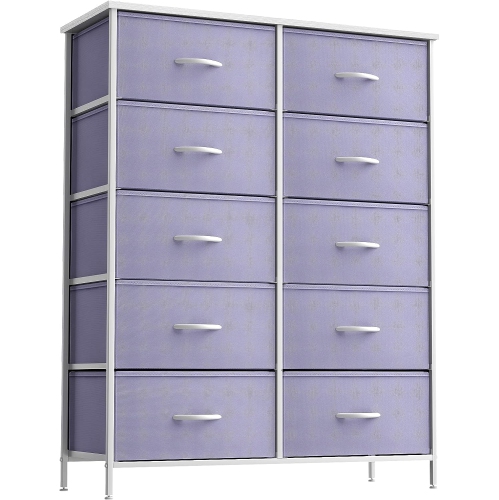


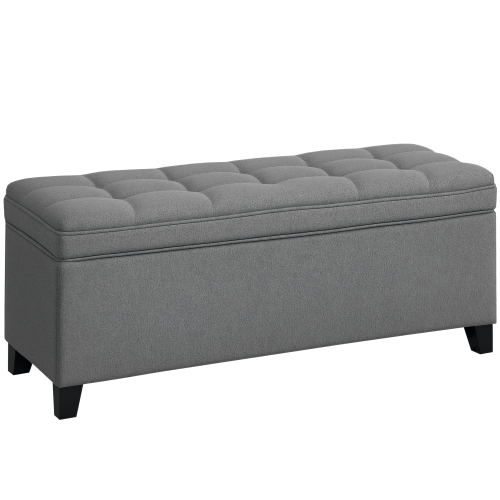
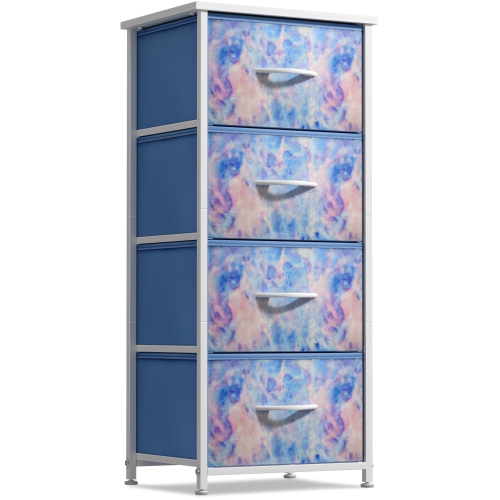

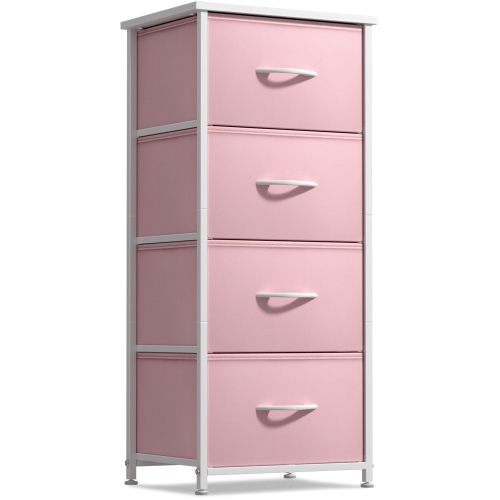
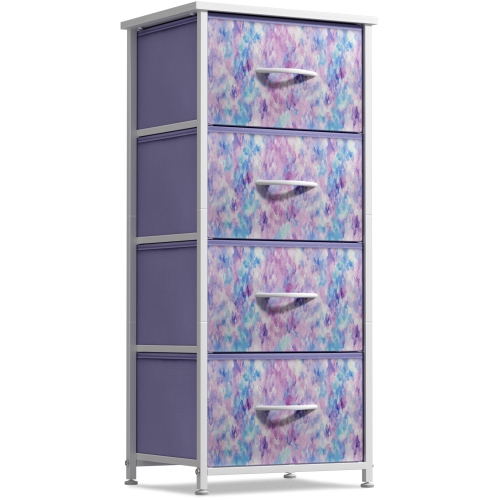






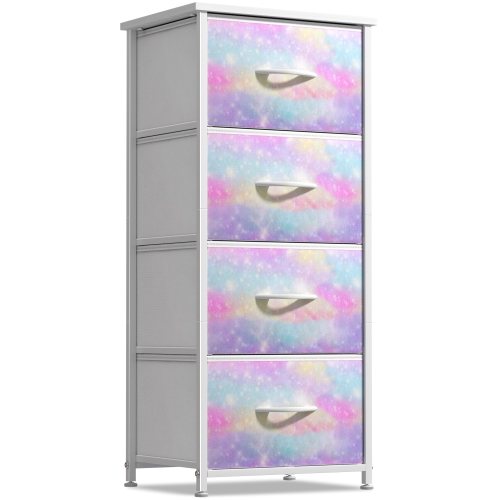
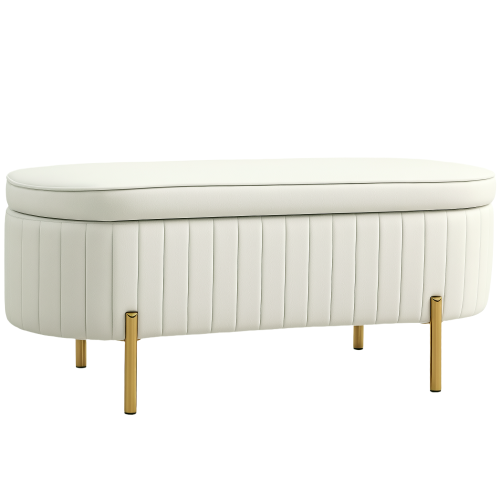

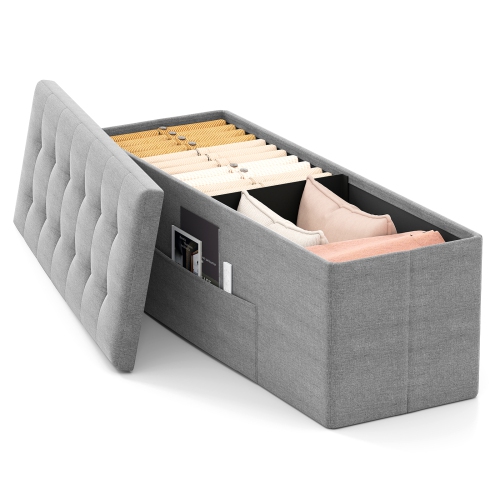
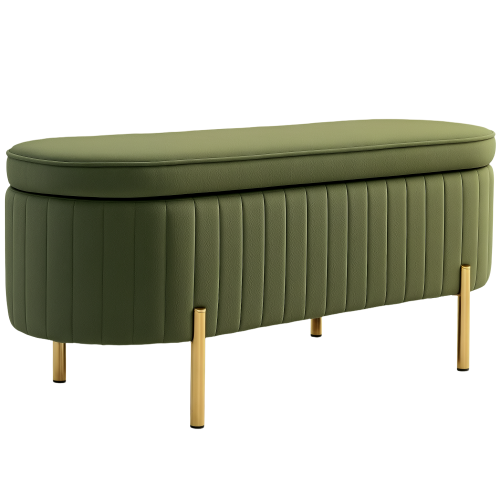


The right compartments matter more than sheer size
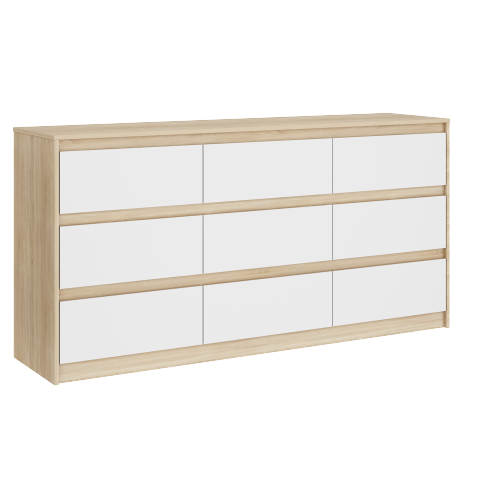
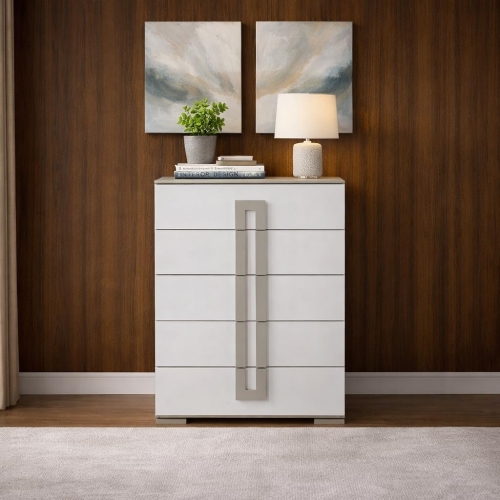
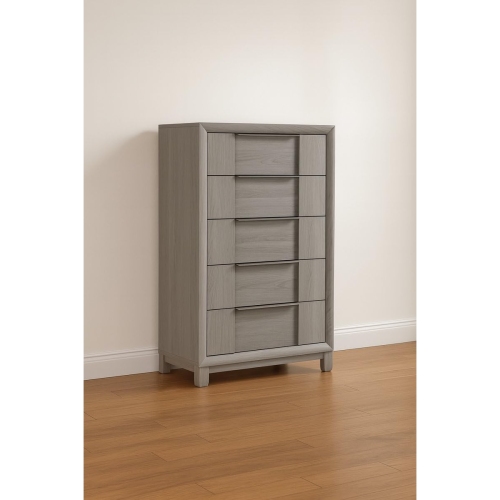
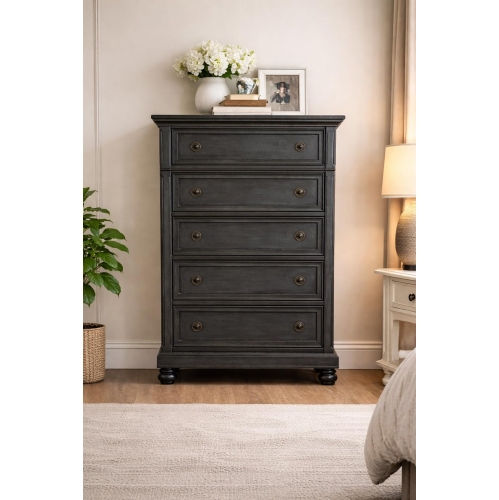
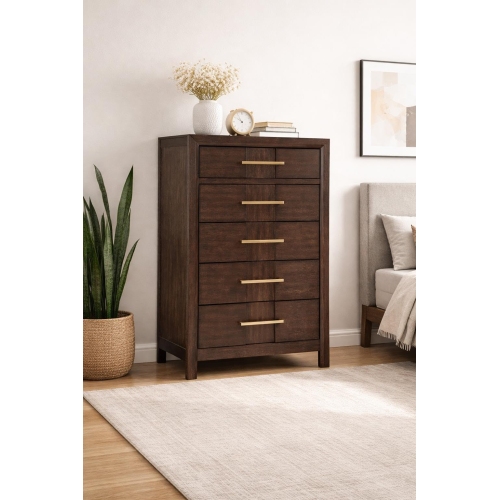
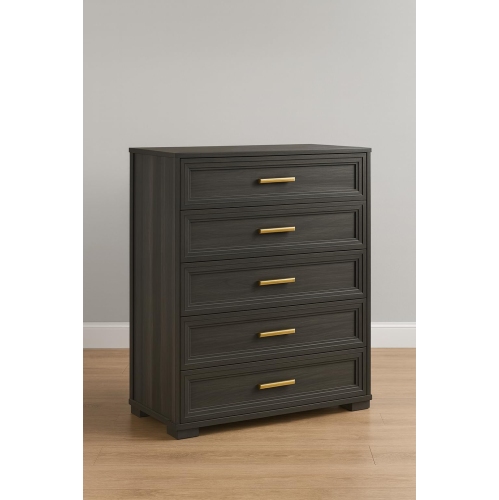
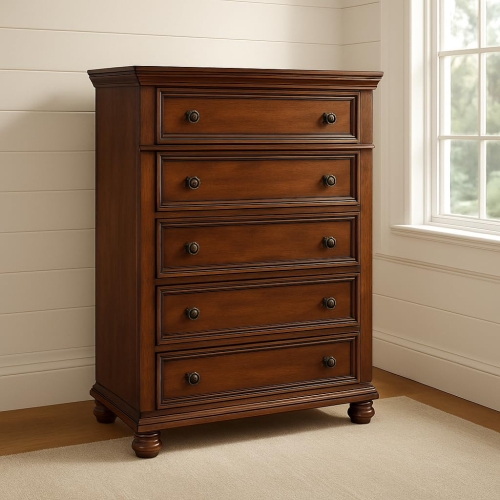
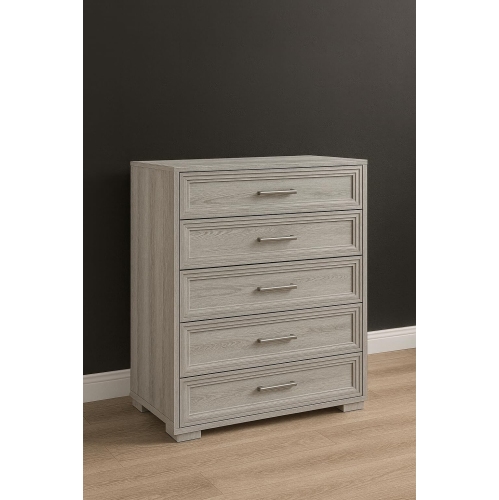
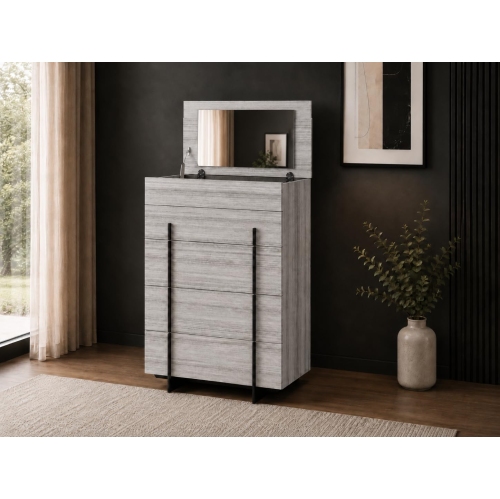
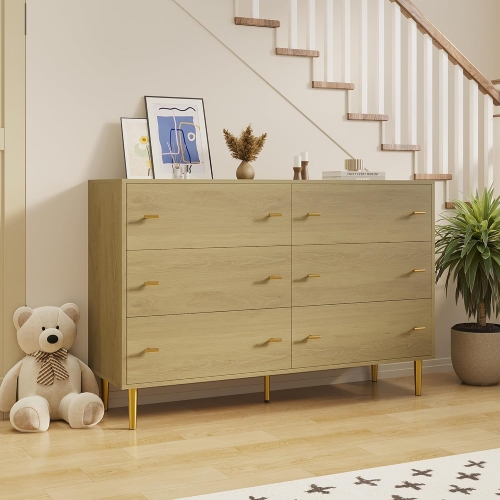
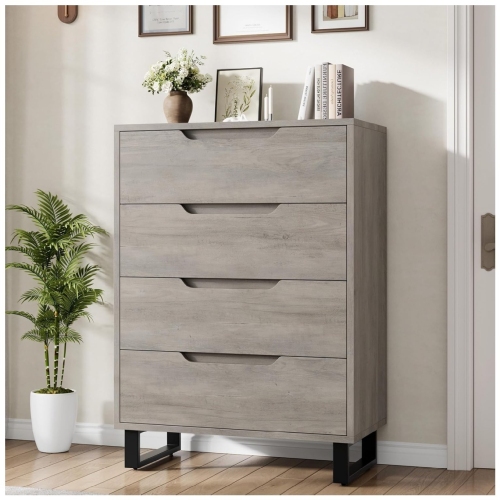
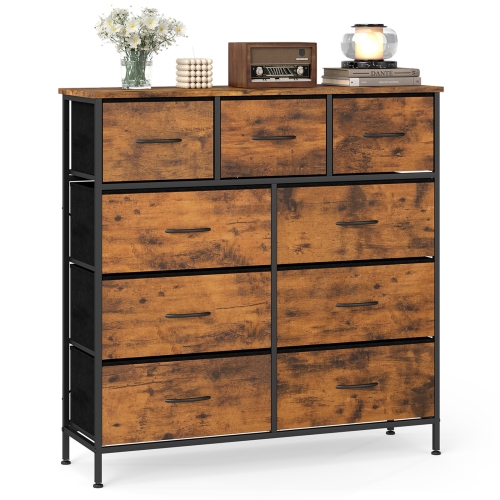
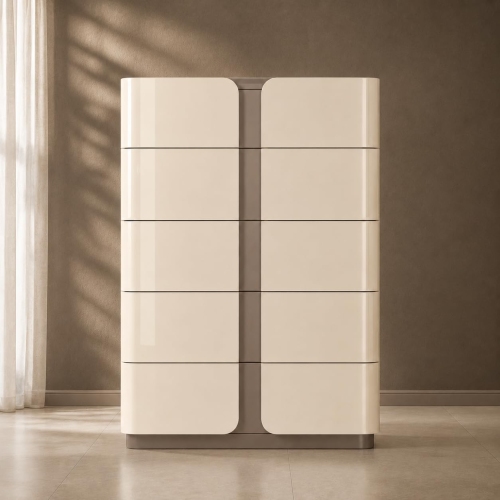
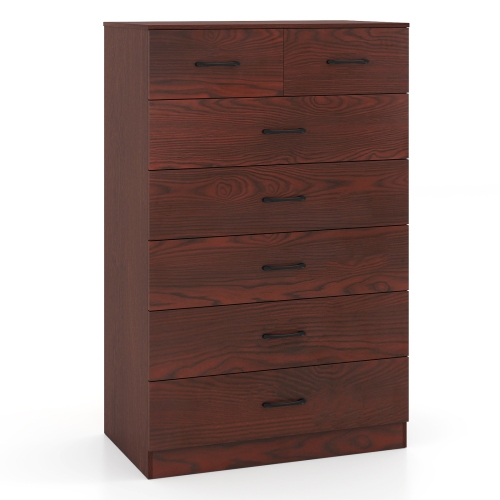
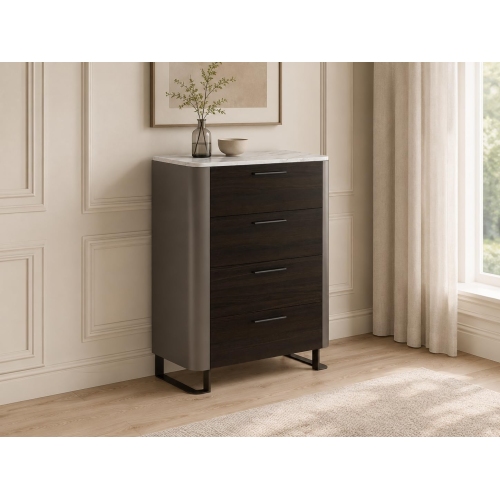
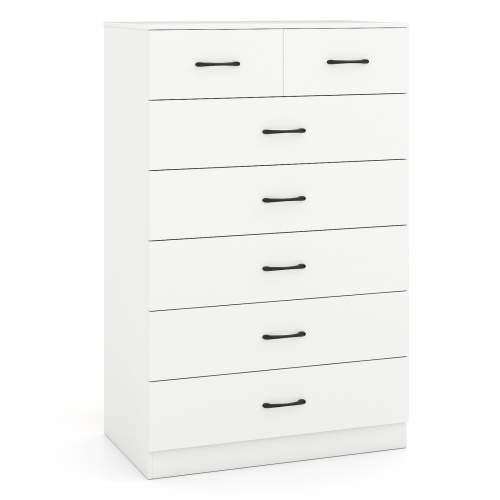
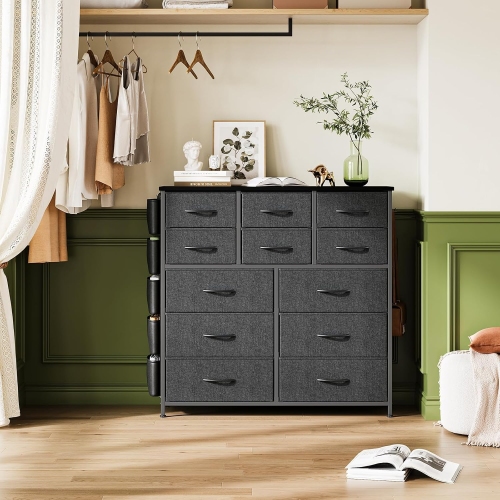
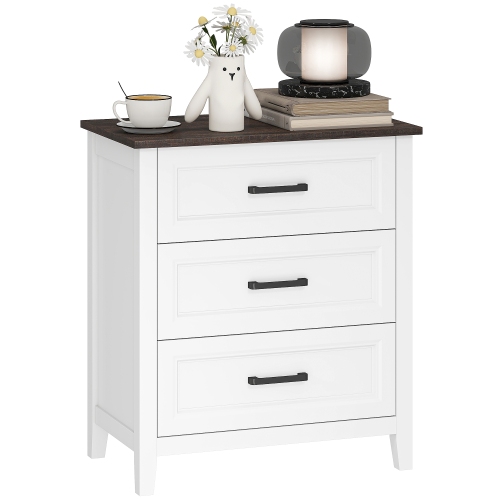
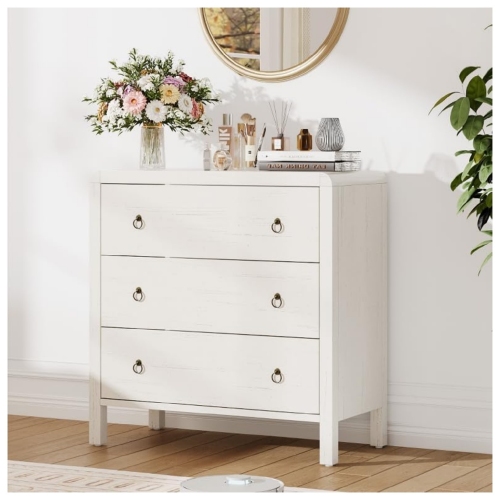
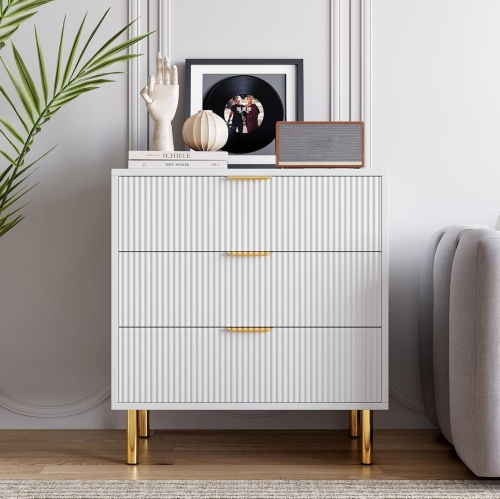
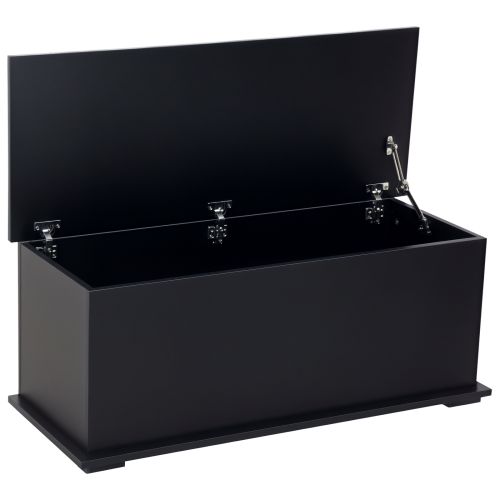
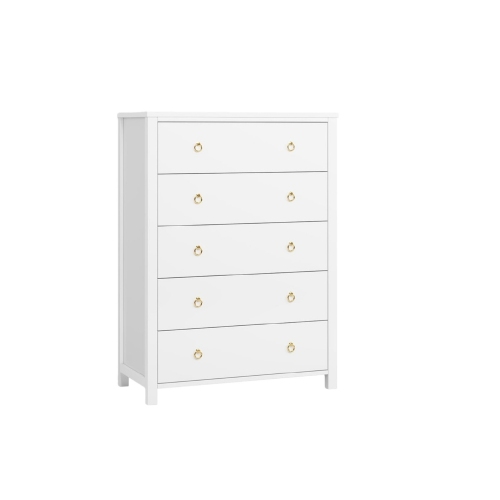
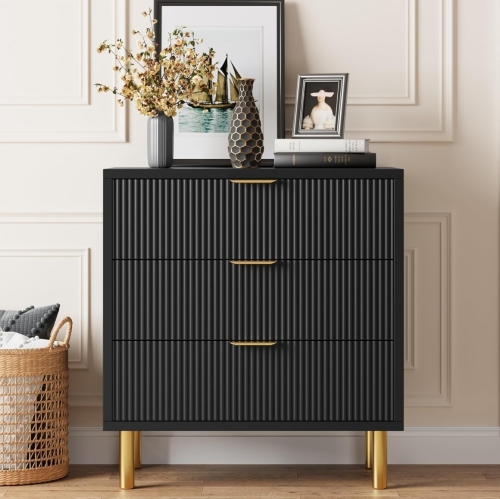
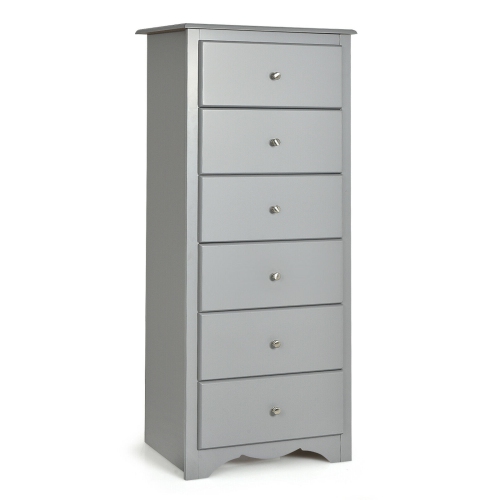
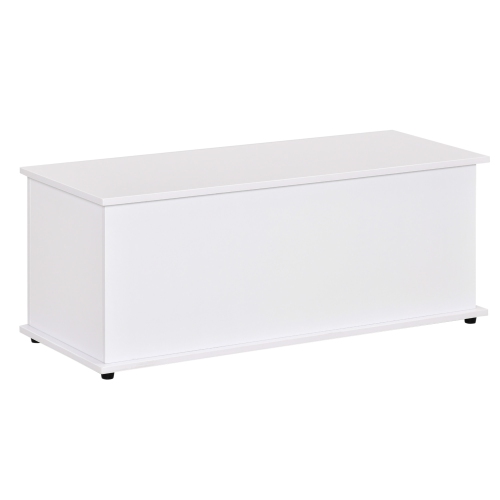
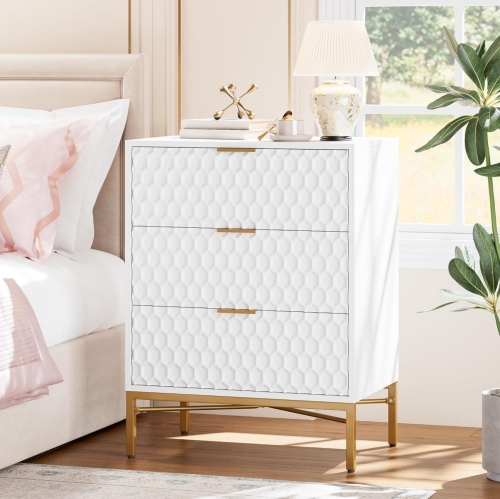
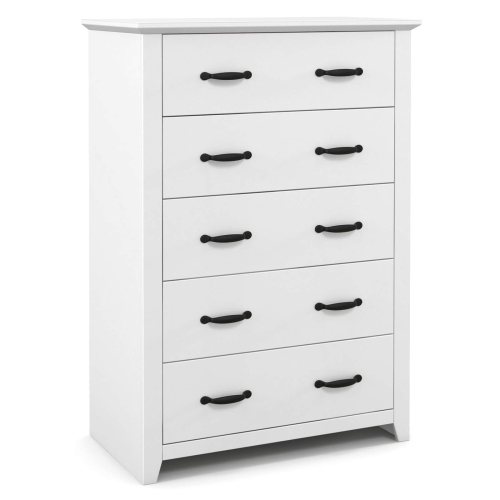
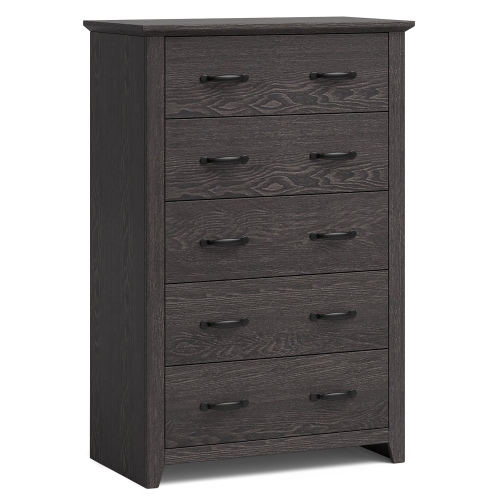
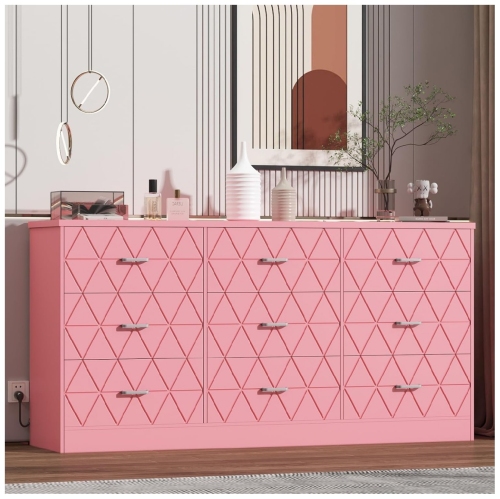
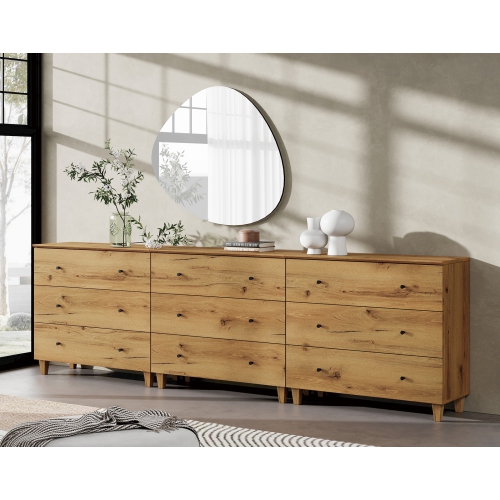
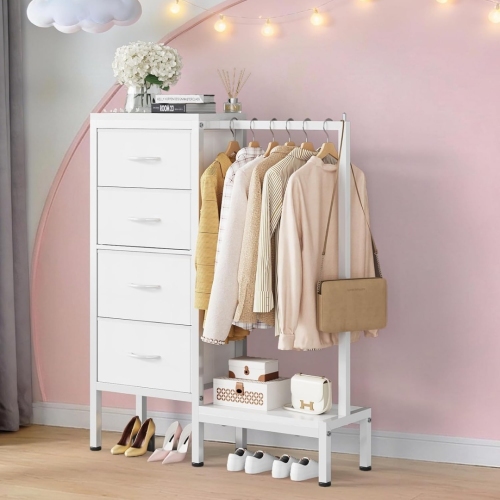
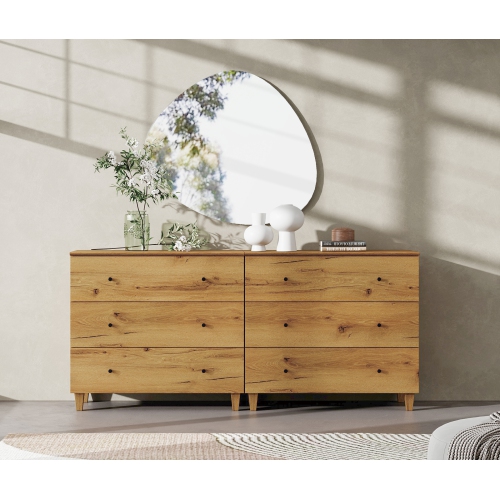
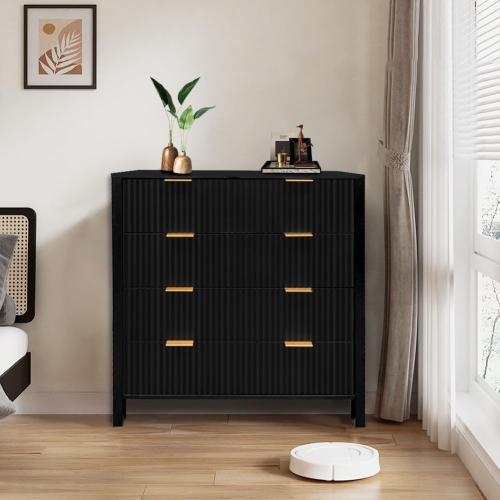
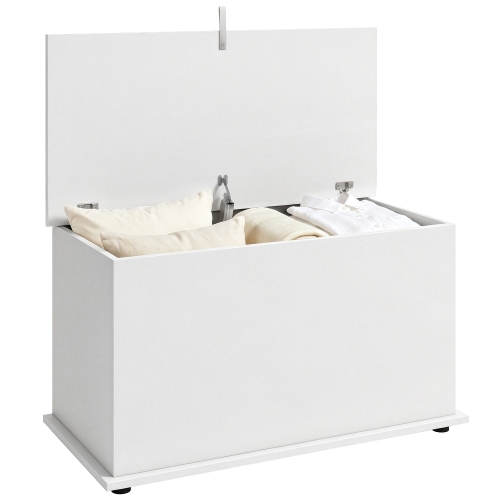
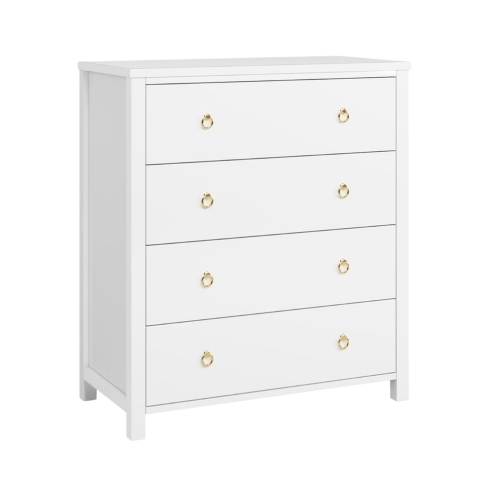
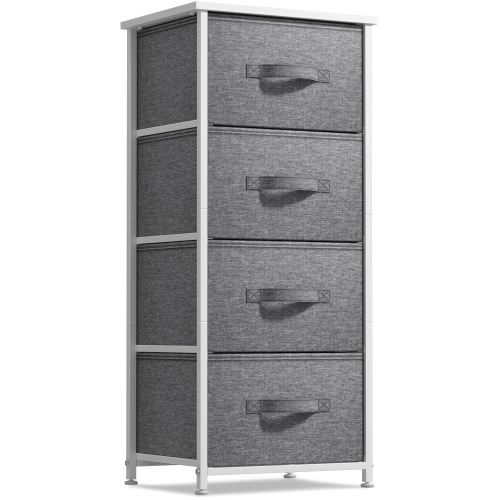
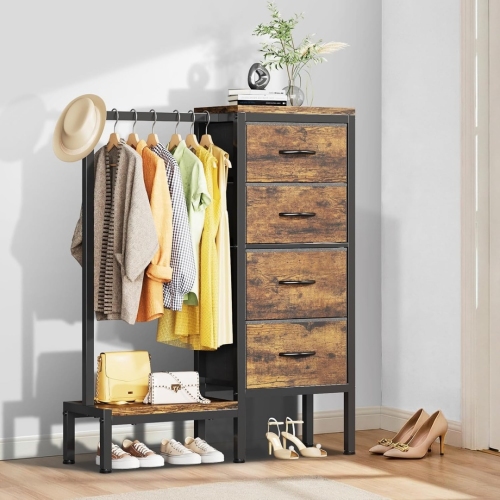
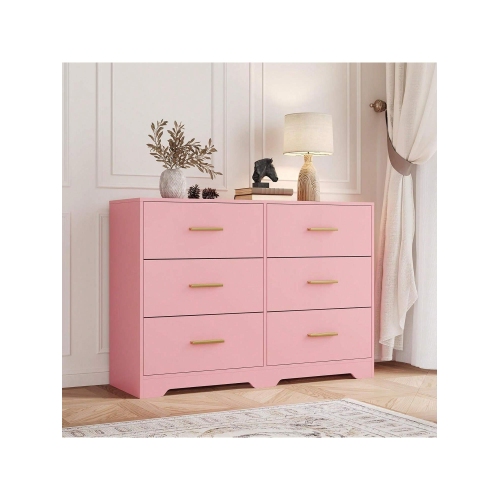
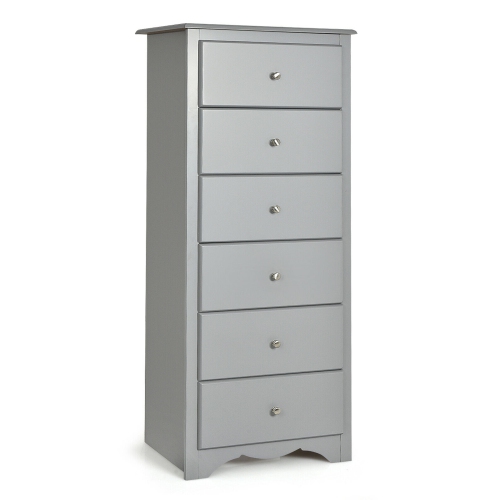
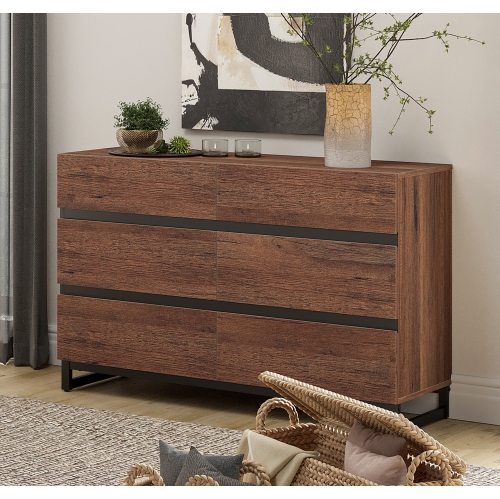
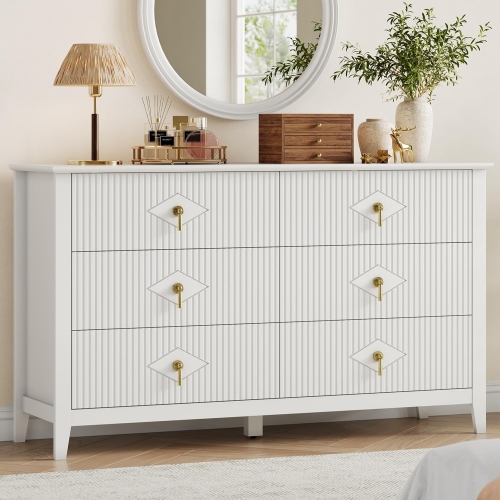
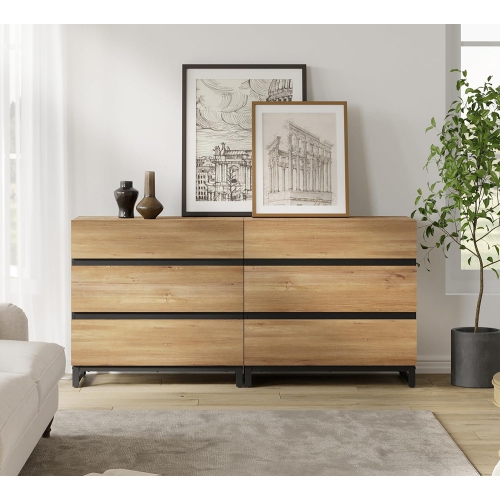
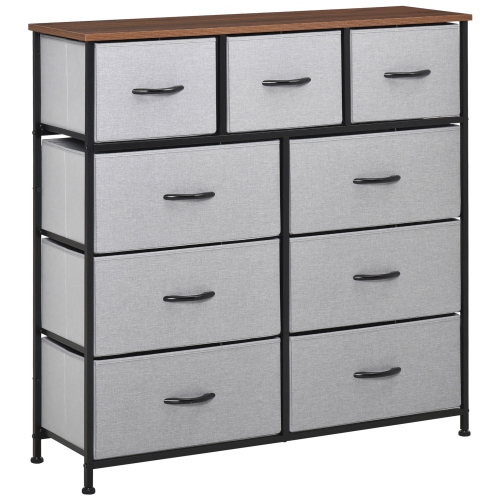
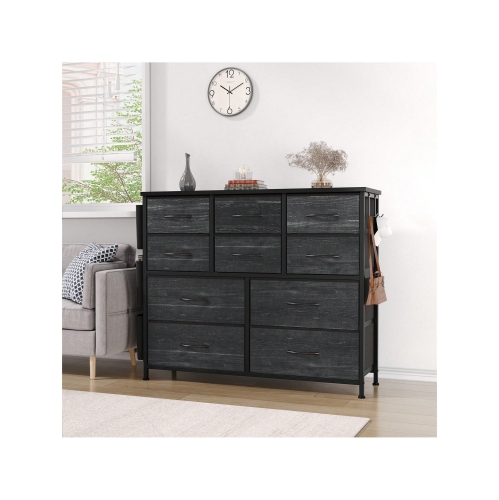
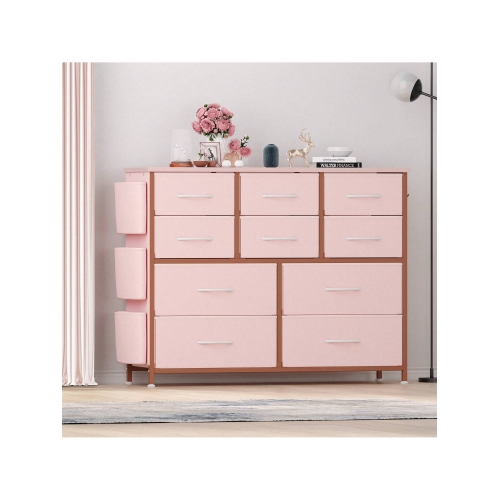
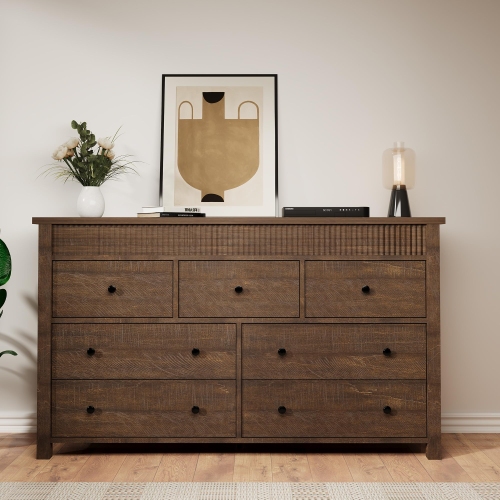
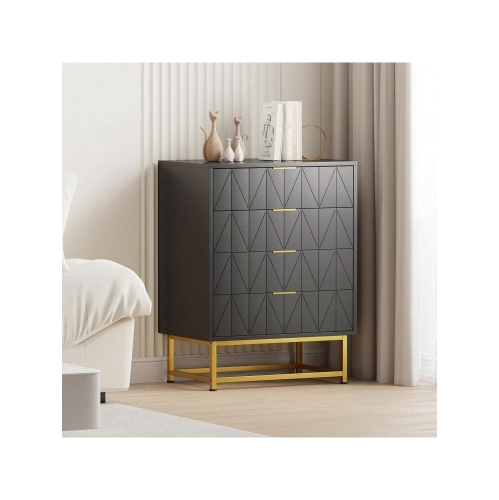
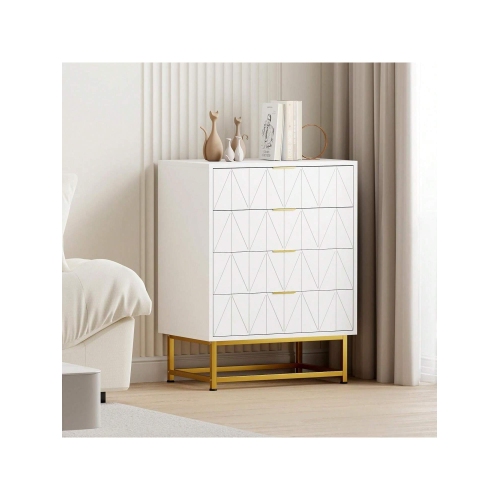
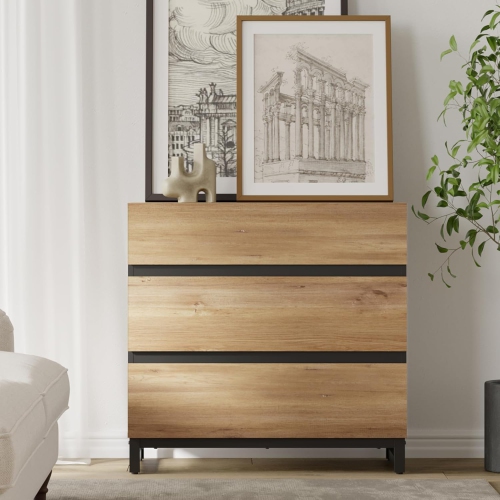
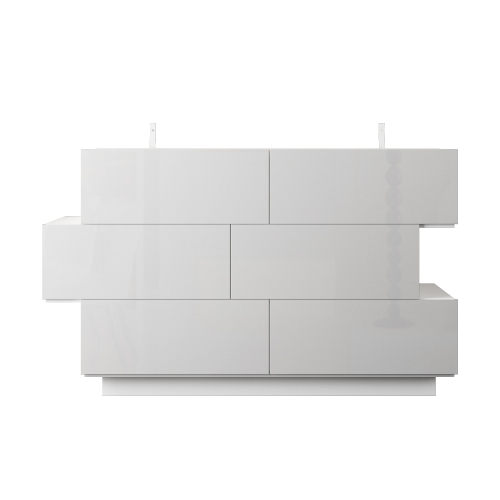
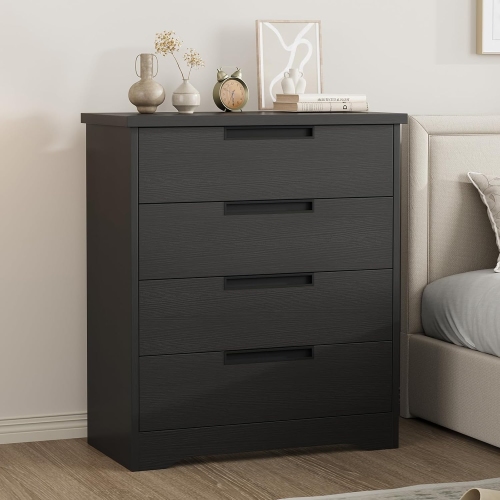
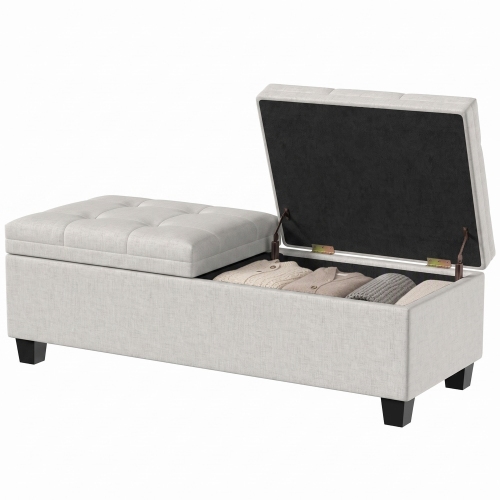
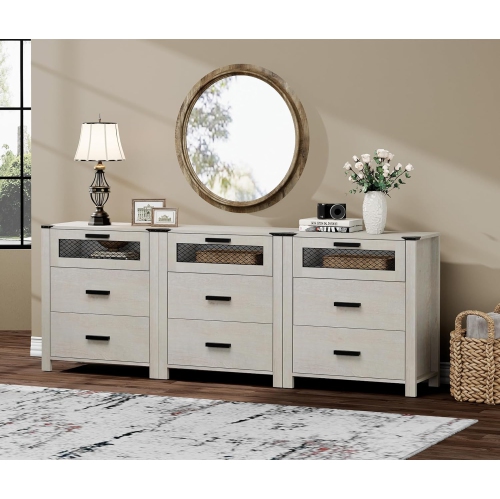
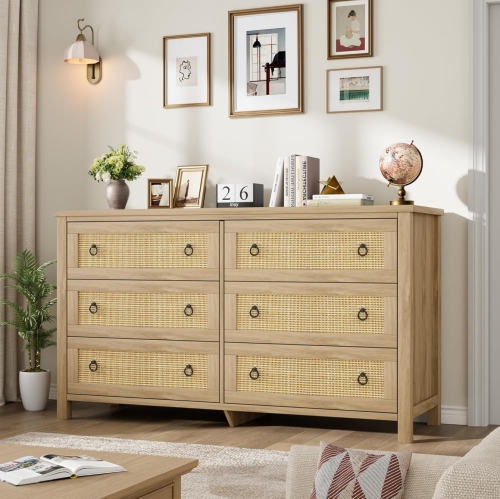
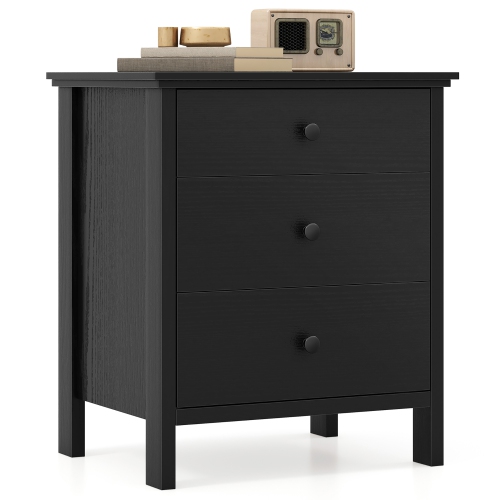
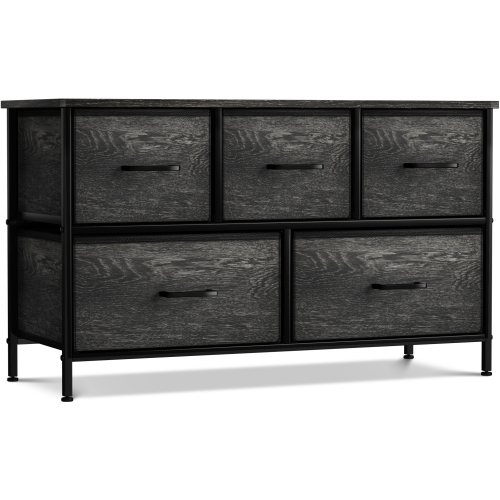
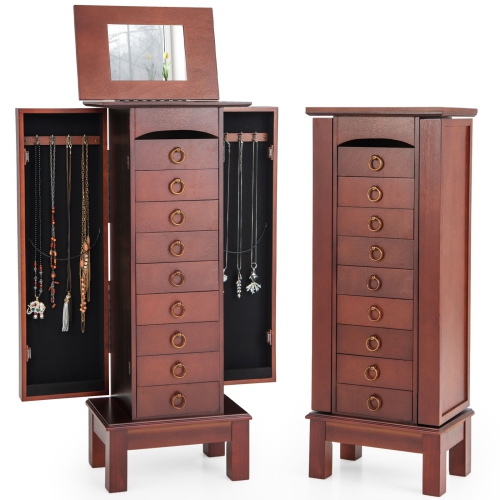
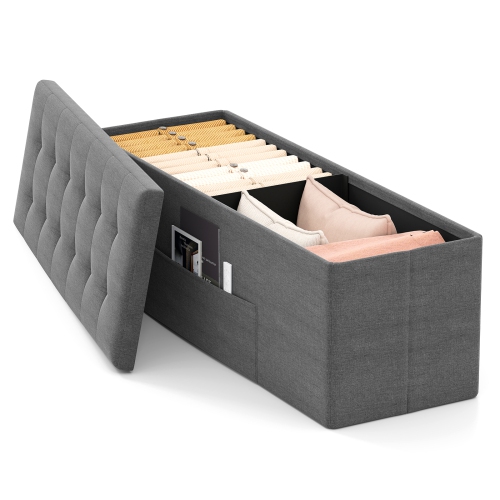
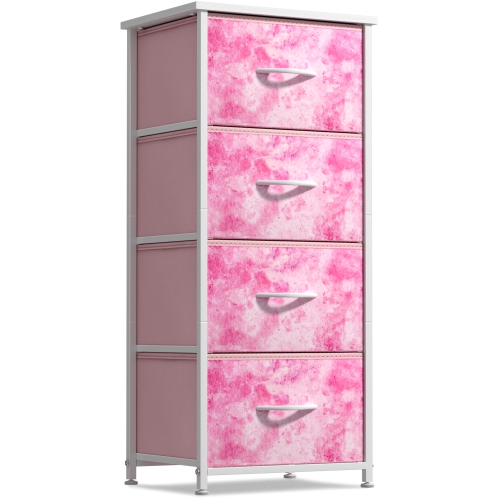
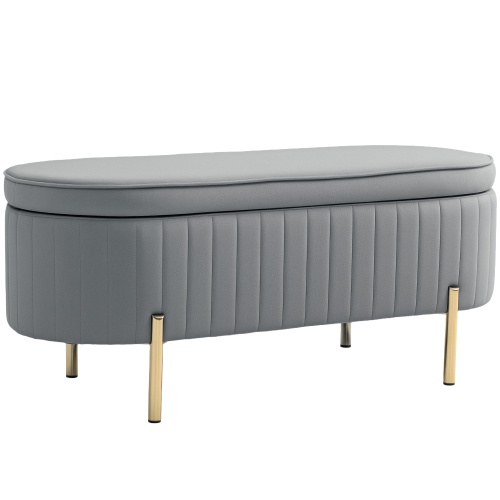
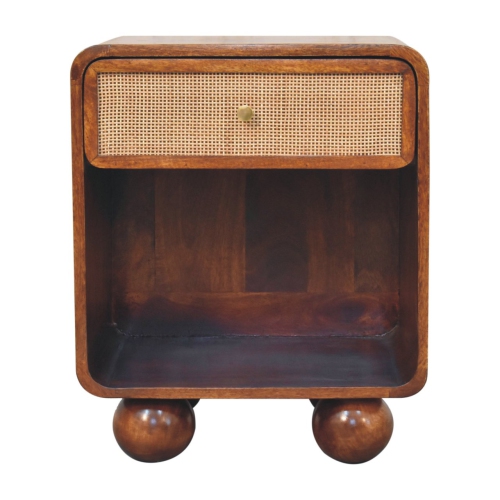
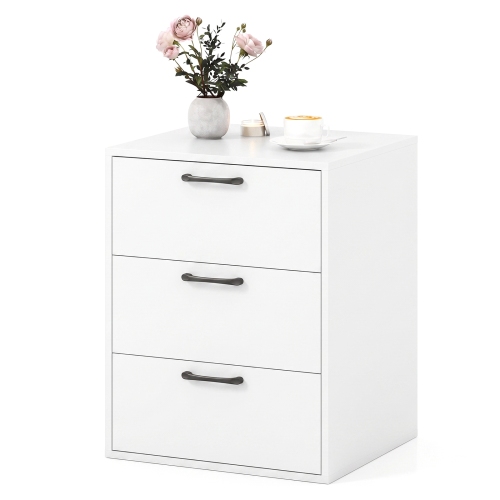
Bedroom storage chests give clothing, spare bedding, and personal belongings a dedicated home without requiring a full wall of cabinetry. The category includes upright chests of drawers, lift-top blanket chests, and storage benches designed to sit at the foot of a bed. Each shape suits a different routine: drawers separate socks, sleepwear, and folded tops, while an open trunk compartment accommodates bulkier quilts and pillows. A bench-style chest can combine concealed storage with a place to sit, provided its construction and stated weight capacity support seating. In a bedroom with a small closet, a tall drawer chest adds storage vertically while leaving more floor space for other furniture. A lower, wider chest offers a different balance, keeping upper drawers within easier reach and creating a surface for a jewellery tray or a lamp, subject to its top-load limit. Lift-top designs are especially useful for bedding that would crowd shallow drawers, although smaller belongings may need baskets or dividers to keep them from settling at the bottom. These distinctions matter in everyday use: frequently worn clothing benefits from separate, easily opened compartments, whereas spare linens can share a larger space. In a guest bedroom, a chest gives visitors somewhere to unpack rather than live out of a suitcase. Shared bedrooms may benefit from clearly divided drawers, while a compact adult bedroom might call for one chest that handles both clothing and bed linens. Bedroom chests also form part of the broader range of Furniture Chests, with proportions and finishes that can coordinate with furnishings throughout the home. The most useful design is not necessarily the largest; it is the one whose compartment layout matches what will go inside and whose footprint leaves the room comfortable to move through.
Materials and construction influence a storage chest’s appearance, weight, and ability to handle daily use. Solid wood brings natural grain variation and can develop small marks with use, while wood veneer provides a real-wood surface over a supporting core. Engineered wood with a laminate or foil finish offers a consistent appearance, with durability depending partly on the quality of the surface, edge finishing, and assembly. Neither a wood-look finish nor a substantial-looking exterior tells the whole story; drawer bottoms, joints, hardware, and the back panel all contribute to how a chest performs. Smooth drawer runners are particularly noticeable when opening a drawer filled with folded denim, and full-extension runners, where included, make belongings at the back easier to reach. Soft-close hardware can reduce abrupt closing, but it does not replace careful handling or adherence to load limits. On lift-top chests, hinges and lid-support mechanisms deserve attention because they affect how the lid opens and stays supported during use. Upholstered storage benches add texture through woven fabric or other coverings, with seams, cushioning, and cleaning requirements influencing their suitability for a frequently used bedroom. A tightly woven fabric may feel quite different from a textured weave, and either can catch on jewellery or sharp fasteners. For households with pets, removable or cleanable covers, where provided, can make maintenance more manageable. Visually, a chest can blend into a bedroom suite or provide a deliberate contrast. A light wood finish can sit comfortably beside plain bedding, while a dark finish gives pale walls a stronger focal point. Painted surfaces, simple slab fronts, framed drawer fronts, and visible metal pulls each create a different impression without changing the basic purpose of the furniture. Matching every finish is not essential: repeating one detail, such as a wood tone or handle colour, can help a chest feel connected to an existing bed frame and nightstands. Handle shape also affects comfort, particularly for anyone who finds small knobs difficult to grip.
Fit involves more than finding an empty stretch of wall. A bedroom storage chest needs enough space for its drawers or lid to open fully, as well as room for someone to stand in front of it. At the foot of a bed, the remaining walkway should accommodate normal movement without forcing anyone to turn sideways between furniture. A lift-top chest also needs clearance above and behind the lid, particularly near a windowsill or projecting headboard. External dimensions describe the footprint, but internal measurements give a clearer sense of whether folded blankets, clothing organizers, or spare pillows will fit. Delivery access matters too: narrow doorways, stair turns, and tight landings can affect whether an assembled chest reaches the bedroom. Flat-pack designs may ease that journey, although correct assembly, firmly secured fittings, and occasional hardware checks remain important. For drawer chests, manufacturer-specified wall anchoring is a key safety consideration, especially where children may climb or pull on drawers. Heavy belongings generally belong in lower drawers within the stated limits, and opening several loaded drawers at once can increase tipping risk. A storage trunk is not a play space; households with children should pay close attention to lid safety features and the manufacturer’s age and use guidance. Seating should be limited to designs expressly intended for it, rather than assumed from a chest’s height or flat lid. Day-to-day care is usually straightforward when it follows the finish or upholstery instructions. A soft cloth removes dust from many hard surfaces, spills should be addressed promptly, and abrasive cleaners can damage coatings or leave scratches. Coasters and protective pads help keep toiletries, lamp bases, and other objects from marking the top. Bedding and clothing should be clean and dry before being stored, with enough space to remove them without tugging against hinges or drawer edges. For someone furnishing a first apartment or updating a spare bedroom, a well-proportioned chest can be a thoughtful practical gift when its measurements, finish, and intended use are agreed upon in advance. These everyday details help bedroom storage feel integrated into the room rather than simply added to it.
Top selling and popular products
-
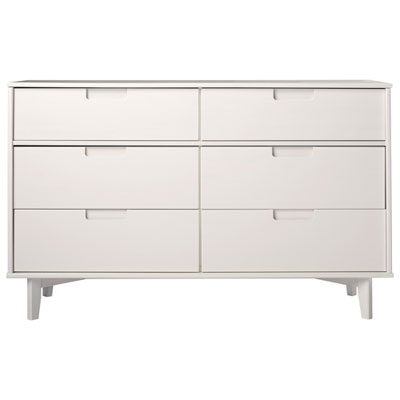 Your price for this item is $569.99
-
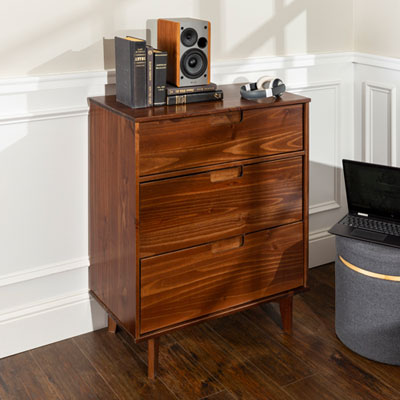 Your price for this item is $364.99
-
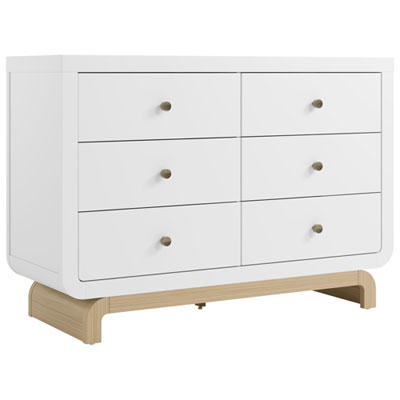 Your price for this item is $899.99
-
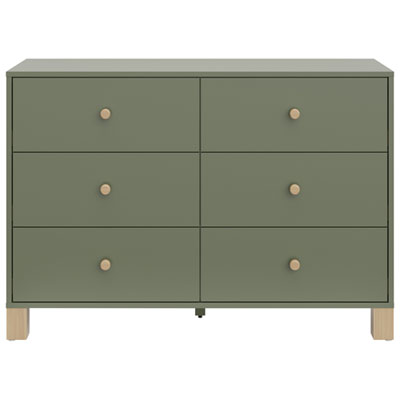 Your price for this item is $699.99
-
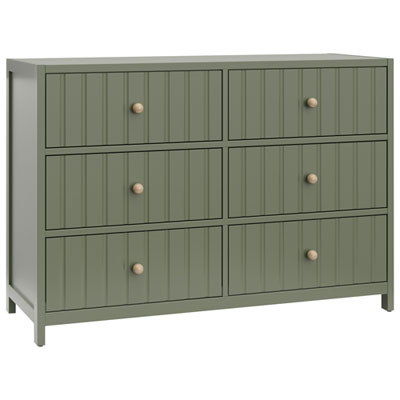 Your price for this item is $699.99
-
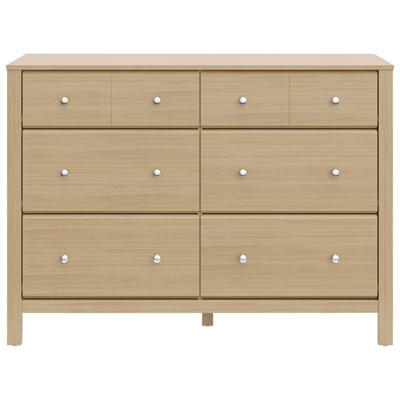 Your price for this item is $399.99
-
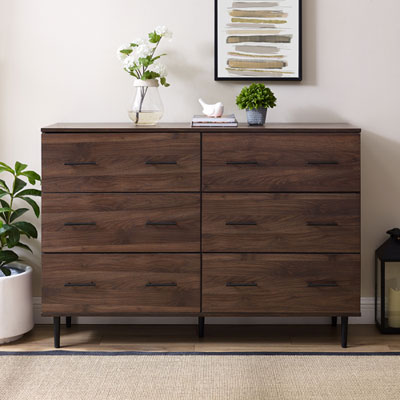 Your price for this item is $886.99
-
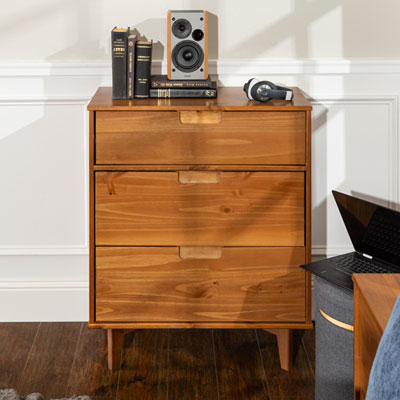 Your price for this item is $364.99
Discover more categories related to Bedroom Storage Chests
Top Collections:
Pokemon Centers, Best Cameras for Sports Photography, Kindle Devices, Samsung Galaxy Phones, Canon G7X Cameras, Pokémon 30th Celebration Cards, Refurbished Apple Laptops, iPhone 15 Apple, Laptops for Students, Budget Smartphones
Some products may be subject to Environmental Handling Fees
(EHF) depending on your province.
Learn more about EHFs.