Dark Brown End Tables
A dark brown end table is a great way to add a touch of style to your living room or den. The color is rich and warm, and it pairs well with many different colors and styles of furniture. If you're looking for a classic and elegant end table to complement your home decor, consider a dark brown end table.
Sort

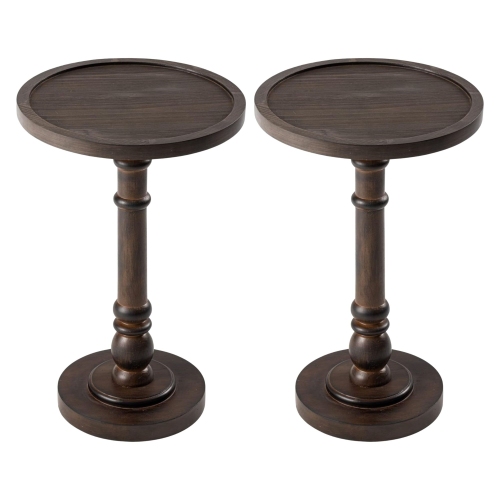

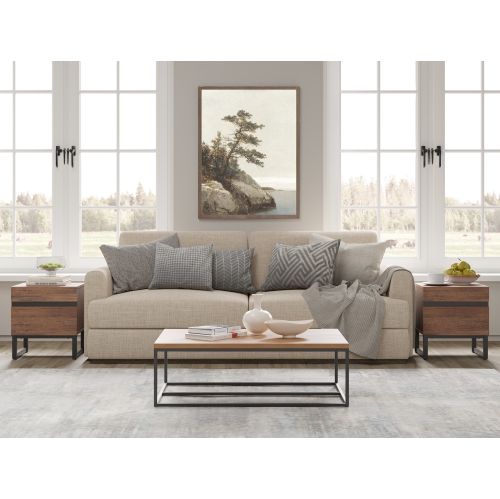

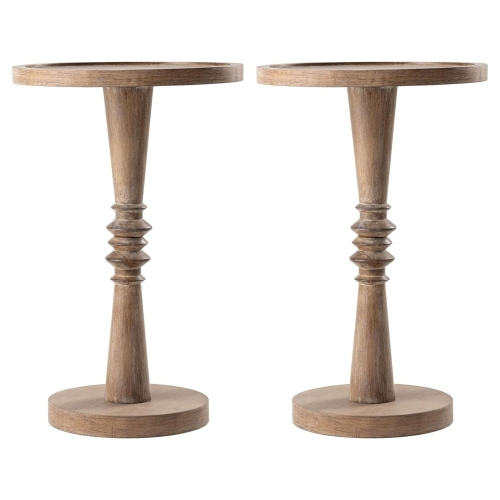
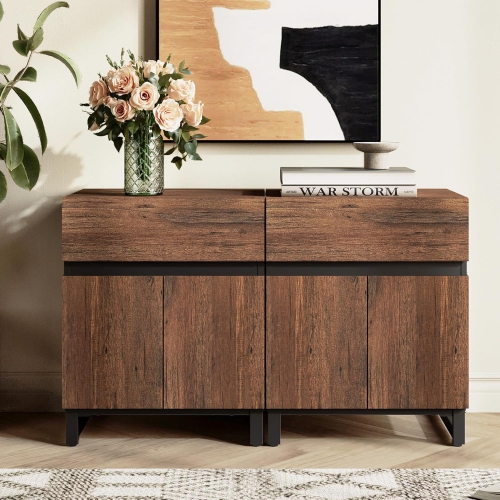
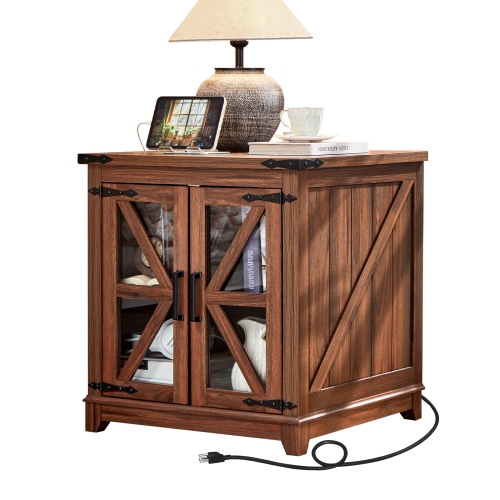


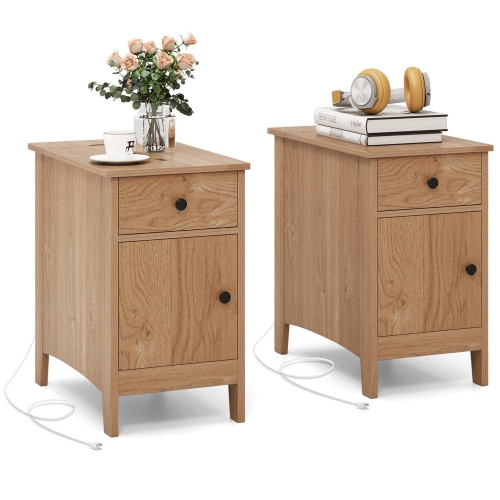
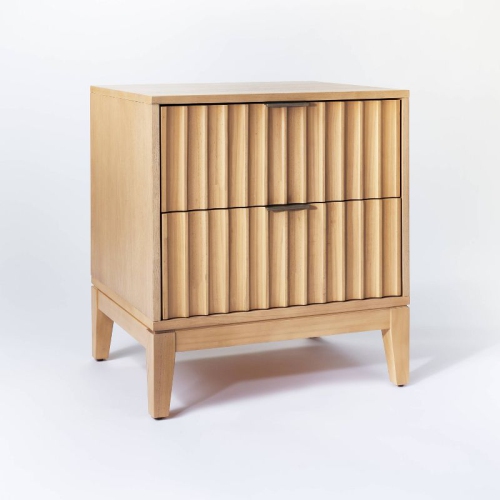


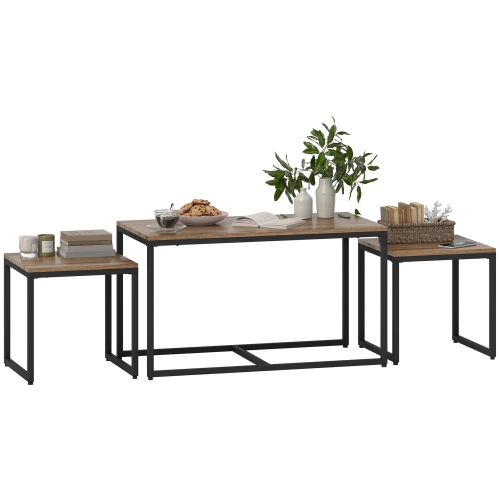












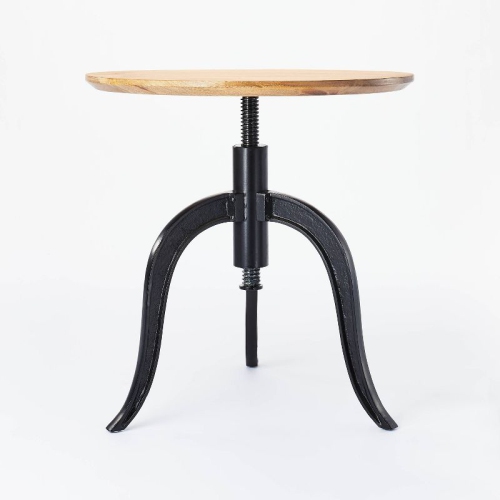


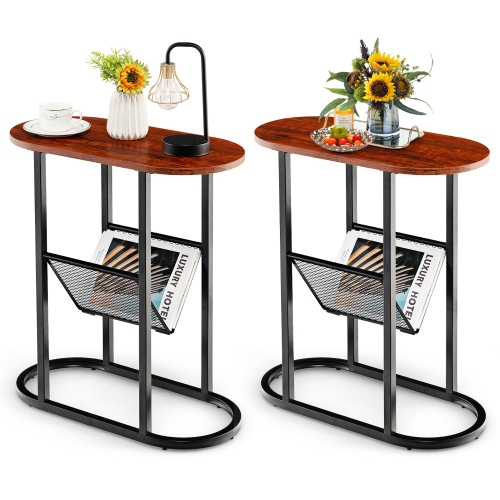


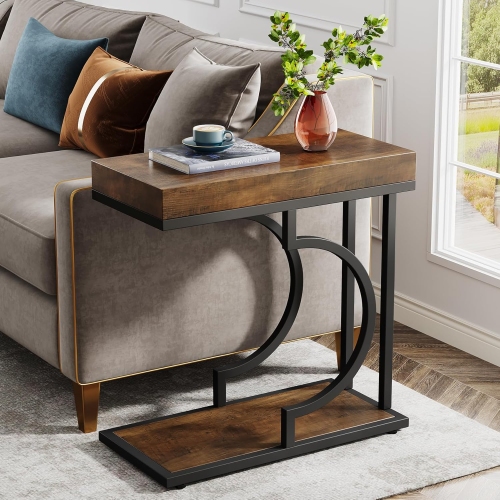
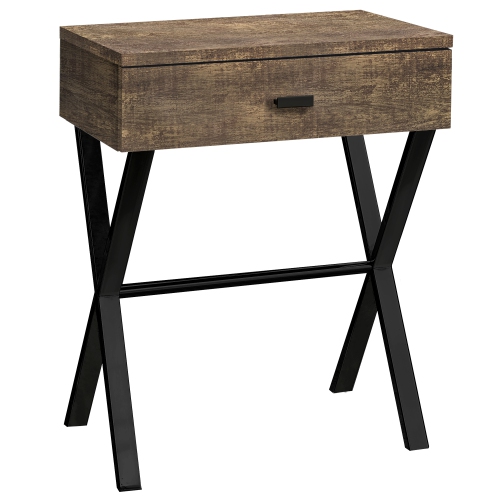


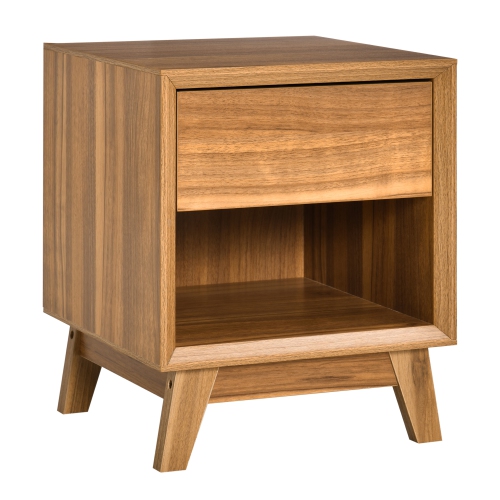
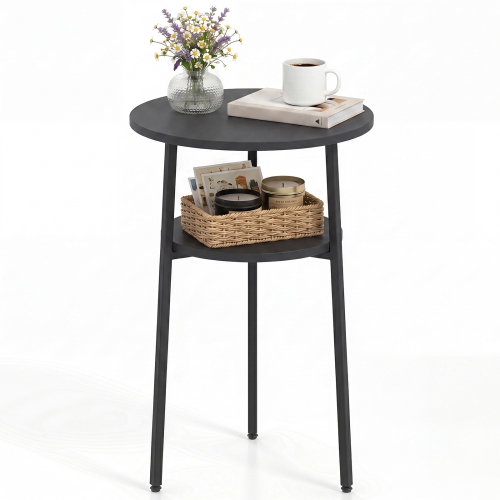

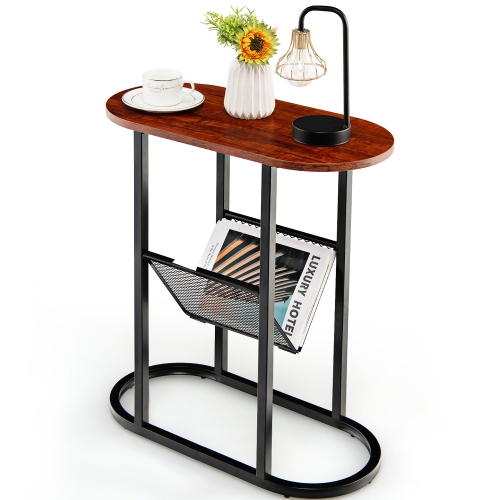


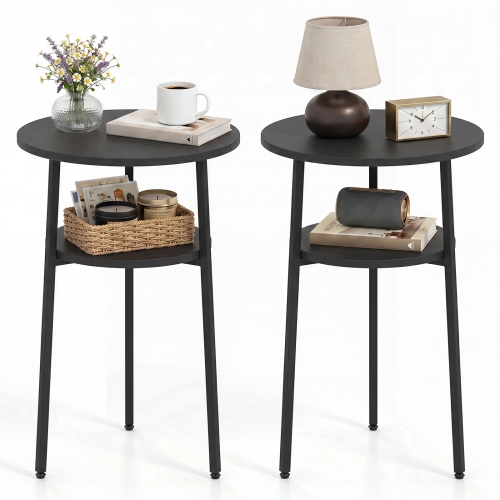
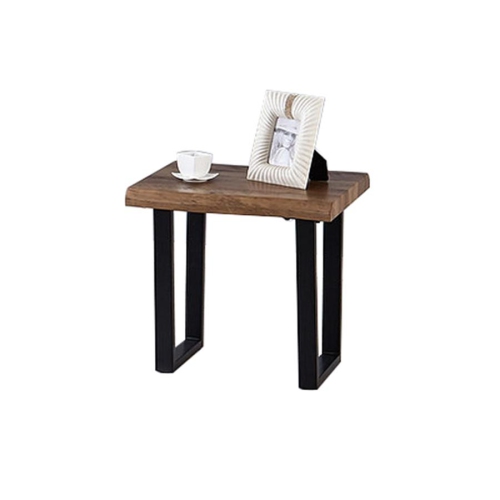


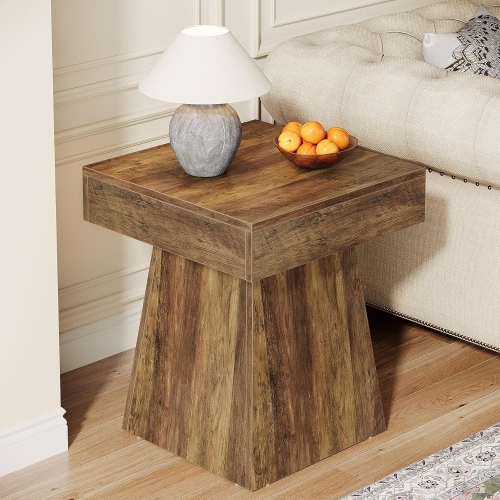


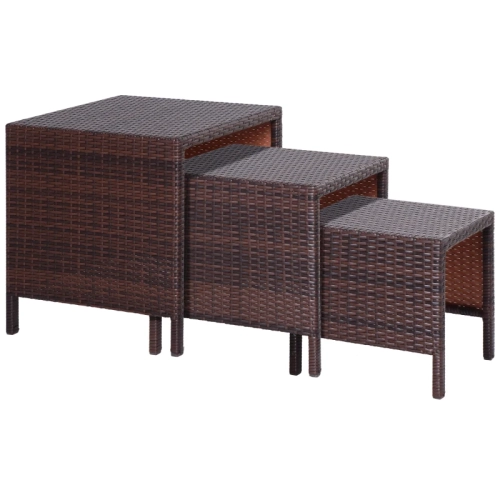


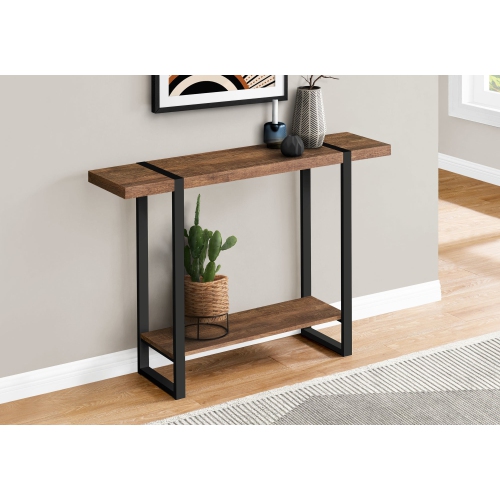

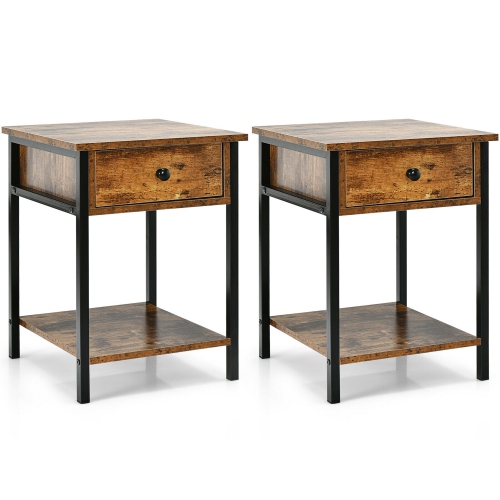
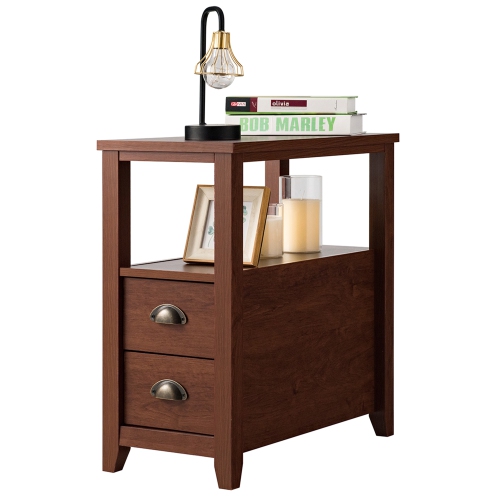
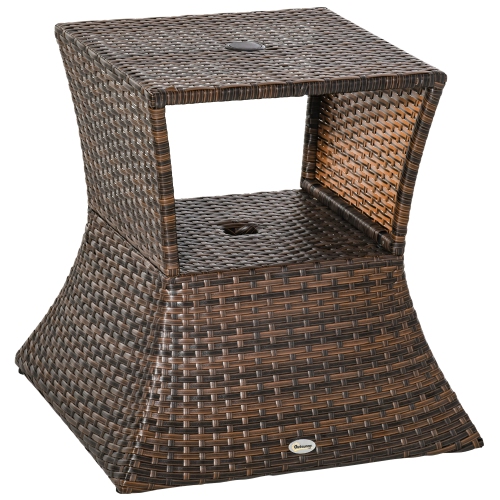
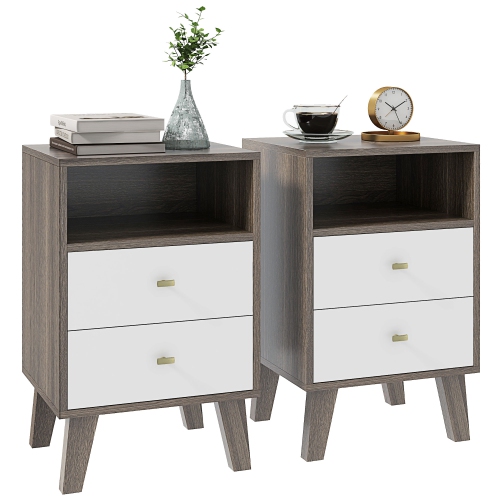
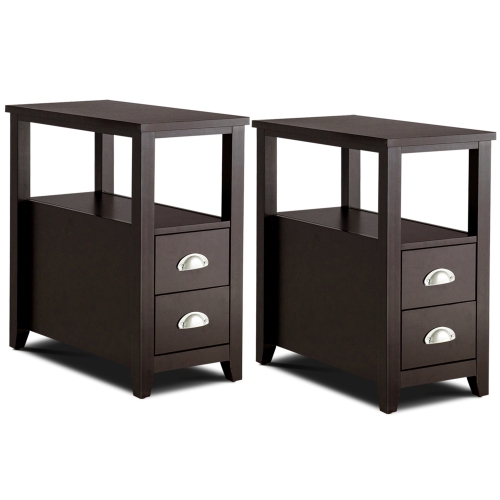

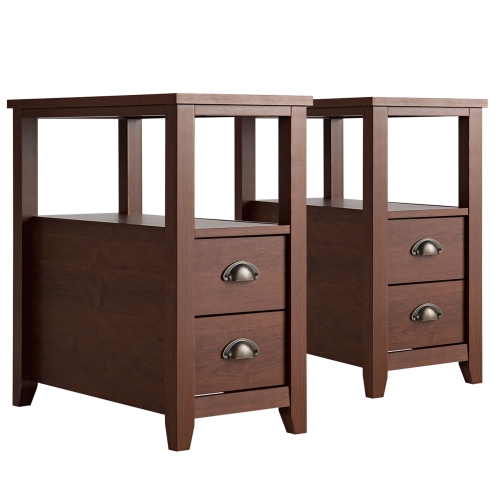

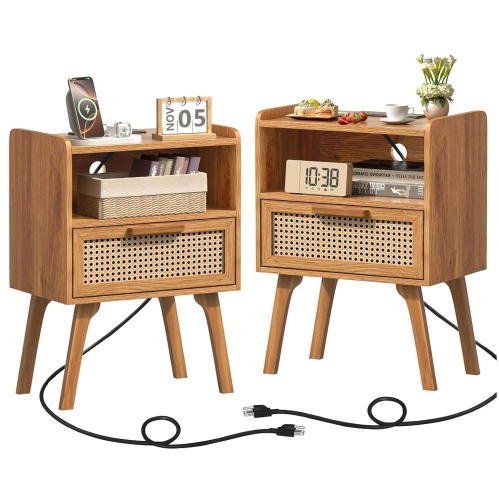


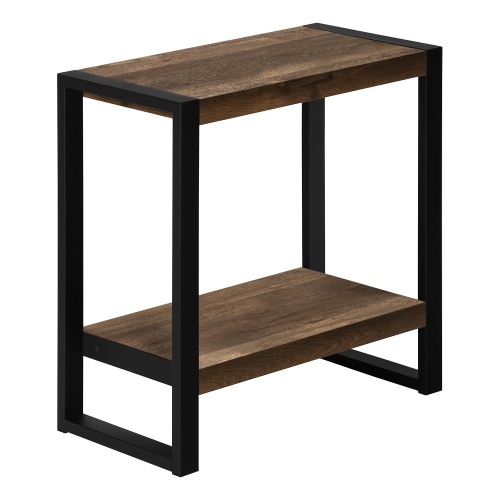


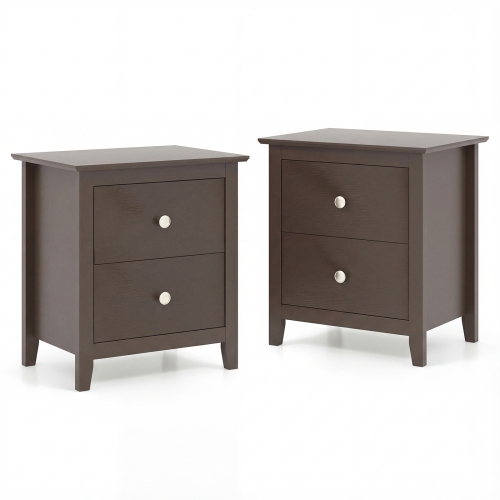


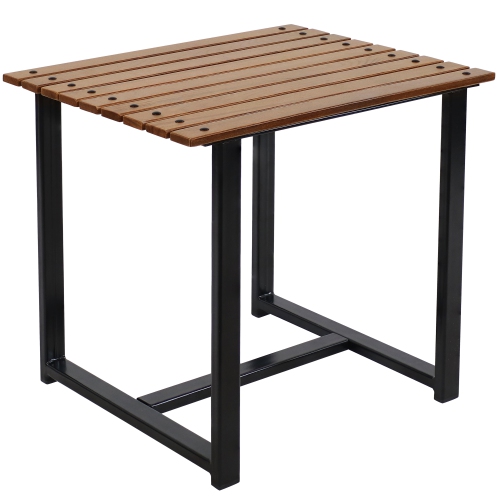


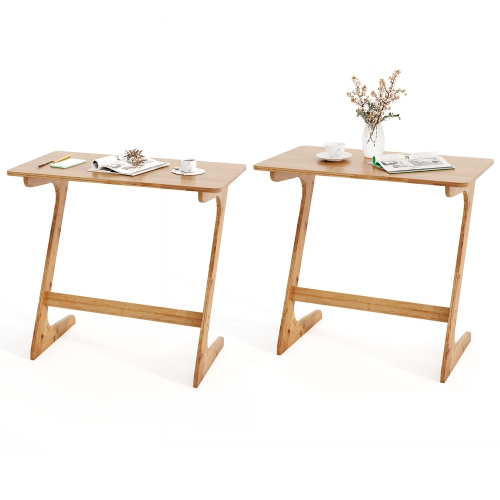


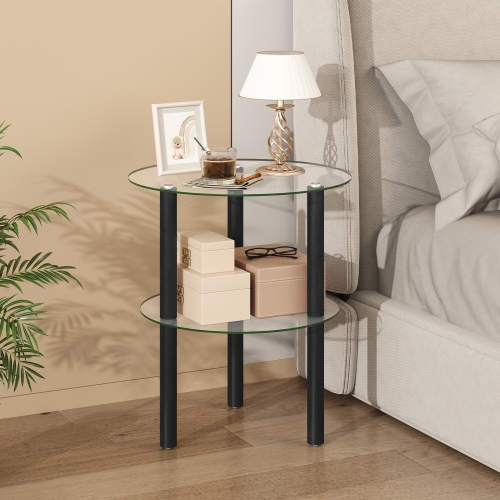
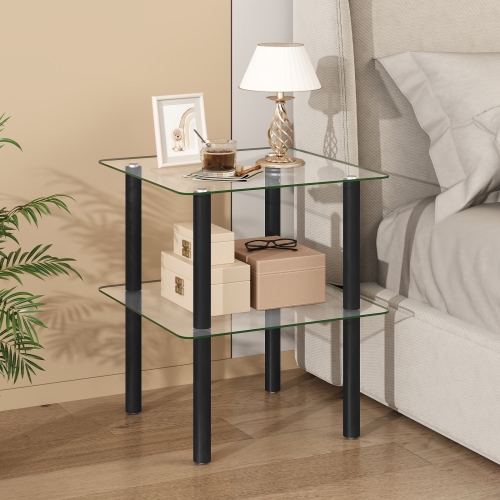
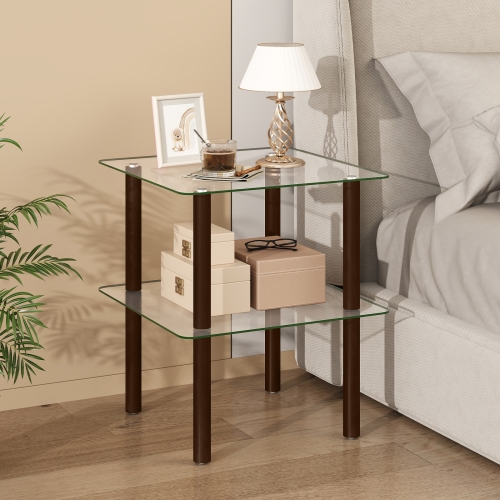
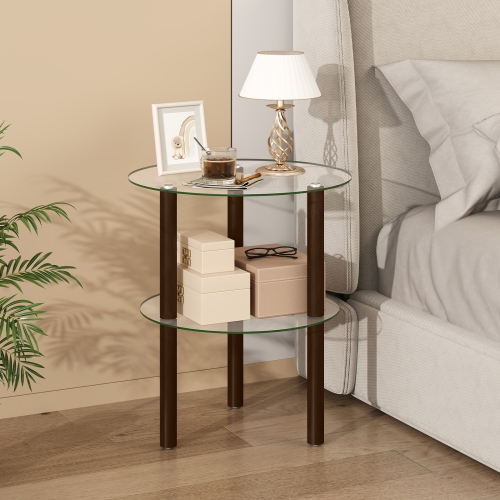

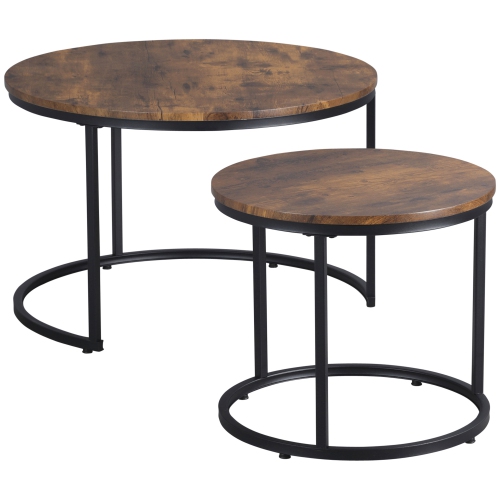



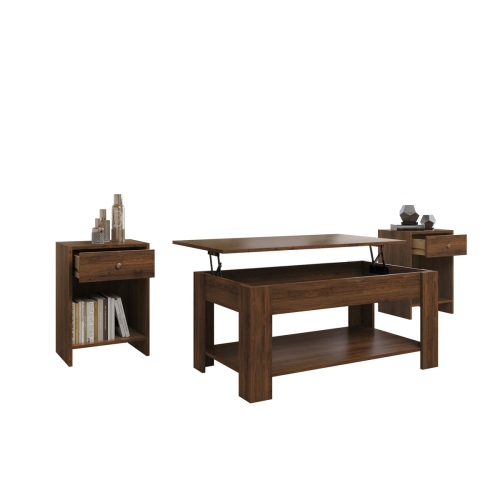


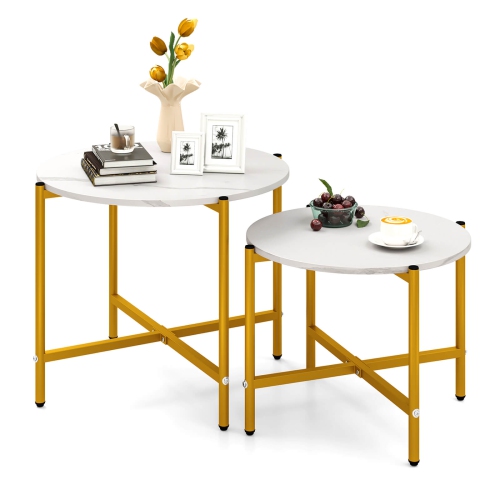

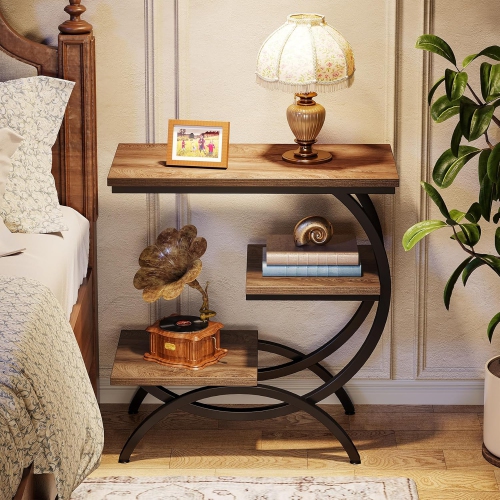


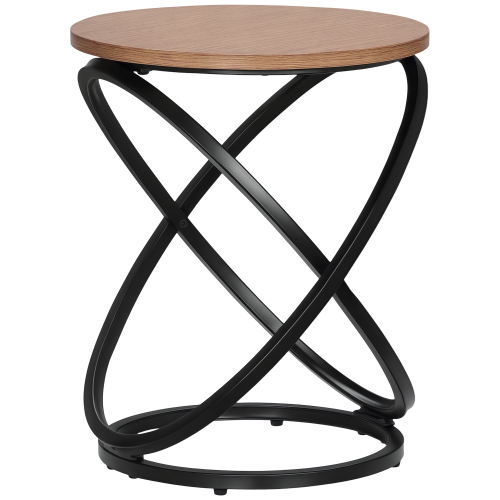
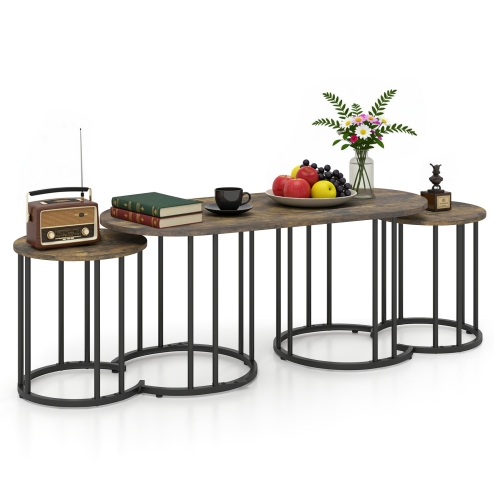
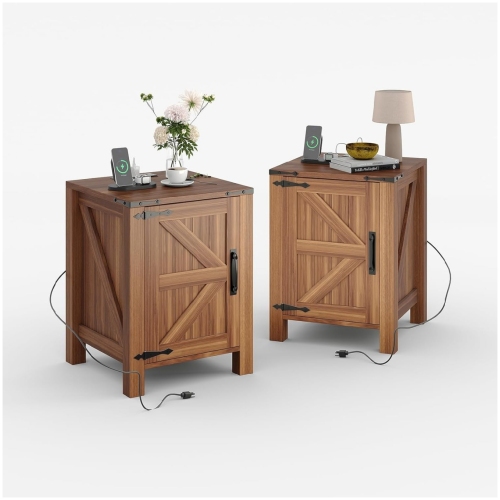


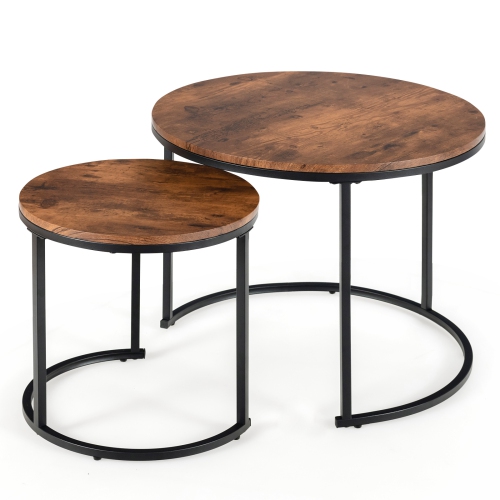
Deep brown finishes that tie your seating area together
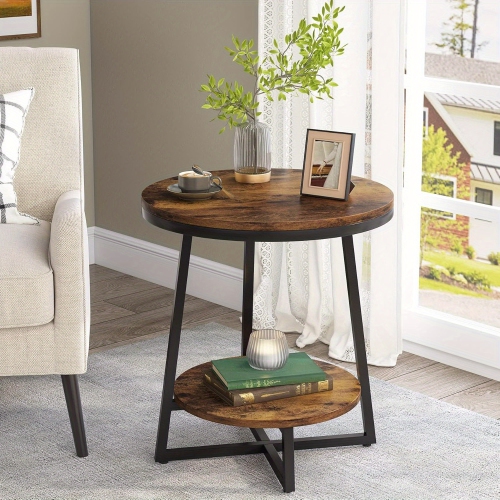
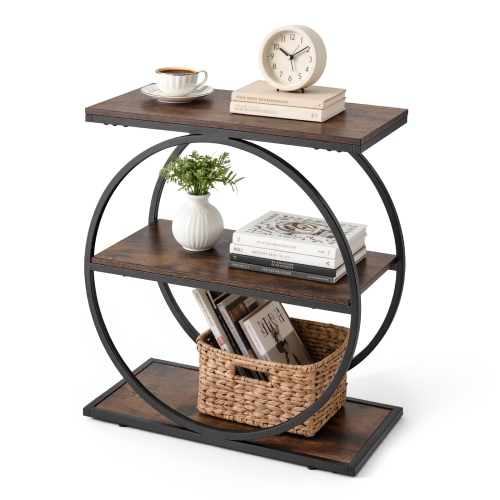
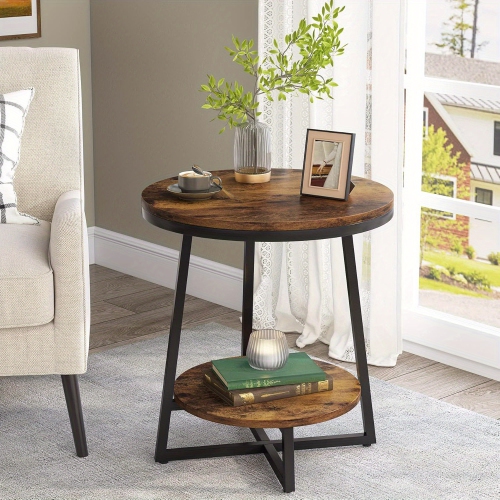
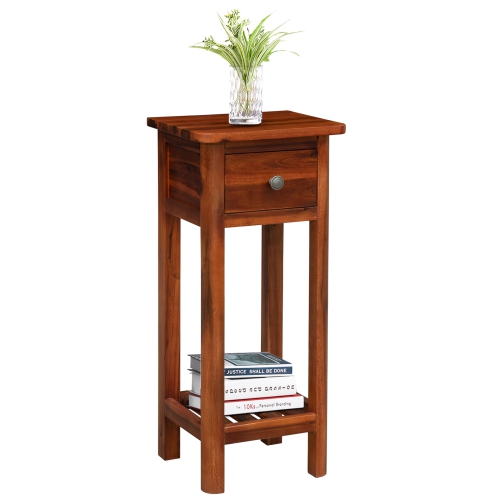
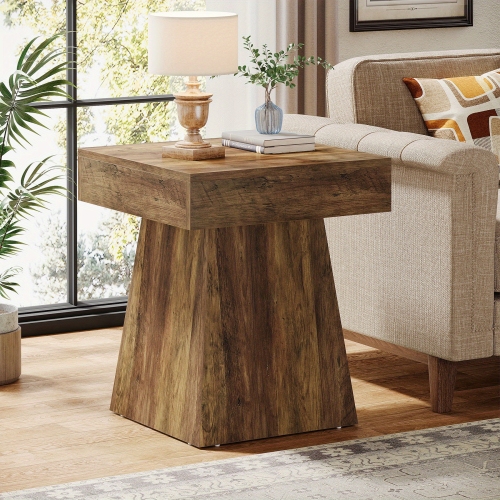
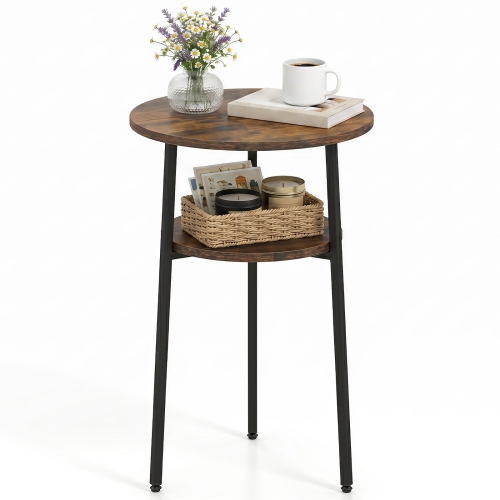
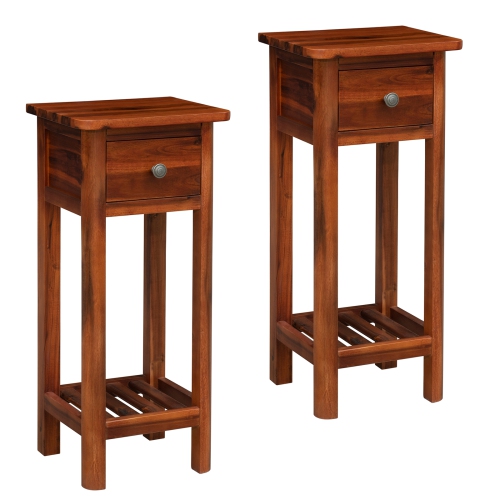
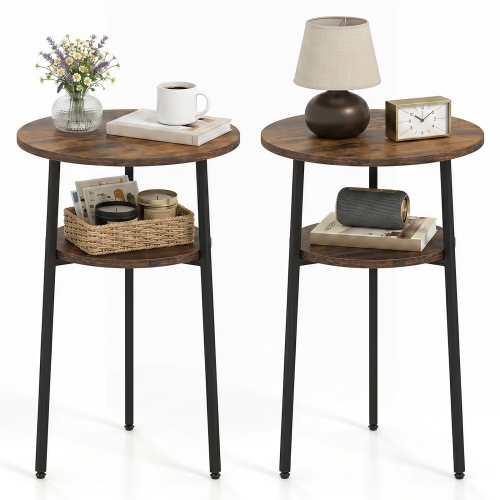
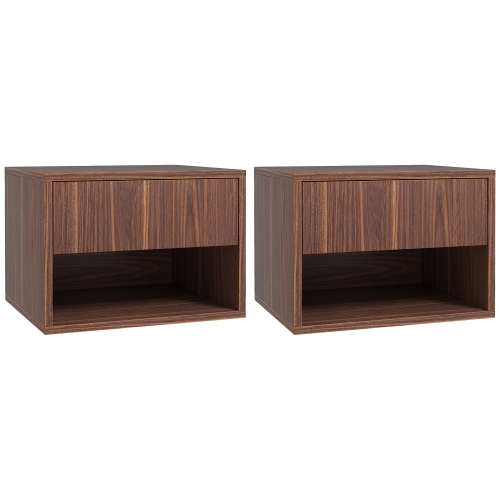
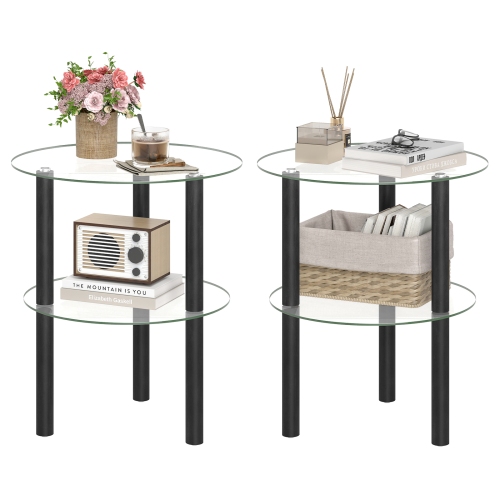
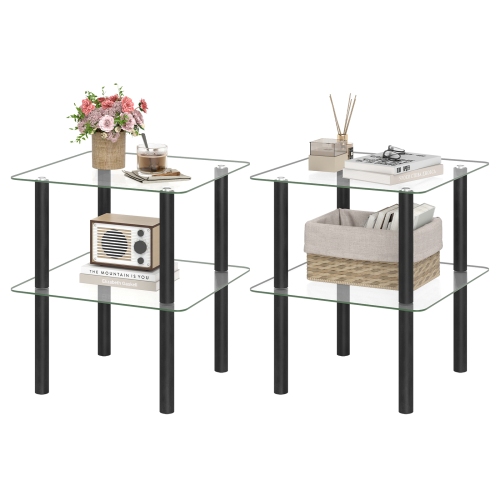
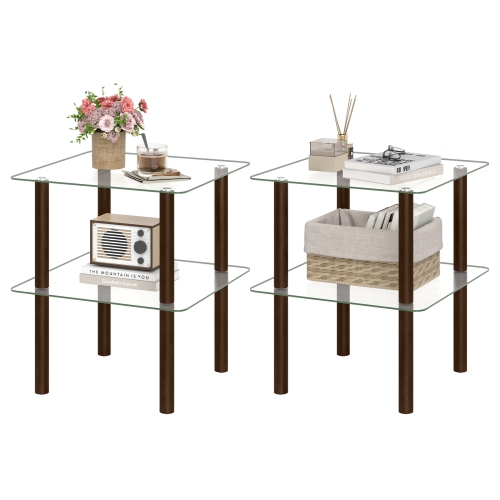
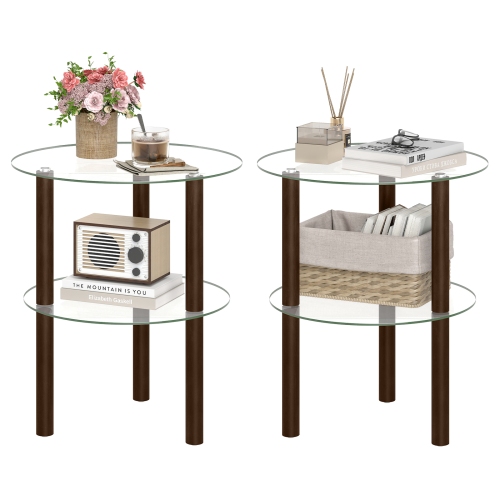
Dark brown end tables bring a rich, grounding colour to a seating area while keeping everyday essentials within comfortable reach. Beside a pale linen sofa, a deep brown finish adds definition; alongside leather upholstery or patterned fabric, it can tie together warm tones without drawing attention away from the rest of the room. The category includes finishes that range from chocolate brown with visible grain to deep espresso with a more uniform appearance. Those differences matter when pairing a table with existing furniture: a reddish brown can pick up the warmth of a rug, while a cooler brown may sit more comfortably beside grey upholstery and black metal accents. For a deeper finish that sits closer to black, Black Brown End Tables offer a related colour direction. Dark brown does not have to mean traditional. Tapered legs and restrained hardware suit mid-century-inspired rooms, straight metal frames lend an industrial feel, and panelled drawers or turned legs work with more classic furnishings. Fluted sides introduce texture, while a smooth drum shape creates a substantial accent beside a softly upholstered chair. Matching end tables can give a sofa a balanced appearance, but a pair does not need to be identical to feel connected. Similar heights, compatible undertones, or repeated hardware finishes can link different shapes across a room. A round table beside one armchair and a rectangular storage table beside a sofa can serve different needs while sharing the same dark brown palette. These tables are useful beyond a main living room, too. A compact design can hold a reading light in a study, provide a landing spot beside a guest bed, or keep glasses and a book close to a favourite chair. Their appeal lies in that combination of a modest footprint, a practical surface, and a finish that works with many furniture styles.
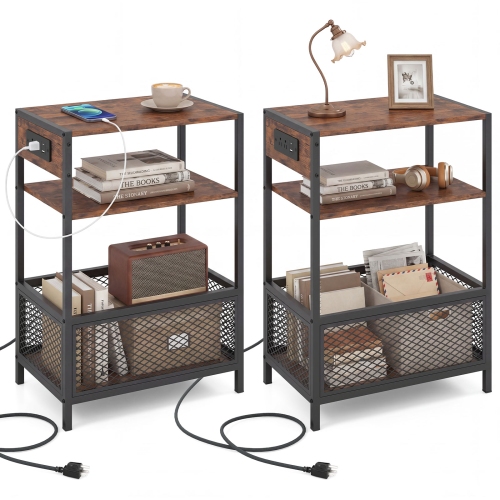
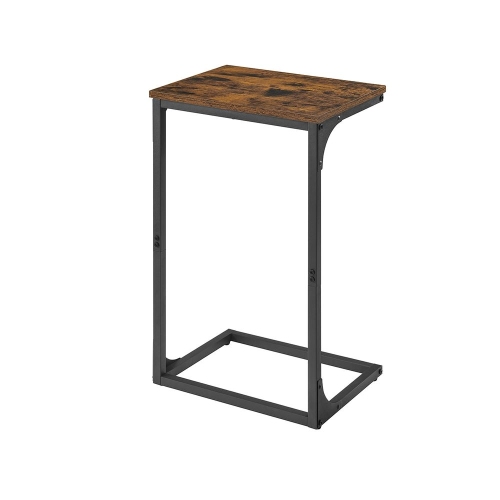
Size and shape have as much influence on everyday comfort as colour. An end table is generally easiest to use when its top is roughly level with, or slightly below, the arm of the seat beside it. A low surface next to a tall sofa arm can make setting down a mug awkward, while a much taller table may feel intrusive. For armless seating, the most useful height depends on the seat height and how naturally someone can reach the tabletop while sitting. Width and depth need to account for more than the gap beside the furniture. A drawer needs room to open, a cabinet door needs clearance, and a reclining chair needs space through its full movement. Keeping the table out of the main walking route is especially important in compact living rooms and shared spaces. Round and oval tops soften the outline of boxy seating and remove projecting corners, although the base still determines how much floor space the table occupies. Square tops fit neatly beside substantial sofa arms, while narrow rectangular tables make better use of a long, slim gap. C-shaped designs can bring a surface closer to the seat, provided the base fits beneath the furniture and the tabletop clears the cushion or arm. Nesting tables offer extra surfaces that can be separated when needed, with the smaller table tucked away afterwards. Storage should suit what actually gathers beside the seat. A shallow drawer can contain remotes, charging cables, and reading glasses; an open shelf keeps books easy to find; and an enclosed compartment conceals bulkier belongings. A lamp, coaster, and book take up more tabletop space than their individual sizes might suggest, so leaving a little clear surface makes the table more pleasant to use. Designs with integrated power or USB ports can be practical beside frequently used seating, but port type, output, cord length, and access to a wall outlet all affect their usefulness. Cables should run clear of walkways and moving furniture parts rather than trailing across the floor.
Materials and construction determine how a dark brown end table feels, wears, and responds to care. Solid wood offers natural grain variation, so two surfaces with the same stain may not look identical. Depending on the finish and construction, some solid wood surfaces can be refinished, though that should not be assumed for every table. Wood veneer places a thin layer of real wood over a supporting core, giving the surface natural grain with a different construction beneath it. Veneer requires care around edges and cannot tolerate the same sanding as a thick solid wood top. Engineered wood with a laminate or other applied finish can provide a consistent dark brown appearance, with resistance to scratches and moisture varying by the surface material and quality of the edge sealing. A wood-look finish describes appearance rather than wood species, and a walnut-coloured table is not necessarily made from walnut. Metal frames can create a lighter visual outline beneath a dark top, while broad wooden bases give a more substantial appearance. Neither material alone guarantees stability: secure joints, suitable hardware, balanced proportions, and correct assembly all matter. Weight limits apply to the tabletop and shelves separately when specified, and an end table is not a seat or step. For homes with children or pets, rounded edges, a stable base, and securely positioned lamps deserve particular attention. Routine care usually starts with a soft cloth and prompt attention to spills, followed by the cleaning method specified for the finish. Coasters and protective pads help prevent drink rings and marks from rough lamp bases; pooled water and harsh cleaners can damage surfaces or seams. Deep brown finishes may make pale dust and fine scratches more noticeable, especially on smooth, glossy tops, while visible grain can make small signs of use less conspicuous. With proportions that suit the seating and storage that reflects daily habits, dark brown end tables become useful supporting pieces rather than surfaces that simply fill an empty corner.
Top selling and popular products
-
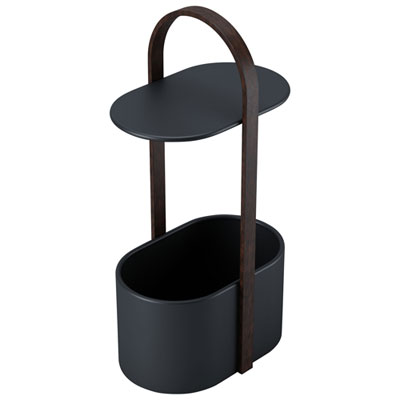 Your price for this item is $93.98
-
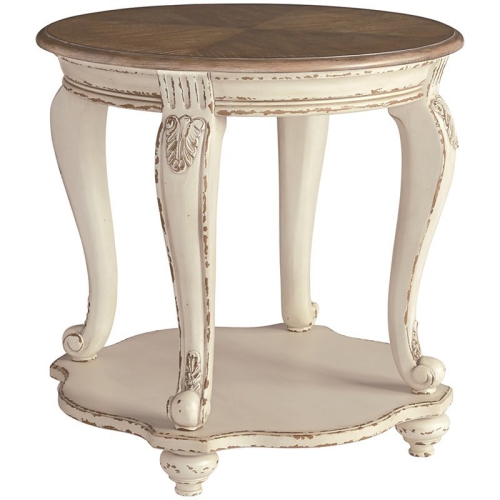 Your price for this item is $369
-
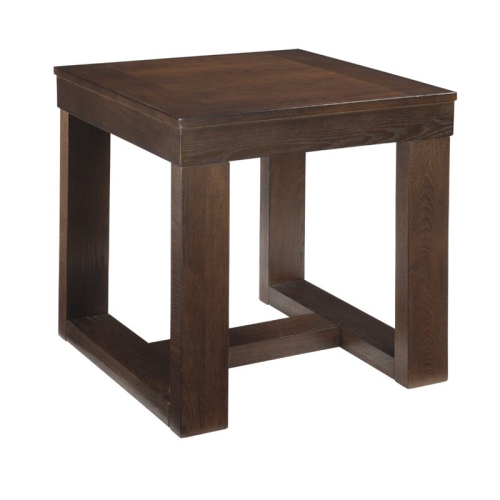 Your price for this item is $199
-
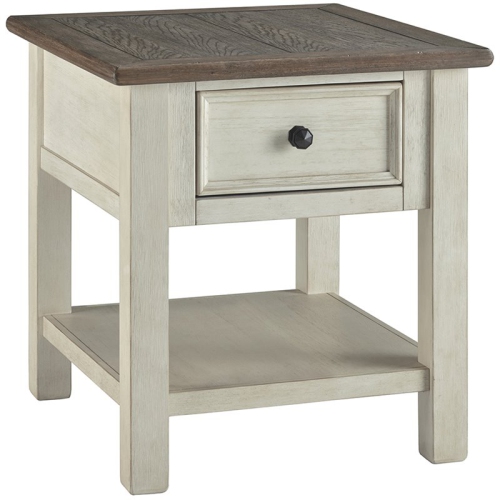 Your price for this item is $399
-
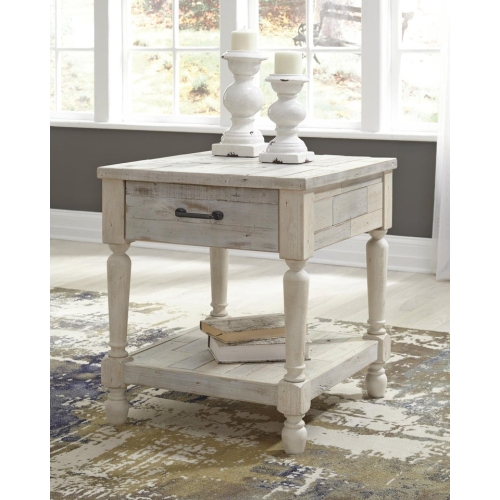 Your price for this item is $249
-
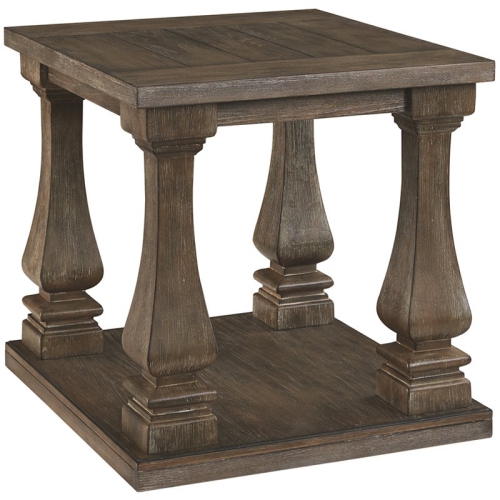 Your price for this item is $375
-
 Your price for this item is $452.99
-
 Your price for this item is $224.99
Discover more categories related to Dark Brown End Tables

Top Collections:
Pokemon Centers, Kindle Devices, Best Cameras for Sports Photography, Pokémon 30th Celebration Cards, Apple iPhones 16, Canon G7X Cameras, iPhone 15 Apple, Flip Phones, Samsung Galaxy Phones, Alarm Clock
Some products may be subject to Environmental Handling Fees
(EHF) depending on your province.
Learn more about EHFs.