Good Quality White Dressers
A white dresser is a great way to add a modern look to your bedroom. It can also be used as a place to store your clothes and other items, or as a way to display your favorite photos and artwork. Here are some of the best white dressers on the market today.
Sort
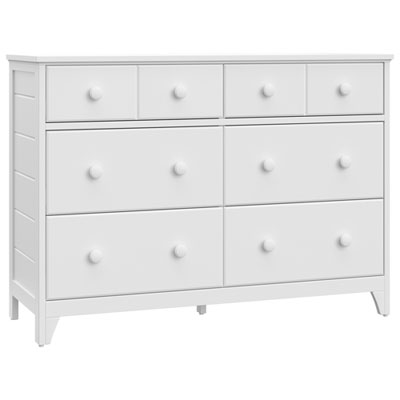
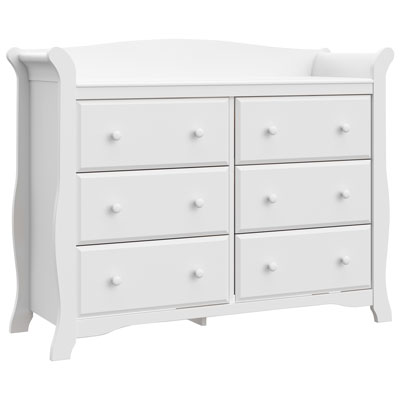
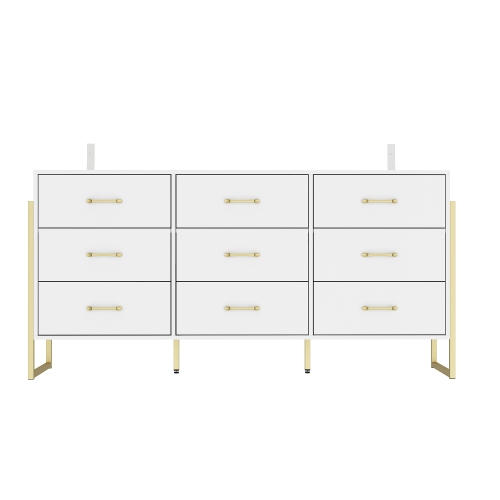
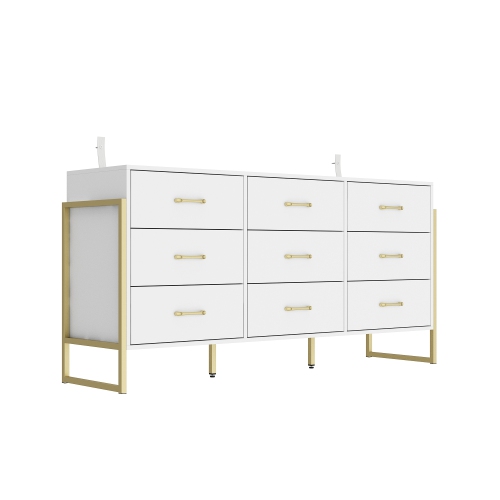





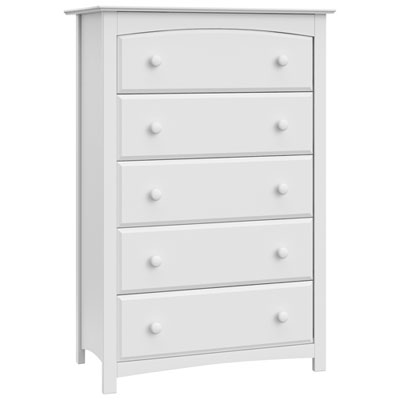
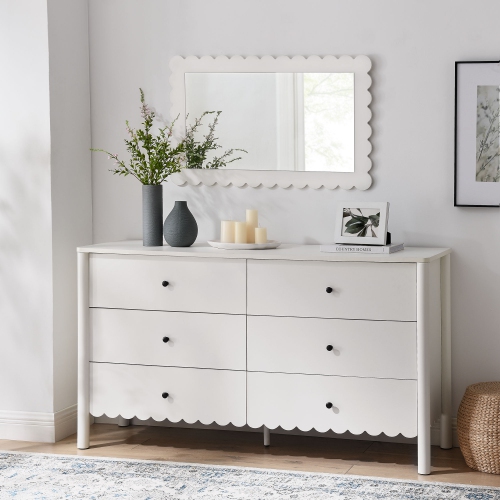
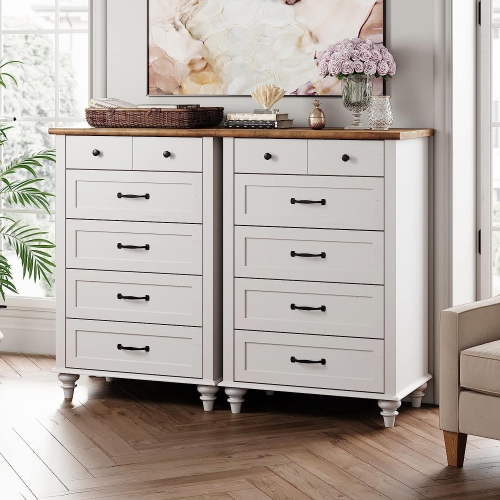
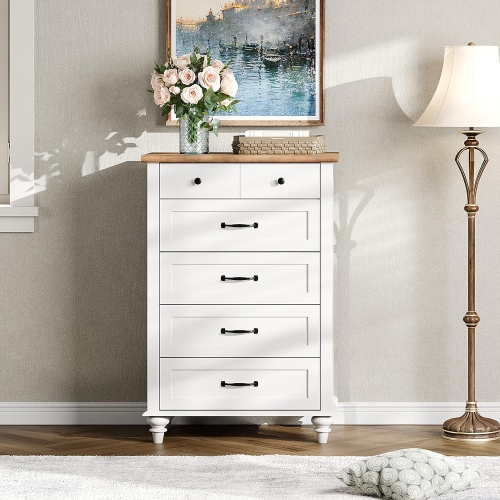
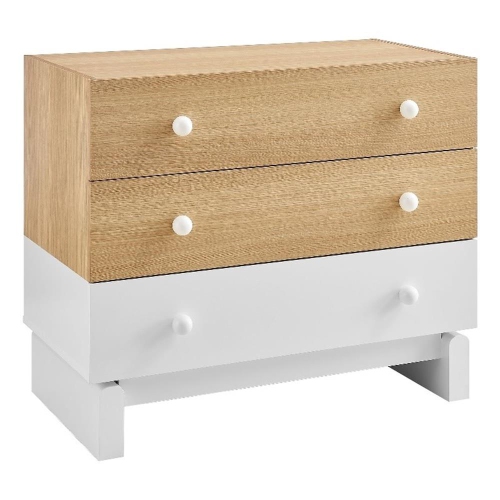
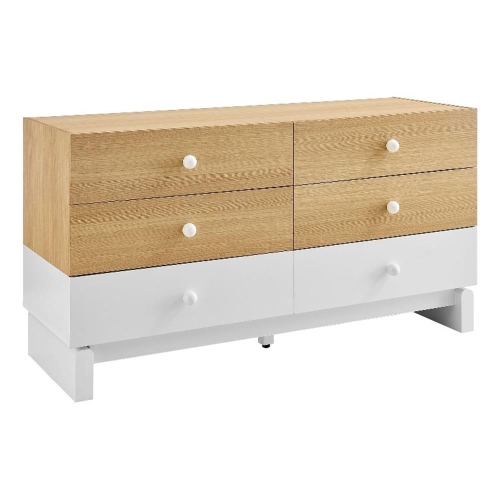
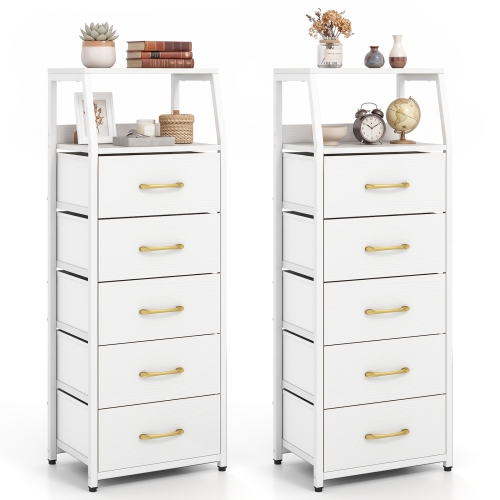
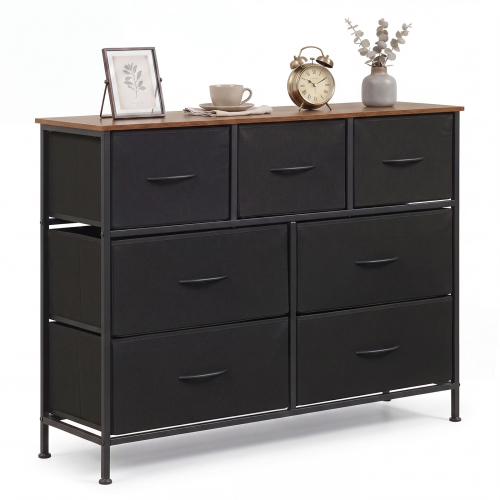
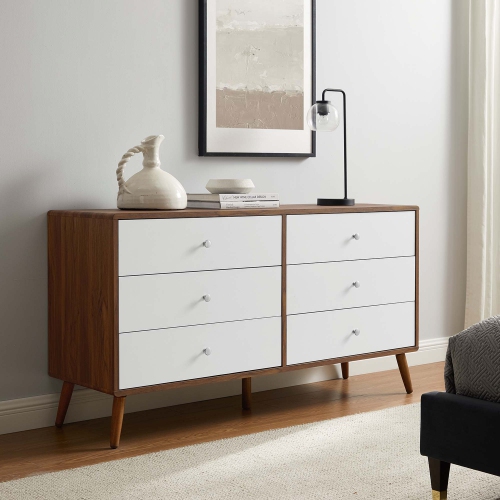

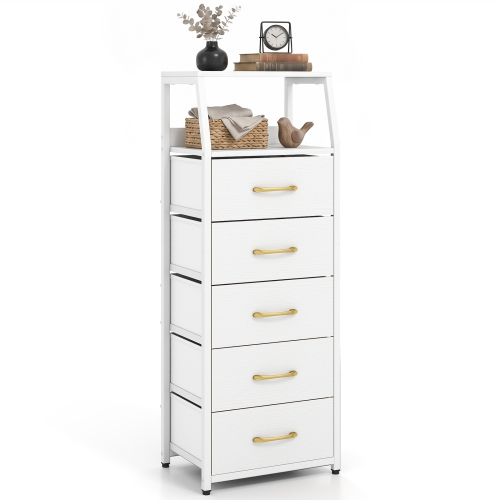
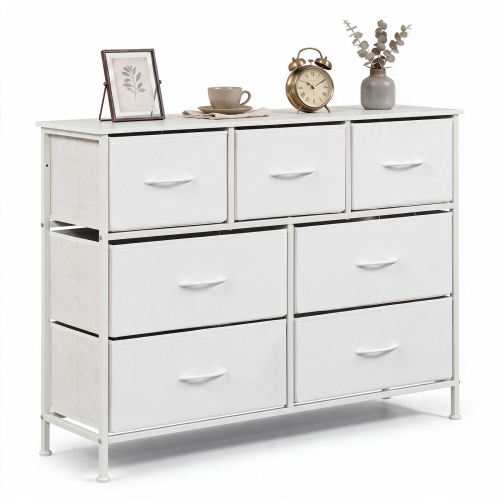
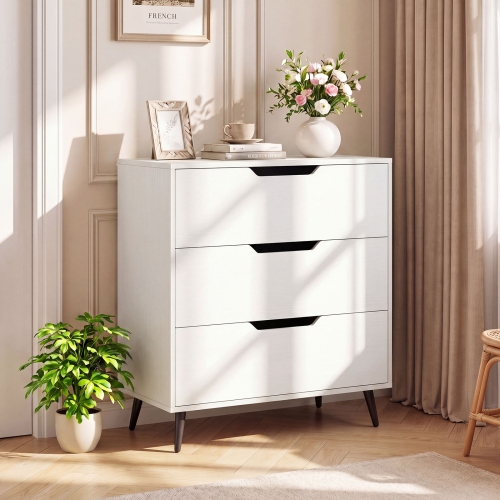
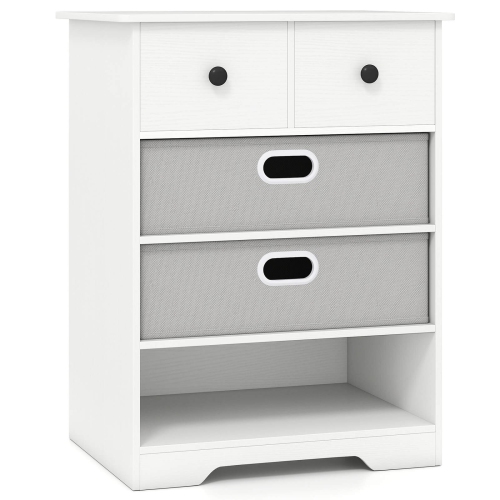
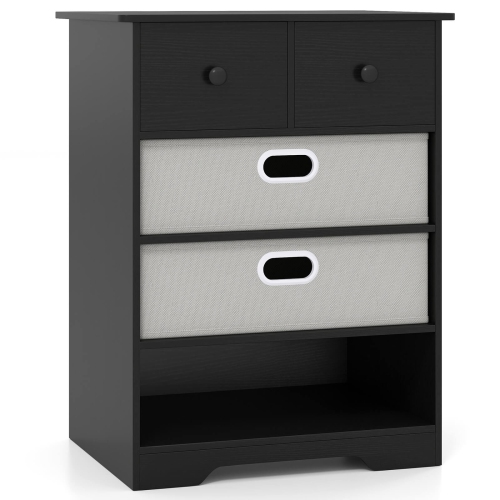
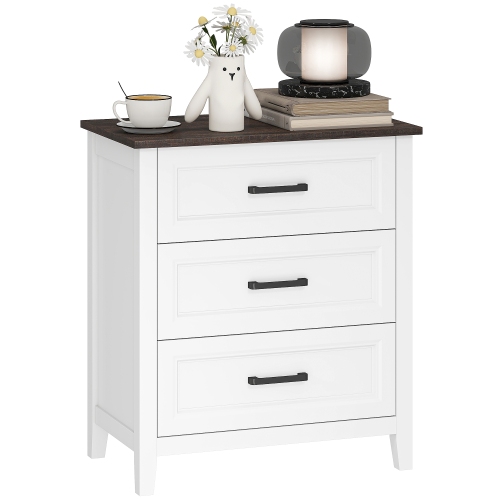
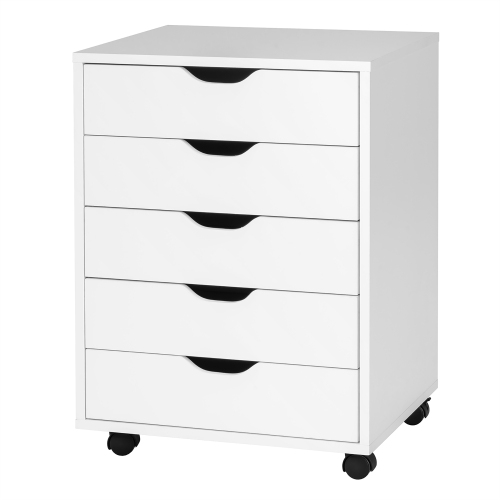
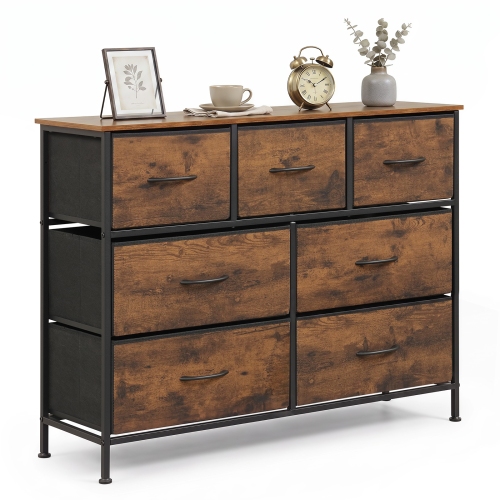

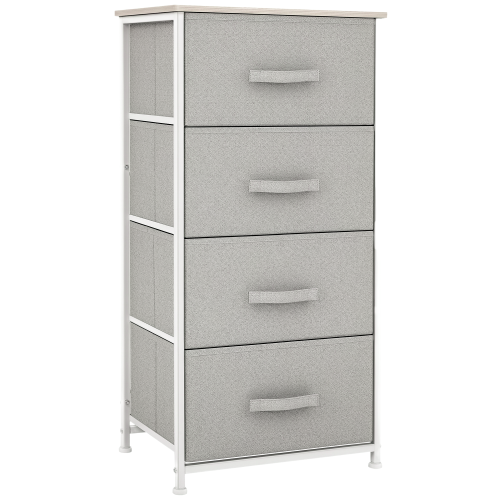
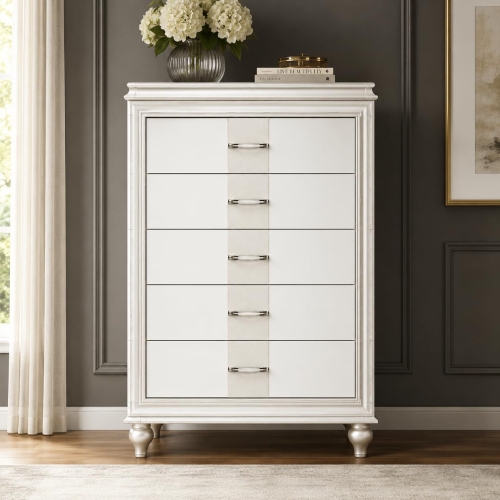
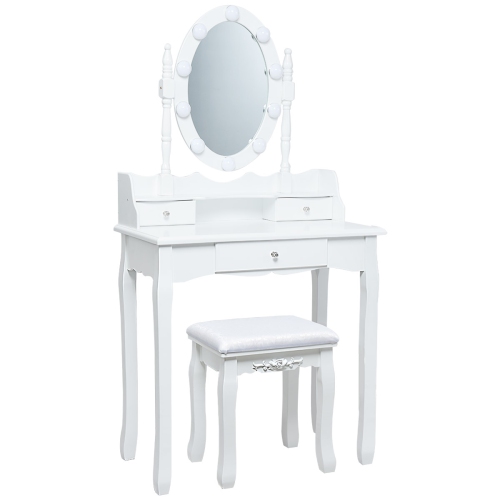

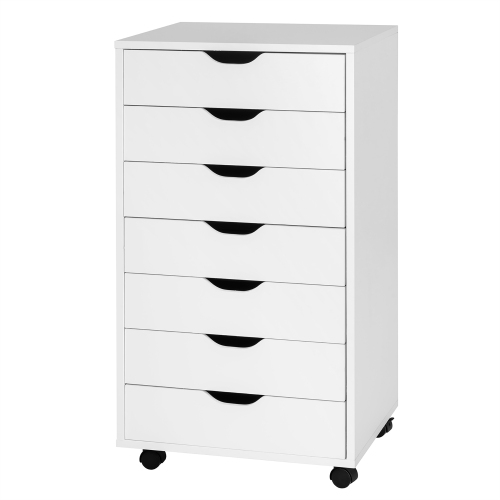
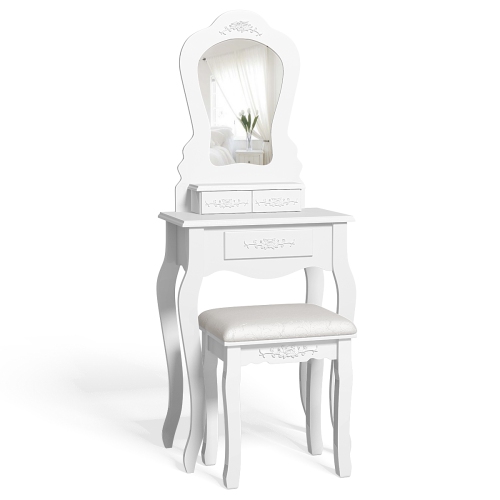

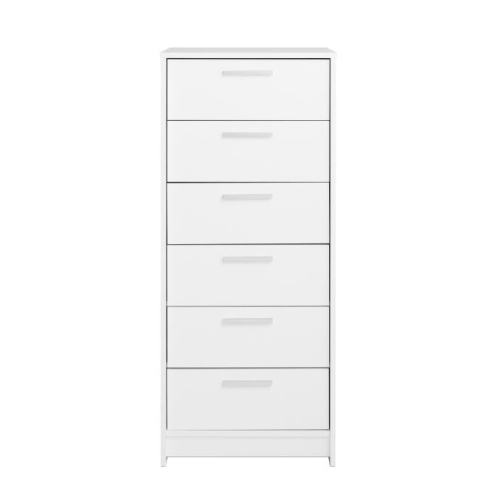
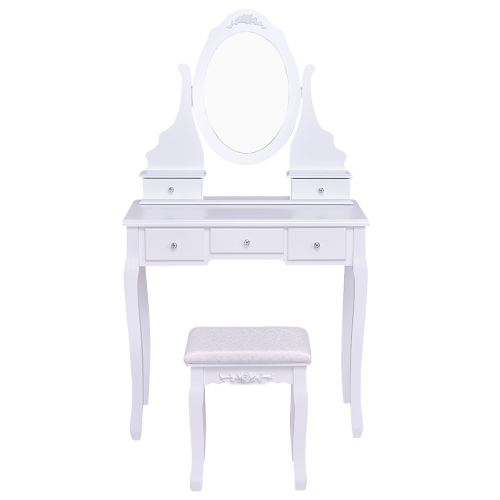
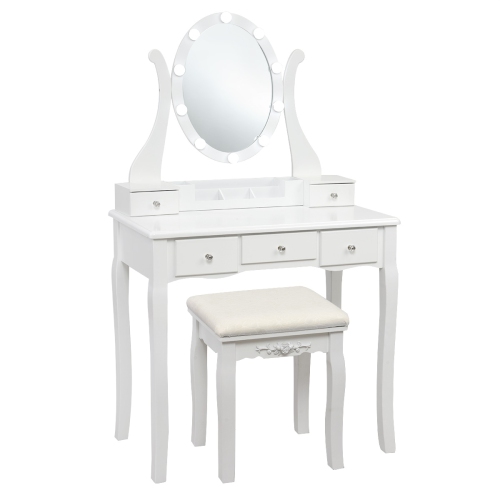
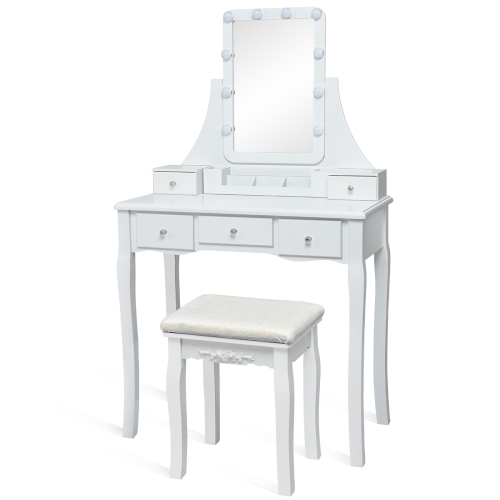
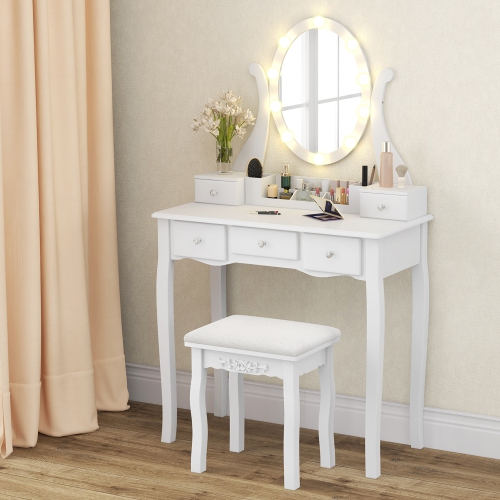
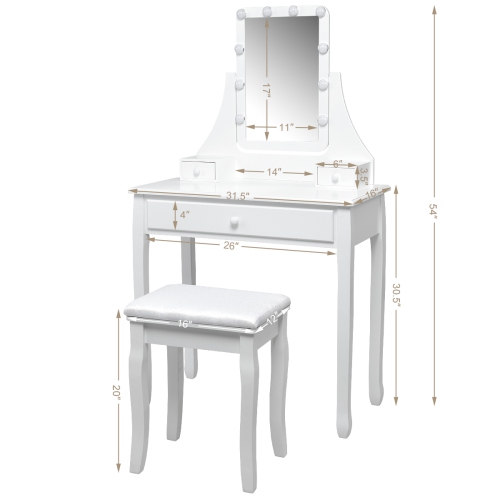
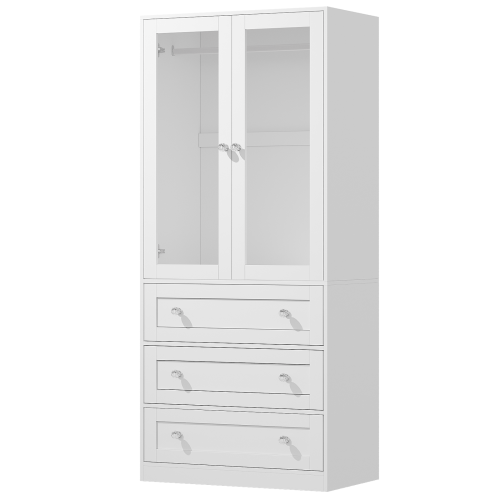
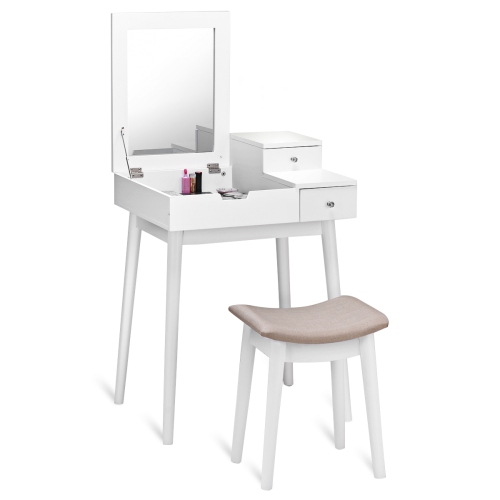
What matters beneath a dresser’s white finish
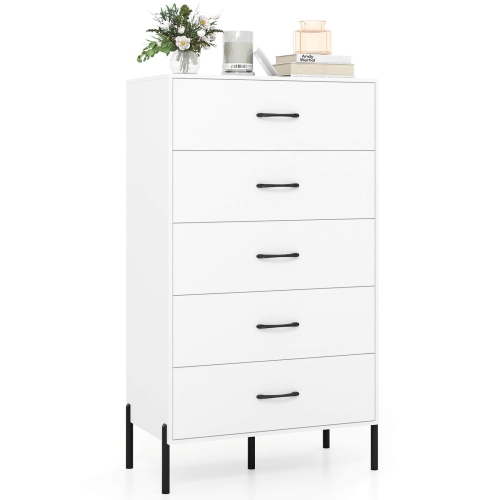
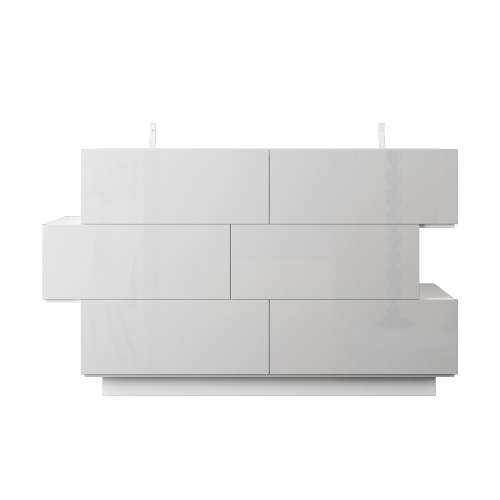
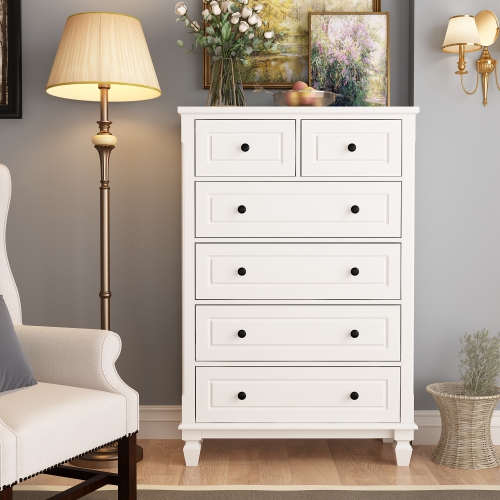
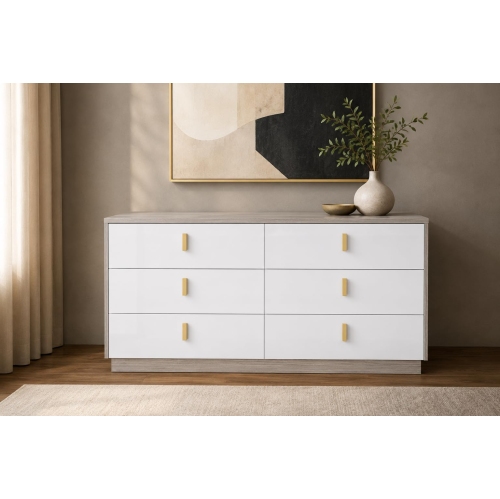
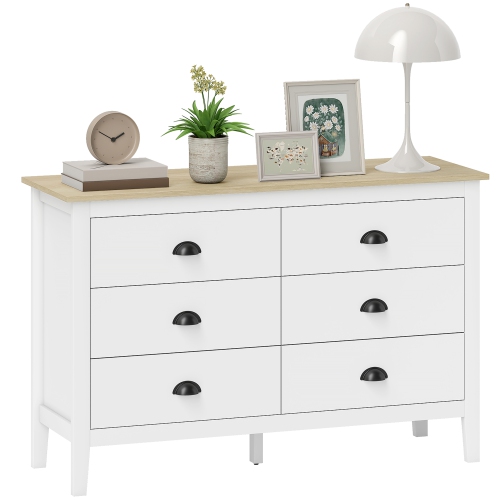
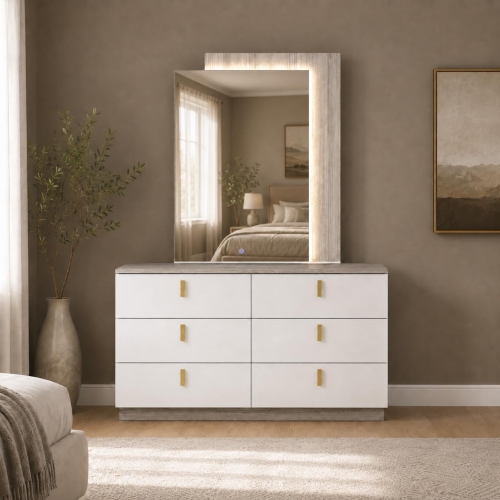
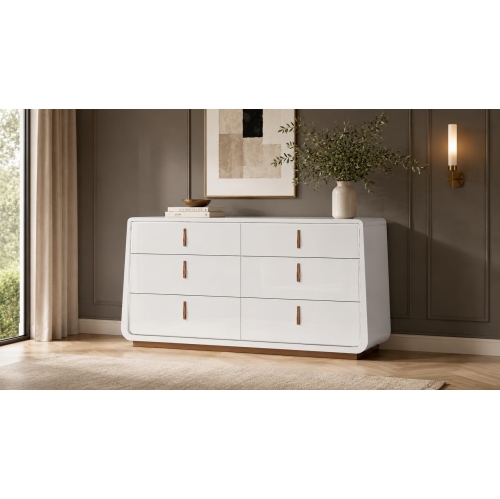
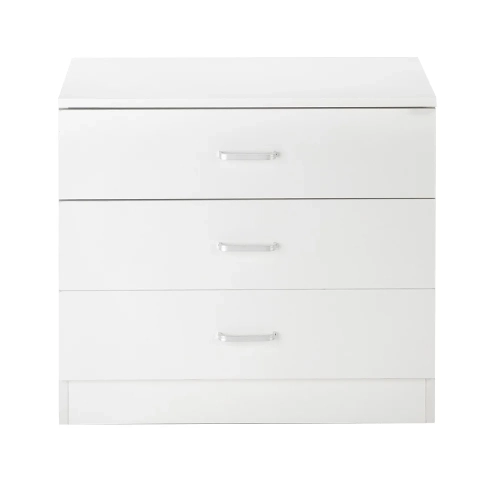
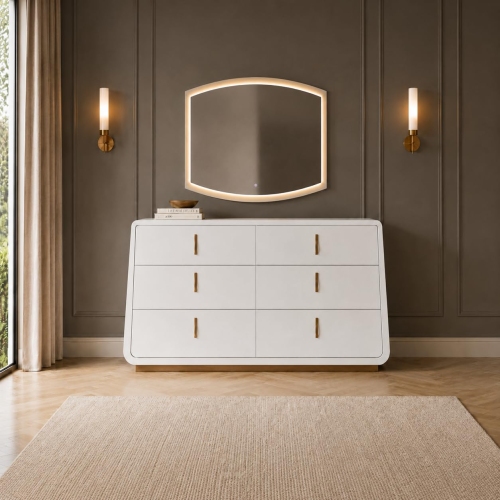
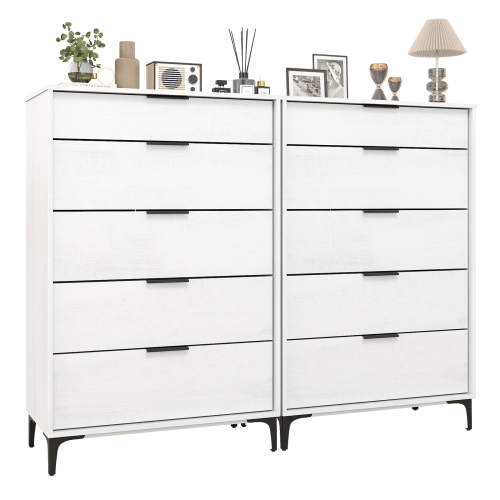
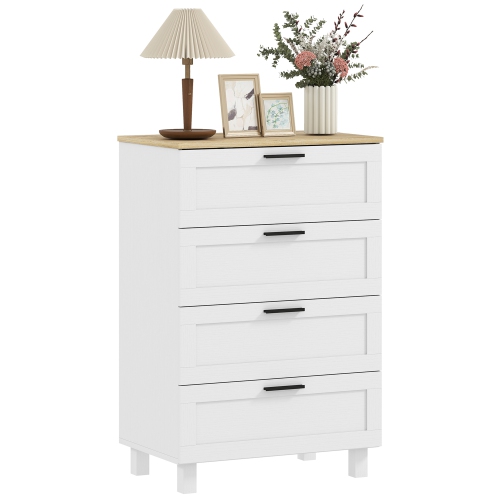
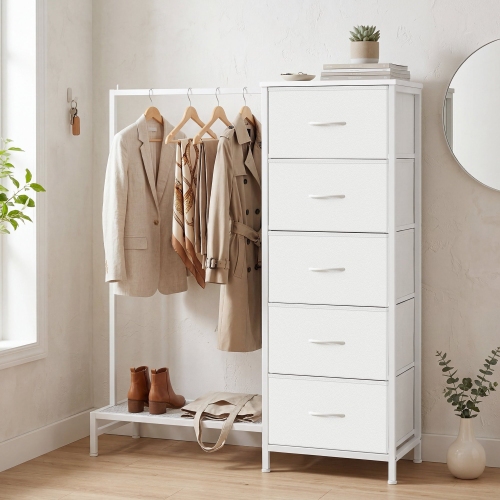
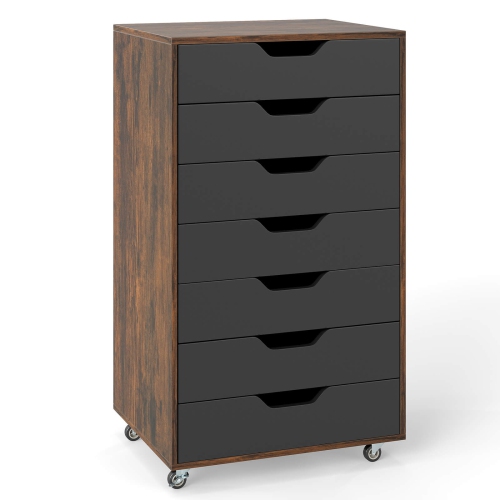
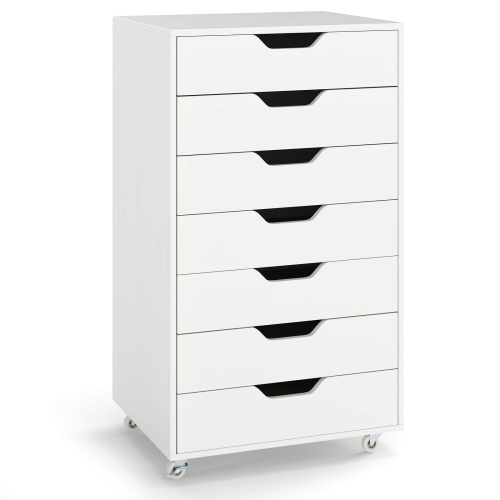
Good-quality white dressers combine sturdy construction, smoothly operating drawers, a durable finish, and proportions that suit the room and its storage needs. The white colour creates a consistent look, but the materials and details beneath the finish make the biggest difference to everyday use. Solid wood can provide strength and distinctive grain, while engineered wood can offer a smooth, uniform surface and dependable construction when supported by well-designed joints and appropriate hardware. Neither material alone guarantees quality: the thickness of the panels, the way the frame is assembled, and the support beneath the drawers all matter. A dresser holding stacks of denim has different demands placed on it than one used mainly for socks and lightweight sleepwear. Secure drawer bottoms, firmly attached handles, and runners suited to the stated drawer capacity help the furniture stand up to regular opening and closing. Dovetail joints, reinforced corners, and substantial drawer sides can be useful construction features, although a well-built dresser does not need every one of these details to perform reliably. Drawers should travel evenly without excessive side-to-side movement, and stops help prevent them from being pulled out unintentionally. Soft-close mechanisms can reduce slamming, but they are a convenience rather than proof of overall durability. The finish deserves similar attention. Even coverage along edges, around drawer fronts, and beside handles contributes to a polished appearance, while a surface suited to routine cleaning is practical in a busy bedroom. Painted, laminated, and other coated surfaces have different care requirements, so the material description matters as much as the photograph. White also varies from a crisp, bright shade to a warmer ivory tone. Those differences can become noticeable beside an existing white bed frame or wardrobe. A good-quality white dresser therefore balances appearance with construction that suits its intended contents, rather than relying on colour or decorative details alone. Clear assembly directions and complete fastening hardware also contribute to a secure result, particularly where drawer runners and frame alignment depend on accurate installation.
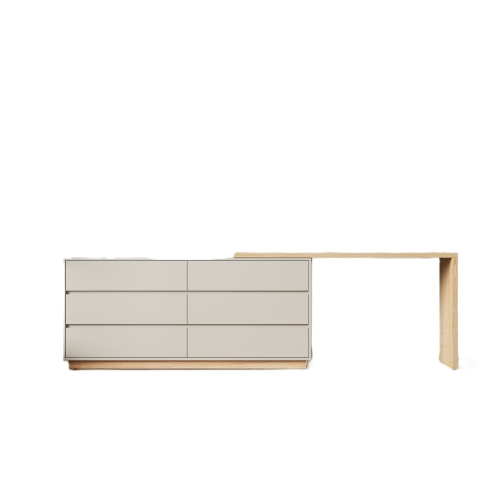
The right proportions make a white dresser feel useful rather than intrusive. A wide, low design can provide several drawers while leaving wall space above for artwork or a separately secured mirror. A tall, narrow chest uses less floor area, which can suit a smaller bedroom, although its upper drawers need to remain comfortably reachable. Overall measurements tell only part of the story: drawer interiors determine whether folded sweaters fit without being compressed and whether a row of T-shirts can sit upright for easy viewing. Shallow drawers work well for smaller accessories, while deeper compartments can accommodate bulkier clothing and spare bedding within the stated weight limits. In a shared bedroom, separate drawers can give each person a defined place for everyday essentials. In a guest room, a few uncluttered compartments offer visitors somewhere to unpack rather than live out of a suitcase. Children’s rooms benefit from reachable storage and straightforward handles, but furniture stability remains essential regardless of the user’s age. Dressers should be secured to a suitable wall using the anchoring method specified by the manufacturer, with appropriate fasteners for the wall construction. A low profile or heavy frame does not replace anchoring, and drawers should never be used as steps. Keeping heavier contents in lower drawers and avoiding several open drawers at once can help reduce instability, but neither practice replaces proper installation. Placement also affects daily comfort. Enough clearance in front allows drawers to open fully without blocking the route between the bed and the door. Baseboard depth, nearby doors, and projecting handles can affect the usable space even when the dresser’s listed width appears suitable. Delivery and assembly need room as well, especially where a narrow hallway or staircase leads to the bedroom. The top surface can hold a small tray, a lamp, or a few personal objects, provided the dresser’s instructions permit the load. Keeping that surface lightly arranged preserves a practical landing place without encouraging piles that obscure the furniture’s clean lines. These details make storage easier to use during familiar routines, from putting away laundry to finding a favourite shirt before leaving home.
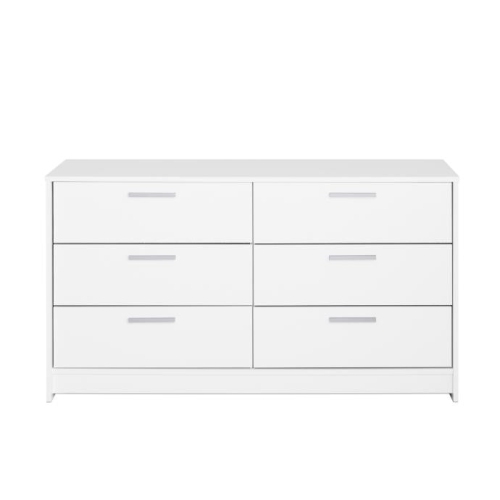
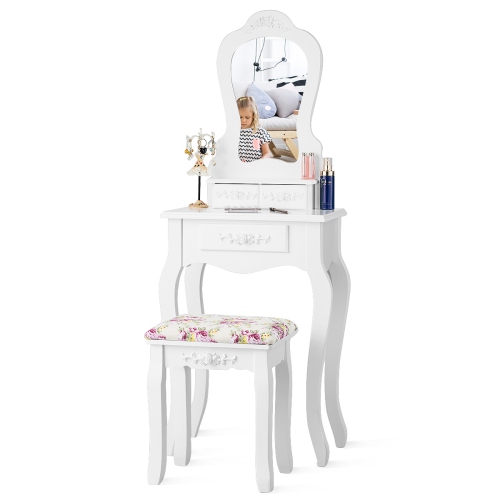
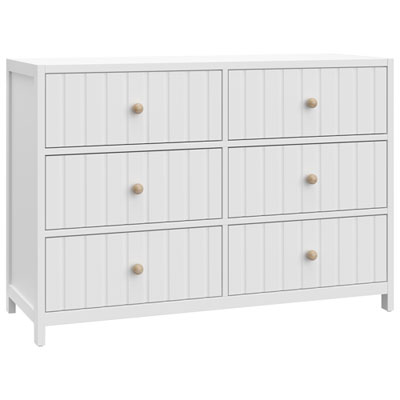
White dressers work across a broad range of interiors because their appearance depends as much on shape and hardware as on colour. Flat drawer fronts and discreet pulls create a restrained, modern look, while framed fronts, shaped legs, and more detailed handles can suit a traditional bedroom. For an understated approach, Simple White Dressers complement spaces where the furniture provides a quiet backdrop for bedding, artwork, and personal belongings. White can sit comfortably beside pale wood, darker furniture, upholstered headboards, or colourful textiles without requiring every piece in the room to match. A matte surface tends to look softer, while a glossier finish reflects more light and may show fingerprints differently. In a compact room, raised legs can leave more floor visible and provide access for cleaning, although the actual clearance determines whether a vacuum head will fit underneath. A plinth-style base creates a more grounded appearance and can limit the space where small objects collect. Long-term appearance depends on care suited to the finish. A soft cloth removes everyday dust, and any damp cleaning should follow the manufacturer’s directions, with moisture wiped away rather than left along seams. Abrasive pads, strong cleaners, and unsuitable furniture polishes can dull or damage some white surfaces. A protective tray beneath toiletries can help keep spills away from the top, while felt pads under decorative objects reduce rubbing as they are moved. Handles and assembly fasteners may need occasional tightening according to the care instructions, particularly after a move. Small marks are often more noticeable on a plain white surface, and touch-up materials need to match both the shade and the sheen; bright white paint may stand out against an ivory satin finish. For a first apartment, an established bedroom, or a thoughtfully planned guest space, lasting usefulness comes from this combination of suitable dimensions, dependable storage, straightforward care, and a finish that works with the surrounding room.
Top selling and popular products
-
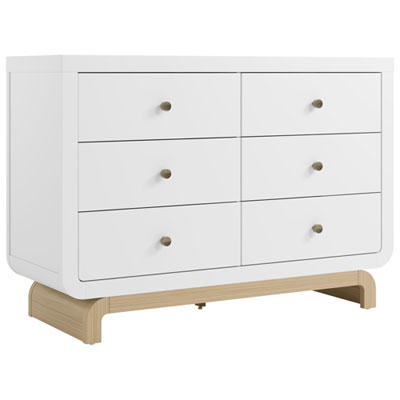 Your price for this item is $899.99
-
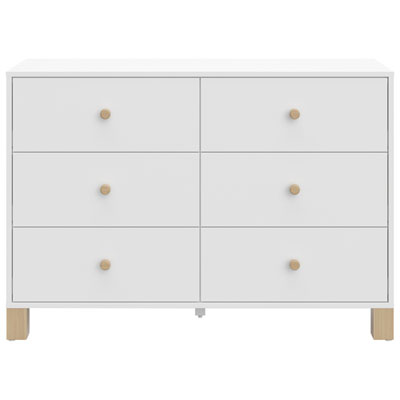 Your price for this item is $699.98
-
 Your price for this item is $699.99
-
 Your price for this item is $399.99
-
 Your price for this item is $344.99
-
 Your price for this item is $499.99
-
 Your price for this item is $575.95
-
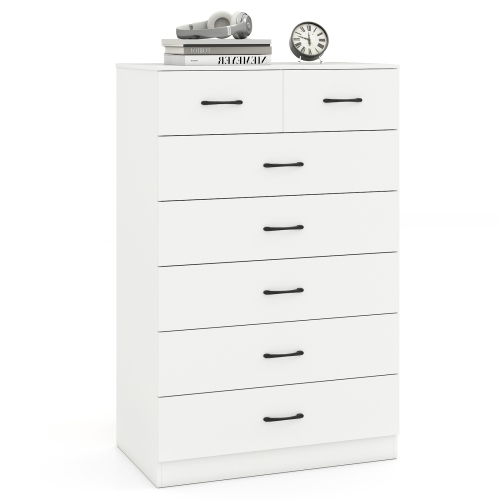 Your price for this item is $299.99
Discover more categories related to Good Quality White Dressers
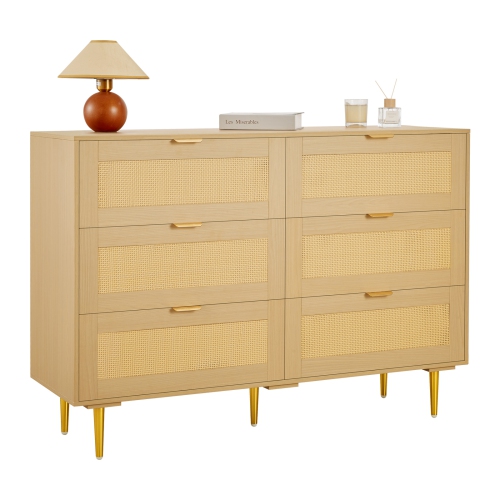
Top Collections:
Best Black Friday Deals This Year, Best Black Friday Deals On Electronics, Kindle Devices, Dyson Airwrap, Best Cameras for Sports Photography, Best Budget Office Chairs, Canon G7X Cameras, PS5 Pro Consoles, Best Black Friday Deals On Apple Products, XBOX One S Consoles
Some products may be subject to Environmental Handling Fees
(EHF) depending on your province.
Learn more about EHFs.