Light Blue Furniture
Light blue furniture is a great way to add a pop of color to your room. It can also be used as an accent or as a way to bring in the cool colors of the summer. Here are some great options for light blue furniture.
Sort


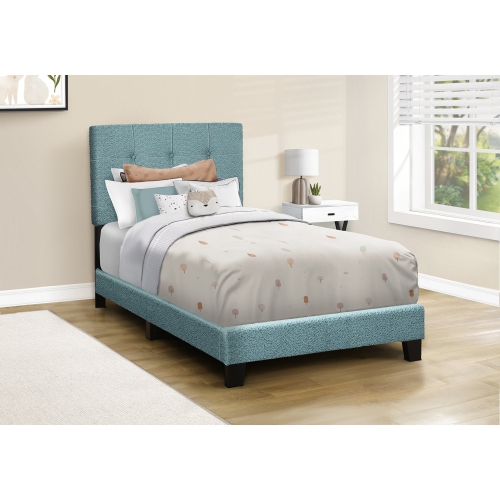

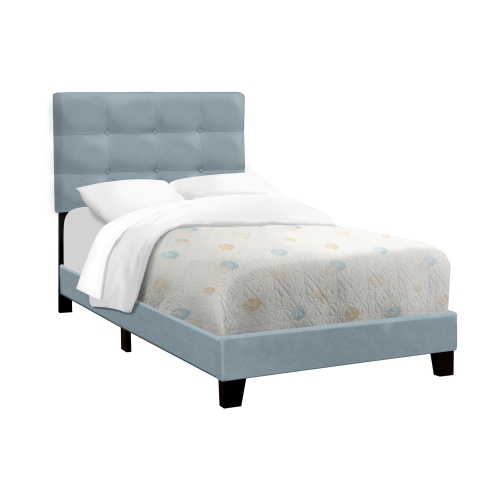


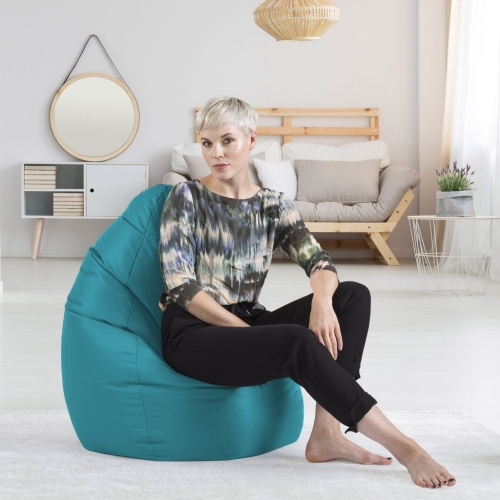


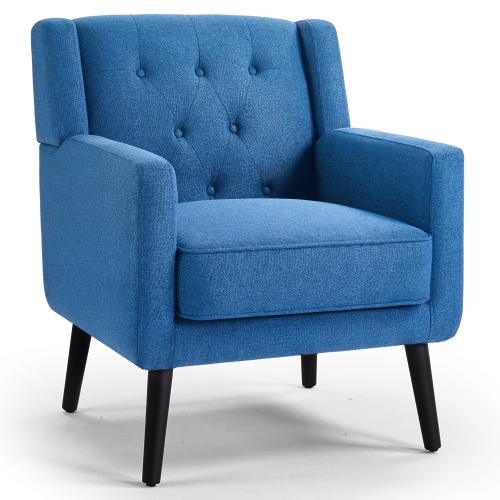


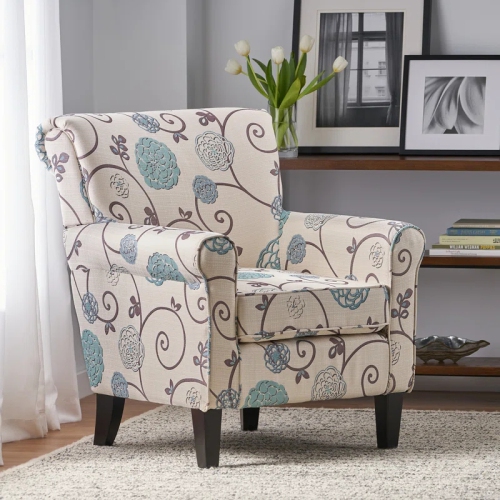


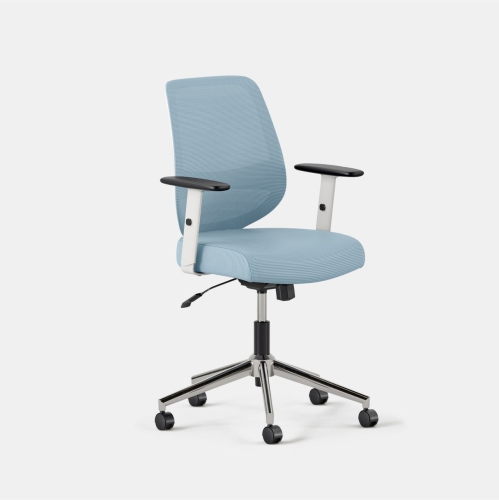


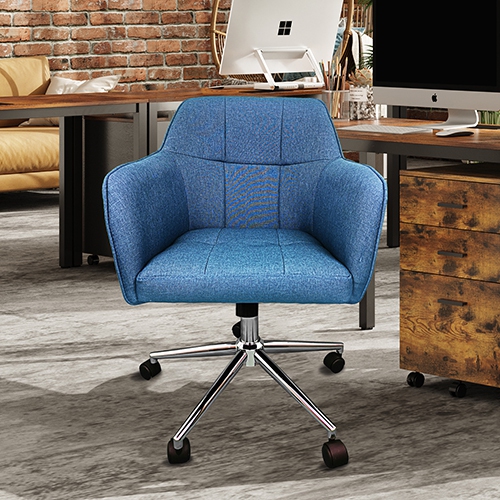
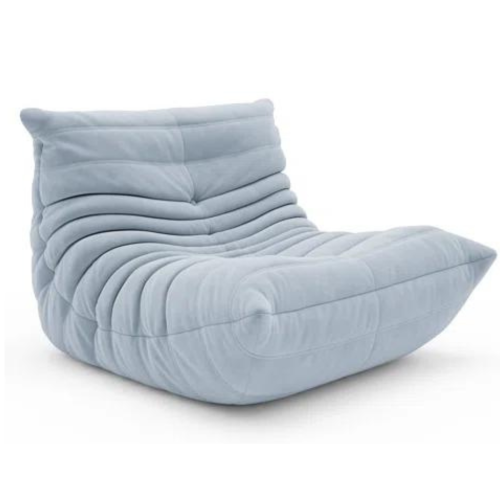
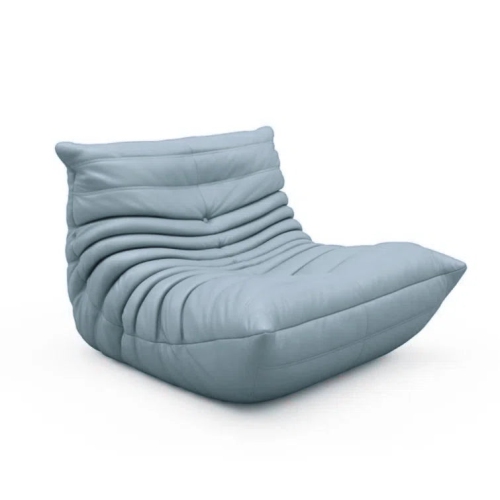

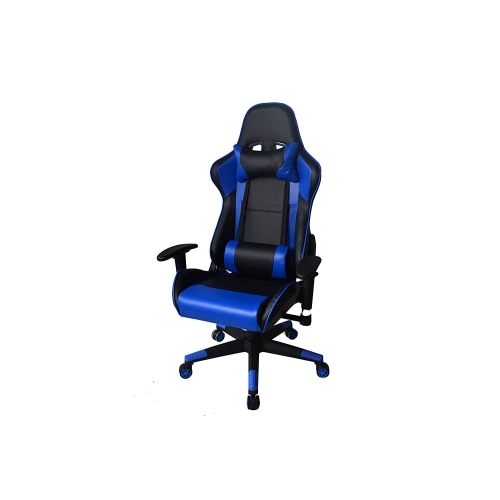
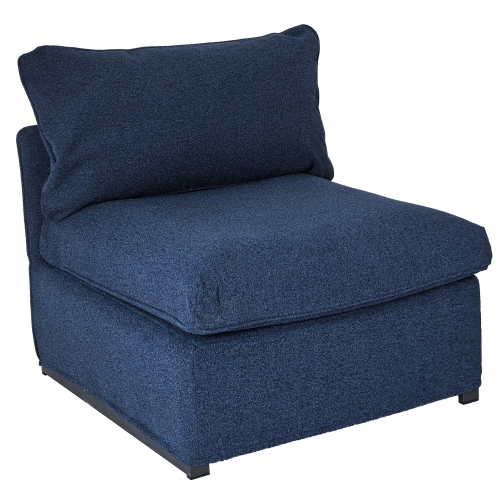
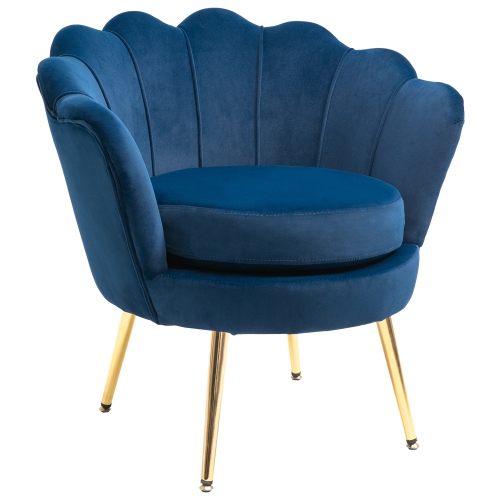


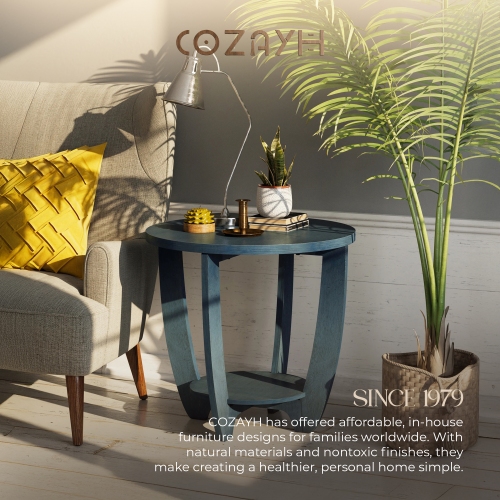

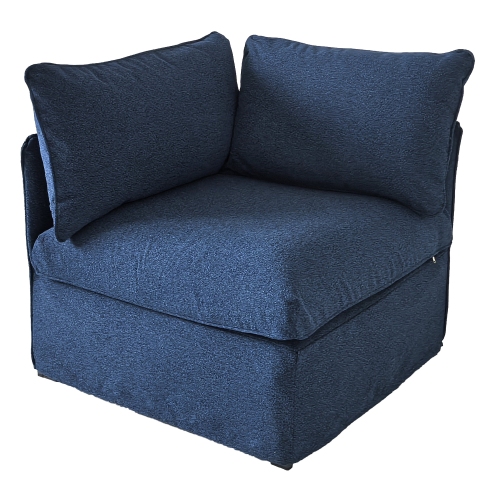
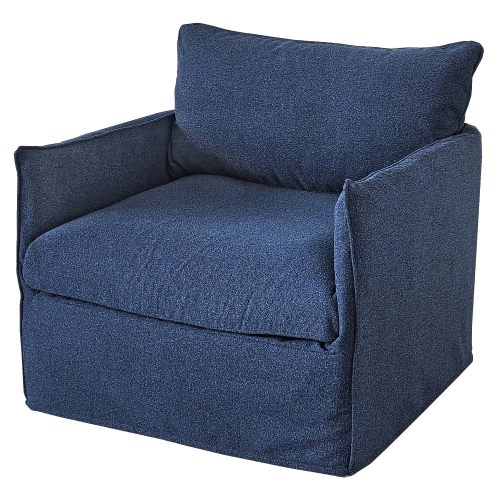


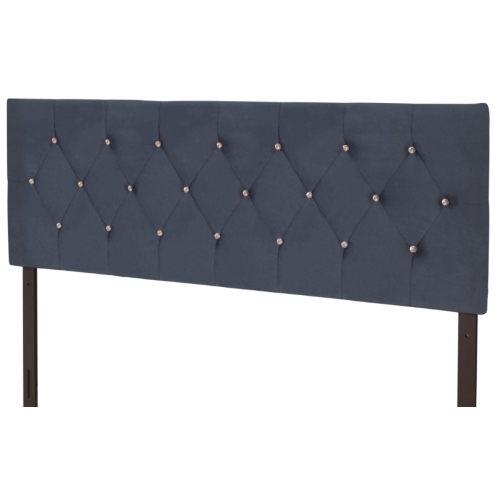


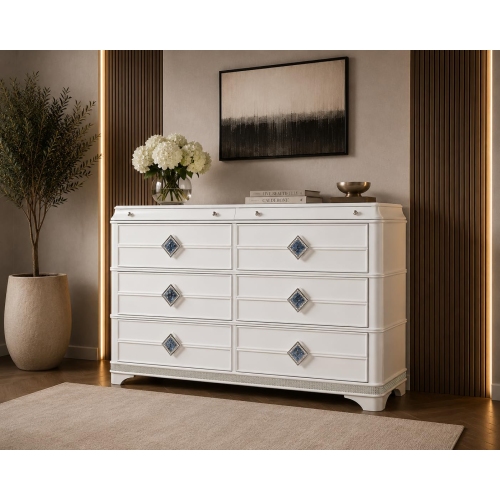
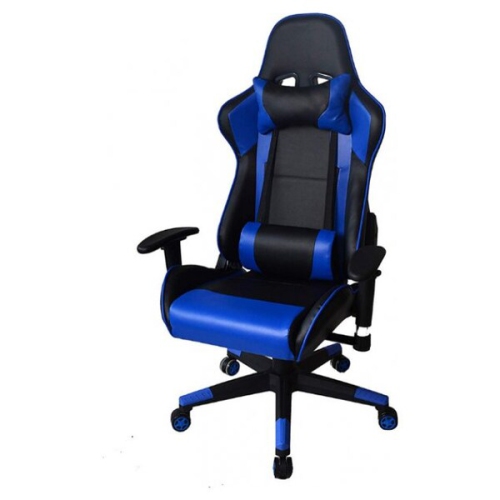

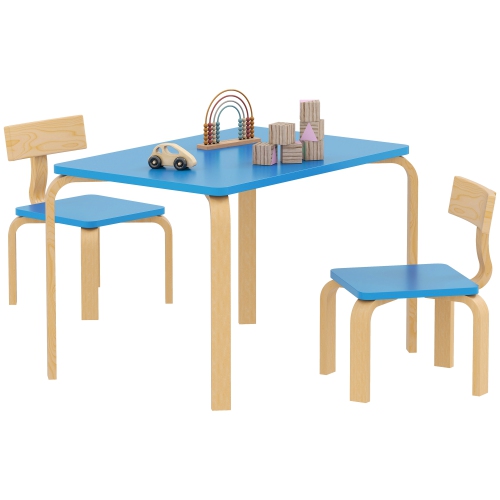


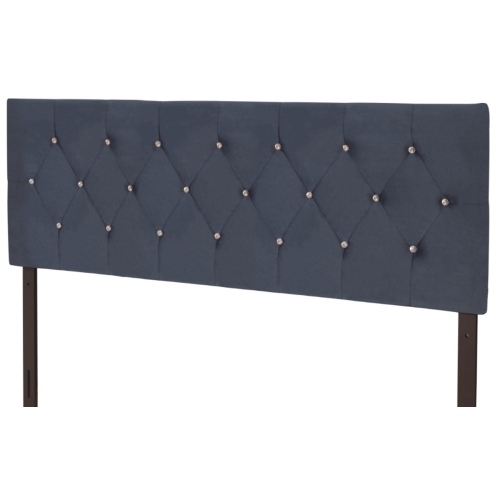


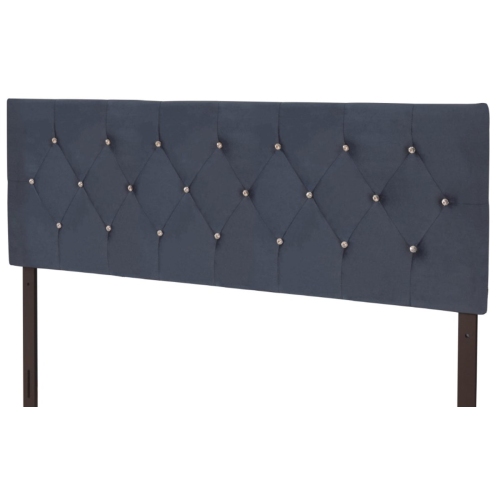

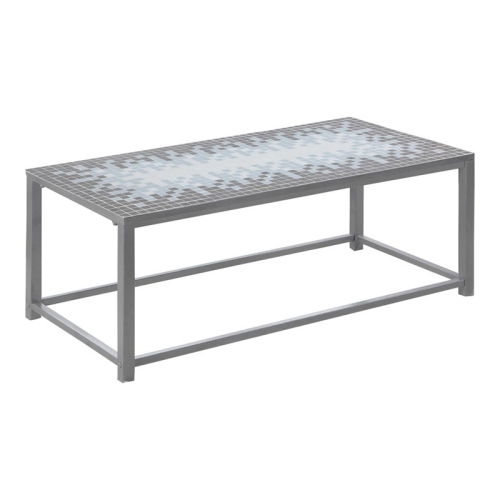
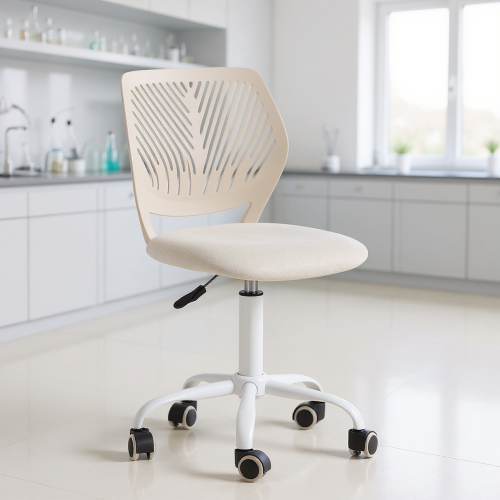

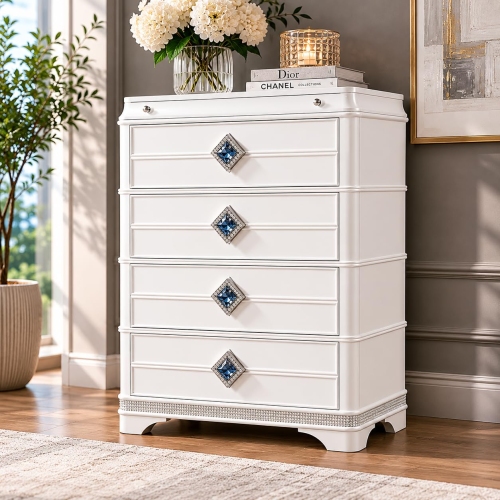
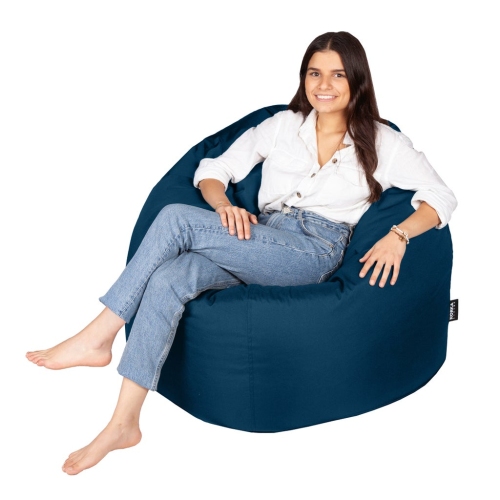


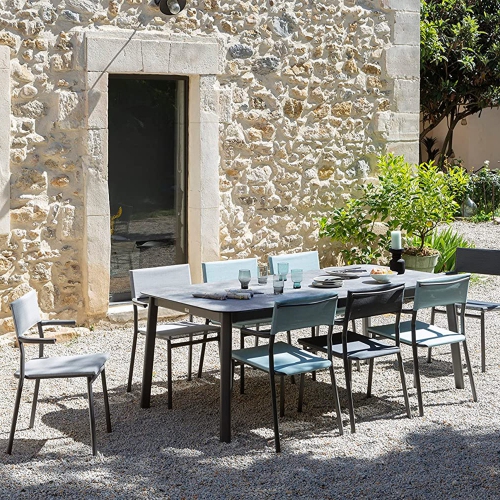
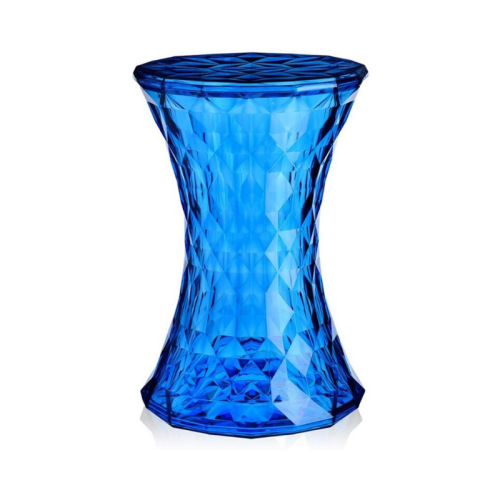


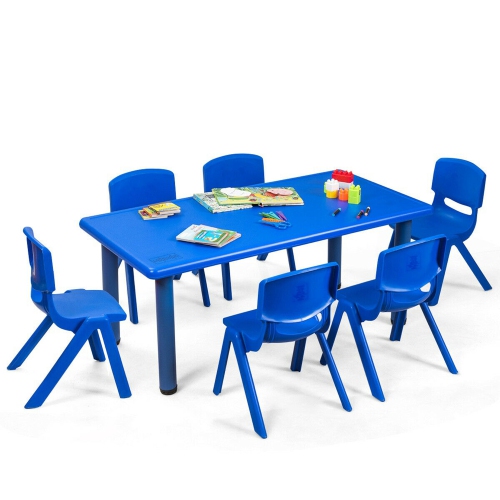
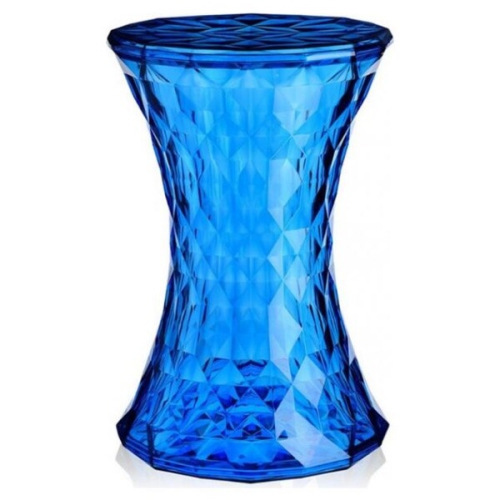
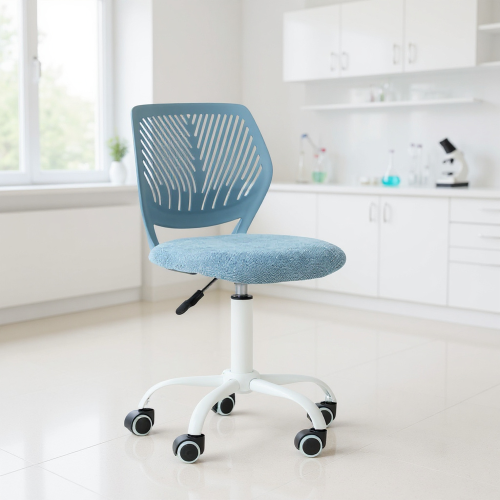
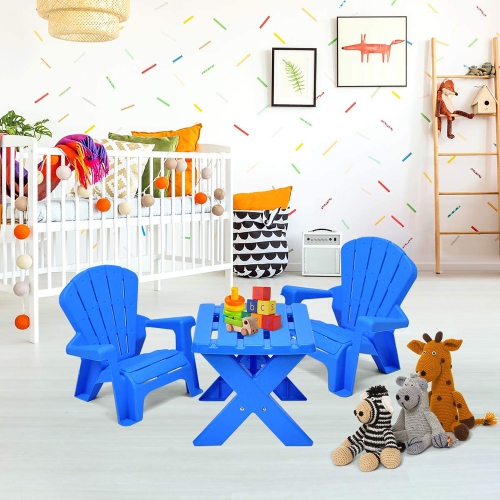


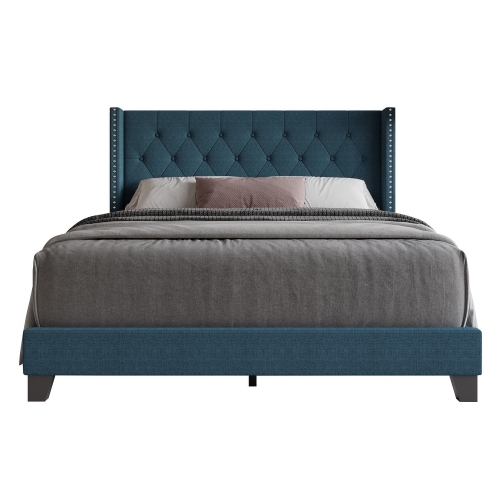
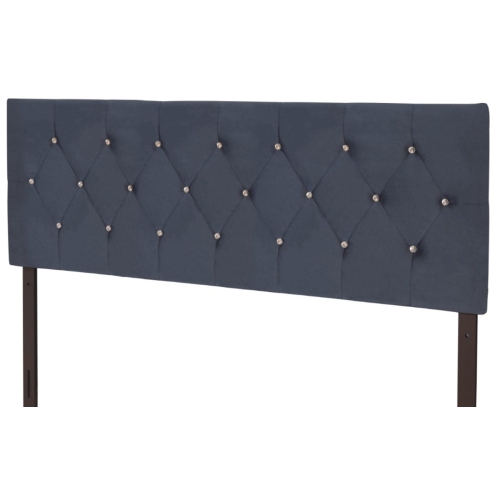


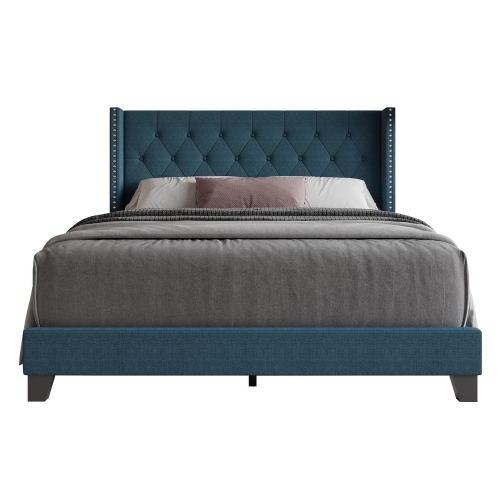


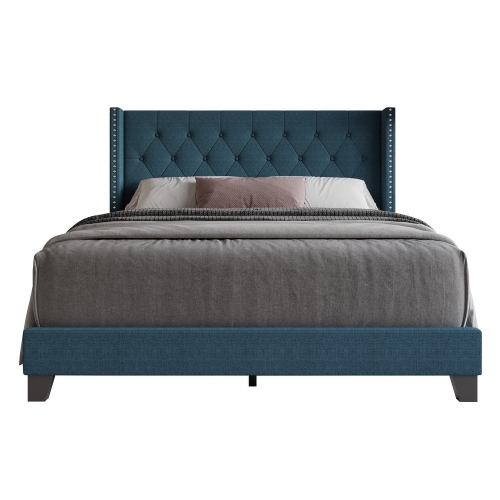

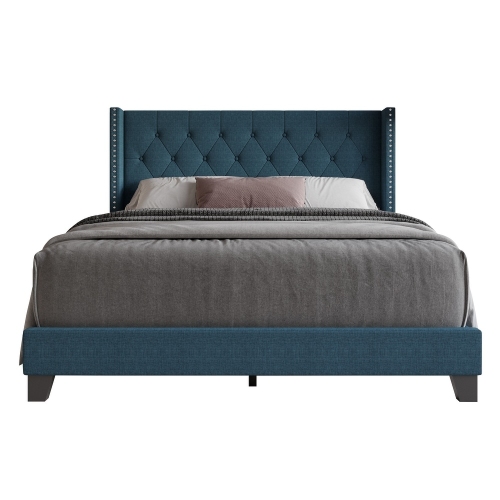


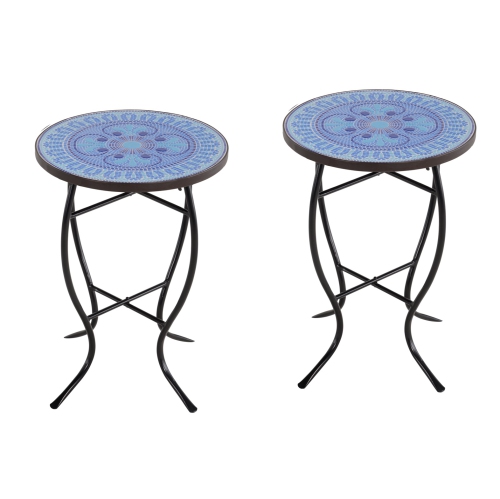
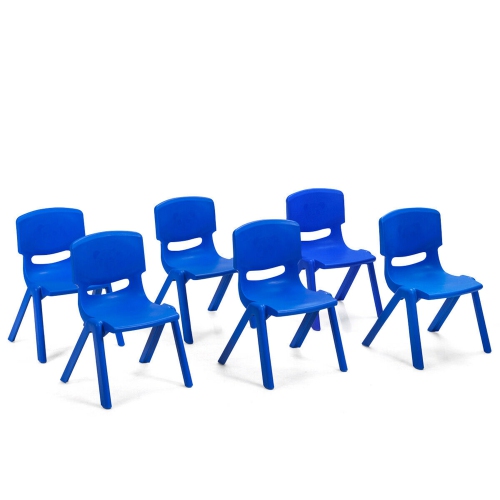


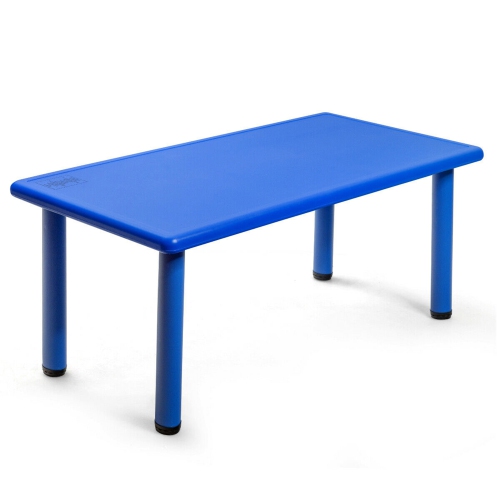

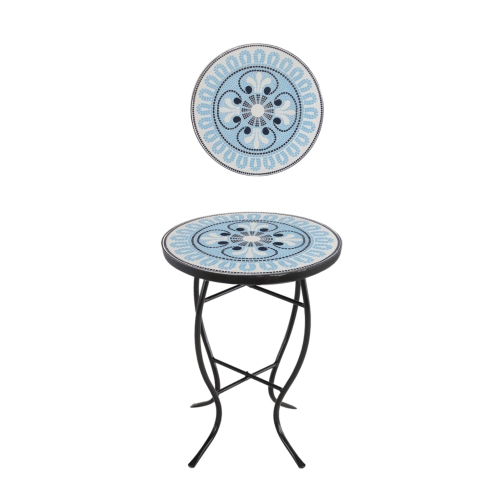


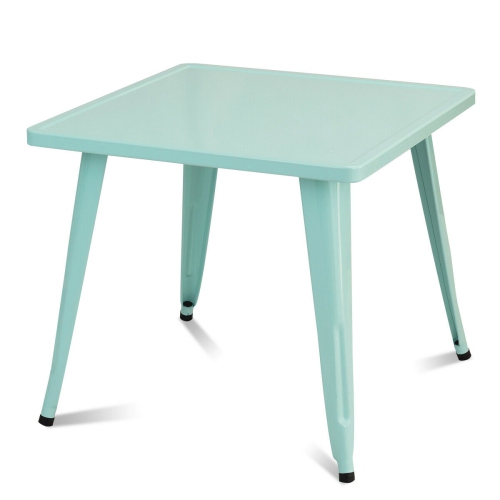


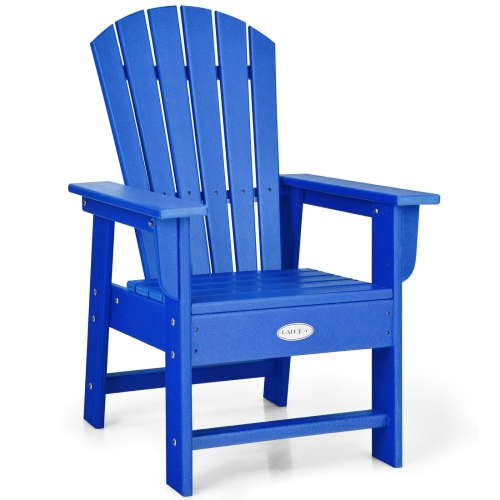
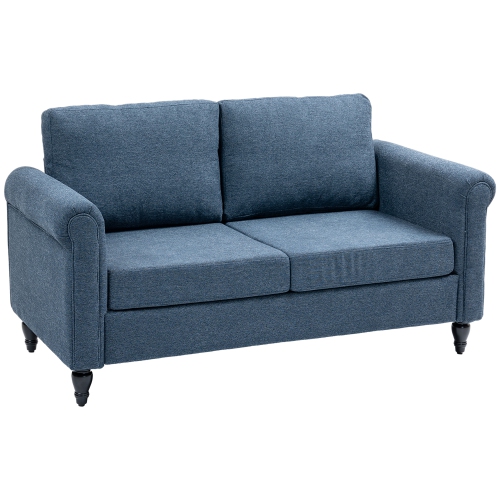


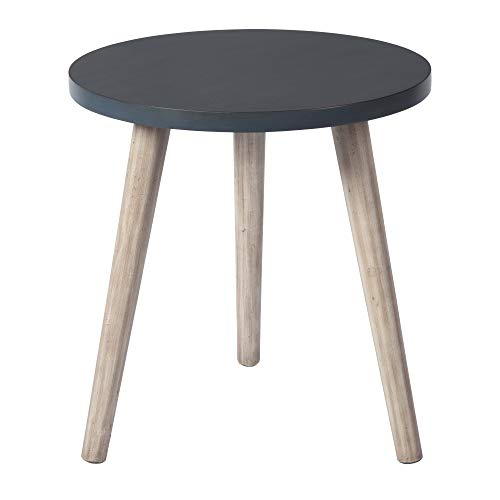
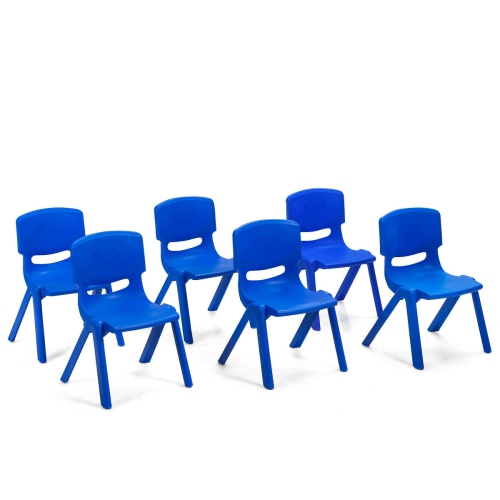

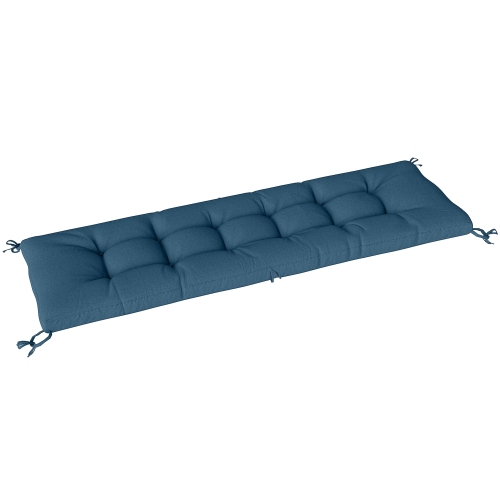


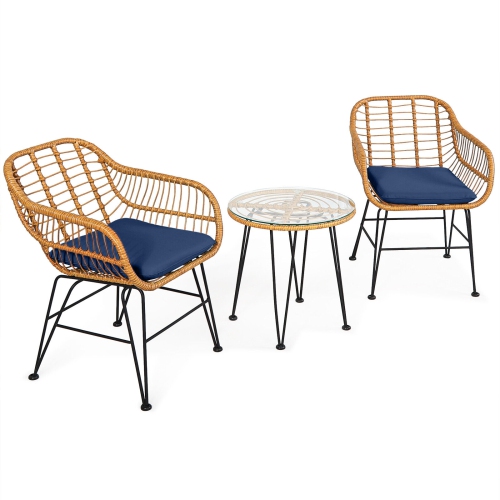

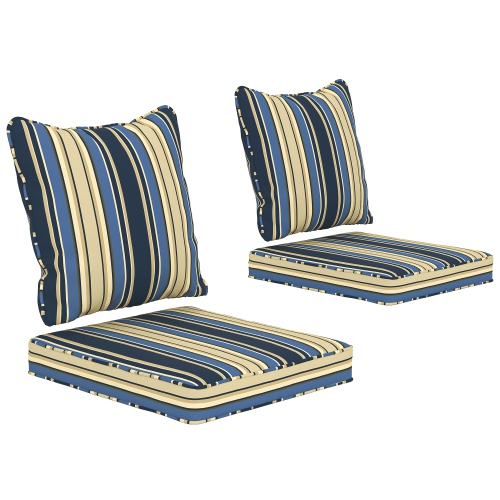

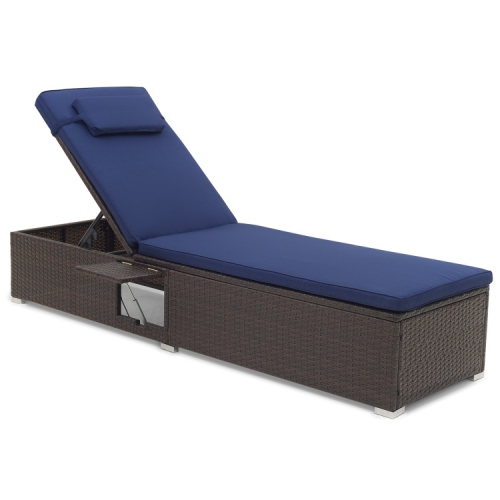




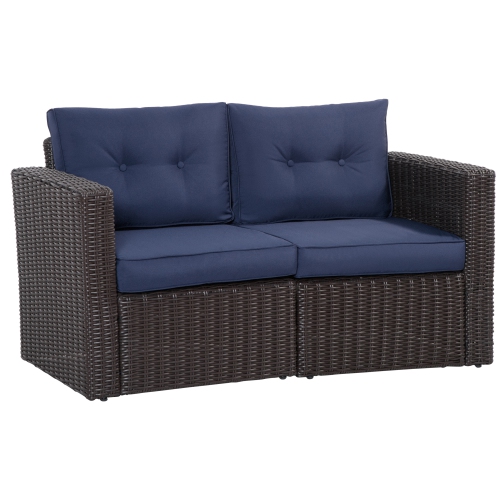


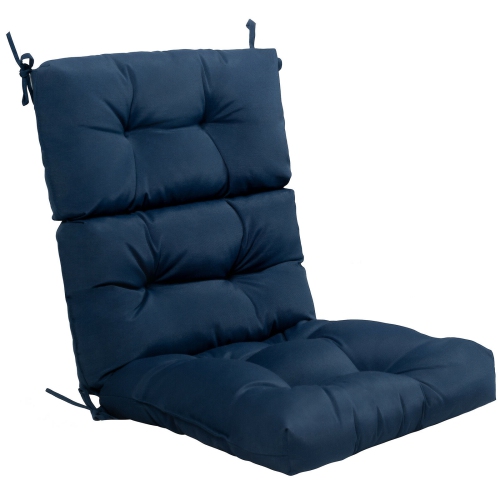

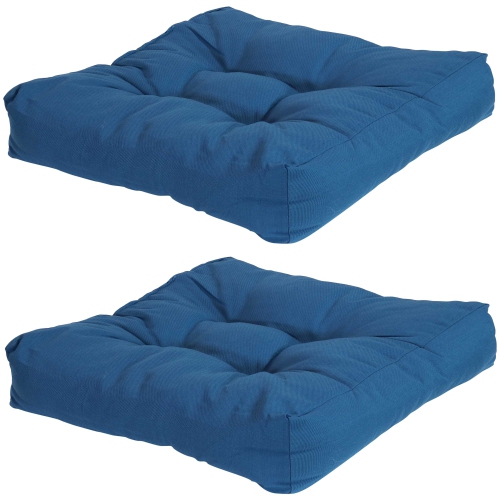
How pale blue changes the feel of a room
Light blue furniture brings gentle colour to a room without the visual weight of a darker finish, making it a versatile choice for living rooms, bedrooms, dining areas, and home offices. Shades such as powder blue, sky blue, and pale blue-grey can feel airy against white walls or more defined beside charcoal, walnut, and black accents. The effect depends as much on the undertone as on the depth of colour: a blue with a hint of green sits differently beside cream upholstery than a cooler blue with a silvery cast. In a living room, a light blue sofa can anchor the seating area while leaving room for patterned cushions, a textured rug, or a favourite piece of artwork. For a smaller touch of colour, an accent chair, upholstered bench, or ottoman can connect separate parts of the room without making every piece match. A collection of light blue sofas offers a focused starting point when the main seating is intended to carry the colour scheme. Pair pale blue with warm white, beige, and natural wood for a relaxed, coastal-inspired look, or use grey, crisp lines, and brushed metal for a more contemporary setting. Deeper blue accents add contrast while keeping the palette closely related; muted terracotta or tan can introduce warmth without overwhelming the furniture. Light blue also works in rooms that already have substantial dark furniture, where a softly coloured seat can break up a row of heavier wood tones. In compact spaces, pale upholstery can contribute to a lighter visual impression, particularly when paired with slender legs and an open layout, though the furniture’s actual dimensions still determine how spacious the room feels. Daylight and household lighting can change how a shade appears, so fabric or finish samples, when offered, are useful beside existing flooring, curtains, and wall colours. The same blue may look crisp near a window and noticeably softer under a warm lamp.
Material and construction shape both the appearance of light blue furniture and how comfortably it fits into daily life. A loosely textured woven upholstery gives pale blue a casual, tactile finish, while velvet creates more variation as its pile catches the light. Linen and linen blends can bring visible texture and a relaxed look, although creasing, cleaning requirements, and resistance to wear depend on the particular fabric. Polyester blends and other synthetic upholstery vary widely too; fibre content alone does not establish whether a surface will resist stains, snagging, or frequent use. For seating in a busy family room, a close weave, secure seams, and cushions that hold their shape deserve as much attention as colour. A reading chair used for an hour at a time may call for supportive arms and a backrest that suits the sitter, while a sofa used for stretching out benefits from a different seat depth than one intended mainly for upright conversation. Firmer cushions can make sitting down and standing up easier for some people, whereas softer cushions create a more sink-in feel and may need regular reshaping. Painted light blue furniture offers another way to introduce the colour, especially on storage pieces where upholstery would be less practical. Solid wood, wood veneer, engineered wood, and metal each have different characteristics, and durability depends on sound joints, stable construction, and a finish suited to the intended use. On cabinets and drawers, smooth operation, securely attached hardware, and useful interior dimensions matter more than the outside appearance alone. Households with children or pets may value removable covers, but removable does not necessarily mean machine washable; the care label remains the deciding reference. Pale fabric can make some spills more noticeable, so ease of cleaning is worth considering before choosing a material. At the same time, highly textured surfaces may hold crumbs or pet hair more readily than smoother weaves. A good match balances the desired look with the amount of upkeep that realistically fits the household routine.
Scale, placement, and care help light blue furniture remain useful long after the room is arranged. Measuring the available floor space is only the beginning: doorways, stair turns, lifts, and hallways also need enough clearance for delivery, and assembled dimensions may differ from packaging measurements. Within the room, leave space to open drawers, pull out dining chairs, and walk past seating without turning sideways. Marking a proposed footprint with painter’s tape can reveal whether an invitingly deep sofa would crowd the route between the living area and the kitchen. In a bedroom, a pale blue bench can provide a place to sit while getting dressed, provided it does not obstruct wardrobe doors or the path around the bed. In a home office, colour can tie the workspace to the rest of the home, but a chair intended for extended desk use still needs suitable support, adjustment, and compatibility with the desk height. Light blue furniture can suit a first apartment, a shared family home, or a guest room because it works with both understated neutrals and more expressive patterns. As a housewarming gift, furniture is most successful when the recipient has helped confirm the size, shade, and intended purpose; comfort and room fit are personal choices. For ongoing care, follow the manufacturer’s instructions rather than assuming that every blue fabric or painted surface responds well to the same cleaner. Regular vacuuming with an appropriate upholstery attachment helps remove loose dust, while prompt blotting can limit the spread of a spill without rubbing it further into the fibres. Test permitted cleaning solutions in an inconspicuous area, and avoid soaking upholstery or leaving moisture on wood-based surfaces. Rotate loose cushions if the design allows, keep furniture away from prolonged direct sunlight where practical, and use felt pads beneath suitable legs to help protect floors. These everyday details preserve the appeal of the colour while supporting the furniture’s real purpose: comfortable seating, practical storage, and rooms that work well for the people using them.
Top selling and popular products
-
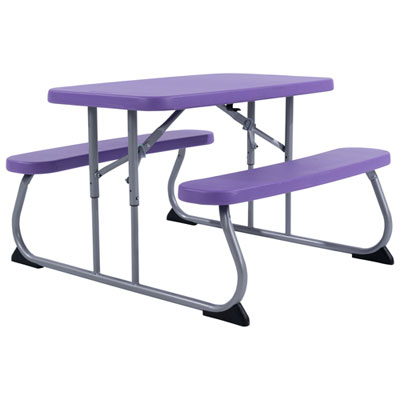 Your price for this item is $123.98
-
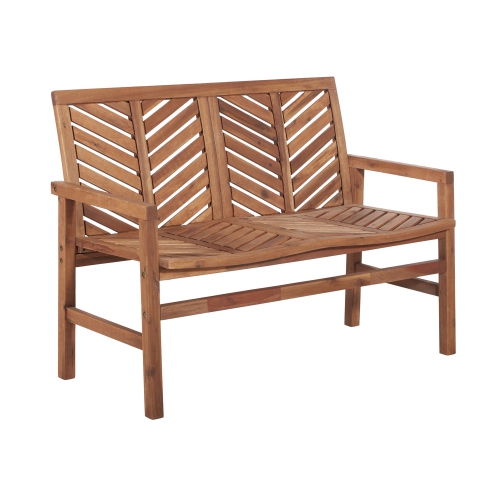 Your price for this item is $482.34
-
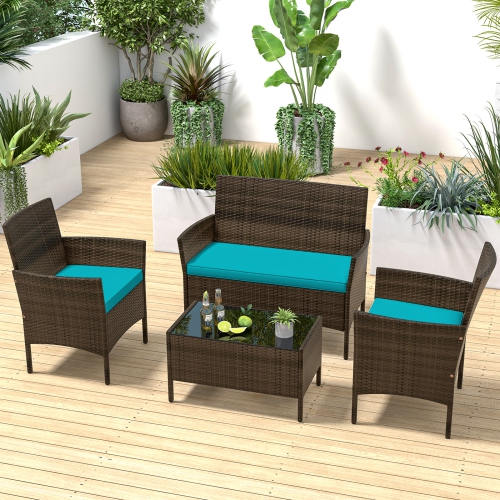 Your price for this item is $236.99
-
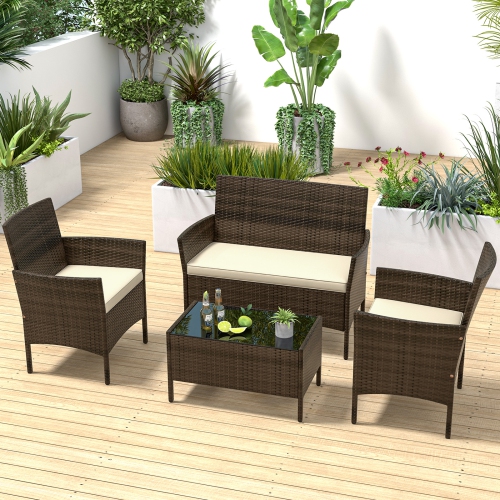 Your price for this item is $246.99
-
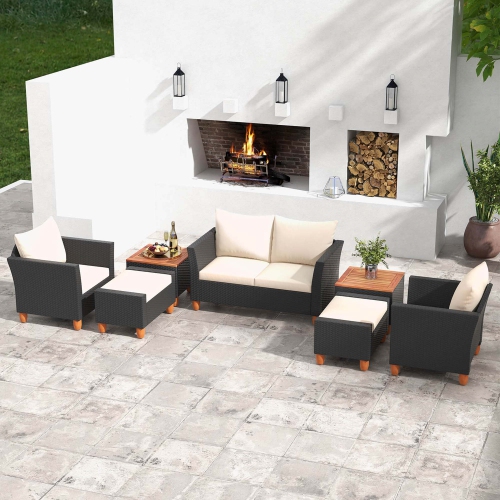 Your price for this item is $629.99
-
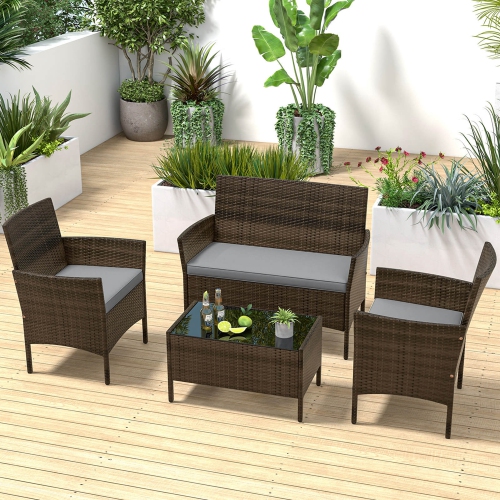 Your price for this item is $236.99
-
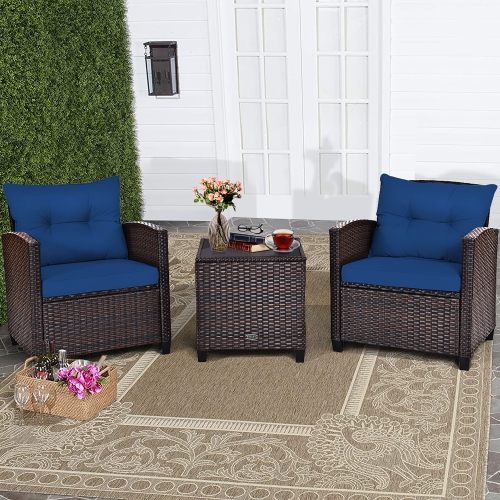 Your price for this item is $220.99
-
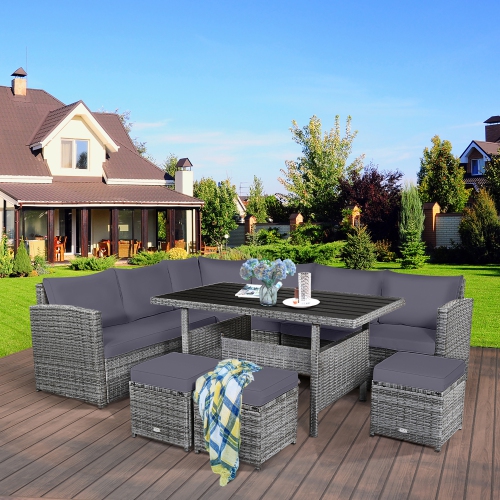 Your price for this item is $899.99
Discover more categories related to Light Blue Furniture

Top Collections:
Pokemon Centers, Kindle Devices, Best Cameras for Sports Photography, Pokémon 30th Celebration Cards, Canon G7X Cameras, Samsung Galaxy Phones, iPhone 15 Apple, Best Black Friday Deals On Electronics, Jackery Power Stations, Solar Generators for Home
Some products may be subject to Environmental Handling Fees
(EHF) depending on your province.
Learn more about EHFs.