Living Room Sofa Beds
If you're looking for a way to make your living room more comfortable and functional, consider adding a sofa bed. A sofa bed is a great way to add extra seating and storage space to your living room. It can also be a great way to make the most of your living room space, especially if you have a small apartment or condo. Here are some of the best living room sofas that can also serve as beds.
Sort


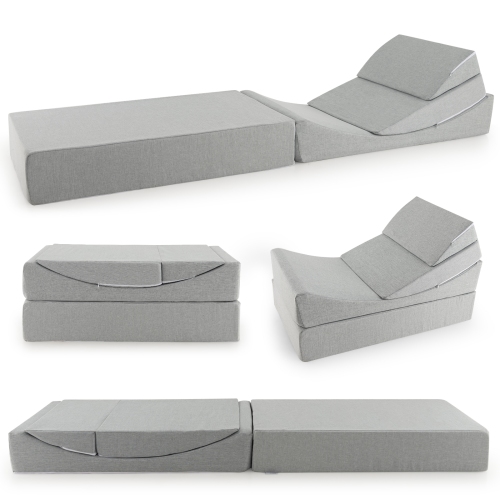

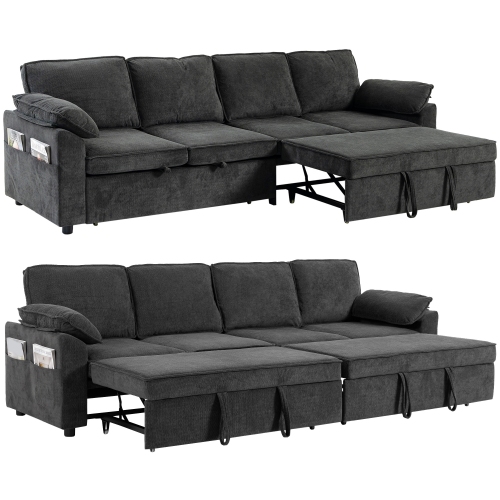
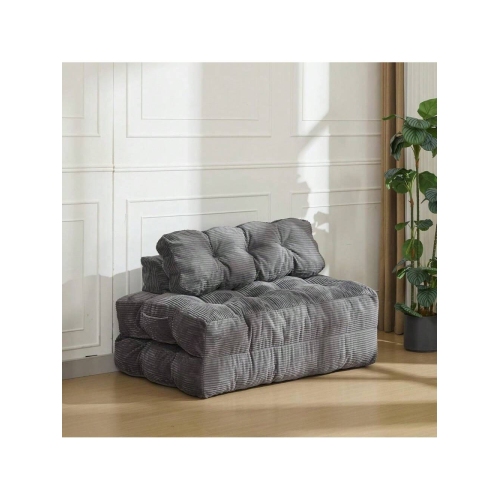


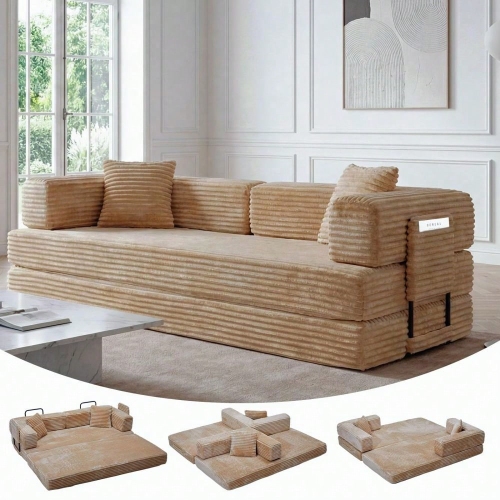

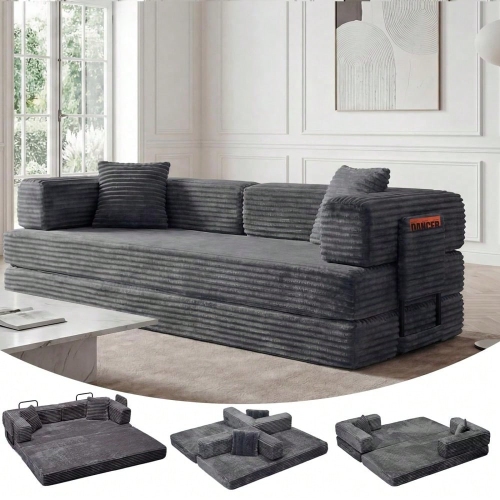

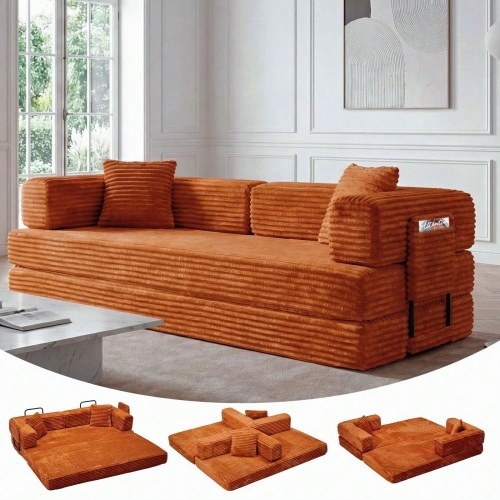
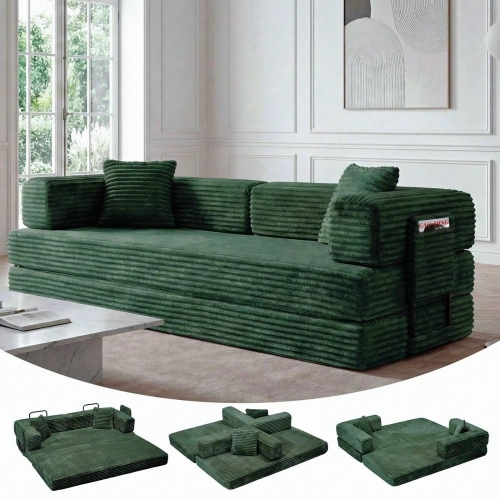
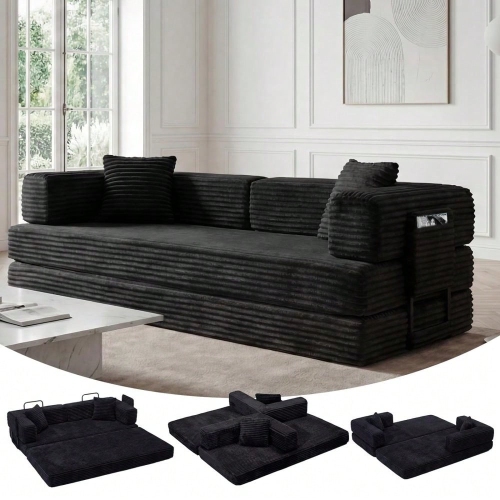
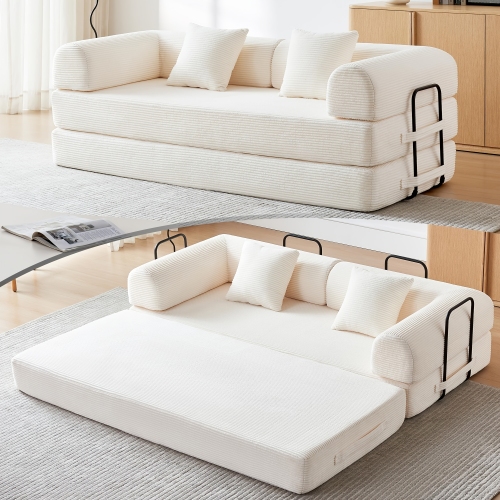
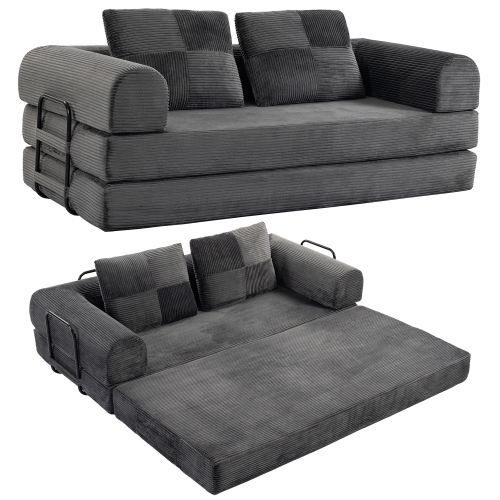
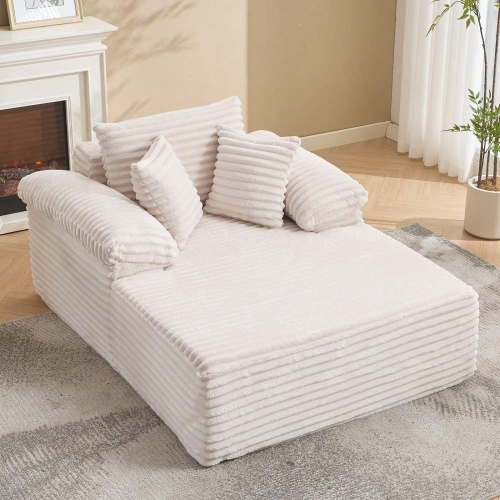


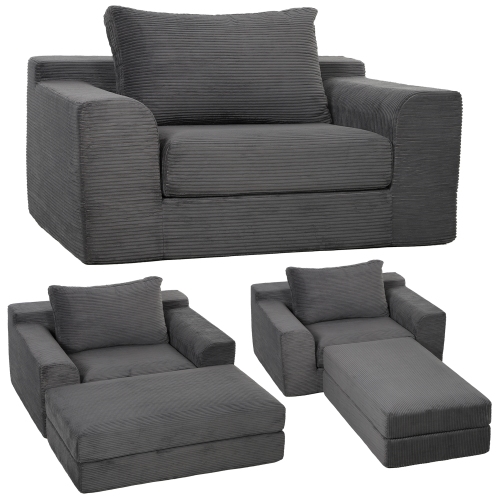
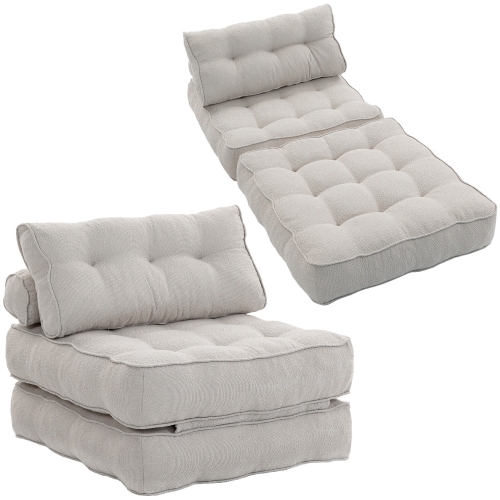
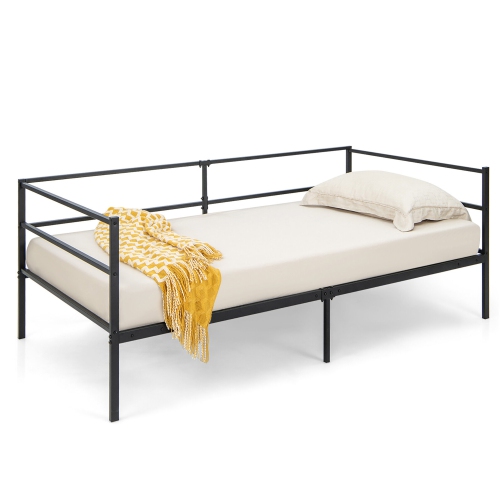

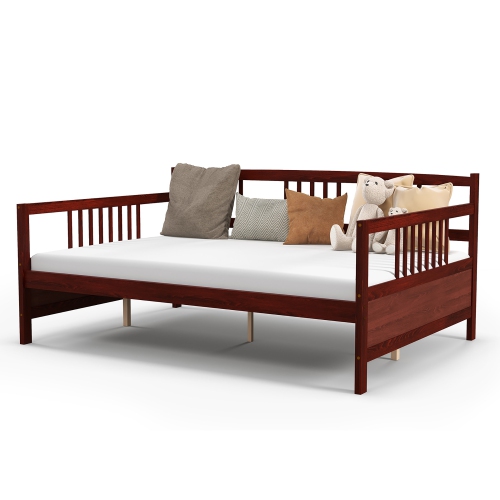
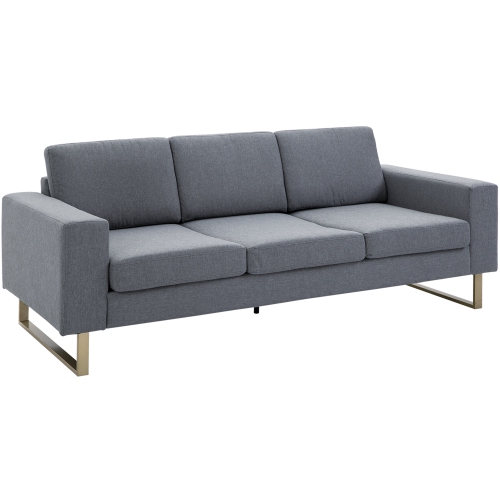
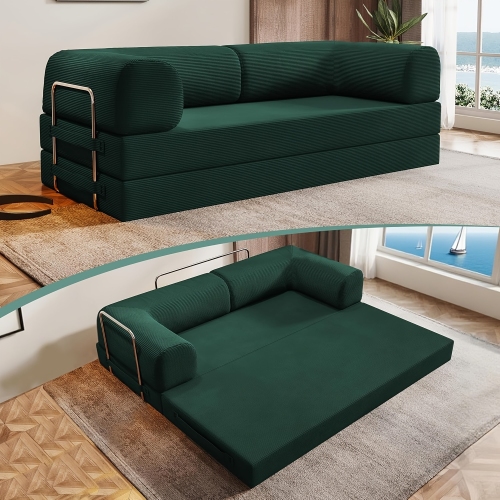
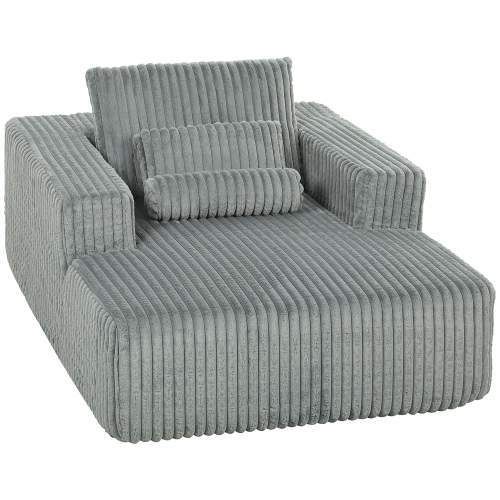
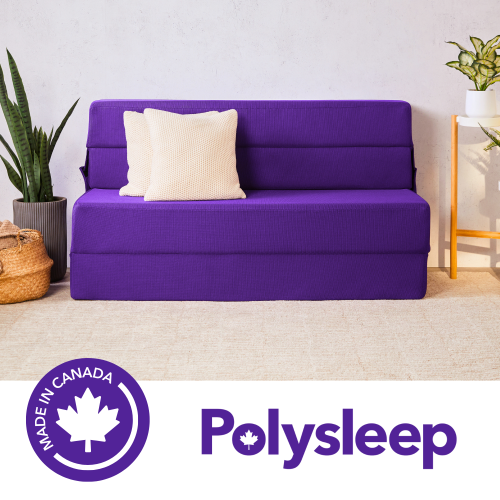
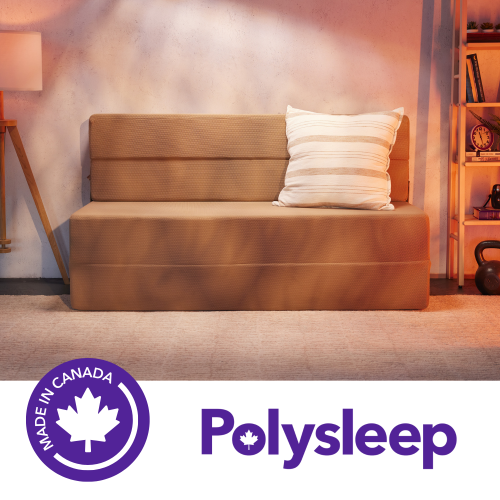
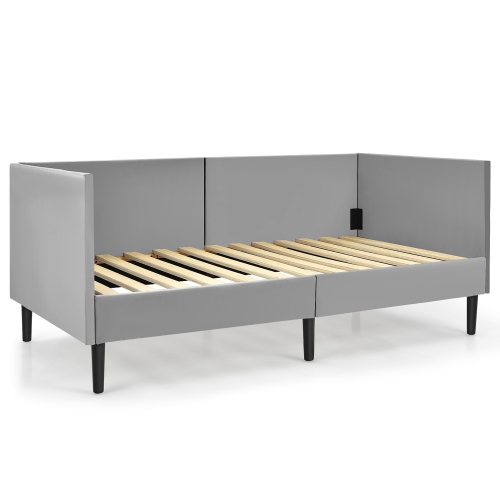

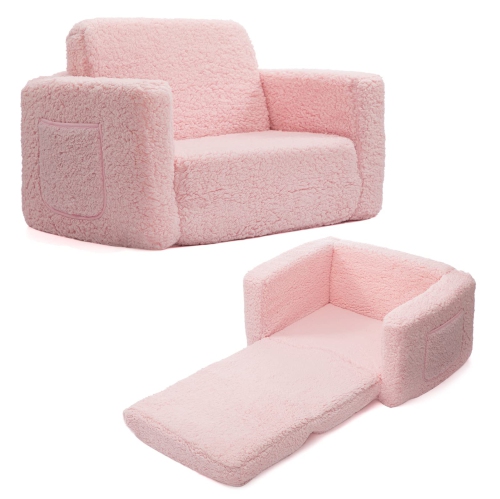

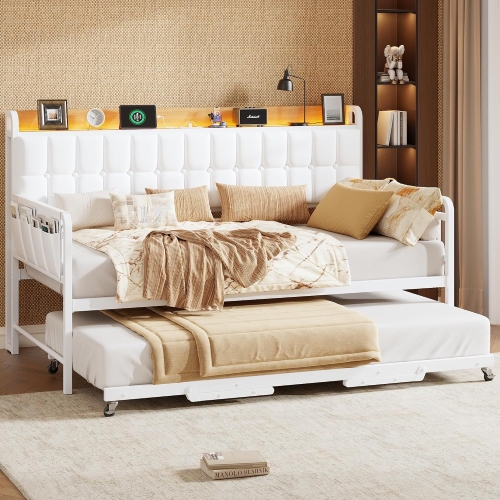

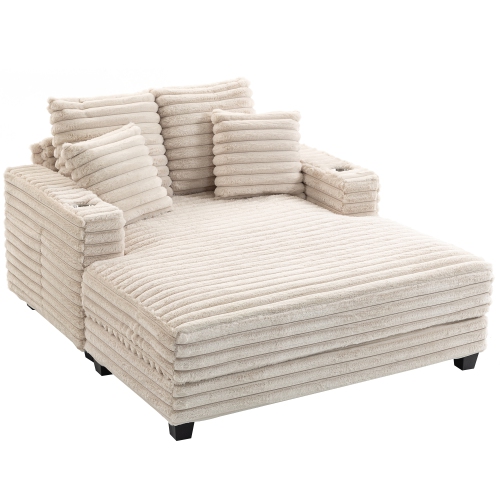


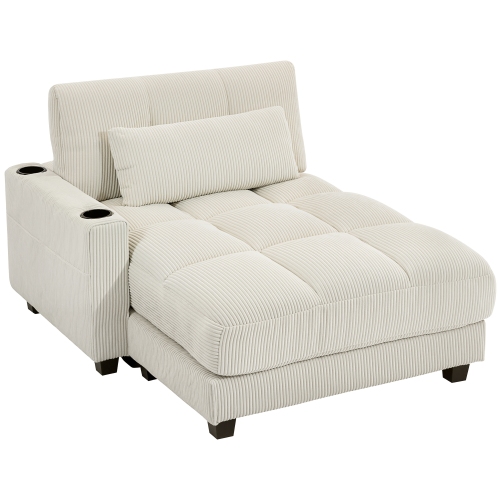
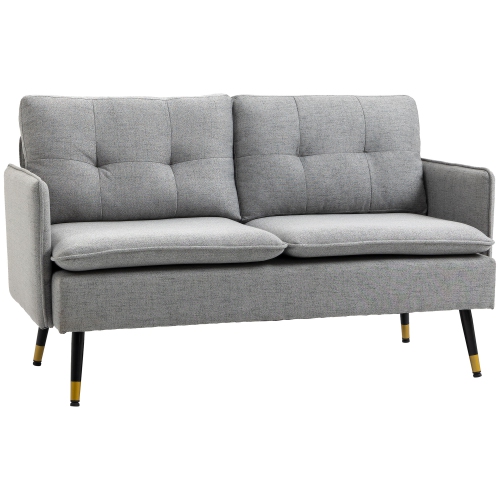


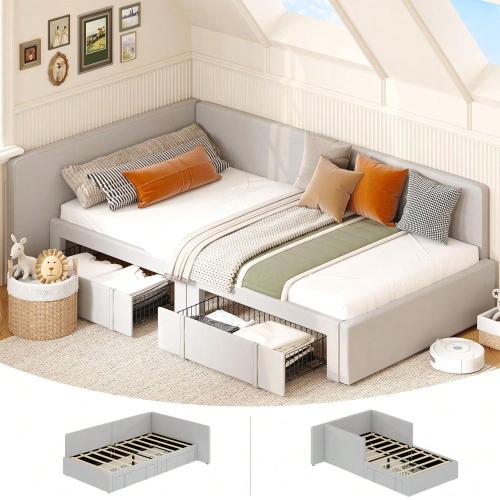


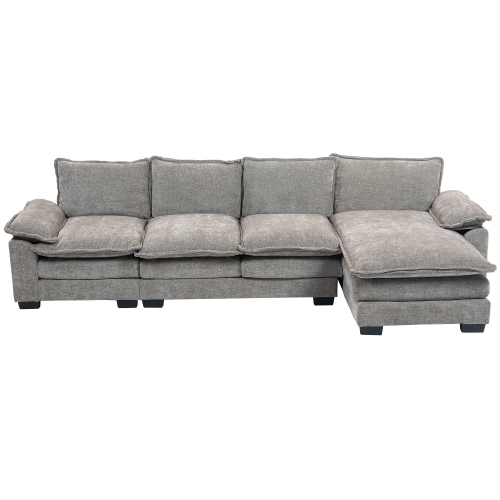
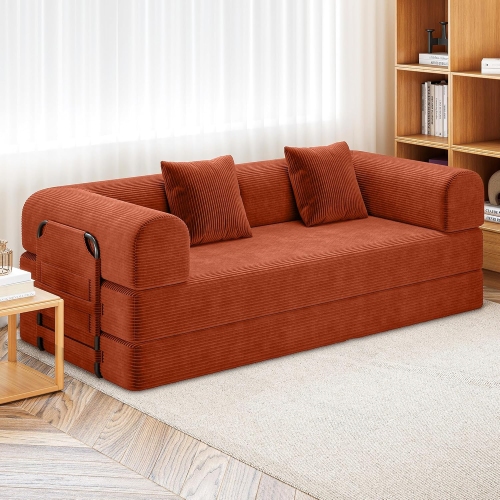

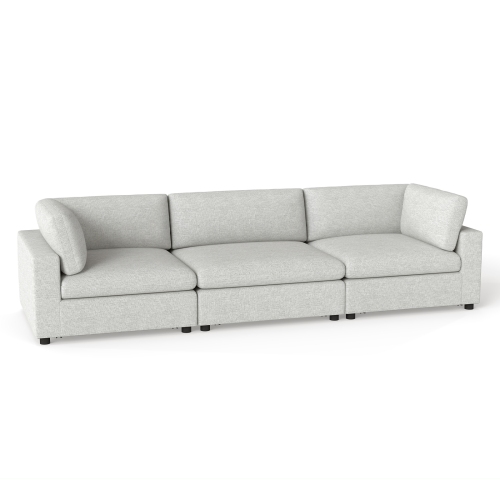
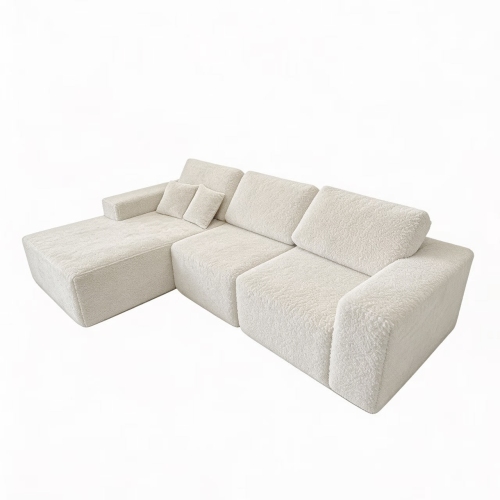
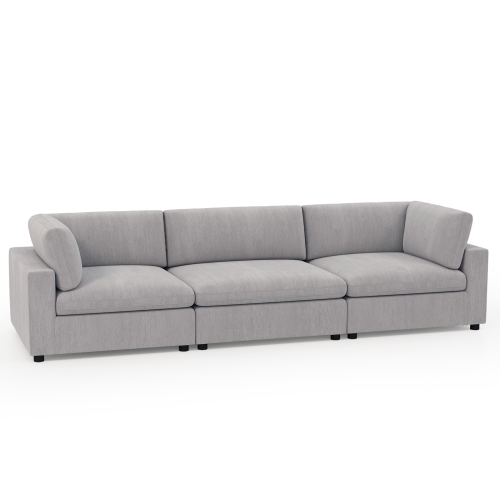


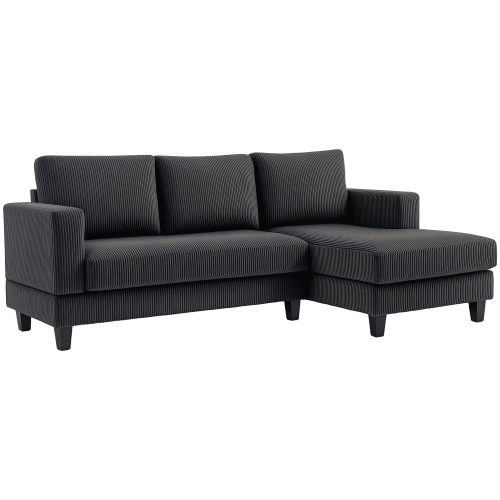
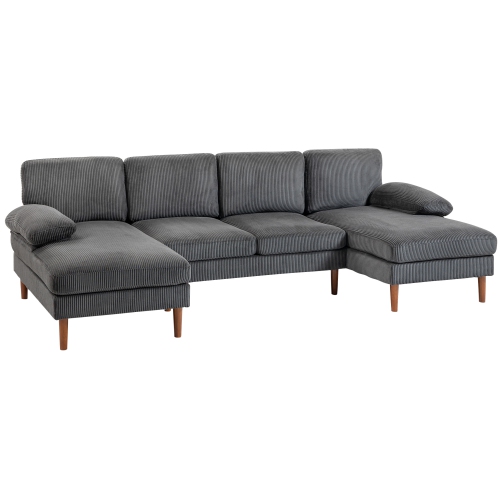
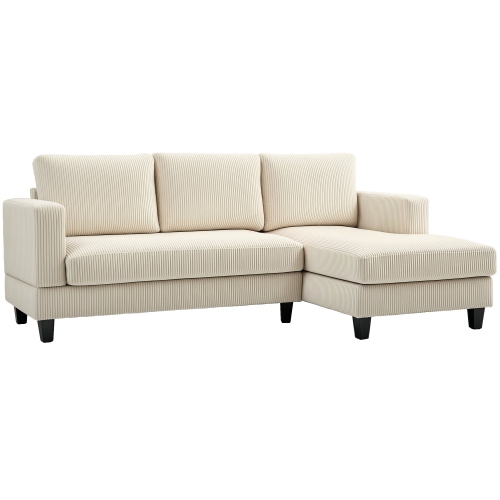
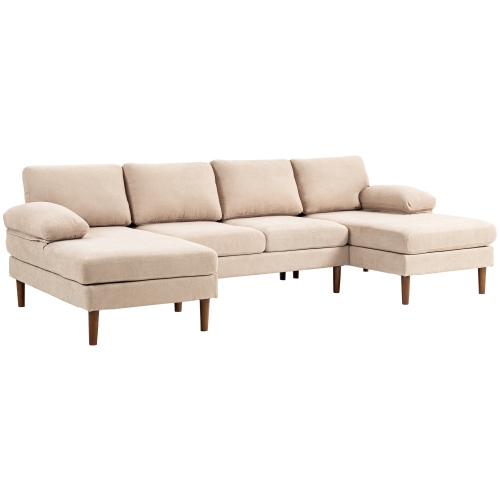

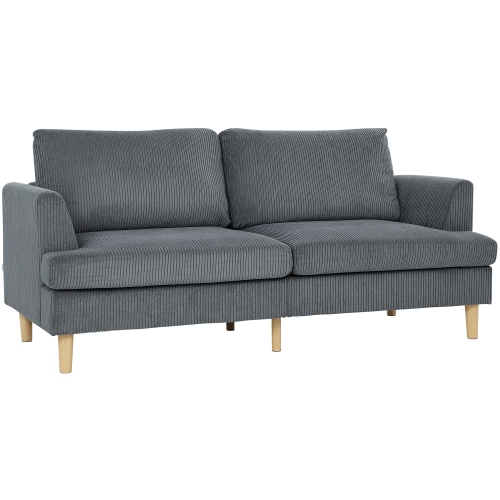
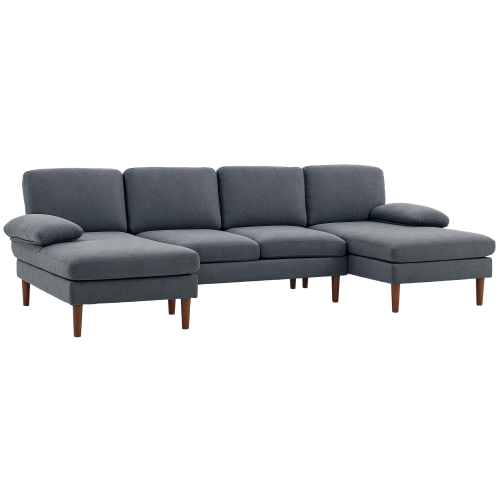
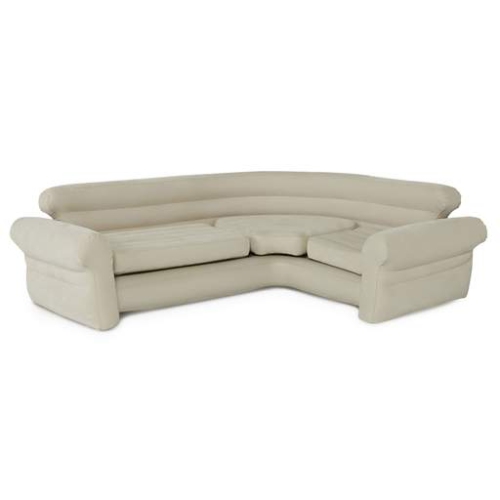
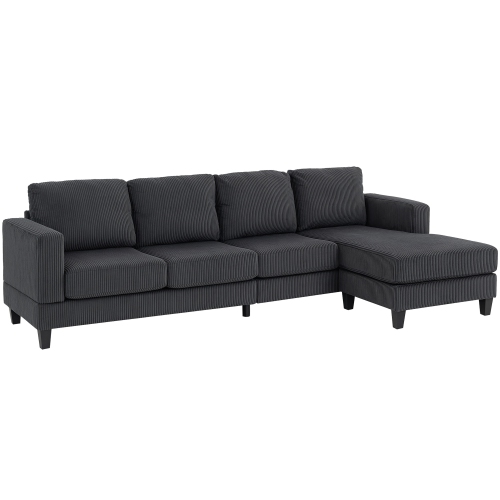
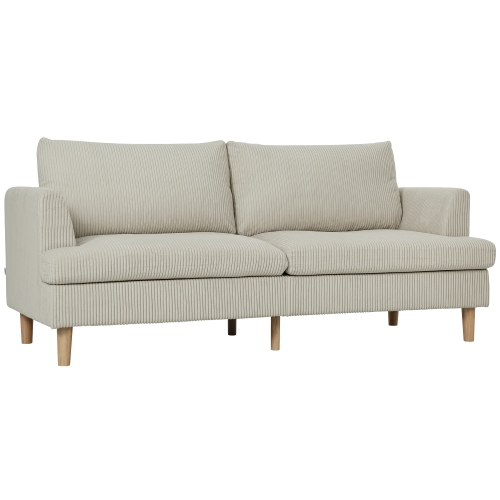


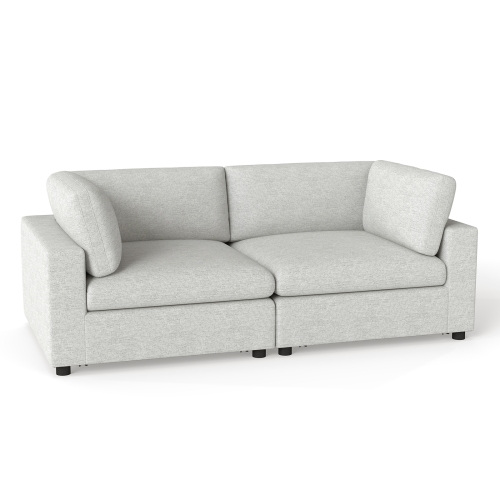
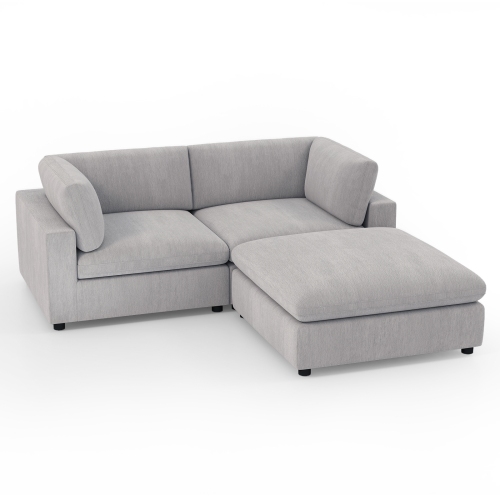

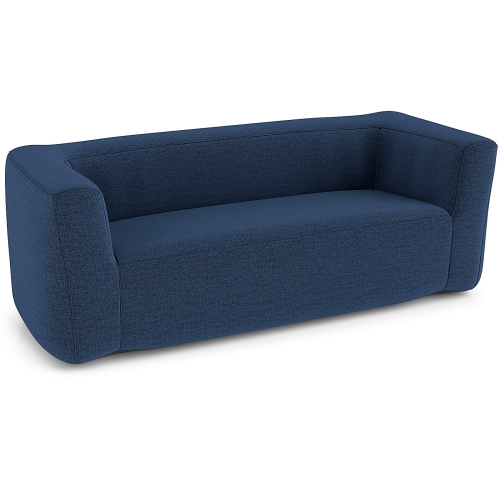
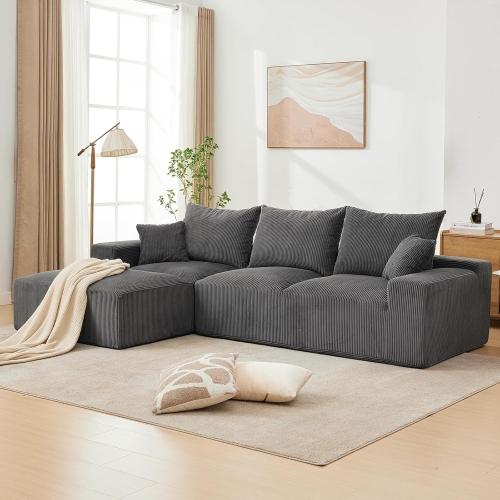


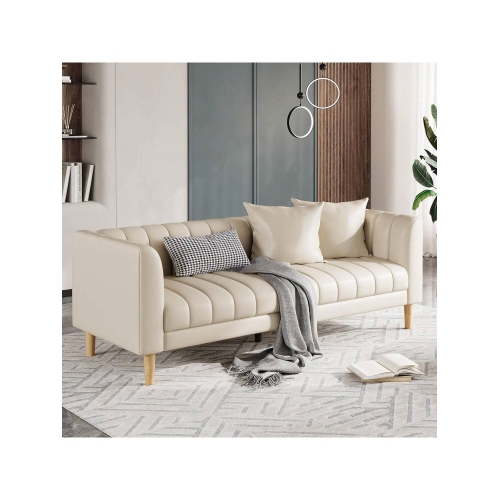


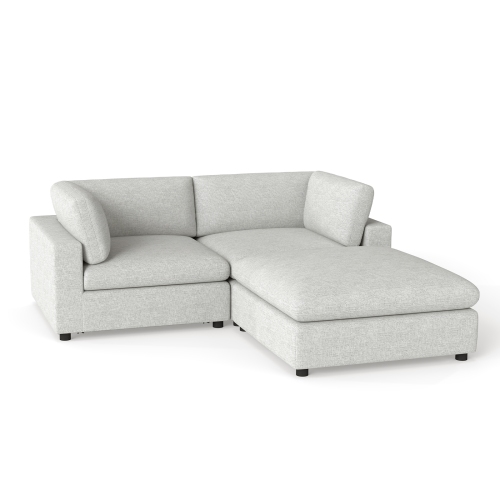
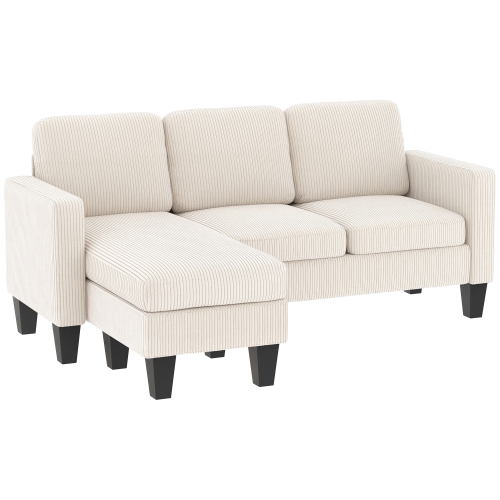
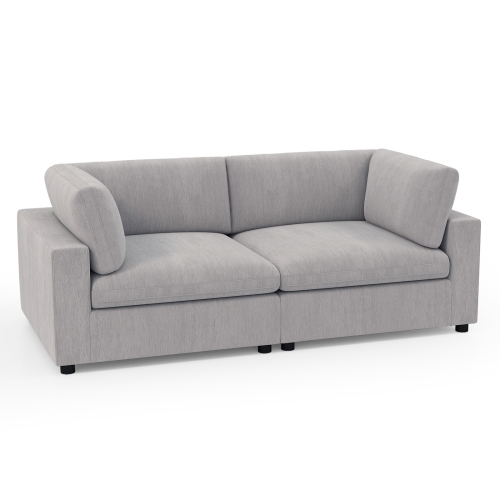


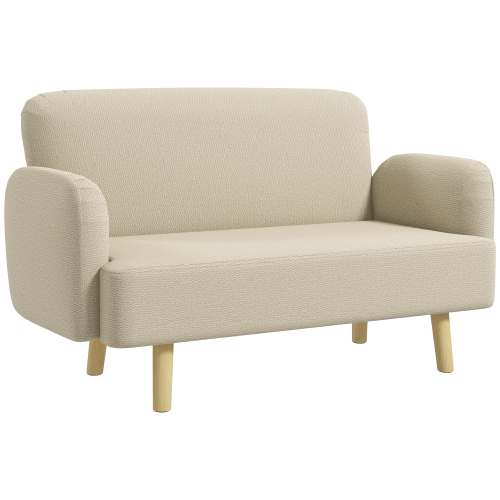

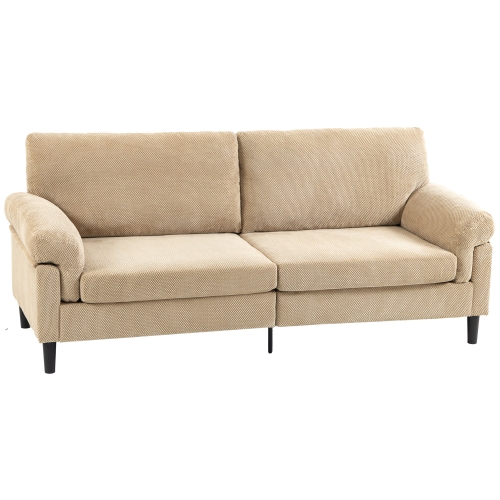


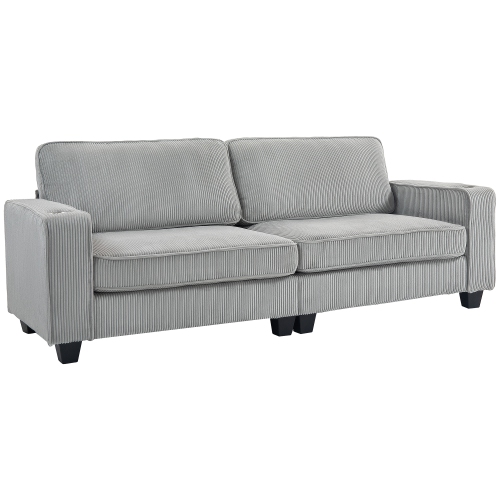


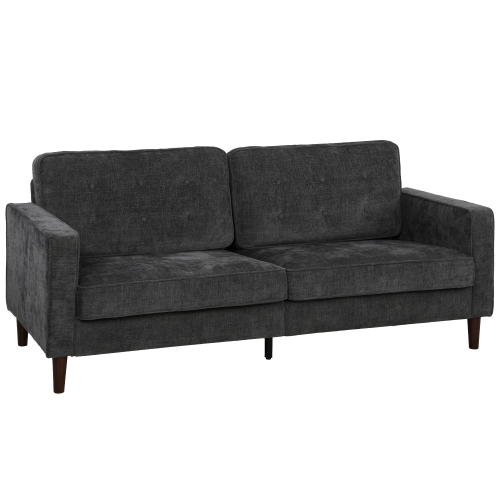
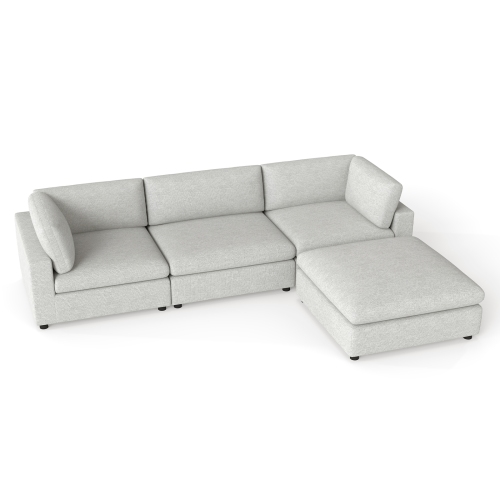


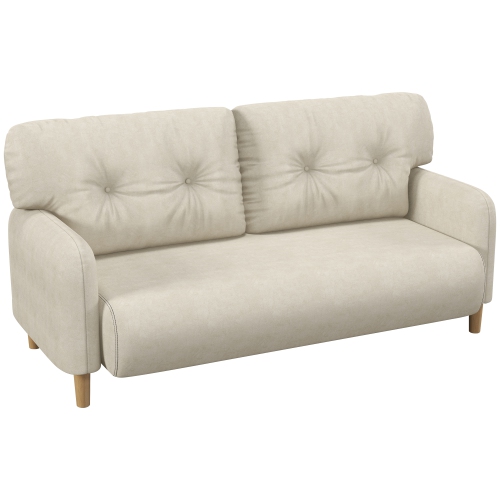
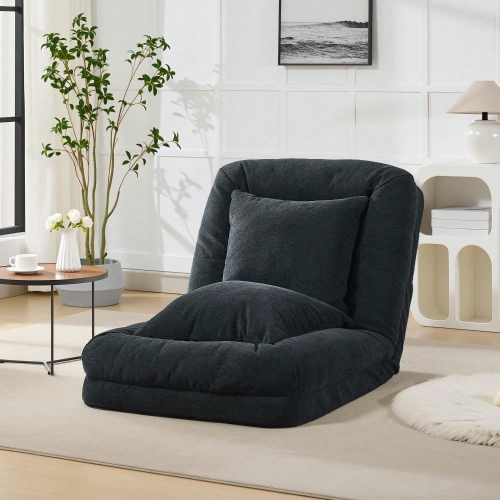

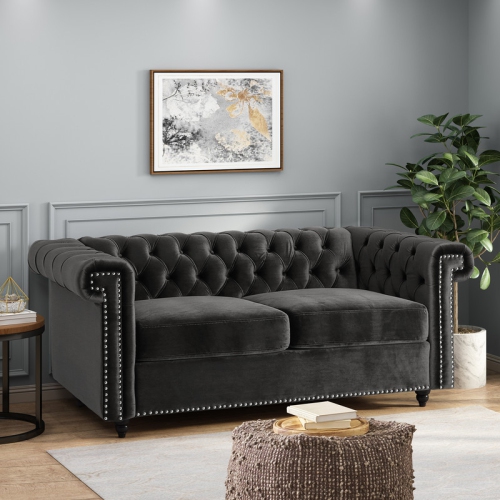
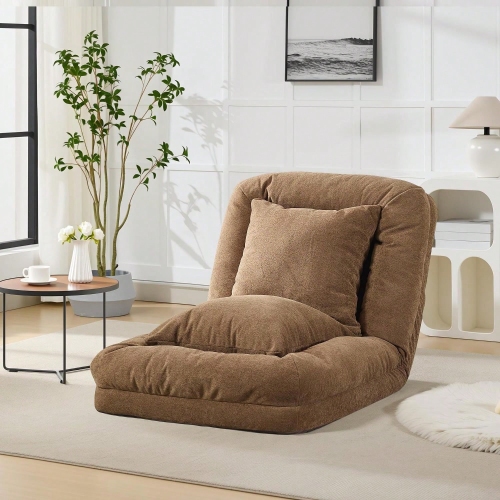
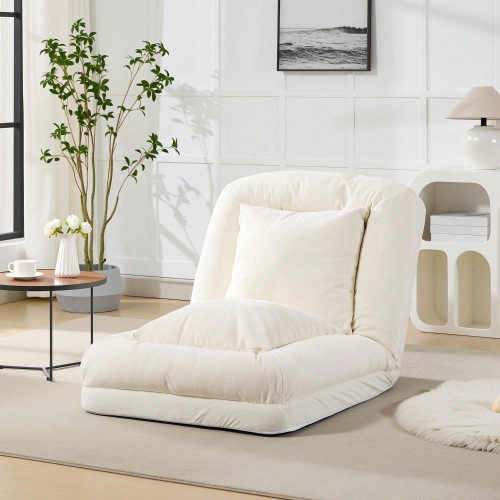
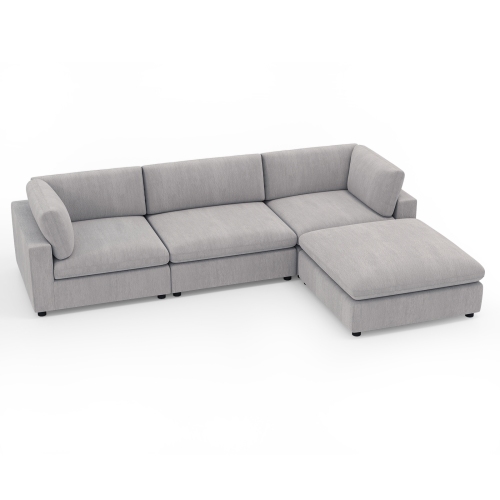


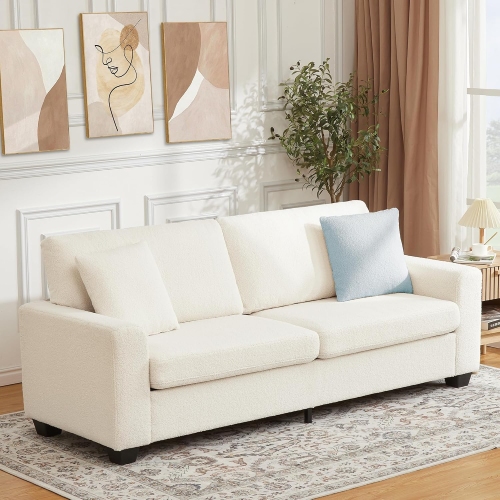

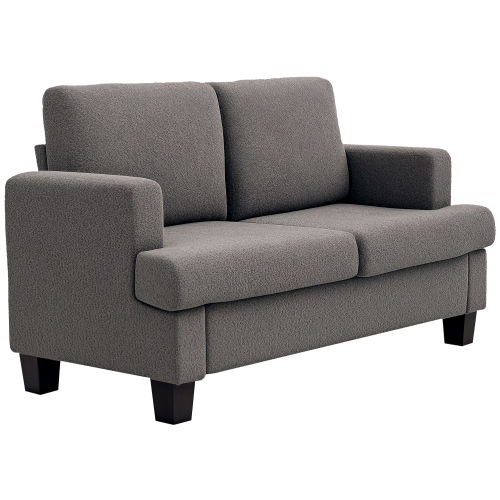
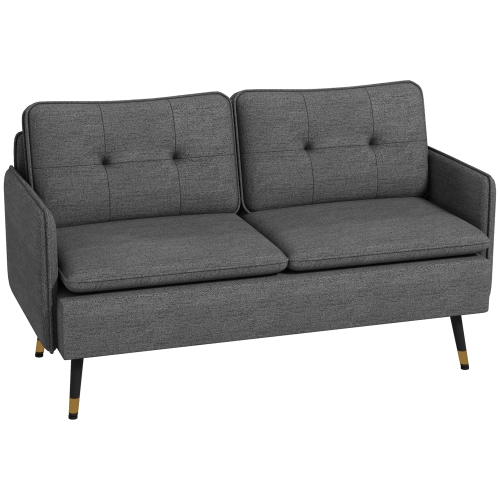


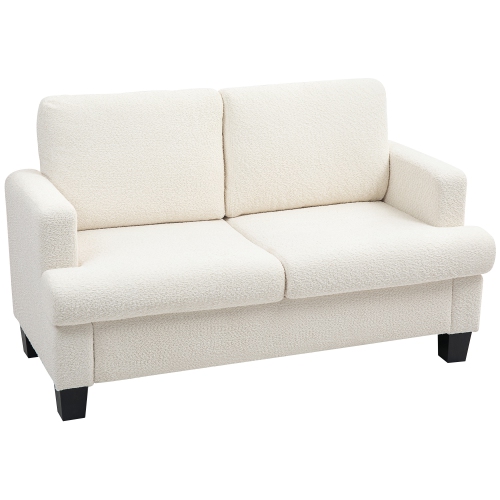

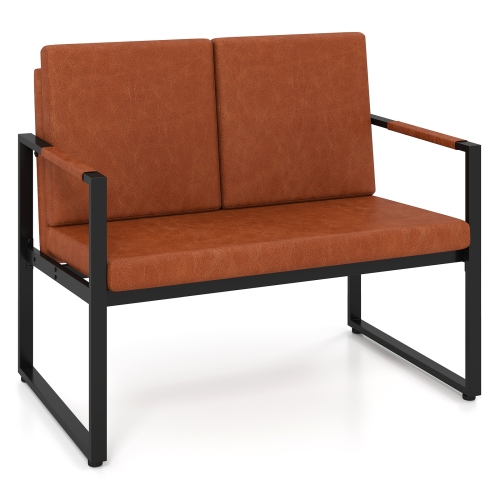
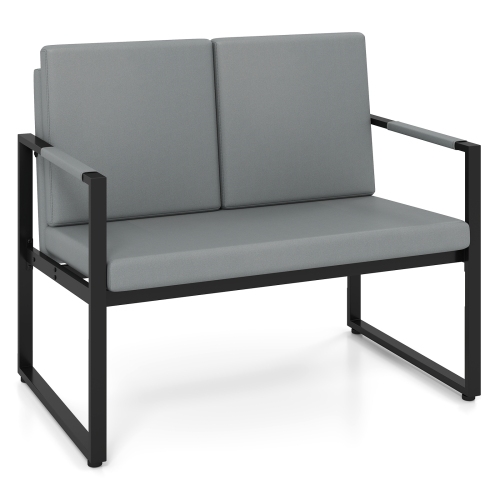

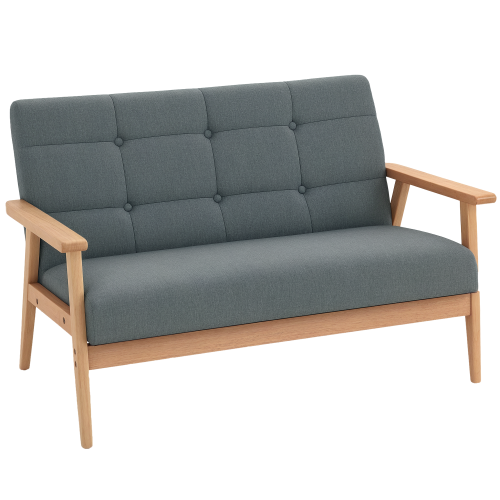
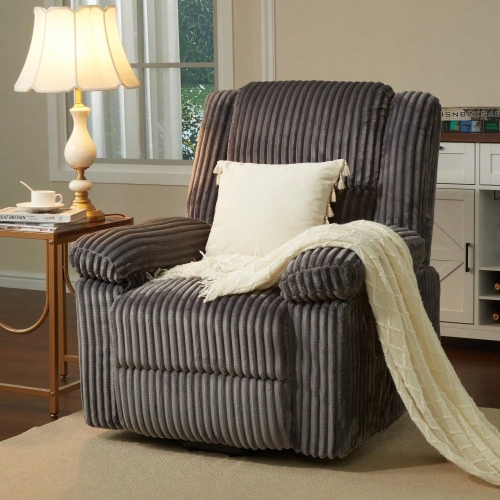
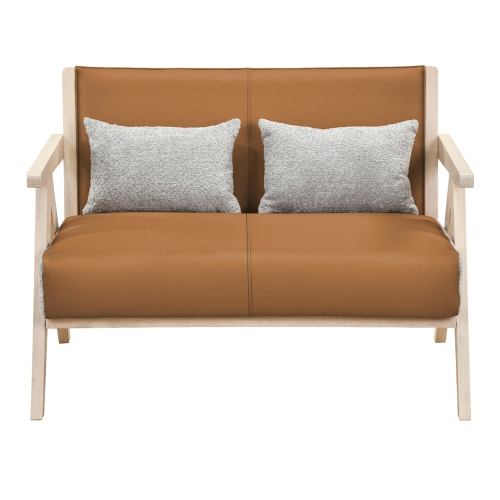
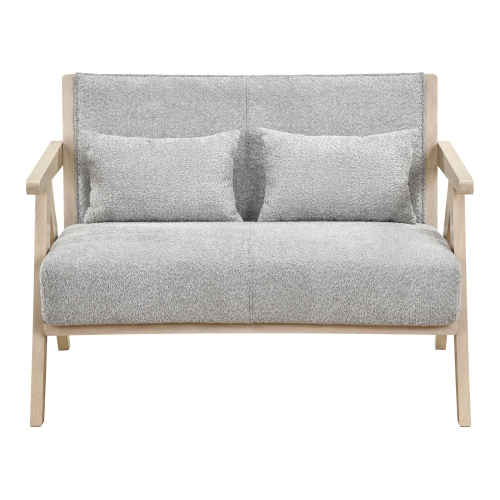


Everyday seating that makes room for overnight guests
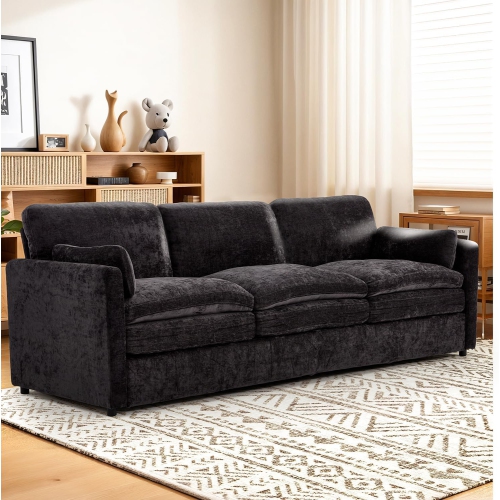
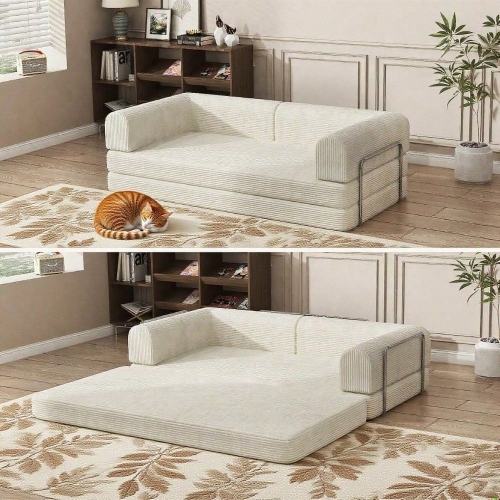
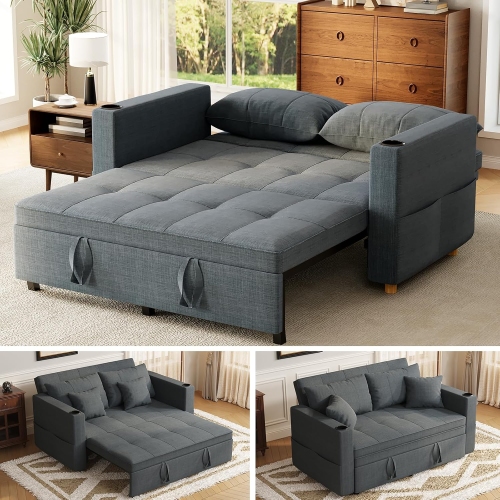
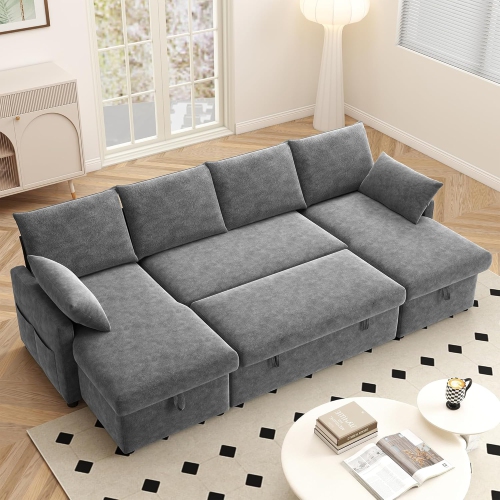
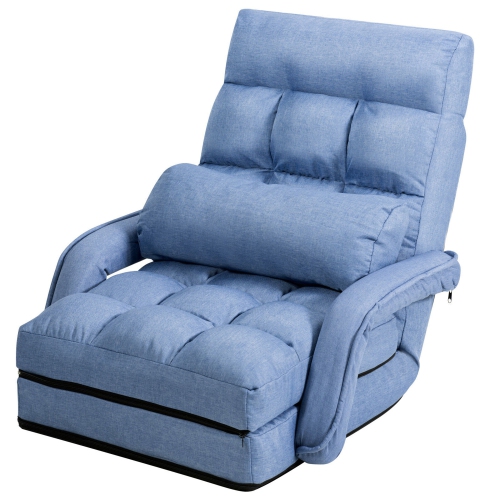
Living room sofa beds bring everyday seating and an extra place to sleep into the same footprint, making them useful in apartments, condos, family rooms, and homes without a dedicated guest bedroom. During the day, a sofa bed can be the spot for reading, watching a film, or settling in with visitors; at night, it can turn that familiar room into a comfortable place for an overnight stay. Different conversion styles suit different routines. A pull-out sleeper usually stores a separate mattress beneath the seat cushions, while a fold-down design creates a sleeping surface by lowering the backrest. Some convertible sofas use sliding sections or rearranged cushions, and some sectional sofa beds combine a sleeping area with a chaise. These differences affect both the feel of the seat and the work involved in getting the bed ready. For a guest who visits a few times a year, a straightforward conversion and a supportive sleeping surface may be the main priorities. For more frequent use, mattress construction, ease of opening, and the suitability of the frame for repeated conversion deserve closer attention. Foam mattresses can contour to the body, while sprung designs have a different, more responsive feel; comfort depends on the complete construction rather than the material name alone. Mattress thickness, the support beneath it, and any joins between cushions also influence how the bed feels. A fold-down sofa may have a firmer, more segmented sleeping surface than a sleeper with a separate mattress, though designs vary. Sleeping dimensions matter just as much as seating capacity: a sofa described as a three-seater does not necessarily provide a particular bed size. The stated width and length of the opened bed give a clearer picture of whether it will suit one adult, a couple, or a taller guest. For nightly sleeping, the intended use specified by the manufacturer is especially important, since not every sofa bed is designed to replace a regular bed.
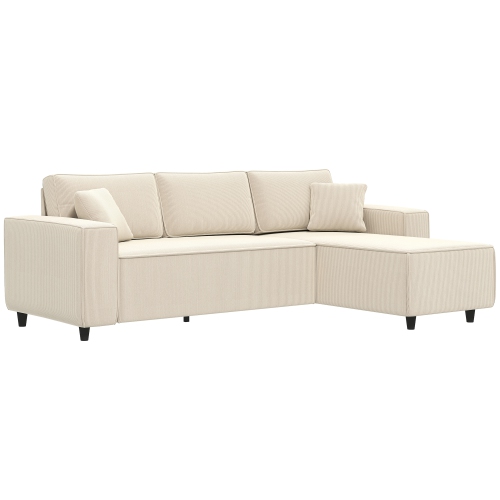
The best fit for a living room depends on the space the sofa occupies in both positions, not simply its closed width. An opened sleeper can extend well beyond the front edge of the seat, taking over the spot normally occupied by a coffee table or ottoman. Measuring that full footprint helps preserve a clear route to the doorway and keeps the sleeping area from blocking a frequently used cabinet or passage. Fold-down backs may need clearance behind the sofa, while pull-out mechanisms generally need room in front; the exact requirements depend on the design. In a compact room, a lightweight side table can be easier to move at bedtime than a large central coffee table. A sectional adds another consideration: the chaise needs to face the right direction for the room, particularly when a doorway, balcony entrance, or media unit limits the layout. Delivery access matters, too. Door widths, hallway turns, stair landings, elevator dimensions, and ceiling clearance along the route can all affect whether a sofa reaches its intended spot. Packaged dimensions and information about removable legs or separate sections help clarify those constraints. Once in place, the seating proportions shape daily comfort. Seat depth influences whether someone can sit upright with their feet supported or stretch out against cushions, while arm height and back support affect reading and conversation. A deep, low sofa may suit lounging but be less convenient for someone who prefers an easier rise from the seat. Built-in storage can keep spare sheets and pillows close at hand, provided the compartment is large enough and accessible in the chosen layout. Bedding should stay clear of hinges and moving parts, and the conversion area should be free of loose objects, children, and pets while the mechanism is operating. For guests, a reachable lamp and a nearby surface for glasses or a phone make the temporary sleeping space feel more considered without requiring a separate bedroom.
Upholstery and construction determine how well a sofa bed handles ordinary living between overnight visits. Tightly woven fabric can offer a smooth, tailored appearance, while textured upholstery brings depth and can make small marks less noticeable. Fibre content, weave, and the manufacturer’s care instructions are more useful indicators of upkeep than colour alone. A pale sofa can work beautifully in a quieter sitting room, whereas a household with pets, snacks, and frequent visitors may place greater value on straightforward spot cleaning and covers that can be removed for care. Removable does not automatically mean machine washable, so the care label remains the reference for washing, drying, and cleaning methods. Leather and coated upholstery also need material-appropriate treatment rather than a general household cleaner. Regular vacuuming around seams and beneath cushions helps remove crumbs and grit, and prompt attention to spills can reduce the chance of a lasting mark. Where permitted, rotating loose cushions helps distribute wear; attached cushions need a different care routine. Under the upholstery, a well-supported frame, secure joints, stable legs, and a smoothly operating mechanism contribute to durability. Weight limits for seating and sleeping may differ and should be checked separately. Opening and closing the bed according to its instructions, rather than forcing a resistant hinge, helps protect both the mechanism and surrounding fabric. A mattress topper may add cushioning when compatible, but it should be stored separately unless the sofa’s instructions allow it to remain inside when folded. Appearance still matters in a piece used every day: slim arms can leave more usable seating within a compact width, while broader arms and deeper cushions create a more substantial presence. Neutral colours sit easily alongside changing rugs and cushions, and a distinctive texture can give a simple shape character. For rooms that need seating without a sleeping function, Living Room Sofa Couches offer another way to furnish the main gathering space. A sofa bed earns its place when its everyday comfort, open-bed dimensions, and care needs suit the household as well as its guests.
Top selling and popular products
-
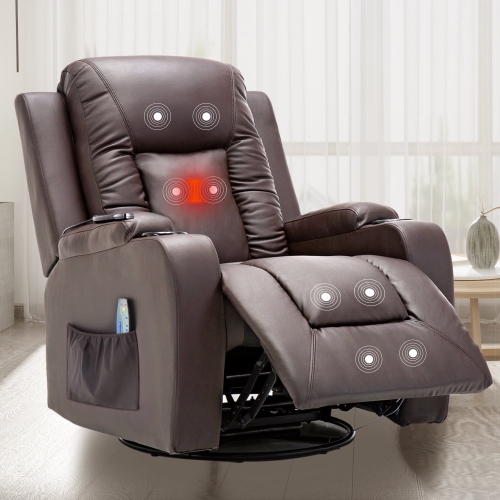 Your price for this item is $599.99
-
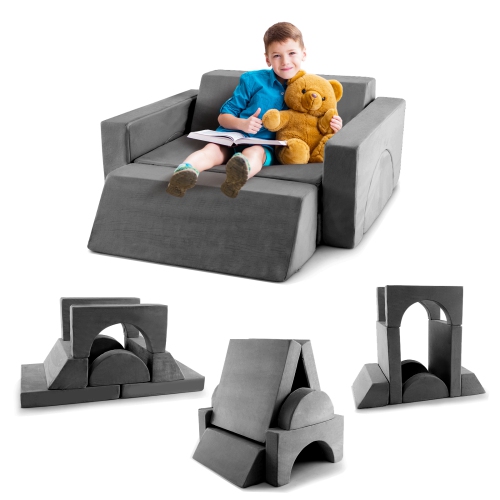 Your price for this item is $167.99
-
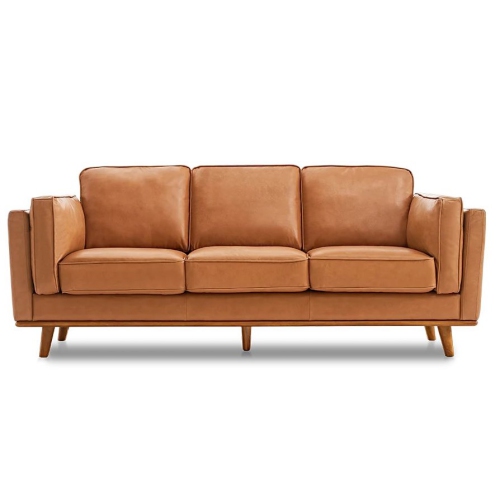 Your price for this item is $2399.99
-
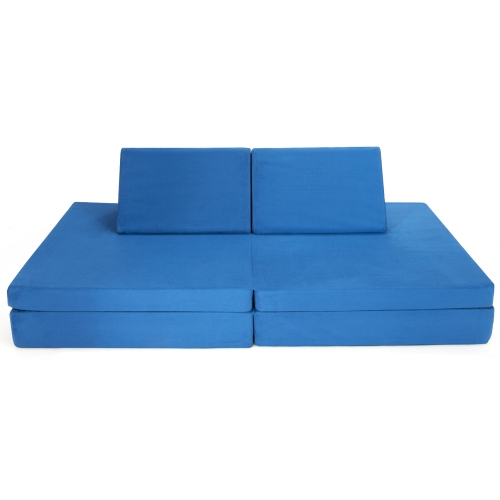 Your price for this item is $167.99
-
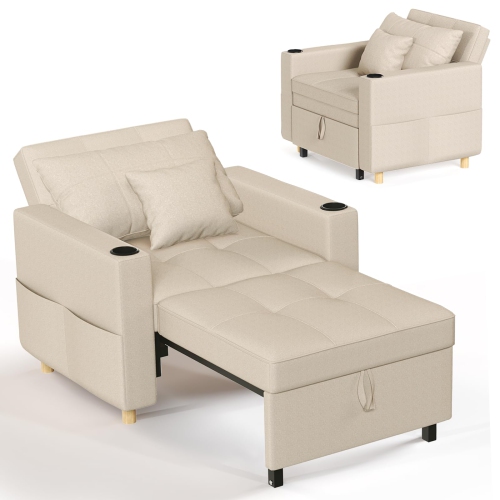 Your price for this item is $329.99
-
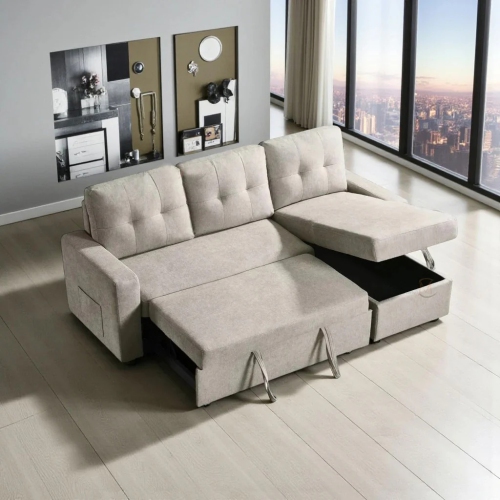 Your price for this item is $999
-
 Your price for this item is $559.99
-
 Your price for this item is $515.99
Discover more categories related to Living Room Sofa Beds
Top Collections:
Pokemon Centers, Best Cameras for Sports Photography, Kindle Devices, Samsung Galaxy Phones, Canon G7X Cameras, Pokémon 30th Celebration Cards, Refurbished Apple Laptops, iPhone 15 Apple, Laptops for Students, Budget Smartphones
Some products may be subject to Environmental Handling Fees
(EHF) depending on your province.
Learn more about EHFs.