Metal Accent Tables
A metal accent table is a great way to add a modern touch to your living room, dining room, or den. These accent tables can also be used in an office setting, as a place to set down your laptop or other work items. Metal accent tables are available in many different styles and designs. Here are some great options for metal accent tables available today.
Sort

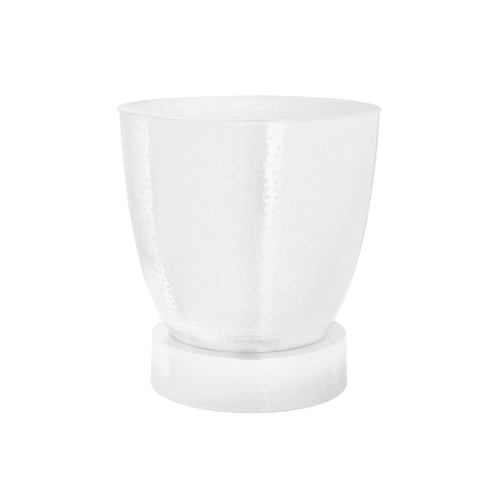
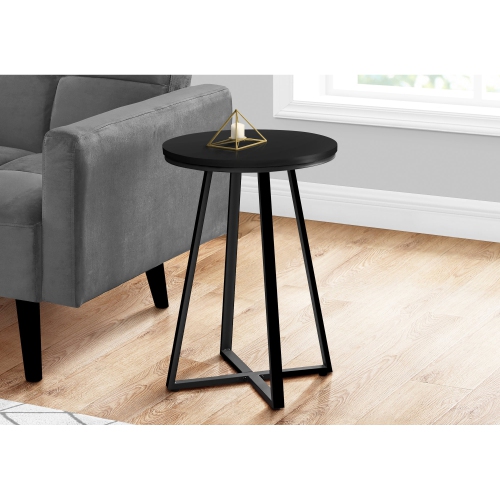


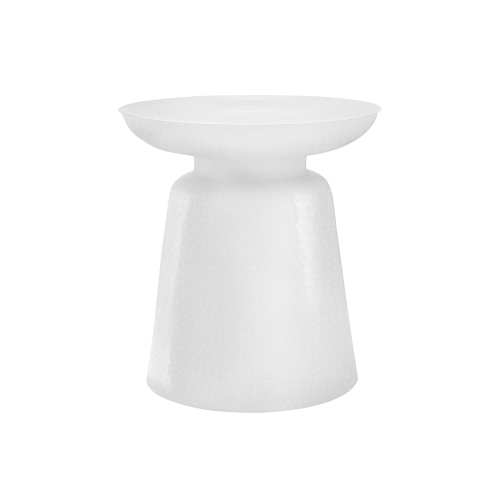


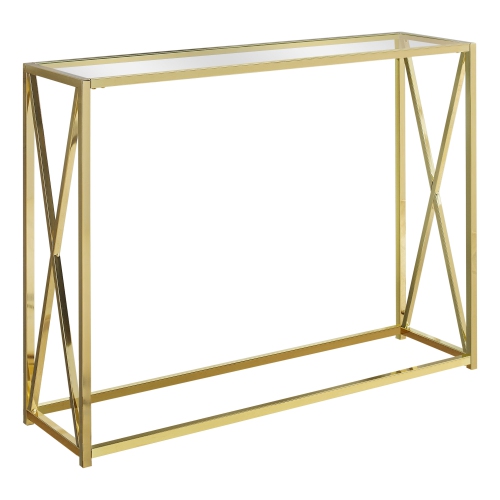


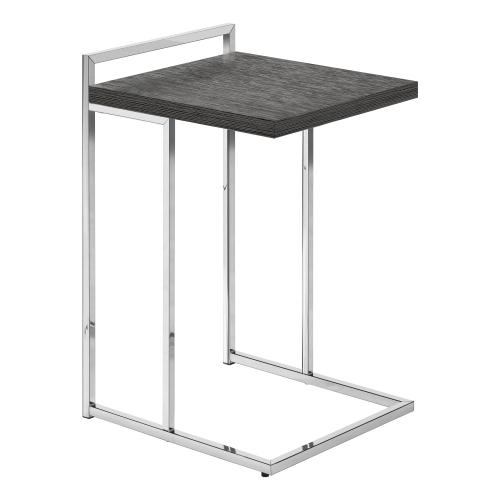


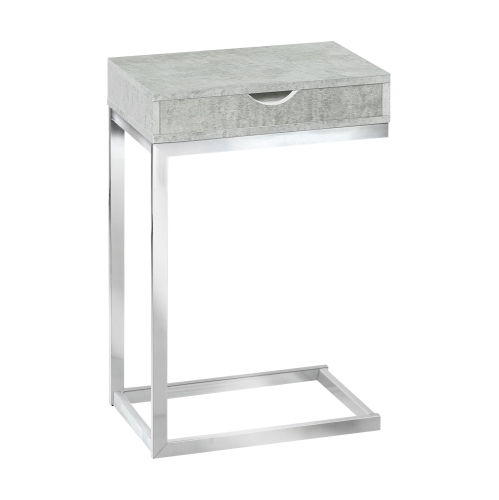


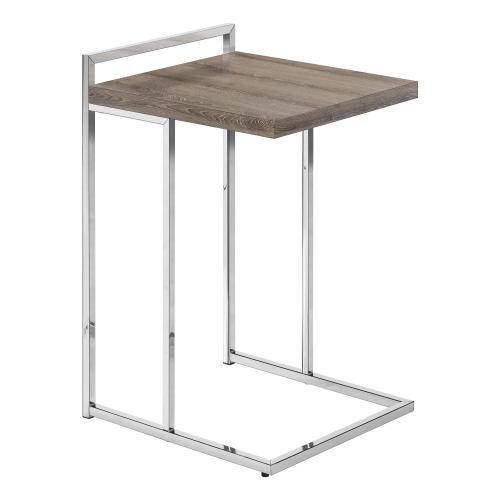


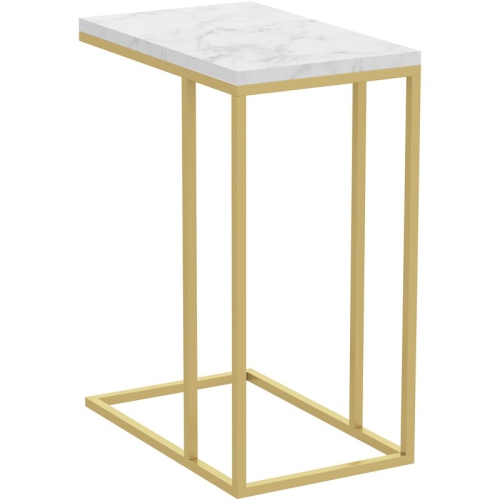


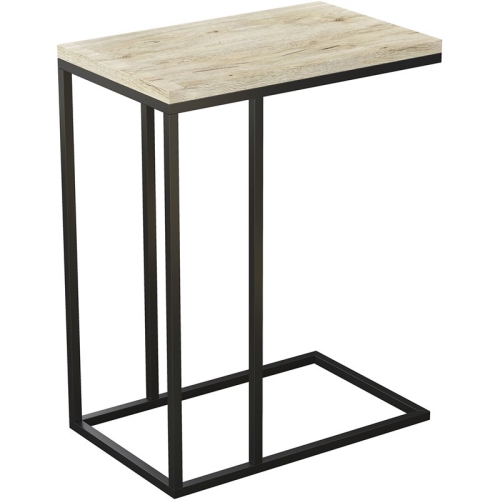


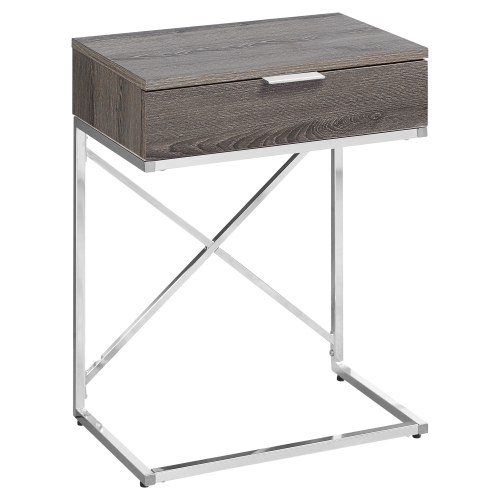


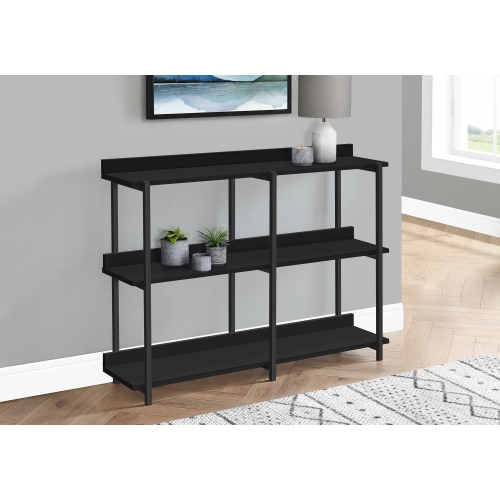


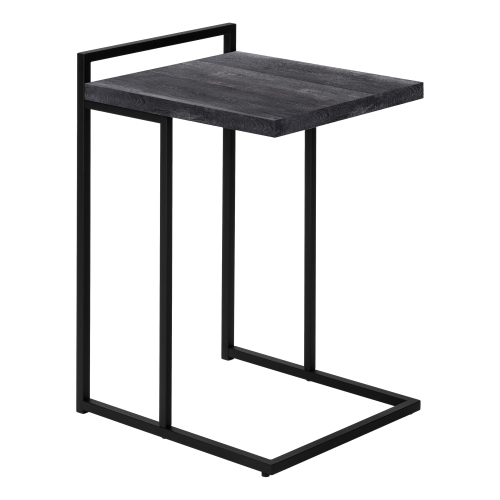
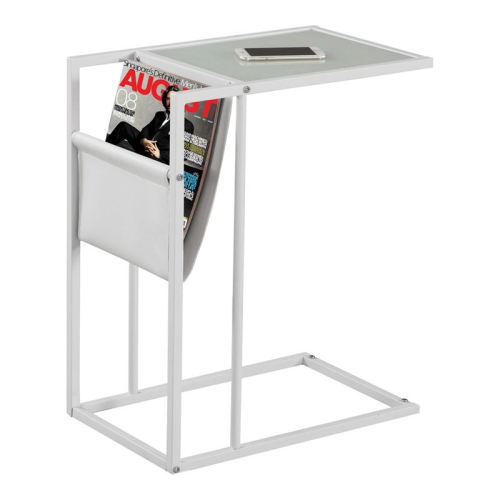


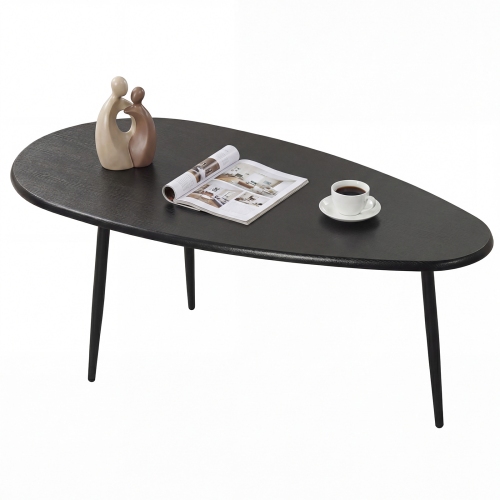

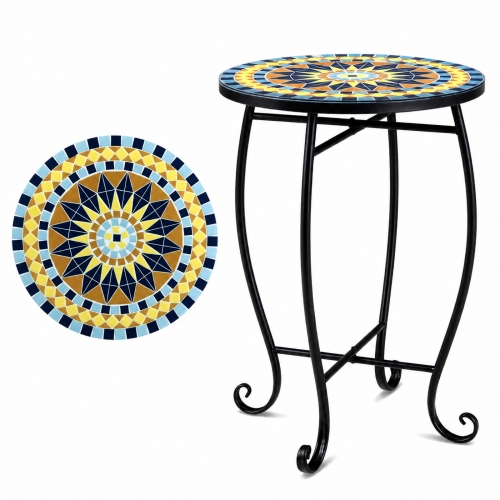

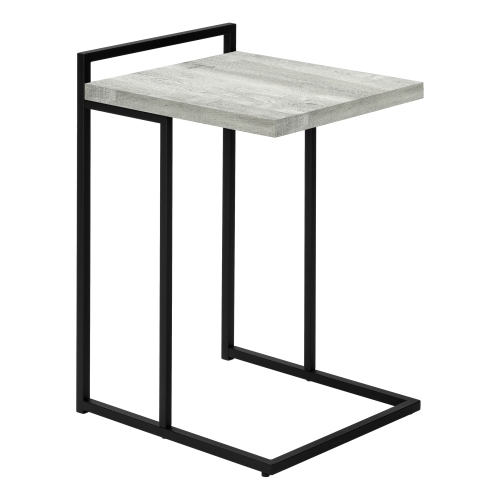
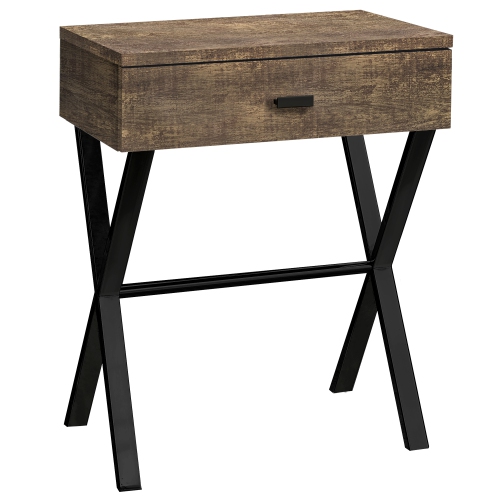
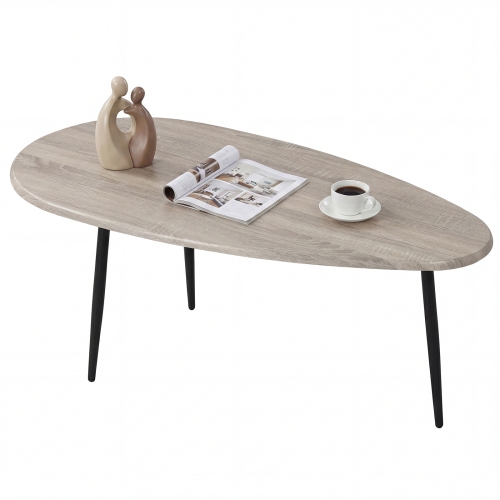


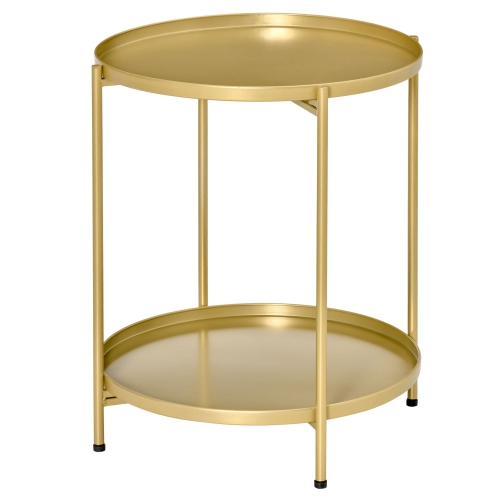


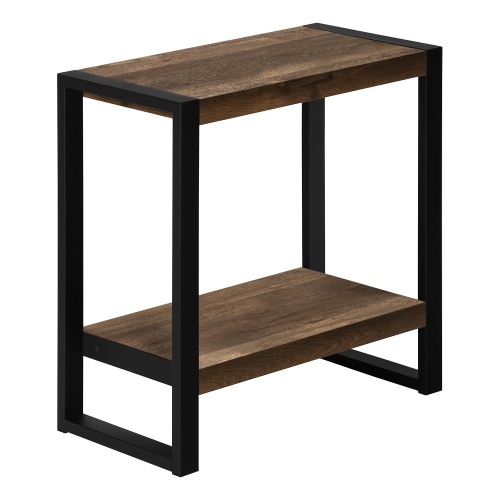

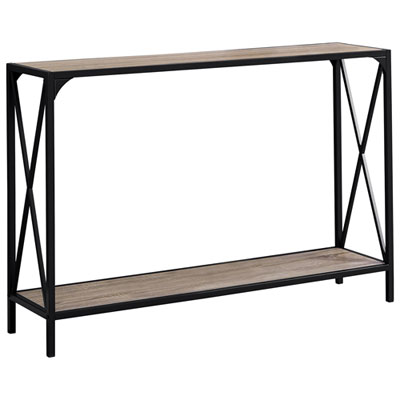


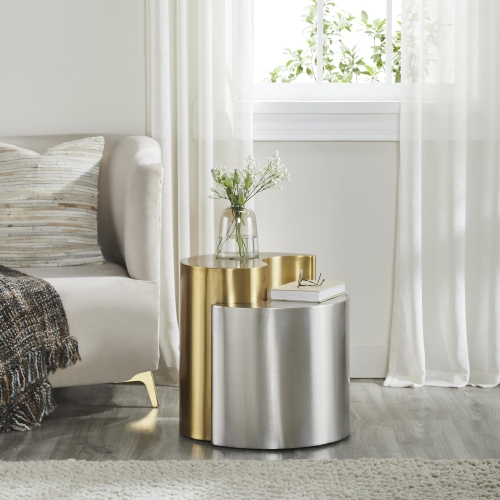
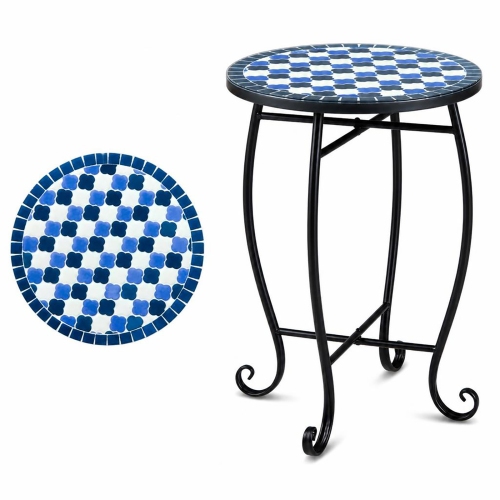
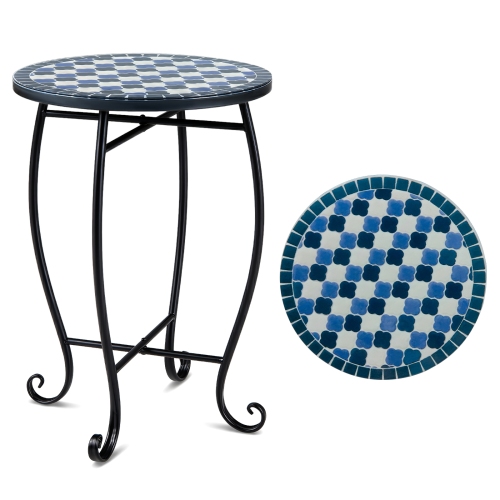
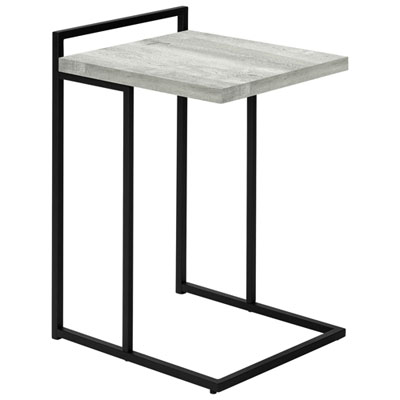


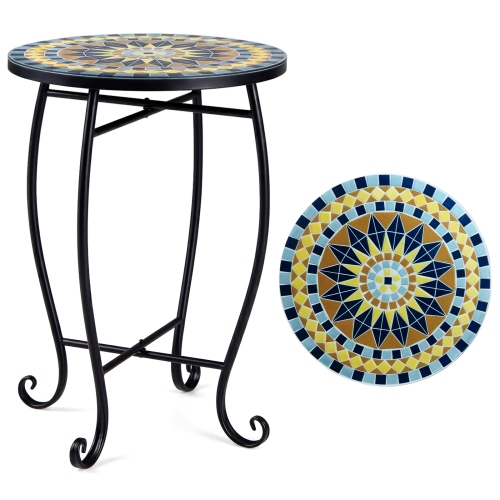
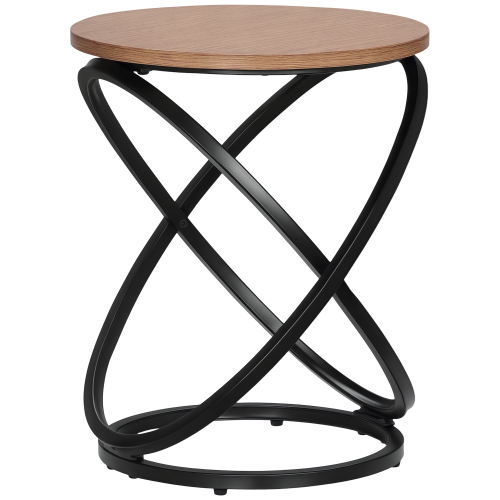
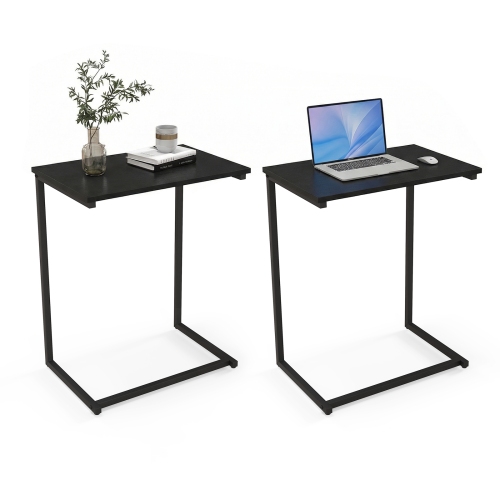

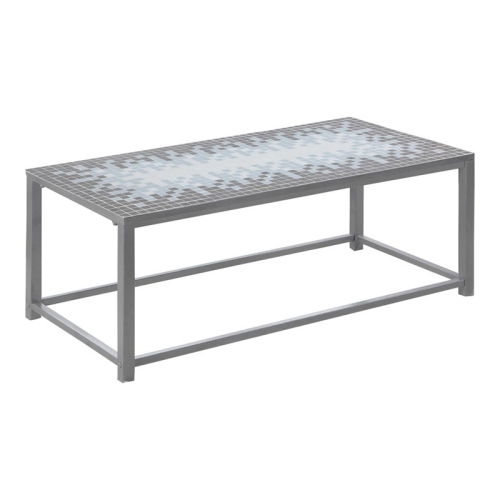

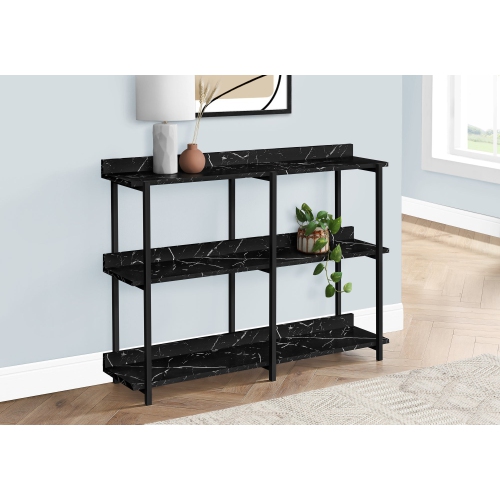


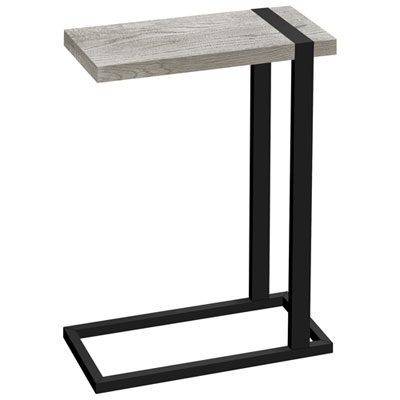
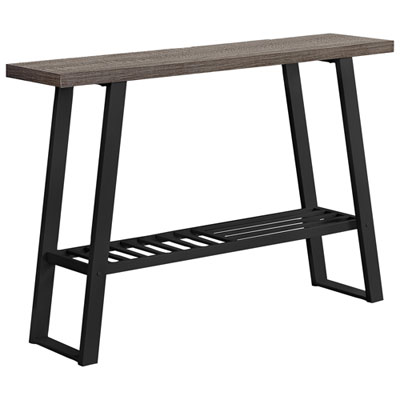


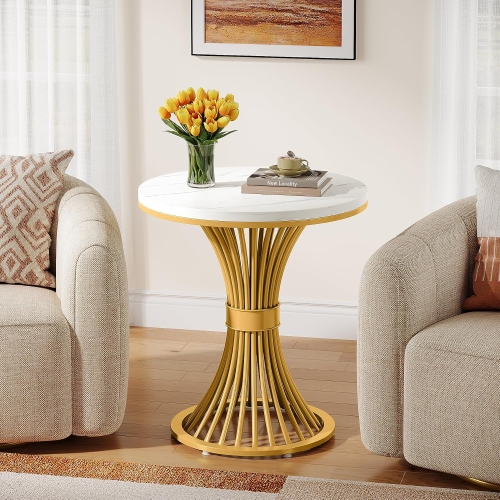
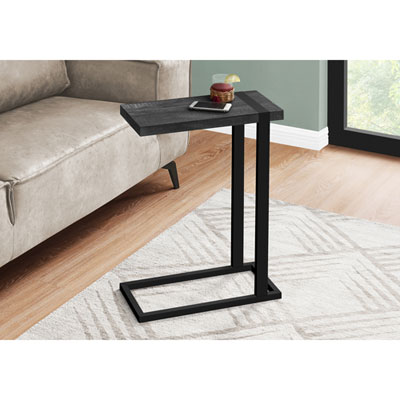
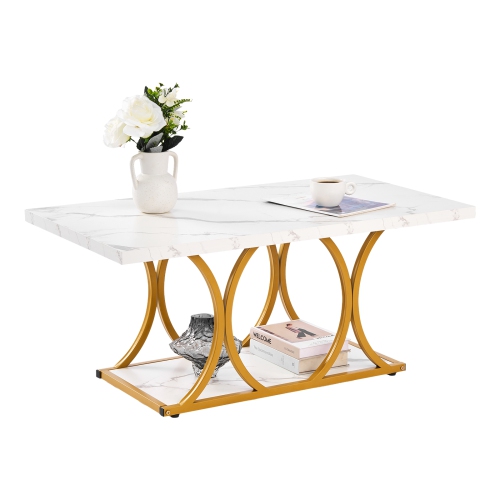

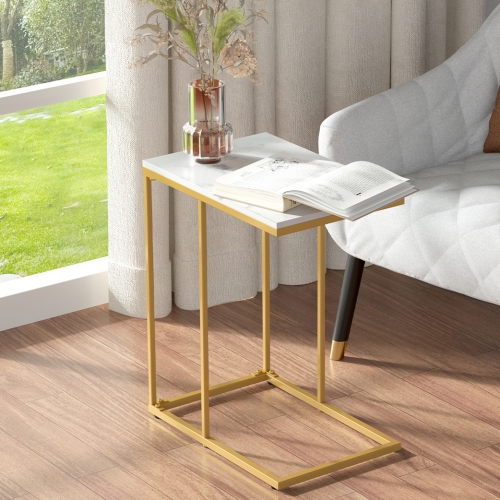


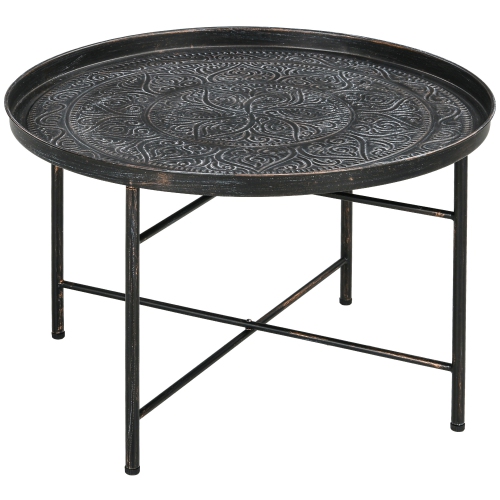


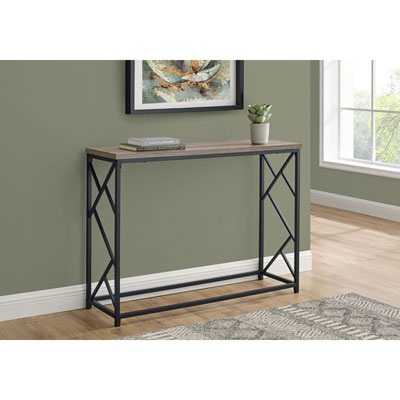

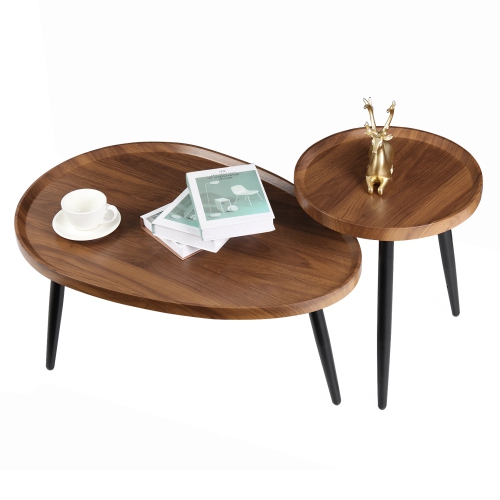


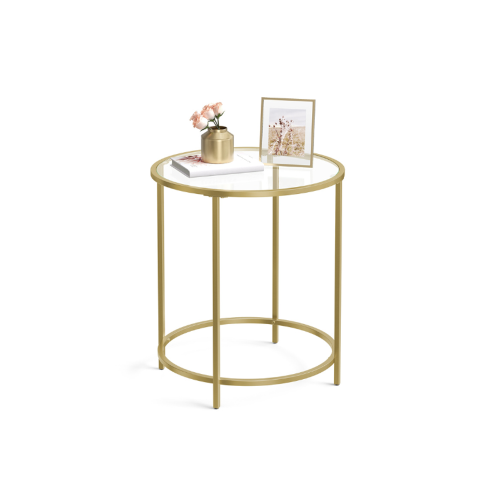

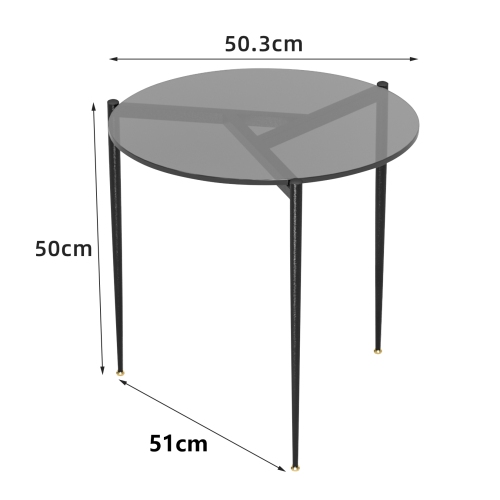
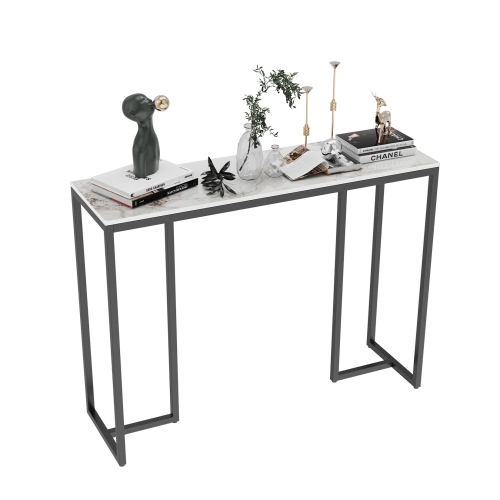
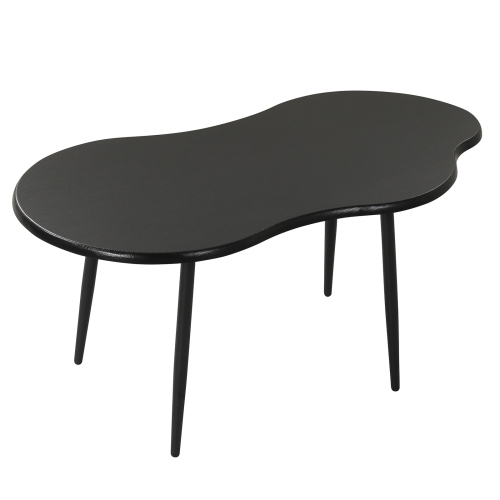
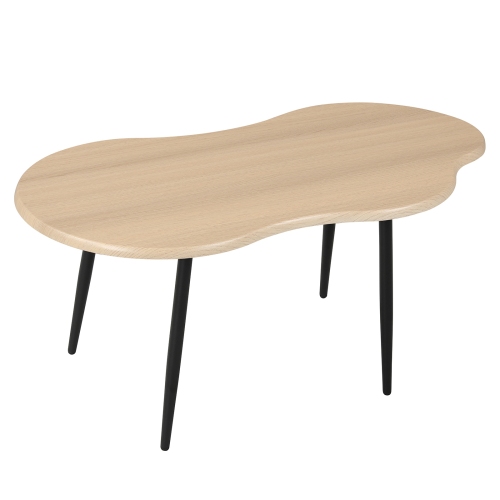
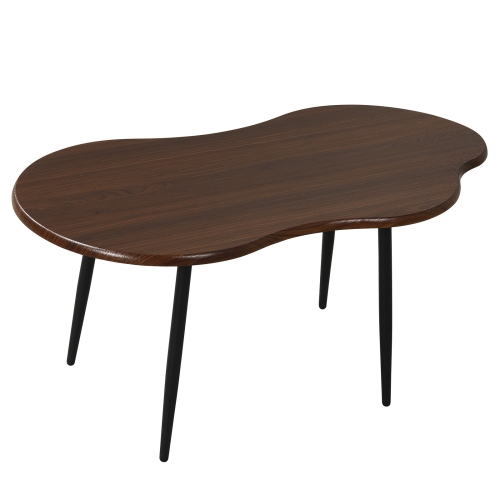
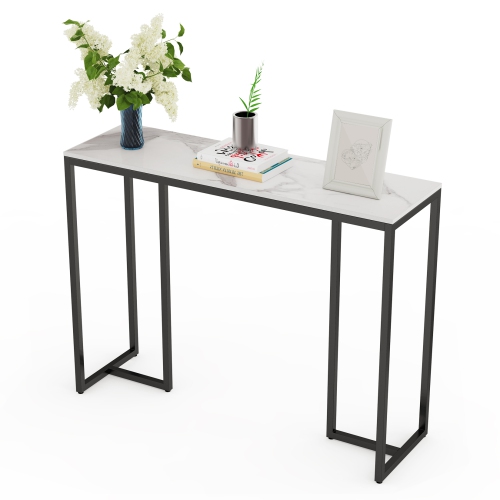
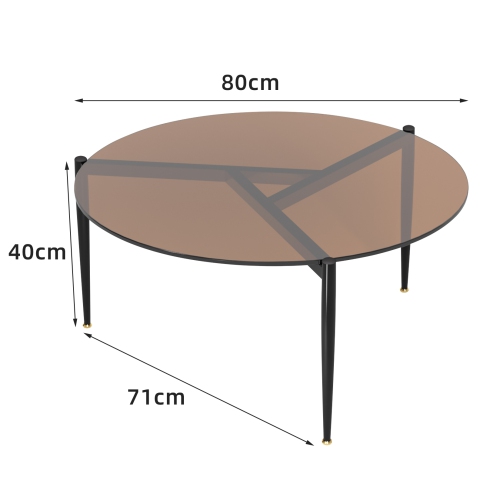

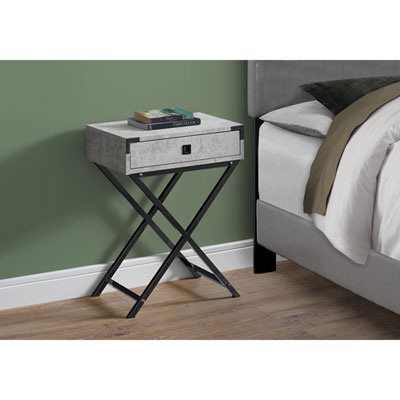

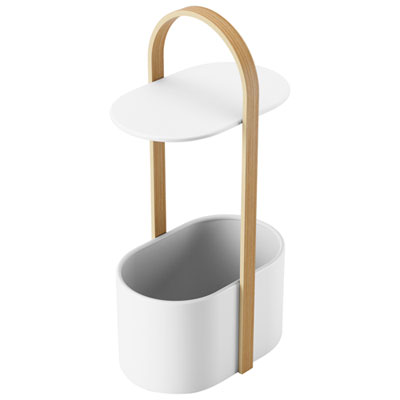
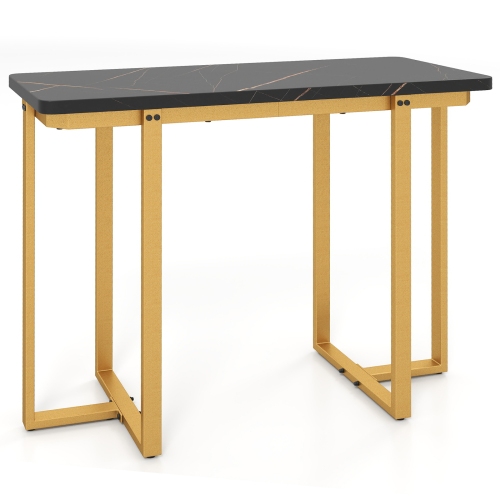
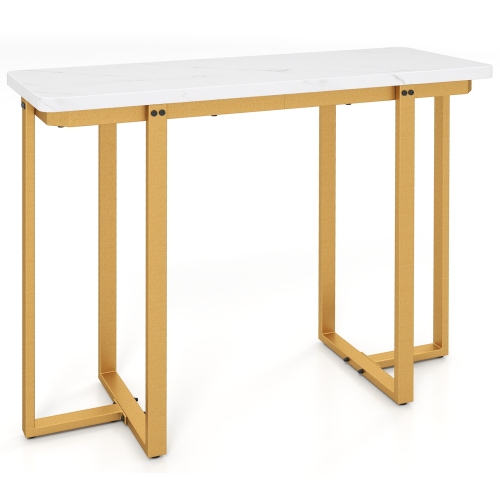
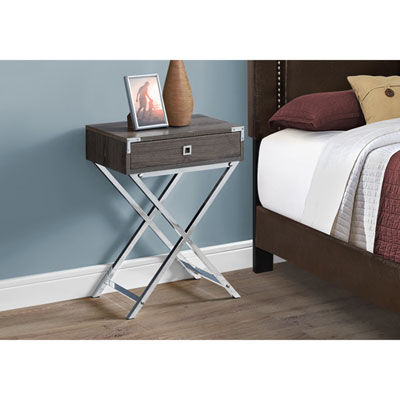
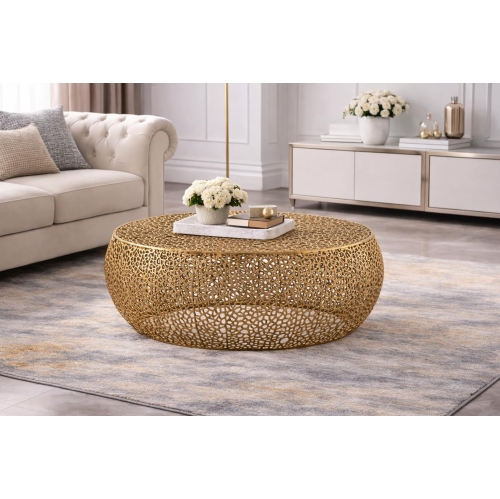
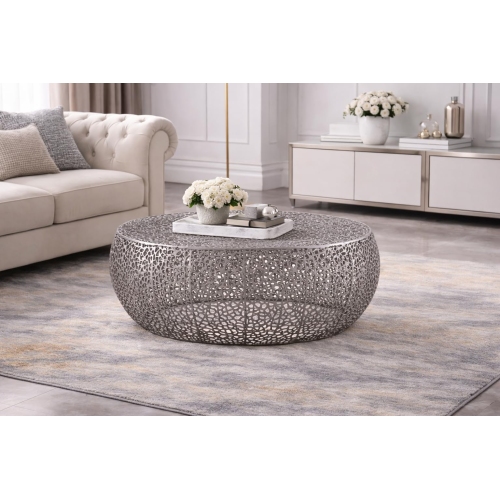
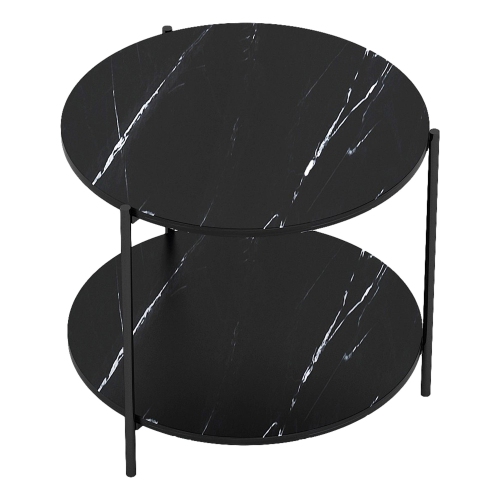

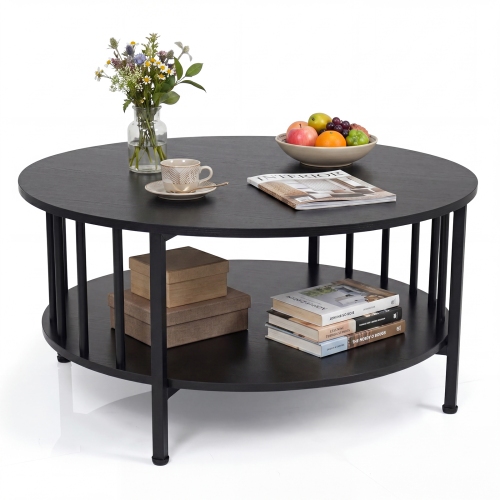
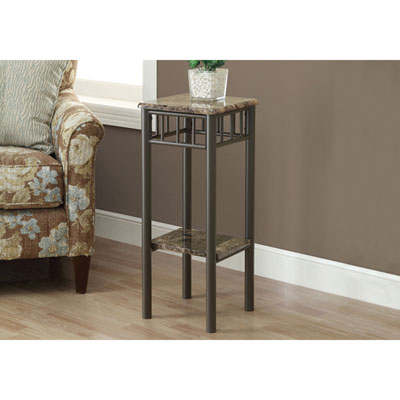
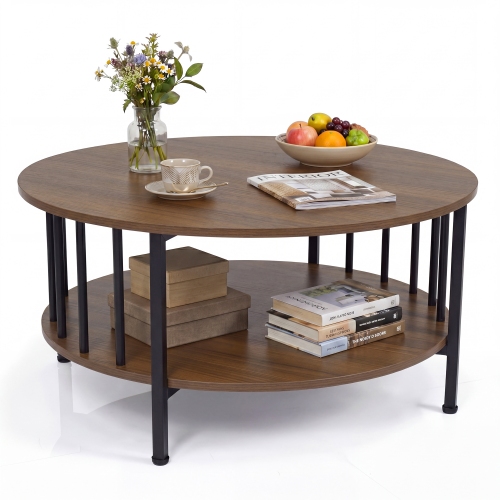
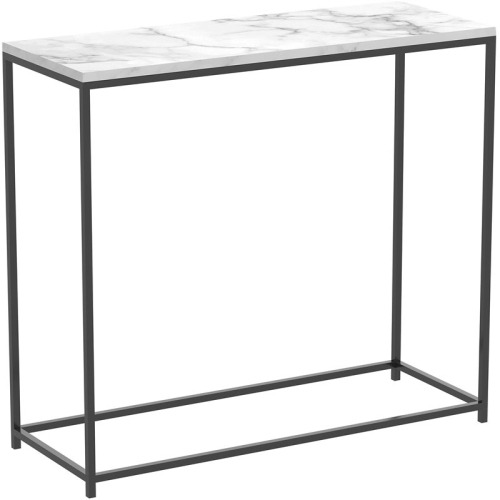


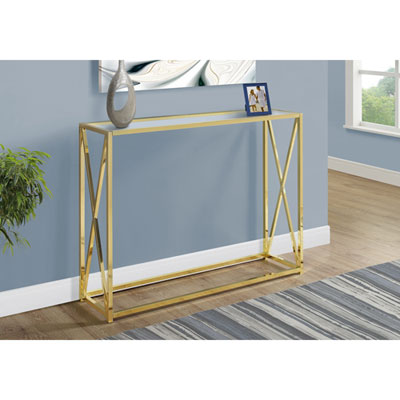

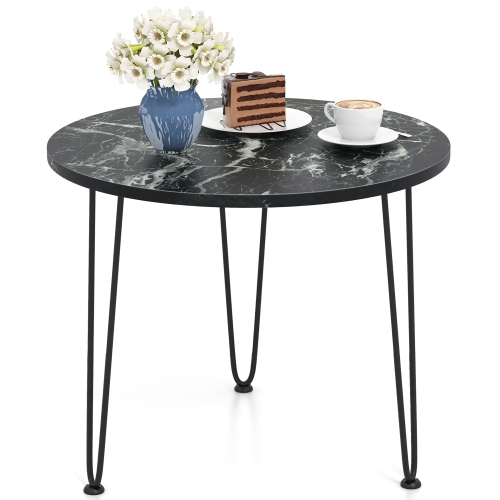
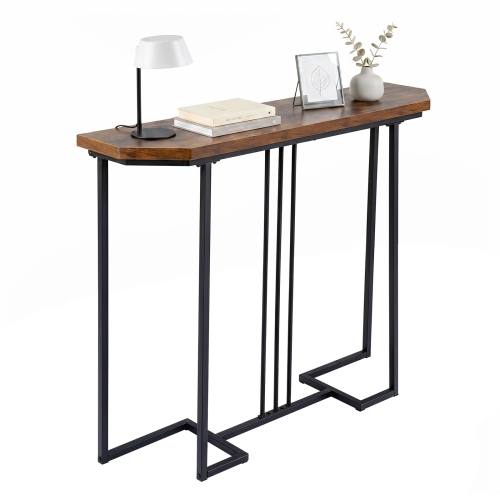

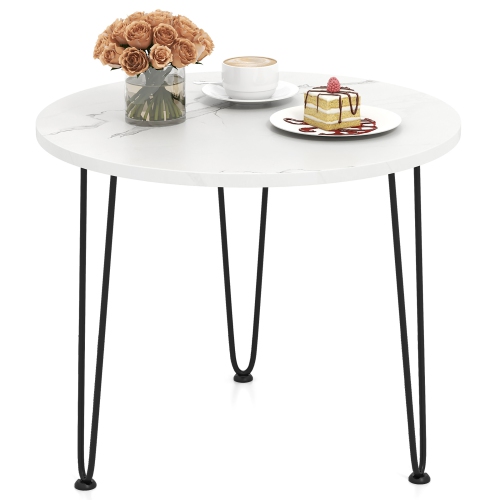

Small surfaces with a strong sense of shape
Metal accent tables bring a defined shape and a useful surface to spaces that do not need a full-size coffee table or cabinet. Beside a reading chair, a compact round table gives a mug, glasses, and a book a place within easy reach. In a living room, a slim frame can fill the gap between seating without making the arrangement feel crowded, while a sculptural pedestal can give an otherwise quiet corner a focal point. Their character comes partly from the metal itself and partly from how it is shaped: slender rods create an open, airy outline, folded panels look crisp and architectural, and curved bases soften rooms with lots of straight edges. Black finishes can anchor a grouping of pale upholstery and light wood, while brass-toned finishes bring a warmer note to neutral furnishings. Silver-toned surfaces offer a different effect, ranging from the subtle sheen of brushed metal to the more noticeable reflection of a polished finish. A metal accent table does not need to match every nearby furnishing to look at home. Repeating one detail, such as the dark finish of a lamp base or the curve of a chair arm, can create a connection without making the room feel overly coordinated. The tabletop also changes the impression. An all-metal design has a unified look, whereas a metal frame paired with wood, glass, or stone introduces contrast in both texture and visual weight. Clear glass allows the base to remain visible, wood adds grain and warmth, and stone brings natural variation where genuine stone is used. These tables suit living rooms, bedrooms, home offices, and spacious entryways, provided their dimensions and construction match the intended task. For someone furnishing a first apartment or refreshing a favourite reading spot, a thoughtfully sized accent table can be a practical housewarming gift, especially when the recipient’s space and preferred finishes are already familiar.
Fit involves more than finding a tabletop small enough for an empty corner. Height affects how comfortable the table is to use, particularly beside upholstered seating. A surface close to the height of a sofa or chair arm generally makes setting down a drink easier than one that requires a deep reach. The relationship matters at a bedside, too, where a lamp, phone, and water glass should be accessible without stretching awkwardly. For tables intended specifically to sit beside seating, Metal End Tables offer a closely related furniture category. Width and depth deserve equal attention: a table should provide enough usable surface for its everyday contents while leaving comfortable passage around it. Marking the footprint on the floor with removable tape can help show whether a base will interfere with feet, a reclining chair, or a nearby door. Round tops can ease movement in tighter layouts, although the base may extend farther than the tabletop suggests. Square and rectangular shapes often sit neatly against walls or alongside straight sofa arms. A C-shaped frame may allow the base to slide beneath seating and bring the surface closer, but the clearance under the sofa and the thickness of the base determine whether that arrangement works. Nesting designs offer separate surfaces when needed and a smaller combined footprint when tucked together; their overlapping heights and edges affect how much of each top remains usable. A lower shelf can hold reading material or a small basket, though it also adds another surface to dust and may reduce space for feet. Think about the objects the table will hold rather than judging by dimensions alone. A broad lamp base can leave little room on a narrow top, and a trailing charging cable can get in the way along a walking route. In households with children or pets, stability, edge shape, and placement deserve particular attention. An accent table should not be treated as a seat, step, or climbing surface unless it is expressly designed for that purpose.
Construction and finish help determine how a metal accent table performs over time. Steel can provide a firm, substantial frame, while aluminium is often lighter and easier to move; the actual weight and strength depend on the thickness, shape, and overall design rather than the material name alone. Welded joints, securely fastened components, and a base proportionate to the top all contribute to a steady feel. A heavy tabletop does not automatically make a table stable, especially if it rests on a narrow support. Where assembly is required, correctly aligned parts and fasteners tightened according to the supplied directions help prevent movement at the joints. Adjustable feet can be useful on slightly uneven floors, while suitable protective pads can help limit marks on hard flooring. Those pads need occasional inspection, since trapped grit can scratch a surface when the table shifts. Metal finishes also vary in their care requirements. Powder-coated surfaces have a bonded coating, while plated and painted finishes use different surface treatments; none should be assumed to resist every scratch, spill, or cleaning product. A soft cloth and the manufacturer’s recommended cleaning method are the best starting points. Abrasive pads and harsh cleaners can damage the finish, and moisture left around seams or beneath objects may cause staining or corrosion on susceptible materials. Coasters help protect against drink rings, and a protective layer beneath a planter can keep both moisture and rough ceramic edges away from the top. Mixed-material tables need care suited to each component, particularly porous stone, wood finishes, and glass edges. Lift rather than drag a table when moving it, and avoid using a raised rim or decorative detail as a carrying handle unless it is intended for that use. Indoor metal furniture should not be assumed suitable for a balcony or patio without an explicit outdoor-use rating. With the right proportions, sound construction, and appropriate care, a metal accent table can serve as a dependable everyday surface while adding a distinct finishing touch to a room.
Top selling and popular products
-
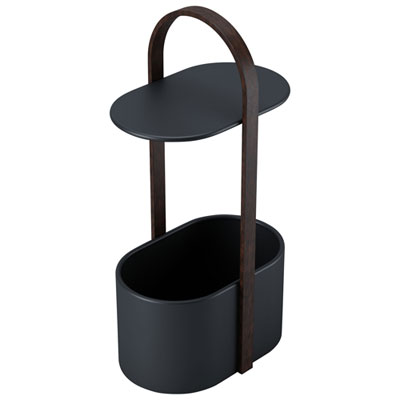 Your price for this item is $93.98
-
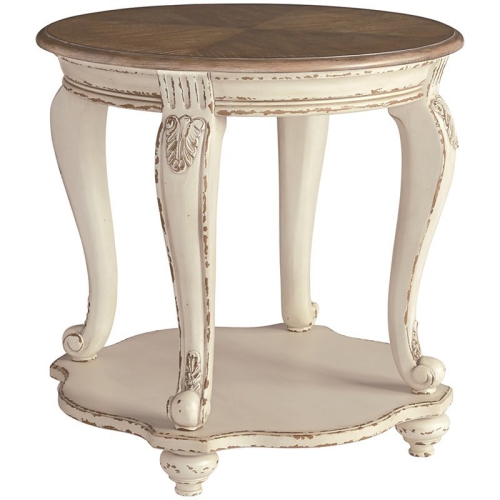 Your price for this item is $369
-
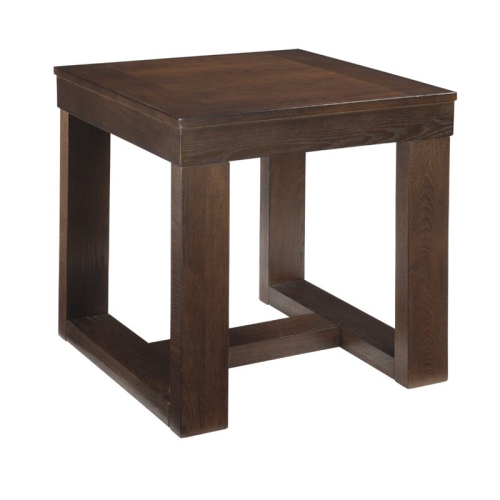 Your price for this item is $199
-
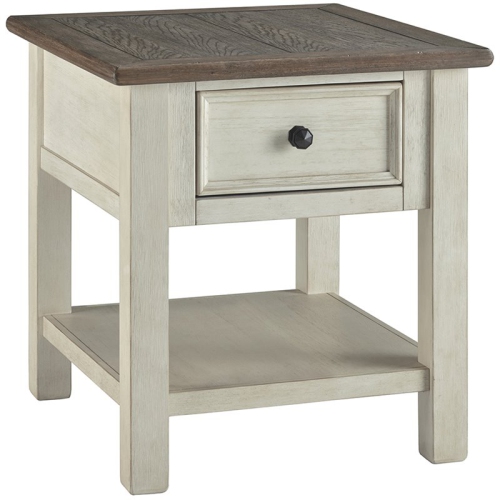 Your price for this item is $399
-
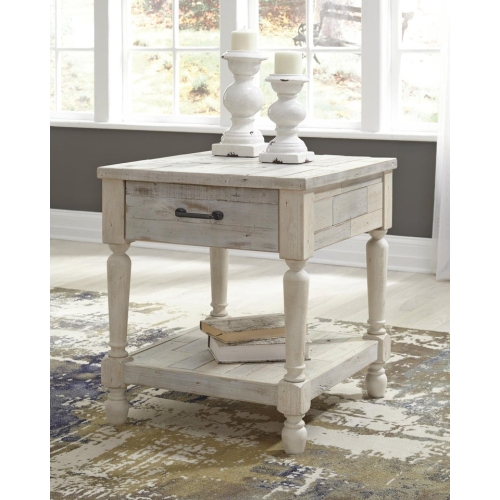 Your price for this item is $249
-
 Your price for this item is $375
-
 Your price for this item is $452.99
-
 Your price for this item is $224.99
Discover more categories related to Metal Accent Tables
Top Collections:
Pokemon Centers, Kindle Devices, Best Cameras for Sports Photography, Pokémon 30th Celebration Cards, Apple iPhones 16, Canon G7X Cameras, iPhone 15 Apple, Flip Phones, Samsung Galaxy Phones, Alarm Clock
Some products may be subject to Environmental Handling Fees
(EHF) depending on your province.
Learn more about EHFs.