Small Bookshelf
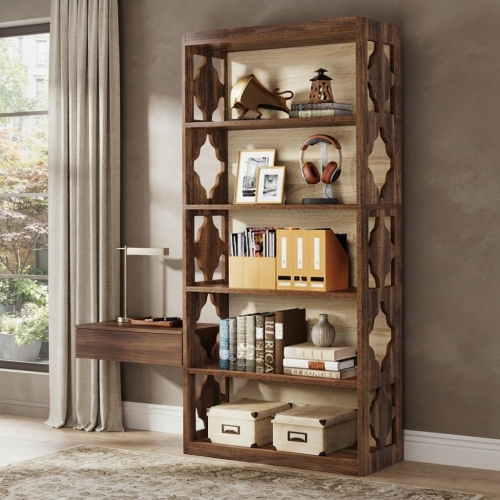
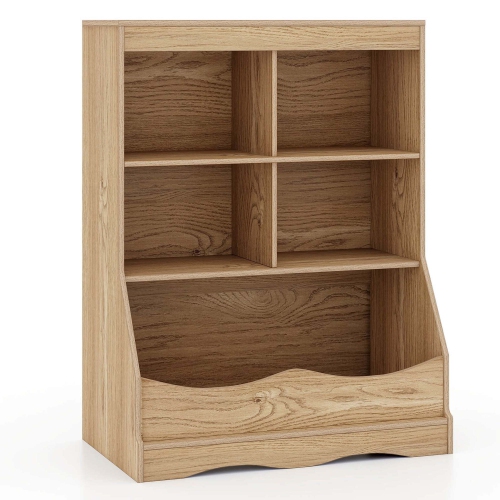
A small bookshelf is a type of shelf that is designed to hold books and other items. It is usually made from wood or metal, but it can also be made from other materials. It has a flat surface that is usually large enough to hold many books and other items. Here are some best options available.
Sort
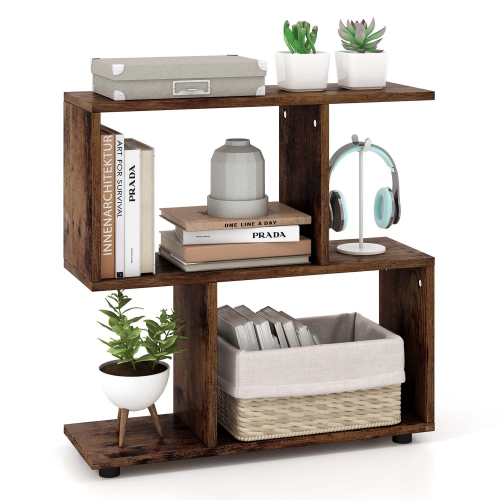
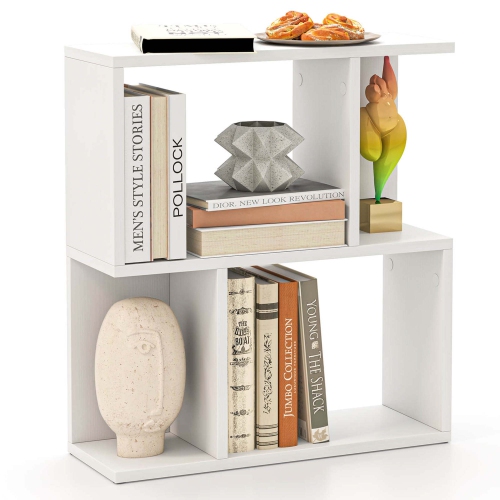
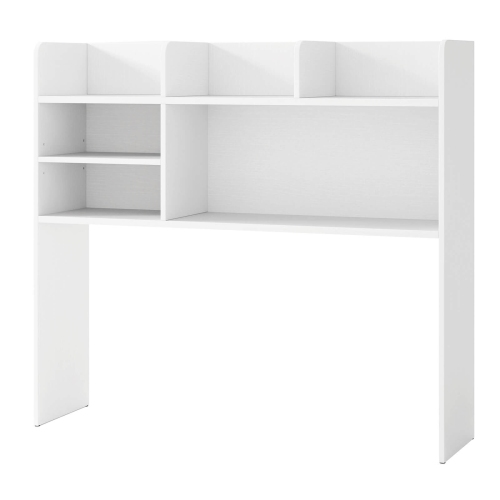
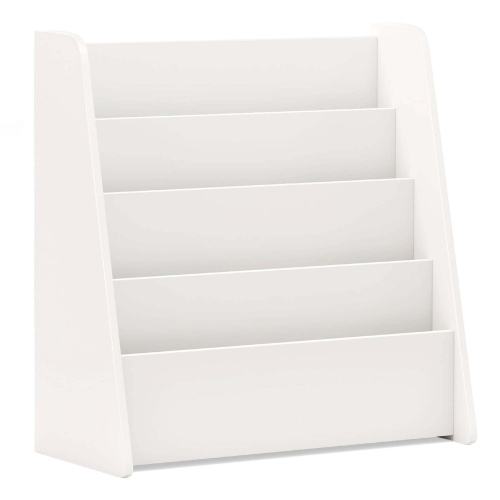

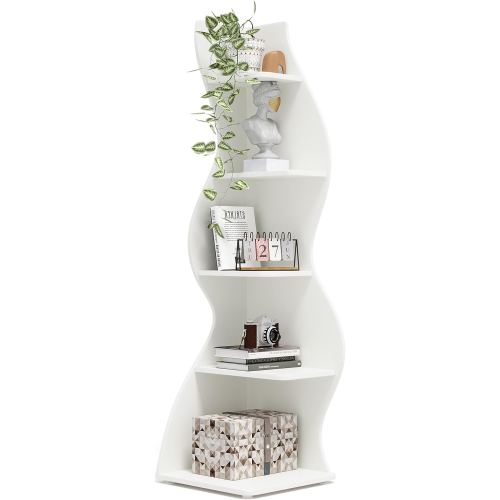
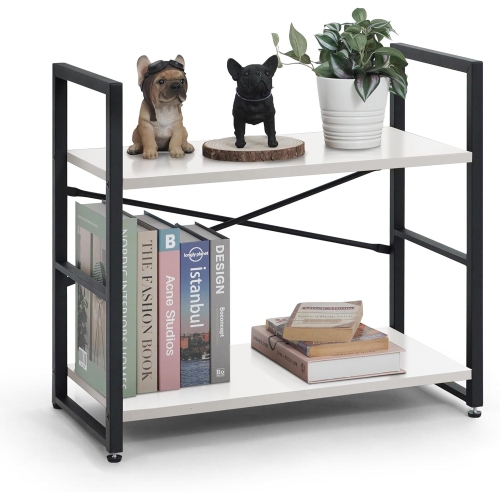
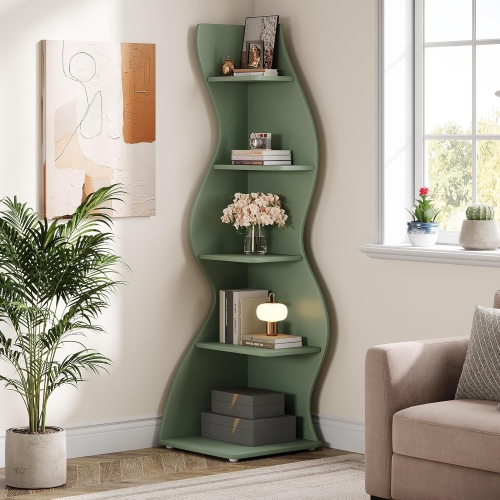
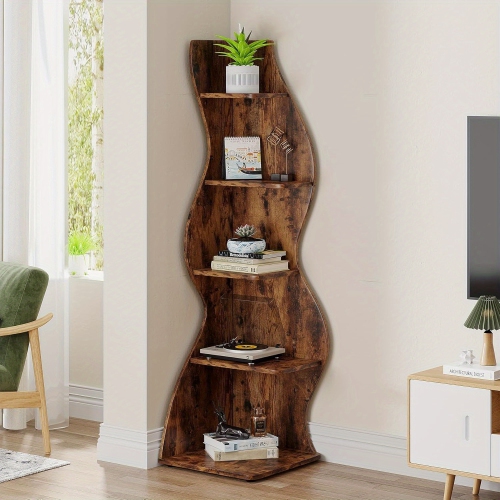
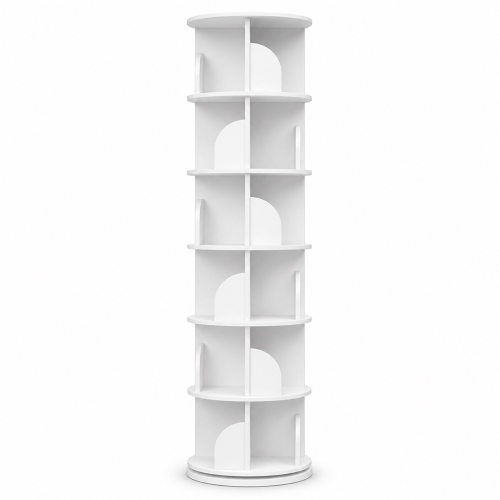
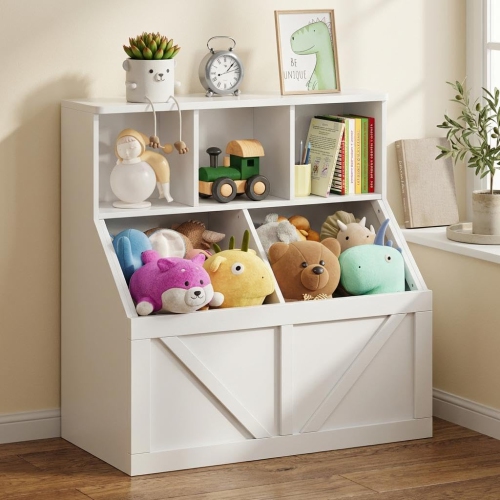

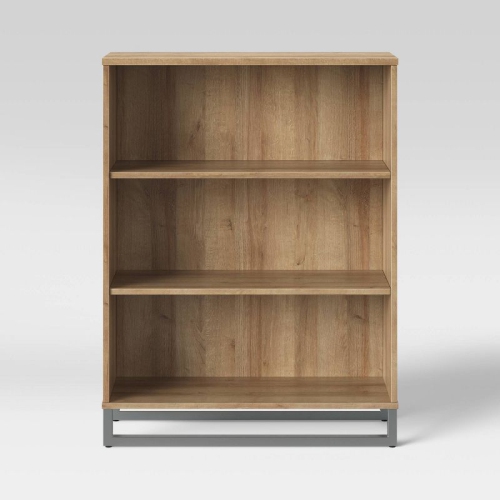
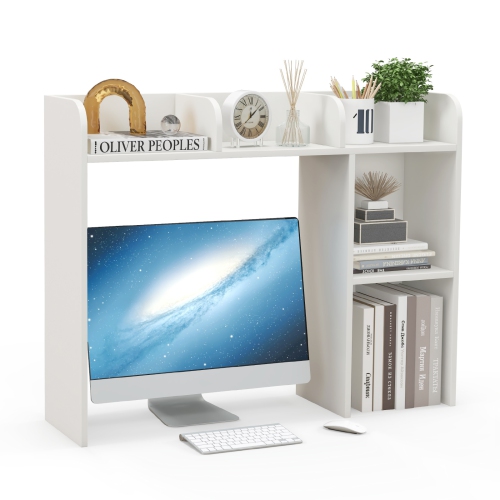
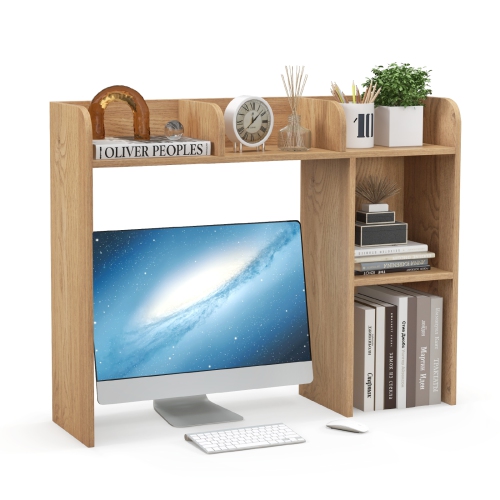
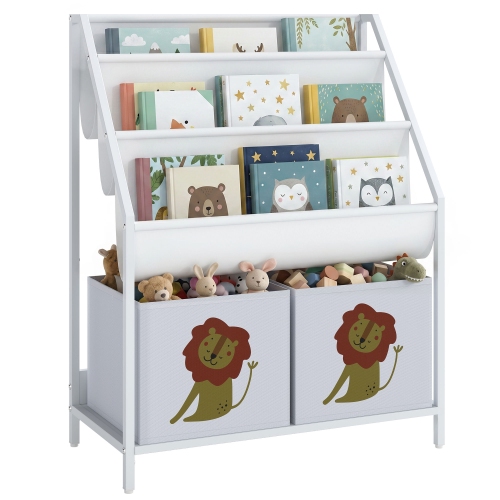


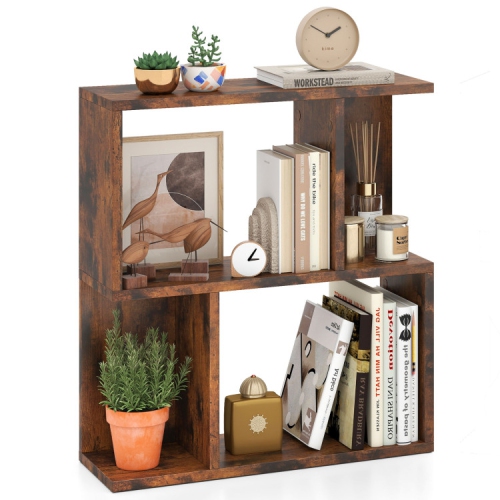


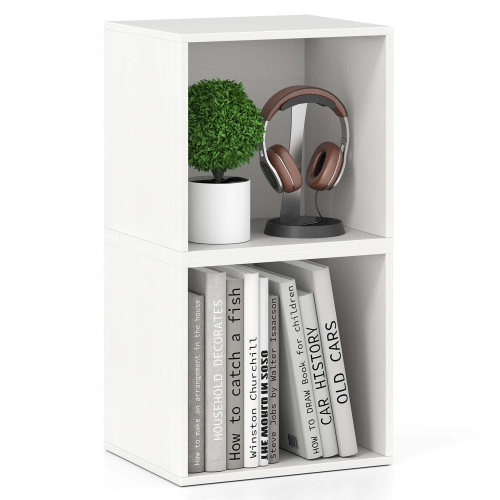
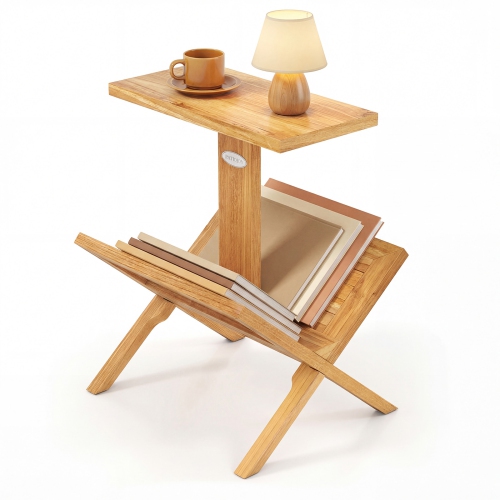
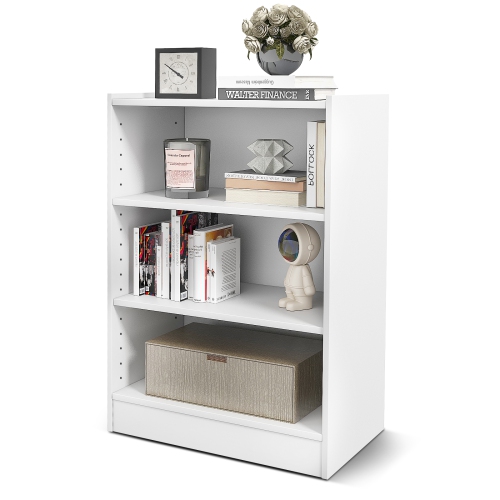
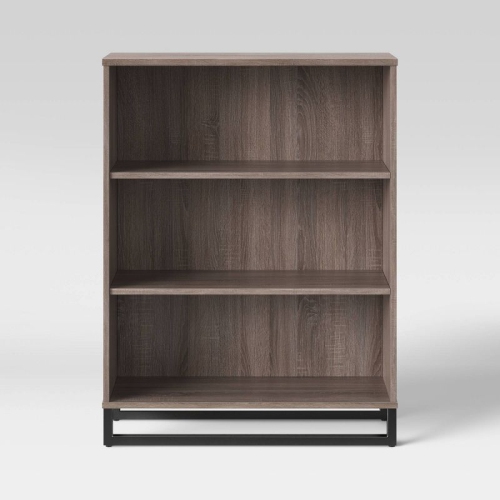
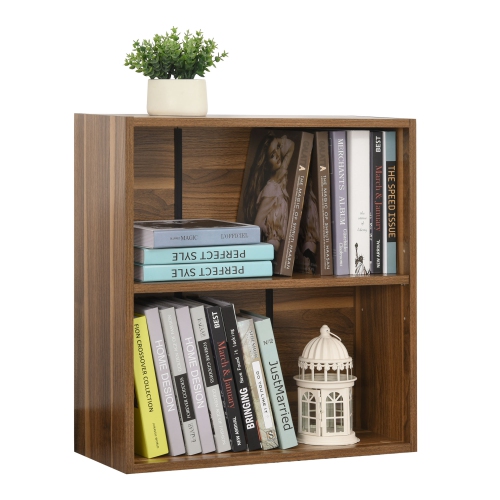
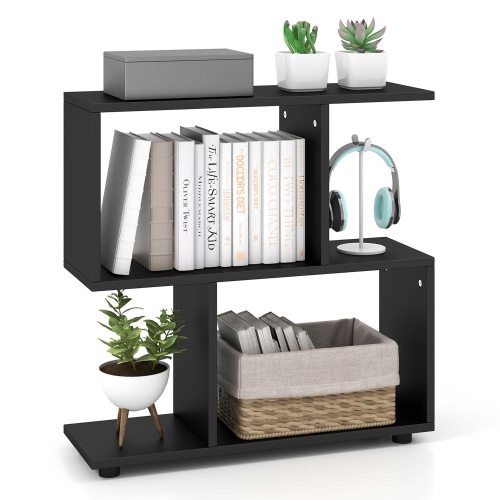

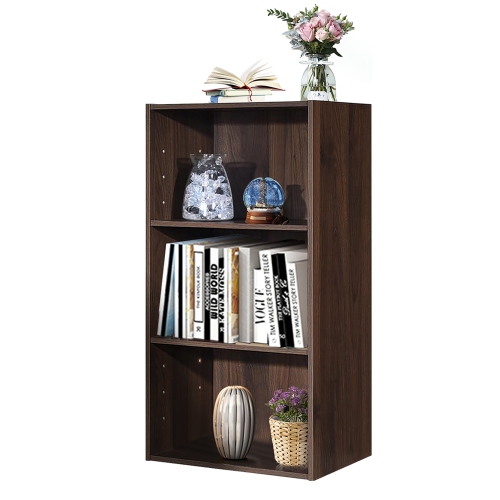

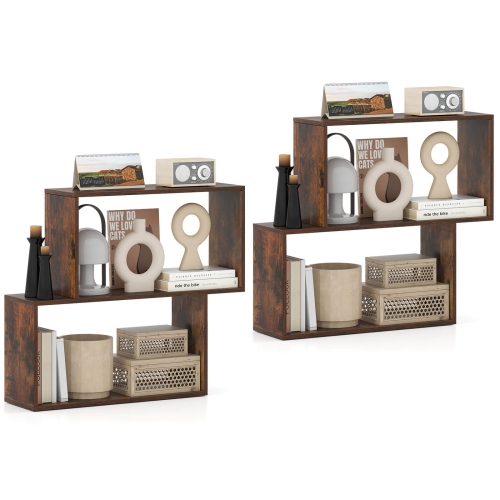


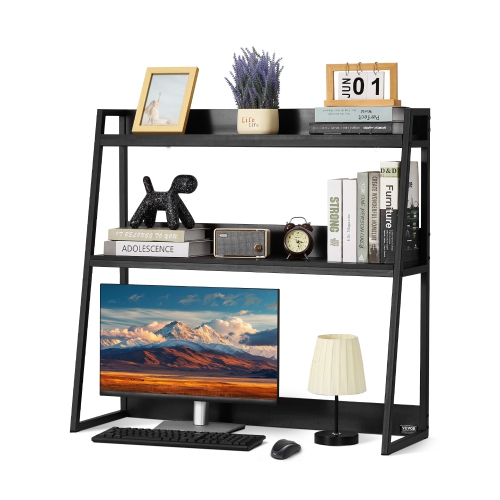
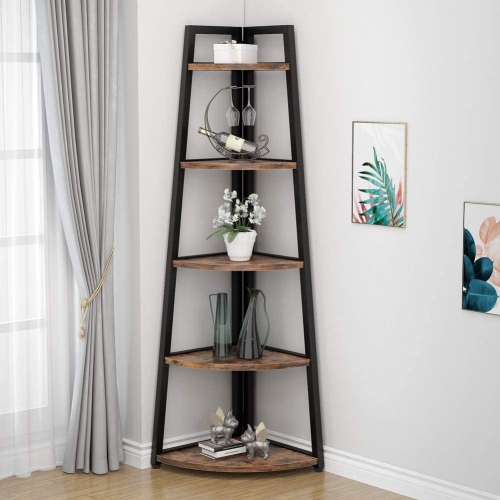


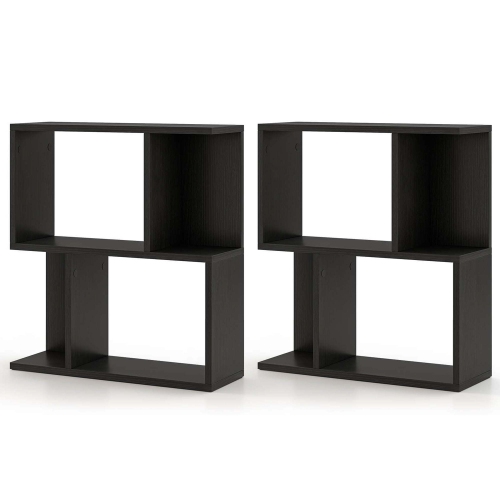
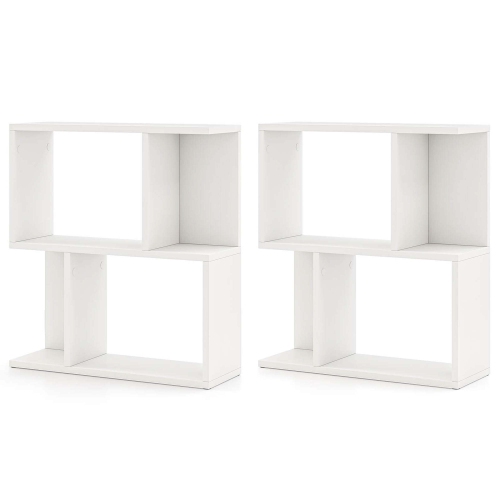
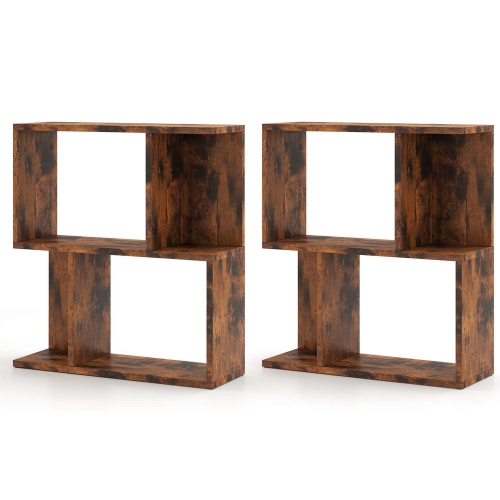
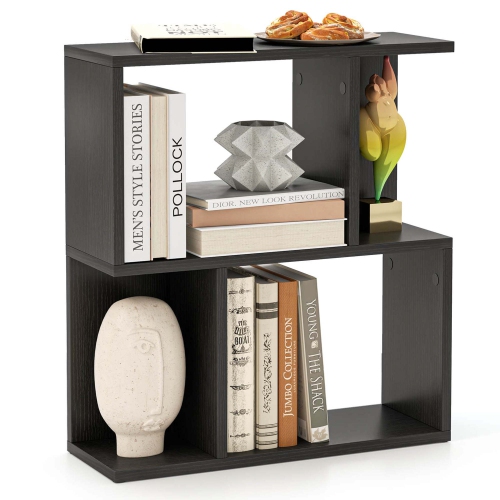
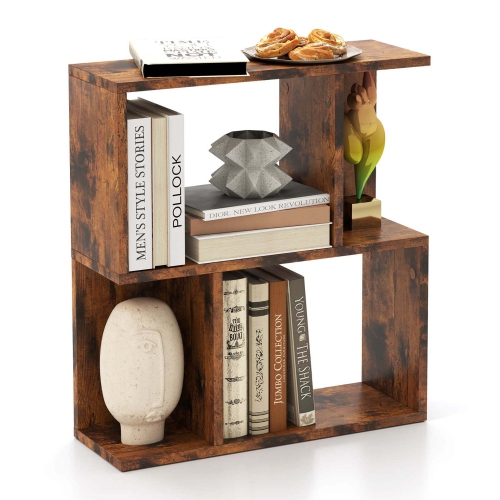


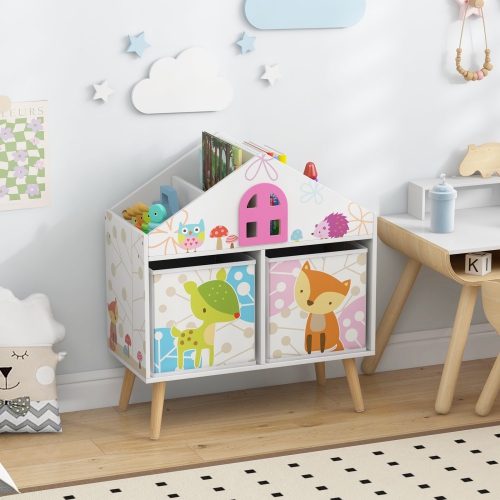
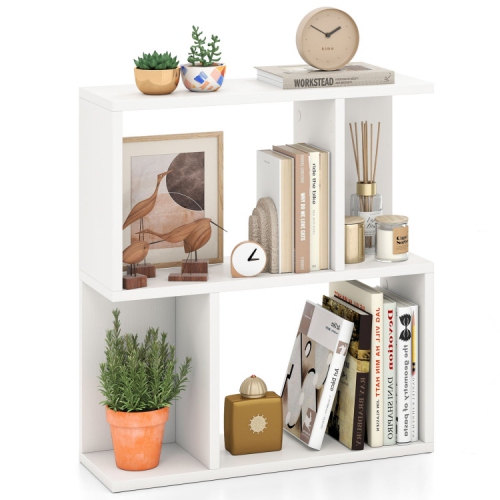


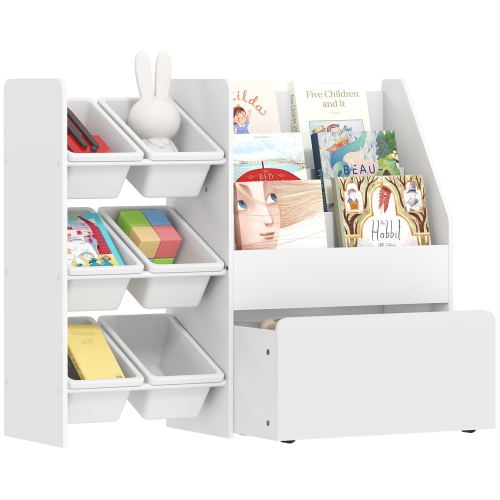


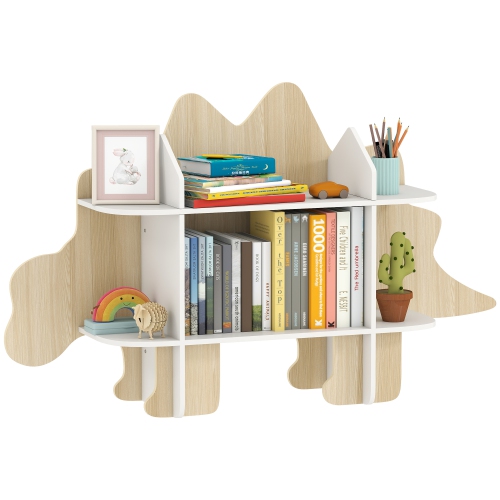

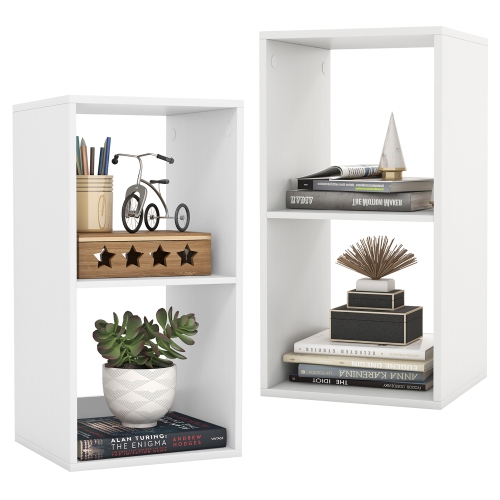


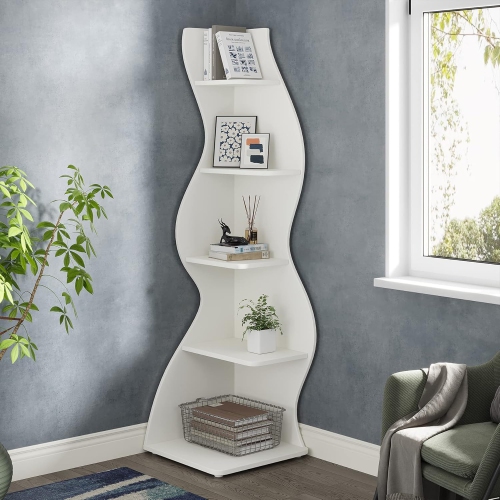


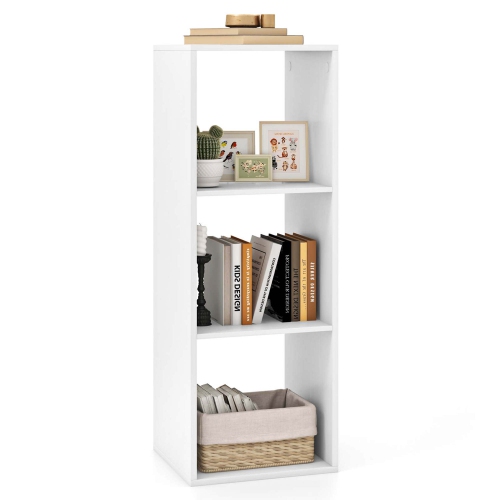


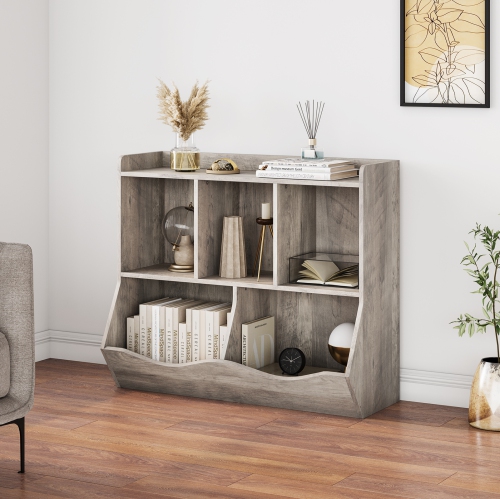

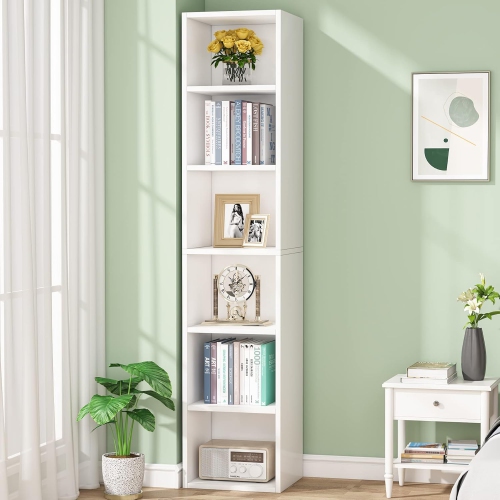


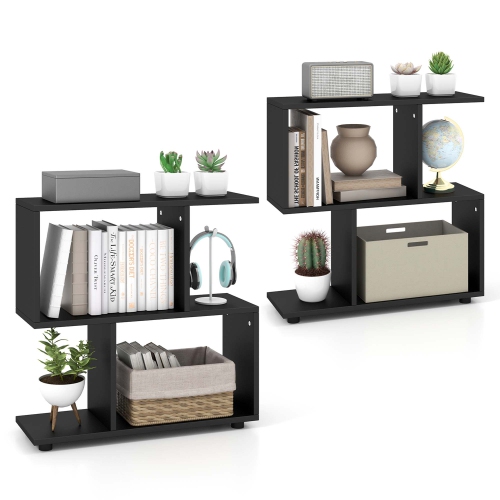
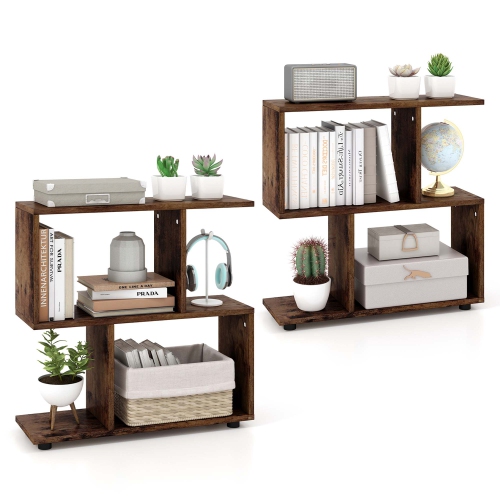

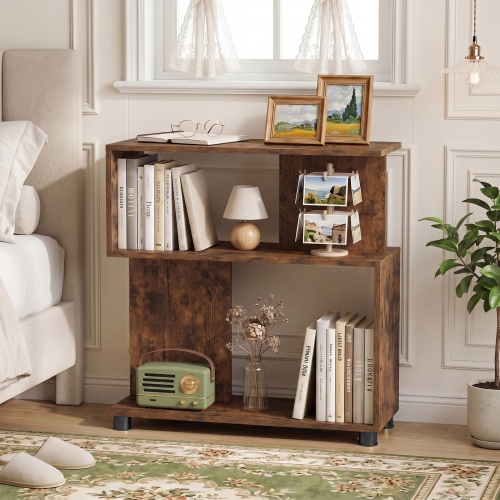
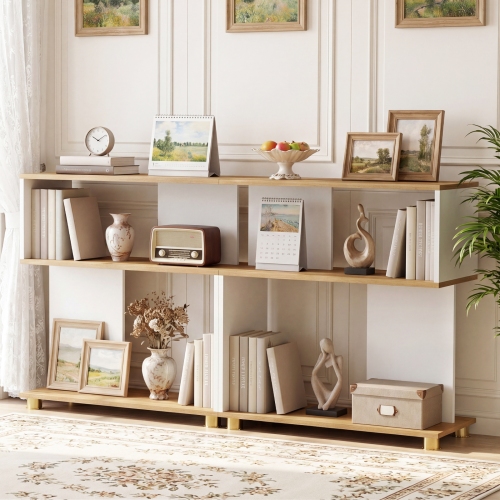

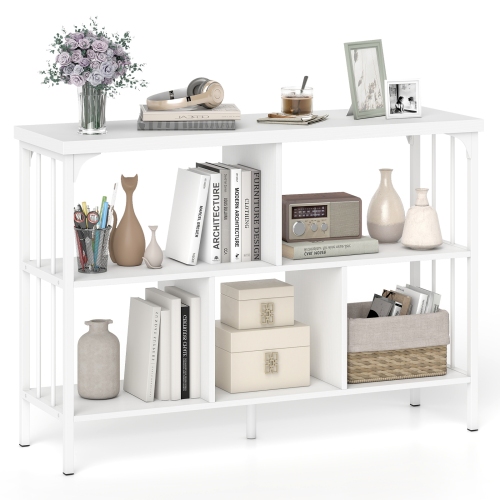
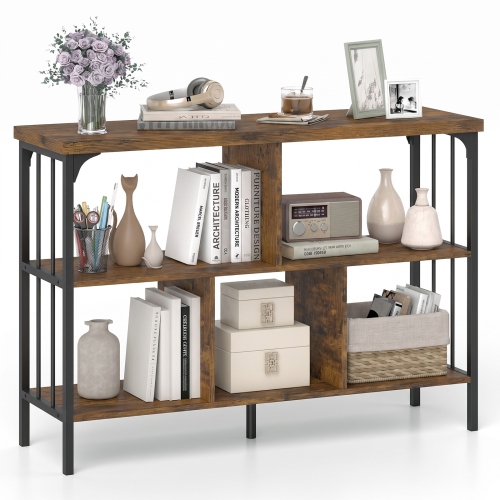
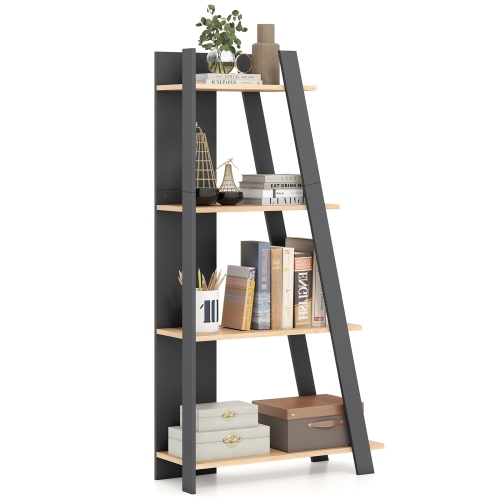
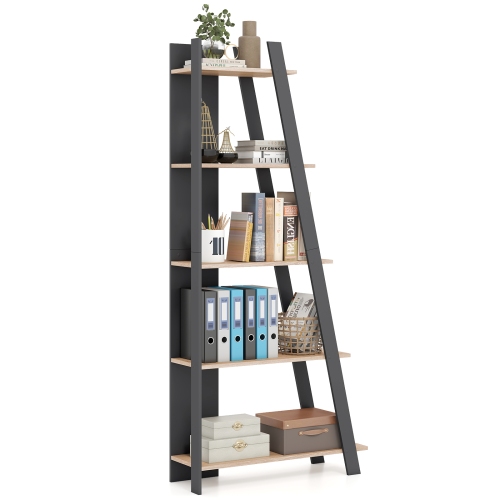
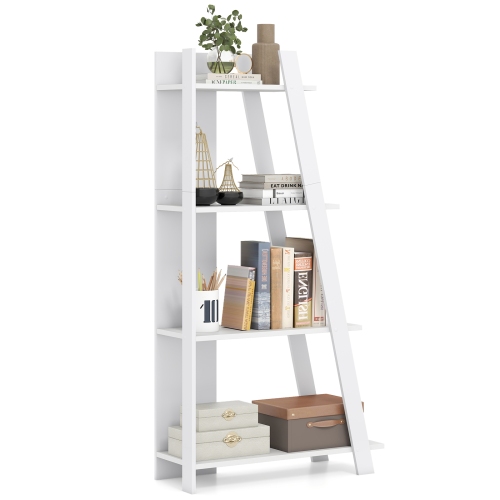
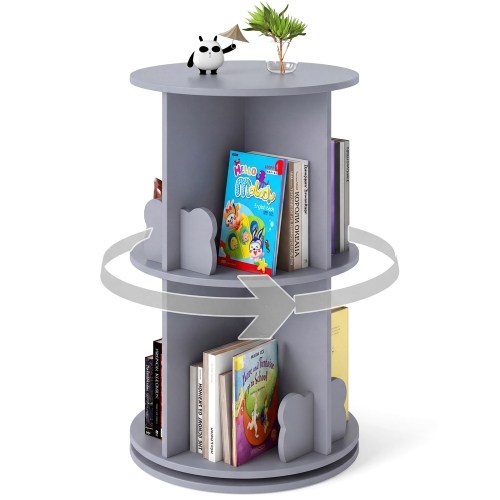
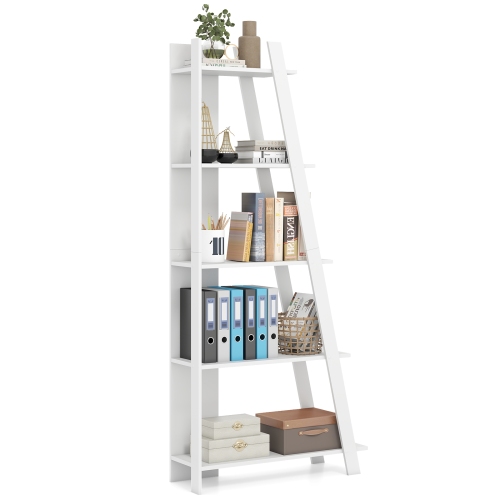

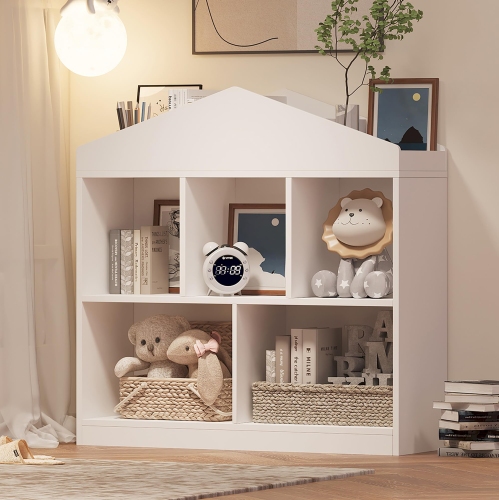
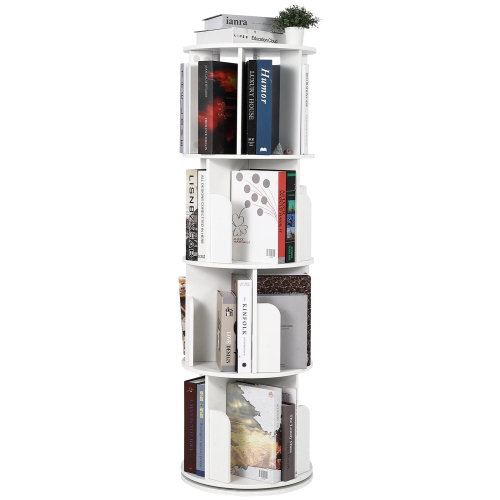
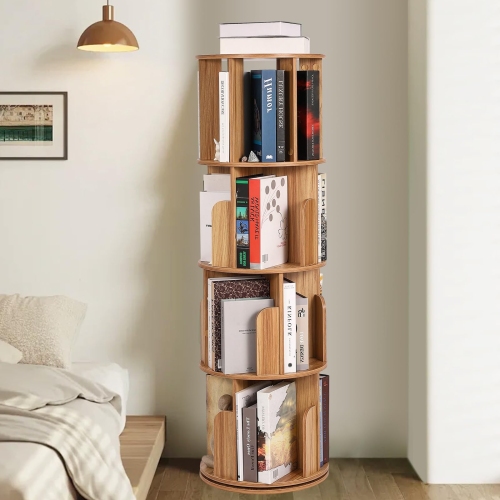
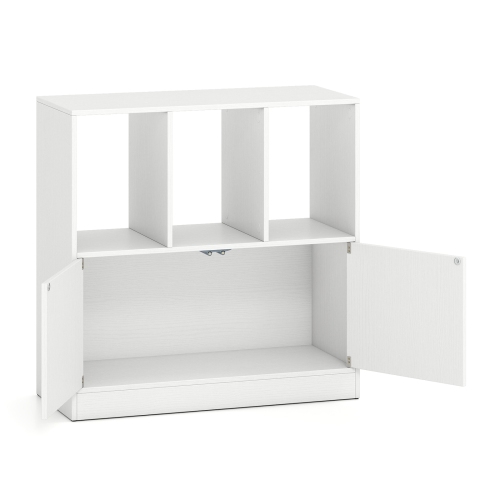
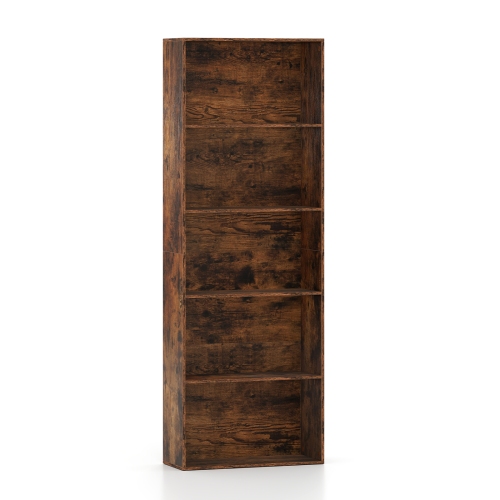
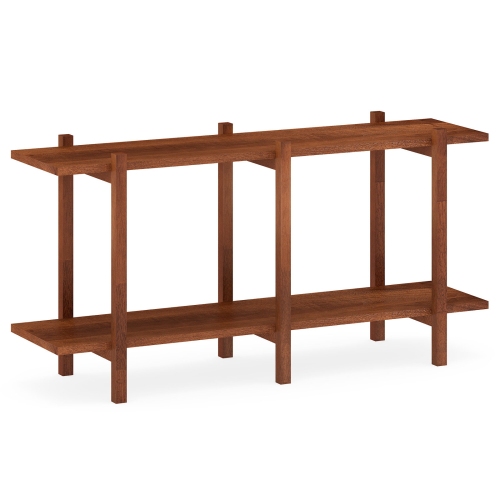
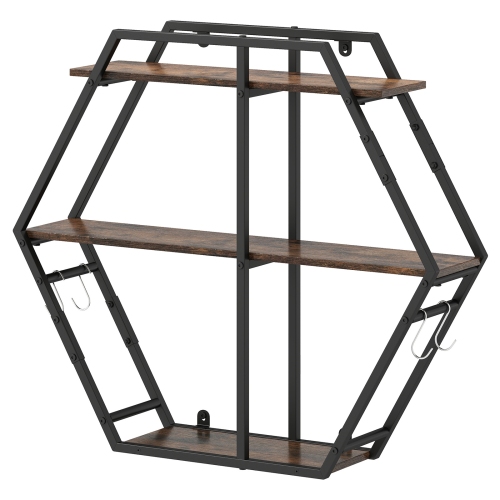
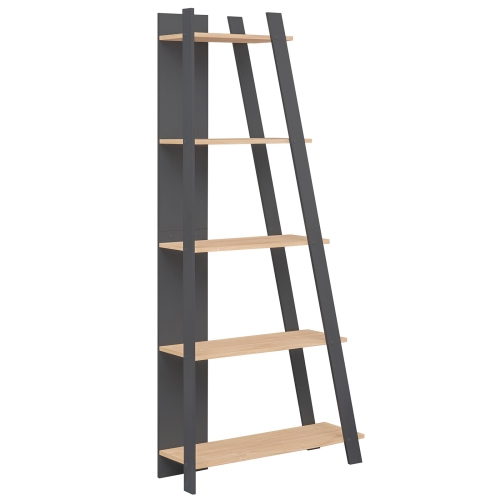
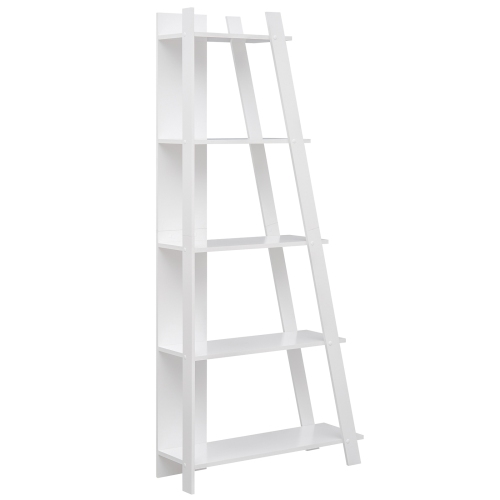
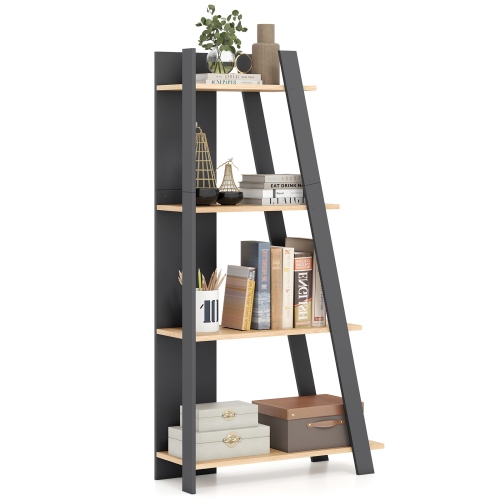
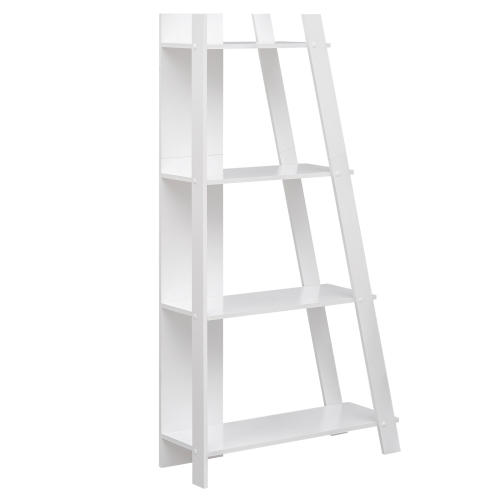
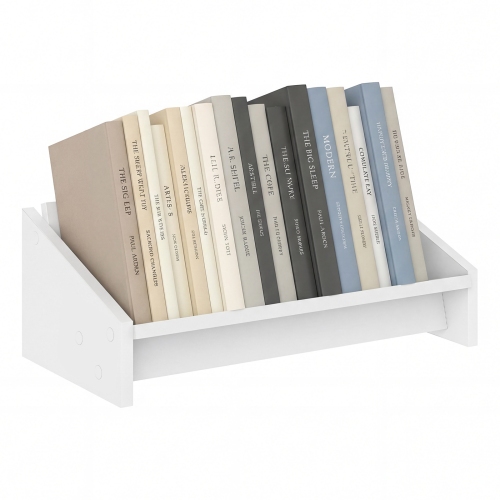
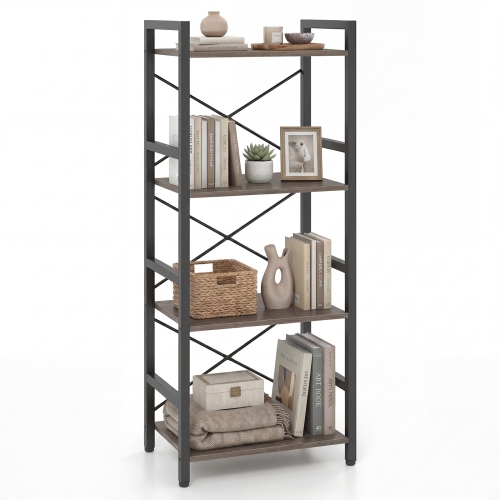
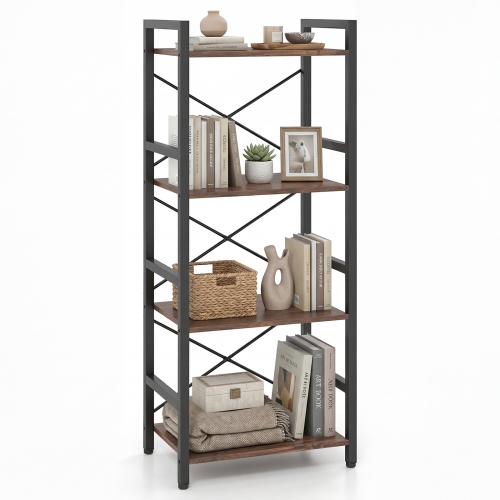
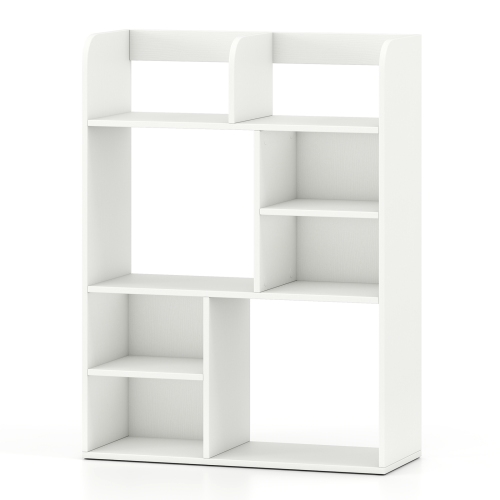
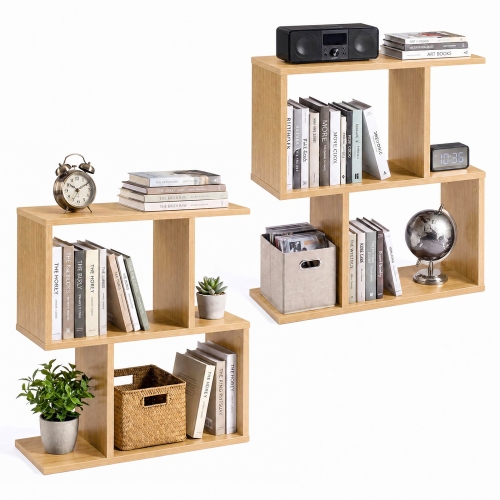
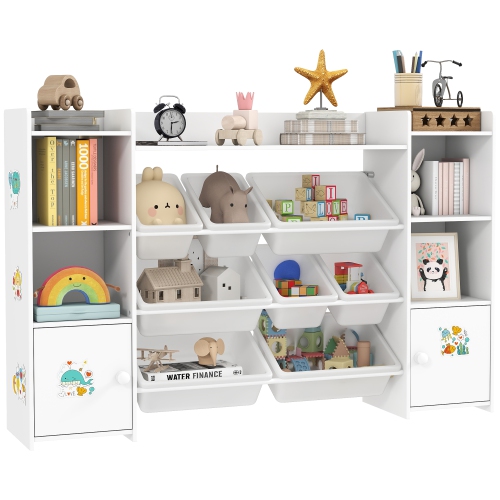
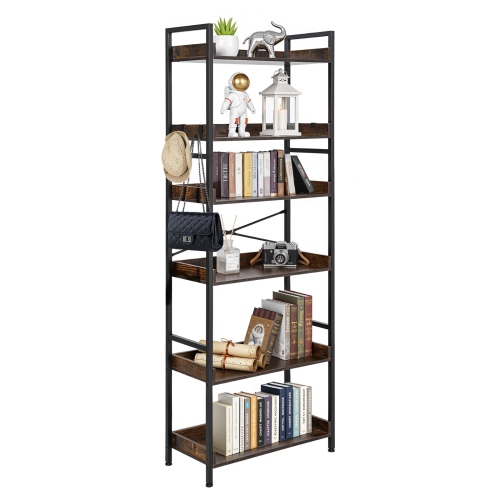
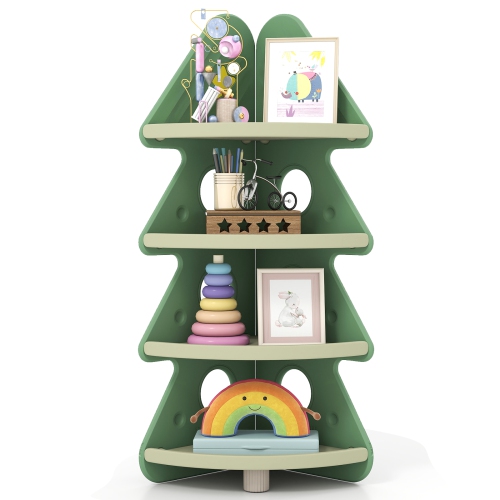
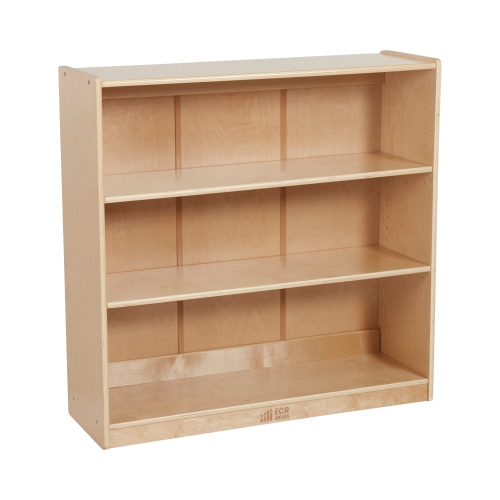
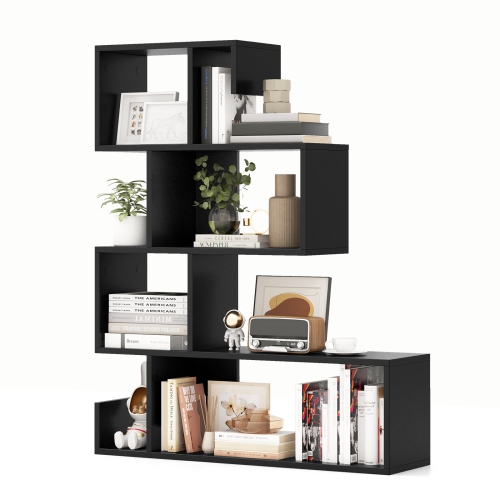
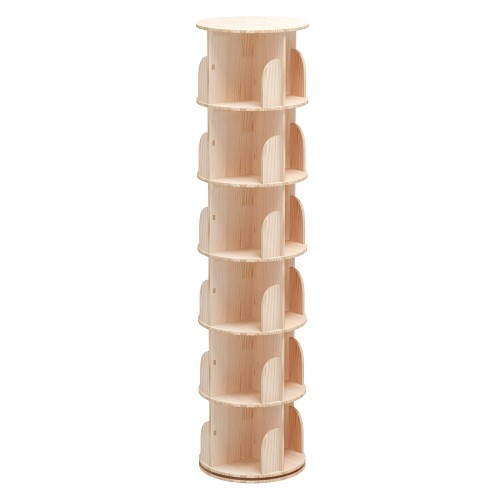
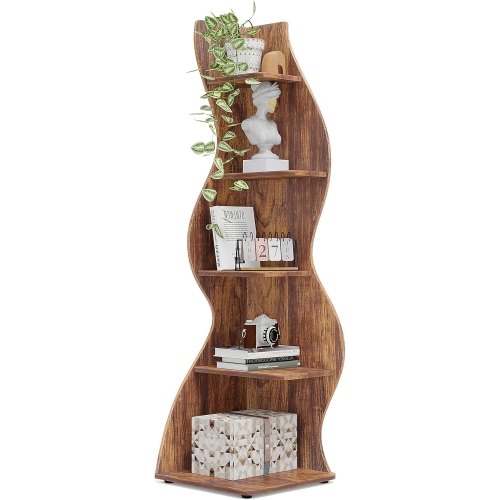
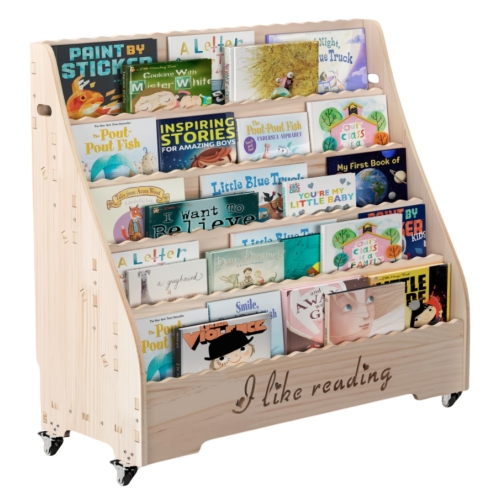
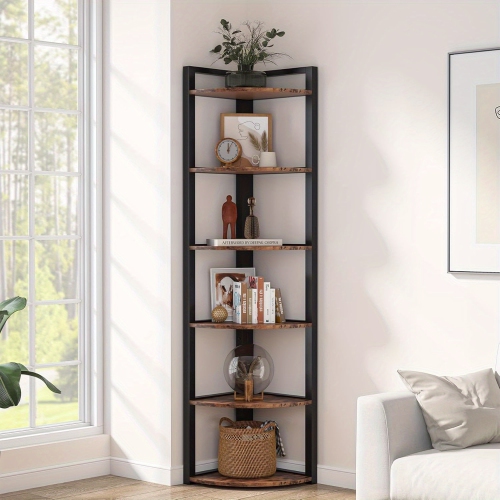
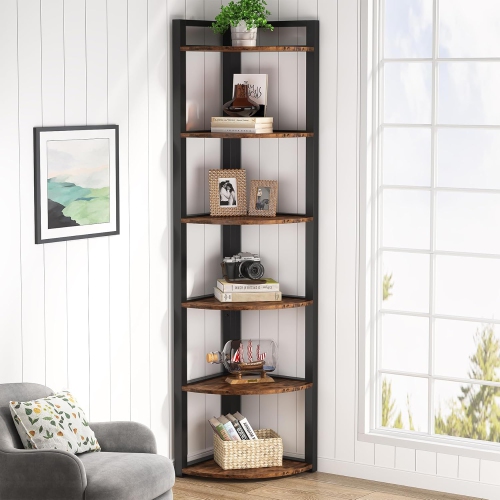

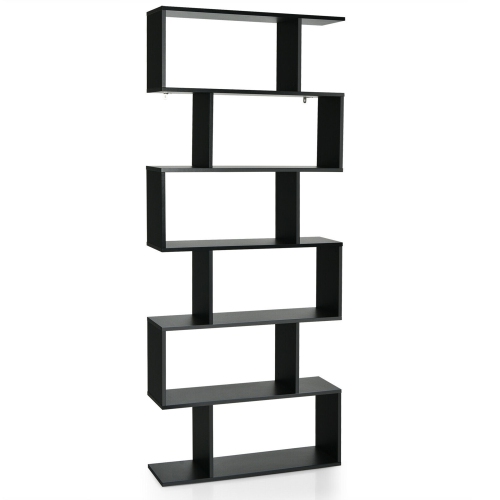
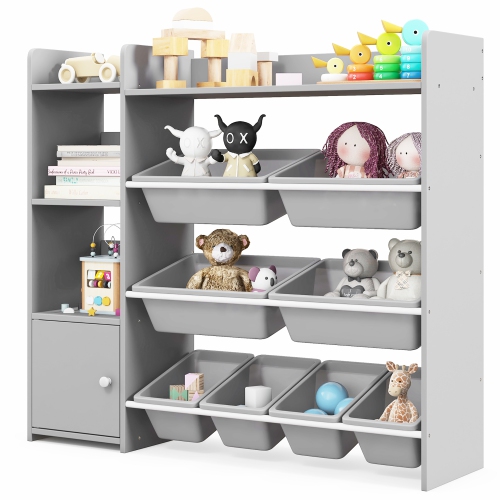
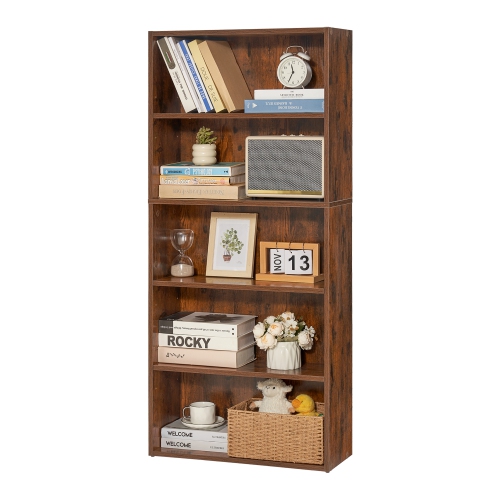
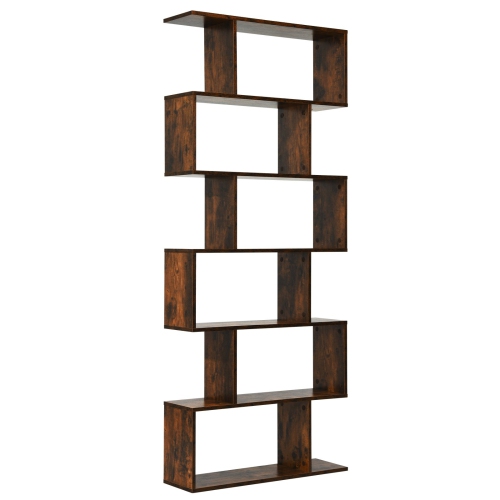
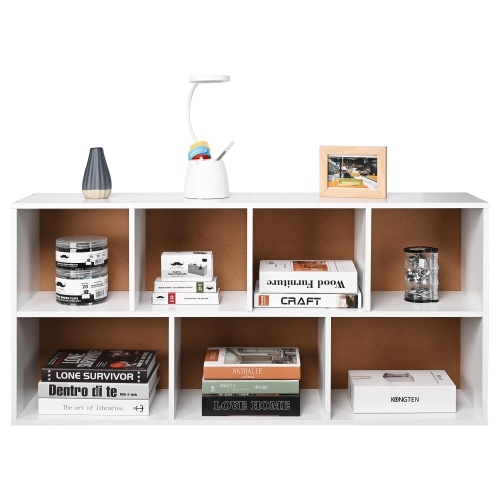
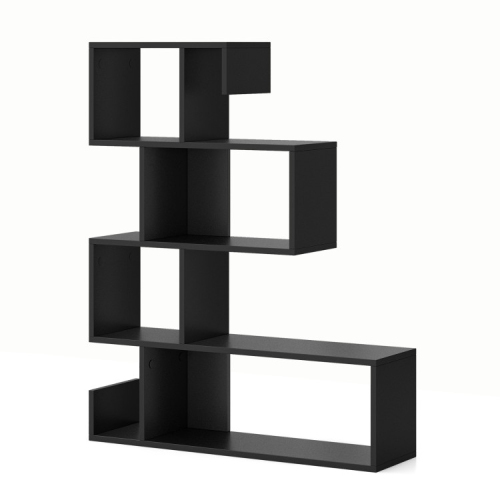
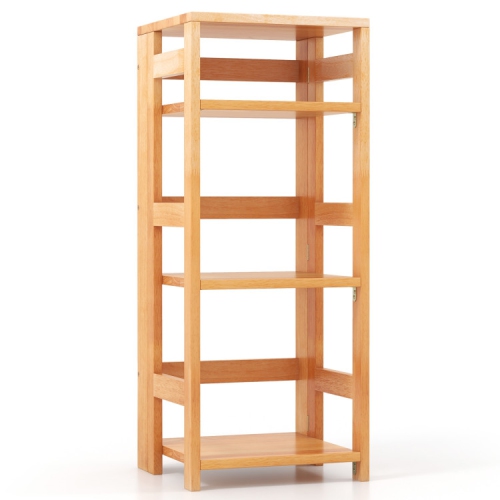
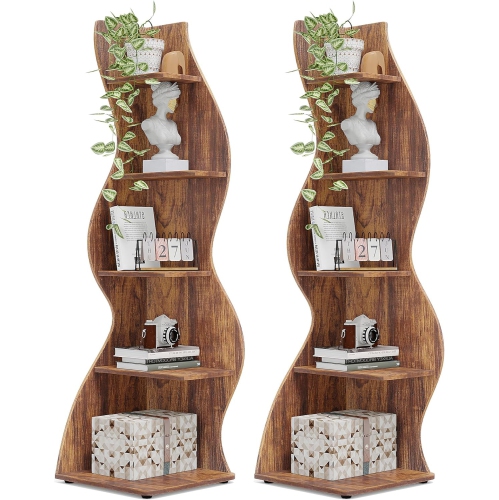
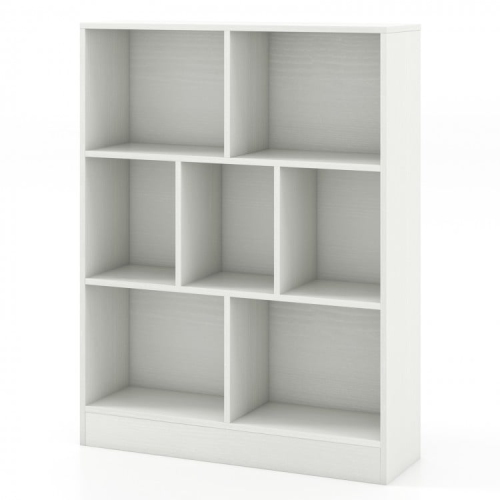
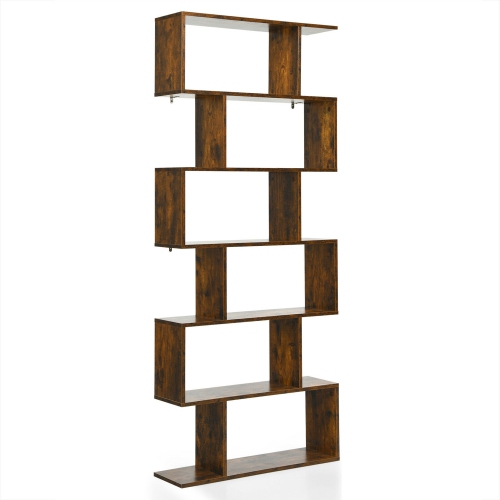
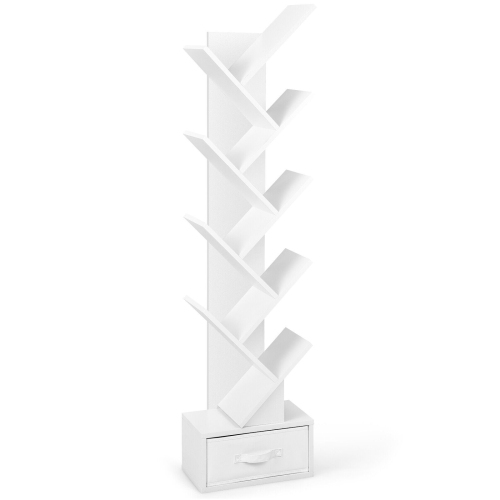
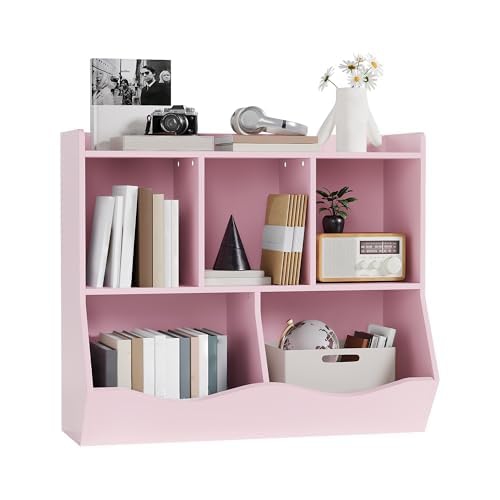
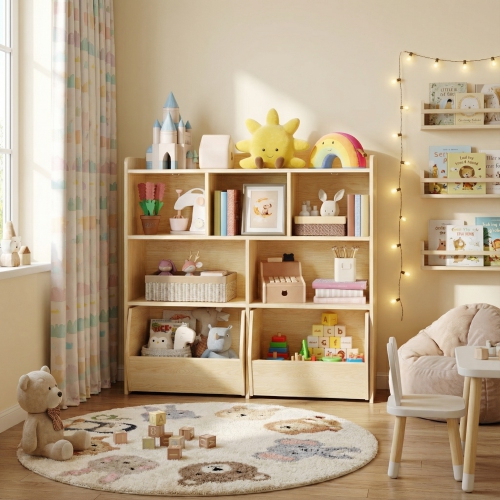


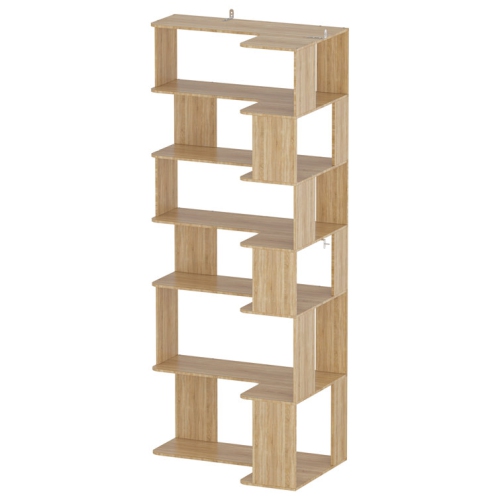
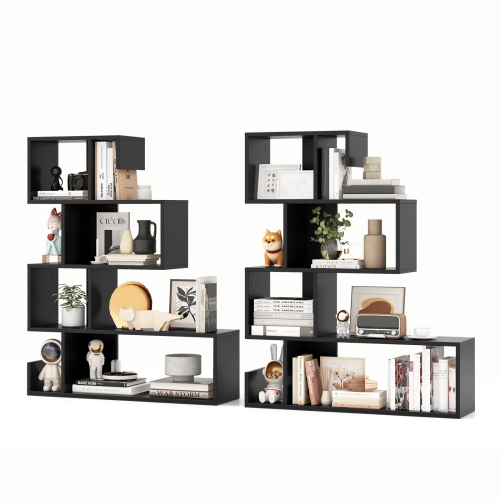
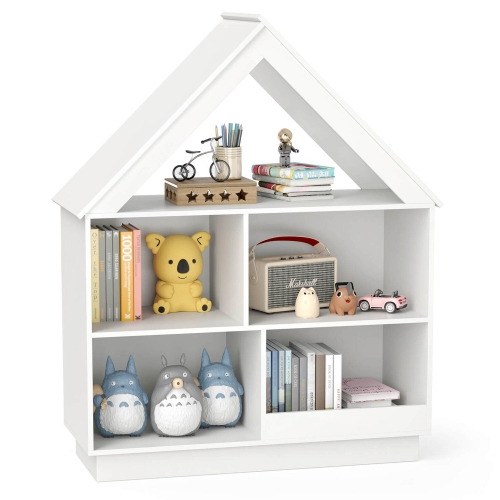
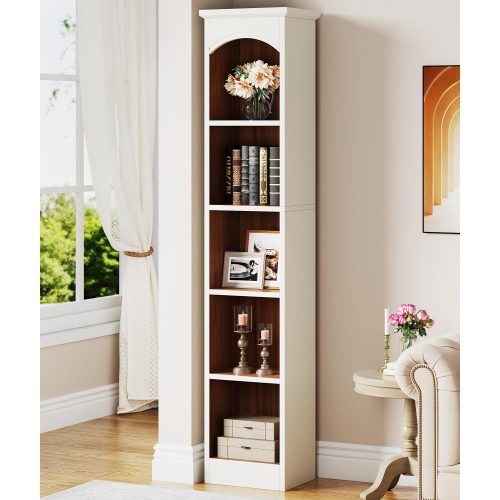

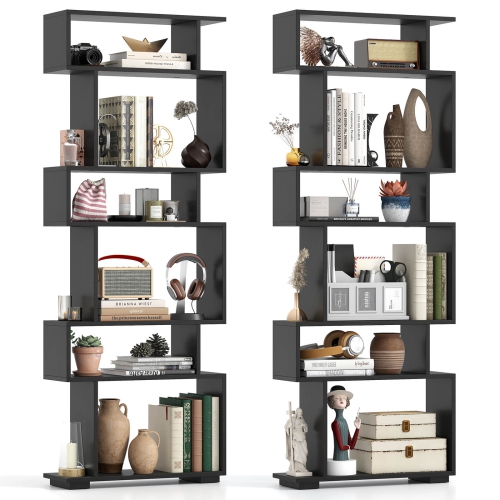
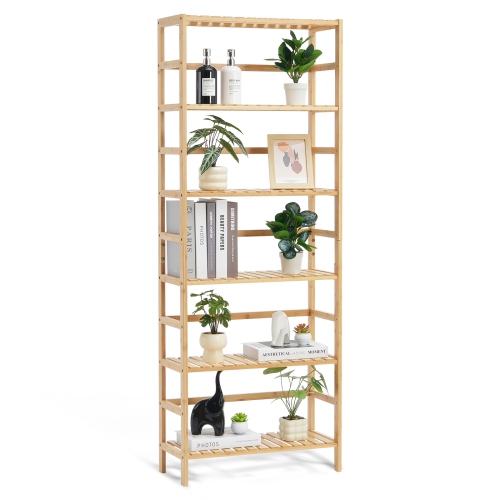
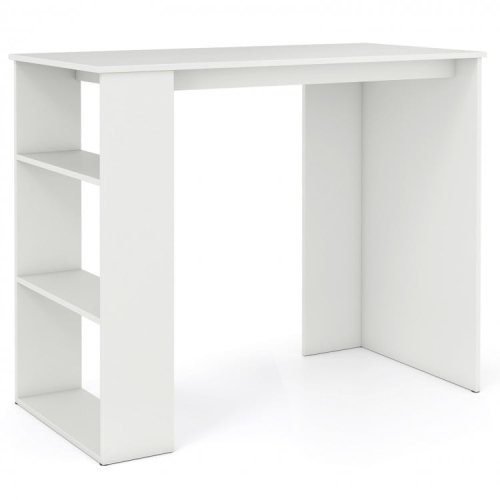
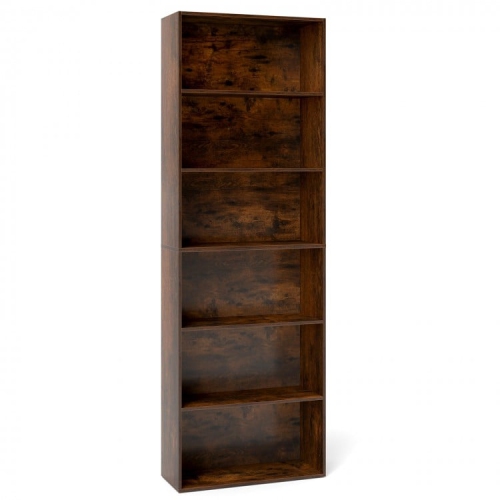
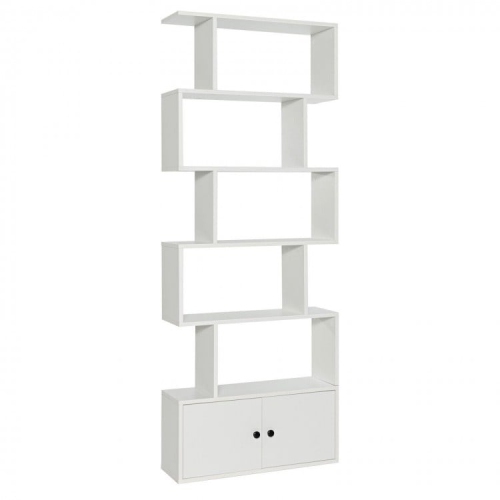

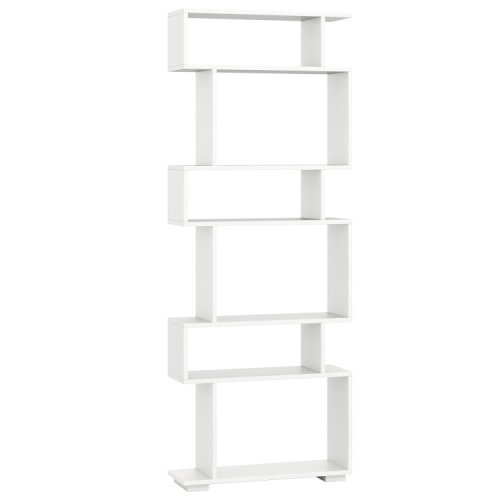
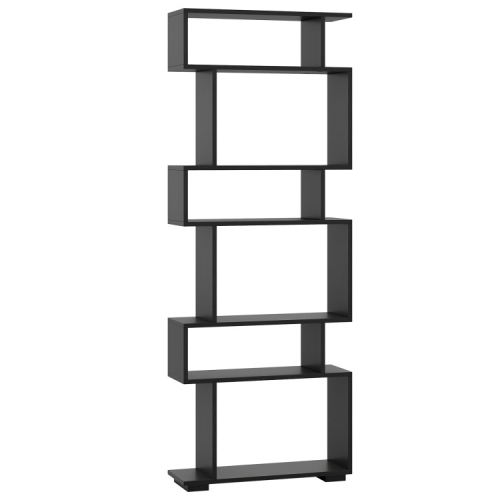
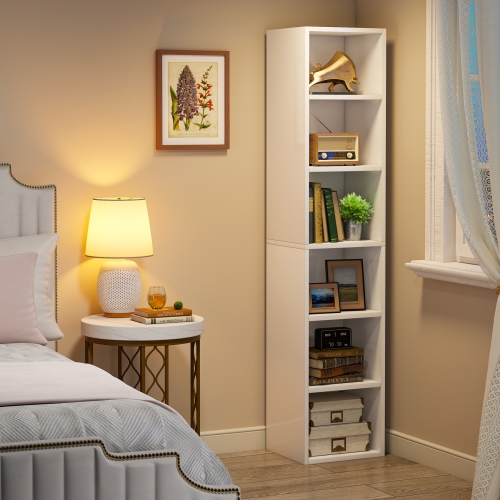


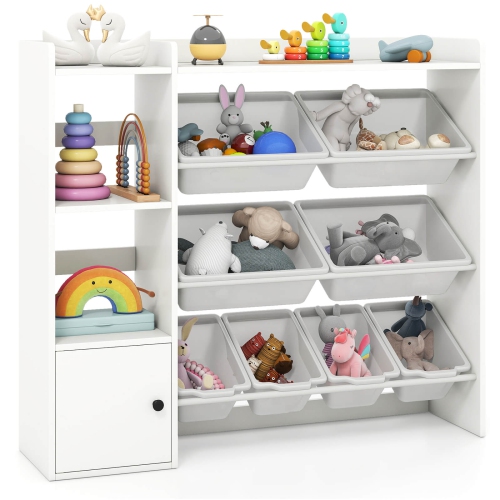
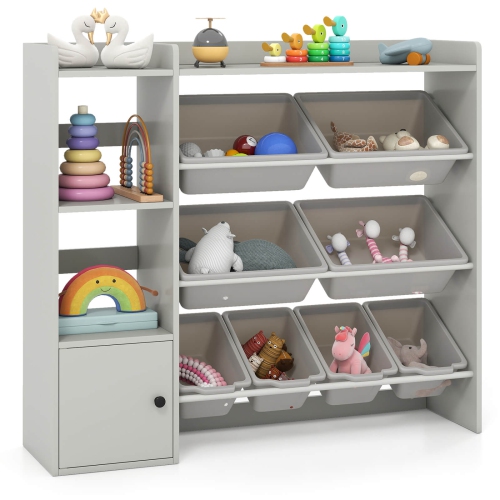
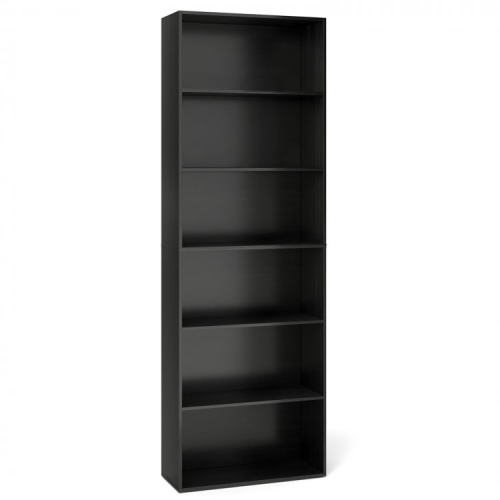


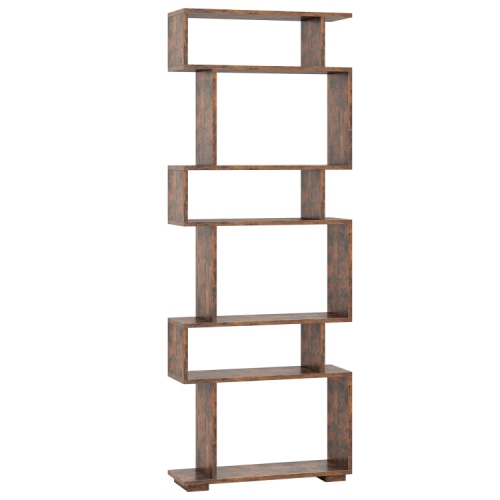
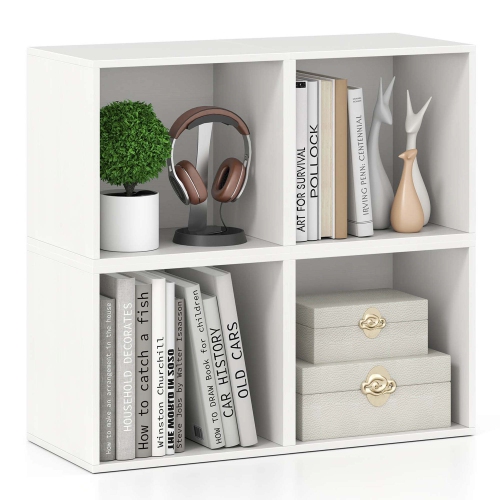
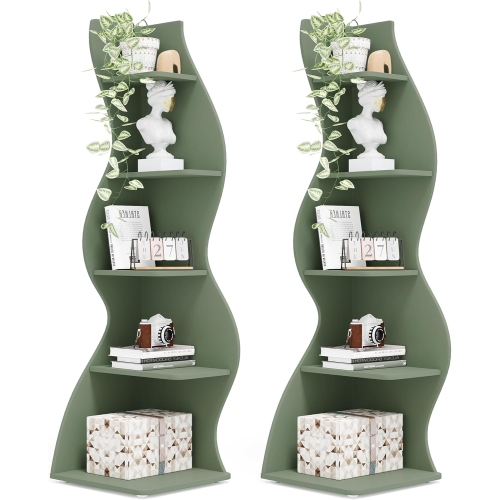
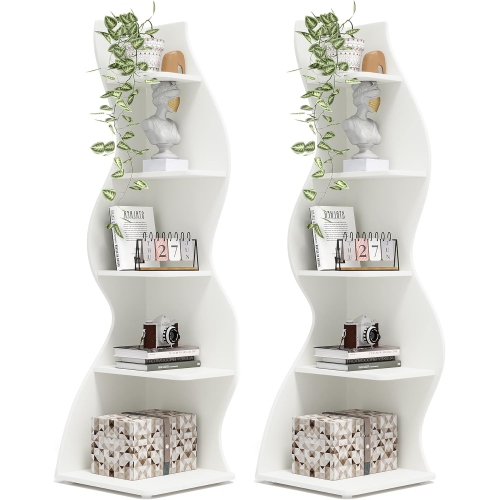
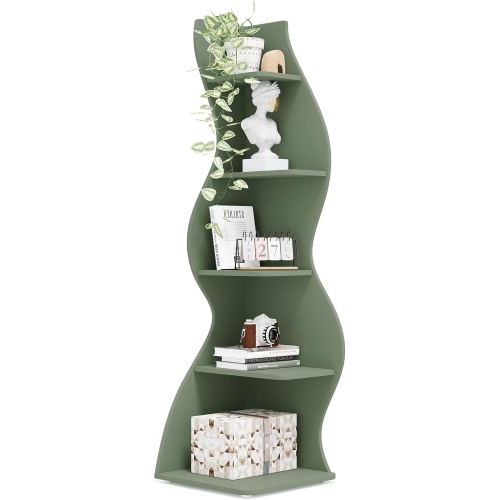

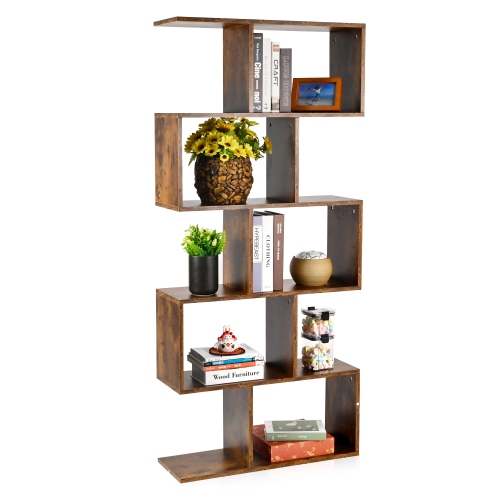
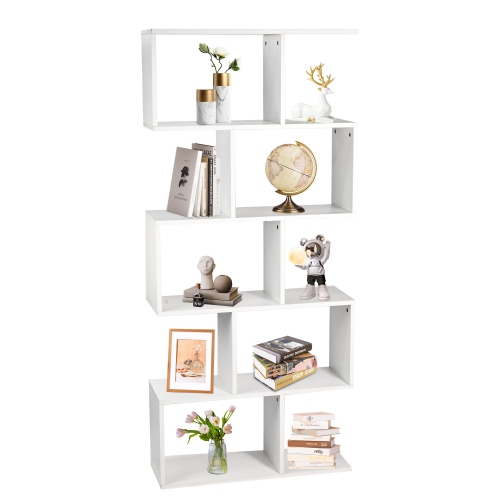


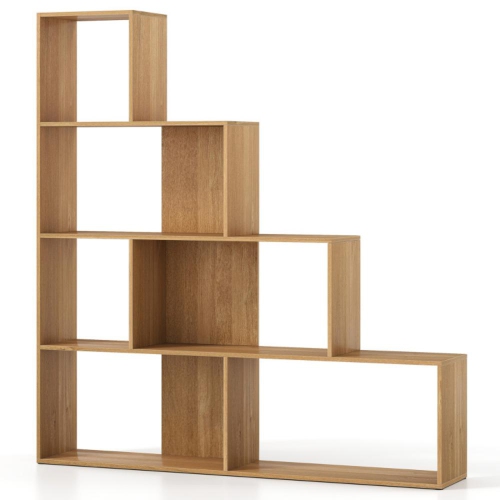
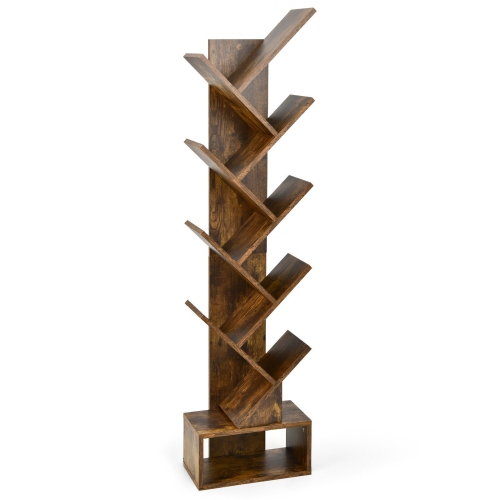

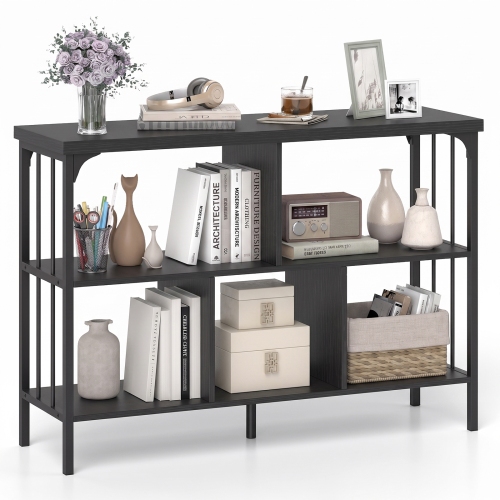
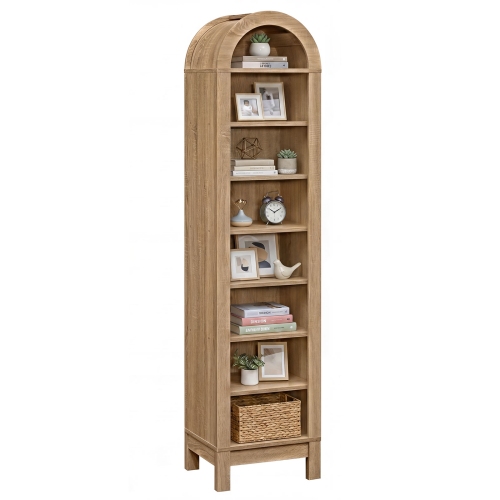
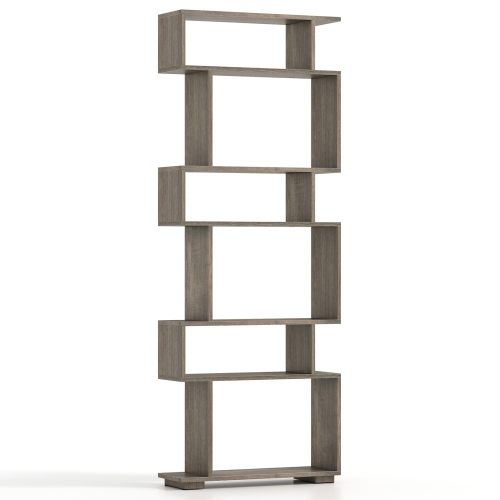
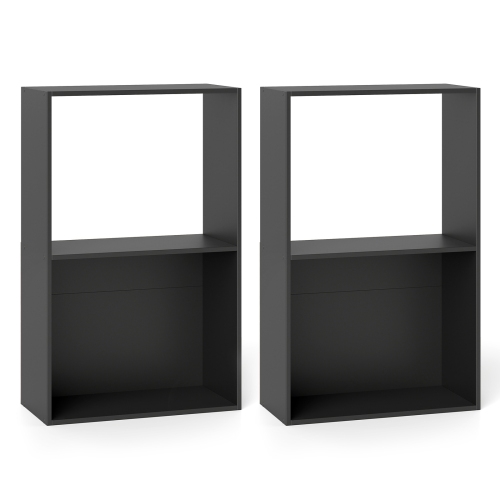
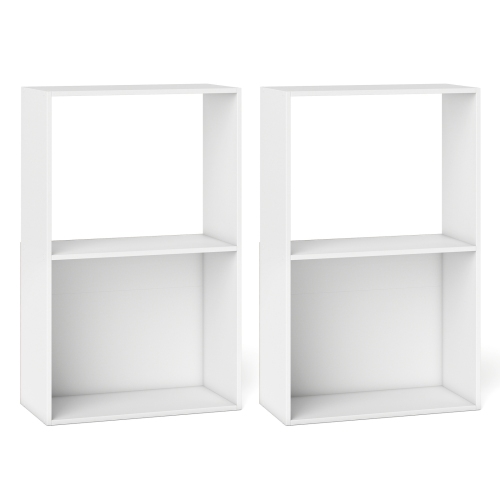
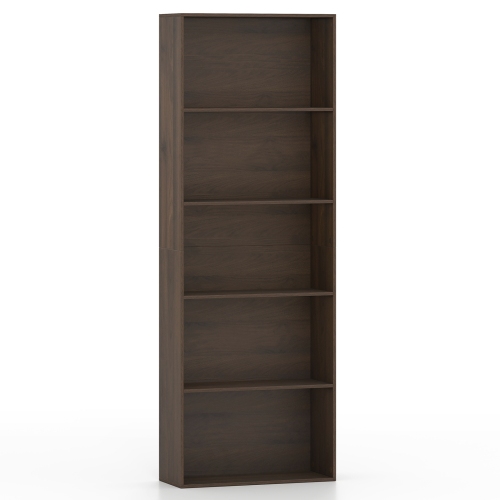
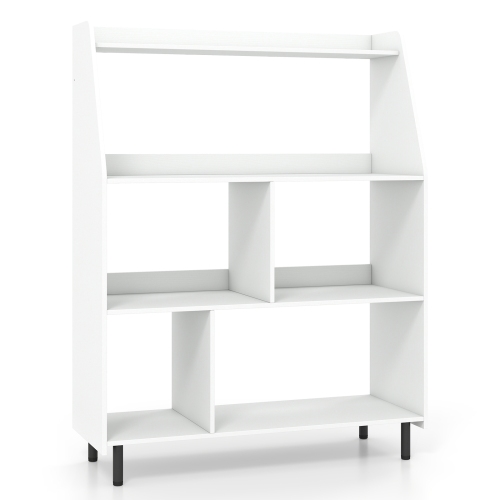
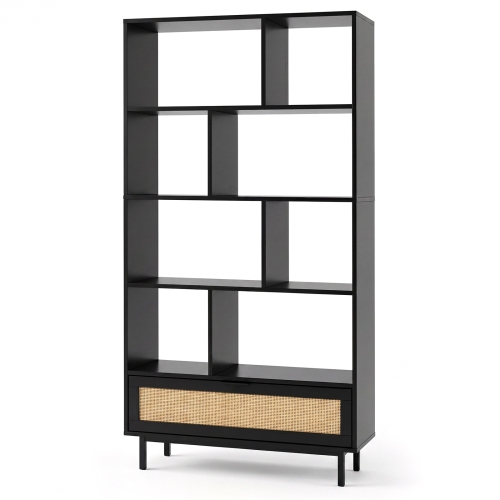
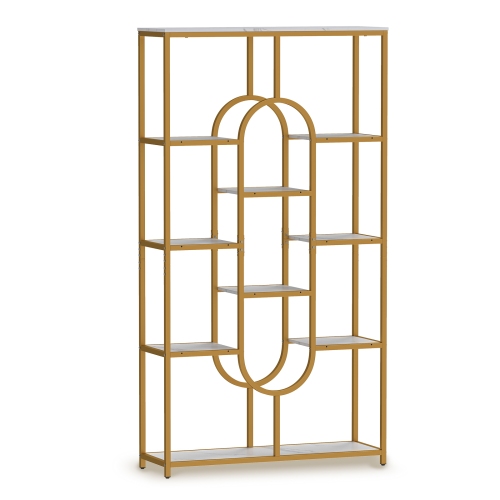
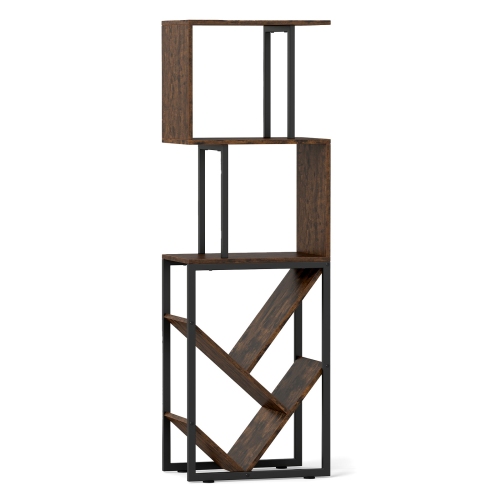
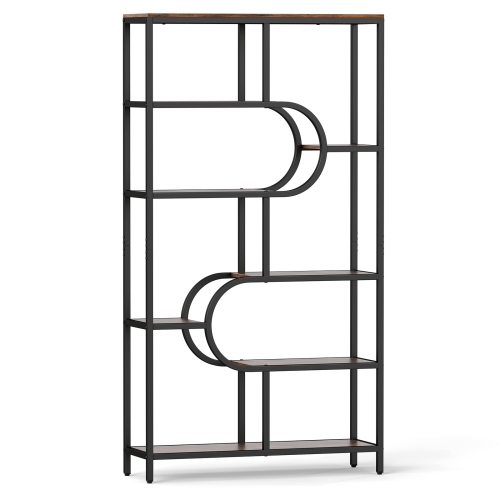
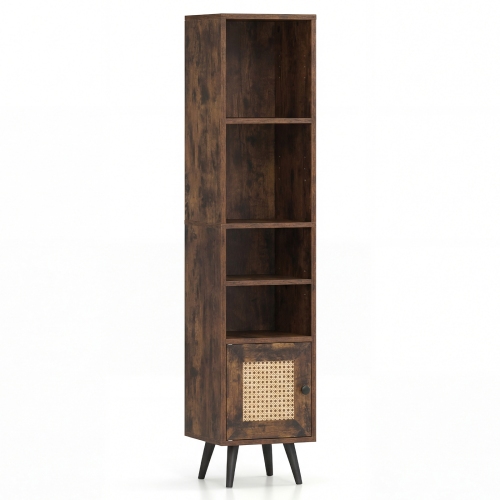
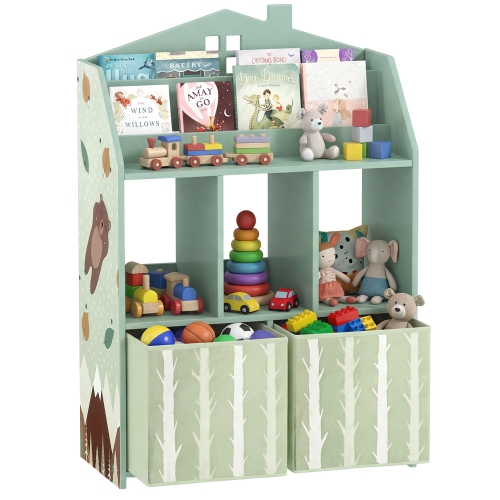
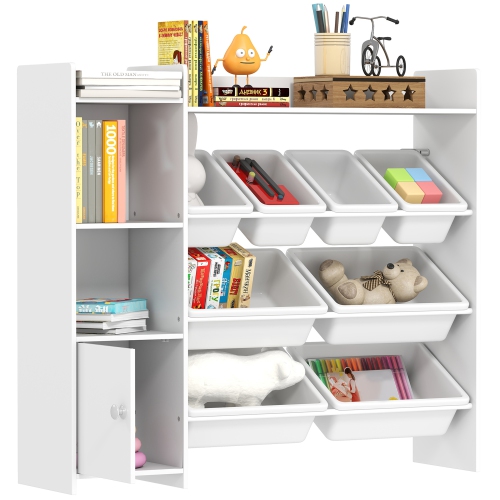
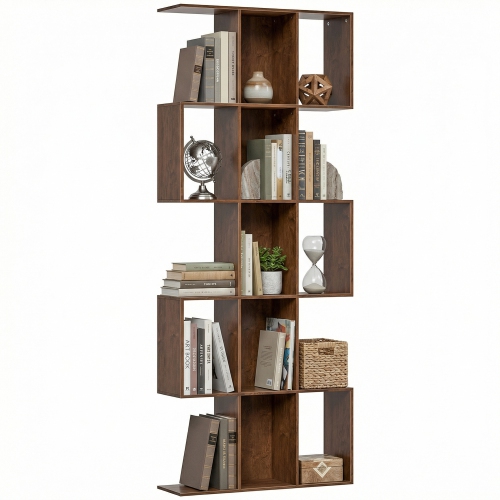

Smart storage ideas for compact rooms and reading spaces
A small bookshelf can add useful storage and a finished look to rooms where a full-size bookcase would feel overwhelming. Designed for compact spaces, these shelves can fit beside a sofa, under a window, next to a desk, or into an otherwise unused corner. They are well suited to apartments, condos, dorm rooms, bedrooms, home offices, reading nooks, entryways, and children’s rooms. Depending on the design, a small bookshelf may hold novels, cookbooks, magazines, framed photos, baskets, games, records, plants, or a carefully chosen mix of everyday items and decorative pieces. A narrow profile helps keep walkways open, while two or three tiers can make frequently used belongings easier to see and reach. For anyone furnishing a first home, refreshing a guest room, or creating a more organised study area during the cooler months, a compact bookshelf is a practical addition that can bring warmth and personality without taking over the room. It can also make a thoughtful housewarming, graduation, birthday, or back-to-school gift, especially for a reader, student, collector, remote worker, or anyone settling into a smaller living space. Before choosing one, consider the available floor area and measure the intended spot carefully, including the height, width, and depth. Leave enough clearance for baseboards, doors, drawers, nearby furniture, and comfortable movement around the unit. A shelf that looks compact in a product listing may still project farther than expected, so comparing the listed dimensions with a tape measure can prevent surprises during setup.
The best small bookshelf for a particular room depends on what it needs to hold and how often those items will be used. If the main purpose is displaying paperback novels and a few small accessories, open shelves provide an airy appearance and make titles easy to browse. For heavier textbooks, binders, board games, or storage baskets, look for sturdy construction, secure shelf supports, and a weight capacity that matches the intended load. Adjustable shelving can be helpful when collections include books of different heights, while fixed shelves may offer a more consistent appearance. Consider the height of each compartment as well as the overall dimensions; a shelf may be narrow but still accommodate tall books, speakers, storage boxes, or framed artwork. The material and finish also influence the character of a room. Light finishes can help a tight space feel bright and open, darker tones can create a grounded library feel, and wood-look surfaces can bring a softer touch to a home office or bedroom. Neutral colours are easy to coordinate with existing furniture, while a bolder finish can act as a small focal point. Pay attention to edges, corners, back panels, and the base, particularly when the shelf will be used in a busy household. A back panel may help keep items in place and prevent smaller objects from slipping behind the unit, while an open-back design can look lighter and allow wall colour to show through. For households with children or pets, stability is especially important. Place the bookshelf on a level surface, distribute weight evenly, keep heavier items on lower shelves, and use the included wall-anchoring hardware whenever recommended. In a work area, a compact unit can keep reference books and supplies within reach without crowding a desk. In a living room, it can hold reading material, remotes, small speakers, and personal keepsakes. In an entryway, baskets or trays can corral keys, gloves, and other small essentials, provided the shelf is positioned where it will not narrow the passage.
When comparing small bookshelves, review the assembly requirements, shelf spacing, overall weight, and care instructions alongside the style and price. Some units are designed for straightforward home assembly, while others may require more time or a second person, particularly if the frame is tall or has several parts. Check whether tools are included and make sure there is a clear area for laying out components before beginning. After assembly, inspect every connection and confirm that the unit sits squarely before loading it. A little planning also helps with arrangement: place larger books on the bottom, group similar subjects together, and leave a small amount of open space so the shelves do not look crowded. Mixing upright books with a short horizontal stack creates visual variety, while a basket can conceal loose papers, chargers, craft supplies, or children’s toys. Keep frequently handled items between waist and eye level, and reserve the highest shelf for lighter pieces that are used less often. In a bedroom, a small bookshelf can provide a calm spot for bedtime reading; in a home office, it can create a convenient reference station; and in a family room, it can give games and storybooks a dedicated home. If the available footprint is narrow but the room has unused vertical space, consider exploring a Small Tall Bookshelf for a different proportion while still keeping the floor area modest. Whether used for a growing collection, a few favourite titles, or a combination of storage and display, a small bookshelf makes it easier to give belongings a place of their own. Reviewing measurements, capacity, finish, safety features, and intended use will help you choose a compact storage solution that feels natural in the room and remains useful through changing routines and seasons.
Top selling and popular products
-
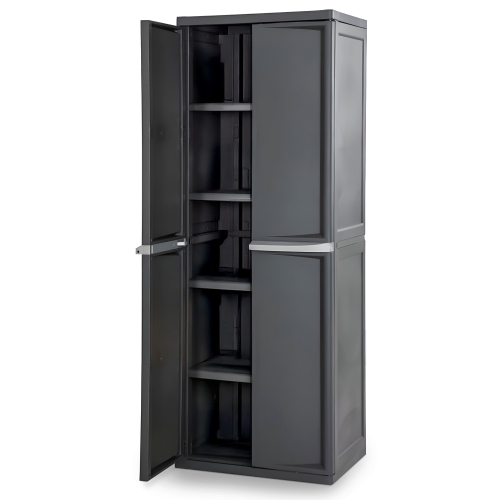 Your price for this item is $412.99
-
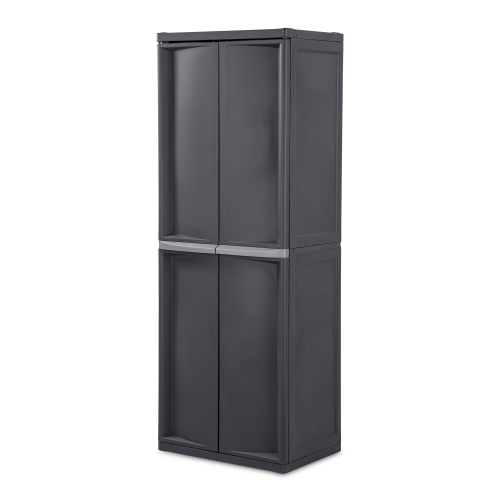 Your price for this item is $1530.99
-
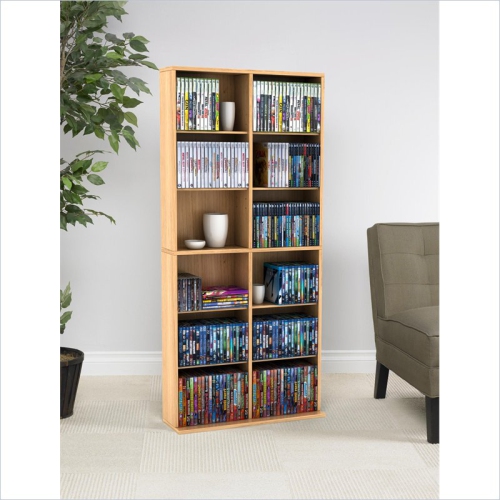 Your price for this item is $234.68
-
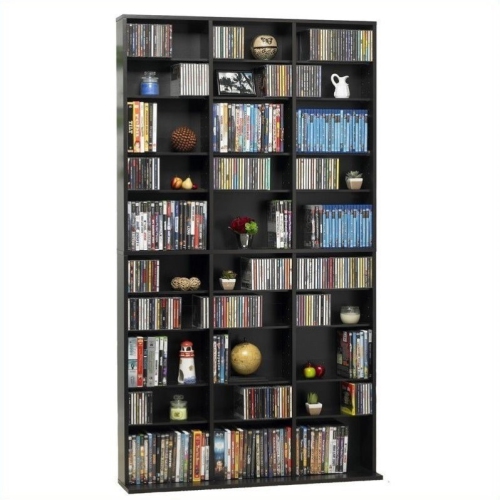 Your price for this item is $365.38
-
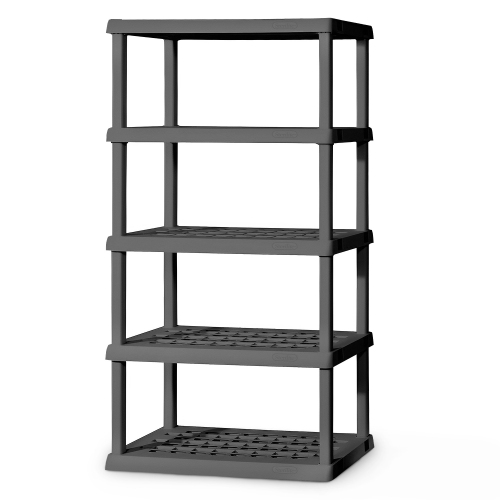 Your price for this item is $320.99
-
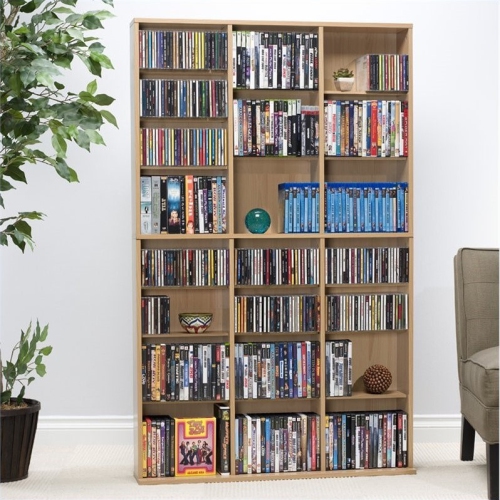 Your price for this item is $295.84
-
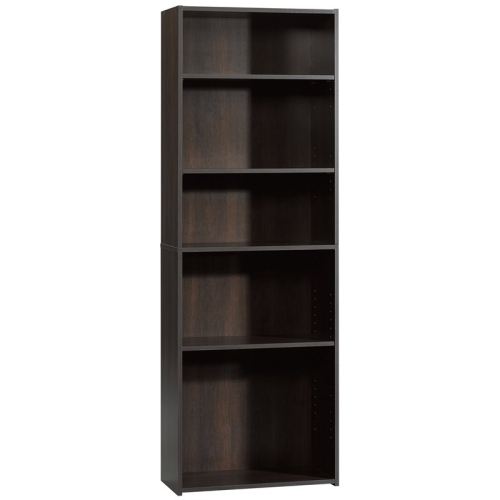 Your price for this item is $227.8
-
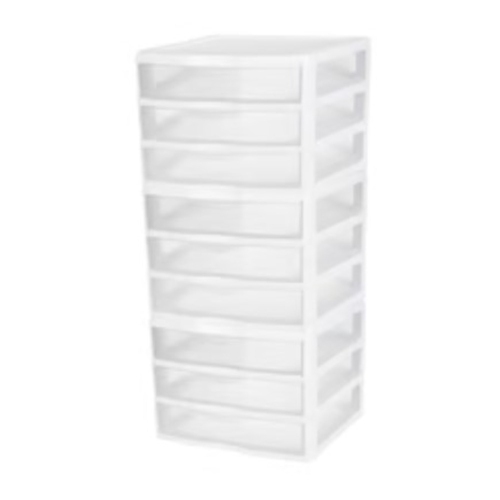 Your price for this item is $127.99
Discover more categories related to Small Bookshelf

Top Collections:
Pokemon Centers, Best Cameras for Sports Photography, Kindle Devices, Samsung Galaxy Phones, Canon G7X Cameras, Pokémon 30th Celebration Cards, Refurbished Apple Laptops, iPhone 15 Apple, Laptops for Students, Budget Smartphones
Some products may be subject to Environmental Handling Fees
(EHF) depending on your province.
Learn more about EHFs.