Tall Dressers
A tall dresser is a great way to add storage space to your bedroom. If you have limited closet space, or if you just want a place to store all your clothes in one place, a tall dresser can be the answer. These are some best options available.
Sort


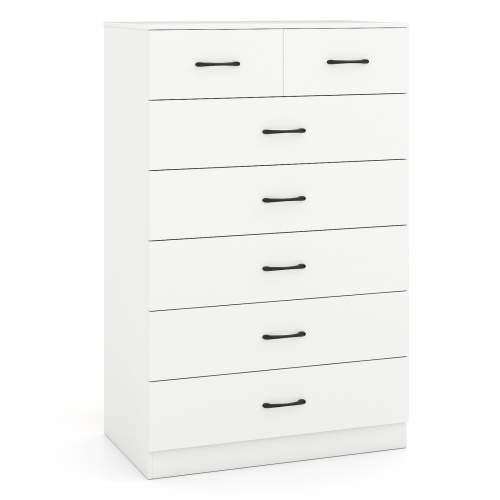

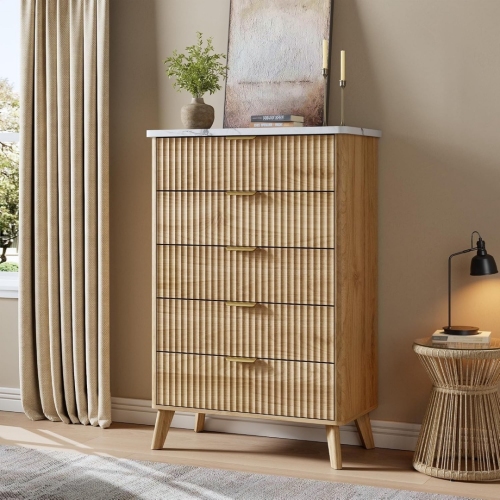
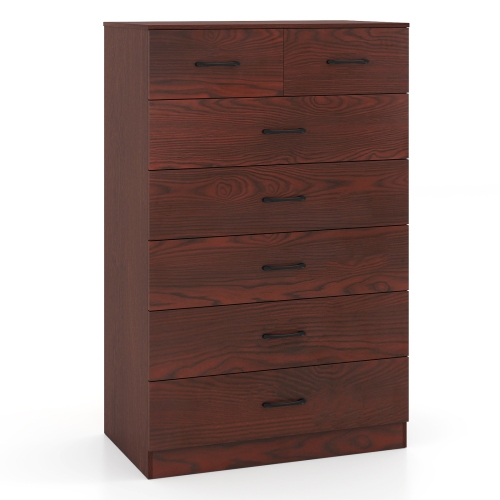


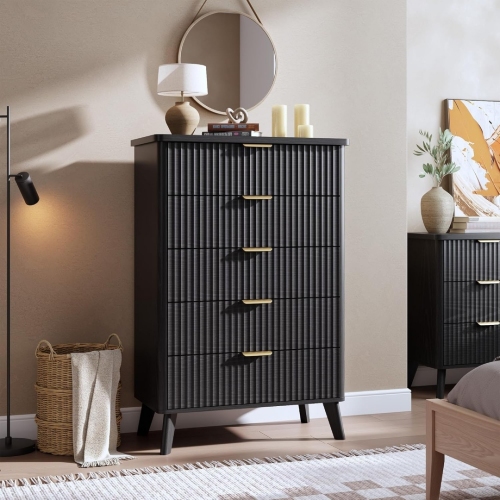
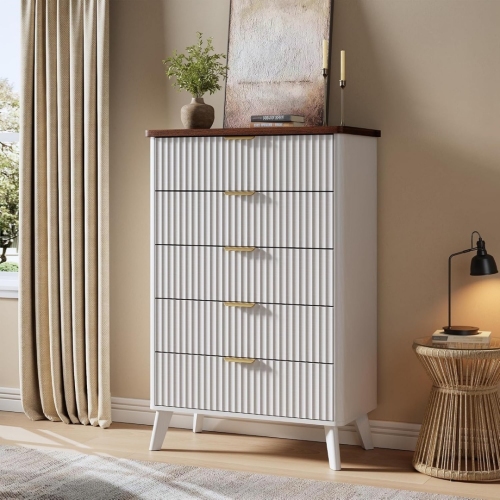

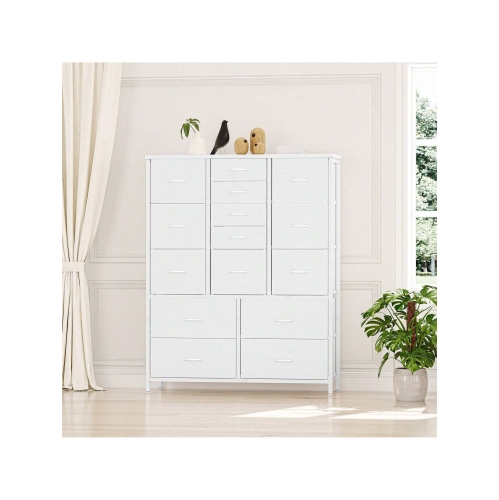
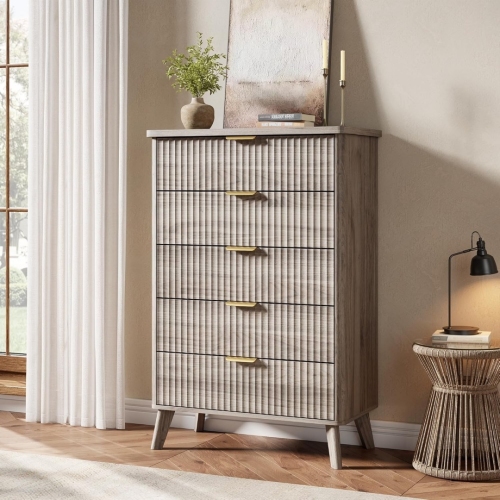
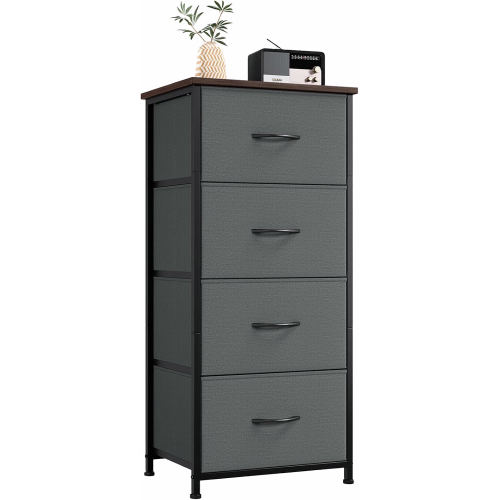
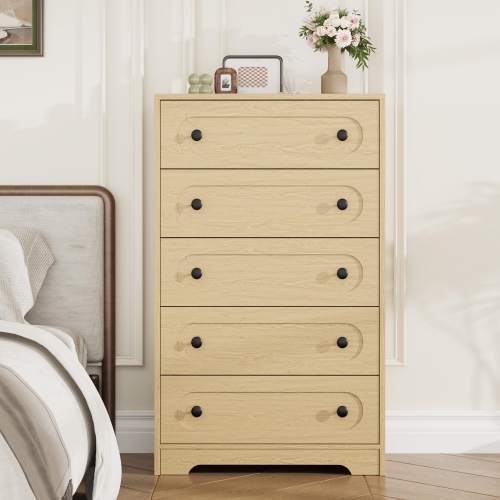
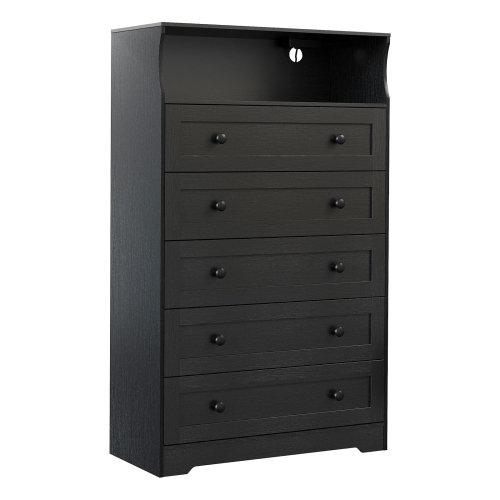


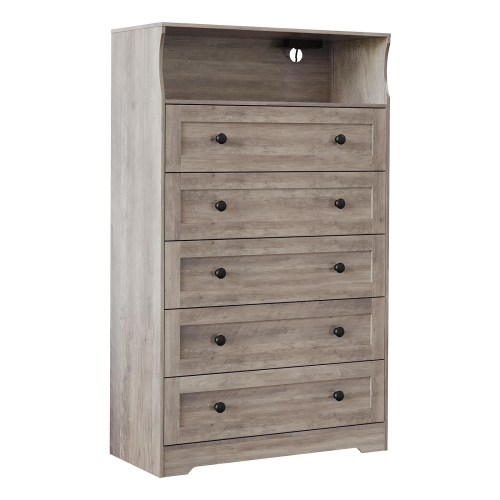

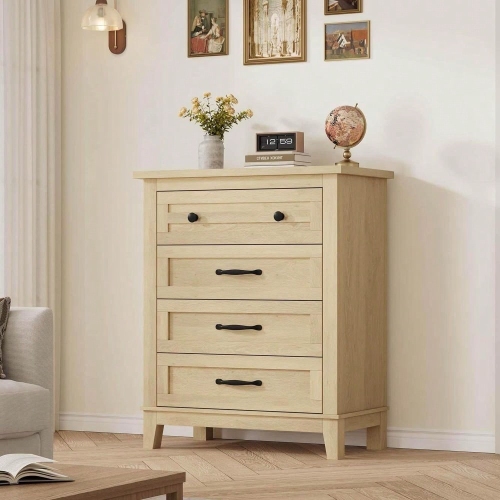

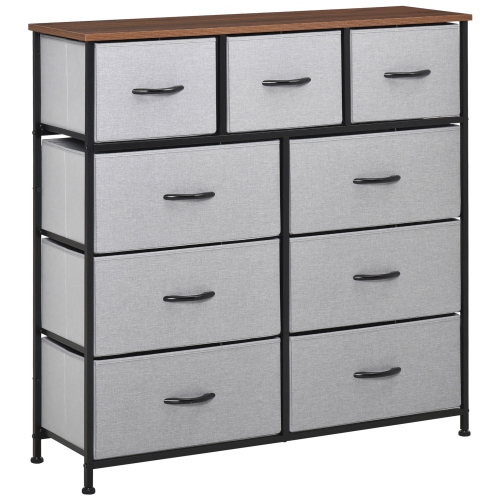
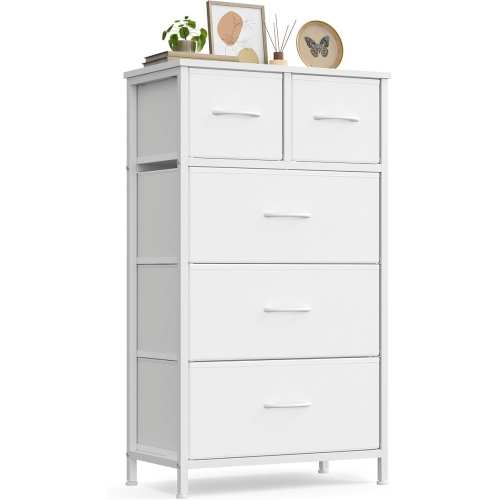
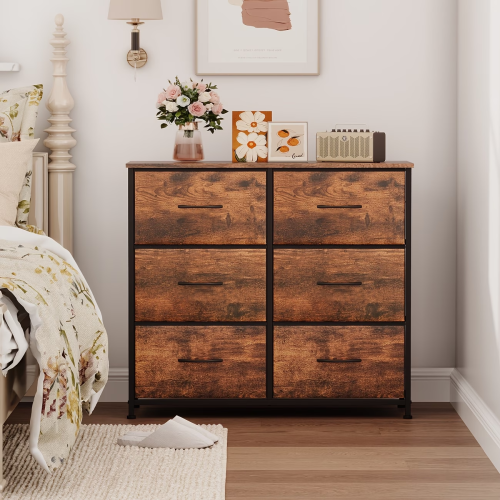


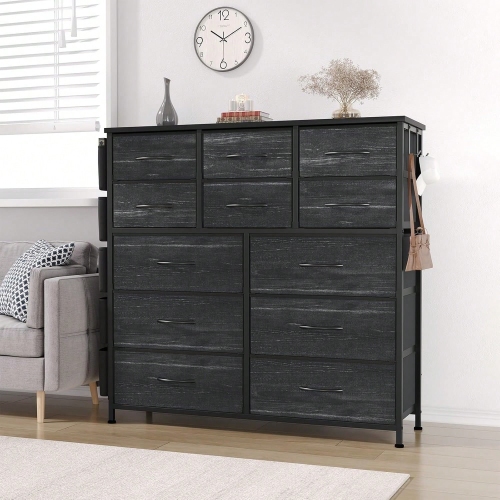
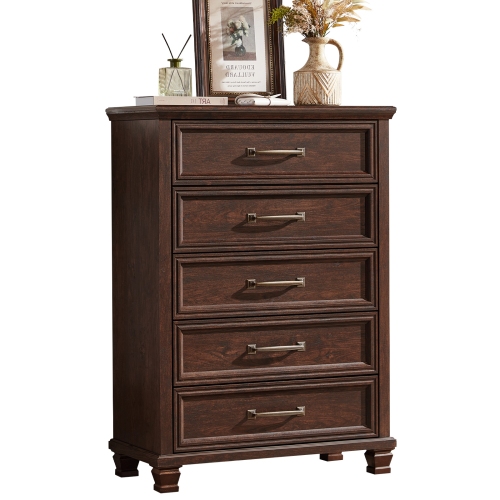
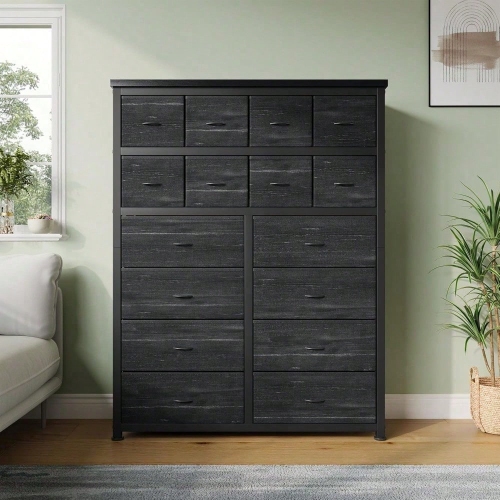
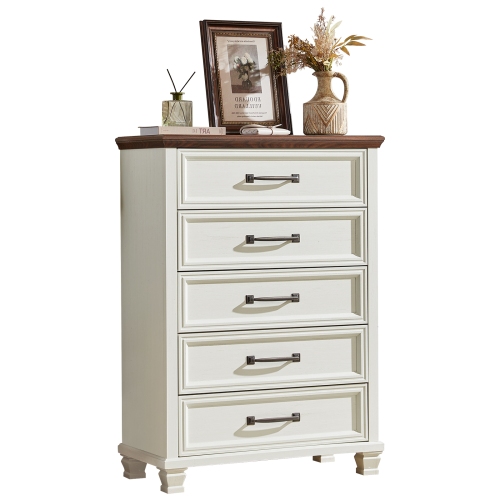
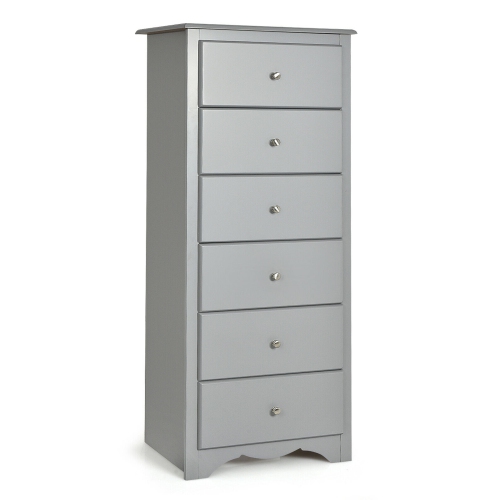
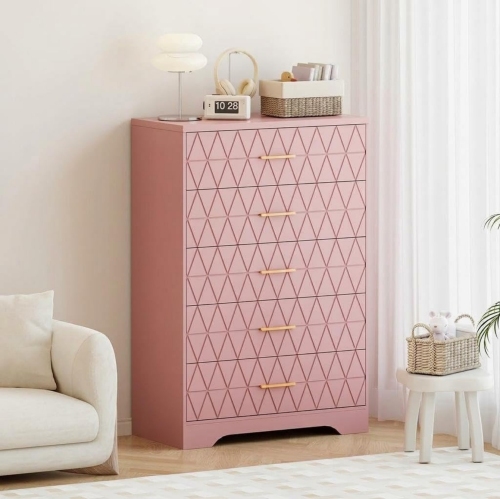


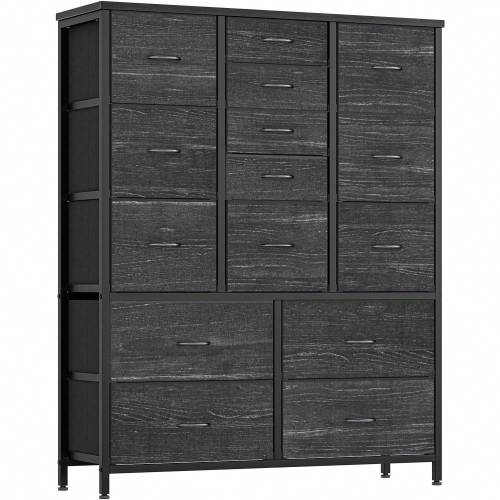
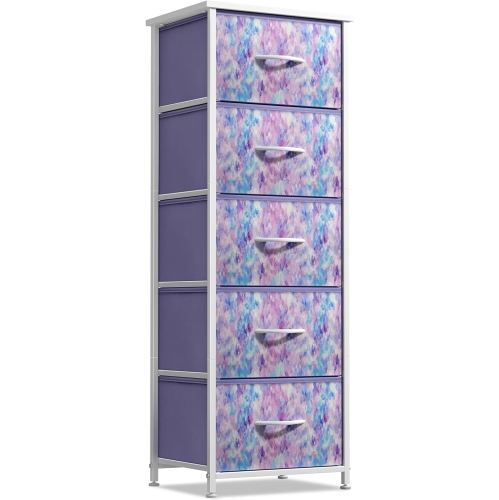
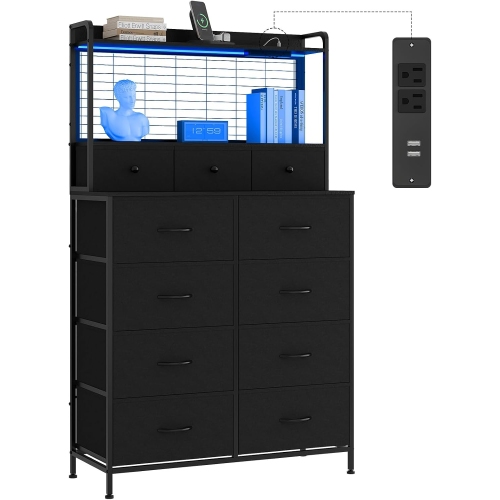
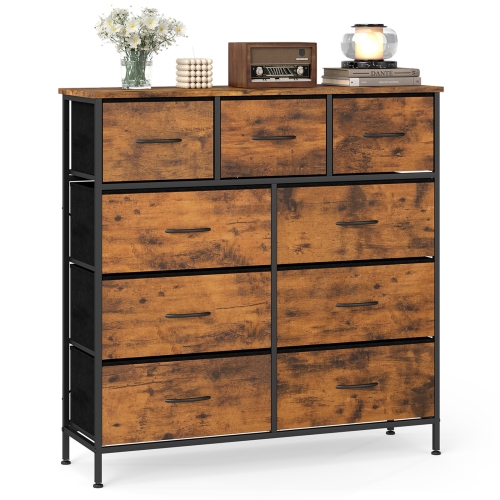

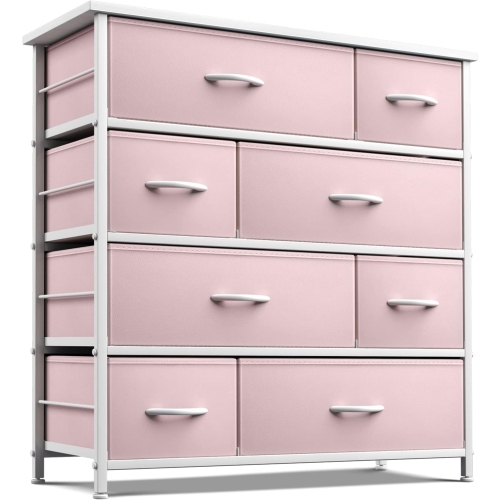
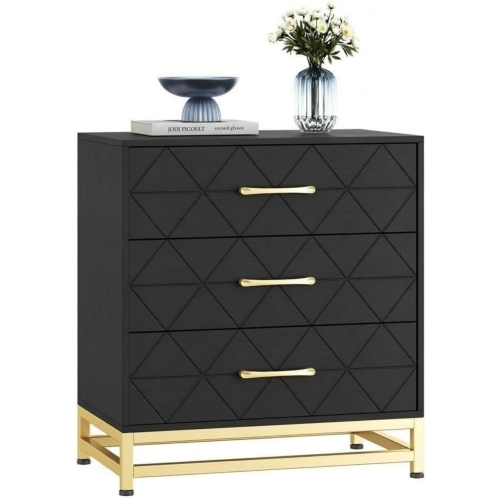
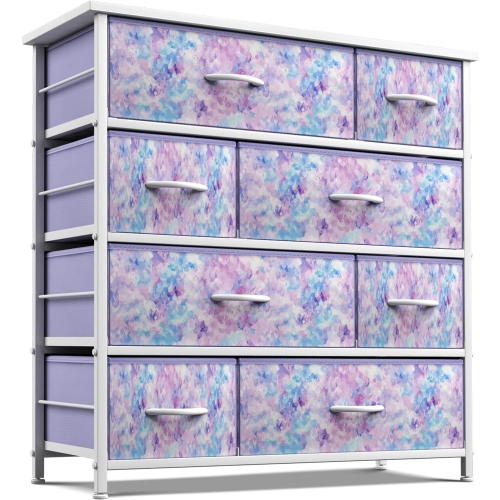


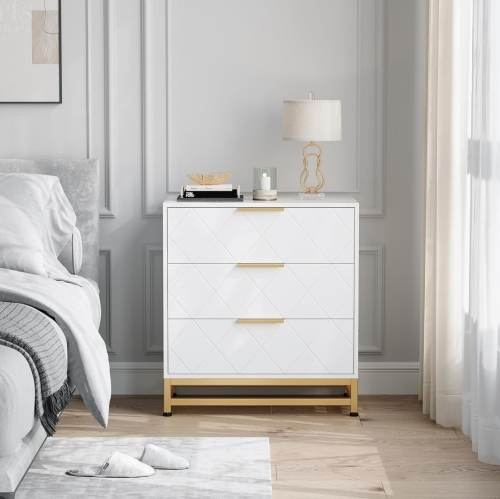
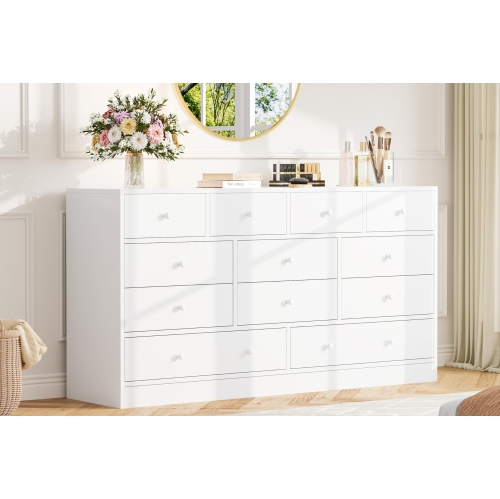


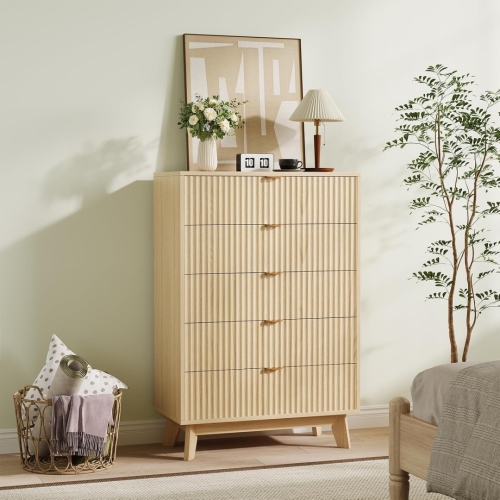


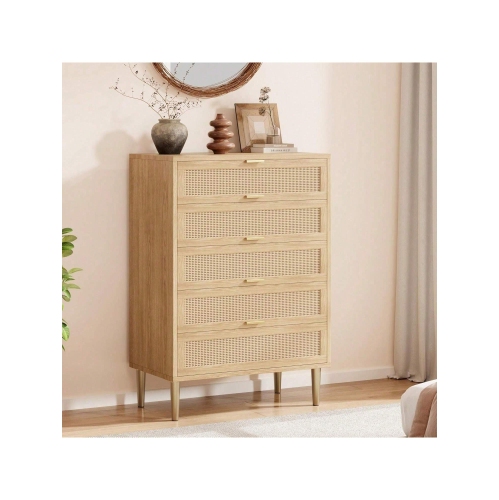


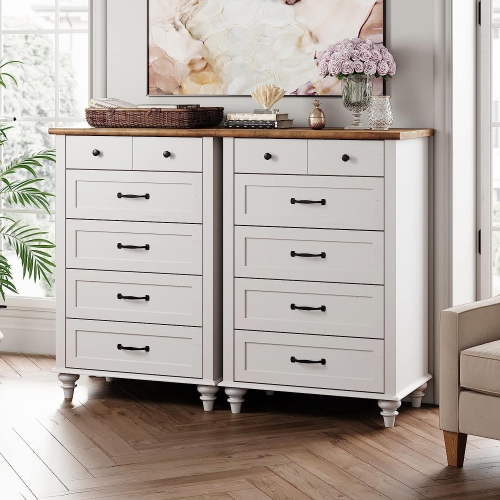


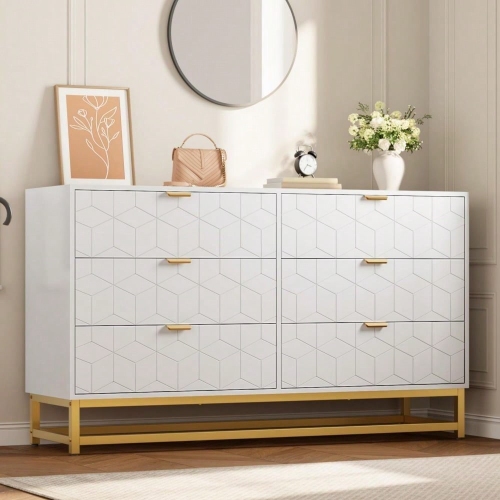

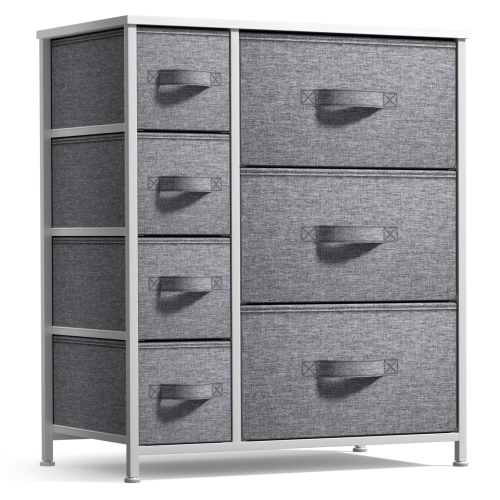
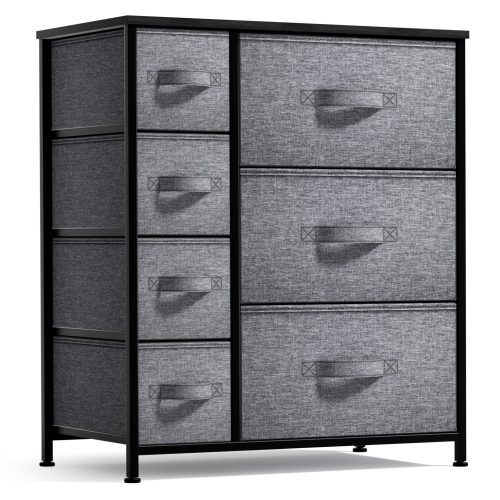
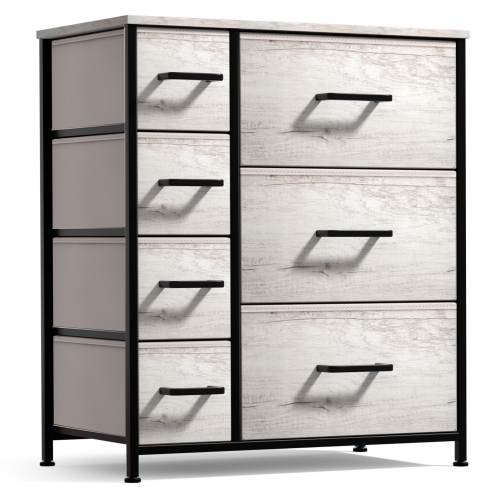
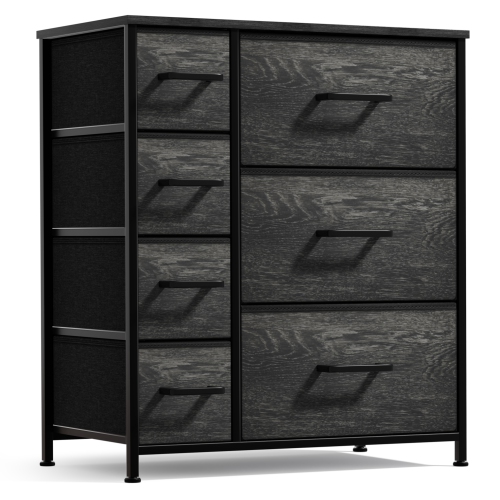
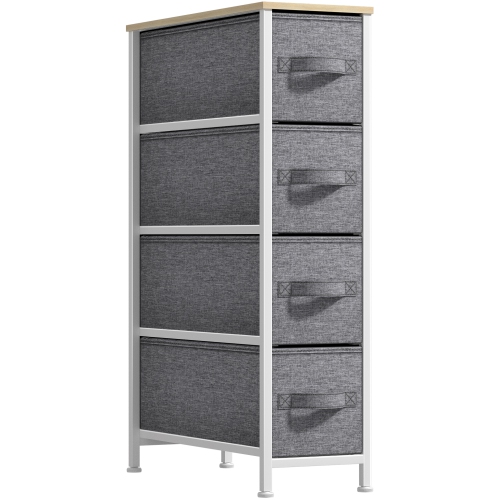
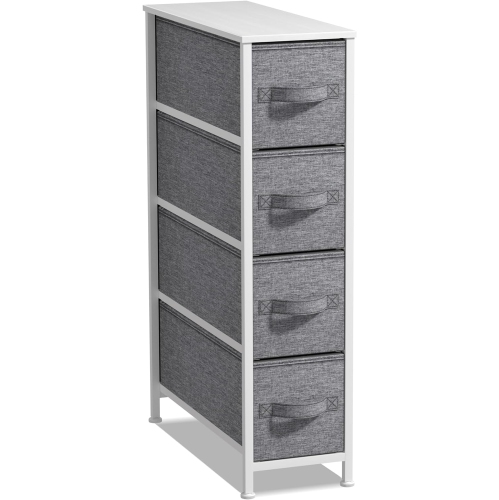
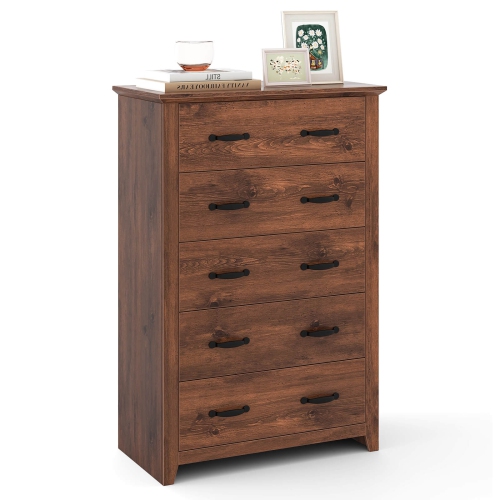
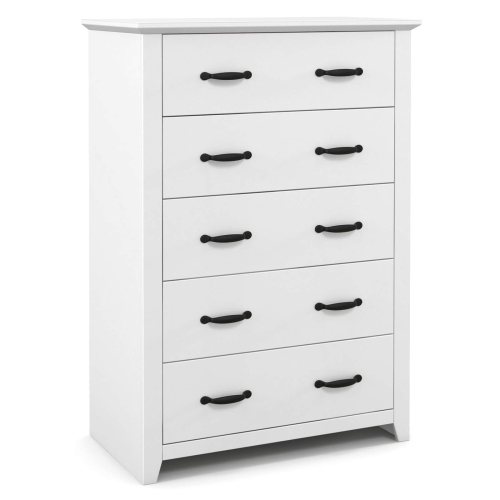
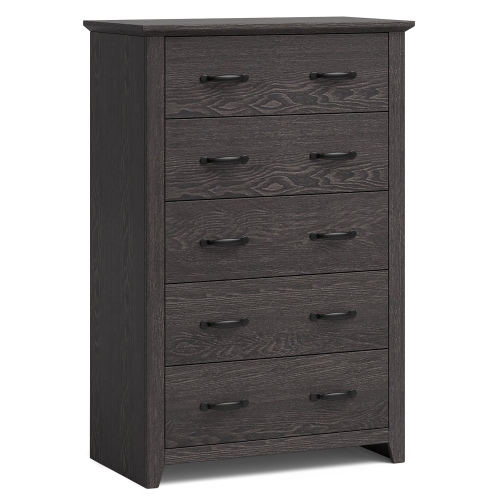


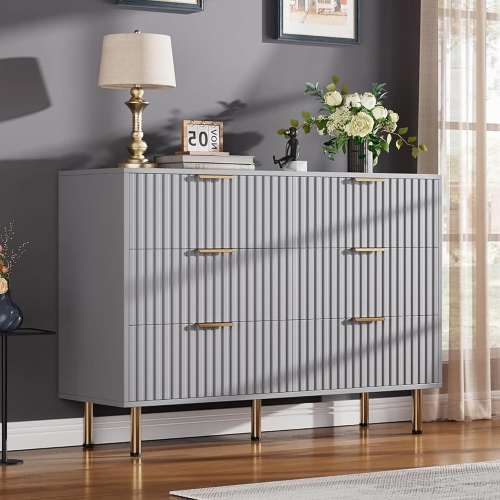
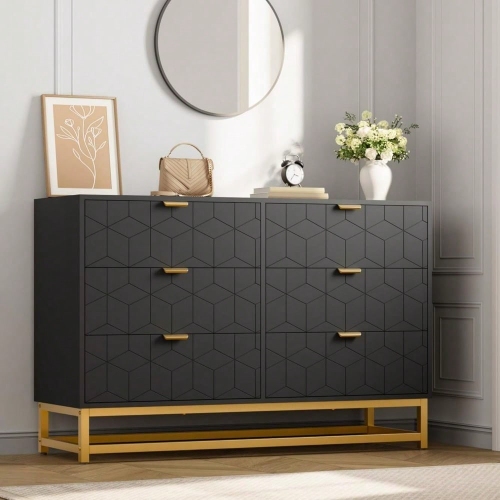
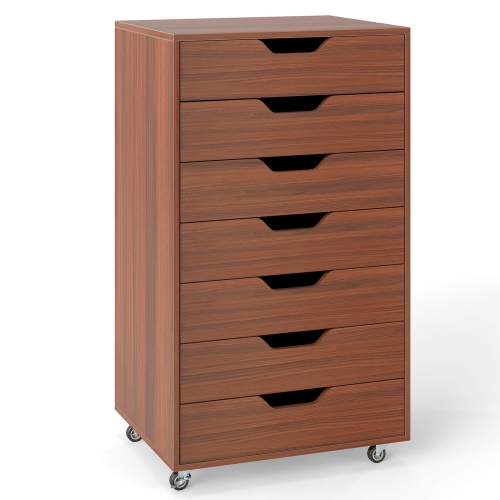
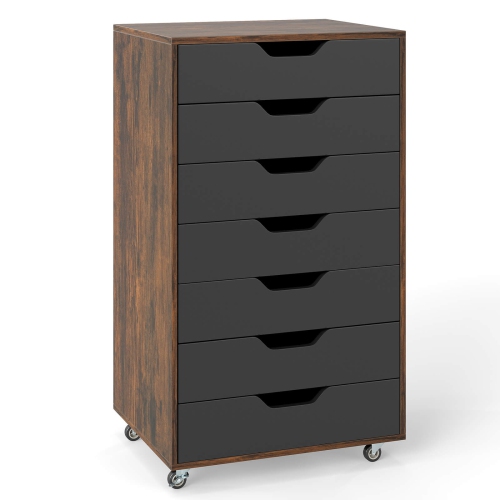
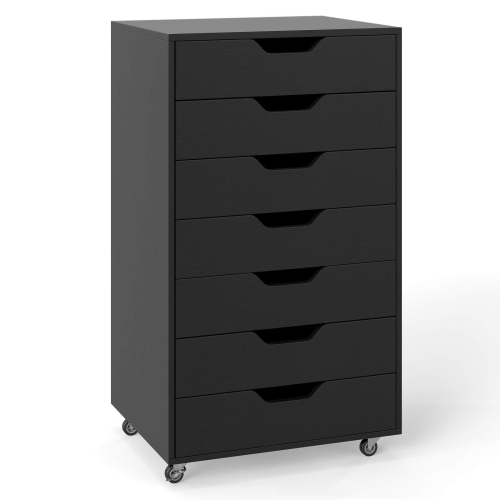
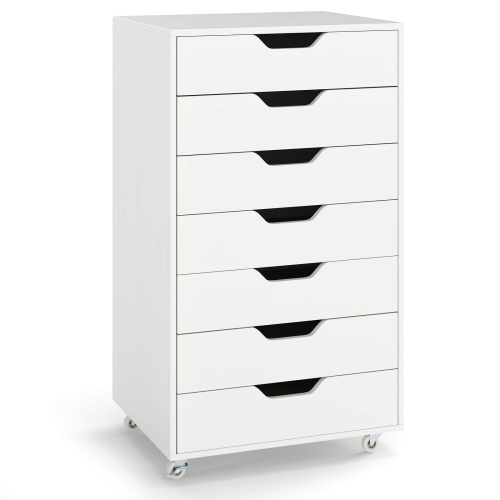
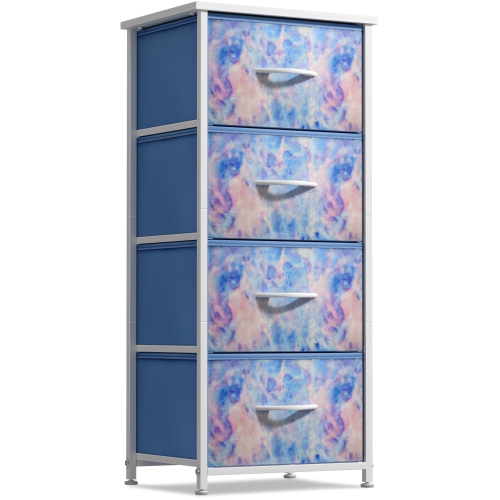
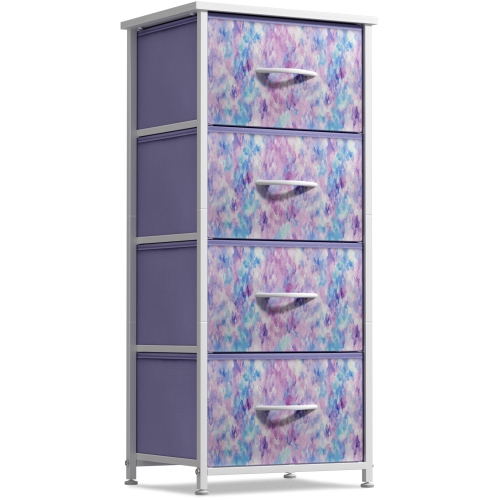
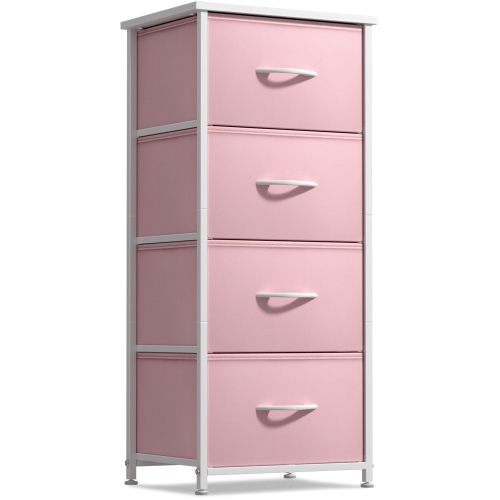
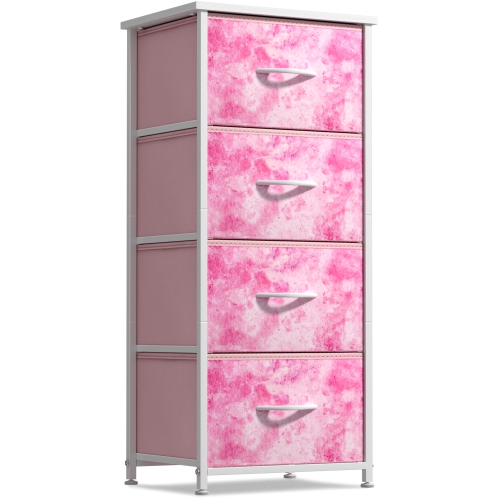


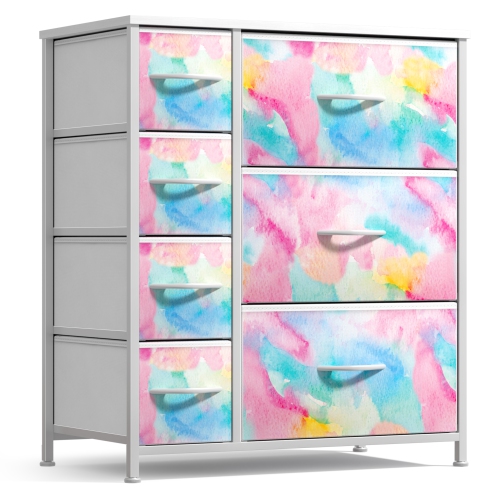
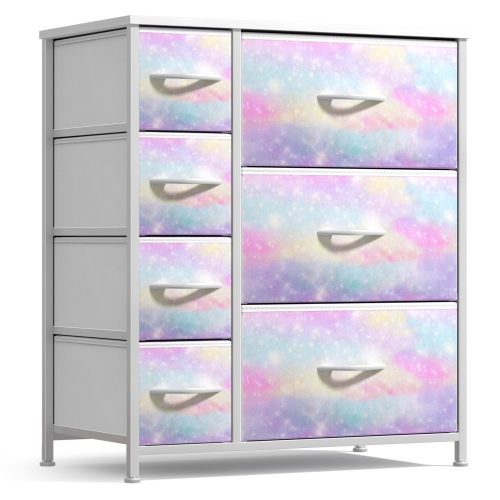
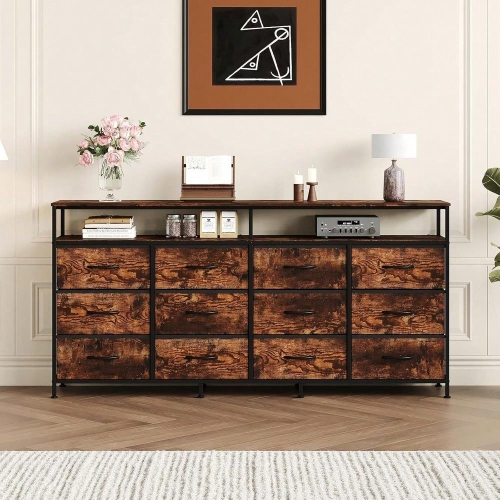
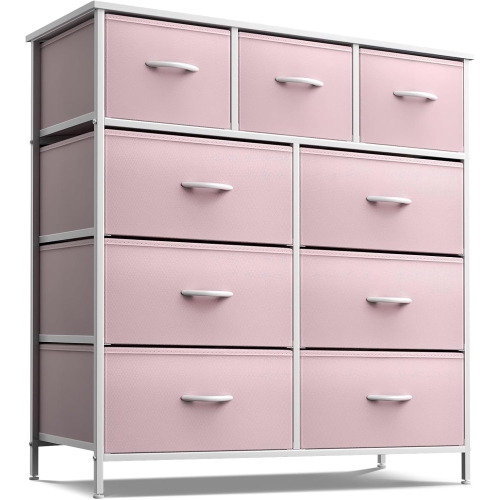
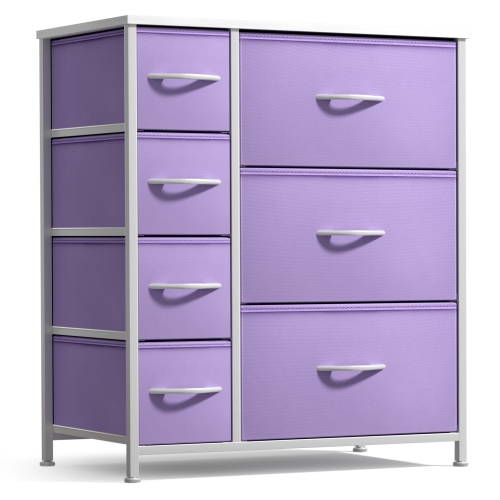
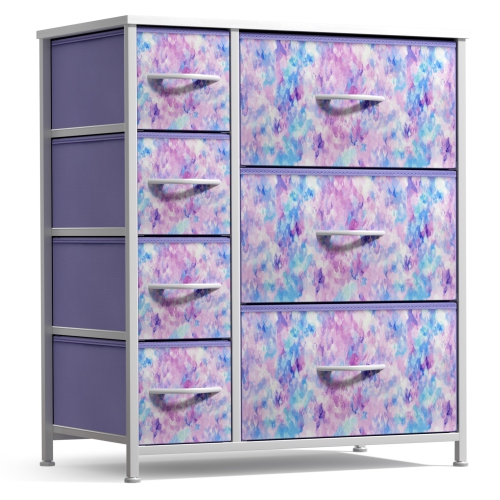
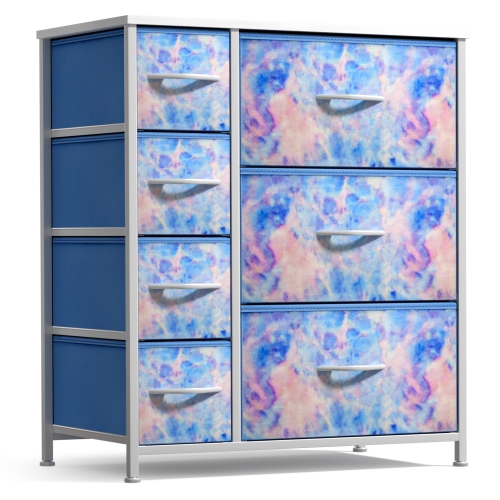

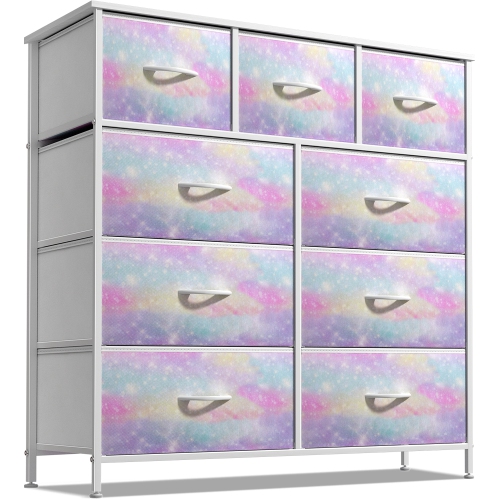
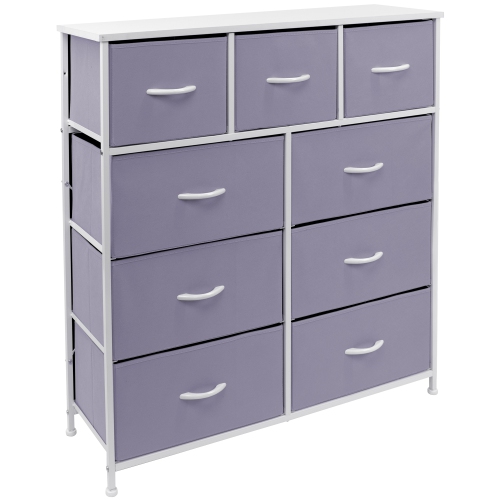
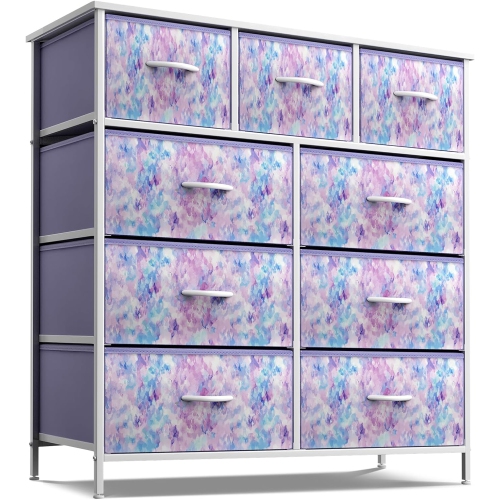

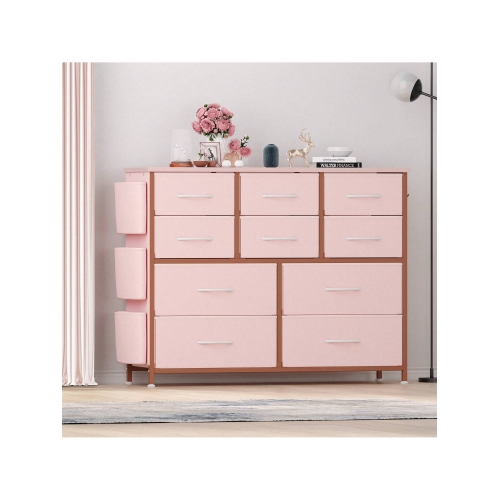

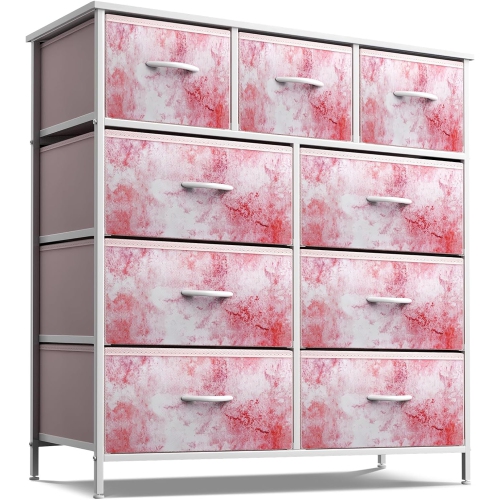
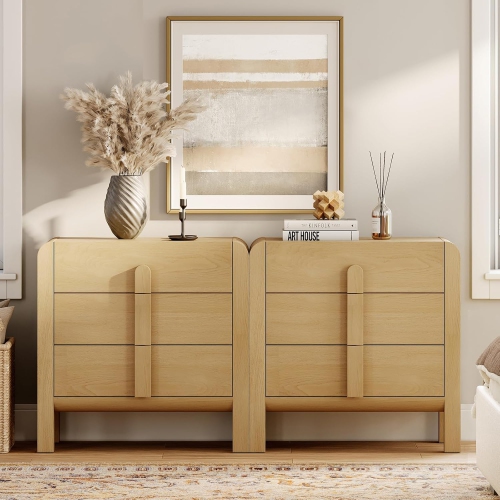
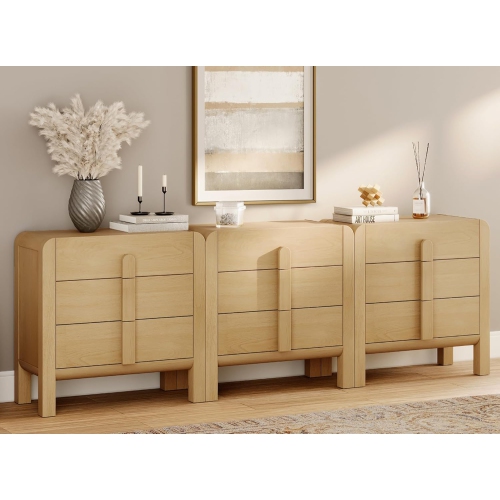



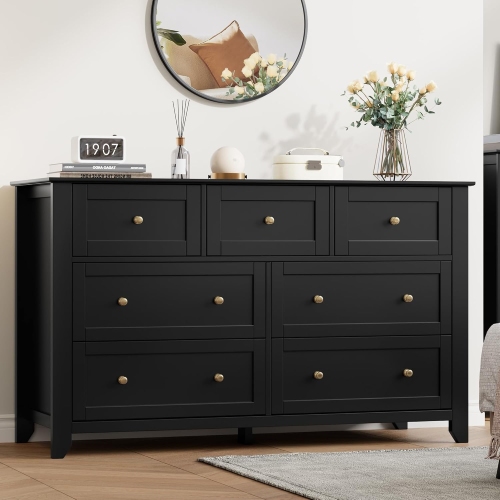


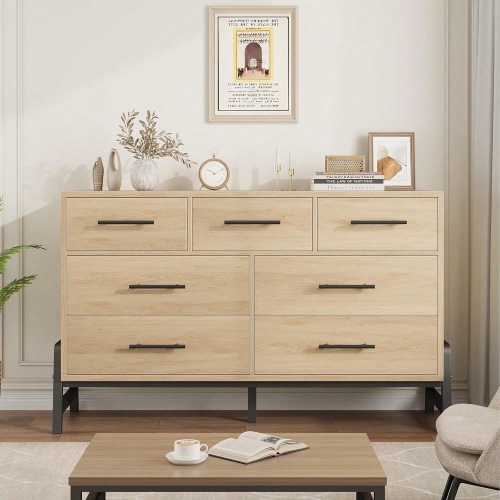


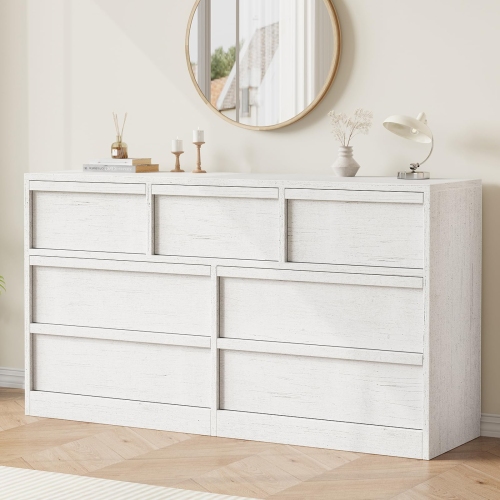


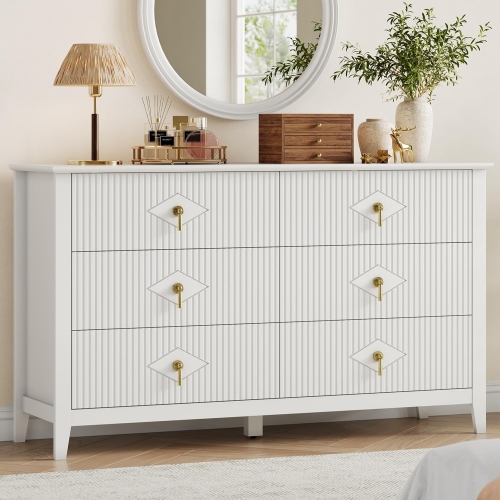
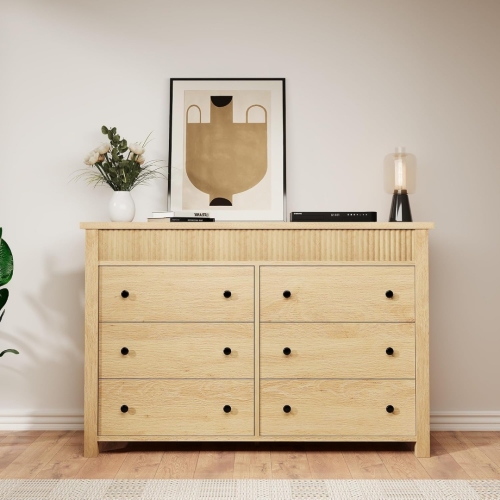
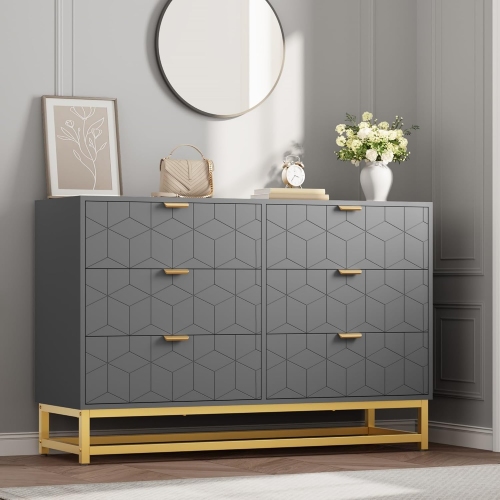
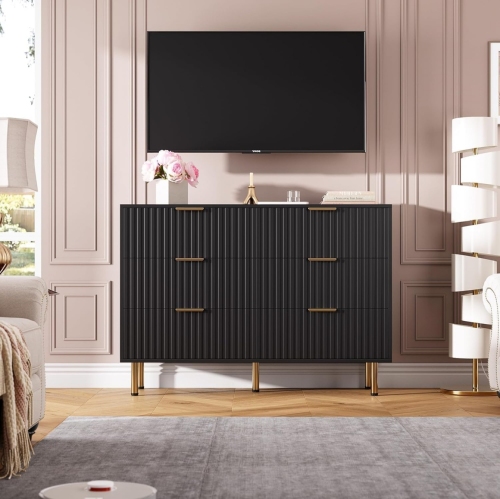

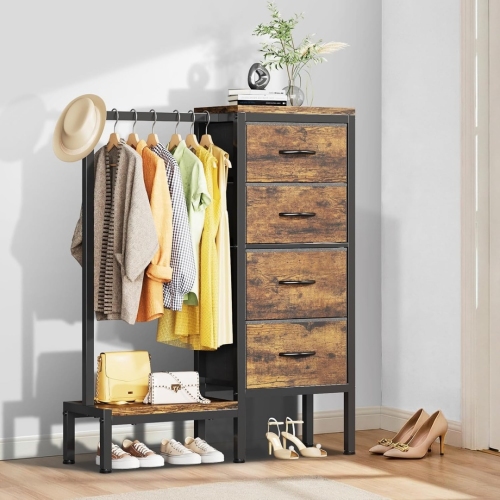
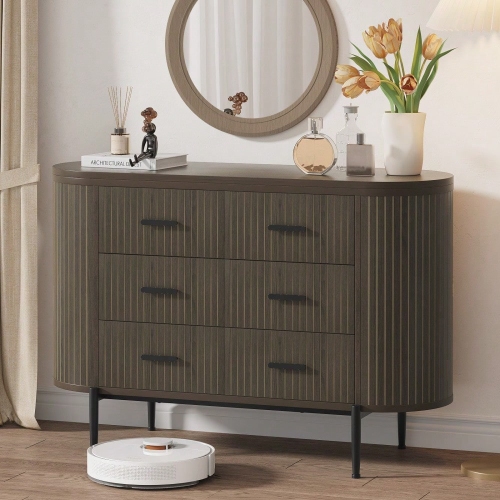

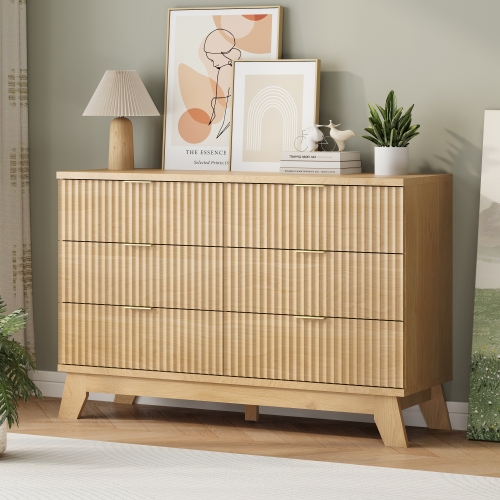
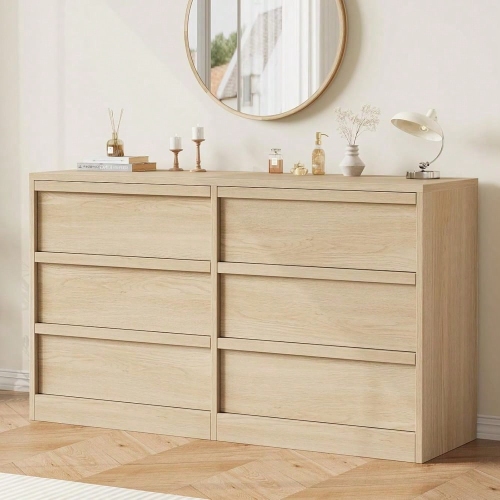

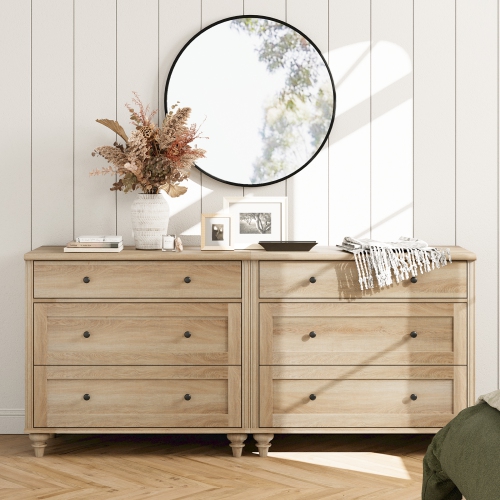
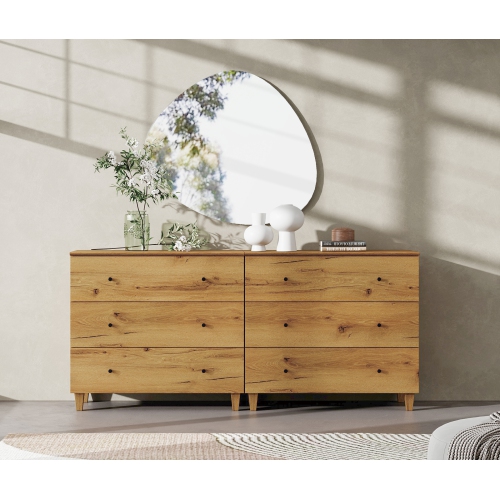


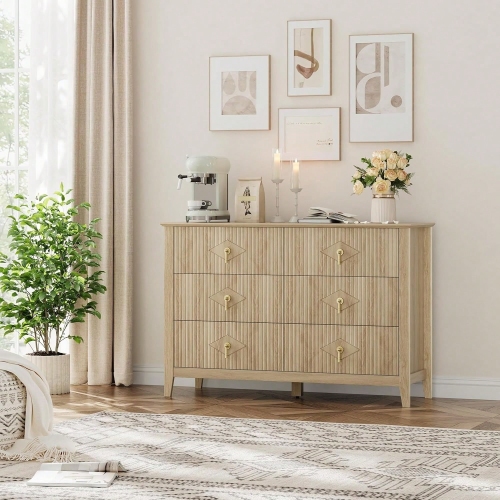

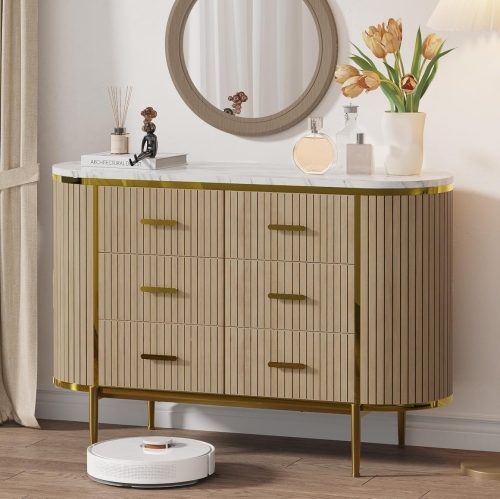


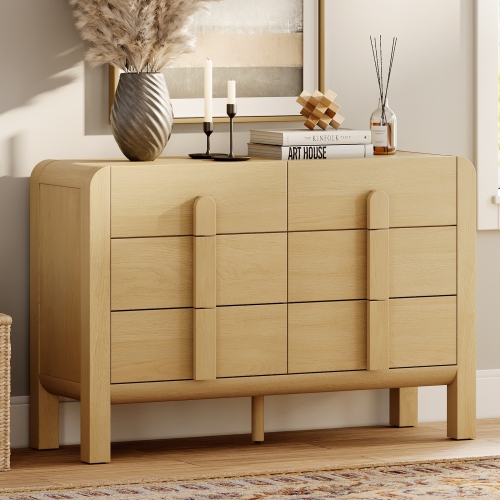


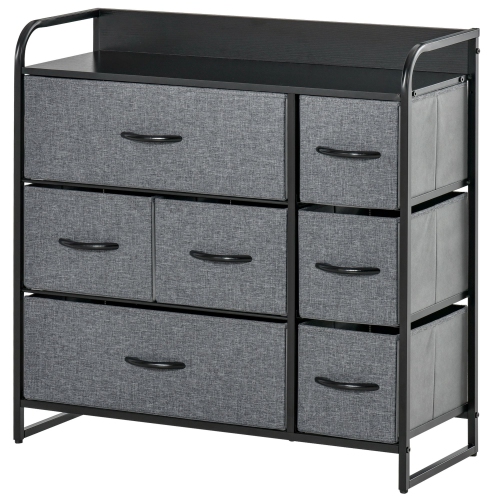
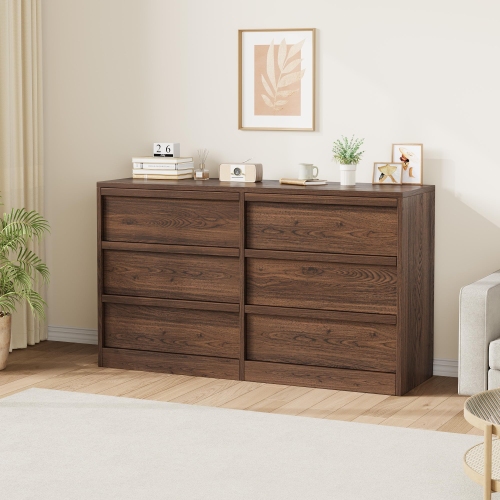


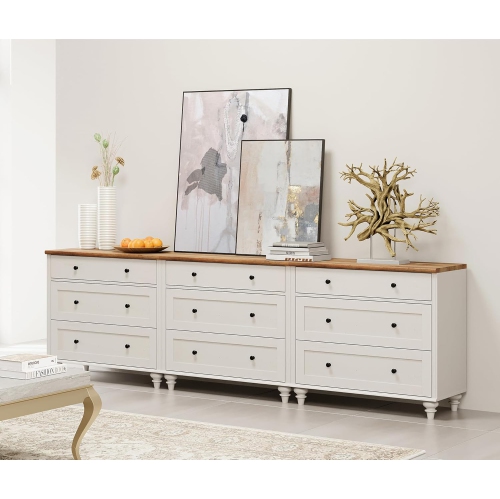

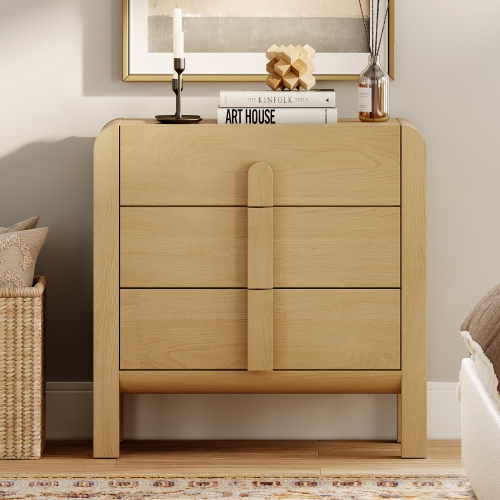
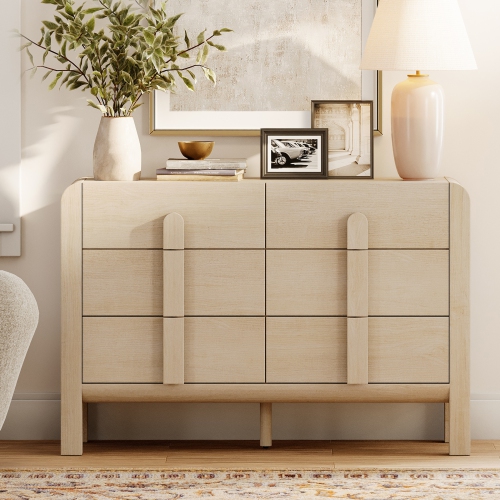


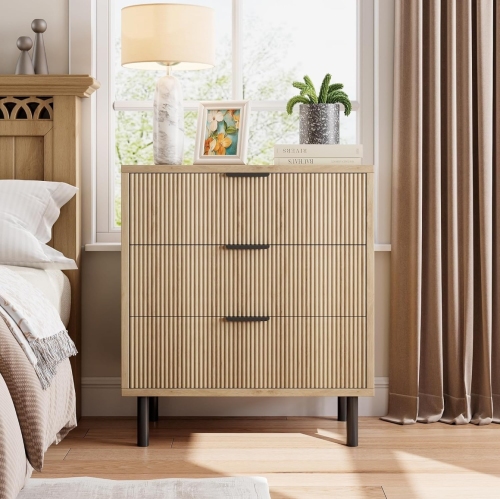
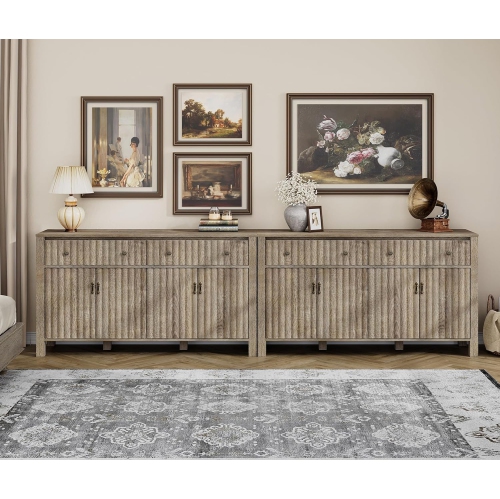
Vertical drawer storage that leaves room for bedroom essentials
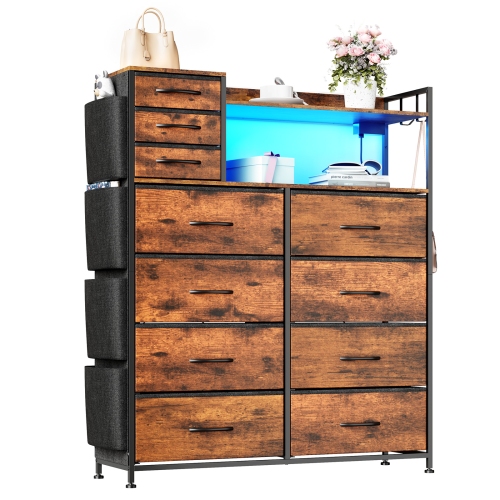
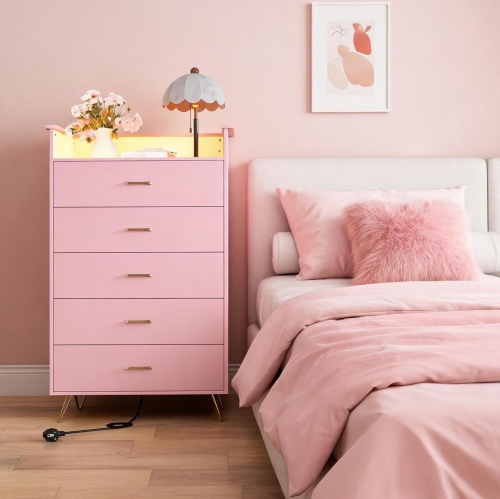
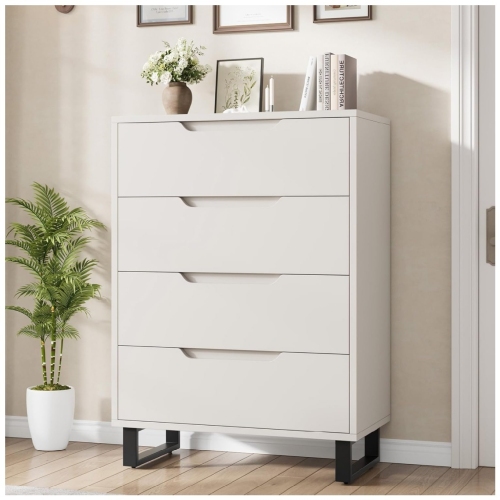
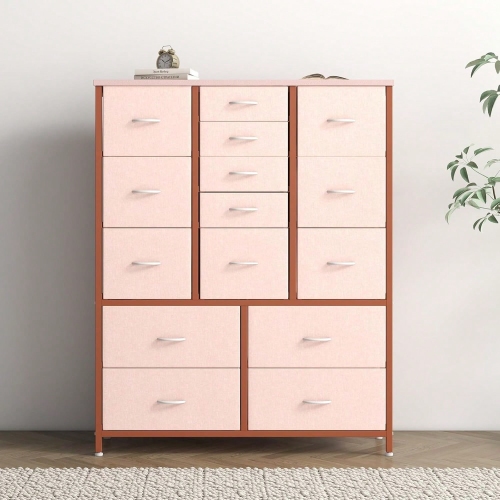
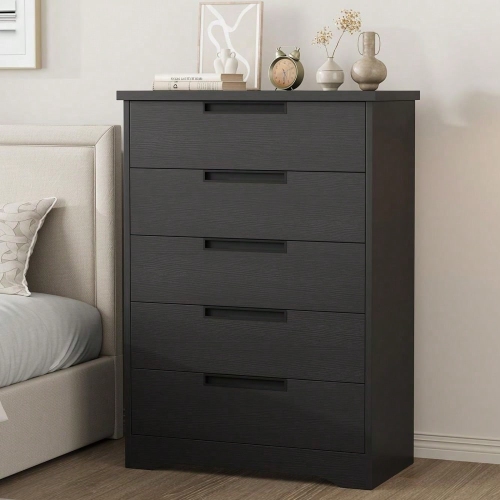
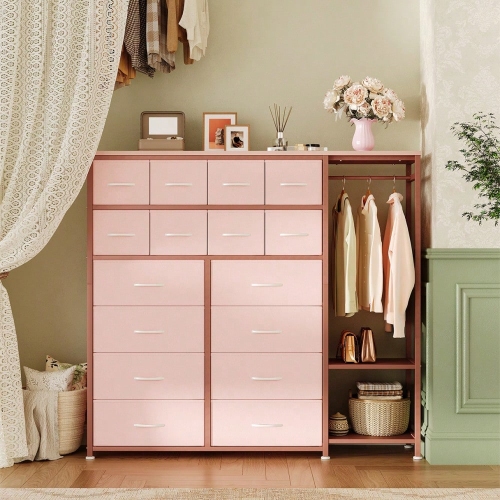
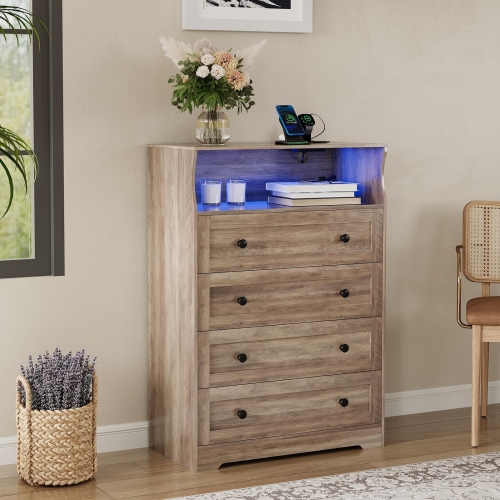
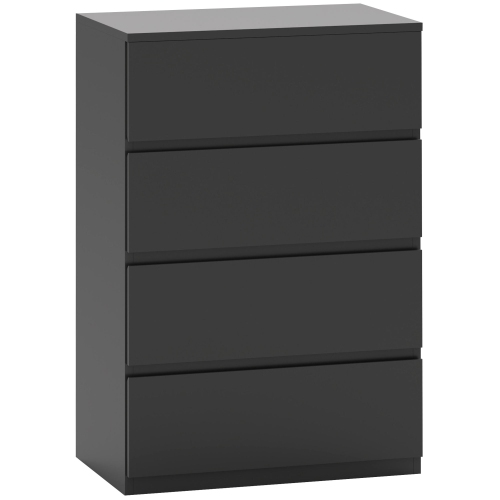
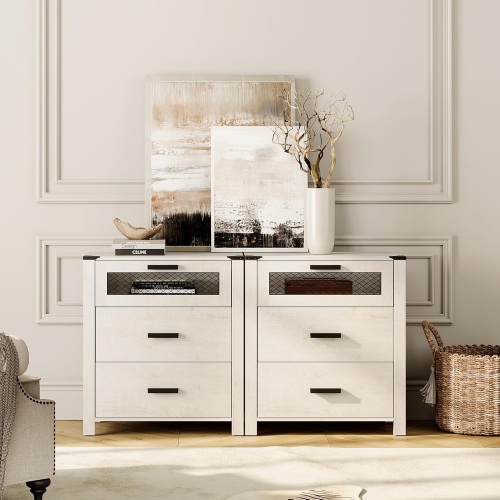
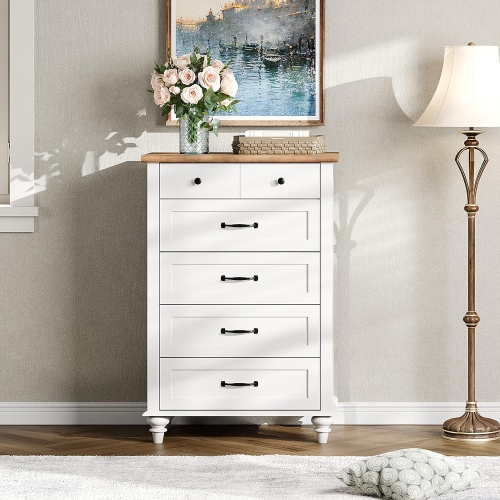
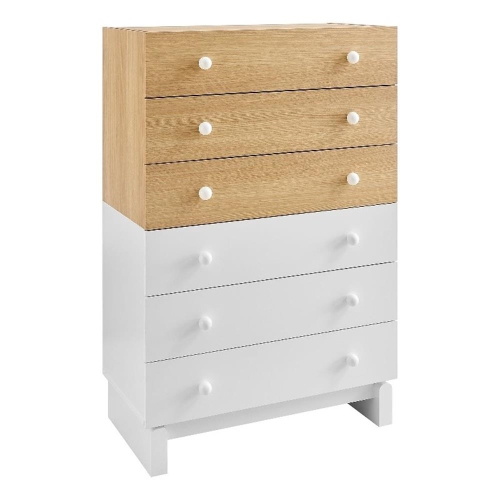
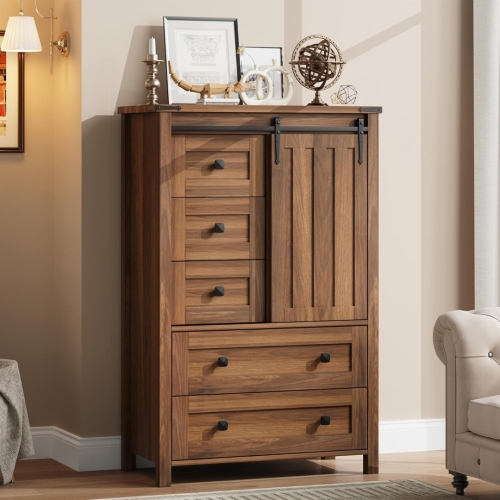
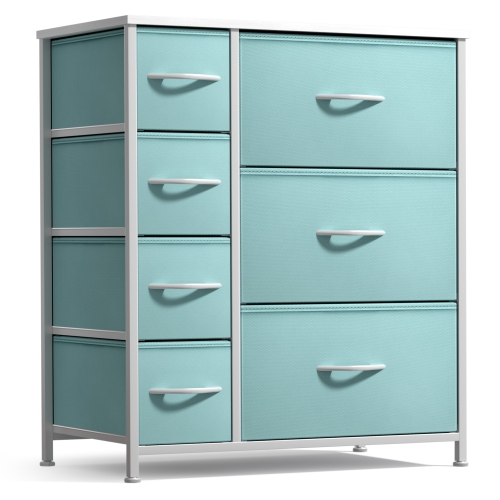
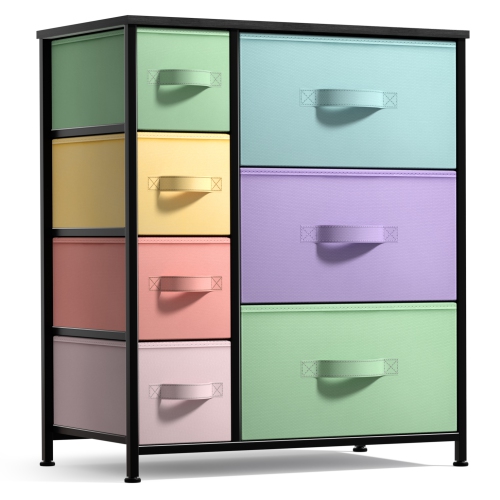
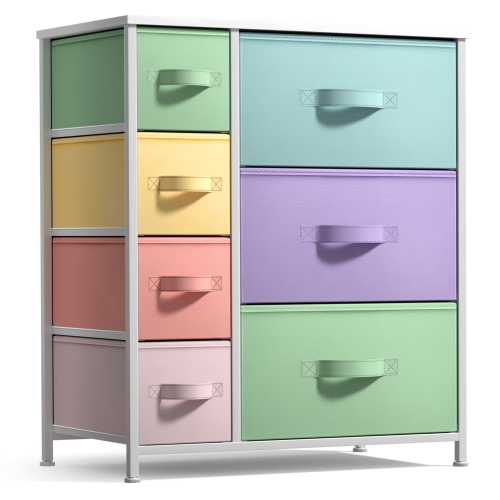
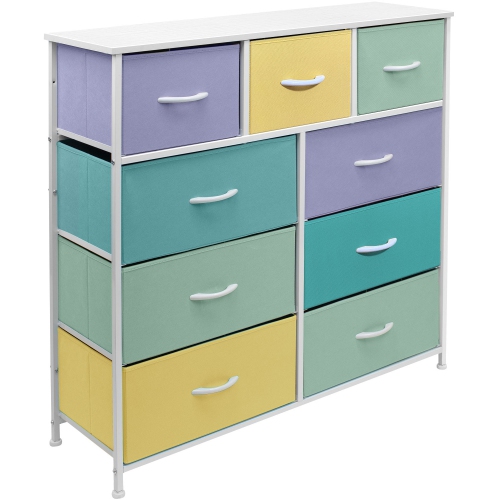
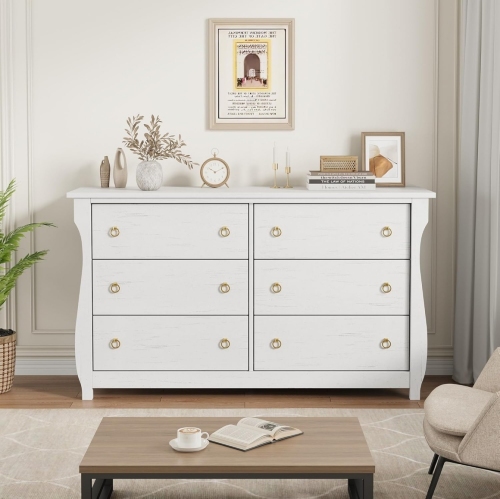
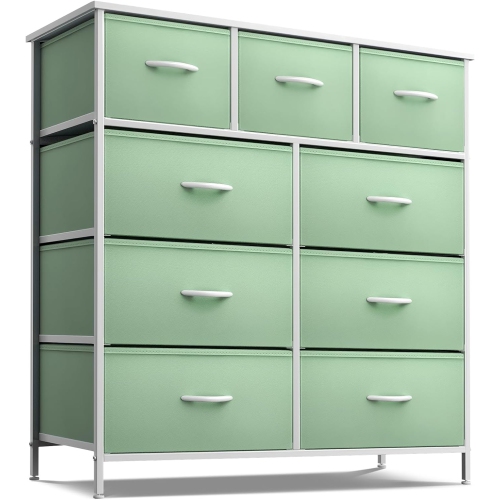
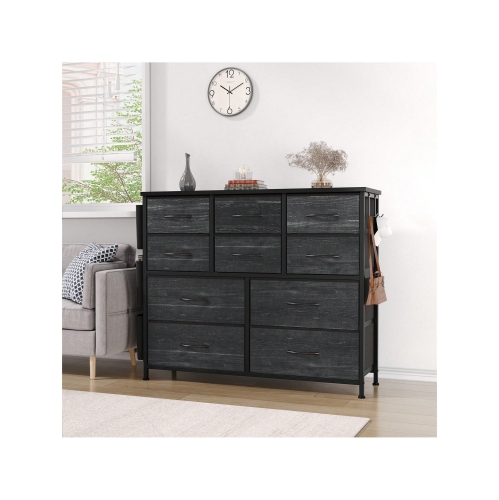
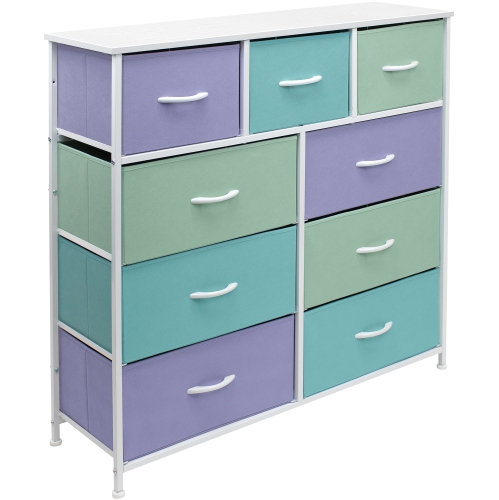
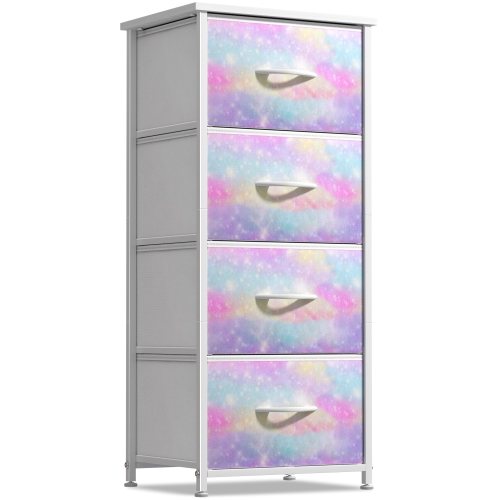
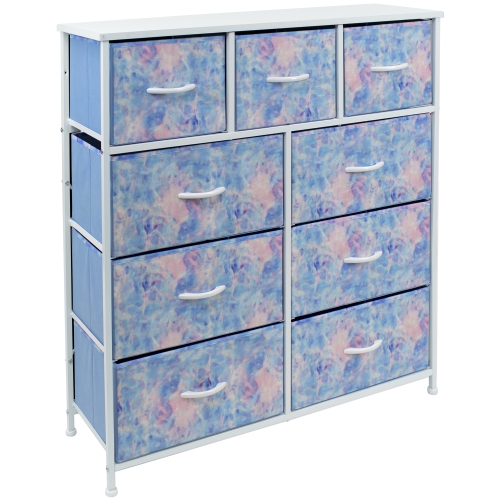
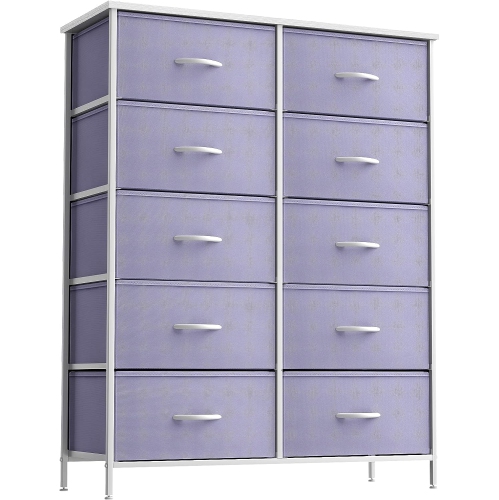
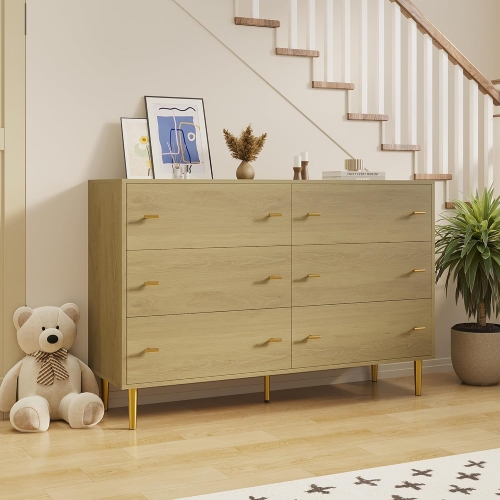
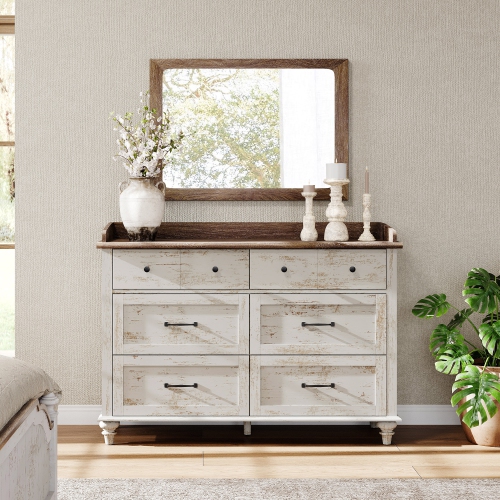
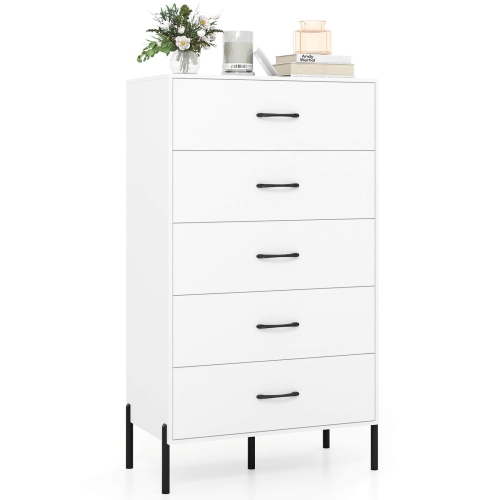
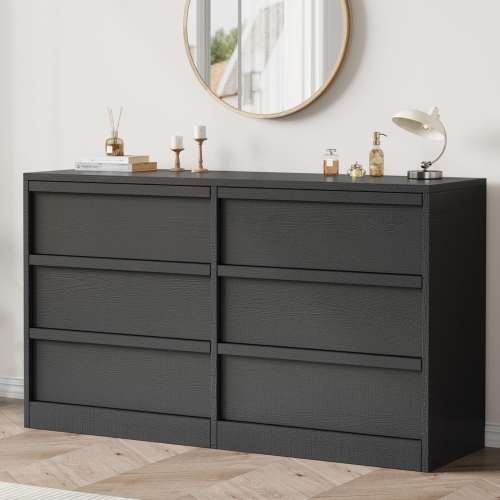
Tall dressers provide vertical drawer storage for clothing and everyday essentials while taking up less wall space than many wide dressers. Their upright shape makes them a practical fit for bedrooms where a bed, bedside tables, and a wardrobe already occupy much of the room. Often called tall chests of drawers, these pieces typically stack several drawers in a single column, although proportions and drawer arrangements vary. A narrow chest can make use of the space beside a closet, while a taller, wider design can hold a more substantial clothing collection without stretching across an entire wall. The best fit depends on both the floor footprint and the usable space inside the drawers. Deep drawers can accommodate folded jeans, sweatshirts, and spare bedding; shallower drawers keep socks, underwear, and small accessories easier to see and separate. For someone furnishing a first apartment, a tall dresser can supply much-needed storage when closet shelving is limited. In a shared bedroom, separate drawer sections give each person a defined place for their belongings. A guest room can benefit from a compact chest that leaves space for luggage while keeping extra linens close at hand. Before choosing a size, measure the intended position, including baseboards, and allow enough clearance for drawers to open fully without meeting the bed frame or blocking a doorway. Check drawer depth as well as exterior depth, since the two measurements serve different purposes. A chest that fits neatly into an alcove may still interrupt movement through the room when a drawer is open. Overall height matters, too: frequently used contents should be within comfortable reach, and the top should remain accessible if it will hold a small tray for everyday belongings. For anyone who prefers to avoid bending or reaching, the placement of the most-used drawers can matter as much as total capacity. A thoughtful layout keeps daily clothing accessible rather than simply adding more storage.
Materials and construction influence a tall dresser’s appearance, weight, care needs, and performance through everyday use. Solid wood offers natural grain variation and can develop character over time, though it may respond to changes in indoor humidity and requires care suited to its finish. Wood veneer places a thin layer of real wood over a supporting core, providing a wood-grain surface with construction that differs from solid timber. Engineered wood, including medium-density fibreboard and particleboard, is often used with painted, laminated, or veneered finishes. Its durability depends on the quality of the panels, joints, hardware, and surface treatment rather than the material name alone. Laminated surfaces can be straightforward to wipe clean, but edges and seams still need protection from standing moisture. Metal frames or drawer components can contribute a streamlined appearance, while fabric drawer designs offer a lighter structure for clothing and other lightweight belongings. Whatever the material, drawer construction deserves attention. Smooth-running slides help drawers open without excessive pulling, and stops help prevent them from being pulled out unintentionally during ordinary use. Soft-close mechanisms can reduce slamming, although they do not replace careful handling or proper assembly. Look at the stated weight limits for both individual drawers and the top surface; a drawer filled with denim puts different demands on its base than one holding scarves. Stable joints, properly installed drawer bottoms, and securely attached handles all contribute to dependable daily use. Assembly requirements also affect the experience, particularly when the dresser must be carried through a narrow hallway or up stairs. Measure the delivery route and confirm whether the furniture arrives assembled or requires assembly in the room. Once in place, follow the manufacturer’s cleaning directions, dust with a soft cloth, and wipe spills promptly. Avoid abrasive pads and cleaners that could dull or damage the finish. Using a protective pad beneath a tray or lamp can help limit marks, while lifting rather than dragging objects across the top helps preserve the surface.
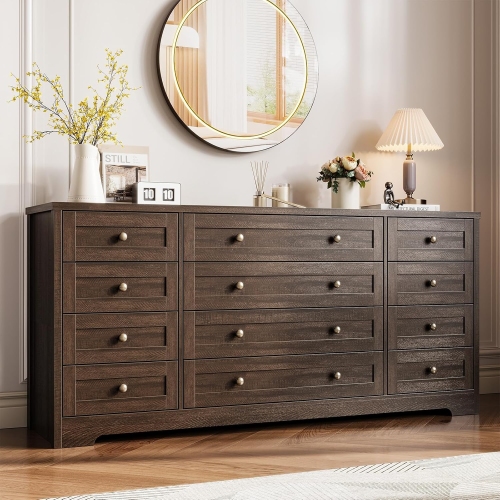
The shape, finish, and hardware of a tall dresser can help it sit comfortably among existing bedroom furniture without requiring every piece to match. A simple chest with flat drawer fronts and discreet pulls suits a clean-lined room, while framed fronts, rounded edges, or more prominent handles bring a different sense of detail. White and pale finishes can create a lighter visual impression against similar walls; darker finishes give an upright piece more definition. Wood tones introduce grain and variation that can connect with a bed frame, woven textiles, or other warm-toned furnishings. For a deeper wood-toned palette, Tall Brown Dressers can complement cream bedding, muted wall colours, and black or brass-toned accents. Compare undertones as well as colour names, since brown finishes may lean reddish, golden, or grey. Hardware also affects everyday comfort: projecting knobs need clearance beside walkways, while pulls should be easy for the intended user to grasp. Inside the dresser, removable dividers can separate small garments, and neatly folded rows make drawer contents visible without disturbing an entire stack. Keep heavier belongings in lower drawers and avoid overfilling, which can strain drawer bases and interfere with smooth closing. Safety is especially important with tall furniture. Secure the dresser to the wall according to the manufacturer’s instructions, using restraints and fixings appropriate for the wall type; seek qualified help if the correct installation method is unclear. Wall anchoring matters in adult bedrooms as well as homes with children or pets. Never allow children to climb drawers, and keep tempting objects off the top where they could encourage climbing. Open only one drawer at a time, and do not treat the dresser as a television stand unless it is expressly designed for that purpose. With suitable dimensions, sound construction, and proper installation, a tall dresser can make a compact room easier to keep organized while leaving more floor space for everyday movement.
Top selling and popular products
-
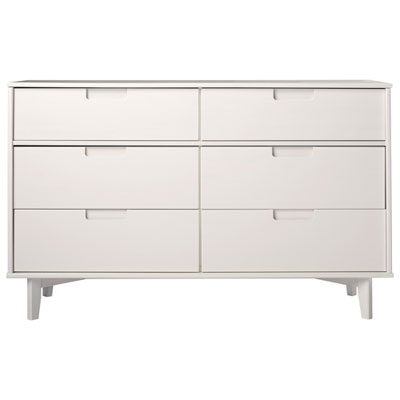 Your price for this item is $569.99
-
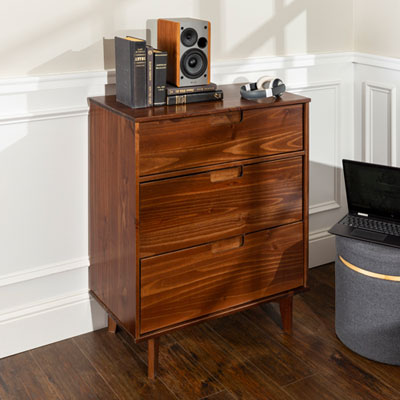 Your price for this item is $364.99
-
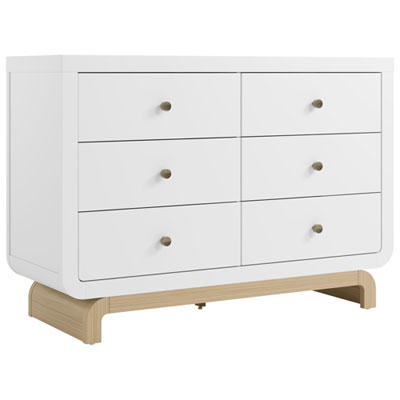 Your price for this item is $899.99
-
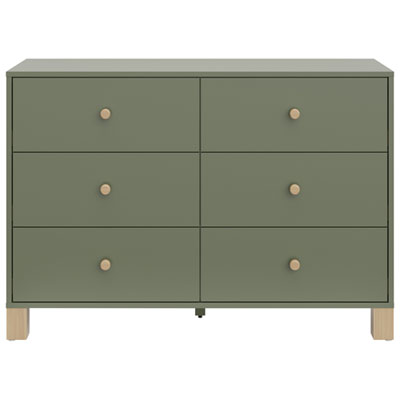 Your price for this item is $699.99
-
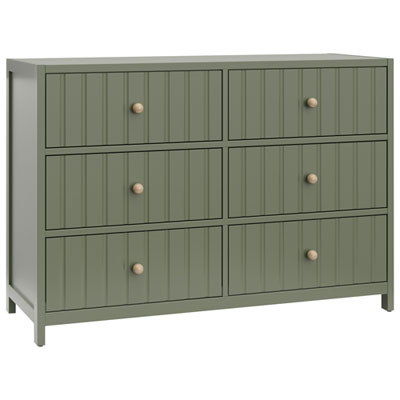 Your price for this item is $699.99
-
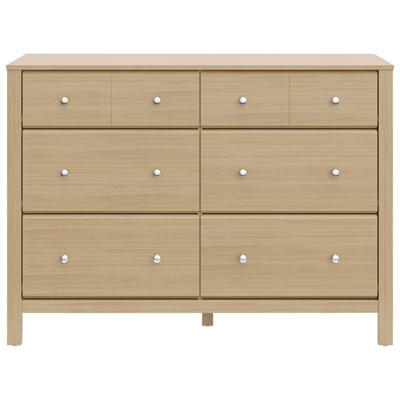 Your price for this item is $399.99
-
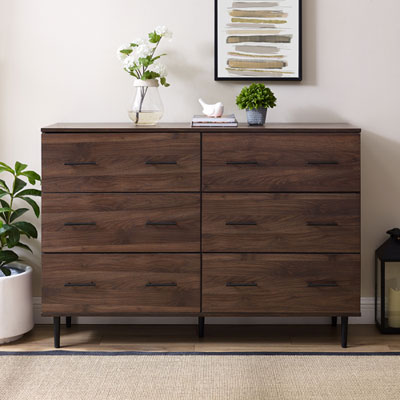 Your price for this item is $886.99
-
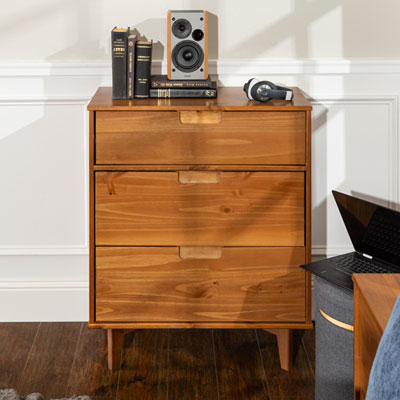 Your price for this item is $364.99
Discover more categories related to Tall Dressers

Top Collections:
Pokemon Centers, Best Cameras for Sports Photography, Kindle Devices, Samsung Galaxy Phones, Canon G7X Cameras, Pokémon 30th Celebration Cards, Refurbished Apple Laptops, iPhone 15 Apple, Laptops for Students, Budget Smartphones
Some products may be subject to Environmental Handling Fees
(EHF) depending on your province.
Learn more about EHFs.