Top Bedroom Furniture
Transform your sleeping space into a serene sanctuary with our selection of top bedroom furniture. Whether you're revamping your entire room or simply adding a few new pieces, our collection offers stylish and functional options to suit any aesthetic. From sleek modern designs to timeless classics, you'll find everything you need to create a cozy and inviting atmosphere. Explore versatile choices that cater to both comfort and style, making it easy to elevate your bedroom's ambiance and functionality.
Sort
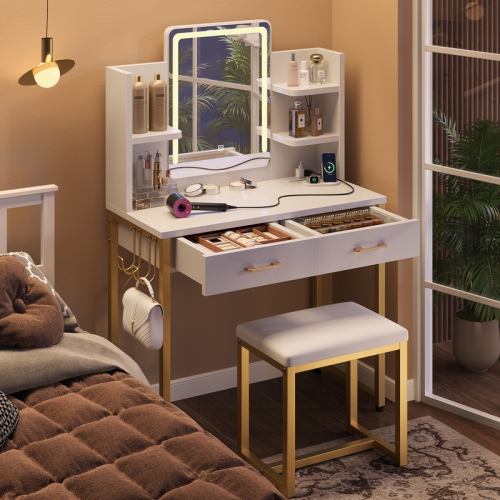

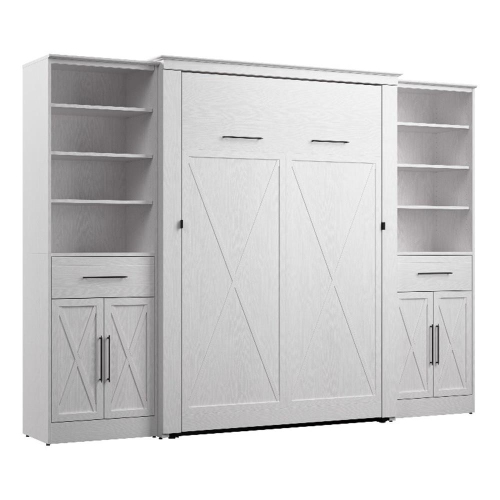
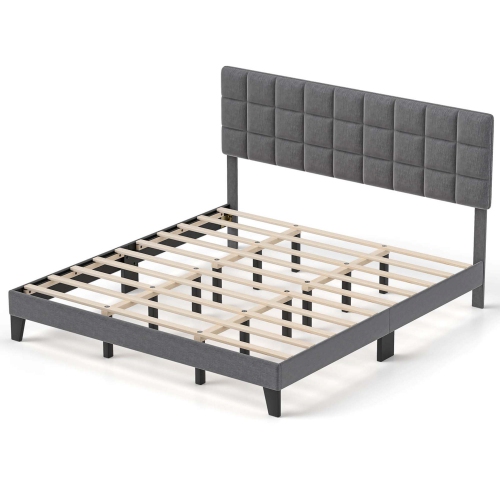
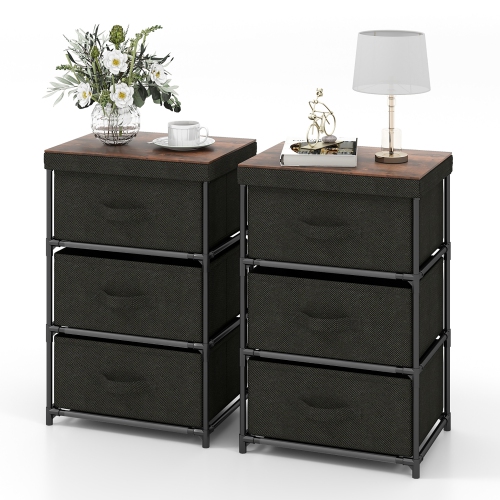




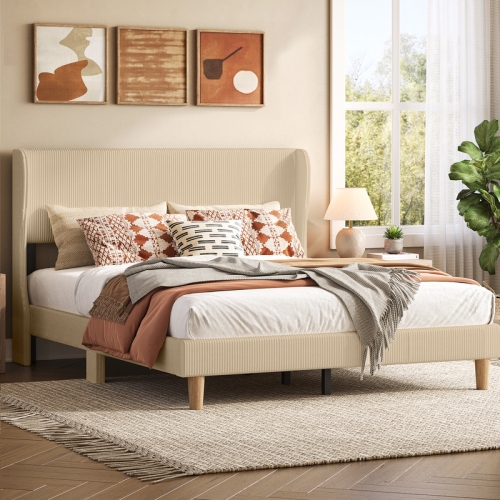


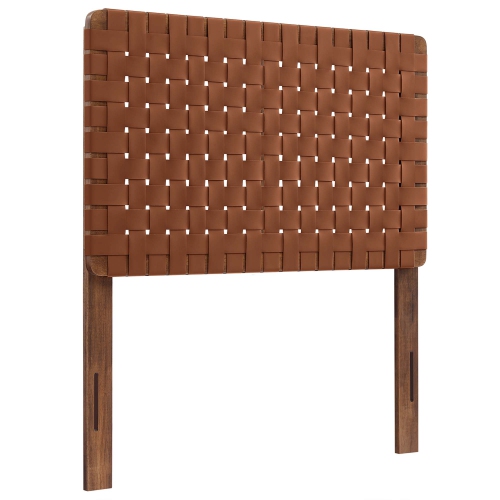

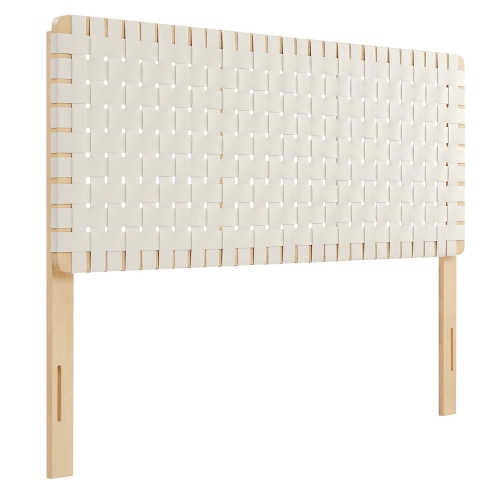


The details that help bedroom furniture fit everyday life
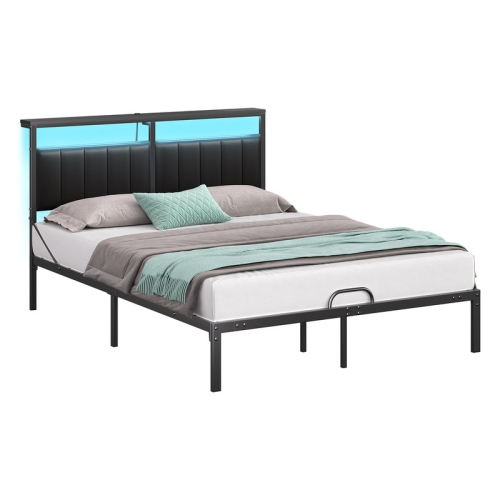
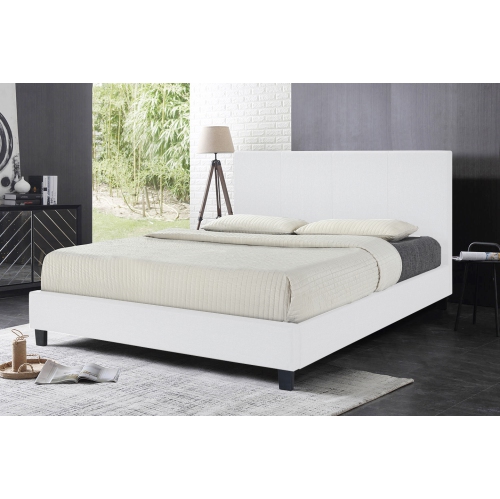
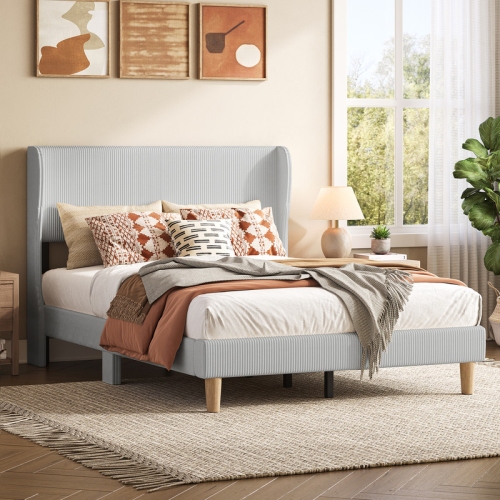
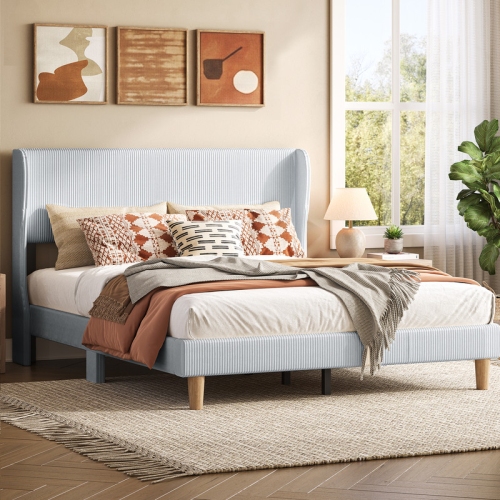
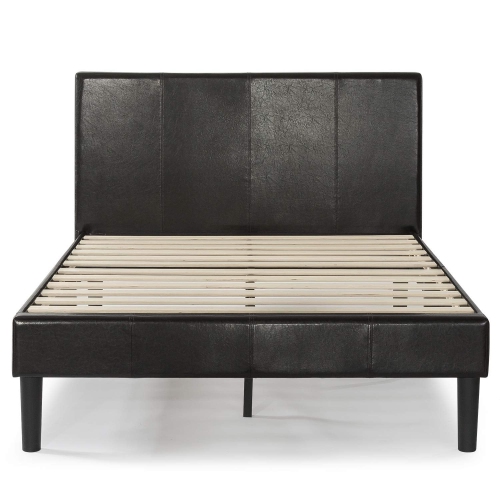
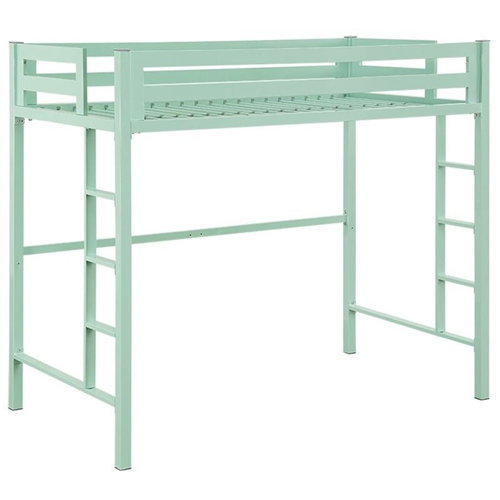
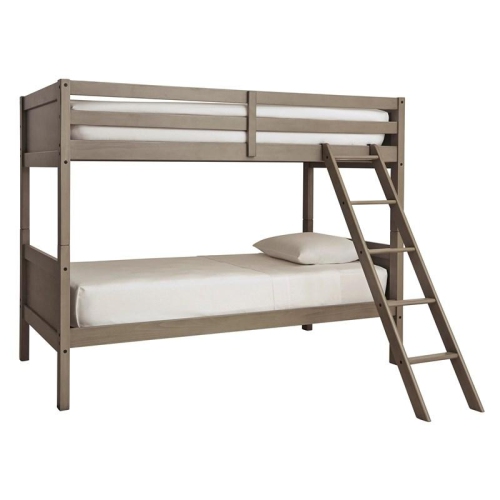
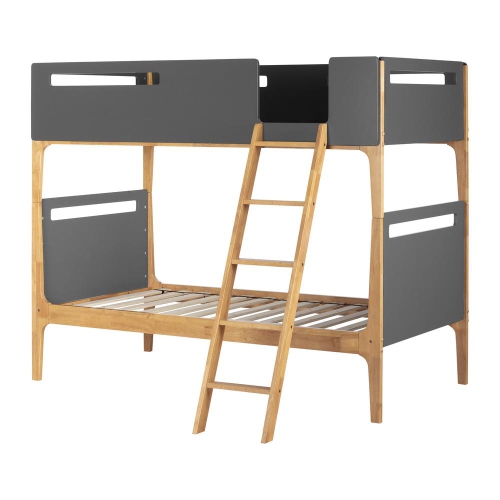
Top bedroom furniture combines dependable construction, comfortable proportions, and useful storage in a style that suits the room. Bed frames, nightstands, dressers, and chests each serve a different purpose, but the strongest combinations make everyday routines feel straightforward: a place to set down glasses, drawers that open without catching, and enough space to walk around the bed. The bed usually sets the scale of the room, so its overall dimensions matter as much as the mattress size. A wide upholstered headboard, projecting footboard, or substantial side rails can take up more space than the mattress footprint suggests. In a compact bedroom, a simple platform frame and a tall chest can leave more usable floor space than a large bed frame and a broad dresser. Storage beds offer another way to make use of the area beneath the mattress, although side drawers need clearance to open and lift-up compartments need unobstructed access. Bed height also affects daily comfort. A low frame creates an understated look, while a higher sleeping surface may be easier for some people to get into and out of; the finished height depends on both the frame and the mattress. Mattress compatibility deserves attention, including whether the frame requires a foundation, how closely its slats are spaced, and whether larger sizes have centre support. Nightstands work best when their tops are easy to reach from the mattress, with enough surface area for a lamp and bedtime essentials. For a shared bedroom, separate bedside storage helps keep each person’s belongings close without crowding the sleeping area. Dressers need room for fully extended drawers as well as a comfortable standing space in front. Measuring doorways, stair turns, and the route into the bedroom is equally useful, particularly for large headboards or assembled storage furniture. These details help furniture fit the home, not just the floor plan.
Materials and construction influence how bedroom furniture looks, feels, and holds up to repeated use. Solid hardwoods such as oak, maple, and walnut offer distinctive grain and can provide long-lasting performance when the furniture is well built and properly cared for. Wood is a natural material, so small variations in grain and colour are part of its character. Veneer places a thin layer of wood over a supporting panel, giving furniture a real-wood surface without requiring solid timber throughout. Plywood, particleboard, and fibreboard also appear in bedroom furniture, with performance depending on panel quality, thickness, edge finishing, hardware, and assembly rather than the material name alone. A dresser may use different materials for its visible surfaces, drawer boxes, and back panel, making those construction details worth considering together. Well-fitted joints and firmly attached hardware help furniture remain steady through daily use. Dovetail drawer joints provide interlocking connections, while other joinery methods can also perform well when properly executed. Smooth drawer glides, adequate drawer-bottom support, and clearly stated load limits are especially relevant for storing heavier folded clothing. Soft-close hardware can soften the final movement of a drawer, a useful detail when one person is getting dressed while another is sleeping. Metal bed frames offer a different look, from slender profiles to more substantial designs, with stability depending on secure connections and suitable mattress support. Upholstered frames and headboards introduce texture and a softer surface for sitting up with a book, although fabric composition and cleaning requirements vary. Removable covers are useful only when their care instructions permit the intended cleaning method. Routine care is usually simple: dust finished surfaces with a soft cloth, wipe up spills promptly, and use cleaning products approved for the material. Coasters protect bedside surfaces from damp glasses, while gentle vacuuming helps remove dust from fabric seams. Keeping furniture away from prolonged direct sunlight can reduce uneven fading. Periodic checks of bed-frame fasteners and drawer hardware can also catch loosening before it affects everyday use.
Style gives bedroom furniture its visual identity, but the most satisfying room is usually one that balances appearance with the way it is lived in. Clean-lined designs with restrained hardware suit a pared-back space, while shaped headboards, panelled fronts, and richer wood tones bring a more traditional feel. Light finishes can keep a small room looking open, and darker finishes create a stronger visual anchor. Neither requires every piece to match exactly. A coordinated bedroom set offers consistent finishes and proportions, while individually chosen pieces allow more flexibility around existing furniture or an awkward corner. Repeating a wood tone, handle finish, or simple shape can connect different pieces without making the room feel overly uniform. For a more refined look, Luxury Bedroom Furniture offers a related direction to explore, with the same attention to fit, construction, and practical use remaining important. Storage needs often determine which arrangement feels most comfortable. Someone with a generous closet may prefer a smaller dresser and open bedside surfaces, while a bedroom with limited closet space benefits from deeper drawers, a tall chest, or under-bed storage. A guest room may need only a modest place for folded clothing and a clear surface for a visitor’s phone and glasses. In a teenager’s room, sturdy storage that accommodates changing clothing and study routines can be more useful than elaborate detailing. Drawer dividers make smaller belongings easier to organize, and accessible handles matter for anyone who finds small knobs difficult to grip. Tall storage furniture should be secured using the manufacturer’s specified anti-tip hardware and suitable wall fixings, particularly in homes with children. Assembly instructions, lifting requirements, and care information are part of the furniture’s everyday practicality, not just setup details. A bedroom refresh or housewarming can be a fitting occasion for furniture, though larger gifts are best chosen with the recipient’s room measurements and preferences in mind. Ultimately, top bedroom furniture supports both rest and routine: balanced proportions, dependable surfaces, and storage that keeps personal belongings within reach without overwhelming the room.
Top selling and popular products
-
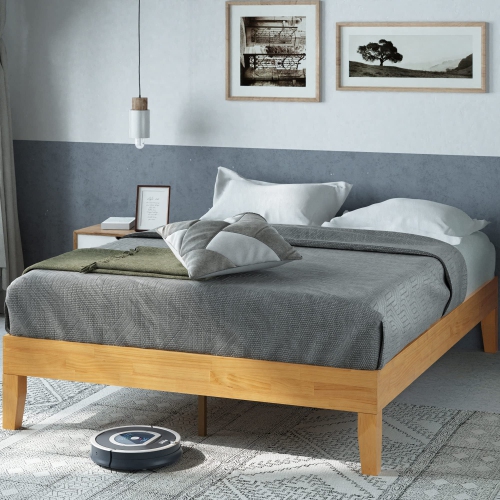 Your price for this item is $493.52
-
 Your price for this item is $611.85
-
 Your price for this item is $825.26
-
 Your price for this item is $799.99
-
 Your price for this item is $985.42
-
 Your price for this item is $157.99
-
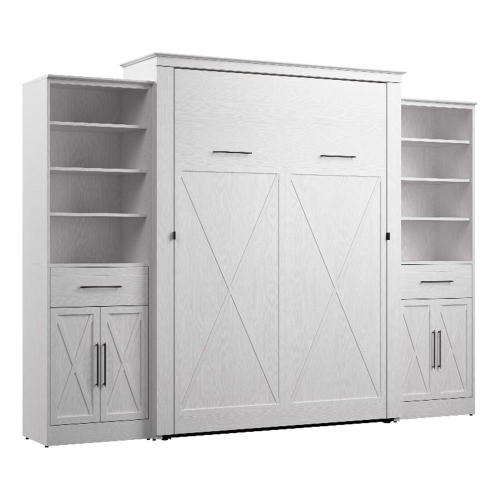 Your price for this item is $3519.99
-
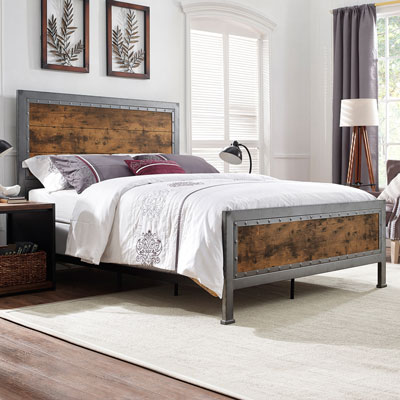 Your price for this item is $862.99
Discover more categories related to Top Bedroom Furniture
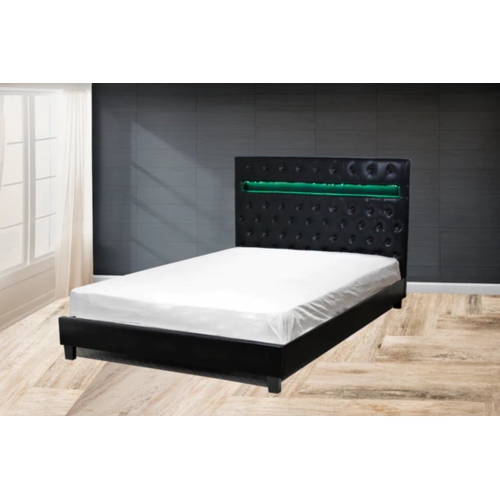
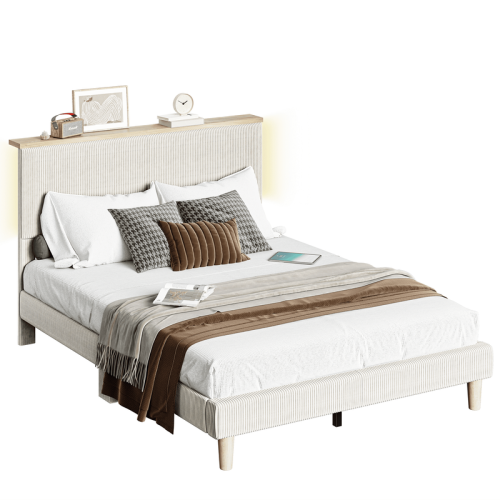
Top Collections:
Pokemon Centers, Kindle Devices, Best Cameras for Sports Photography, Pokémon 30th Celebration Cards, Apple iPhones 16, Canon G7X Cameras, iPhone 15 Apple, Flip Phones, Samsung Galaxy Phones, Alarm Clock
Some products may be subject to Environmental Handling Fees
(EHF) depending on your province.
Learn more about EHFs.