White Ottomans
An ottoman is a versatile piece of furniture. It can serve as a footrest, extra seat, or an extra space to store small things. A white ottoman can also add a little style to your home. Here are some of our favorite white ottomans.
Sort
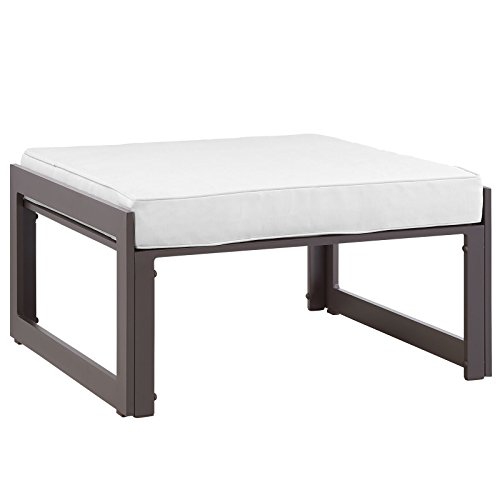
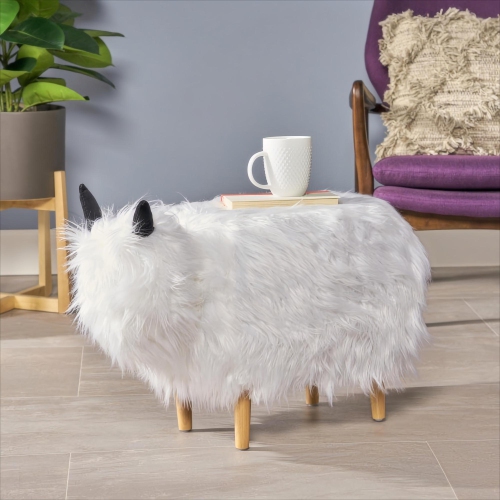
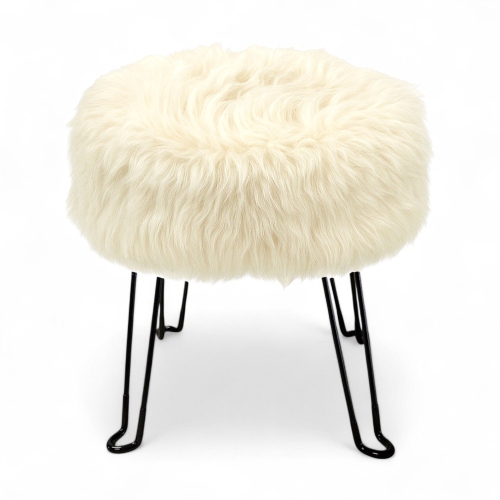
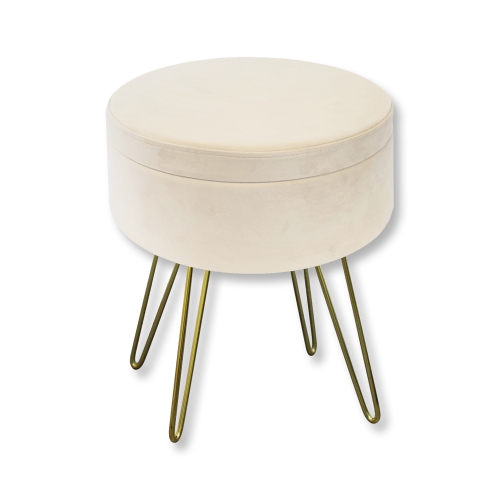


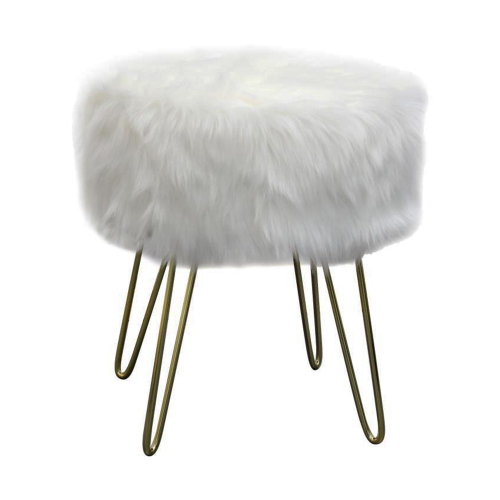
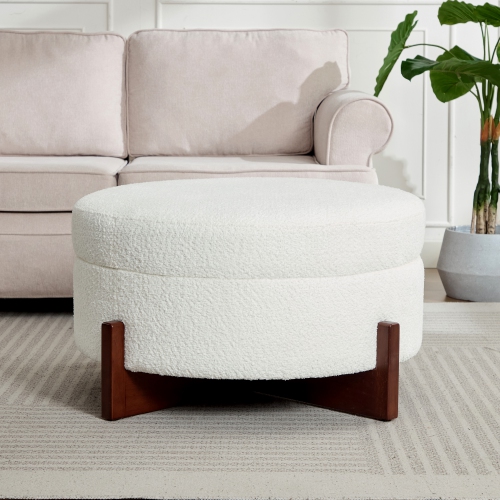

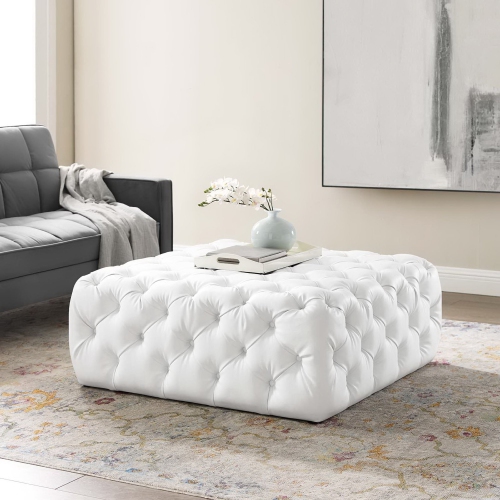

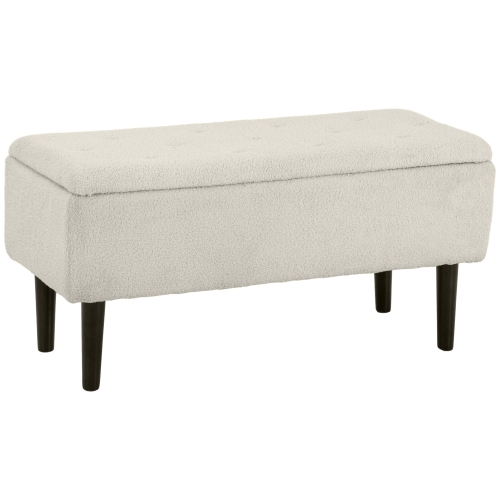
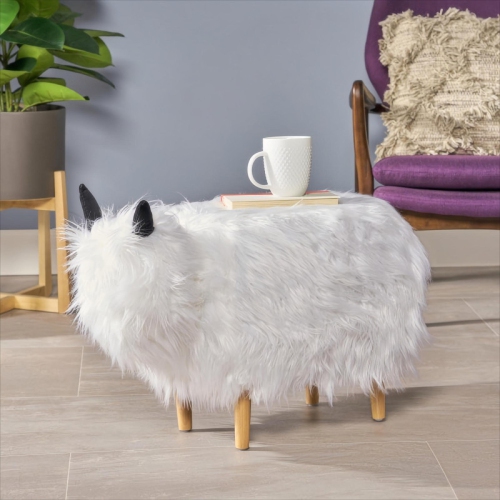
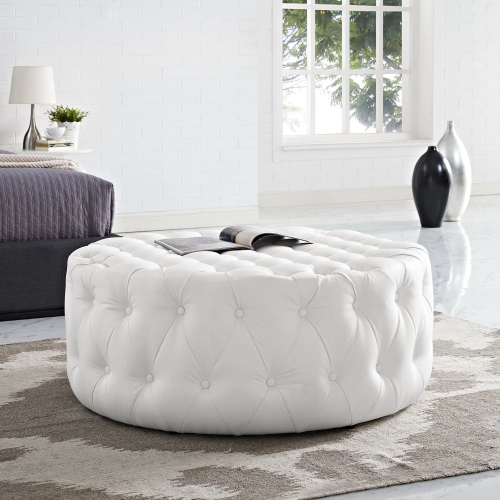
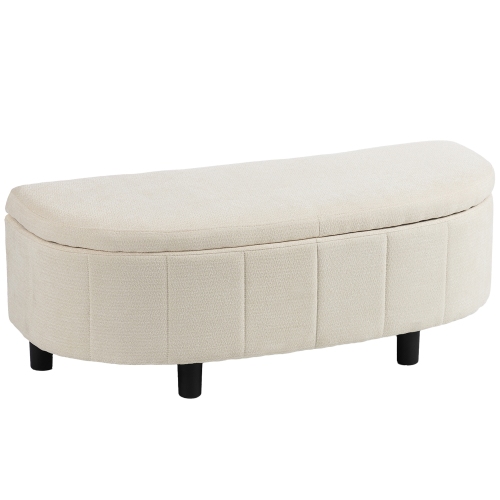
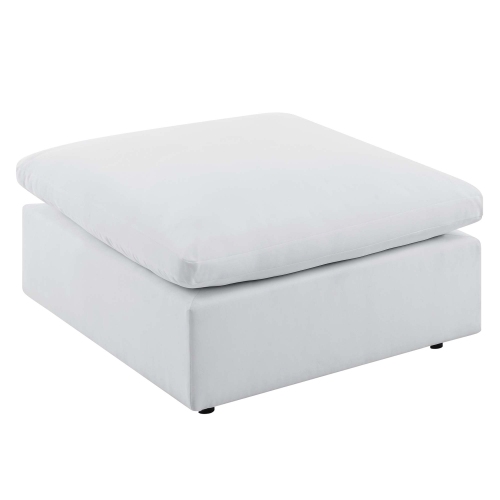
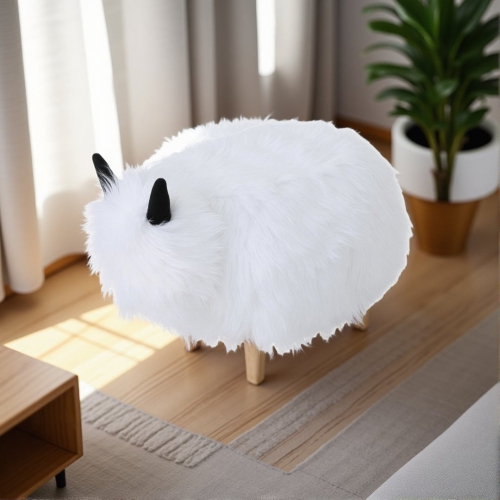
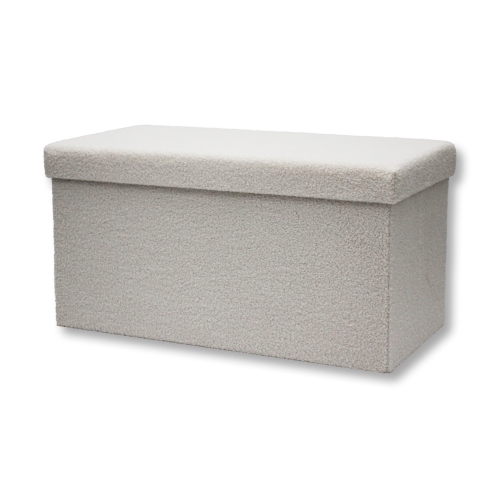
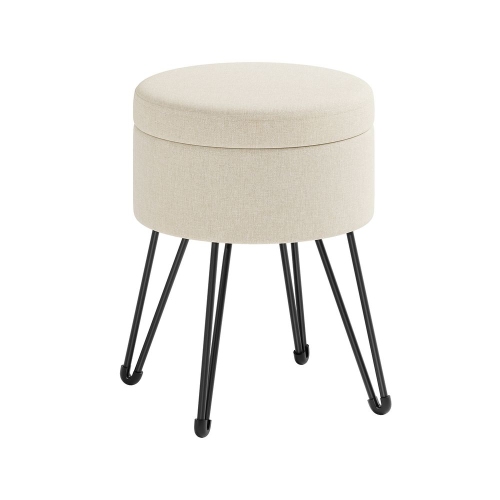
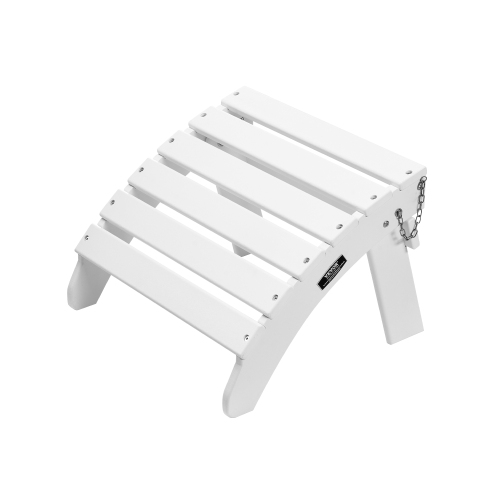
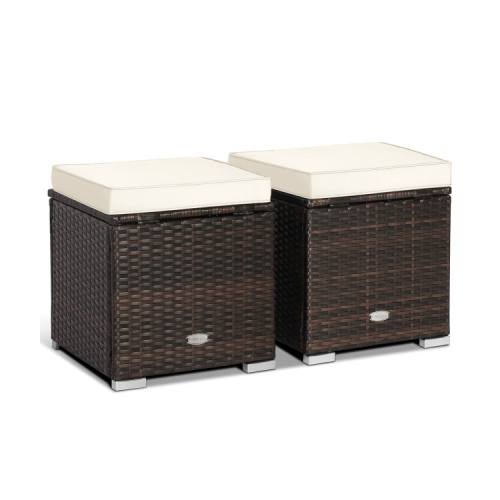
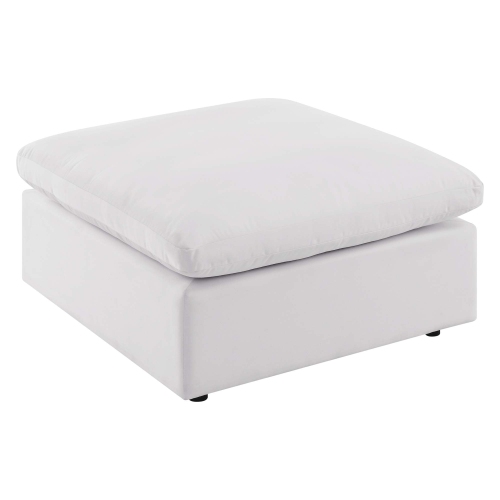
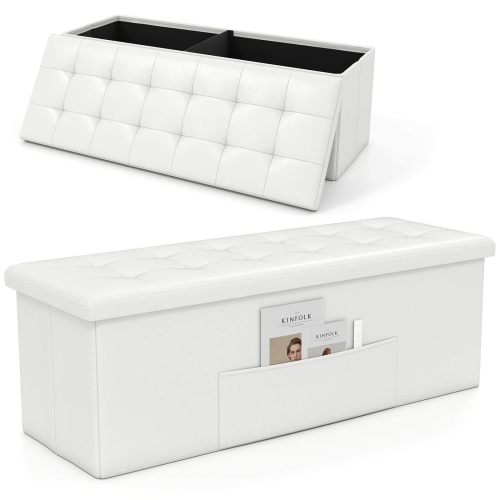
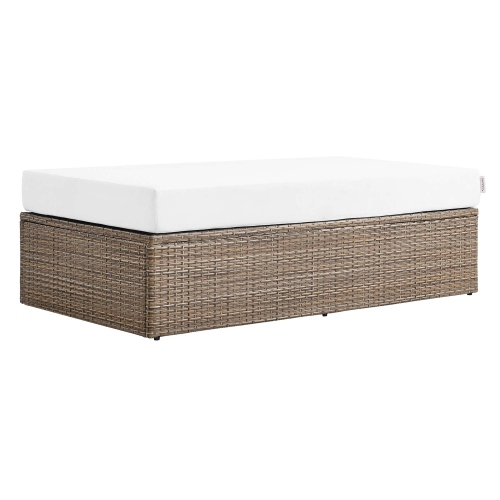
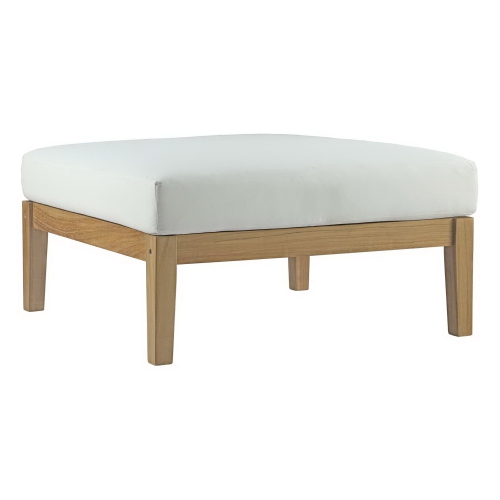
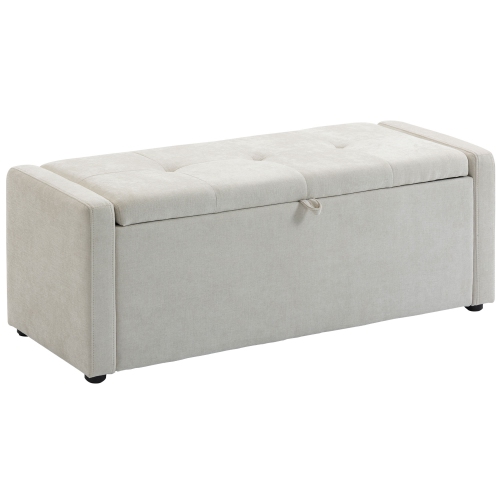
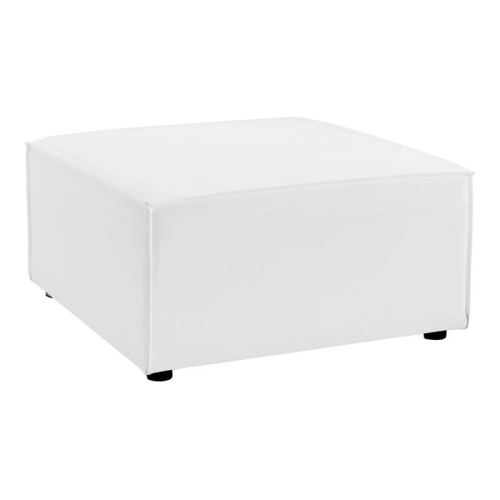
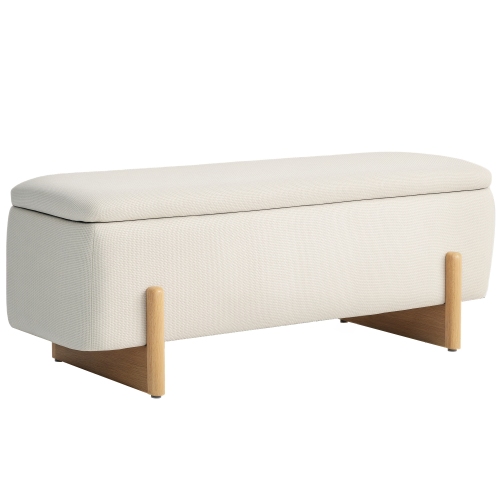
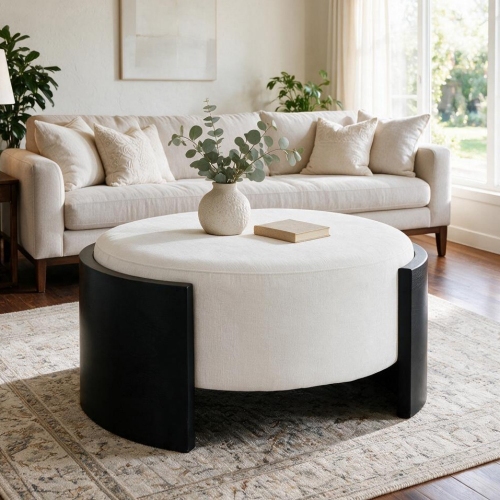
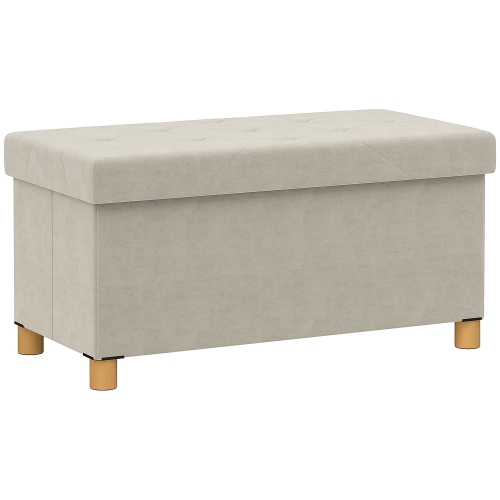


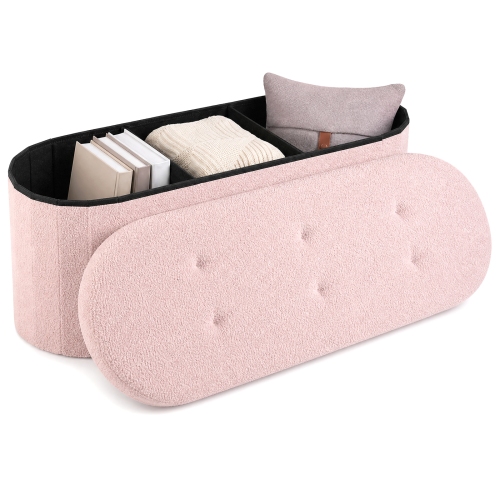
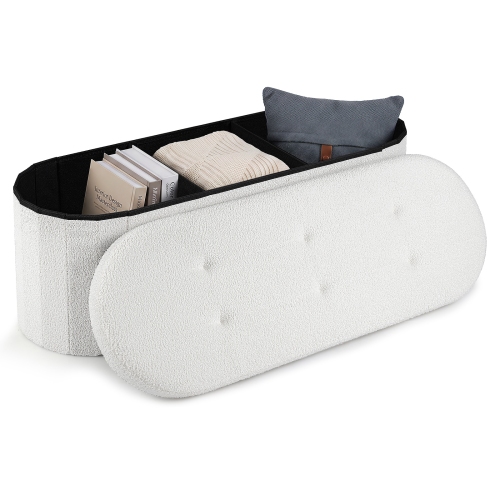
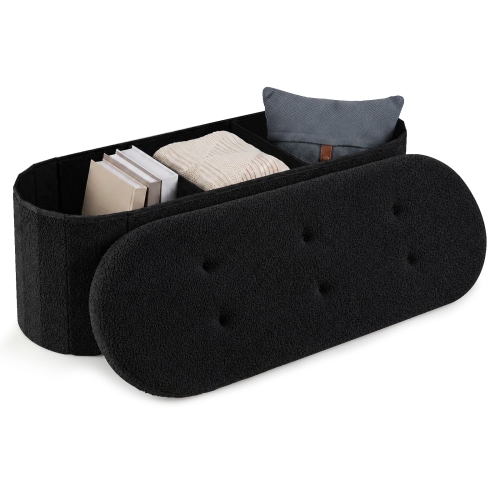
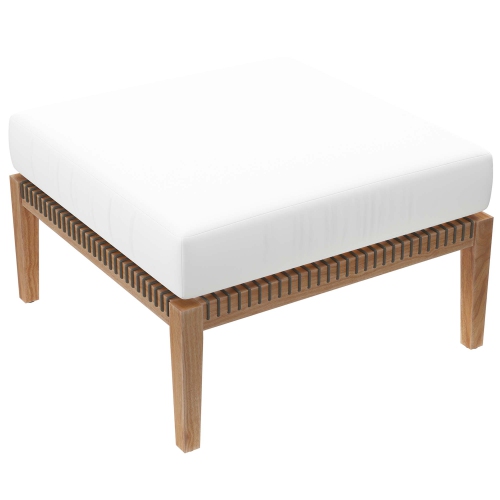
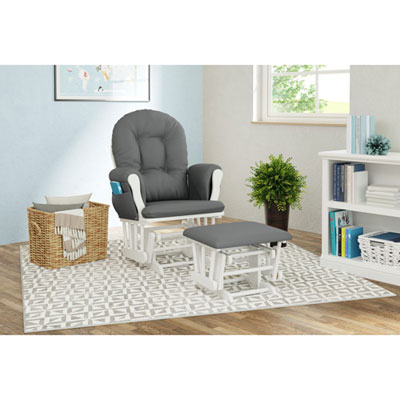
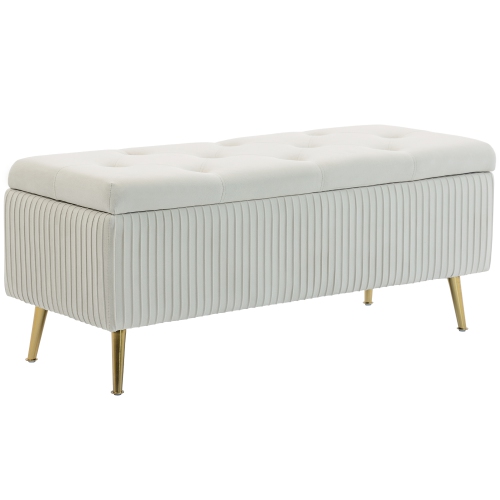
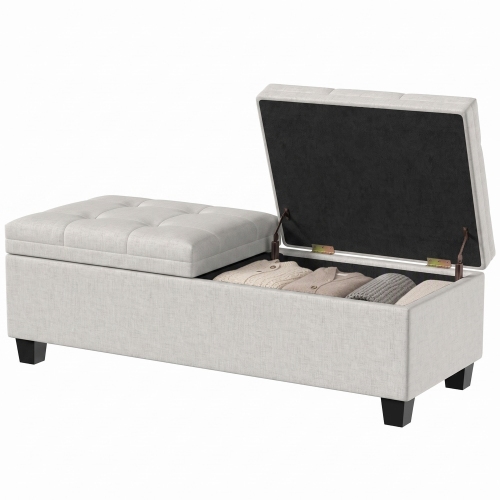
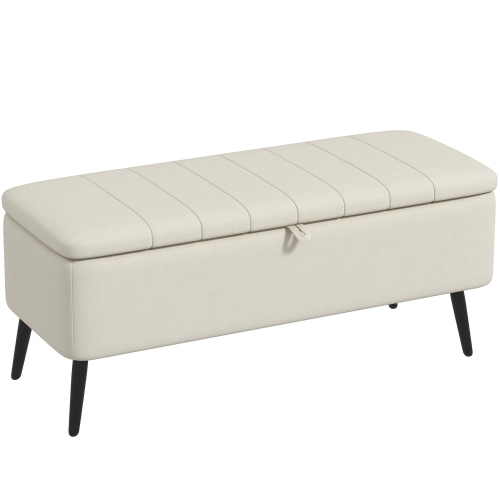
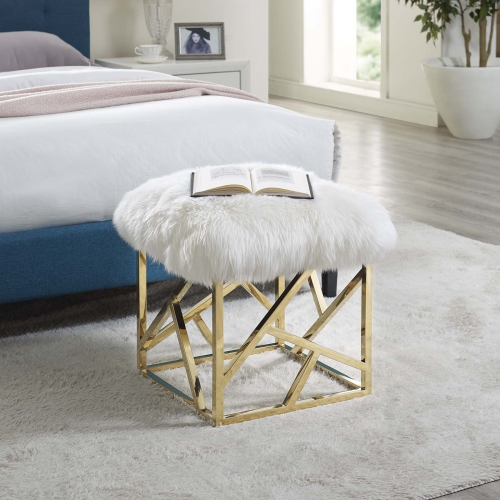
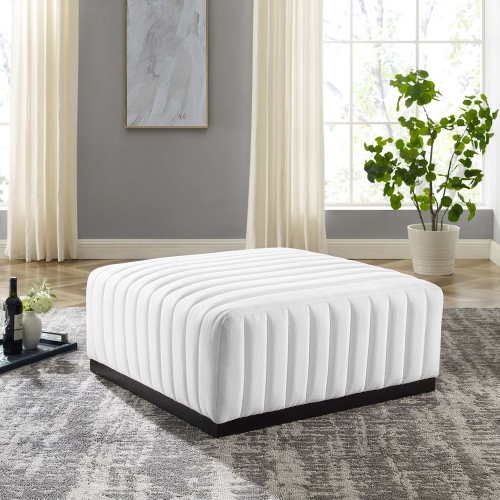
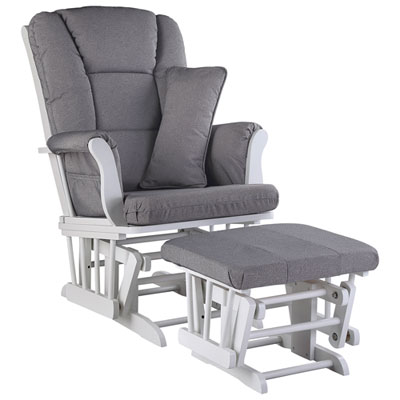
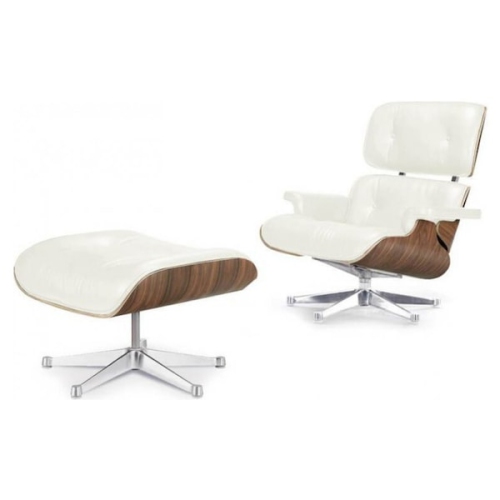
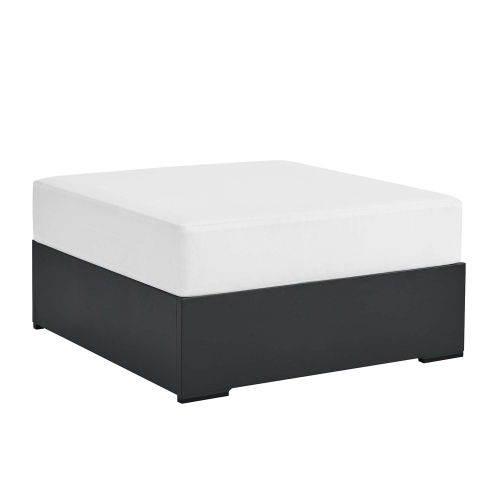
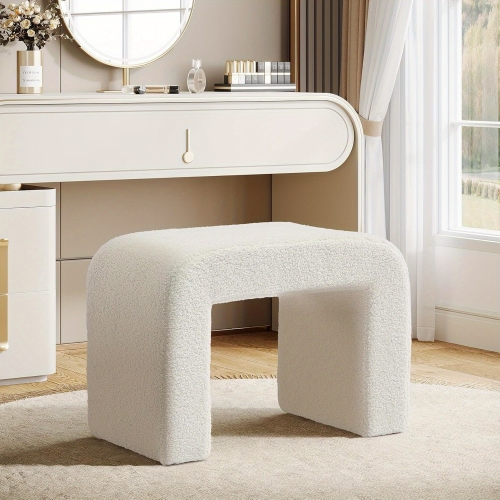

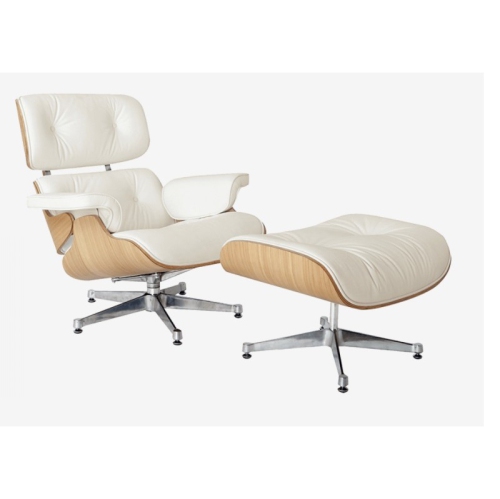

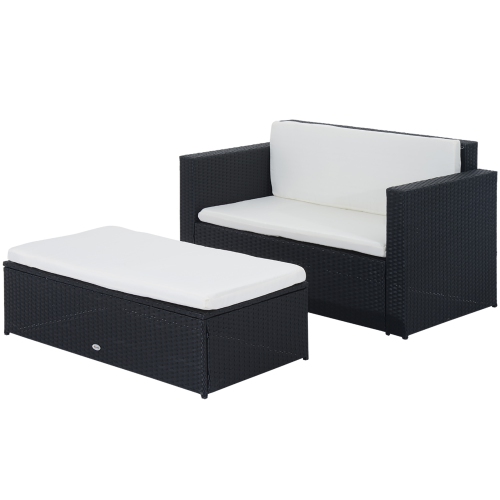
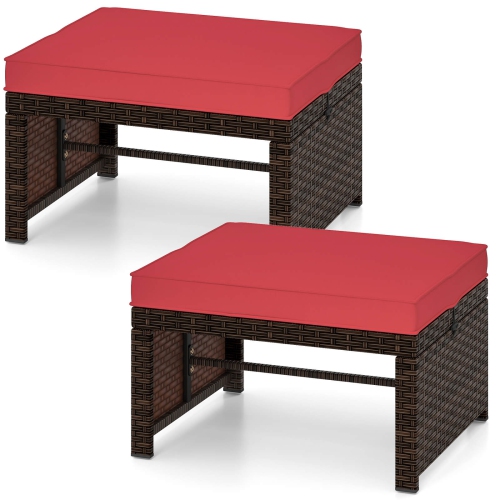
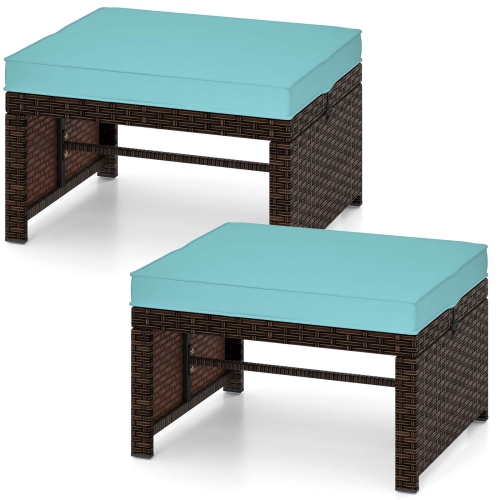
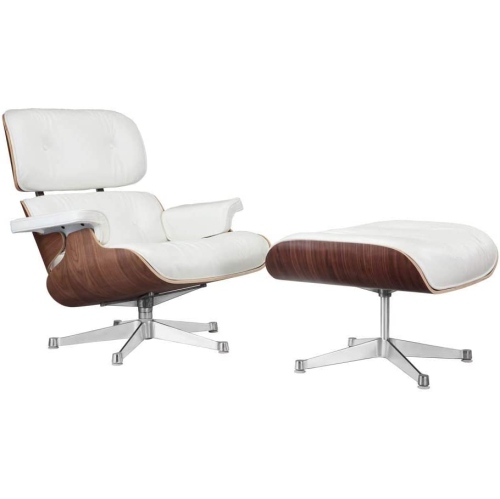
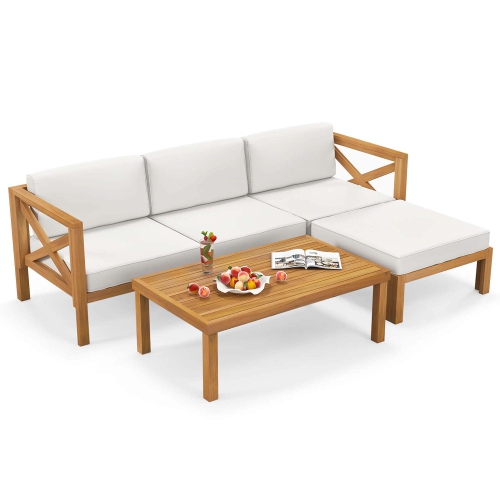
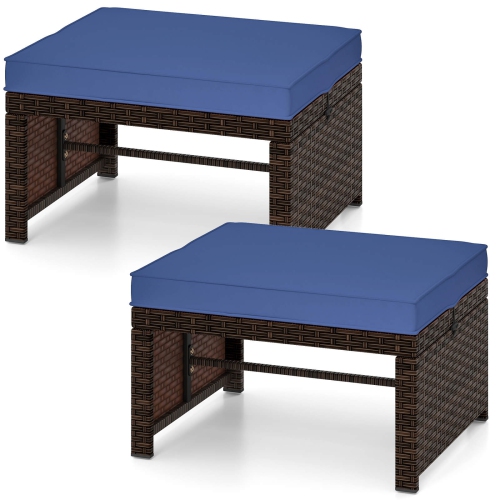
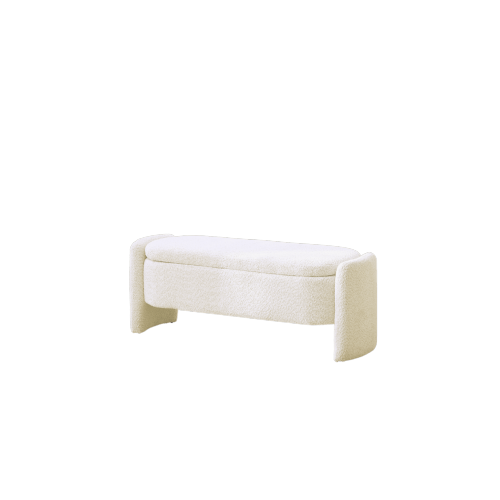
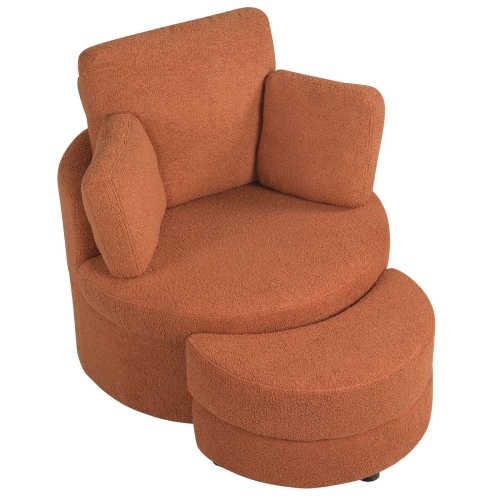
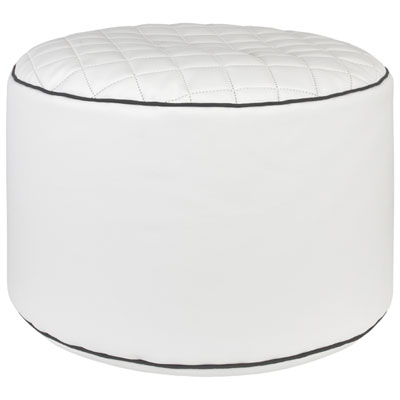
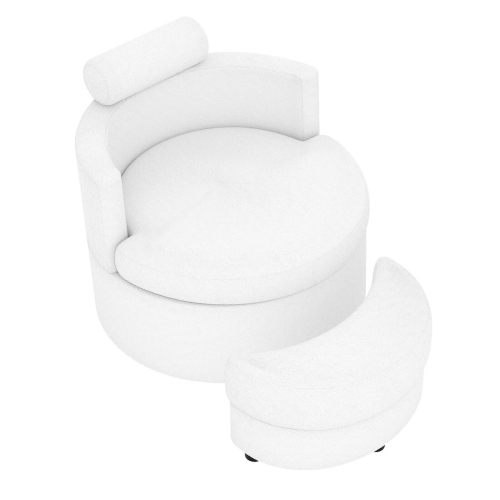
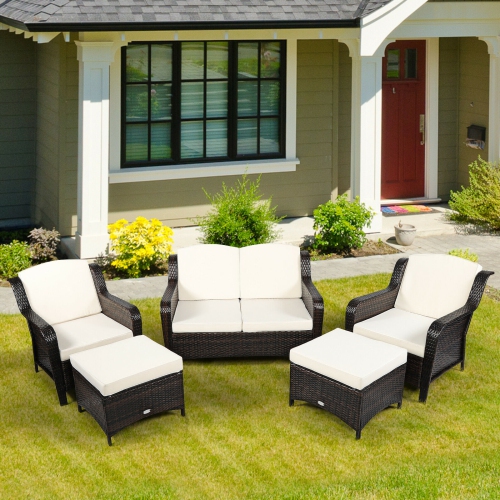
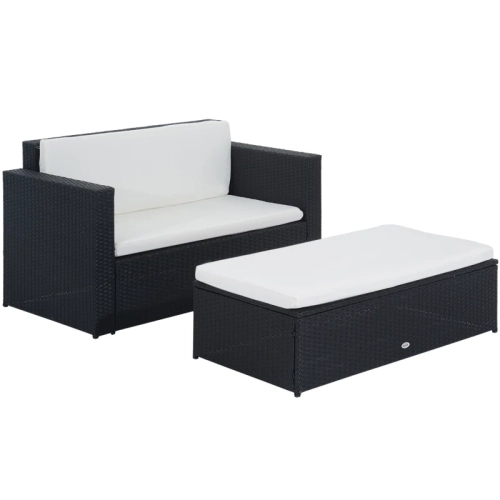
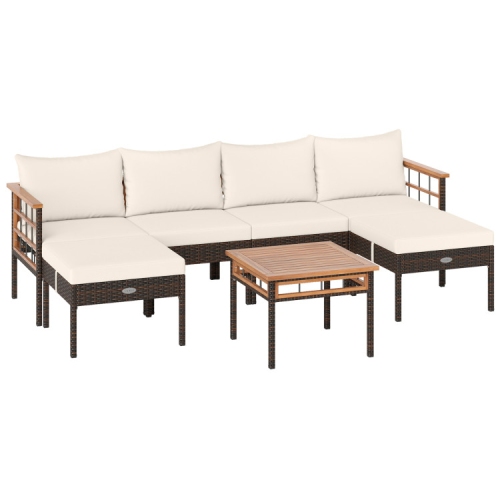
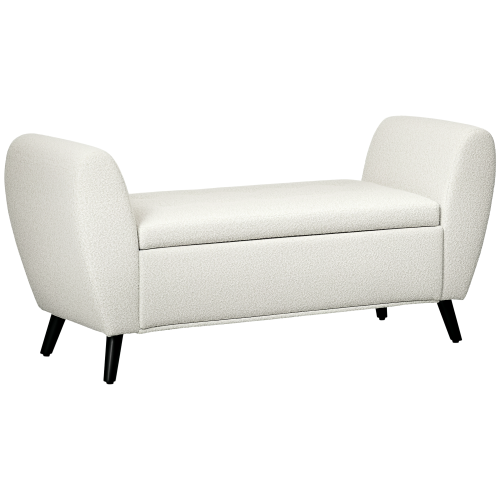

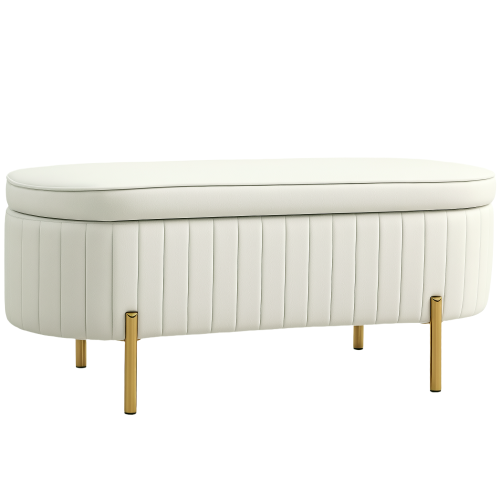
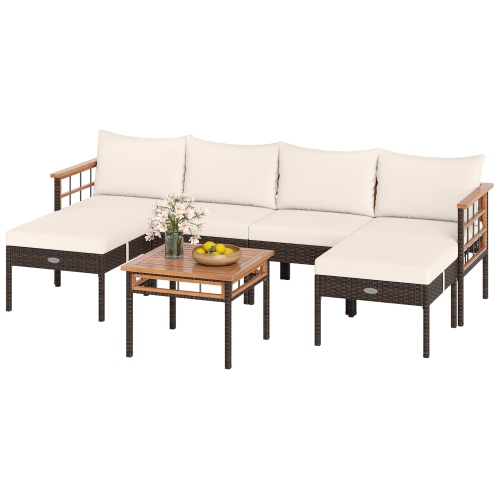
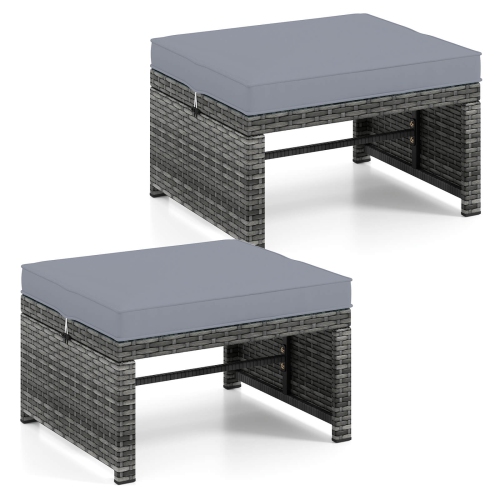
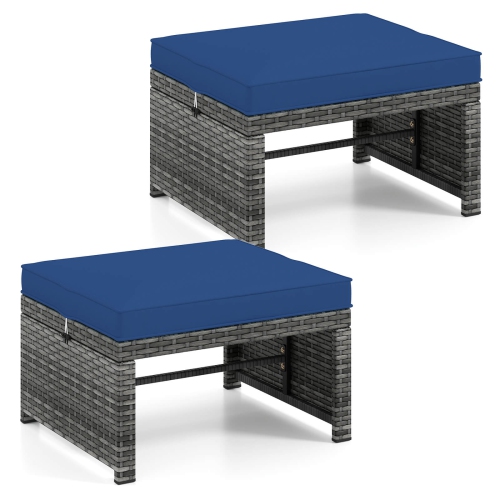
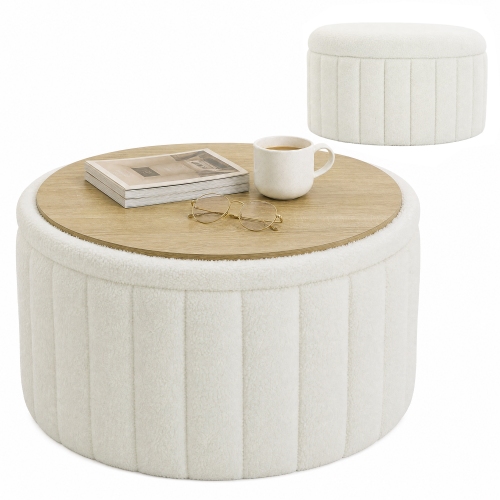
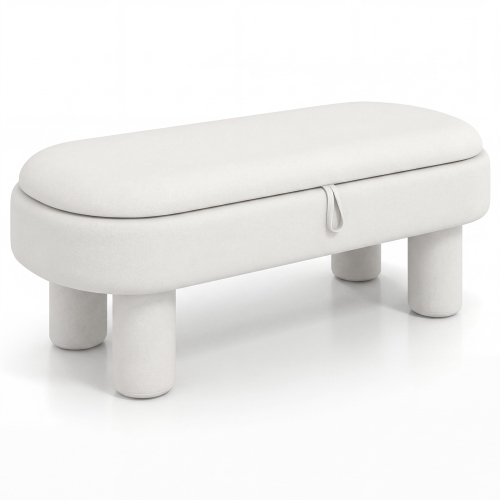
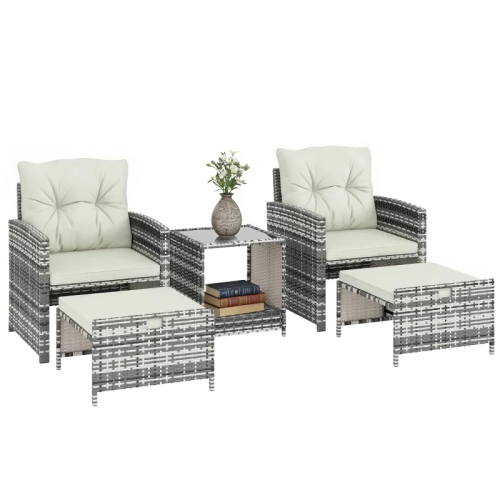
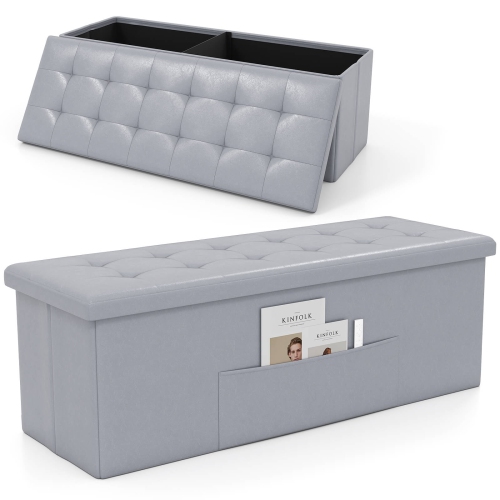
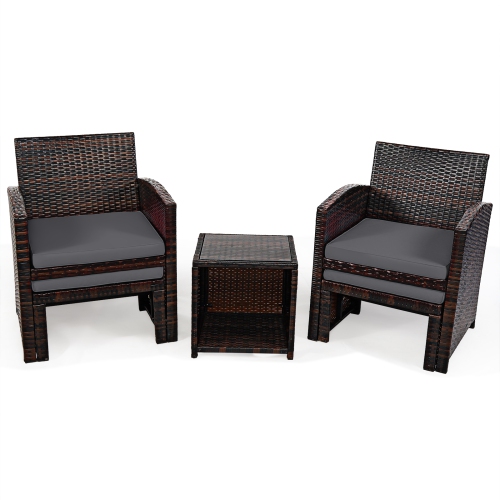
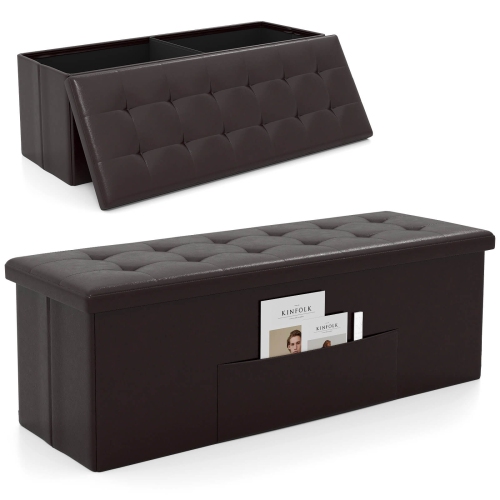
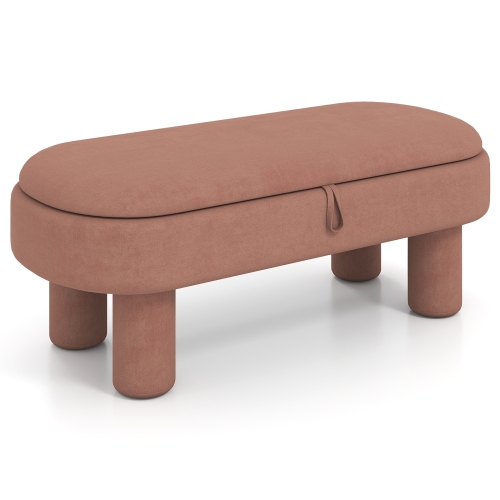
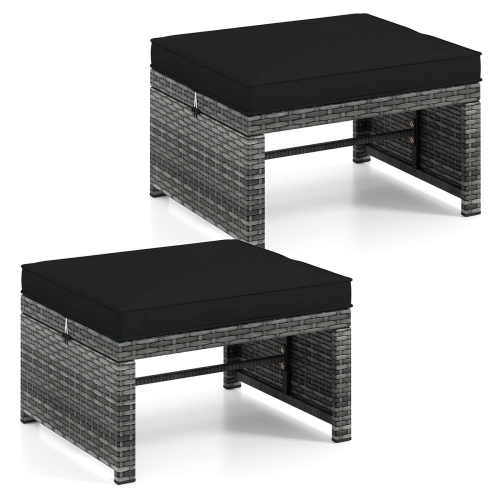
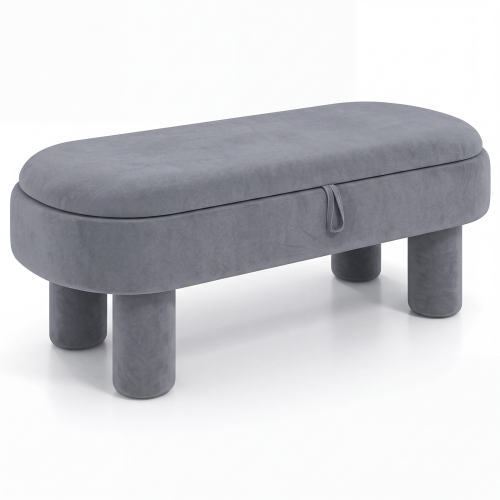
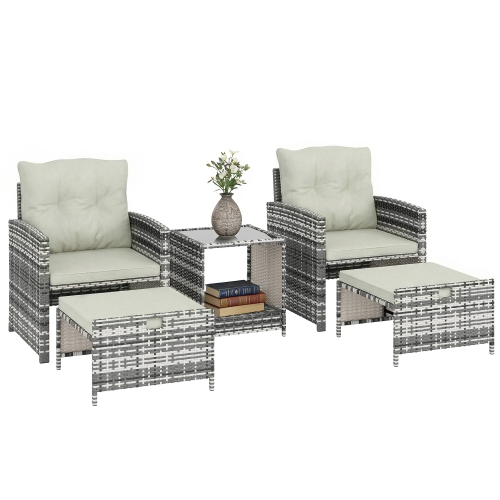
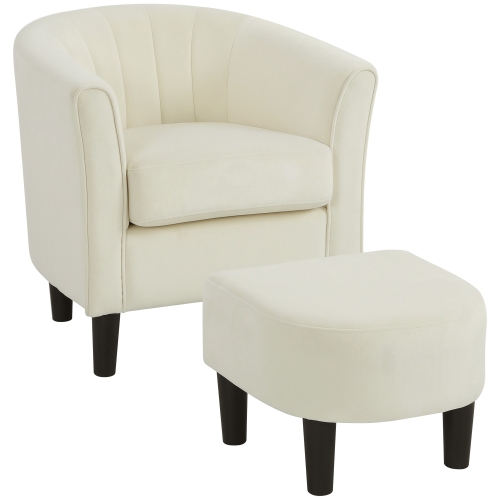
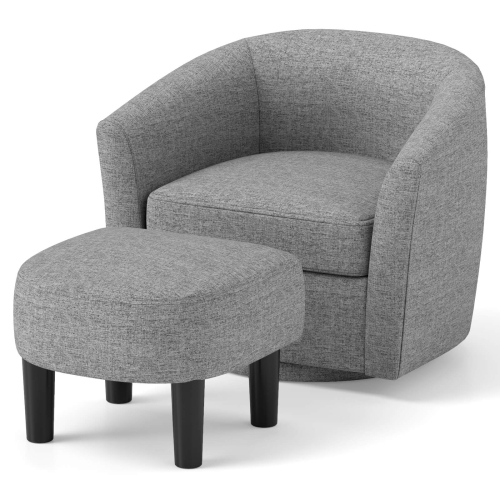
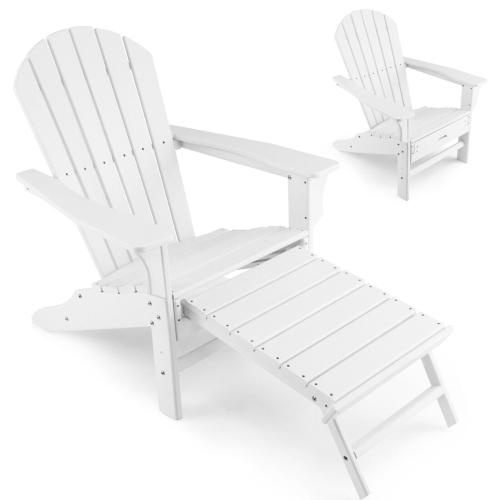
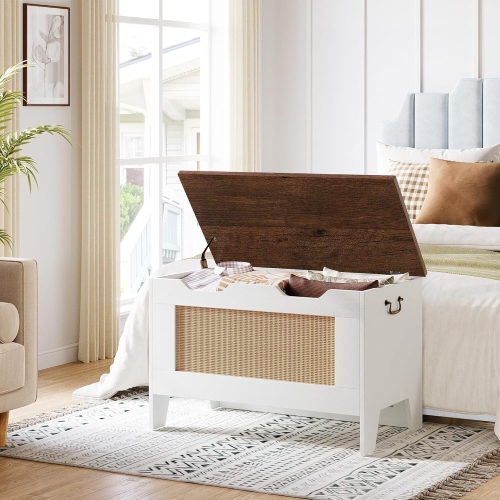
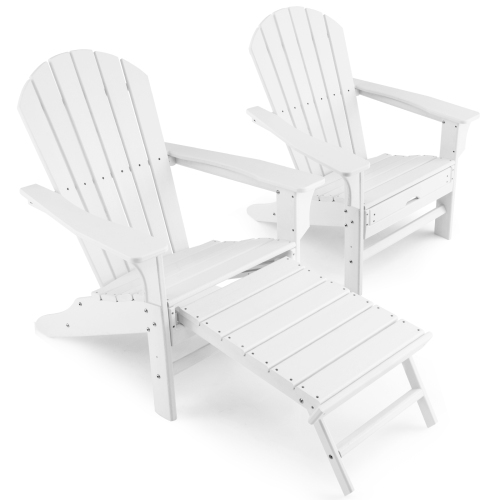


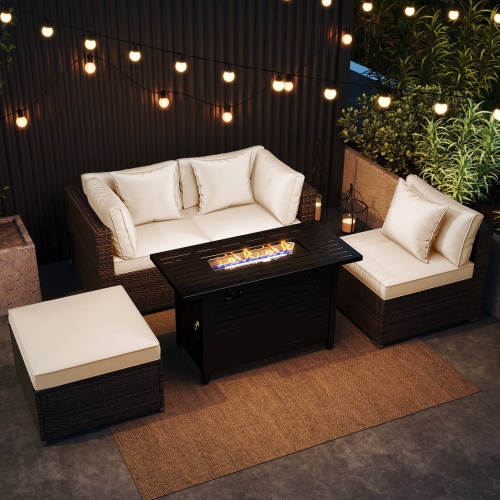
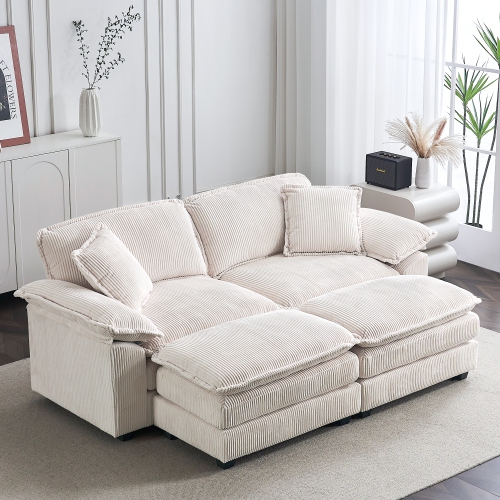
Soft textures and practical comfort in a lighter shade
White ottomans bring a light, clean-looking accent to a room while providing a useful place to rest feet, tuck away everyday belongings, or add seating when the design is rated for it. Their neutral upholstery can sit comfortably beside a charcoal sofa, soften the contrast of dark wood furniture, or blend into a palette of cream, pale grey, and natural oak. White also gives texture room to stand out: a looped fabric has a different presence from smooth upholstery, even when the colours are similar. The shade matters as much as the texture. A bright white can look crisp beside black metal and glass, while an ivory or warm off-white often pairs more gently with beige fabrics and honey-toned wood. Existing furniture, flooring, and lighting all influence how that shade appears, so upholstery swatches, when offered, can be helpful for comparing tones in the room itself. Shape makes an equally practical difference. A round ottoman softens an arrangement of straight-edged furniture and can leave a little more clearance around its corners, although its full footprint still needs to be considered. A square style works neatly with an armchair, while a rectangular ottoman can stretch across the front of a sofa or sit at the foot of a bed. For a compact living room, a smaller piece that moves easily may be more useful than a broad central ottoman. In a larger seating area, a generously proportioned design can help connect separate chairs and a sofa into one comfortable grouping. Measuring the intended spot, including space for walking and opening nearby drawers, helps establish the right fit. Painter’s tape on the floor offers a simple way to picture the footprint before introducing another piece of furniture. Height deserves the same attention: for use as a footrest, an ottoman close to or slightly below the seat cushion generally creates a more relaxed position than one that lifts the feet noticeably above it.
Materials and construction influence both the appearance of white ottomans and how comfortably they fit into everyday routines. Woven upholstery can offer a soft, familiar feel, with tighter weaves generally being less prone to catching on jewellery or pet claws than loose loops. Bouclé adds a nubby surface and visual depth, though its texture can hold crumbs and requires attention to the fabric’s care directions. Velvet and other pile fabrics may show changes in shading where hands or feet brush across them; that shifting appearance is part of their character rather than necessarily a stain. Leather and leather-look upholstery offer a smoother surface, but their cleaning requirements differ, and neither should be treated with an all-purpose cleaner without checking the manufacturer’s instructions. Performance fabric is another consideration for frequently used rooms, although stain resistance does not mean stain-proof, and any treatment has its limits. On white upholstery, dark denim, newspaper ink, and other sources of colour transfer can be especially noticeable. A throw may help protect a frequently used footrest, provided it does not interfere with a lid or create a slipping hazard. Routine care usually starts with removing dust and loose debris using a method approved for the material, then addressing spills promptly by blotting rather than rubbing. Removable covers are not automatically machine washable; the care label determines whether washing, spot cleaning, or professional cleaning is appropriate. Beneath the upholstery, a stable frame, secure joints, and supportive cushioning are important for durability. Padding should suit the intended purpose: a soft top can feel inviting under tired feet, while a firmer, flatter surface may better support a tray. Seams and tufted details add definition but also create places where dust can settle. Raised legs make it easier to reach underneath for cleaning, whereas a base that sits close to the floor offers a more grounded appearance. Protective pads suited to the flooring can help reduce scratches, especially if the ottoman will be moved regularly.
The most useful white ottoman is one whose features match the way the room is used. In a living room, a cushioned design can turn an armchair into a comfortable spot for reading or support stretched-out legs during a film. An ottoman used in place of a coffee table brings a softer surface into the seating area, but drinks and small objects need a stable tray, and hot cups should not sit directly on upholstery. Storage designs can hold throws, cushions, board games, or other belongings that otherwise collect on nearby furniture. Interior dimensions matter here: a large exterior does not always translate into a deep compartment, particularly when thick padding or hinge hardware takes up space. Hinged lids, lift-off tops, and divided compartments each affect access, so it helps to think about what will be stored and how often it will be retrieved. A lid support or soft-close mechanism may make opening and closing more controlled, but fingers still need to stay clear, and children should never climb inside a storage compartment. For bedrooms, white bedroom ottomans can provide a place to lay out clothing or sit while putting on socks, provided the design is intended for seating and its weight limit is suitable. A bench-style silhouette at the foot of the bed needs enough clearance for bedding to hang naturally and for people to pass without turning sideways. Near an entryway, washable or easy-care upholstery may be particularly useful, though wet footwear should stay off the fabric. In shared homes, a lightweight ottoman can move between a reading corner and the main seating area; a heavier design may suit a permanent position better. For someone furnishing a first apartment or refreshing a familiar room, an ottoman can also make a thoughtful housewarming gift when space, preferred shade, and care needs are known. Matching those everyday details gives a white ottoman a clear purpose beyond its appearance, whether that means a comfortable footrest, discreet storage, or an extra seat for conversation.
Top selling and popular products
-
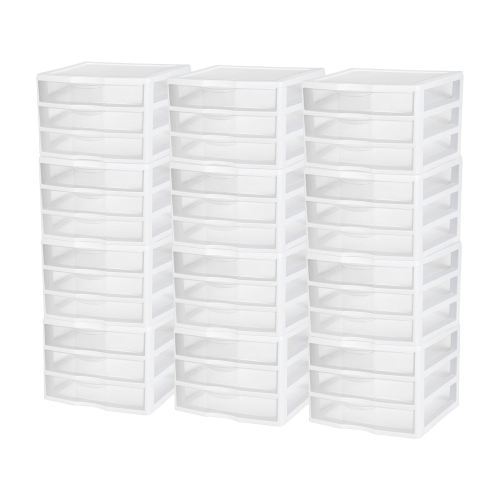 Your price for this item is $517.99
-
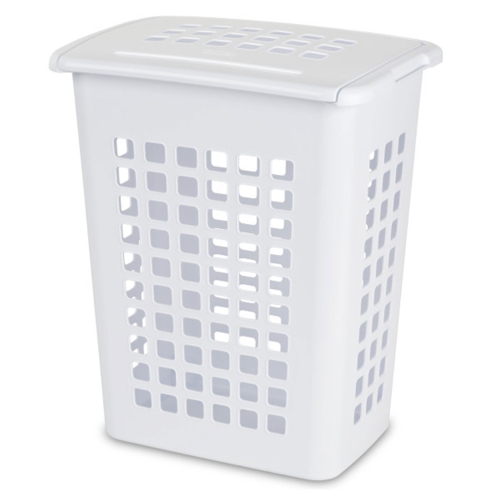 Your price for this item is $786.99
-
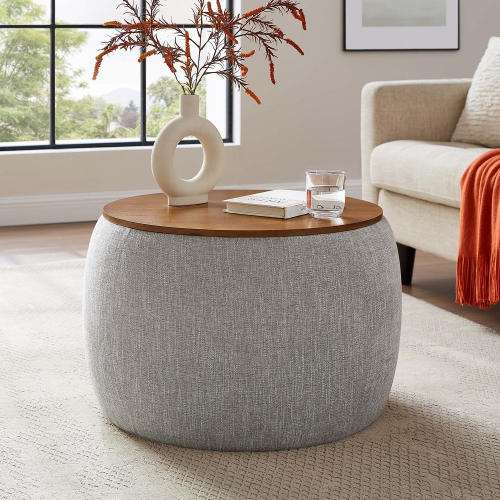 Your price for this item is $286.83
-
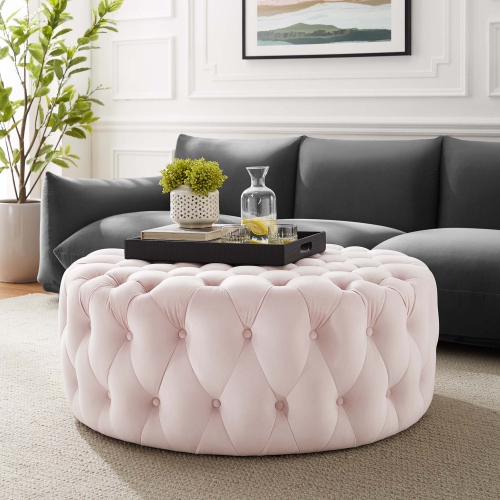 Your price for this item is $765.09
-
 Your price for this item is $124.99
-
 Your price for this item is $113.99
-
 Your price for this item is $75.99
-
 Your price for this item is $129.99
Discover more categories related to White Ottomans

Top Collections:
Best Black Friday Deals This Year, Best Black Friday Deals On Electronics, Kindle Devices, Best Black Friday Deals On Apple Products, Best Budget Office Chairs, Best Cameras for Sports Photography, Dyson Airwrap, Canon G7X Cameras, Best Laptops for Writers, Samsung Galaxy Phones
Some products may be subject to Environmental Handling Fees
(EHF) depending on your province.
Learn more about EHFs.