Black Ottomans
Looking to add a touch of elegance and functionality to your living space? Look no further than our collection of black ottomans. These versatile pieces not only serve as stylish accents, but also provide extra seating or storage options for your home. Whether you're looking for a sleek leather ottoman, a plush fabric design, or a modern ottoman with built-in features, we have the perfect black ottoman to suit your style and needs. Explore our selection and discover the perfect addition to elevate your living room, bedroom, or any other area in your home.
Sort




![Stork Craft Custom Hoop Glider With Ottoman - Black/Grey [Employee of bestbuy] Love the chair, just wish the butt cushion was a little thicker](https://multimedia.bbycastatic.ca/multimedia/products/400x400/103/10301/10301657.jpg)

Dark accents that do more than anchor a room
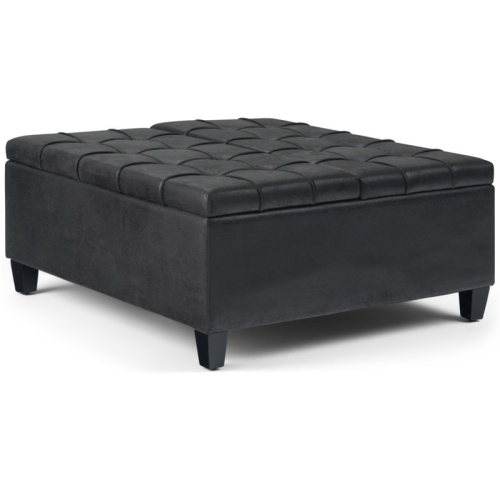
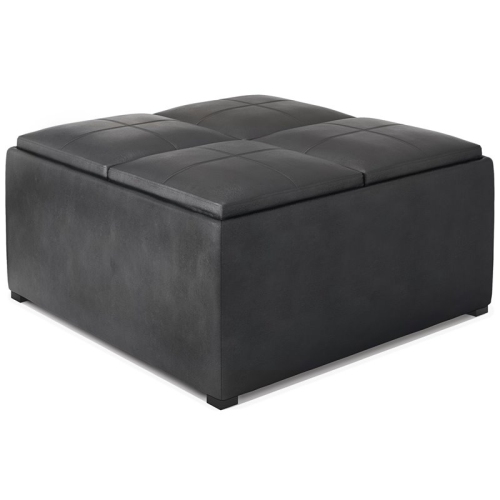
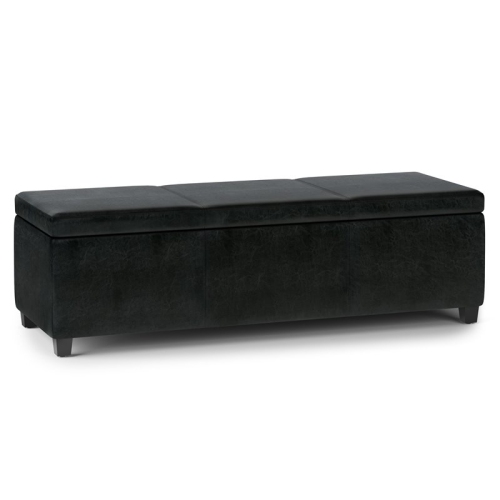
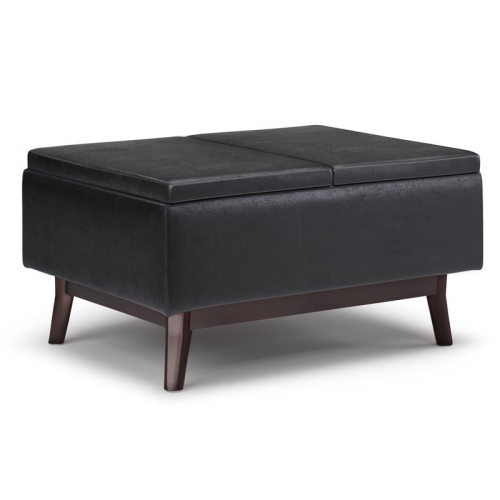
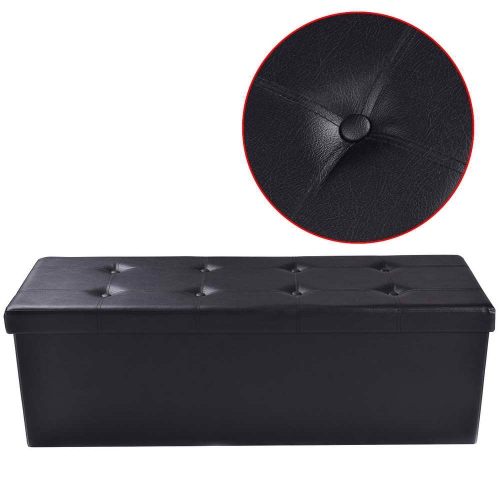
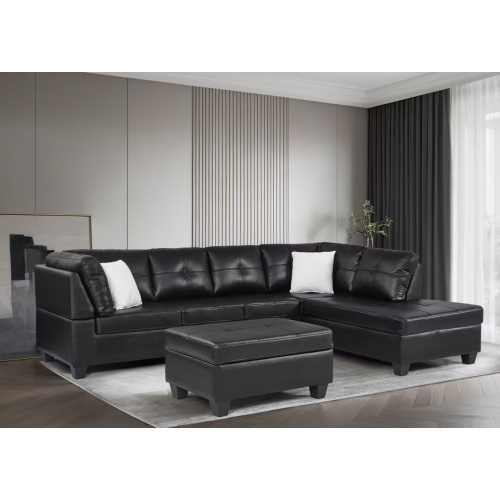
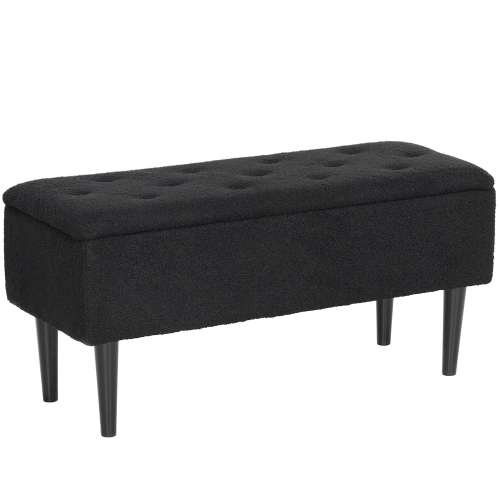
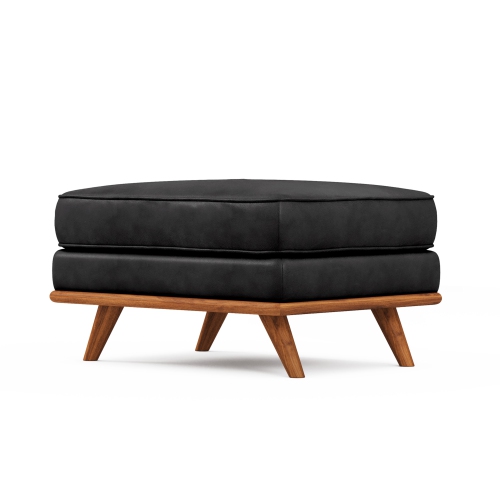
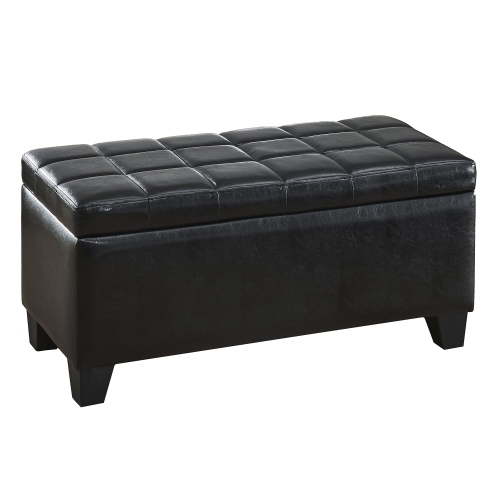
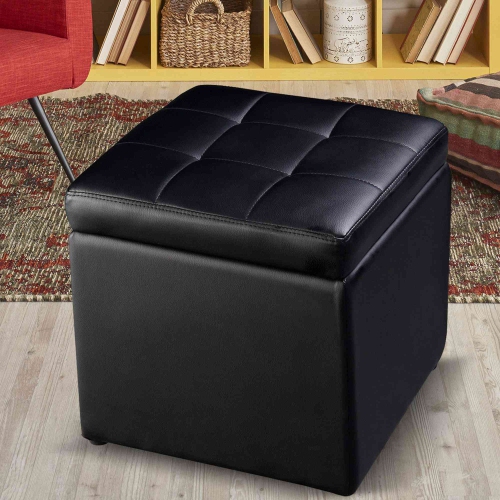
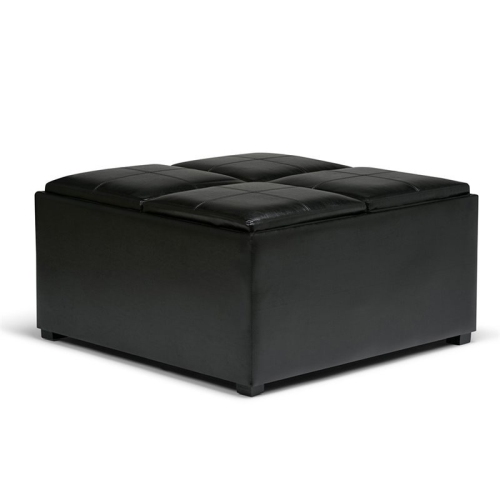
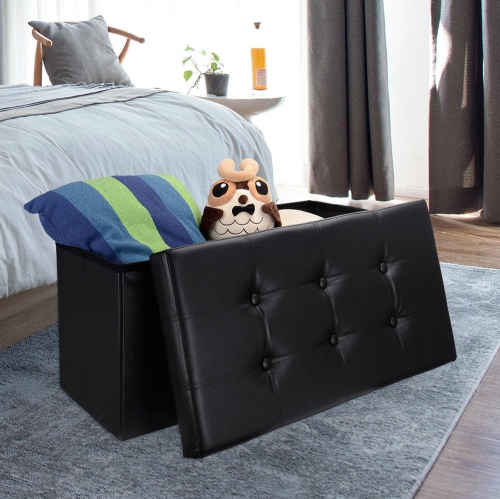
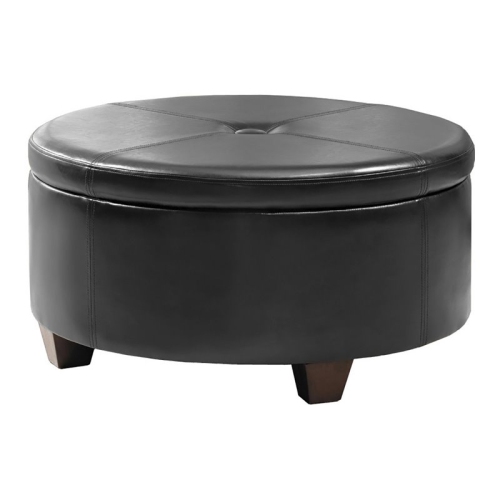
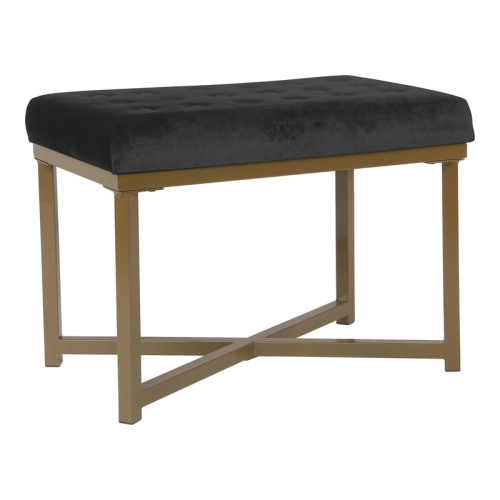
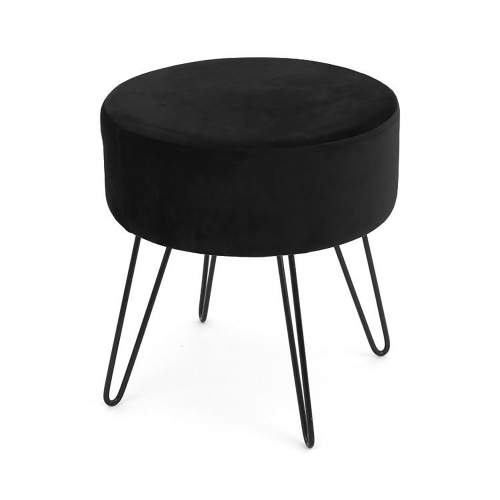
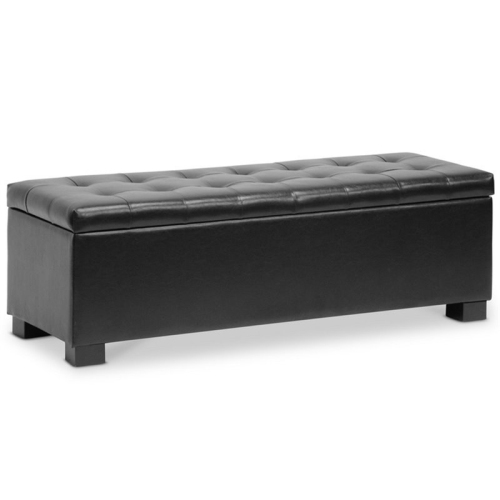
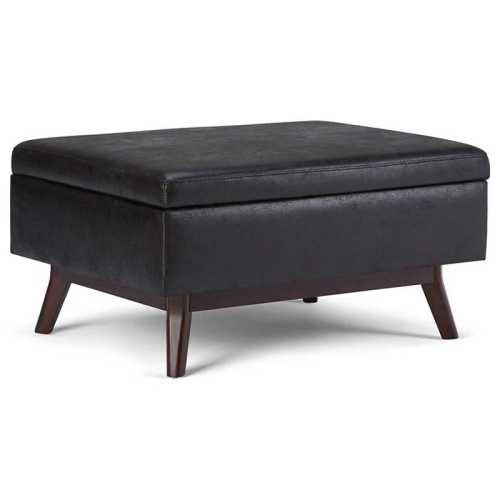
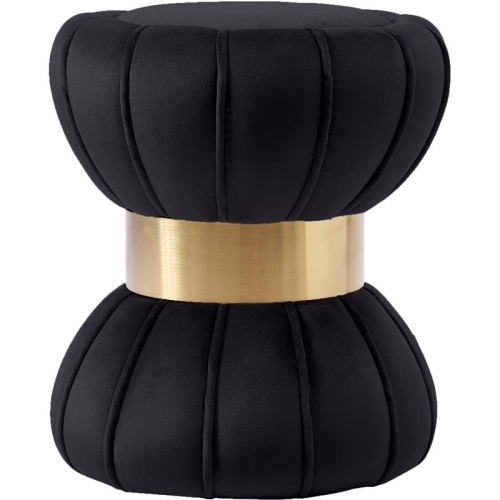
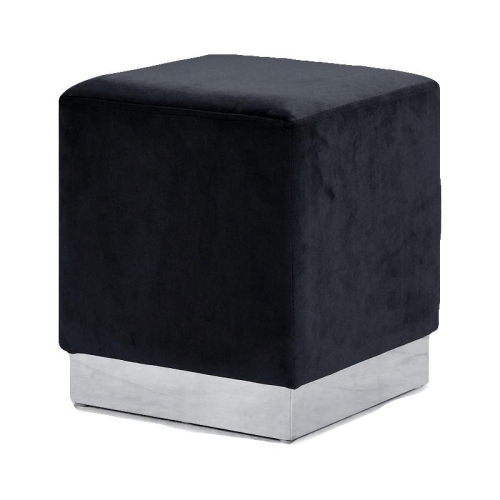
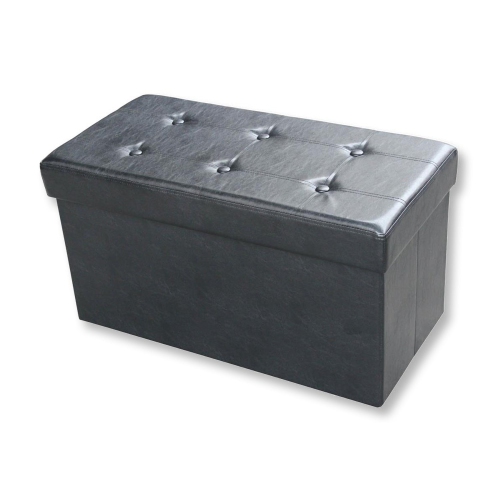
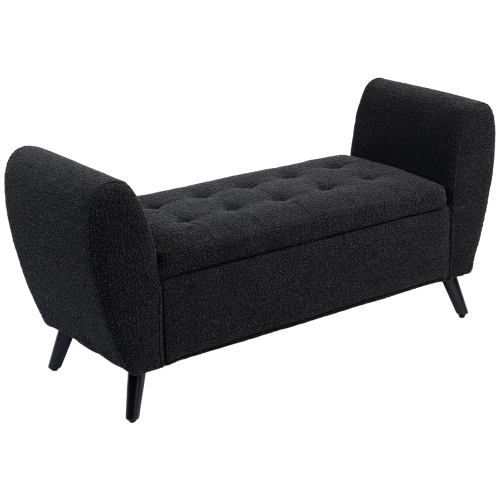
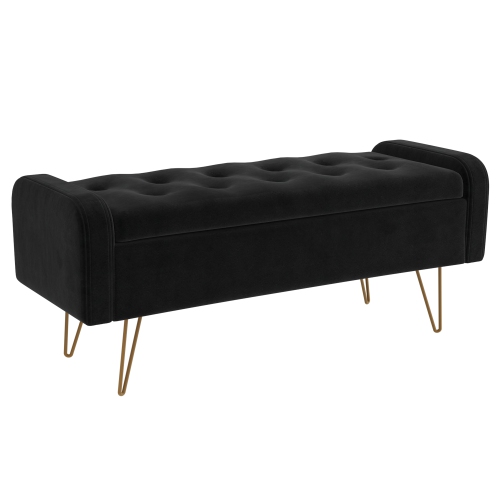
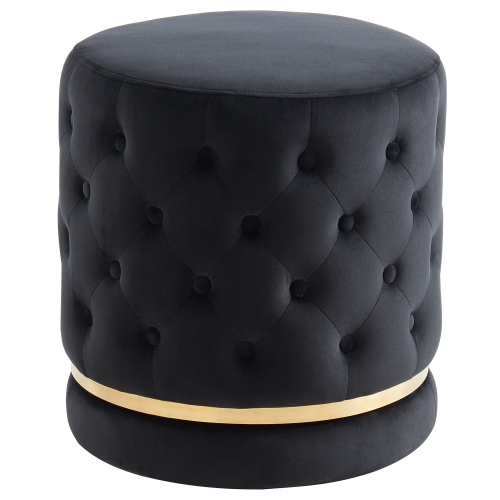
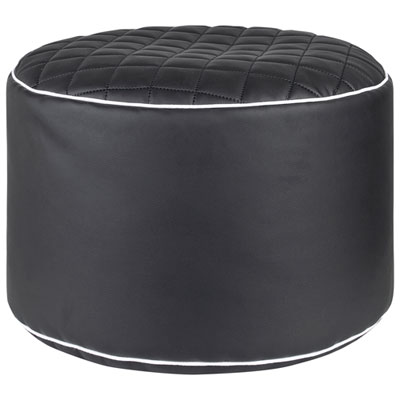
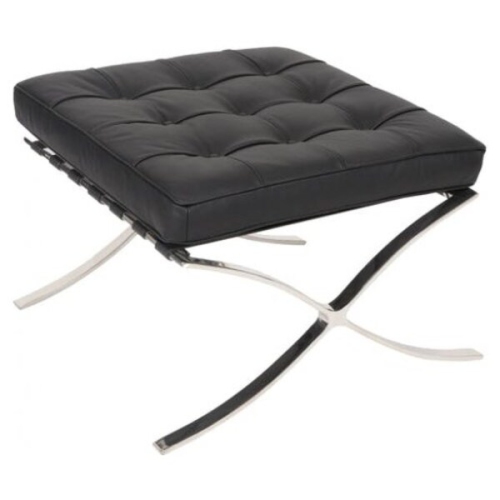
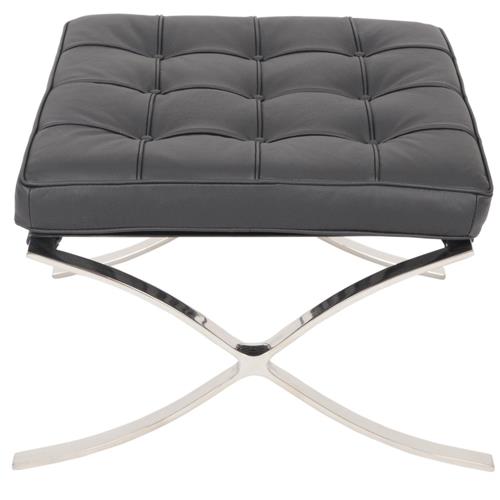
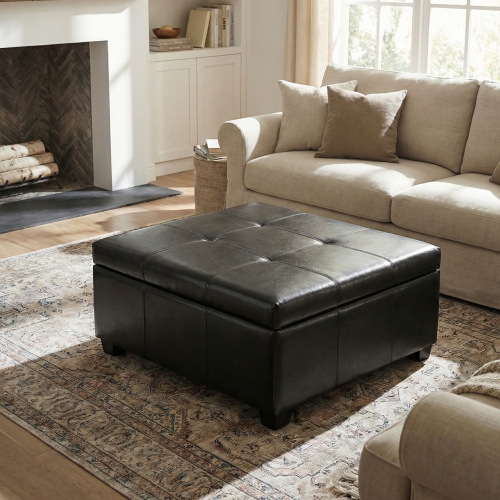
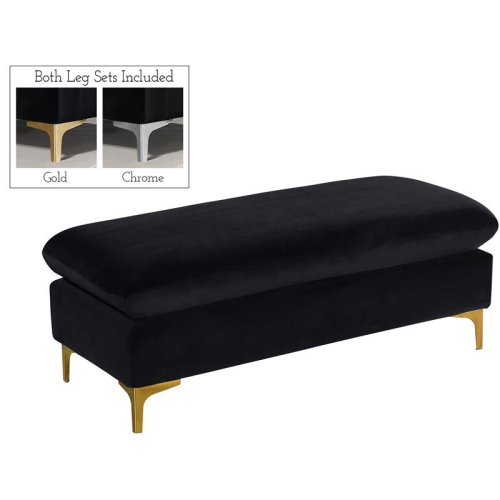
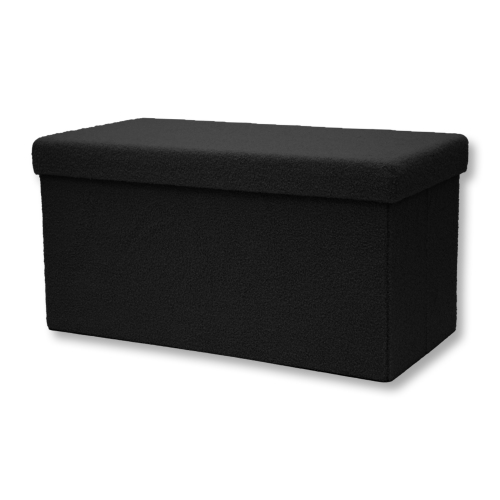
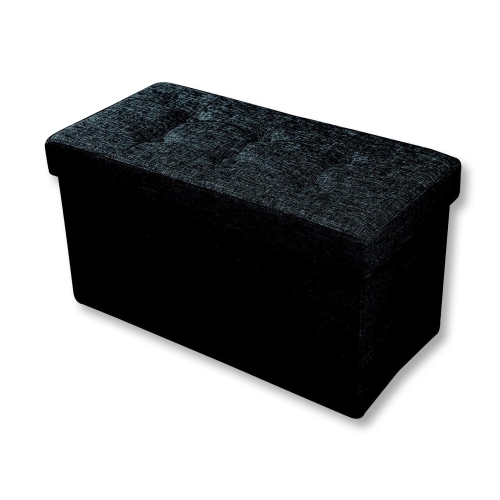
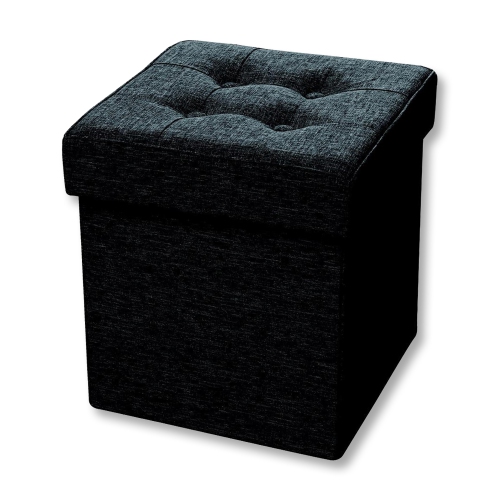
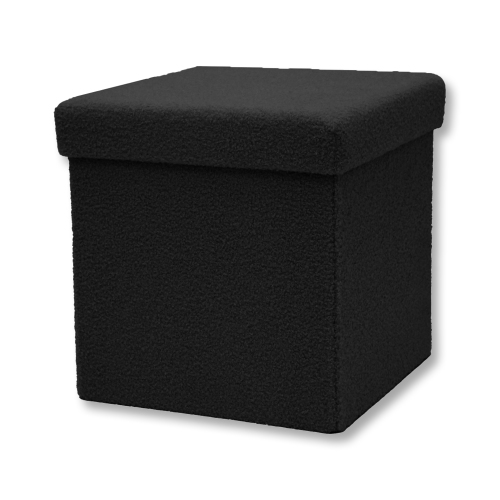
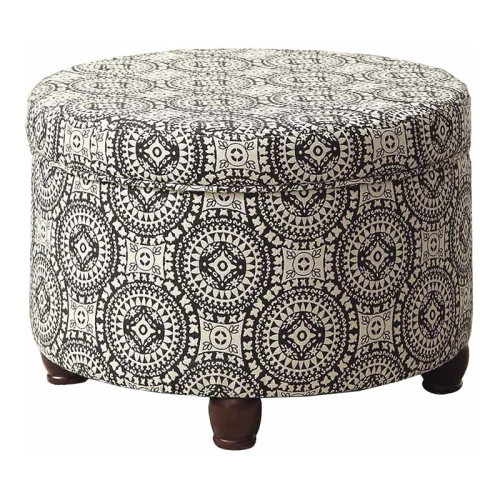
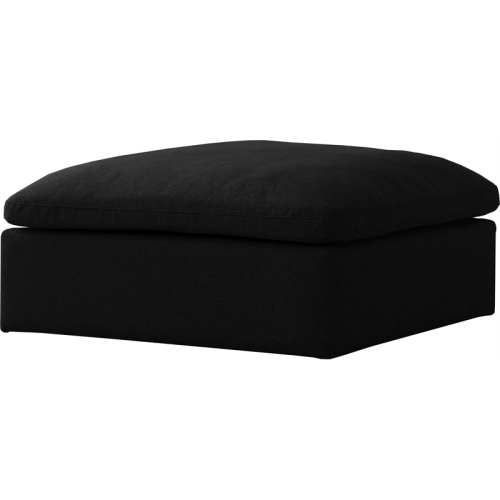
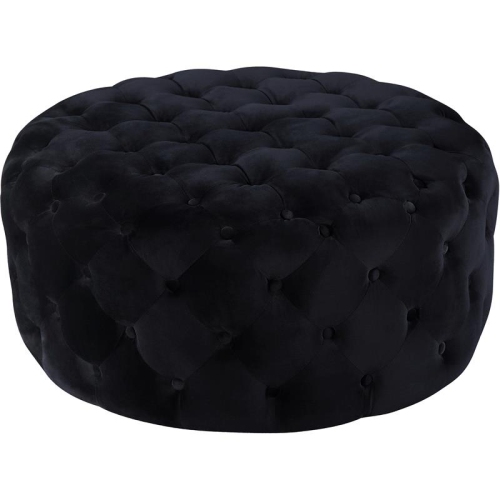
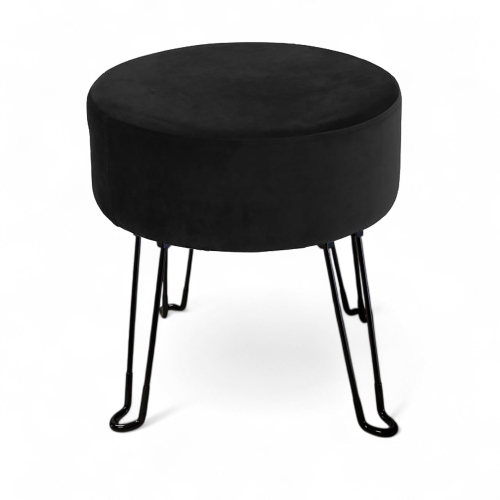
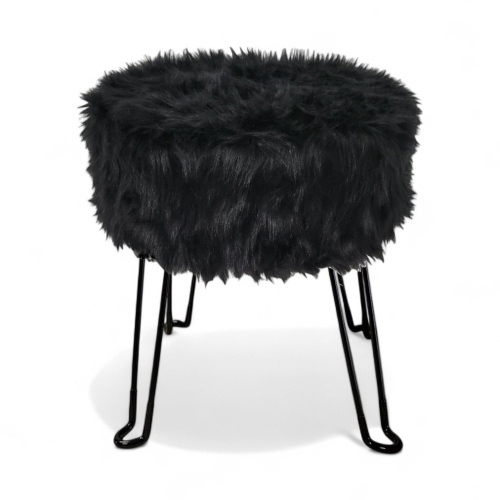
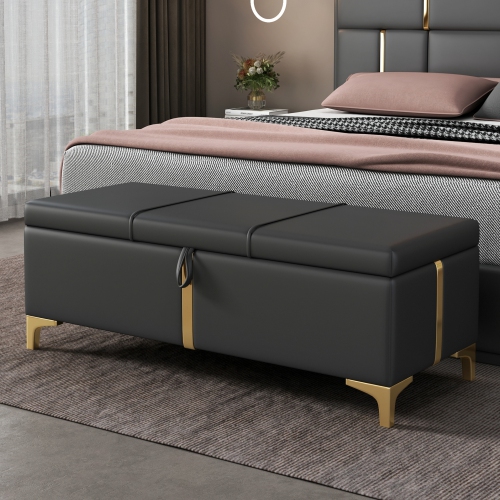
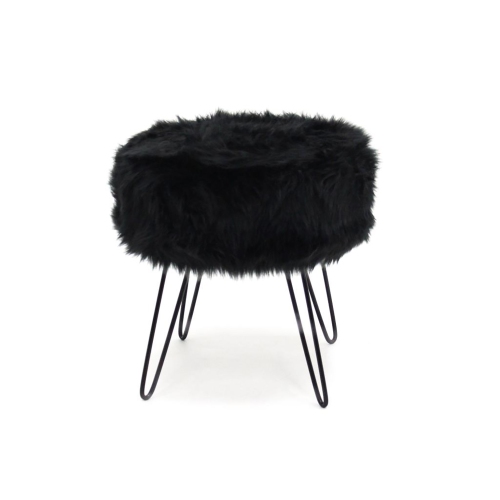
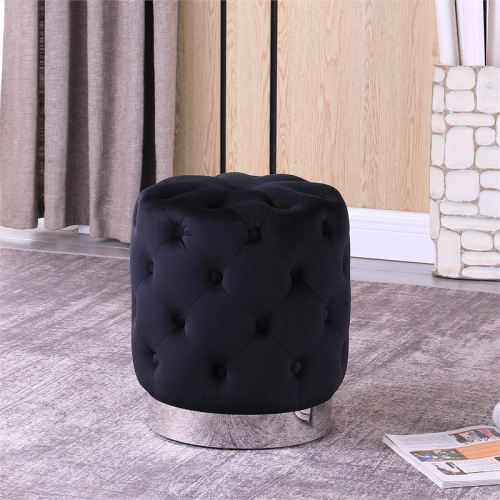
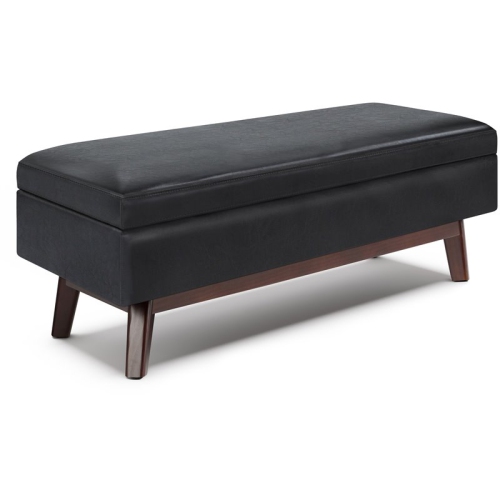
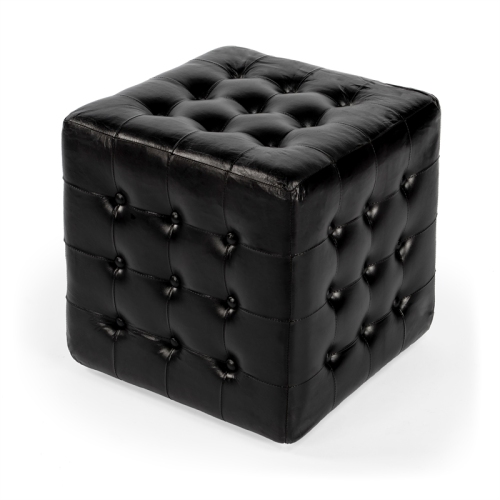
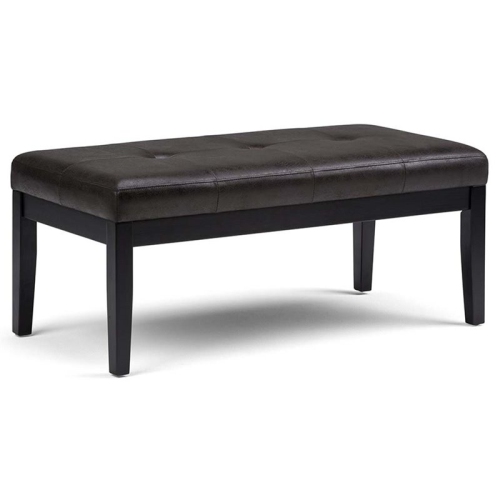
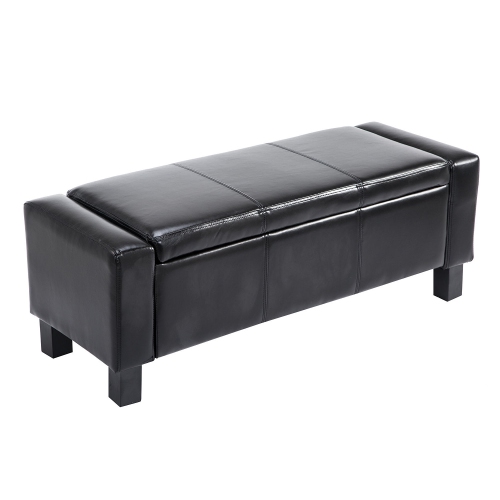
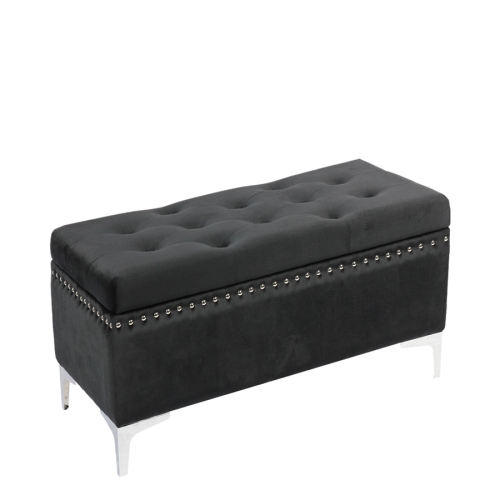
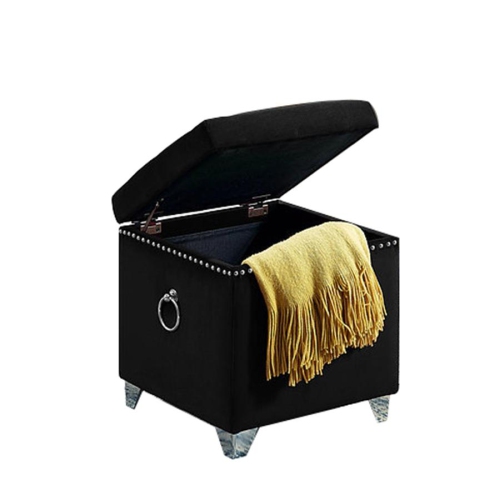
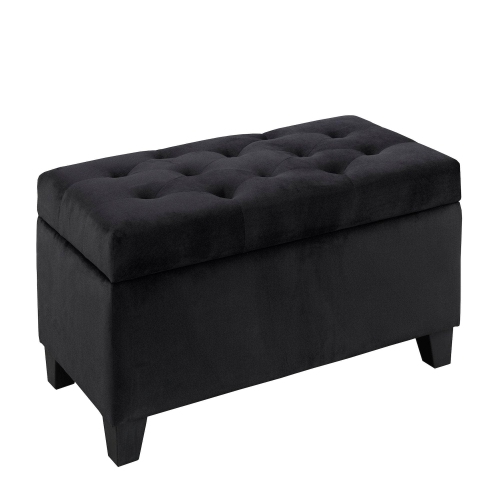
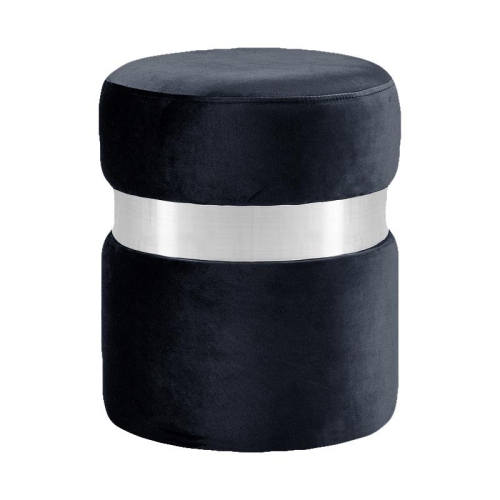
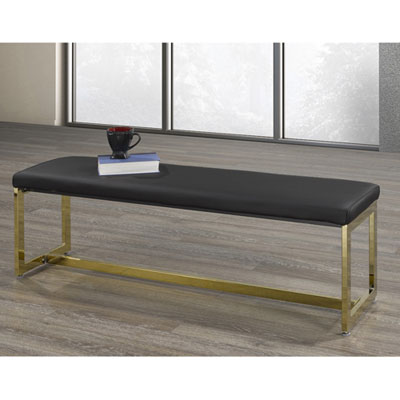
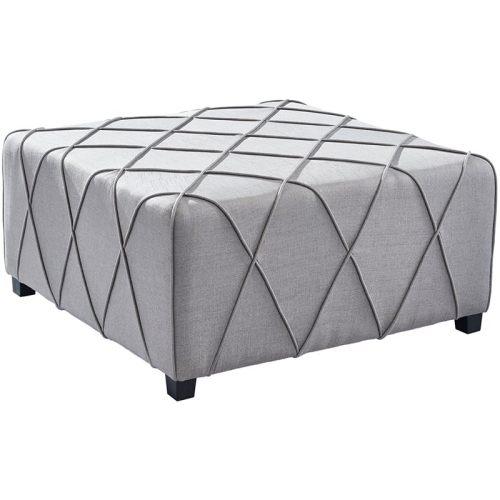
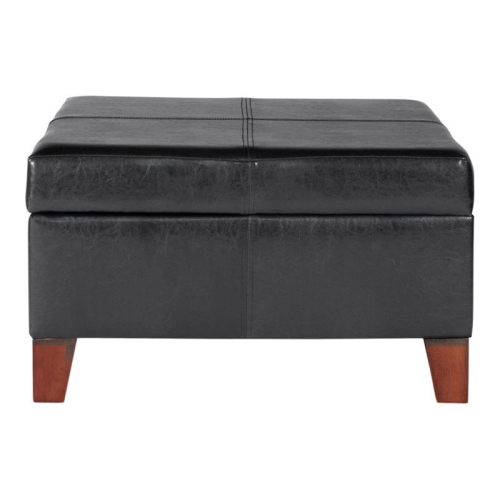
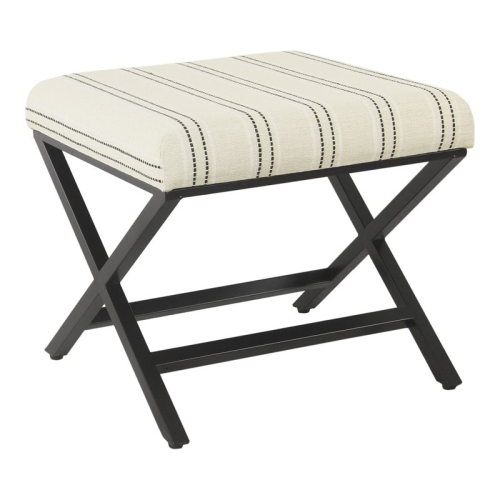
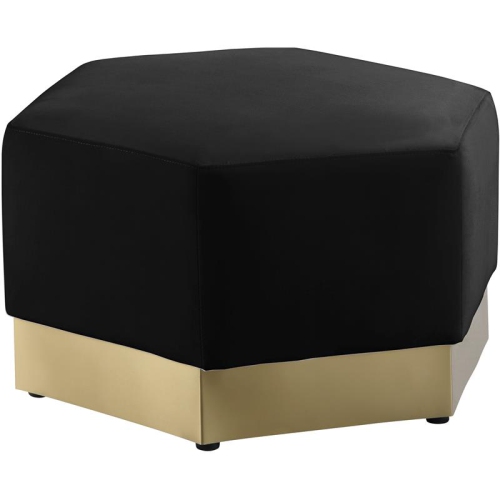
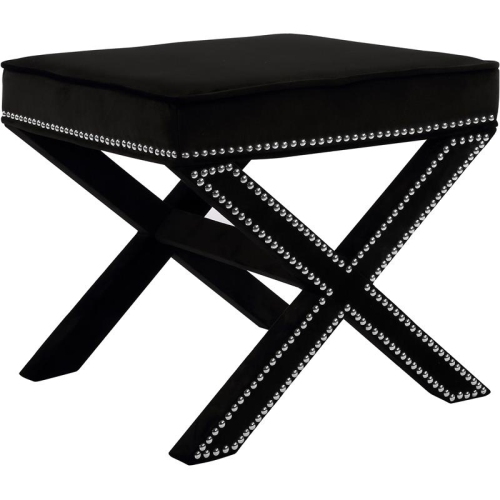
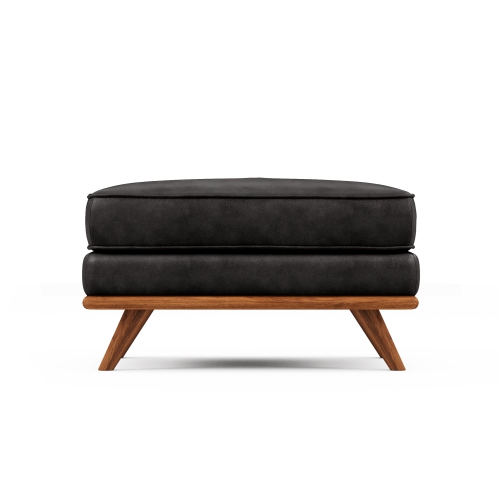
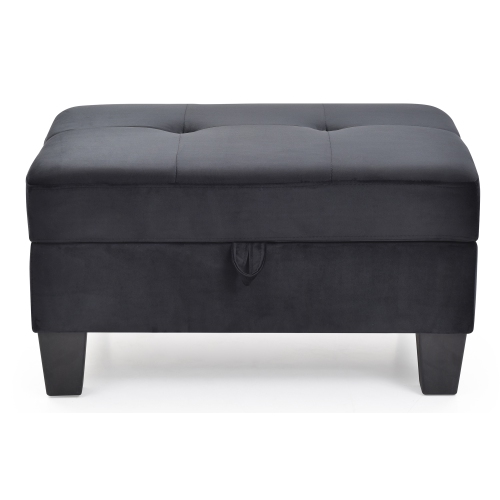
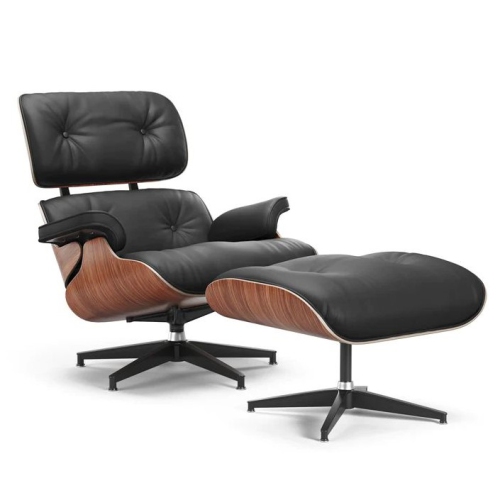
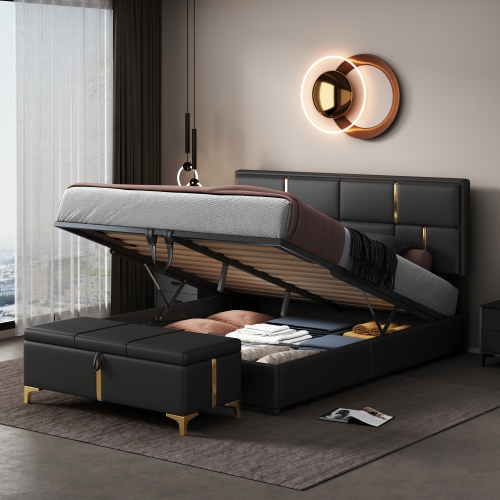
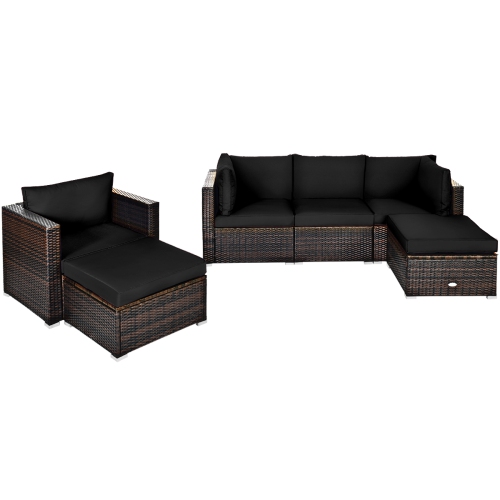
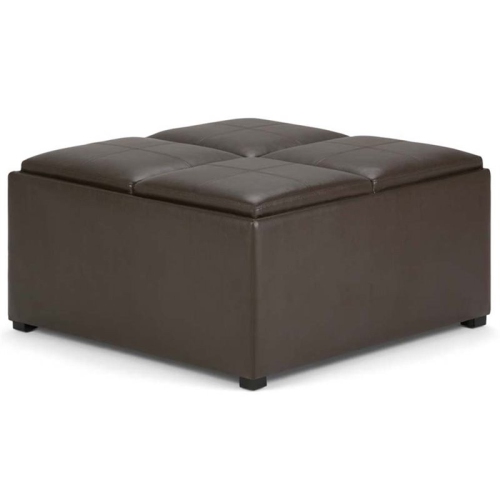
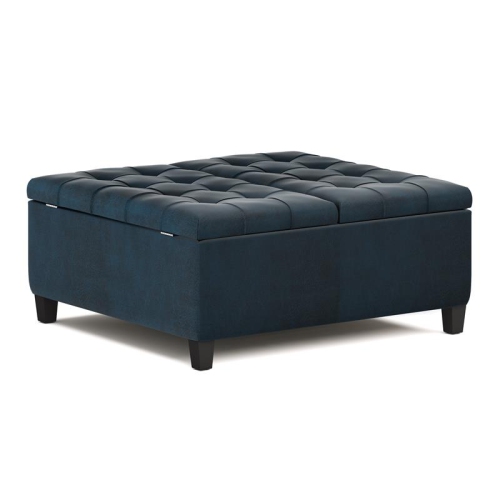
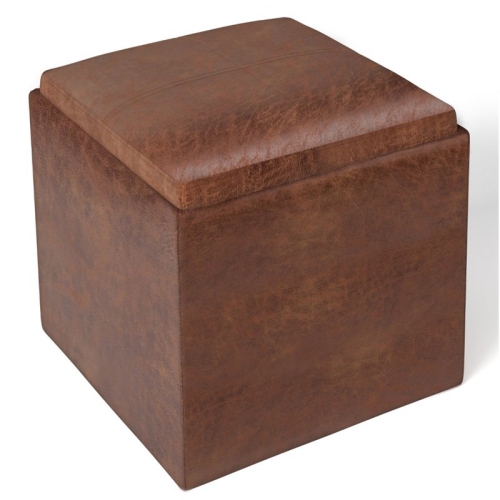
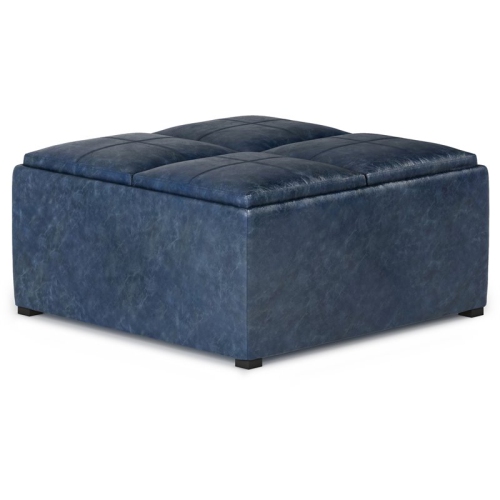
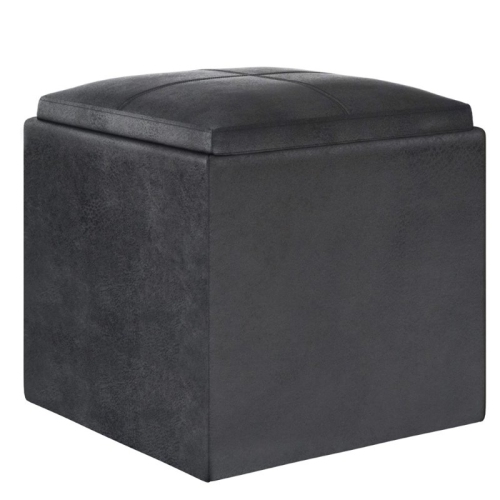
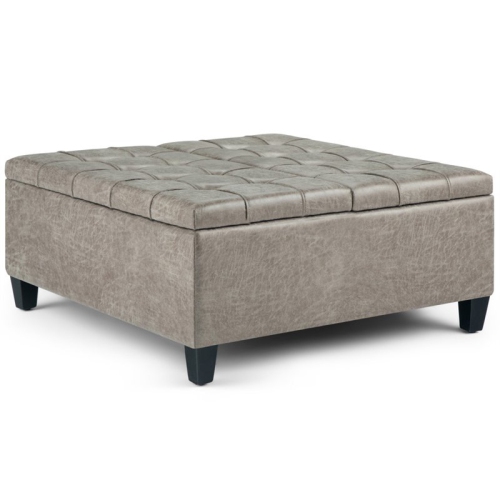
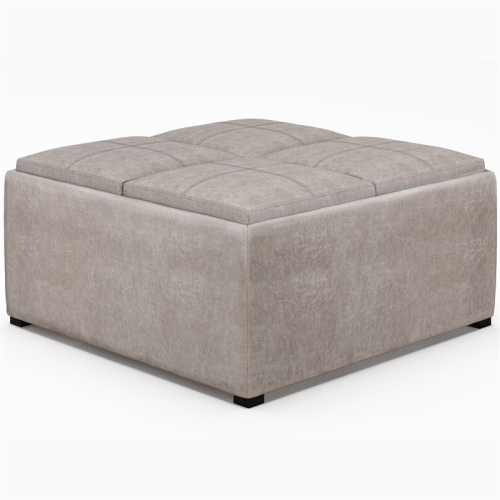
Black ottomans bring a strong visual anchor to a room while providing a comfortable place to rest your feet, tuck away everyday belongings, or add occasional seating when the design supports it. Their dark upholstery can create a crisp contrast beside a cream sofa, sit quietly among charcoal furnishings, or connect with black metal shelving and dark picture frames. The effect depends as much on shape and texture as on colour: a smooth, low rectangular ottoman feels tailored, while a rounded fabric pouf has a softer, more relaxed presence. In a living room, a generously sized upholstered ottoman can take the place of a conventional coffee table, with a stable tray providing a surface for a book or remote control. A smaller cube suits the space beside an armchair and can be moved into position for reading or watching television. Long bench-style ottomans work well at the foot of a bed or along an entryway wall, provided there is enough clearance to walk past comfortably. Storage ottomans add another layer of usefulness, keeping throws, spare cushions, board games, or other household belongings out of sight beneath a lift-up or removable lid. Open interiors suit bulky blankets, while divided compartments can help separate smaller belongings. Not every ottoman is designed to function as a seat or support a serving tray, so its intended use and stated weight capacity matter more than its appearance alone. A soft pouf may be ideal for putting your feet up but too yielding for a drink, whereas a firm, flat-topped design offers a more stable base for a tray. For households furnishing a first apartment, creating a reading corner, or making a shared living room more flexible, black ottomans offer a practical way to add function without introducing another dominant colour. Their versatility also makes them a thoughtful housewarming gift when the recipient’s room dimensions, preferred upholstery, and storage needs are known.
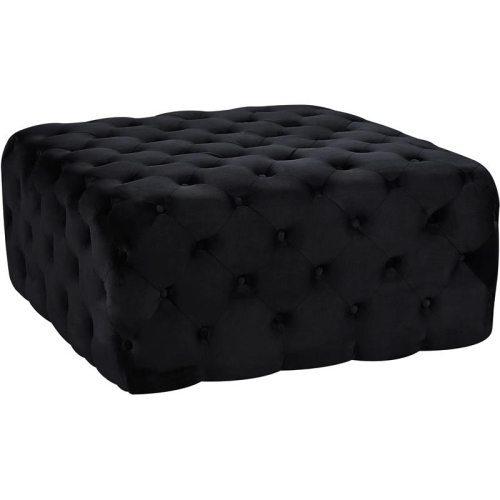
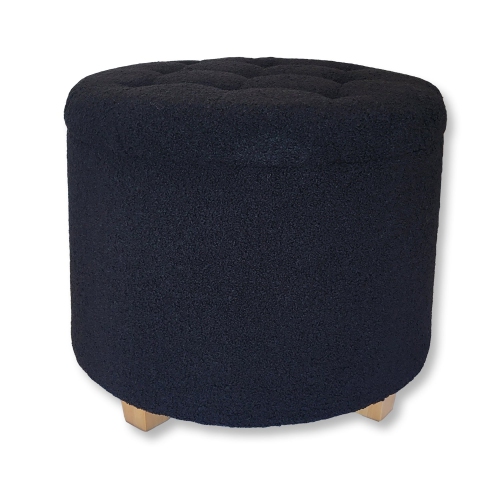
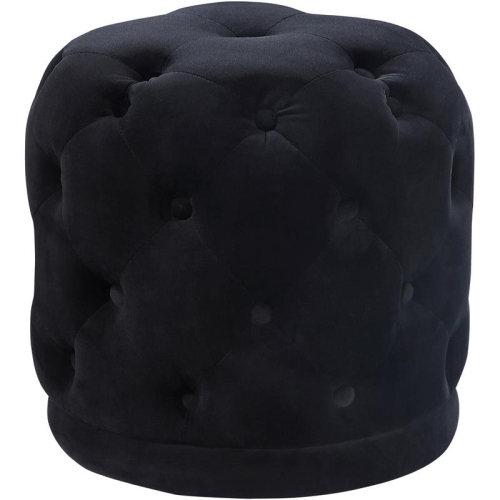
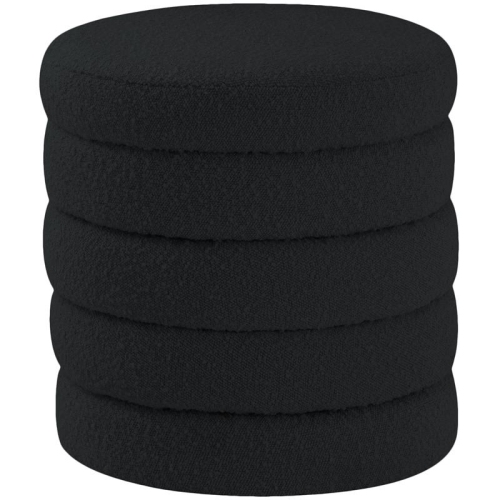
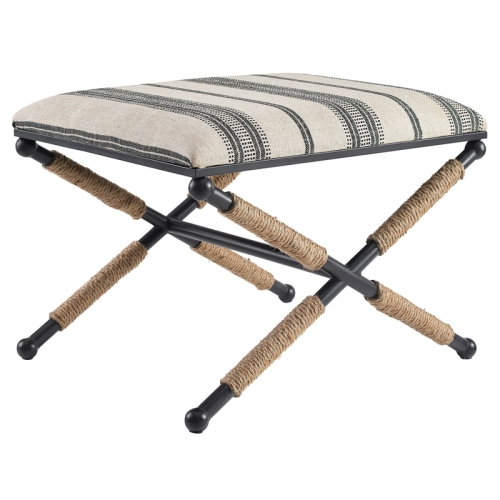
Upholstery gives black ottomans much of their character and influences how they feel and wear with regular use. Genuine leather can have visible grain, subtle variation, and a surface that develops character over time, although its care requirements depend on the finish. Full-aniline leather retains more of the hide’s natural markings and generally needs greater protection from spills and direct sunlight than more heavily protected leather finishes. Faux leather, including polyurethane upholstery, offers a smooth appearance that can often be wiped with a soft, lightly dampened cloth, but cleaning directions vary and harsh treatments may damage the surface. It is not automatically scratch-proof or suitable for every household with pets; claws, repeated friction, and frequent use can leave marks or contribute to wear. Fabric upholstery offers a different range of textures. Velvet has a directional pile that can make black appear lighter or deeper as the light changes, while corduroy introduces distinct ridges and bouclé adds a looped, tactile finish. Woven fabrics can provide a more understated surface, with durability influenced by fibre content, weave, and construction rather than texture alone. In a room where pets frequently lounge, tightly woven upholstery may be more practical than a loose looped fabric that can catch claws. Black can disguise some marks, but pale pet hair, lint, and dust may be noticeable against the dark background. Regular gentle vacuuming with an appropriate upholstery attachment helps remove debris from seams and tufting, and spills should be blotted promptly according to the care label rather than rubbed into the material. Removable covers are convenient only when their specified cleaning method suits the household; removable does not necessarily mean machine washable. Smooth panels are generally easier to clear of crumbs than deep button tufting, while piping and stitched sections add visual definition. For a softer contrast with pale upholstery and warm wood furniture, Brown Ottomans offer another colour direction; black remains a distinctive choice for repeating dark accents throughout a room.
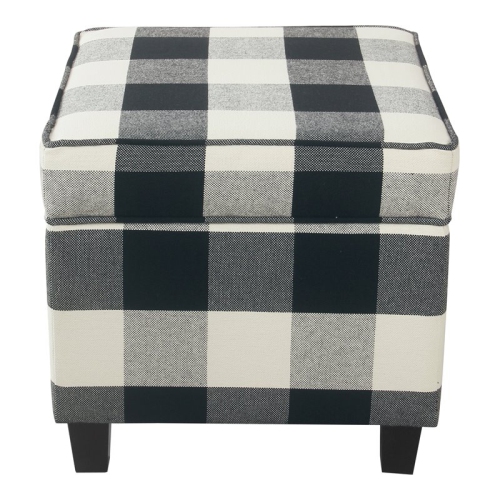
Size, internal construction, and everyday access determine whether a black ottoman feels genuinely useful once it is in place. For use as a footrest, a top close to the height of the chair’s seat, or slightly lower, often creates a comfortable position, though cushion compression and personal preference make a difference. An ottoman that looks proportional beside a deep sectional may overwhelm a narrow apartment living room, so both the footprint and the surrounding walking space deserve attention. Measuring the intended area, or marking it temporarily on the floor, makes it easier to picture how doors, drawers, and nearby seating will operate. A hinged storage lid needs room to open, and a removable top needs somewhere to rest while the compartment is accessed. Interior dimensions are especially important when storing a folded duvet or larger board game boxes, since a thick padded exterior can leave less usable space inside than expected. Round ottomans soften a layout with many straight edges and have no projecting corners, while square and rectangular shapes fit neatly alongside sofas or beneath suitably sized consoles. Lightweight designs are easier to reposition, whereas larger framed styles may be better suited to a fixed location. Frame materials, joinery, and the support beneath the cushion all contribute to stability; firm padding alone does not establish that an ottoman is suitable for sitting. For occasional seating, check the manufacturer’s intended use and load limit, and avoid treating a footrest as a step stool. Storage hinges and lid supports should operate smoothly, with particular care around children’s fingers. Feet also affect practical fit: raised legs allow easier access underneath for cleaning, while a low base creates a more grounded appearance. Floor protectors can help limit marks on hard surfaces when compatible with the design. In a busy living room, these details turn an attractive accent into a dependable part of daily routines, whether it holds folded throws, supports tired feet after a long day, or provides a designated place to sit while putting on shoes.
Upholstery gives black ottomans much of their character and influences how they feel and wear with regular use. Genuine leather can have visible grain, subtle variation, and a surface that develops character over time, although its care requirements depend on the finish. Full-aniline leather retains more of the hide’s natural markings and generally needs greater protection from spills and direct sunlight than more heavily protected leather finishes. Faux leather, including polyurethane upholstery, offers a smooth appearance that can often be wiped with a soft, lightly dampened cloth, but cleaning directions vary and harsh treatments may damage the surface. It is not automatically scratch-proof or suitable for every household with pets; claws, repeated friction, and frequent use can leave marks or contribute to wear. Fabric upholstery offers a different range of textures. Velvet has a directional pile that can make black appear lighter or deeper as the light changes, while corduroy introduces distinct ridges and bouclé adds a looped, tactile finish. Woven fabrics can provide a more understated surface, with durability influenced by fibre content, weave, and construction rather than texture alone. In a room where pets frequently lounge, tightly woven upholstery may be more practical than a loose looped fabric that can catch claws. Black can disguise some marks, but pale pet hair, lint, and dust may be noticeable against the dark background. Regular gentle vacuuming with an appropriate upholstery attachment helps remove debris from seams and tufting, and spills should be blotted promptly according to the care label rather than rubbed into the material. Removable covers are convenient only when their specified cleaning method suits the household; removable does not necessarily mean machine washable. Smooth panels are generally easier to clear of crumbs than deep button tufting, while piping and stitched sections add visual definition. For a softer contrast with pale upholstery and warm wood furniture, Brown Ottomans offer another colour direction; black remains a distinctive choice for repeating dark accents throughout a room.
Size, internal construction, and everyday access determine whether a black ottoman feels genuinely useful once it is in place. For use as a footrest, a top close to the height of the chair’s seat, or slightly lower, often creates a comfortable position, though cushion compression and personal preference make a difference. An ottoman that looks proportional beside a deep sectional may overwhelm a narrow apartment living room, so both the footprint and the surrounding walking space deserve attention. Measuring the intended area, or marking it temporarily on the floor, makes it easier to picture how doors, drawers, and nearby seating will operate. A hinged storage lid needs room to open, and a removable top needs somewhere to rest while the compartment is accessed. Interior dimensions are especially important when storing a folded duvet or larger board game boxes, since a thick padded exterior can leave less usable space inside than expected. Round ottomans soften a layout with many straight edges and have no projecting corners, while square and rectangular shapes fit neatly alongside sofas or beneath suitably sized consoles. Lightweight designs are easier to reposition, whereas larger framed styles may be better suited to a fixed location. Frame materials, joinery, and the support beneath the cushion all contribute to stability; firm padding alone does not establish that an ottoman is suitable for sitting. For occasional seating, check the manufacturer’s intended use and load limit, and avoid treating a footrest as a step stool. Storage hinges and lid supports should operate smoothly, with particular care around children’s fingers. Feet also affect practical fit: raised legs allow easier access underneath for cleaning, while a low base creates a more grounded appearance. Floor protectors can help limit marks on hard surfaces when compatible with the design. In a busy living room, these details turn an attractive accent into a dependable part of daily routines, whether it holds folded throws, supports tired feet after a long day, or provides a designated place to sit while putting on shoes.
Top selling and popular products
-
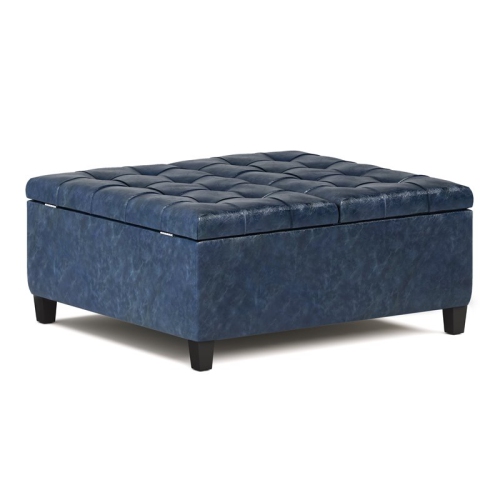 Your price for this item is $1016.33
 -
 Your price for this item is $530.99
 -
 Your price for this item is $1109.94
 -
 Your price for this item is $1403.99
 -
 Your price for this item is $1018.38
 -
 Your price for this item is $339.24
 -
 Your price for this item is $1174.21
 -
 Your price for this item is $346.6
Discover more categories related to Black Ottomans
Top Collections:
Pokemon Centers, Kindle Devices, Best Budget Office Chairs, Apple iPhones 16, Best Laptops for Writers, iPhone 15 Apple, Canon G7X Cameras, Refurbished Apple Laptops, Alarm Clock, Motorola Razr Phones
Some products may be subject to Environmental Handling Fees
(EHF) depending on your province.
Learn more about EHFs.