G Pro X Headsets

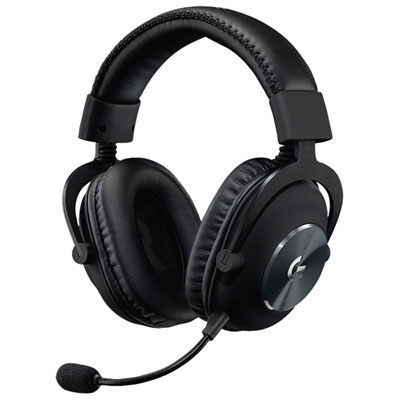
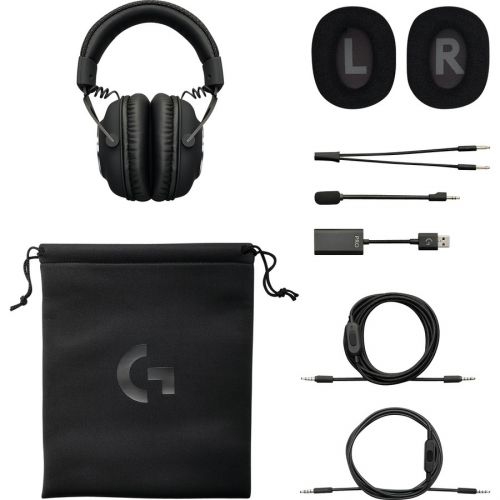
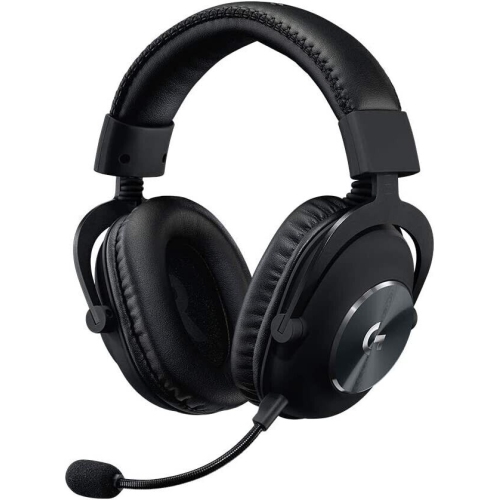
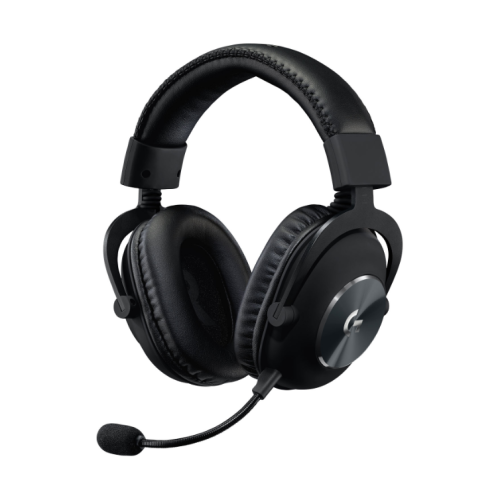
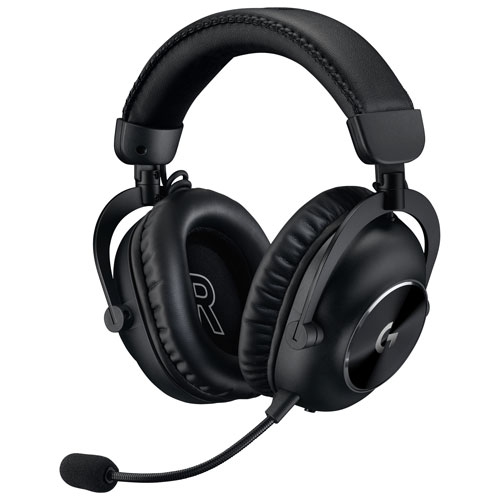
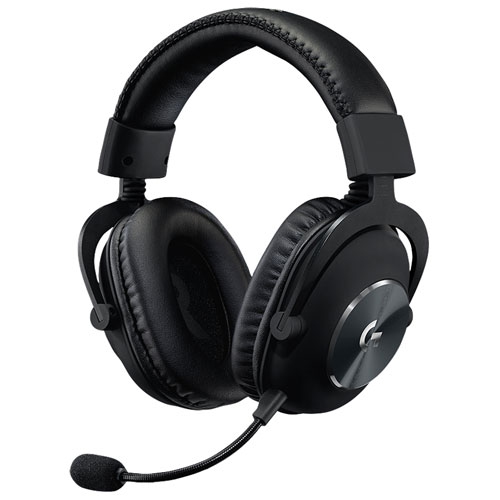
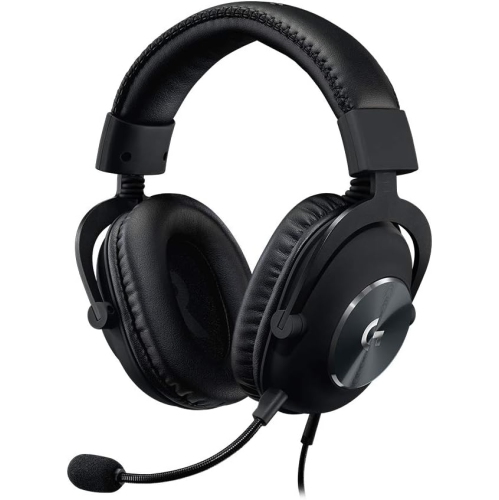
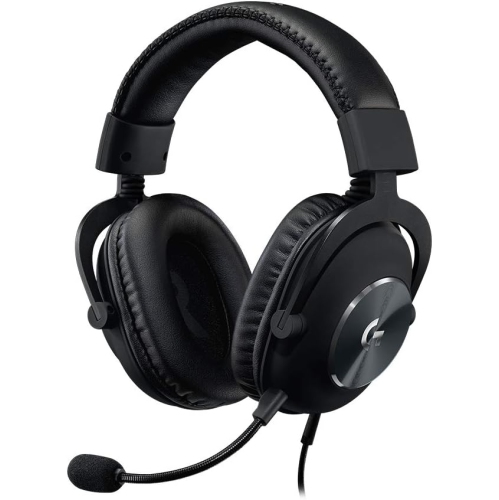
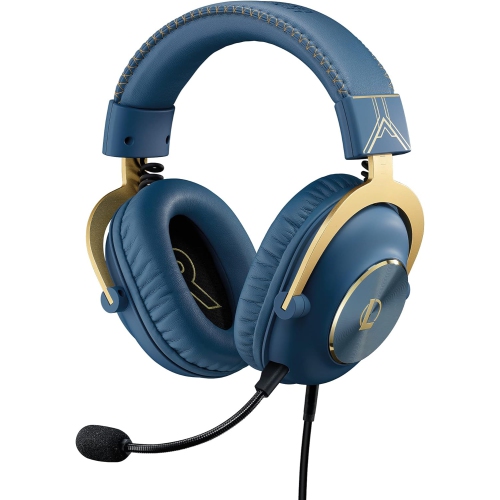
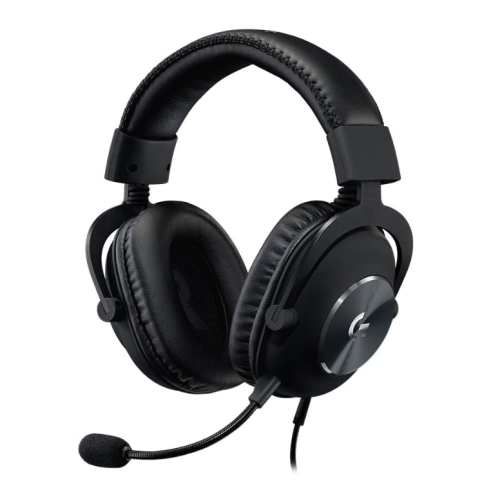
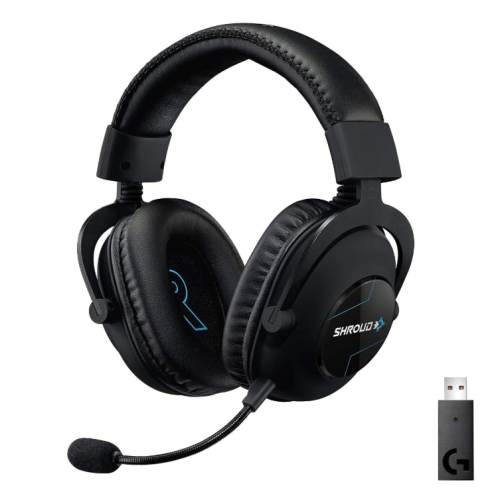
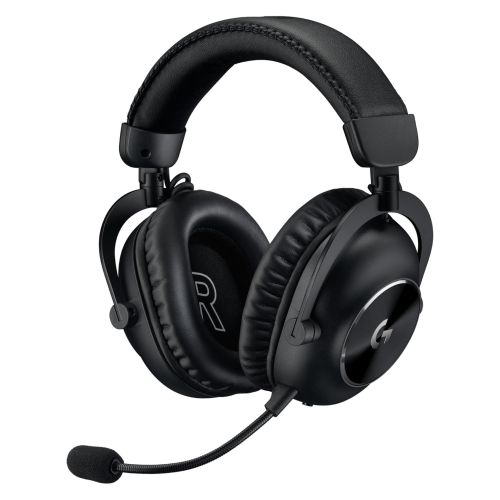
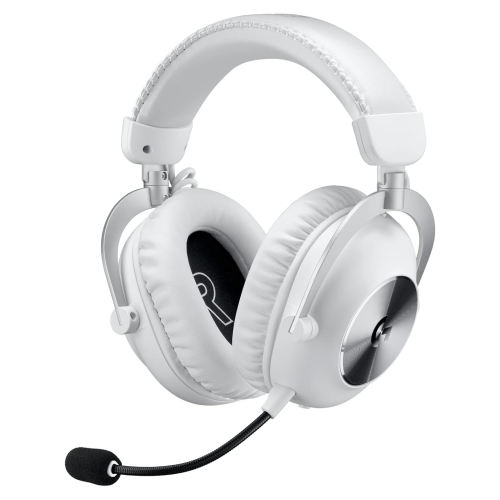
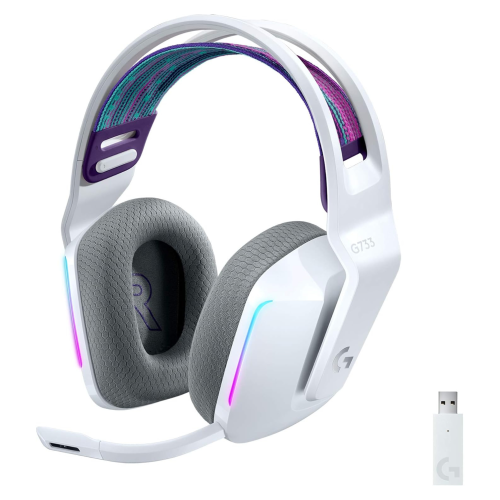
Shop G Pro X headsets for your gaming setup and compare options by connection type, platform compatibility, microphone features, and fit. Check each headset’s specifications to find the right match for your PC or console and your preferred way to play.
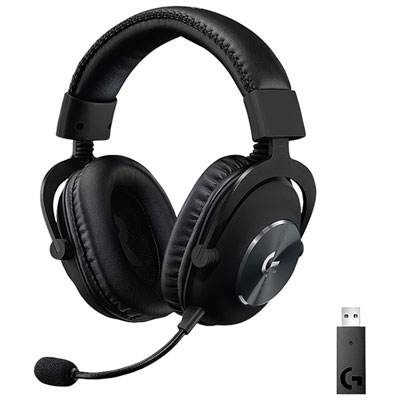
Read More

Sort

Clear game audio meets comfort for longer sessions

Gaming headsets bring game audio and voice chat together, making them a practical part of a setup built around competitive matches, co-operative adventures, and everyday play. A well-balanced headset can give dialogue, music, and sound effects their own space, so a teammate’s callout is less likely to disappear beneath an explosion or a busy soundtrack. In games that support directional audio, clear imaging can help distinguish movement to the left from activity behind a character, although the result also depends on the game’s audio mix and settings. Strong bass can add weight to engines and action sequences, but bass alone does not determine sound quality; clear midrange and controlled treble matter when listening for voices and quieter details. Larger drivers are not automatically better, either, since tuning, earcup construction, and fit all influence what reaches the listener. Closed-back, over-ear designs are common in gaming headsets because they surround the ears and can reduce some outside noise through their physical seal. That isolation can make a shared room feel less distracting, but it is different from active noise cancellation, which should only be expected when explicitly supported. Microphone performance deserves equal attention, particularly for players who coordinate closely with a team. A boom that stays in position, a convenient mute control, and speech that remains intelligible during lively conversation can be more useful than an extensive list of audio effects. A microphone placed near the corner of the mouth, rather than directly in front of it, can help limit breath noise without making speech too quiet. Supported microphone processing may also help manage background sounds, though it cannot replace sensible positioning. Beyond gaming, a headset with a clear microphone can suit voice calls, remote study sessions, and casual streaming, provided its connections and controls work with the intended device. Separate speakers may still be preferable when several people want to listen together, while a headset keeps personal audio close and communication easy to manage.

Comfort becomes especially noticeable once a short match turns into a longer session. The headband needs enough adjustment to centre the earcups over the ears without concentrating pressure on the top of the head, and the cups should leave room rather than press against the outer ear. A secure fit is useful when turning towards another screen or reaching across a desk, but excessive clamping pressure can become distracting. People who wear glasses may notice pressure where the cushion meets the arms of the frames, making cushion softness and flexibility particularly relevant. Memory foam can mould around the sides of the head, while the outer covering affects both feel and upkeep. Leatherette is often easy to wipe clean and can form a close seal; fabric coverings have a different texture and may feel more breathable. Neither material guarantees comfort on its own, and changing ear cushions can alter the seal and sound as well as the fit. Headset weight matters too, although good weight distribution can make a substantial design feel less tiring than its specifications suggest. Metal components may reinforce a headband or adjustment mechanism, while plastic can keep weight manageable; durable construction depends on the quality of the hinges, joints, and assembly rather than one material alone. Detachable cables, microphones, and replaceable cushions can be useful for maintenance when compatible replacements are supported. For everyday care, a soft cloth and cleaning methods approved by the manufacturer help protect surfaces without soaking foam or allowing liquid into the earcups. Headsets should be disconnected before cleaning and allowed to dry fully before use. Keeping cables loosely arranged, unplugging by the connector rather than pulling the cord, and placing the headset on a stable stand or in a suitable case can reduce unnecessary wear. Sharing a headset also makes regular cushion and microphone care worthwhile. Even a comfortable fit benefits from occasional breaks, and listening at a moderate volume helps keep long sessions comfortable without relying on loudness to reveal detail.

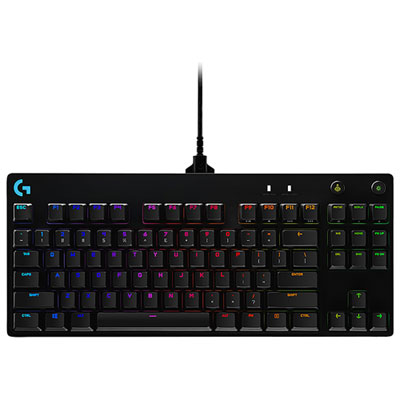
Connection type shapes how a gaming headset fits into daily routines. A wired connection avoids battery charging and can be straightforward for a fixed desk setup, but connector type still matters. A headset with a 3.5 mm plug may connect through a compatible controller or audio socket, while a USB connection can provide access to additional controls or processing on supported systems. Some computers use separate headphone and microphone sockets, so a suitable splitter may be needed. Wireless designs offer more freedom to move away from the desk, though their suitability depends on platform support, battery life, range, and the connection method. A dedicated wireless receiver and Bluetooth are not interchangeable, and support for one does not imply support for the other. Low-latency connections are particularly relevant when matching sound closely to fast on-screen action. Charging arrangements also affect convenience: cable length, connector placement, and whether listening is supported while charging can all influence a daily routine. Physical volume controls and a mute button that is easy to find by touch are valuable when attention needs to stay on the screen. Software features such as equalizer settings, microphone adjustments, or spatial audio may require a compatible operating system and may not carry over unchanged to a console. For a coordinated desktop, G Pro Logitech Keyboards can form part of the wider setup alongside a headset, with enough desk space left for comfortable mouse movement and tidy cable routing. A headset can also make a thoughtful gift for a competitive player, a friend who joins regular online sessions, or someone building a first gaming space. Knowing the recipient’s main platform, preference for wired or wireless use, and tolerance for a close-fitting headband makes the choice more personal. Useful details such as accessible controls, a practical microphone, and a comfortable fit often have the greatest effect on how naturally a headset becomes part of everyday play.
Read More

FAQ

Some products may be subject to Environmental Handling Fees (EHF) depending on your province. Learn more about EHFs.