New Family Games
These new family games are the ones that get everyone involved and having fun. They're also the ones that encourage communication and camaraderie among the players. Here are some great new family games available today.
Sort
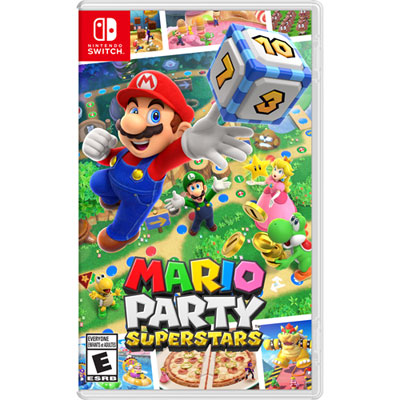
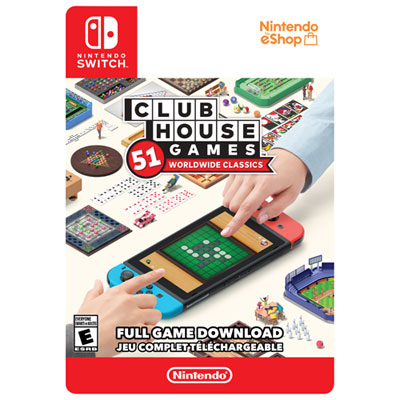
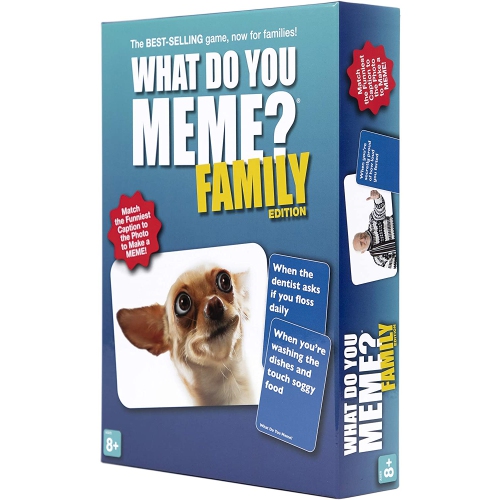
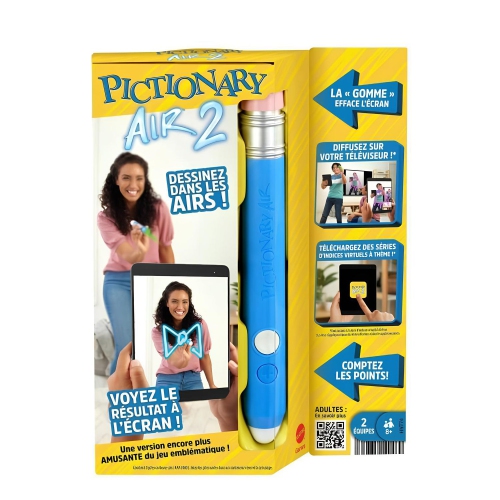
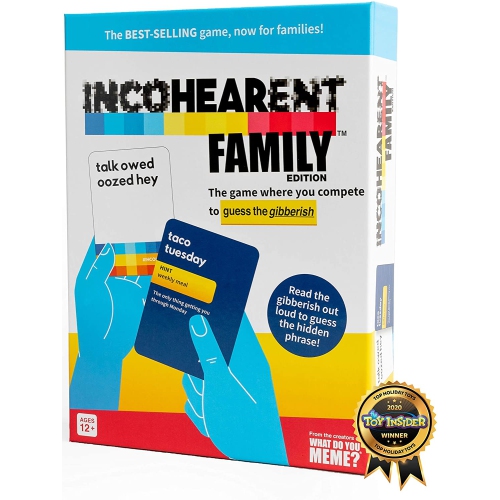
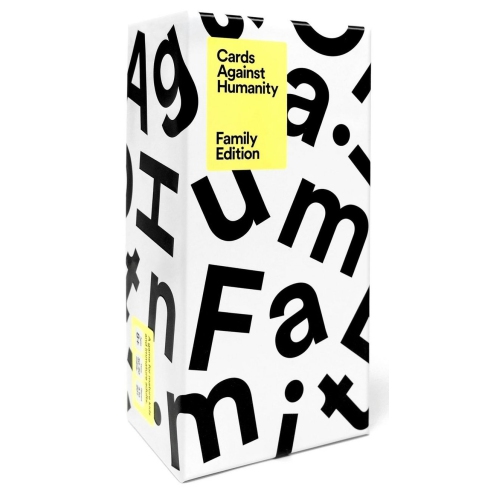
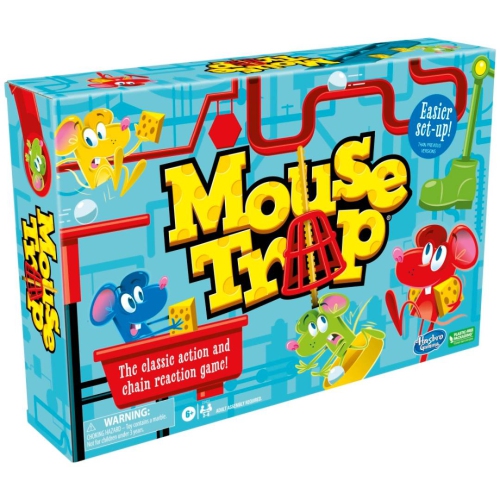
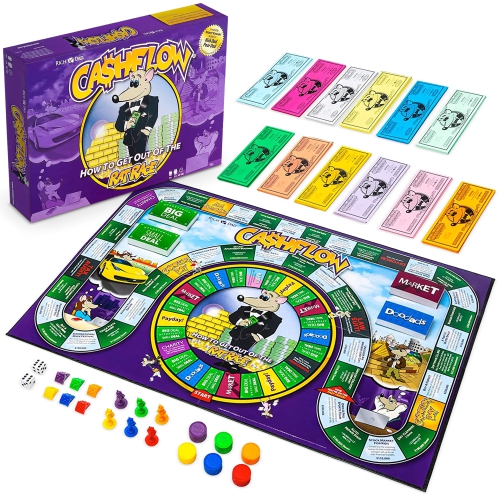
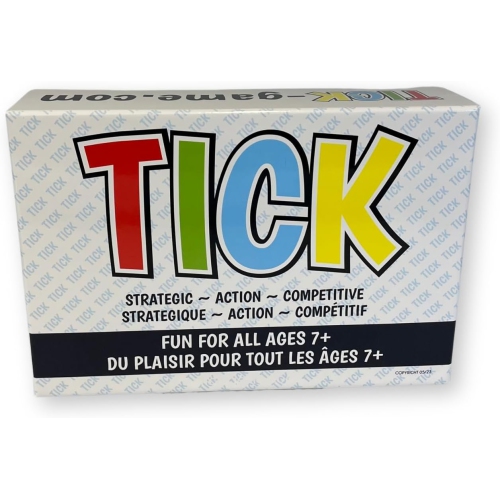
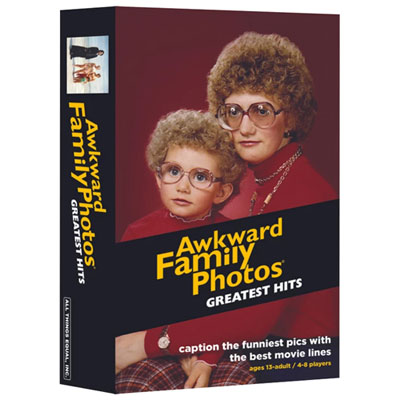
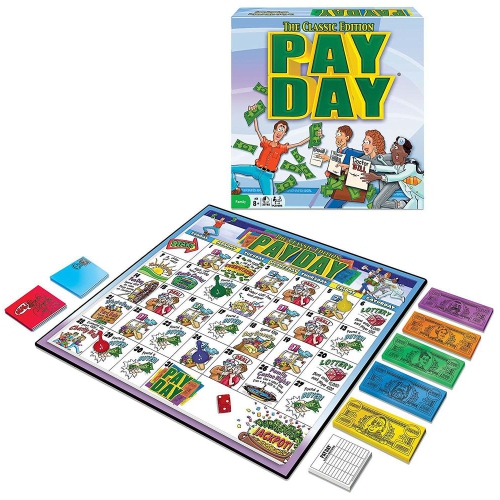
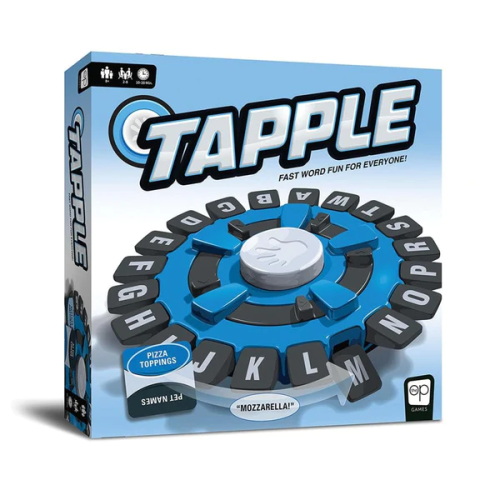
![OSMO - Genius Starter Kit: Family Game Night - Ipad [Electronics]](https://multimedia.bbycastatic.ca/multimedia/products/500x500/188/18884/18884551.jpeg)
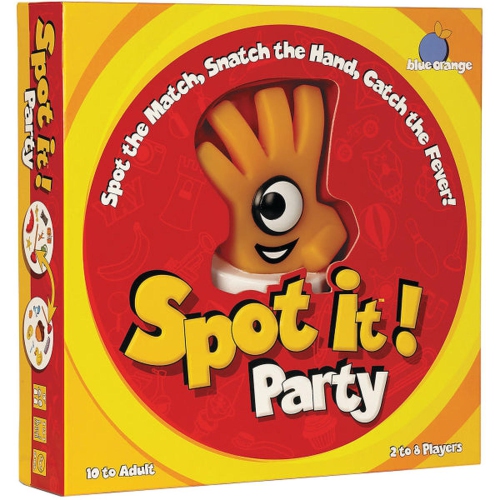
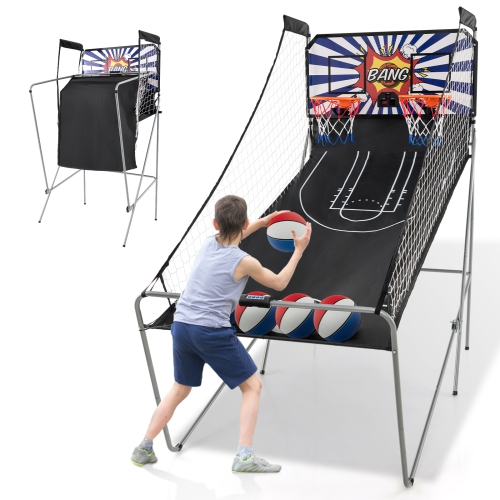
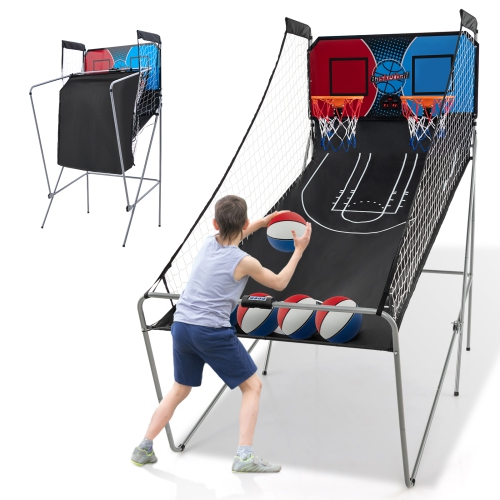
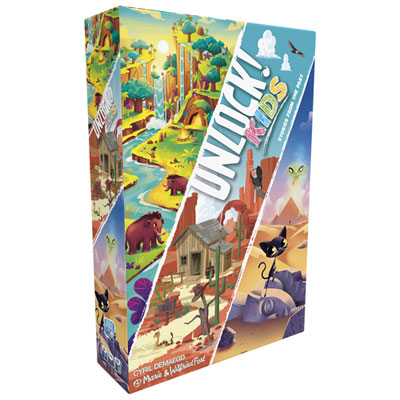

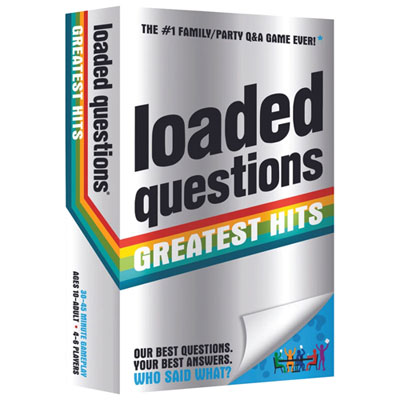
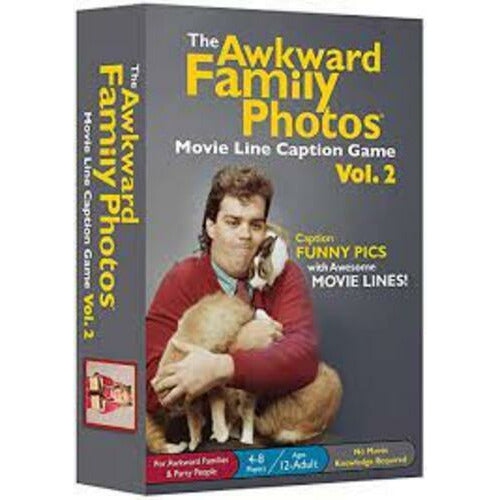
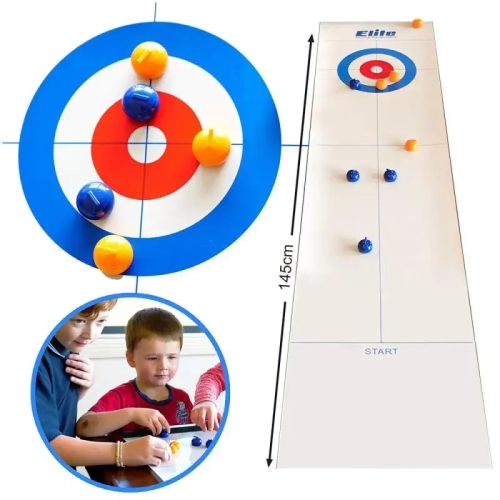
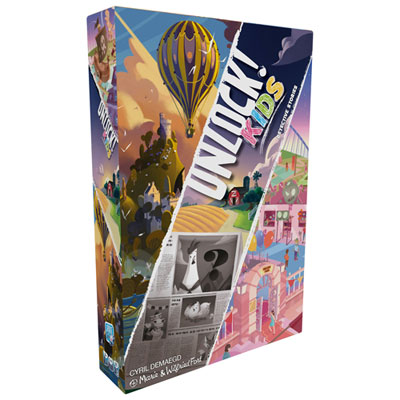


![PLAID HAT GAMES Gen7: A Crossroads Game [Board Game, 3-4 Players]](https://multimedia.bbycastatic.ca/multimedia/products/500x500/153/15332/15332353.jpeg)

![UBISOFT Monopoly: Family Fun Pack [Xbox One]](https://multimedia.bbycastatic.ca/multimedia/products/500x500/148/14881/14881104.png)
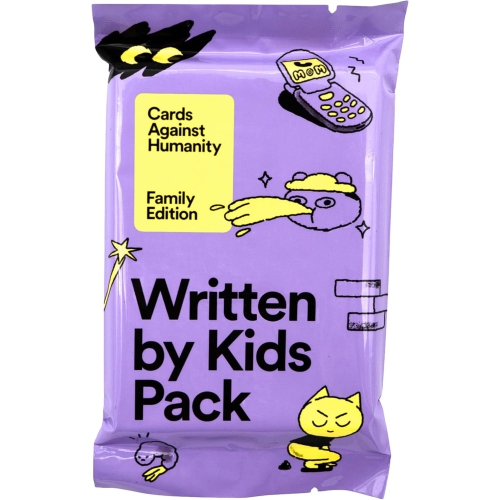
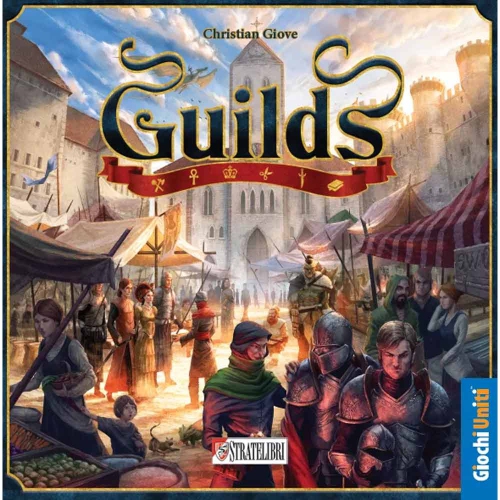
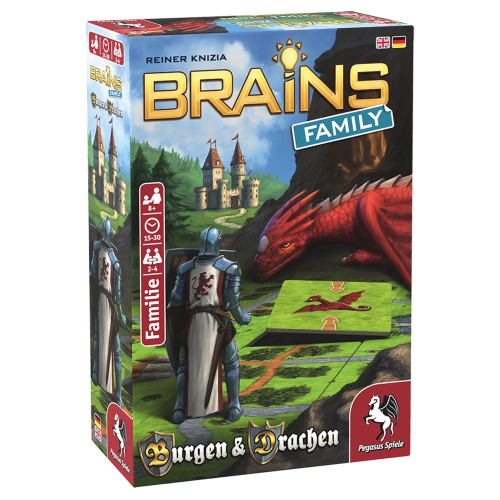
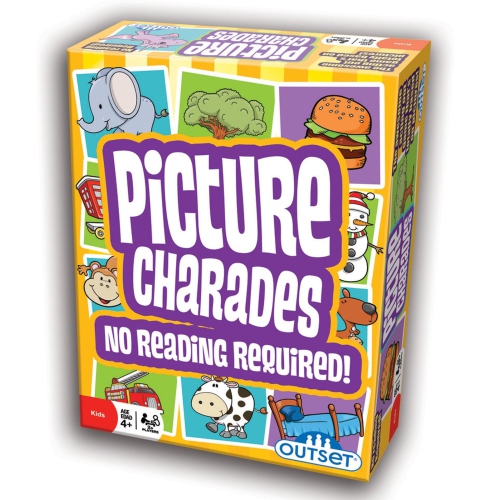
Simple rules and fresh twists for mixed-age play
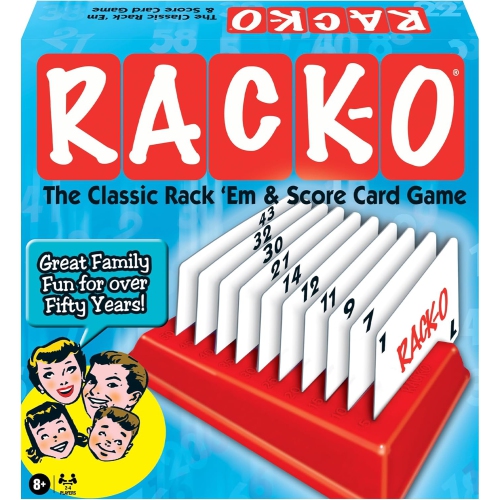
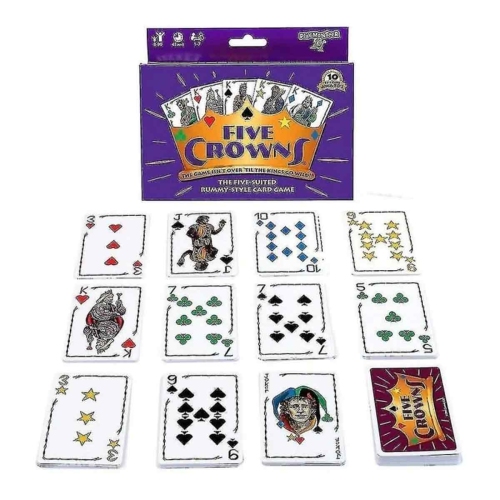
New family games bring fresh ideas to shared play through approachable rules, light strategy, inventive challenges, and formats that give children, teens, and adults something to enjoy together. The strongest fit for a mixed-age group is often a game that is simple to start but leaves room for different choices each time it reaches the table. That might mean building patterns with tiles, giving clues without saying a certain word, working towards a shared goal, or weighing a small risk before rolling the dice. Familiar actions can make a new game feel welcoming, while changing layouts, varied prompts, and multiple paths to a win help keep later sessions interesting. Family board games offer a shared focal point, with everyone watching the same spaces, pieces, or progress track. Card games can bring that same interaction to a smaller surface, while drawing, guessing, and conversation games often put the emphasis on the people playing rather than the board itself. Cooperative games let players succeed or lose as a team, making them appealing for families who enjoy talking through decisions together. Competitive games add friendly rivalry, especially when turns move briskly and players remain involved until the finish. Neither style needs complicated rules to create a memorable evening: a well-timed clue, an unexpected move, or a wonderfully unrecognizable drawing can be enough. During the cooler months, these games suit an unhurried afternoon indoors, a gathering around the kitchen table, or a short stretch of play after dinner. Newness can come from a different way to solve a puzzle or interact with other players, not just from a longer rulebook. For families adding variety to an established game night, a fresh format offers a change of pace without making every session feel like a lesson. Clear objectives, manageable setup, and plenty of opportunities to participate help turn an unfamiliar game into one that everyone is happy to bring out again.
Age suitability, player count, and playing time shape how comfortably a family game fits everyday life. An age rating is a useful starting point, but the tasks involved matter just as much: independent reading, mental arithmetic, remembering hidden information, and handling small pieces place different demands on younger players. Picture-led cards and matching activities can make participation easier for children who are still developing reading skills, while puzzles with several possible solutions give older players more to think about. Trivia depends on shared knowledge, so a broad mix of subjects or a team format can help keep different generations involved. When adults and children play together, games that balance chance with meaningful choices can soften the advantage of experience without making decisions feel pointless. Cooperative play also works best when everyone has a role, rather than leaving one confident player to direct the whole table. A game listed for a wide range of players may feel quite different with two people than with six: a smaller group often gets more turns, while a larger group brings more conversation and potentially more waiting. Simultaneous choices, shared guessing, and short turns can help maintain momentum when the table is full. Playing time deserves similar attention. A brief card game can fit between dinner and bedtime, while a longer board game suits a weekend when the pieces can stay spread out. The first session may take longer than the stated playing time as everyone learns the rules. Families who favour straightforward turns and a lighter learning curve may also enjoy Easy Family Games for relaxed, mixed-age play. Physical fit matters, too: a game with a large board, individual player areas, and several piles of cards needs more room than a compact deck. Clear symbols, readable text, and colour cues paired with shapes or patterns can make play more accessible, while a calmer pace gives players time to understand their options without feeling rushed.
The construction of family games affects how they feel in use and how well they stand up to repeated play. Sturdy cardboard boards and tiles should sit flat enough for layouts to stay readable, while well-finished wooden or plastic pieces should feel comfortable to pick up and move. Cards pass through many hands, so their thickness, finish, and ease of shuffling can matter as much as the artwork. Large components may be easier for some players to handle, but small parts still require attention to the manufacturer’s age guidance, particularly in homes with toddlers nearby. Games that involve balancing, stacking, or quick physical movements also need a stable surface and enough space around the play area. A crowded table with drinks beside the board can turn an enthusiastic reach into a spill; keeping snacks and cups on a separate surface helps protect paper-based components. Care instructions vary by material, and printed cards, boards, and unfinished wooden pieces generally should not be soaked. Clean, dry hands and prompt packing after play help limit wear, while any cleaning should follow the manufacturer’s directions. Storage design makes a practical difference between sessions. Compartments, resealable bags, and clearly separated card decks help keep small pieces together and make the next setup smoother. A compact box can be convenient for a visit to grandparents or a weekend away, though the space needed for play may be larger than the packaging suggests. For gifting, the most thoughtful match reflects the household receiving it: a quick game for a busy family, a collaborative challenge for siblings who like solving things together, or a lively guessing format for relatives who enjoy telling stories. Language requirements, reading level, and the usual number of players are worth considering alongside the theme. Games with varied setups or decisions that unfold differently from one session to the next can offer lasting interest. Whether play becomes a regular weekend ritual or an occasional way to gather everyone at one table, a well-matched family game gives each person a reason to join in.
Age suitability, player count, and playing time shape how comfortably a family game fits everyday life. An age rating is a useful starting point, but the tasks involved matter just as much: independent reading, mental arithmetic, remembering hidden information, and handling small pieces place different demands on younger players. Picture-led cards and matching activities can make participation easier for children who are still developing reading skills, while puzzles with several possible solutions give older players more to think about. Trivia depends on shared knowledge, so a broad mix of subjects or a team format can help keep different generations involved. When adults and children play together, games that balance chance with meaningful choices can soften the advantage of experience without making decisions feel pointless. Cooperative play also works best when everyone has a role, rather than leaving one confident player to direct the whole table. A game listed for a wide range of players may feel quite different with two people than with six: a smaller group often gets more turns, while a larger group brings more conversation and potentially more waiting. Simultaneous choices, shared guessing, and short turns can help maintain momentum when the table is full. Playing time deserves similar attention. A brief card game can fit between dinner and bedtime, while a longer board game suits a weekend when the pieces can stay spread out. The first session may take longer than the stated playing time as everyone learns the rules. Families who favour straightforward turns and a lighter learning curve may also enjoy Easy Family Games for relaxed, mixed-age play. Physical fit matters, too: a game with a large board, individual player areas, and several piles of cards needs more room than a compact deck. Clear symbols, readable text, and colour cues paired with shapes or patterns can make play more accessible, while a calmer pace gives players time to understand their options without feeling rushed.
The construction of family games affects how they feel in use and how well they stand up to repeated play. Sturdy cardboard boards and tiles should sit flat enough for layouts to stay readable, while well-finished wooden or plastic pieces should feel comfortable to pick up and move. Cards pass through many hands, so their thickness, finish, and ease of shuffling can matter as much as the artwork. Large components may be easier for some players to handle, but small parts still require attention to the manufacturer’s age guidance, particularly in homes with toddlers nearby. Games that involve balancing, stacking, or quick physical movements also need a stable surface and enough space around the play area. A crowded table with drinks beside the board can turn an enthusiastic reach into a spill; keeping snacks and cups on a separate surface helps protect paper-based components. Care instructions vary by material, and printed cards, boards, and unfinished wooden pieces generally should not be soaked. Clean, dry hands and prompt packing after play help limit wear, while any cleaning should follow the manufacturer’s directions. Storage design makes a practical difference between sessions. Compartments, resealable bags, and clearly separated card decks help keep small pieces together and make the next setup smoother. A compact box can be convenient for a visit to grandparents or a weekend away, though the space needed for play may be larger than the packaging suggests. For gifting, the most thoughtful match reflects the household receiving it: a quick game for a busy family, a collaborative challenge for siblings who like solving things together, or a lively guessing format for relatives who enjoy telling stories. Language requirements, reading level, and the usual number of players are worth considering alongside the theme. Games with varied setups or decisions that unfold differently from one session to the next can offer lasting interest. Whether play becomes a regular weekend ritual or an occasional way to gather everyone at one table, a well-matched family game gives each person a reason to join in.
Top selling and popular products
-
 Your price for this item is $14.99
 -
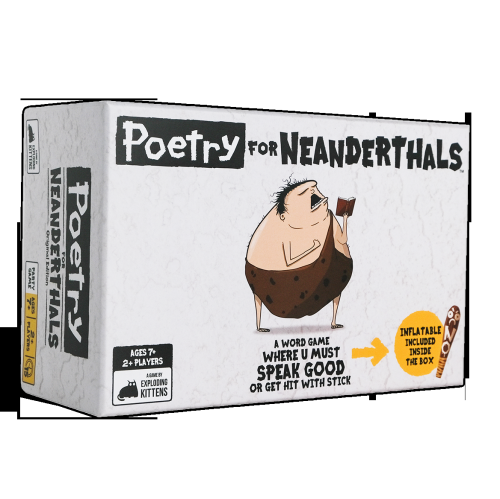 Your price for this item is $34.99
 -
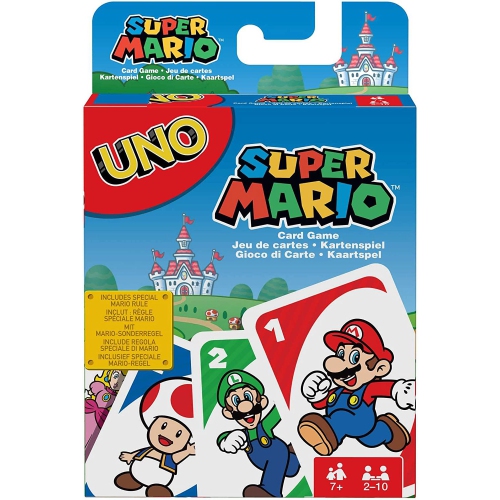 Your price for this item is $15
 -
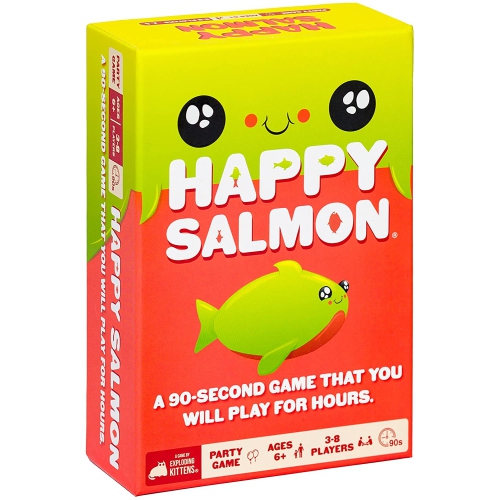 Your price for this item is $21.99
 -
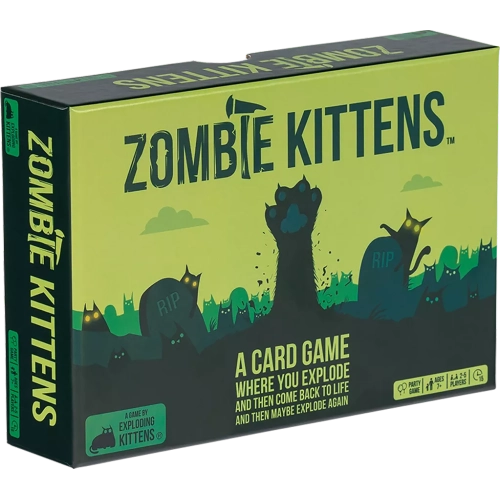 Your price for this item is $34.99
 -
 Your price for this item is $28.16
 -
 Your price for this item is $20.93
 -
 Your price for this item is $29.99
Discover more categories related to New Family Games
Top Collections:
Pokemon Centers, Budget 4K TVs, Best Budget Office Chairs, Kindle Devices, Canon G7X Cameras, Apple iPhones 16, iPhone 15 Apple, Laptops for Business Work, Xiaomi Phones, Flip Phones
Some products may be subject to Environmental Handling Fees
(EHF) depending on your province.
Learn more about EHFs.