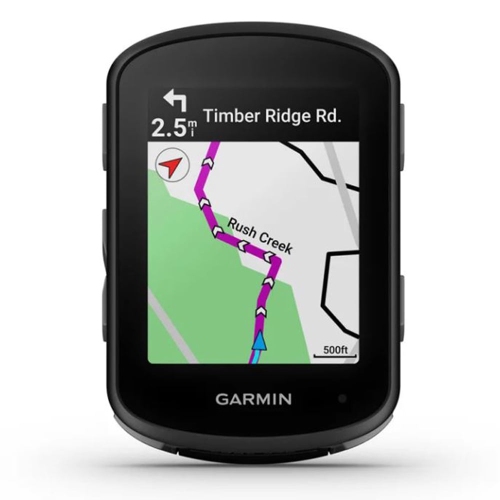
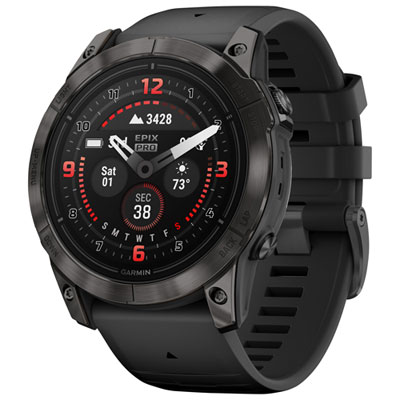
Garmin Edge Bike Computers

Explore Garmin Edge bike computers for tracking rides and keeping cycling data in view. Compare navigation features, screen size, battery life and sensor compatibility to find a cycling computer that suits how and where you ride.
Read More

Ride data and navigation right on your handlebars

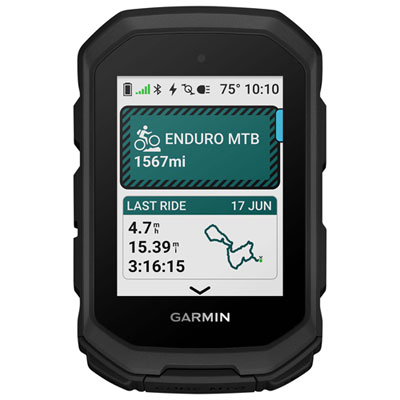
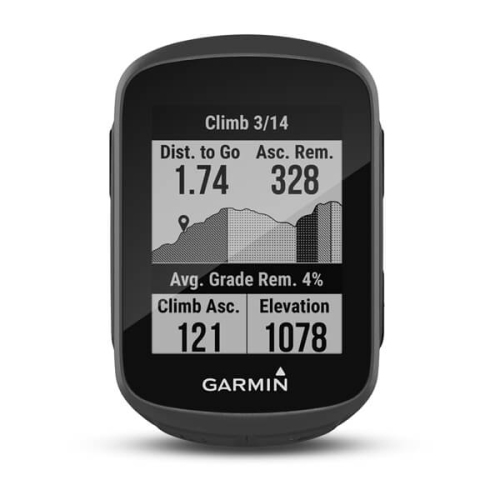
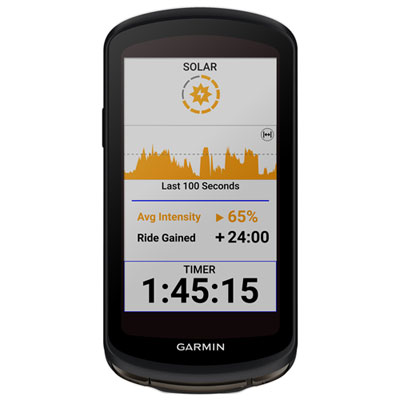
Garmin Edge bike computers bring ride information, GPS tracking, and cycling-focused features to the handlebars, giving riders a dedicated display for everything from daily commutes to longer road and trail outings. A bike computer keeps useful details such as speed, distance, elapsed time, and route progress in view without relying on a phone as the main riding screen. Within this category, differences in display size, controls, navigation capabilities, and training tools help distinguish options for casual riders, regular commuters, and cyclists following structured training plans. A compact device can suit riders who prefer a simple cockpit, while a larger display provides more room for maps and multiple data fields. Screen readability in changing light, the ease of operating buttons or a touchscreen, and the ability to arrange ride information are practical considerations for frequent use. Battery life also matters, particularly for long outings, since navigation, connected sensors, display settings, and other active features can affect how long a device runs between charges.

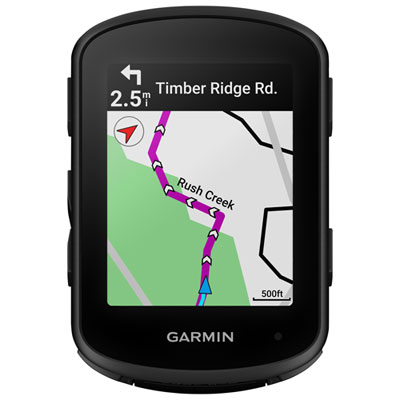
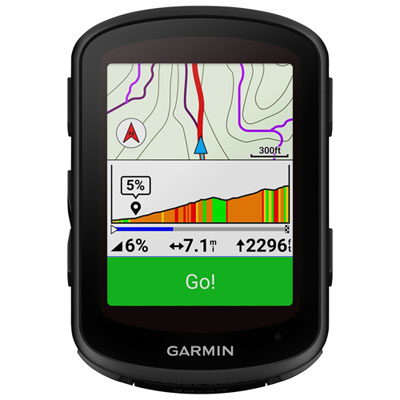
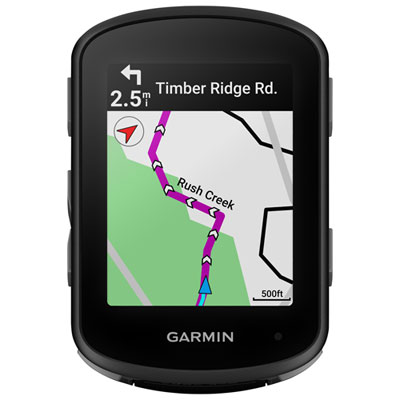
Navigation is an important point of comparison among Garmin Edge bike computers, especially for cyclists exploring unfamiliar roads, planning longer routes, or linking together trails. Route-following tools and detailed mapping serve different needs, so the distinction between following a course line and viewing a fuller map is worth considering. Features such as turn-by-turn directions, route recalculation, and elevation information can help riders understand what lies ahead, where supported. For road cycling, a clear view of upcoming turns and climbs can make a planned route easier to follow; for gravel and mountain biking, map detail and trail coverage may carry more weight. The way routes reach the device is another useful consideration, whether rides are planned through compatible apps or transferred from supported route files. Storage for maps and courses, access to downloadable map regions, and the information available without a phone connection all influence how well a computer suits local riding or trips farther from home. Riders spending extended periods away from charging points may also place greater importance on battery-saving settings and charging arrangements.

Training and connectivity features give Garmin Edge bike computers a role beyond displaying a route. Compatibility with heart rate monitors, cadence sensors, speed sensors, and power meters allows supported devices to show more detailed ride data when paired with the appropriate accessories. ANT+ and Bluetooth support are useful specifications to compare alongside compatibility with existing sensors and other cycling equipment. Riders interested in structured workouts may value workout guidance, configurable data pages, and tools for reviewing effort and progress, while those riding mainly for transport or recreation may prefer straightforward ride summaries and simple controls. Phone connectivity can support ride syncing and notifications, depending on the device and setup, but the most useful combination of features is the one that fits the rider’s routine. Mount compatibility and what is included in the package also deserve attention, particularly for cyclists moving a computer between bikes or adding it to an established handlebar setup. Balancing navigation, training functions, screen size, and battery needs helps narrow the choice to a bike computer that suits both everyday riding and longer cycling goals.

Read More

FAQ

Some products may be subject to Environmental Handling Fees (EHF) depending on your province. Learn more about EHFs.