Guitar Gifts
If you're looking for the perfect gift for a musician, look no further. We've rounded up the best gifts for guitarists of all ages. Whether they're looking to get started or want to upgrade their collection, these gifts will surely please.
Sort
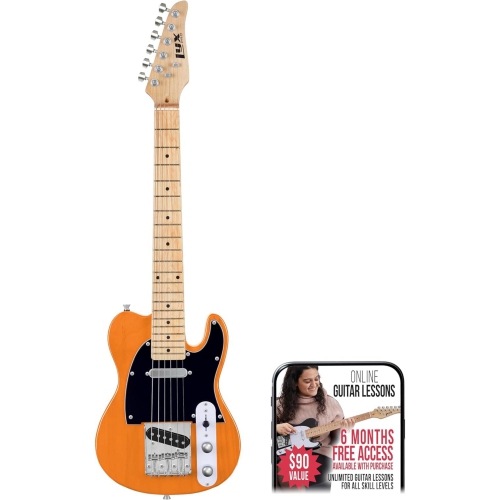
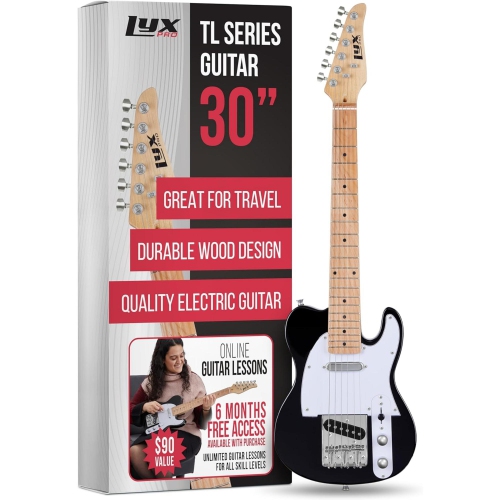
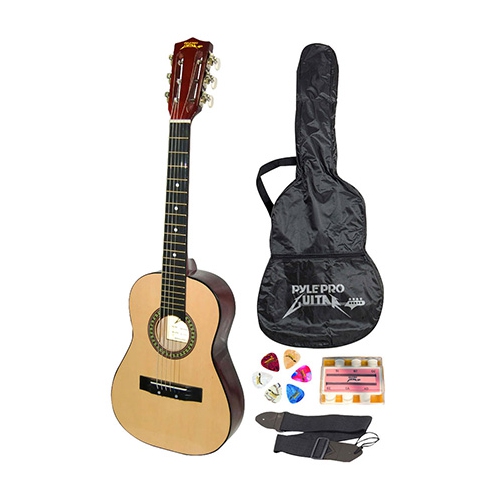

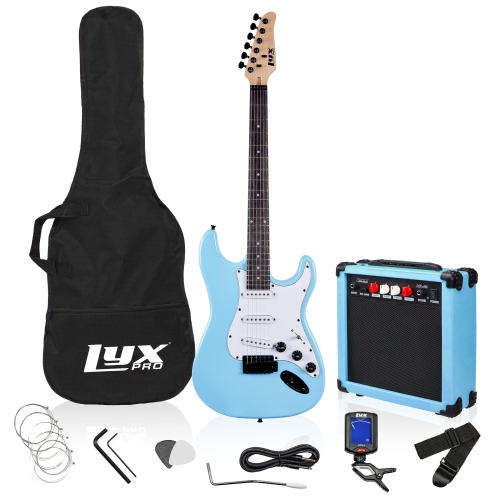
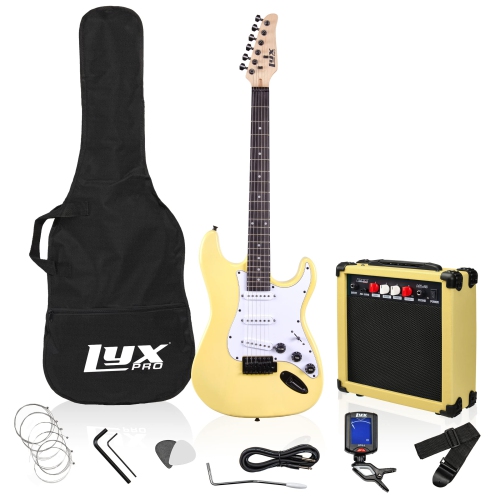
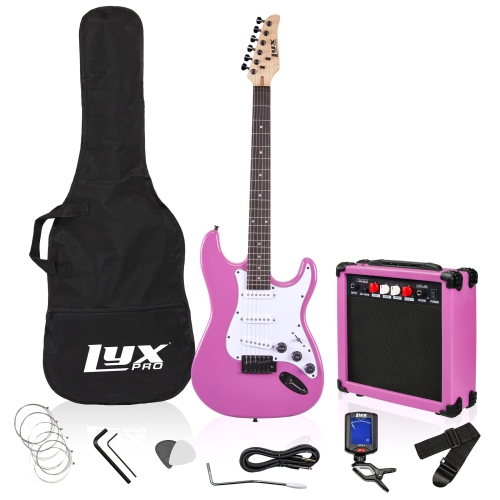
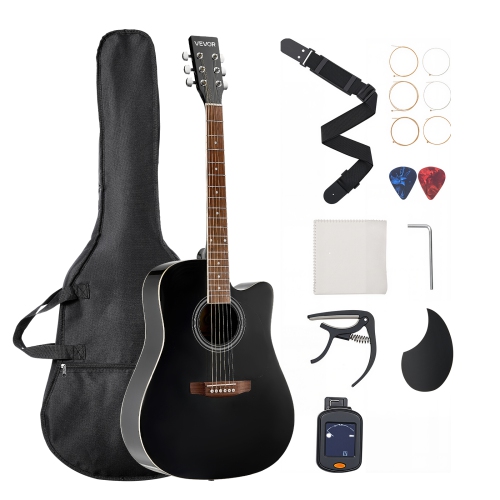
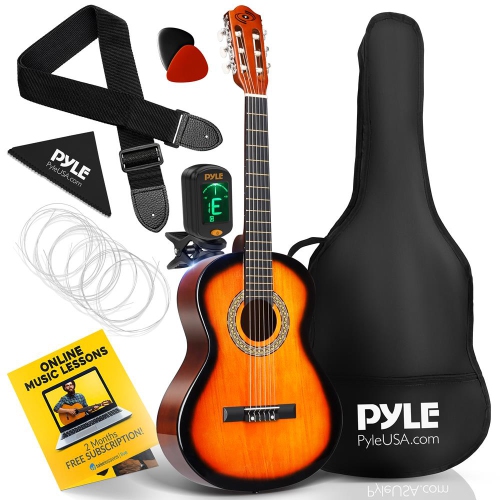
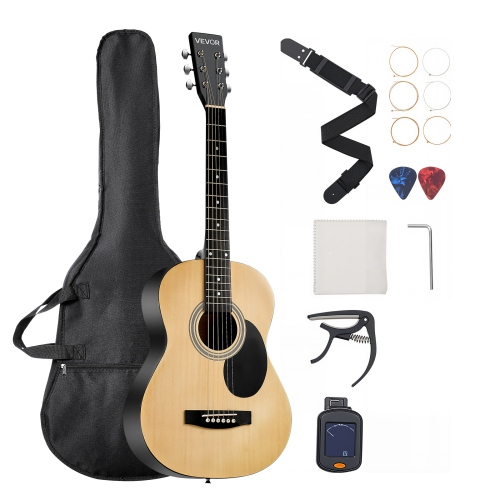
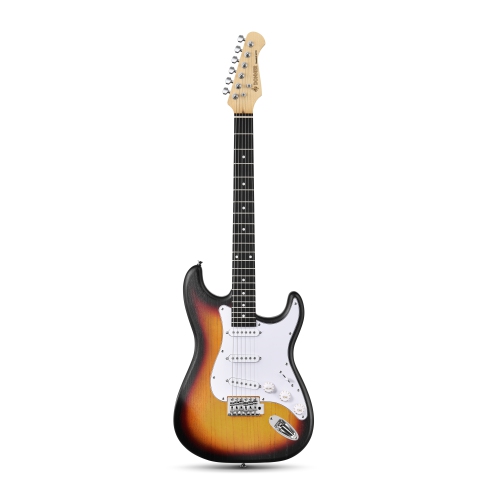
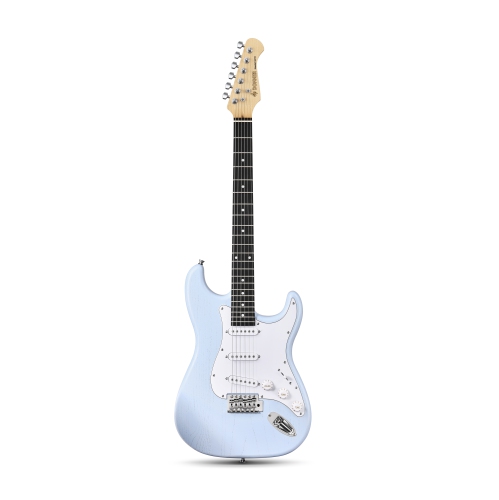
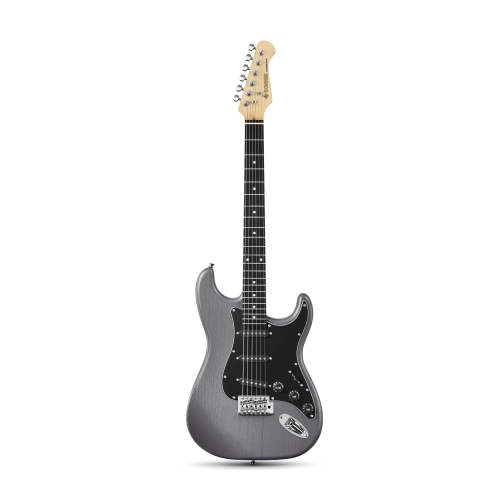
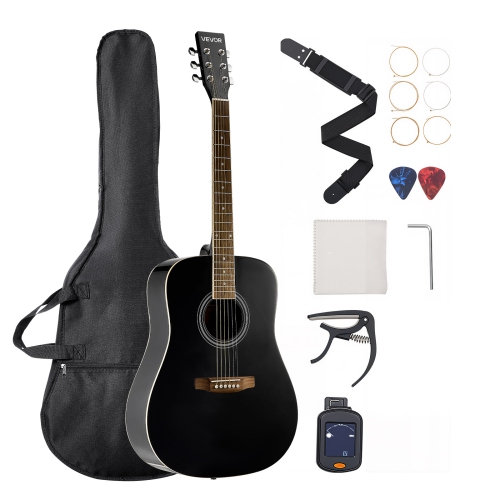
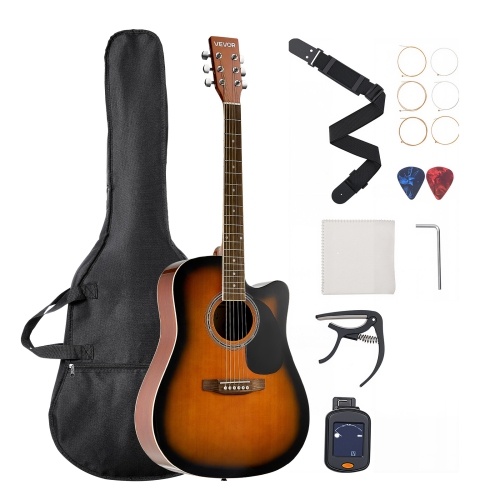
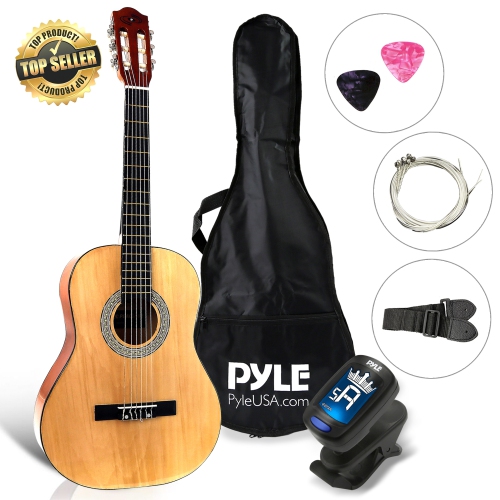
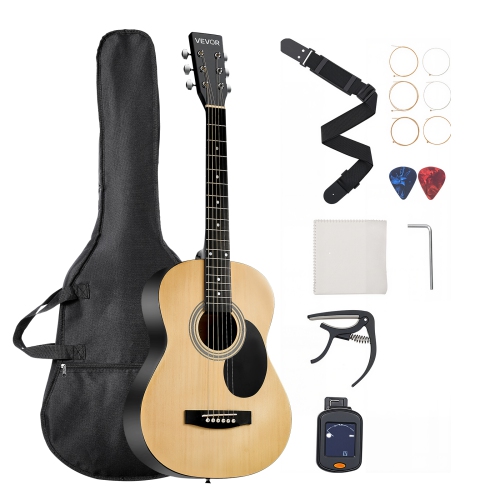
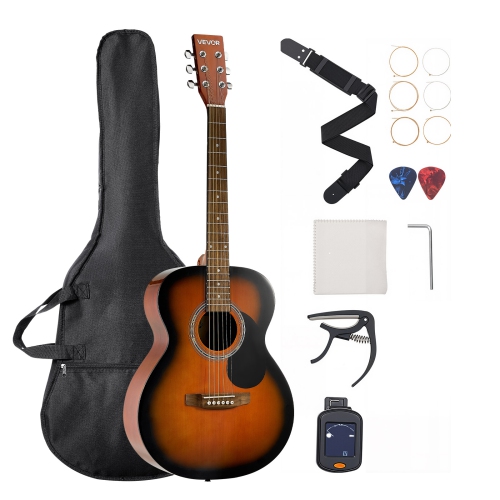
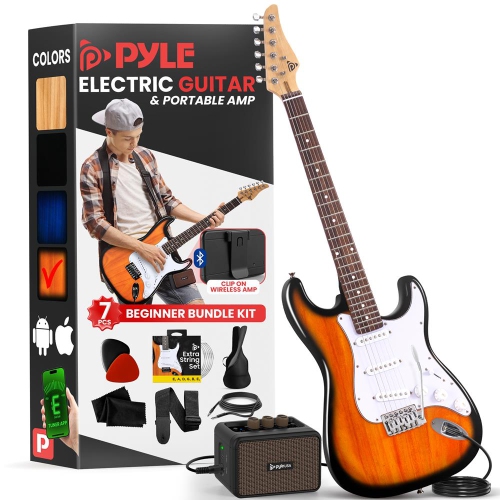
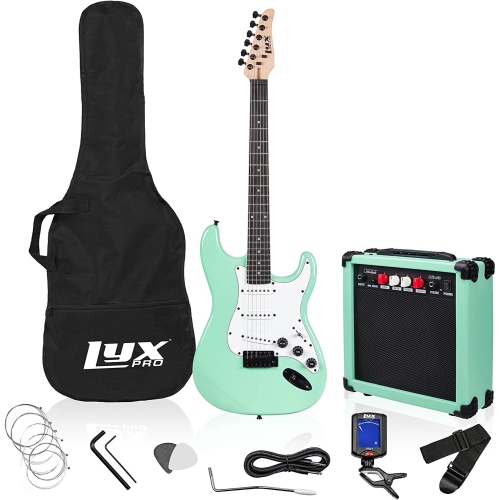
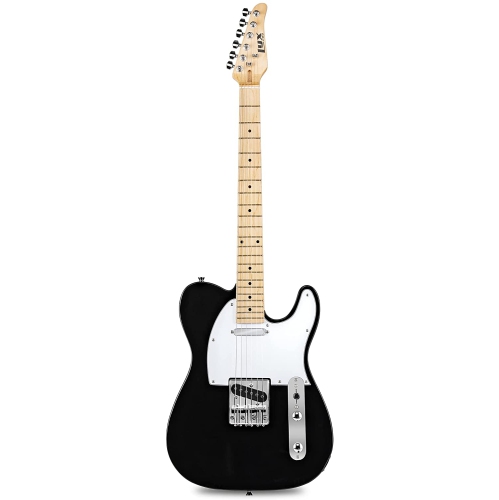

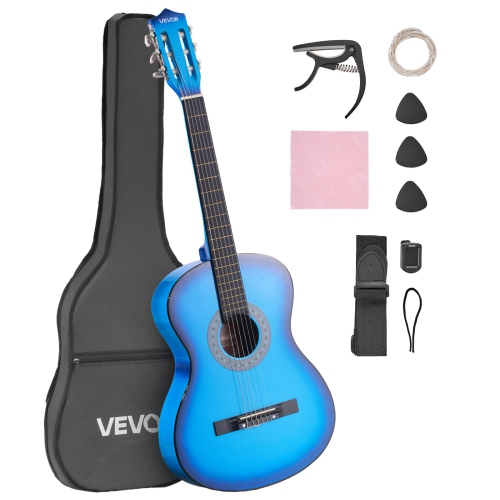
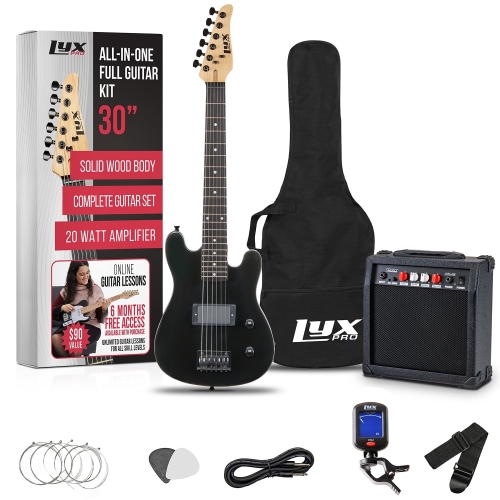
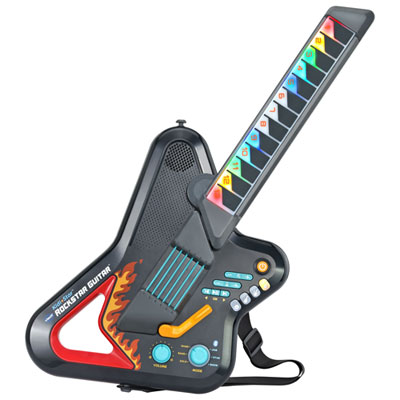
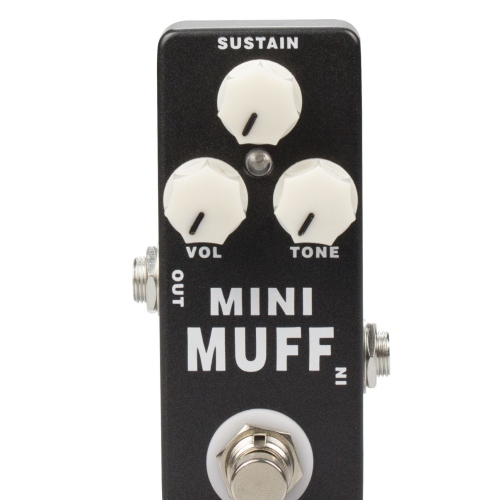
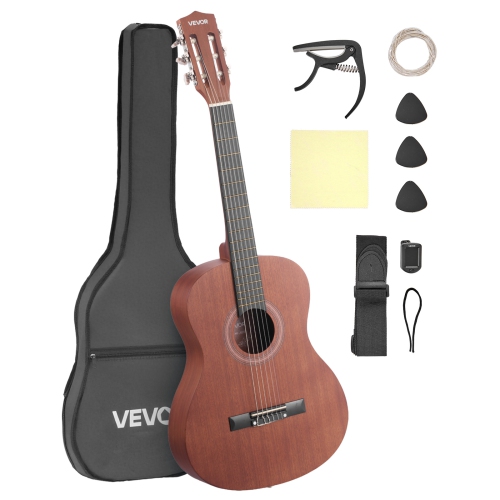
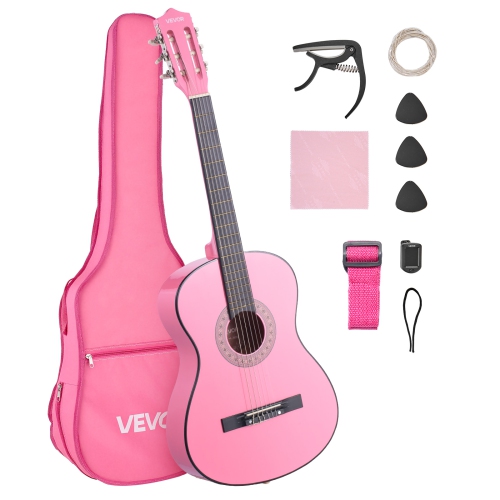
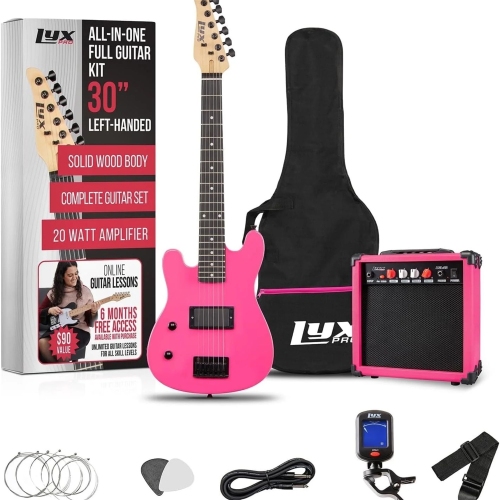
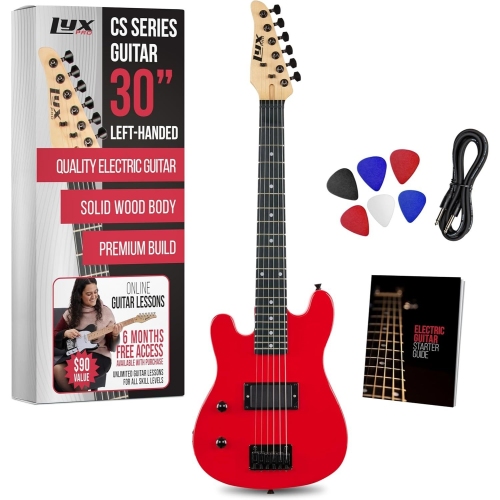
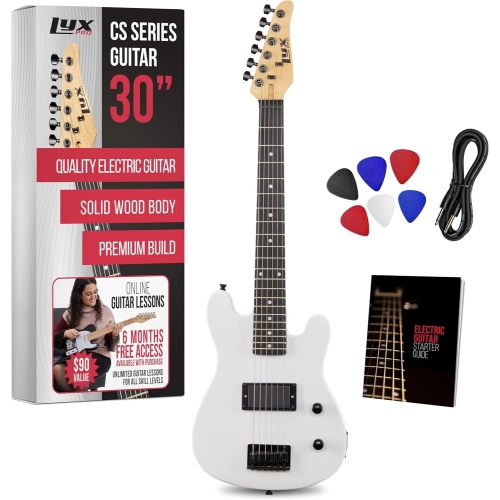
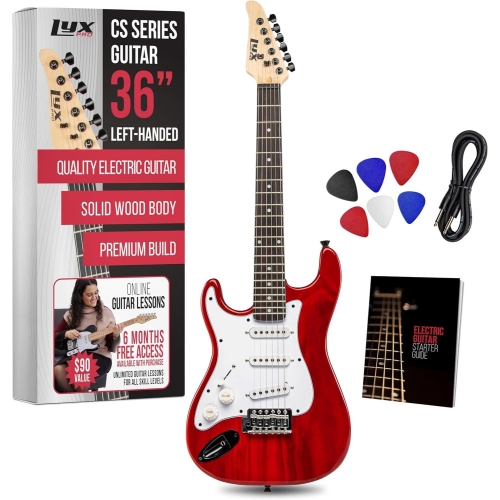
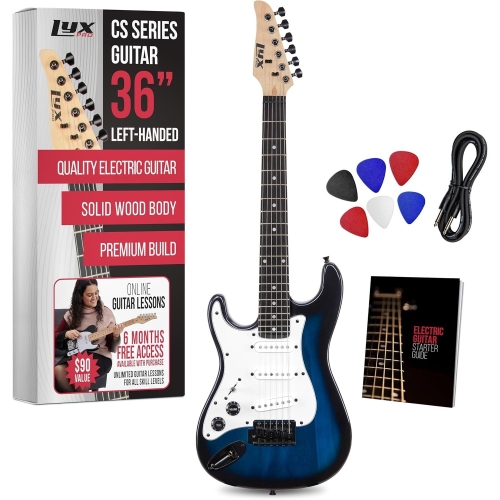
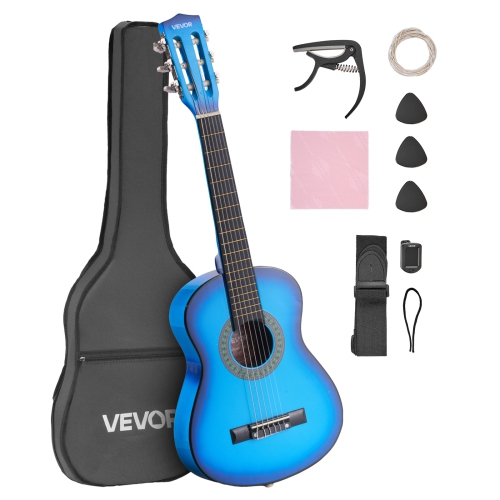
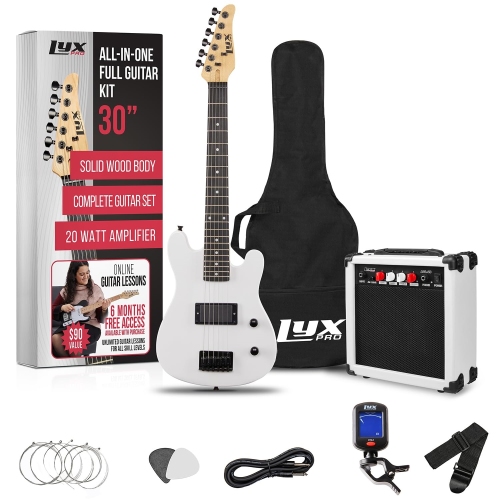
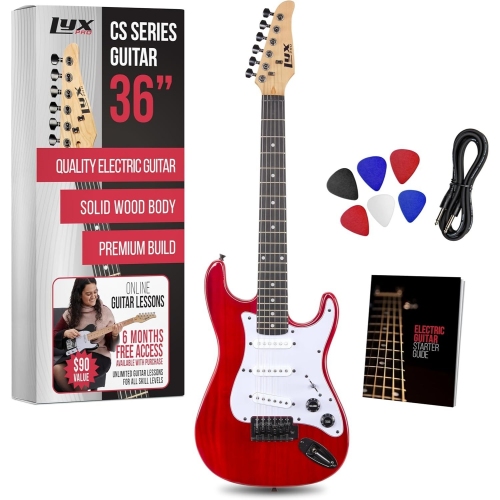
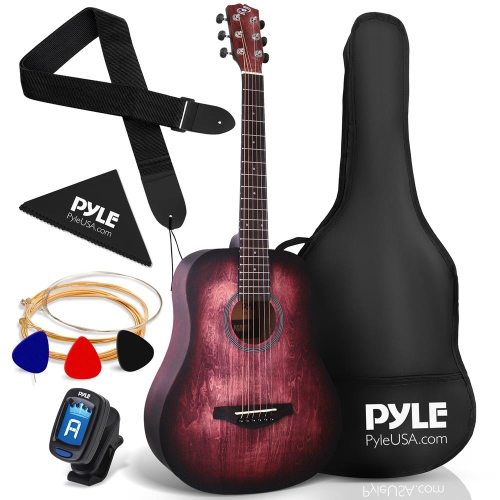
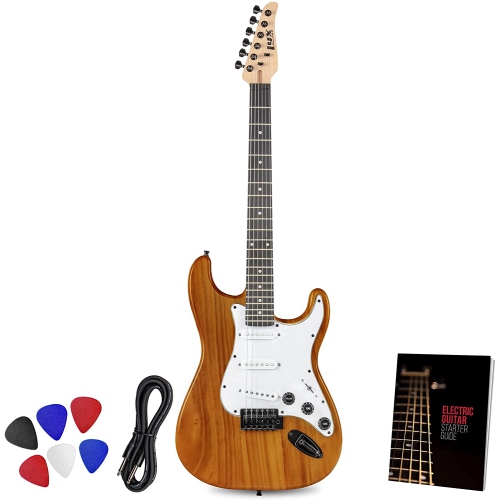
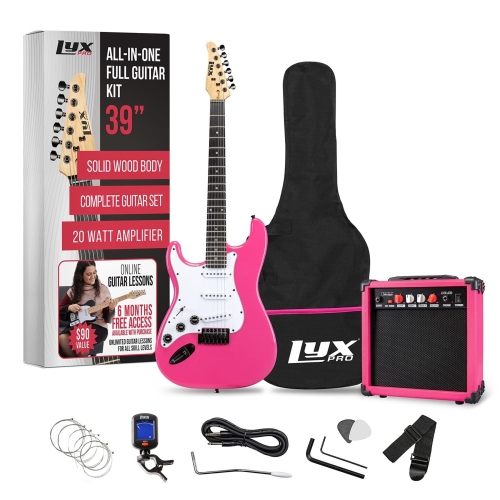
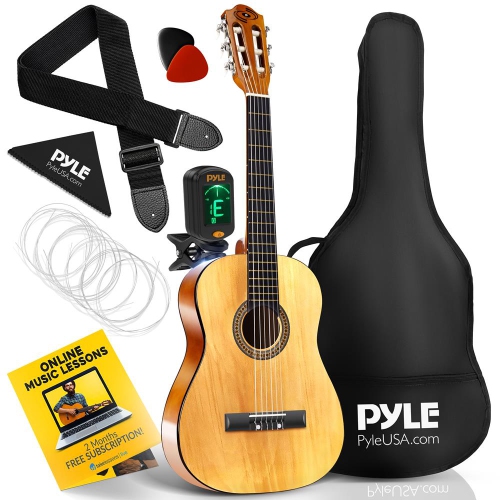
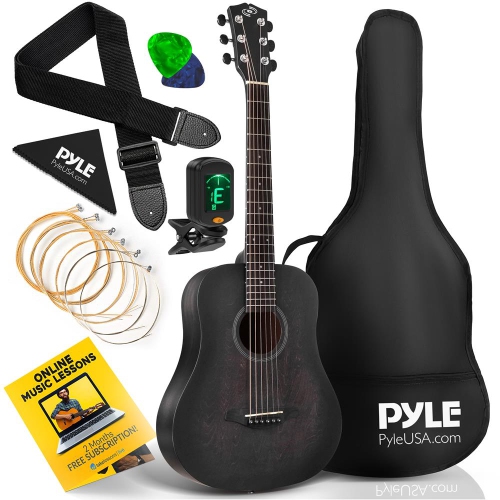
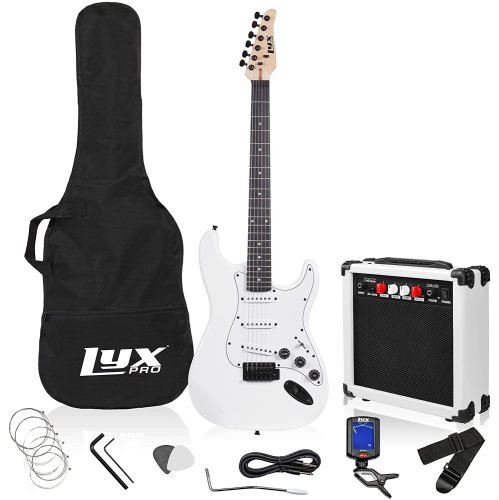
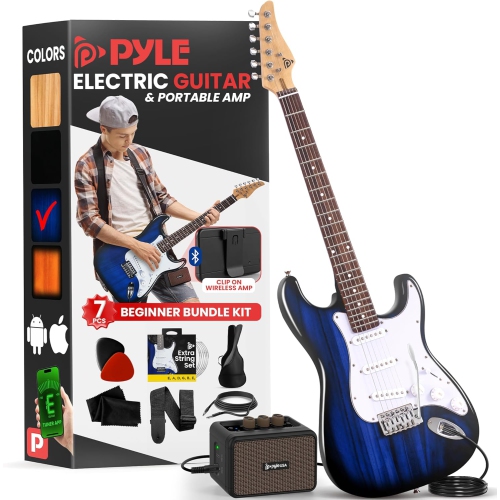
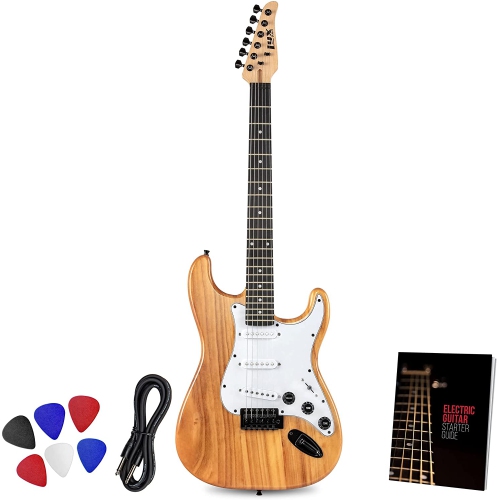
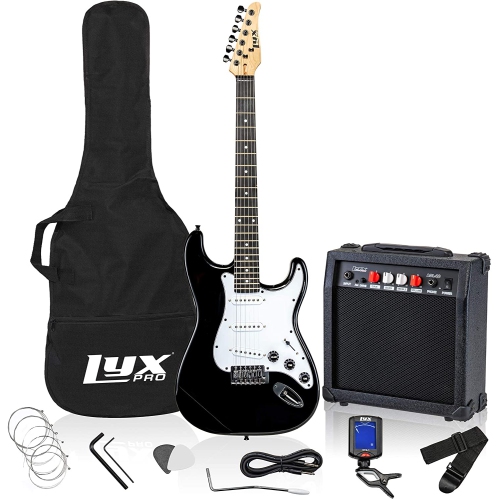
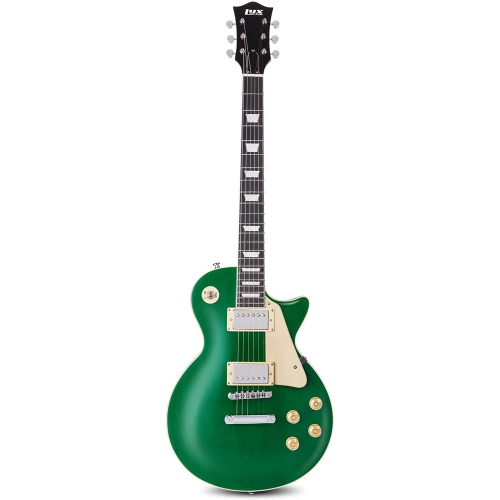
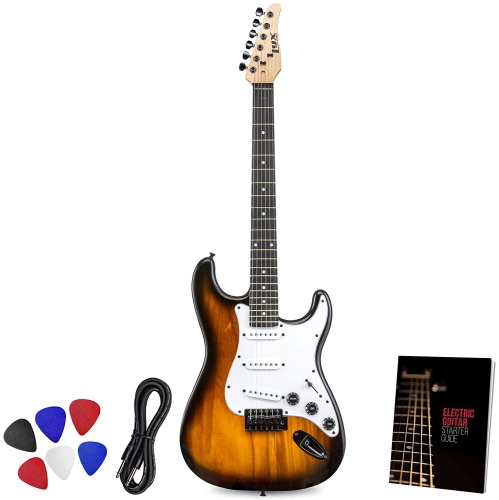
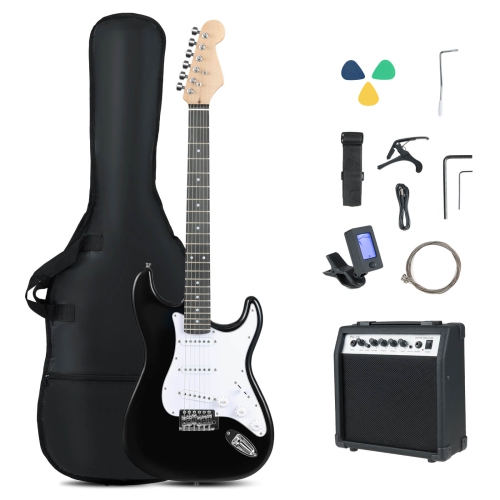
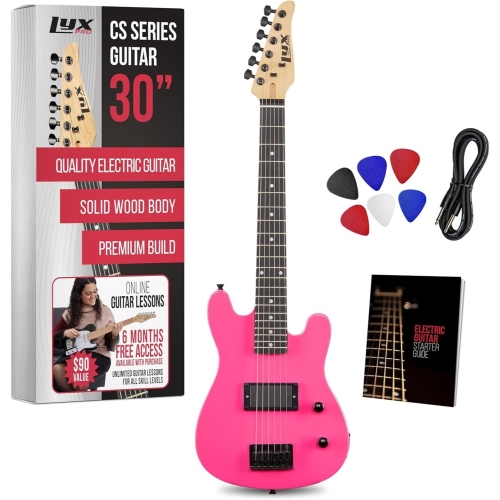
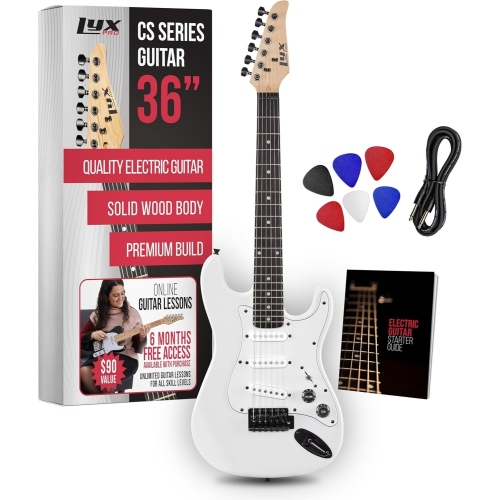
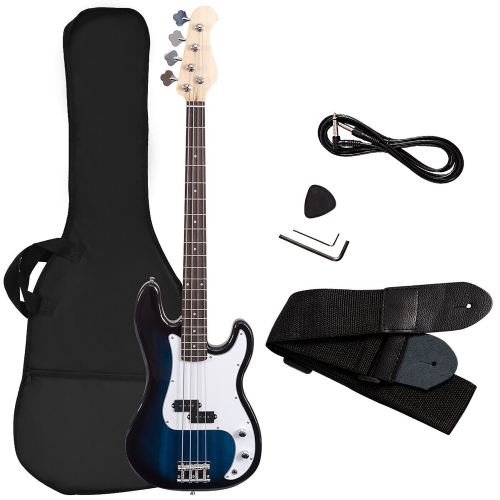
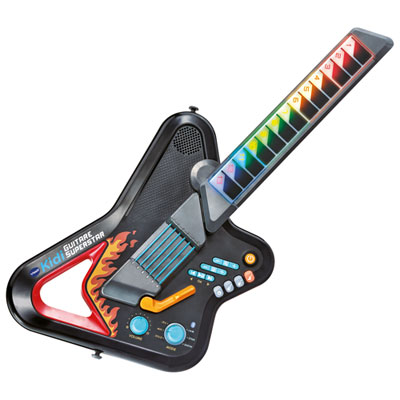

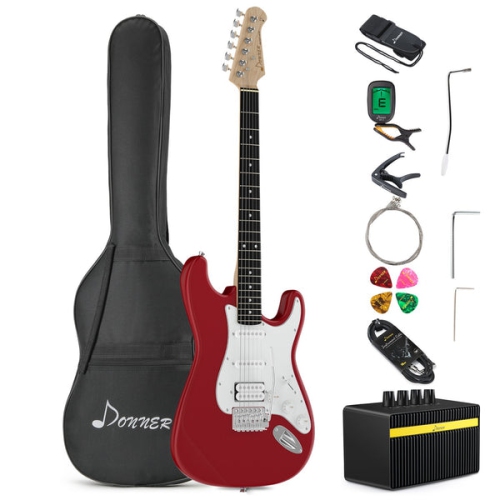
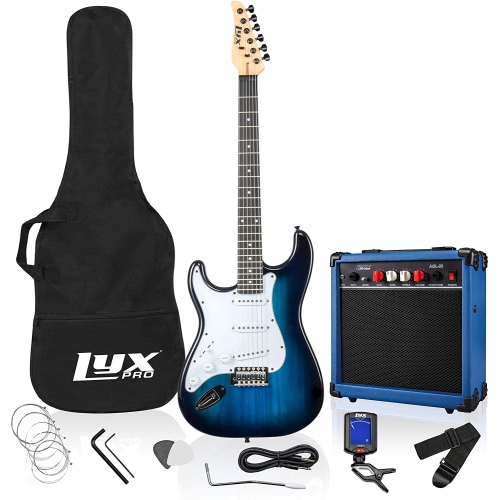


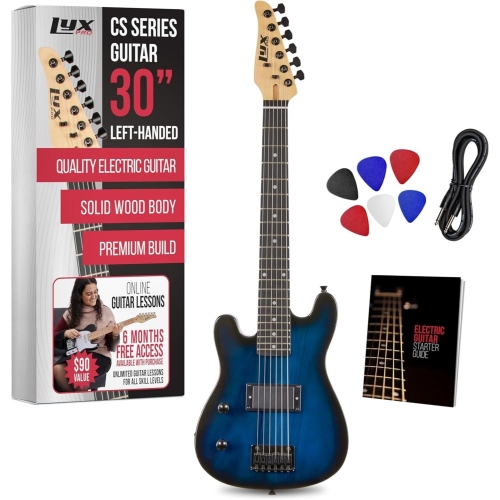
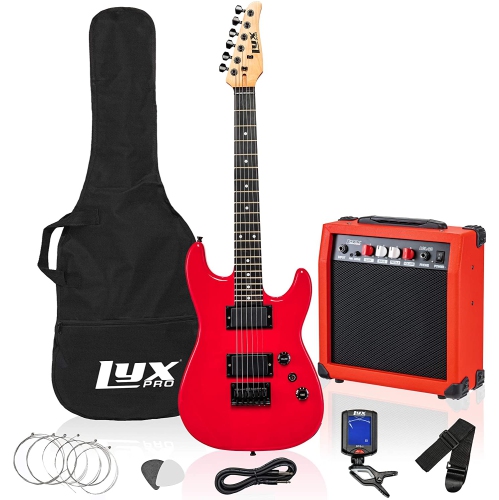
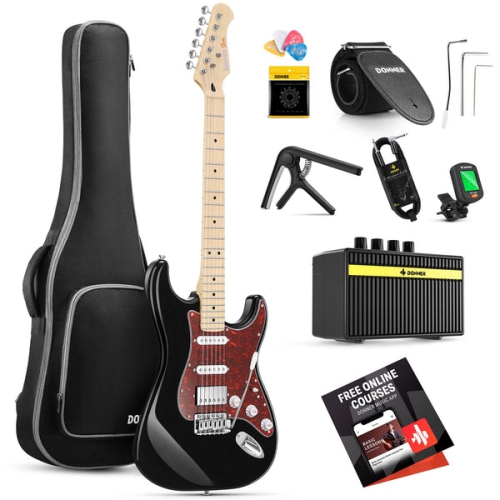
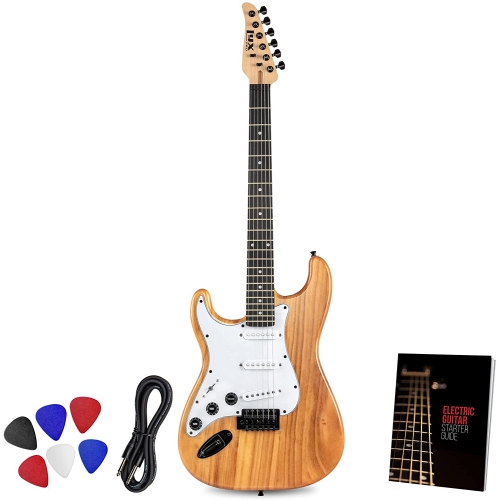


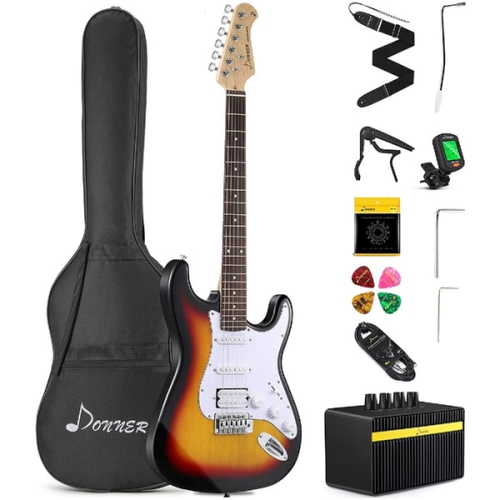
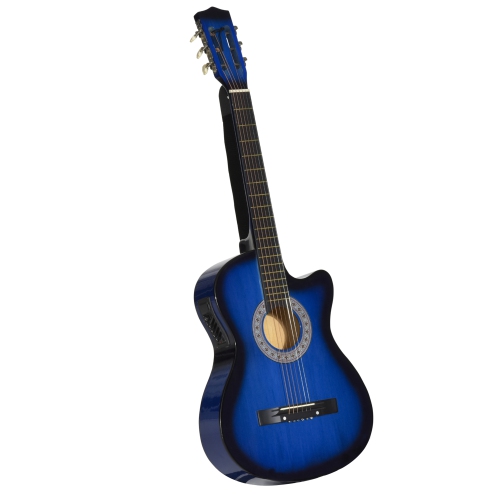
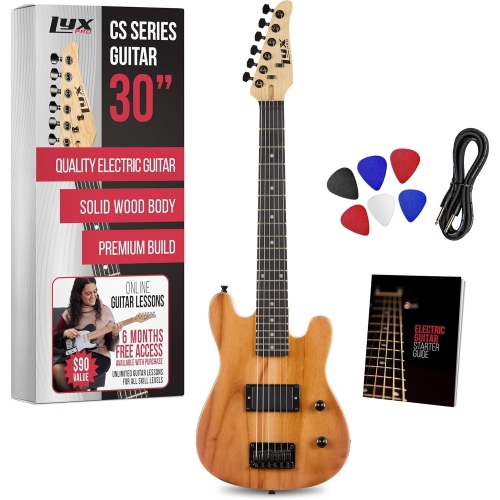
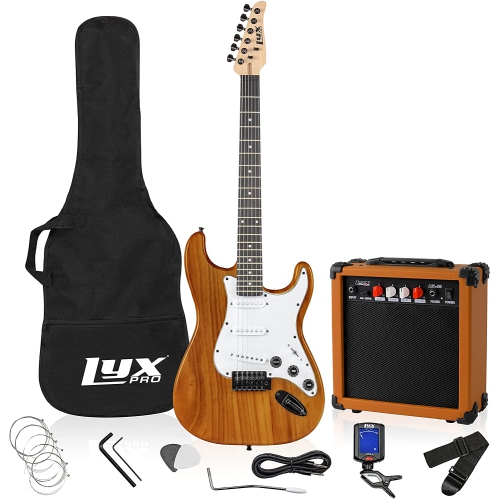

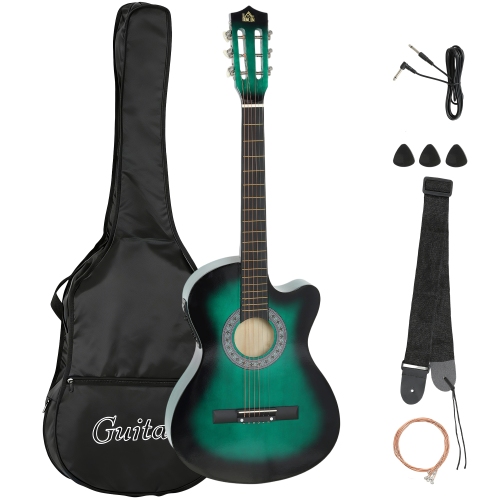

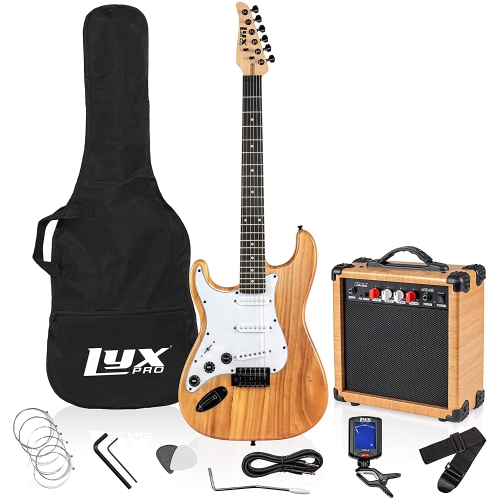
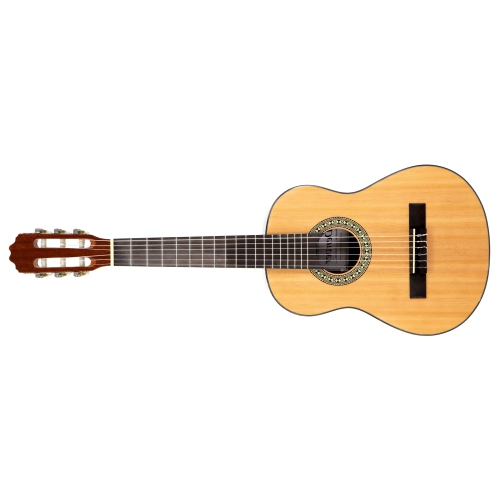
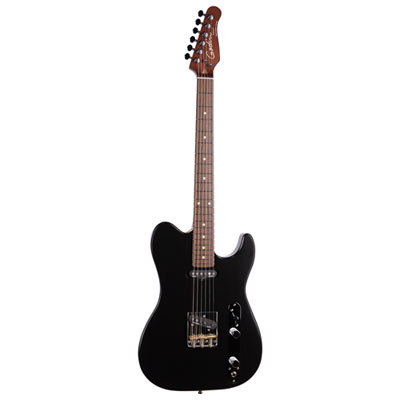

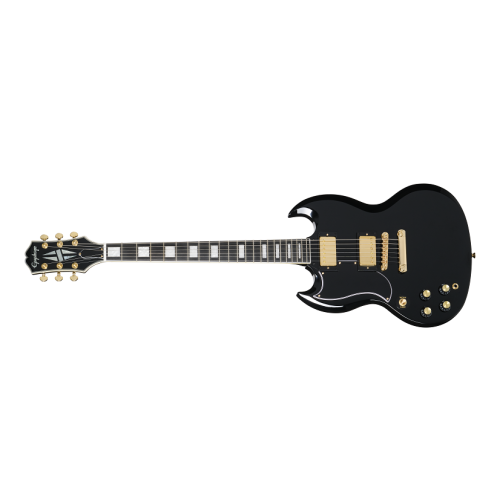

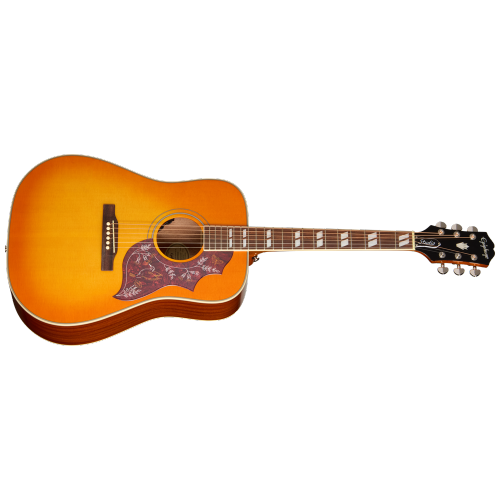

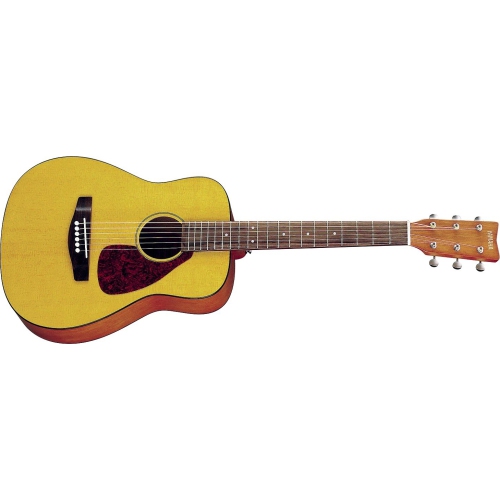
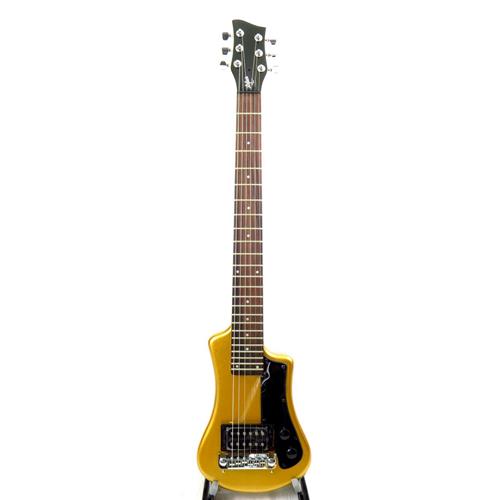
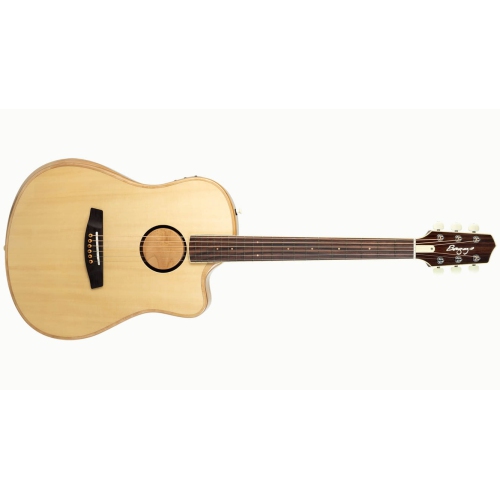
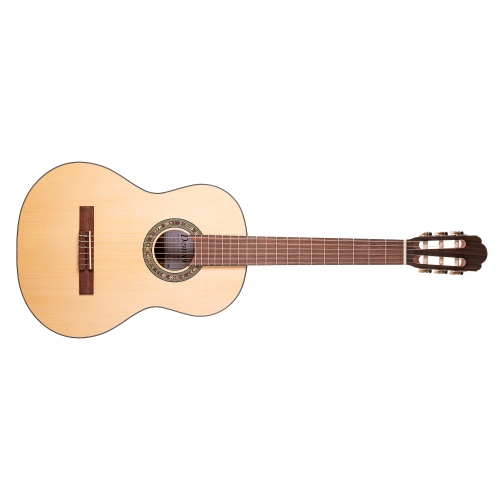
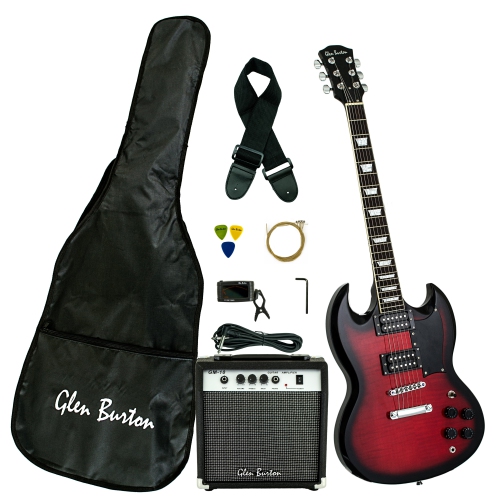
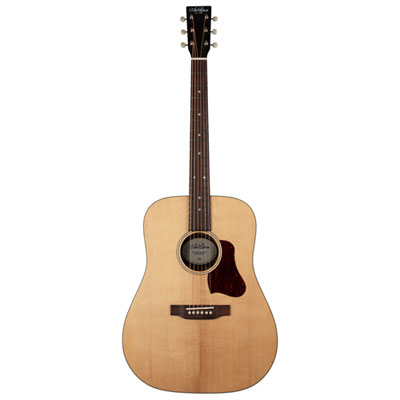
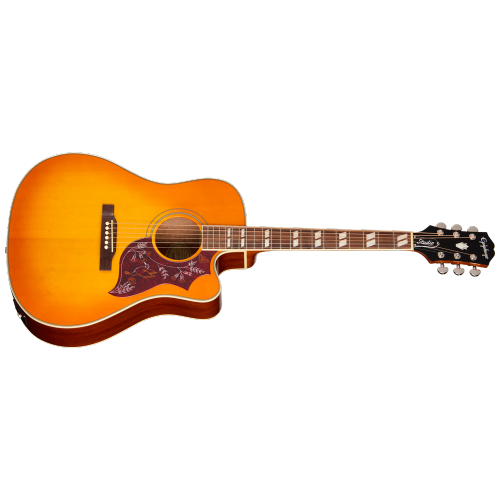
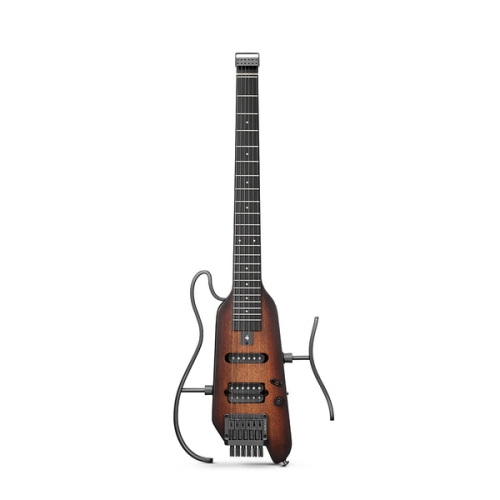
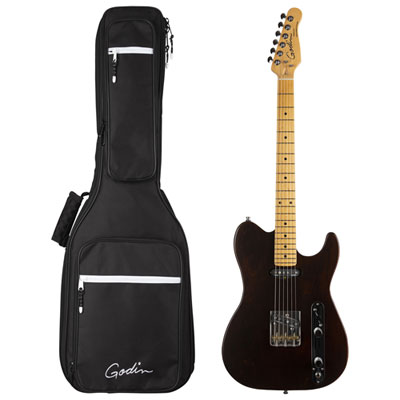
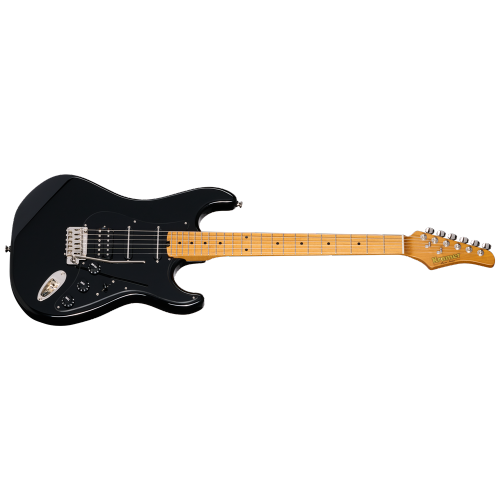
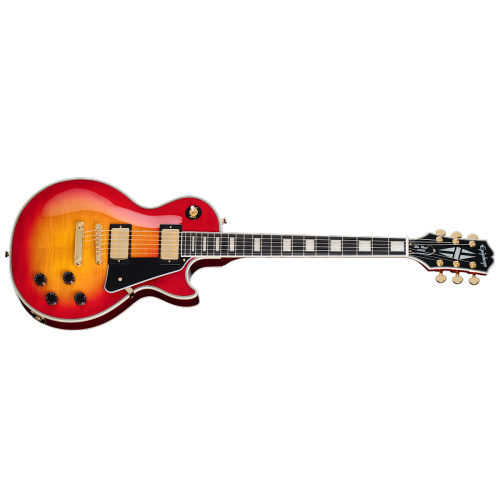
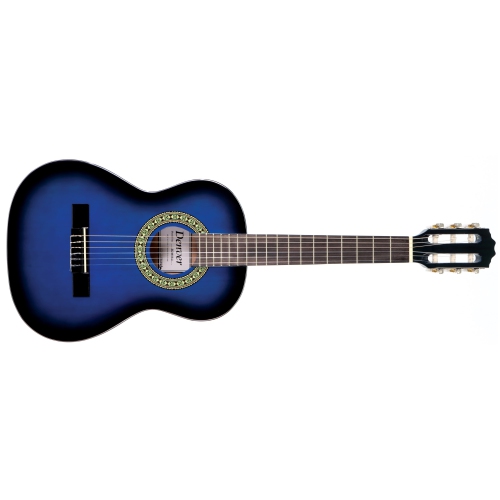
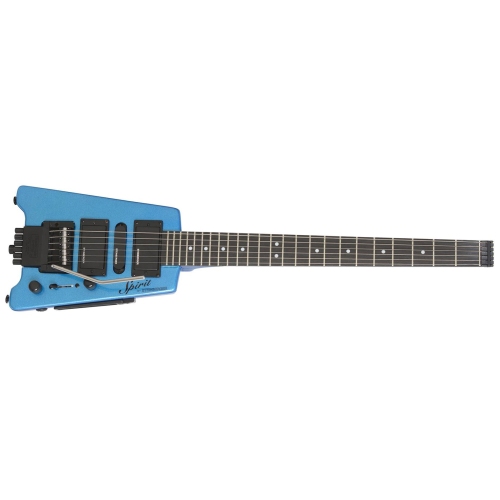
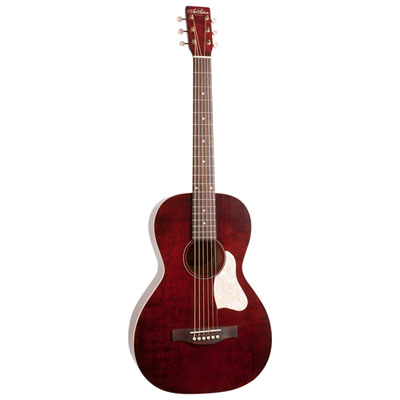
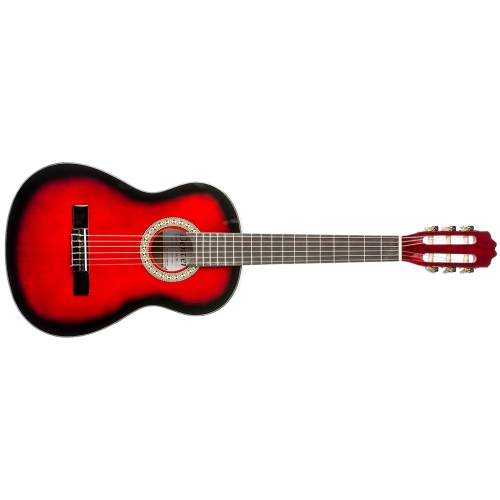
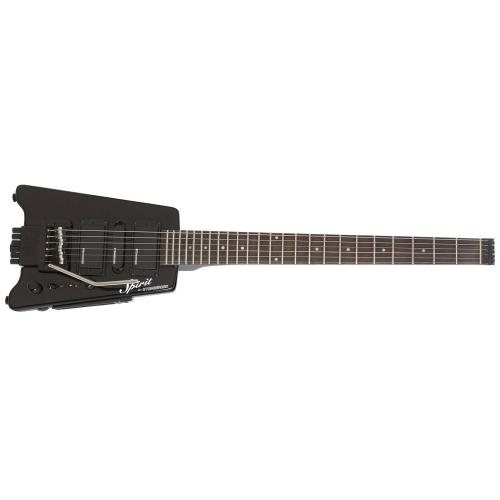
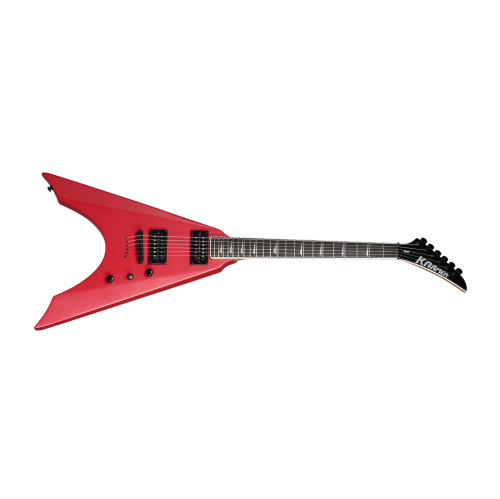
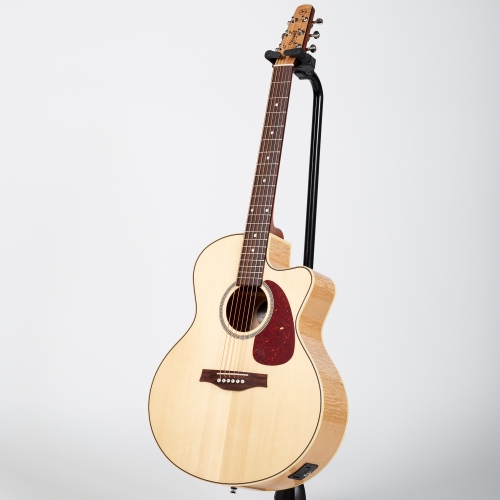
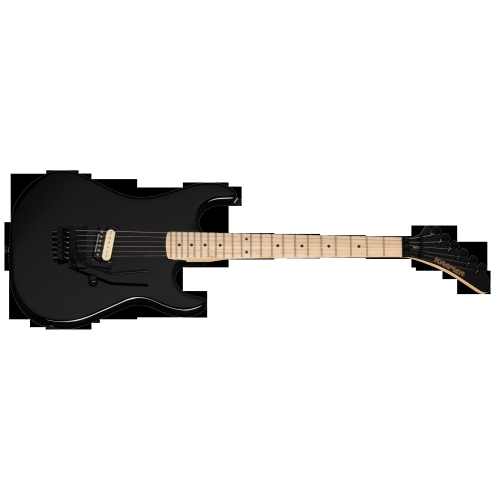
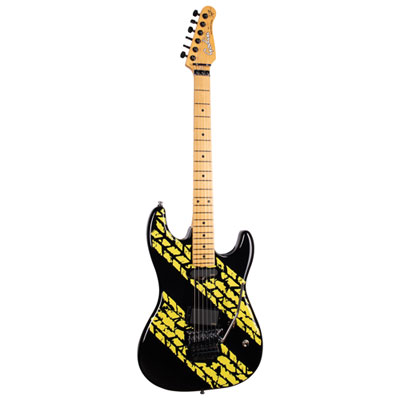
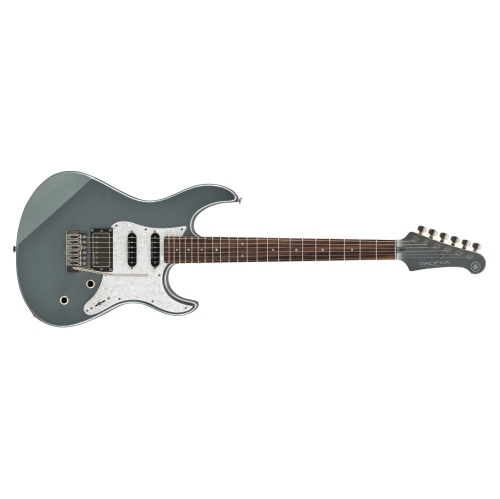
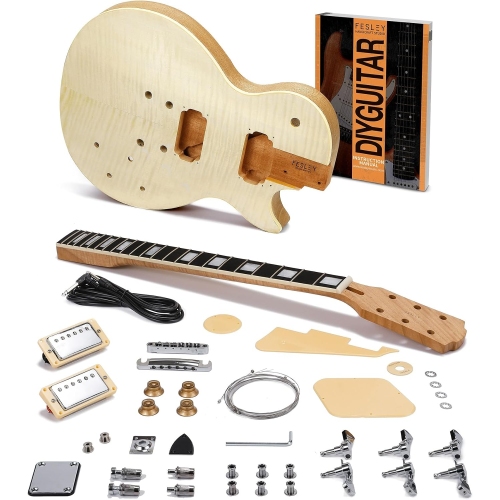
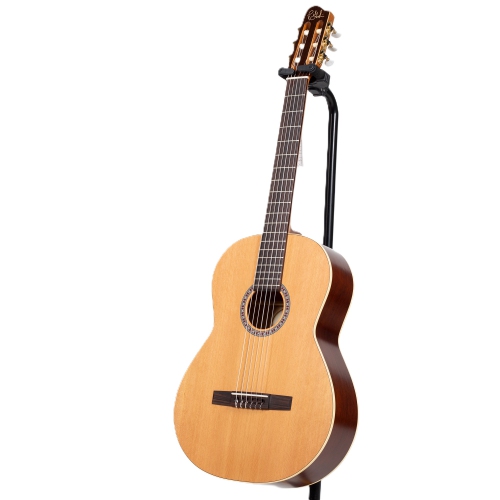
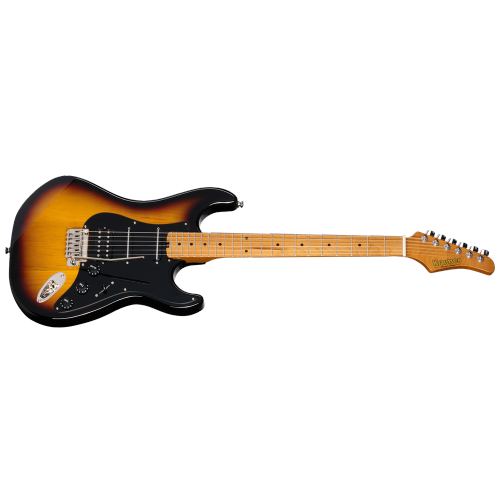
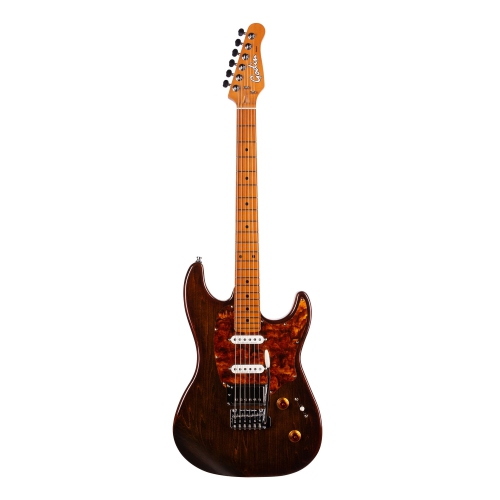
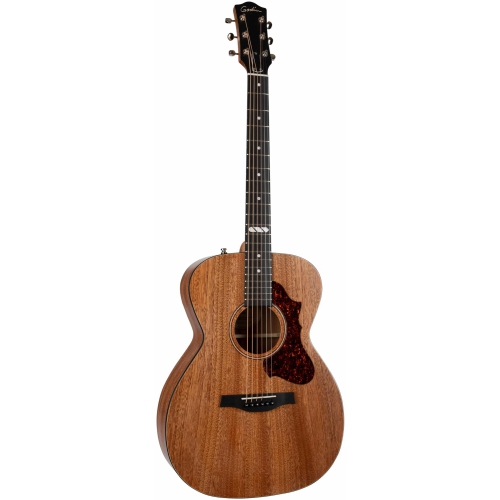
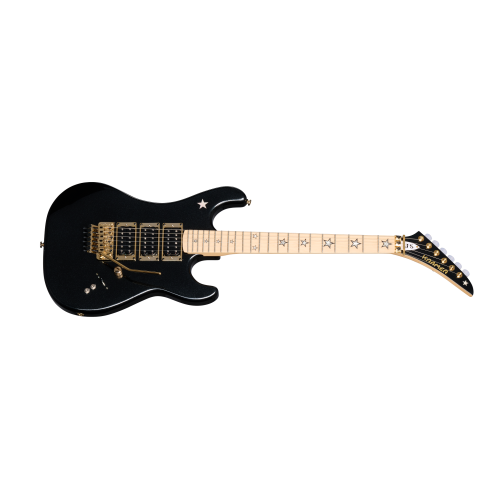
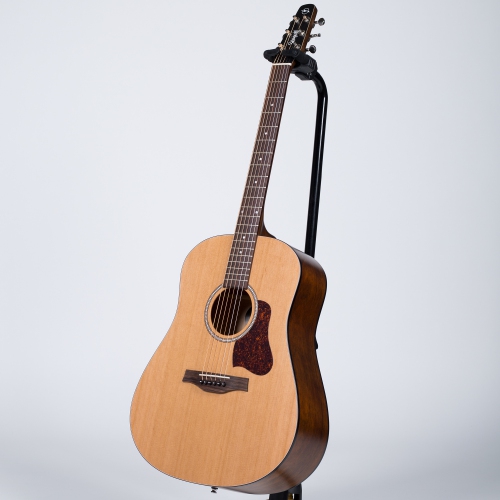


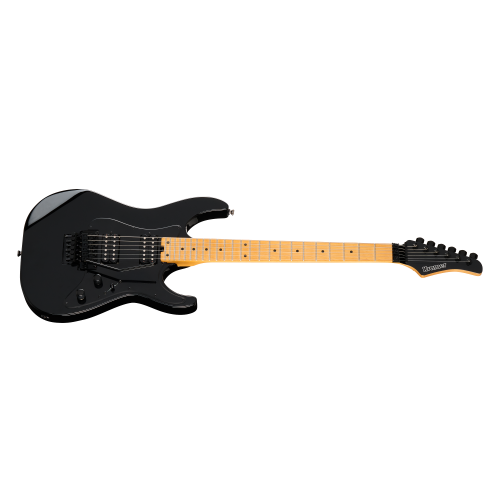
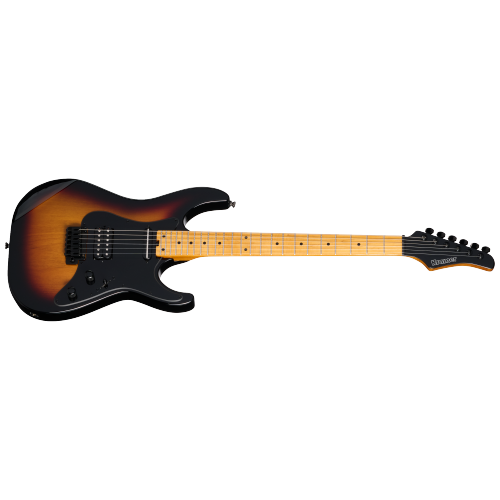



Thoughtful gear that fits their guitar and playing habits
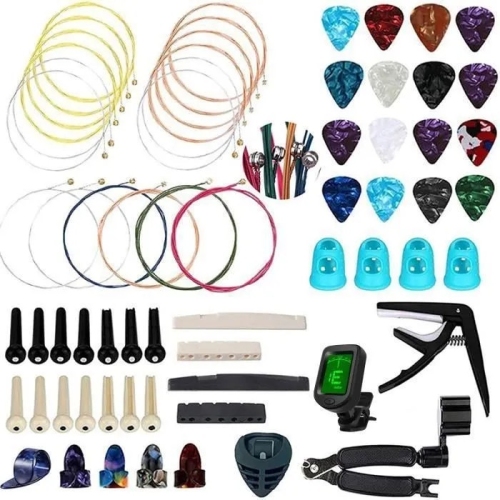
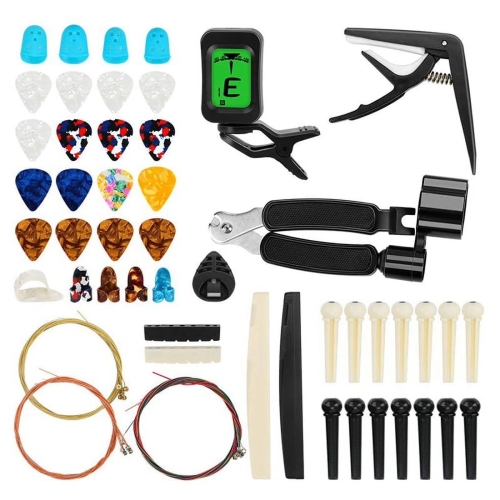
Guitar gifts can support almost every part of a player’s routine, from the first few chords at home to rehearsals, songwriting sessions, and live performances. Useful gift categories include picks, tuners, straps, capos, protective cases, and practice equipment, with the best fit depending on the recipient’s instrument and playing habits. Someone learning on a nylon-string classical guitar has different needs from a guitarist playing electric rhythm parts through an amplifier, so instrument compatibility matters more than how experienced a gift looks. Even familiar accessories can make a meaningful difference: a pick that feels secure between the fingers, a strap that sits comfortably across the shoulder, or a tuner that is easy to read can remove small frustrations from everyday playing. Picks come in materials such as nylon and celluloid, with thickness, texture, and shape affecting grip and response. Thinner picks tend to flex during strumming, while firmer picks offer a more direct feel for individual notes and articulate rhythm work. These are preferences rather than rules, making a selection of shapes and thicknesses useful for players still finding their touch. Straps also combine personal style with practical fit. Woven fabric, nylon, and leather options differ in surface feel, flexibility, and care requirements, while strap width and adjustment range influence how comfortably the instrument rests when standing. Attachment points need to suit the guitar, particularly on acoustic instruments that may not have two strap buttons. Capos are another compact gift category, allowing players to raise the pitch of open-string chord shapes without changing their fingering. Neck width, fingerboard curvature, and string type all affect capo fit; a design intended for a curved steel-string fingerboard may not suit a wider, flatter classical guitar. For gifts centred on these everyday essentials, Guitar Accessories Gifts brings the focus to the supporting gear that players handle regularly. Small accessories can be especially thoughtful when they reflect something specific about the recipient, such as a preference for fingerstyle playing, long standing rehearsals, or learning songs with frequent key changes.
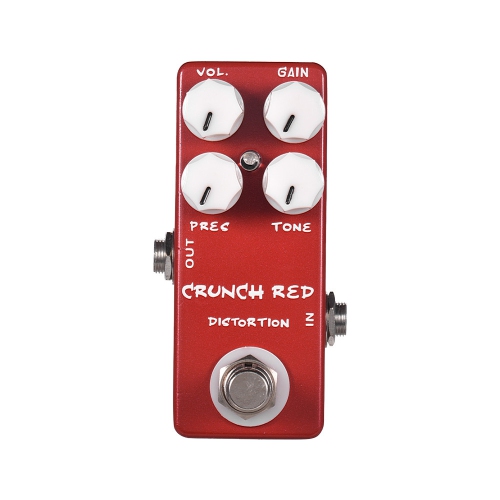
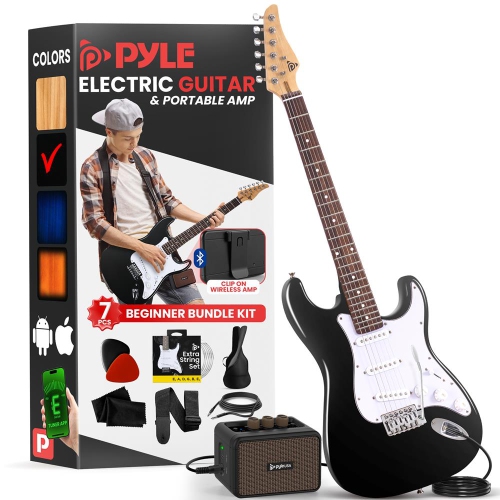
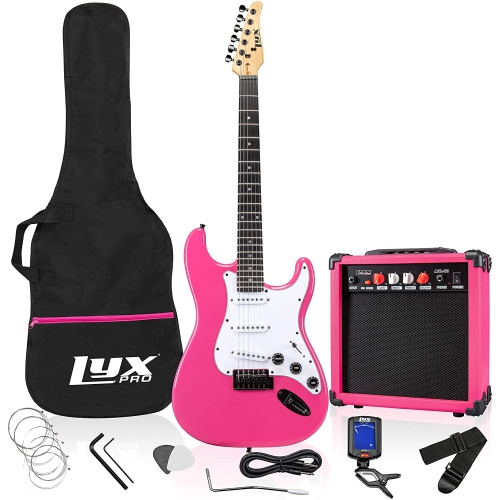
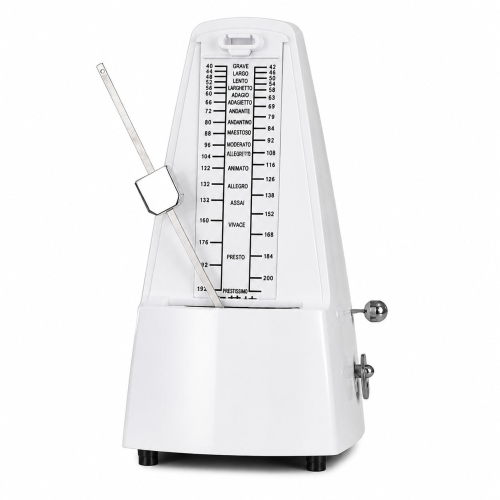
Practice and sound-shaping equipment suits guitarists who enjoy exploring how their instrument responds, whether that means hearing a clean chord clearly or building a layered electric sound. Compact guitar amplifiers can give electric players a dedicated setup for home practice, but size alone does not determine suitability. Straightforward controls, useful volume adjustment, compatible connections, and the sound character all contribute to how easily an amplifier fits into someone’s routine. For a player sharing a living space, an amplifier with a suitable headphone output can make practice less disruptive, although the strings themselves still produce some audible sound. Headphone guitar amplifiers offer another approach, provided their plug arrangement, power requirements, and headphone connection work with the intended instrument and listening equipment. Comfortable headphones matter during longer sessions: adjustable headbands, ear-cup cushioning, and a secure but gentle fit can be more useful than features unrelated to playing. Tuners support beginners and experienced musicians alike. Clip-on designs generally sense vibration through the instrument, while pedal tuners typically sit in an electric signal chain; display visibility and compatibility with the instrument’s tuning range are worthwhile distinctions. A metronome supports timing practice, helping a learner keep a chord progression steady or an experienced guitarist work carefully through a difficult passage. Effects pedals appeal to players interested in textures such as overdrive, delay, or reverb, but they belong within a larger setup rather than functioning as stand-alone instruments. Matching power specifications, suitable instrument cables, and the correct connections are essential, and not every pedal includes everything needed to connect it. For someone who writes songs or captures practice sessions, an audio interface with an instrument input can connect a guitar to compatible software. Device compatibility, operating-system support, and monitoring options deserve attention before this type of gift becomes part of a home setup. These categories are particularly relevant for recipients who already have a guitar they enjoy and want more ways to practise, experiment, or share their playing.
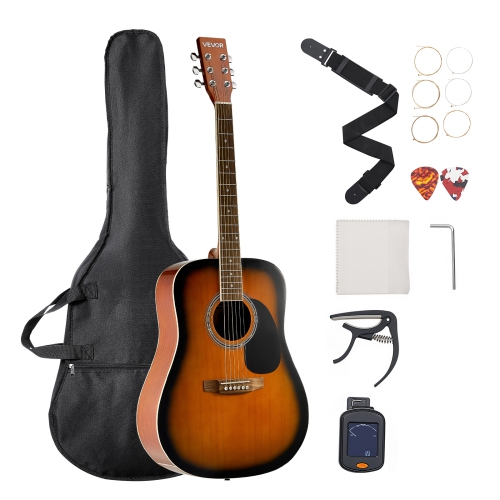
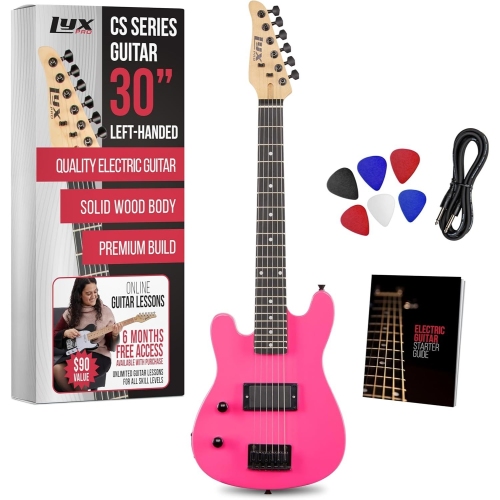
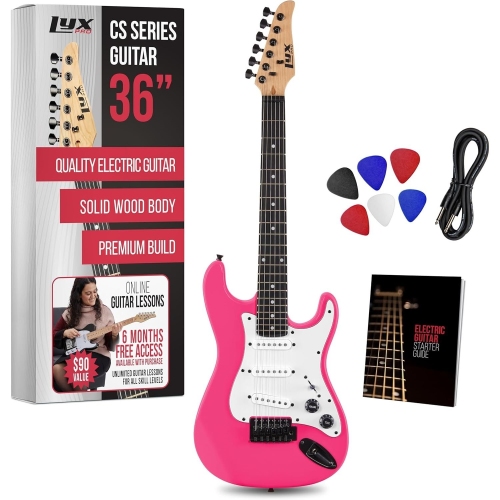
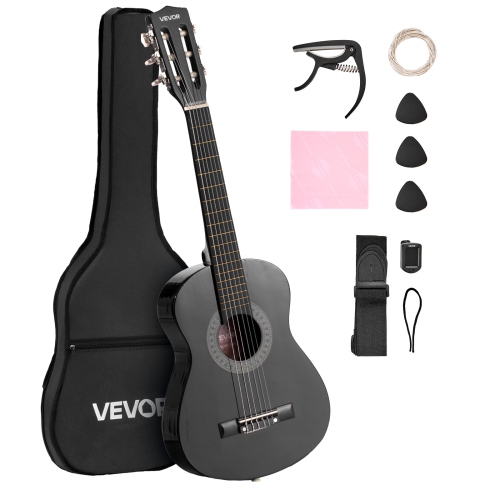
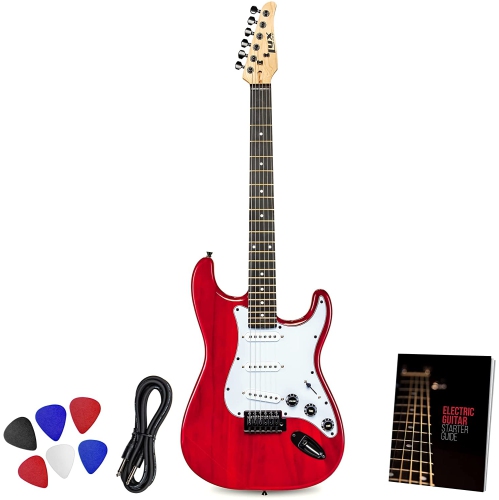
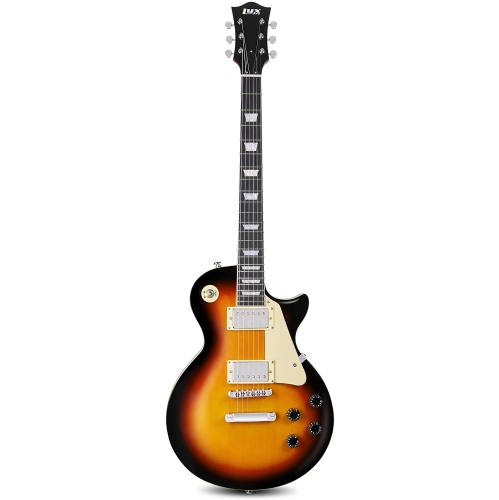
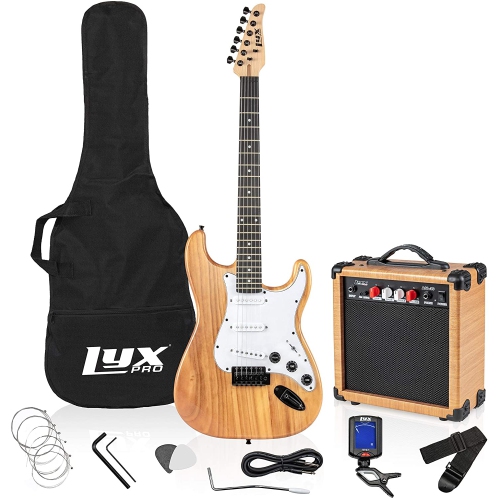
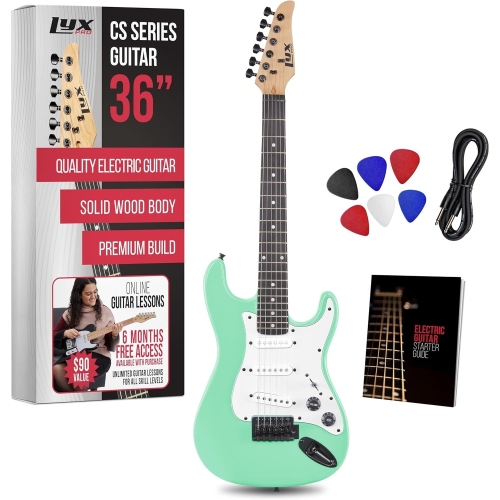
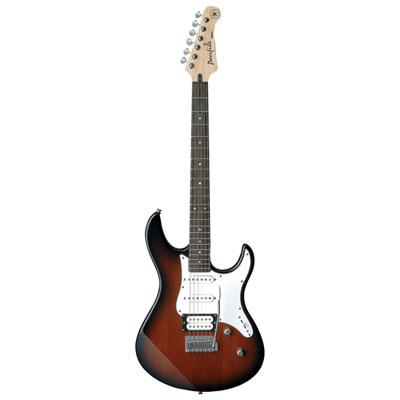
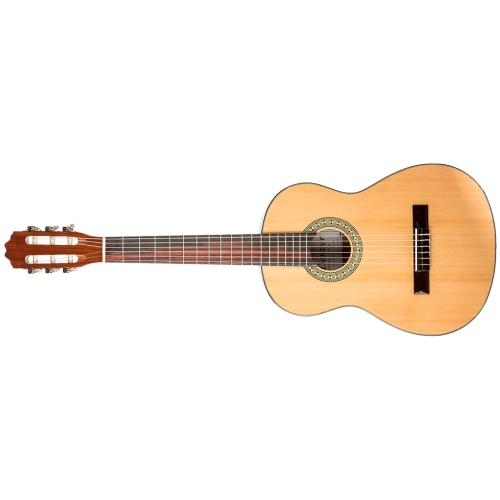
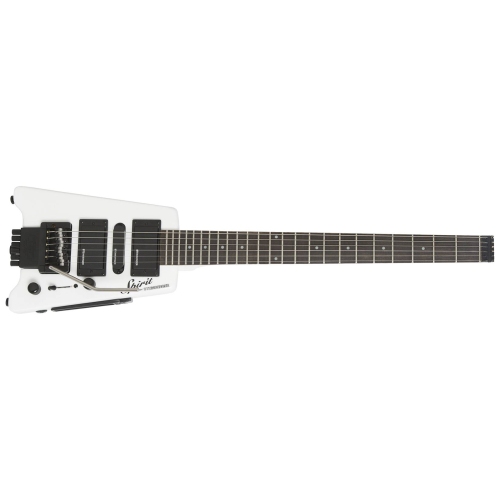
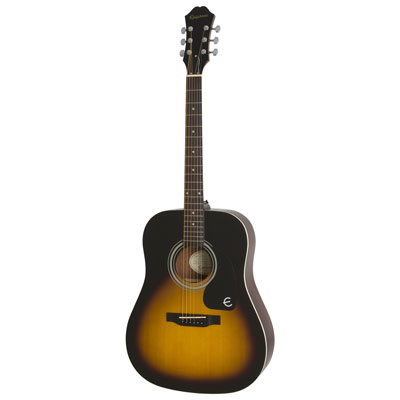
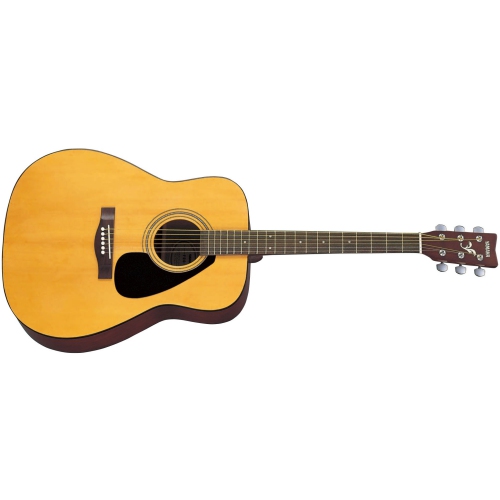
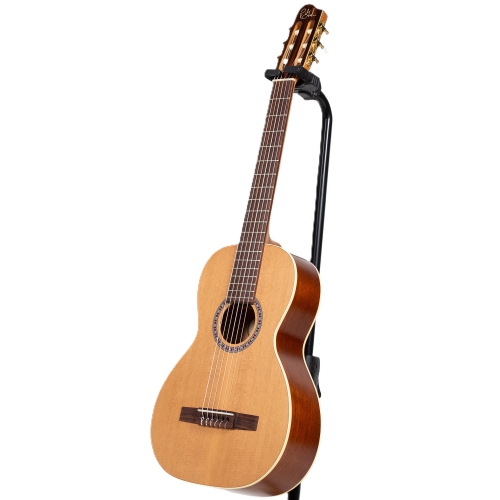
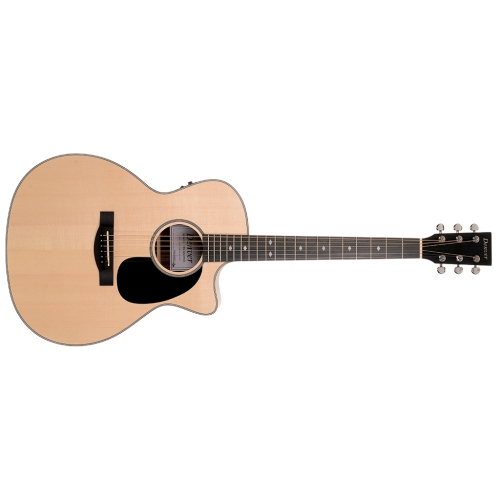
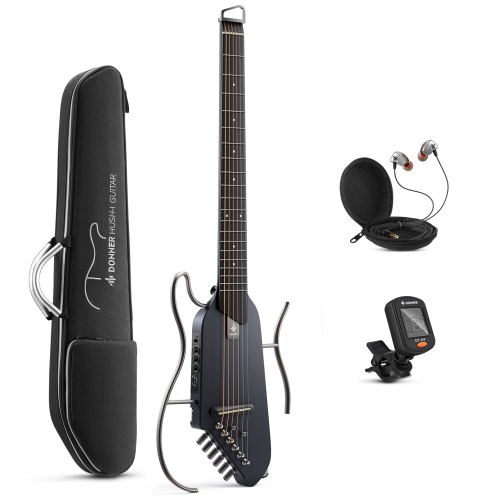
Protective and care-related guitar gifts support the less visible side of musicianship: keeping an instrument secure between sessions, carrying it comfortably, and maintaining the surfaces and components touched every day. A padded gig bag can be convenient for trips to lessons or rehearsals, while a rigid case generally offers greater resistance to knocks and pressure. Neither is universally sized. Body shape, overall length, depth, and headstock clearance need to match the instrument, and a close fit should support the guitar without forcing it into place. Reinforced handles, dependable zippers or latches, and comfortable carrying straps are useful durability details for anyone who transports a guitar regularly. Stands provide an accessible resting place during practice, but their supports must suit the instrument’s shape and finish. Some guitar finishes can react with certain contact materials, so manufacturer guidance matters even when the padding feels soft. Wall hangers also require suitable mounting hardware and a secure installation appropriate to the wall construction. Care accessories should be matched just as carefully. A soft cloth can help remove fingerprints after playing, while cleaning or conditioning treatments must be appropriate for the particular finish or unfinished surface; one treatment is not suitable for every part of every guitar. Replacement strings are practical gifts when the recipient’s preferred type and gauge are known. Nylon-string and steel-string instruments require different strings, and changes in gauge can affect tension, feel, and setup. When the gift is a guitar itself, body dimensions, neck feel, playing position, and the recipient’s musical interests take priority over appearance alone. A smaller-bodied instrument may feel more manageable to some players, but comfort depends on the individual rather than age alone. Birthdays, graduations, and milestones such as a first performance are natural occasions for guitar gifts, from modest everyday accessories to equipment supporting a new musical interest. The most personal choices fit into real moments: carrying a guitar to a lesson, settling into a favourite chair to practise, or stepping into rehearsal with gear that feels familiar and dependable.
Top selling and popular products
-
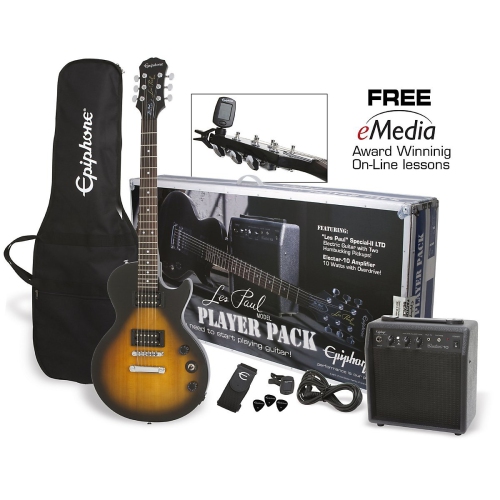 Your price for this item is $494.49
-
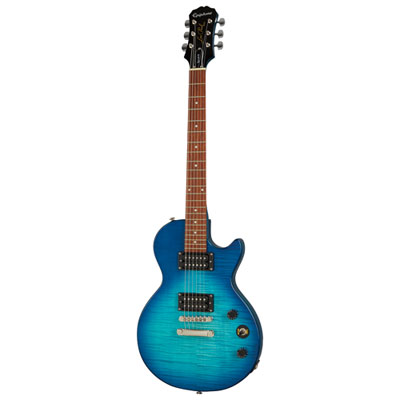 Your price for this item is $379.99
-
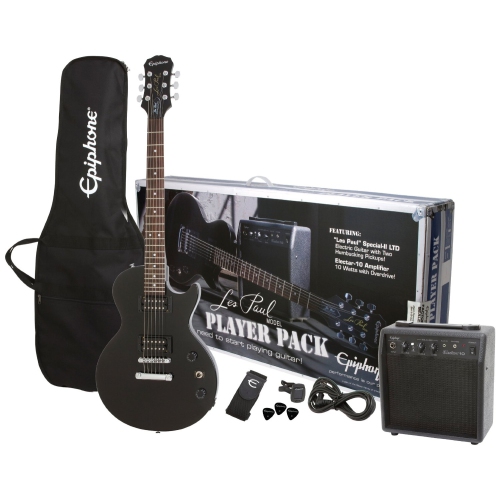 Your price for this item is $494.49
-
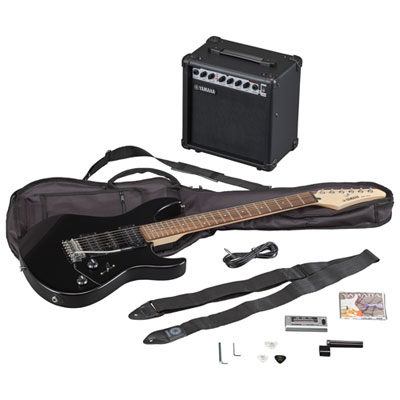 Your price for this item is $349.99
-
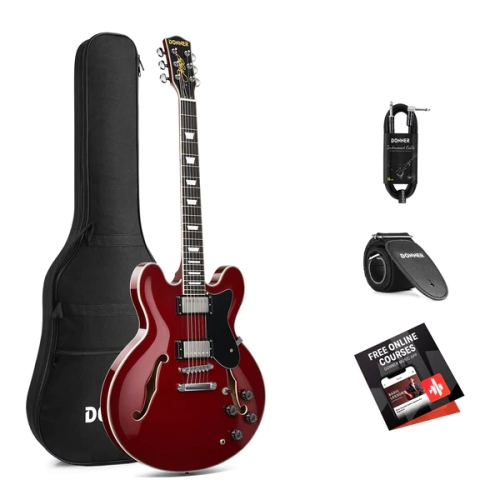 Your price for this item is $389.99
-
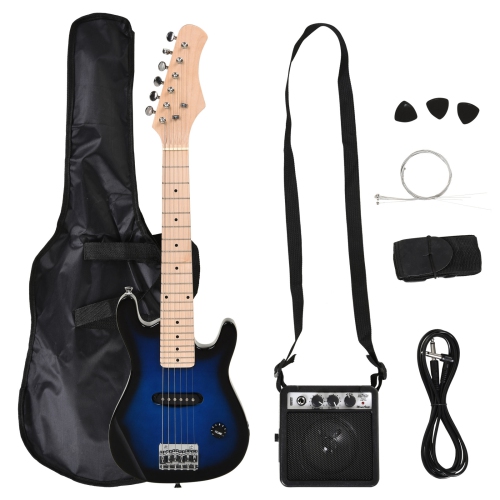 Your price for this item is $129.99
-
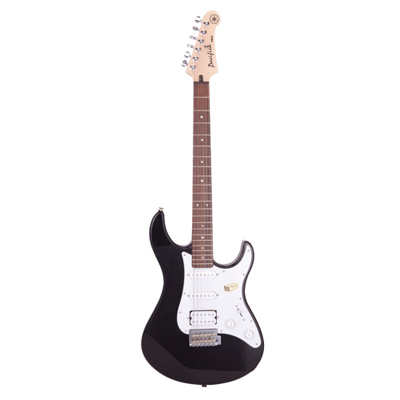 Your price for this item is $299.99
-
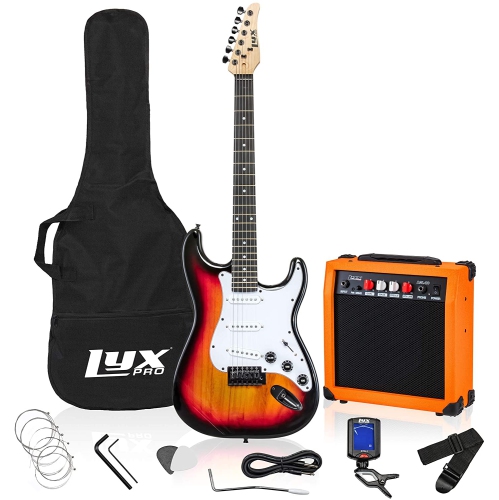 Your price for this item is $239.99
Discover more categories related to Guitar Gifts

Top Collections:
Pokemon Centers, Kindle Devices, Best Cameras for Sports Photography, Pokémon 30th Celebration Cards, Canon G7X Cameras, Samsung Galaxy Phones, iPhone 15 Apple, Best Black Friday Deals On Electronics, Jackery Power Stations, Solar Generators for Home
Some products may be subject to Environmental Handling Fees
(EHF) depending on your province.
Learn more about EHFs.